African American
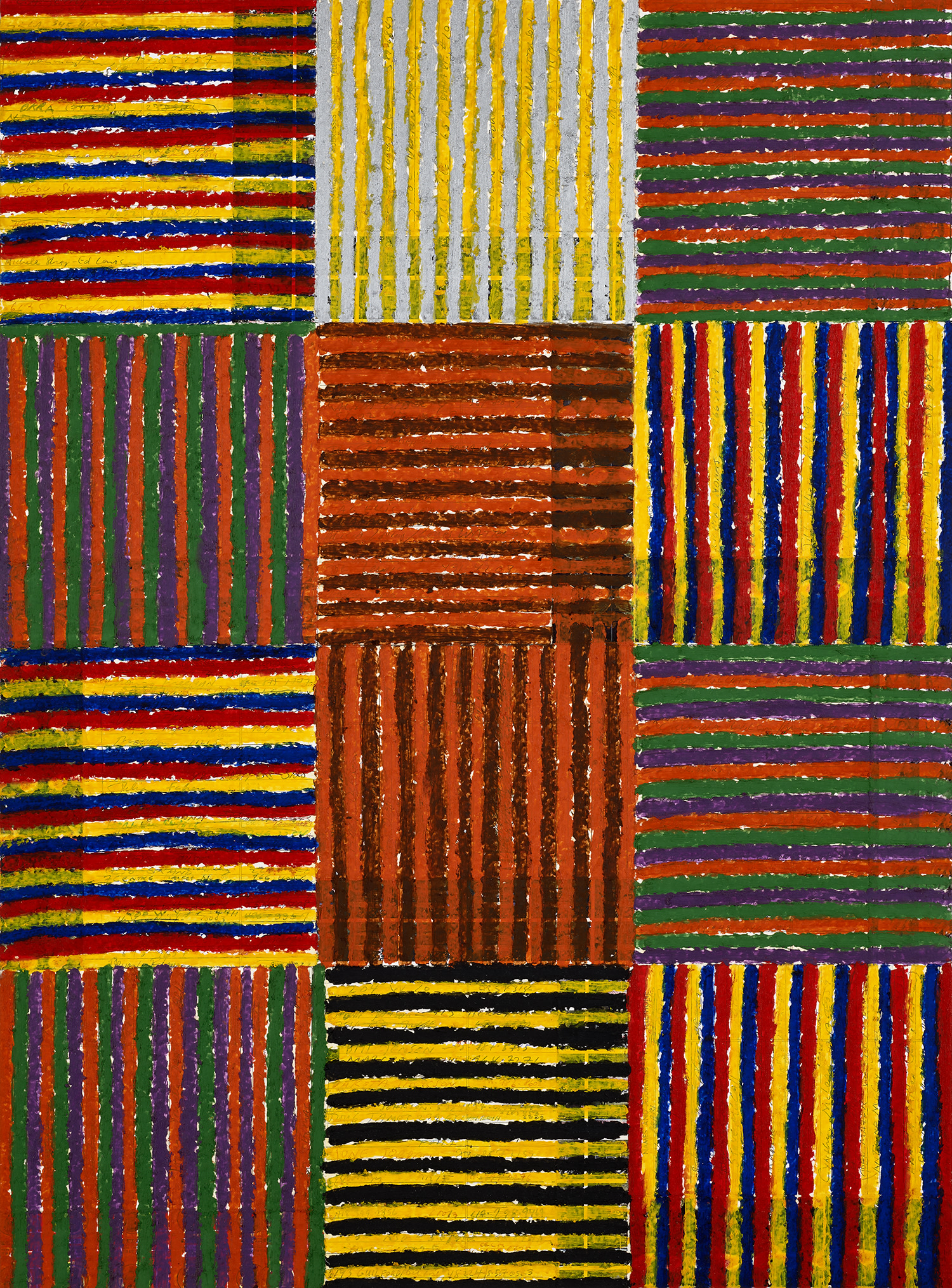
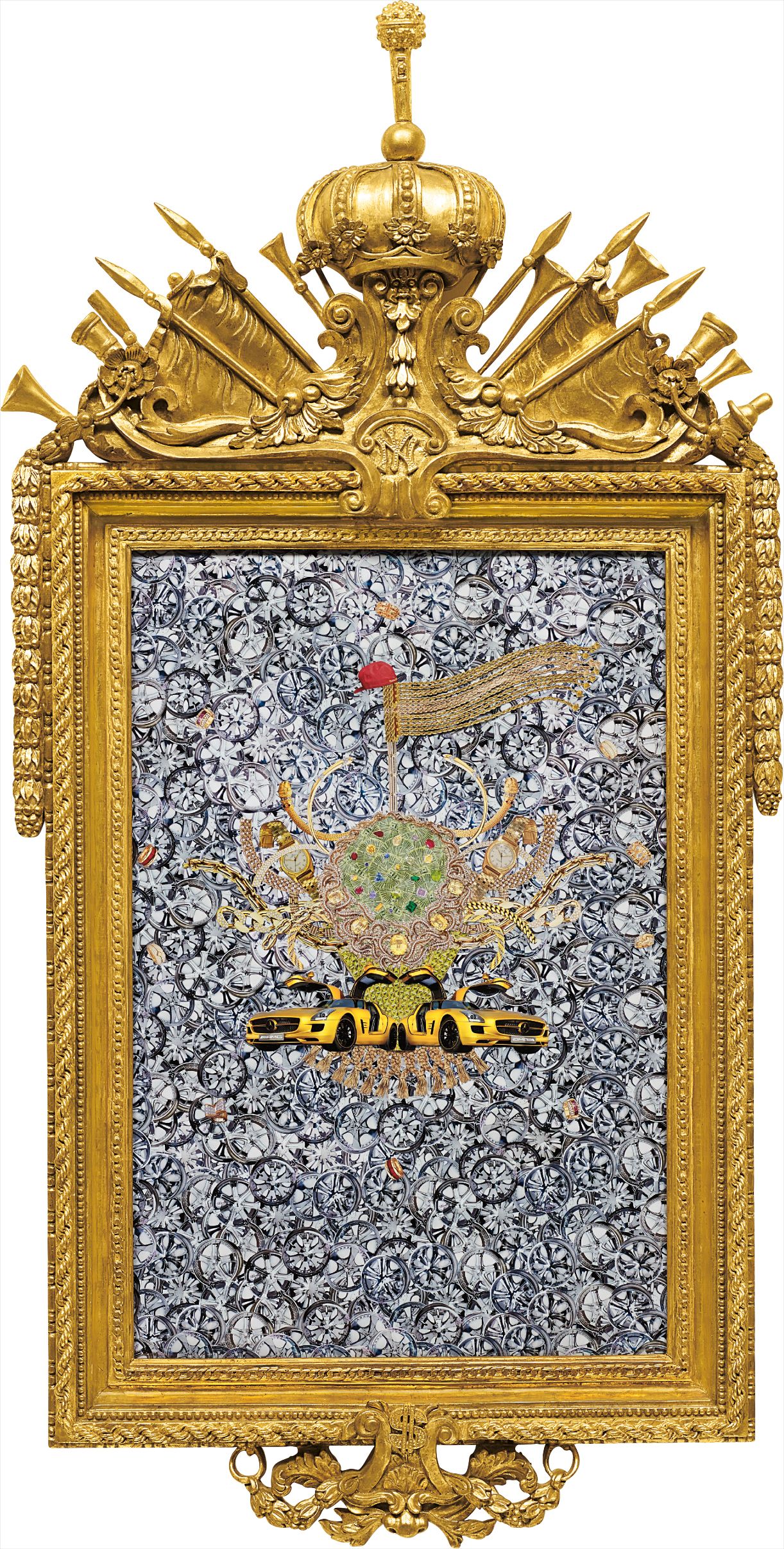
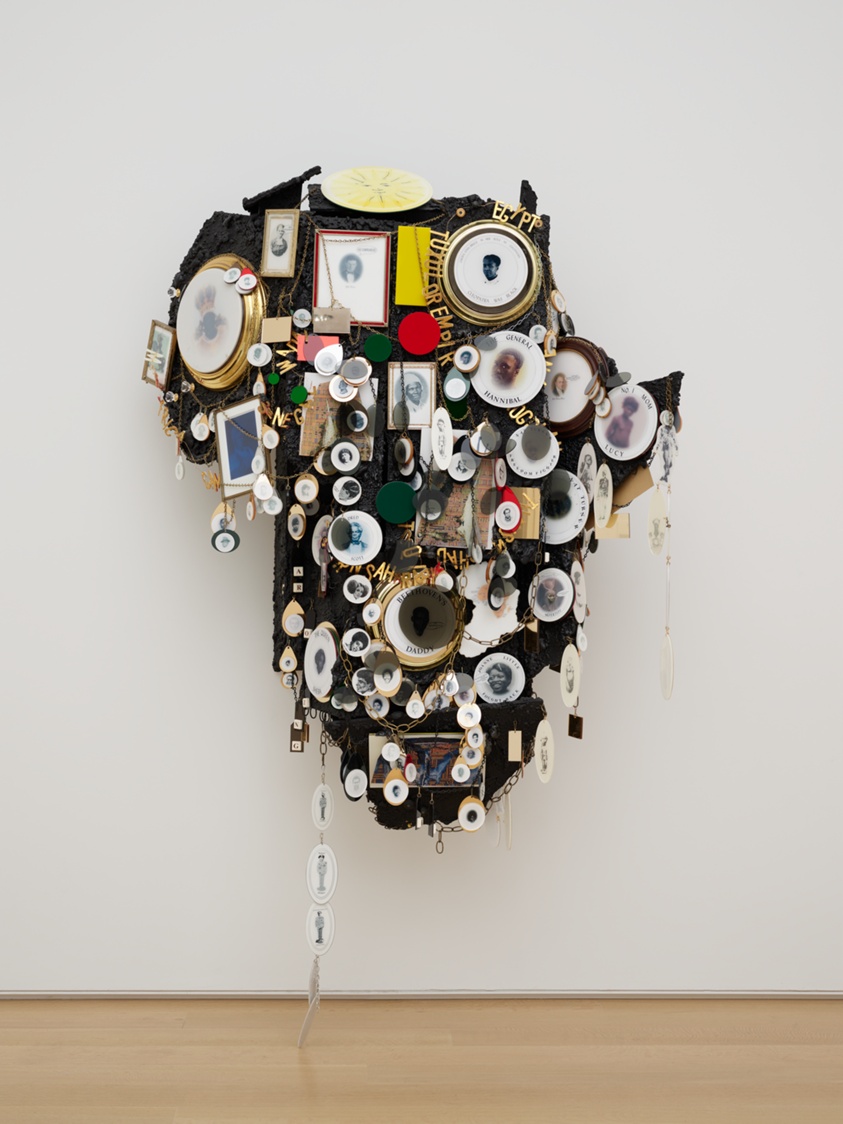
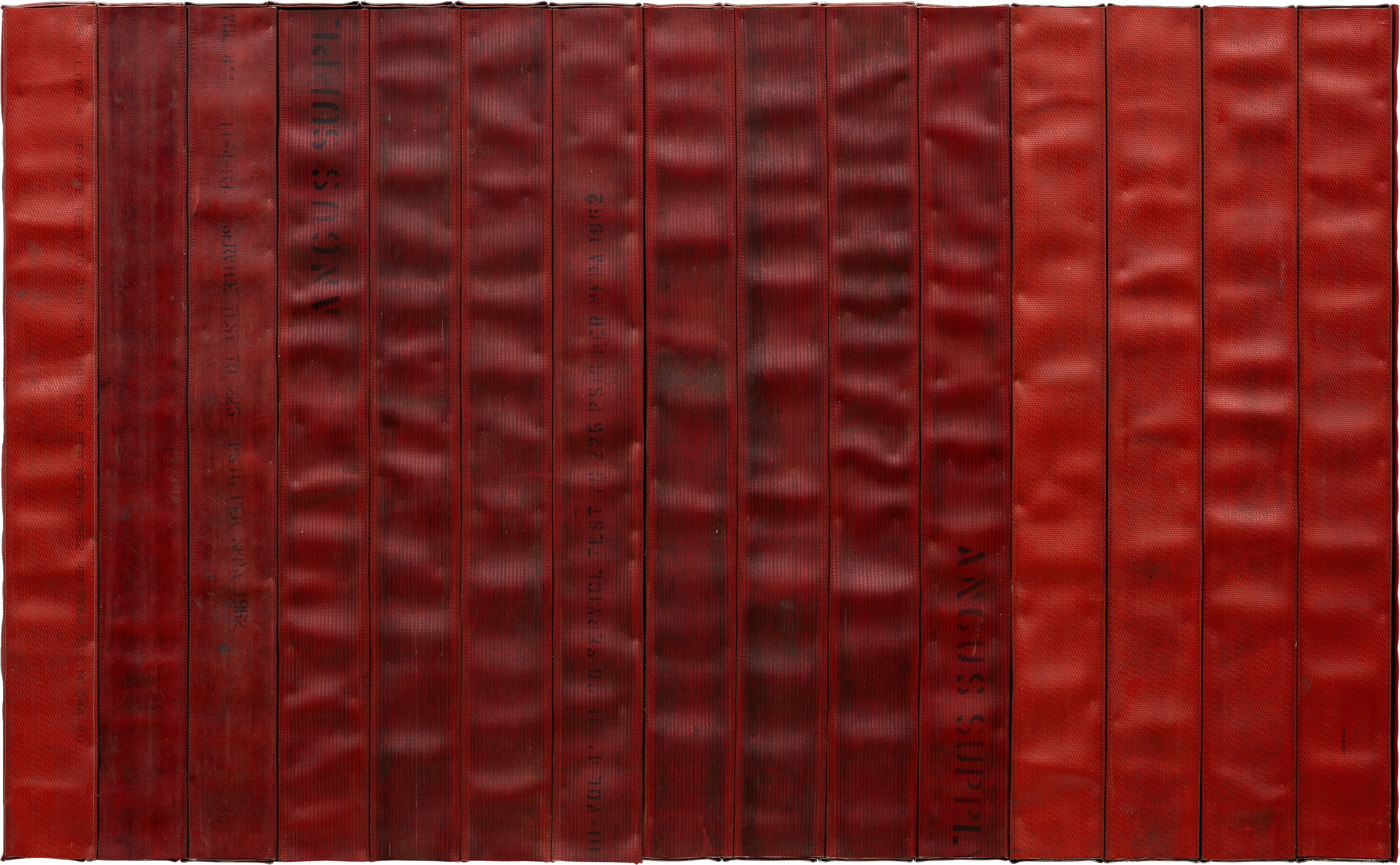
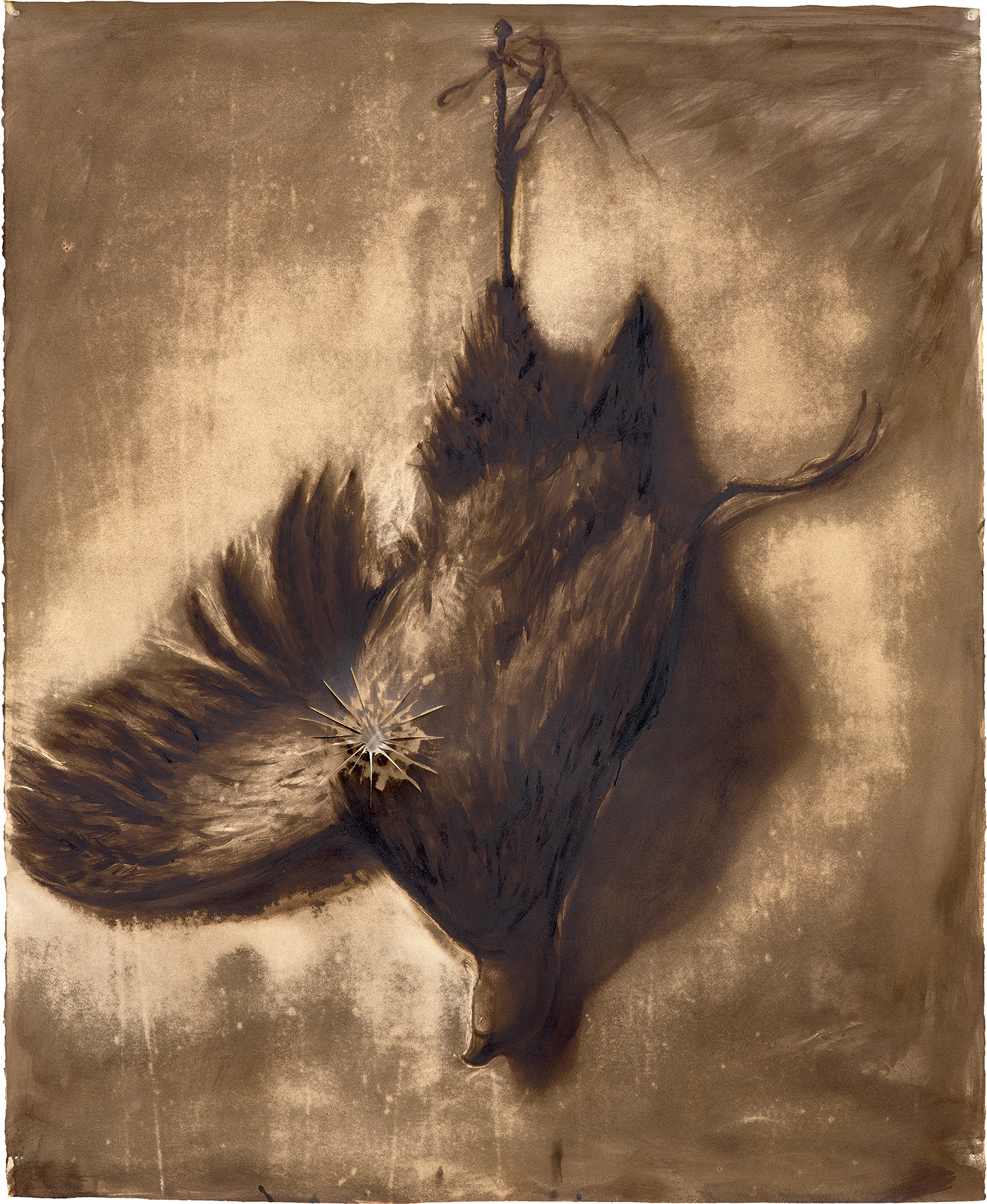
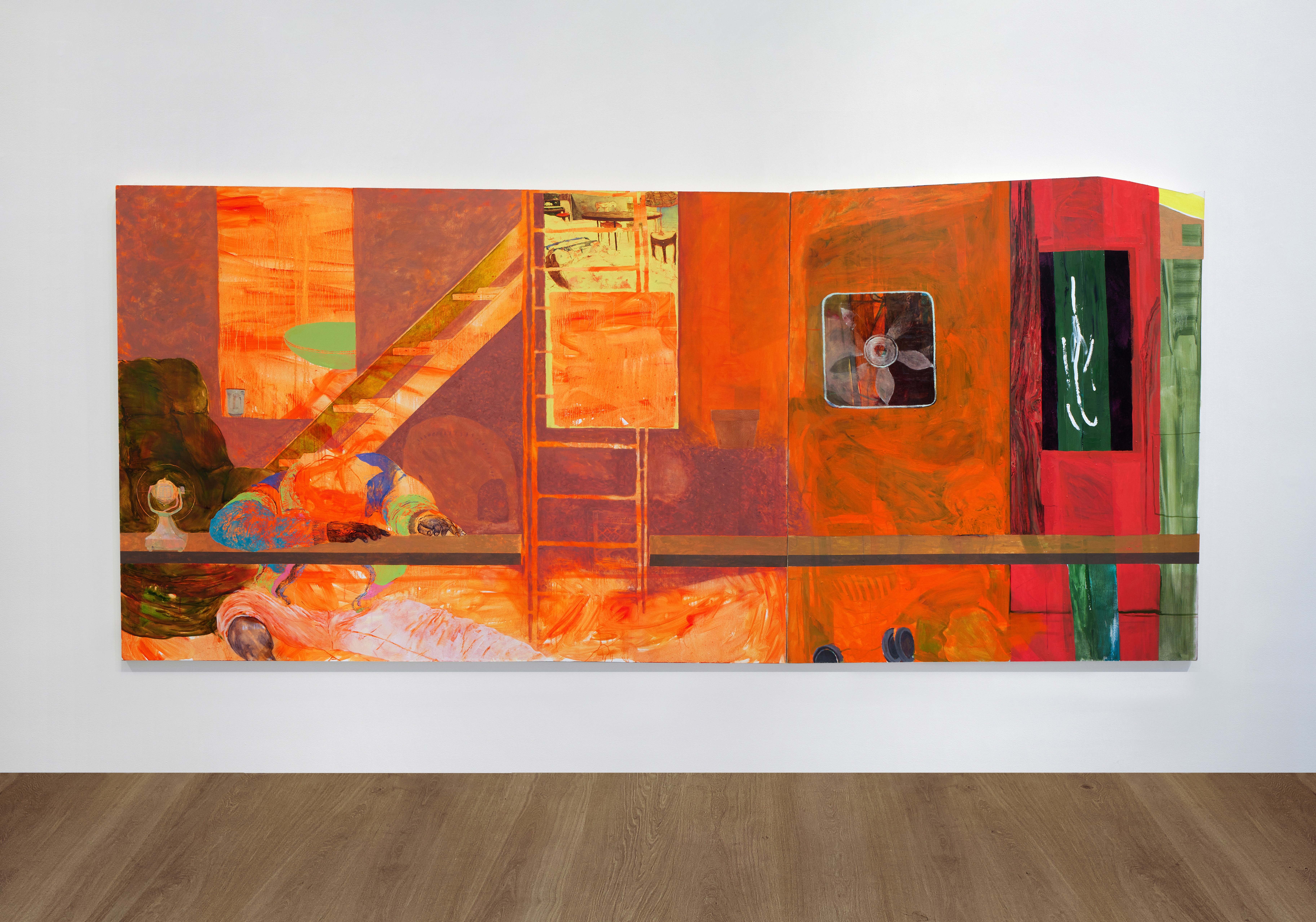
McArthur Binion
Self:Portrait VI, 2005
The Art That Refused to Be Invisible
There is a line that runs through more than a century of American art history, a line made not of ink or paint but of persistence. African American artists have continuously asserted the fullness of Black life, beauty, grief, joy, and aspiration against cultural forces designed to render those experiences marginal or invisible. What makes this tradition so vital is not just its resistance but its ambition. These artists were not simply responding to exclusion.
They were building a visual world of their own terms. The story has roots that stretch back well before the twentieth century, but it was the Great Migration, beginning around 1910 and accelerating through the 1920s, that reshaped the cultural geography of Black American life and, with it, Black American art. As millions of people moved from the rural South to cities like New York, Chicago, and Philadelphia, they carried with them a culture that was about to transform. Harlem became an intellectual and artistic crucible.
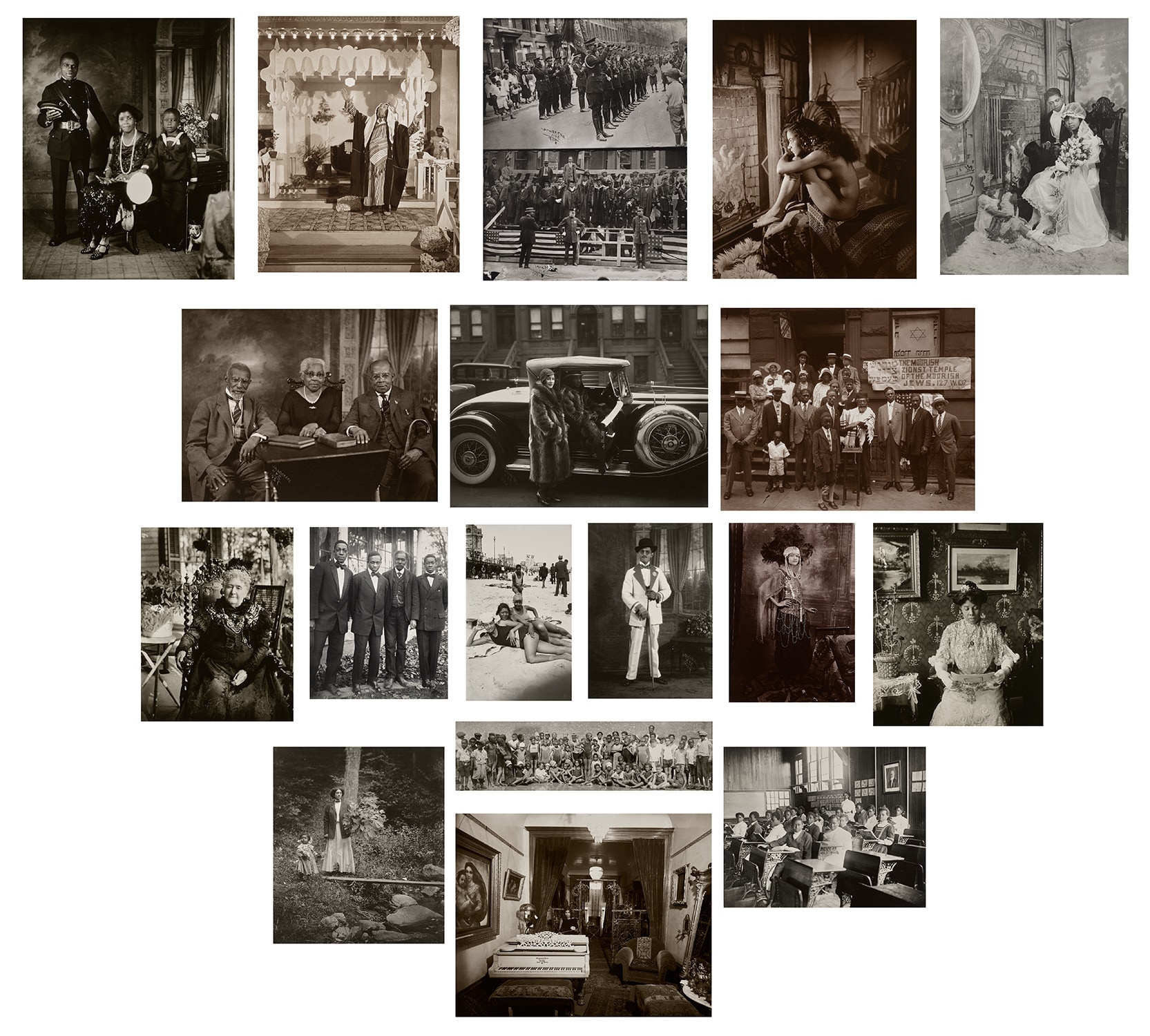
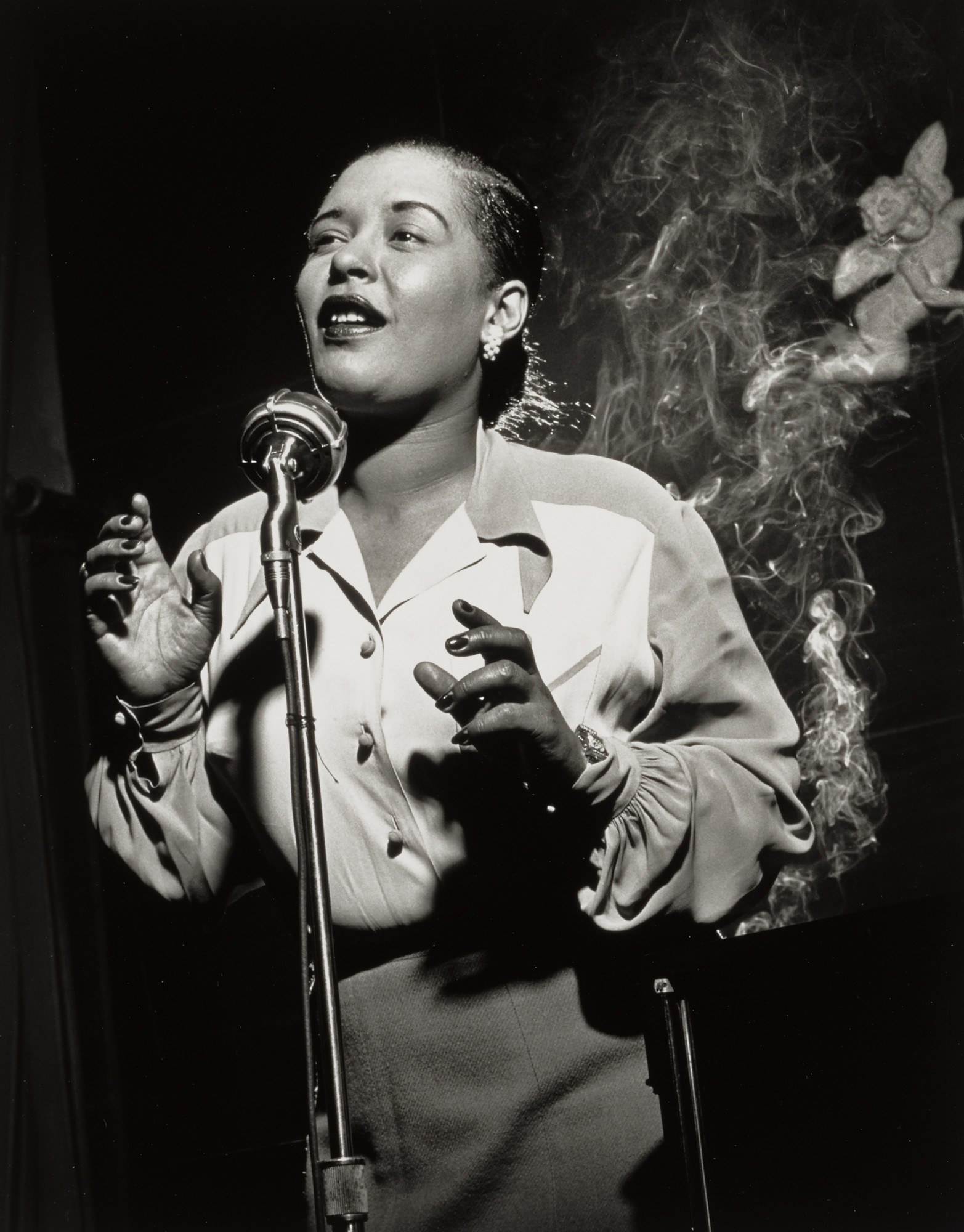
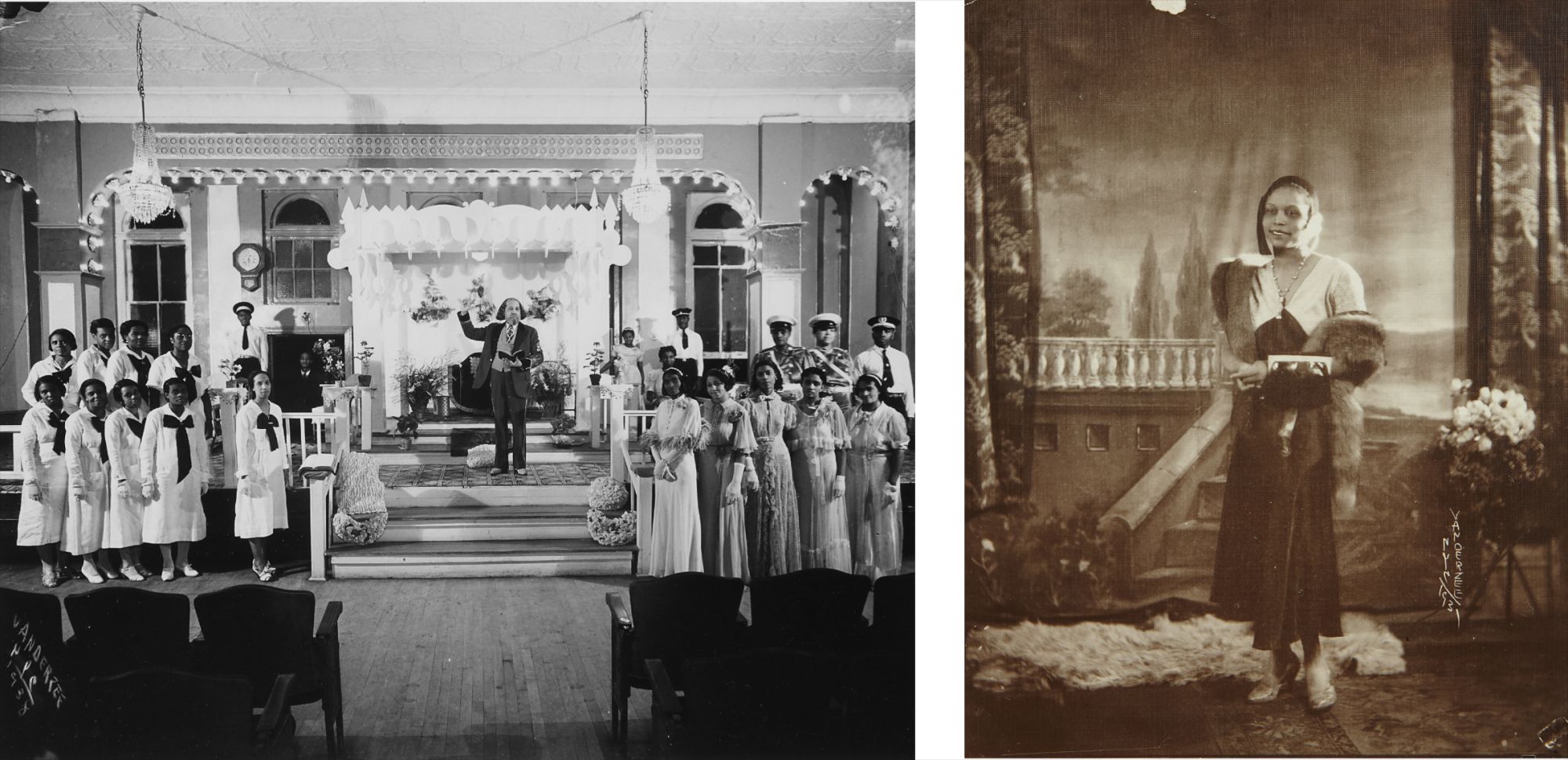
James Van Der Zee
Eighteen Photographs
The period we now call the Harlem Renaissance produced writers, musicians, and visual artists who insisted on the dignity and complexity of African American identity at a moment when American institutions largely refused to see it. Photographer James Van Der Zee documented that Harlem world with extraordinary care. His studio portraits from the 1920s and 1930s capture a community dressed in its finest, composed and self possessed, projecting an image of Black bourgeois life that countered the degrading stereotypes circulating in mainstream American media. Van Der Zee's work, well represented on The Collection, reads today not just as historical document but as an act of portraiture as affirmation.
Around the same time, printmaker and painter Charles White was developing a figurative practice rooted in social realism, depicting Black workers and activists with monumental dignity. White's influence would ripple through generations of artists who followed him. The mid twentieth century brought both the violence of Jim Crow and the collective courage of the Civil Rights movement, and the art world registered that seismic pressure. Romare Bearden, whose work features prominently on The Collection, synthesized jazz, African American vernacular culture, and modernist collage into something entirely his own.
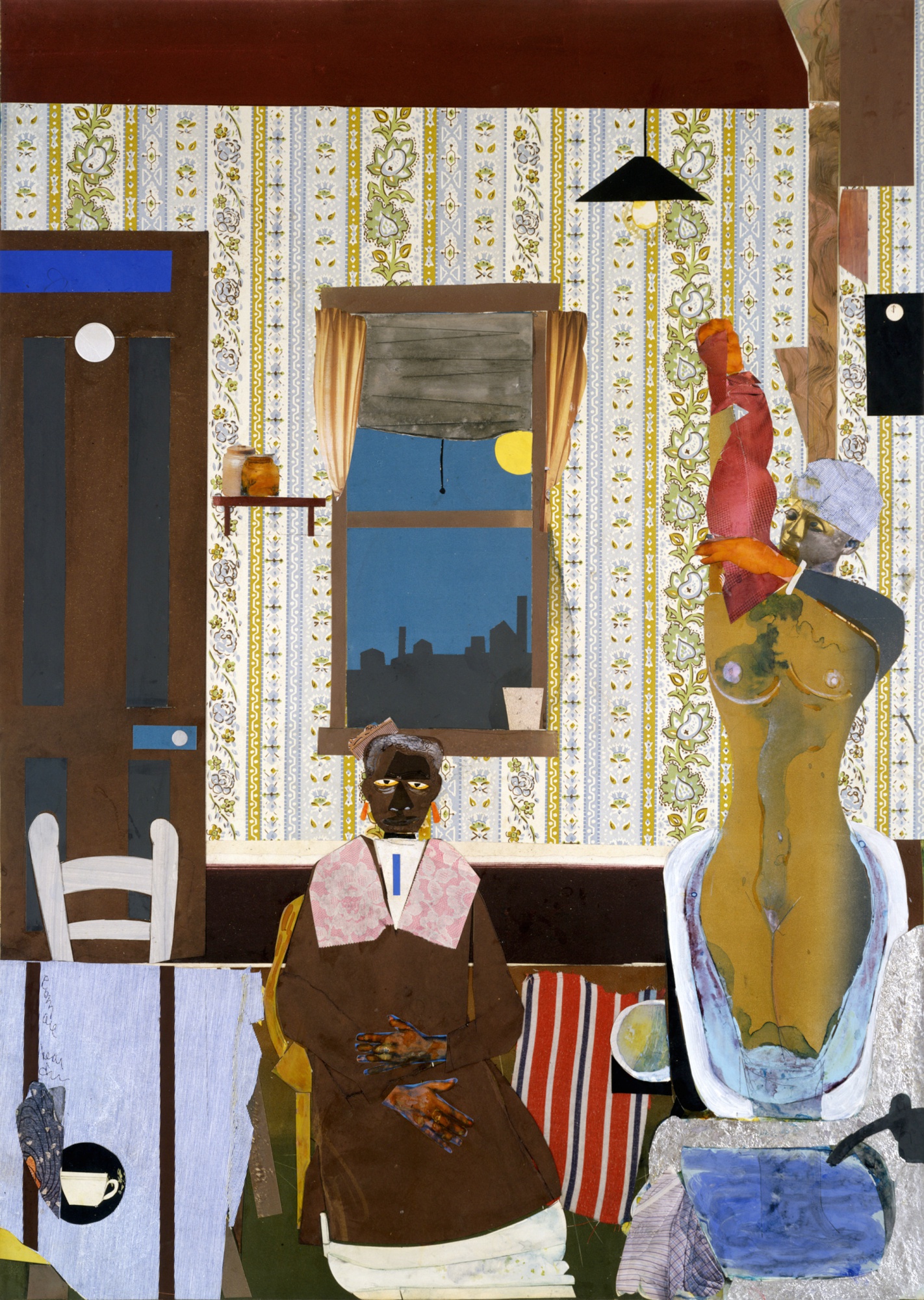
Romare Bearden
Profile/Part II: The Thirties, Susannah in Harlem, 1980
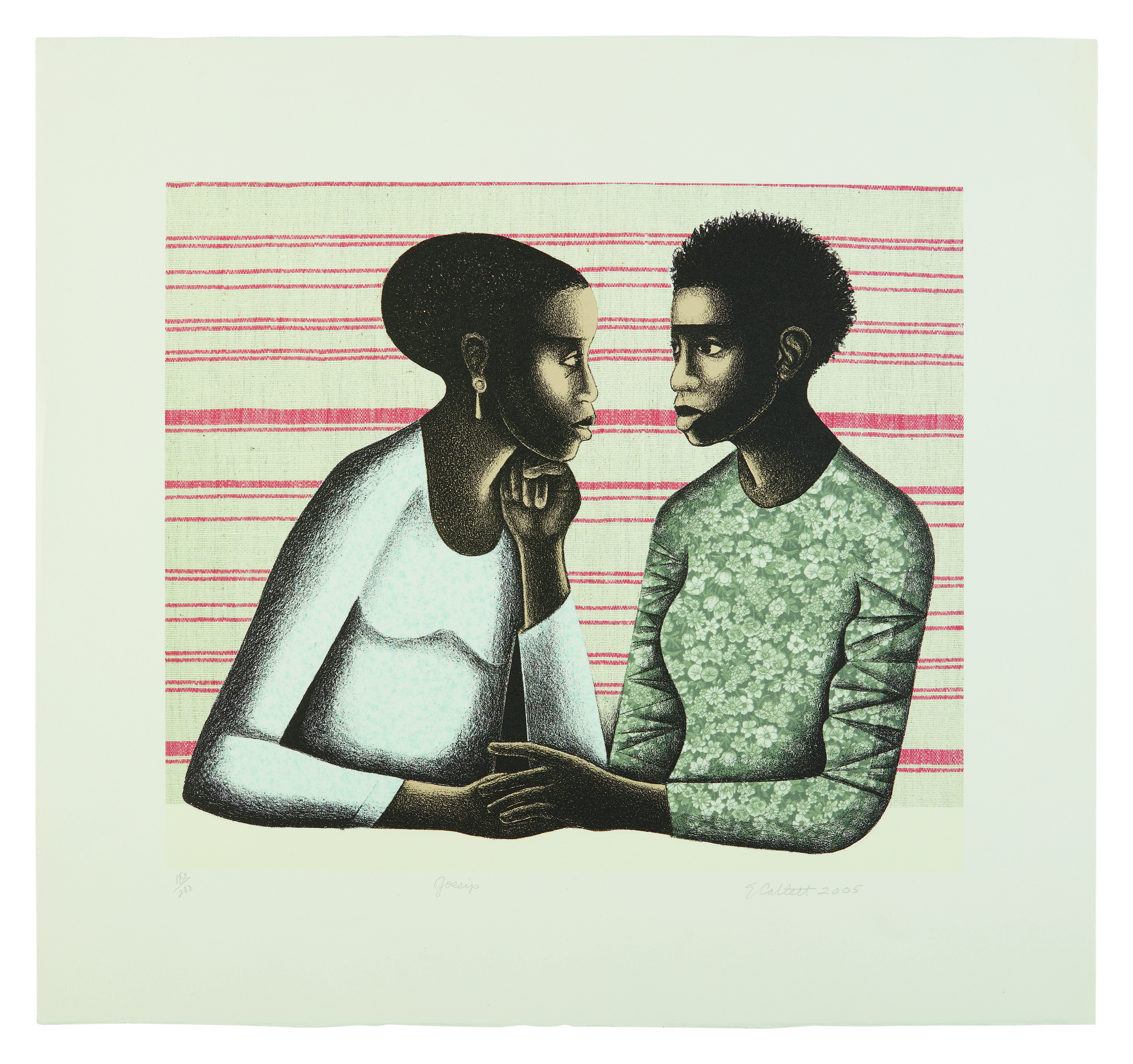
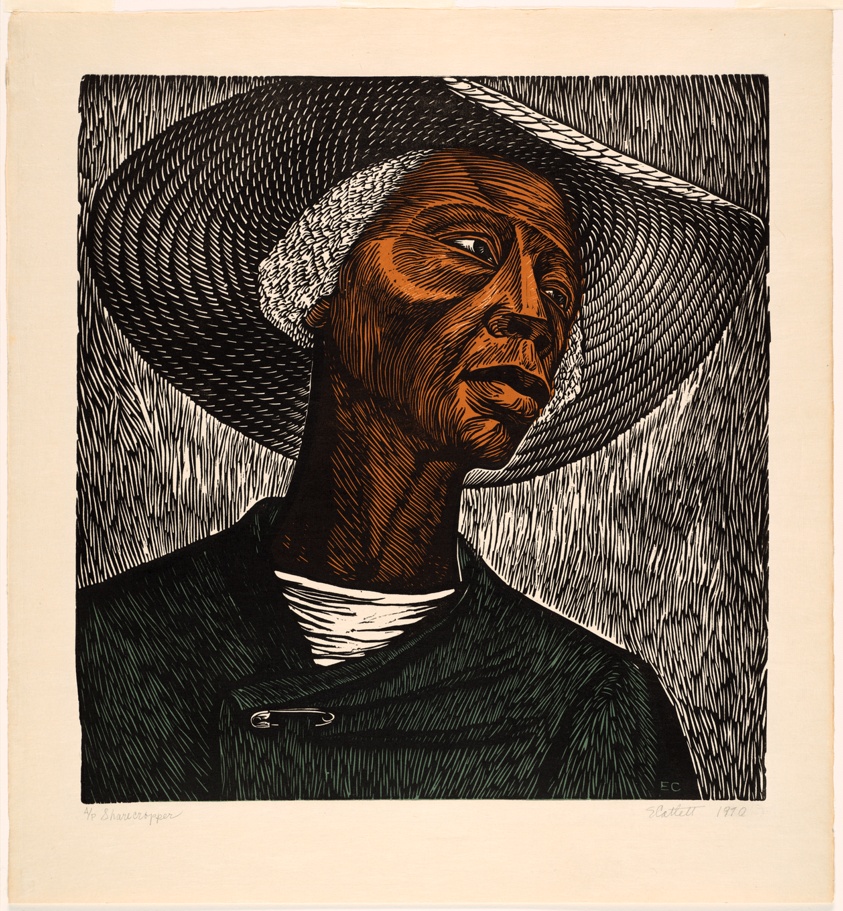
His photomontages from the 1960s onward, dense with fragmented figures and saturated color, felt like visual jazz, compositions built from rupture and reassembly. Bearden understood that the African American experience was itself a collage, made from African heritage, Southern memory, Northern ambition, and the constant negotiation of identity under pressure. Elizabeth Catlett, working in sculpture and printmaking, brought a sharp political consciousness to images of Black women that were both tender and defiant. The late 1960s and 1970s saw Black artists increasingly critical of mainstream institutions that had long excluded them.
The 1969 exhibition "Harlem on My Mind" at the Metropolitan Museum of Art was a flashpoint, celebrated by some and criticized by many Black artists who felt they had been documented rather than given agency. That tension between representation and self determination became a defining theme. David Hammons emerged during this period as one of the most radical voices in American art, making work that used the body, found objects, and street culture as both material and conceptual framework. Alma Thomas, who did not receive her first solo museum show until she was in her late seventies, painted luminous color field canvases that were later recognized as major contributions to American abstraction.
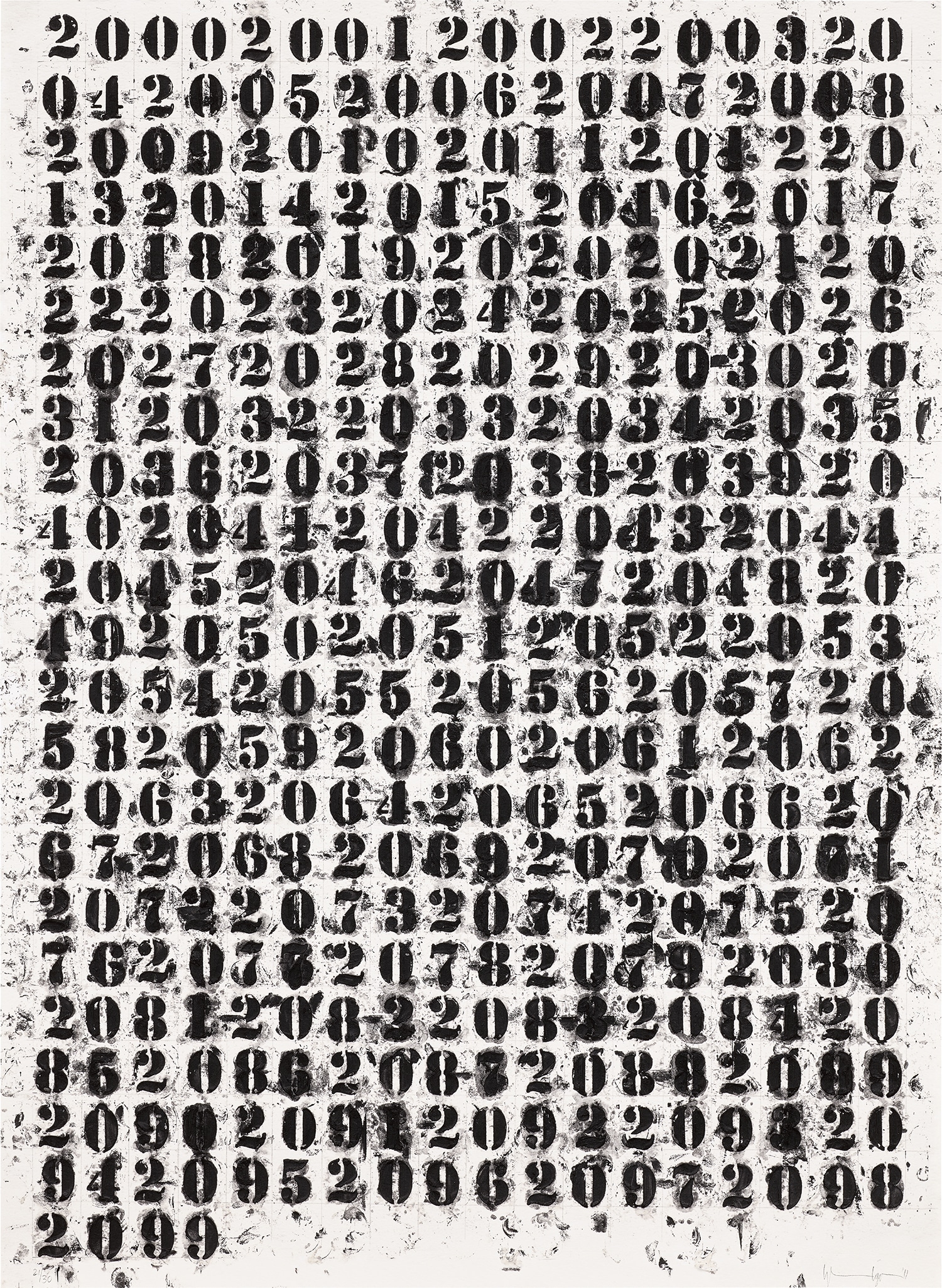
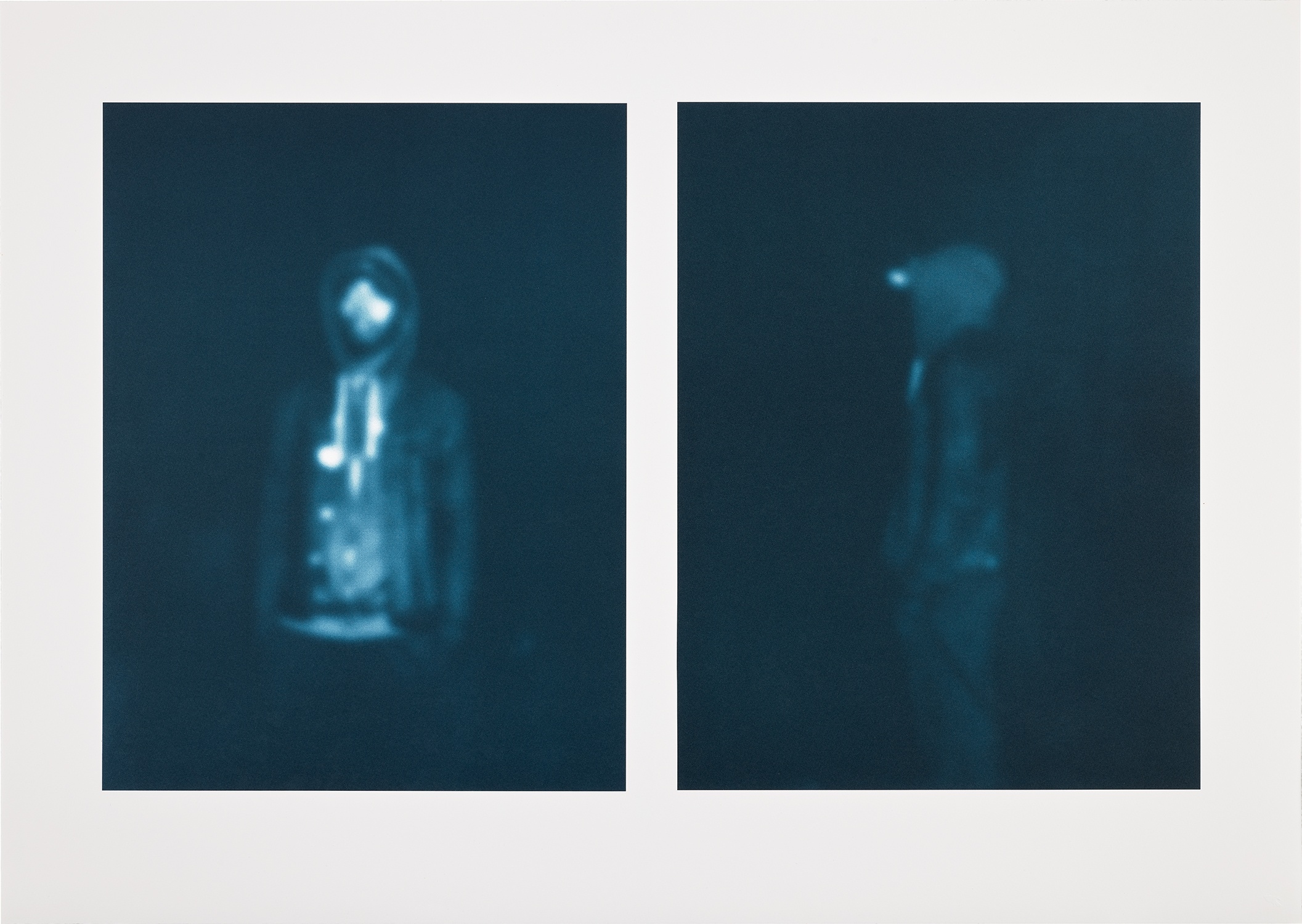
Glenn Ligon
Glenn Ligon
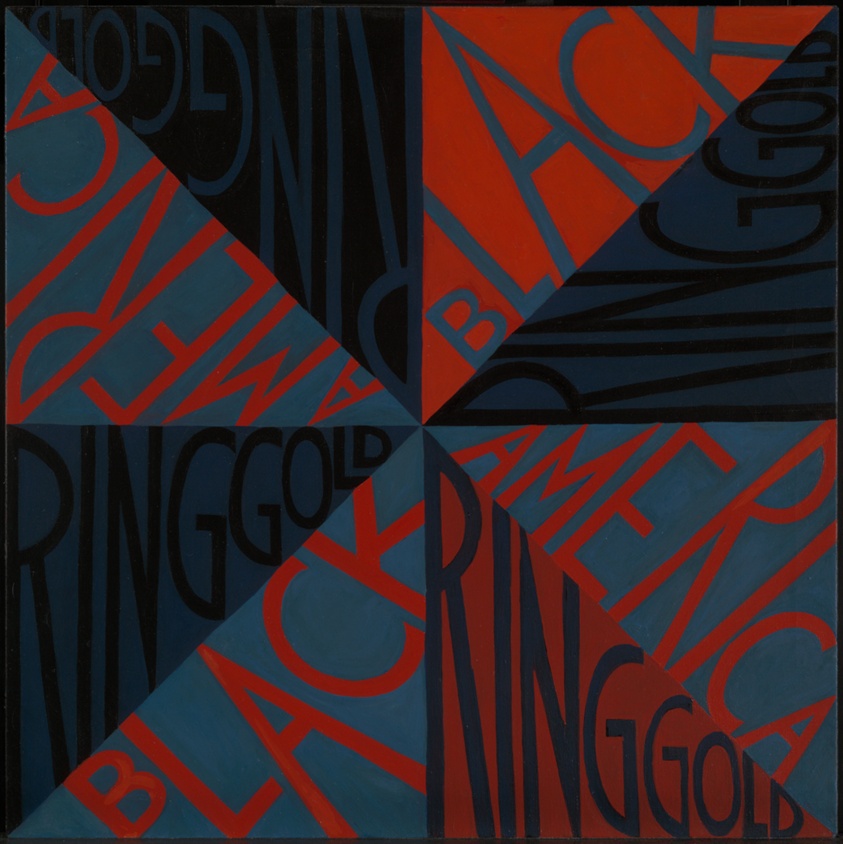
The 1980s and 1990s brought a generation of artists who came of age with both the expansions won by the Civil Rights era and the new crises of the crack epidemic, the AIDS crisis, and mass incarceration. Faith Ringgold's story quilts married the domestic craft tradition of African American women to narrative painting, creating works that were simultaneously intimate and politically charged. Glenn Ligon began interrogating language itself, stenciling James Baldwin's words onto canvas in ways that made familiar text strange and newly legible. Carrie Mae Weems, whose photographs are among the most important American art works of the past four decades, explored Black identity, family, and history with a precision that never collapsed into simplicity.
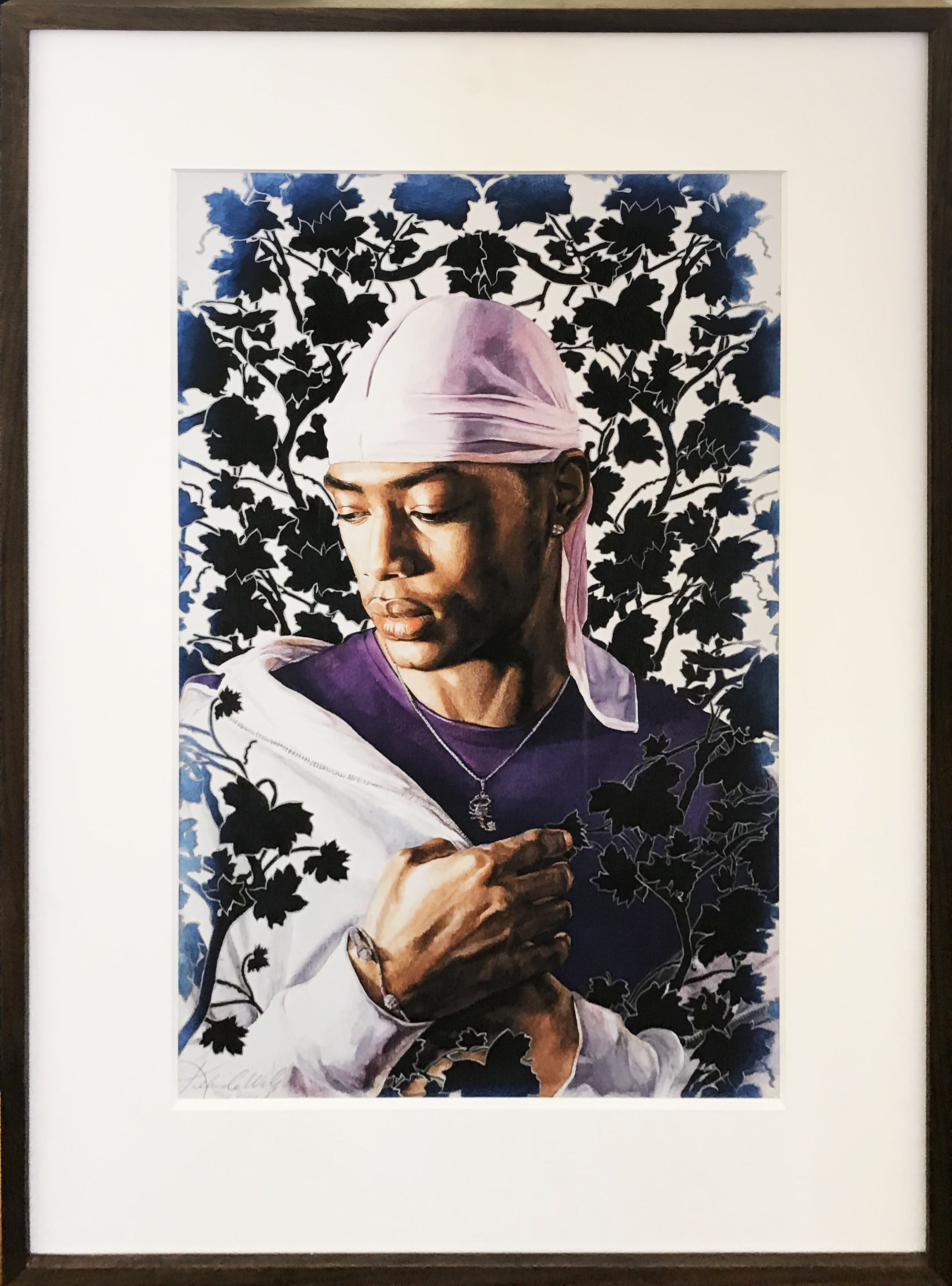
Her Kitchen Table Series from 1990 remains one of the most sophisticated examinations of Black womanhood in the medium. Kerry James Marshall declared in the 1990s and 2000s that Black figures needed to occupy the history of painting not as exception but as norm. His densely worked canvases, filled with Black subjects rendered in deep, uncompromising darkness, intervened directly in the Western canon. Kehinde Wiley took a different approach, placing Black subjects into the compositional frameworks of European Old Master painting, an act of both homage and sharp critique.
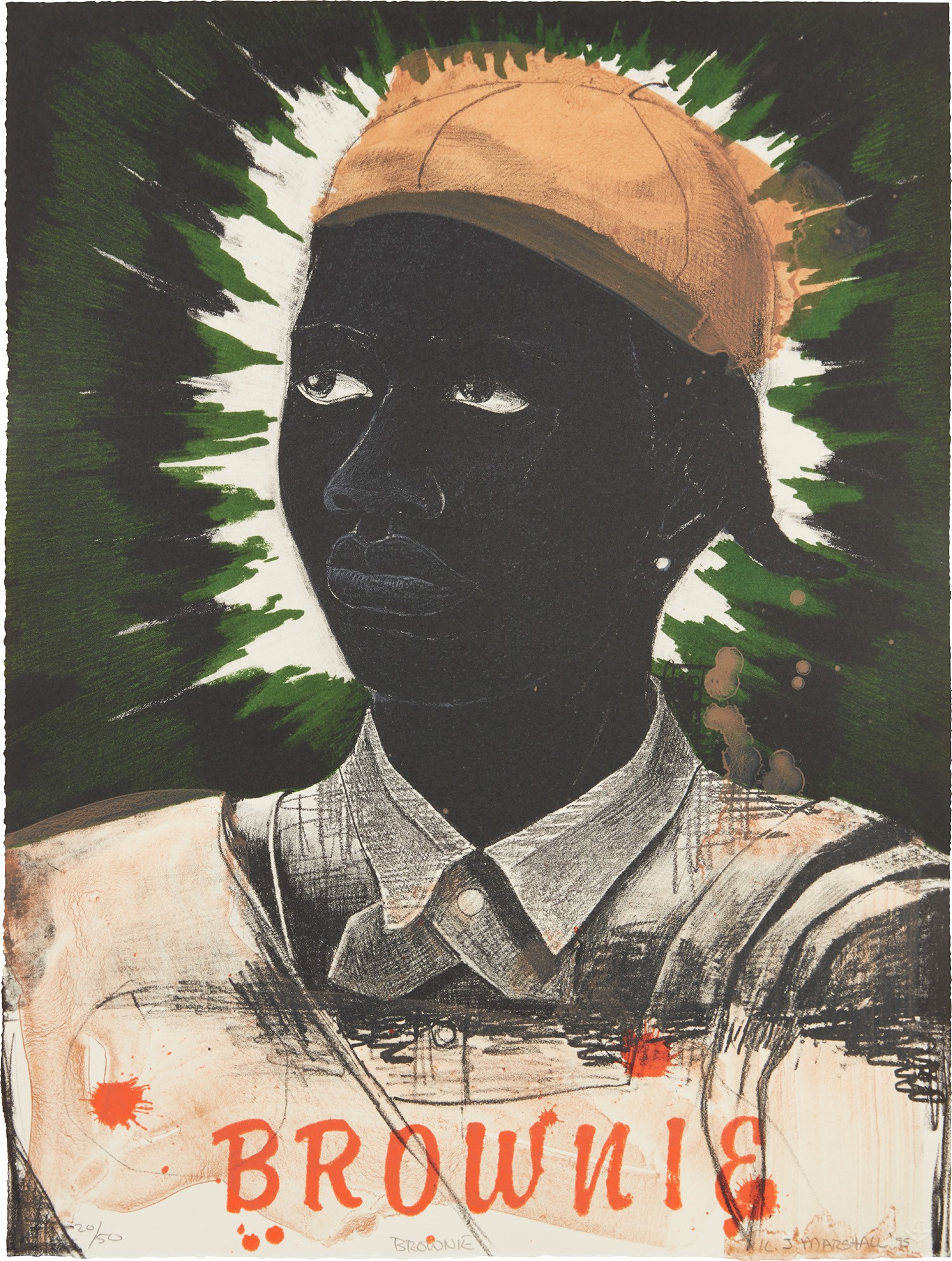
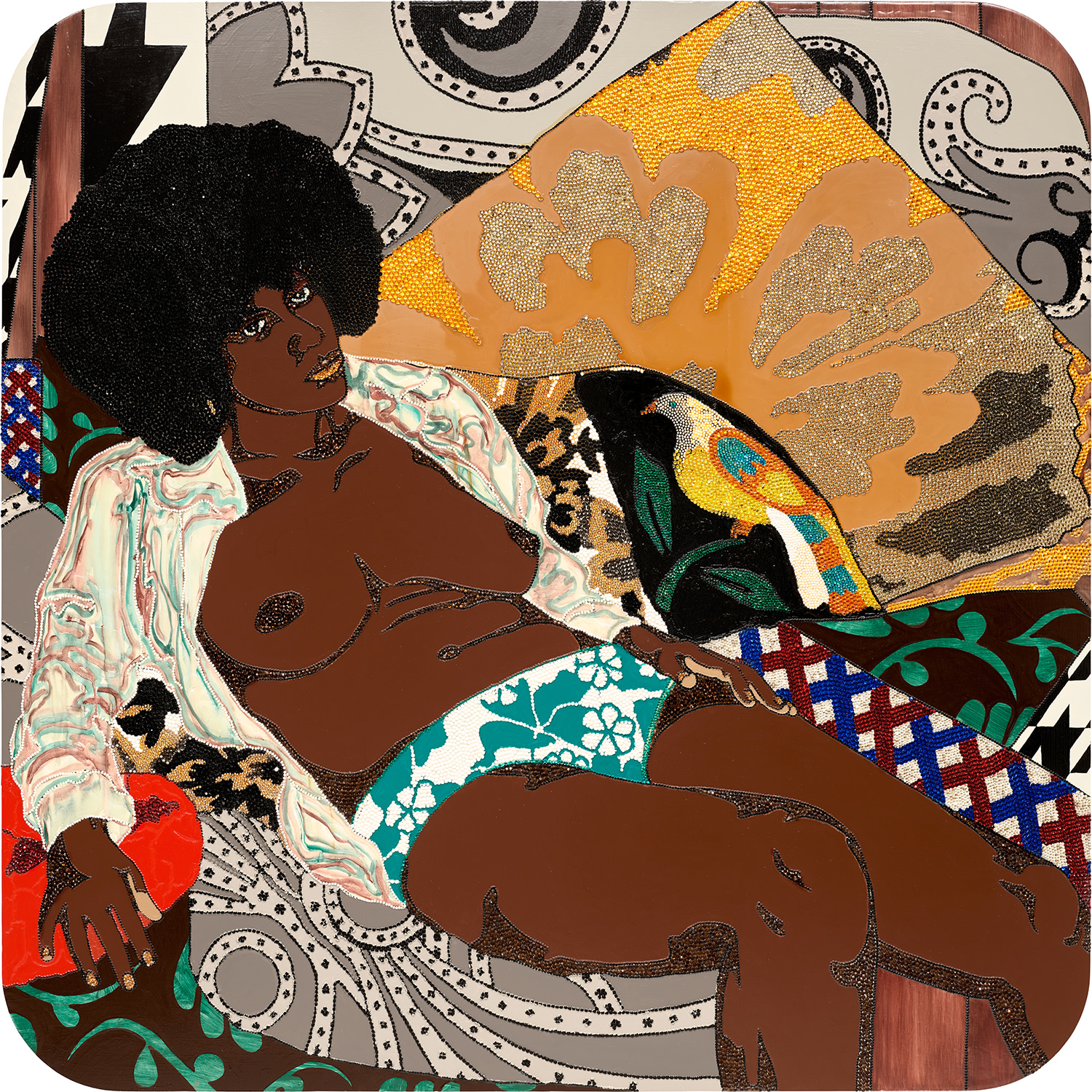
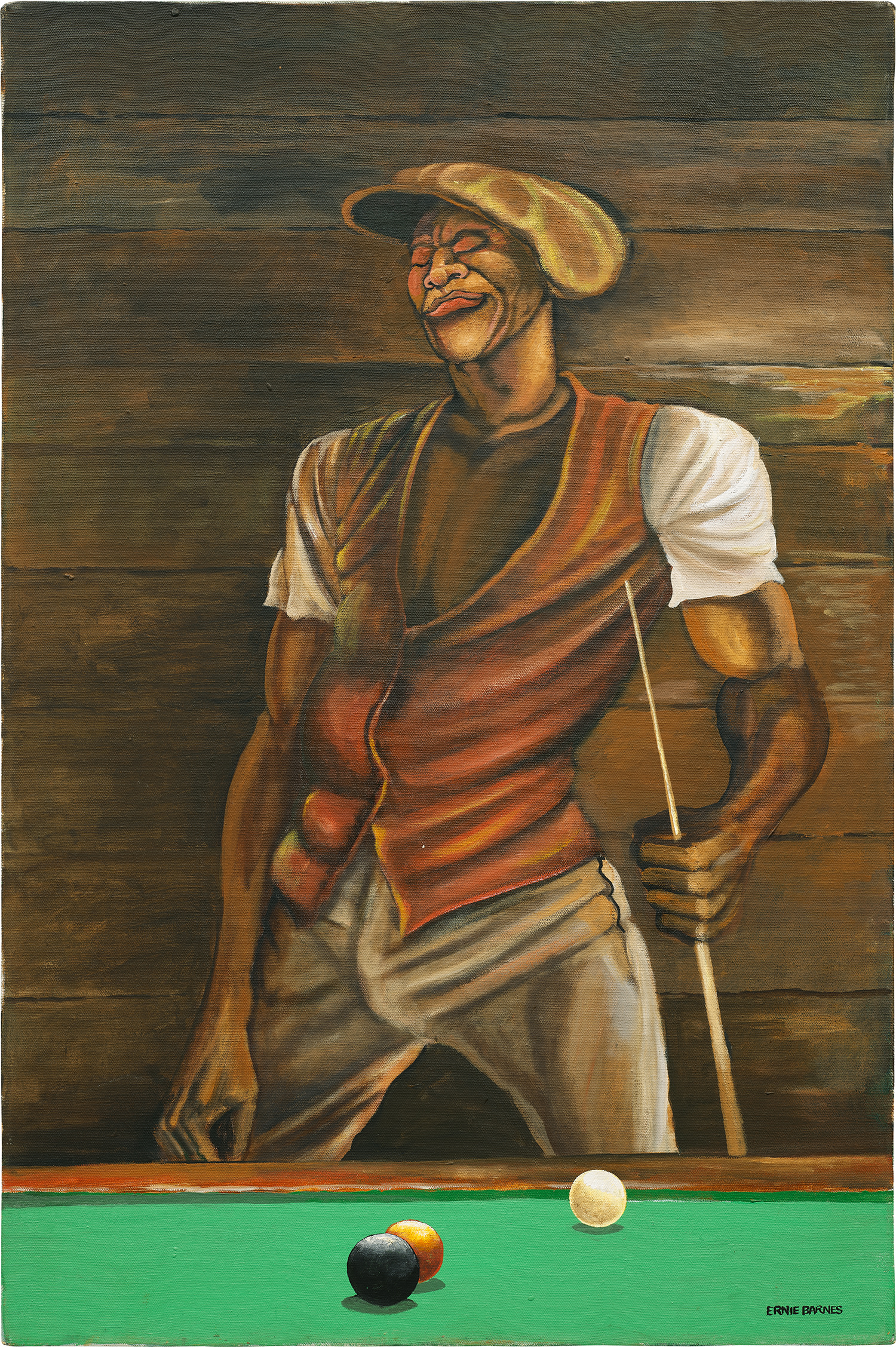
Kerry James Marshall
Brownie
The irreverence and the seriousness operated at once. Kara Walker's monumental silhouettes brought the brutality of American slavery into dramatic, sometimes disturbing visual confrontation, refusing the comfort of a resolved historical narrative. More recent artists have continued expanding what this tradition can do and mean. Rashid Johnson works with materials like shea butter, black soap, and mirrored tile, connecting personal biography to broader questions of Black identity and survival.
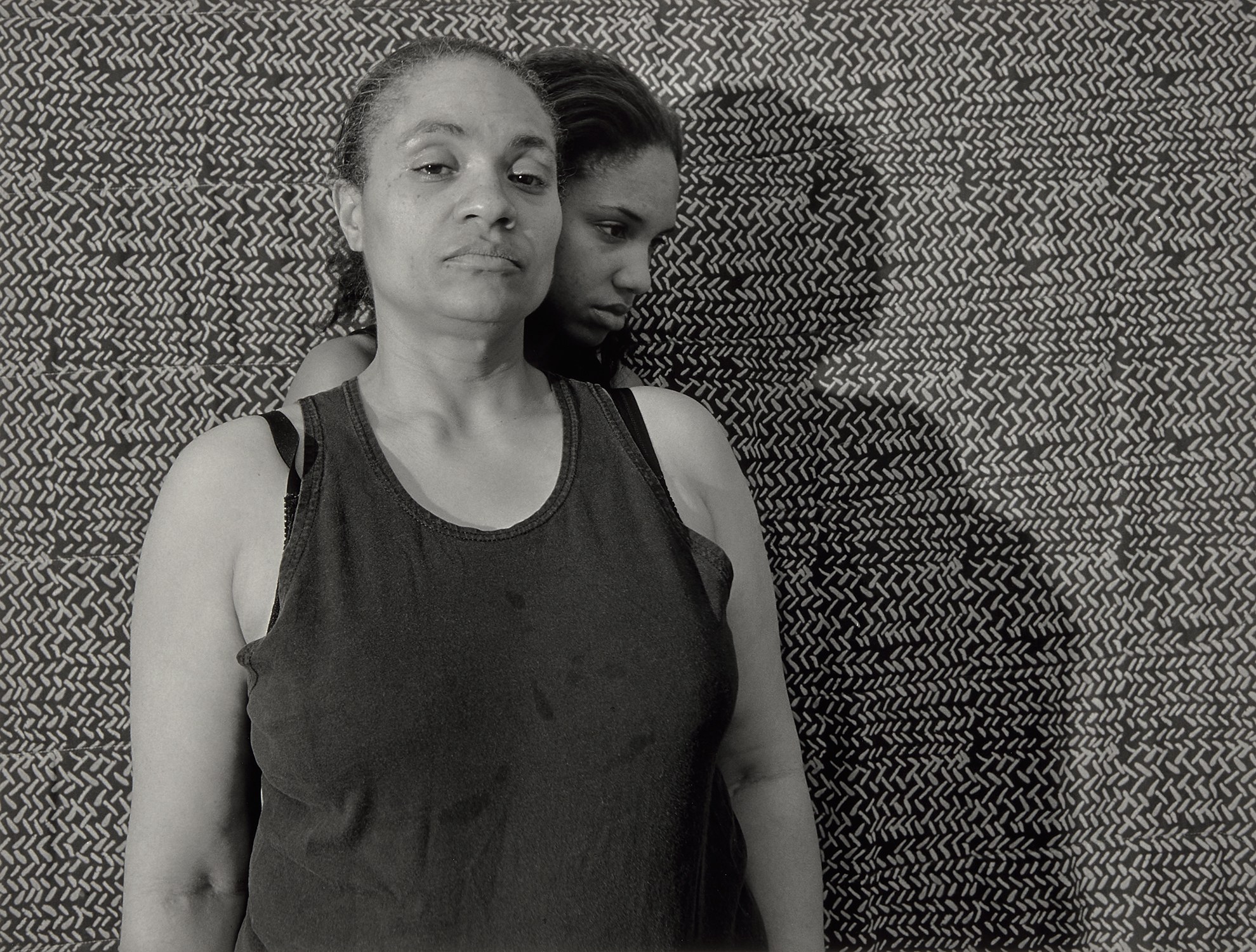
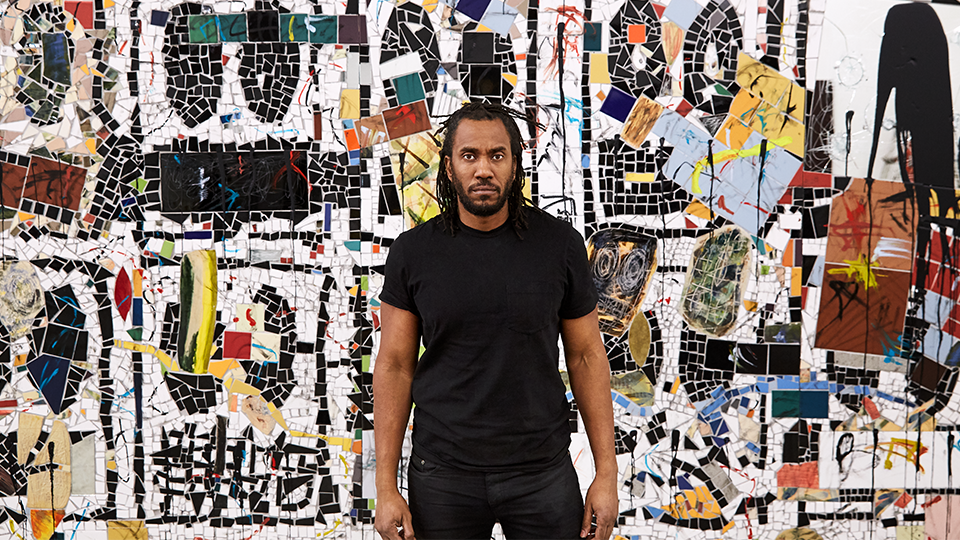
Theaster Gates operates at the intersection of art, architecture, and community, transforming abandoned buildings in Chicago into cultural spaces. Jennifer Packer's painterly, psychologically charged portraits carry the intimacy of someone who is genuinely paying attention to the people she depicts. Titus Kaphar literally cuts and folds his canvases, making absence and erasure into visible acts. LaToya Ruby Frazier has continued the tradition of documentary photography as activism, chronicling the collapse of industrial working class Black communities with rigor and love.
What connects Bearden's collages to Marshall's paintings to Weems's photographs to Frazier's documentary work is a refusal to accept that Black life is less than entirely worthy of the full power of art. The works gathered on The Collection across this tradition are not unified by a single style or medium. They are unified by seriousness of purpose and by the understanding that to make art about Black experience in America is to engage with something enormous, something still unresolved, something that continues to matter. That urgency is not a burden on these works.
It is the source of their enduring energy.