Robert Ryman
19
Works
Artist Spotlight
Robert Ryman: The Infinite World of White
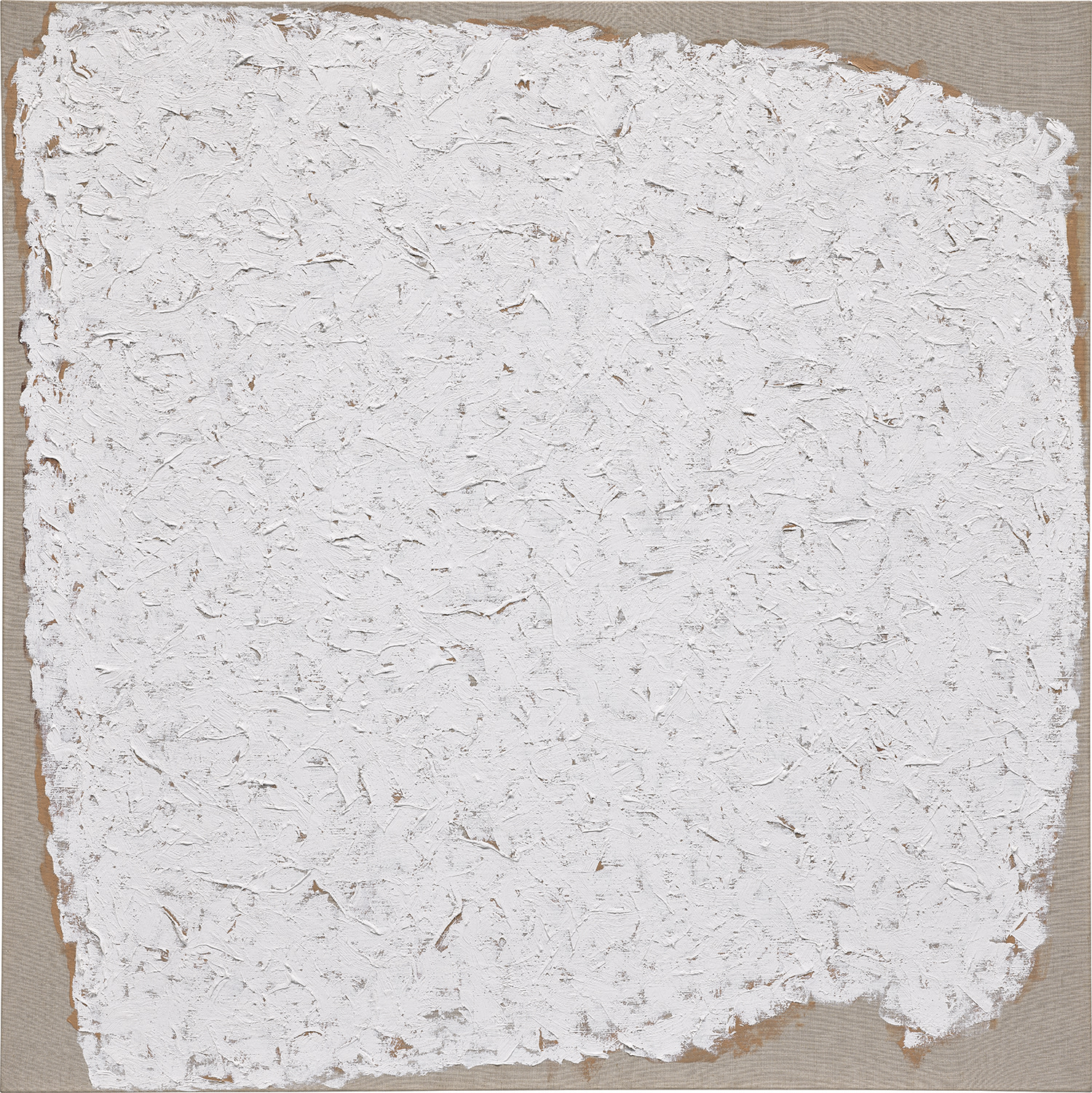
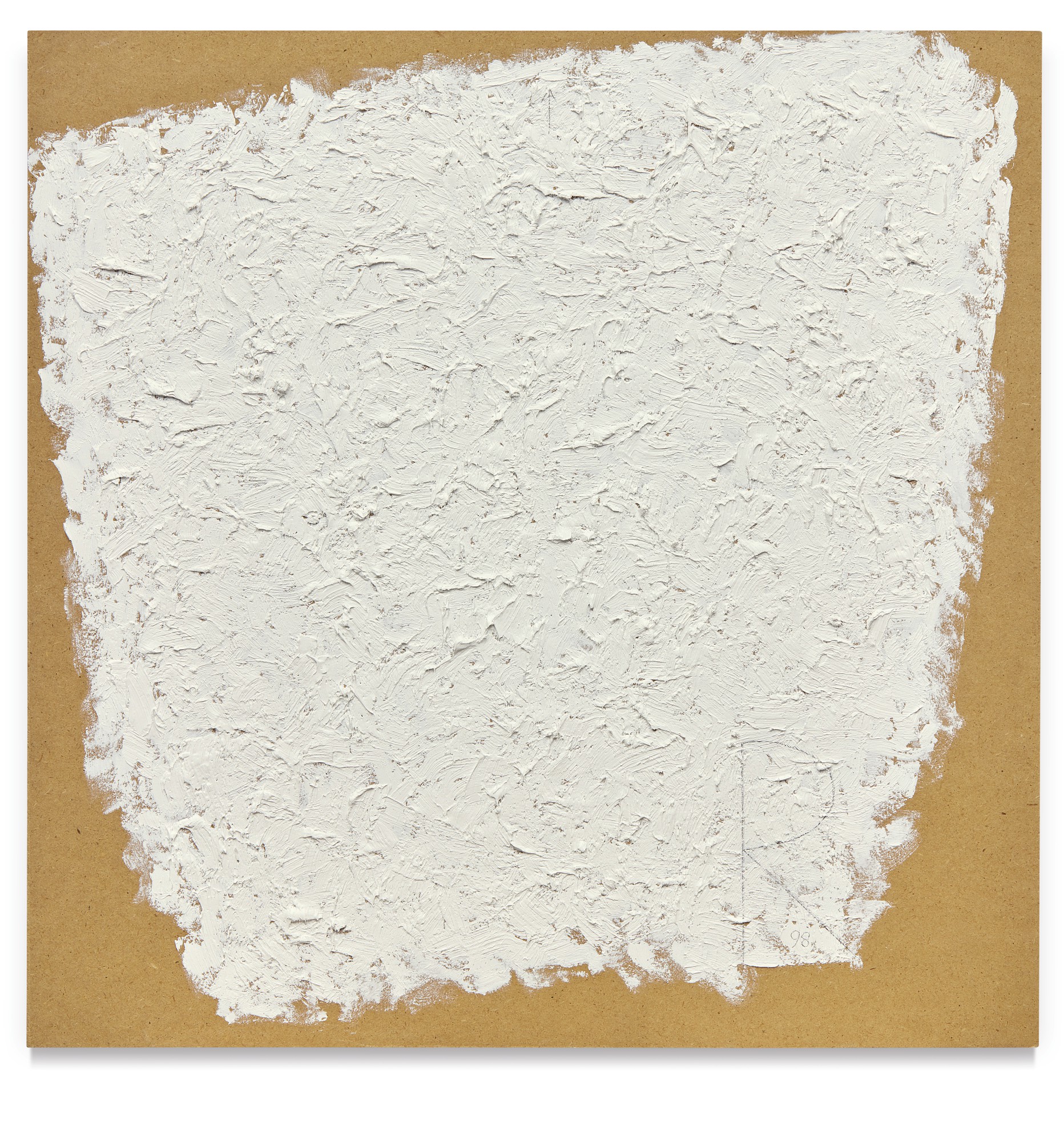
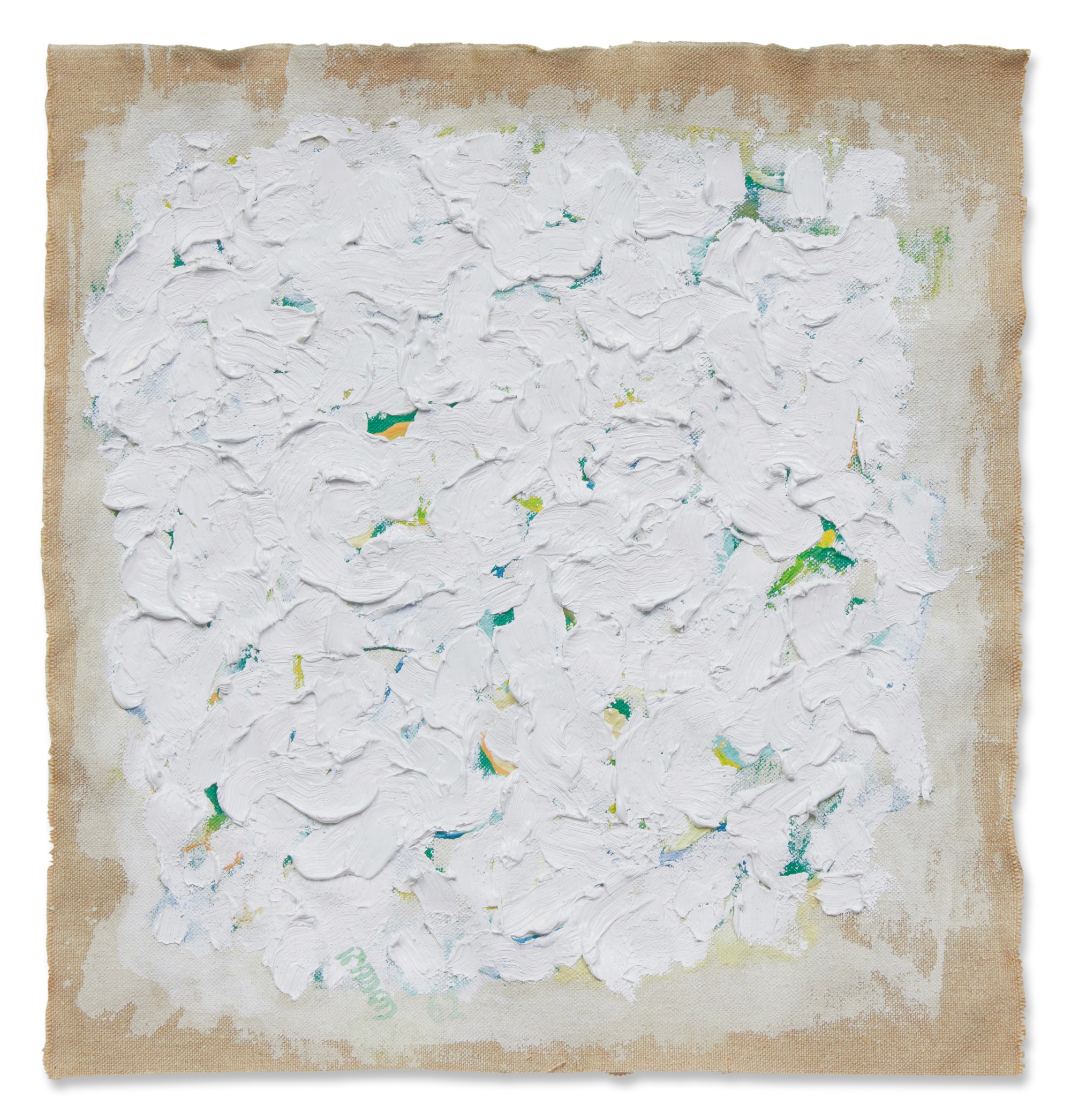
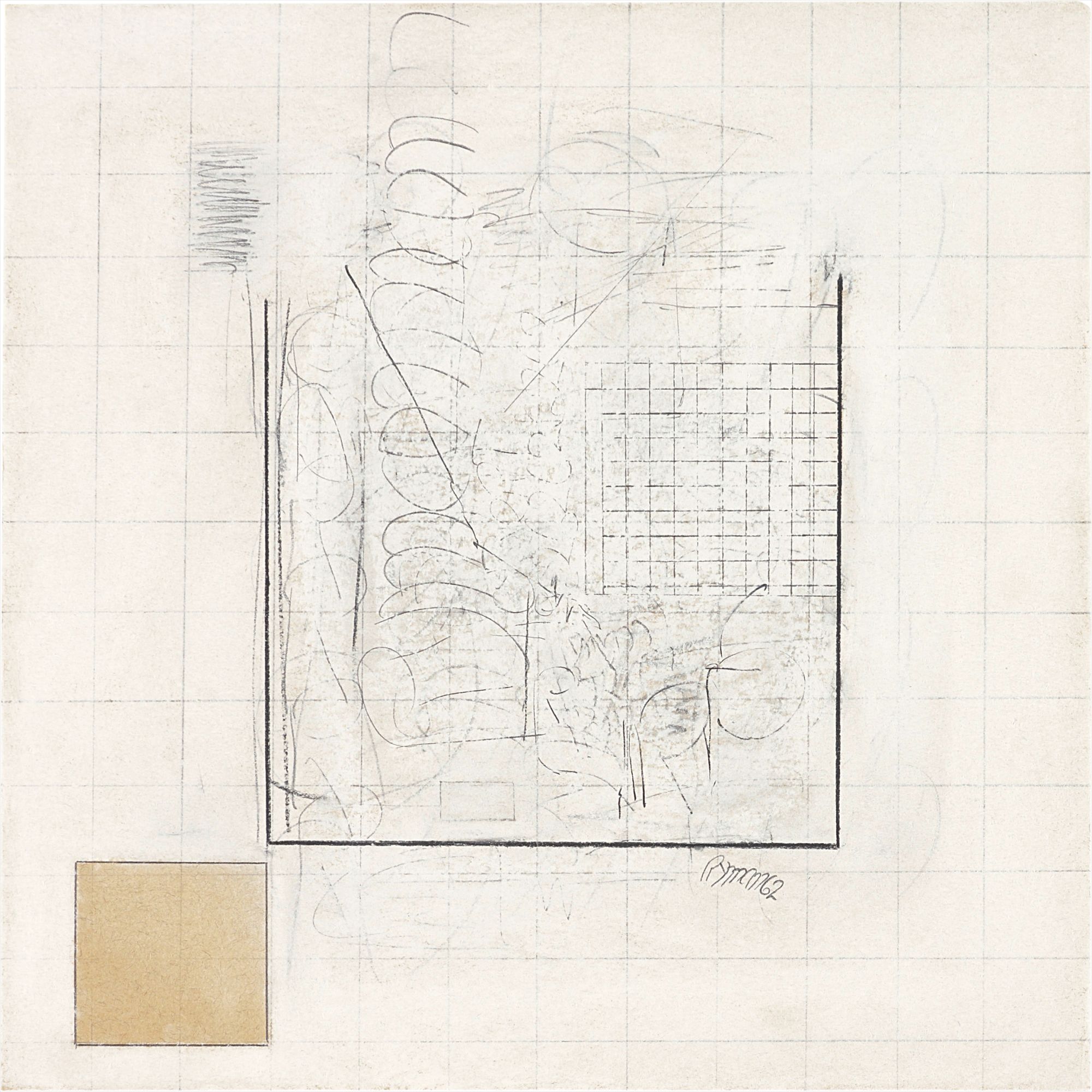
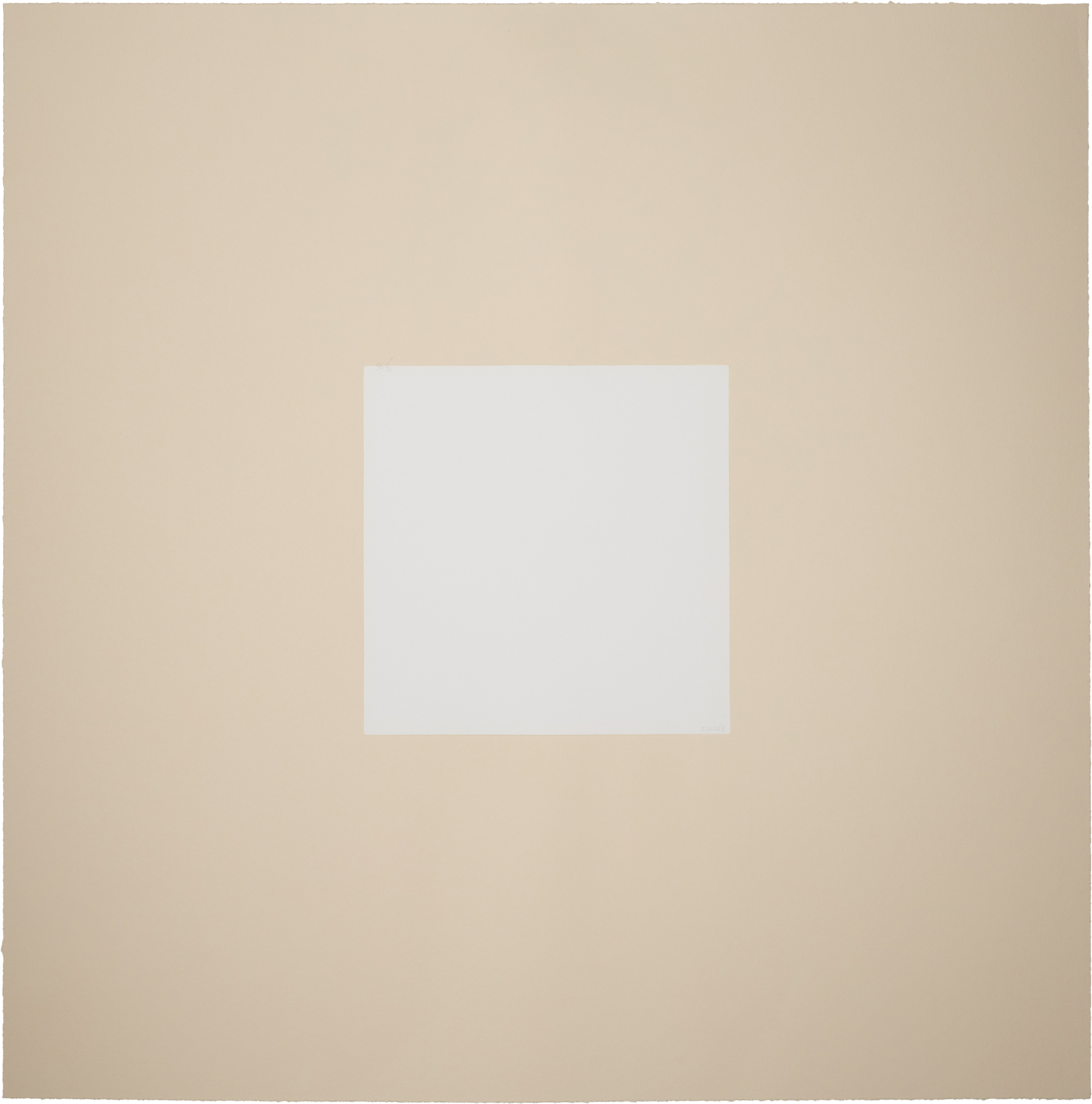
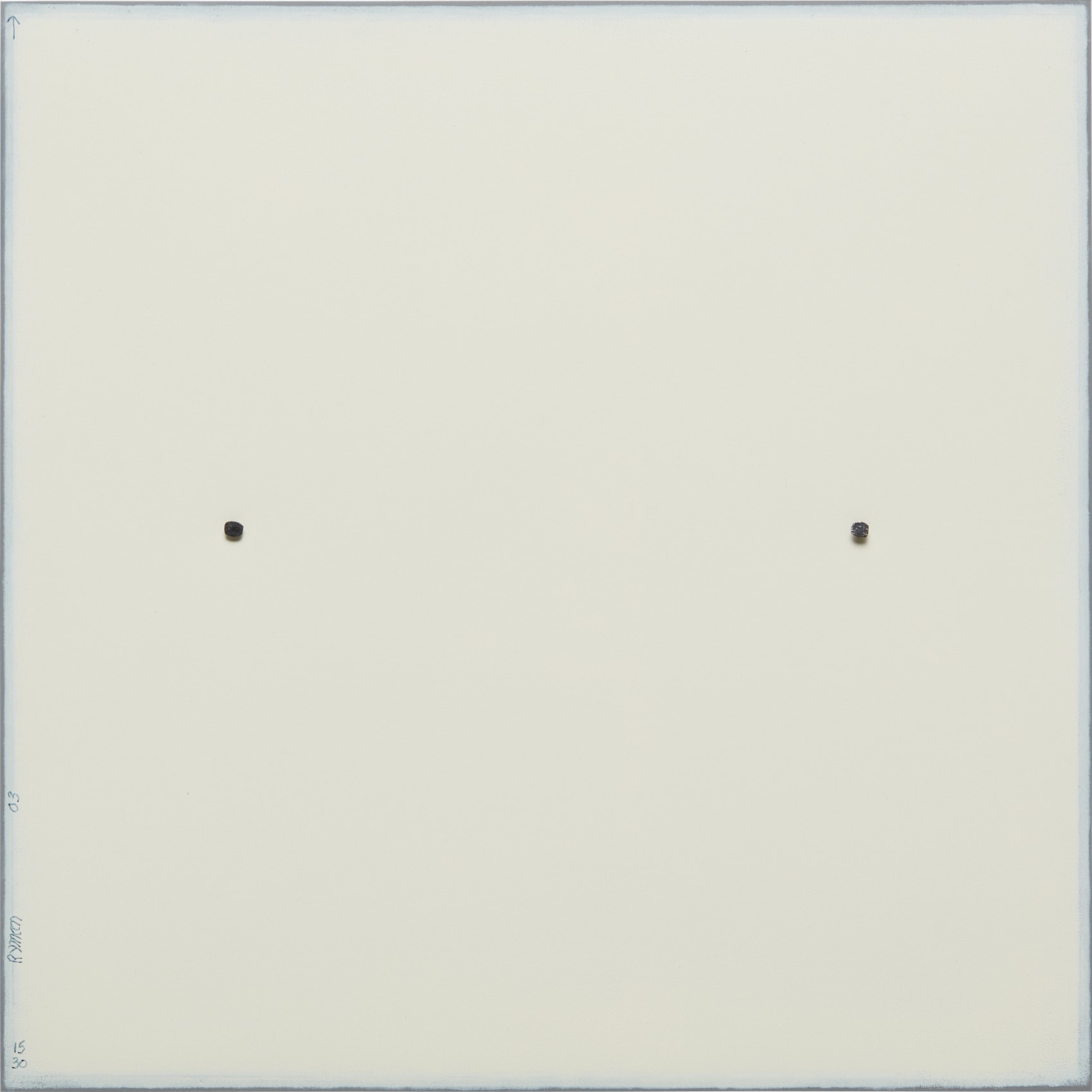
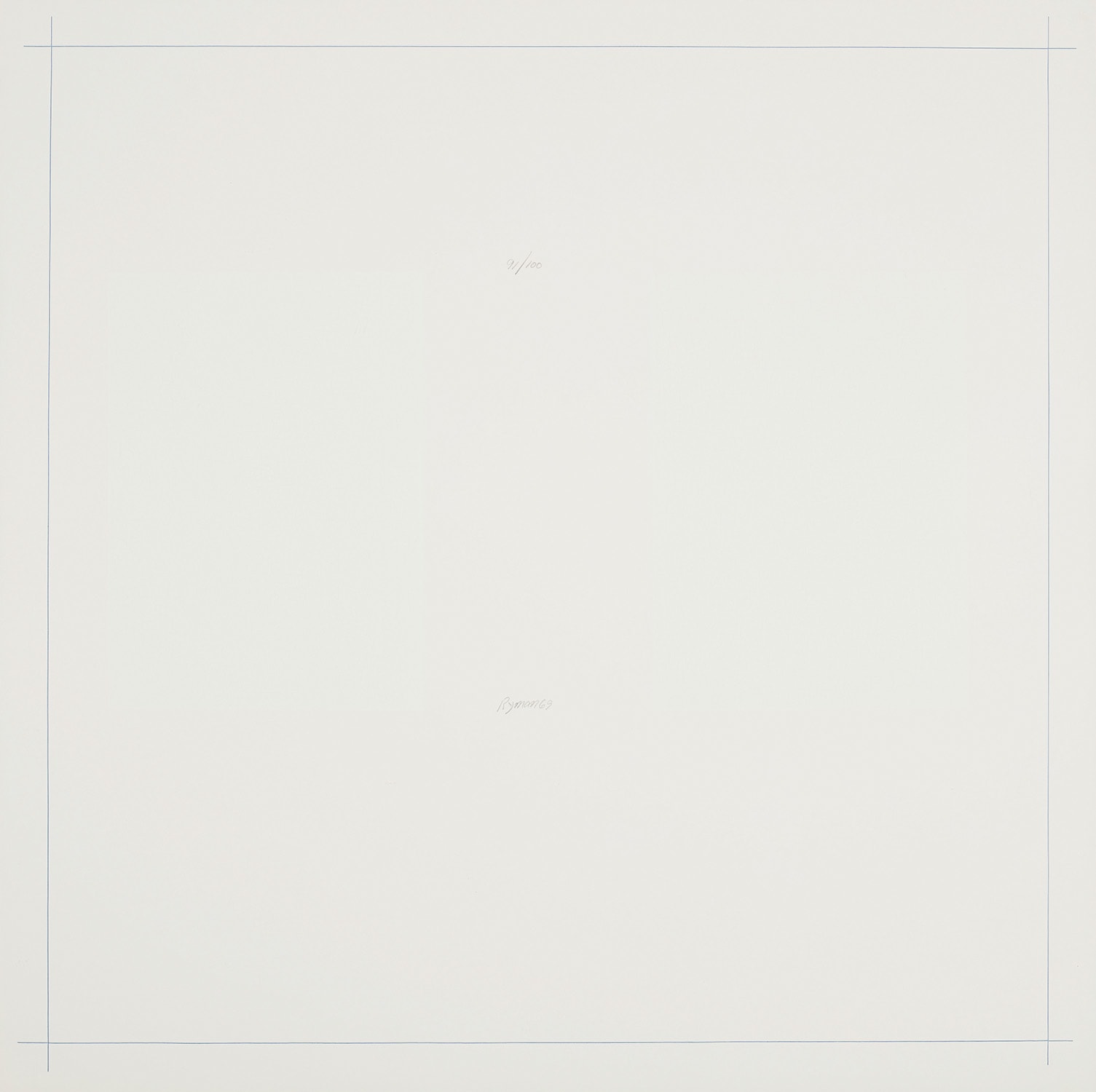
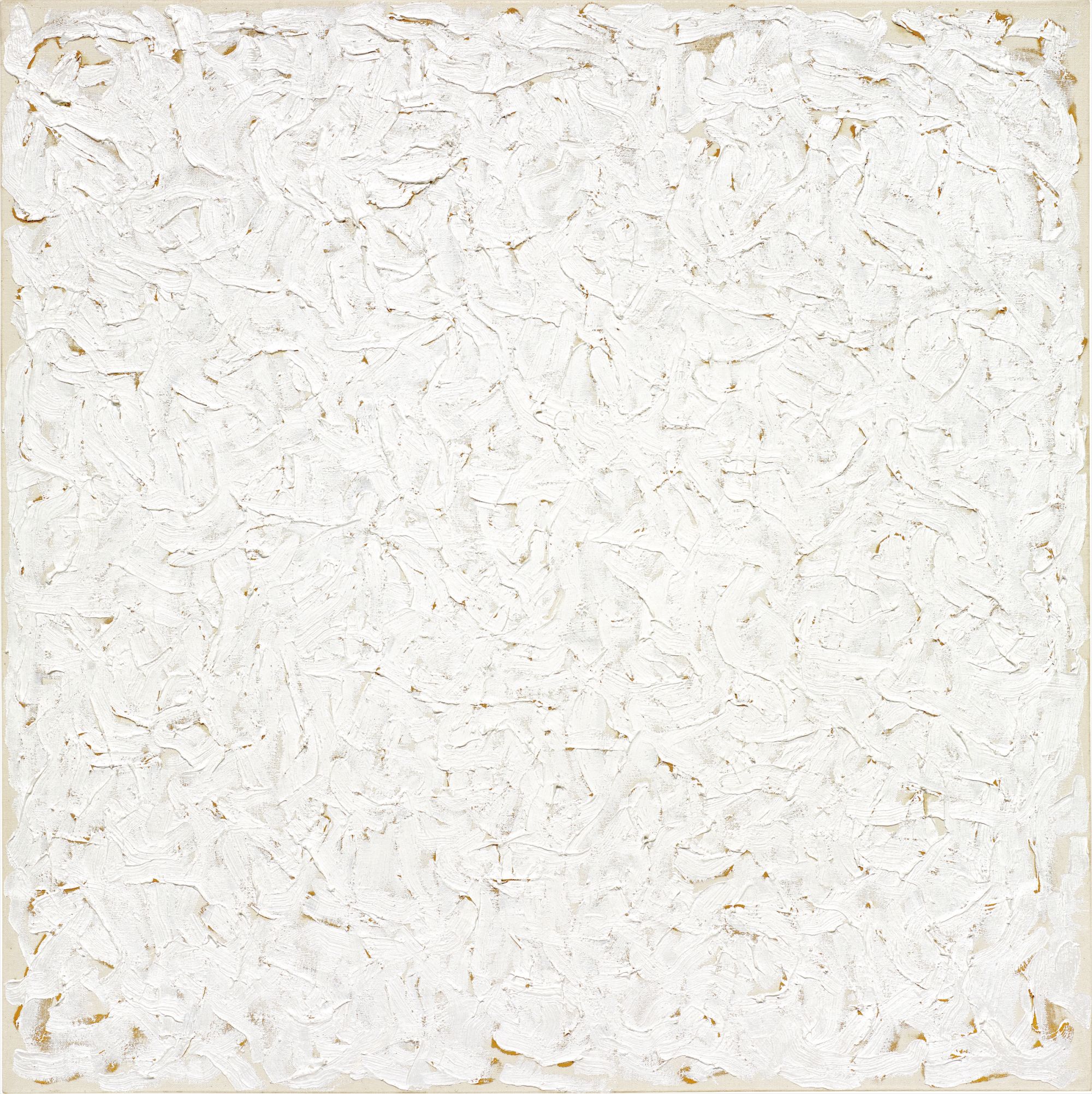
In the spring of 2015, the Dia Art Foundation in Beacon, New York reinstalled a significant grouping of Robert Ryman paintings across its vast former factory galleries. The effect was quietly overwhelming. Visitors moving from room to room encountered surfaces that seemed, at first glance, identical, and then revealed themselves to be entirely distinct worlds: linen pulling against oil, fiberglass catching cold northern light, cotton breathing beneath layers of gesso. That experience encapsulated something Ryman had spent six decades achieving, the transformation of apparent simplicity into… Continue reading
Artists in conversation
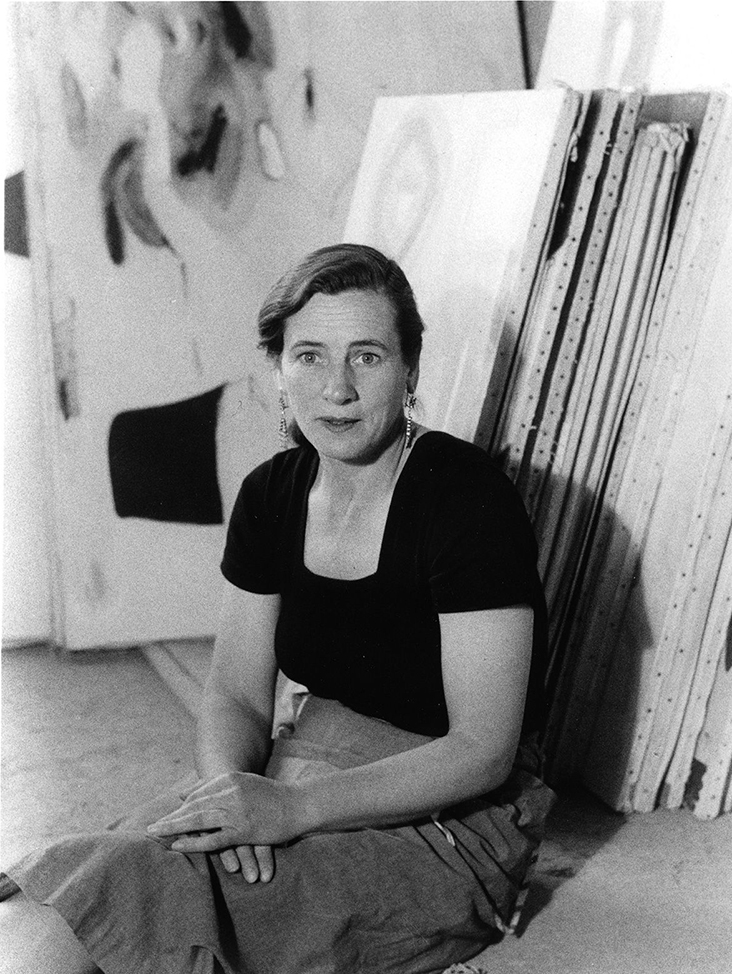
Agnes Martin
Martin shared Ryman's commitment to reductive, near monochrome painting and a meditative investigation of surface and line. Both artists worked within a Minimalist sensibility that prioritized subtle material presence over representational content.
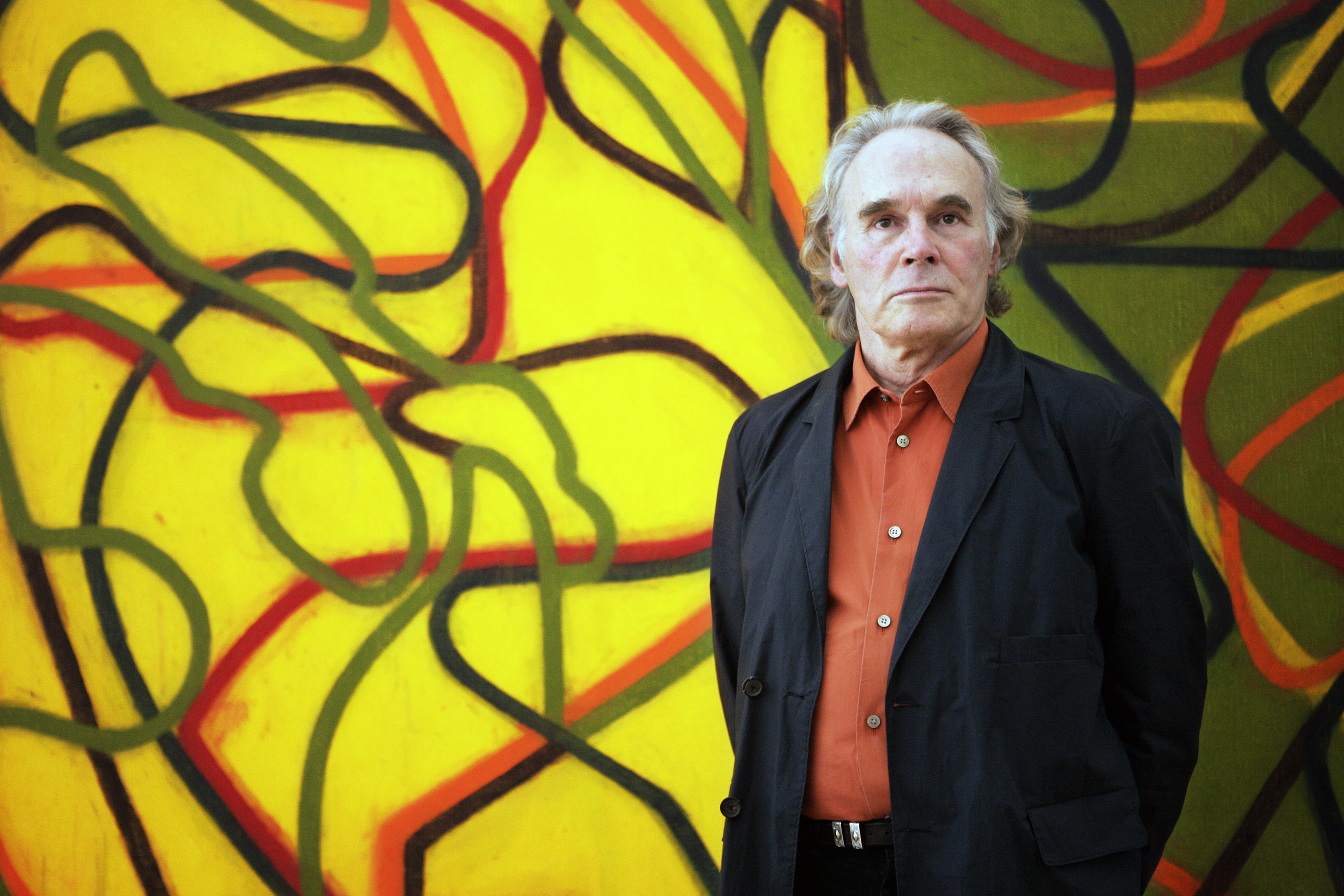
Brice Marden
Marden pursued a similarly rigorous exploration of paint as a physical substance, emphasizing surface texture and the materiality of encaustic and oil. Collectors drawn to Ryman's investigation of medium and support find a close parallel in Marden's early monochrome panel paintings.
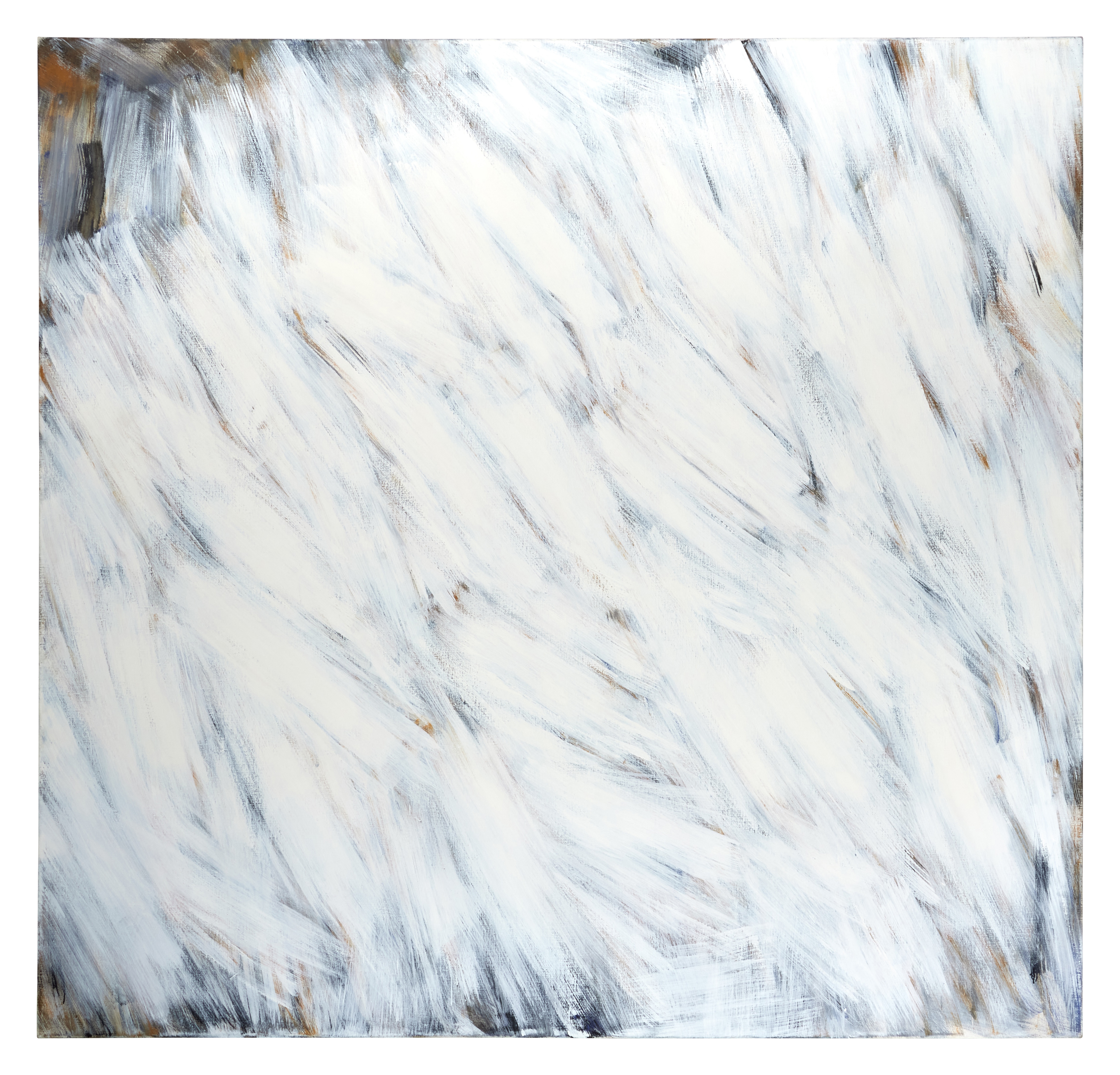
Raimund Girke
Girke dedicated his practice to white painting with a focus on rhythm, texture, and the optical vibration of layered pigment, making him a direct European counterpart to Ryman. Both artists treated white not as an absence but as a subject rich with material and perceptual complexity.
Artists who inspired them
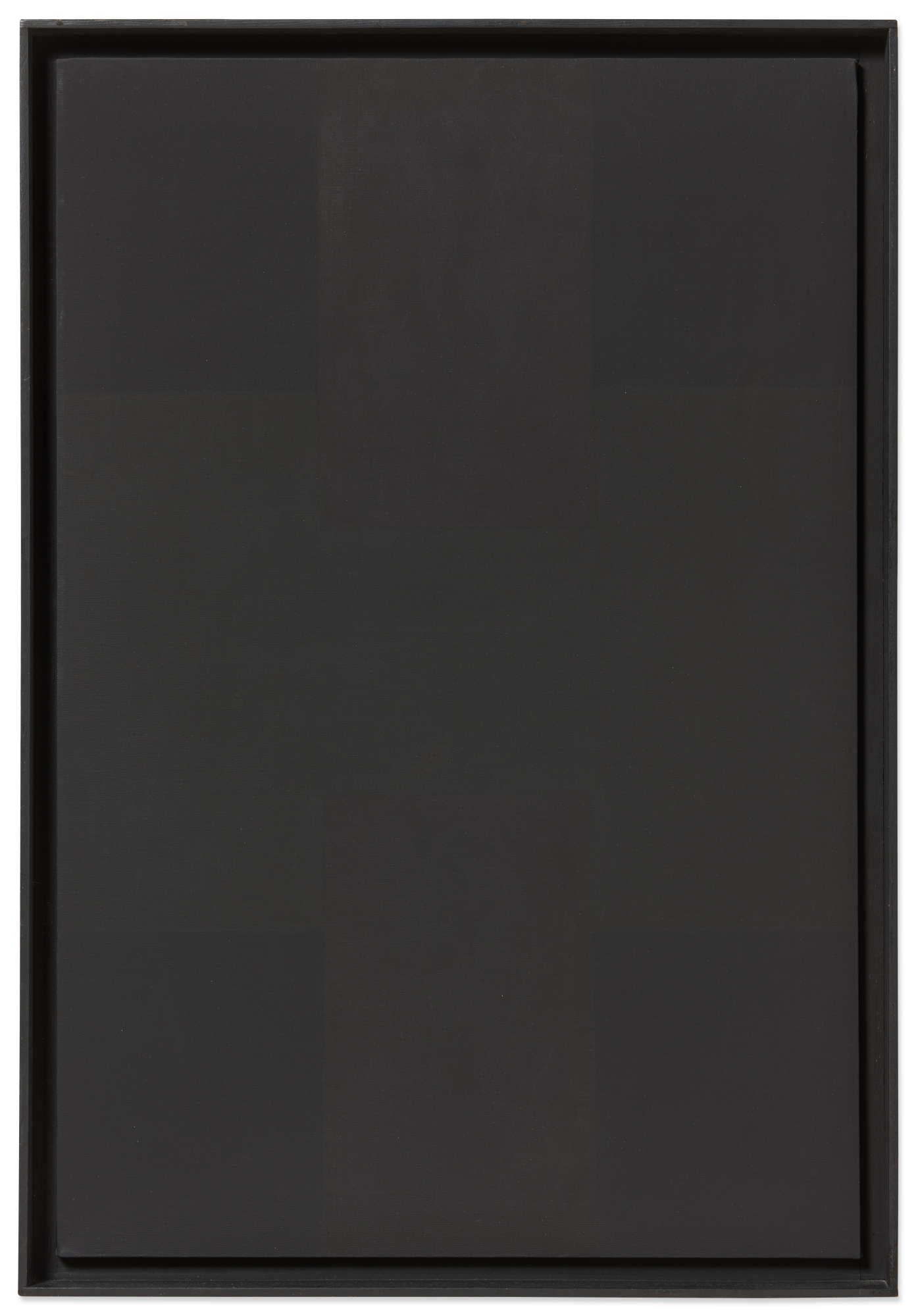
Ad Reinhardt
Reinhardt's systematic reduction of painting to near invisible tonal fields and his insistence on painting as a self referential object were foundational for Ryman's own reductive practice. Ryman encountered Reinhardt's work and writings at a formative stage while working as a guard at MoMA.
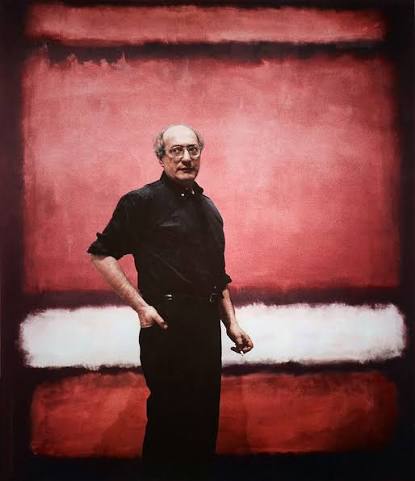
Mark Rothko
Rothko's emphasis on the physical and emotional presence of paint as color field and his attention to the viewer's perceptual experience informed Ryman's early investigations of surface and atmosphere. Ryman worked alongside Rothko's generation and absorbed their commitment to painting as direct sensory encounter.
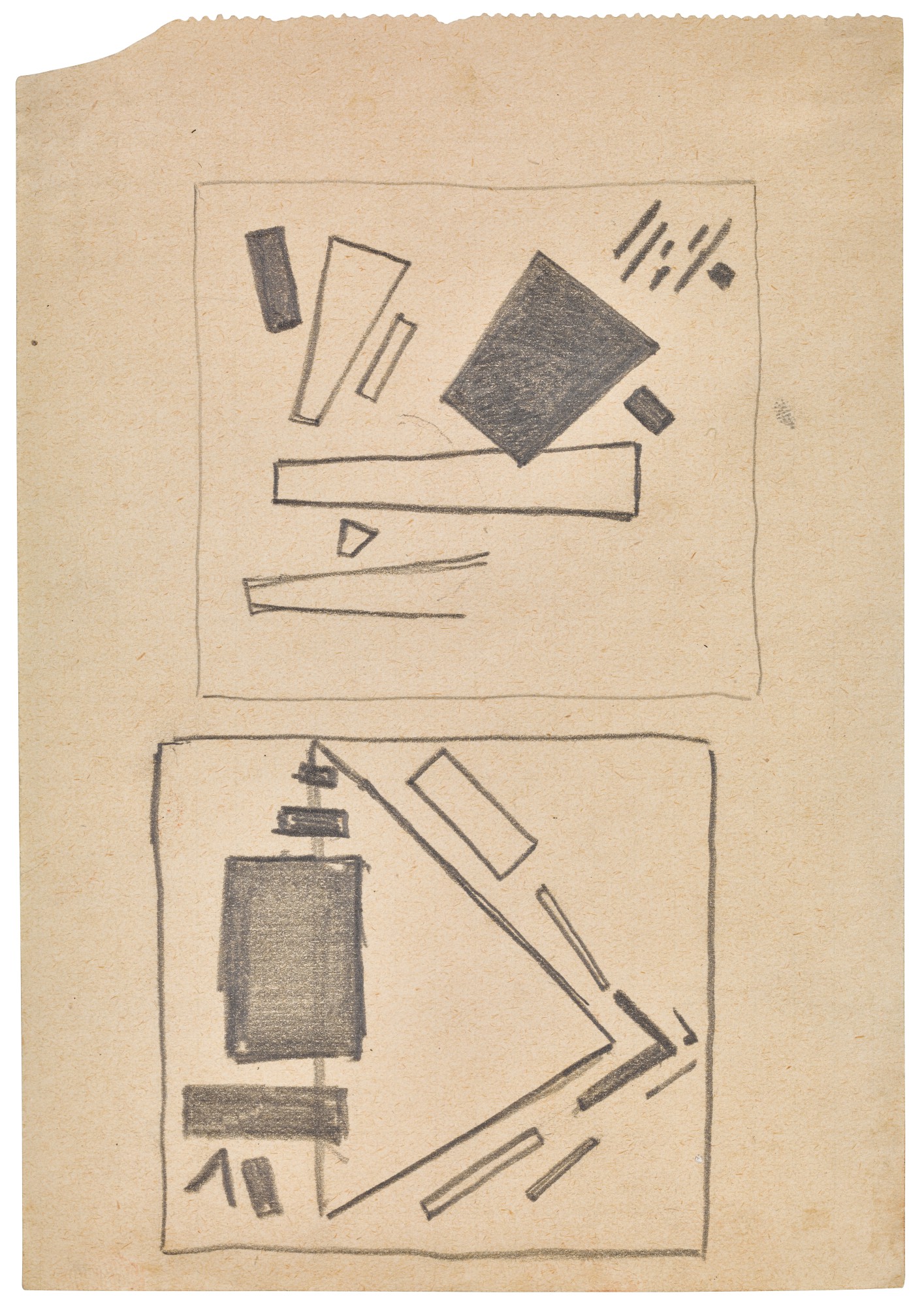
Kazimir Malevich
Malevich's White on White paintings established the radical precedent of white as a primary pictorial subject and challenged assumptions about what painting could be. Ryman engaged seriously with this legacy, pushing beyond Suprematist geometry toward a purely material and procedural inquiry.
Artists they inspired
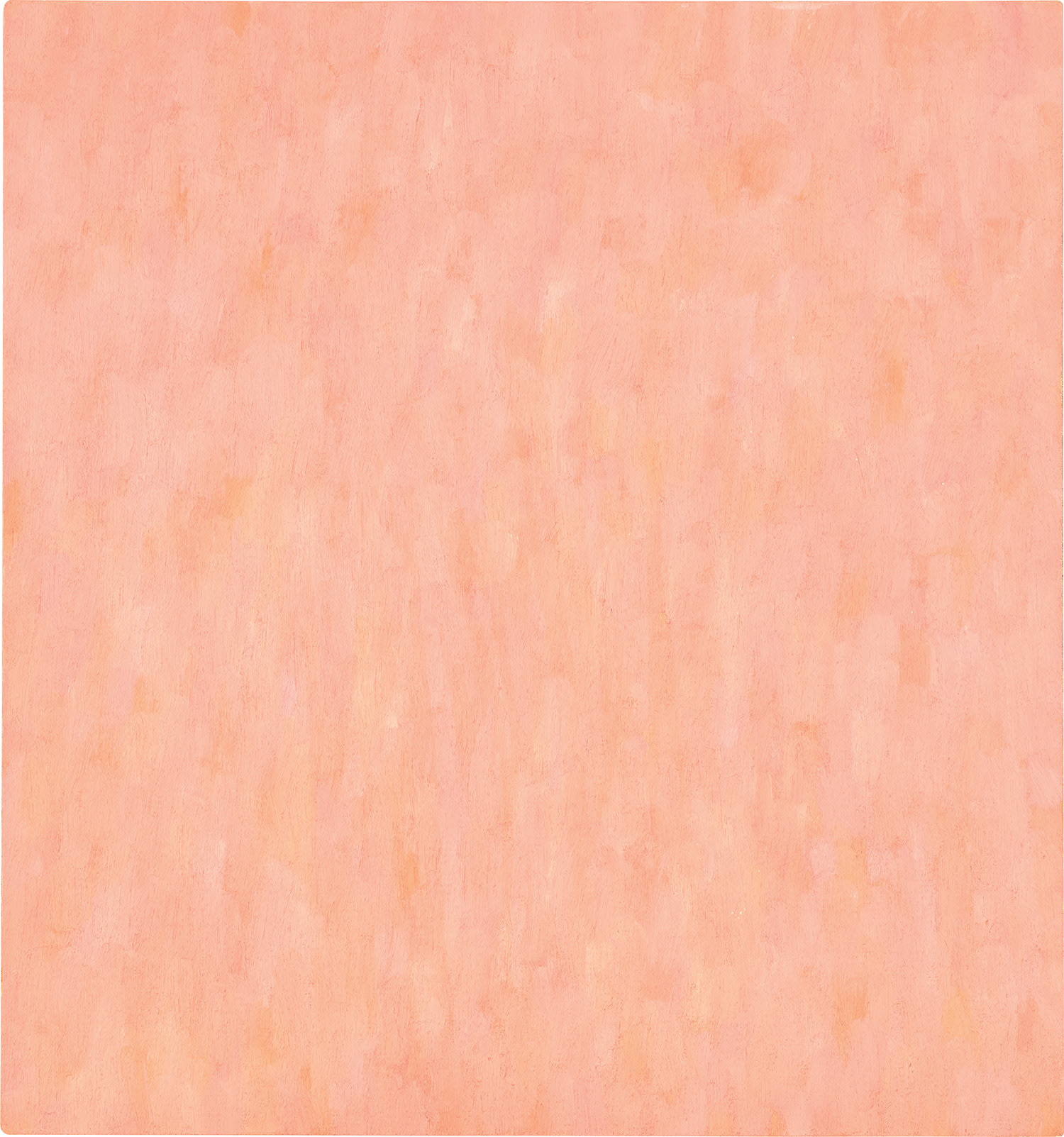
Marcia Hafif
Hafif's systematic examination of paint pigments and her reductive monochrome practice developed in direct dialogue with Ryman's approach to painting as material inquiry. Her Inventory series reflects an engagement with the same questions of support, medium, and process that Ryman foregrounded.
Peter Tollens
Tollens builds a practice around grey and near white monochrome painting that clearly descends from Ryman's demonstration that color reduction intensifies rather than diminishes pictorial possibility. His careful attention to surface variation and material texture echoes the formal concerns Ryman spent decades developing.