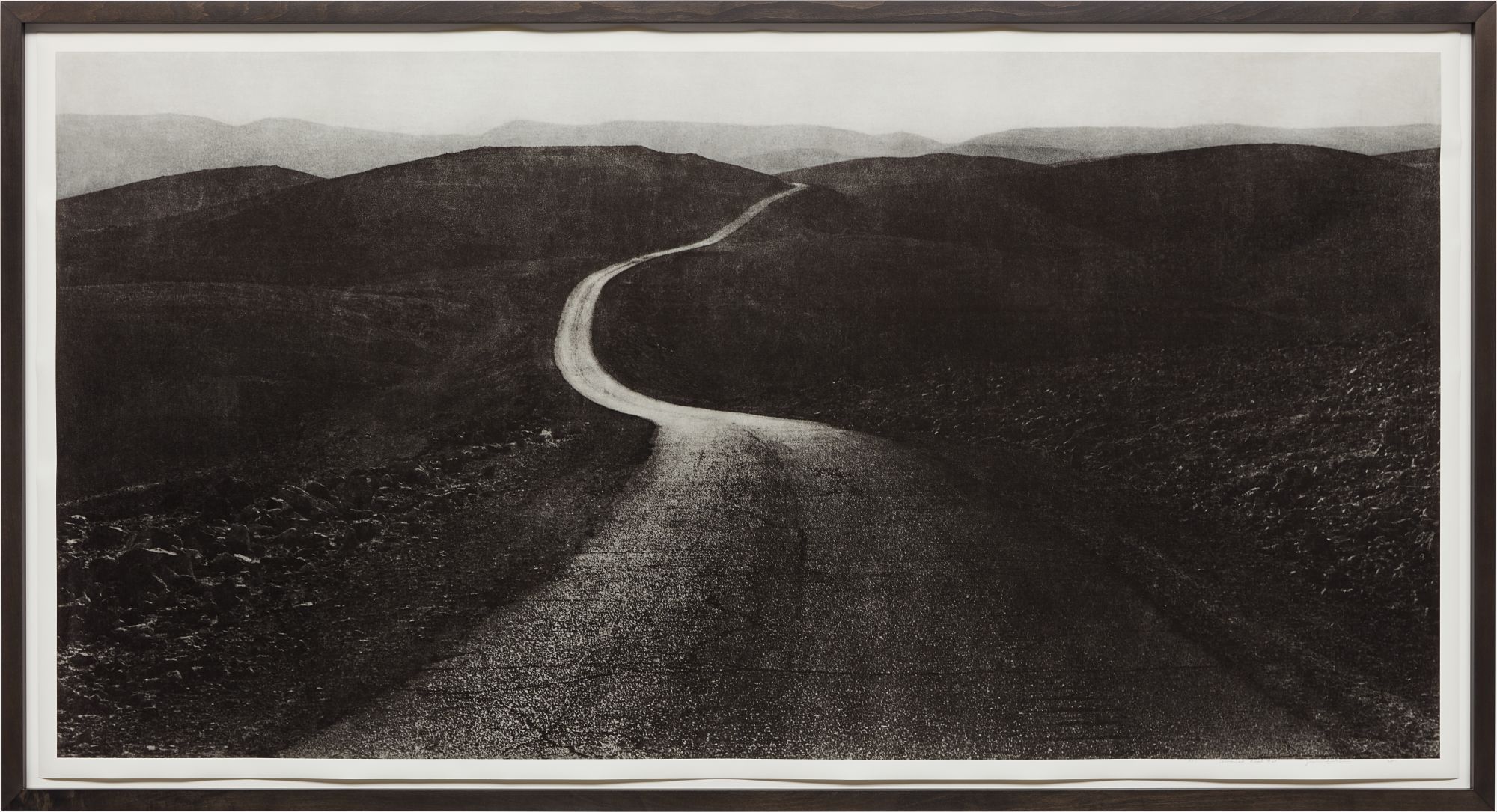
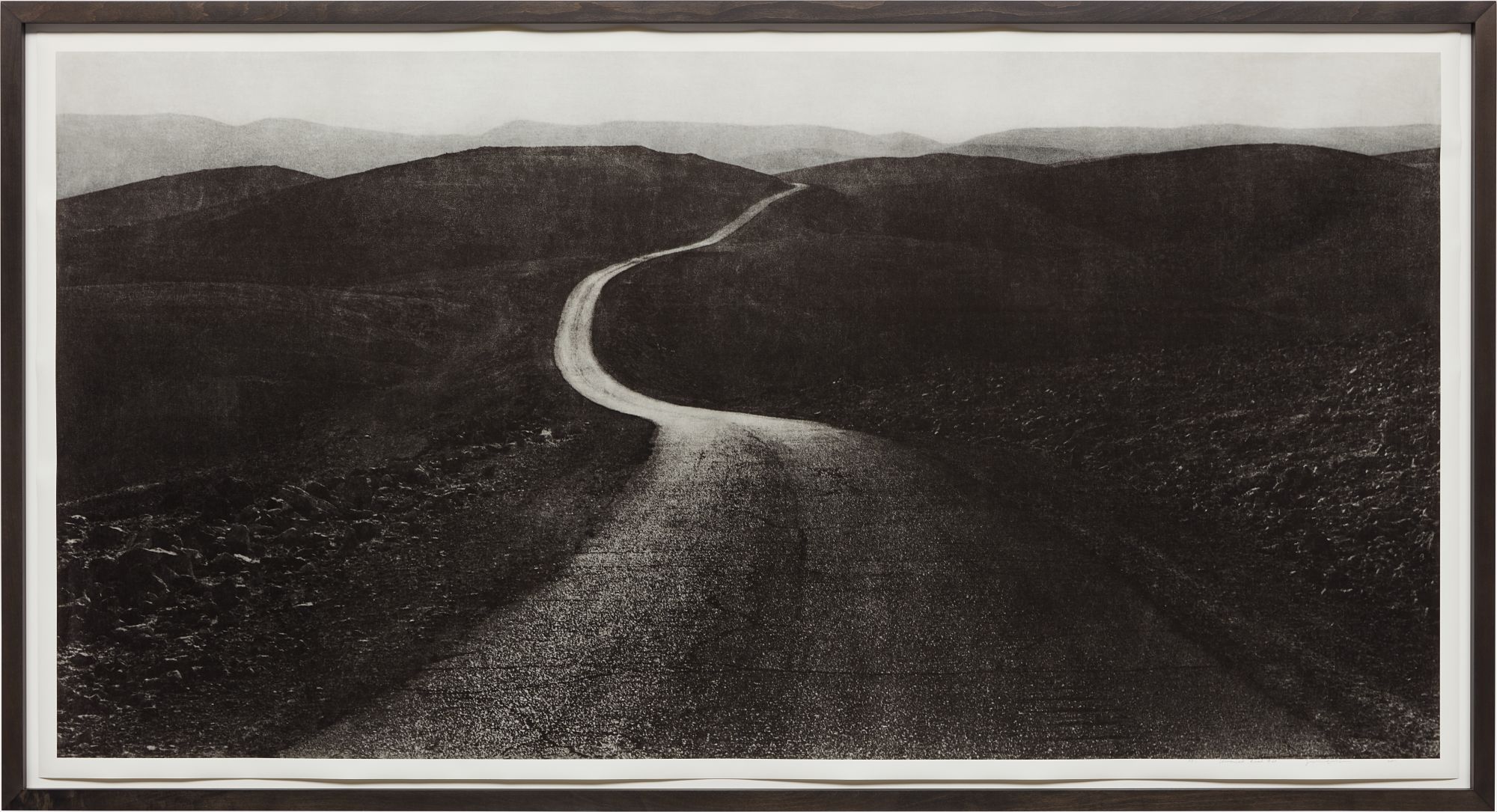
Jungjin Lee
Jungjin Lee is a South Korean photographer known for her large-scale, contemplative images that explore landscape, memory, and the passage of time. She employs a distinctive technique using traditional Korean Hanji paper and liquid photo emulsion, giving her prints a textured, painterly quality that blurs the boundary between photography and fine art. Her work, including celebrated series such as 'Unnamed Road' and 'Wind,' has earned her international recognition and placement in major museum collections worldwide.
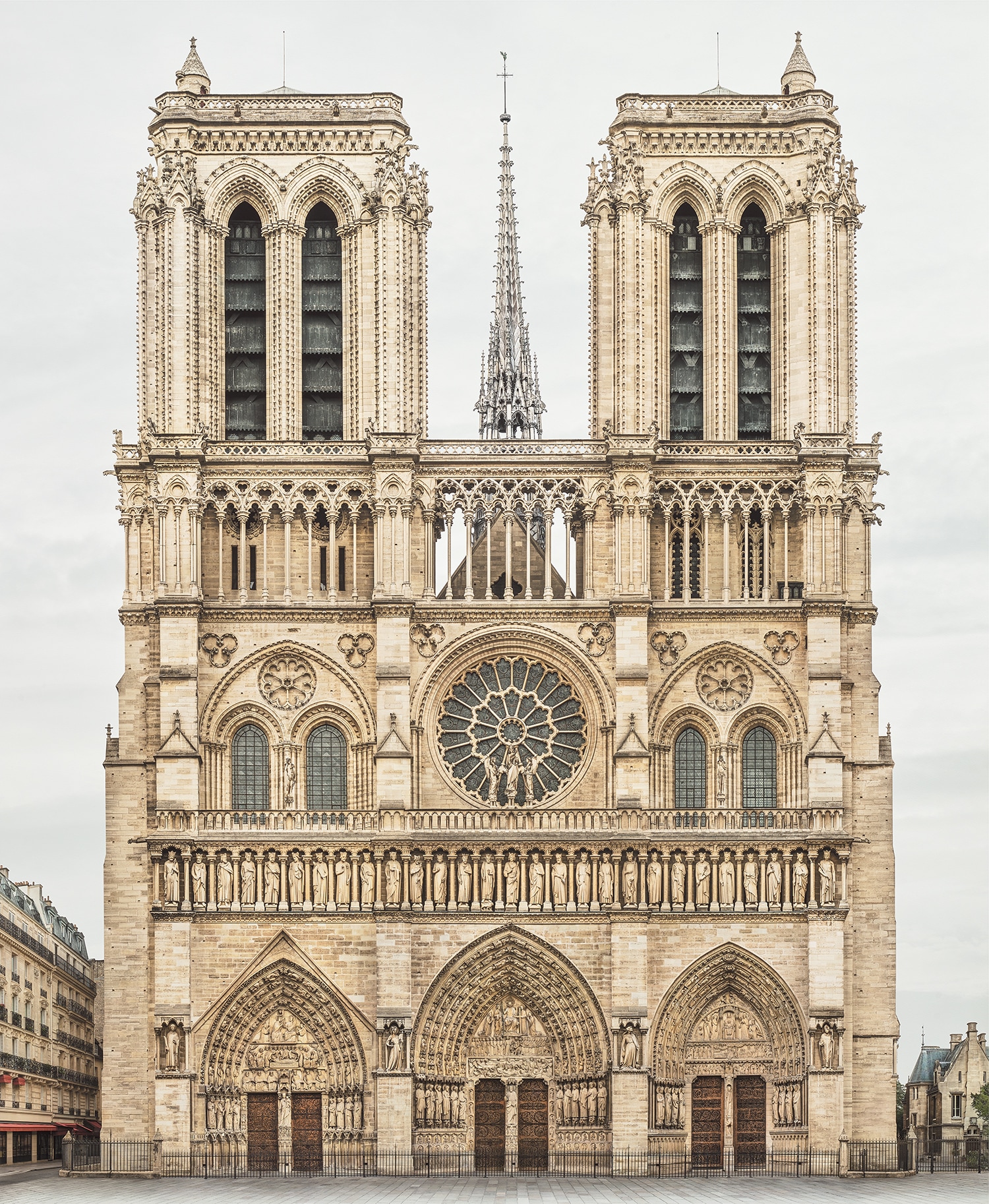
Artists in conversation
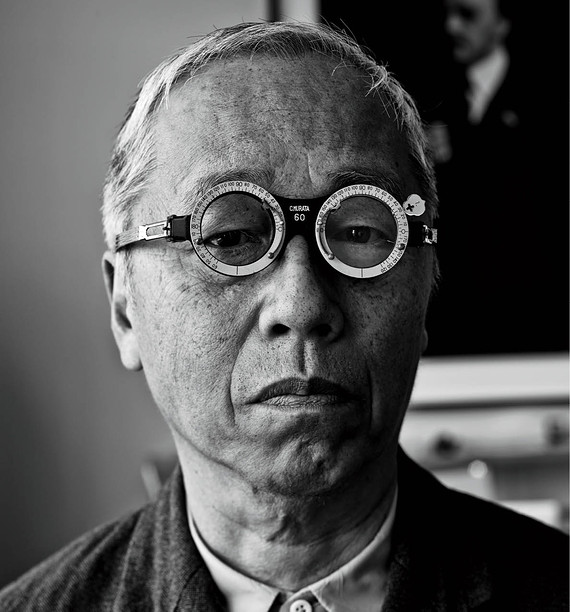
Hiroshi Sugimoto
Sugimoto shares Lee's commitment to large format black and white photography that treats landscape and time as philosophical subjects, producing images of profound stillness and minimalist composition. Both artists use the photographic medium to evoke memory and the ineffable rather than straightforward documentation.
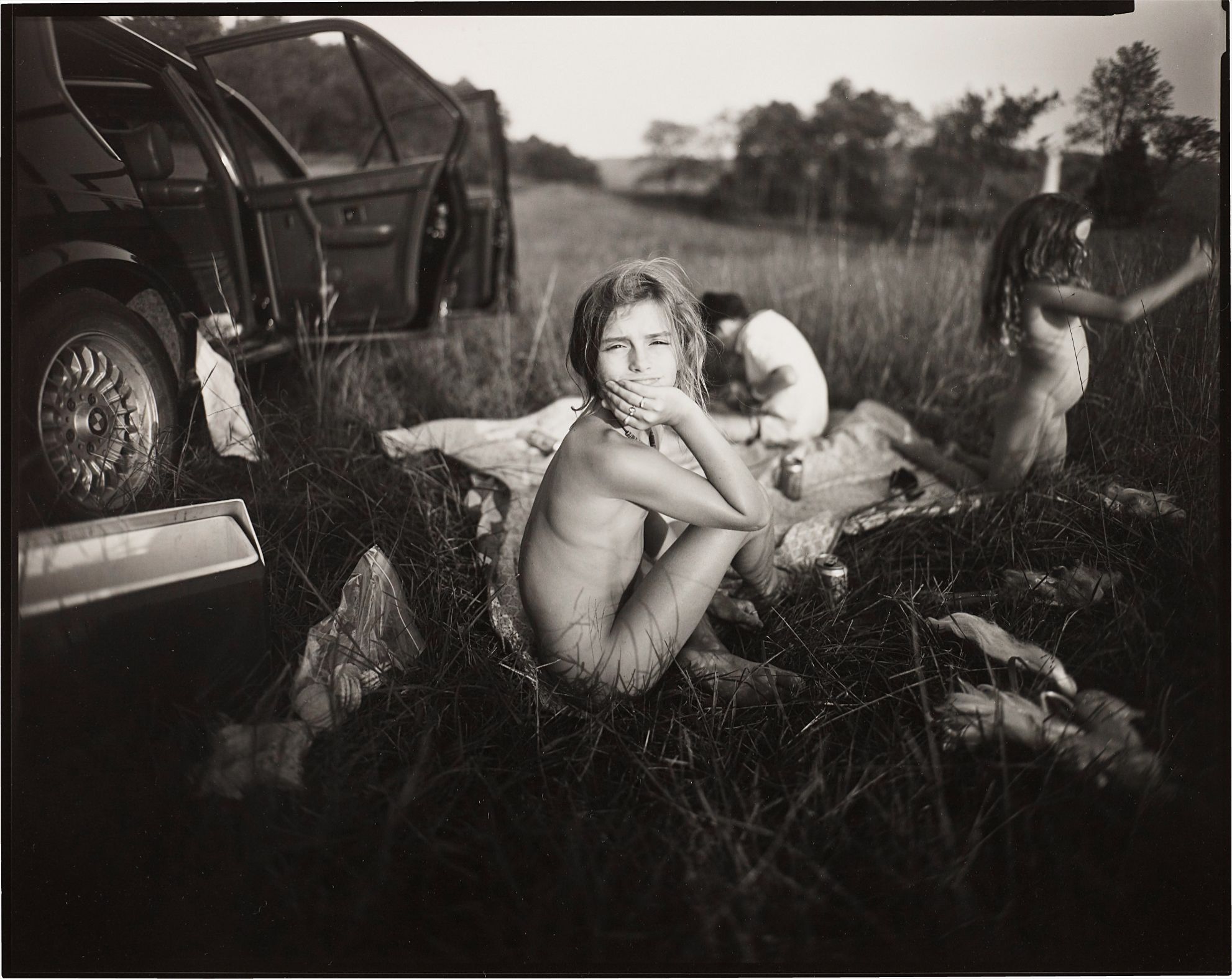
Sally Mann
Mann employs alternative and historical photographic processes that give her prints a textured, painterly surface quality closely comparable to Lee's Hanji paper technique, dissolving the boundary between photography and fine art. Her large scale landscape work also carries a strong meditative and elegiac emotional register.
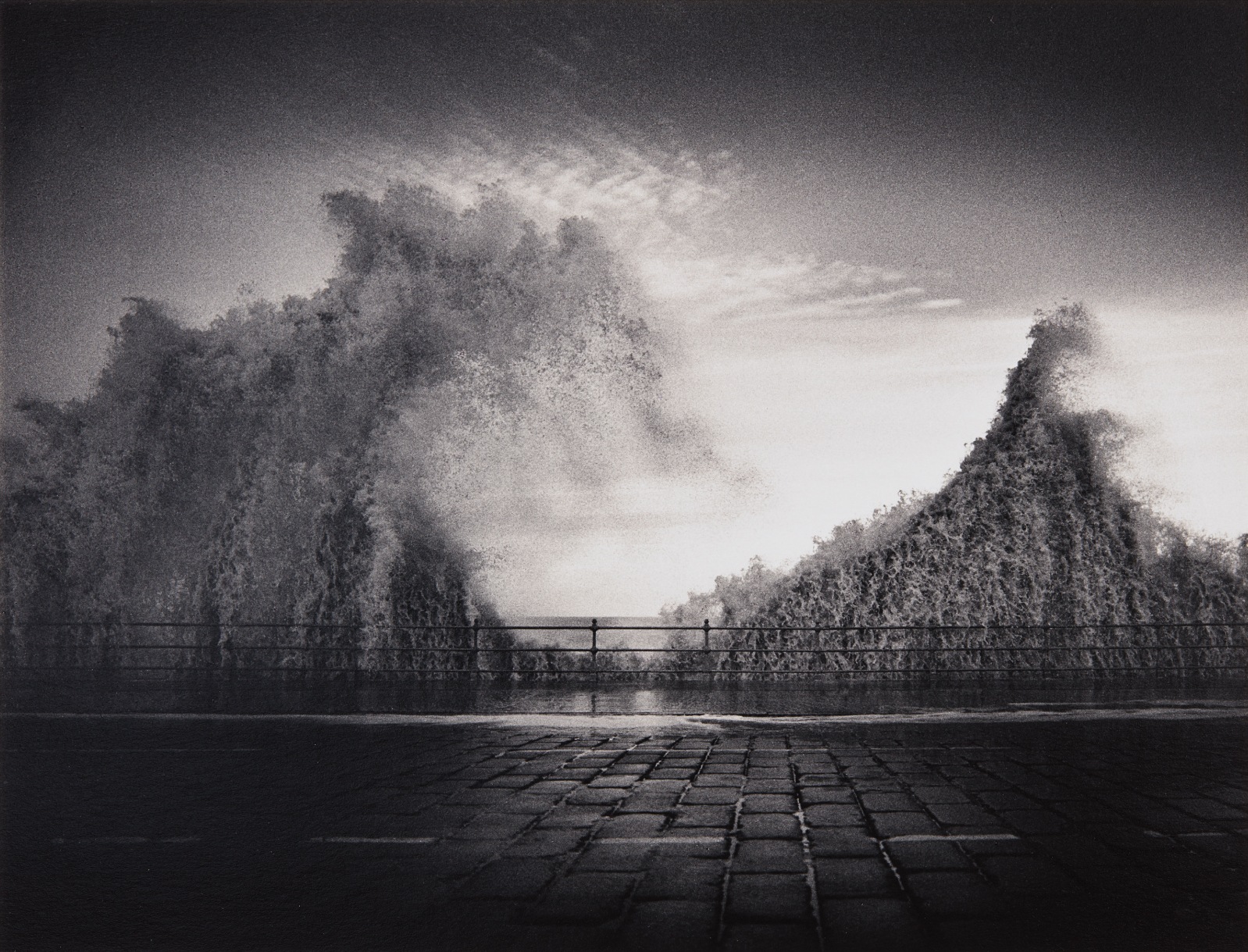
Michael Kenna
Kenna's monochromatic landscape photography emphasizes quietude, minimalist composition, and the poetic transformation of natural environments into contemplative visual experiences directly comparable to Lee's approach. His long exposure gelatin silver prints share Lee's interest in distilling landscape into essential tonal and formal elements.
Artists who inspired them
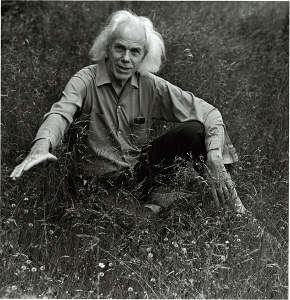
Minor White
White's concept of equivalence, in which photographs function as expressions of inner psychological and spiritual states rather than literal records, deeply informs Lee's contemplative and emotionally resonant approach to landscape. His insistence on photography as a meditative practice aligns closely with the philosophical underpinning of her work.
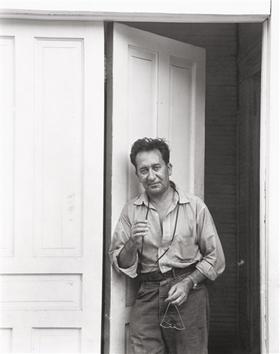
Aaron Siskind
Siskind's exploration of photography as an abstract and expressive medium that converges with painting and gestural mark making directly influenced Lee's interest in dissolving the boundary between photographic and fine art traditions. His emphasis on surface texture and formal abstraction resonates with her use of Hanji paper emulsion technique.
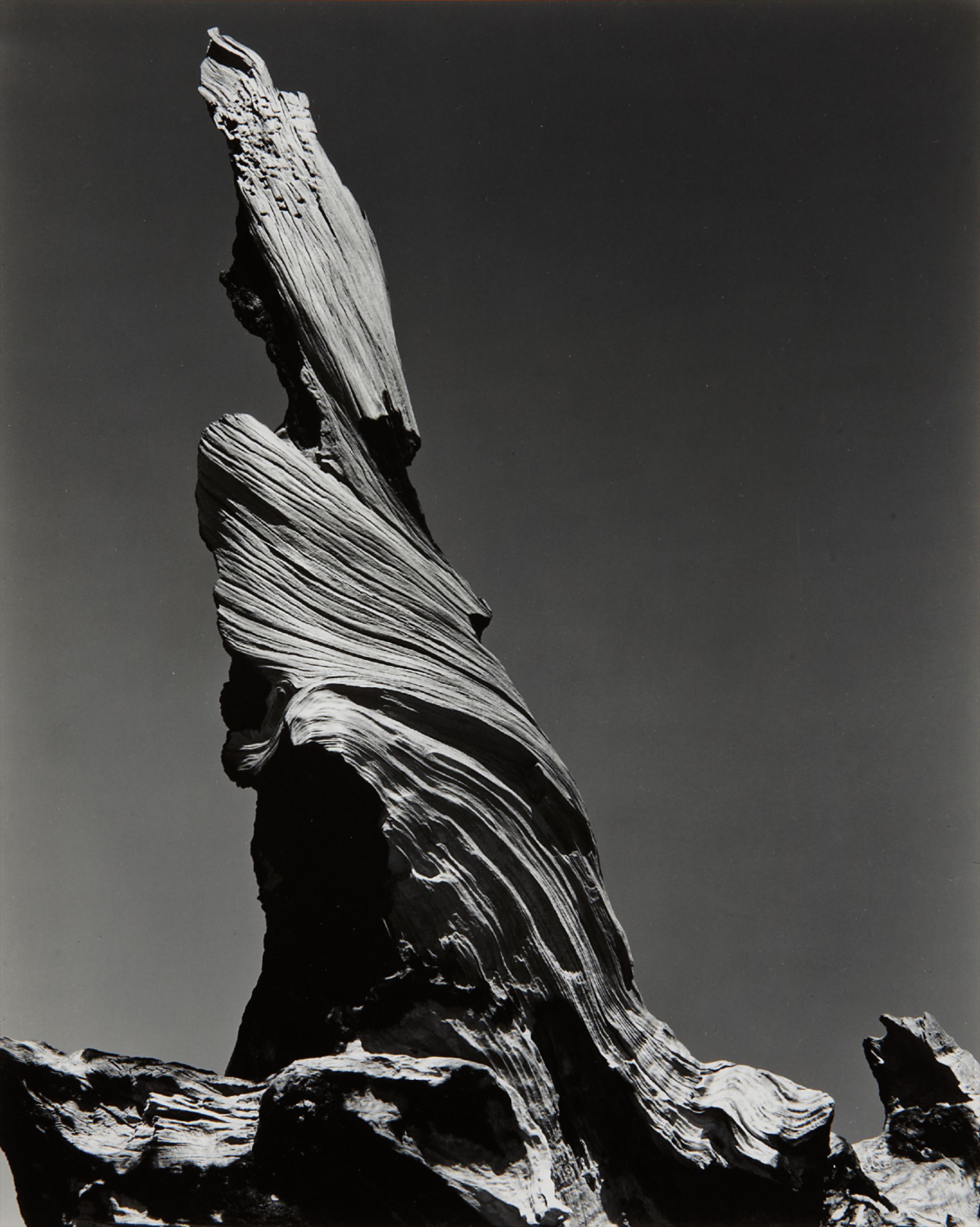
Edward Weston
Weston's disciplined large format approach to landscape and his belief in photography as a form of pure visual art grounded in direct perception provided a foundational model for Lee's formal and philosophical commitment to the medium. His reduction of landscape to essential tonal and compositional relationships presages her minimalist aesthetic.