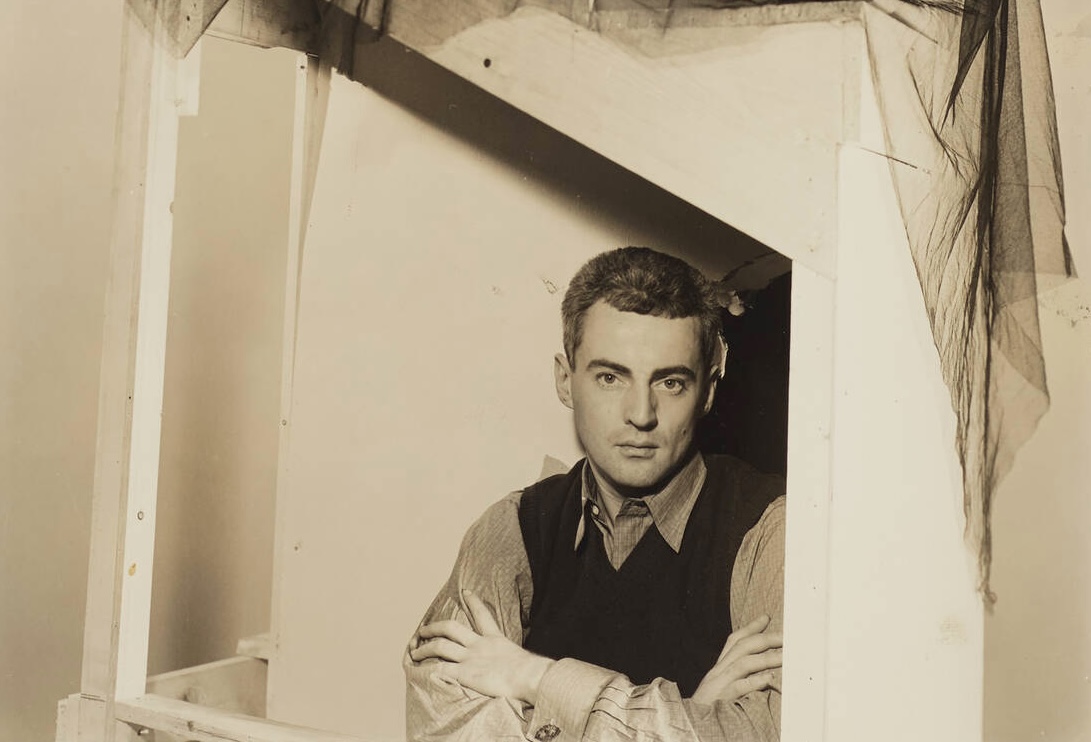
George Platt Lynes
3
Works
6
Followers
Artist Spotlight
George Platt Lynes, Beauty Without Apology
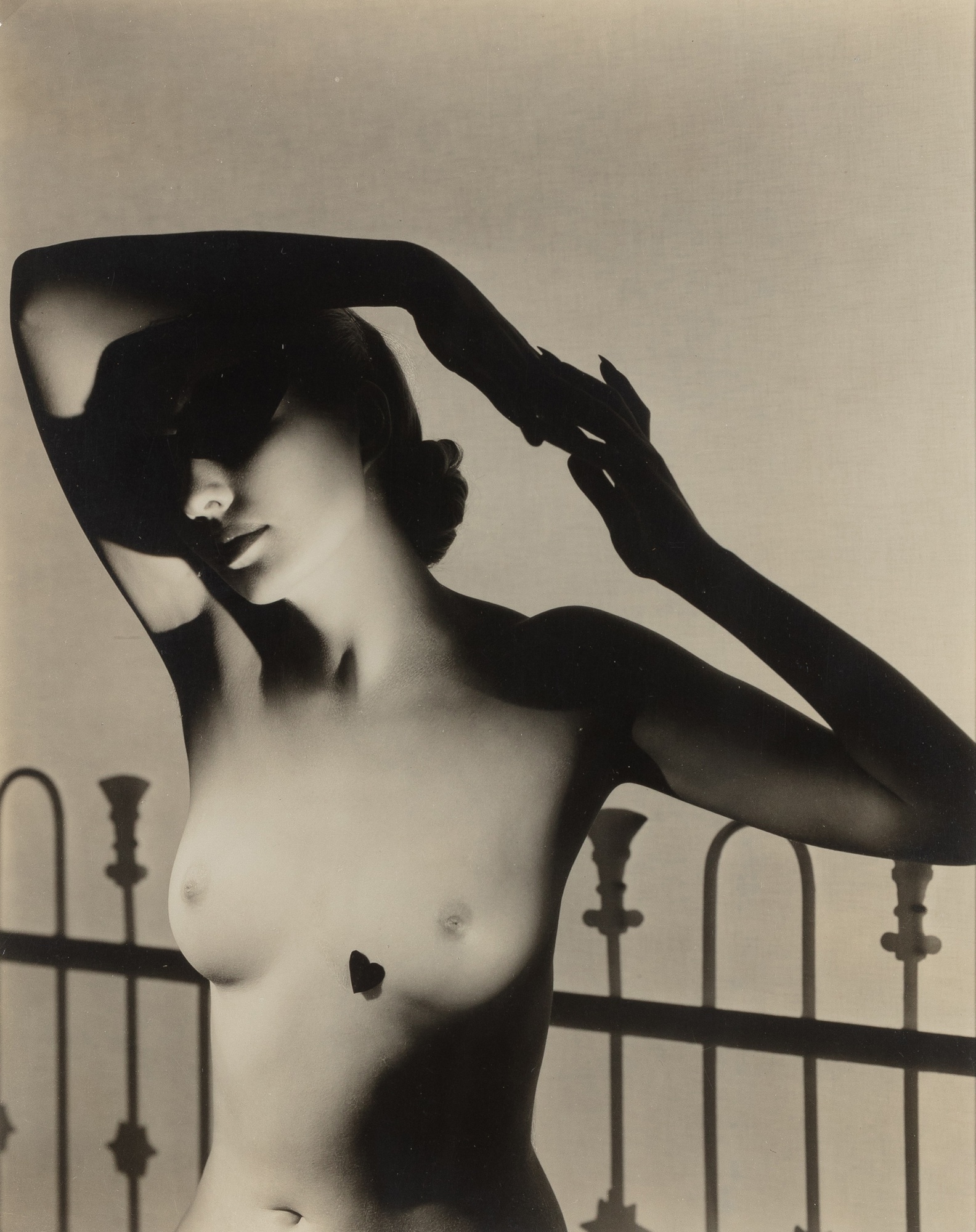
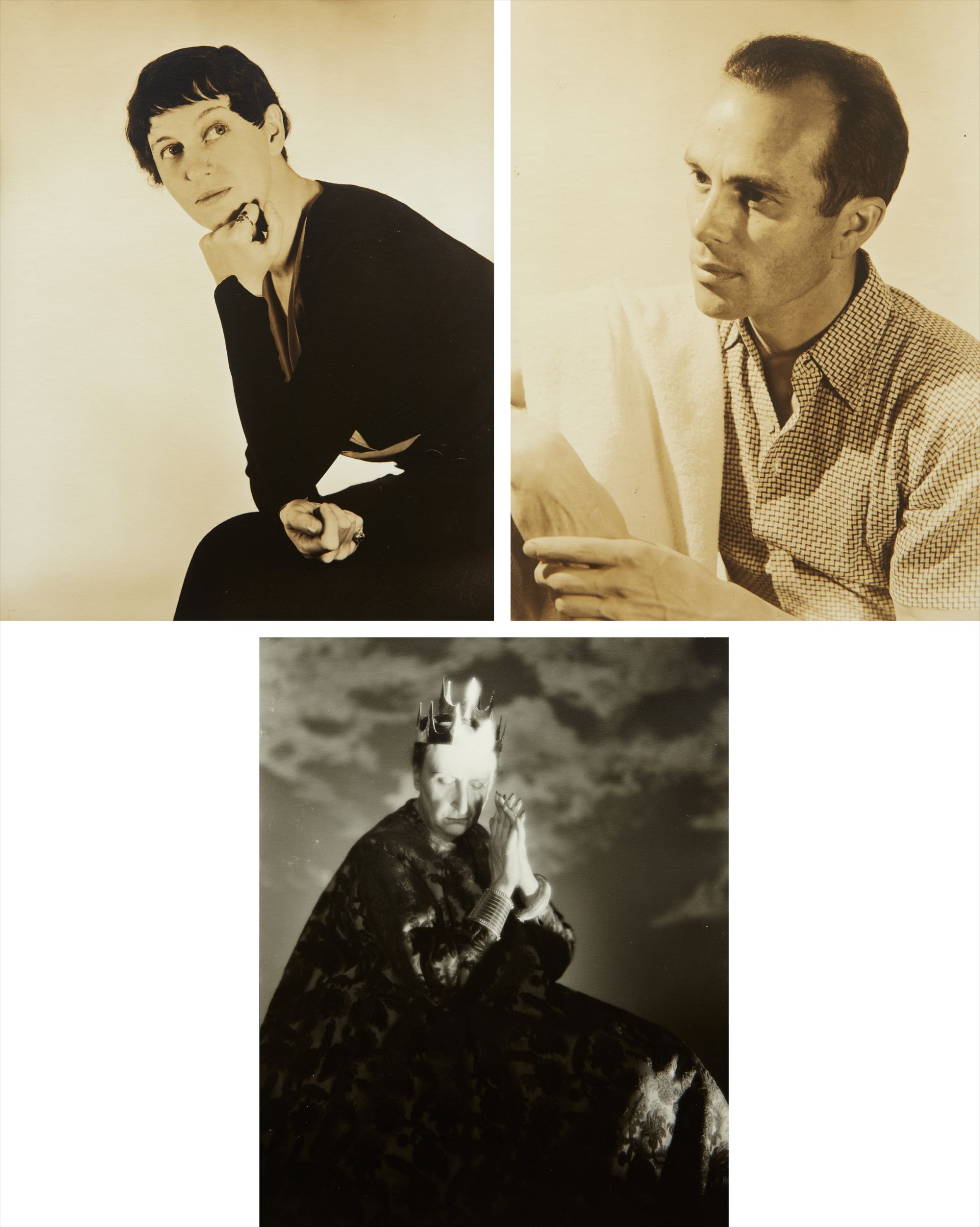
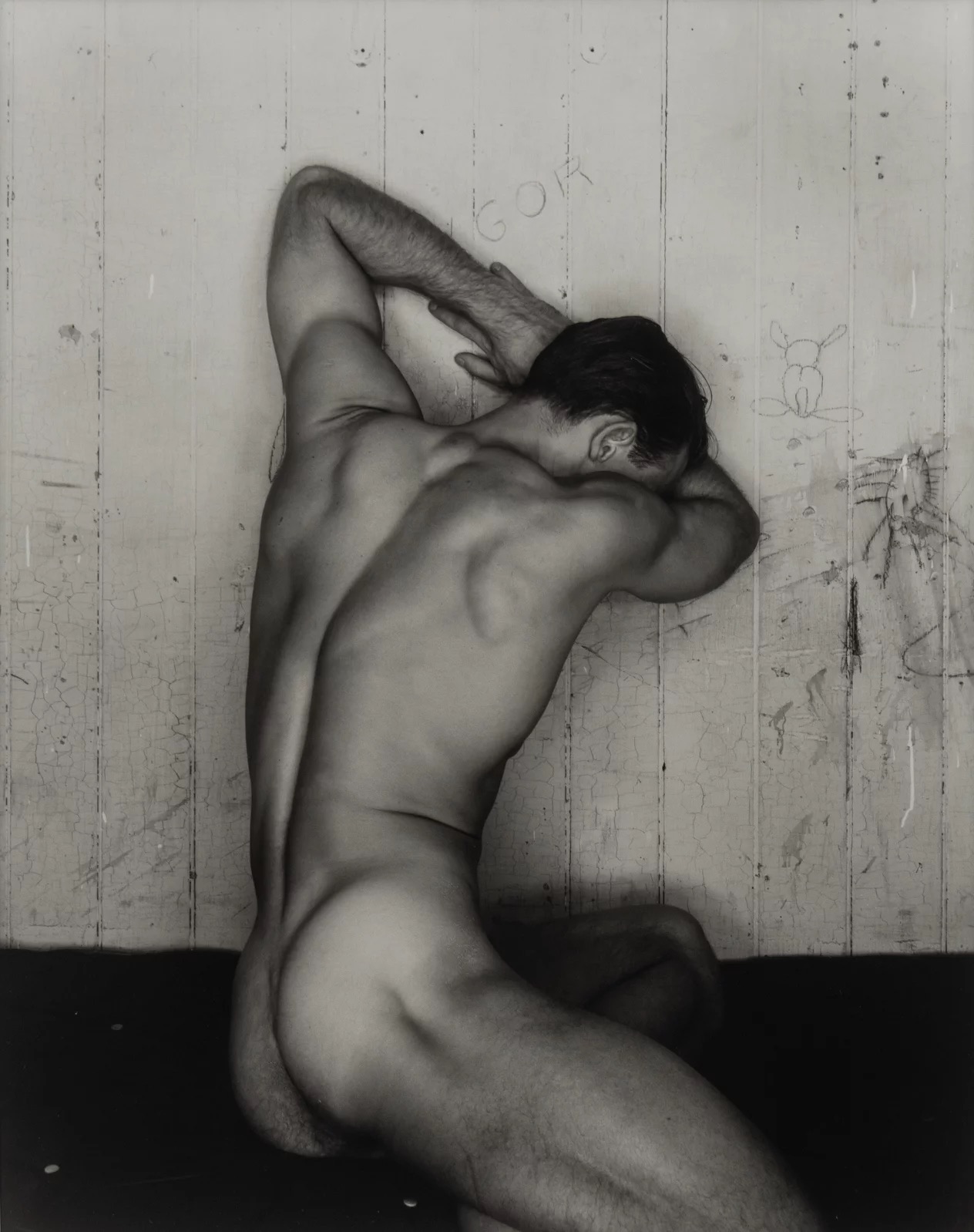
There is a photograph made in 1954, the year before George Platt Lynes died at just forty eight years old, that captures everything essential about his vision. The subject is Gordon Hanson, rendered in gelatin silver with the kind of tonal precision and quiet authority that only comes from an artist who has spent decades listening to light. The image does not announce itself. It simply arrives, fully formed, and stays with you. That it was made so close to the end of Lynes's life makes it feel less like a farewell and more like a statement of ongoing faith in the human form as a subject… Continue reading
Collectors

Artists in conversation
Horst P. Horst
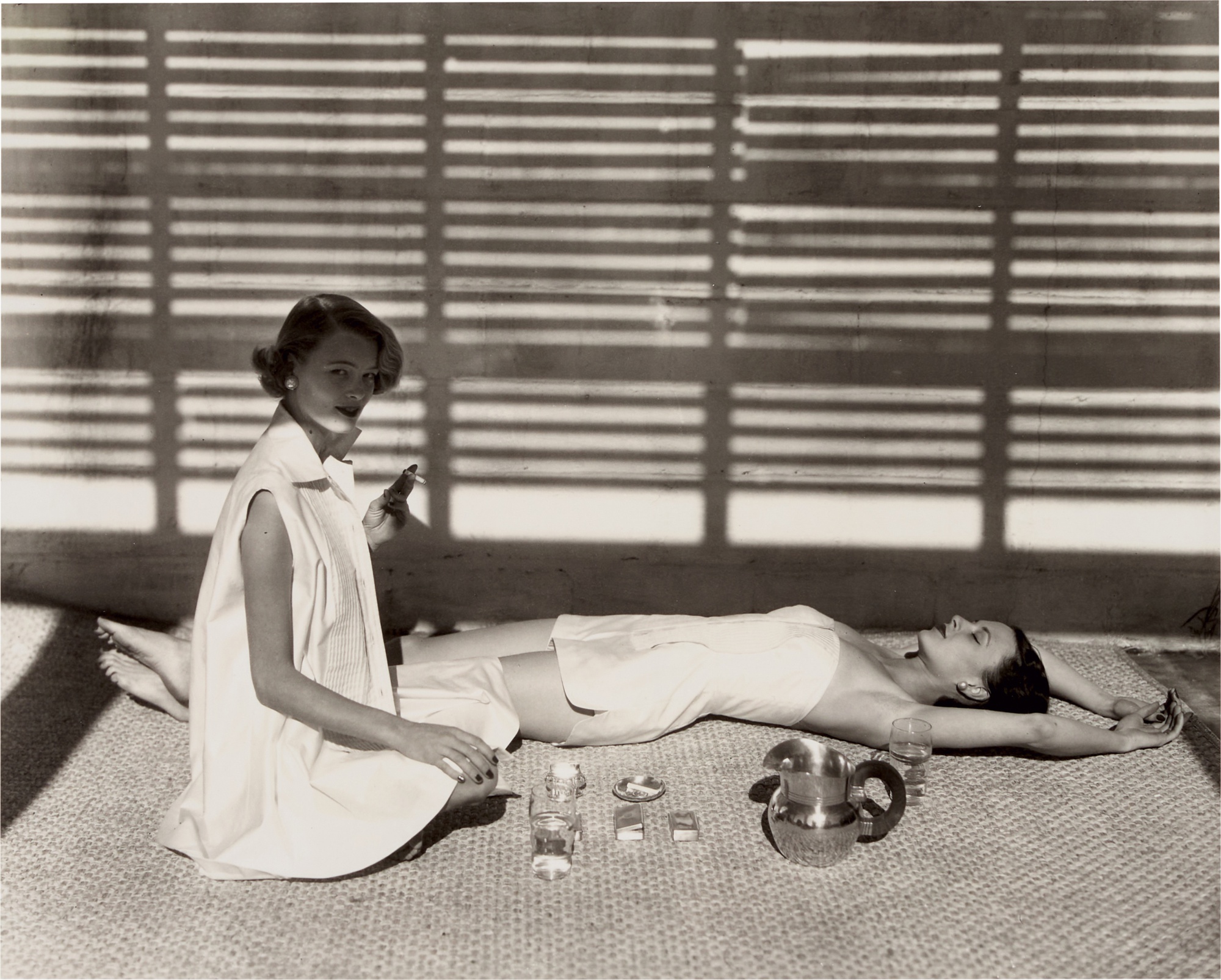
Horst worked in the same era as a leading fashion photographer whose studio work blended surrealist aesthetics with classical elegance, appealing to the same Vogue and Harper's Bazaar audience. Both photographers shared a meticulous approach to lighting, sculptural form, and the male and female body as artistic subject.
Herbert List
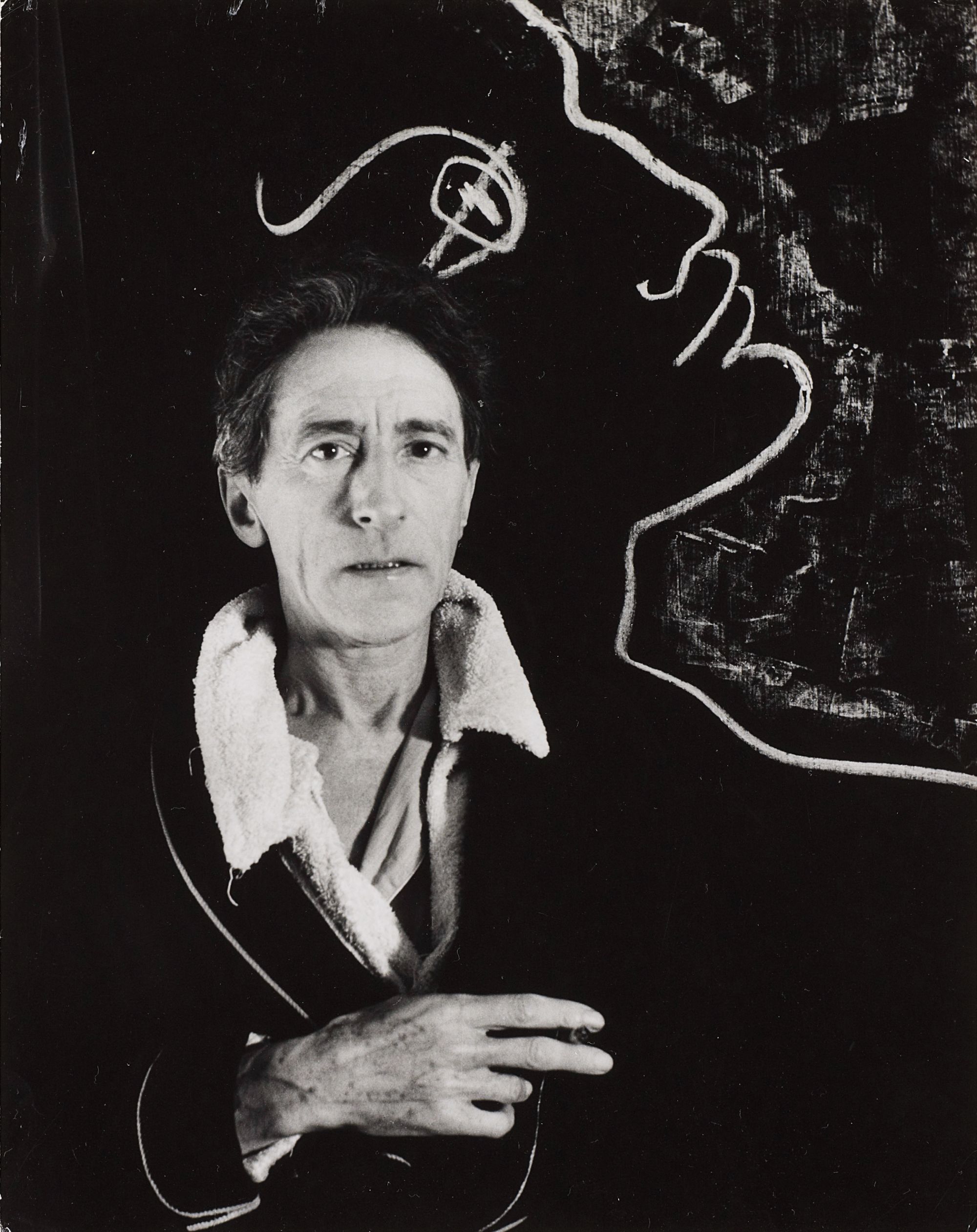
List similarly fused surrealist sensibilities with classical references and produced pioneering homoerotic male nude photography with great formal beauty. His Mediterranean studies of the male figure share a poetic and mythological quality directly comparable to Lynes's work.
Cecil Beaton
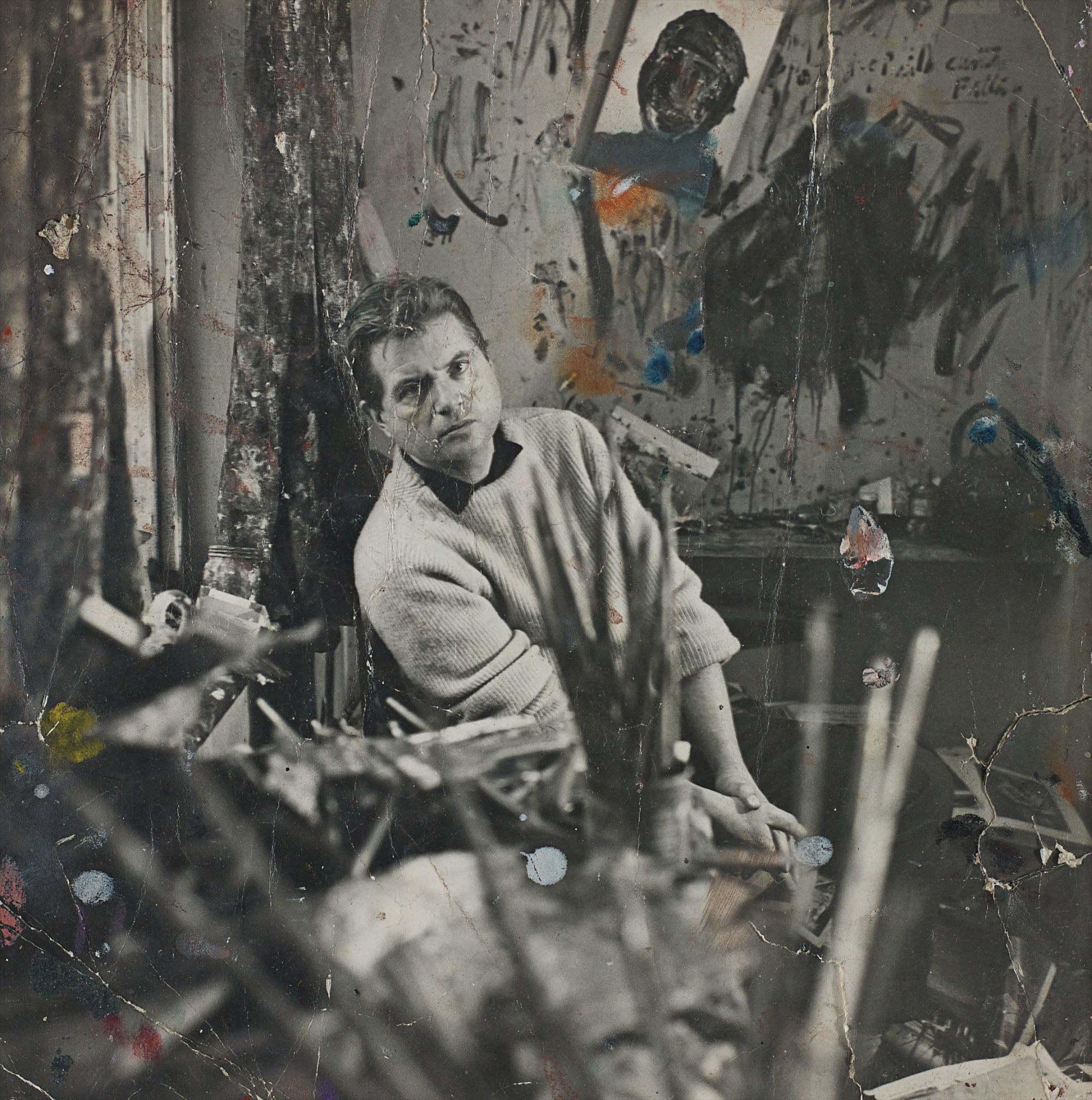
Beaton was a contemporaneous fashion and portrait photographer whose surrealist theatrical sensibility and connections to the same cultural avant garde circles made his output stylistically akin to Lynes. Collectors drawn to Lynes's glamour and wit find natural kinship in Beaton's elaborate fantasy imagery.
Artists who inspired them
Man Ray
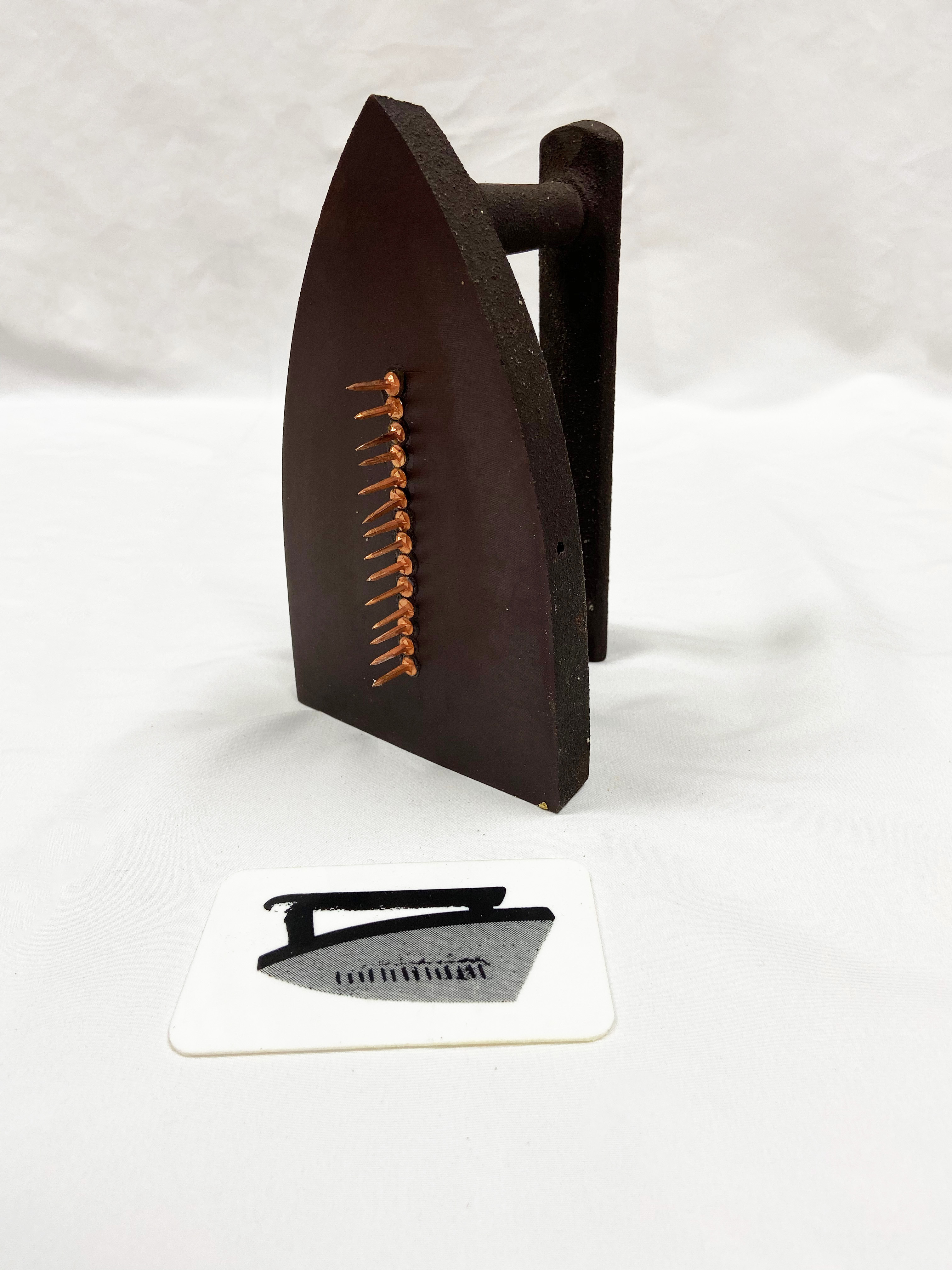
Man Ray was a central figure in the Paris surrealist circle that Lynes entered in the late 1920s, and his experimental approach to the photographed body and surrealist montage directly shaped Lynes's conceptual ambitions. Lynes absorbed Man Ray's idea of photography as fine art capable of dreamlike transformation rather than mere documentation.

Baron Adolf de Meyer
De Meyer established the template of the fashion photographer as an artist of soft light and romantic atmosphere, working for Vogue and Harper's Bazaar before Lynes entered the field. His elevation of commercial photography to a pictorialist art form gave Lynes a professional and aesthetic precedent to build upon.
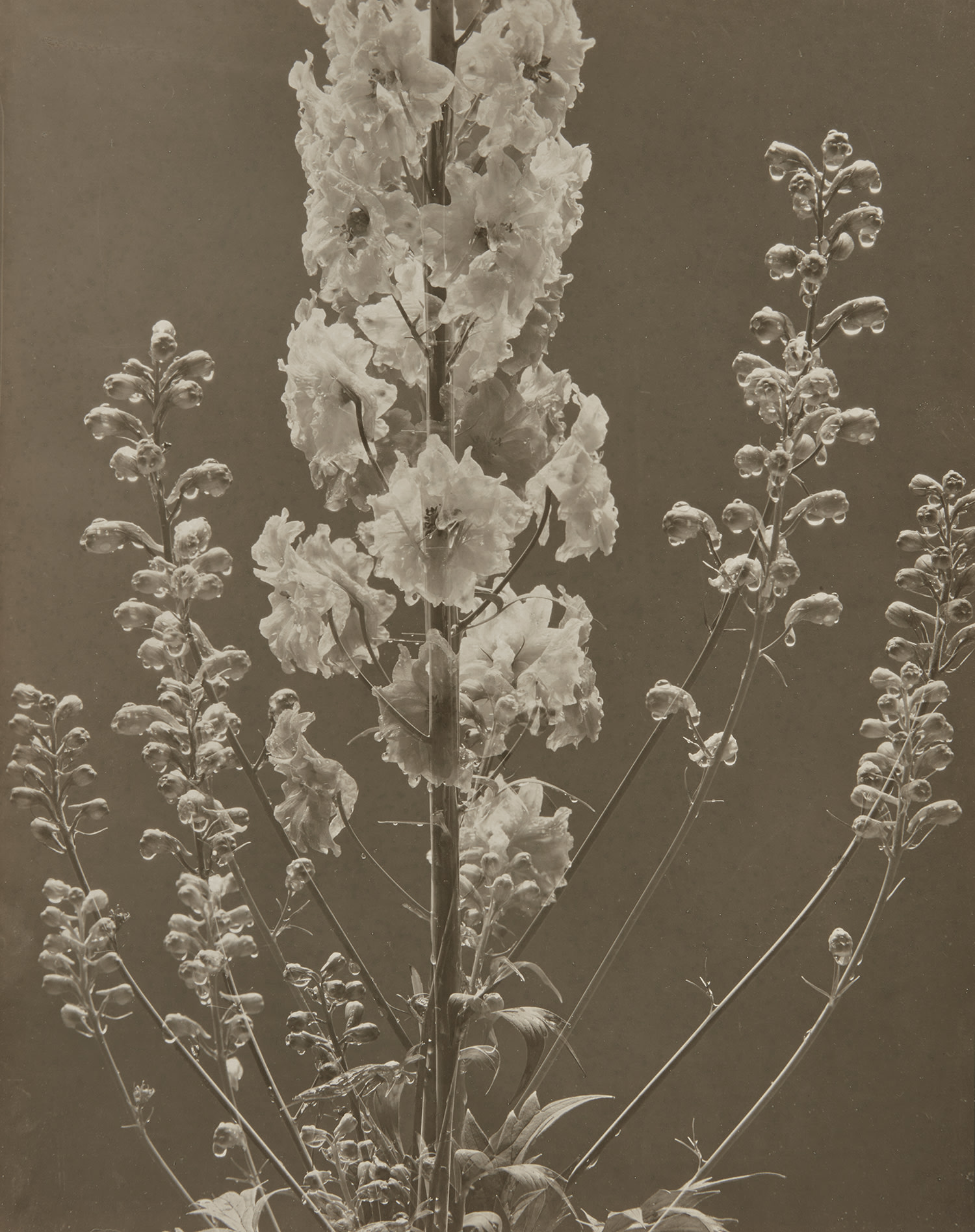
Edward Steichen
Steichen demonstrated that a photographer could move fluidly between fine art portraiture and high fashion work while maintaining artistic credibility, a path Lynes consciously followed. His commanding studio lighting and classical treatment of the human form were foundational models for Lynes's own photographic language.
Artists they inspired
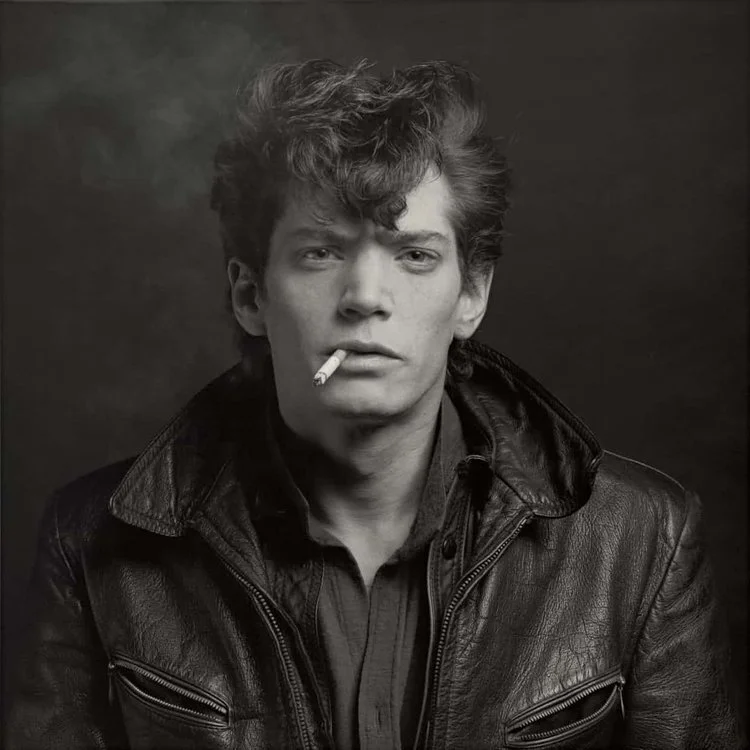
Robert Mapplethorpe
Mapplethorpe directly acknowledged the tradition of homoerotic male nude photography that Lynes pioneered, sharing his emphasis on classical sculptural form, stark studio lighting, and unflinching yet aestheticized depictions of male sexuality. Mapplethorpe extended Lynes's project of legitimizing the male nude within fine art photography into a more public and confrontational arena.
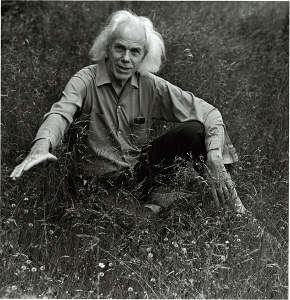
Minor White
White was aware of Lynes's clandestine male nude work and similarly pursued a serious fine art approach to the homoerotic male figure in mid twentieth century America. Lynes's example helped establish that such imagery could aspire to formal and spiritual depth rather than mere transgression.