George Platt Lynes
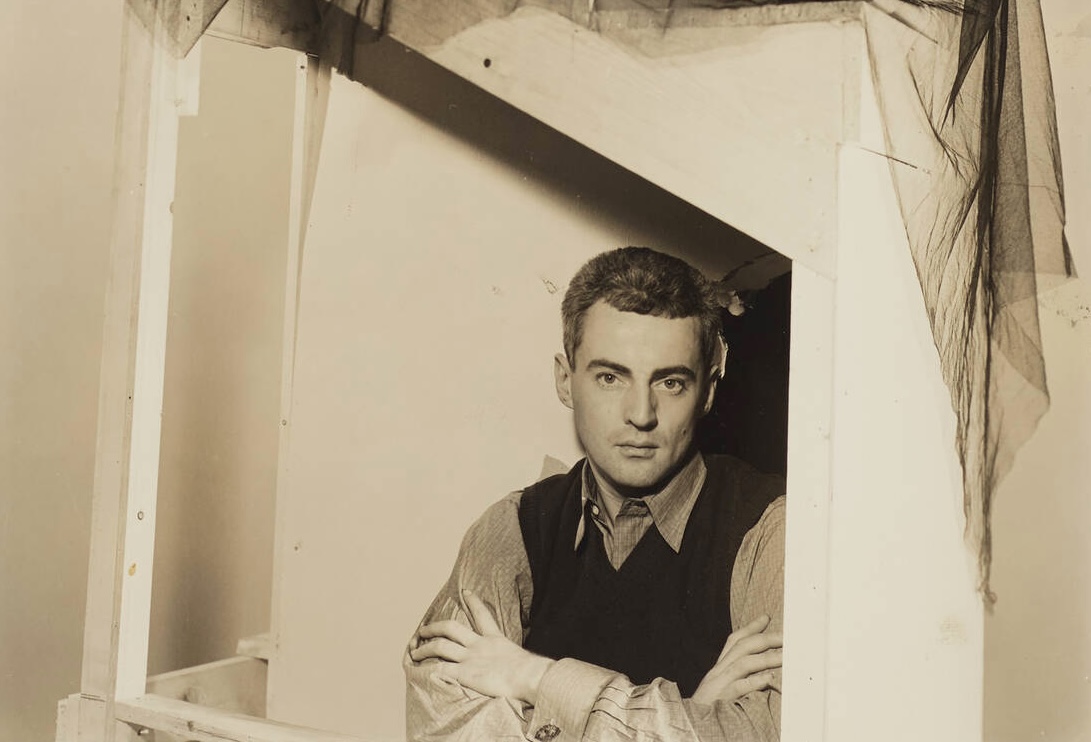
George Platt Lynes, Beauty Without Apology
Artist Spotlight · The Collection Editorial
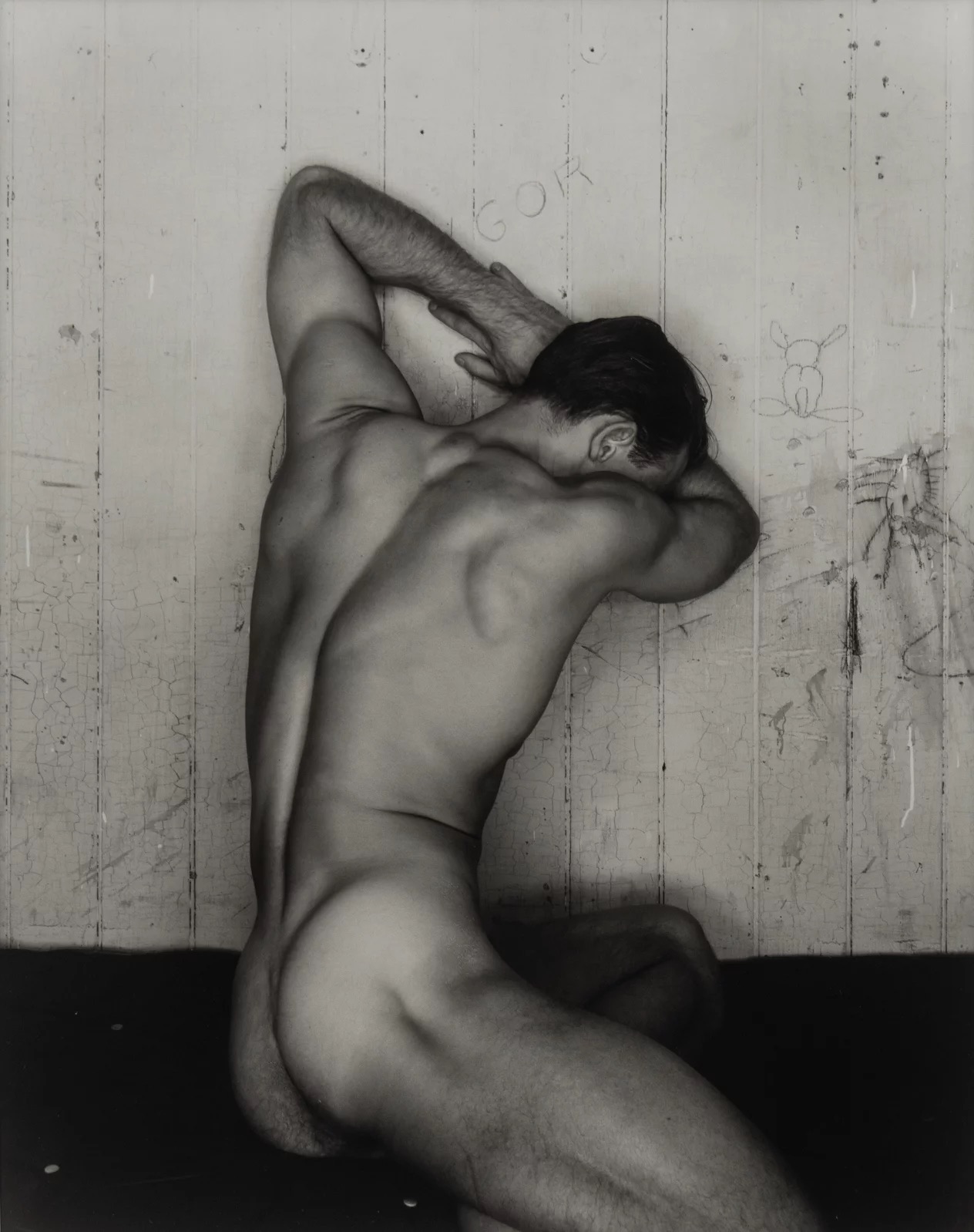
There is a photograph made in 1954, the year before George Platt Lynes died at just forty eight years old, that captures everything essential about his vision. The subject is Gordon Hanson, rendered in gelatin silver with the kind of tonal precision and quiet authority that only comes from an artist who has spent decades listening to light. The image does not announce itself. It simply arrives, fully formed, and stays with you.
George Platt Lynes
Gordon Hanson, 1954
That it was made so close to the end of Lynes's life makes it feel less like a farewell and more like a statement of ongoing faith in the human form as a subject worthy of the most serious artistic attention. George Platt Lynes was born in East Orange, New Jersey in 1907, the son of a minister, and his early life gave little obvious indication of the singular artistic identity he would forge. What it did give him was a restless intelligence and a longing for a wider world. By his late teens he had made his way to Paris, arriving in the mid 1920s into a scene that was remaking Western culture in real time.
He fell into the orbit of Gertrude Stein, whose salon on the Rue de Fleurus functioned as something like a finishing school for ambitious young Americans, and he formed a close friendship with Jean Cocteau, whose fluid sense of beauty, mythology, and transgression would leave a permanent mark on Lynes's own sensibility. These were not peripheral acquaintances. They were formative relationships that taught Lynes how art and life could be made to speak the same language. Lynes came to photography almost by accident, initially drawn to a literary career, but once he picked up a camera in the late 1920s the transition felt inevitable in retrospect.
George Platt Lynes
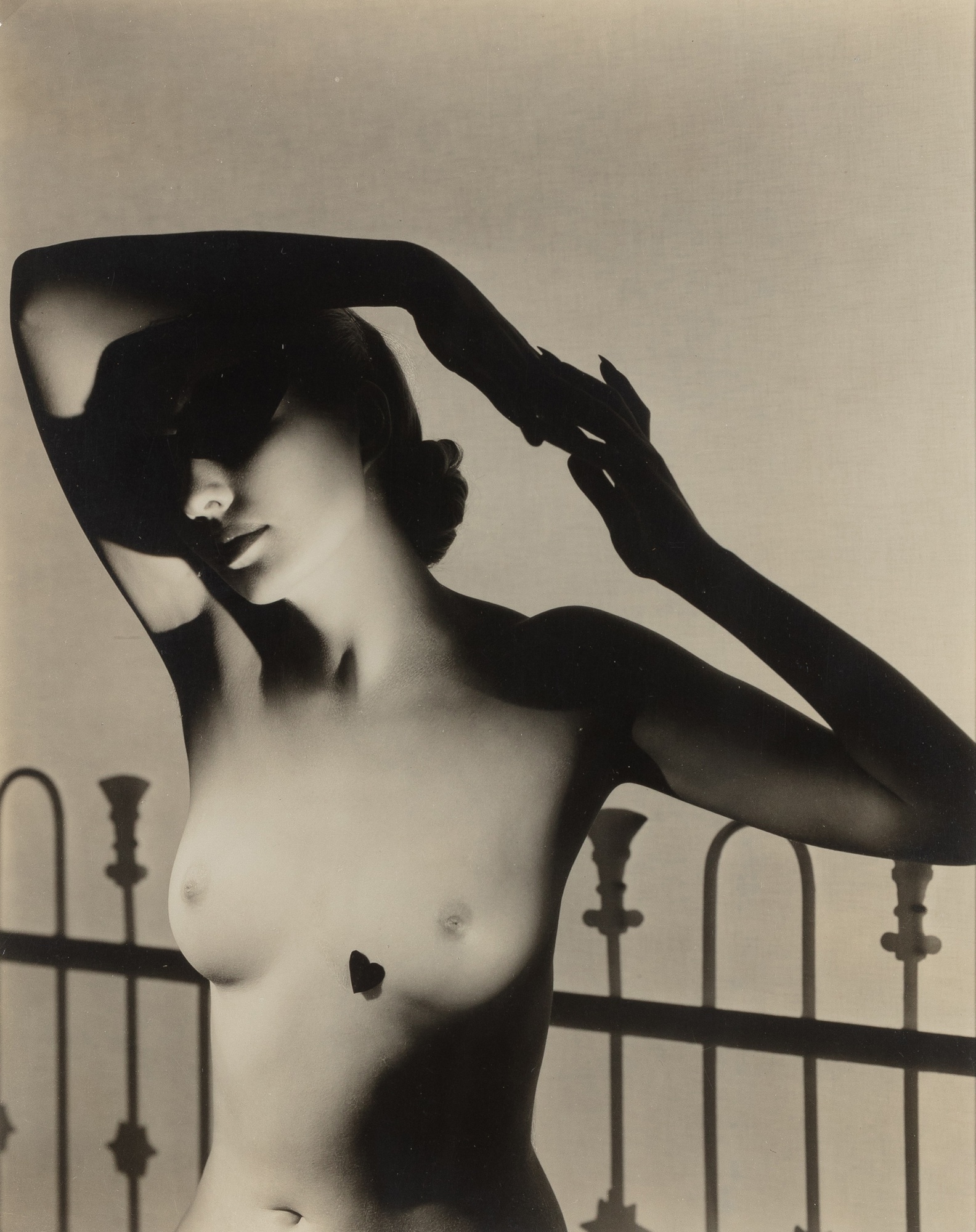
Untitled
He had the eye. He understood composition instinctively, and he understood people, which is a rarer gift. By the early 1930s he had established himself in New York as a portrait and fashion photographer of genuine distinction, contributing extensively to Harper's Bazaar and Vogue at a moment when those publications were themselves becoming serious aesthetic objects. His studio at 640 Madison Avenue became a gathering place for the creative world of mid century New York, a fact attested to by the studio stamp that appears on the reverse of works from this period, a small detail that now functions as a kind of provenance poetry for collectors.
He photographed George Balanchine and the dancers of the New York City Ballet with such sympathy and precision that his ballet photographs constitute a sustained artistic achievement in their own right, a visual record of bodies in motion that no choreographer could have planned. But it is the private work, made largely outside the commercial frame and circulated carefully among trusted friends and fellow travelers, that has come to define Lynes's place in art history. Beginning in the 1930s and continuing through the last decade of his life, Lynes made hundreds of photographs of male nudes, images that combined the cool formal intelligence of his fashion work with a warmth and directness that the fashion world could not have accommodated. These photographs drew on the surrealist influence he had absorbed in Paris, placing the body within dreamlike or allegorical contexts borrowed from classical mythology, and they did so with an assurance and tenderness that set them apart from anything being made in America at the time.
George Platt Lynes
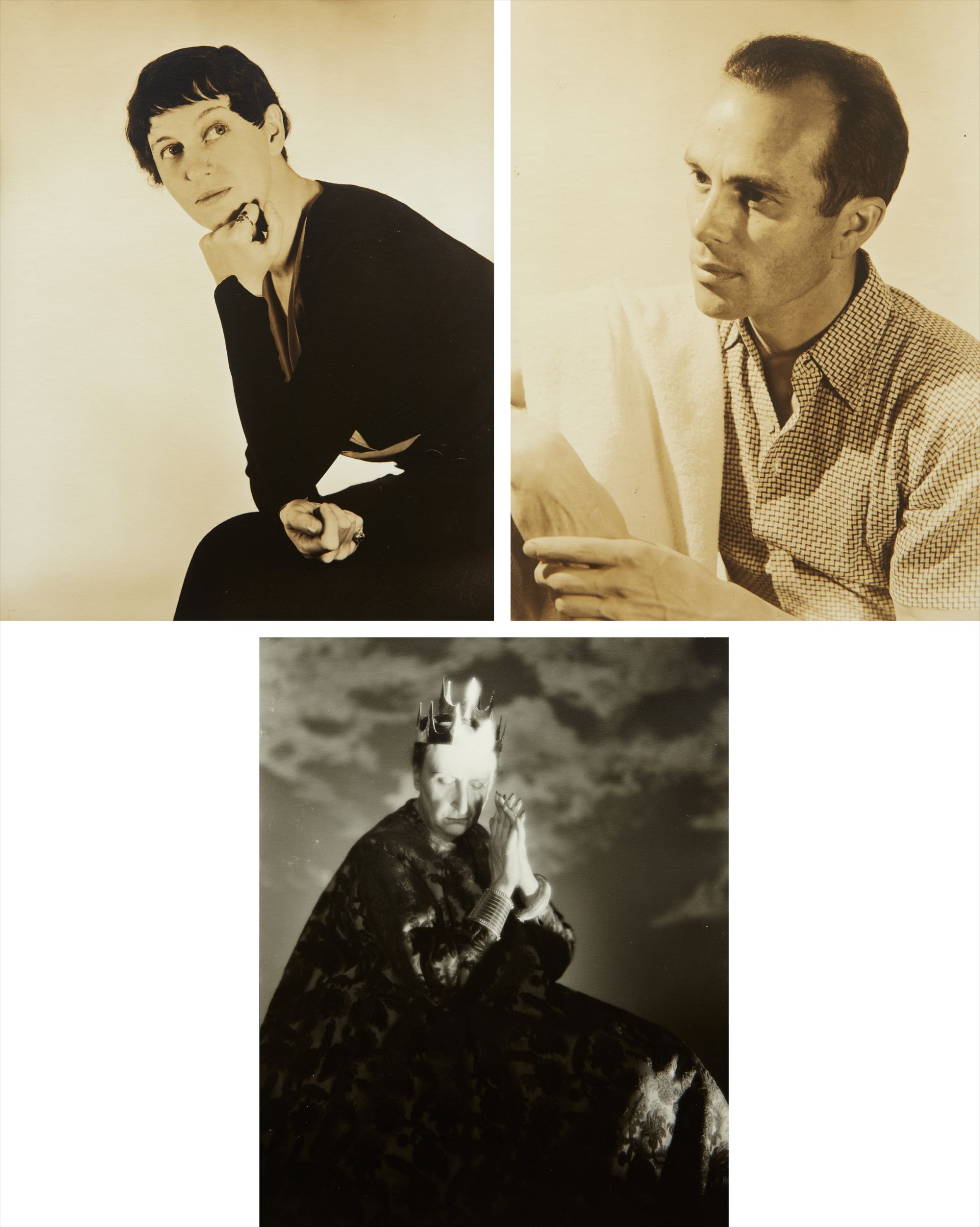
Selected Images
Lynes understood that he was making work that could not be shown publicly during his lifetime, and he made it anyway, with full commitment to its artistic seriousness. He gave or destroyed much of it before his death, though a significant body of work survived through the care of friends and, eventually, the Kinsey Institute, which holds a substantial portion of his private archive. For collectors, works by Lynes occupy a genuinely compelling position in the market. His gelatin silver prints, particularly those from the 1930s through the early 1950s, carry the direct physical presence that only vintage prints made close to the moment of creation can offer.
The tonal range Lynes achieved in the darkroom was exceptional, and his prints reward close looking in a way that reproductions simply cannot replicate. Auction appearances of strong examples have drawn serious attention from collectors focused on twentieth century photography, LGBTQ+ art history, and American modernism alike, reflecting the breadth of the audience that has come to recognize his significance. Works from the 1936 period, such as the untitled gelatin silver print bearing both the 640 Madison Avenue studio stamp and the stamp of the influential Neapolitan gallerist Lucio Amelio, carry particular historical resonance, connecting Lynes's New York practice to the broader international conversation about photography as a fine art medium. The presence of Amelio, who championed Arte Povera and was among the first gallerists to take Joseph Beuys seriously in Italy, on the reverse of a Lynes print is the kind of art historical detail that reminds you how interconnected the serious art world has always been across generations and geographies.
Lynes belongs to a constellation of photographers who collectively elevated the medium from craft to art in the mid twentieth century. His sensibility places him in productive conversation with Man Ray, whose surrealist experiments in Paris would have been part of the visual atmosphere Lynes absorbed, and with Cecil Beaton, whose fashion and portrait work shared Lynes's elegance and psychological acuity. Within the specific tradition of the male nude, Lynes stands as a genuine pioneer, anticipating by decades the more openly celebrated work of artists like Robert Mapplethorpe, who acknowledged the debt that later photographers of the male form owed to earlier practitioners working under far more constrained conditions. Lynes did what he did without the institutional support, critical framework, or legal protection that later generations would take for granted, which makes the confidence and beauty of the work all the more remarkable.
The sustained critical and collector interest in Lynes's work today reflects a broader and genuinely welcome recognition that the history of American photography has been incompletely told. Major institutions including the Kinsey Institute and the George Eastman Museum hold significant bodies of his work, and scholarly attention has grown steadily in recent decades. His photographs do something rare: they are at once historically important documents of a hidden world and purely beautiful objects that stand entirely on their own aesthetic terms. To collect Lynes is to participate in the ongoing act of restoring a major American artist to his rightful place in the story of twentieth century art, a story that is richer, stranger, and more generous than the official version long admitted.