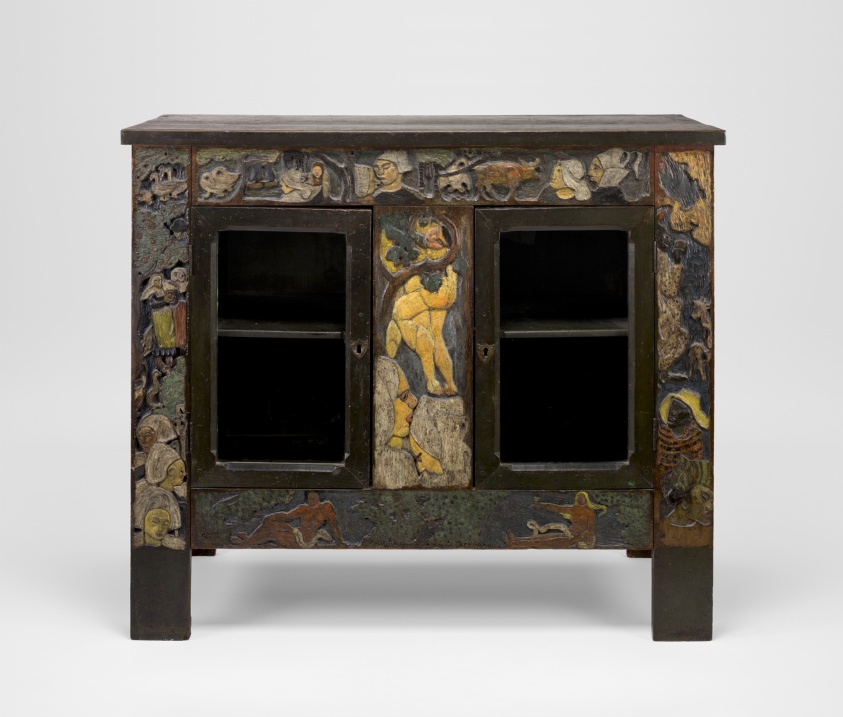
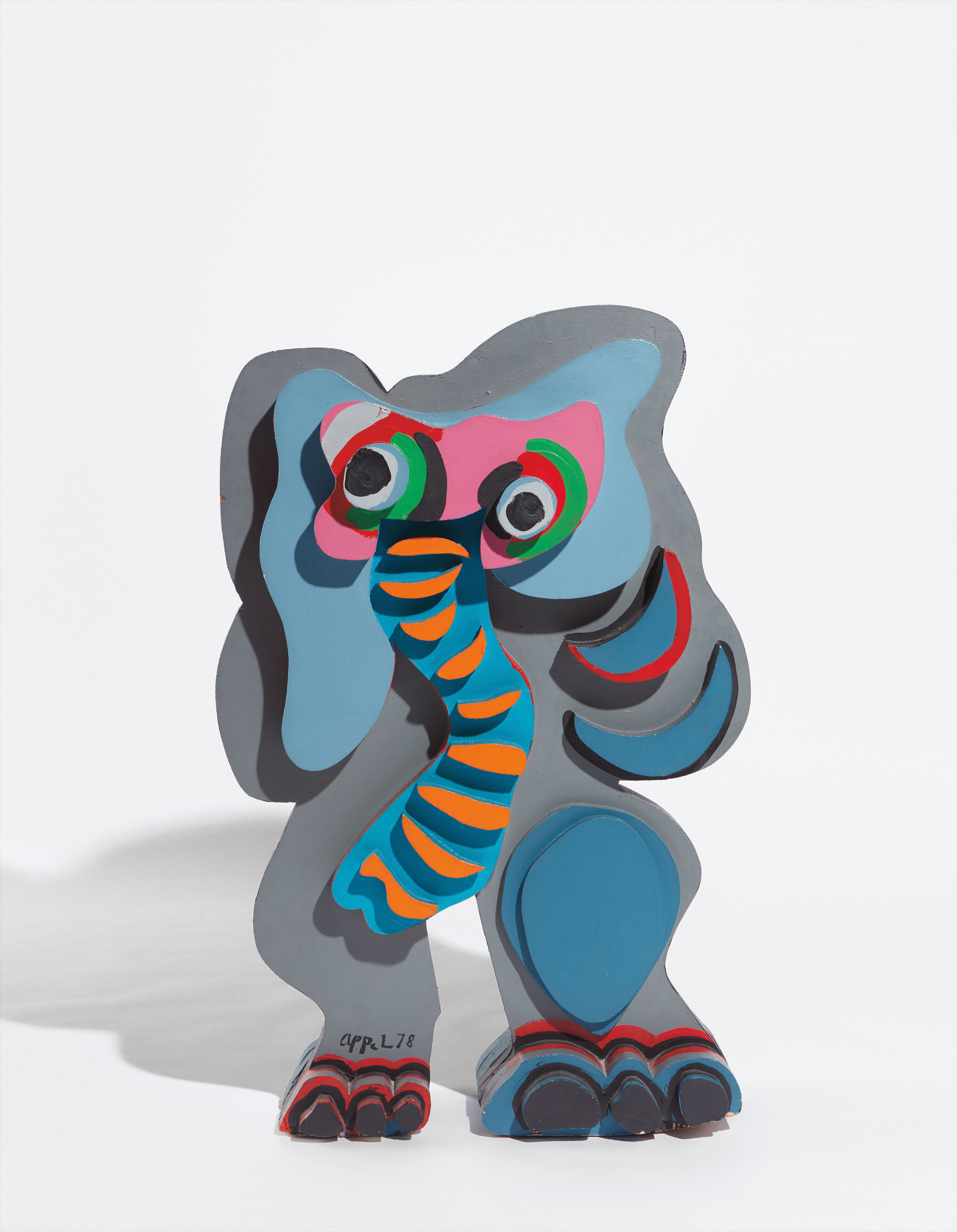
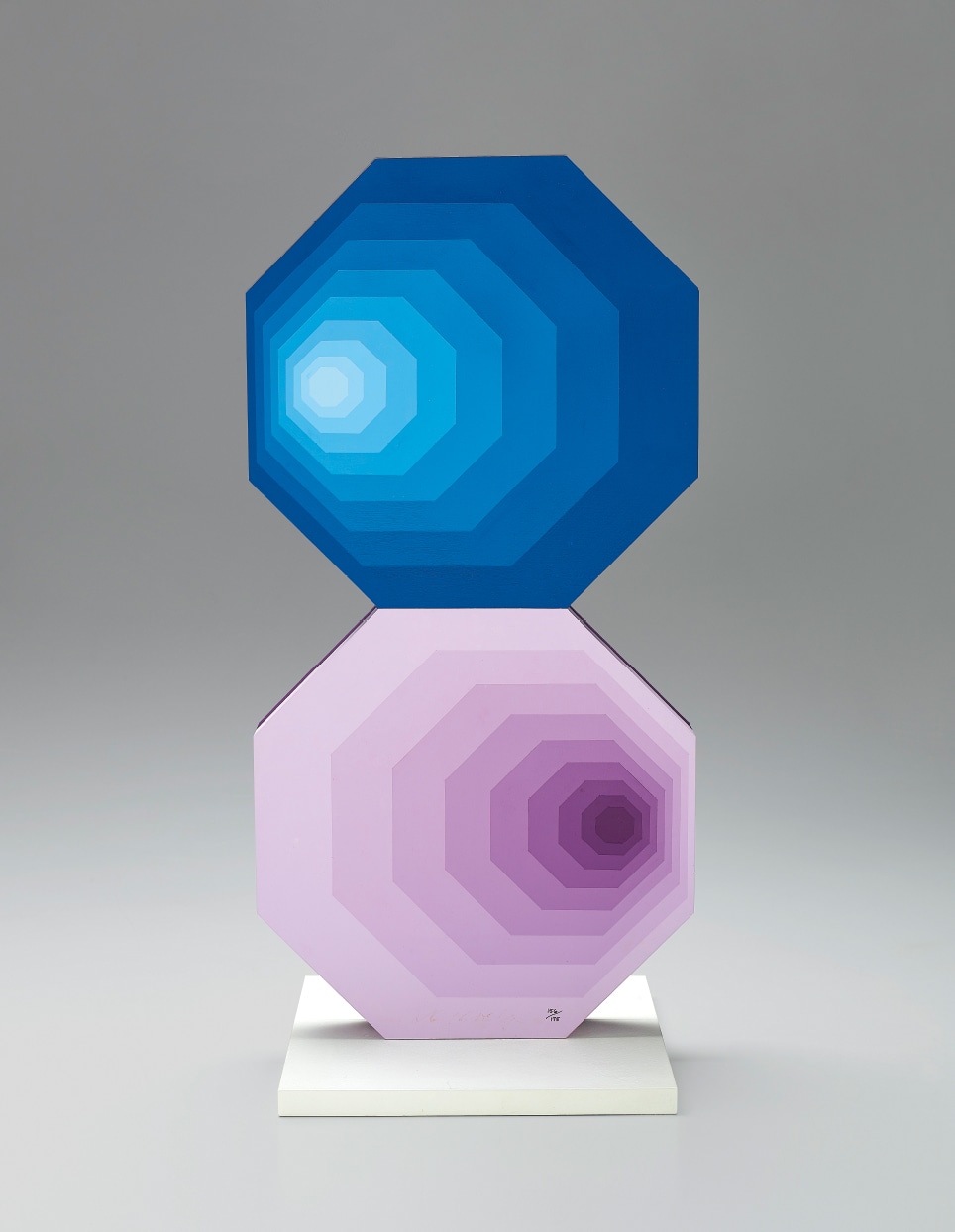

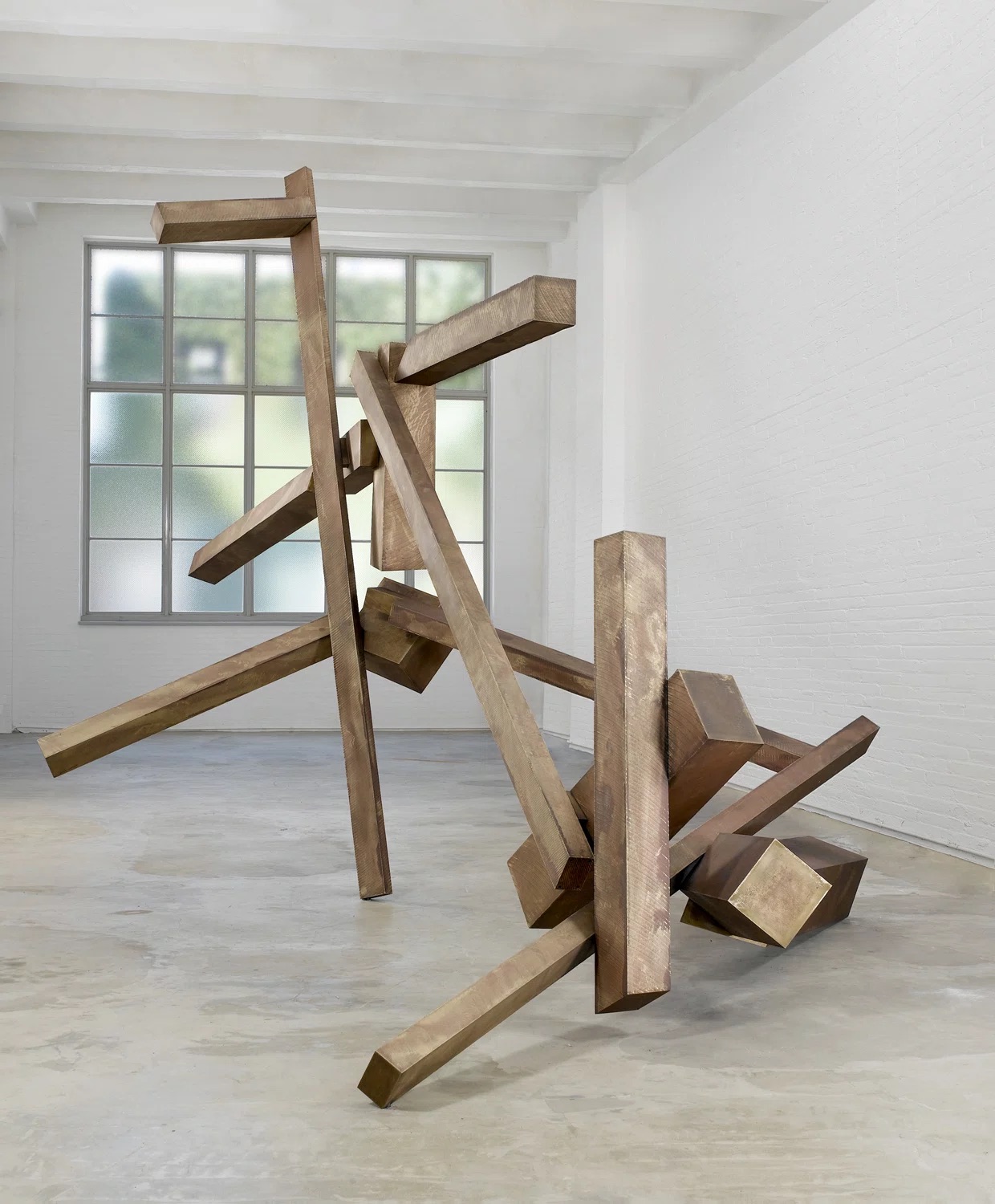
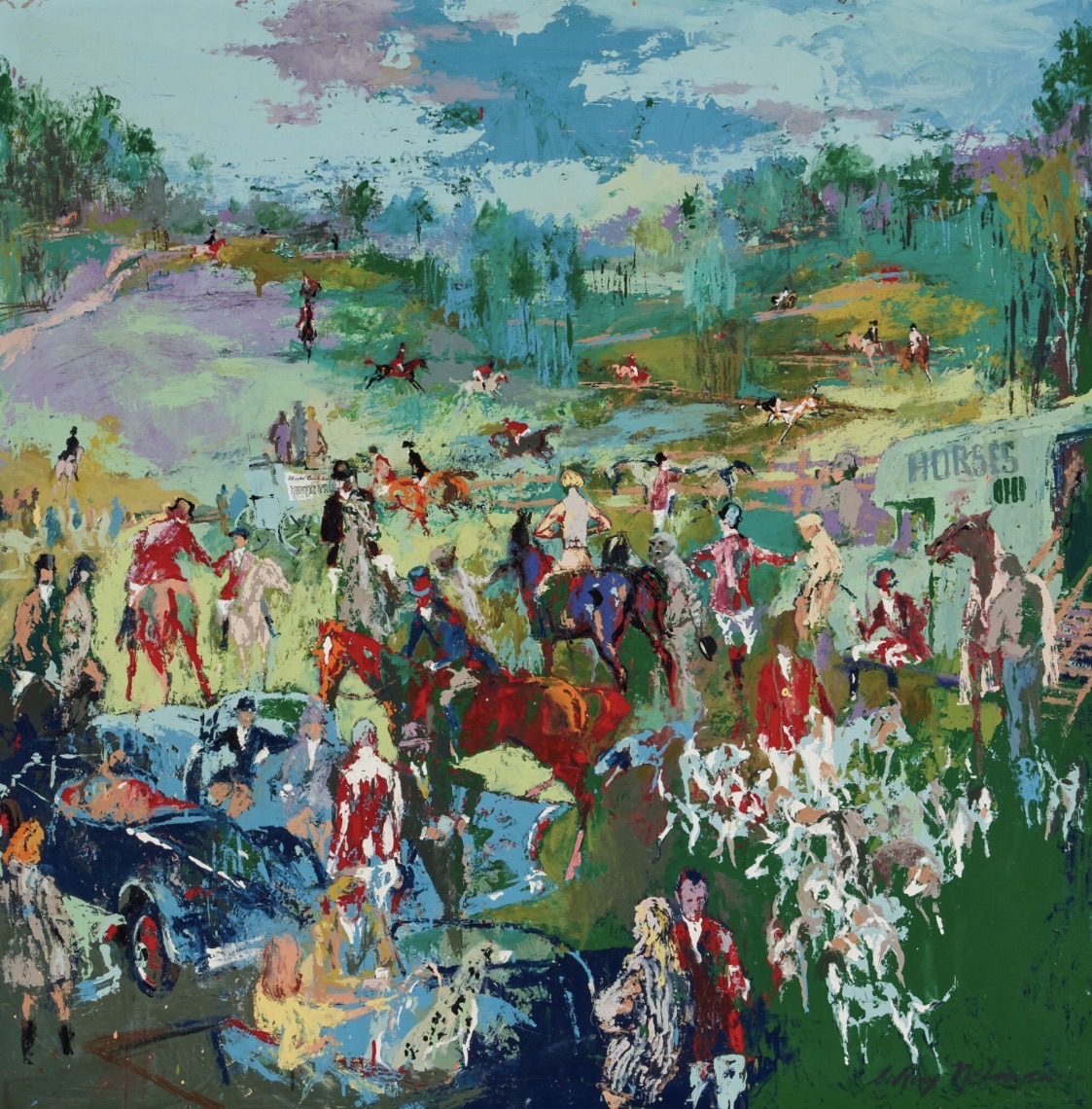
Wood Sculpture
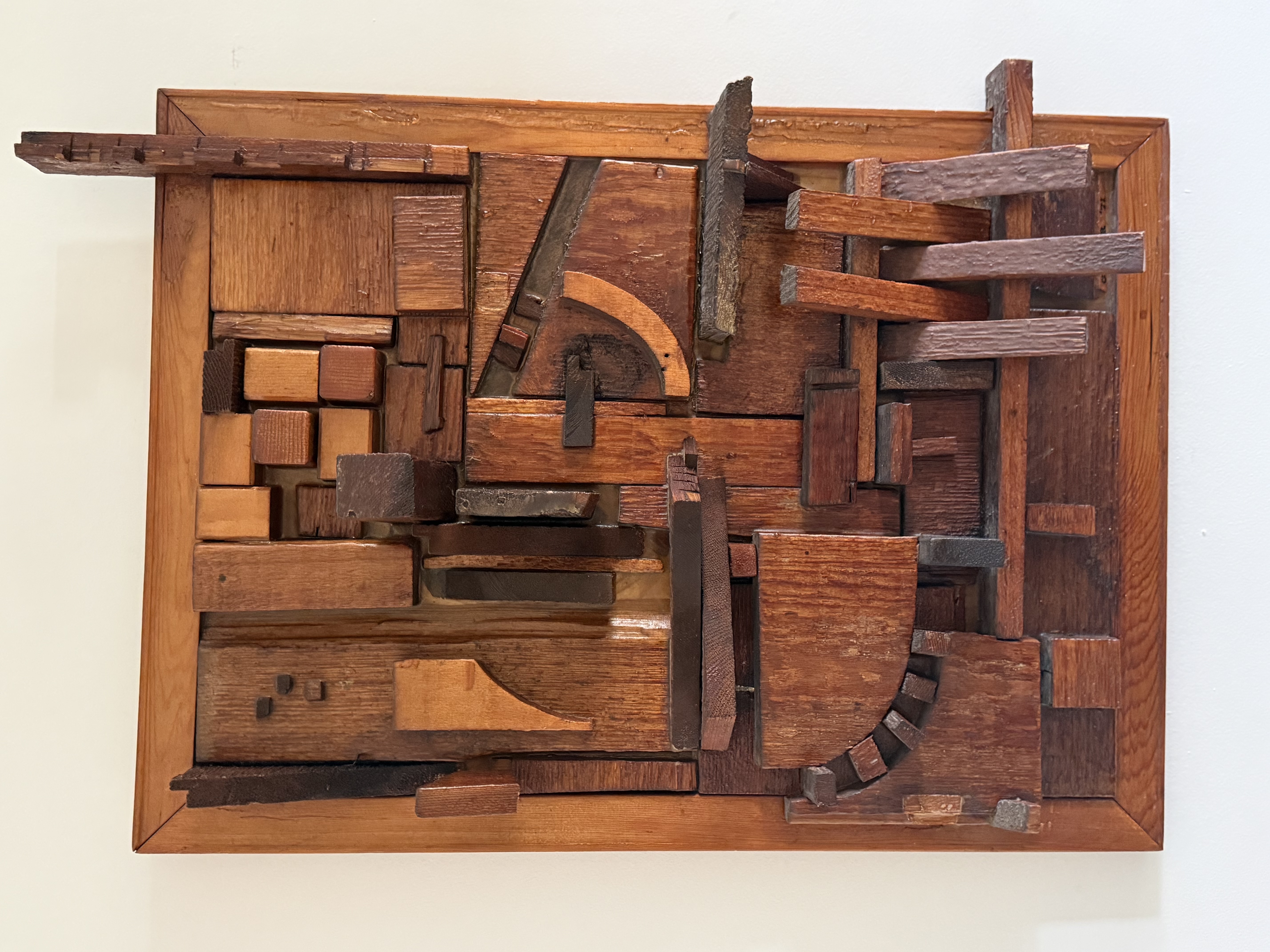
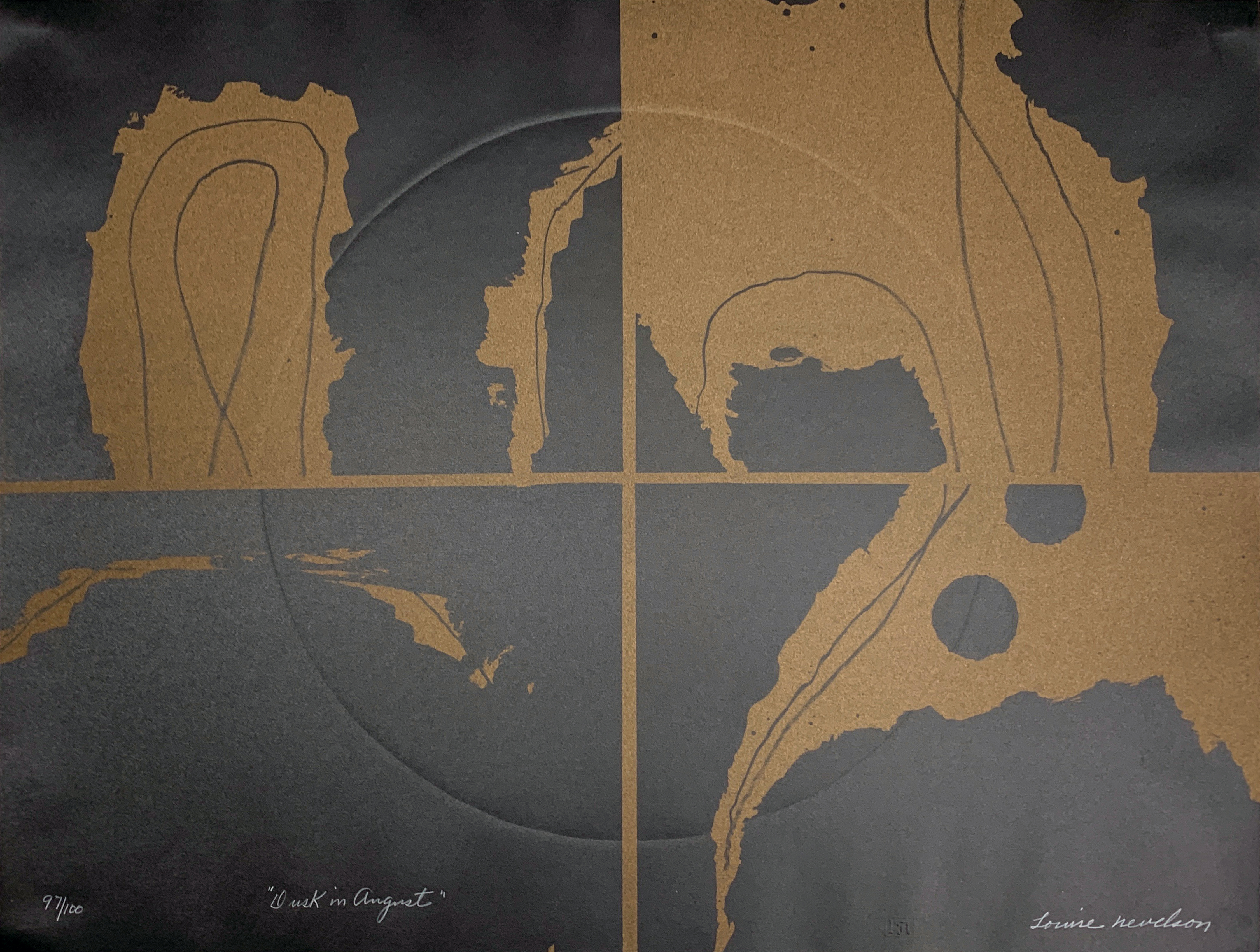
Louise Nevelson
Untitled

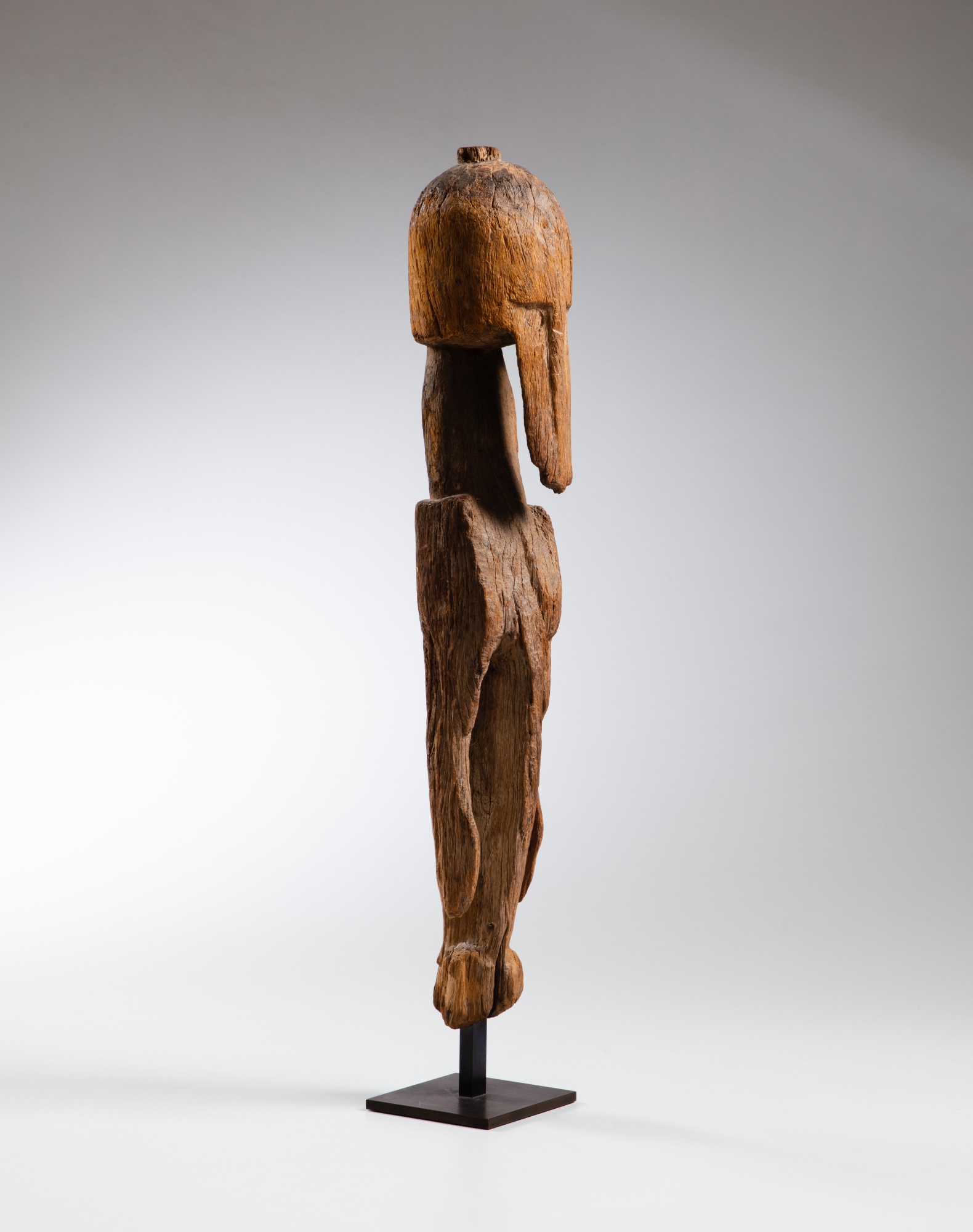

Wood: The Material That Refuses to Stay Still
When a Louise Nevelson assemblage sold at Christie's New York in the past few years for well into seven figures, the room felt the weight of something larger than a single transaction. Nevelson spent decades insisting that wood, the material of furniture and fire and childhood, could hold the entire darkness and grandeur of the twentieth century. The market agreed, loudly. That result was not an anomaly but a signal: wood sculpture, across every tradition and era, is claiming serious attention from collectors who once reserved their deepest enthusiasm for bronze and marble.
The critical rehabilitation of wood as a primary sculptural medium has been gathering momentum for some time. In 2018, the Los Angeles County Museum of Art mounted a significant survey of African sculpture that brought works including Bamana antelope headdresses and Dogon figural carvings into conversation with modernist abstraction, making explicit what scholars had argued for decades: that the formal intelligence of these objects shaped the entire arc of Western avant garde practice. Institutions are no longer content to treat such works as anthropological artifacts. They are being acquired, conserved, and interpreted as sculpture, full stop, with the same curatorial seriousness applied to Brancusi or Giacometti.
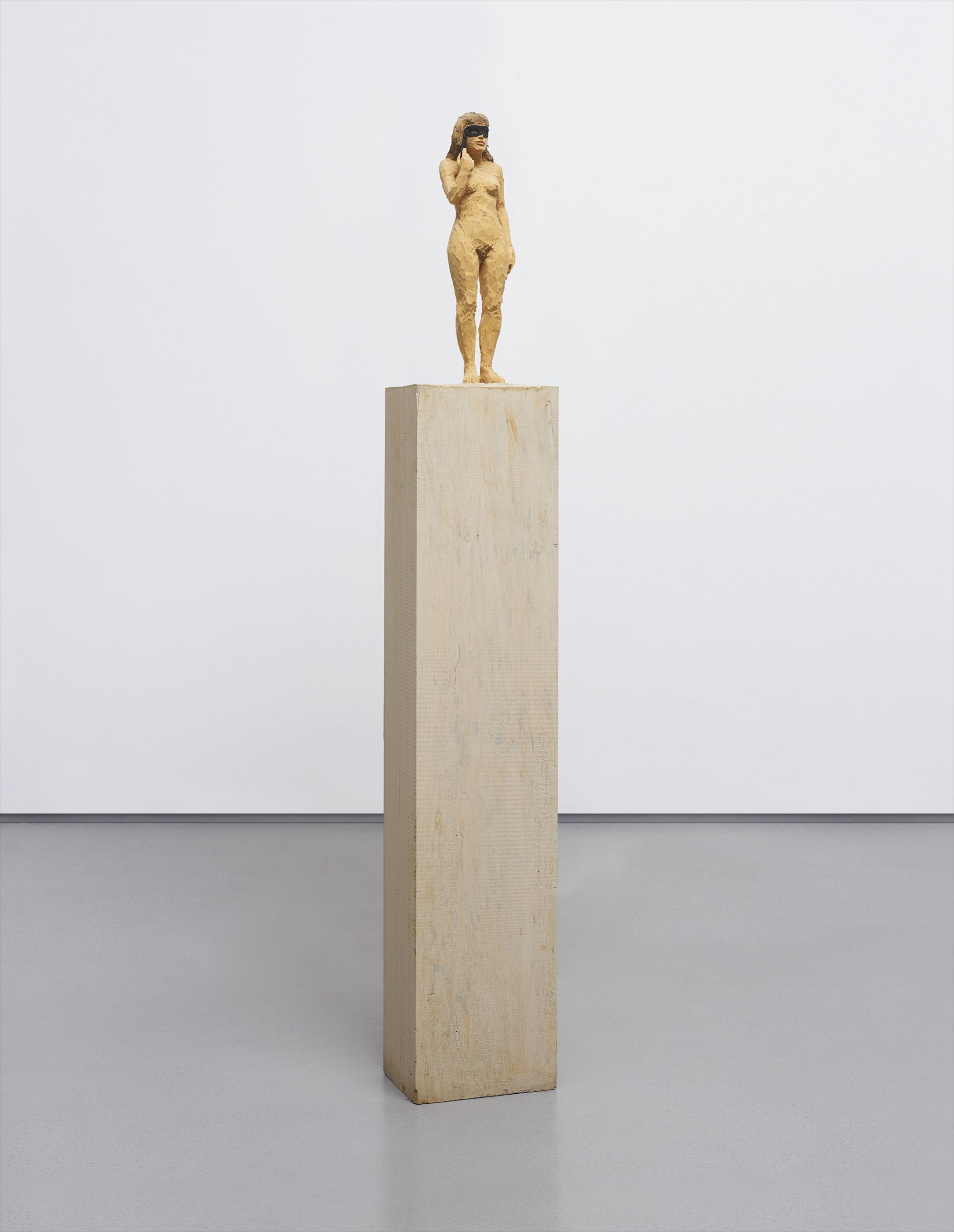
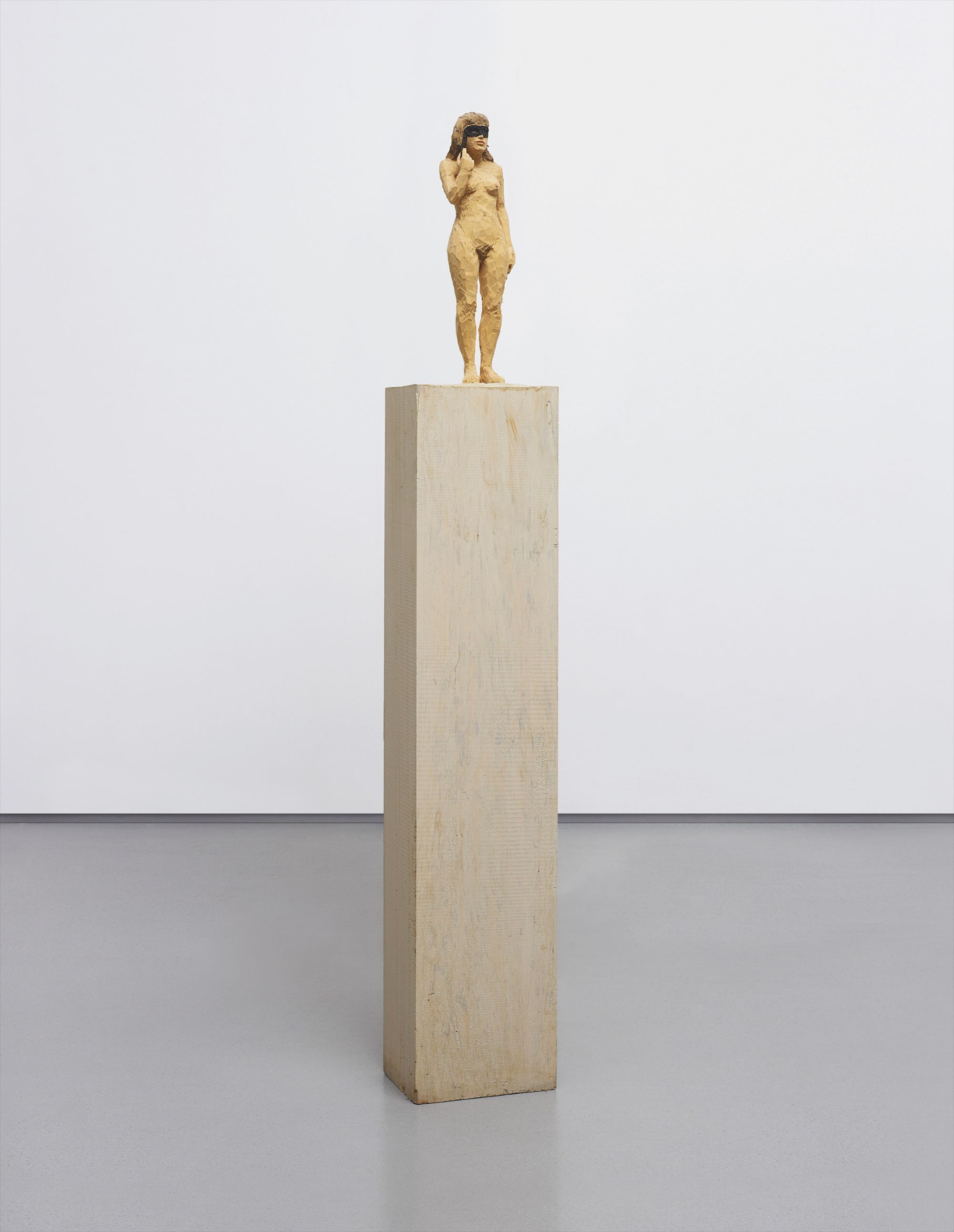
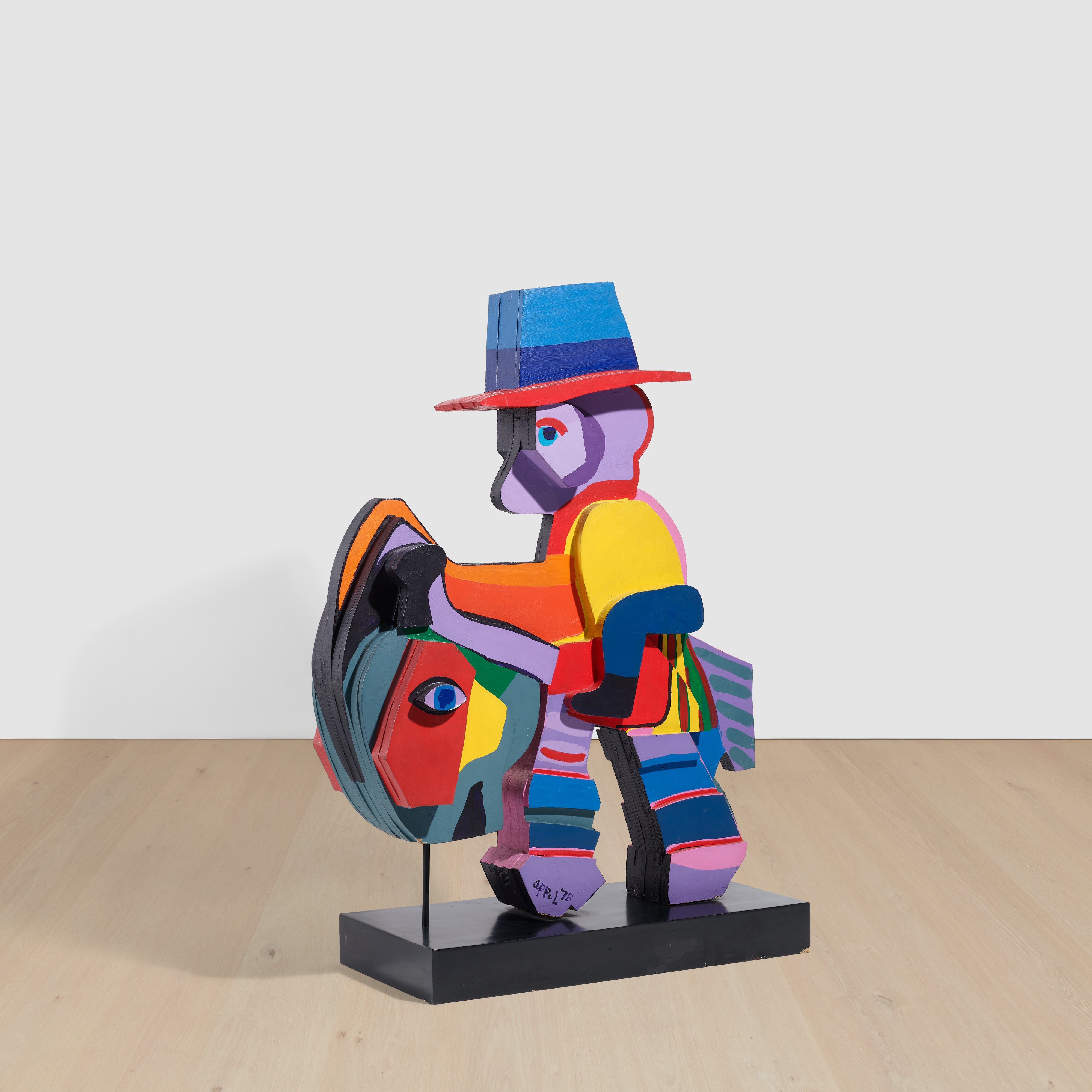
Stephan Balkenhol
Wawa wood, paint
The auction record for wood sculpture reveals a market with genuine range and few predictable ceilings. Nevelson remains the commanding figure for postwar wood assemblage, her stacked and spray painted constructions achieving prices that reflect both her canonical status and the relative scarcity of major works in private hands. Stephan Balkenhol, whose hand carved figures in poplar carry an unsettling directness, has built a devoted secondary market across Europe and increasingly in North America, with institutions and serious private collectors competing for works from his earlier decades. Jeff Koons, whose Balloon Dog in porcelain is the stuff of auction legend, has also worked with polished wood in ways that command significant attention, though the real surprise for many collectors is how the market has responded to artists working outside the Western mainstream.
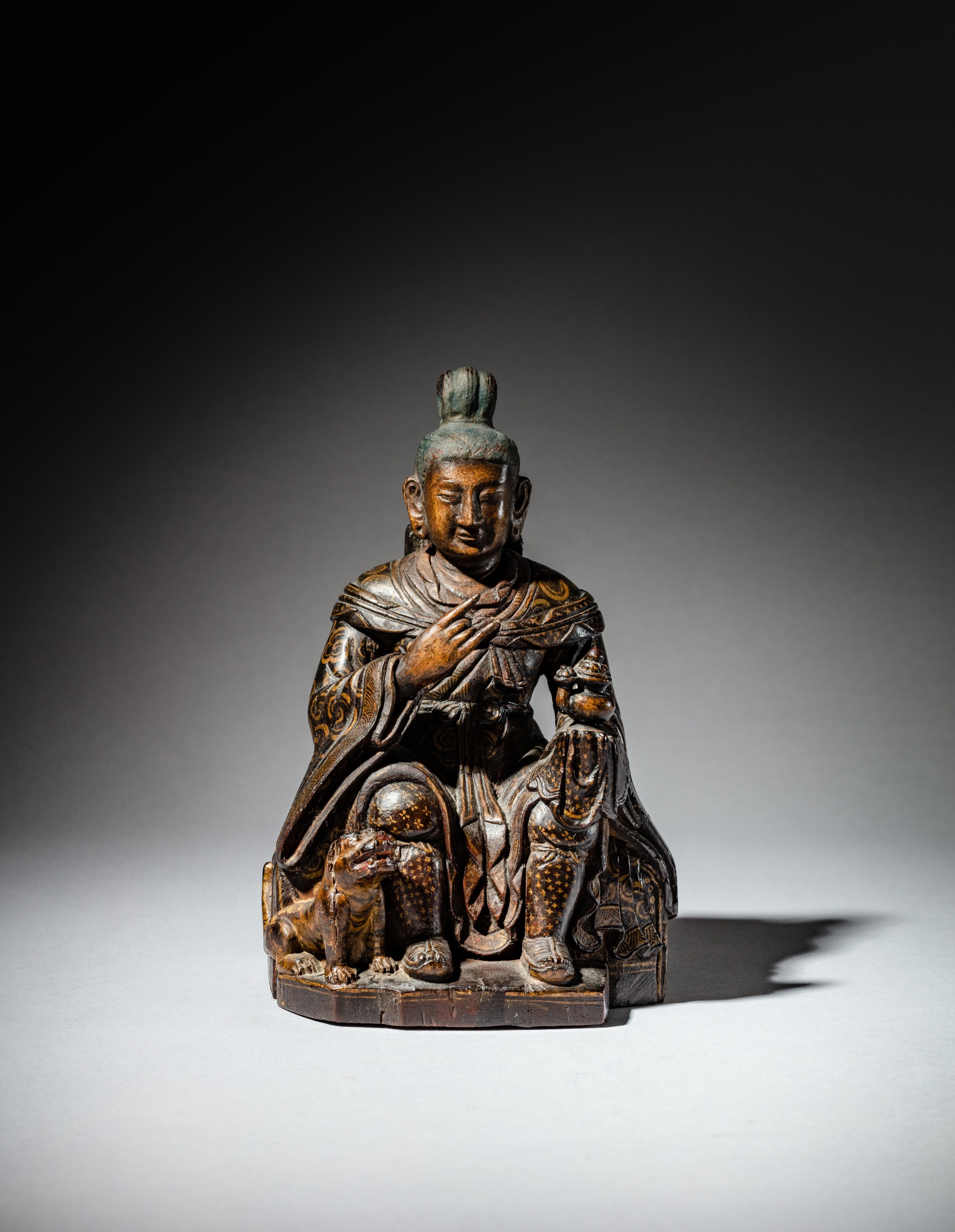
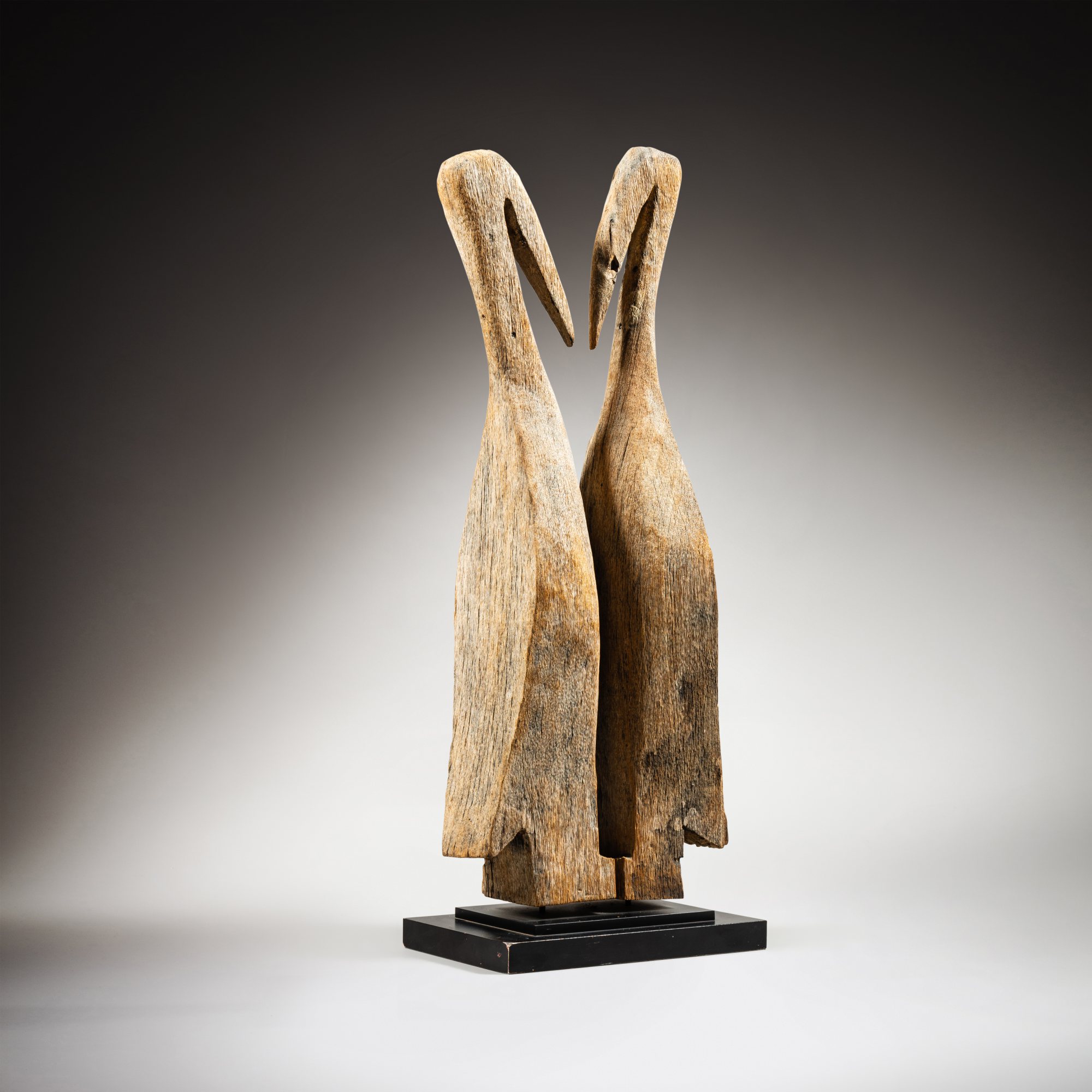
The ceremonial and devotional traditions of wood carving across Asia and Africa are drawing sustained institutional interest. A polychrome wood figure of a luohan from the Chinese Buddhist tradition, the kind of object that might once have passed quietly through a specialist sale, now draws bidding from major Asian collectors and Western museums alike. The Sakalava funerary sculpture of Madagascar and the Anyi memorial busts of Côte d'Ivoire are appearing with increasing frequency at the major houses, handled with the contextual care that the field now demands. Provenance scholarship has sharpened considerably in this area, and collectors are right to ask harder questions and expect more thorough answers than they might have a decade ago.
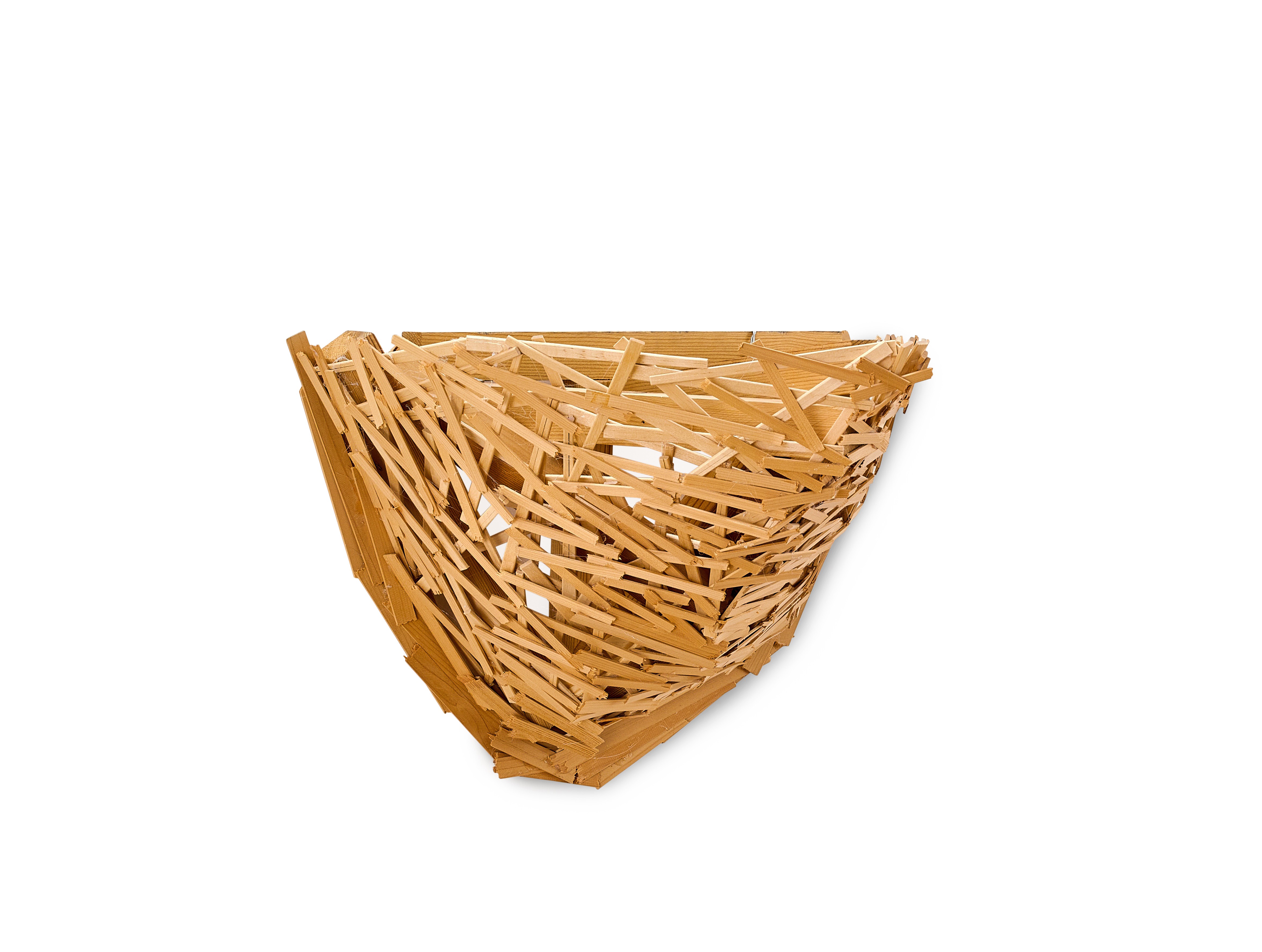
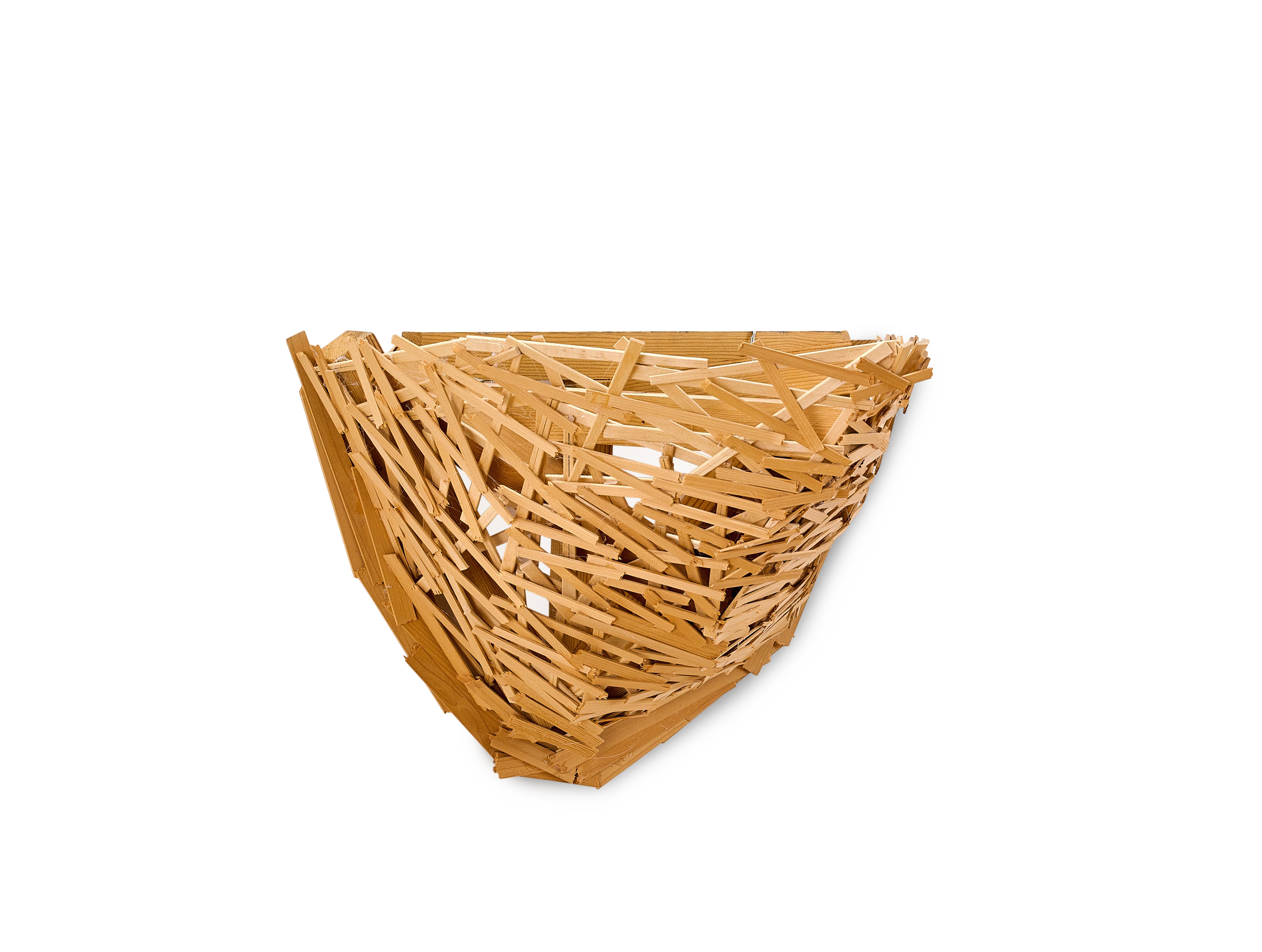
Tadashi Kawamata
鳥巢 J-3
Among living sculptors, the energy is genuinely exciting in several directions at once. Tadashi Kawamata, who works with reclaimed timber on an architectural scale, has had major commissions and installations across Europe and Asia that have expanded the conversation around what wood can mean in public space. Ju Ming, the Taiwanese sculptor whose Taichi Series carvings in camphor wood have become some of the most sought after works in contemporary Asian art, commands prices that continue to surprise newcomers to his practice. Evan Holloway brings a California deadpan to wood that reads as deceptively casual and rewards sustained looking, while Matthew Day Jackson treats the material with a kind of elegiac weight, incorporating it into works that grapple with mortality and American mythology.
The critical conversation has been shaped in important ways by writers at publications including Artforum and October, where the theoretical framing of craft, labor, and materiality has evolved considerably. Curators including Alison Gingeras and Okwui Enwezor, in his landmark Documenta 11 and subsequent projects, argued persuasively for a global and non hierarchical understanding of sculptural practice that made room for wood in its fullest cultural breadth. The field of African art studies has produced rigorous scholarship around specific traditions, with figures like John Pemberton III and his collaborators at institutions including the Fowler Museum helping to establish the interpretive frameworks that now support serious collecting in this area. KAWS and Matt Gondek represent something else entirely, a strand of wood carving that emerges from toy culture and street art and has built a collector base that is younger, faster moving, and often less interested in institutional validation than traditional art world structures might prefer.
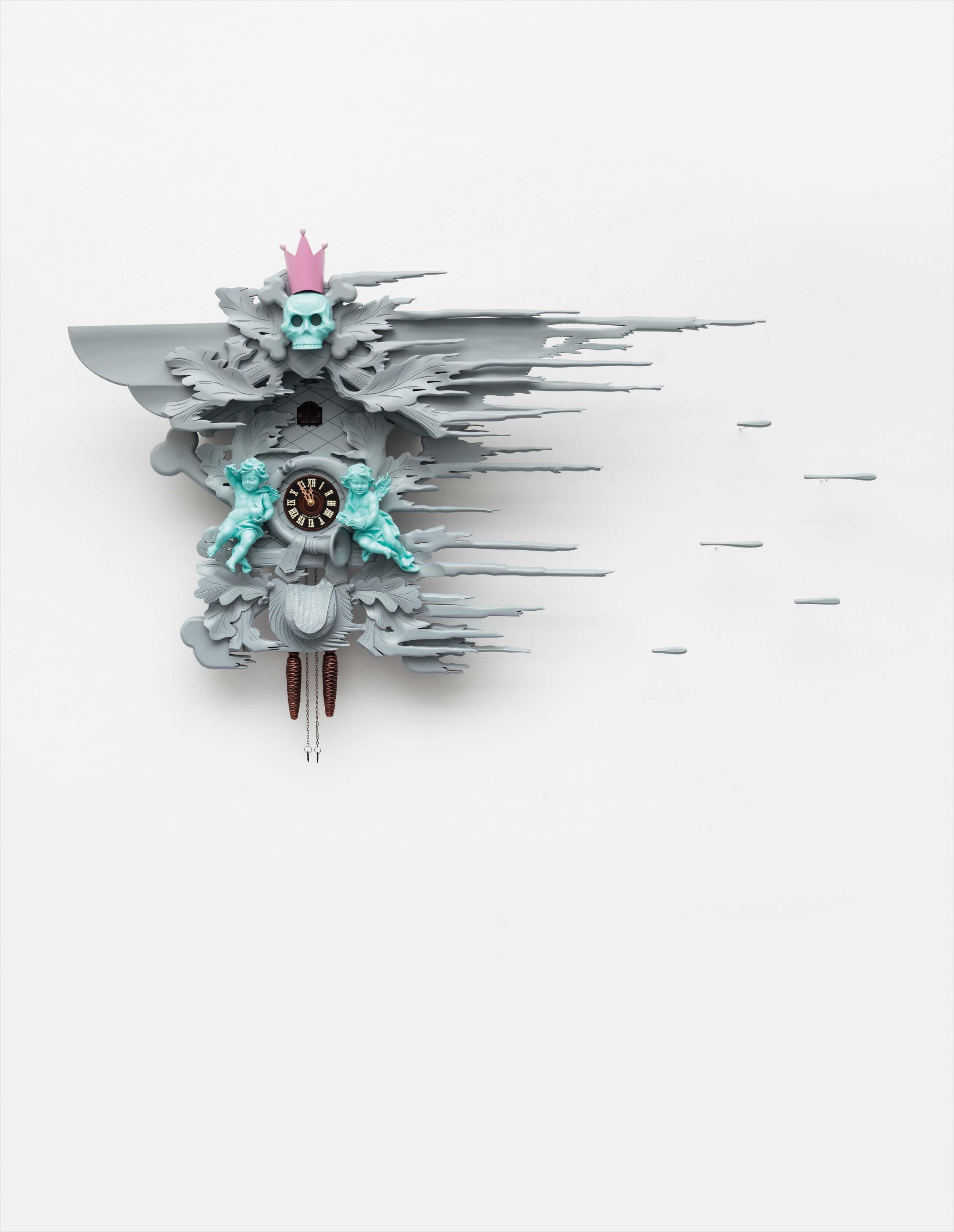
Stefan Strumbel
Frischer Wind Asphalt
KAWS in particular has worked with wood in editions and unique pieces that trade at remarkable premiums, with a secondary market driven as much by cultural cachet as by formal analysis. This is not a criticism. It reflects the genuine plurality of reasons people are drawn to carved and assembled wood, from the meditative to the irreverent. What feels alive right now is the refusal to draw clean boundaries between the traditional and the contemporary, the Western and the global, the sacred and the ironic.
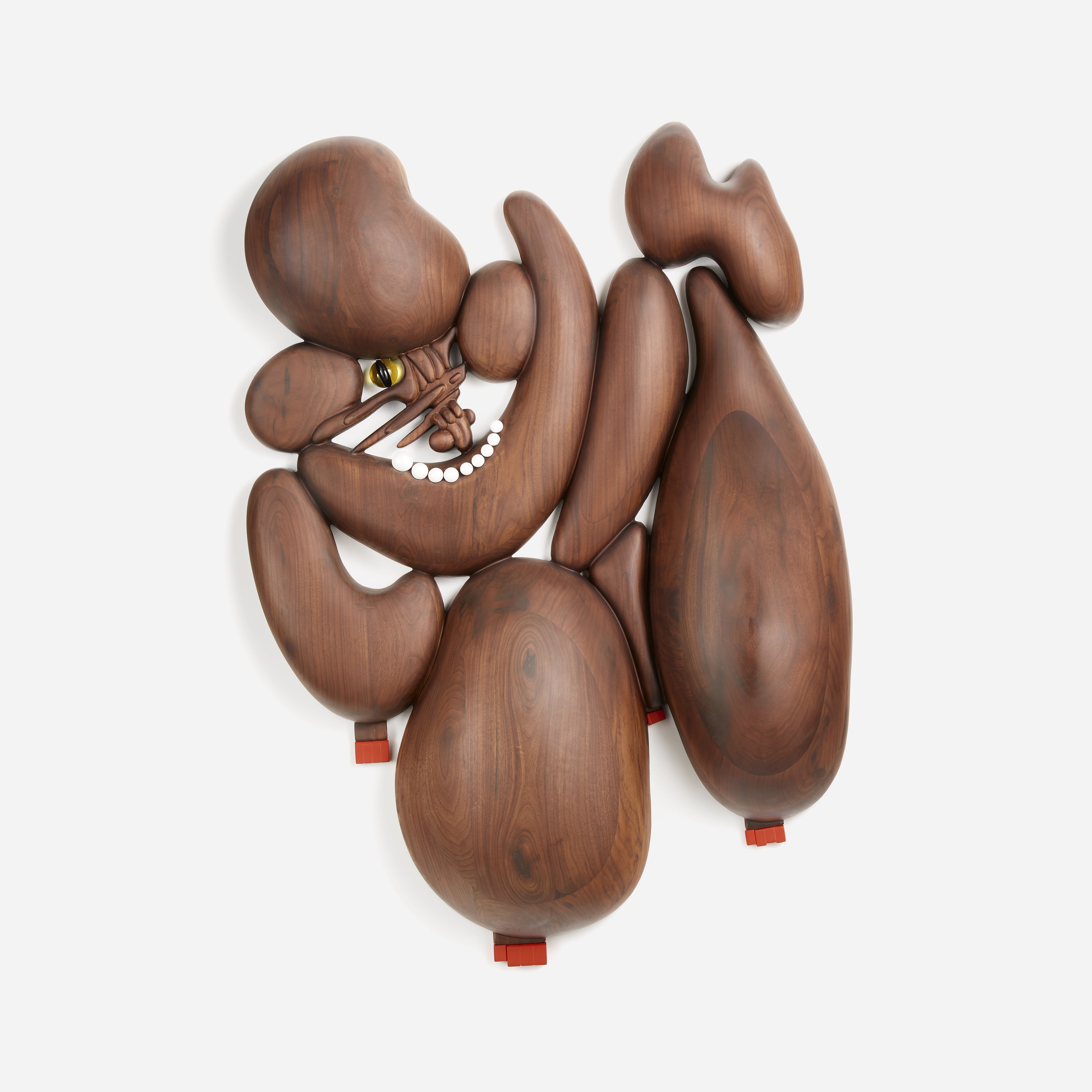
Carl Andre made the floor his canvas using timber planks in the 1960s and forced a generation of critics to reconsider what sculpture even was. That disruption is still productive. Alfred Basbous carved in the mountains of Lebanon with a formal ambition that deserves far wider recognition than it has received outside specialist circles. The collection represented on The Collection is a useful map of this terrain, from Nevelson to Stefan Strumbel to Susumu Kamijo, suggesting that the collectors who are paying attention understand that wood is not a lesser medium waiting for a more serious material to come along.
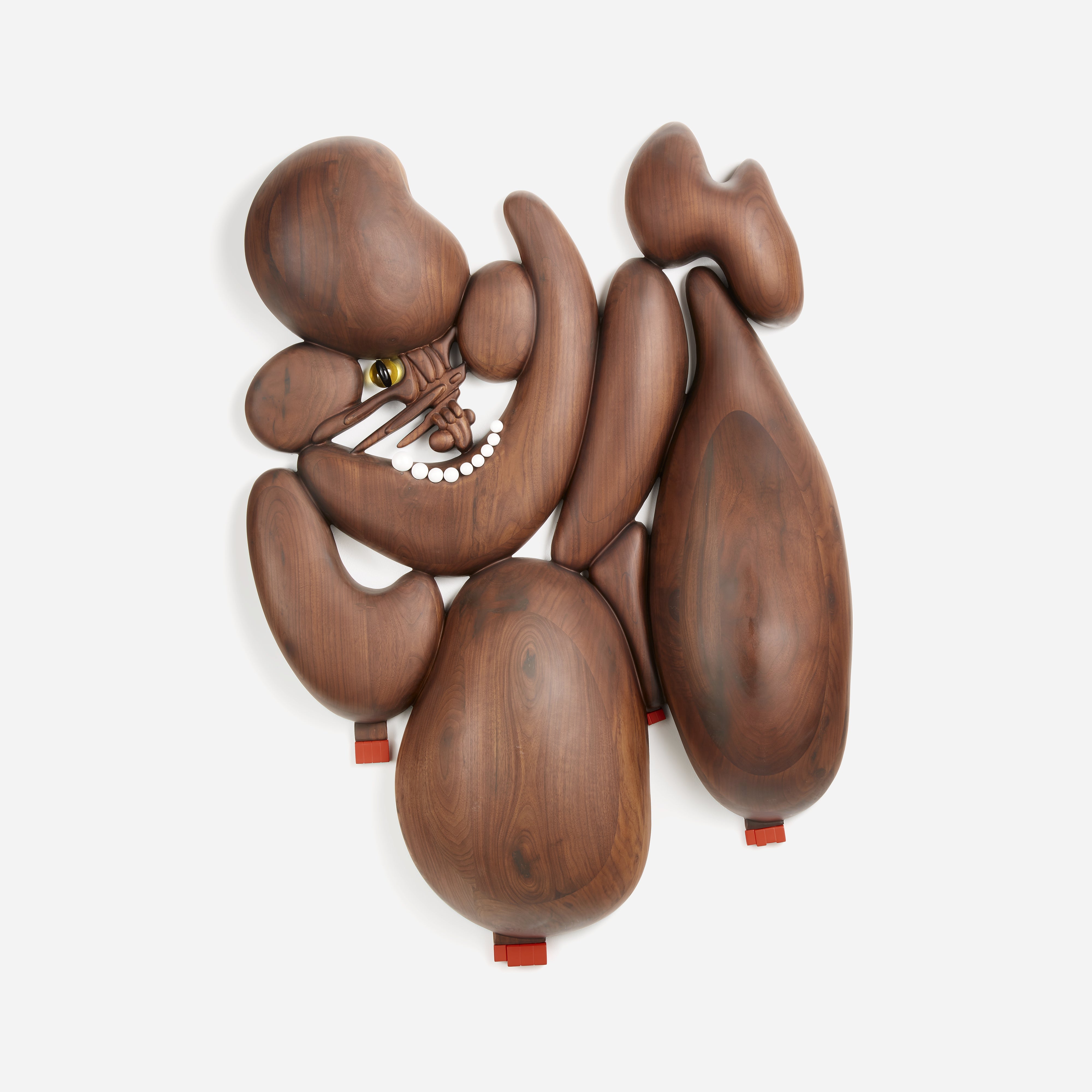
Susumu Kamijo
Dance For Me In The Dusk
It is, for many of the most interesting artists of any era, the only material that will do.