Window View
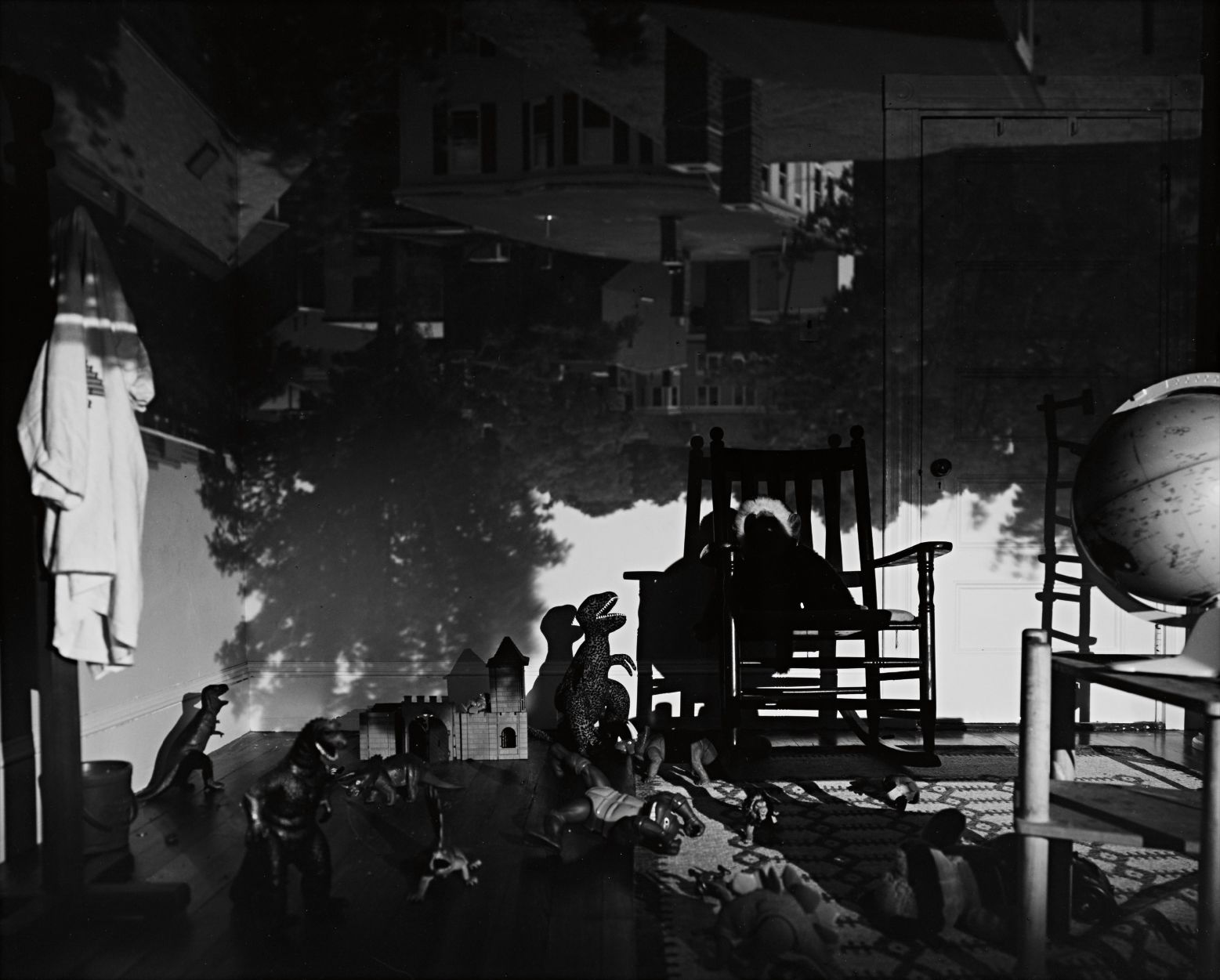
Abelardo Morell
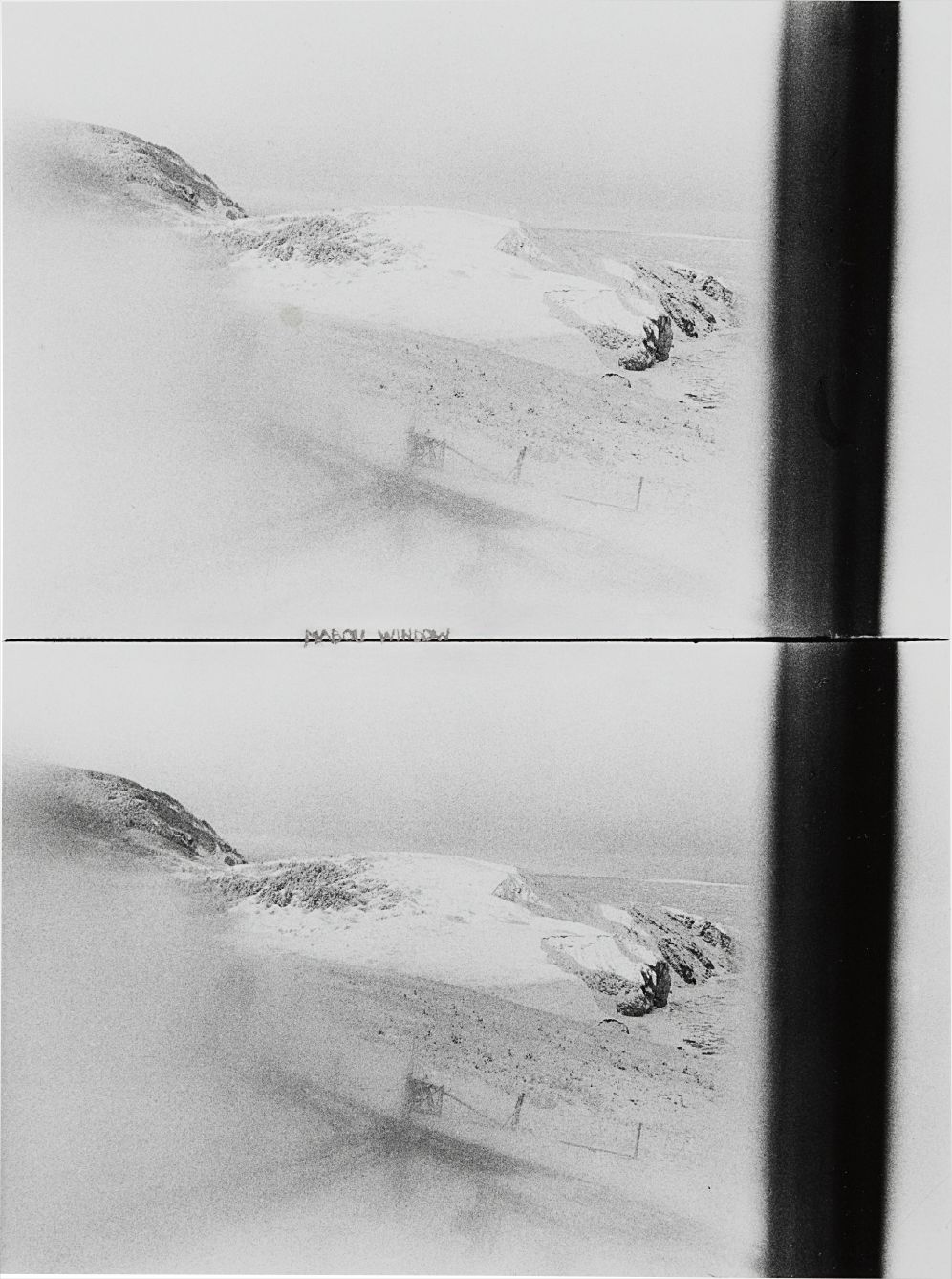
Camera Obscura Image of Brookline View in Brady's Room



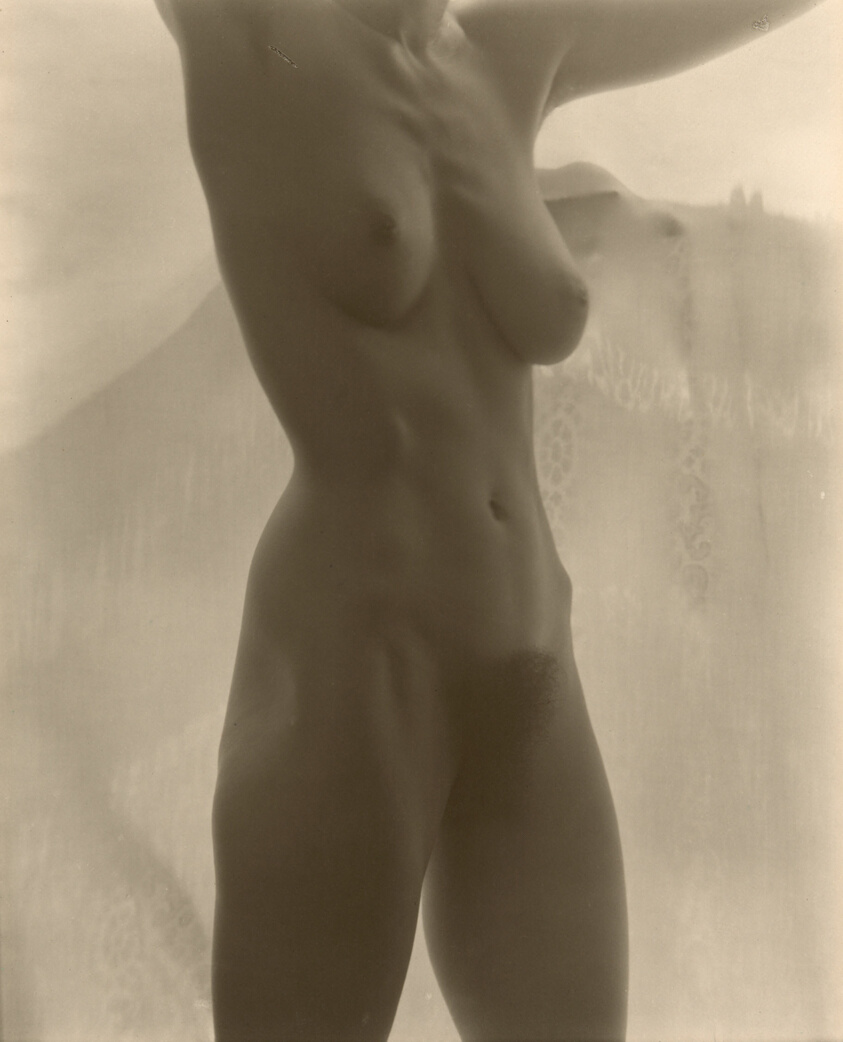
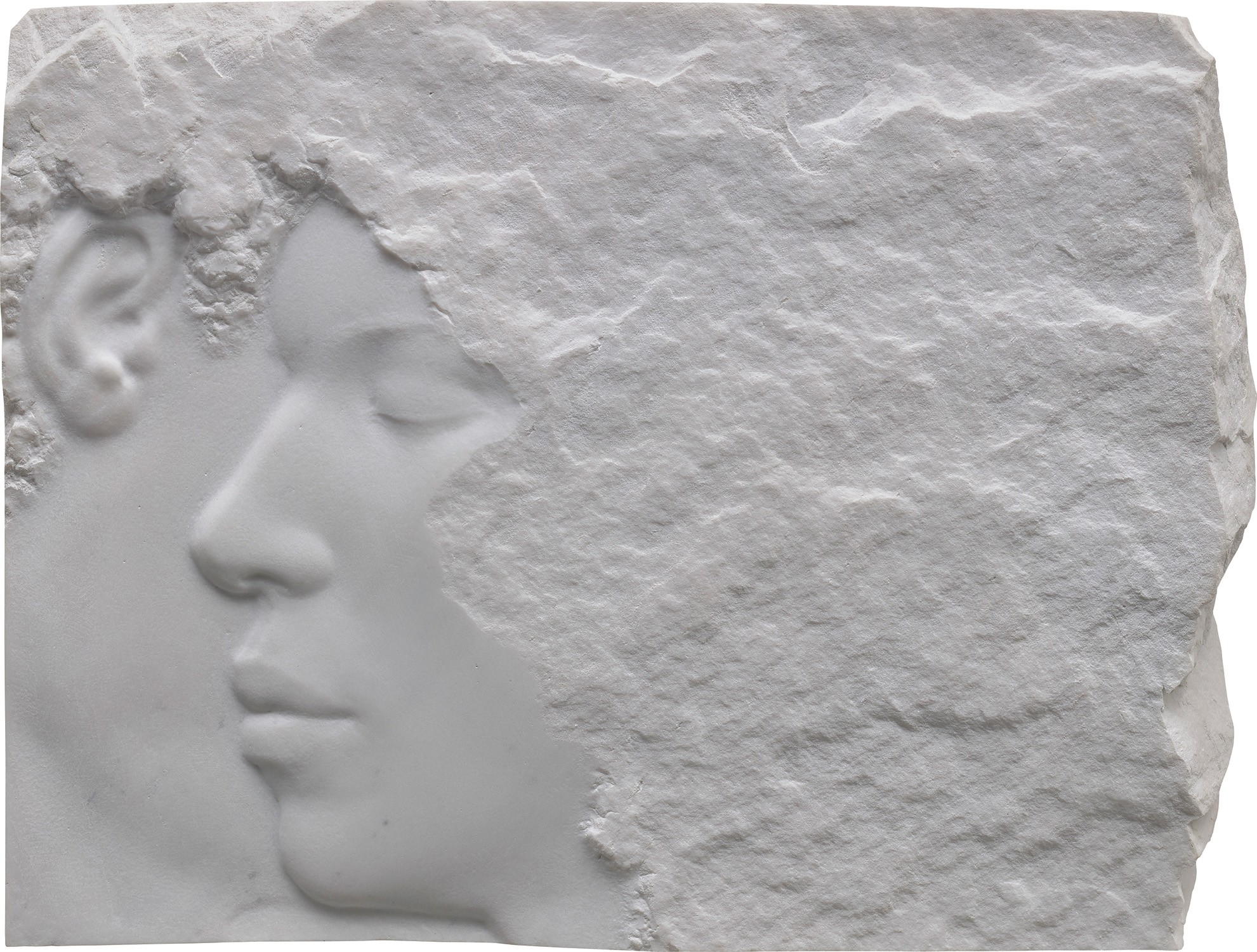
The Frame Within the Frame Always Wins
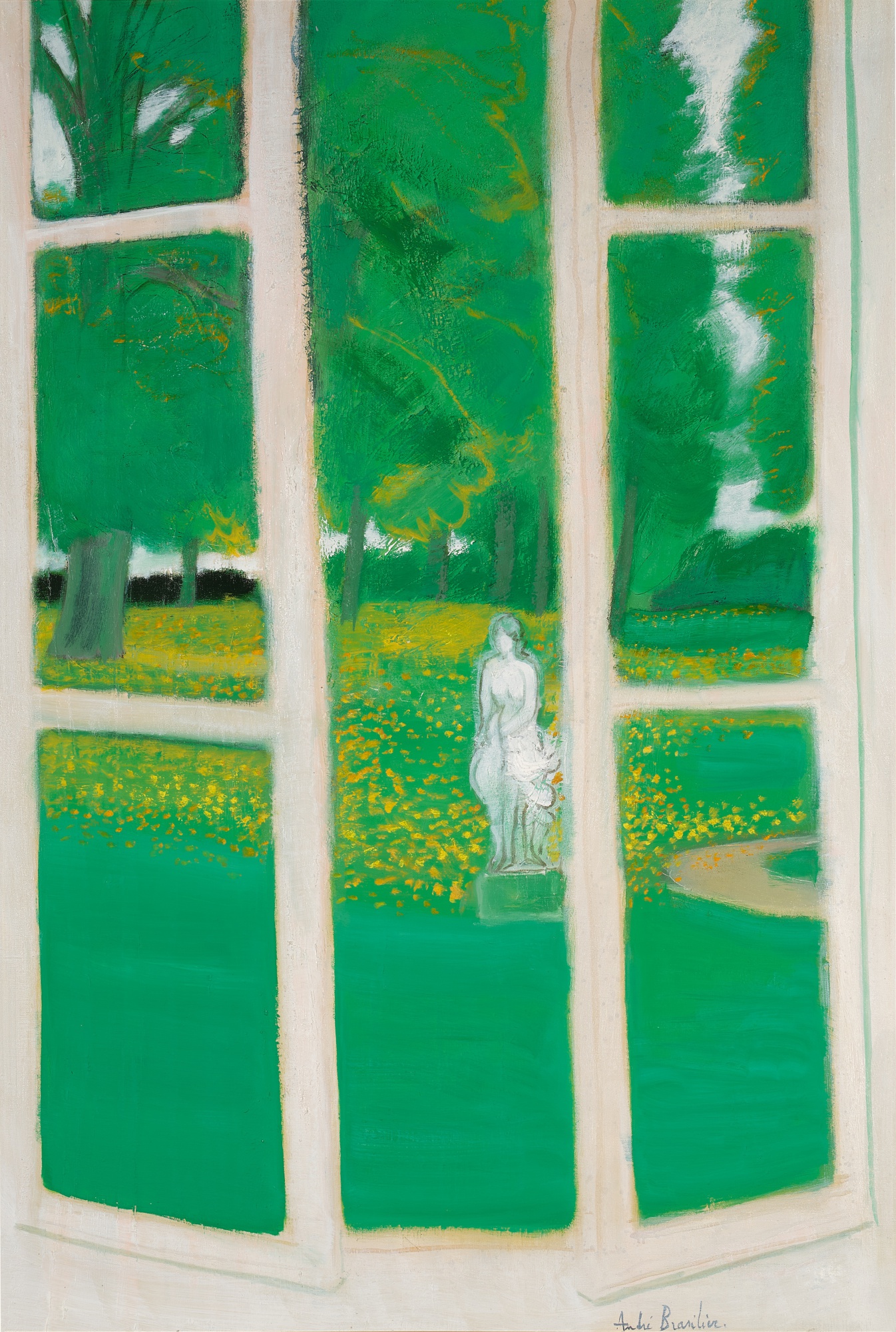
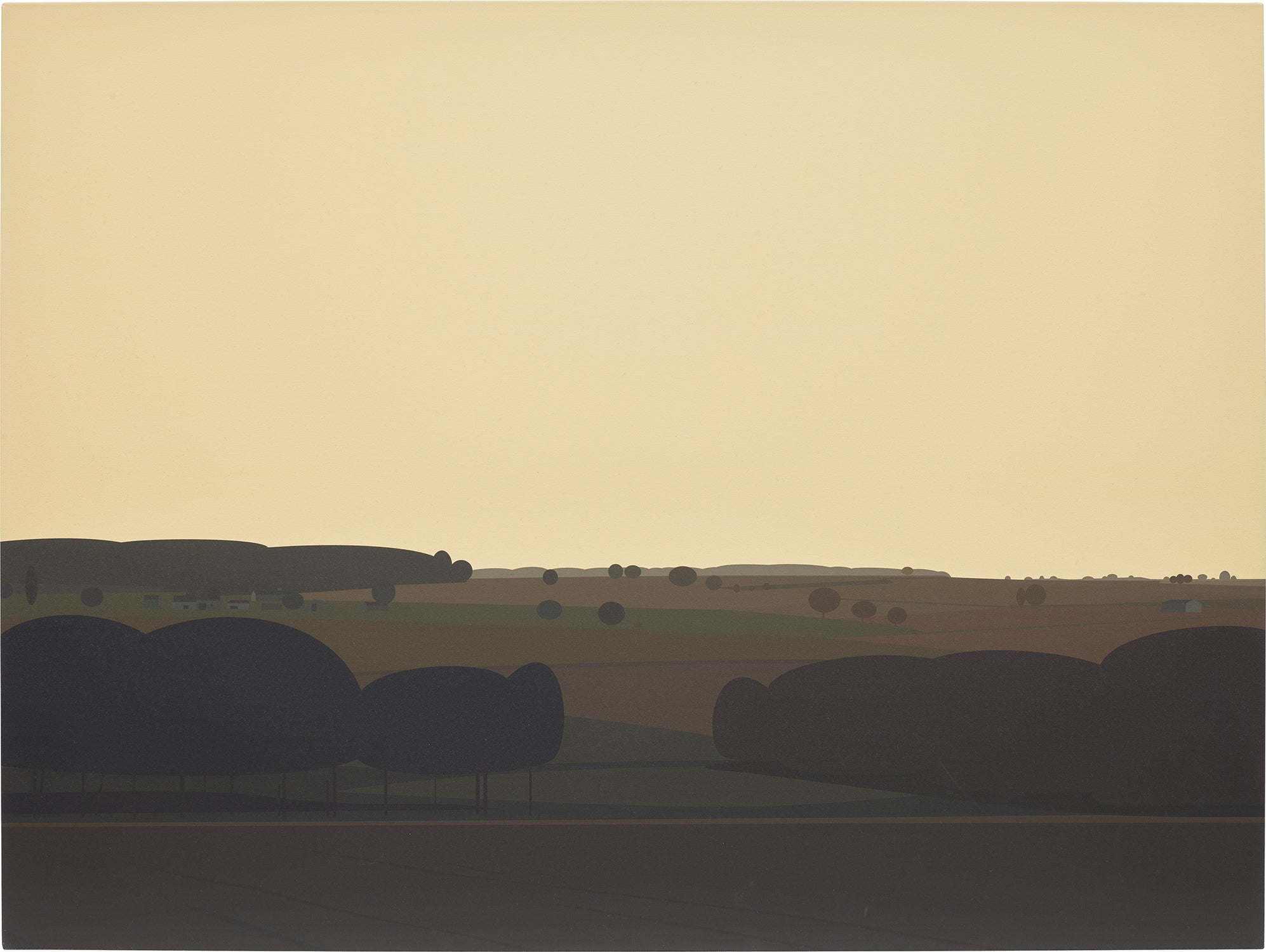
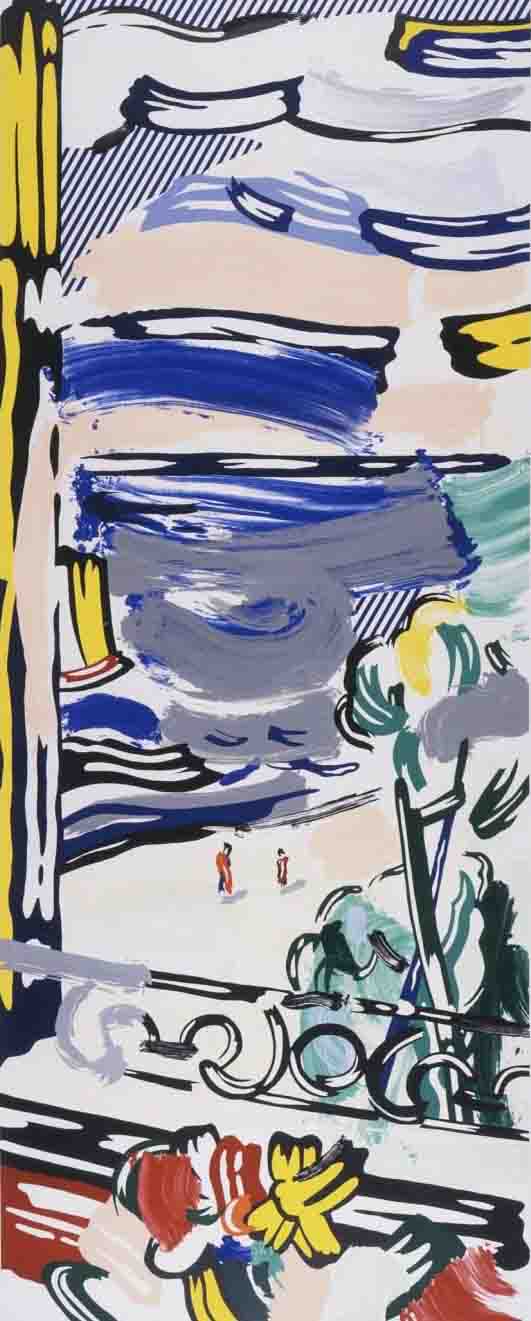
There is something almost primal about a window view in art. The image of a figure standing before glass, or simply the void of the frame itself opening onto sky, garden, city, or sea, speaks to something collectors respond to before they can fully articulate why. It is the oldest tension in Western painting: the world held at a remove, curated by architecture, transformed by the act of looking. Works in this category tend to stop people in galleries and hold them in a way that more declarative subjects sometimes do not.
They invite the viewer to complete the image, to imagine what lies just beyond the edge, and that participatory quality is part of what makes them so compelling to live with over time. For the collector, the window view is also uniquely suited to domestic space. These works do not demand the white cube. They breathe in rooms where people eat, read, and think.
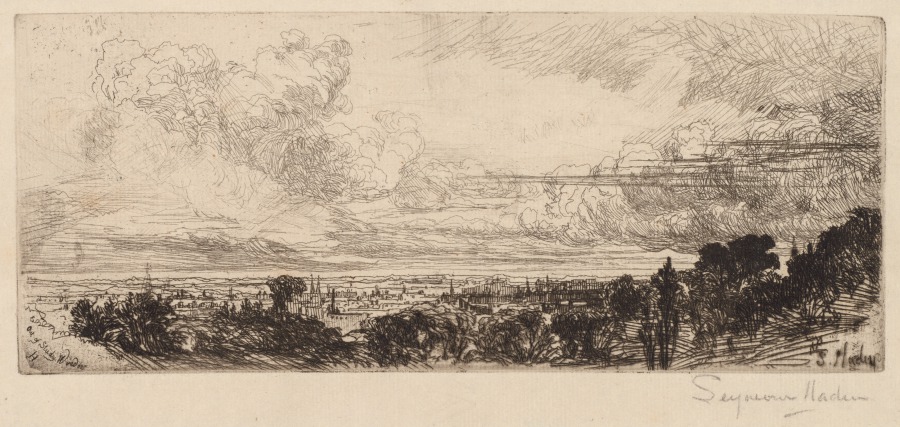
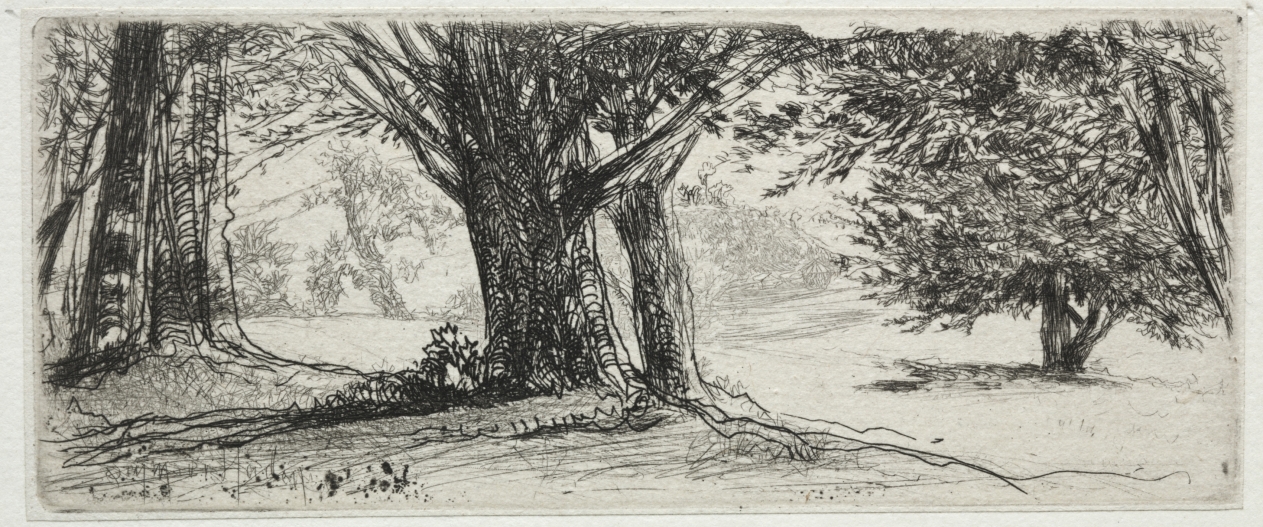
Francis Seymour Haden
Out of Studio Window, 1859
A painting or photograph of a window placed opposite an actual window creates a quiet dialogue that never fully resolves. It is the kind of visual conversation that a great still life can generate, but with the added charge of looking itself as the subject. Many collectors who began acquiring landscapes or cityscapes eventually migrate toward the window view precisely because it offers both the world outside and the inner life of observation in a single frame. The difference between a good work and a great one in this category almost always comes down to what the artist does with the threshold.
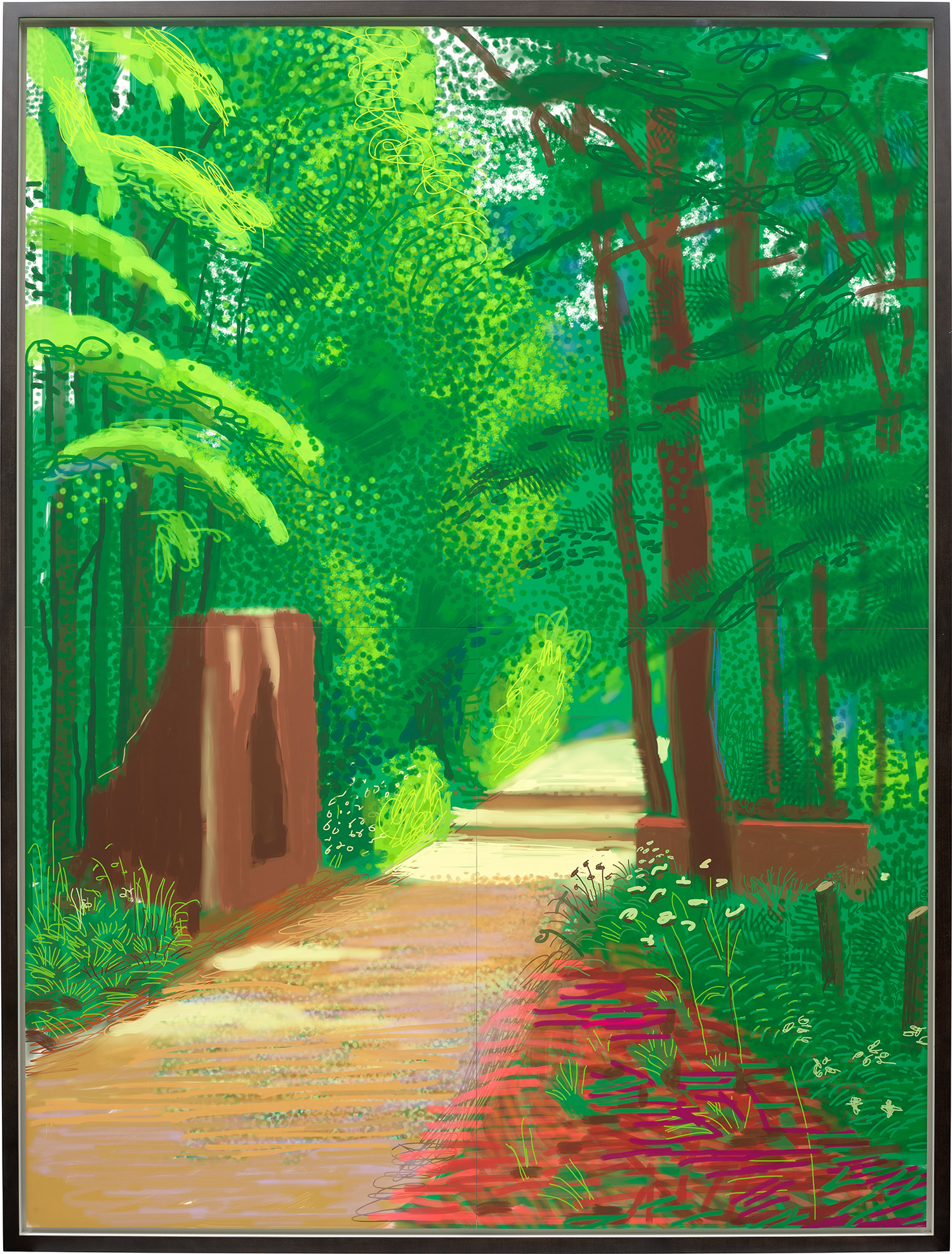
A merely competent treatment renders the window as a picturesque device, a convenient framing mechanism. The great works make the boundary itself the point. They ask what it means to be inside looking out, to be protected from or excluded from the world beyond the glass. David Hockney has explored this territory throughout his career, and the works of his represented on The Collection reward close attention in precisely this regard.
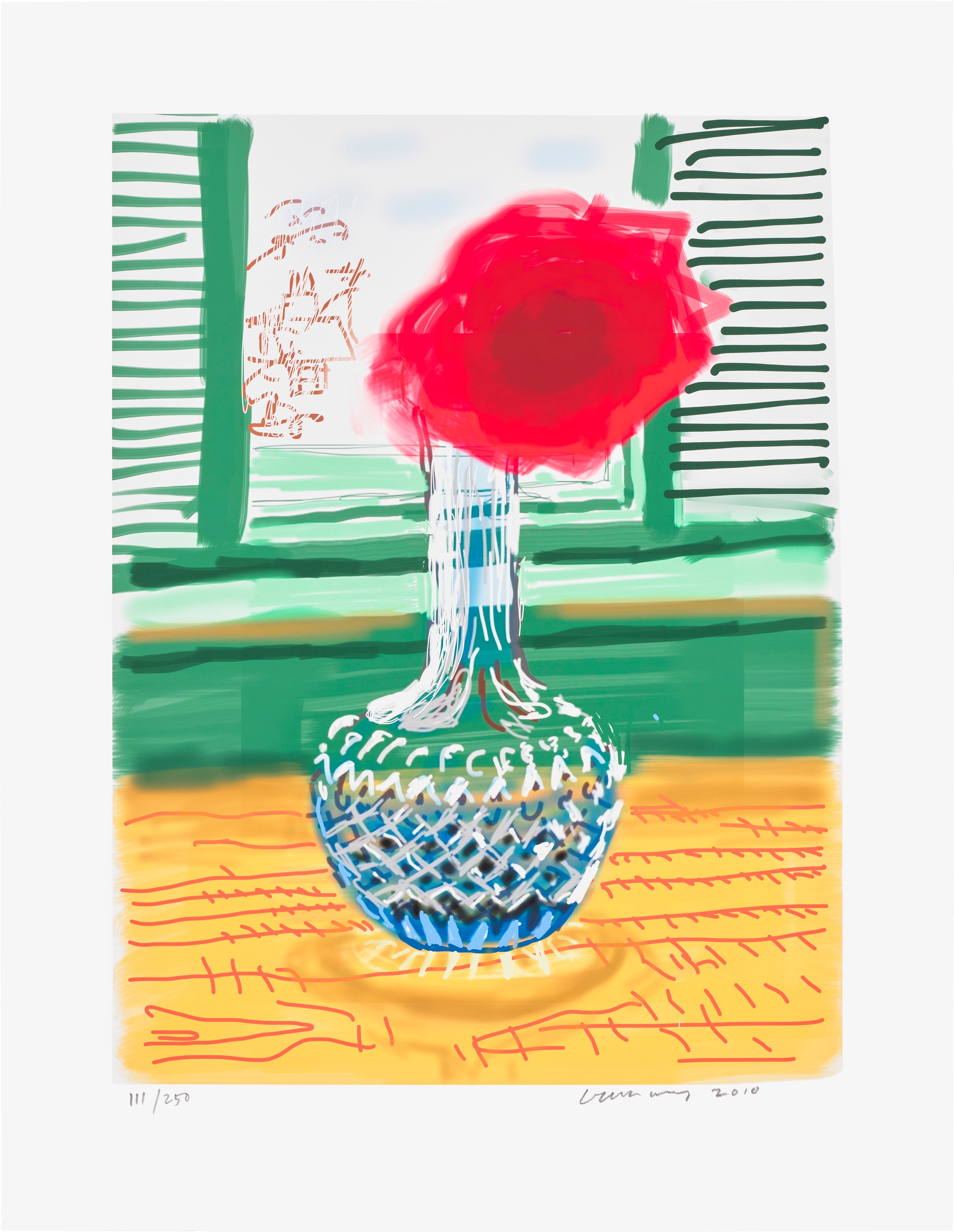
David Hockney
No. 281, 23rd July 2010, from My Window: Art Edition B
His windows are not passive openings but sites of intense chromatic decision making, where the quality of California light pressing through glass becomes a subject in its own right. Collectors should look for works where the threshold generates genuine tension rather than simply providing a compositional shortcut. For collectors thinking about value and longevity, the artists on The Collection working in this territory represent a notably strong range of entry points. Alfred Stieglitz, whose photographic practice in the early twentieth century helped establish photography as a fine art medium, brought the same formal rigour to interior views and light studies that he brought to his cloud sequences.
Works by Stieglitz carry genuine art historical weight and have performed consistently at auction for decades. Abelardo Morell, whose camera obscura photographs literally project the outside world onto interior walls, occupies a fascinating position in this conversation. His work literalises the window view, turning rooms into cameras and making the act of seeing through glass into something almost architectural. Morell's market has strengthened considerably as photography collecting has matured, and his works remain relatively accessible compared to their institutional visibility.
Abelardo Morell
Camera Obscura Image of Brookline View in Brady's Room
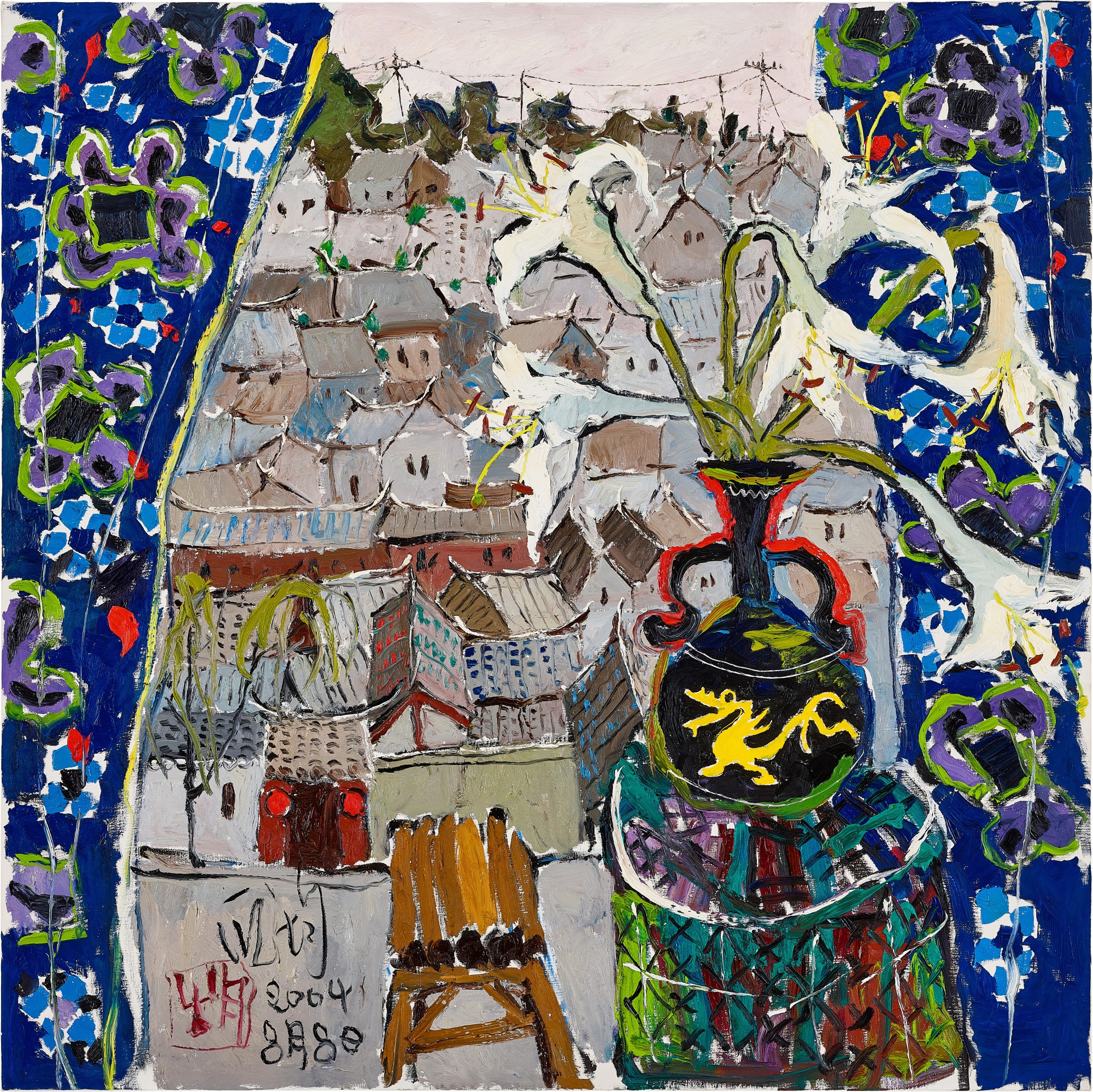
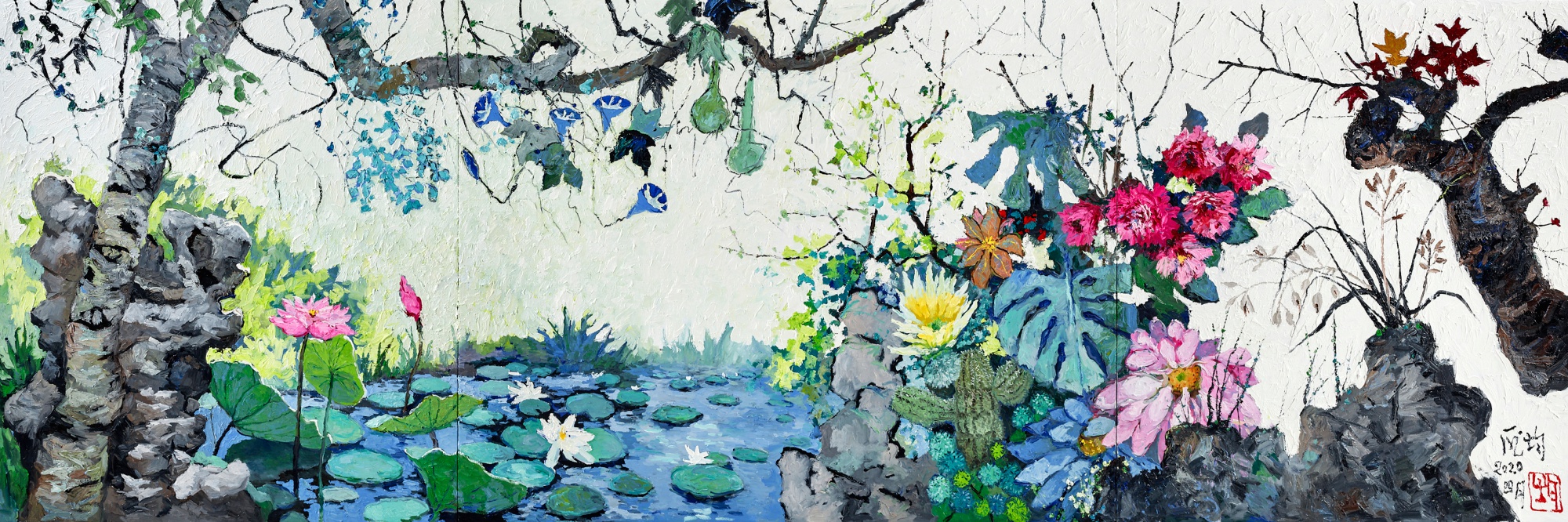
Among artists whose market positions feel less fully established relative to their quality, Dmitriy Grek is worth watching. Collectors with an appetite for painterly work that engages seriously with the domestic interior and the view beyond it should pay attention to how his practice develops and how his work circulates through smaller gallery contexts before it attracts broader secondary market attention. This is the window in which serious collectors tend to move: before the auction appearances normalise pricing and the speculative interest arrives. Similarly, Pang Jiun brings a distinctly different visual language to questions of space and framing, and the intersection of Eastern and Western traditions in how interior space relates to the world outside gives that work a conceptual richness that has not yet been fully priced in.
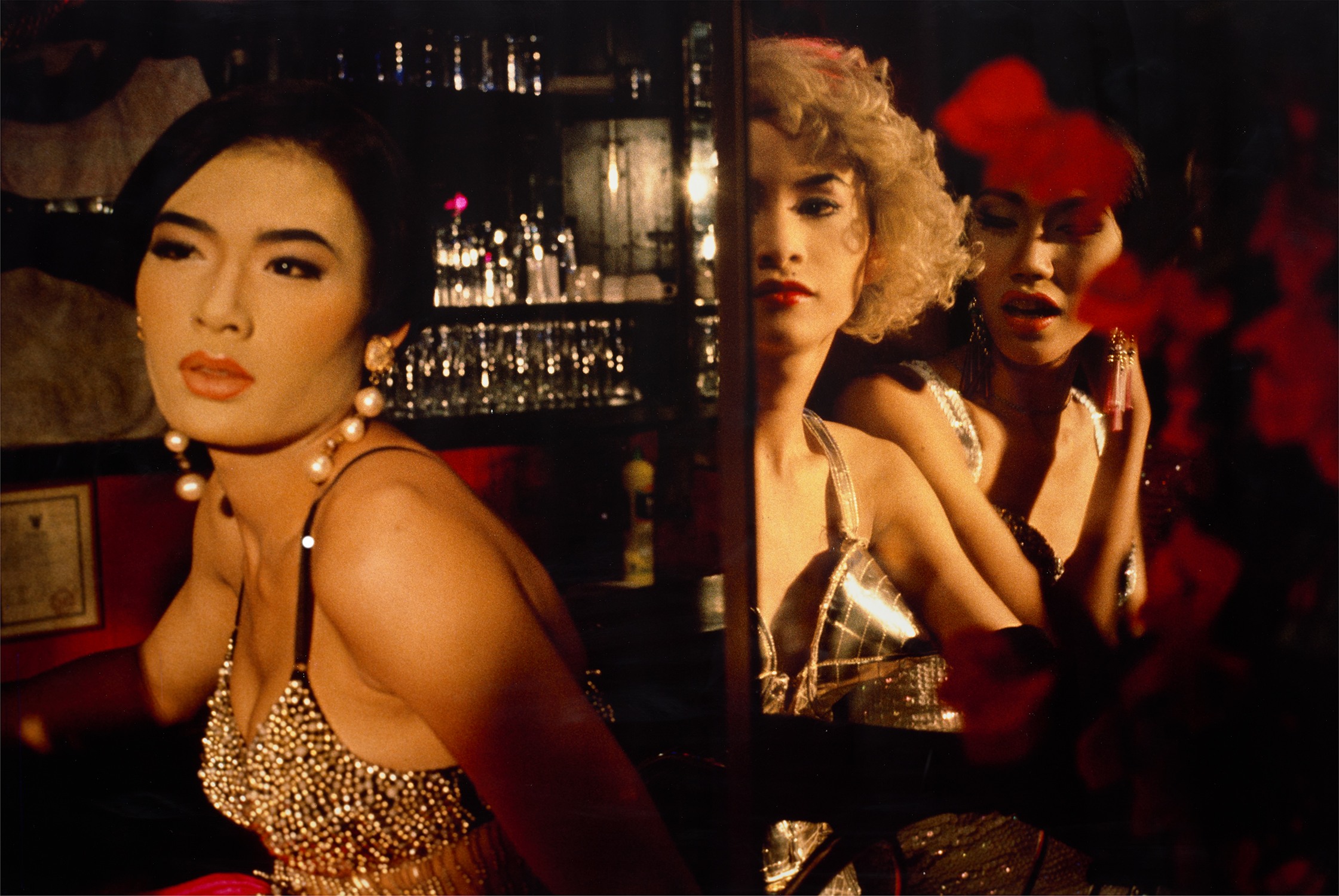
At auction, window view works across media have shown resilience because they sit comfortably in the overlap between decorative appeal and intellectual seriousness. They do not polarise buyers the way more confrontational subject matter can. Nan Goldin's interiors, charged with the specific emotional atmosphere of particular rooms and the light entering them, carry the full weight of her documentary practice and have appreciated significantly as her institutional profile has grown following major retrospectives. The lesson for collectors is that works in this category can carry very different kinds of value: the formal and the art historical, the emotional and the biographical, and understanding which kind of value underpins a specific work is essential before acquiring.
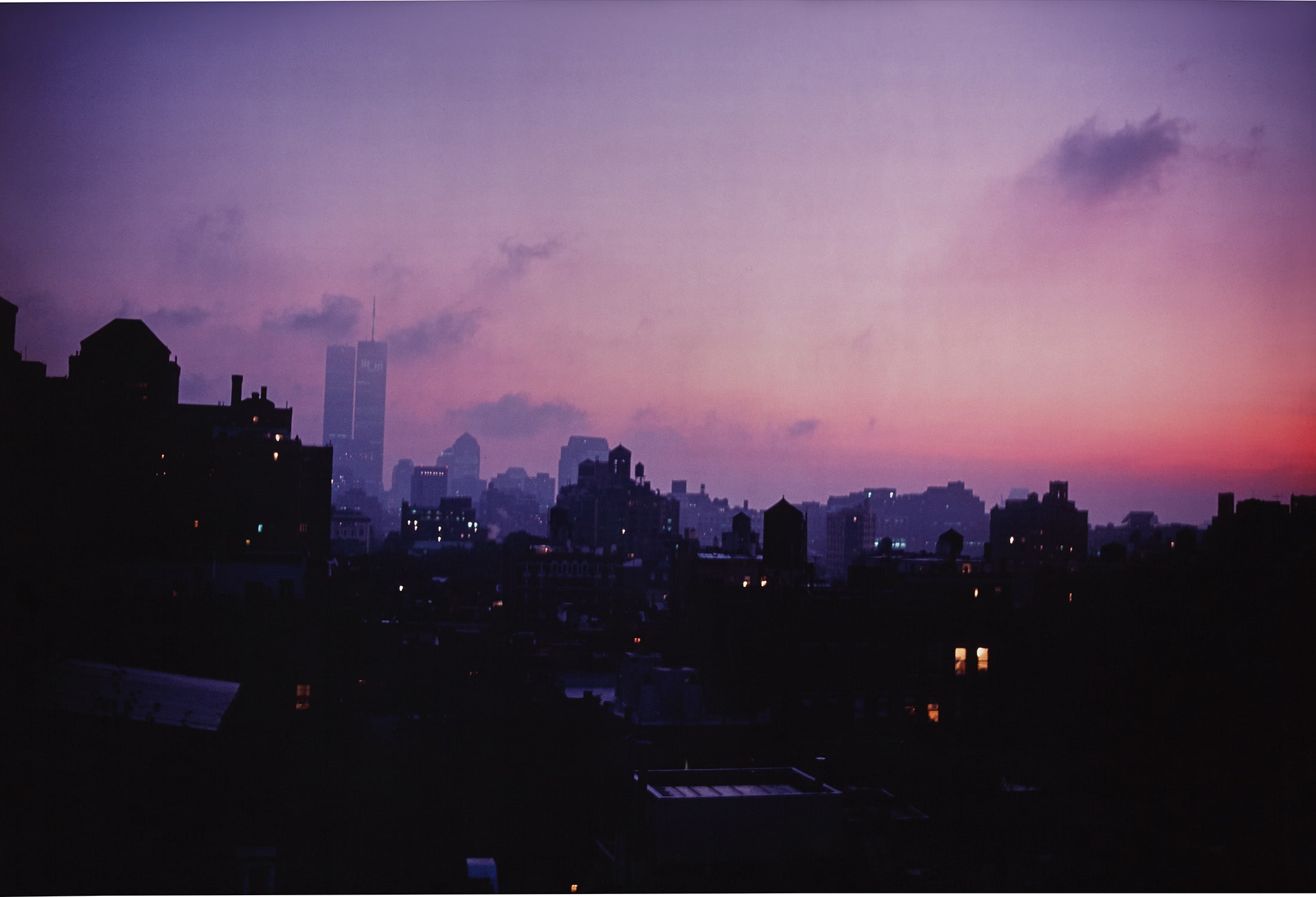
Nan Goldin
Skyline from my window, NY
On condition, glass and light subjects in photography require particular care. Ask about printing techniques and whether photographs are printed on archival materials. For works on paper, including prints by artists like Francis Seymour Haden, the question of light exposure is especially significant given that these works often depict light as their primary subject. There is a pleasing irony in a print about radiant windows being damaged by the very light it celebrates, and a good framer using UV protective glazing should be a non negotiable.
For editions, always ask about the size of the edition, where the work sits within it, and whether artist proofs exist and are in circulation. An edition of five carries very different scarcity dynamics than an edition of fifty, and this affects both living with the work and any future secondary market considerations. The most useful question a collector can bring to a gallery when considering a window view work is deceptively simple: what is this artist saying about the act of looking that could not be said any other way. The window is such an available metaphor, so embedded in the history of painting and photography, that it can become a lazy one.
The works that reward long ownership are those where the artist has found something genuinely new to say about the threshold between inside and outside, between the protected self and the open world. When you find that work, and you know it when you see it, the only question left is where in your home it will change the room most completely.