Wedding
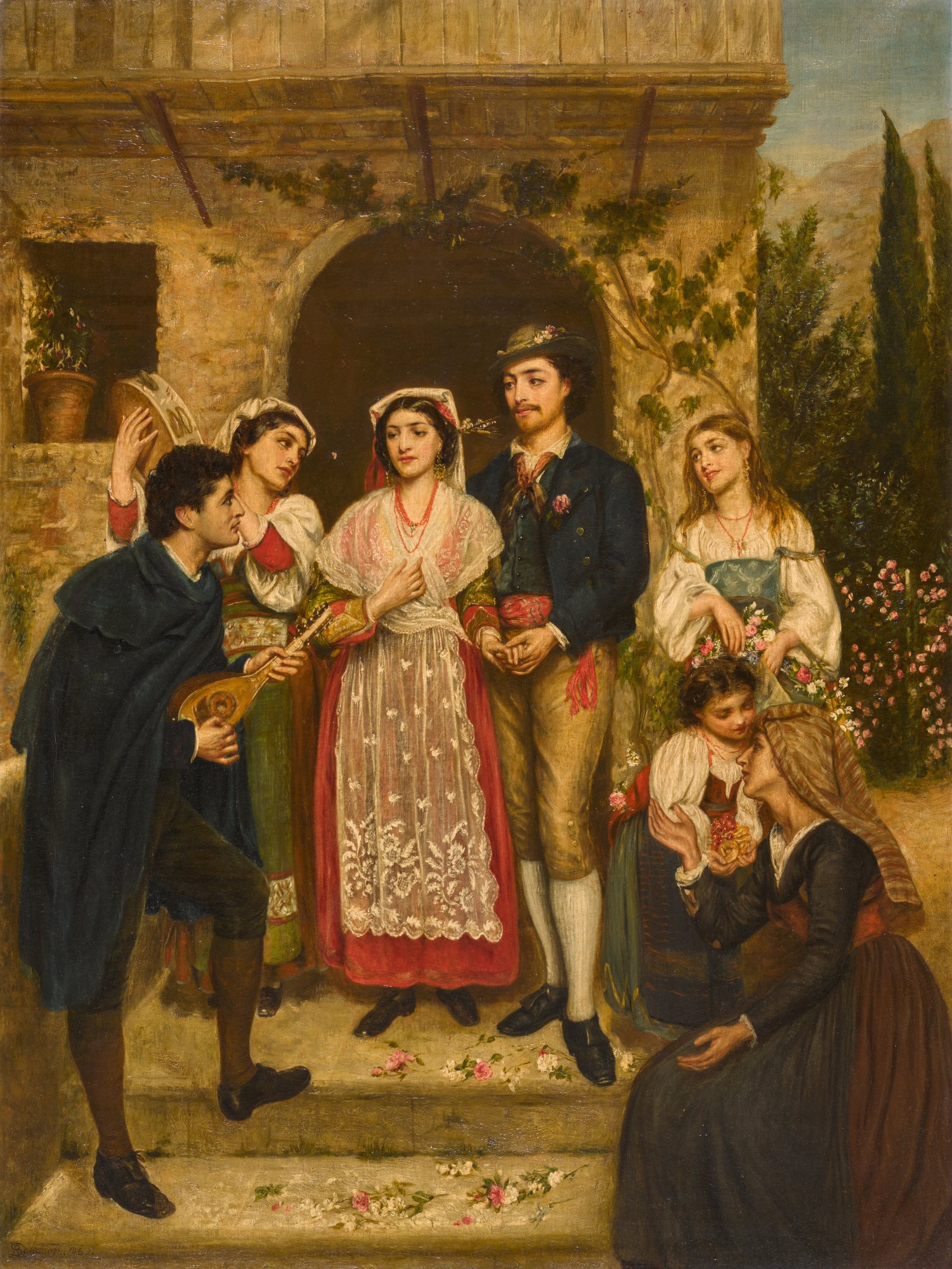
Rebecca Solomon
The Roman Wedding

Something Borrowed, Something Brilliantly Observed
There is something uniquely intimate about living with art that depicts a wedding. Unlike battle scenes or landscapes, the wedding image carries the weight of a very specific human contract, a moment suspended between anticipation and consequence. Collectors who are drawn to this subject often describe a pull that is difficult to articulate: part nostalgia, part voyeurism, part philosophical curiosity about what ritual actually means. The best works in this category do not simply document a ceremony.
They interrogate one. What makes wedding imagery so compelling to live with is precisely its universality cut through with particularity. Every culture, every century, every economic class has its version of this moment, and artists have found in it an almost inexhaustible source of tension. The joy can tip into anxiety, the formality into absurdity, the celebration into something quietly melancholy.
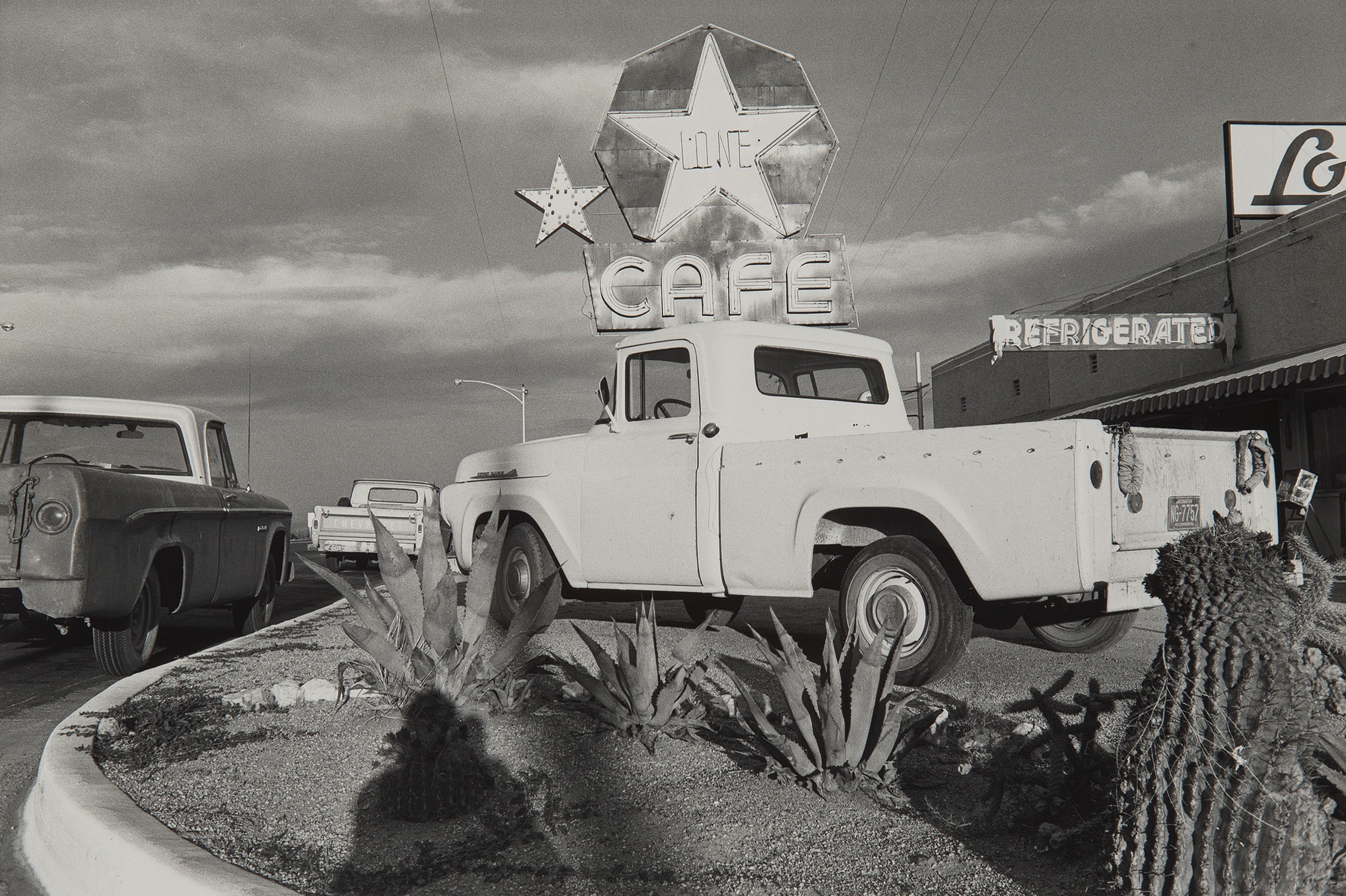
Lee Friedlander
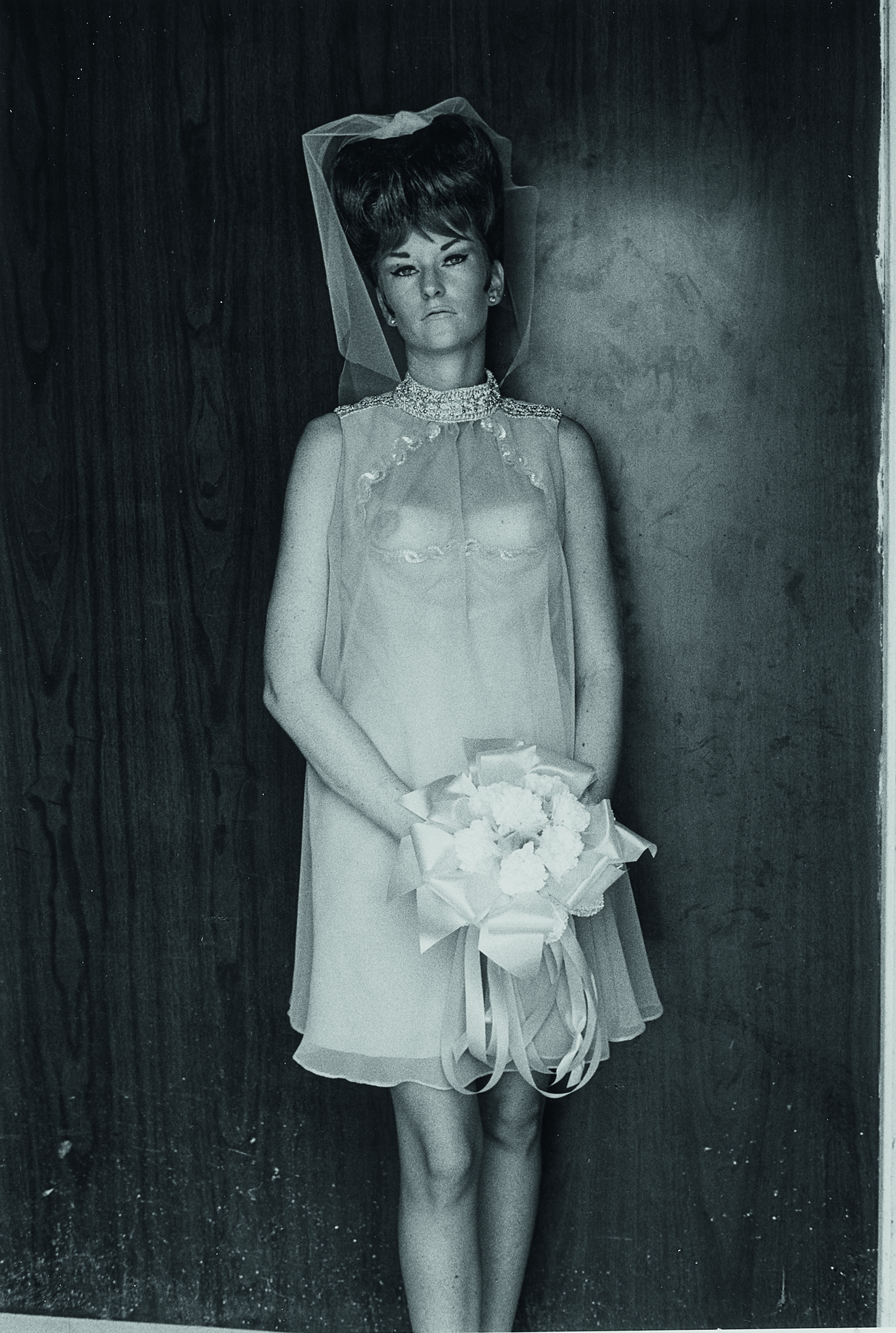
'Topless Bridesmaid' (Topless Wedding, Los Angeles)
A work that captures only the surface prettiness of the occasion tends to feel decorative in the lesser sense. A work that finds the strangeness underneath is the one that earns its wall space over decades. When assessing quality in this category, collectors should resist the pull of sentimentality and look instead for psychological specificity. The great wedding image tells you something true about power, desire, community, or performance.
It asks a question the viewer keeps returning to answer differently. Consider Pieter Brueghel the Younger, whose peasant wedding scenes carry a kind of democratic warmth alongside genuine compositional complexity, the crowd pressing in, the feast inseparable from the labor that surrounds it. Works in the Brueghel workshop tradition remain extraordinarily solid as long term holdings because of their cultural legibility across generations and their consistent presence in major auction cycles. The photographic tradition brings an entirely different set of criteria.
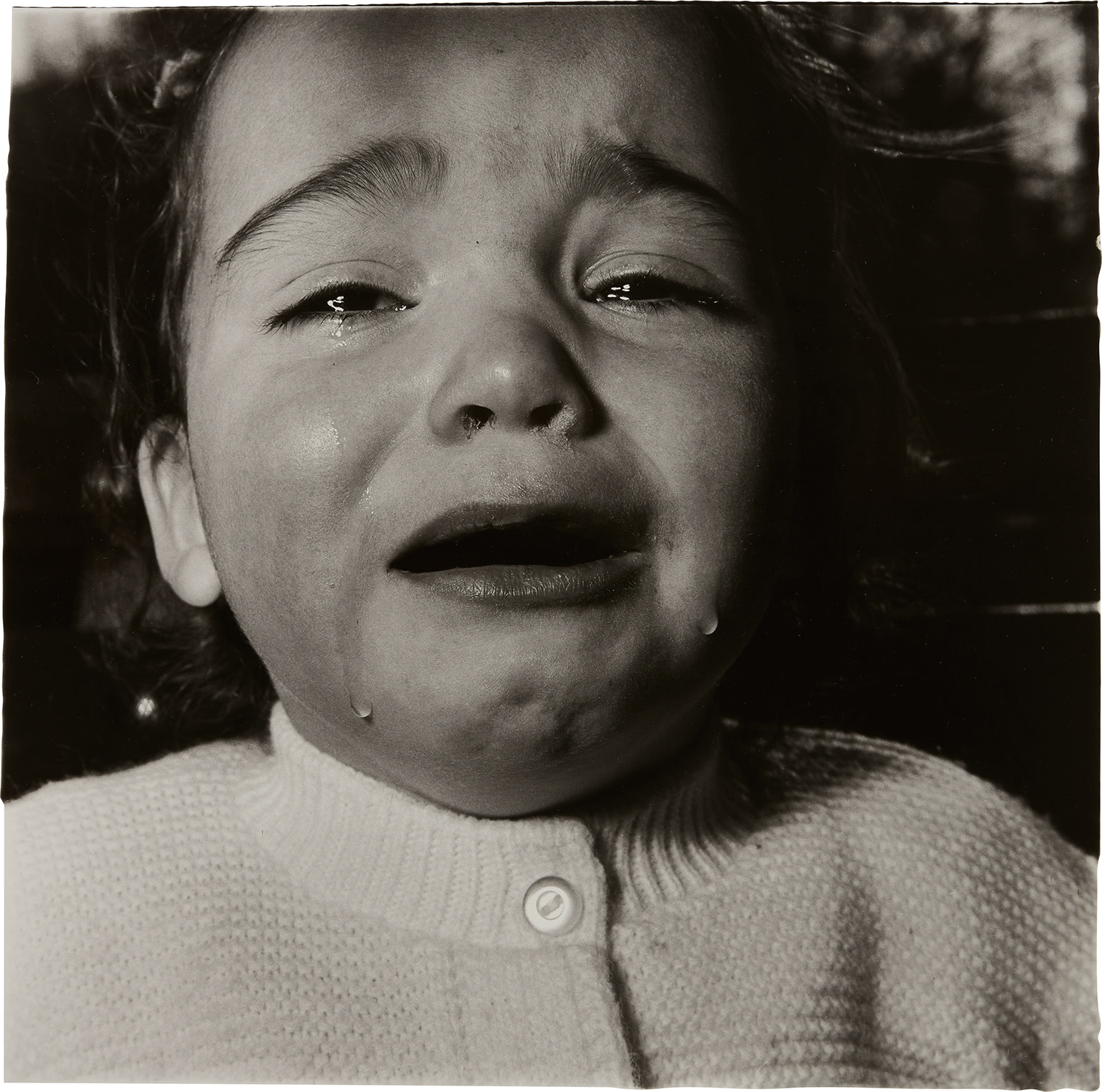
Diane Arbus
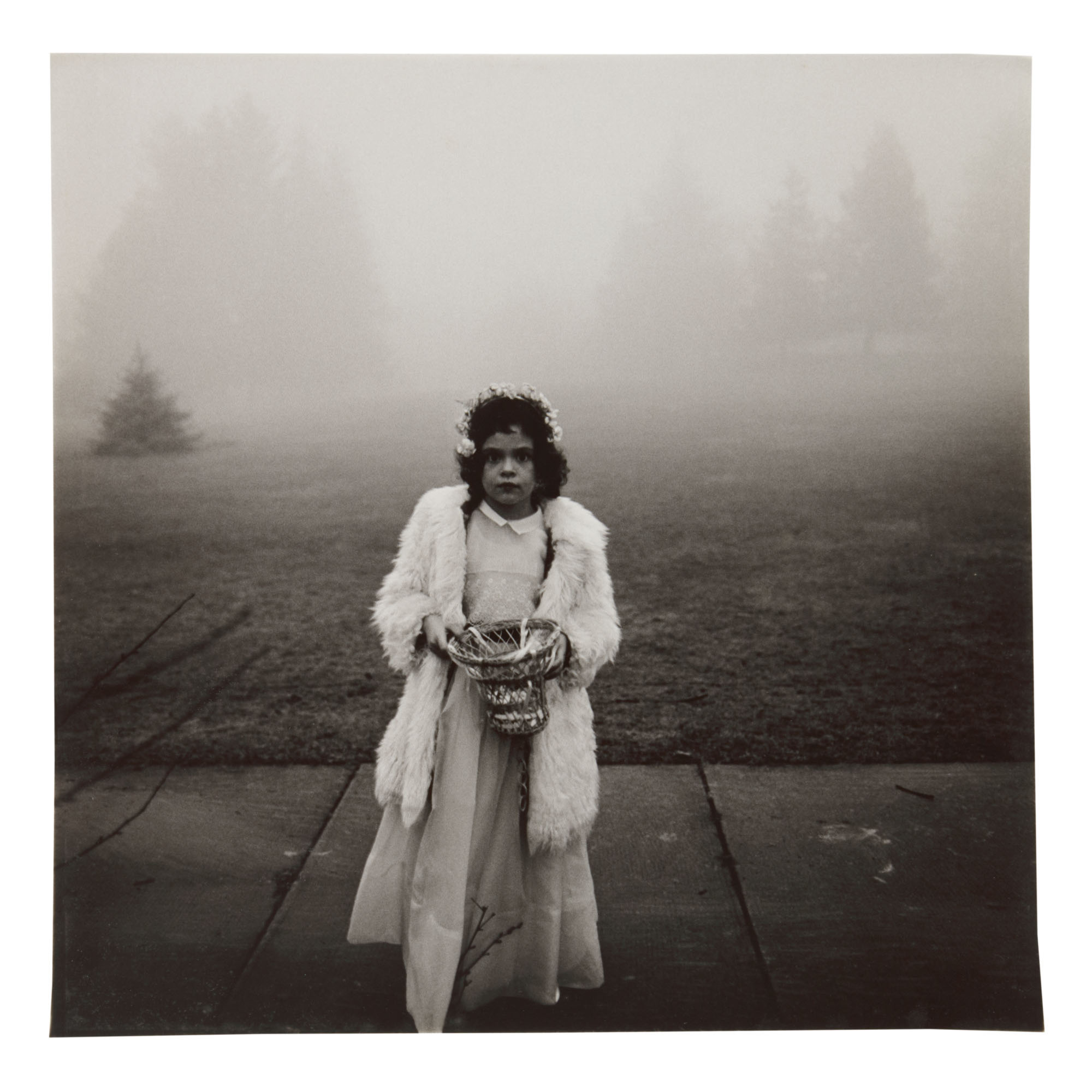
A Flower Girl At A Wedding, Conn.
Diane Arbus understood the wedding as theater in the deepest sense, a stage on which people perform versions of themselves they have been rehearsing their whole lives. Her images of couples and celebrations carry an emotional charge that has only intensified with time, and her market reflects that staying power. When evaluating photographic works in this category, edition number and print date matter enormously. Posthumous prints from established estates can still carry significant value, but early prints made during the artist's lifetime, or shortly after with estate oversight, remain the most defensible investments.
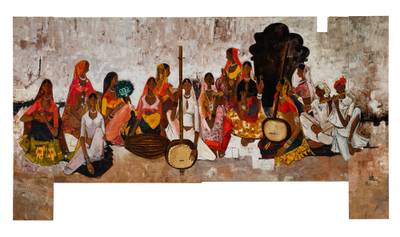
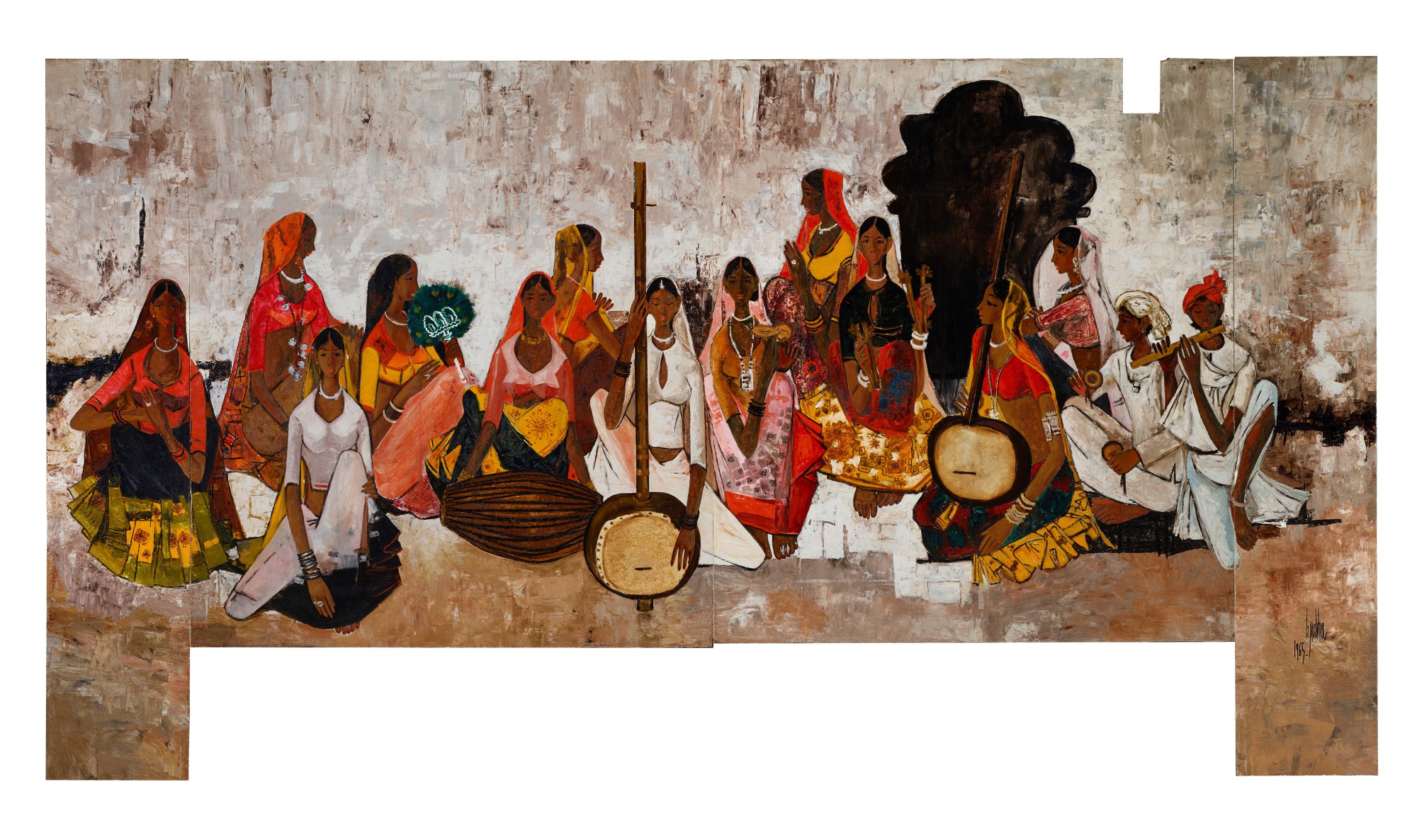
Lee Friedlander's approach to social occasions, including the rituals of American life, operates with a similarly rigorous compositional intelligence, and his work rewards collectors who prioritize formal strength alongside subject matter. For collectors interested in cultural reach, the wedding theme opens extraordinary doors across traditions. B. Prabha, the Indian modernist whose figurative work draws on classical Indian aesthetics, brings a chromatic and emotional richness to ceremonial imagery that feels genuinely distinct from the Western canon.
B. Prabha
Untitled (Wedding Musicians), 1965
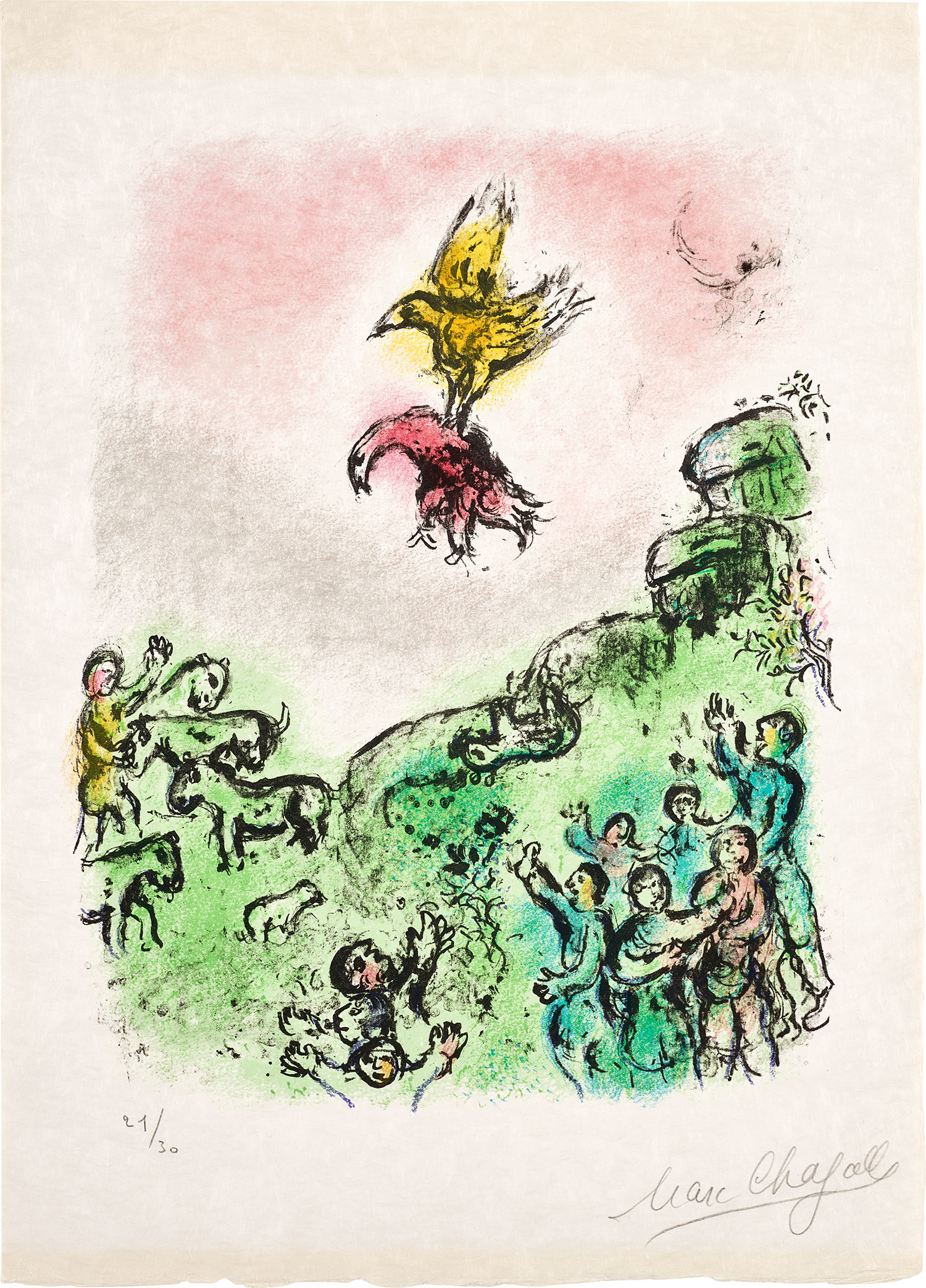
Her work remains undervalued relative to its art historical importance, and that gap will not persist indefinitely. Similarly, Li Qing, working from a position informed by Chinese contemporary art and its complex relationship with tradition and spectacle, offers a contemporary lens that speaks directly to the theatricality of modern weddings in ways that feel urgent rather than retrospective. Both artists represent the kind of collecting opportunity that advisors recognize as asymmetric: the work is serious, the scholarship is growing, and the market has not yet fully caught up. Marc Chagall's treatment of wedding subjects is worth particular attention for collectors approaching this category from the perspective of the modern canon.
His floating figures and dreamlike village ceremonies are among the most recognizable images in twentieth century art, and his works carry the dual advantage of broad cultural recognition and deep art historical significance. The challenge with Chagall is the breadth of his output across media, so collectors should be specific about what they are acquiring: an original work on paper or canvas commands a fundamentally different conversation than a signed lithograph, and both have their place in a considered collection. Ask any dealer handling Chagall to walk you carefully through provenance, the catalogue raisonné reference, and condition reports before you commit. At auction, wedding themed works tend to perform well when they arrive with strong provenance, institutional exhibition history, and clear cultural context.
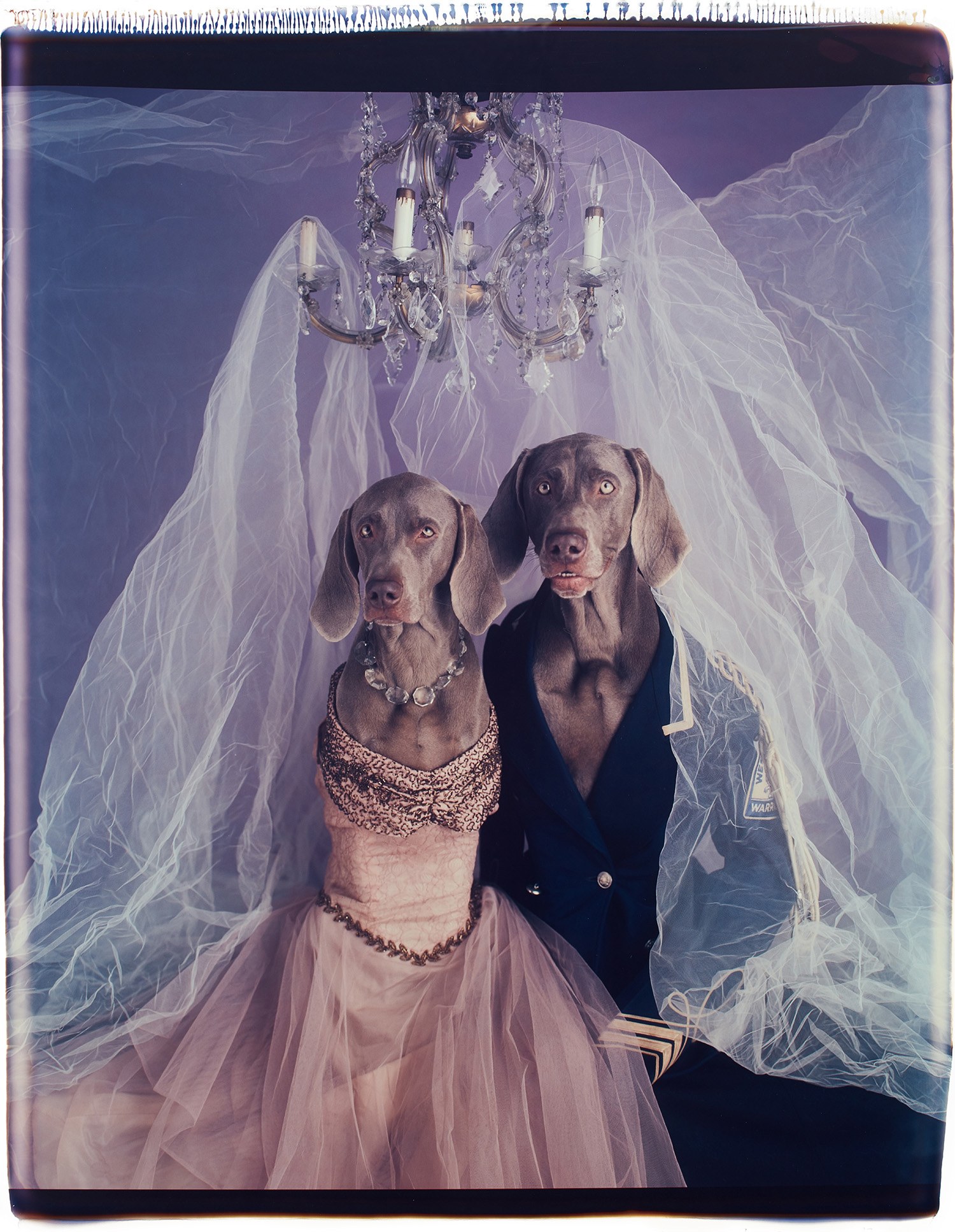
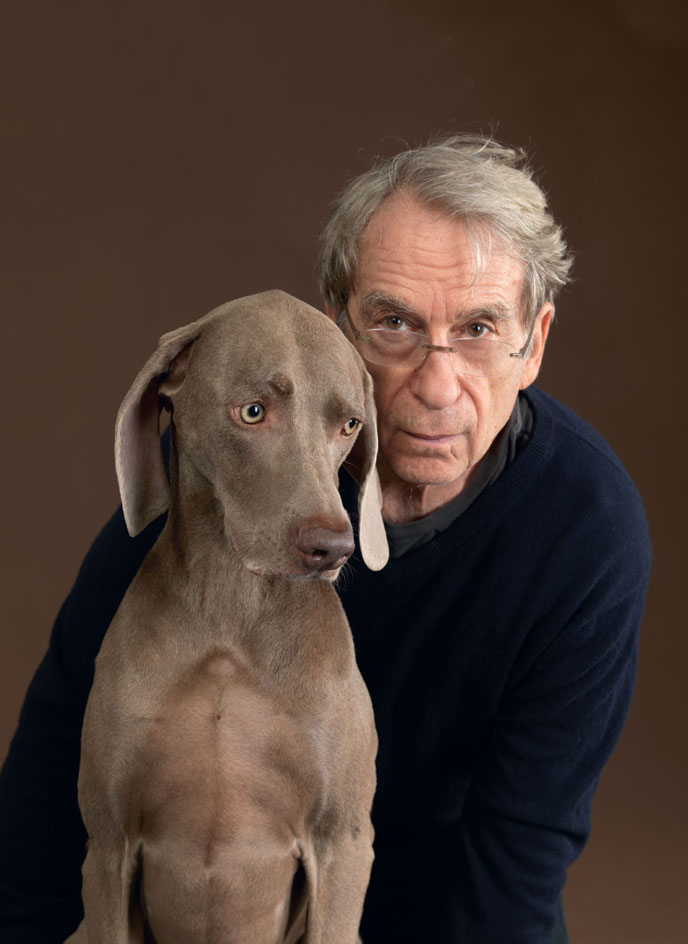
William Wegman
Wedding
Thematic works can sometimes suffer when auction houses contextualize them poorly, grouping a psychologically complex image with purely decorative material, which suppresses bidding from the serious collectors who would recognize its quality. This is one reason why acquiring through galleries and private sale often serves collectors better in this category: a trusted dealer who understands the depth of a particular work can place it with the right buyer rather than leaving it to the interpretation of a crowded sale room. Practically speaking, photographic works require careful attention to light exposure and framing materials, as silver gelatin prints are sensitive to environmental conditions that less experienced collectors sometimes underestimate. Works on paper, including the kind of intimate drawings and prints that document ceremonial life across cultures, benefit from UV protective glazing and should be rotated from display periodically.
For painting, the key questions around condition center on any previous restoration, especially in older panel or canvas works where historical cleaning can have removed critical surface detail. Always request a condition report under raking light and, for significant purchases, an independent conservator's assessment. The most important question to ask a gallery when considering a wedding work is deceptively simple: what is this image actually about? The best dealers will take that question seriously rather than reaching for biography or period context as a substitute for genuine visual analysis.
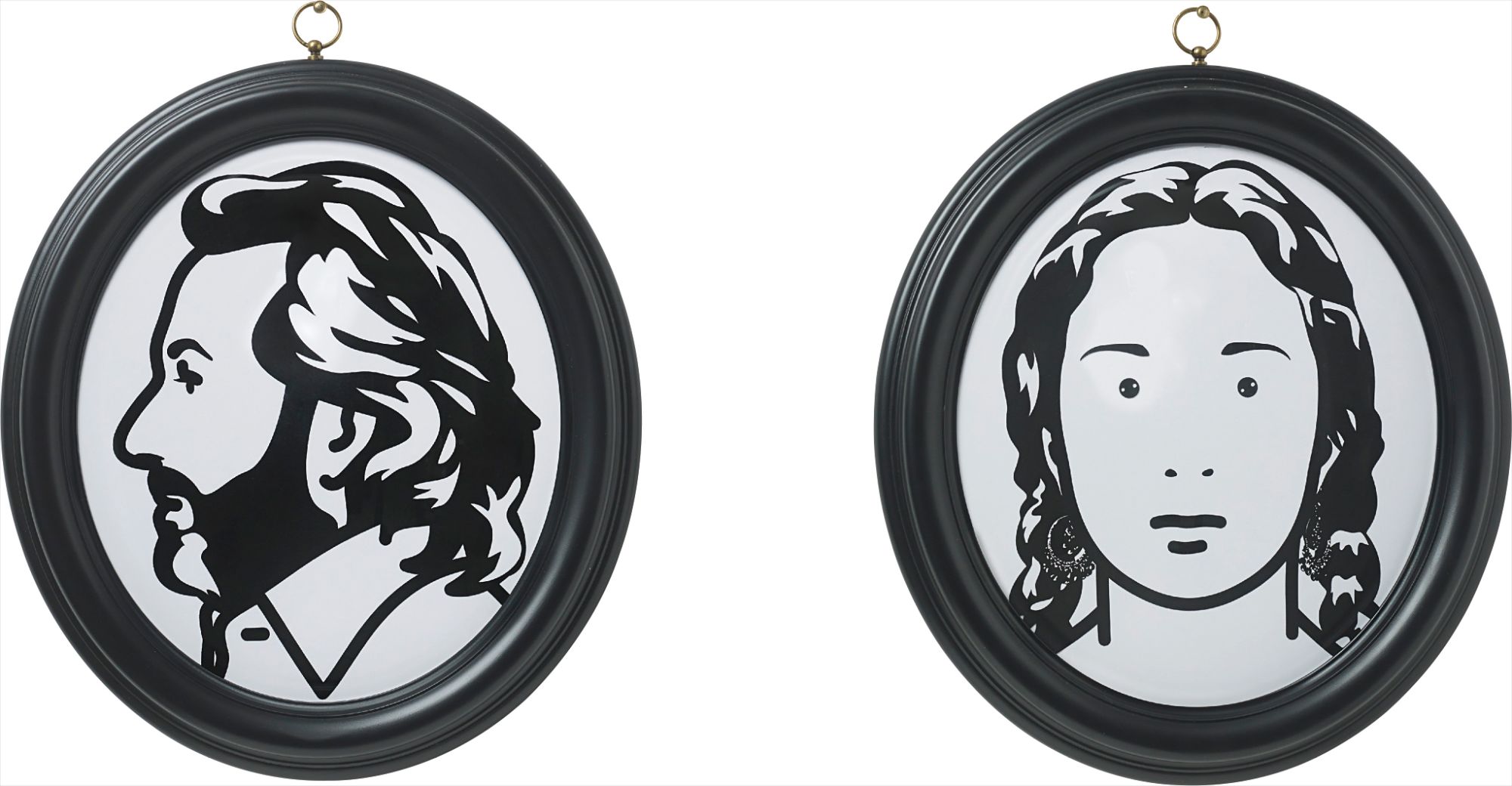
A work that can withstand that conversation, that reveals more the longer you look at it, is the one worth bringing home. Julian Opie's ability to distill human figures and social scenes into their essential geometry offers a fascinating contemporary counterpoint to the dense narrative traditions in this category. Living with work that spans those sensibilities, from the peasant feast to the conceptual diagram of social ritual, is one of the genuine pleasures this collecting area affords.