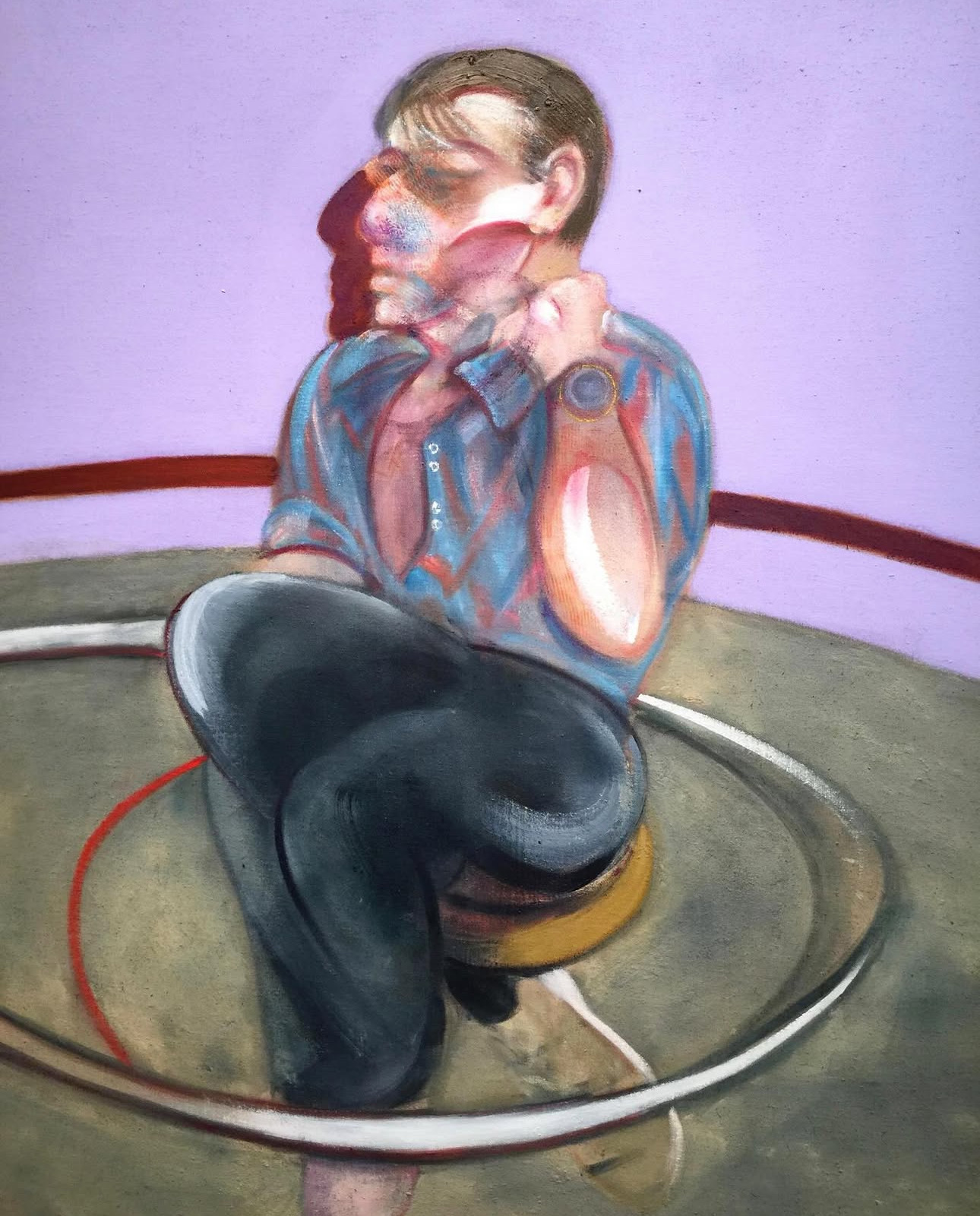
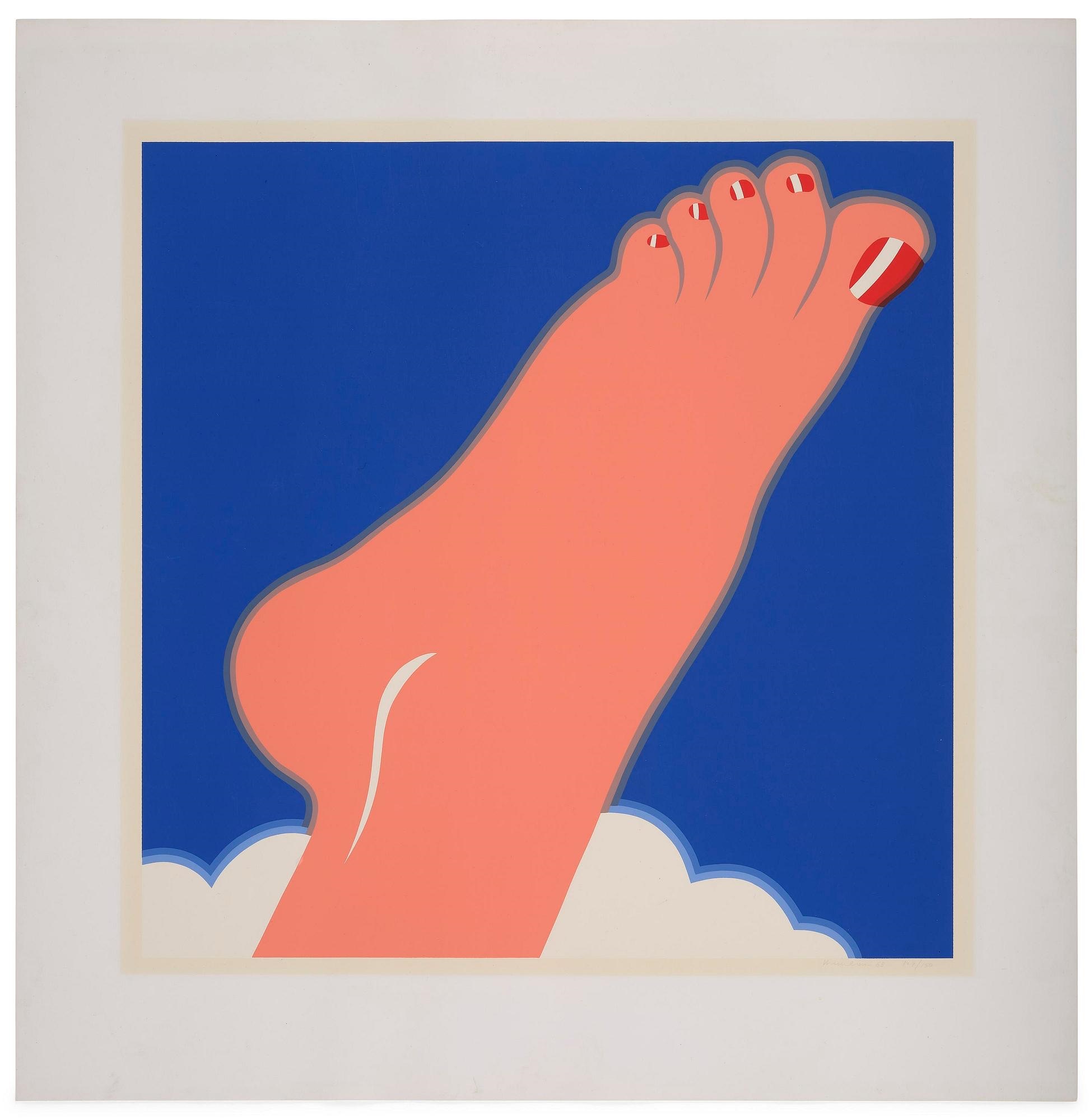
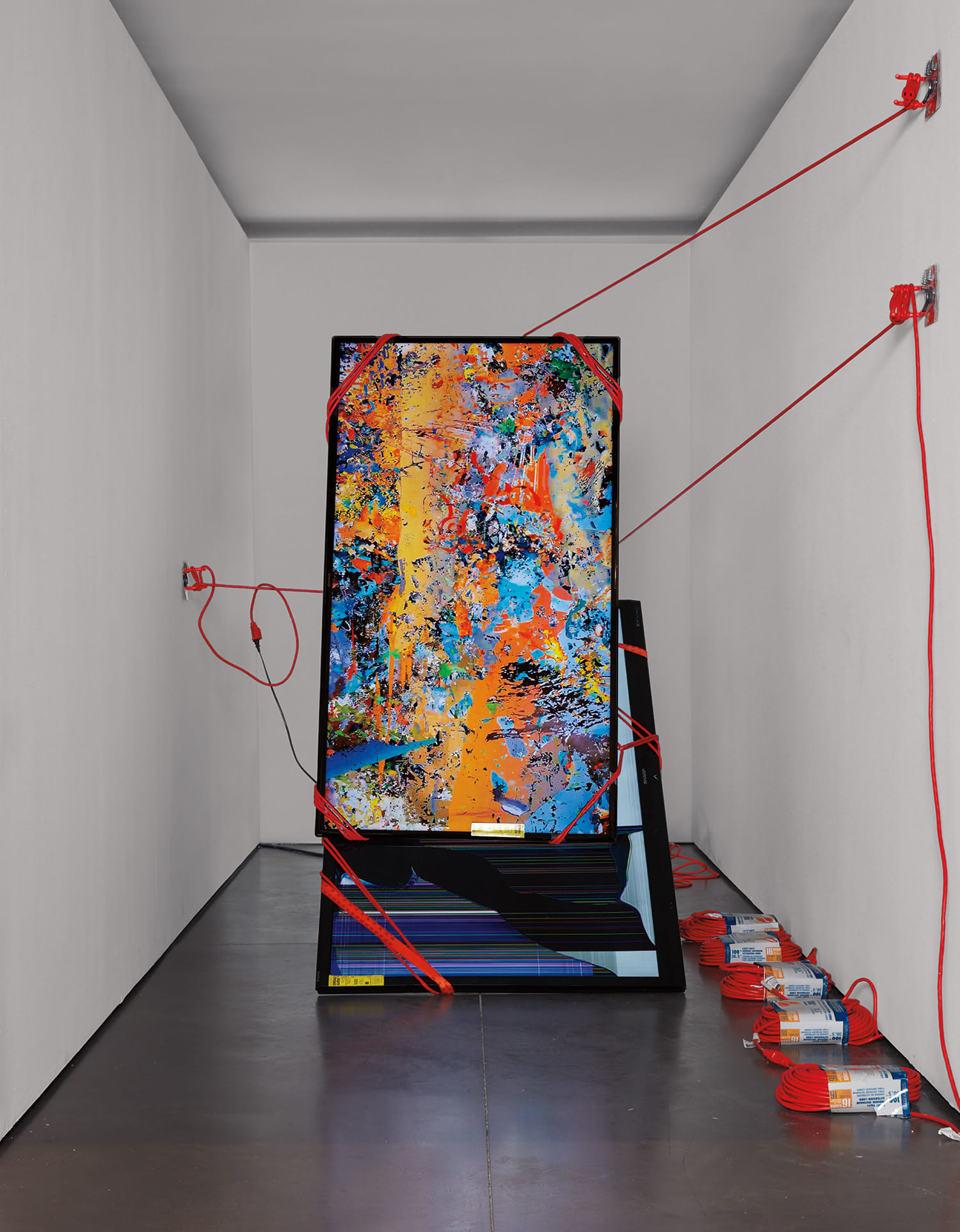
Wave
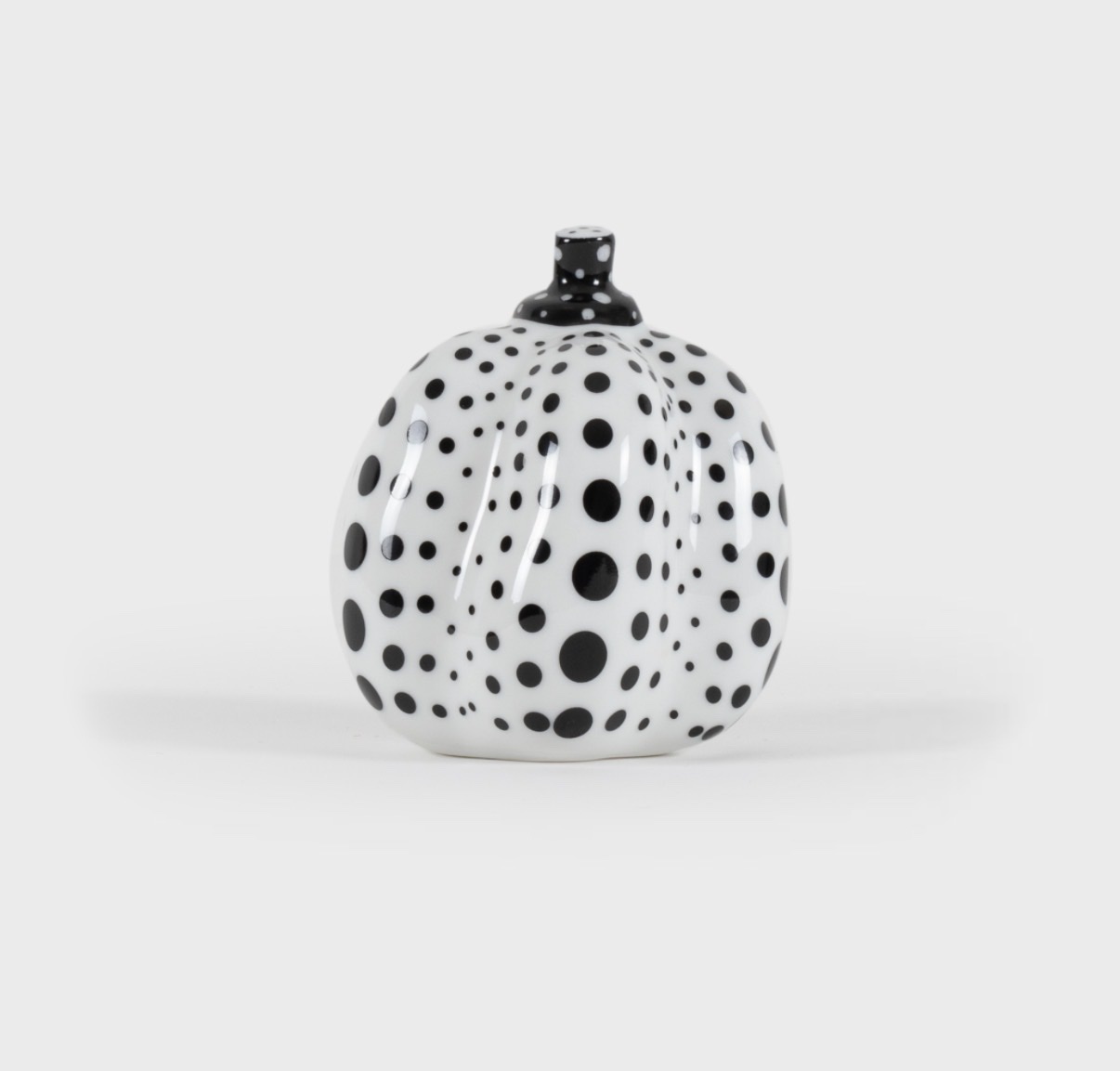
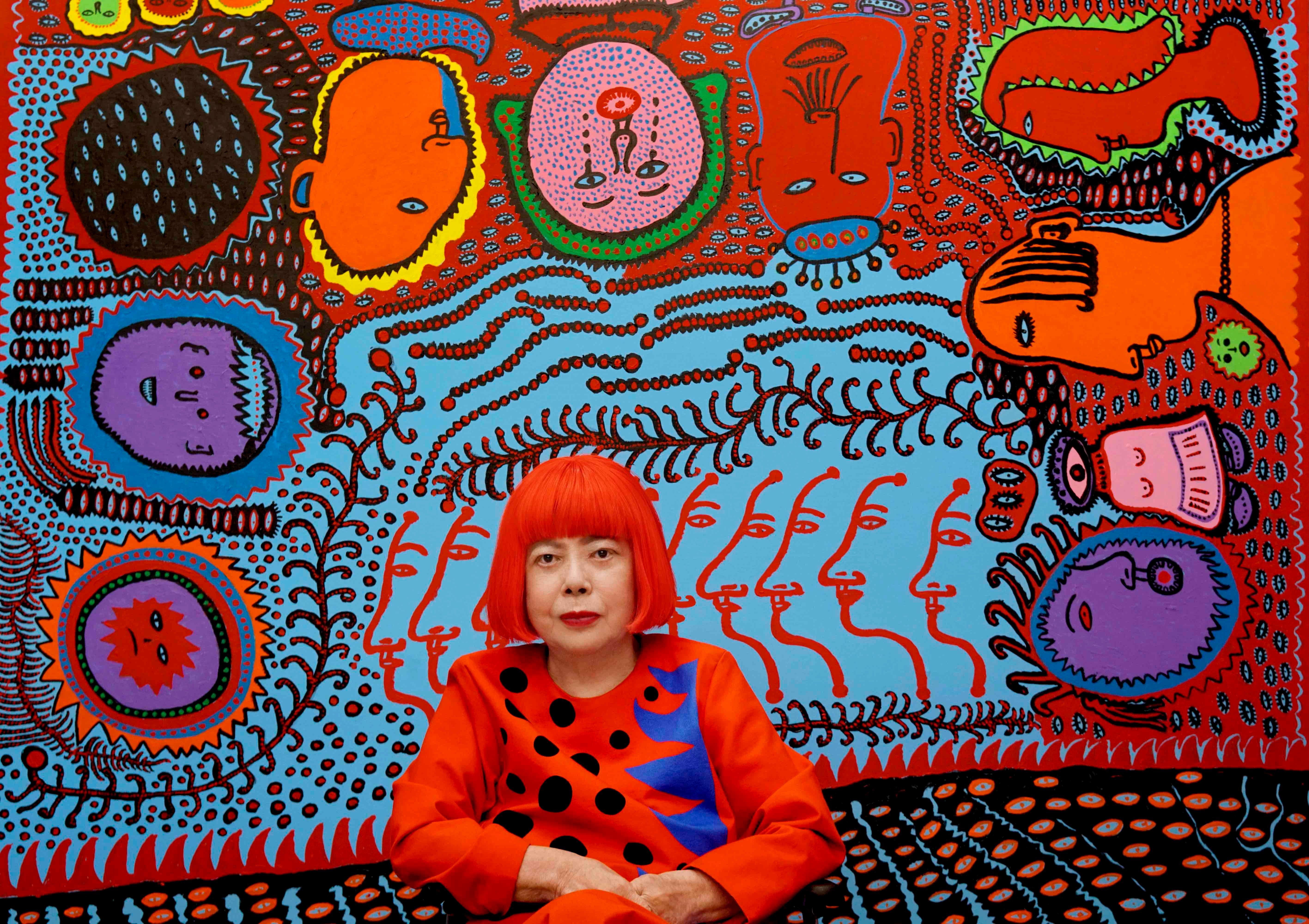
Yayoi Kusama
Wave, 1980

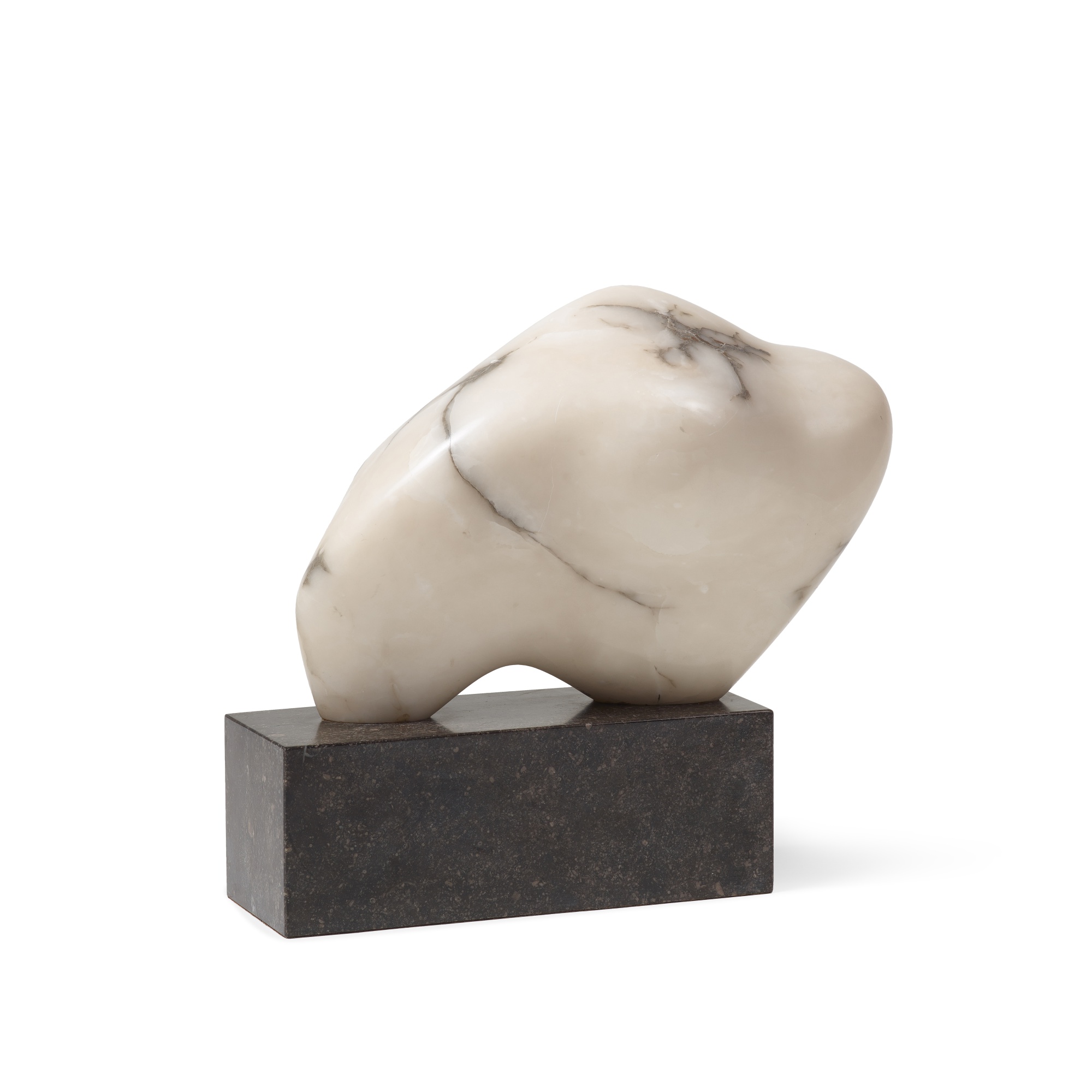
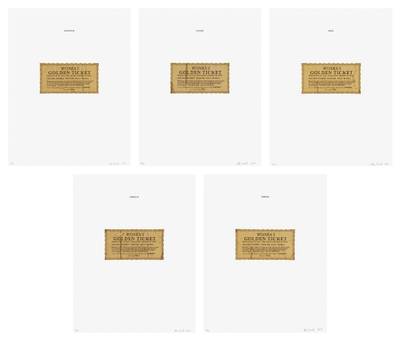

The Wave That Never Stops Breaking
There is something almost embarrassingly primal about our obsession with waves. The image has compelled artists across centuries and cultures, turning up in woodblock prints and silver gelatin photographs, in monumental charcoal drawings and candy colored sculptures. It speaks to something the body understands before the mind catches up: the wave is both beautiful and indifferent, both pattern and chaos, a form that arrives from nowhere and collapses into nothing. That tension is exactly what makes it so endlessly productive as a subject.
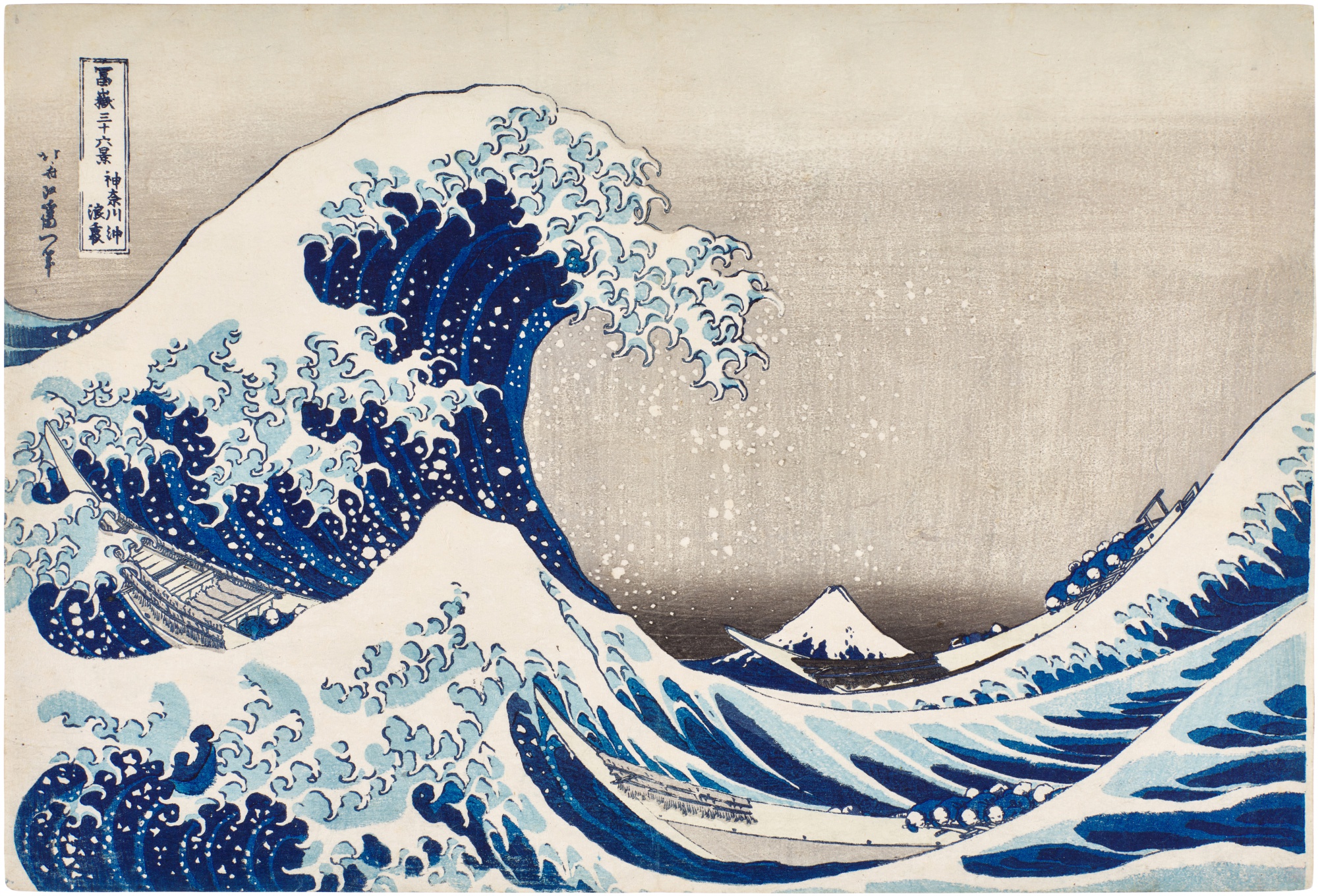
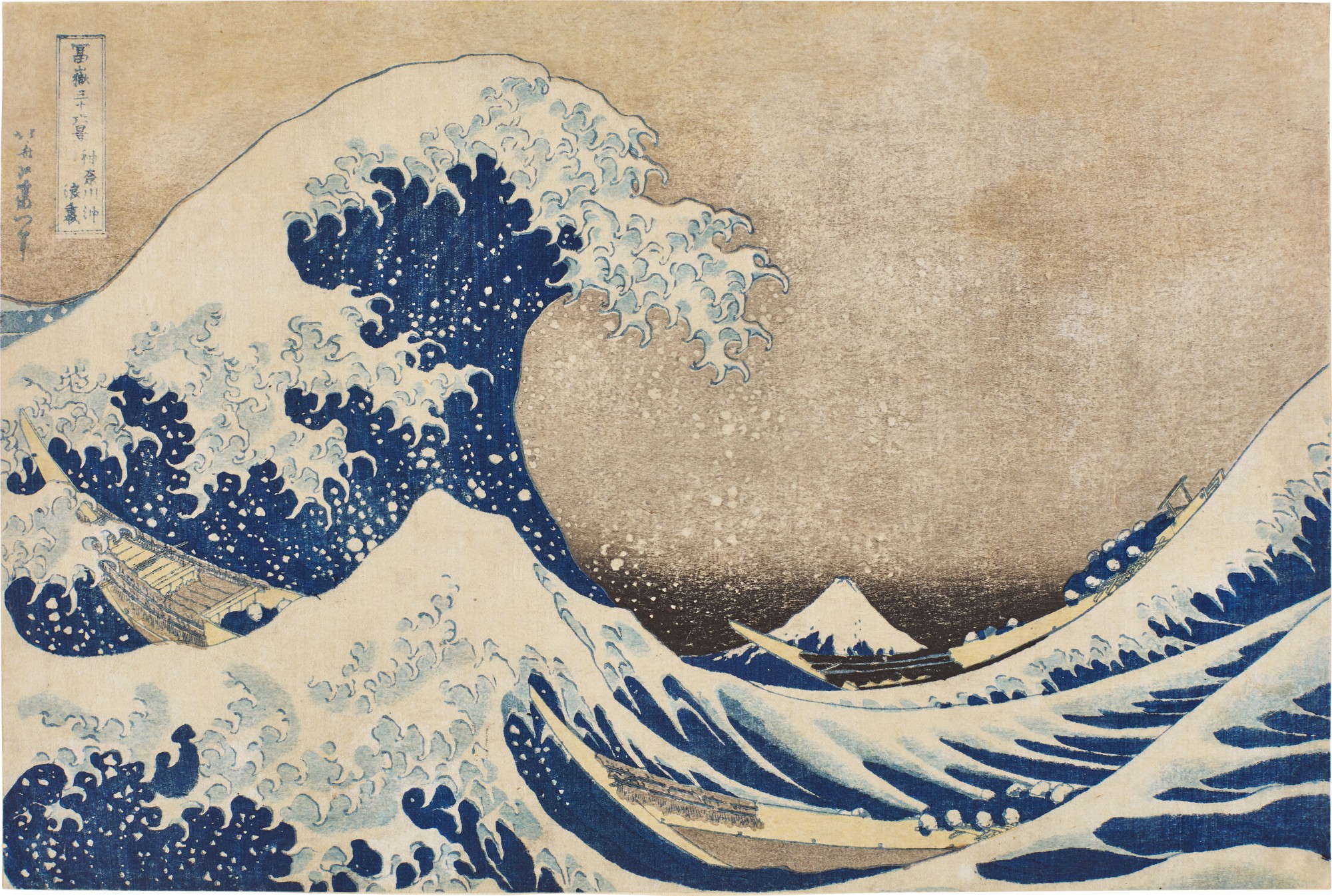
The conversation around waves in art begins in earnest in nineteenth century Japan, though of course the sea had been painted long before. When Katsushika Hokusai published his iconic print known in the West as The Great Wave around 1831, as part of his Thirty six Views of Mount Fuji series, he was not simply depicting a natural phenomenon. He was describing a relationship between forces: the towering, clawing crest of water against the impossibly serene cone of Fuji in the background. The composition was technically radical, borrowing from European perspective and Prussian blue pigment newly available through Dutch trade, while remaining deeply rooted in the Ukiyo e tradition.
![Katsushika Hokusai — Kanagawa oki nami ura (Under the well of the Great Wave off Kanagawa) [“Great Wave”]](https://rtwaymdozgnhgluydsys.supabase.co/storage/v1/object/public/artwork-images/auction-lots/japanese-and-korean-art-24346-nyr-lot84.jpg)
Katsushika Hokusai
Kanagawa oki nami ura (Under the well of the Great Wave off Kanagawa) [“Great Wave”]
It became one of the most reproduced images in the history of art, and its influence on Western artists, from the Impressionists to the Symbolists, was immediate and profound. Hokusai's work on The Collection stands as a reminder of just how inexhaustible this artist's engagement with water and movement truly was. His waves are not decorative. They are structural arguments about scale, about the smallness of human endeavor against natural force, and about the strange elegance that violence can take.
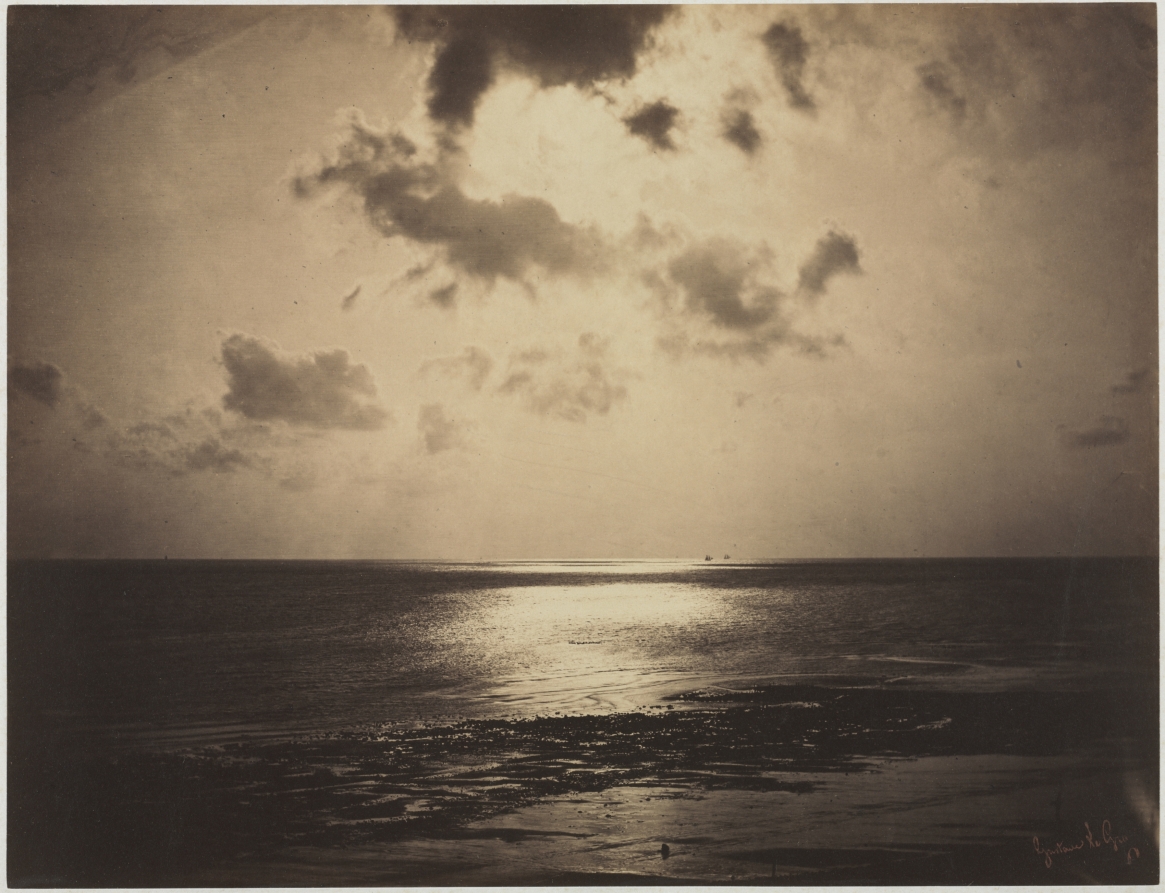
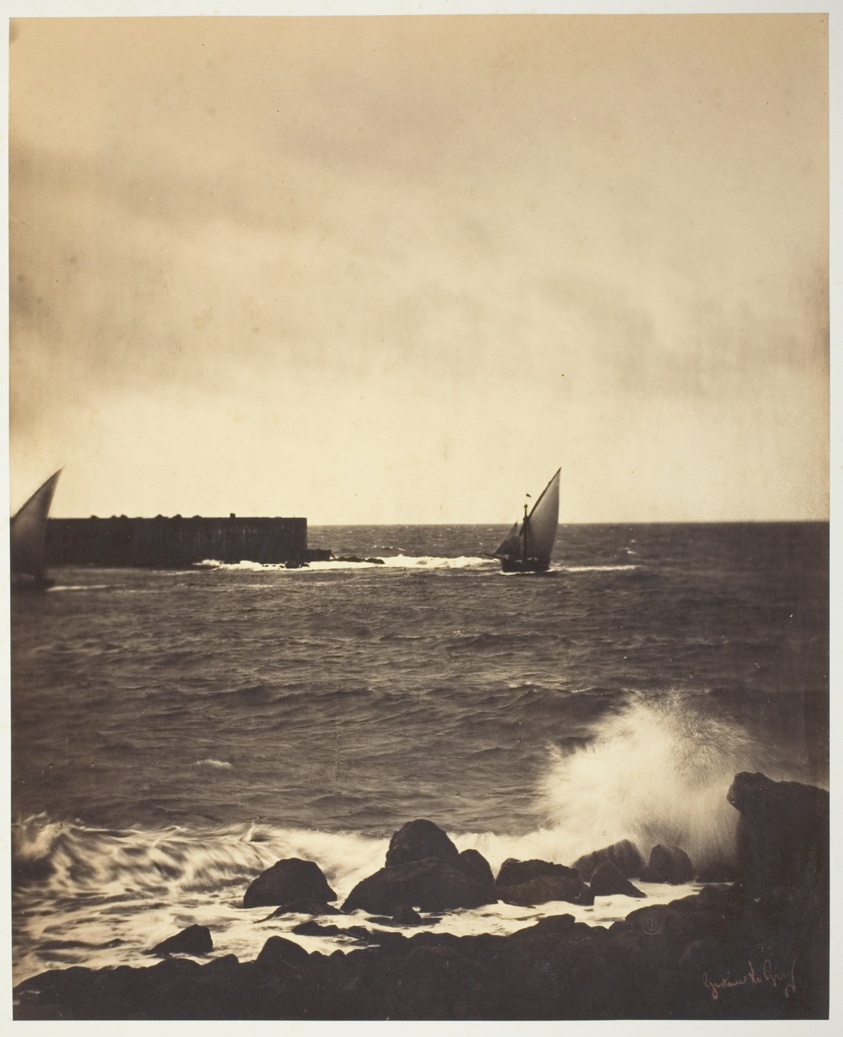
To look at them now is to understand why artists across the following two centuries kept returning to the same subject with urgency rather than nostalgia. The nineteenth century also gave us another approach entirely. Gustave Le Gray, the French photographer working in the 1850s, confronted the wave as a technical and philosophical problem simultaneously. Capturing the sea in that era was genuinely difficult.
Gustave Le Gray
The Breaking Wave, 1857
The slow exposure times of wet collodion plates meant that water became a blur, losing all its drama. Le Gray solved this by combining two negatives, one exposed for the sky and one for the sea, to produce seascape photographs of extraordinary tonal range. His Seascape with Ship of the Lines from 1856 is still breathtaking, a work that uses the wave not as spectacle but as atmosphere. Le Gray's seascapes in The Collection carry that same duality: the scientific and the sublime occupying the same frame.
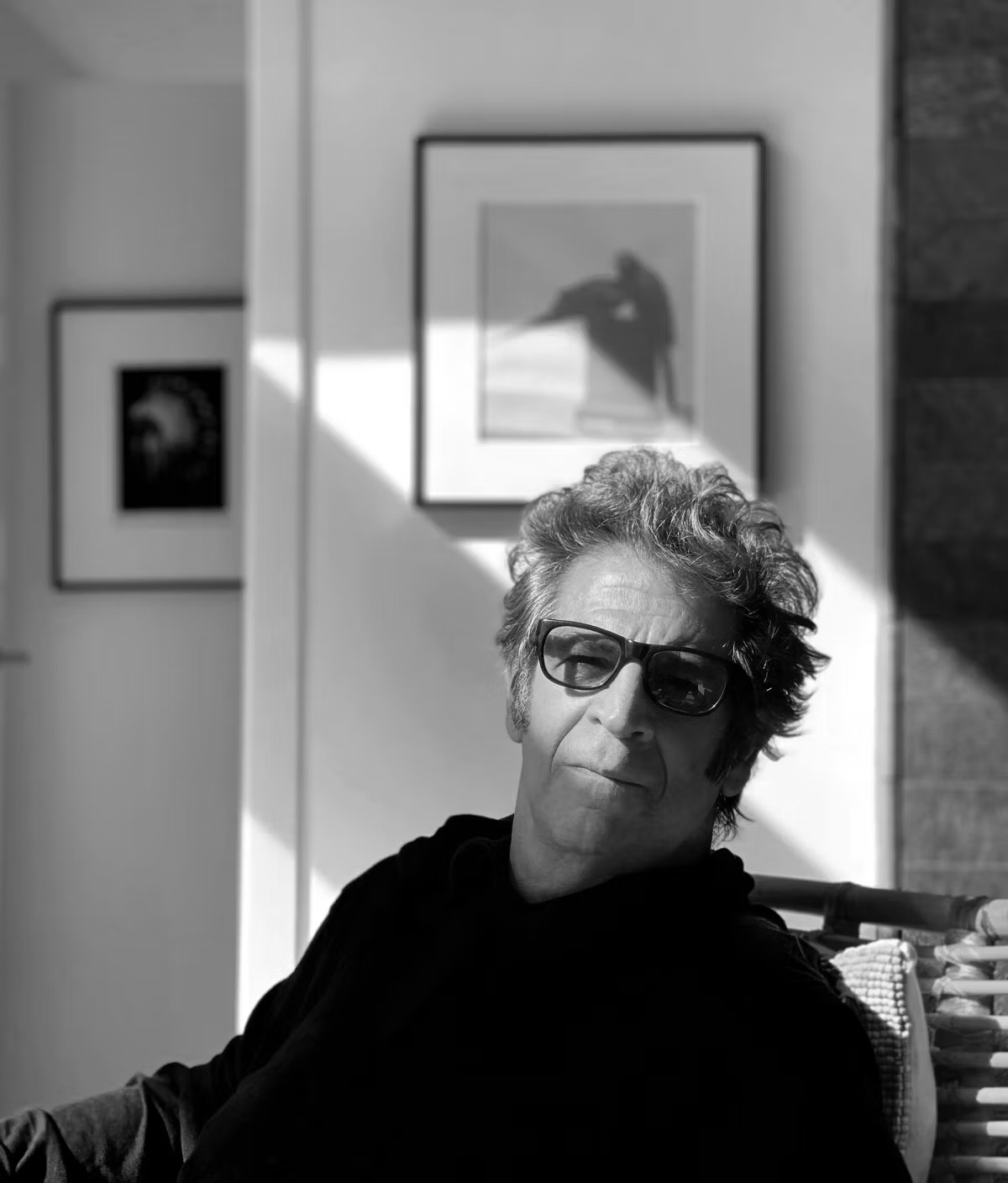
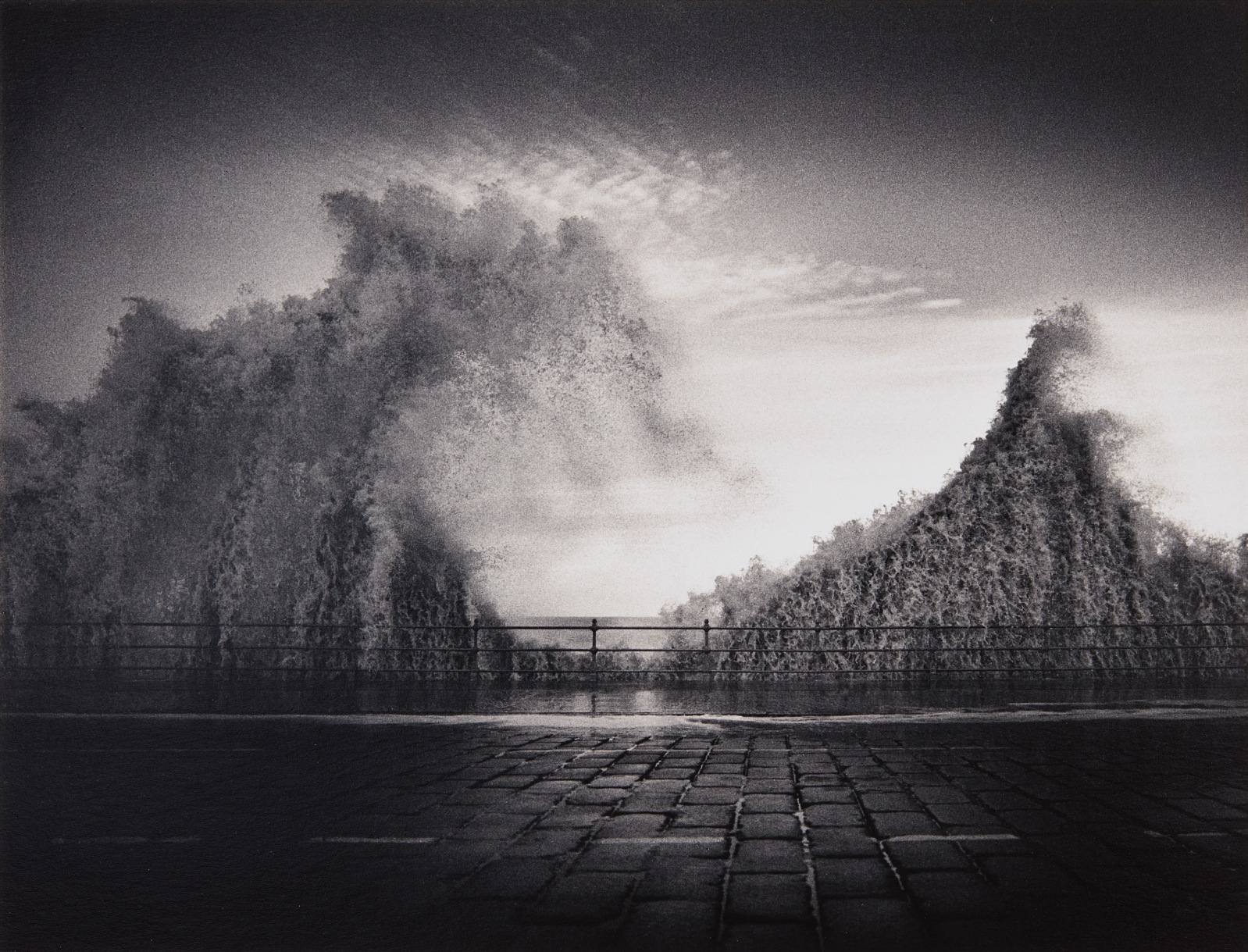
Michael Kenna, whose photographic practice emerged in the late twentieth century, works in a lineage that Le Gray helped establish. Kenna's long exposure photographs of coastal Japan and Northern France transform water into something between memory and geometry. His waves are smoothed nearly to abstraction, fog and water blurring the boundaries between surface and sky. Where Hokusai drew energy from the wave's peak, Kenna finds meaning in its dissolution.
Robert Longo
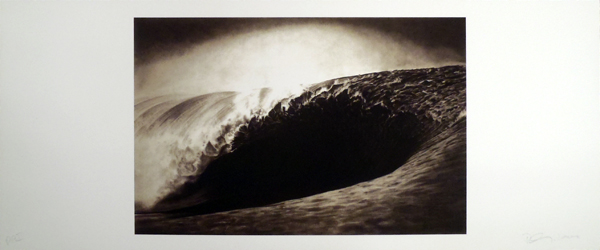
Untitled #4 Wave, 2000
It is a quieter, more meditative response to the same elemental force, and it speaks to how the subject continues to reward artists who approach it on their own terms. Robert Longo brought the wave into the era of the monumental and the confrontational. His large scale charcoal drawings, developed through his career from the 1980s onward, treat the ocean as a kind of existential weather. Waves rendered in dense, obsessive mark making become something closer to psychological states than seascapes.
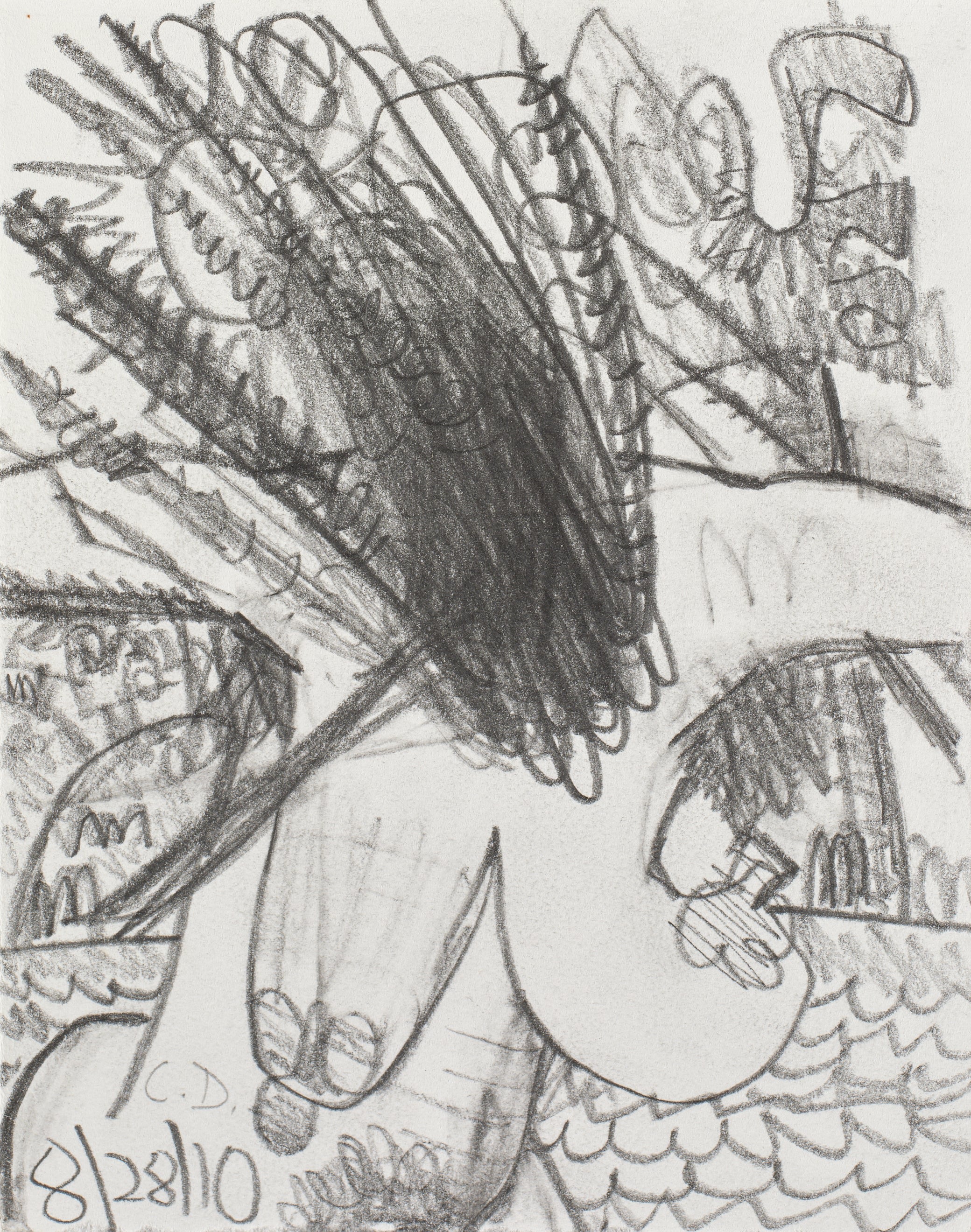
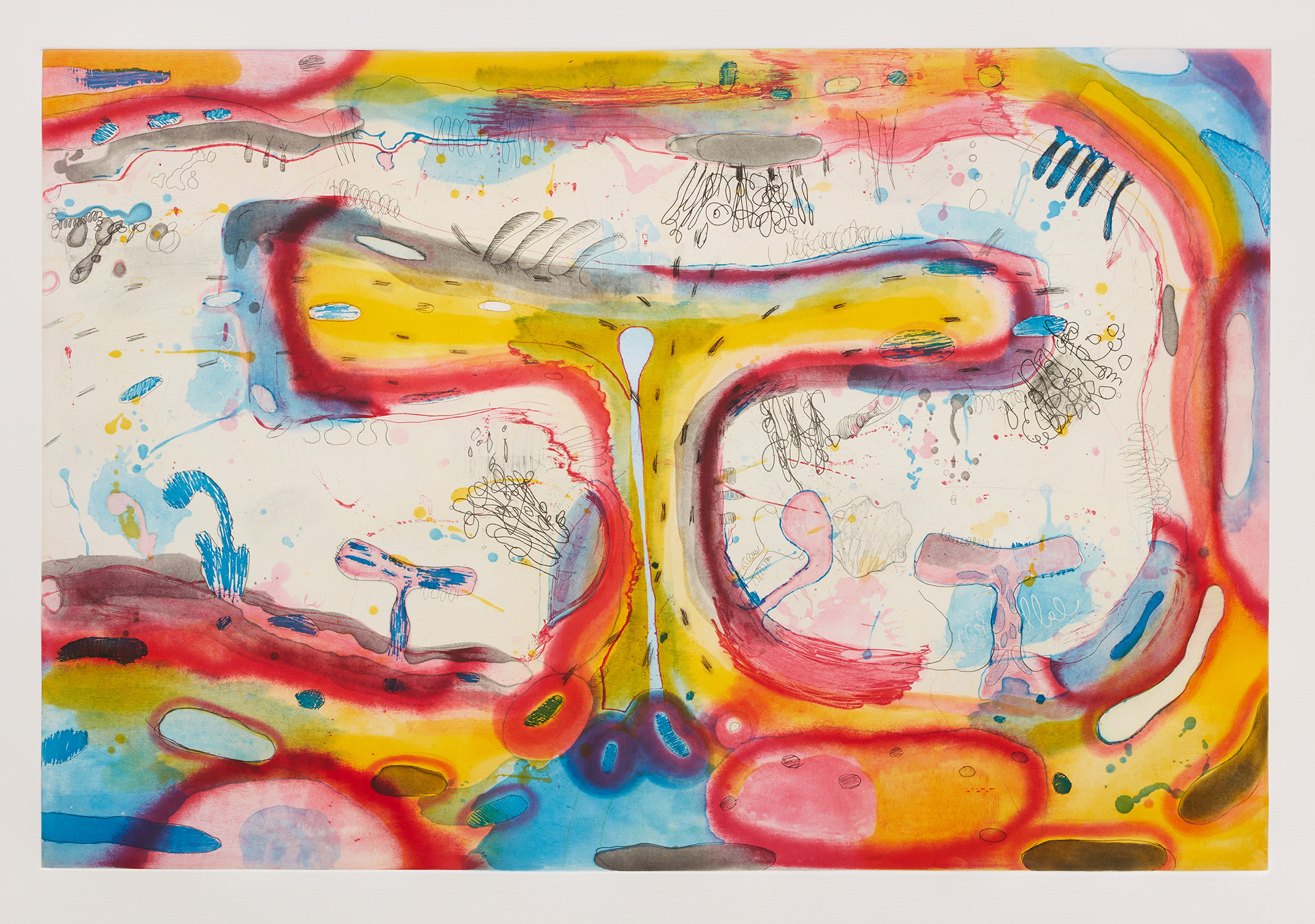
Longo has spoken about drawing from photographs, slowing down the image until the wave becomes almost architectural. His works on The Collection exemplify this quality of arrested force, the wave caught at its most threatening and most beautiful, which is always the same moment. The wave has also traveled comfortably into abstraction. Carroll Dunham's paintings take organic, biomorphic forms that seem to churn and crest, and while they are rarely literal seascapes, the logic of wave movement runs through them like an undertow.
Carroll Dunham
Wave (K. A13)
Josh Sperling's shaped canvases, with their swooping curves and saturated color, feel formally indebted to the wave's arc even when the subject is entirely elsewhere. This is part of what makes wave imagery so persistent: it enters the visual vocabulary and keeps operating even when the ocean itself is nowhere to be seen. Beyond formal concerns, the wave has always carried cultural and political weight. Hokusai's Great Wave arrived during a period of intense Japanese self examination relative to Western influence.
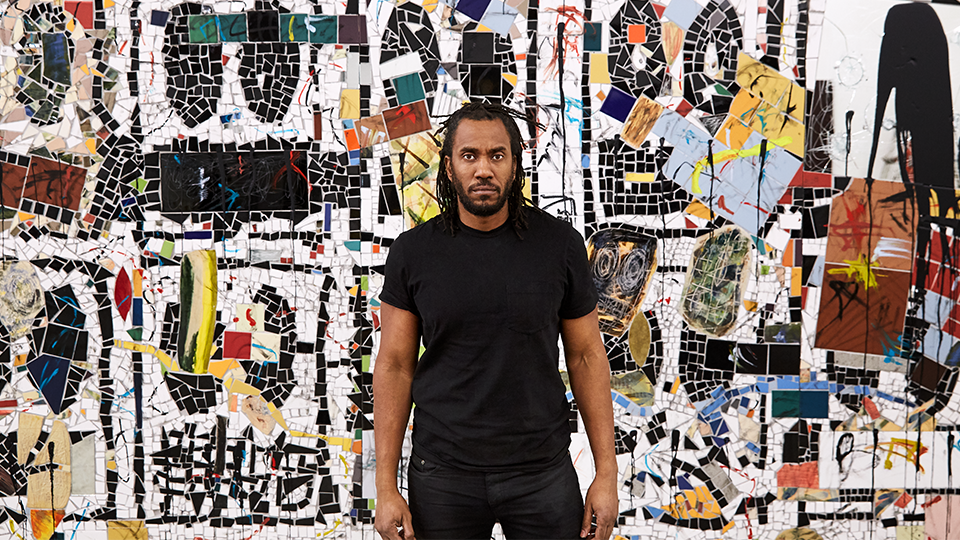
Le Gray photographed the sea during Napoleon III's Second Empire, and there is something in his stormy horizons that reads as more than meteorological. Rashid Johnson, whose practice engages deeply with trauma, history, and Black experience in America, has made works in which water functions as a site of both terror and liberation, invoking the Middle Passage and its aftermath. When Johnson's work appears alongside Hokusai's in a collection, the wave suddenly carries multiple histories at once. Yayoi Kusama's engagement with repetitive pattern finds a natural affinity with the wave's fundamental structure: the repeated form, the serial logic of crest and trough, the way obsession and beauty become indistinguishable.
Alex Israel, working in the idiom of Southern California cool, makes paintings and works that treat the wave as cultural shorthand, surfing imagery folded into a broader meditation on leisure, aspiration, and the constructed paradise of Los Angeles. In his hands the wave becomes almost an emblem, familiar to the point of strangeness. What unites all of these approaches is an understanding that the wave is not a fixed thing. It is a process, a transfer of energy through a medium, and it leaves the medium largely where it found it.
Artists have understood this intuitively. The wave passes through painting, photography, printmaking, and sculpture, leaving each changed and then moving on. The Collection's gathering of these works across centuries and disciplines is a way of watching that energy travel, of tracing a single obsession through all the hands it has passed through, each one gripping it for a moment before the next crest arrives.