Water Lilies
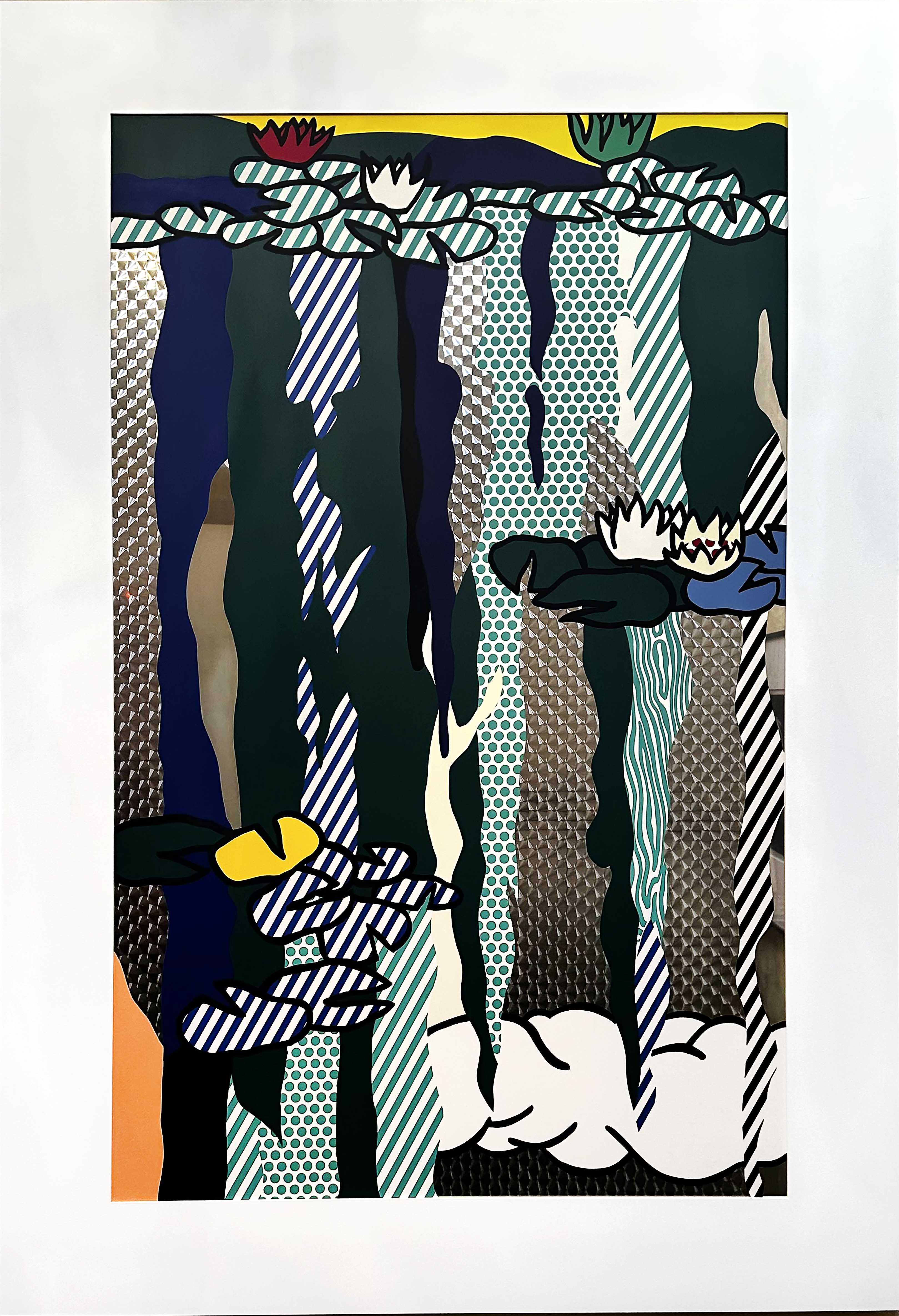
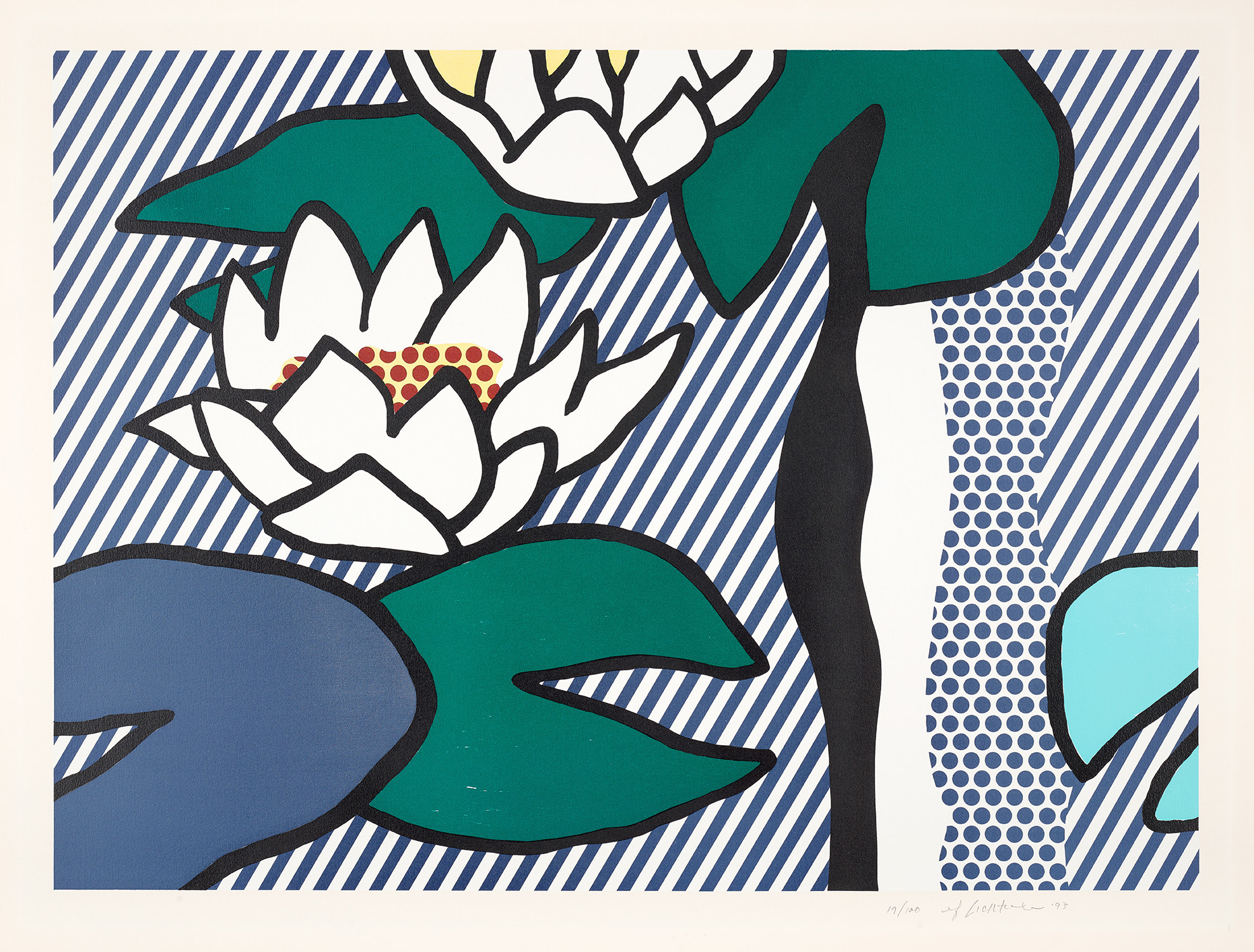
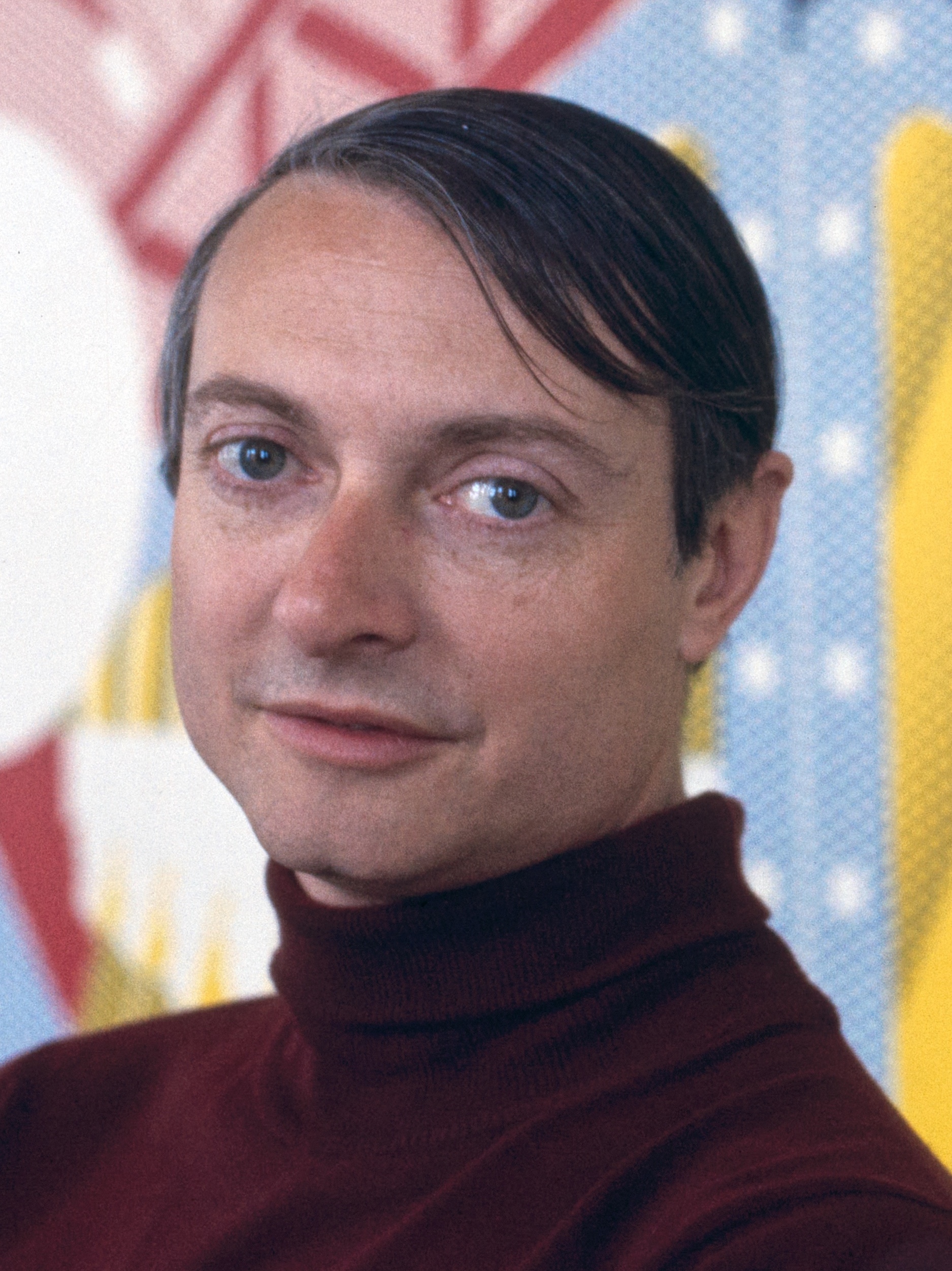
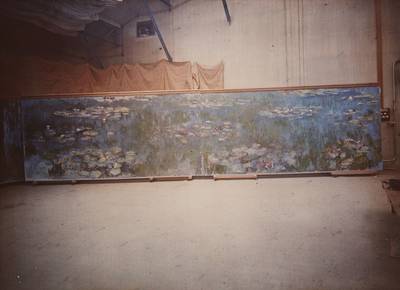
Roy Lichtenstein
Water Lilies with Cloud, 1992
The Algorithm Dreams of Lily Ponds
There is something quietly subversive about a collector choosing to live with AI generated art. It is not the provocation it once was, but it retains a particular intellectual charge, a sense that the work on your wall is asking a question rather than simply answering one. Collectors drawn to this category tend to be people who think carefully about what images mean, where they come from, and what authorship actually requires of us. These are not passive buyers.
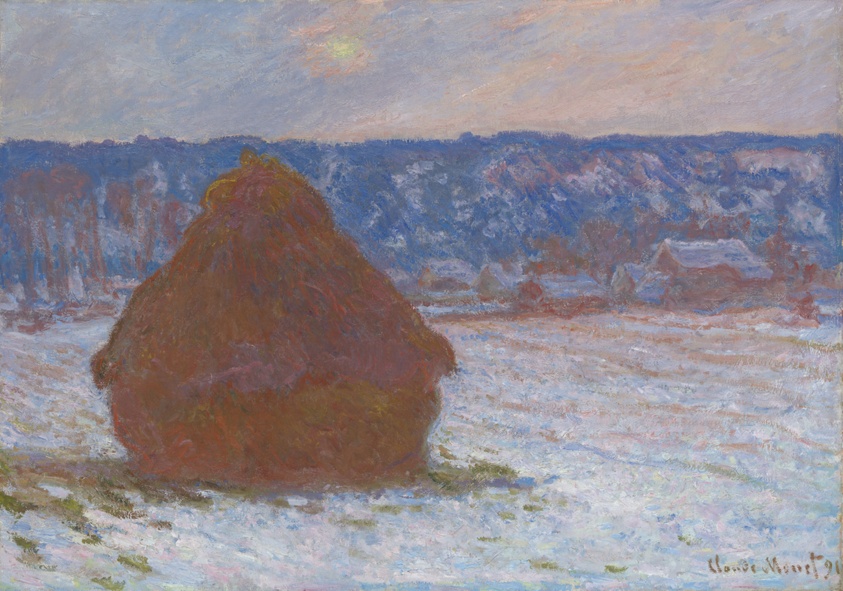
They are people who want their art to generate conversation, and AI work almost never fails to do that. The appeal of living with AI art is also, unexpectedly, sensory. When the subject matter is something as inherently immersive as water lilies, the visual experience can be genuinely arresting. There is a long tradition of artists returning obsessively to the pond at Giverny, and Claude Monet remains one of the most represented figures on The Collection for good reason.
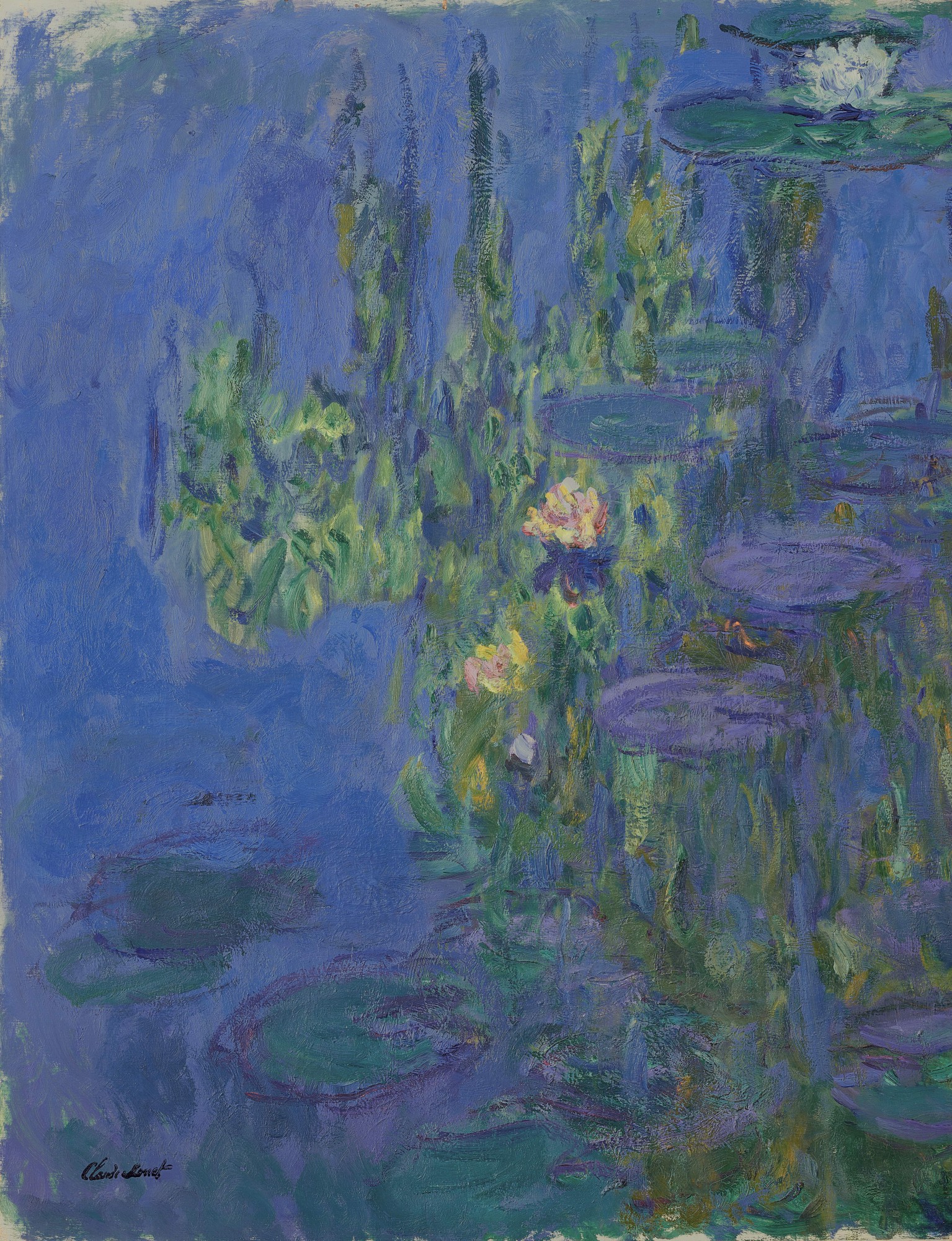
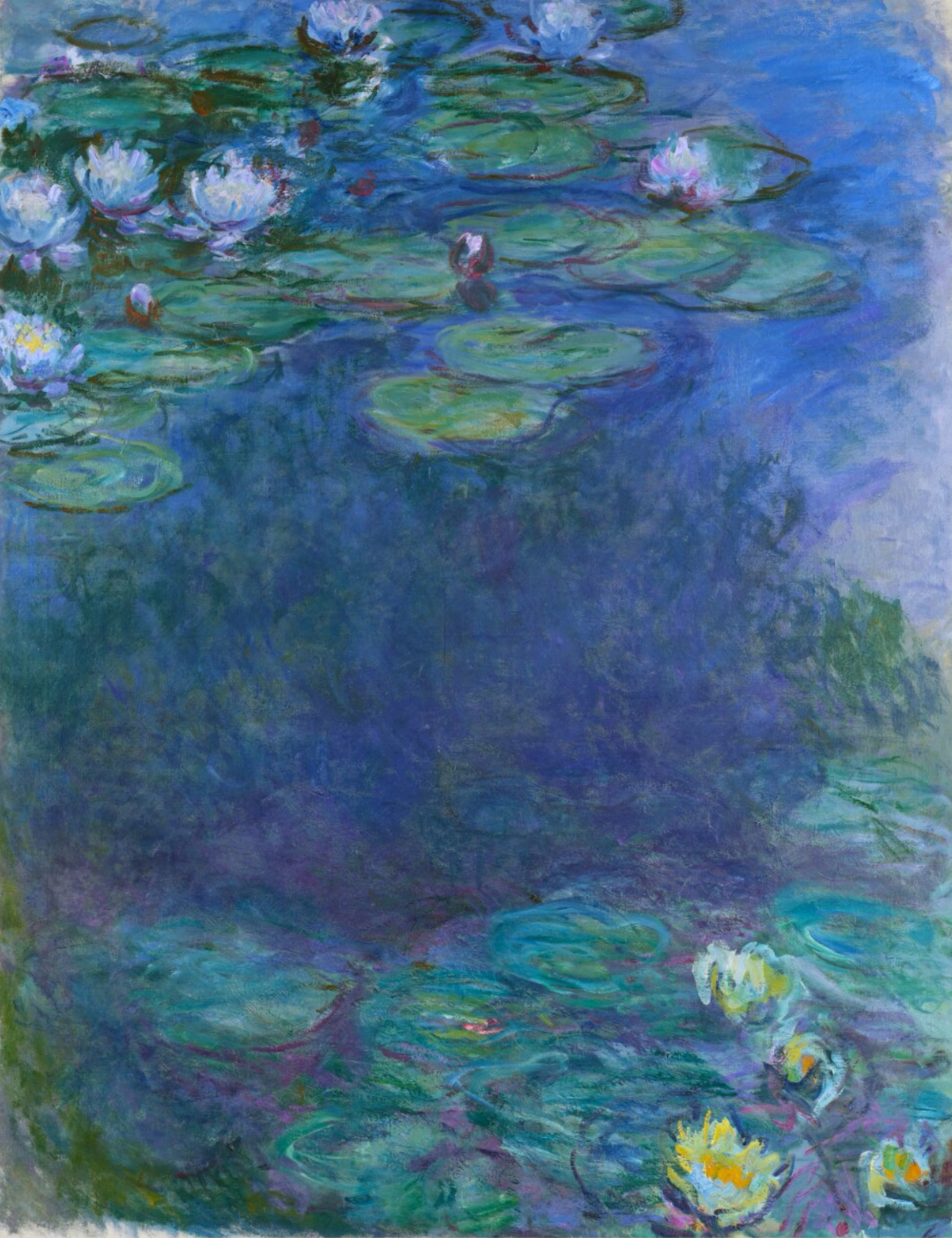
Claude Monet
Nymphéas , 1914
His late water lily paintings redefined what pictorial space could be, dissolving horizon lines and pulling the viewer into a surface that was simultaneously flat and infinite. An AI work engaging that same subject matter enters a loaded conversation, and the best examples do so with genuine intelligence. So what separates a good AI work from a great one in this space? The answer, perhaps counterintuitively, is intentionality.
The most compelling AI works are those where the generating artist, the person making the aesthetic and conceptual decisions, has brought a real point of view to the process. A water lily image that simply echoes Monet without interrogating that echo is decoration. A work that uses the language of Impressionism to ask something about memory, repetition, or the nature of trained visual systems is something far more interesting. Collectors should ask directly: what decisions did this artist make, and at what stage of the process?
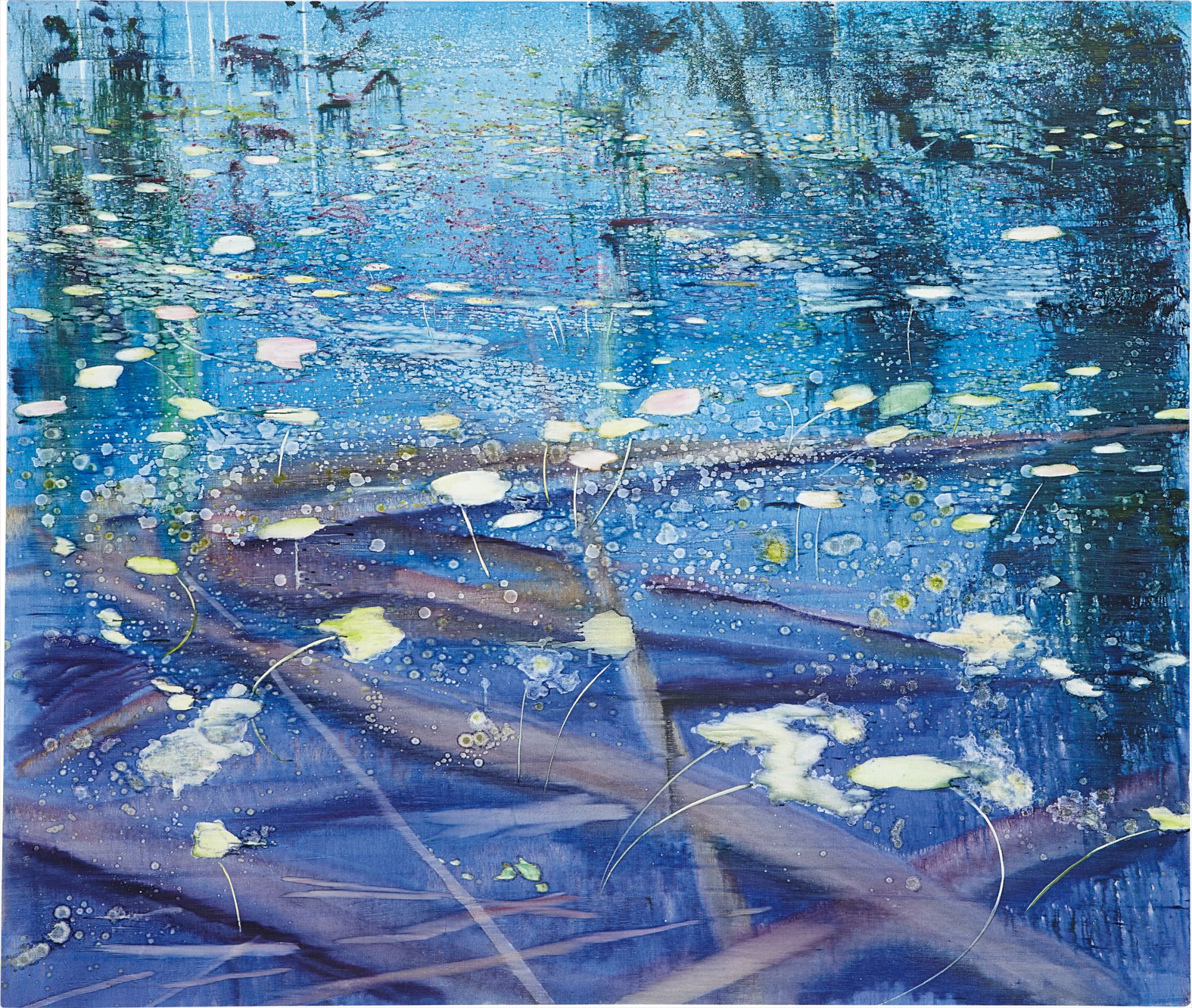
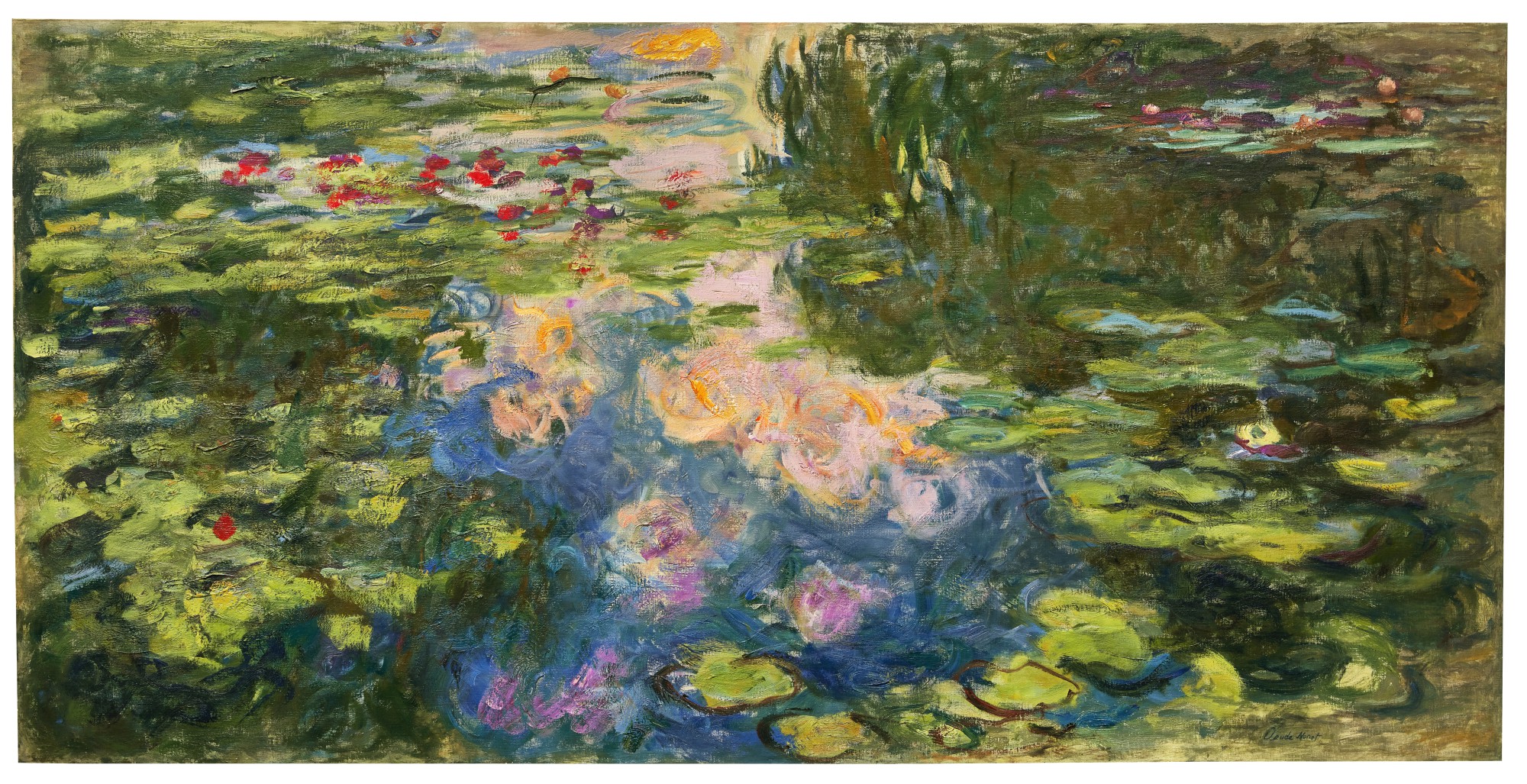
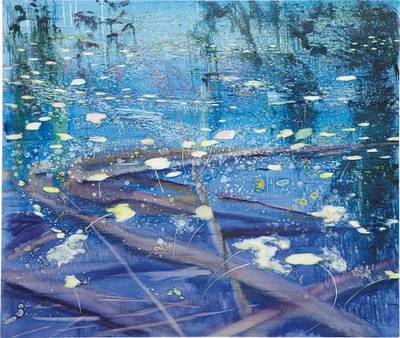
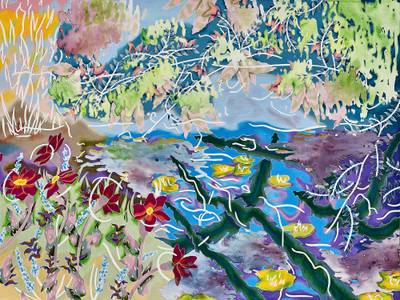
Matthias Meyer
Seerosen 5
The answer reveals everything. Technical resolution and output method also matter considerably. Works produced as unique archival pigment prints on quality substrates hold up far better over time than edition runs on cheaper materials, and they command more serious attention on the secondary market. Editions are not inherently a problem, but edition size is worth scrutinizing carefully.
An open edition AI print has little meaningful scarcity, while a tightly limited series from a rigorous practitioner is a different proposition entirely. Ask the gallery about the edition size, the certificate structure, and whether the artist retains the right to produce similar works from the same model or prompt set. These questions are not pedantic. They are the difference between a collectible work and a poster.
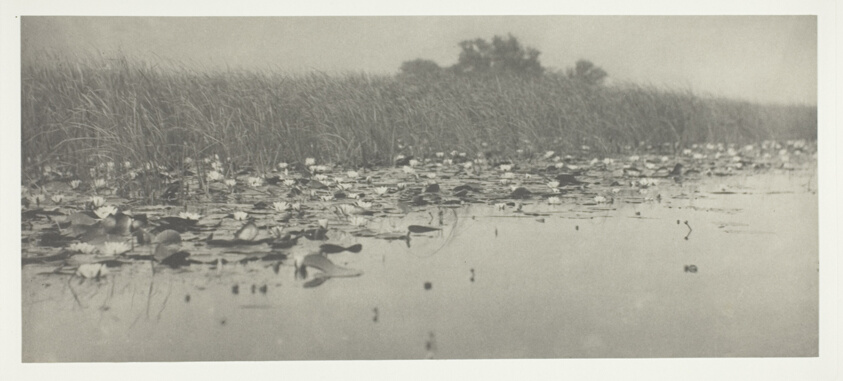
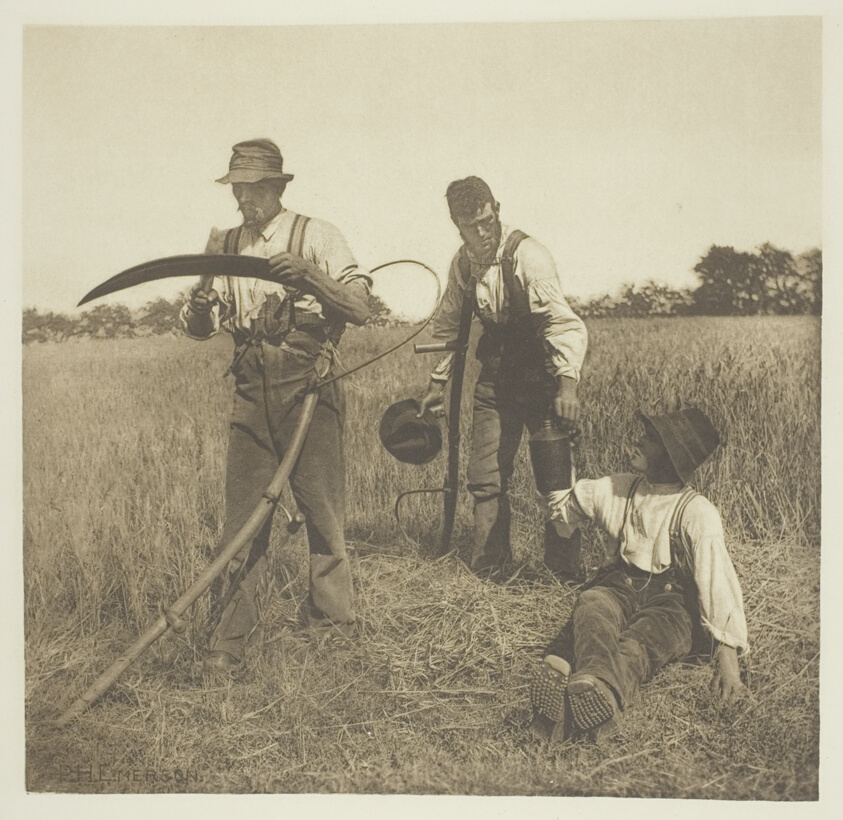
Peter Henry Emerson
Water-Lilies, 1886
When considering which artists represent the strongest value, the smart money follows those who have built a coherent body of work rather than a scattershot portfolio of impressive images. Matthias Meyer, represented on The Collection, is worth attention as a photographer and image maker whose practice engages seriously with the relationship between landscape, perception, and photographic seeing. The lineage connecting his concerns to earlier figures like Peter Henry Emerson, whose work in the late nineteenth century argued passionately for photography as a fine art on par with painting, is one that collectors with historical literacy will appreciate. Emerson's images of the Norfolk Broads, made in the 1880s, remain touchstones for anyone thinking about water, light, and the contested boundary between documentation and art making.
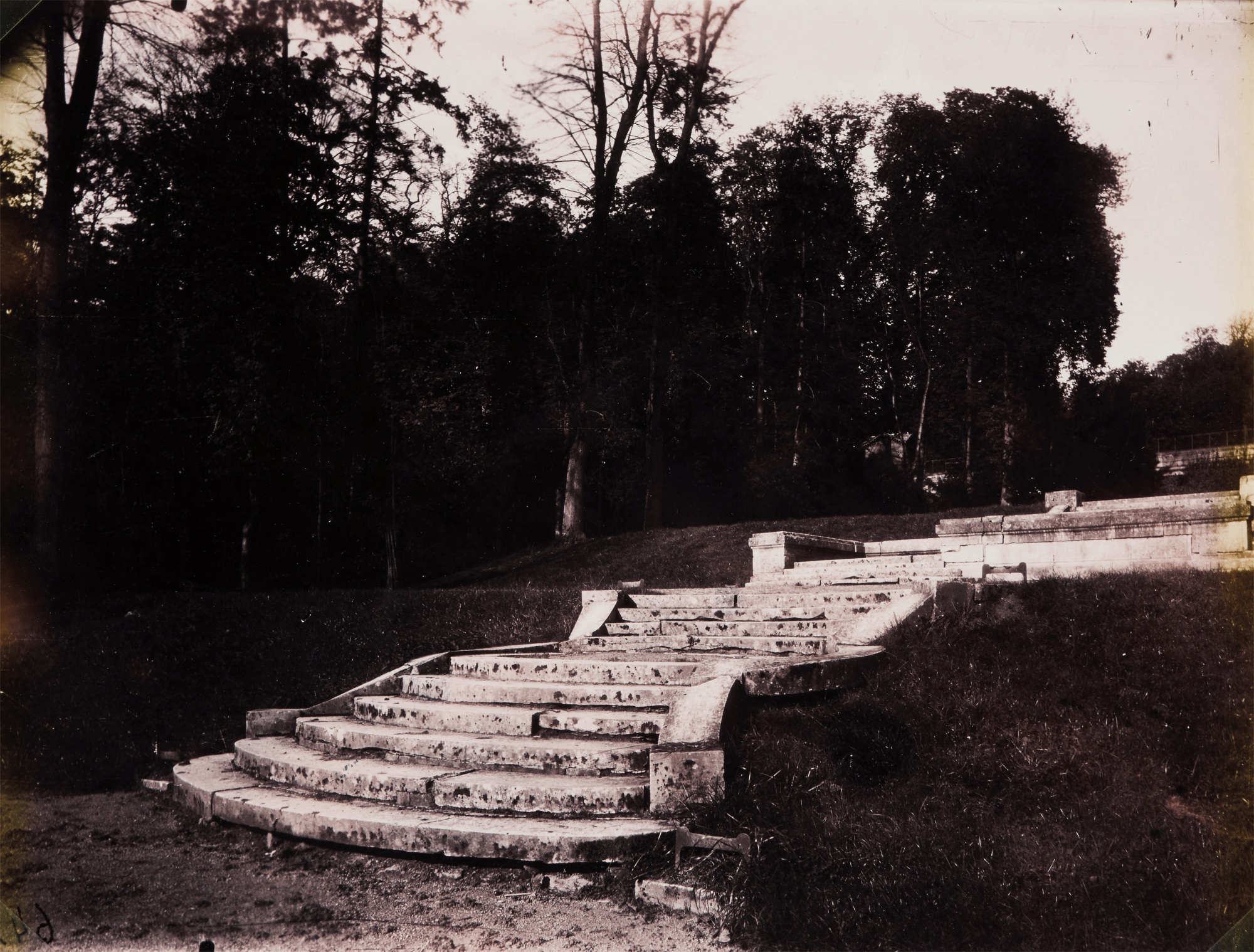
The broader context of water as subject matter across The Collection is worth holding in mind. The presence of works by Eugène Atget, whose early twentieth century photographs of Parisian parks and reflective surfaces were later championed by the Surrealists, reminds us that images of still water have always carried a psychological weight beyond their surface beauty. Blanche Hoschedé Monet, Claude's stepdaughter and a painter in her own right, worked in the shadow of Giverny and produced work that complicates any simple narrative about where influence flows. A collector building thoughtfully in the AI category would do well to consider how these works sit alongside and speak to the historical pieces already in the market.
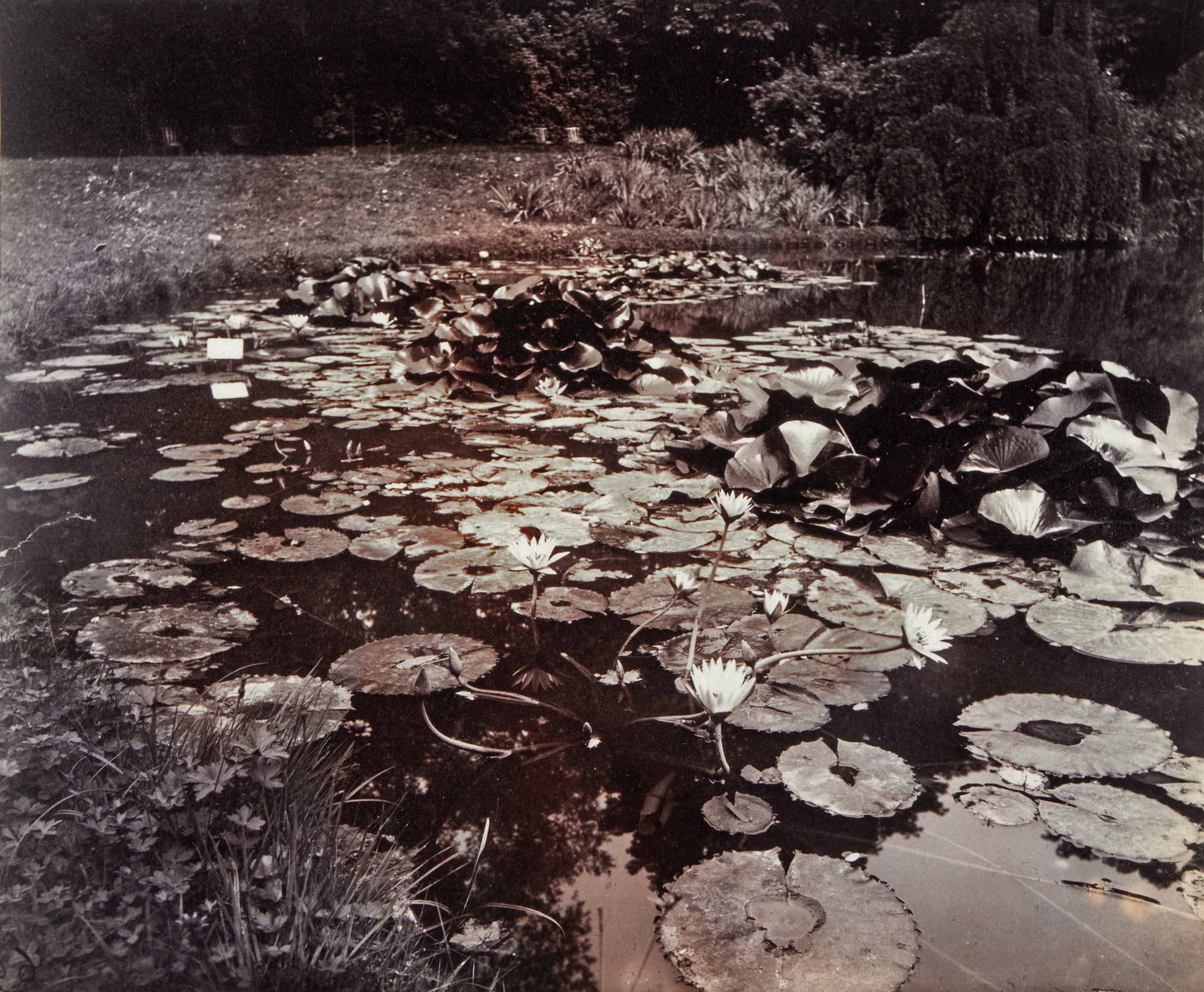
Eugène Atget
Nymphéa, 1910
At auction, AI art is still finding its footing, which is precisely when attentive collectors can make their best acquisitions. The secondary market for AI work has been volatile, with early hype cycles producing inflated prices that later corrected sharply. That correction has been healthy. What remains are works by artists with genuine critical traction, institutional exhibition histories, and coherent practices.
Works that debuted at serious galleries and were acquired by collectors with real programs tend to hold value far better than pieces that circulated primarily through online drops. Provenance matters in this category more than people expect, because it signals that someone with standing in the art world took the work seriously from the beginning. Practically speaking, display conditions for AI prints are similar to those for any works on paper or photographic prints. UV protective glazing is essential, and direct sunlight should be avoided entirely.
Climate stability matters more than most collectors realize, particularly for works on aluminum or acrylic substrates that can expand and contract with temperature fluctuations. If you are acquiring a unique work rather than an edition, get written confirmation from the gallery or artist about whether any additional outputs from the same generative process exist. This is the AI equivalent of asking whether a photograph has a unique print status, and any serious gallery should be able to answer it without hesitation. The collectors who will look back most satisfied on this moment are those who approached AI art the way the sharpest collectors approached photography in the 1970s: with curiosity rather than anxiety, and with a willingness to do the reading.
The pond at Giverny has been painted, photographed, and now generated. What matters, as it always has, is whether the person making the image had something to say.