Water Imagery
Will Fowler
Drops

Still Waters Run Deep in the Market
There is something almost irrational about the pull water exerts on collectors. It is not merely aesthetic, though the aesthetic case is overwhelming. Living with a work built around water imagery means living with something that refuses to be fixed, that changes with the light in the room, with your mood, with the season pressing against the windows. Collectors who pursue this thread often describe it the same way: they bought the first piece because it was beautiful, and they kept collecting because the works seemed to think alongside them.
The category is genuinely vast, which makes it worth approaching with some precision. Water has served painters, photographers, video artists, and installation makers as subject, metaphor, formal problem, and philosophical provocation. What draws serious collectors is not water as decoration but water as a means of asking harder questions about perception, memory, identity, and environmental urgency. The best works in this space carry all of those registers simultaneously, and they tend to hold their value because they speak to concerns that are not going away.
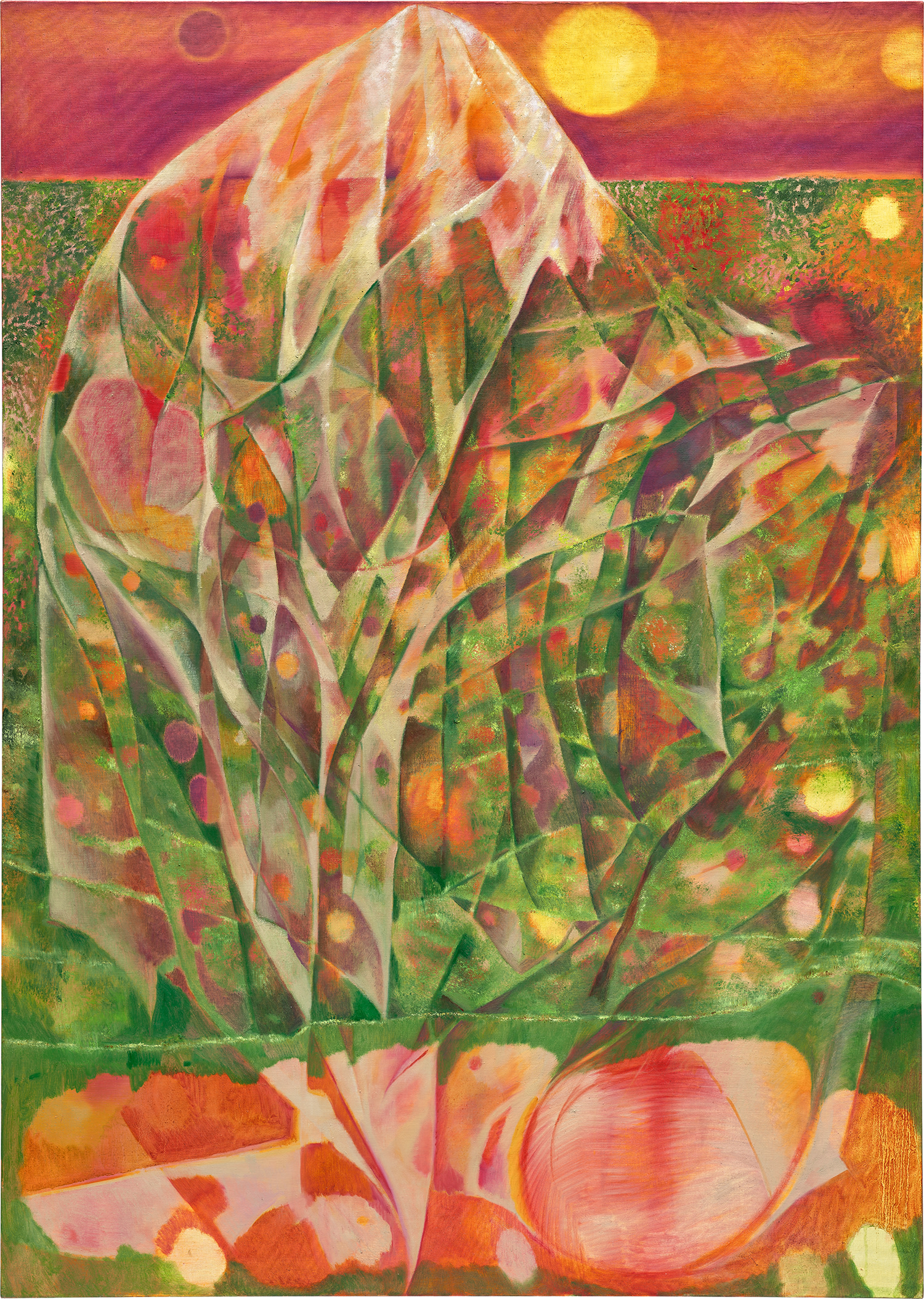
Li Hei Di
Unfolding a flood, 2022
Separating a good work from a great one requires looking past the obvious seduction. Water imagery can slide easily into the picturesque, into a kind of ambient beauty that soothes without challenging. The works worth collecting resist that comfort even as they offer it. A great water work is doing something structurally interesting: it is using the reflective, refractive, unstable qualities of water to say something about how we see or who we are.
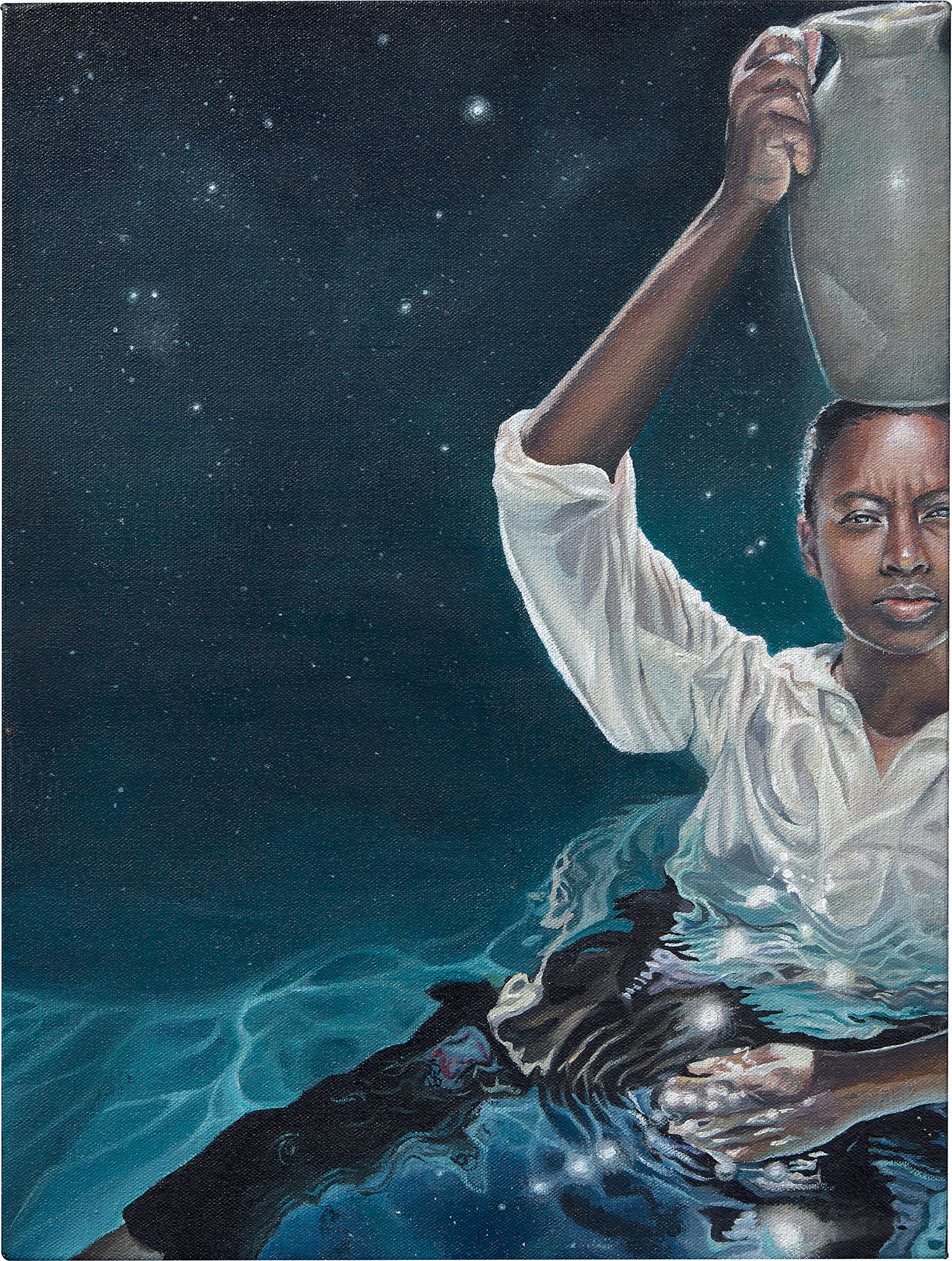
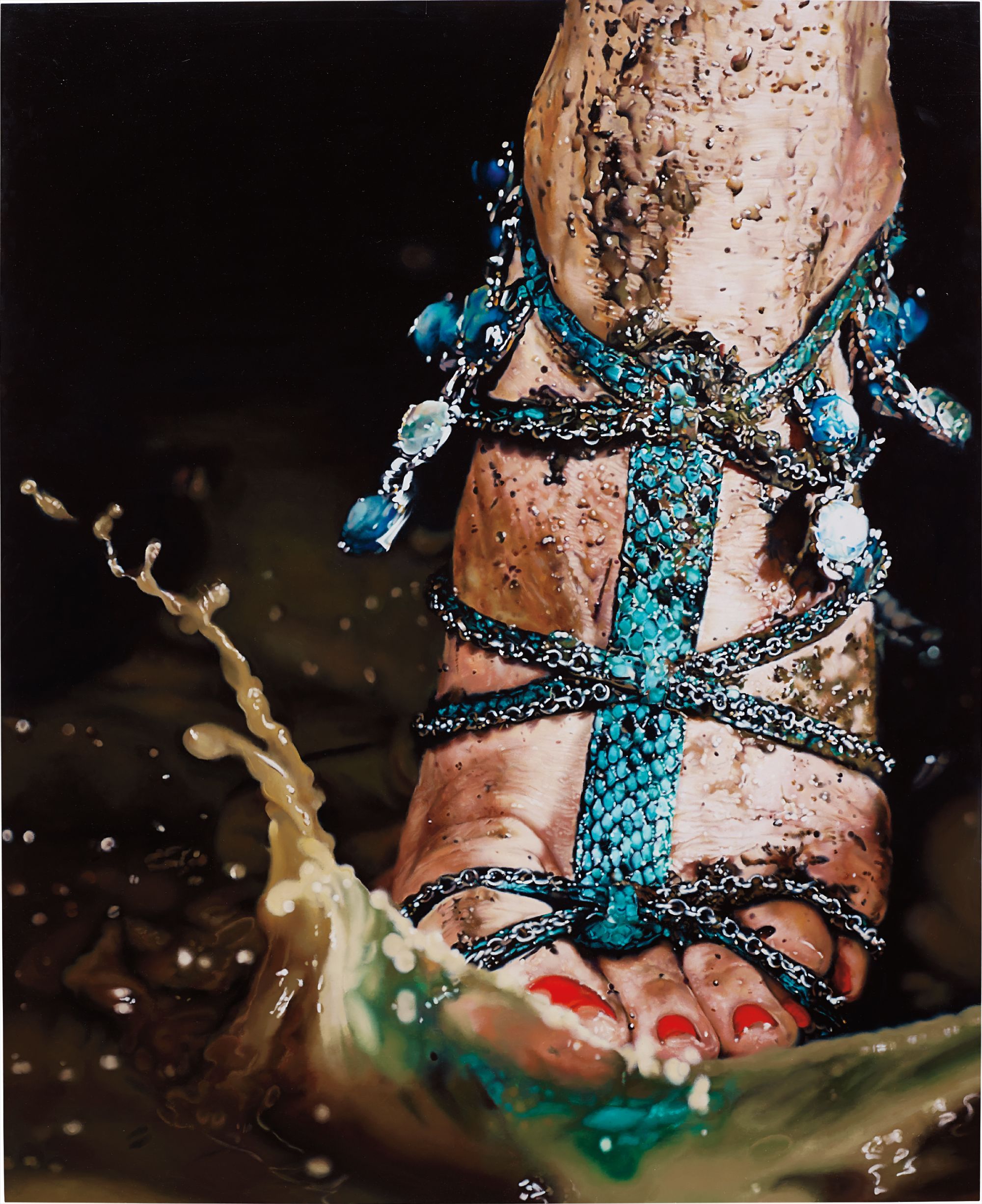
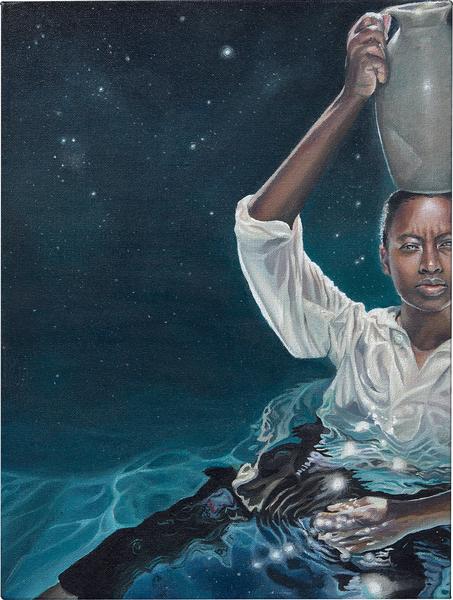
Calida Rawles is a strong example of this. Her large scale figurative paintings place Black subjects submerged or suspended in water, and the result is never simply atmospheric. The water becomes a space of both vulnerability and power, and the formal tension in those surfaces rewards extended looking in a way that purely decorative water imagery simply does not. Marilyn Minter brings a completely different pressure to the category.
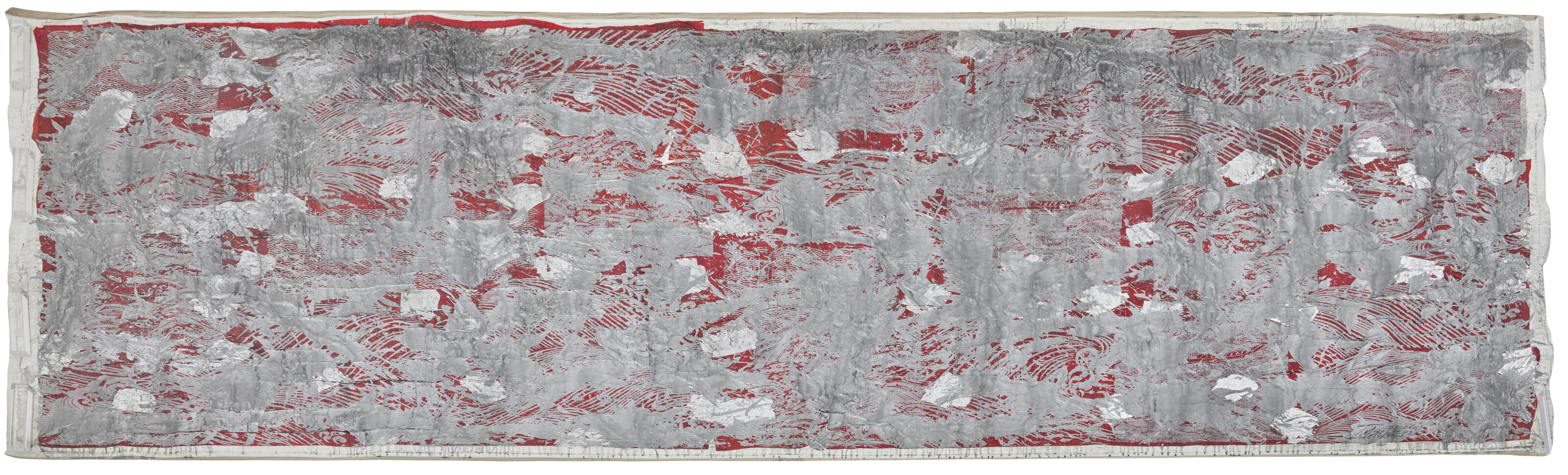
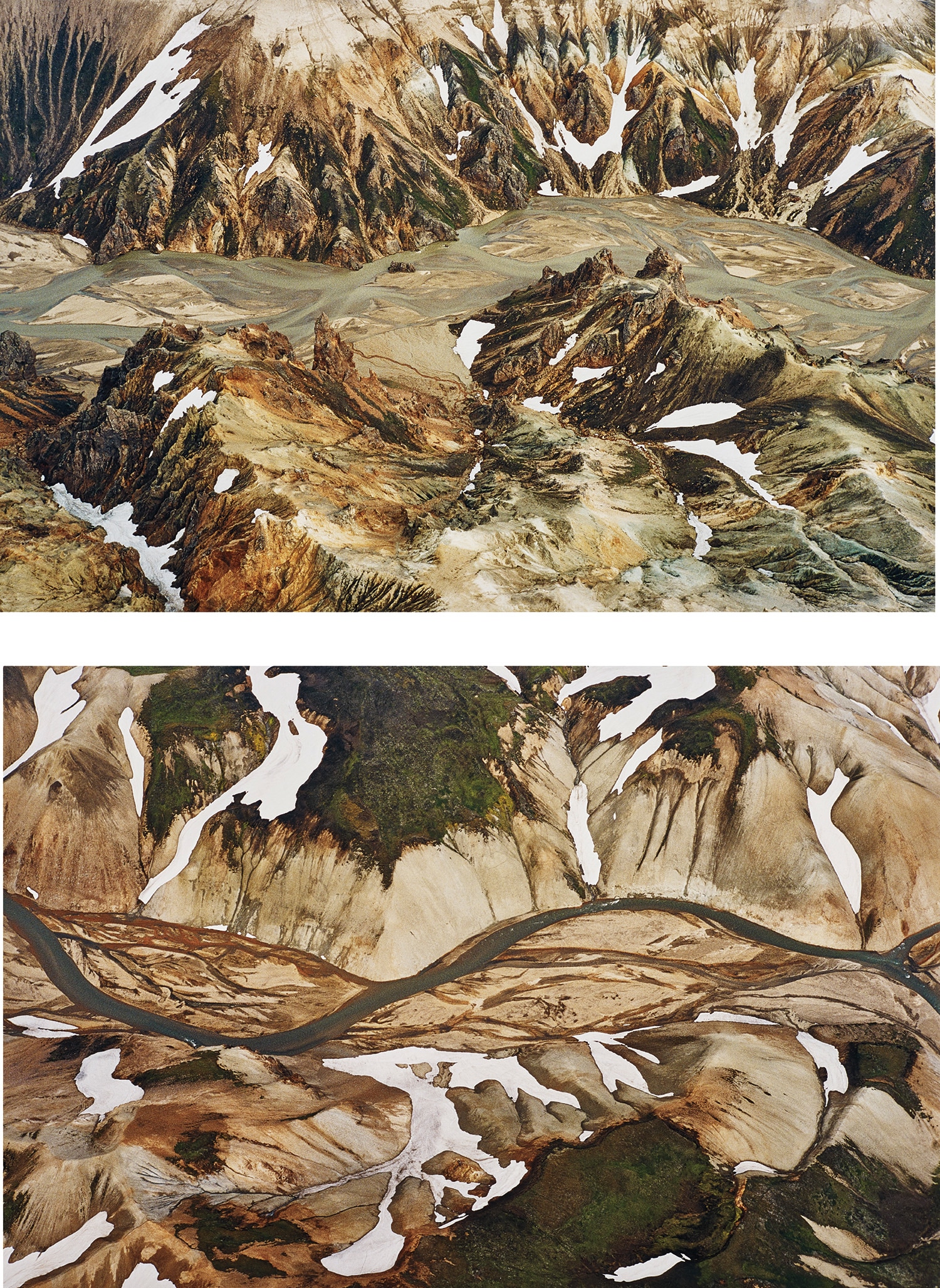
Imai Toshimitsu
Wave
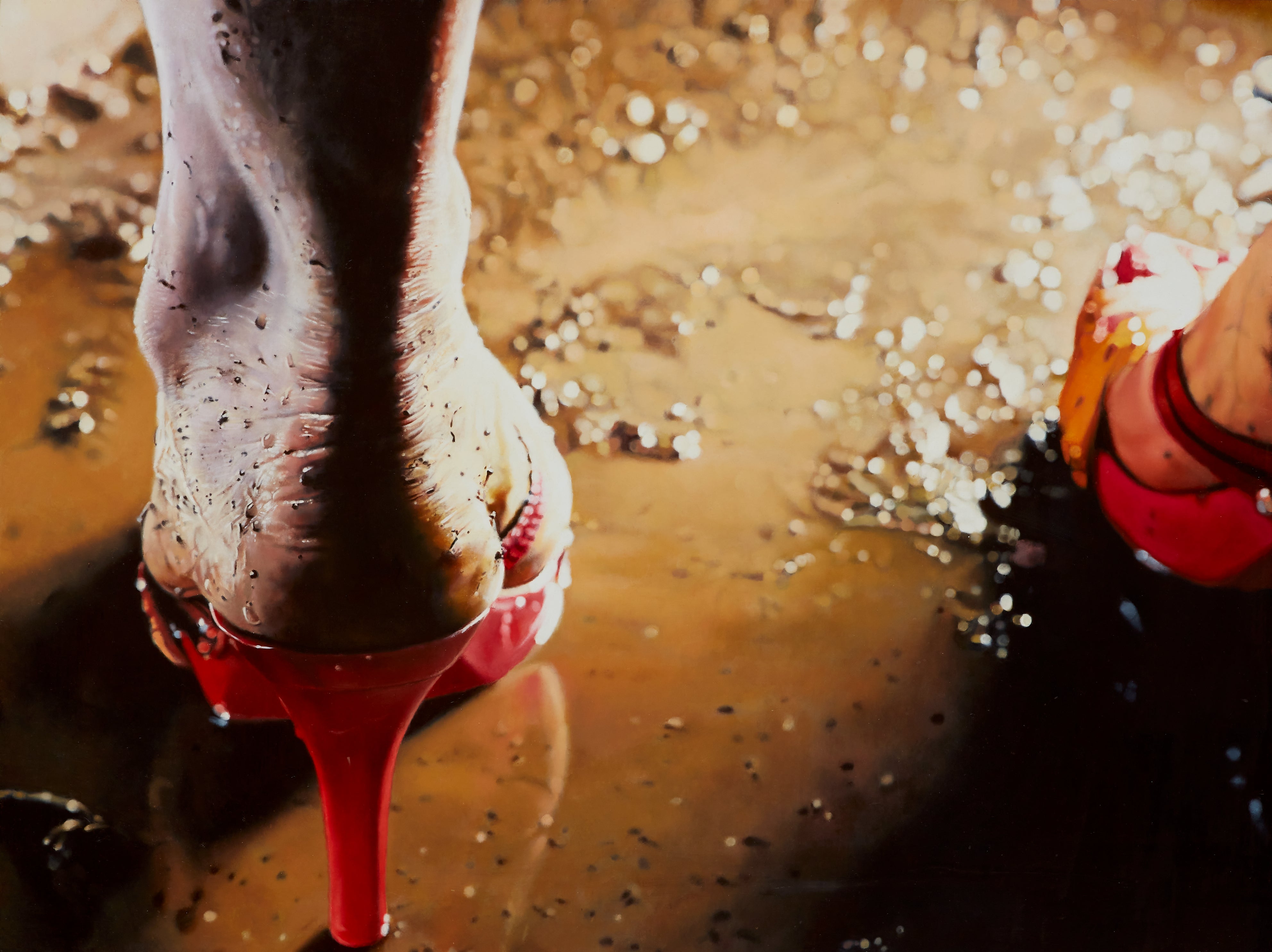
Her work with water at the surface of skin and glass operates at the intersection of desire, consumer culture, and painterly or photographic virtuosity. There is an almost uncomfortable intimacy to her water imagery, which is precisely what gives it lasting energy. Collectors drawn to work that refuses to let you look passively will find Minter consistently rewarding, and her market standing, cemented through strong auction results and institutional acquisition over the past two decades, reflects that the art world has confirmed what sharp private collectors recognized earlier. For collectors interested in a more meditative register, Imai Toshimitsu and the legacy of Japanese Gutai offer a different kind of encounter.
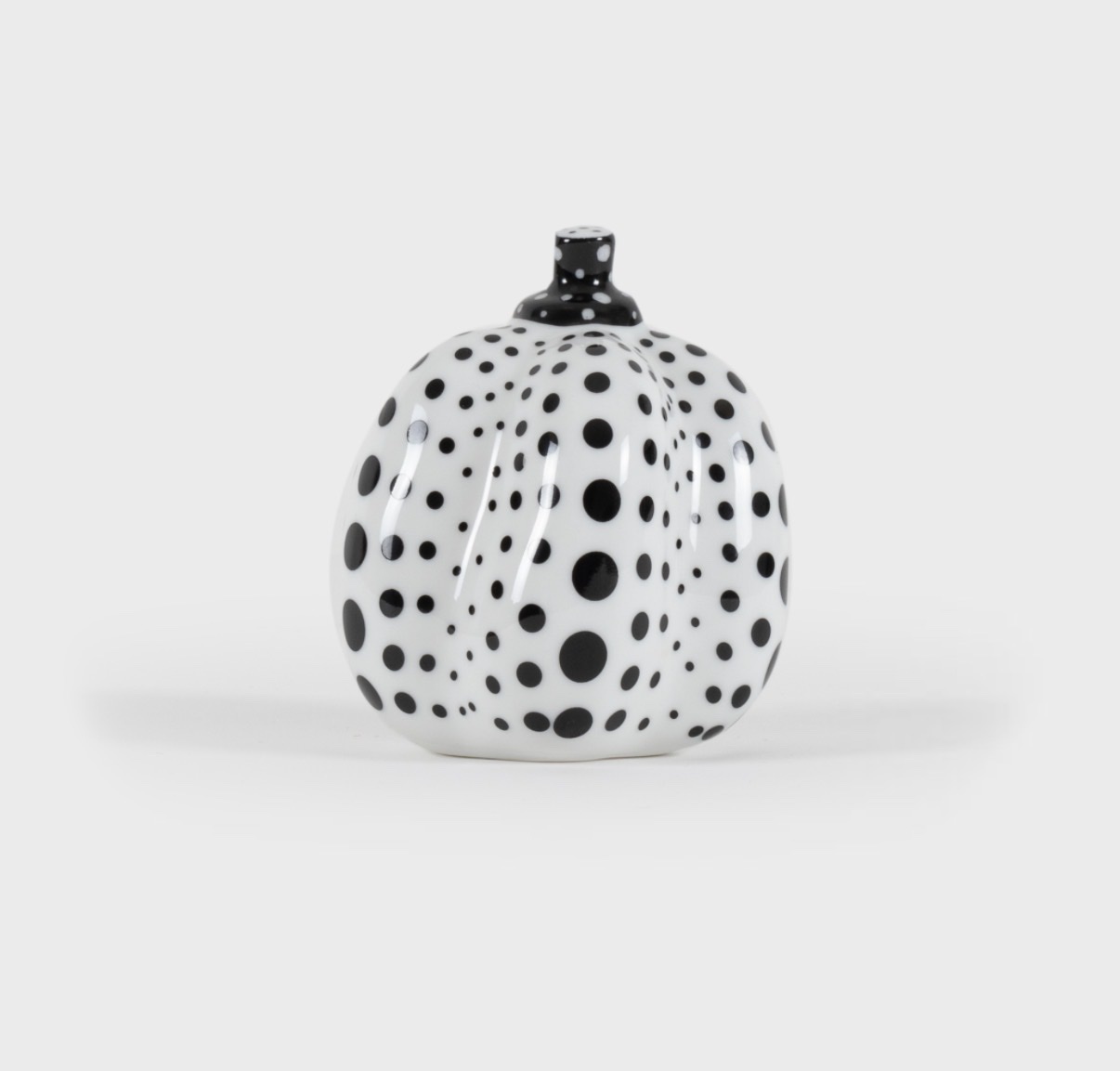
Imai's gestural abstraction carries water and fluid movement as an implicit formal logic even when literal water is not depicted. Works rooted in that tradition of material process tend to perform steadily in the secondary market because they sit comfortably at the intersection of Western abstraction and Japanese postwar movements, giving them a broad international collector base. The strongest Gutai adjacent works have seen consistent appreciation, particularly as museum surveys have deepened global understanding of postwar Japanese art. Ólafur Elíasson is perhaps the most institutionally validated artist working with water at scale today.
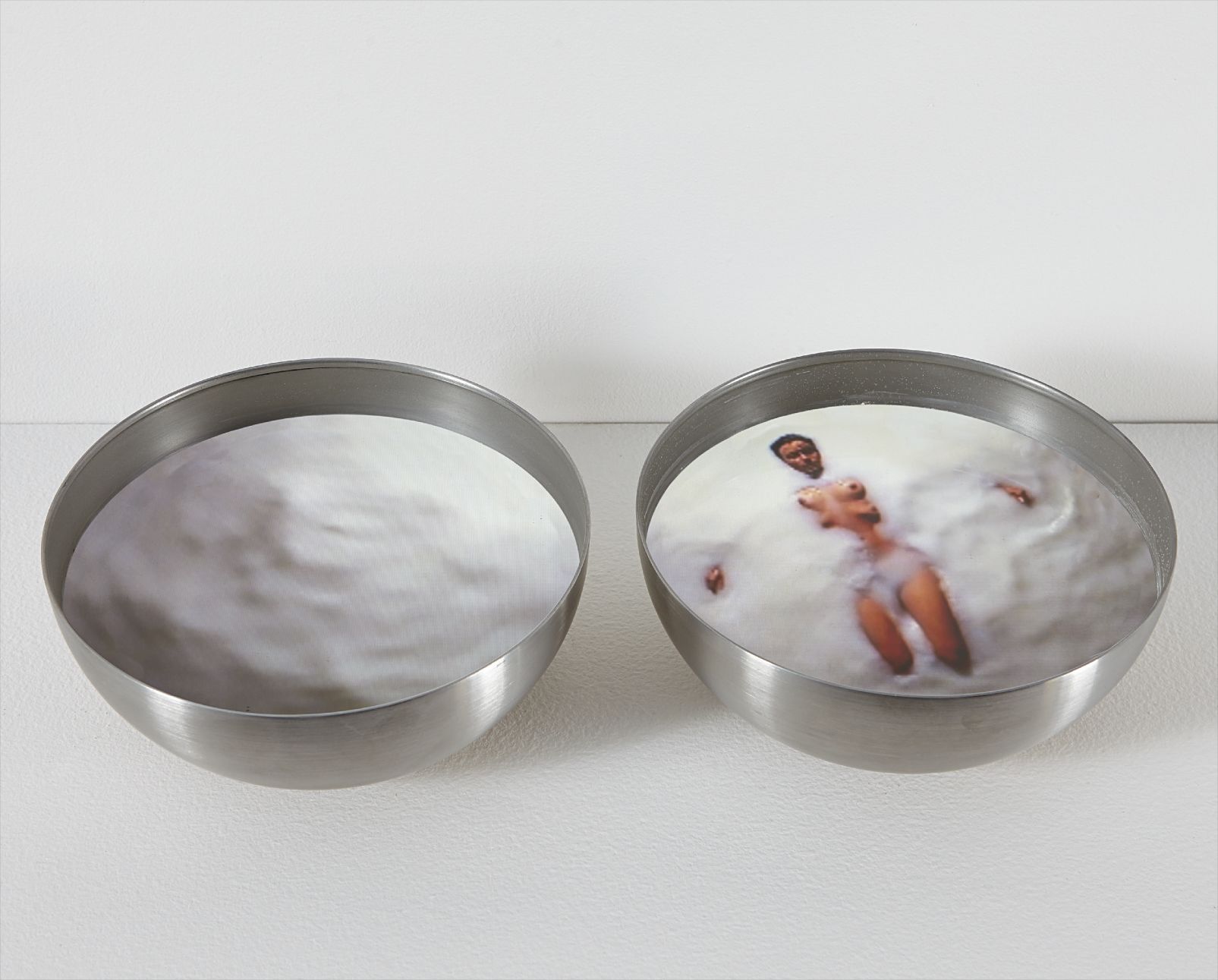
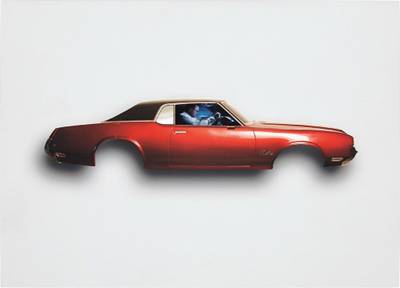
Peter Sarkisian
White Water Two (8 Inch Version)
His practice, which has included the monumental Waterfall installations and the Weather Project at Tate Modern in 2003, has shaped how an entire generation thinks about elemental experience in art spaces. Collectors holding Elíasson works, particularly his editions involving light and water phenomena, have seen strong secondary market performance. The editions are carefully controlled, which matters: scarcity combined with ongoing institutional demand creates the conditions for long term value. Peter Sarkisian's video sculpture practice similarly rewards the collector willing to think carefully about how new media water works function as objects in a collection, not simply as screens.
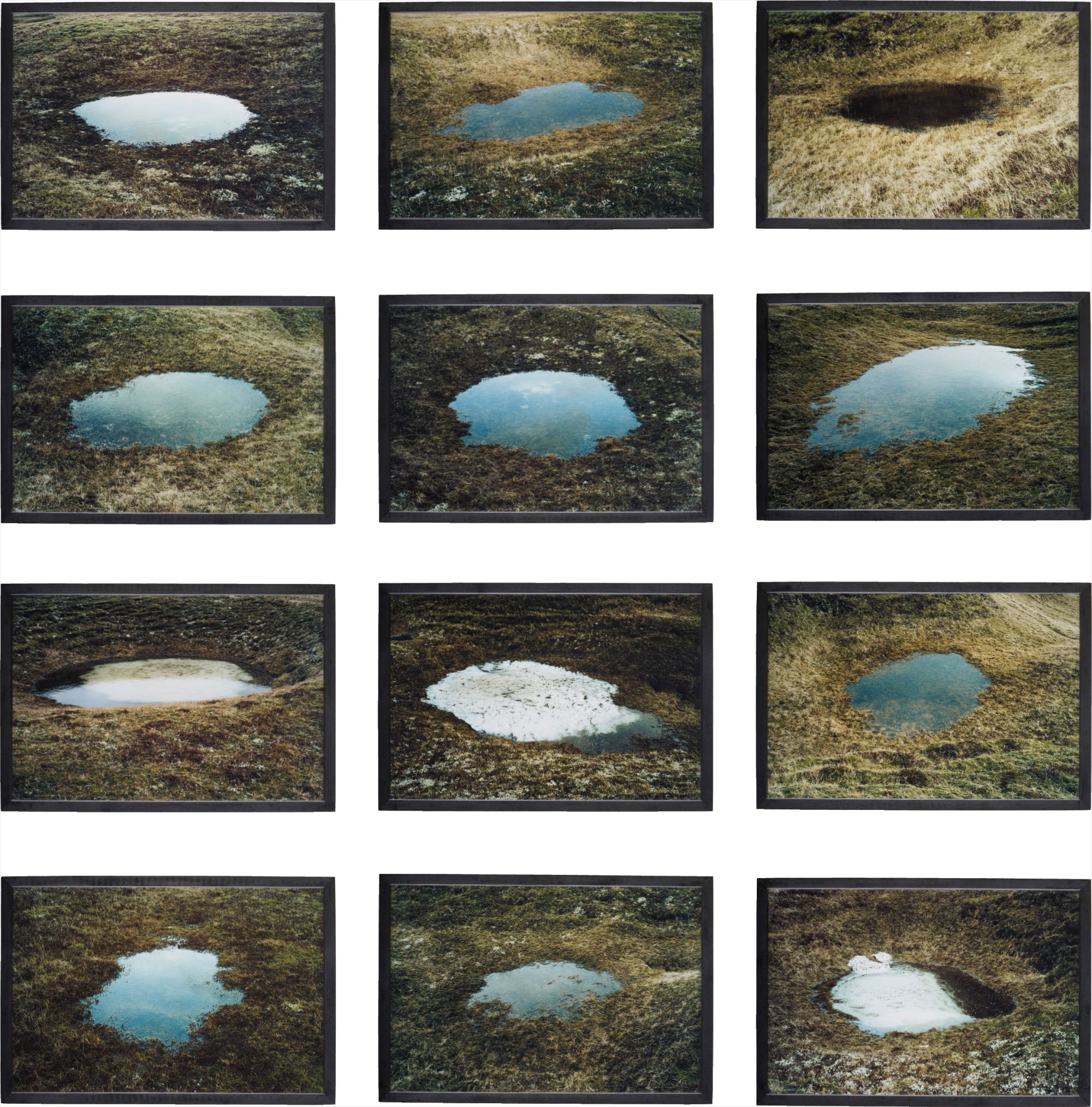
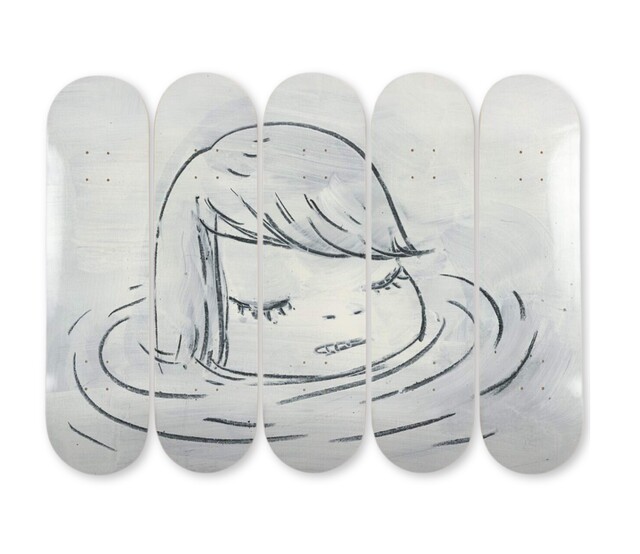
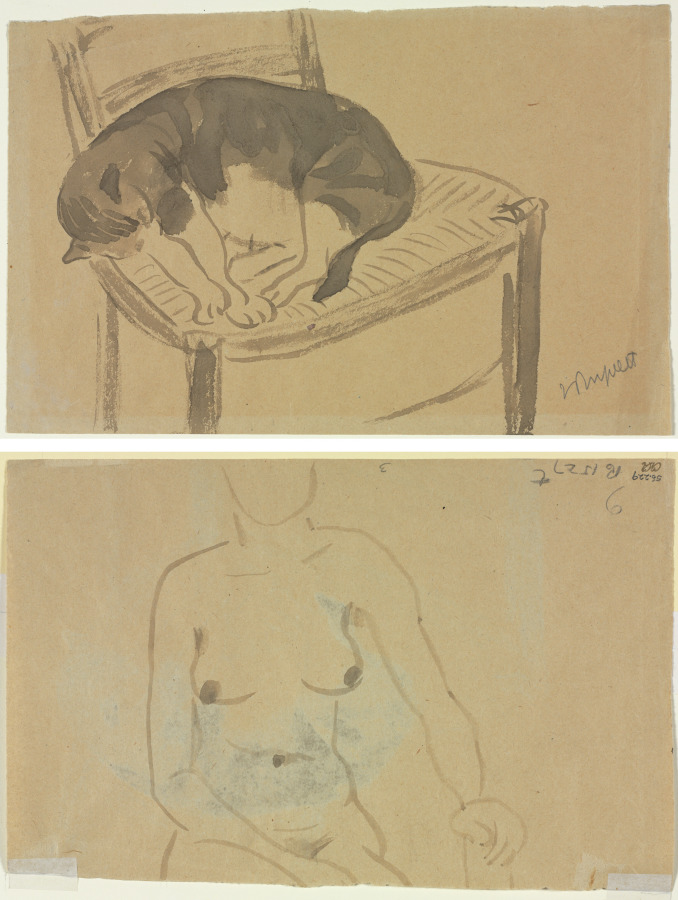
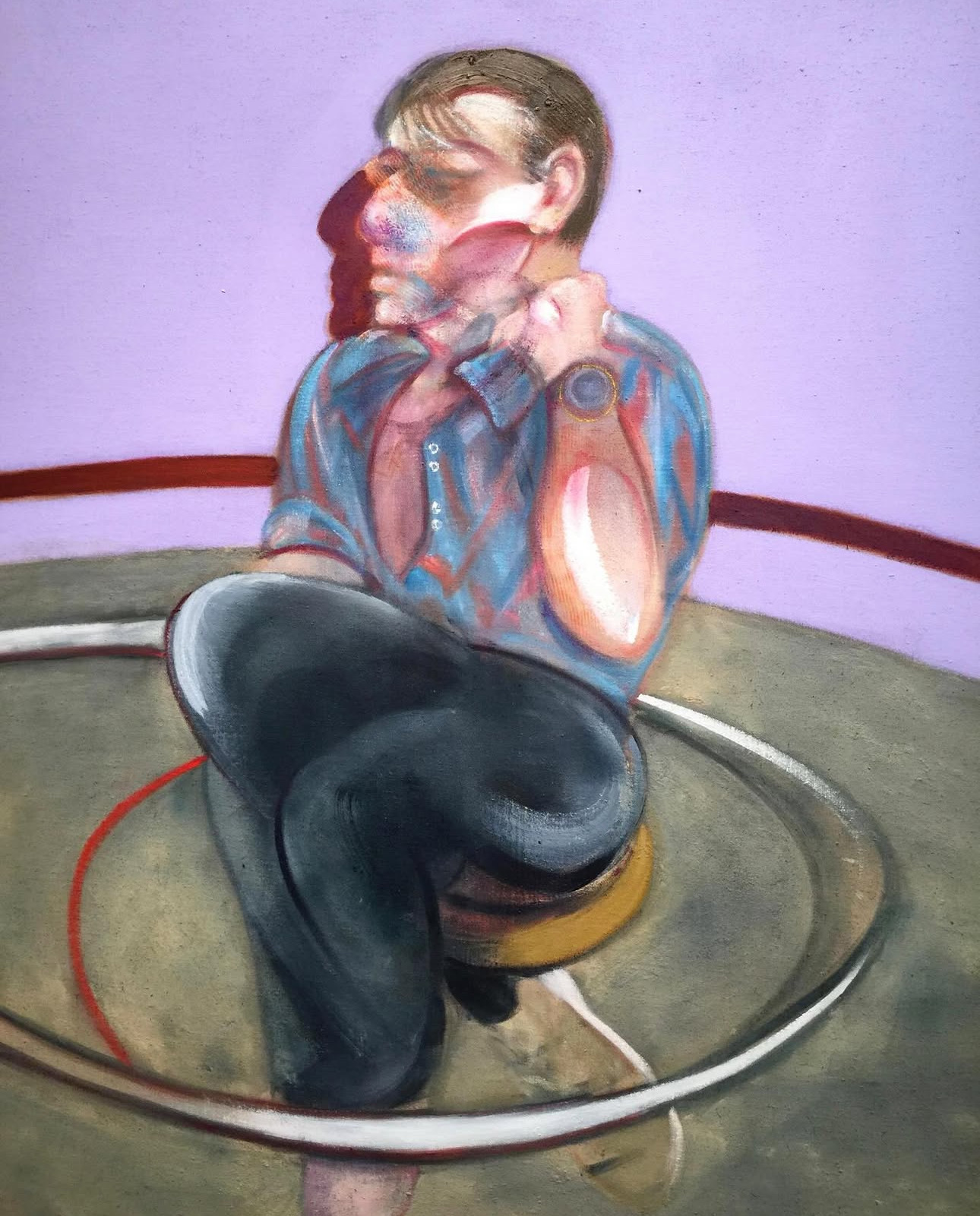
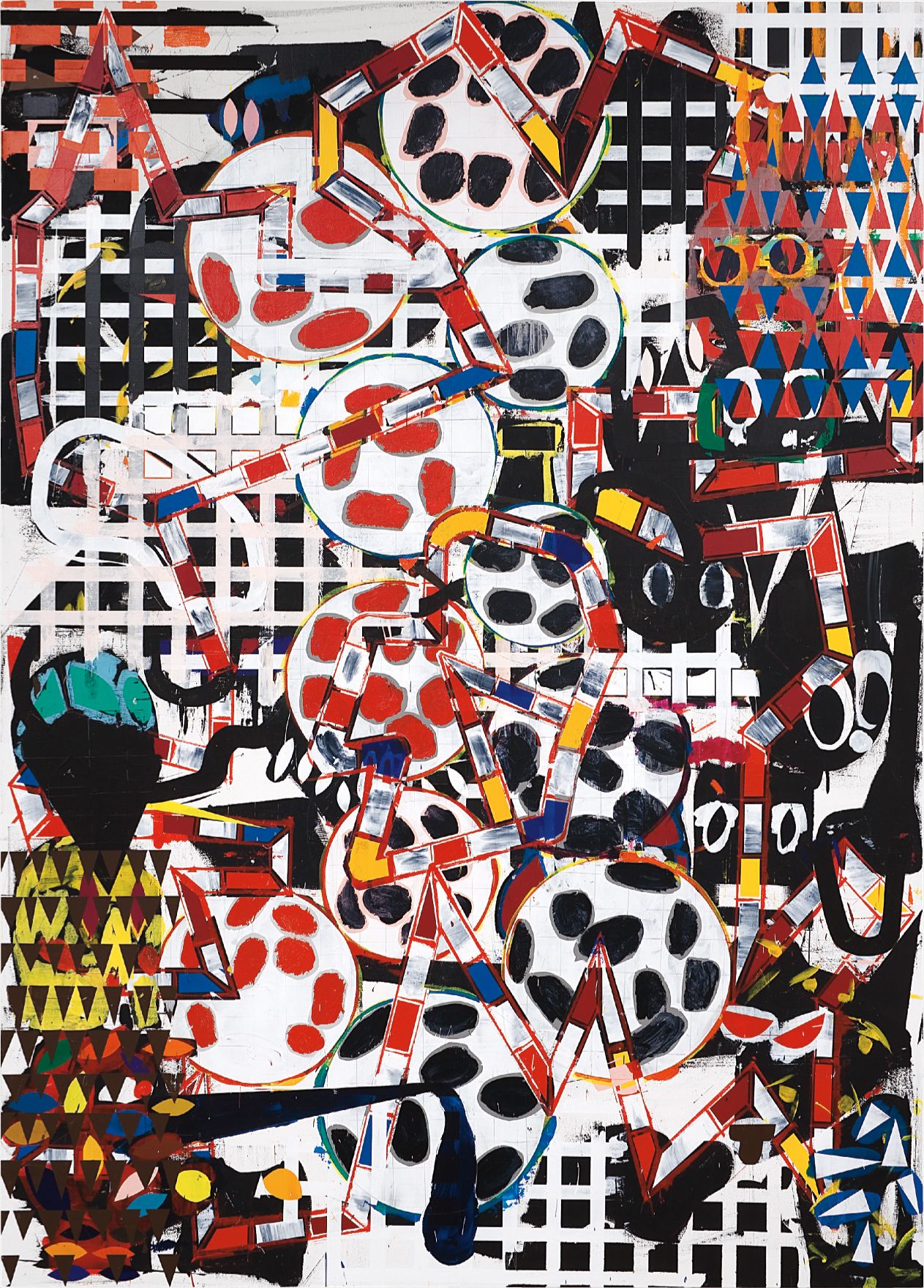
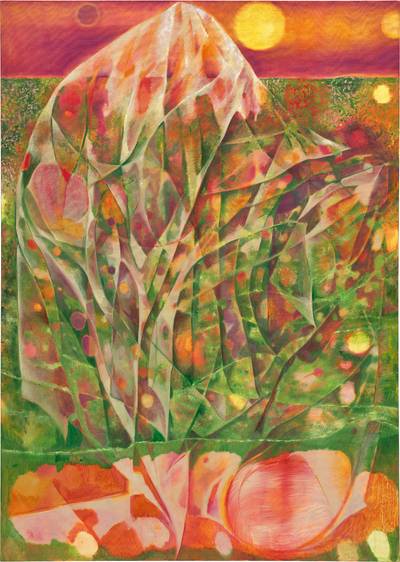
In terms of emerging and underrecognized opportunity, Li Hei Di is a name worth tracking closely. Her practice engages water and the body in ways that feel genuinely fresh, and her work sits at a price point that still reflects emerging status rather than established market positioning. Will Fowler is another artist on The Collection whose engagement with surface and liquidity suggests a practice with room to develop in ways that could interest collectors getting in early. Yoshitomo Nara, while far better known for his figurative work, occasionally incorporates water and environmental vulnerability in ways that expand the reading of his practice for collectors willing to look beyond the iconic imagery.
Will Fowler
Drops
At auction, water imagery as a thematic category has performed with notable consistency over the past decade. Works that combine formal ambition with clear conceptual stakes have outperformed decorative interpretations at every price tier. The secondary market for significant water works by artists with strong institutional trajectories, meaning solo museum shows, biennale representation, and major collection acquisitions, has been particularly resilient. Buyers at auction should pay close attention to condition reports around any work involving actual water or water based media, as material degradation can be significant.
Video and new media works require especially rigorous condition due diligence, including questions about hardware longevity, software dependencies, and what technical support the artist's studio provides. Practical advice for collectors entering this space begins with asking the right questions at the gallery level. For editions, always confirm the edition size, the number of artist proofs in existence, and where in the edition the specific work sits. For unique works on paper or canvas that depict water, ask about light sensitivity and whether the work has been tested under UV protection.
Display considerations are real: many water works benefit from indirect natural light, which activates their surfaces without risking fading. If you are considering a large scale installation or video work, have an honest conversation with the gallery about what ongoing technical maintenance looks like and whether the artist has documented the work's reinstallation requirements formally. Collecting water imagery at its best is not a passive act. It is an ongoing relationship with works that, like water itself, rarely stay entirely still.