Warm Tones
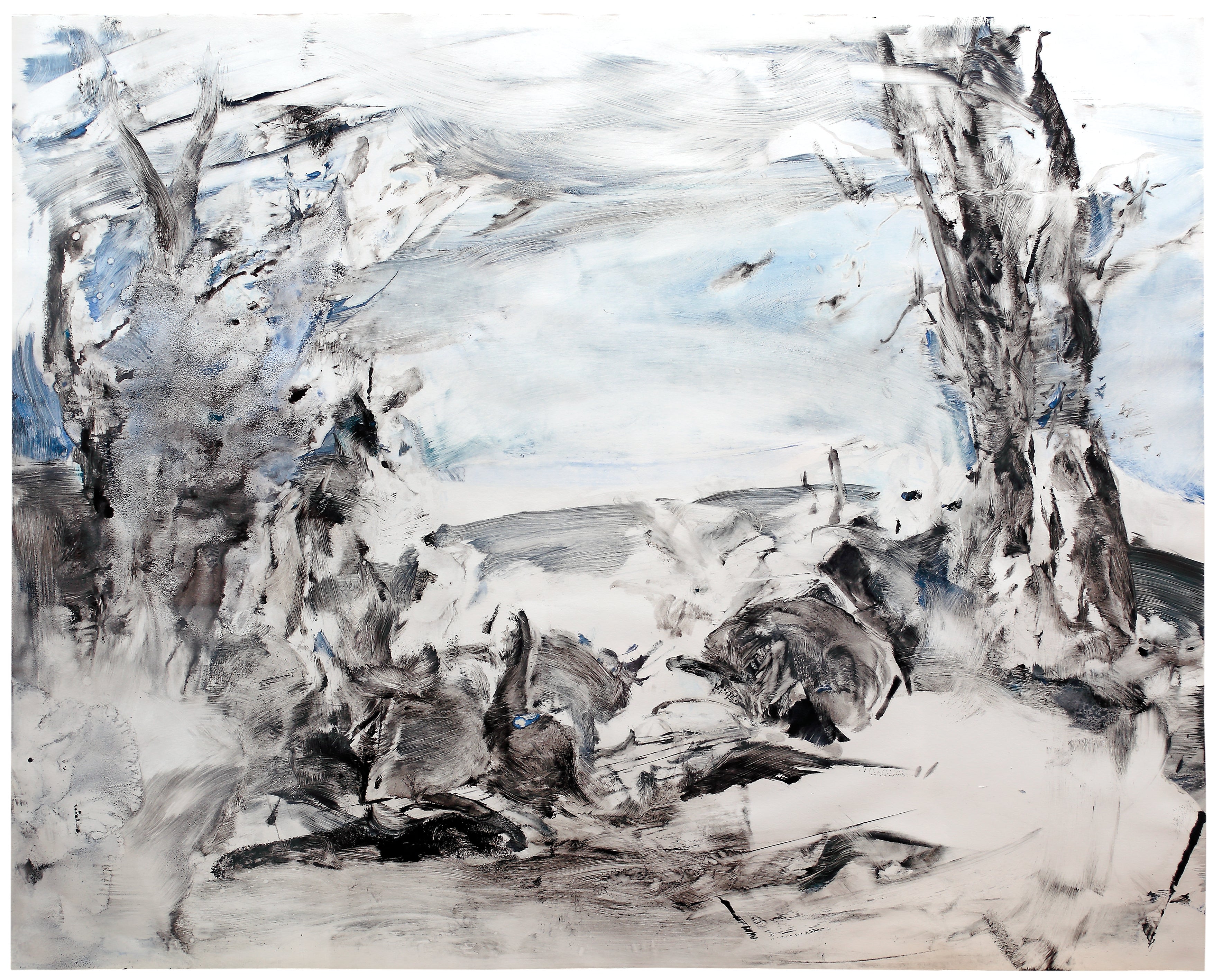
Ugo Rondinone
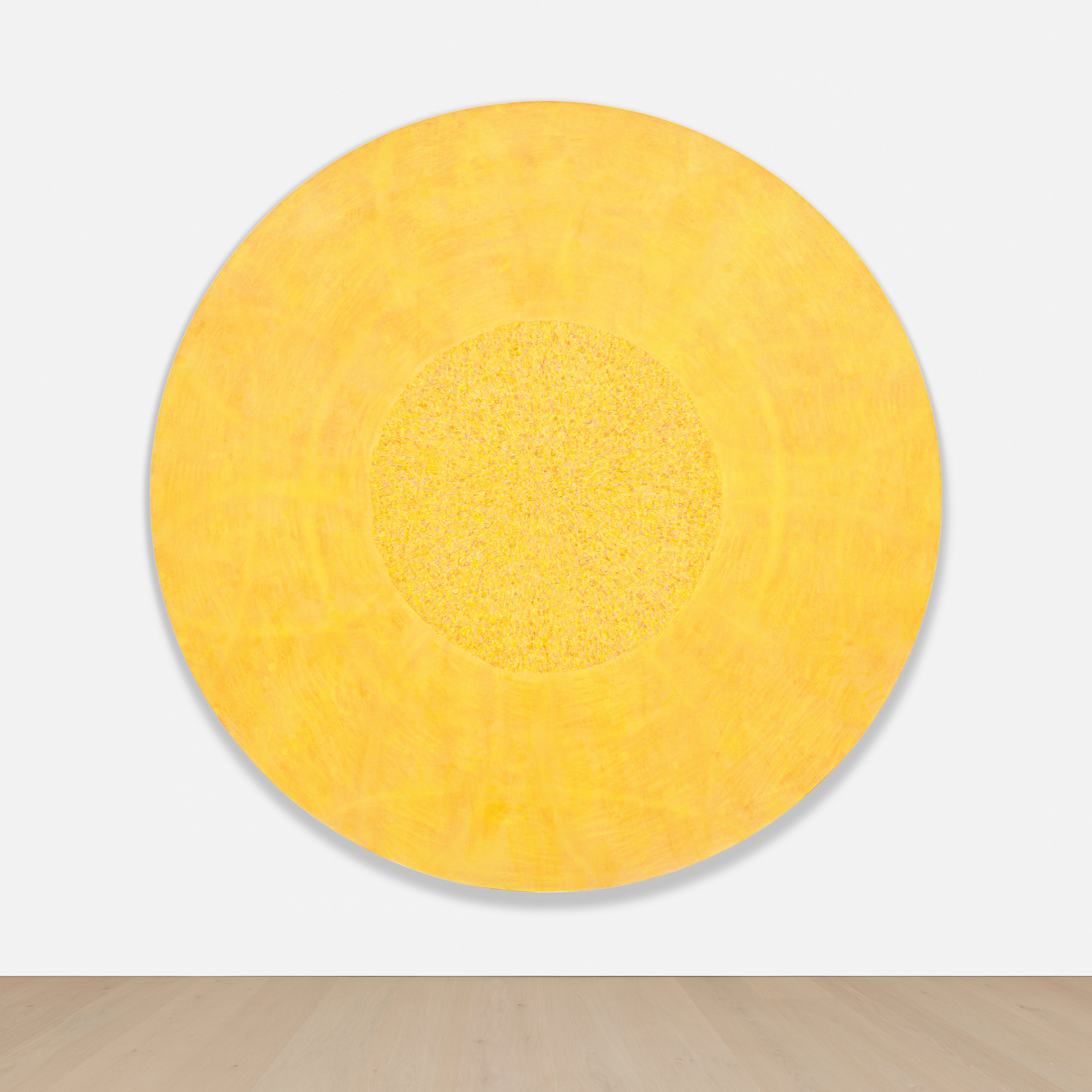
zweiundzwanzigstermaizweitausenddreiundzwanzig, 2023

The Heat Inside: Collecting Warm Tones Now
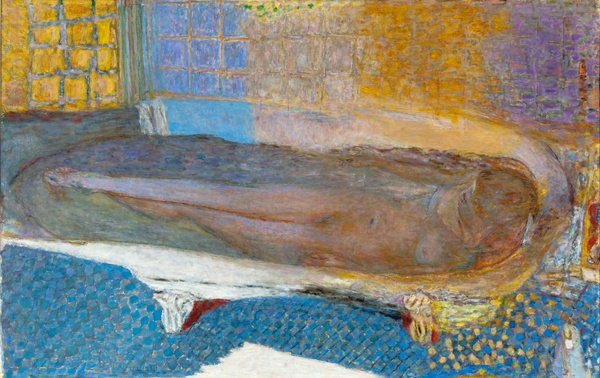
Last spring, a small Pierre Bonnard oil sketch of a sun drenched dining table sold at Christie's Paris for nearly three times its high estimate. The room was quiet for a moment before the bidding opened, and then it was not quiet at all. What happened in that room was not just about Bonnard, though his reputation has been building steadily for a decade. It was about a broader hunger collectors are feeling right now for work that carries heat, for paintings and photographs that radiate amber and ochre and burnt sienna from across a gallery floor.
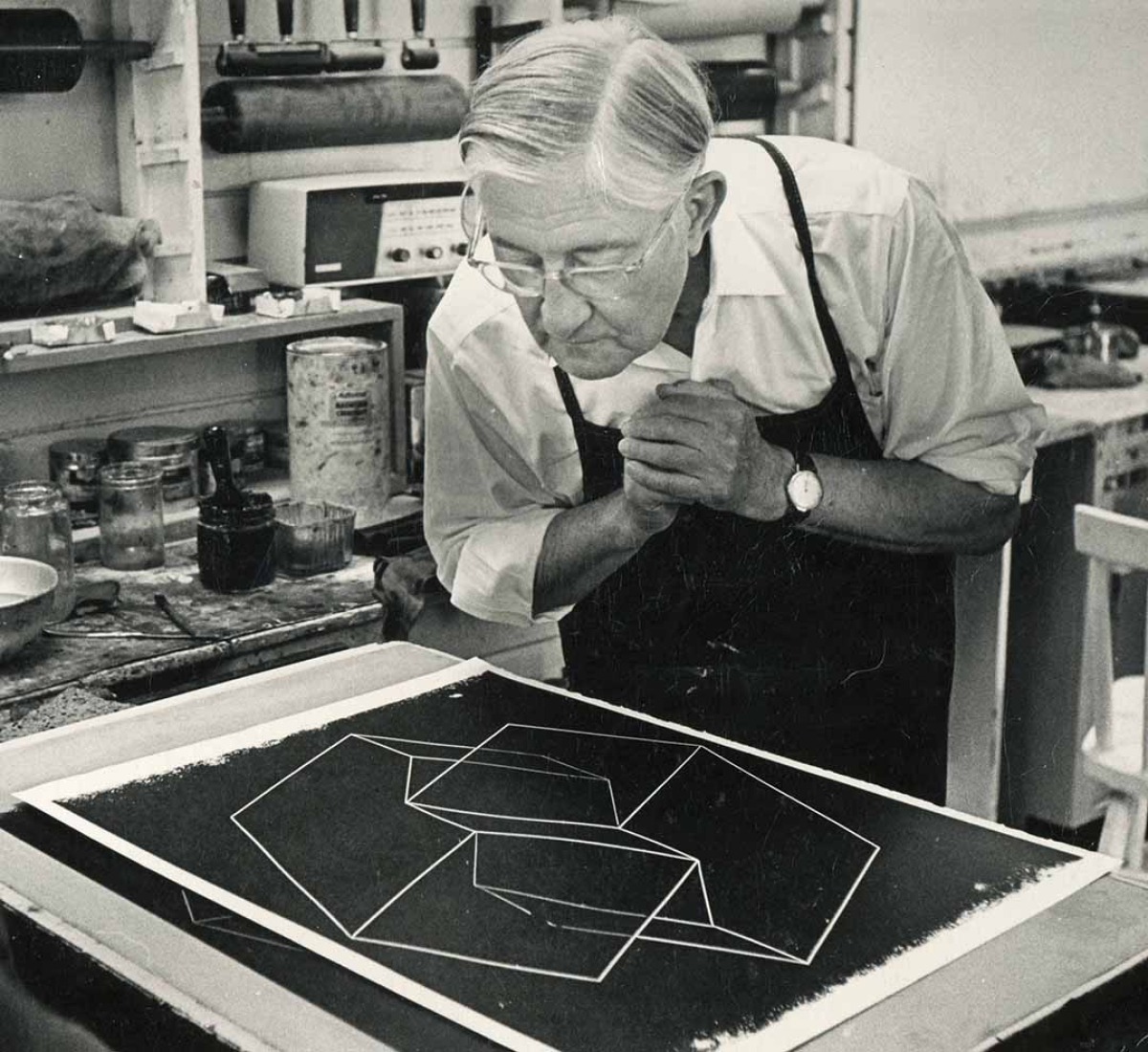
Warm tones are no longer a stylistic footnote. They are the dominant emotional frequency of the market. The conversation around color temperature in art has shifted meaningfully since the major Josef Albers retrospective that traveled through several institutions in the early 2010s, reminding audiences that color is not decoration but structure, not mood but argument. Albers spent decades at Yale demonstrating that warm colors advance, that they press themselves forward in the visual field, that they demand a response.
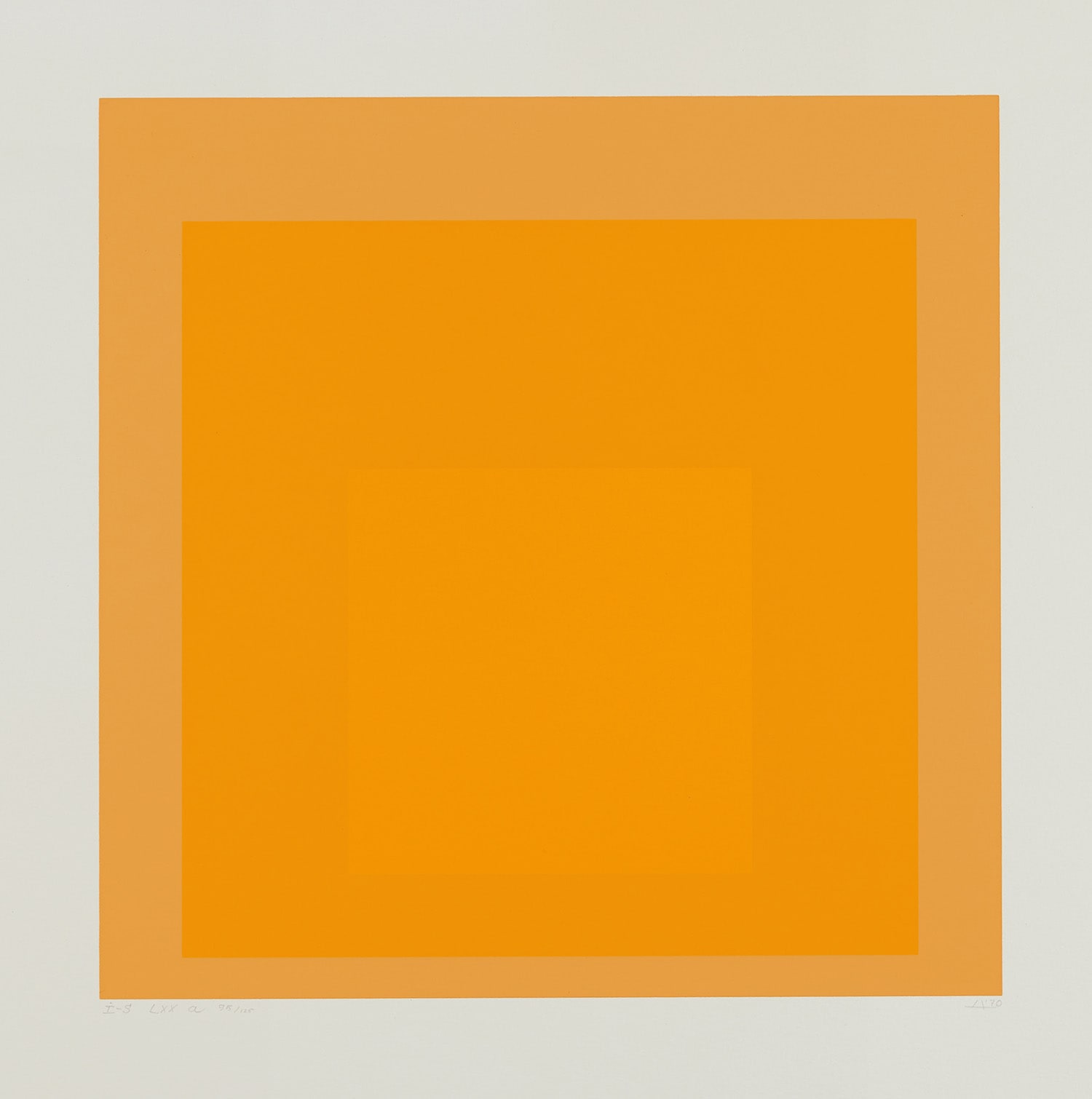
Josef Albers
I-S LXX a
His work on The Collection sits comfortably alongside painters who absorbed that lesson intuitively rather than systematically, artists like Howard Hodgkin, whose dense impasto surfaces seem to trap afternoon light inside the paint itself. Hodgkin's late works in particular, shown extensively at Gagosian and Hauser and Wirth in the years surrounding his death in 2017, were a reminder that warmth in paint can carry grief as easily as pleasure. The auction market has been unambiguous about where it stands. Renoir remains one of the most reliably sought after names in any warm toned survey, with Impressionist and Post Impressionist sales at Sotheby's and Christie's regularly featuring his gardens and riverside scenes as anchor lots.
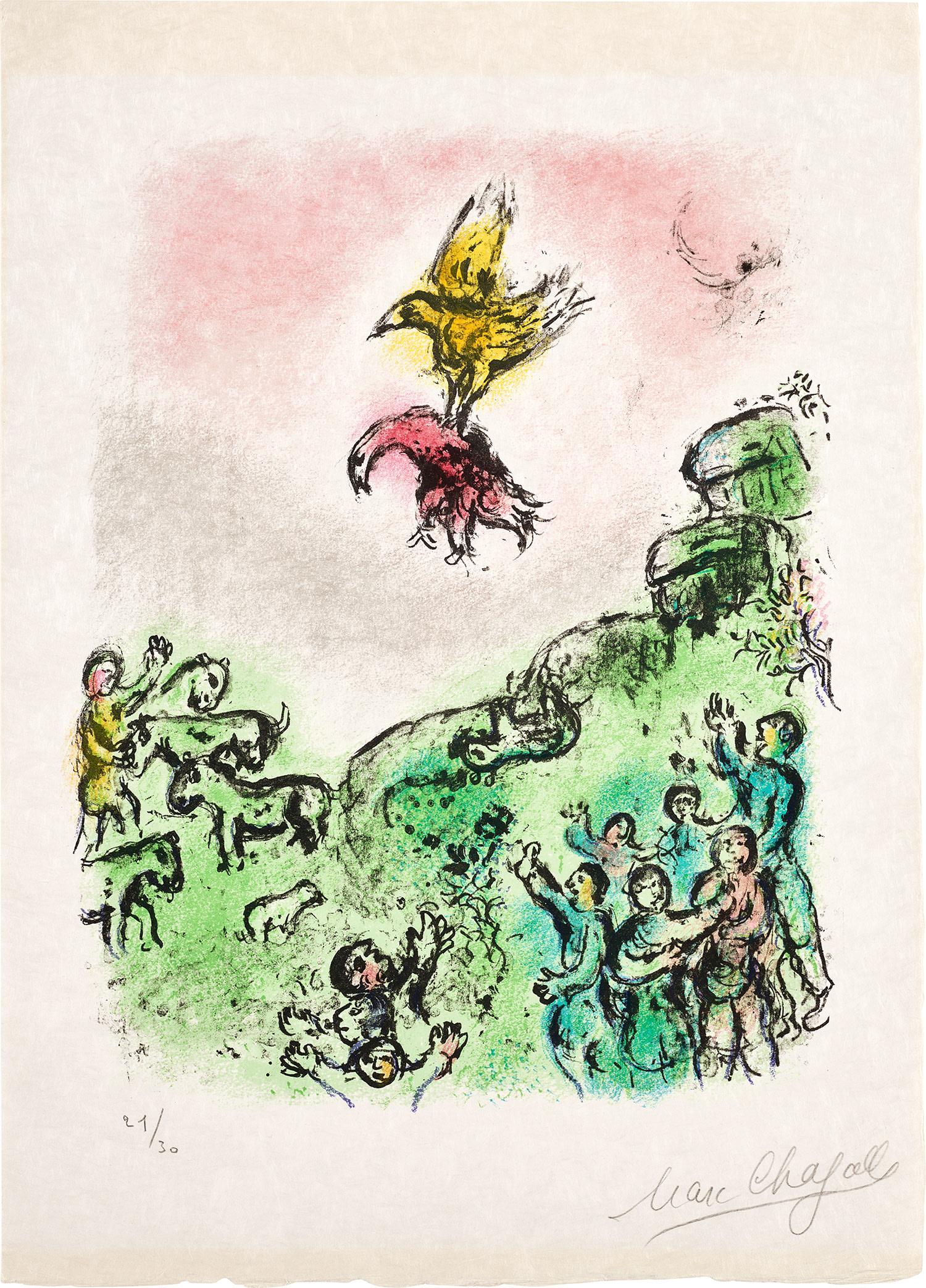
His work on The Collection represents the foundation of this sensibility, the moment in the 1870s and 1880s when dappled golden light became a subject in itself rather than a backdrop. What is interesting is who follows him into the bidding. Paul Gauguin's Tahitian canvases, soaked in red earth and tropical orange, have set records consistently across the last decade. Marc Chagall, whose palette reads as warm even when he reaches for blue, attracts strong international bidding from collectors who understand his work as something between folk memory and lyric poetry.
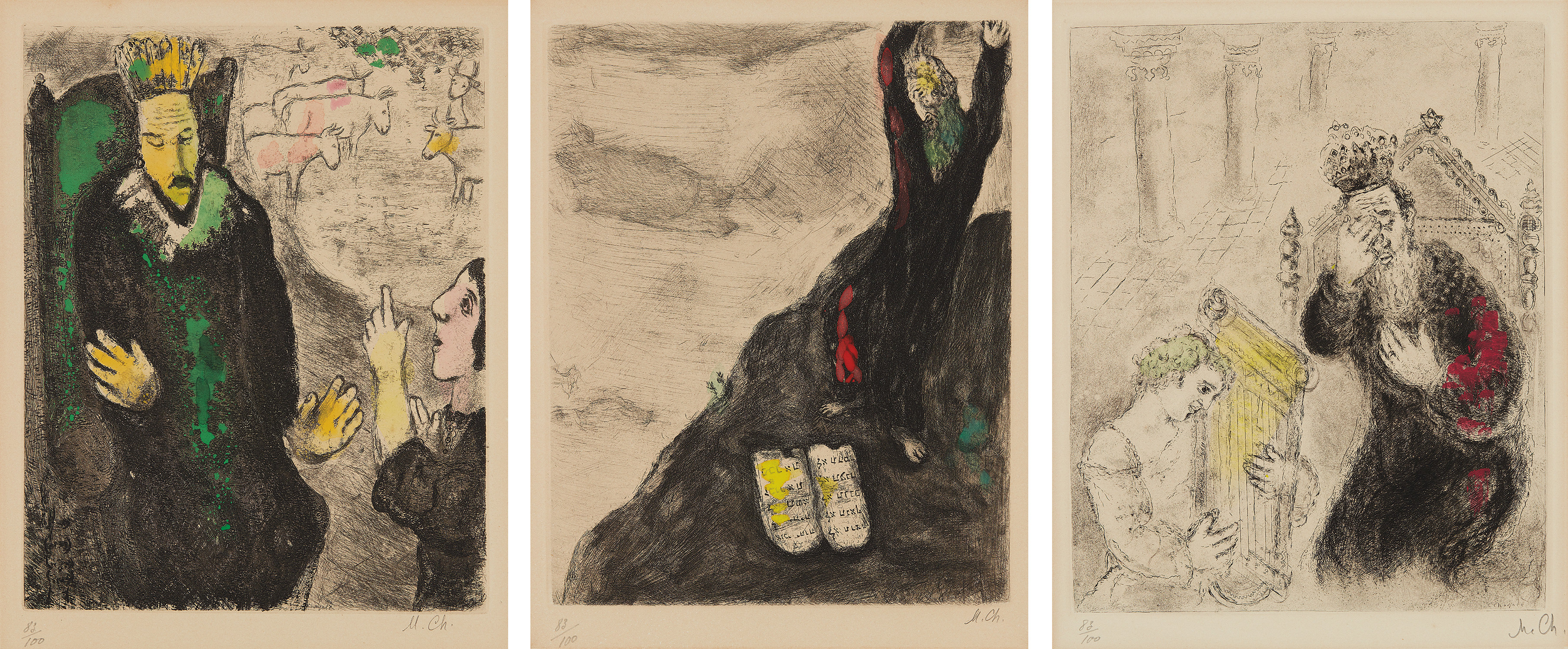
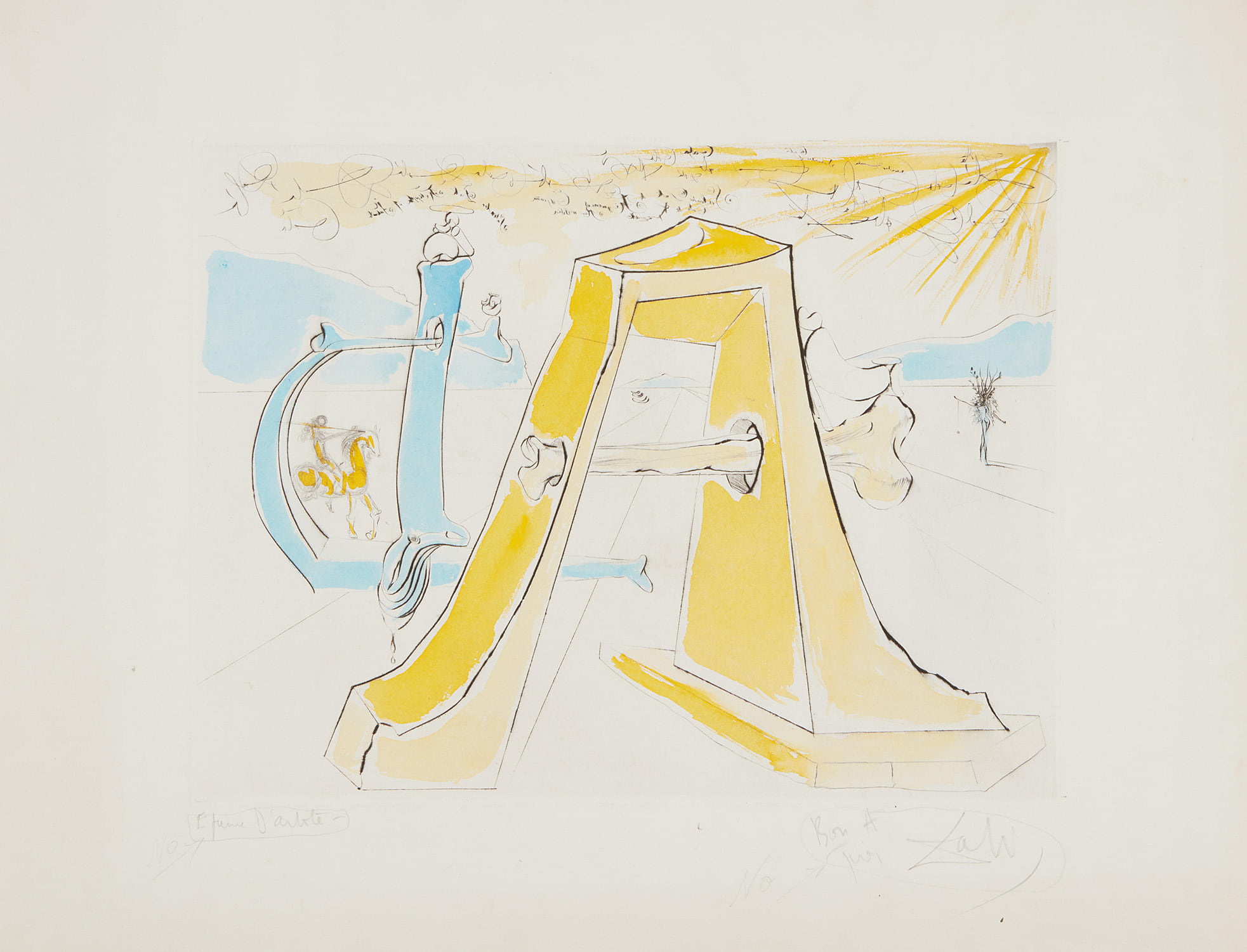
Marc Chagall
The Bible series: three plates
Both are well represented on The Collection, and both tell you something about the emotional range warm tones can hold. Museum shows have been doing serious intellectual work in this territory. The Matisse retrospective at the Tate Modern in 2022 drew enormous crowds and generated sustained critical writing about the relationship between color and liberation, between warmth and freedom. Henri Matisse is not simply a decorator of pleasure; he is a theorist of sensation, and recent scholarship has taken that seriously.
Rufino Tamayo received long overdue international attention through retrospectives in Mexico City and New York that reframed his deep ochres and volcanic reds as a sophisticated engagement with pre Columbian form and mid century abstraction simultaneously. Lê Phổ, the Vietnamese French painter whose luminous depictions of women in domestic interiors have been climbing steadily at auction, was featured in several reassessment shows examining modernism's overlooked global networks. Each of these moments opened a door a little wider onto the same room. The institutional collecting picture is telling.
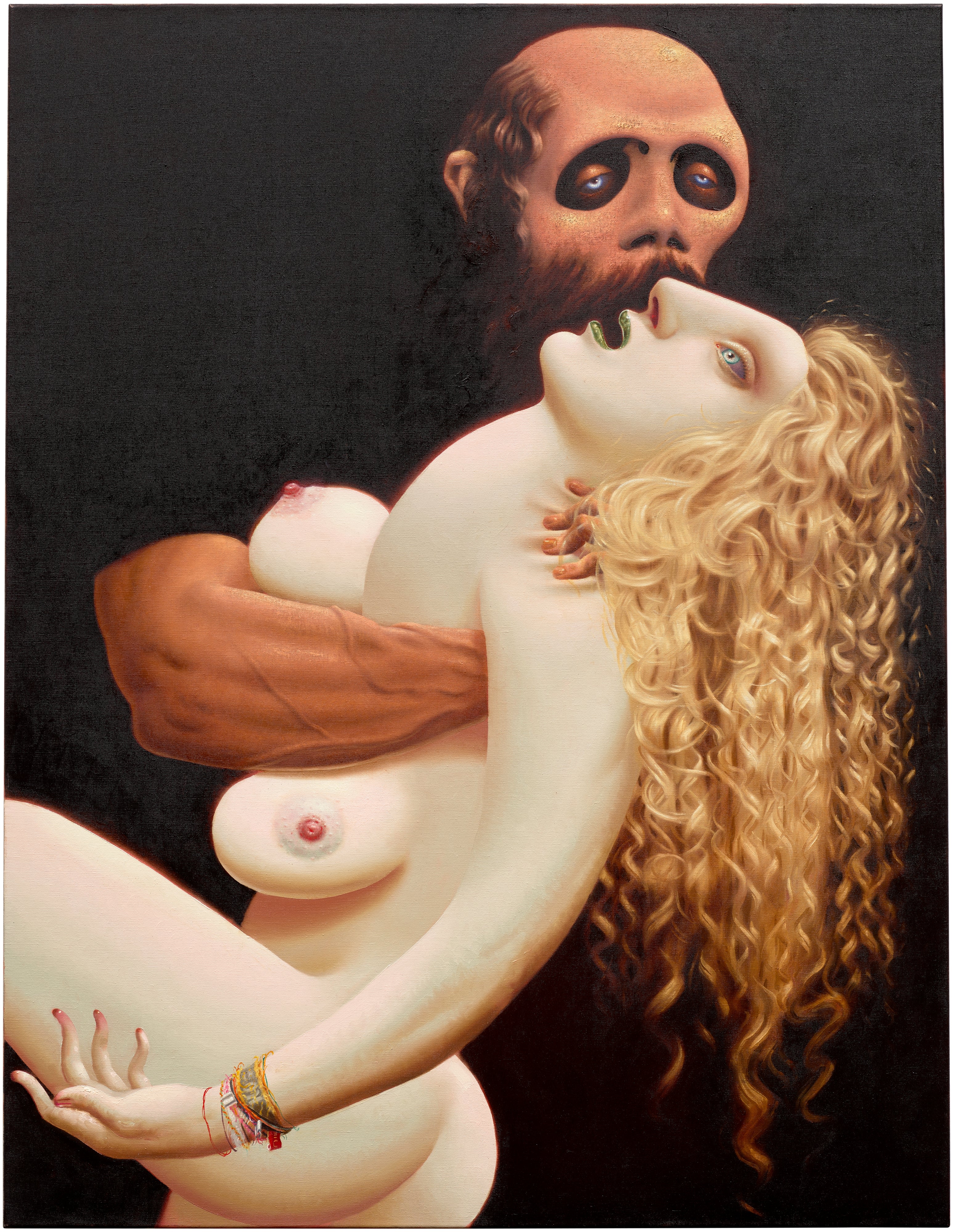
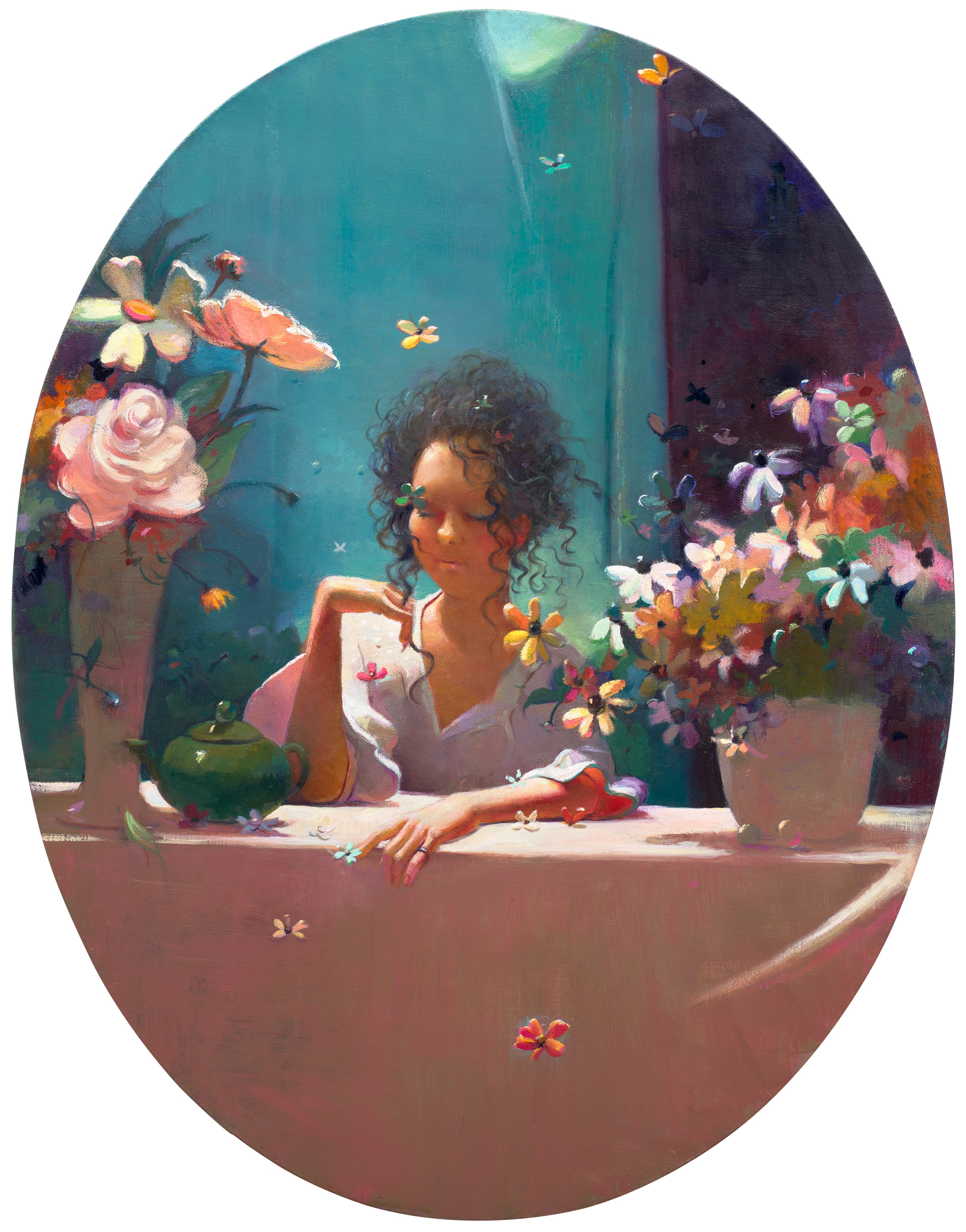
Benjamin Spiers
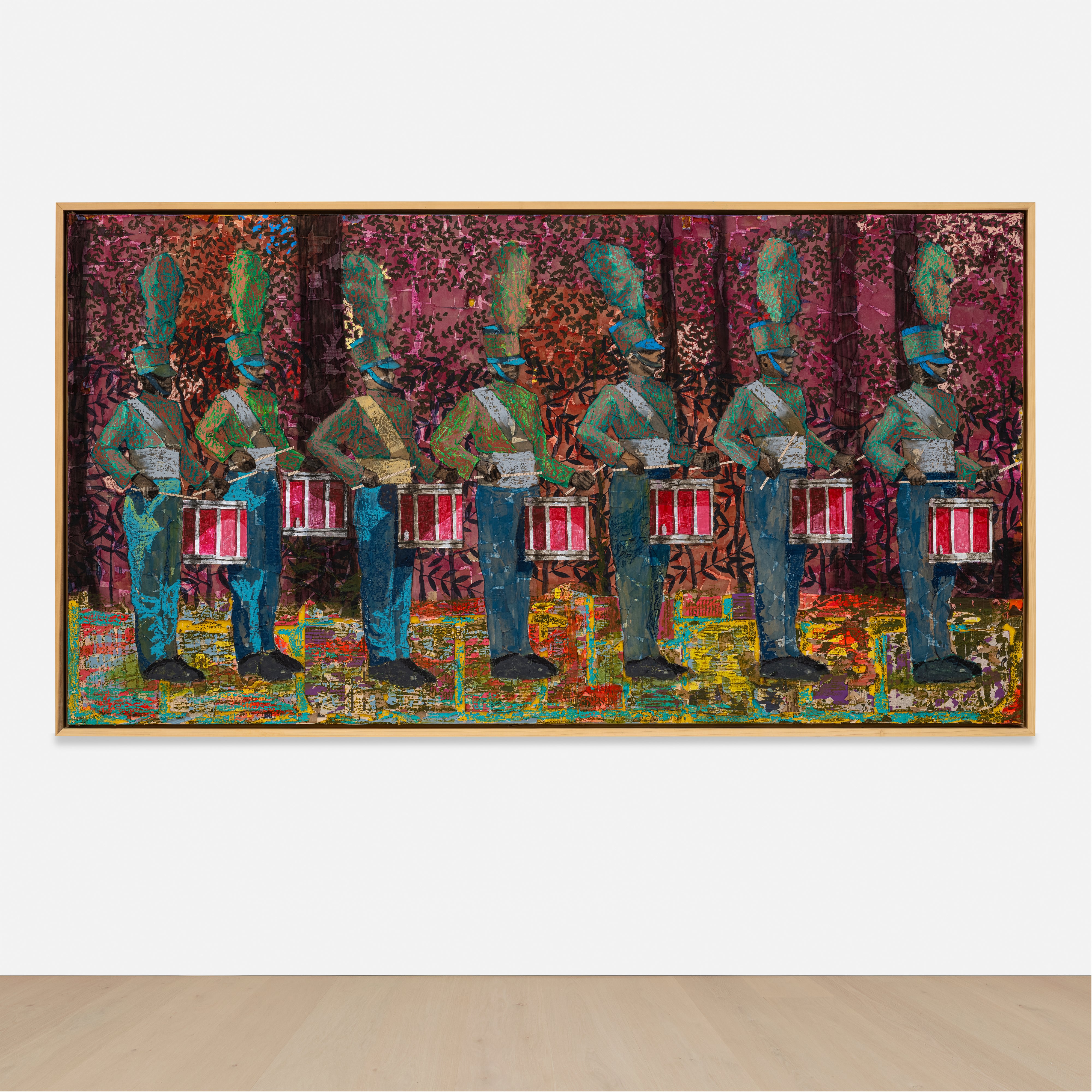
Funny Valentine, 2020
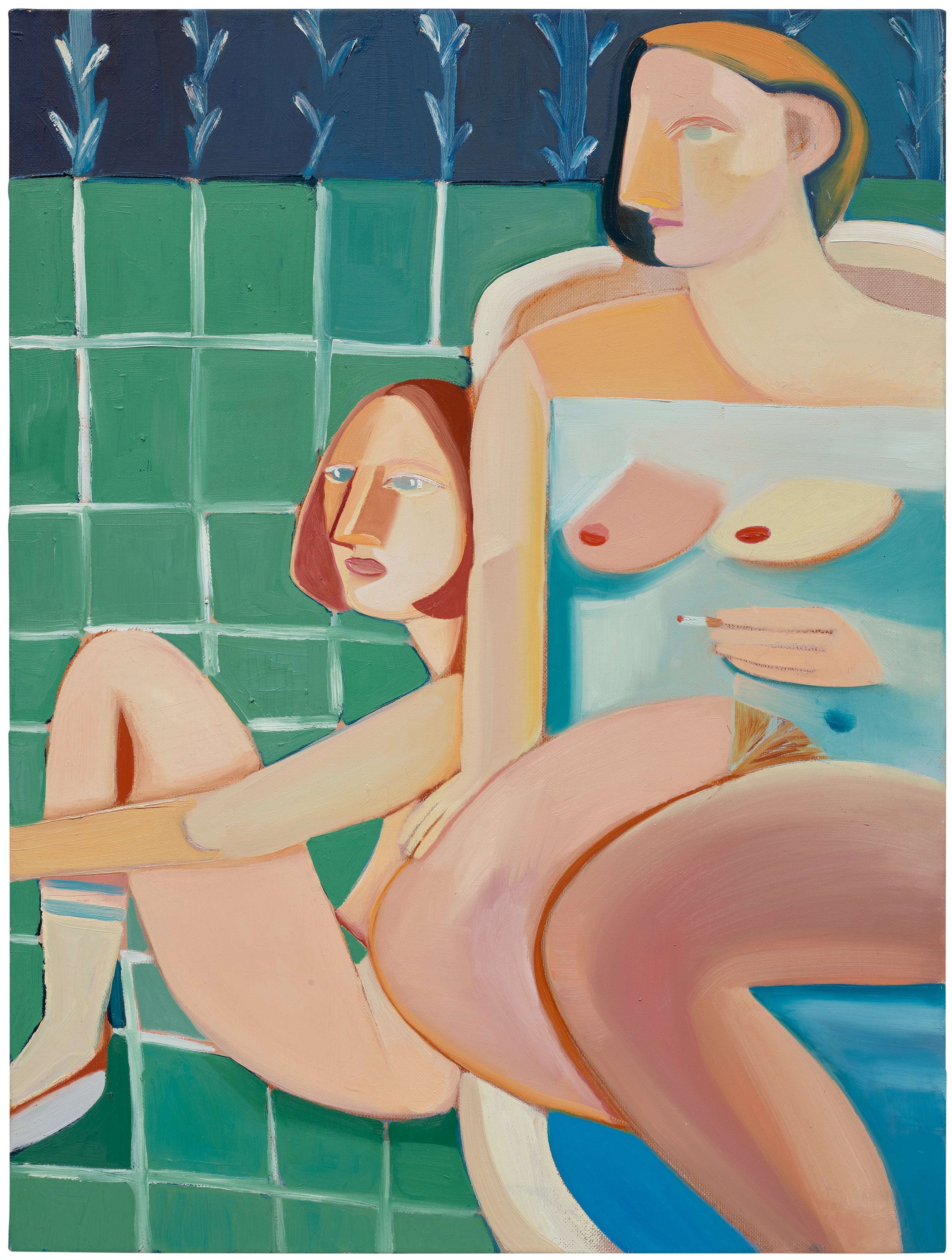
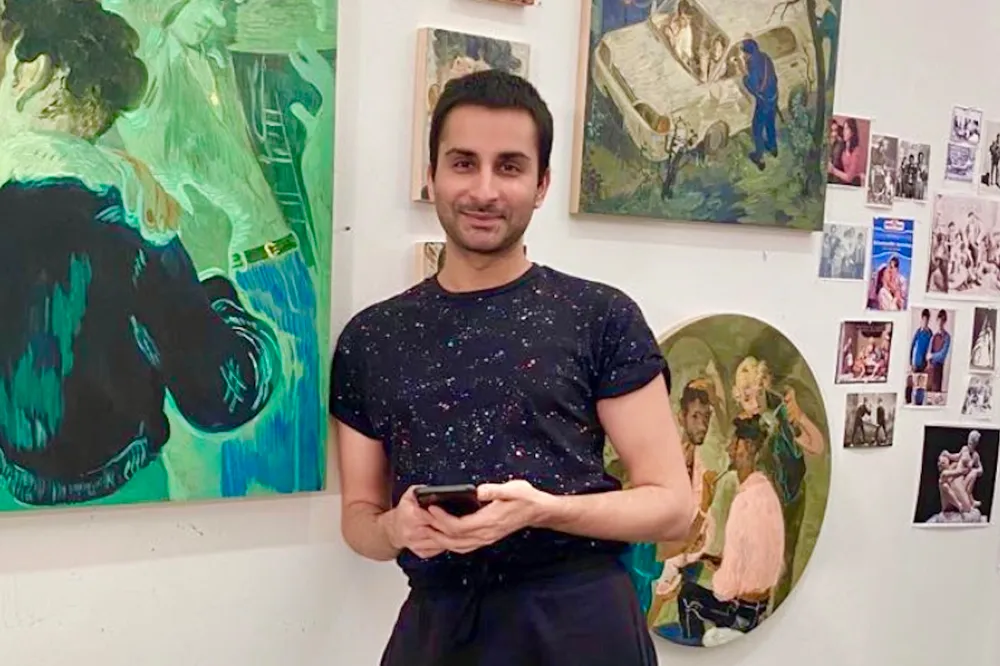
The Museum of Fine Arts in Houston, with its deep commitment to global modernism, has been quietly building holdings that connect European warm toned painting to its American and Latin American counterparts. The Pérez Art Museum in Miami has been attentive to Fernando Botero and Tamayo in ways that position warm color as a distinctly American hemisphere conversation rather than a European export. Meanwhile younger collecting institutions and private foundations have been drawn to living artists working in this register. Salman Toor's interiors, which place queer South Asian figures inside golden rooms lit like Old Master paintings, have attracted both museum acquisition and serious critical writing.
Caroline Walker's large scale paintings of women in domestic and professional spaces use warm artificial light as a way of examining labor, visibility, and the economics of care. Both artists are present on The Collection, and both are receiving the kind of sustained curatorial attention that builds lasting reputations. The critical conversation has been shaped in part by a renewed interest in intimacy as a serious painterly subject. Curator Joachim Pissarro, writing about Bonnard and the Nabis tradition, has argued that the domestic warmth in that lineage is philosophically complex rather than merely comfortable.
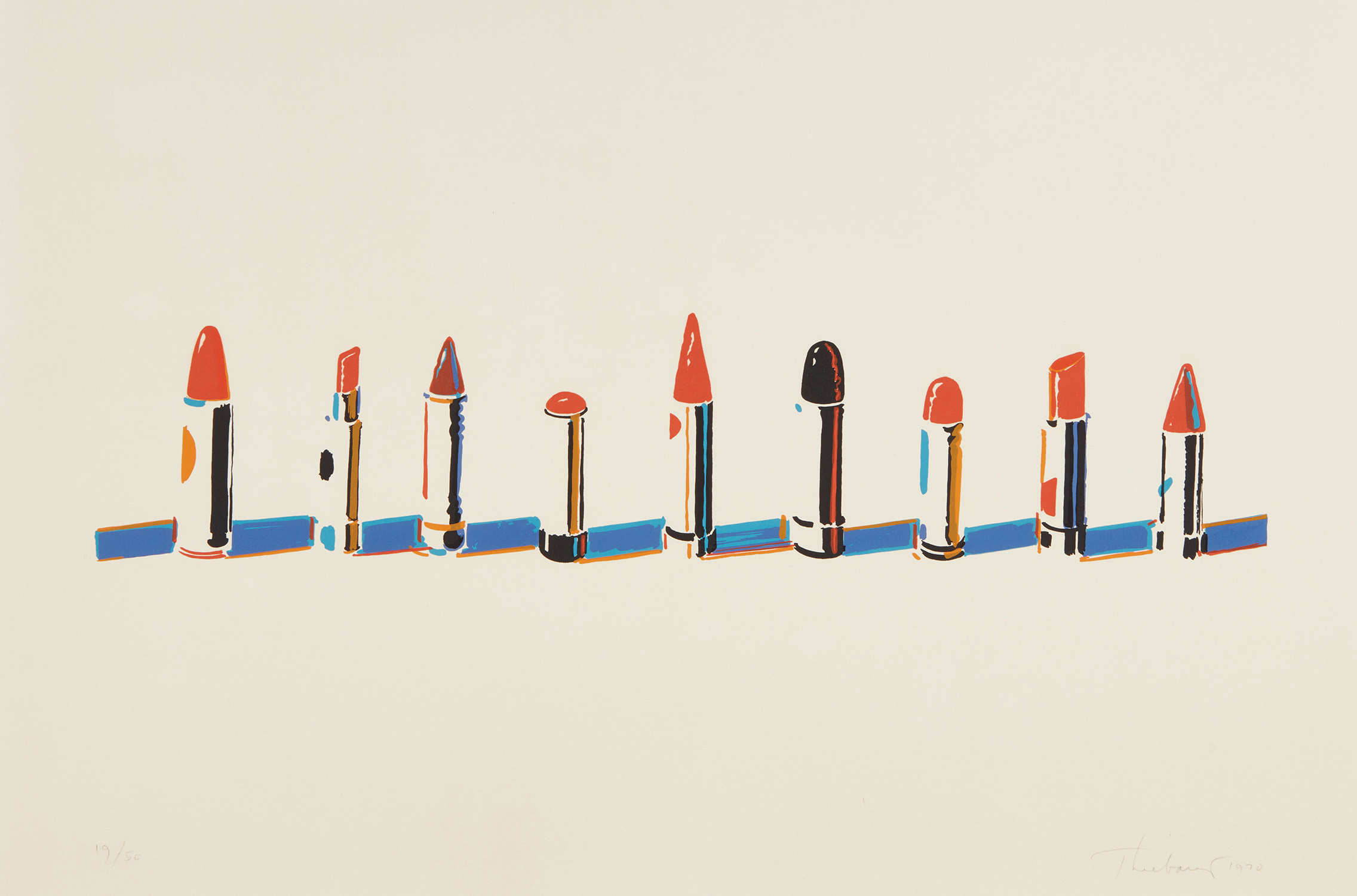
Wayne Thiebaud
Lipstick Row, from Seven Still Lifes and a Rabbit
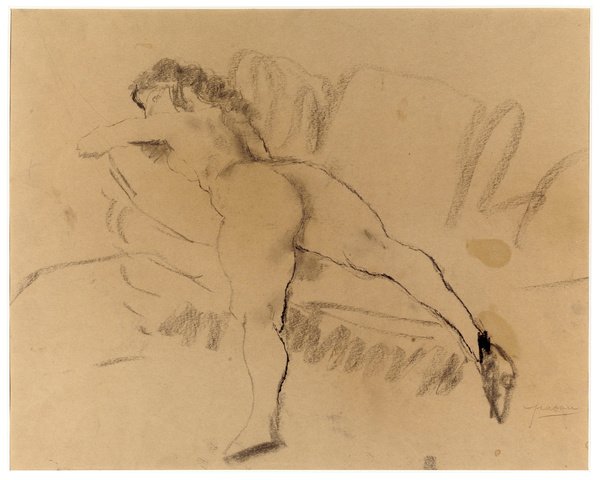
Writers at Frieze and The Burlington Magazine have been reexamining the Paris school figures, including Jules Pascin, Moïse Kisling, and María Blanchard, whose careers unfolded in the early twentieth century at the intersection of immigration, bohemian culture, and a shared commitment to the figure set against warm interiors. Wayne Thiebaud has received fresh attention from critics interested in the way his confection bright palette operates as both celebration and critique. Tom Wesselmann, whose nudes flatten the body against fields of saturated warm color, fits neatly into that critical conversation about desire, consumer culture, and the temperature of American life. Where is the energy heading?
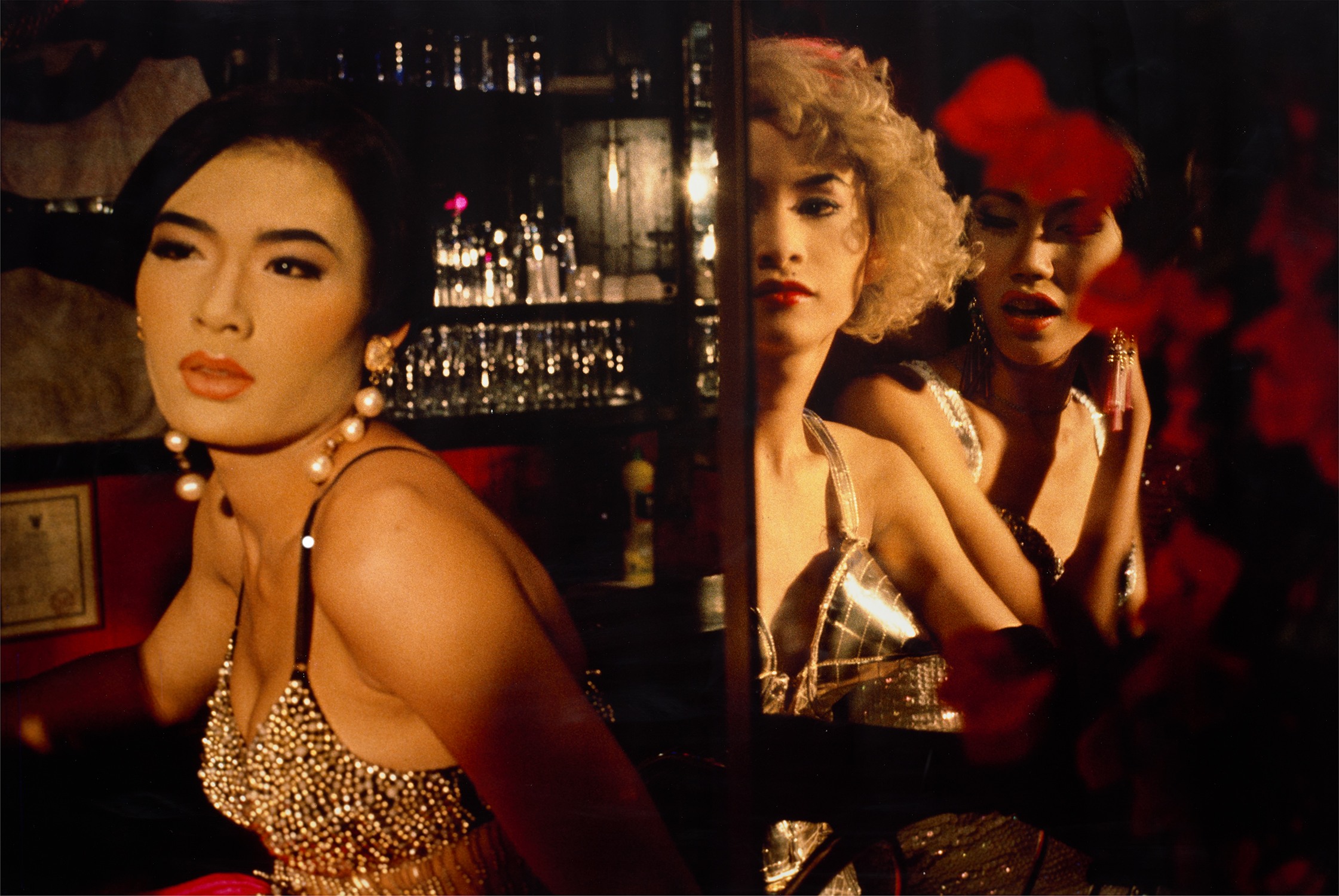
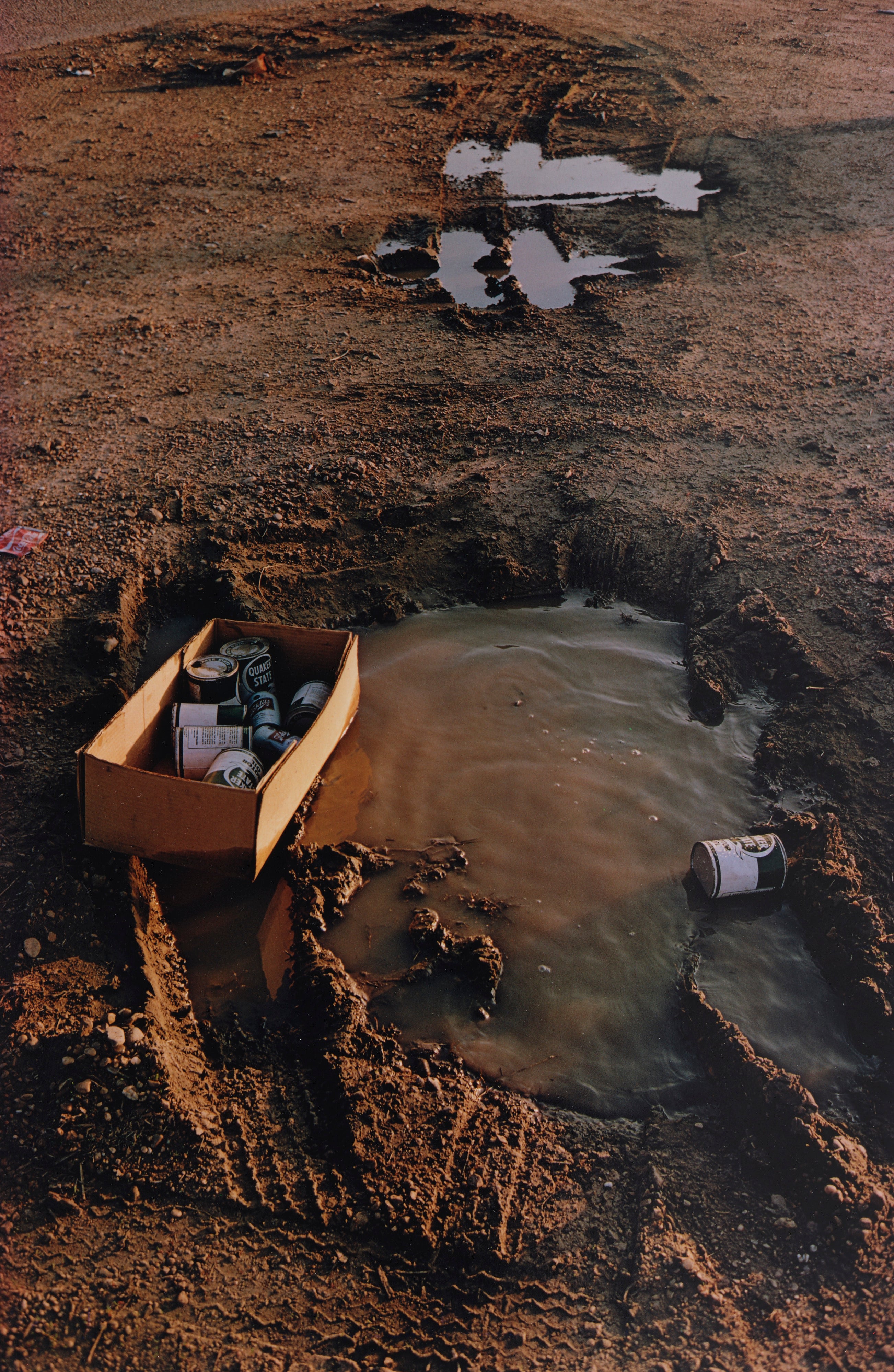
Photography is increasingly part of this story in ways that felt less obvious a decade ago. William Eggleston's color work, long understood as a document of the American South, is being reread as a meditation on warmth itself, on the way incandescent light transforms the banal into the lyrical. Nan Goldin's saturated interiors carry a different kind of warmth, one that is urgent and bodily and sometimes dangerous. Larry Sultan's photographs of his parents in their California home are perhaps the most tender documents in the warm toned photographic canon.
The fact that these three photographers are all represented on The Collection alongside painters from Renoir to Toor suggests something important: that warm tones are not a period style or a regional preference but a persistent human need, the need to feel, in looking at an image, that somewhere a light is still on.