Video
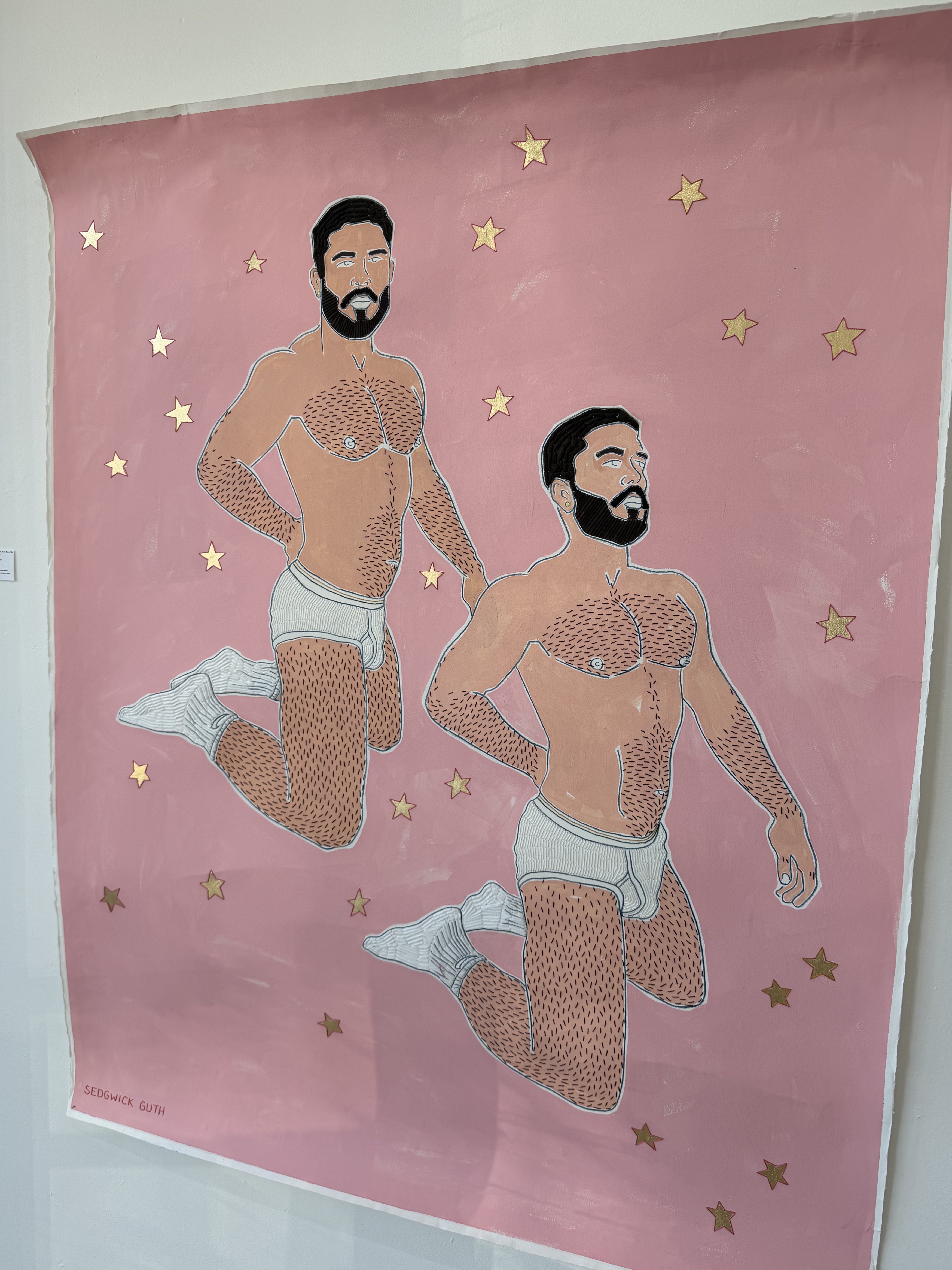
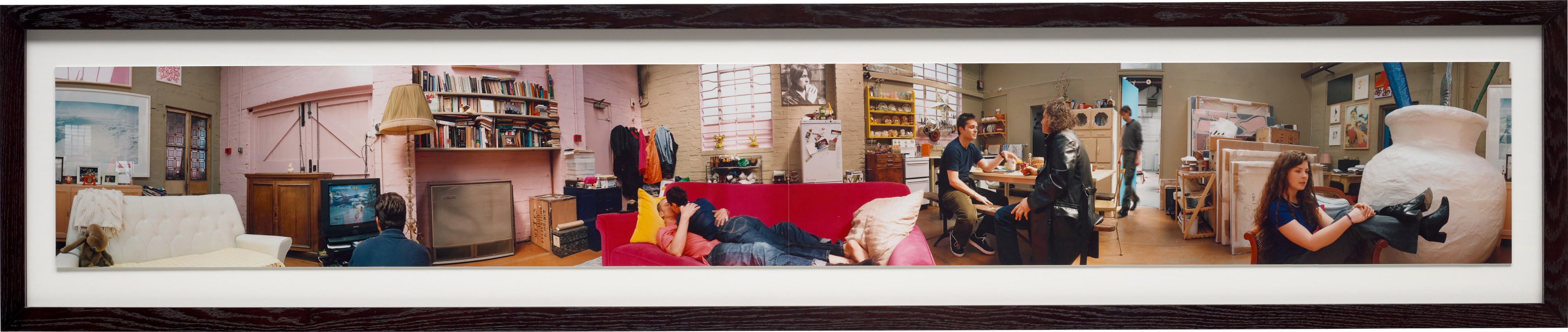
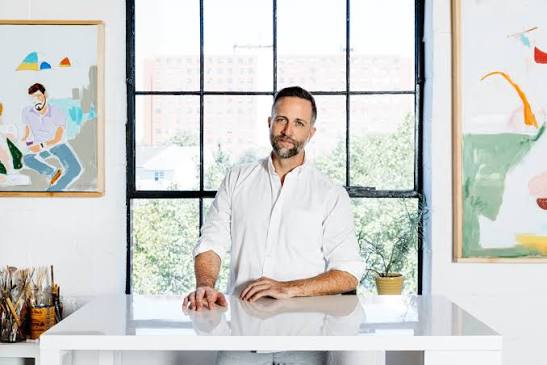
Sedgwick Guth
Watching You From Other Rooms, You Have Me Singing (2 Johns), 2026

The Screen That Changed What Art Could Be
There is a moment, usually early in the experience of watching a video artwork, when something shifts. The passive rhythms of television consumption give way to something altogether more demanding and more alive. The work looks back at you. This quality, at once confrontational and intimate, is what separates video art from almost every other medium in the contemporary canon, and it is what has made the moving image one of the most contested and generative territories in art since the 1960s.
The story begins, as so many modern art stories do, with an act of deliberate disruption. Nam June Paik is typically credited as the godfather of video art, and with good reason. In 1965, armed with one of the first Sony Portapak cameras available to the public, he filmed Pope Paul VI's motorcade through New York City and screened the footage that same evening at Café Au Go Go in Greenwich Village. The gesture was deceptively simple: here was raw, unmediated time, captured and replayed outside any broadcast institution, outside any editorial control.
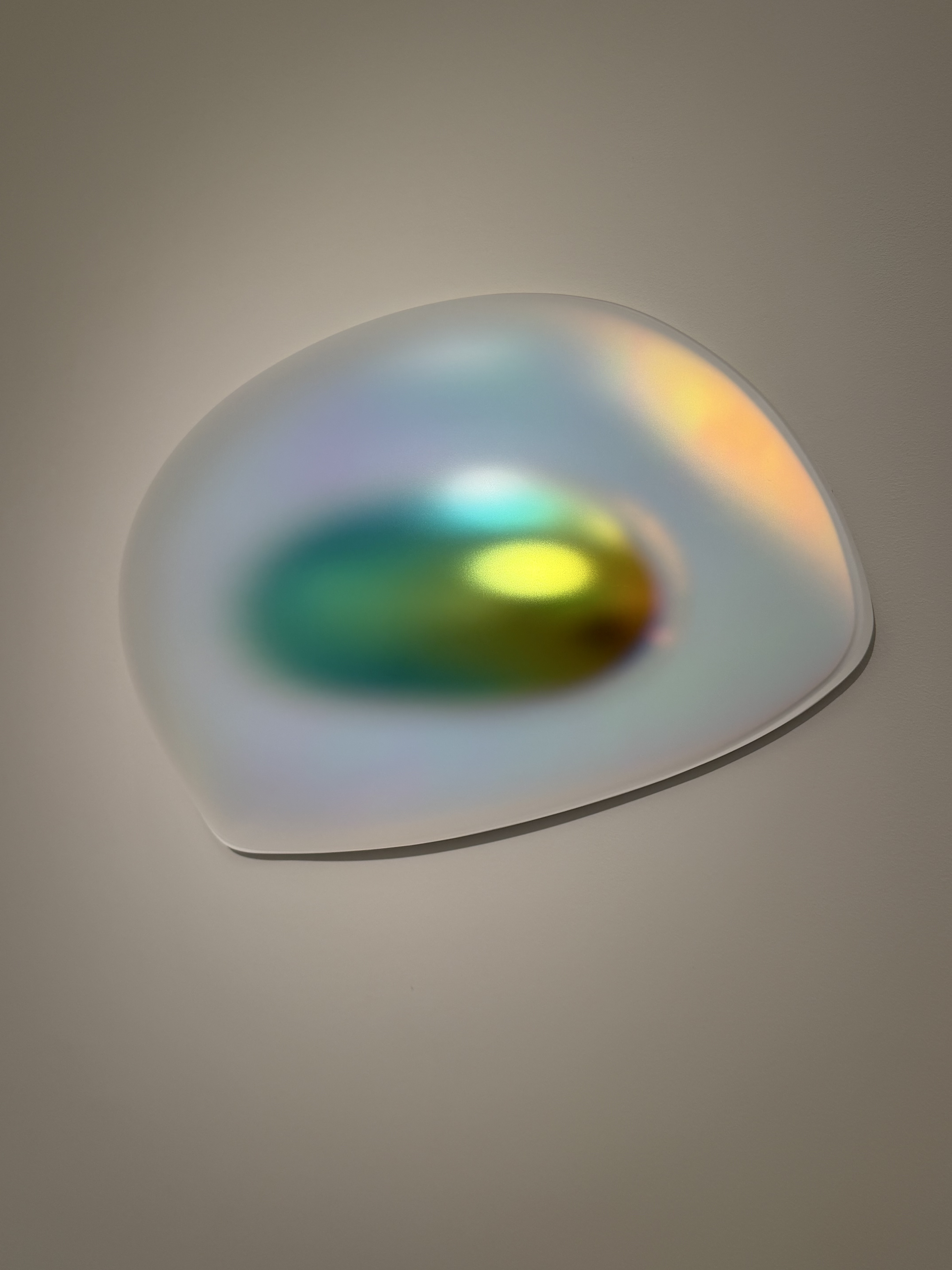
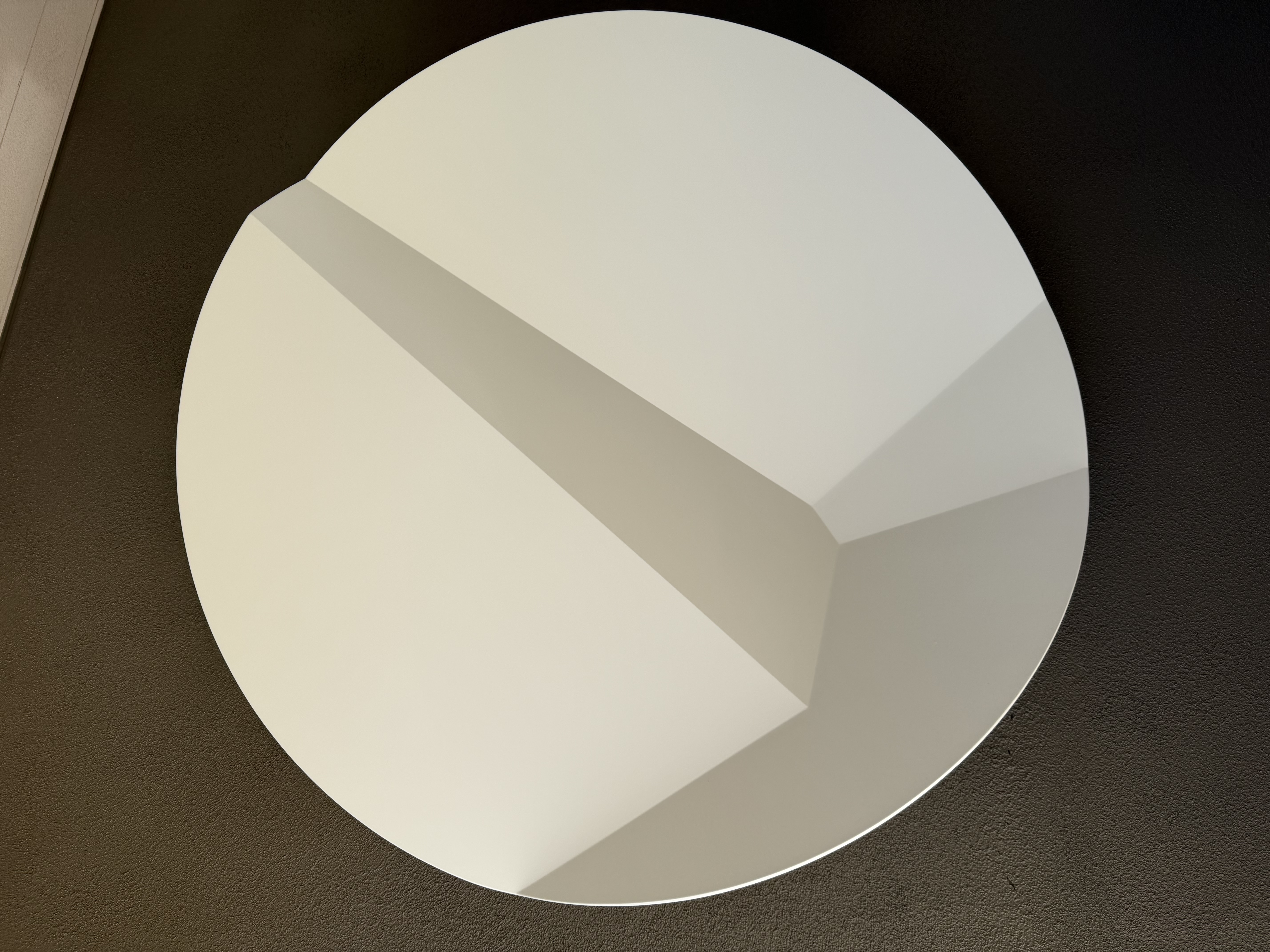
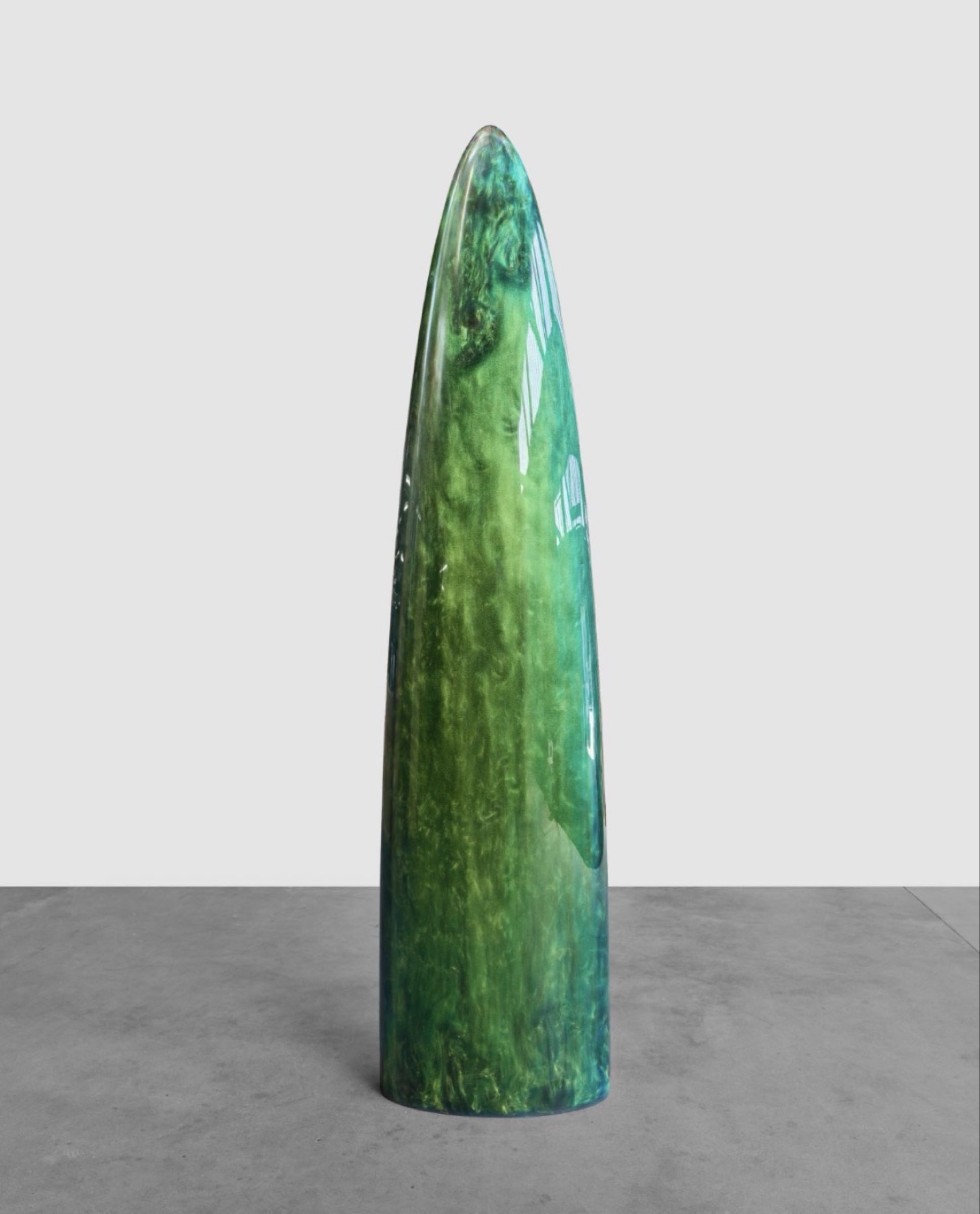
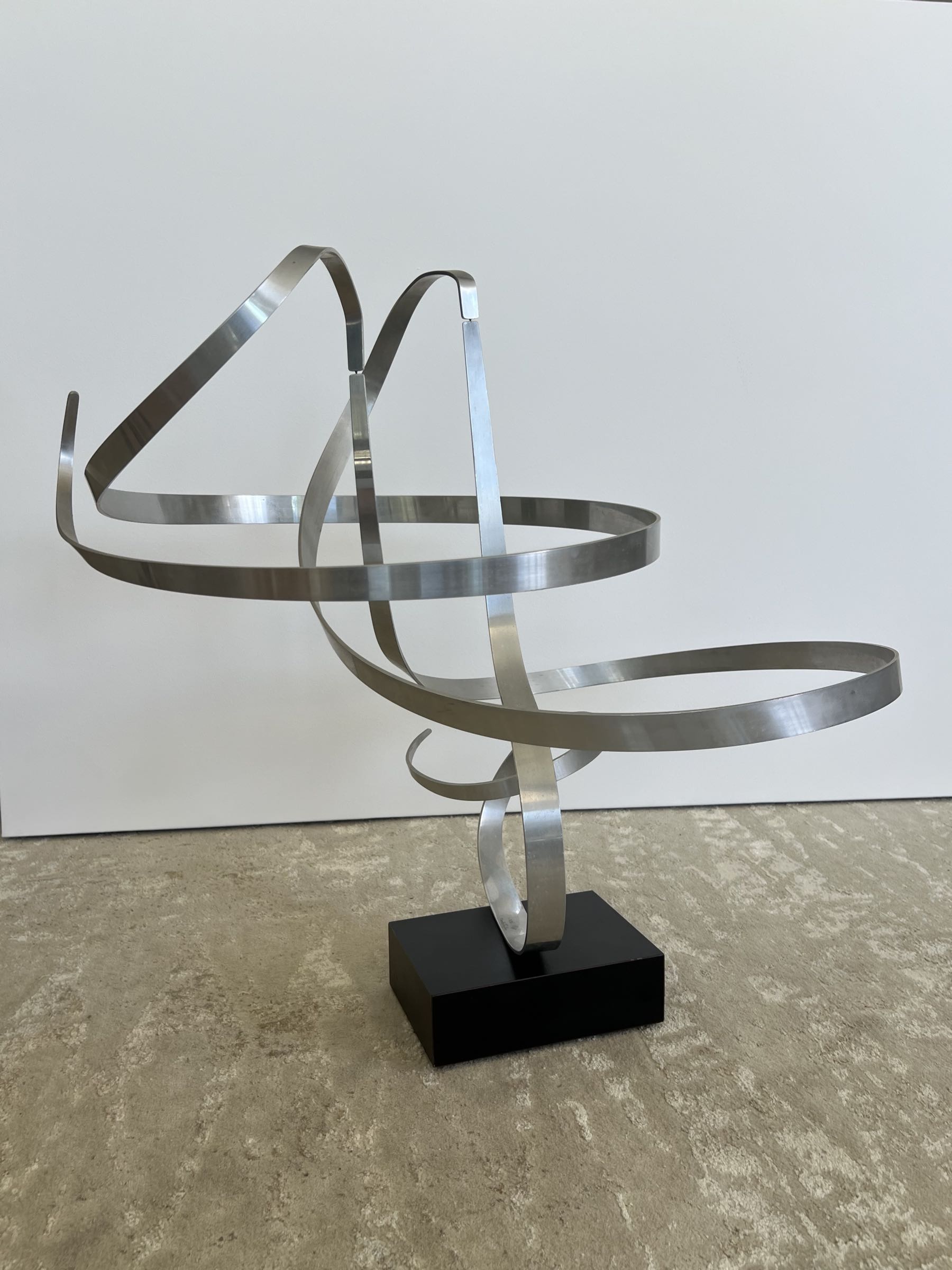
Gisela Colón
Scalene Earthoid (Calisto), 2025
The implications were enormous. Video was not television. It belonged to the artist. Through the late 1960s and 1970s, video became the medium of choice for artists determined to interrogate perception, the body, and the systems of power embedded in mass media.
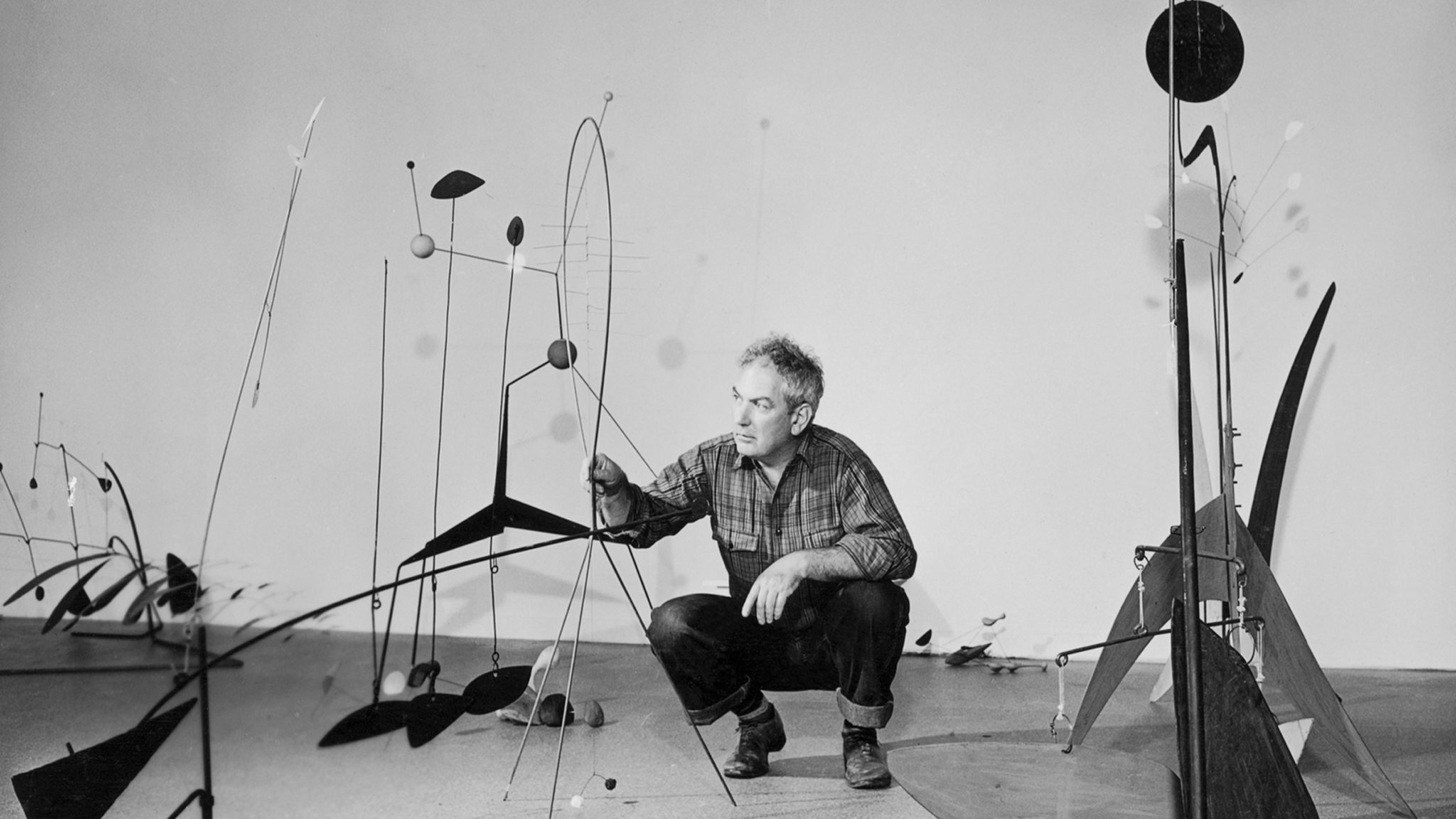
Bruce Nauman, working in his San Francisco studio around 1968 and 1969, turned the camera on himself in a series of performances that remain among the most psychologically unsettling works of the era. Pacing, gesturing, pressing his face against the lens, Nauman used video to collapse the distance between making and watching, between artist and audience. His work demonstrated that the monitor was not a window but a mirror, and a distorting one at that. The 1970s also saw video become a critical tool for conceptual and feminist artists seeking to document performances that would otherwise vanish.
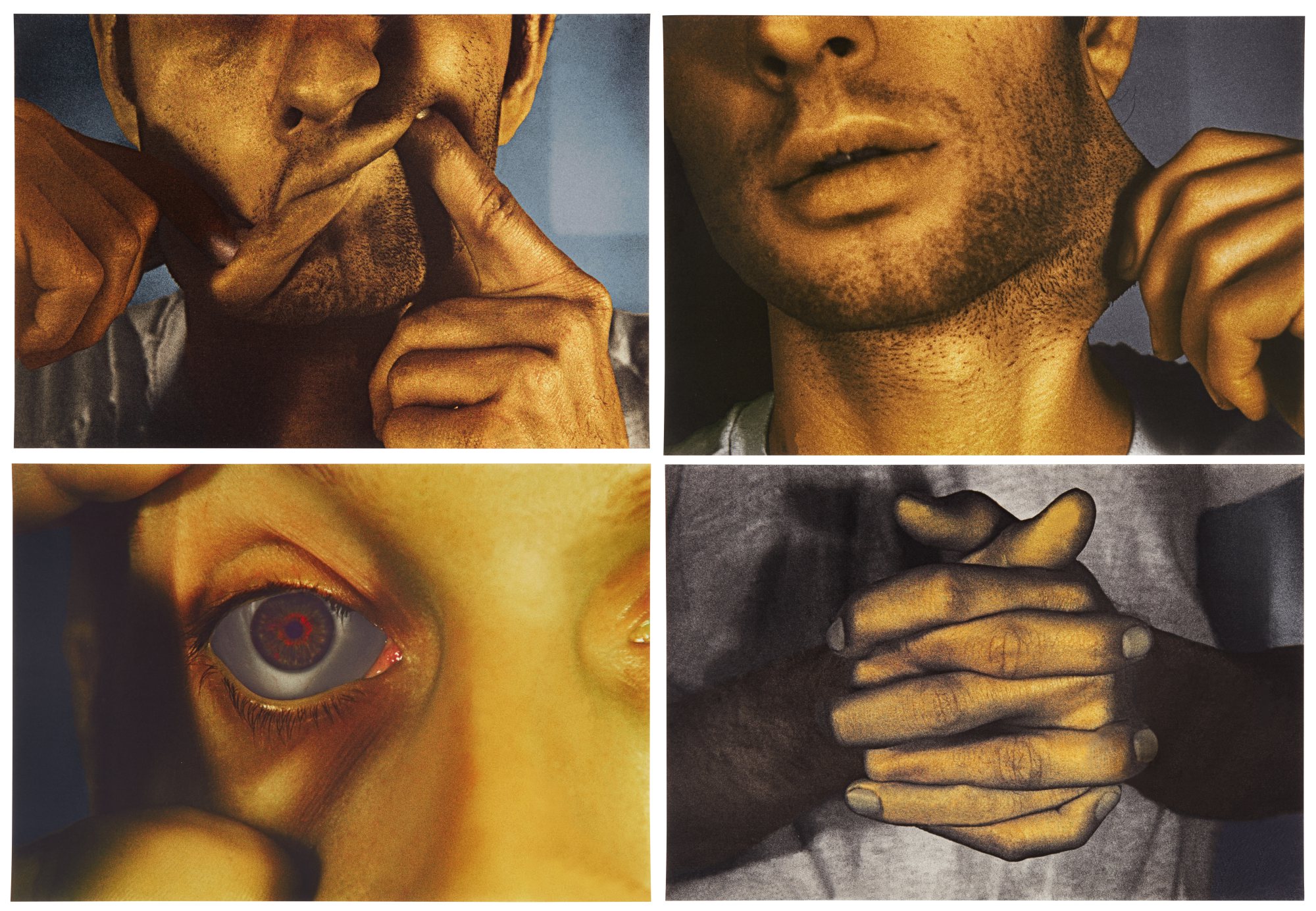
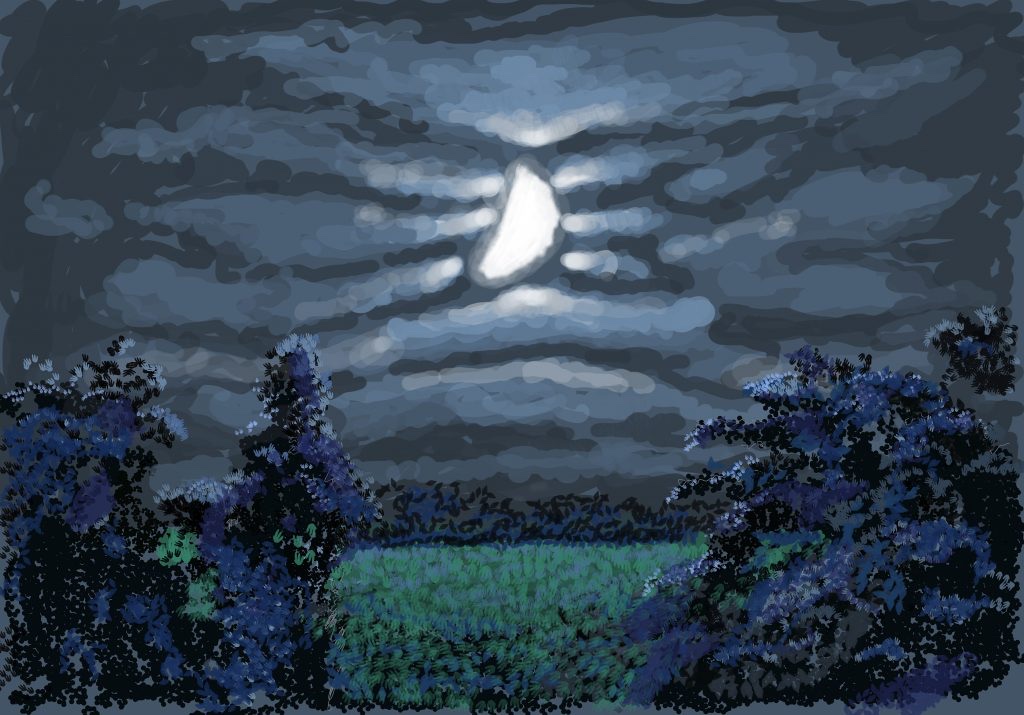
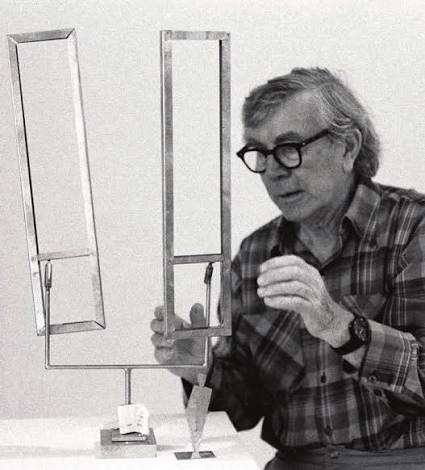
Bruce Nauman
Infrared Outtakes
The medium was cheap, immediate, and reproducible, qualities that aligned perfectly with the anti commodity spirit of the time. Institutions began to take notice. The Whitney Museum of American Art established one of the first video programs at a major American museum, and galleries in New York and Cologne started exhibiting single channel works alongside paintings and sculpture. By the time the decade closed, video had secured its place in the institutional imagination, even if collectors were still largely uncertain what to do with it.
The 1980s and 1990s brought a new level of formal sophistication. Artists began thinking seriously about the architecture of presentation, moving beyond the single monitor toward immersive installations that filled entire rooms with projected light and sound. Bill Viola elevated the medium to a kind of secular spirituality, drawing on Renaissance painting and Eastern philosophy to create works of extraordinary emotional depth. Meanwhile, the proliferation of cheaper editing equipment allowed artists to construct complex, layered narratives that challenged cinema on its own terms.
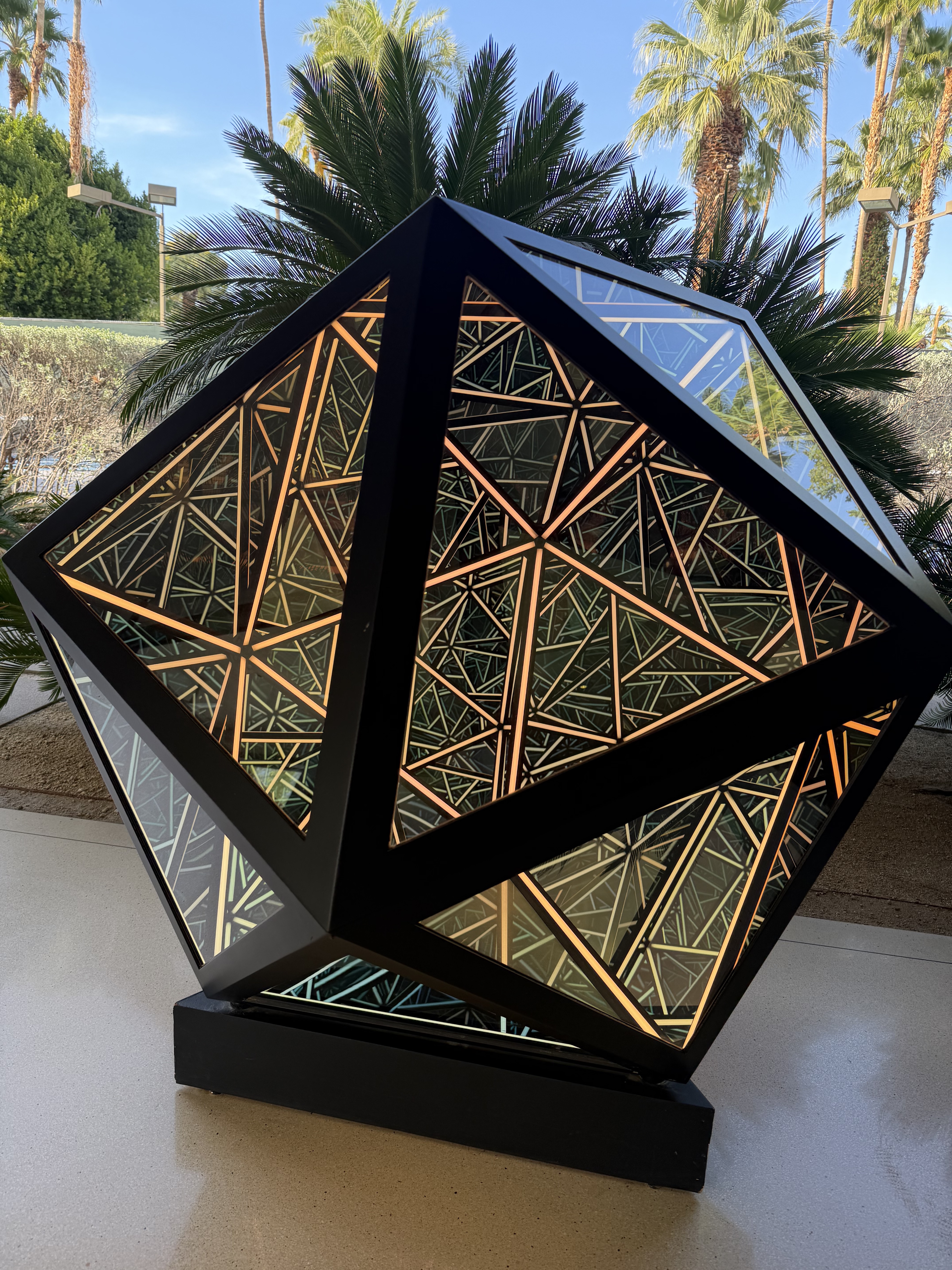
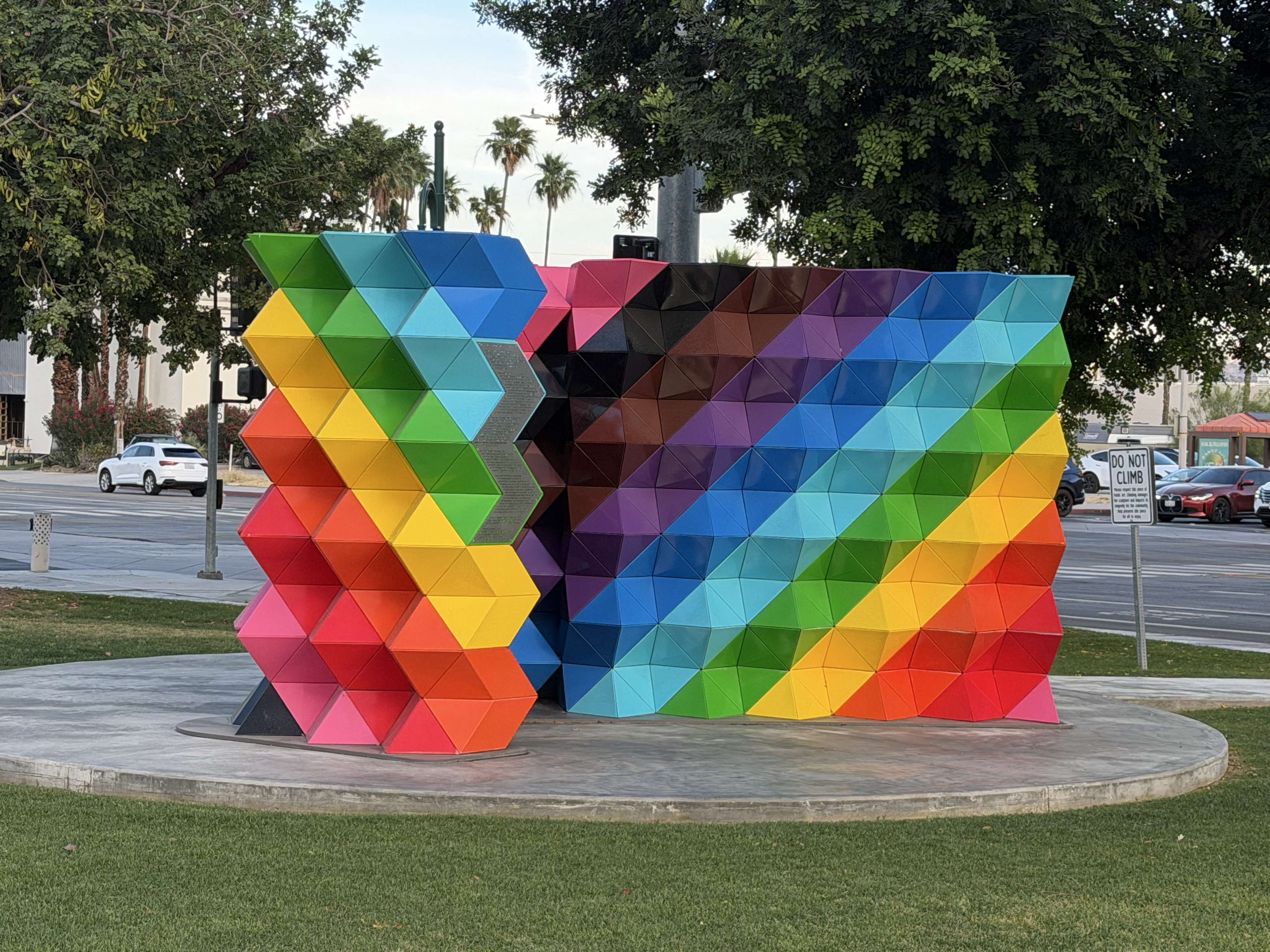
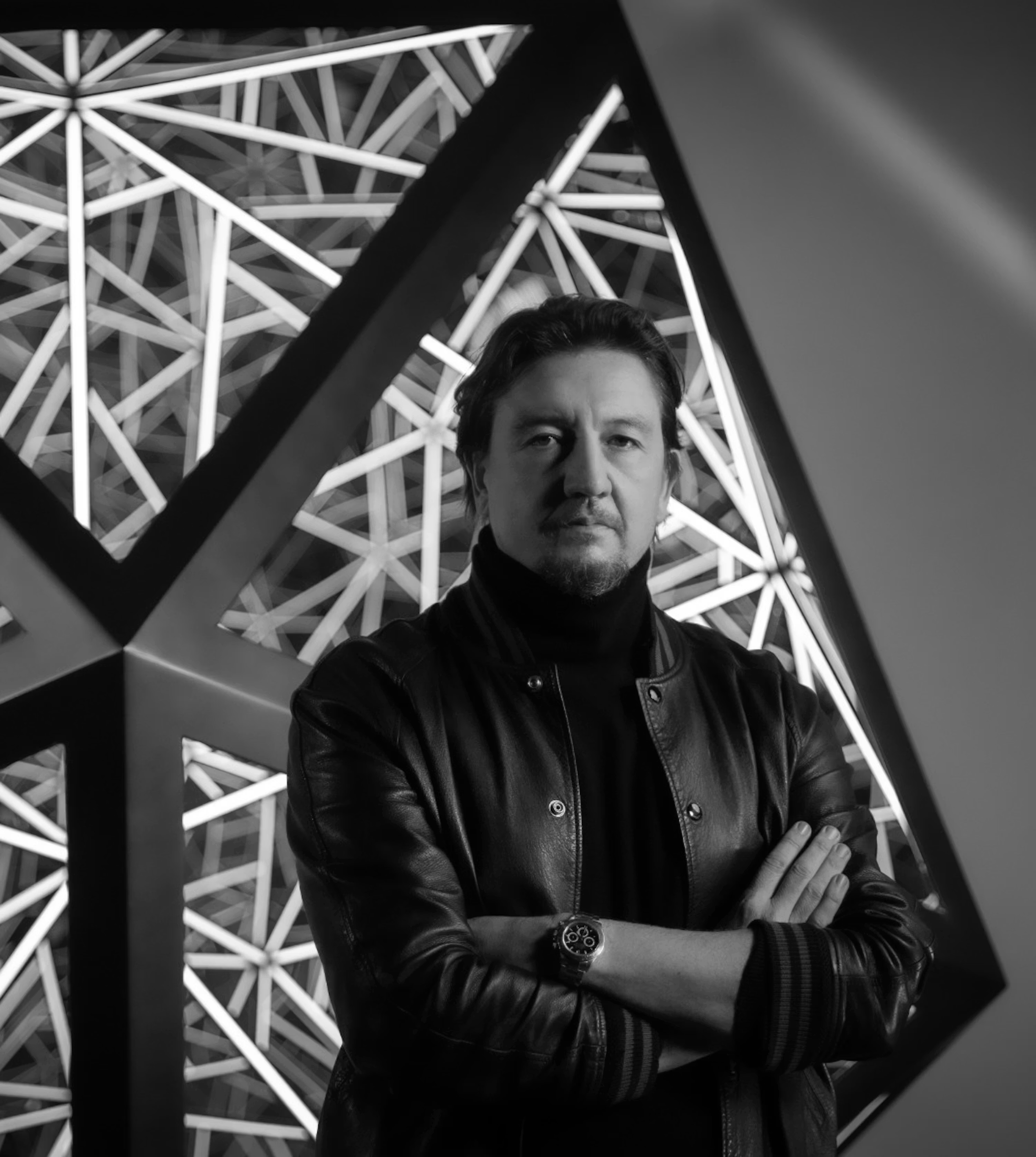
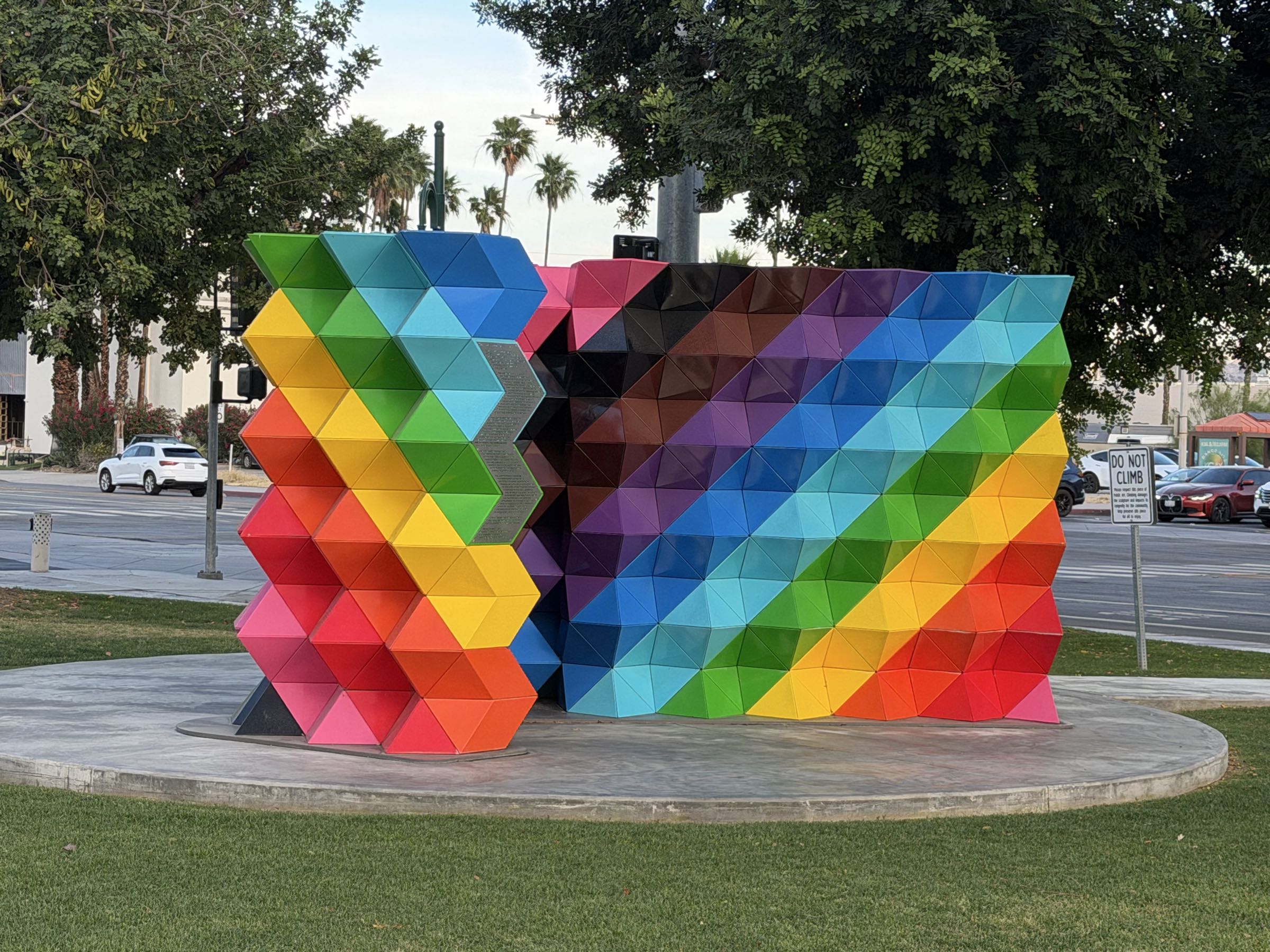
Anthony James
Portal Icosahedron, 2018
Sam Taylor Johnson, whose practice has consistently explored vulnerability and the performance of feeling, emerged during this period as one of the most compelling voices working at the intersection of video and photography. Her work brought a raw and painterly attention to the moving image that felt entirely of its moment and entirely her own. What distinguishes the most ambitious video art is the way it uses time as a material. Unlike painting or sculpture, video art exists in duration.
It asks for something painting rarely demands: your sustained presence. Peter Sarkisian has built an entire practice around this idea, using precisely projected video onto three dimensional objects to create illusions that are impossible and utterly believable simultaneously. His works reveal themselves slowly, rewarding the patient viewer with moments of genuine wonder. This relationship between time and revelation is central to understanding why video has attracted some of the most intellectually rigorous artists of the past half century.
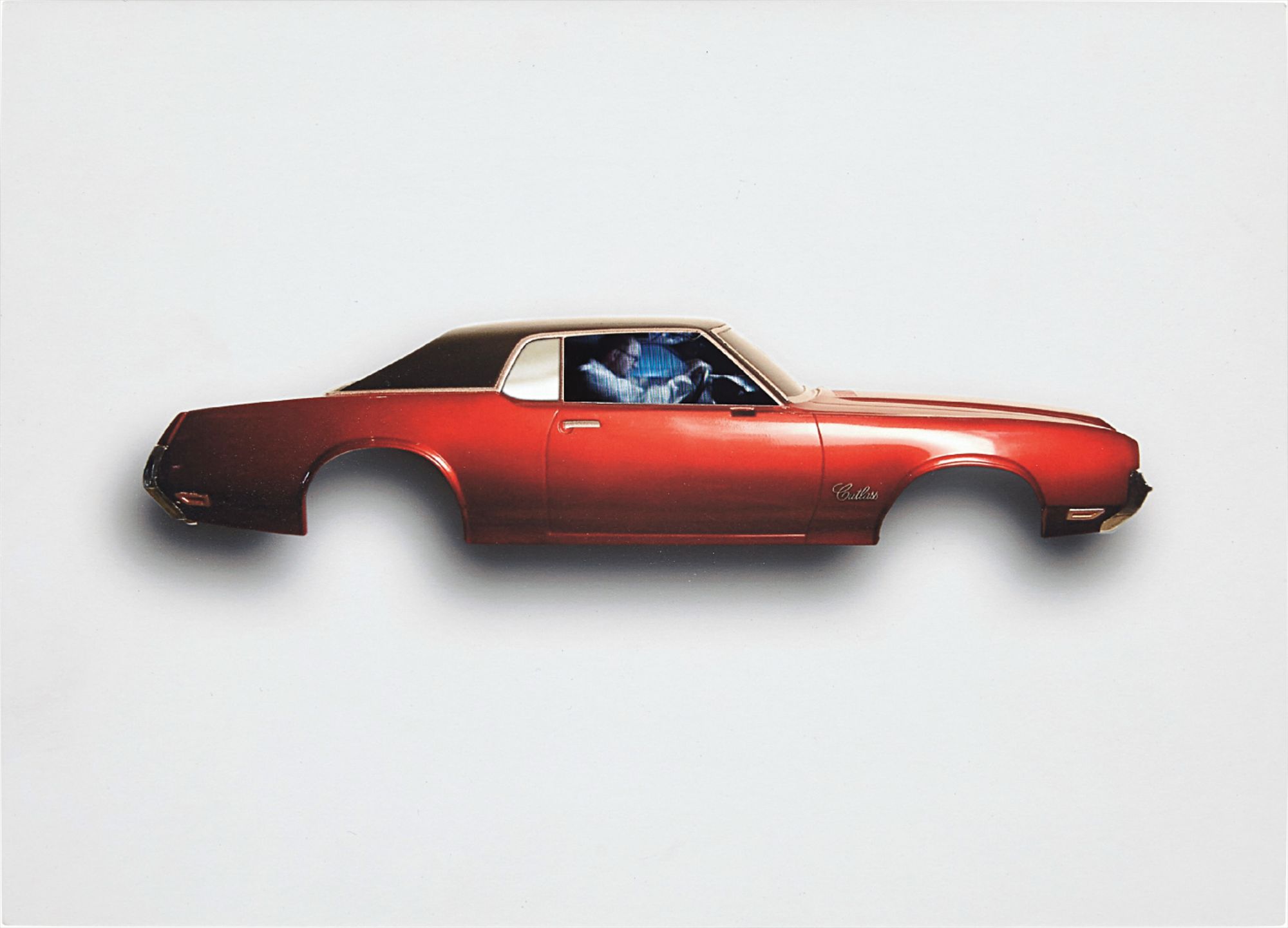
Peter Sarkisian
Red Cutless (Registered Driver Flat Series)
The arrival of digital technology transformed the medium once again. Artists like Refik Anadol have pushed video beyond representation entirely, using machine learning and data visualization to generate works that are in constant flux, never repeating, always becoming. Anadol's large scale installations treat architecture itself as a screen, dissolving the boundary between the built environment and the image. This is video art at its most expansive, and it raises genuinely new questions about authorship, memory, and what it means for an image to be made by a mind that is not human.
These are not rhetorical questions. They are the animating concerns of a generation. Alex Da Corte occupies a different but equally compelling position in this landscape. His videos are saturated with the detritus of American popular culture, drawing on advertising, horror films, and children's television to construct surreal and melancholy meditations on identity and desire.
Where Anadol moves outward toward the vast and the systemic, Da Corte turns inward, finding the uncanny lurking inside the familiar. Both approaches feel entirely urgent right now, as the culture at large reckons with what screens are doing to us and to the ways we understand ourselves. For collectors, video presents a particular set of considerations that have evolved considerably over the decades. Questions of edition, authentication, hardware obsolescence, and display requirements once made institutions far more comfortable with video than private collectors.
That has changed. The development of robust certificate systems, archival file formats, and dedicated display solutions has made collecting video not only feasible but deeply rewarding. There is something remarkable about living with a work that changes with the light of day, that requires you to return to it across different moods and different hours. The works on The Collection reflect this maturation, bringing together artists whose video practices span the conceptual, the technological, and the poetic.
Video art is now over sixty years old, and it shows no signs of settling into received wisdom. The medium remains as restless and argumentative as it was when Paik pointed his Portapak at the street. If anything, in a world drowning in moving images, the question of what makes a video a work of art has never been more important or more alive. The answer, as always, lies in the quality of attention that both the artist and the viewer are willing to bring.