Townscape
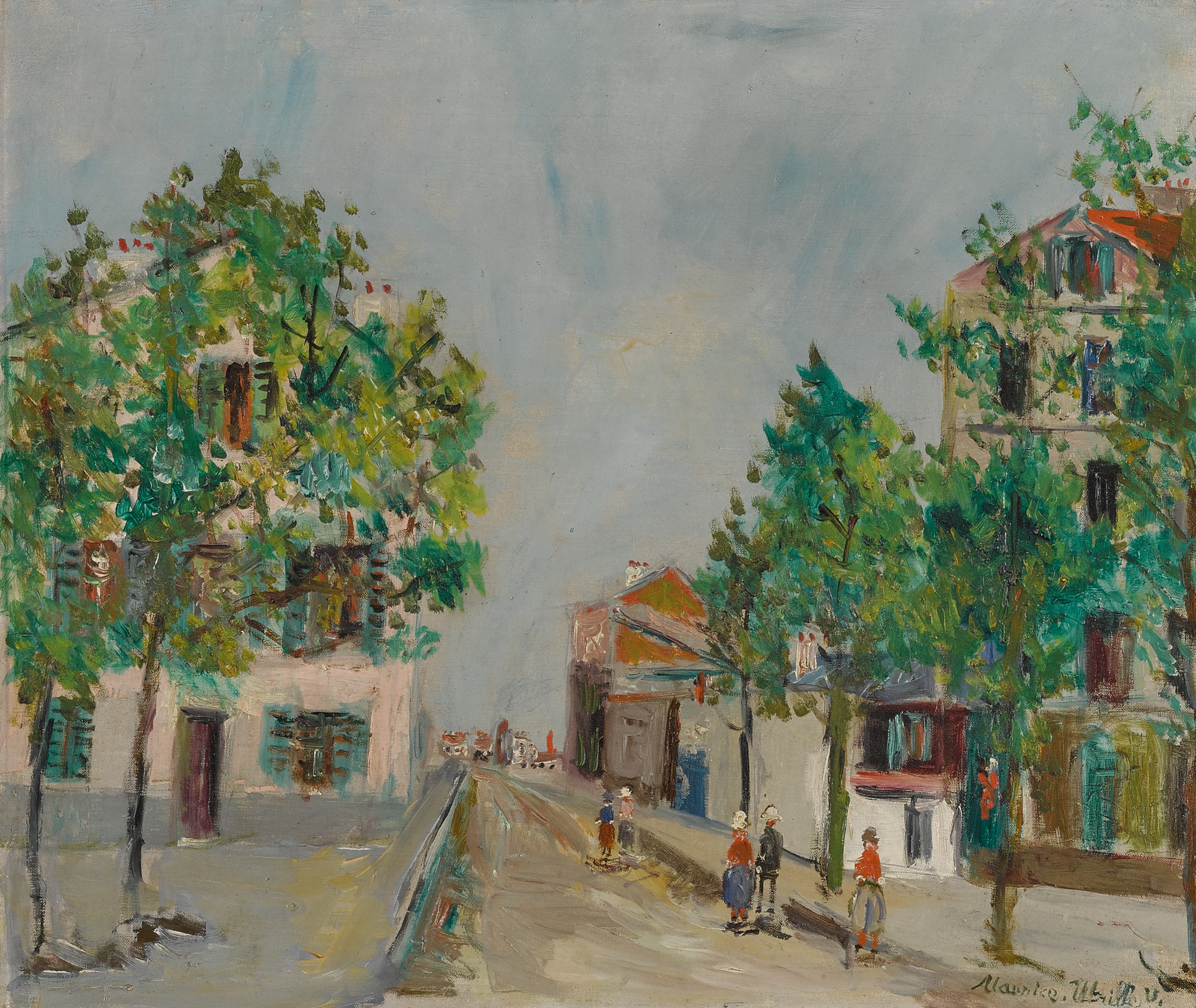
Maurice Utrillo
Rue a Bourg la Reine, 1941
The Street That Stays With You
There is something almost irrational about the pull of a great townscape. You stand in front of it and feel, unexpectedly, at home. Not in the literal sense, perhaps the street depicted is one you have never visited, the architecture unfamiliar, the light belonging to another country entirely. But there is a recognition that goes deeper than geography.
The best townscapes capture something about how it feels to move through the world, to be a person among buildings, under sky, in a city that existed before you arrived and will continue long after you leave. Collectors who fall for this genre tend to fall hard, and they tend to stay loyal to it. These are works that genuinely improve a room, not as decoration but as a kind of quiet companionship. What separates a good townscape from a truly great one is harder to articulate than it first appears.
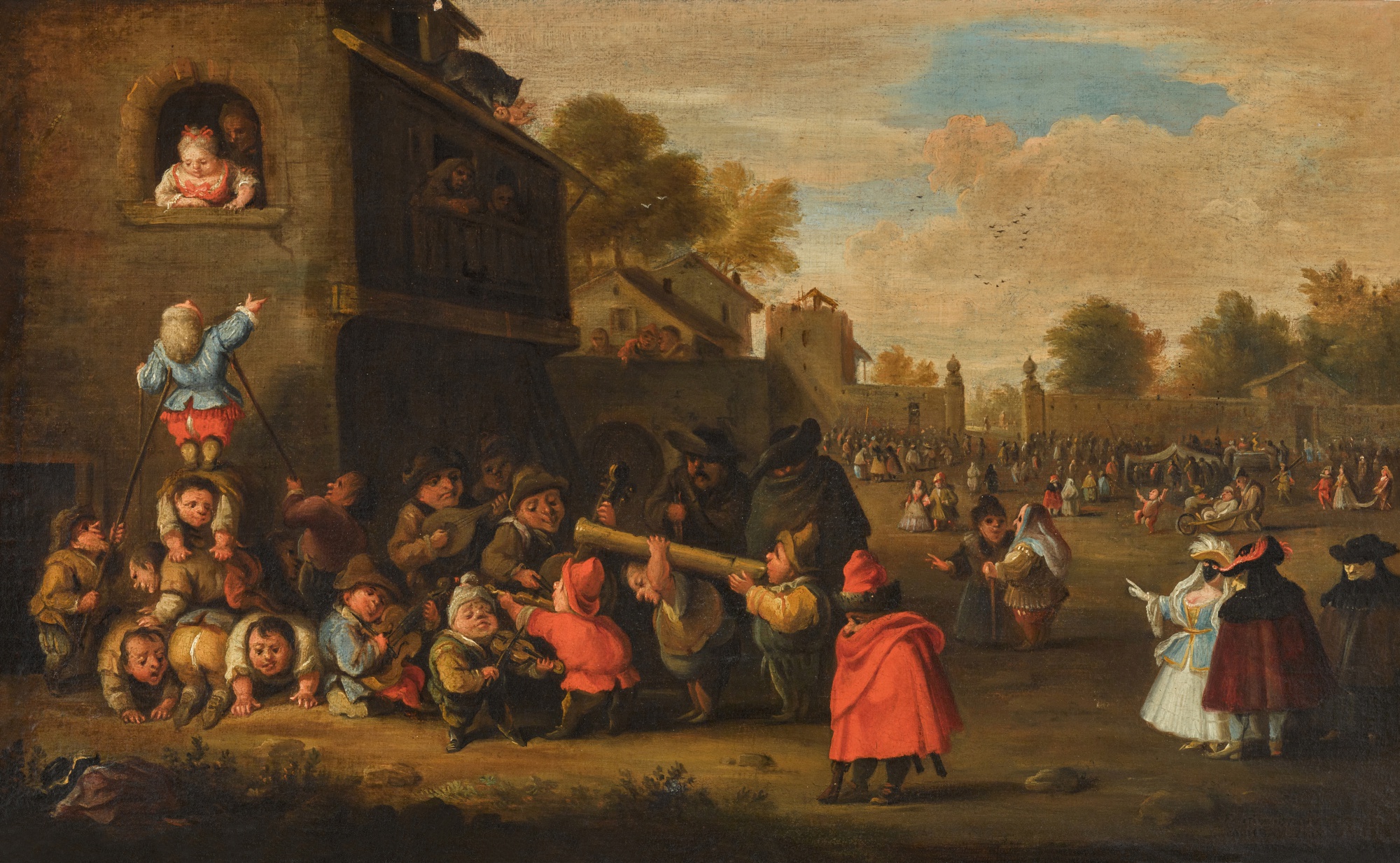
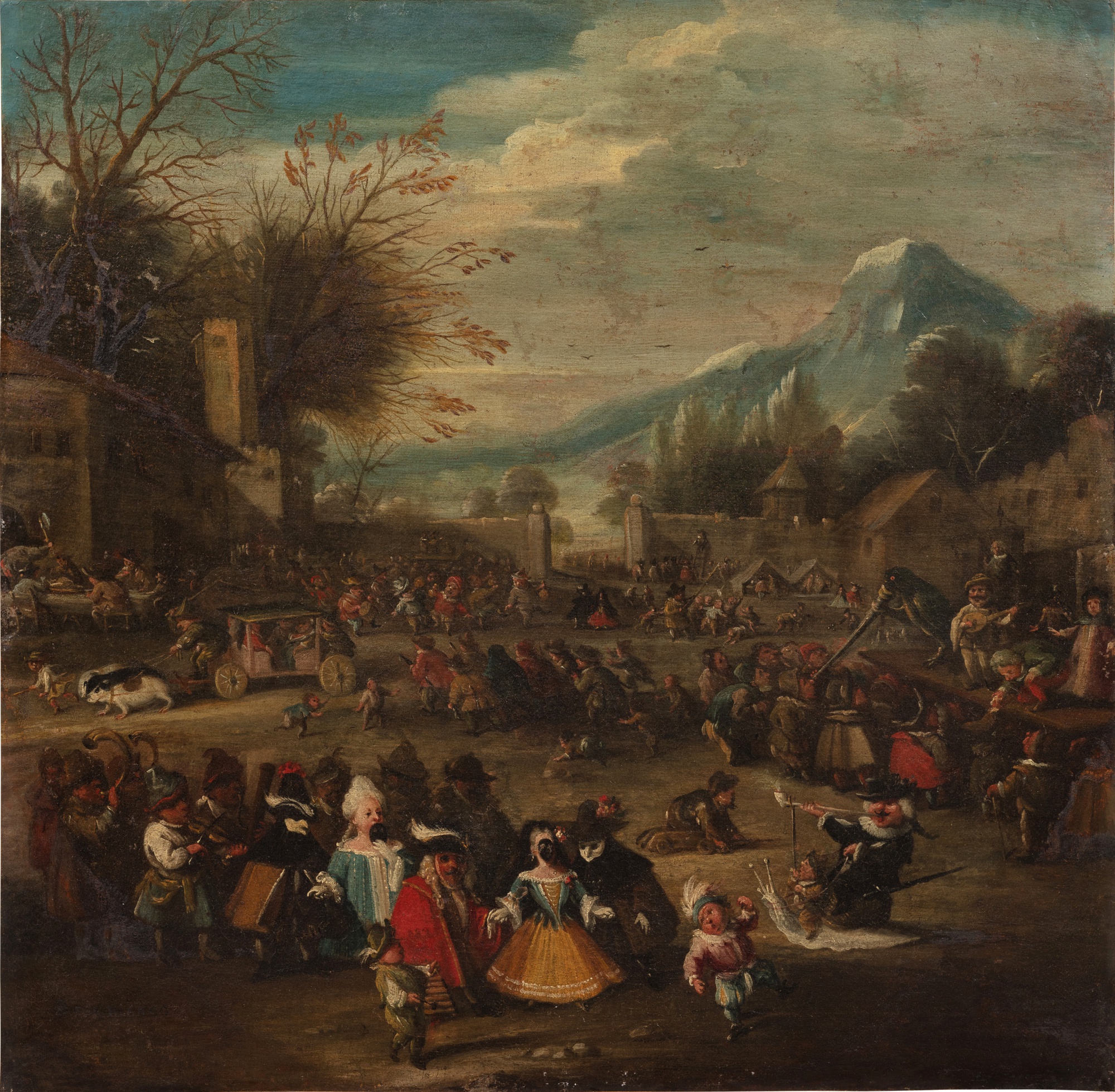
Faustino Bocchi
A townscape with an orchestra of dwarfs playing music with masked onlookers
It is tempting to reach for technical criteria, handling of perspective, accuracy of architectural detail, the rendering of reflected light on wet cobblestones. These matter, of course. But the works that endure in collections are the ones where you sense the artist's emotional relationship with the place. Utrillo is the obvious touchstone here.
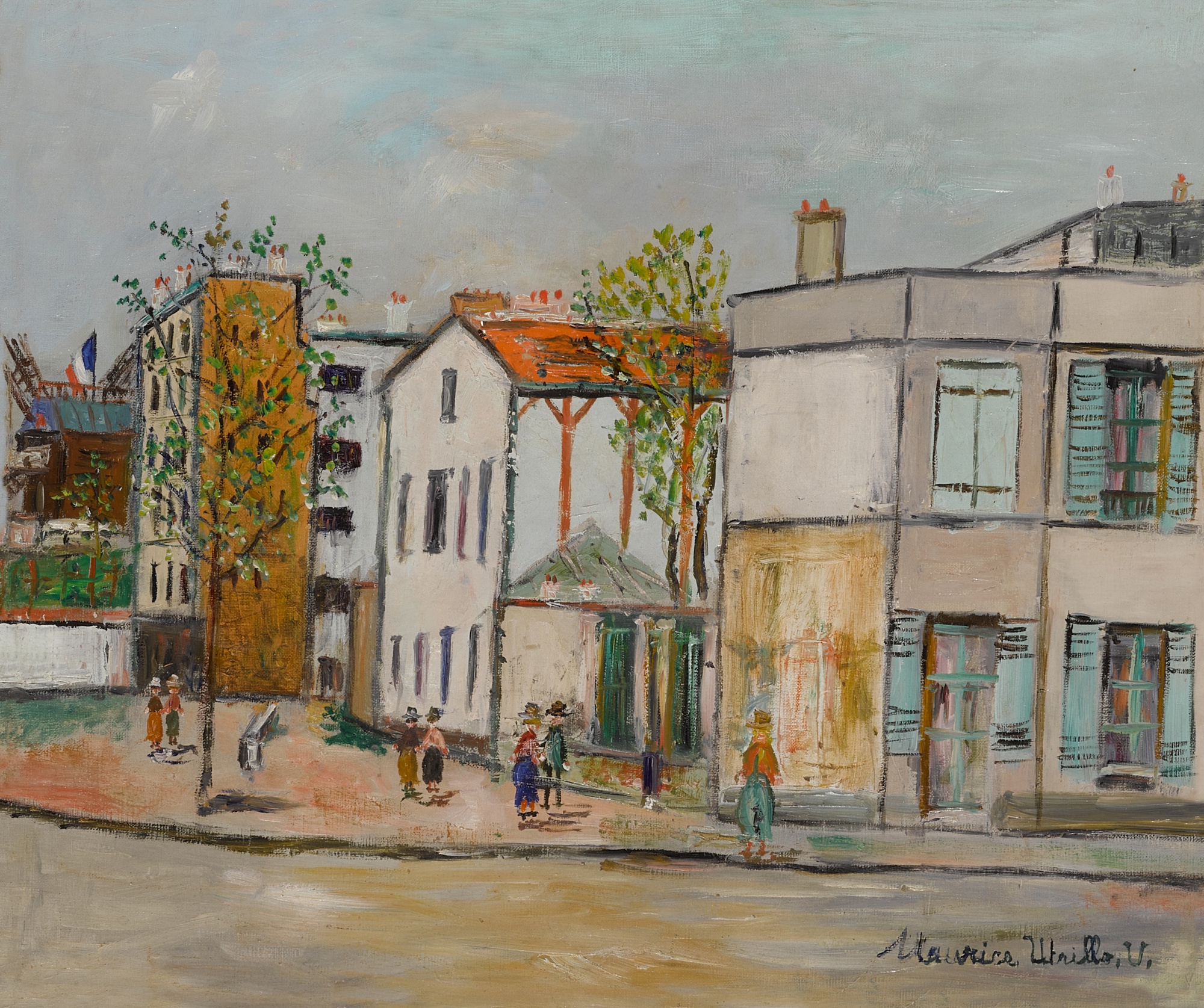
His streets of Montmartre, painted obsessively through the first decades of the twentieth century, are not particularly faithful records of those neighbourhoods. The proportions shift, the colours are sometimes hallucinatory, the space flattens in ways that defy conventional illusionism. And yet you feel those streets in your body. That quality, a kind of felt truth rather than a photographed one, is what elevates a townscape from competent to essential.
Maurice Utrillo
Rue a Bourg la Reine, 1941
Maurice Utrillo, whose work appears on The Collection, remains one of the most compelling cases in twentieth century art. His reputation has fluctuated considerably since his death in 1955, which is precisely the kind of moment a thoughtful collector should pay attention to. The market for his work is deep, his name is firmly established in institutional collections worldwide, and yet he is not currently at the speculative peak that occasionally makes acquisition feel anxious and rushed. Works from his so called White Period, roughly 1909 to 1914, command serious attention, but even later canvases carry that unmistakable atmospheric charge.
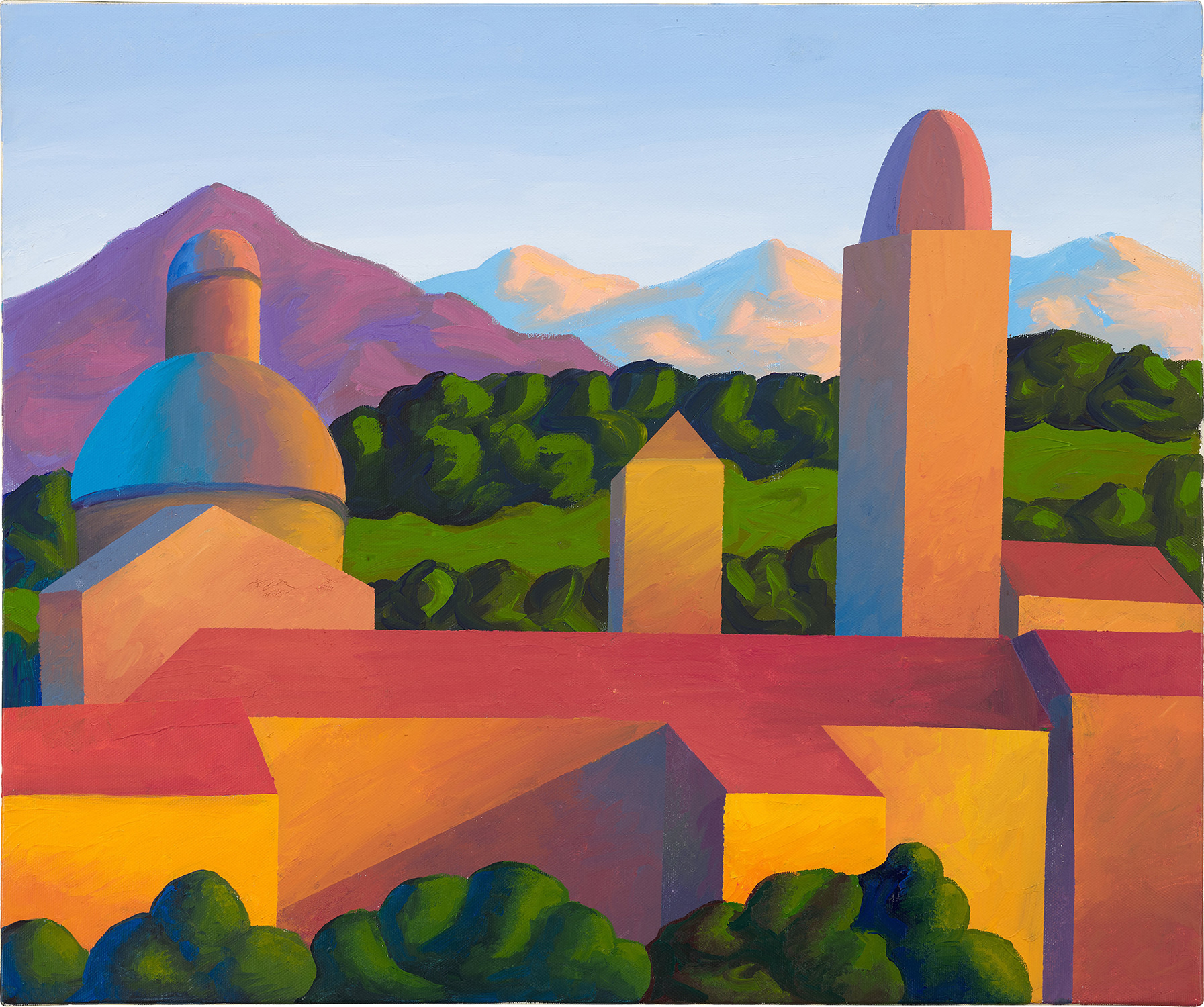
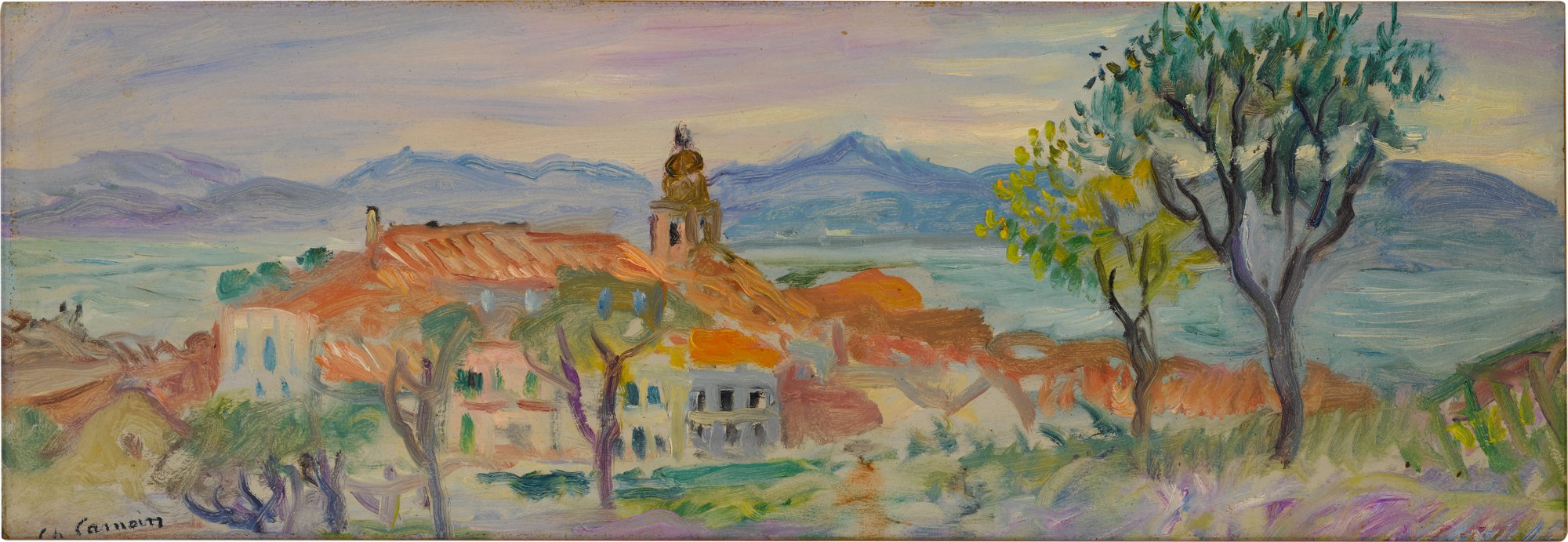
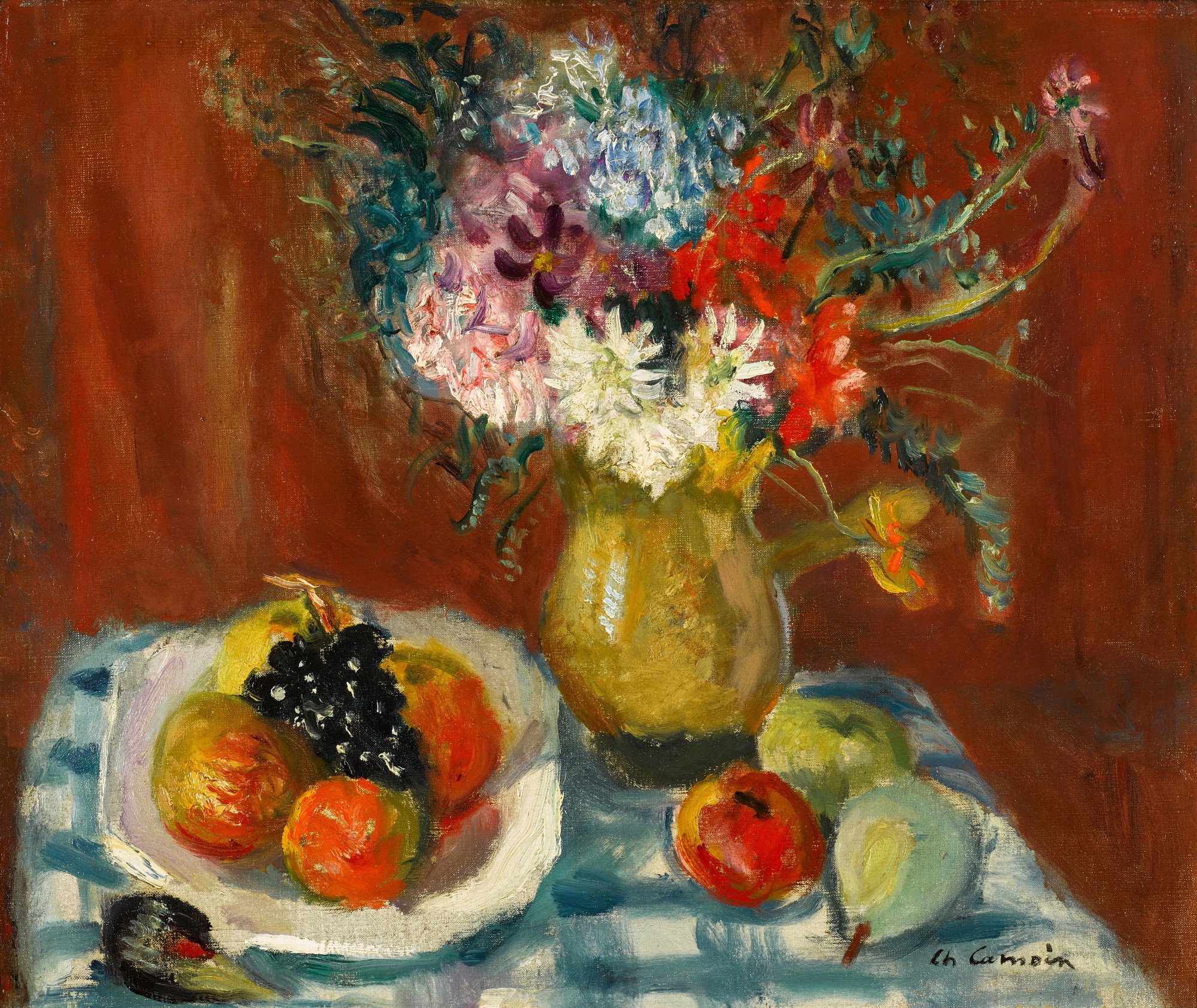
For a collector interested in the School of Paris, Utrillo belongs in the same breath as his contemporaries, and works by Charles Camoin, also represented on The Collection, offer an instructive comparison. Camoin, a close friend of Matisse and a committed Fauve, brought a very different sensibility to the southern French towns he painted, warmer in palette, more openly joyful, less haunted. Together they illustrate how much range the genre contains. The Italian artist Salvo, whose work also appears on The Collection, represents one of the more interesting cases for collectors looking beyond the canonical names.
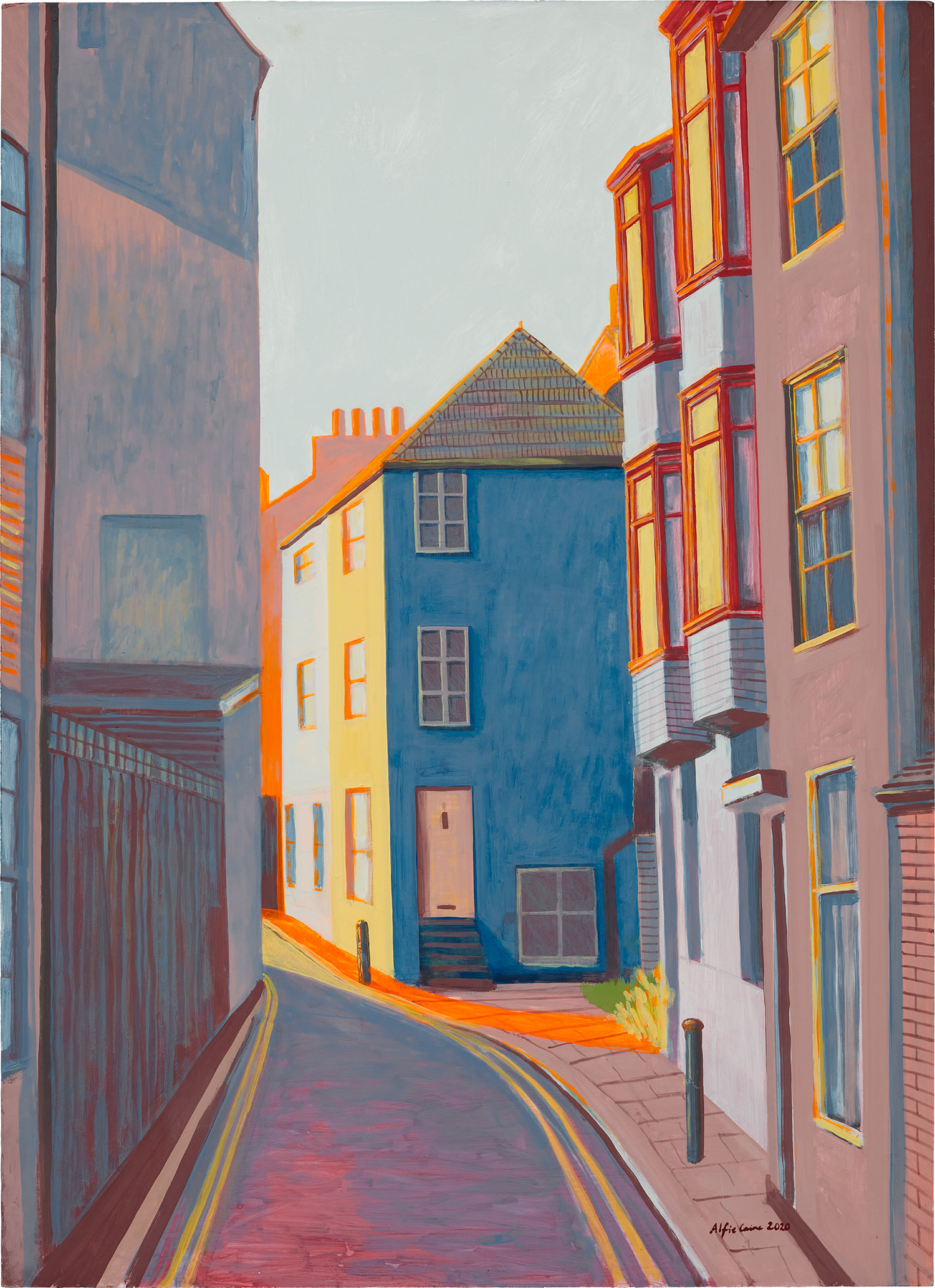
Alfie Caine
Hastings Old Town, 2020
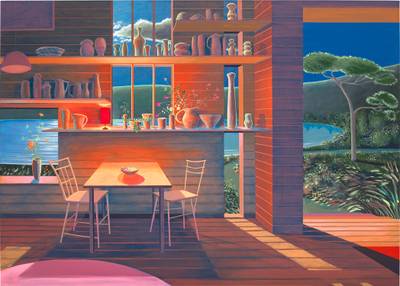
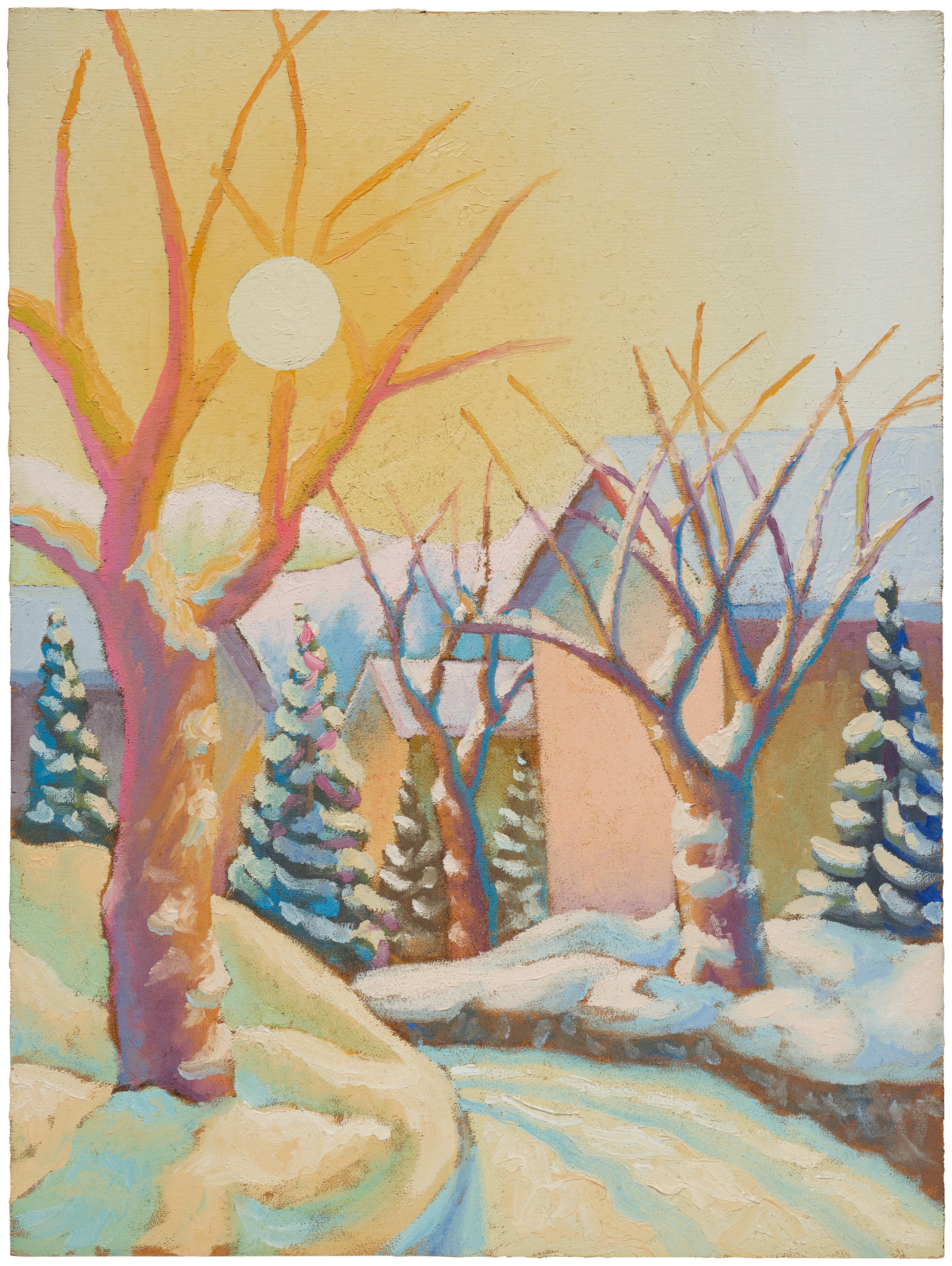
Salvo, born in 1947 and associated with Arte Povera before striking out in a more figurative direction, spent decades painting small Italian towns and anonymous urban margins with a stillness that feels almost metaphysical. His townscapes have attracted serious critical attention in Europe, and the secondary market for his work has strengthened considerably over the past decade. For a collector with patience and a genuine eye, Salvo represents exactly the kind of opportunity that townscape collecting rewards: an artist of real integrity whose full significance is still being absorbed by the broader market. On the question of emerging and underrecognised artists, it is worth paying attention to Alfie Caine, whose work on The Collection engages with townscape in ways that feel genuinely contemporary without resorting to irony or novelty.
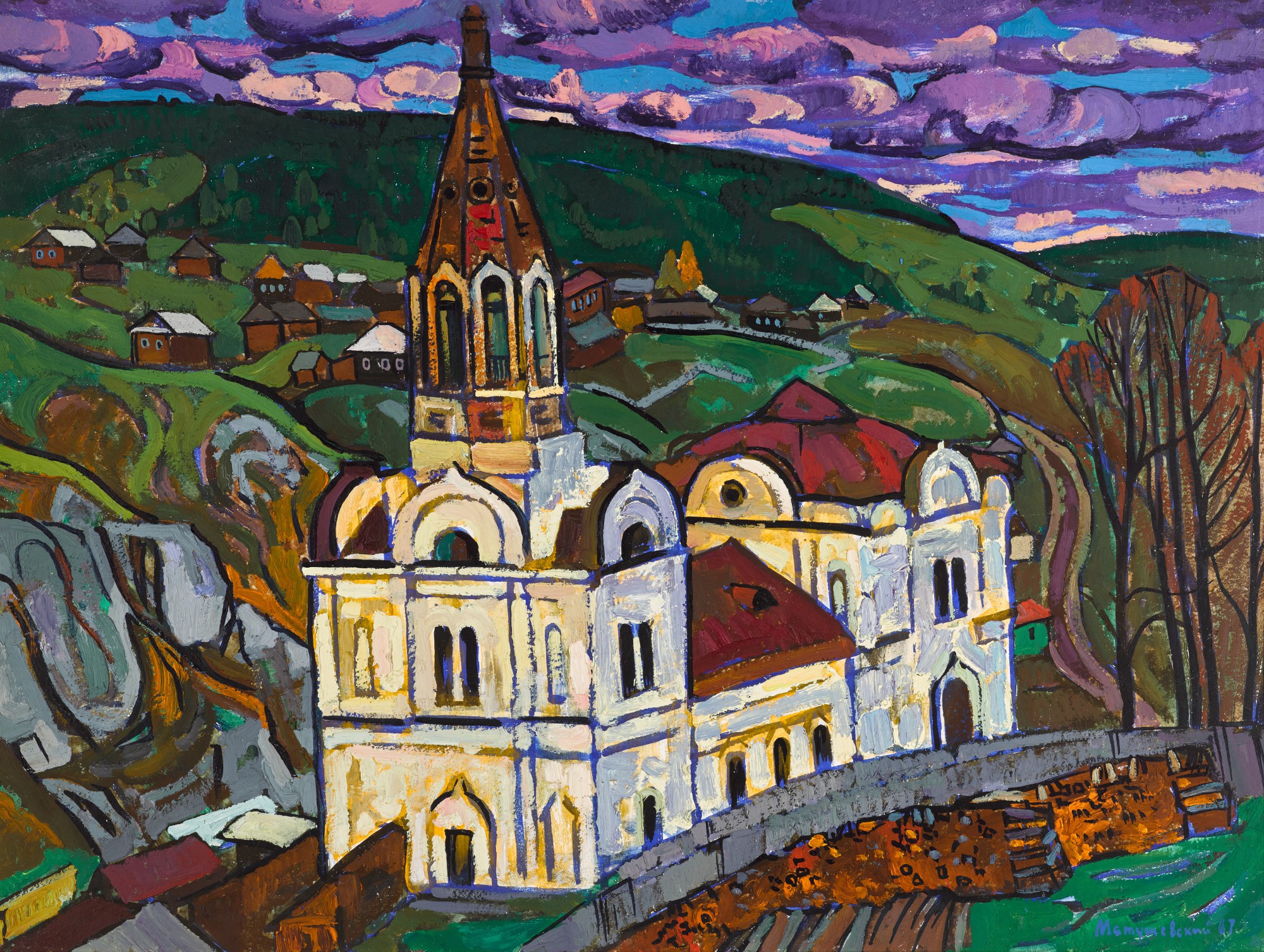
The tradition of the painted street, filtered through a sensibility formed in the present, is precisely where the most interesting new collecting opportunities tend to emerge. Similarly, Yuri Vladimirovich Matushevsky brings a distinctly Eastern European urban atmosphere to the genre, and work from artists working outside the dominant Western European and American market centres tends to be significantly undervalued relative to its quality. Geographic arbitrage, if one wants to think of it in those terms, is one of the oldest and most reliable strategies in collecting, and townscape is a category where it applies particularly well. At auction, townscapes perform with notable consistency when they clear the bar of genuine quality.
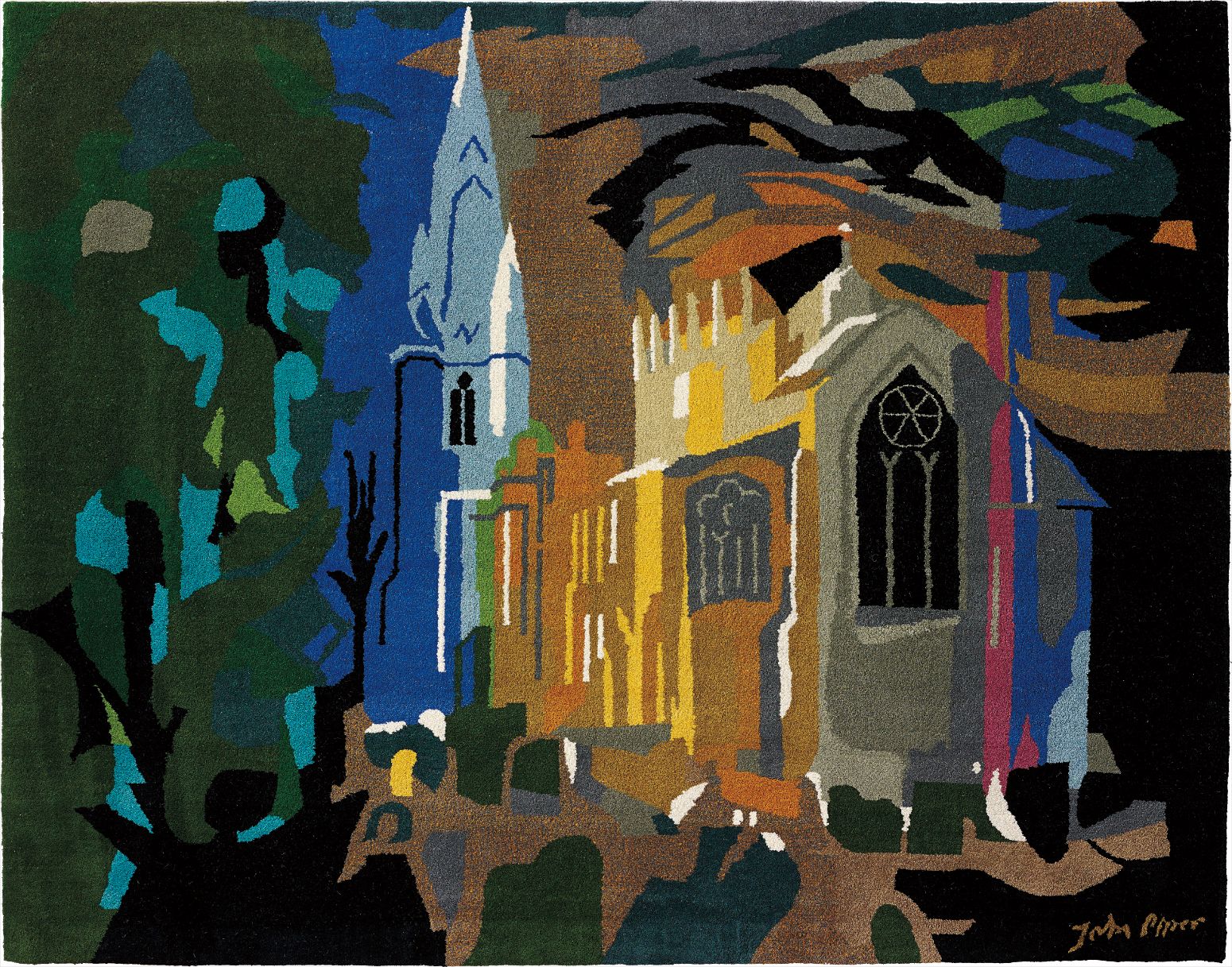
John Piper
Long Sutton, Lincolnshire
The category is broad enough to accommodate works across a wide range of price points, which makes it accessible to collectors at various stages of their journey. Strong examples by Utrillo regularly appear at the major Paris and London sale rooms, and the bidding tends to be competitive but not irrational. John Piper, the British artist whose work is represented on The Collection, offers an interesting case study in the secondary market: his townscapes and architectural subjects have performed extremely well in recent years, supported by a combination of institutional interest, sustained critical regard, and a collector base that spans both the traditional British market and international buyers drawn to mid twentieth century European figurative work. Piper's prints and unique works both appear at auction with regularity, and understanding the distinction between the two is important when building a position.
On that practical note: when acquiring a townscape, condition is everything and provenance matters more than in some other categories. Works on paper are particularly vulnerable to light damage and humidity, and it is worth asking any gallery or dealer directly about exhibition history, storage conditions, and any past restoration. For unique paintings, request a condition report from a conservator you trust rather than relying solely on the vendor's assessment. In terms of display, townscapes reward natural light when available but should never hang in direct sunlight.
Finally, ask the gallery about the artist's relationship to editions if prints are part of the conversation. Signed, numbered prints from small editions by artists like Piper can represent exceptional value and are considerably easier to live with than their rarity suggests. The townscape, at its best, is a window that never quite shows you the same view twice, and that is precisely why collectors return to it.