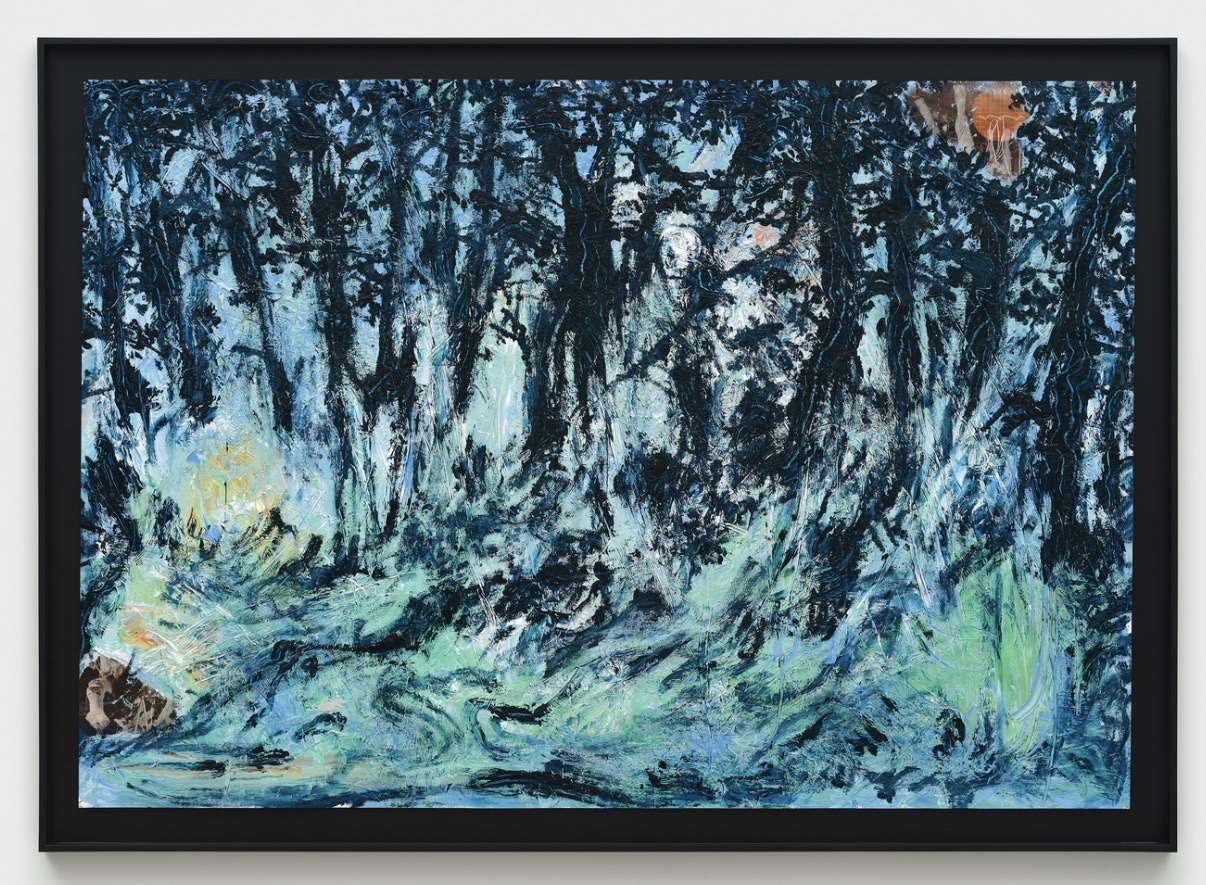
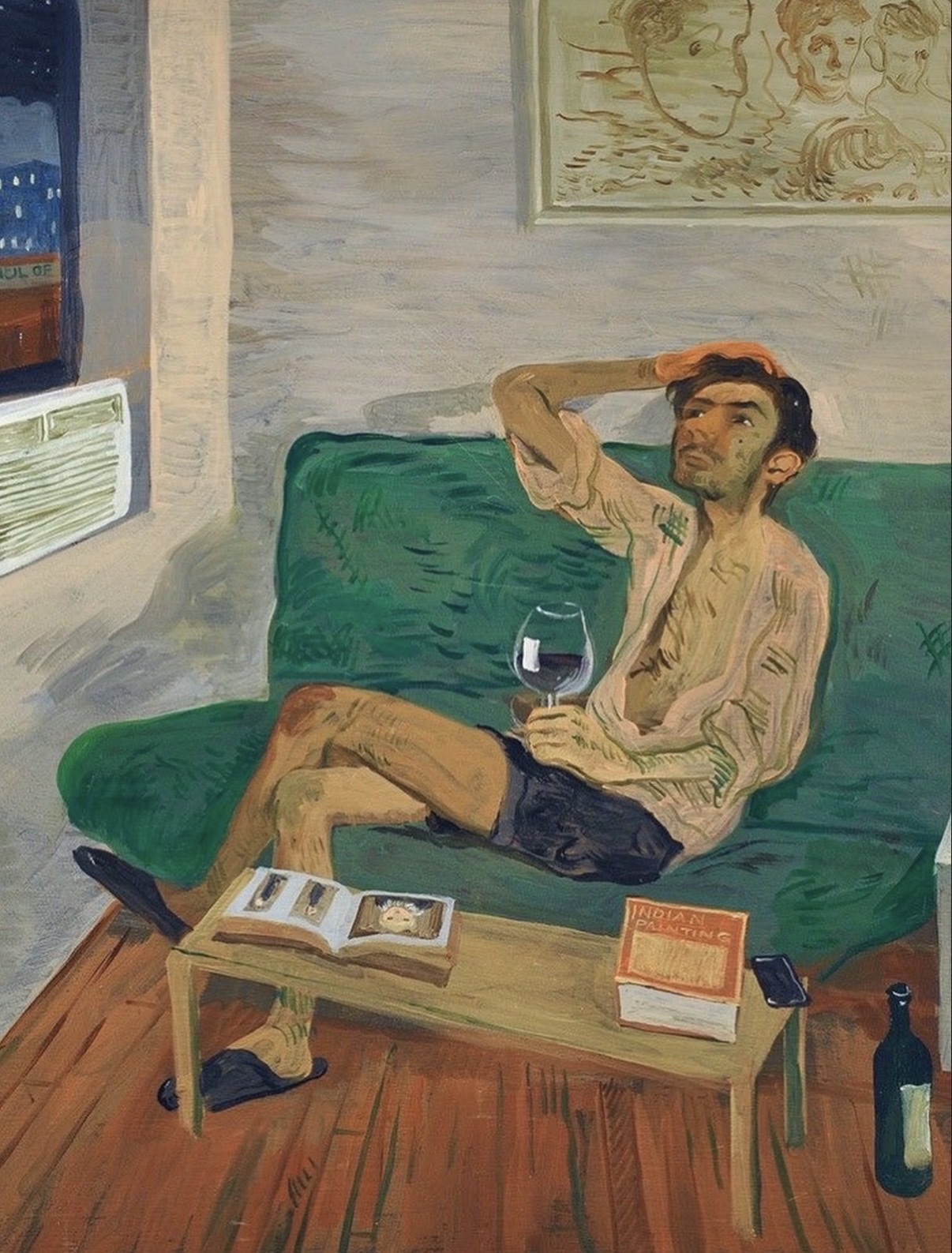
Theatrical
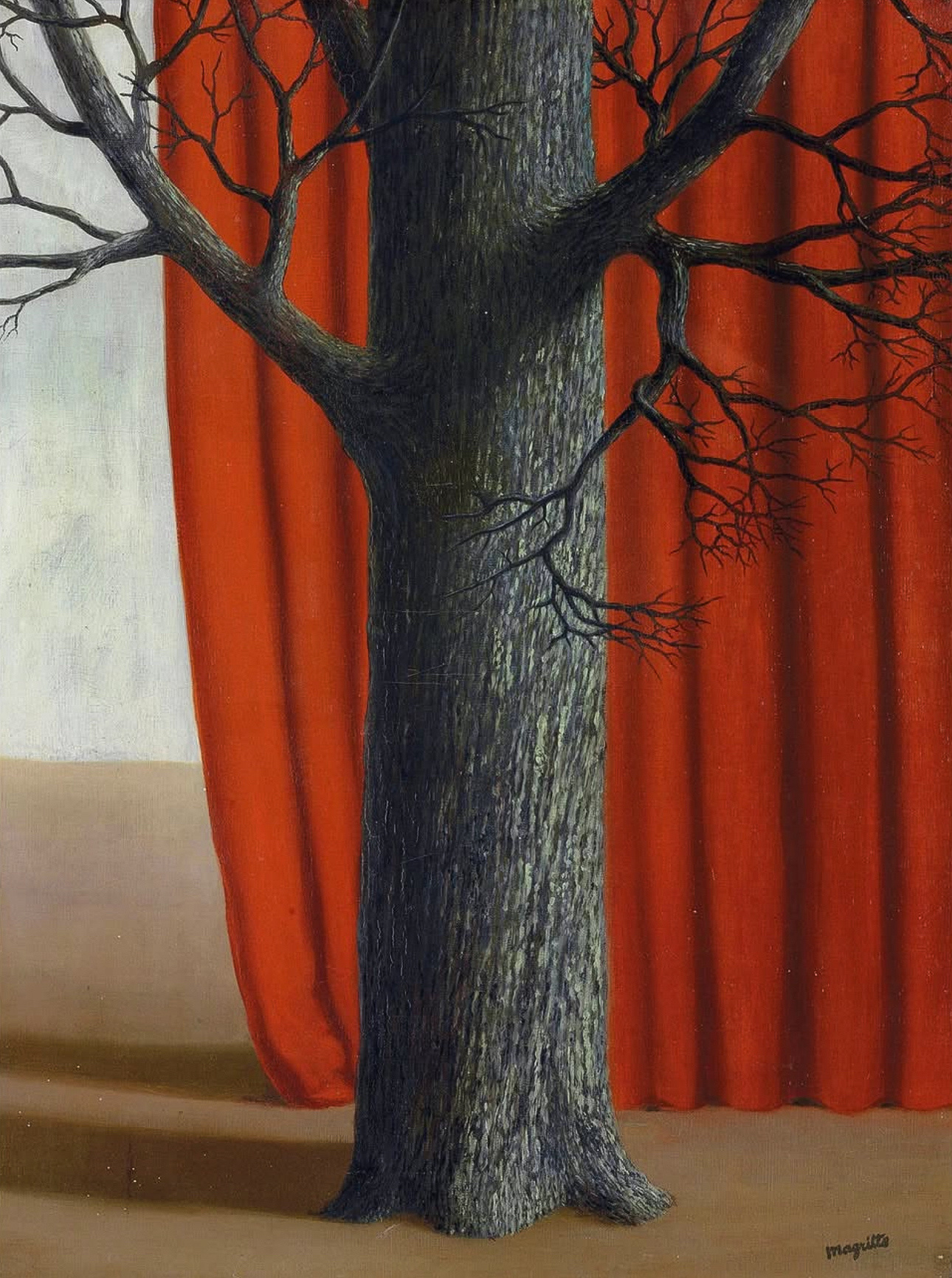
René Magritte
La parade, 1940

The Stage Was Never Just Metaphor
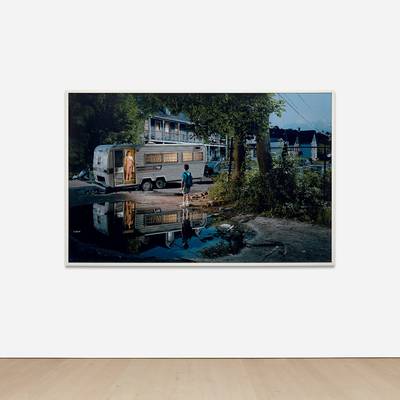
When Sotheby's brought a major Gregory Crewdson photograph to auction in recent years and watched it climb well past its high estimate, the result confirmed something collectors had quietly understood for a while: the theatrical image, the constructed scene, the world that announces itself as artifice rather than hiding it, carries a particular charge right now. We are living through a cultural moment saturated with performance, with the awareness that identity is assembled rather than inherited, with the suspicion that every image is a staging of some kind. Work that has always known this about itself feels newly urgent. The theatrical as a category in art is older than photography, older than the poster, older even than oil paint.
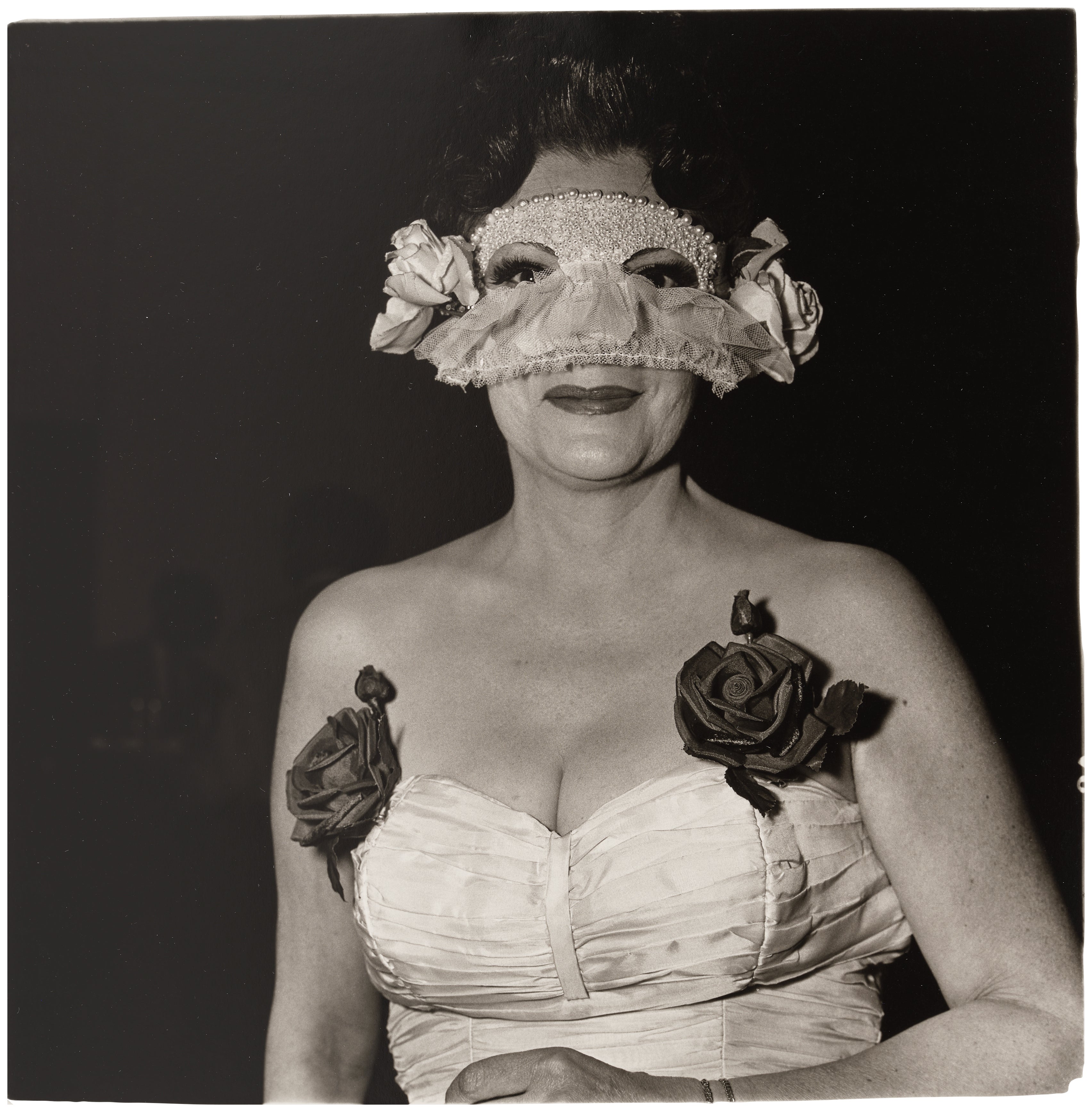
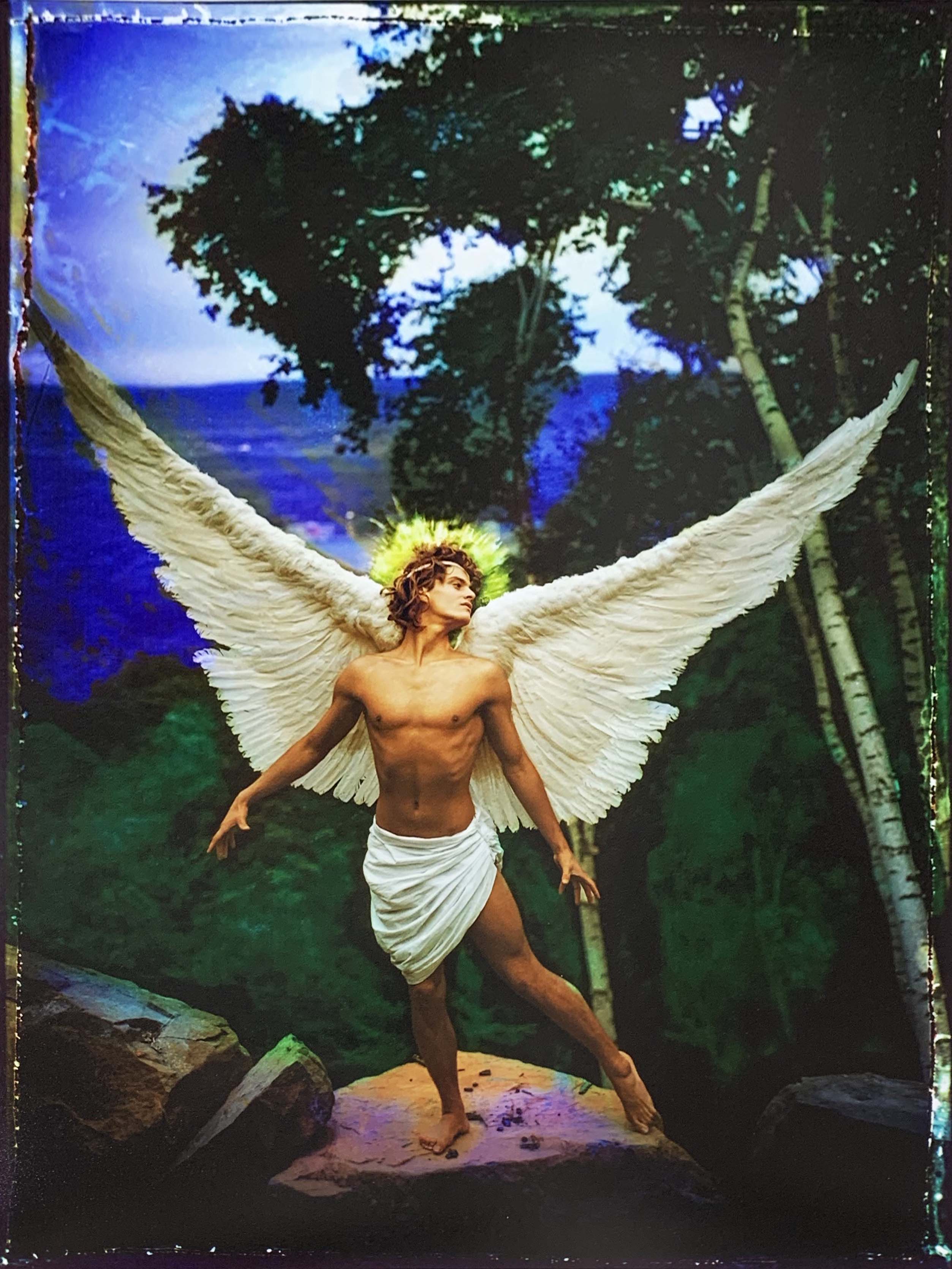
But what makes it electrifying to collect today is precisely how many different conversations it can hold at once. A Roman marble theatre mask from the third century A.D. and a David LaChapelle photograph from the 1990s are separated by nearly two millennia, yet they share a fundamental commitment to the idea that exaggeration is a form of truth.
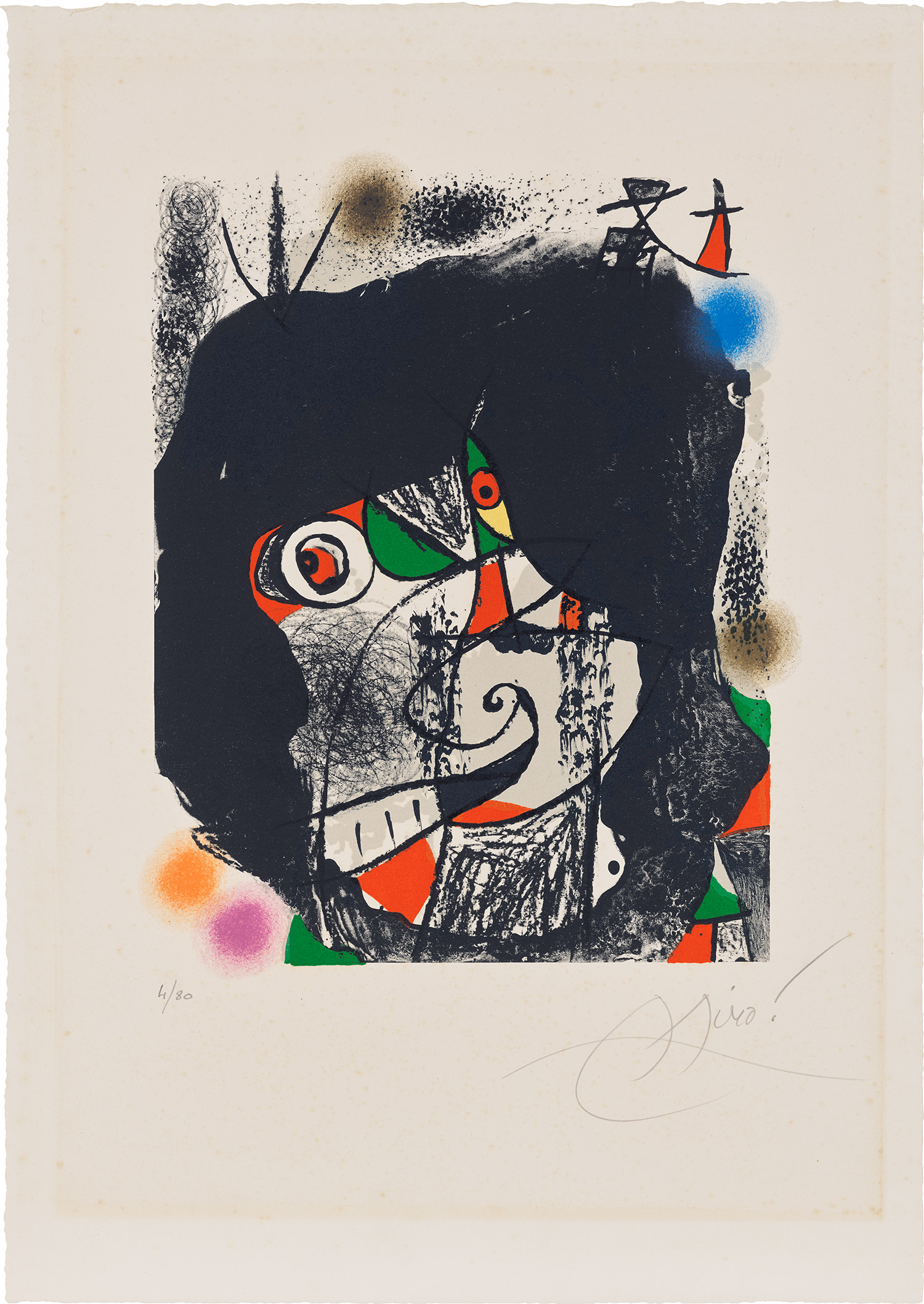
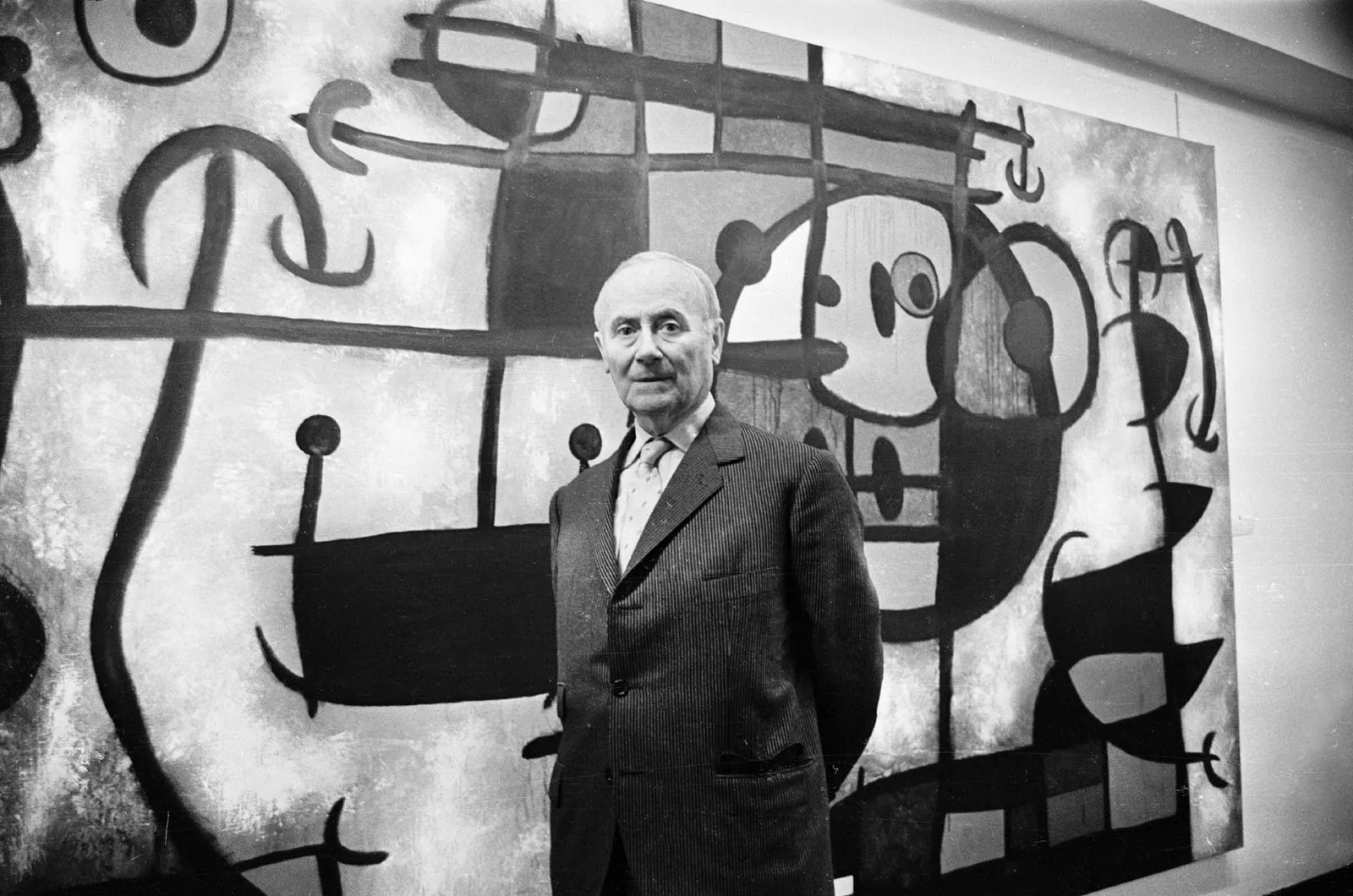
Joan Miró
Les révolutions scéniques du XXe siècle (The Revolution of Stage Design in the 20th Century): one plate (M. 1078, see C. Bks. 207)
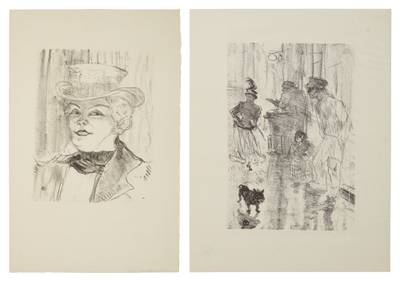
The mask amplifies emotion until it becomes archetype. LaChapelle amplifies glamour and decadence until they tip into something darker and more honest than any straightforward document could achieve. The market for theatrically inclined work has been buoyant across several registers. Henri de Toulouse Lautrec, whose presence in any serious collection devoted to this territory is essentially non negotiable, continues to perform strongly at auction.
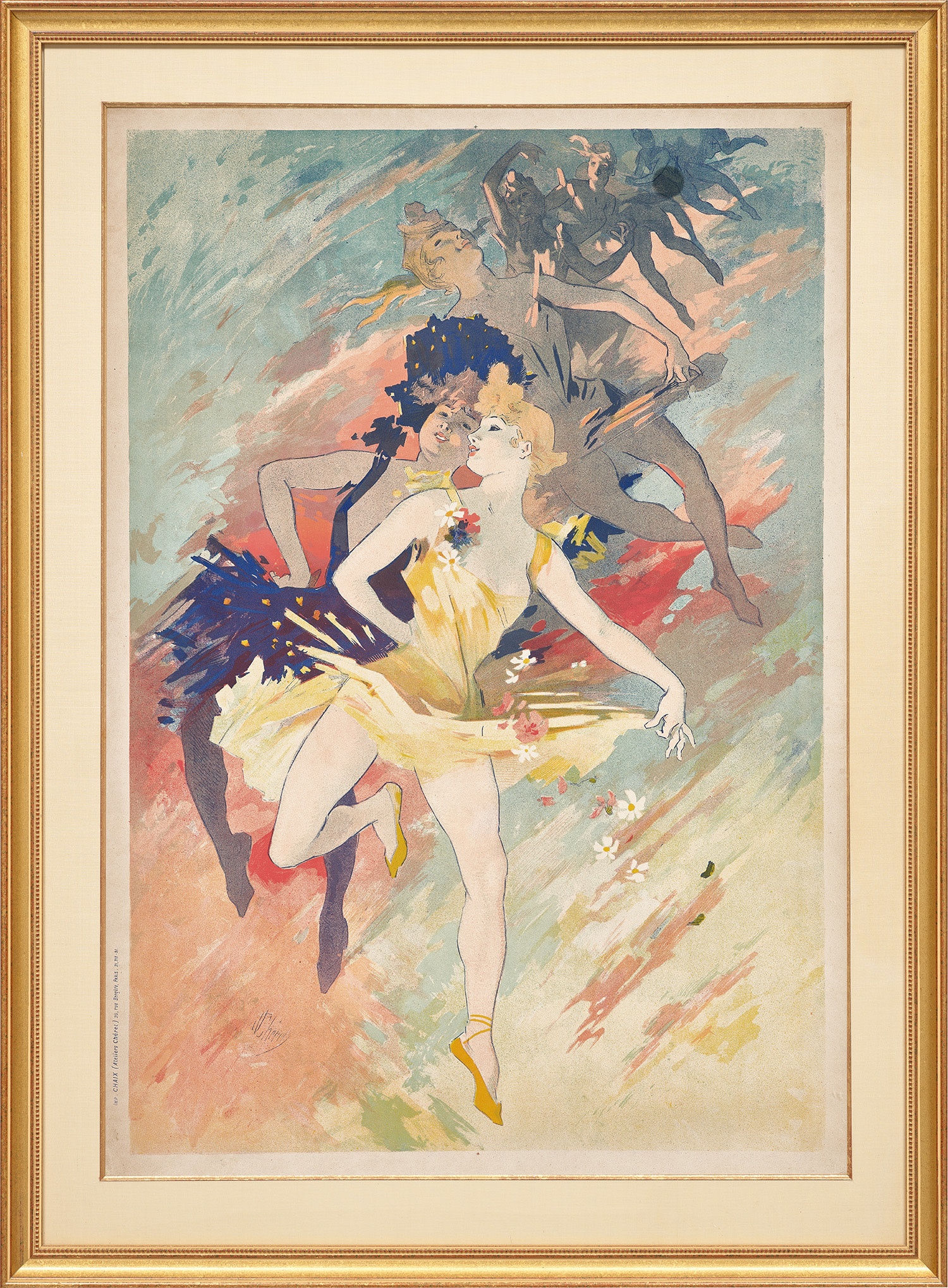
His posters and prints from the 1890s, which captured the performers of Montmartre with a mixture of affection and pitiless observation, remain among the most recognisable images in Western art, and that familiarity has not dulled their market appeal. Christie's and Sotheby's regularly see his works attract strong competition from European, American, and Asian bidders alike. Jules Chéret, whose influence on Toulouse Lautrec was substantial and who essentially invented the modern color lithograph poster as a popular art form, commands a more specialist following but rewards patient collectors handsomely. Among photographers, the market for Cindy Sherman has never really cooled since her institutional breakthrough in the 1980s.
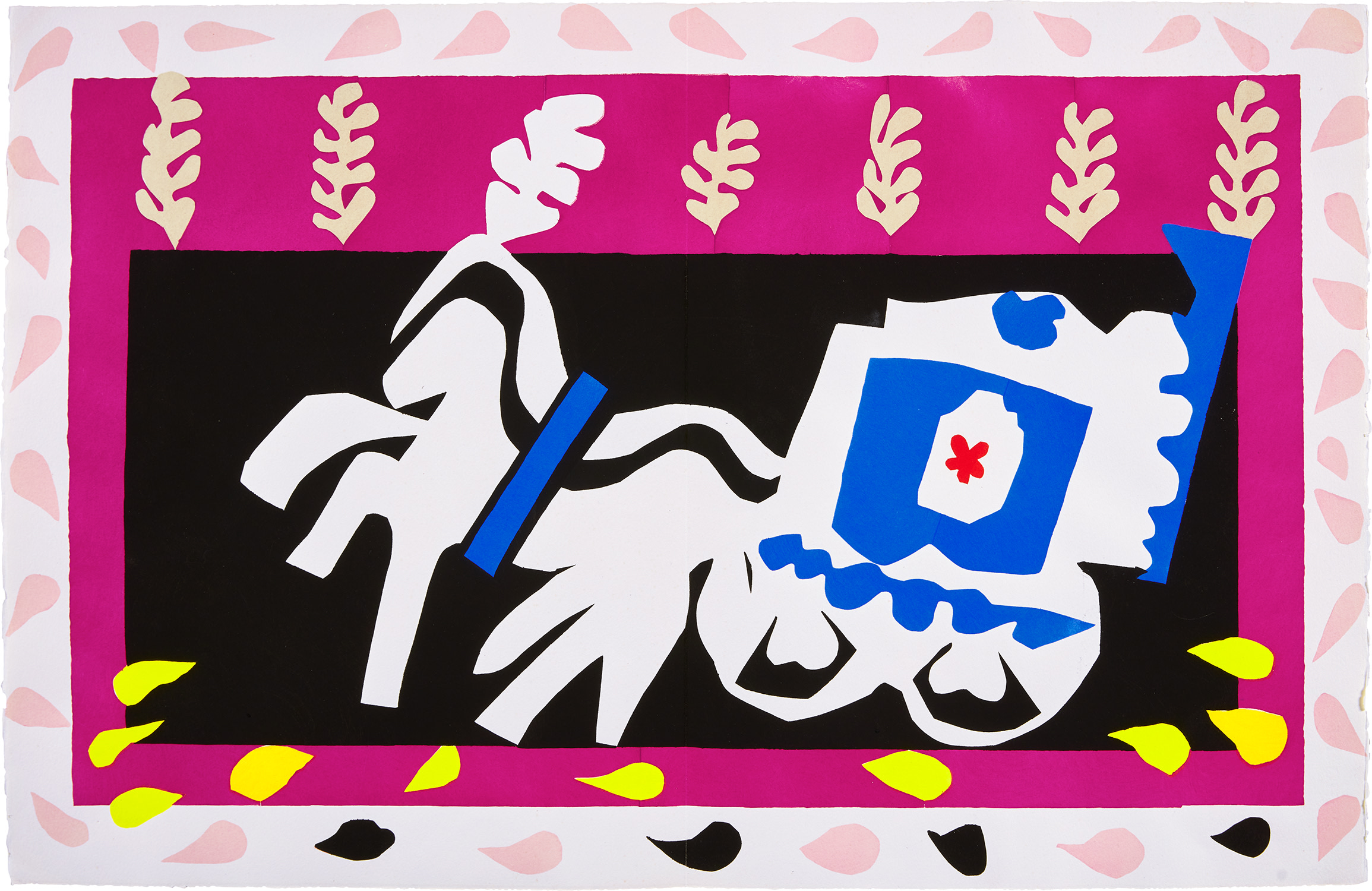
Henri Matisse
L'Enterrement de Pierrot (Pierrot's Funeral), plate 10 from Jazz (D. 22)
Her "Untitled Film Stills" transformed how the art world understood the photograph as a theatrical object, a record not of reality but of a performance staged specifically for the camera. Sherman's prices at auction have reached into the millions, and her work is held by virtually every major museum with a serious photography collection, from MoMA to the Tate to the Centre Pompidou. What Sherman opened, others have walked through. Crewdson's elaborately staged suburban tableaux, shot with cinematic crews and budgets to match, found their institutional home at institutions like the Photographers' Gallery in London and the Luhring Augustine gallery in New York, and his auction trajectory has followed his critical reputation steadily upward.
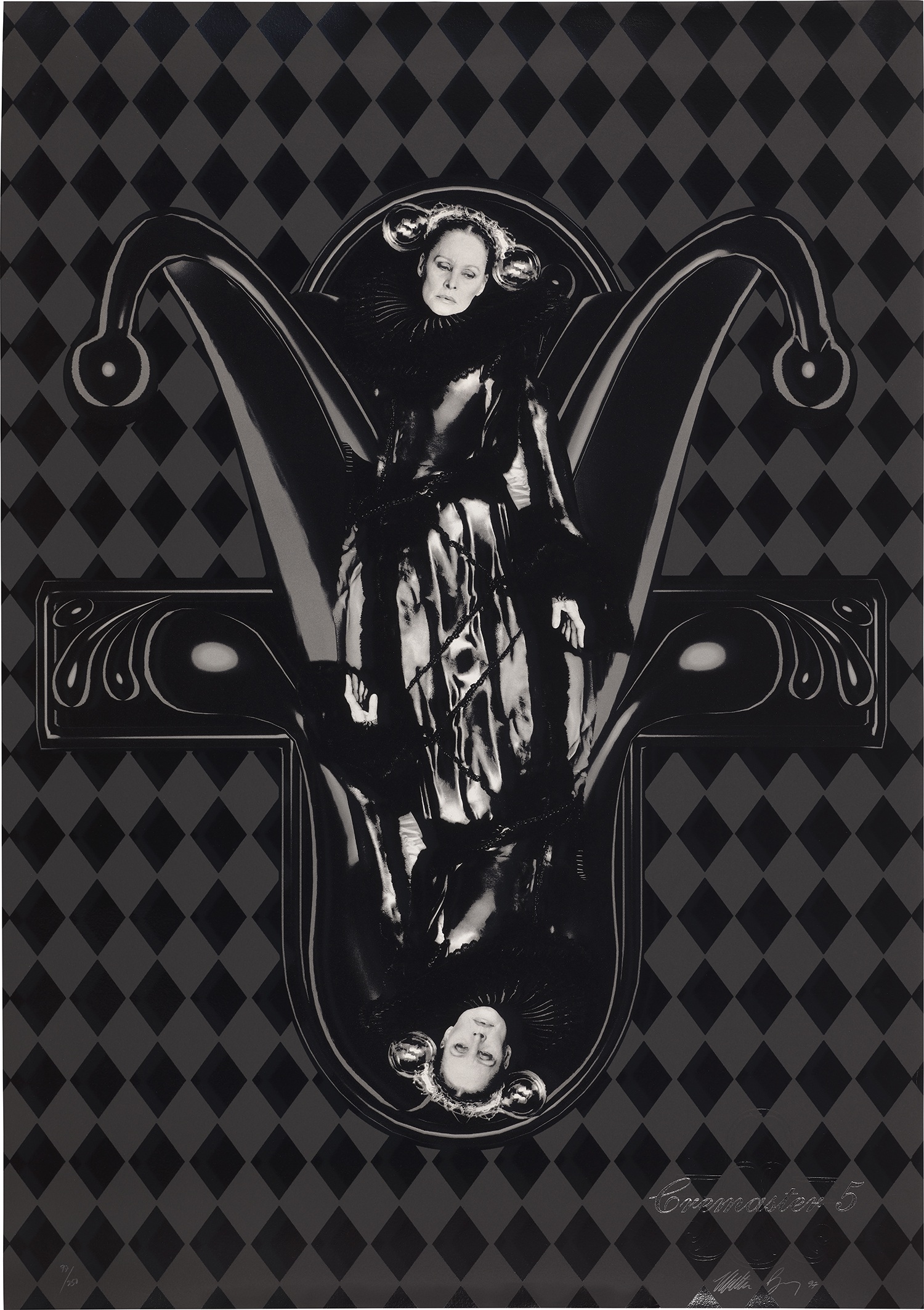
The critical conversation around theatricality in art has deep roots in a famous essay by the critic Michael Fried, "Art and Objecthood," published in 1967, in which Fried argued against what he called the theatrical quality of Minimalist sculpture. His argument was that good art should absorb the viewer rather than perform for them. The subsequent decades could be read as one long, productive argument with that position. Artists like Matthew Barney made theatricality the explicit subject and method of their practice.
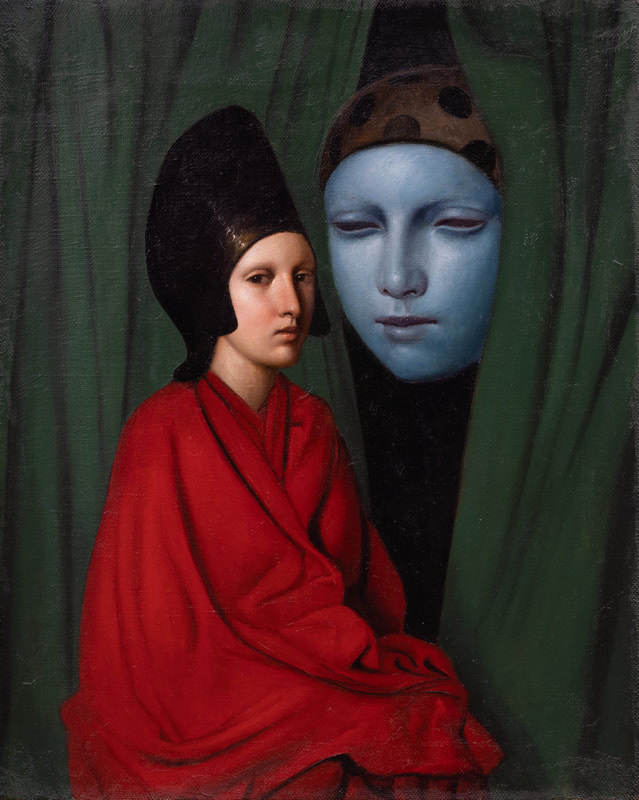
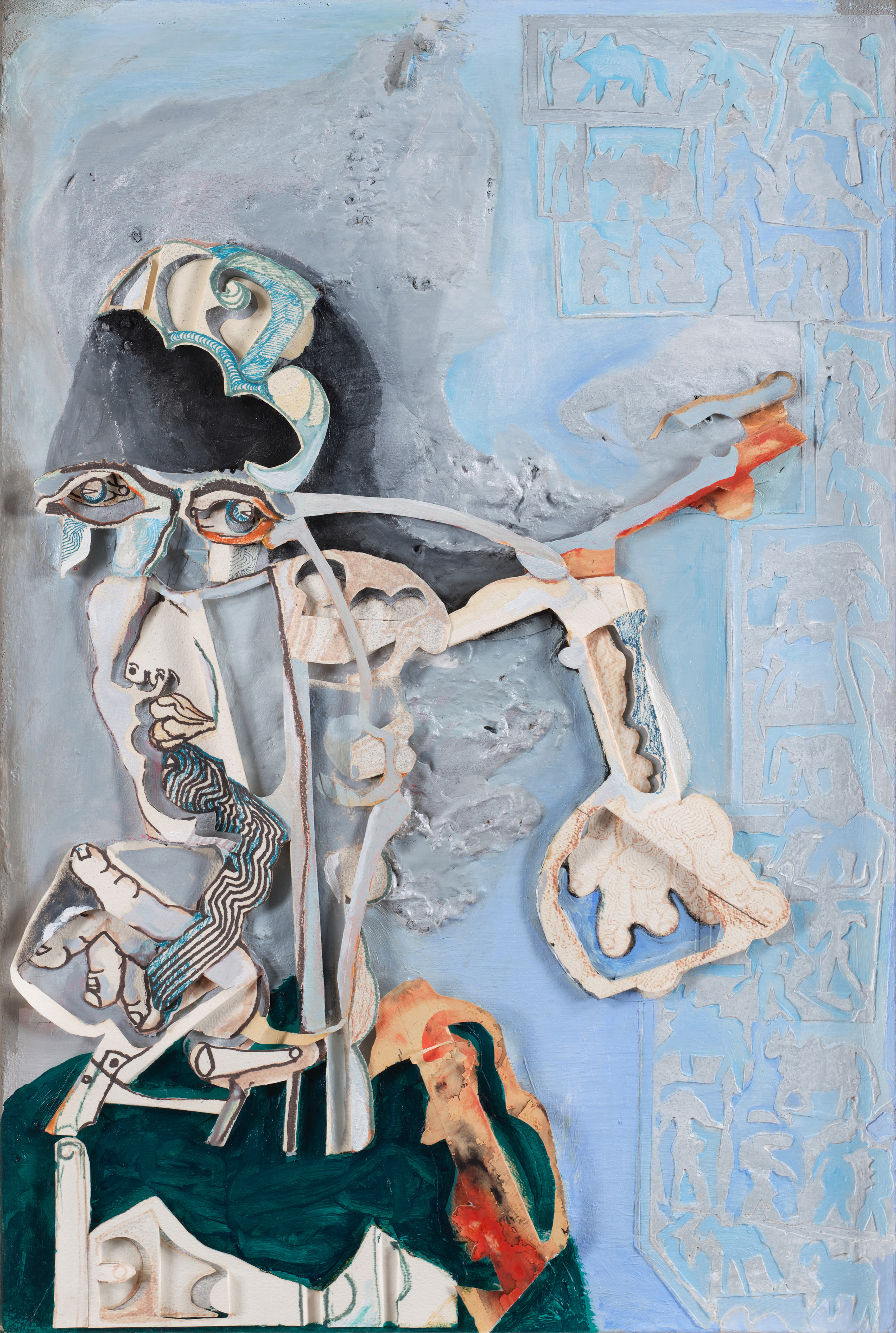
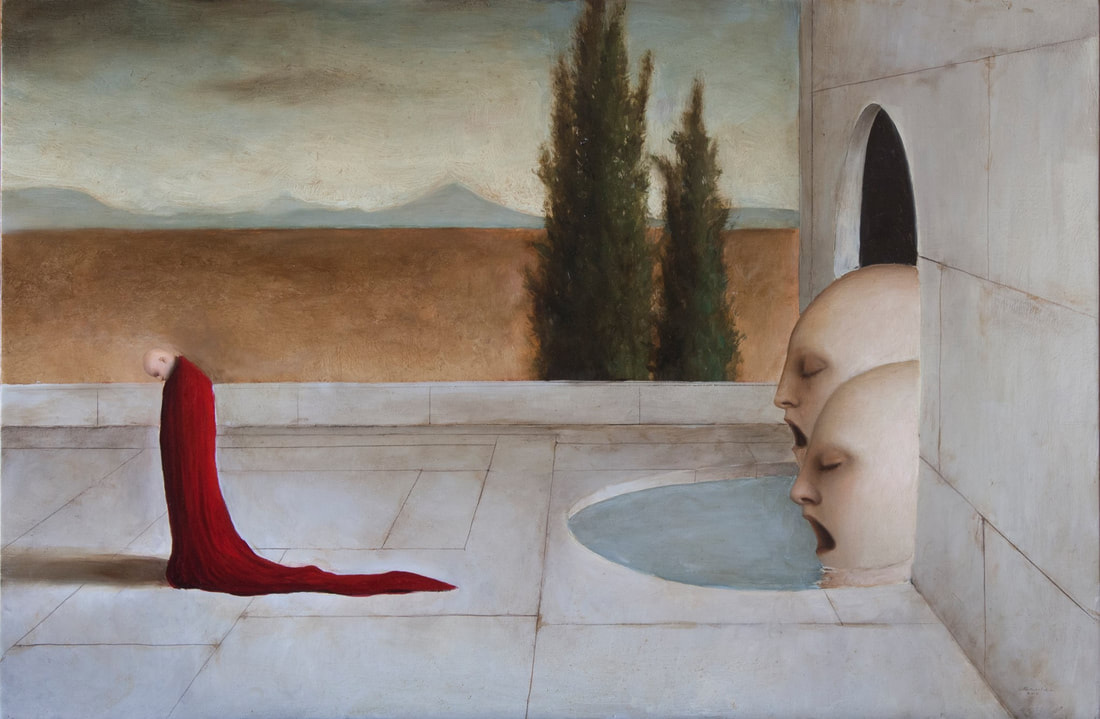
Alessandro Sicioldr
Custode, 2022
His "Cremaster" cycle, which toured internationally in the early 2000s and generated enormous critical attention, essentially treated the exhibition space itself as a stage set. Barney's market reflects his cult status rather than broad institutional accessibility, but his works in major collections at the Guggenheim and elsewhere confirm his position as a defining figure in contemporary art's relationship to spectacle. Museums have been increasingly attentive to this territory. The Barbican in London has mounted ambitious shows that blur the line between visual art and performance.
Yinka Shonibare CBE RA, whose work is well represented on The Collection and whose practice is saturated with theatrical reference, from Victorian costume to colonial masquerade, has been the subject of major surveys at the Museum of African Art in New York and elsewhere. His work rewards collectors who want something that operates on multiple levels simultaneously: the immediate visual pleasure of the thing, the political intelligence underneath it, and the wit that keeps it from becoming didactic. On the more intimate end of the spectrum, Genieve Figgis has attracted serious attention for her eerily festive paintings that look like they were excavated from a Regency house party that went subtly wrong. Her surfaces drip and blur in ways that recall Francis Bacon's destabilised figures, and her subjects, always seemingly mid performance, mid revelation, have attracted collectors who want the theatrical without the bombast.
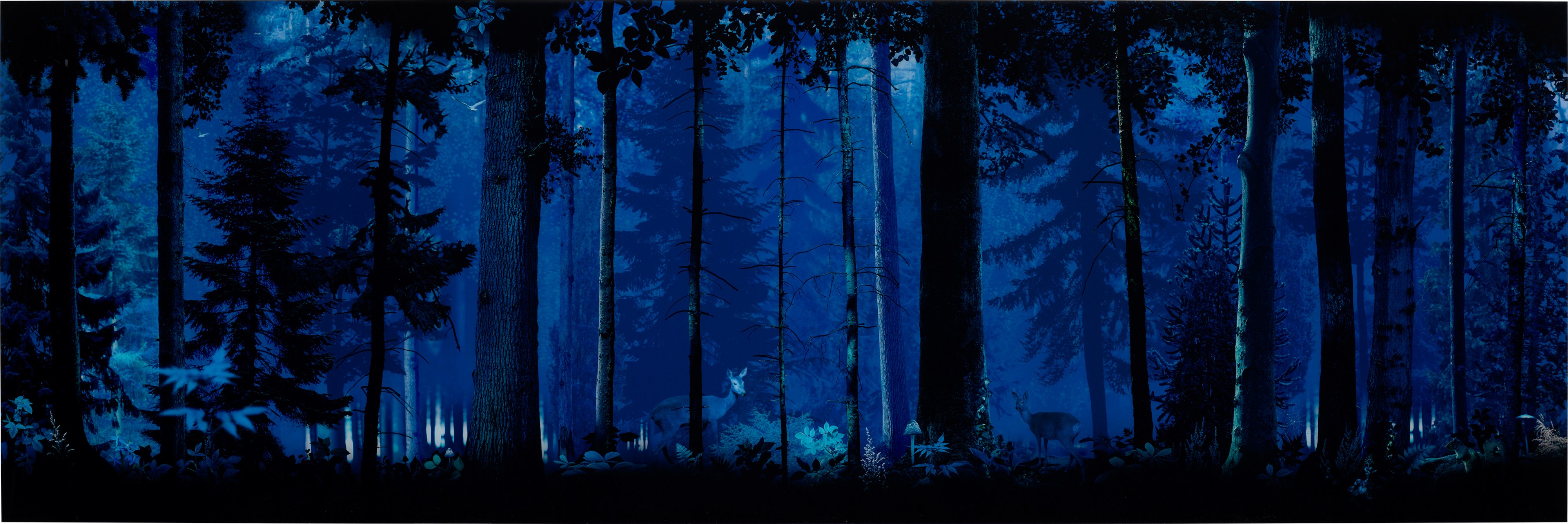
Ruud van Empel
Theatre #7, 2012
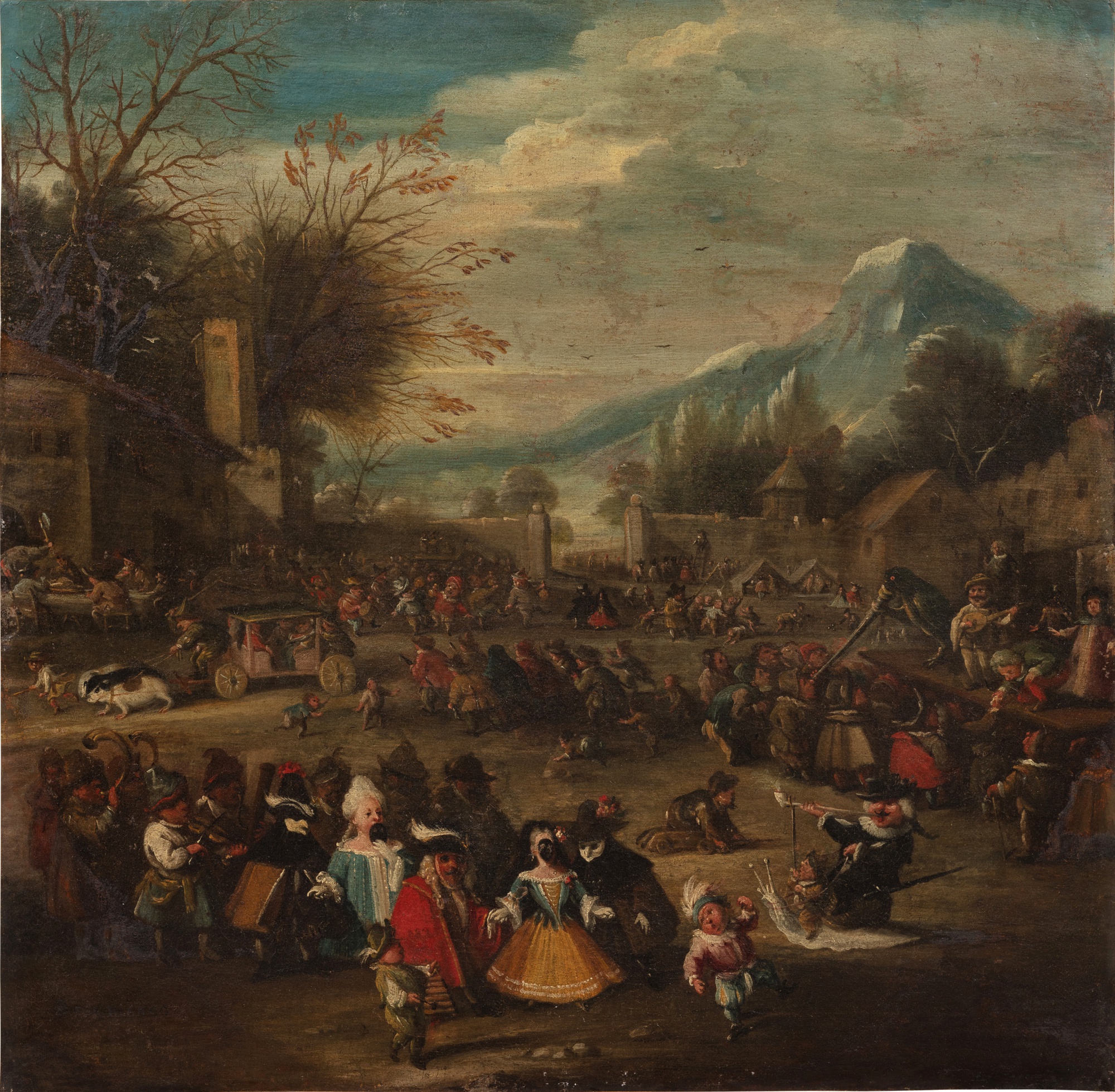
Figgis has been championed by curators and by fellow artists, and her auction results have climbed accordingly. Alessandro Sicioldr occupies a similarly atmospheric space, his paintings dense with symbolism and a kind of operatic melancholy that feels simultaneously very old and very now. The energy in this space is moving in a couple of interesting directions. One is toward historical rediscovery: Faustino Bocchi, the Italian Baroque painter who specialised in scenes of dwarves and fantastical performers, is exactly the kind of figure who rewards a collector willing to look at the seventeenth century without assuming it has nothing left to offer.
Another direction is toward the intersection of the theatrical and the political. The masquerade traditions of non Western cultures, visible in a Javanese topeng mask or in the work of Shonibare, are being reconsidered not as curiosities but as sophisticated visual philosophies. The institutions that are ahead of this conversation will shape what serious collectors want to own over the next decade. The stage, as it turns out, has always been one of the most honest places to look for truth.