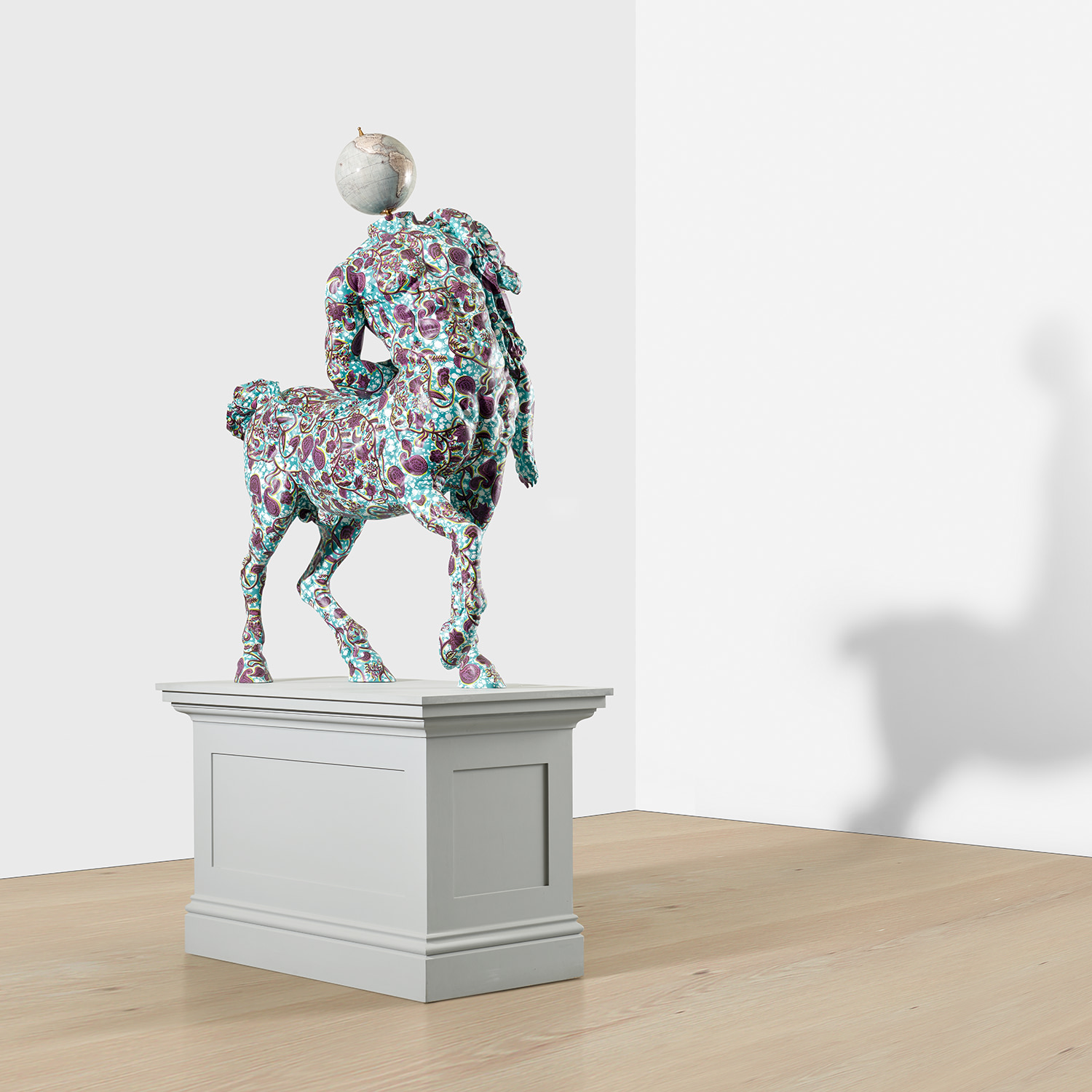
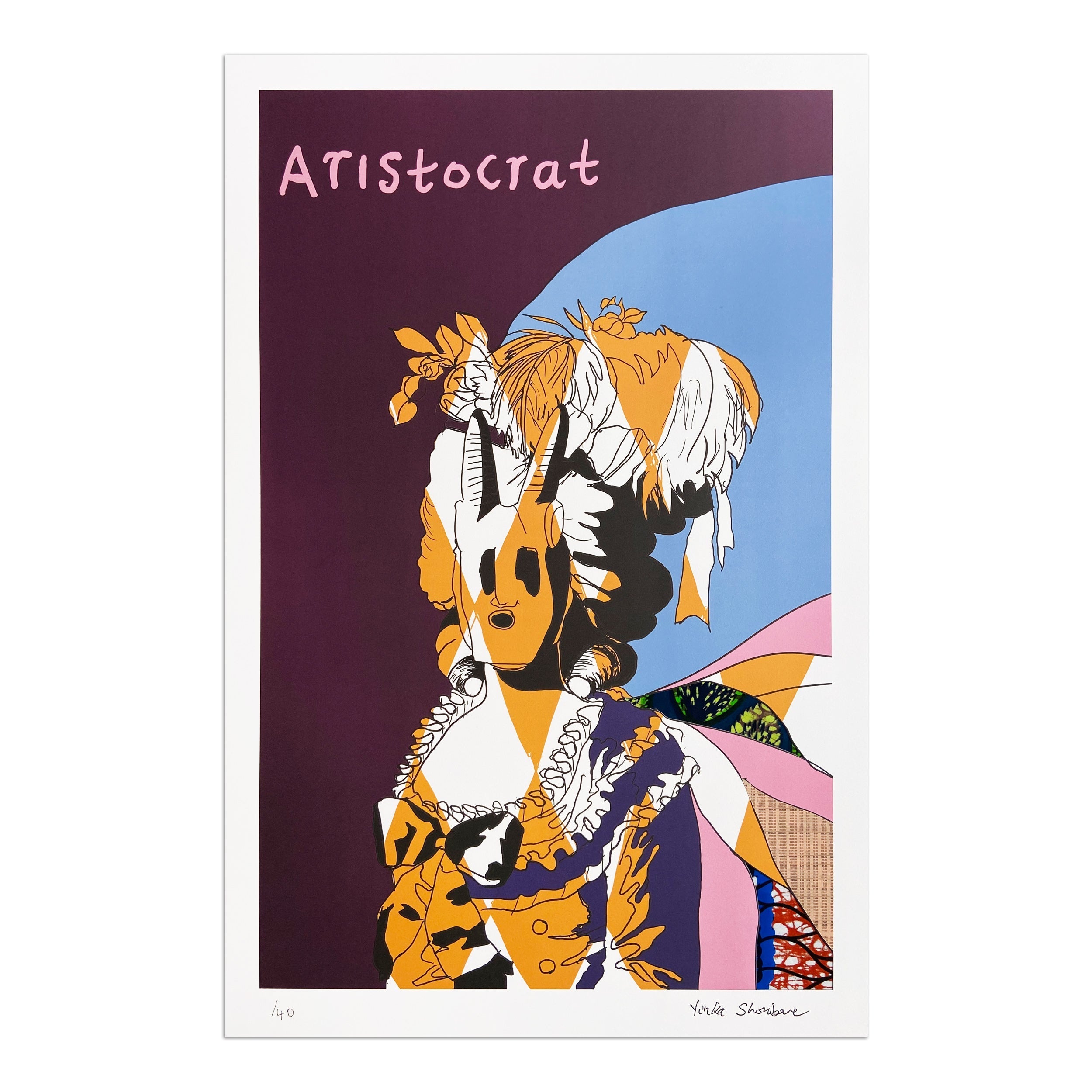
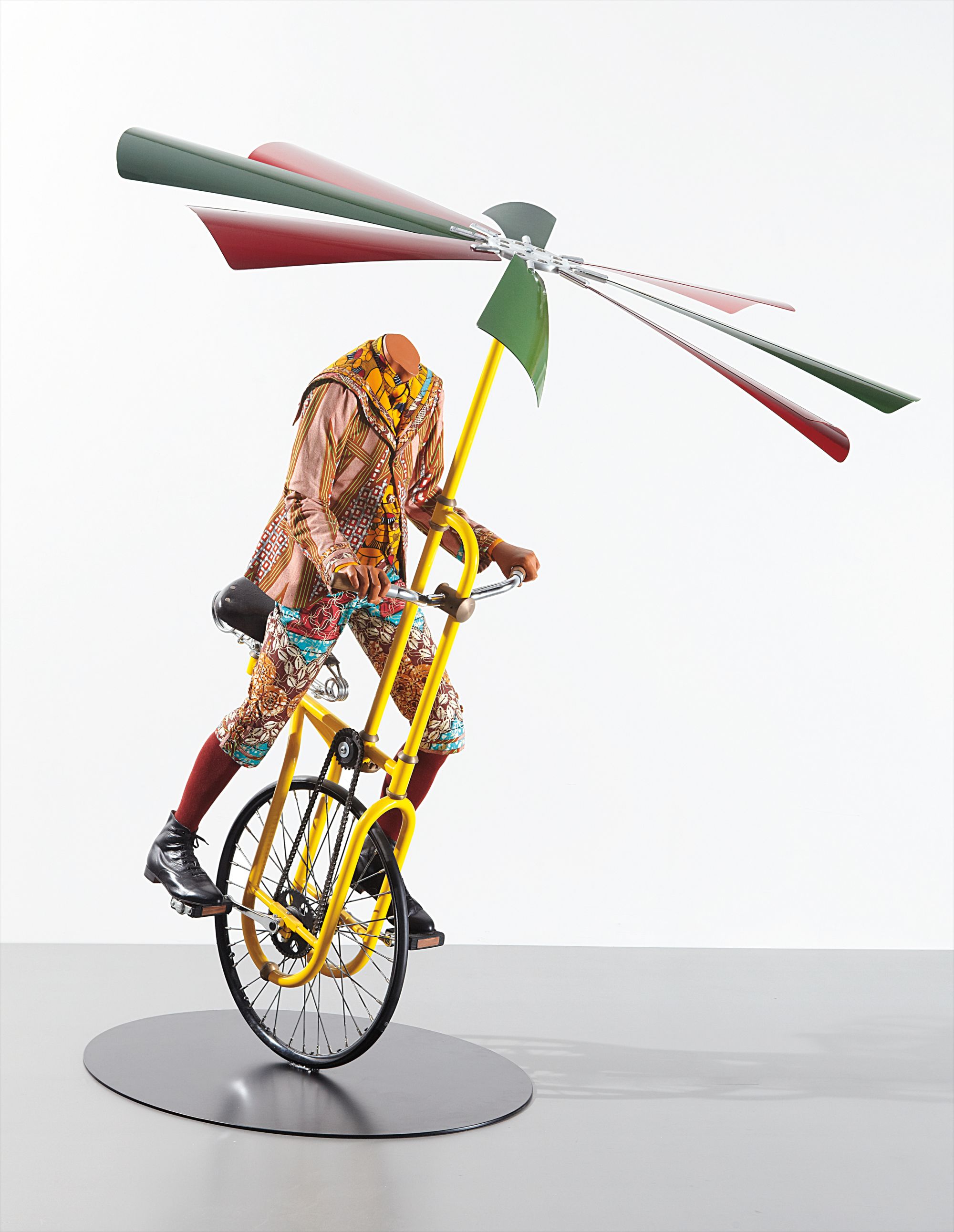
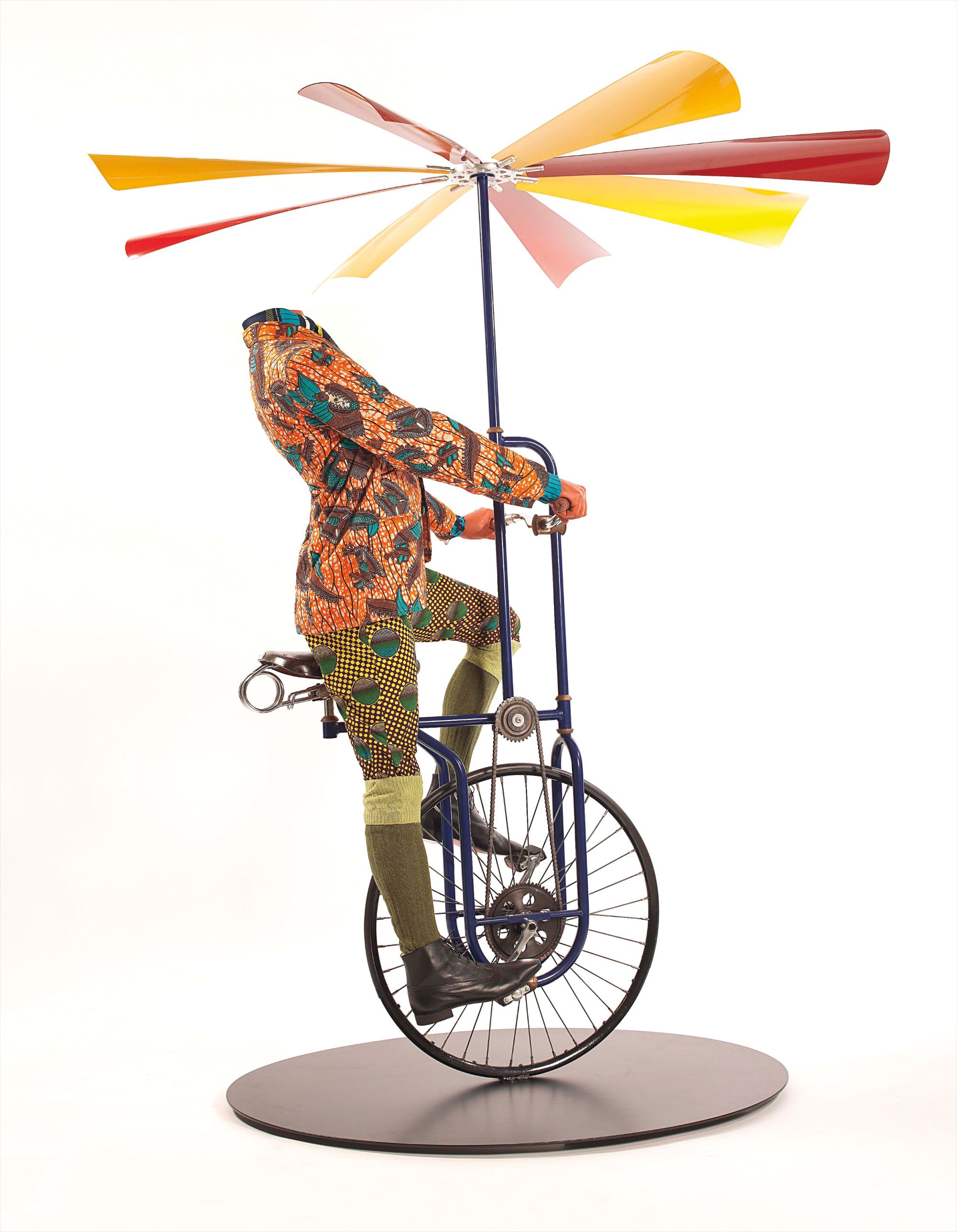
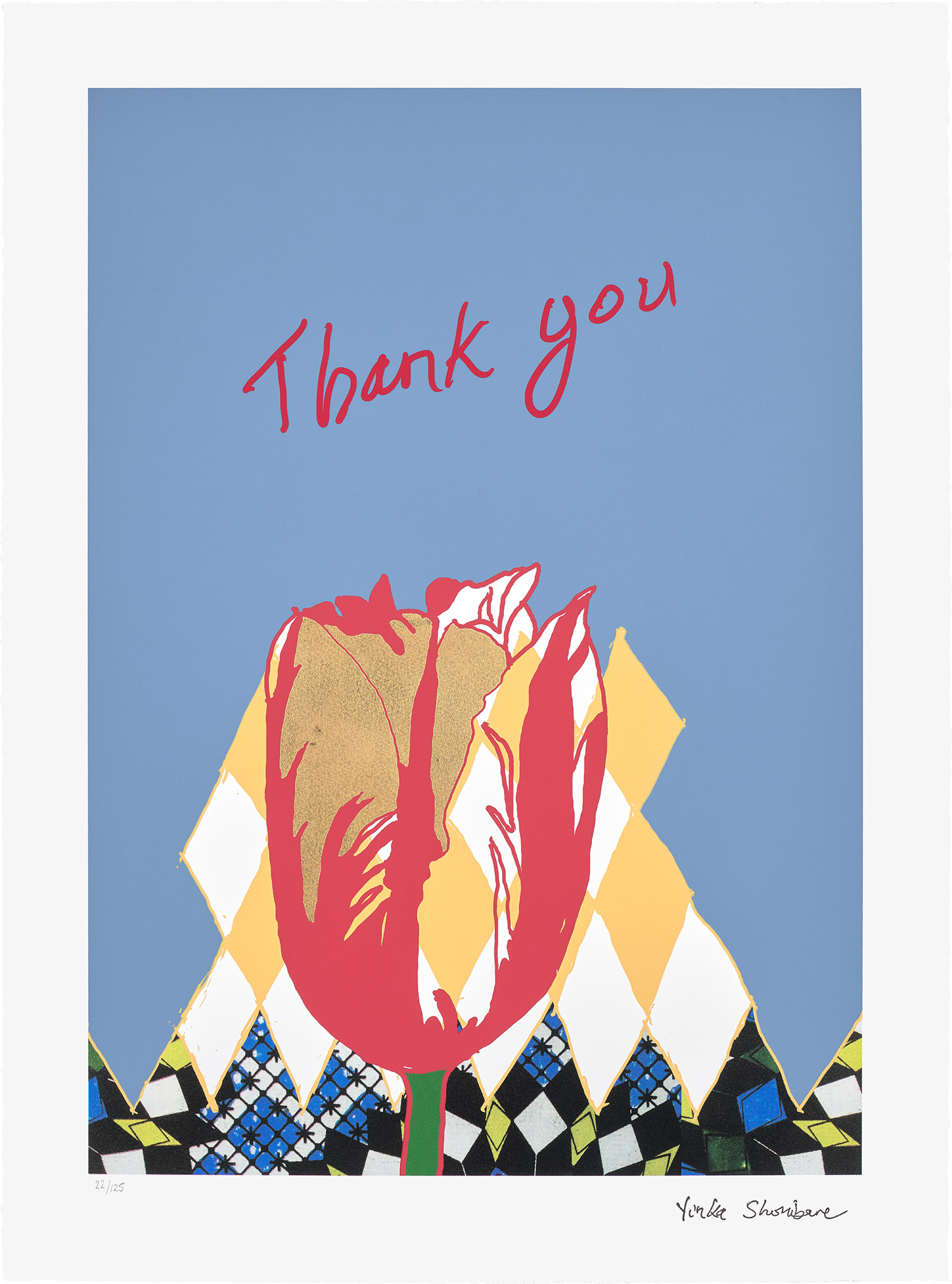
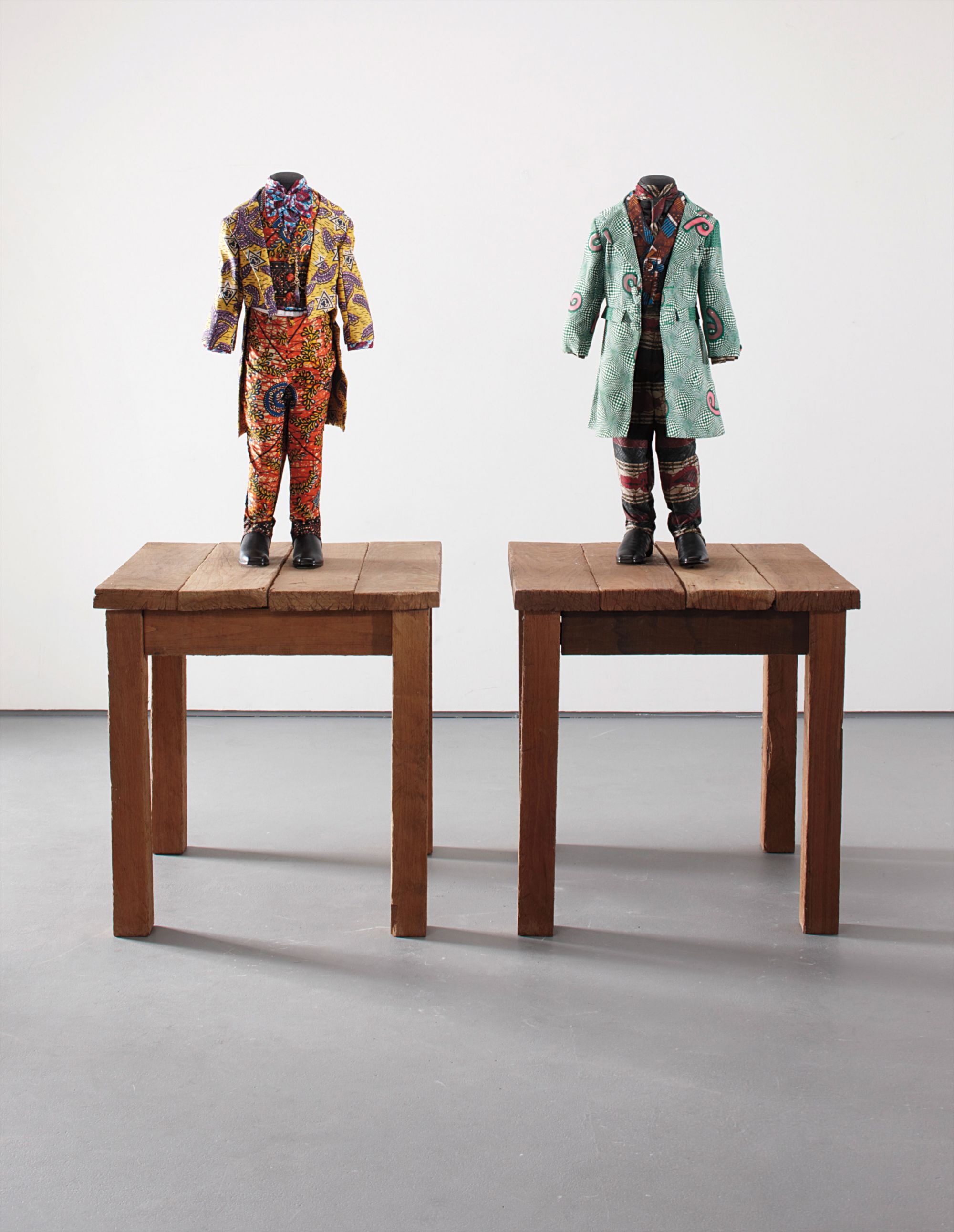
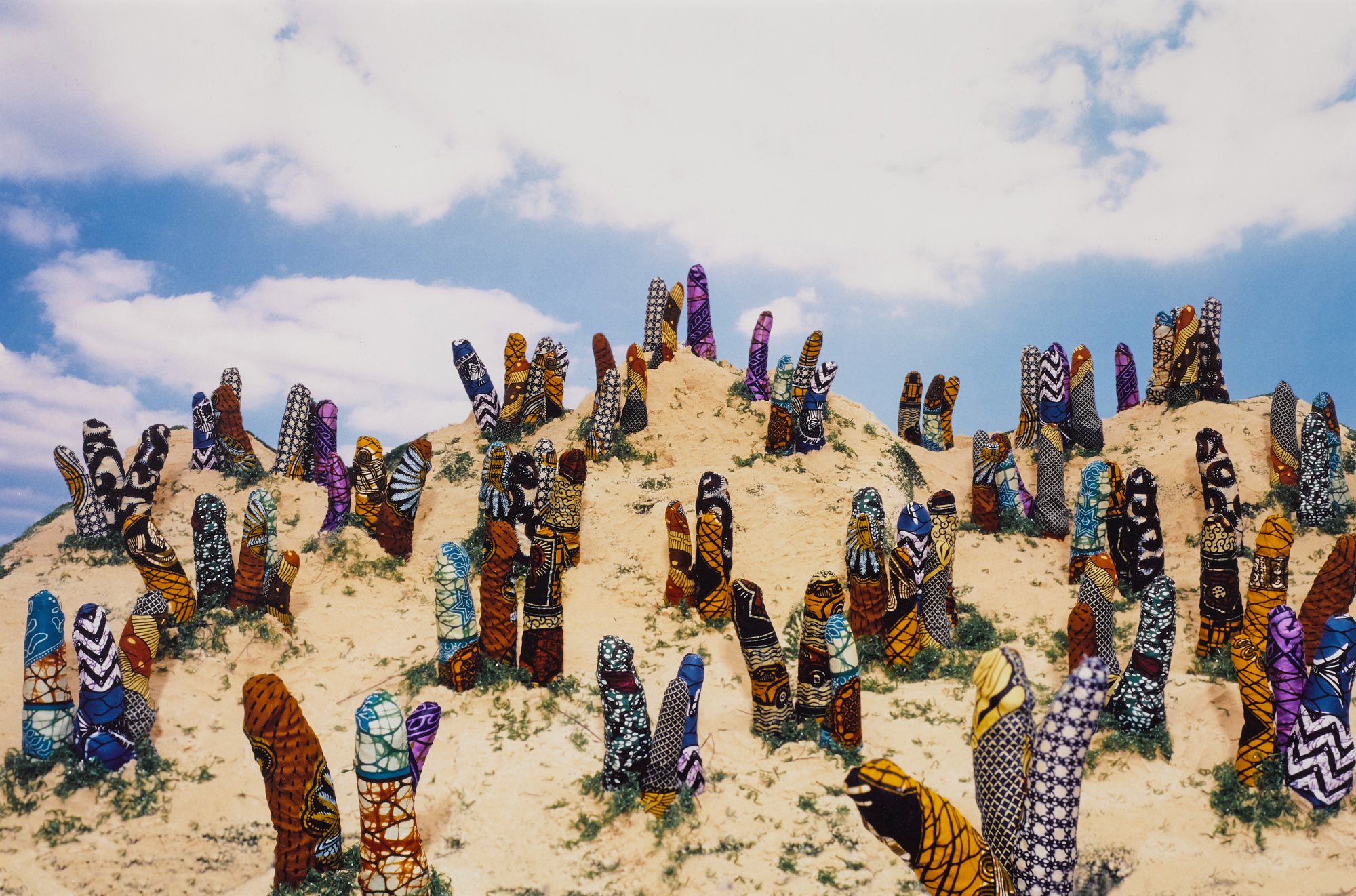
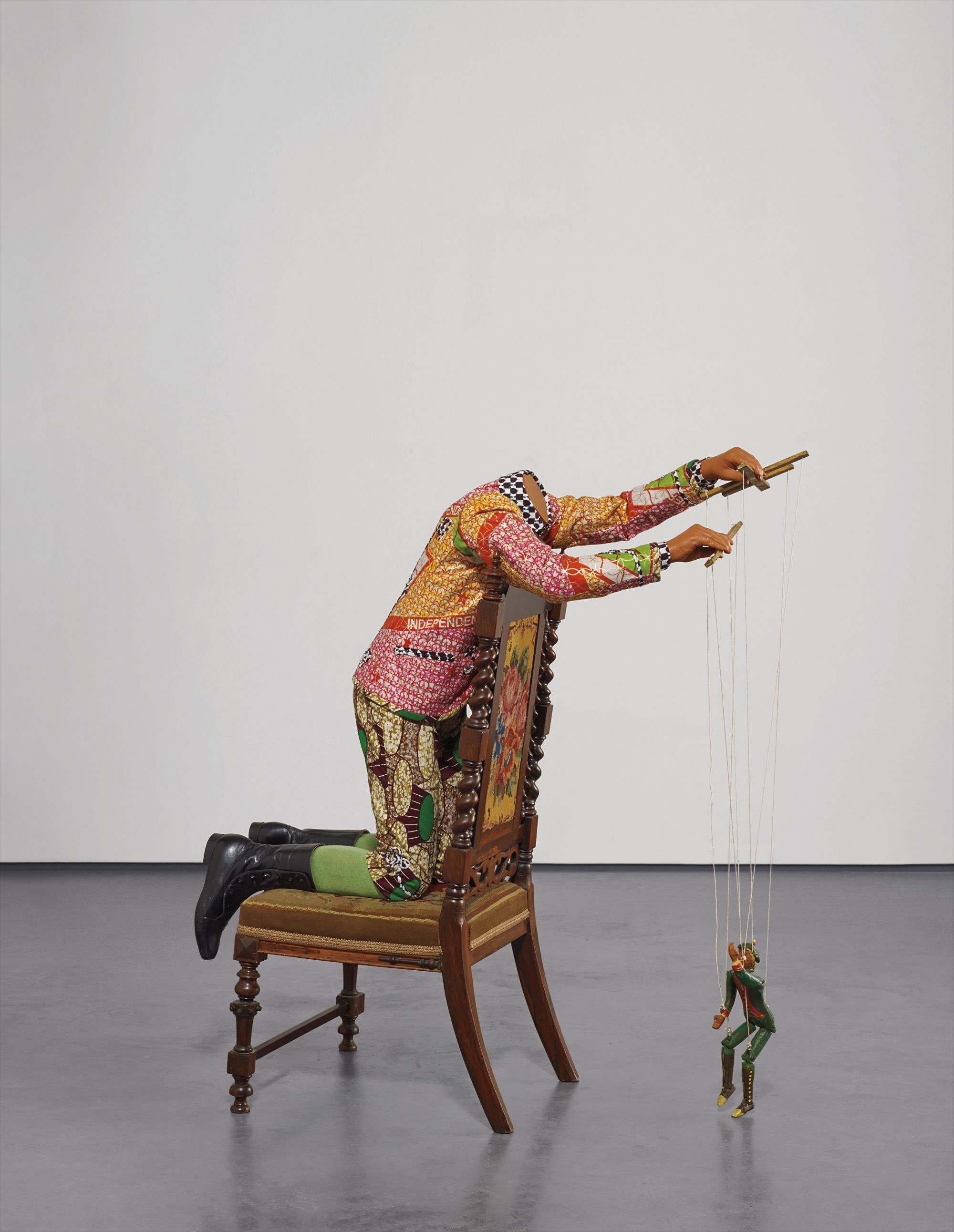
In the spring of 2022, the fourth plinth in Trafalgar Square was unveiled to a London audience already primed for spectacle, but Yinka Shonibare CBE RA delivered something more lasting than spectacle. His Nelson's Ship in a Bottle, originally created in 2010, had already cemented his place in the public imagination, and the years since have seen that reputation deepen with a steadiness that speaks not to trend but to enduring relevance. His 2022 sculpture Apollo (after Francavilla), a fibreglass figure hand painted with Dutch wax Batik and finished with gold leaf, is among the most recent evidence of an artist who continues to push his own iconography into new and luminous territory. Shonibare is not simply a fixture of the contemporary art world; he is one of its most necessary voices. Born in London in 1962 to Nigerian parents, Shonibare spent formative years in Lagos before returning to the United Kingdom to study. He trained at the Byam Shaw School of Art and later at Goldsmiths, University of London, graduating in 1989 as part of a generation that would reshape British art for decades to come. It was at Goldsmiths that a pivotal exchange with a tutor reportedly prompted him to interrogate what it meant to make authentically African art, a question he answered not with retreat but with research, discovering that the Dutch wax printed fabrics so closely associated with African identity were in fact products of European industrial manufacture, originally derived from Indonesian batik and sold to West African markets. That discovery became the conceptual spine of a career. The Dutch wax fabric is at once Shonibare's most recognisable material and his most precise intellectual tool. By dressing Victorian and Regency era figures in these textiles, he collapses the supposed distance between European empire and African culture, revealing the two as inextricably entangled. His early breakout series, including works like Dressing Down from 1997, showed mannequins clothed in wax printed cotton with a theatrical confidence that was both seductive and unsettling. The Diary of a Victorian Dandy series of photographs from 1998, in which Shonibare cast himself as the central protagonist of Hogarthian domestic scenes, announced an artist who understood that humour, beauty, and historical critique could coexist within a single image. These works travelled widely and introduced his practice to an international audience that has only grown since. What distinguishes Shonibare from many artists working with postcolonial themes is the generosity of his aesthetic vision. His sculptures are genuinely beautiful objects, lavishly made and pleasurable to encounter before the intellectual architecture behind them comes fully into view. The Furietti Old Centaur from 2018 exemplifies this quality: cast in fibreglass and hand painted with Dutch wax Batik pattern, the work pairs an ancient Roman sculptural form with his signature textile vocabulary and a bespoke hand coloured globe, producing something that feels simultaneously classical and radically contemporary. Similarly, Apollo (after Francavilla) from 2022 takes a Renaissance sculptural source and remakes it as a meditation on cultural transmission, the gold leaf finish adding a register of sacred value that resonates across many traditions at once. His Pedagogy Boy/Boy from 2003 brings the same formal intelligence to questions of education and colonial conditioning, using the child figure and the schoolroom as spaces of ideological examination. Shonibare's market standing reflects the sustained institutional and critical enthusiasm that has surrounded his work. He has been represented by Stephen Friedman Gallery in London for many years, a relationship that has supported the careful development of a body of work spanning sculpture, photography, film, and installation. His auction results have climbed steadily over the past decade, with major editions and unique sculptures achieving significant prices at Christie's, Sotheby's, and Phillips. Collectors are drawn to works that offer multiple layers of engagement: the immediate visual pleasure, the art historical depth, and the ongoing cultural conversation that each piece participates in. Works from the Victorian Dandy series and the wax fabric sculptures are particularly sought after, and pieces like Un Ballo in Maschera IV from 2004 demonstrate the range of his photographic ambition. For a collector building a coherent collection, Shonibare offers the rare combination of aesthetic distinctiveness and conceptual rigour that ensures works remain relevant across changing curatorial fashions. Within the broader landscape of contemporary art, Shonibare belongs to a constellation of artists who have made questions of identity, empire, and cultural hybridity central to visual practice. His work invites comparison with that of Chris Ofili, whose own Goldsmiths formation shaped a practice equally attentive to the politics of materials. Glenn Ligon in the United States and Kara Walker have pursued related interrogations of historical violence and its visual legacy, while in sculpture, Hank Willis Thomas and El Anatsui have explored the relationship between material, trade, and colonial history with comparable formal invention. Shonibare occupies a singular position within this company, distinguished by his embrace of the theatrical, his use of the Victorian period as a specific historical lens, and his insistence on beauty as a political as well as aesthetic category. The breadth of his practice is also expressed in his philanthropic and community work. Through the Guest Artist Space Foundation in Lagos, he has worked to support emerging artists across the African continent, an extension of his belief that representation and opportunity are structural questions as much as individual ones. He was awarded a CBE in 2004 and elected a Royal Academician in 2013, honours that reflect both official recognition and a genuine warmth from the institutions that have followed his career most closely. His inclusion in the Venice Biennale and major survey exhibitions at institutions including the Museum of African Art in New York and the Groninger Museum in the Netherlands underscores a global reach that few artists of any generation achieve. To collect Shonibare is to align oneself with an artist whose work will only be more important as the questions it raises become more pressing, and whose formal brilliance ensures that the works themselves are a continuous source of pleasure and discovery.