Textural Composition
Thilo Heinzmann
Too tough too cry, 2000
Surface Is Never Just Surface
When a work by Shozo Shimamoto sold at auction in recent years for multiples above estimate, it reminded the market of something it occasionally forgets: that the physical fact of a painting, its skin, its wounds, its accumulated insistence, can carry meaning that no image alone ever could. Shimamoto, a founding member of the Gutai group, made works by hurling paint filled bottles at canvas, piercing surfaces, treating destruction as a form of mark making. The results are not pretty in any conventional sense, but they are extraordinarily alive, and the market has caught up to what museum curators understood decades ago. Texture is not decoration.
It is argument. The critical interest in textural and material composition has been building steadily since the major Gutai retrospective at the Museum of Modern Art in New York in 2013, titled Gutai: Splendid Playground. That exhibition reframed postwar Japanese abstraction for an entire generation of collectors and curators who had grown up thinking of Abstract Expressionism as the only story worth telling about mid century gestural painting. Shimamoto and his colleagues at Gutai were doing something simultaneously parallel and radically different, treating the act of making as performance, and the surface of the work as its record.
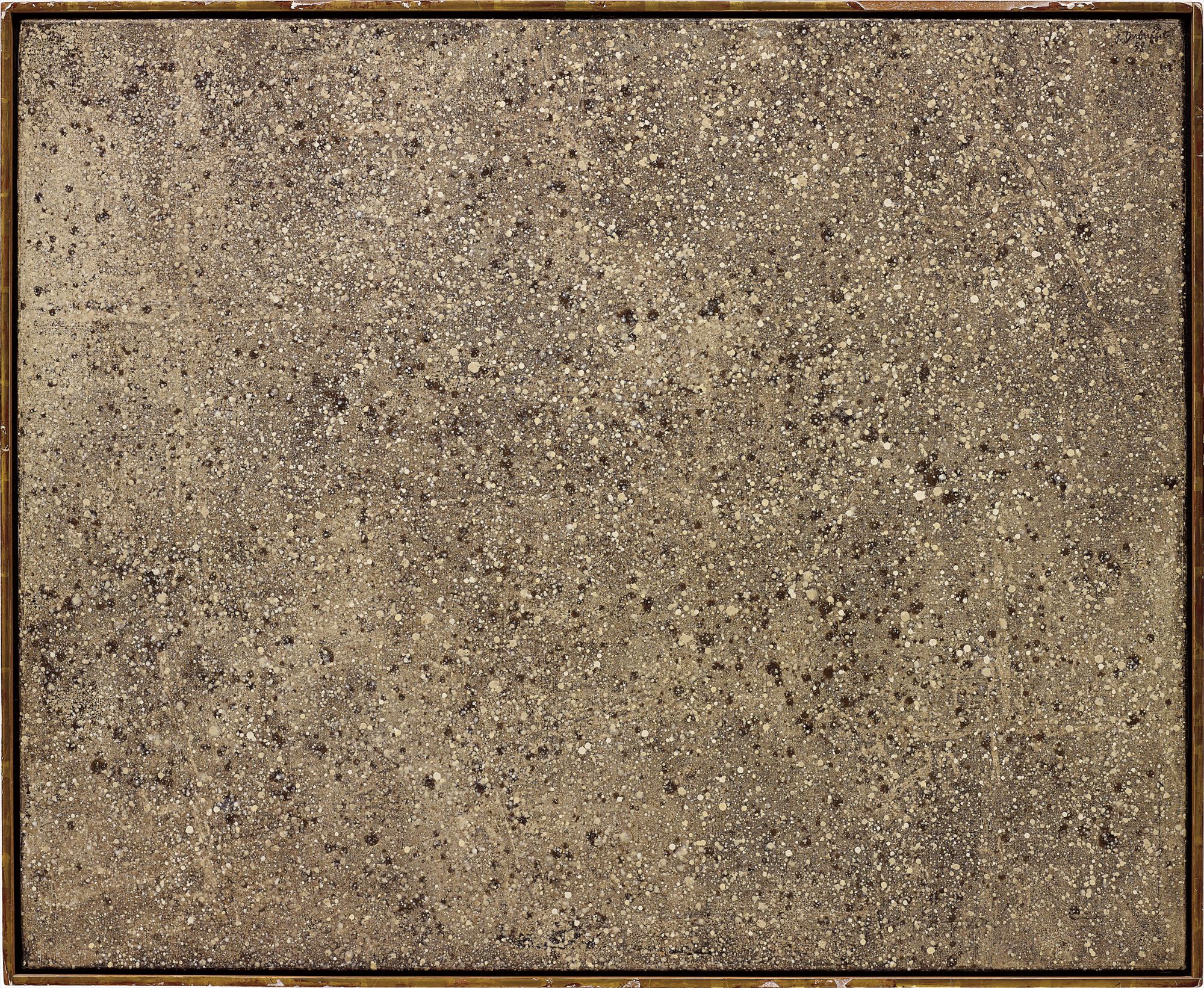
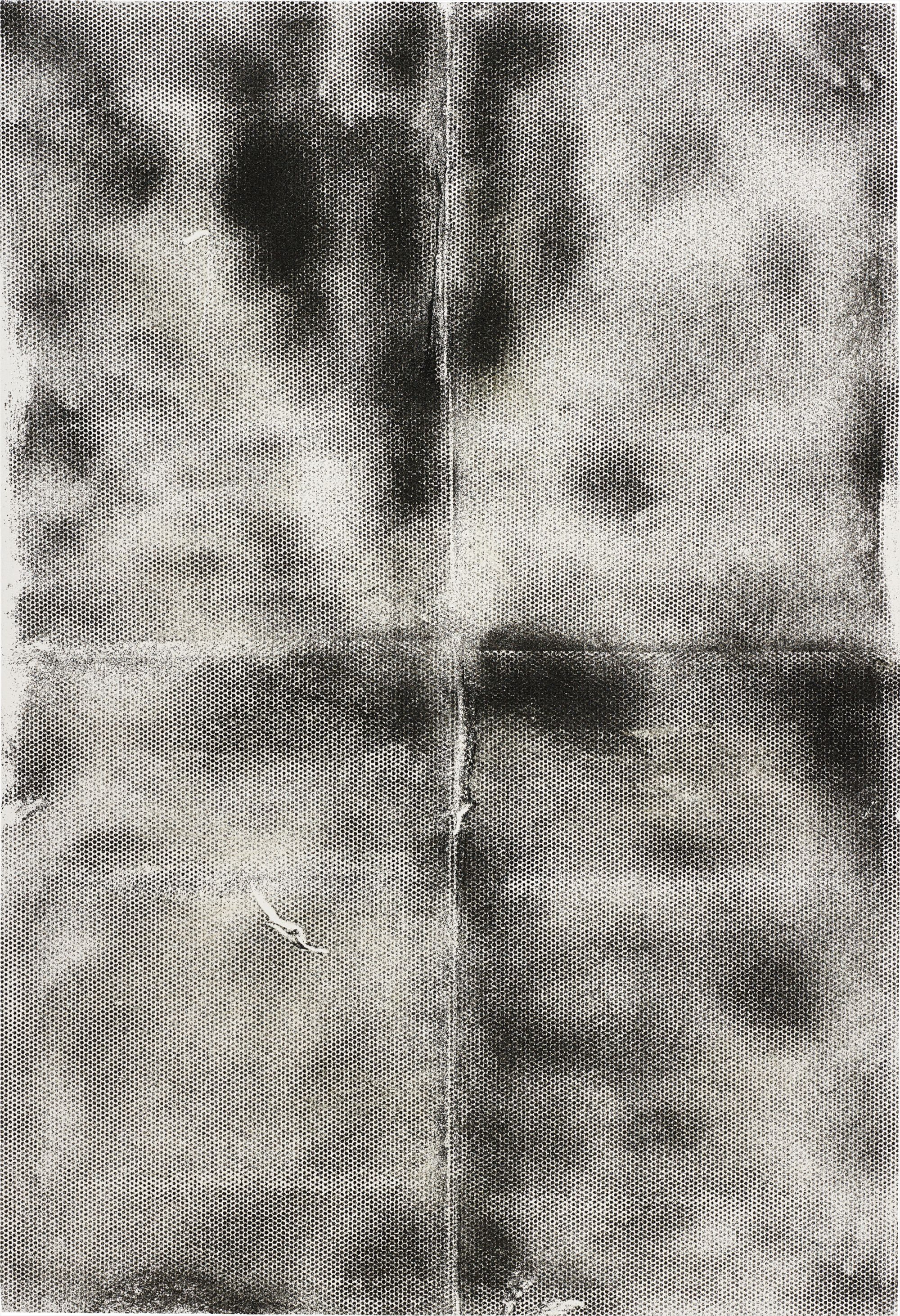
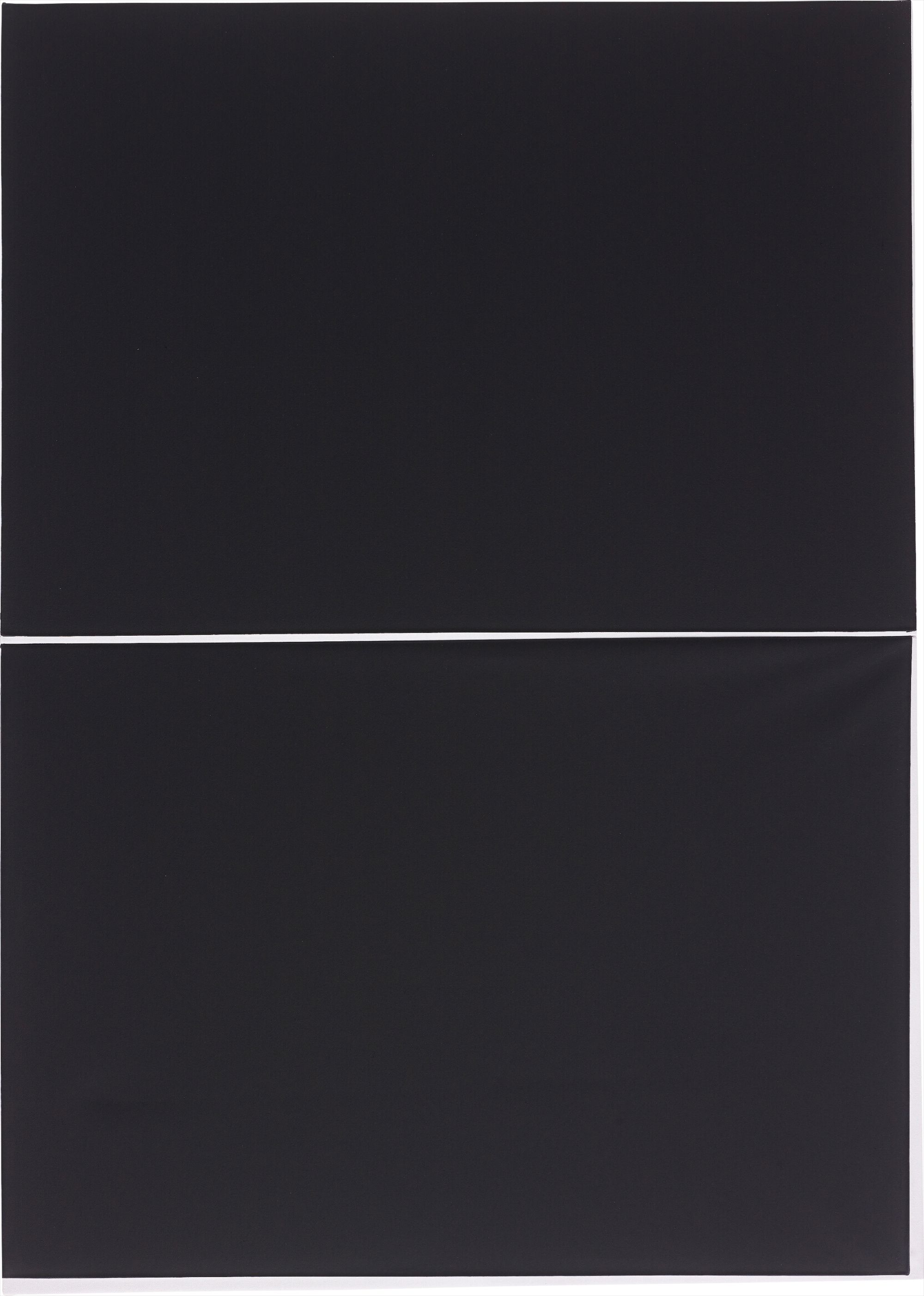
Jean Dubuffet
Nuancements au sol (Texturologie XLIII)
The show made clear that materiality was never a secondary concern in the most serious postwar painting; it was the primary one. Around the same time, renewed attention to Jean Dubuffet brought his textured, encrusted surfaces back into active conversation. Dubuffet's works from the 1940s and 1950s, dense with sand, tar, gravel, and raw pigment, anticipated so much of what followed in European and American abstraction that revisiting them feels less like history and more like reading a source code. His auction results have remained consistently strong, with major works from his Texturologies and Matériologies series achieving significant sums at Christie's and Sotheby's.
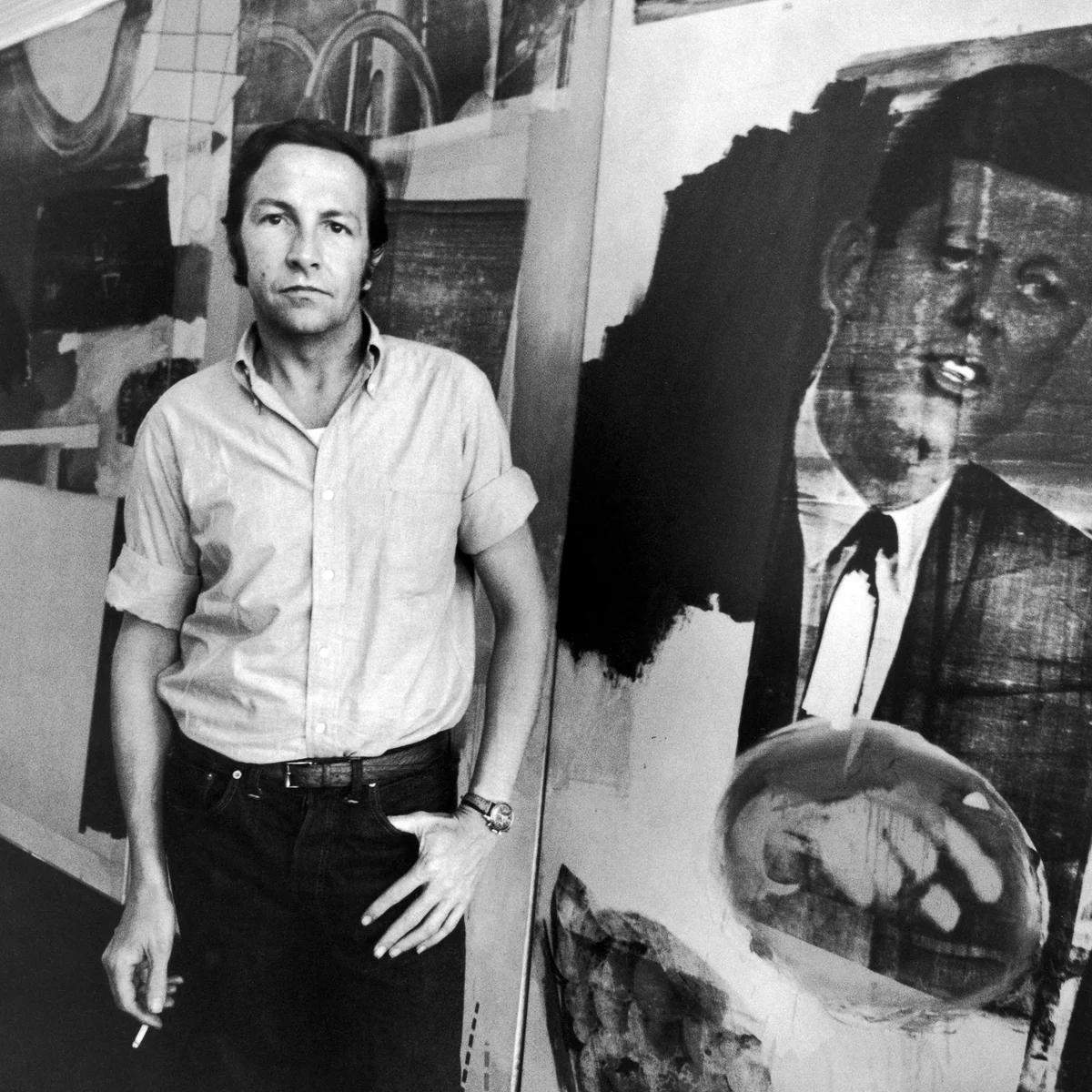
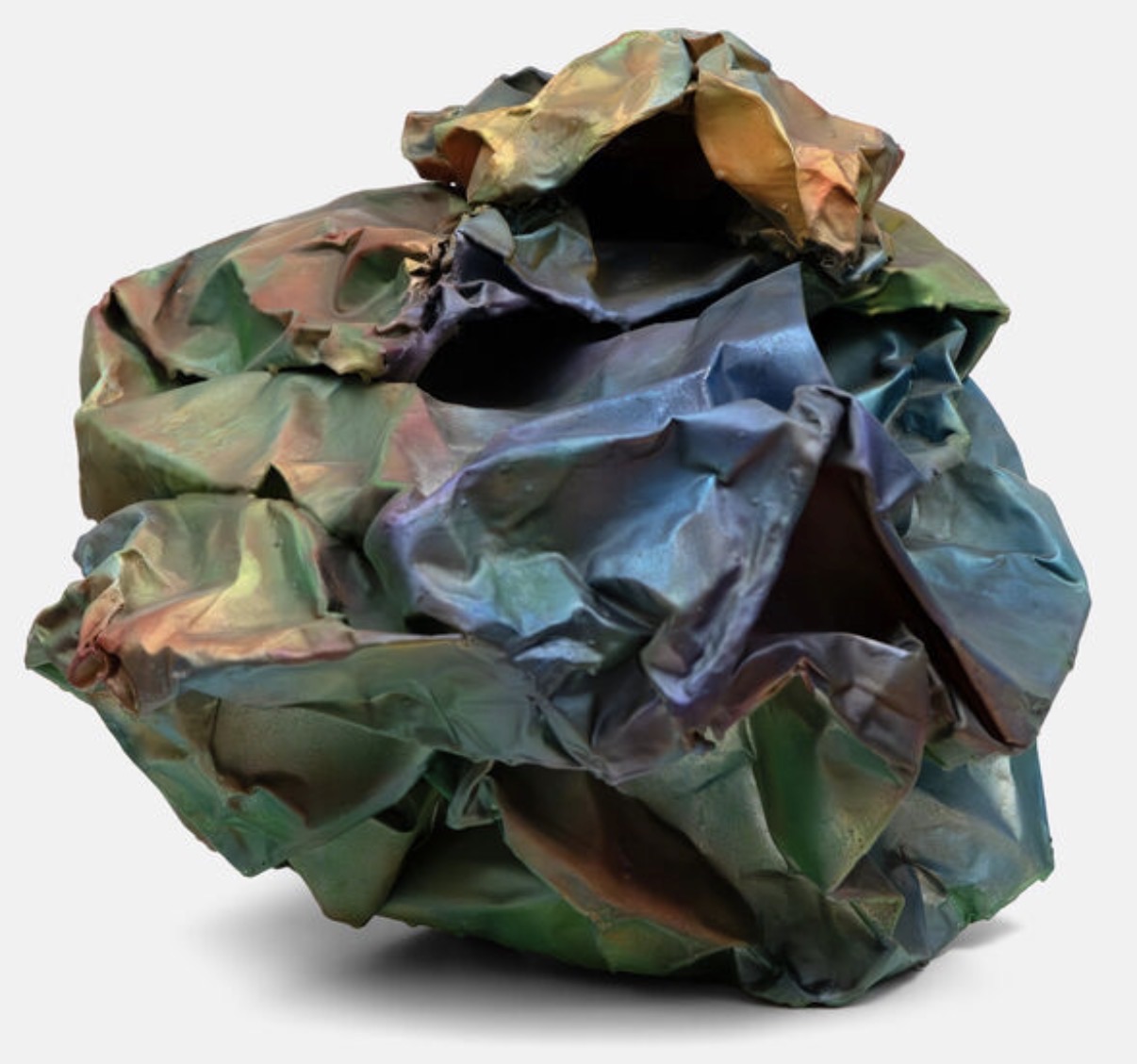
Collectors who once chased his figurative works have increasingly turned toward the pure material experiments, which arguably contain the more radical thinking. The secondary market for artists working in this vein has been genuinely surprising in its breadth. John Chamberlain's crushed and welded automobile steel, which functions as sculpture but reads as pure texture, commands serious prices at auction and sits in virtually every major modern collection in the world. Robert Rauschenberg's Combines, which brought fabric, newsprint, and detritus into the field of painting, remain among the most sought after American works of the twentieth century.
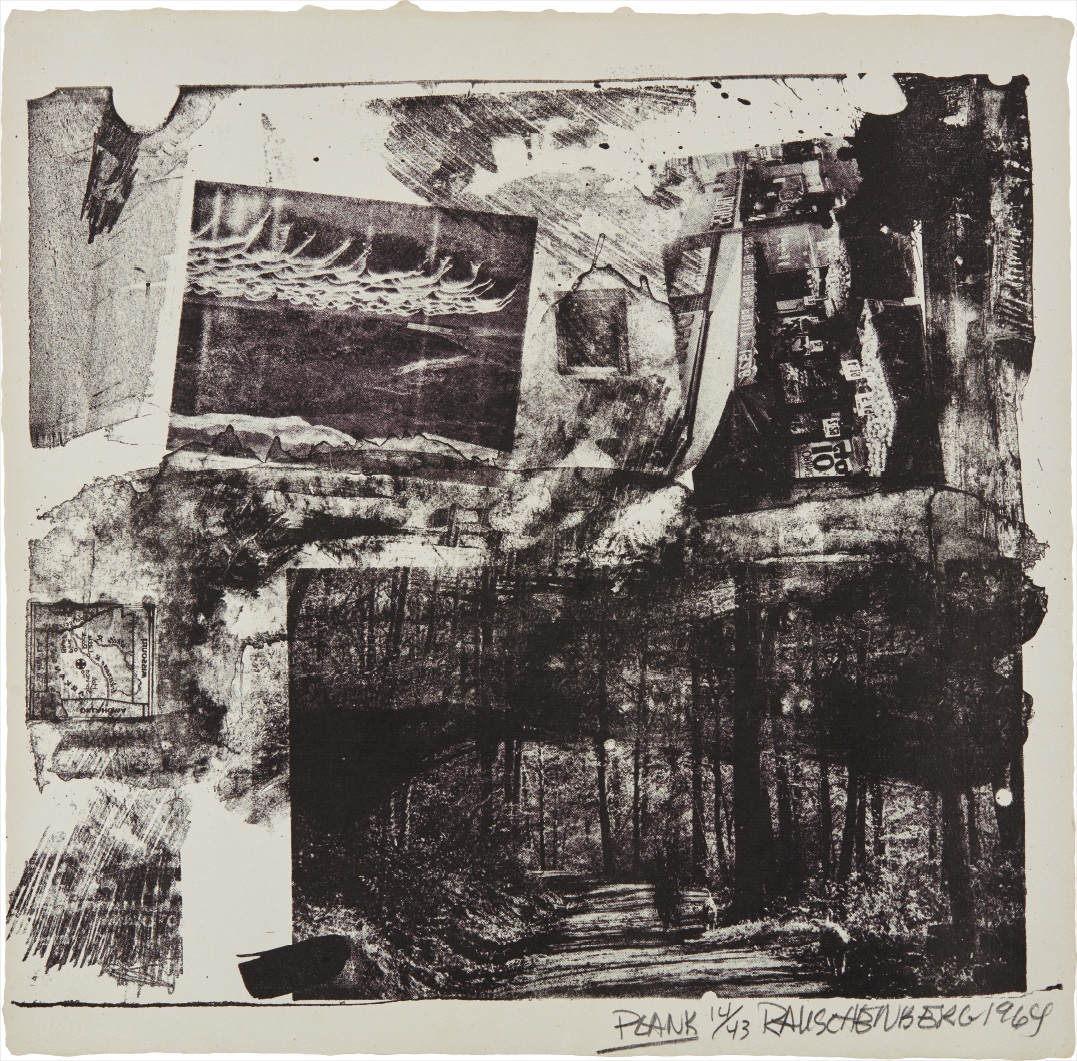
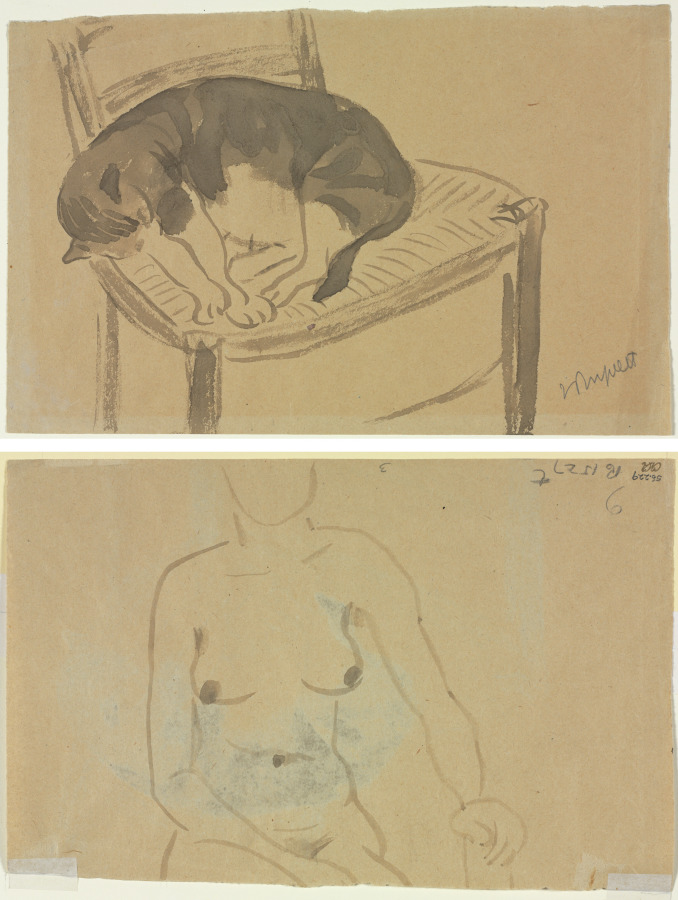
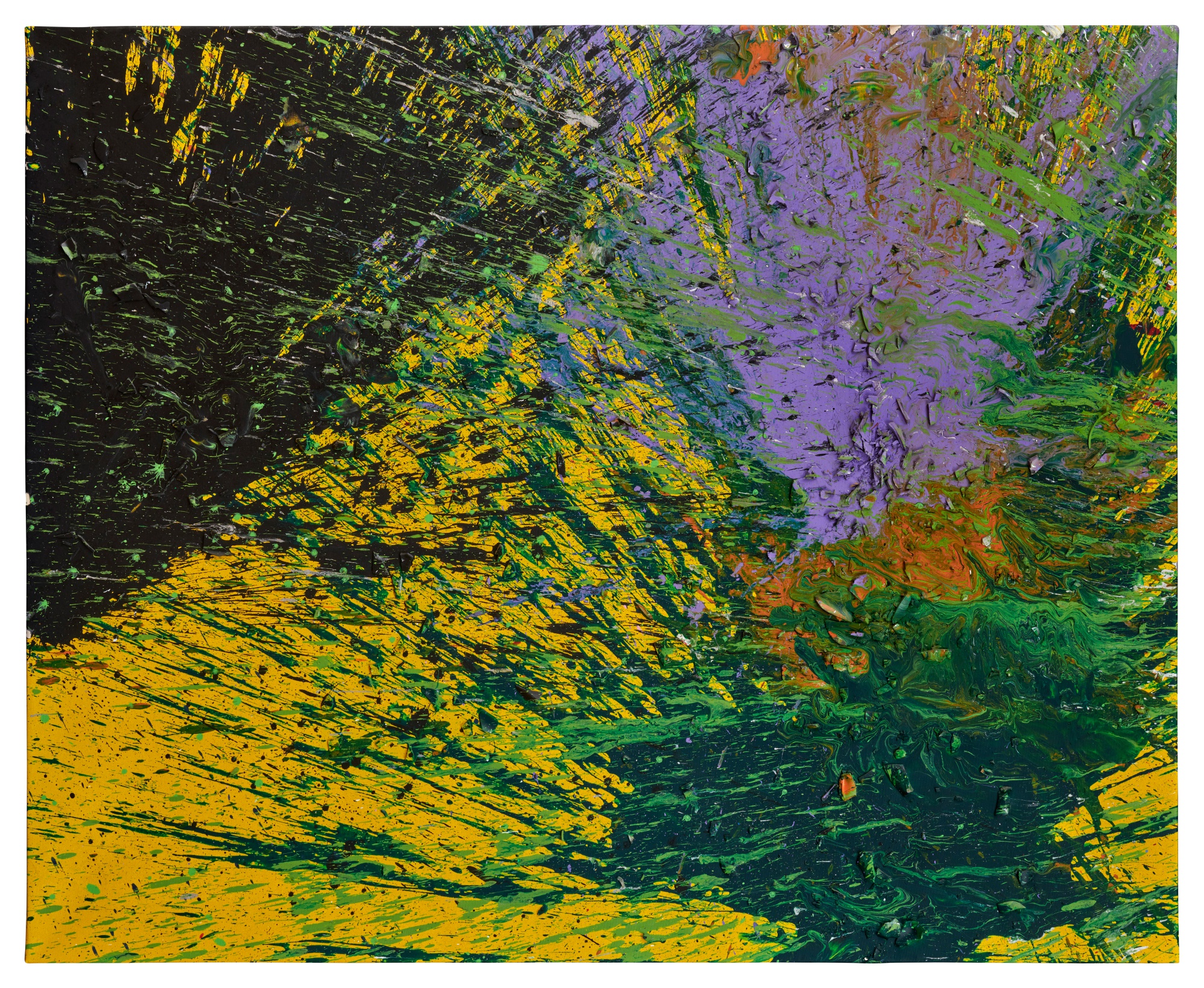
Robert Rauschenberg
Plank, from XXXIV Drawings for Dante's Inferno
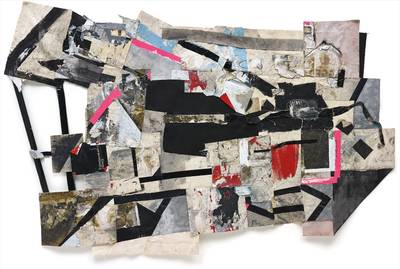
What connects these very different artists is a shared conviction that the surface plane is not a ground to be covered but a site to be inhabited. Salvatore Emblema, working in Italy with shredded canvas and thread, arrived at a similar conclusion from an entirely different direction, and his work has attracted growing institutional interest in recent years as curators reassess Arte Povera adjacent practices. Among living artists, the conversation around materiality and texture has found some of its most compelling voices in the work of Rashid Johnson and Samuel Levi Jones. Johnson's use of shea butter, black soap, mirrors, and plants creates surfaces that are both visually dense and conceptually loaded, carrying the weight of Black cultural memory through physical accumulation rather than representation.
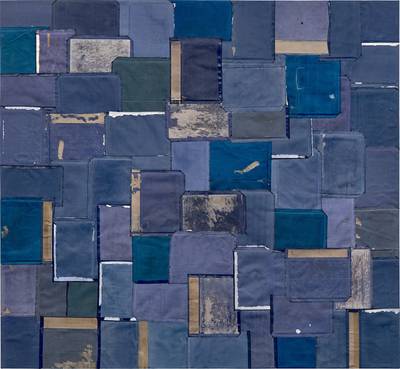
Jones works with bound law books and government documents, stripping and reassembling their surfaces to produce works that feel simultaneously archival and viscerally present. Both artists have seen strong institutional acquisition in recent years, with the Museum of Contemporary Art in Los Angeles and the Smithsonian among institutions that have moved decisively in their direction. Oscar Murillo, whose layered canvases accumulate dust, graphite, and the physical residue of his studio practice, has attracted comparable museum interest in Europe and the Americas. The curatorial writing around this area has grown noticeably more sophisticated.
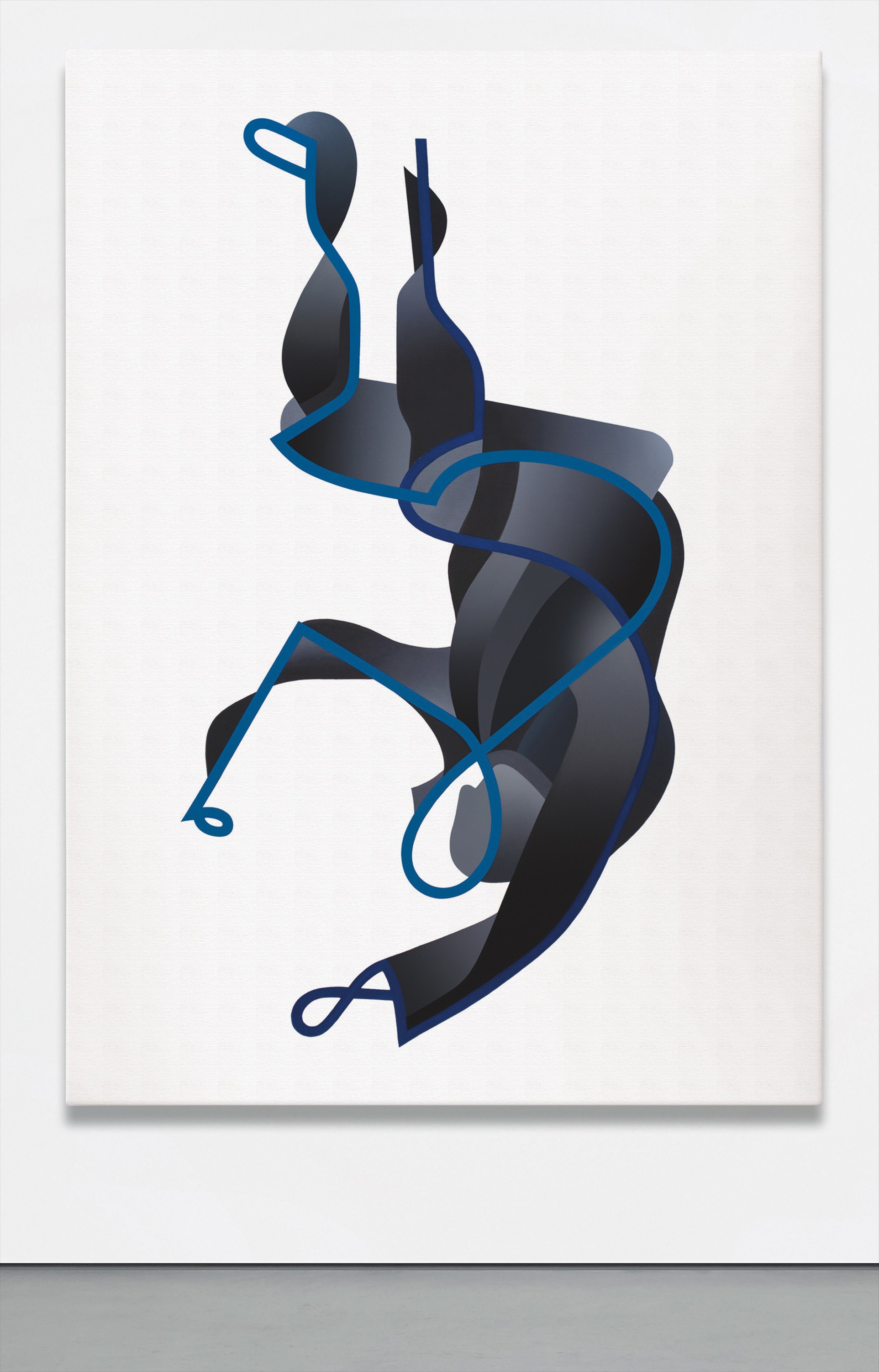
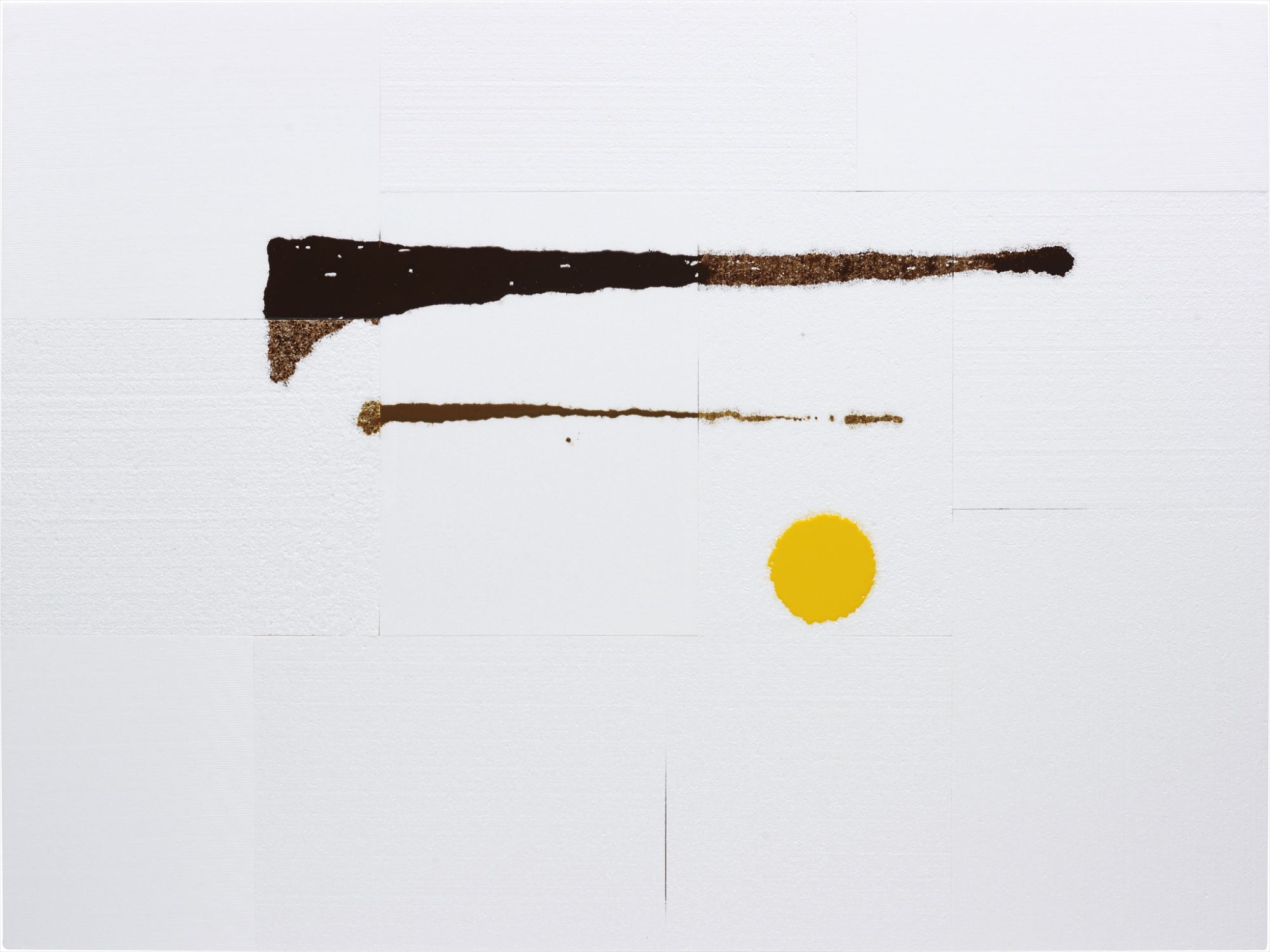
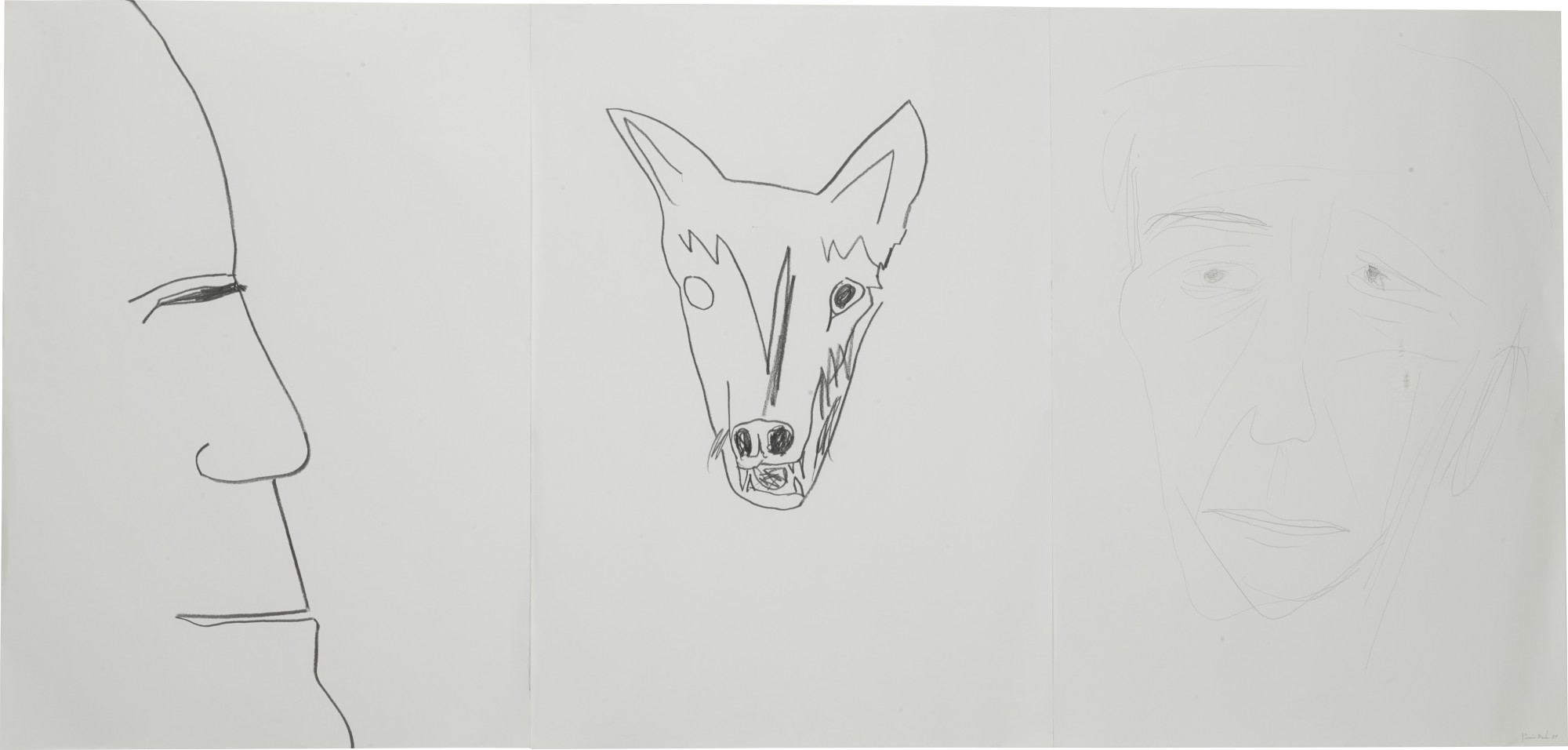
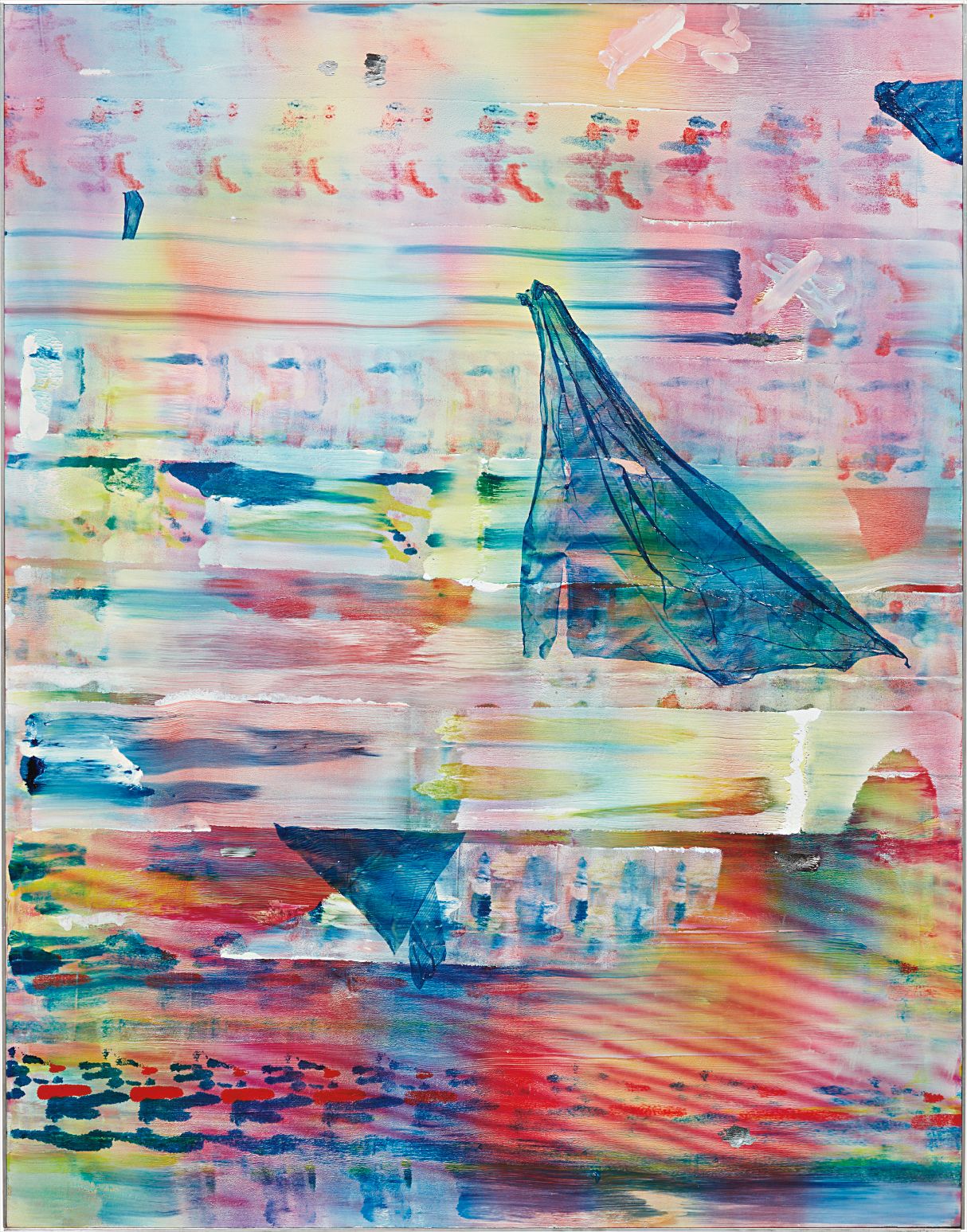
Thilo Heinzmann
Too tough too cry, 2000
Briony Fer's scholarship on postwar abstraction has been particularly useful in giving critics a vocabulary for talking about surface as epistemology rather than style. The journal October has published important work on the relationship between materiality and labor, a thread that connects Emblema's painstaking shredding to Jones's book stripping to the intense physical process behind much of Thilo Heinzmann's painting. Heinzmann, whose surfaces bloom with pigment and resin in ways that seem to defy the mechanics of application, has been the subject of thoughtful critical attention in German and Swiss contexts and is beginning to receive the broader recognition his work demands. What feels most alive right now is the intersection of texture and process art with questions of cultural production and labor.
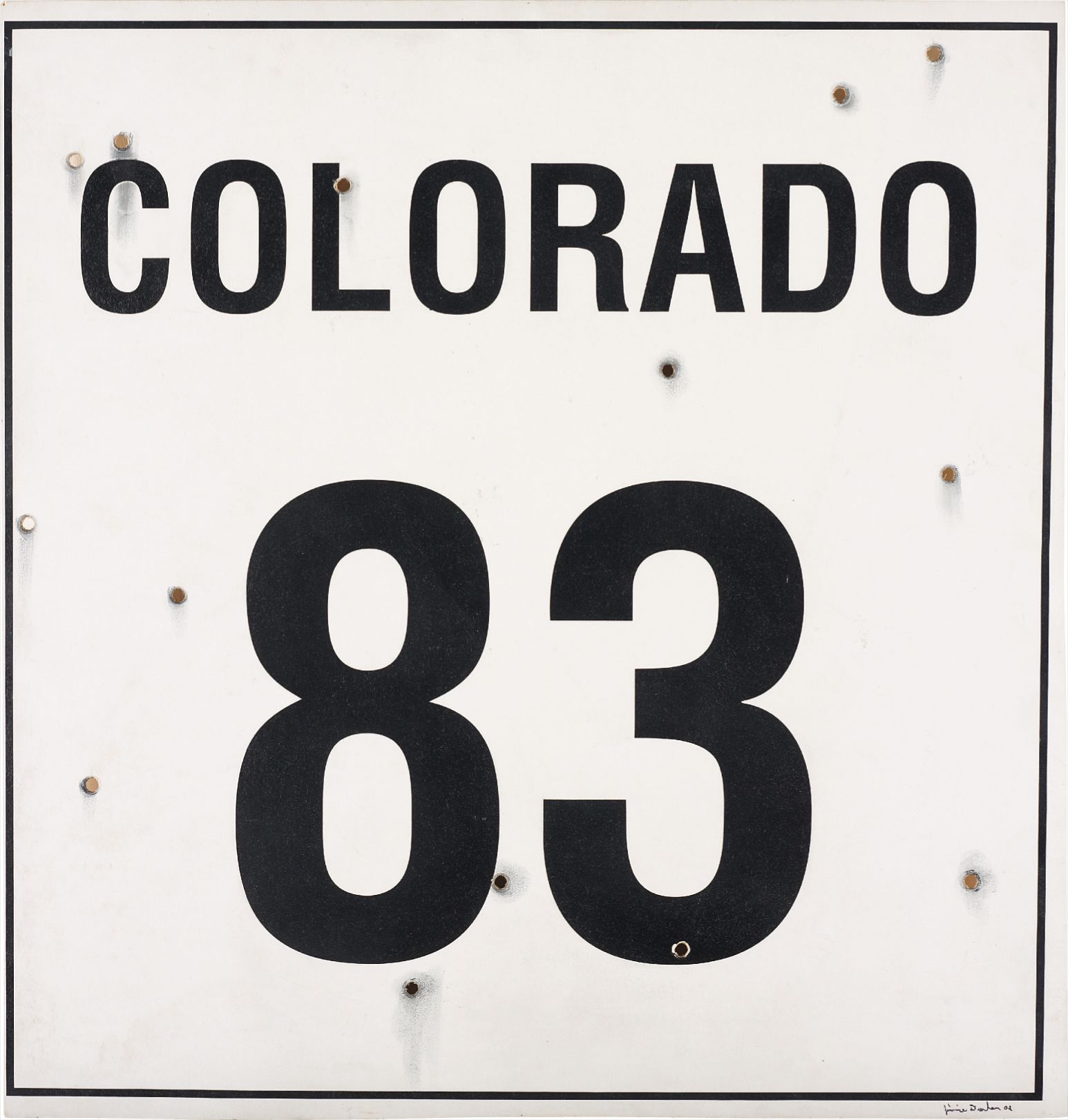
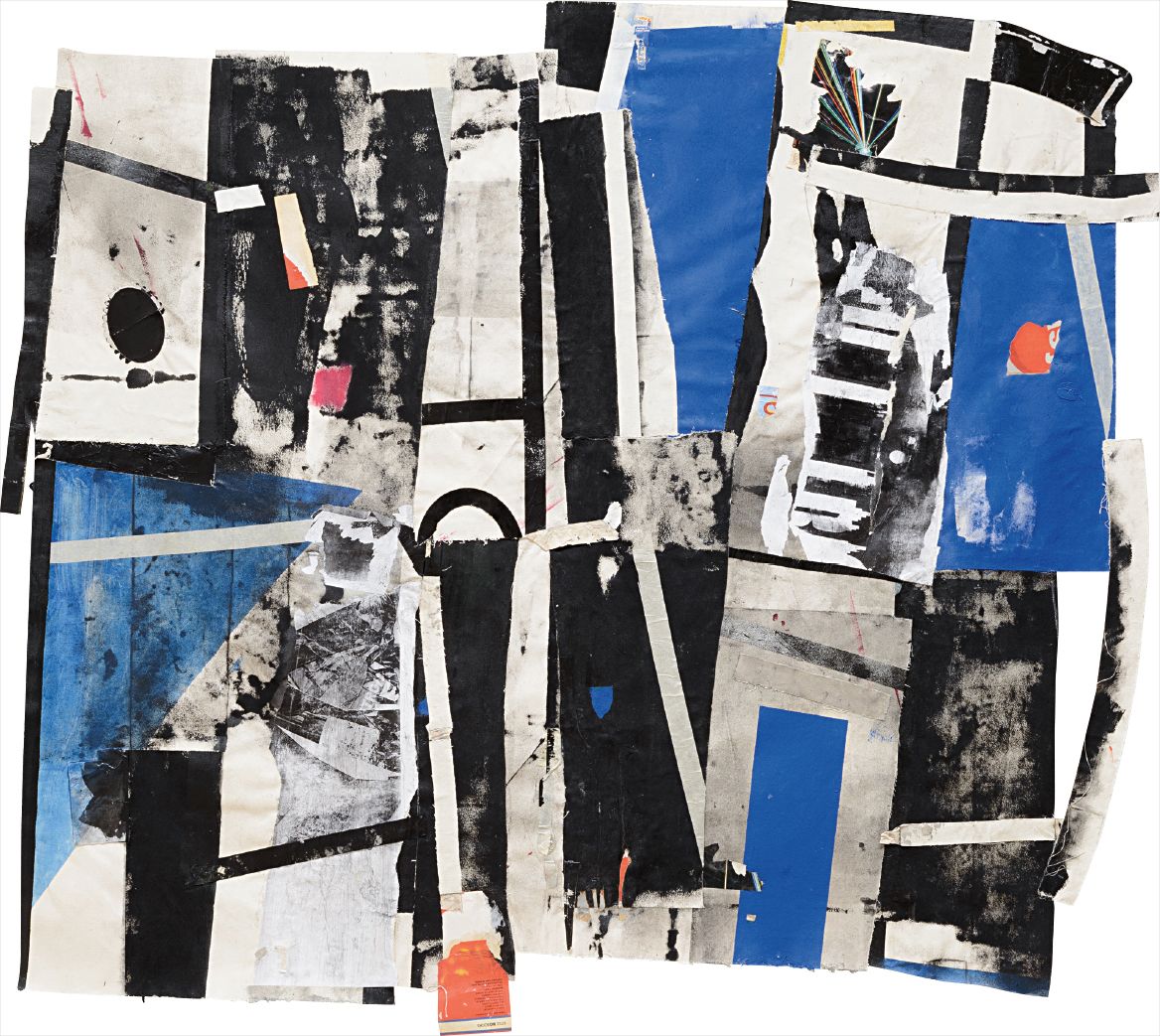
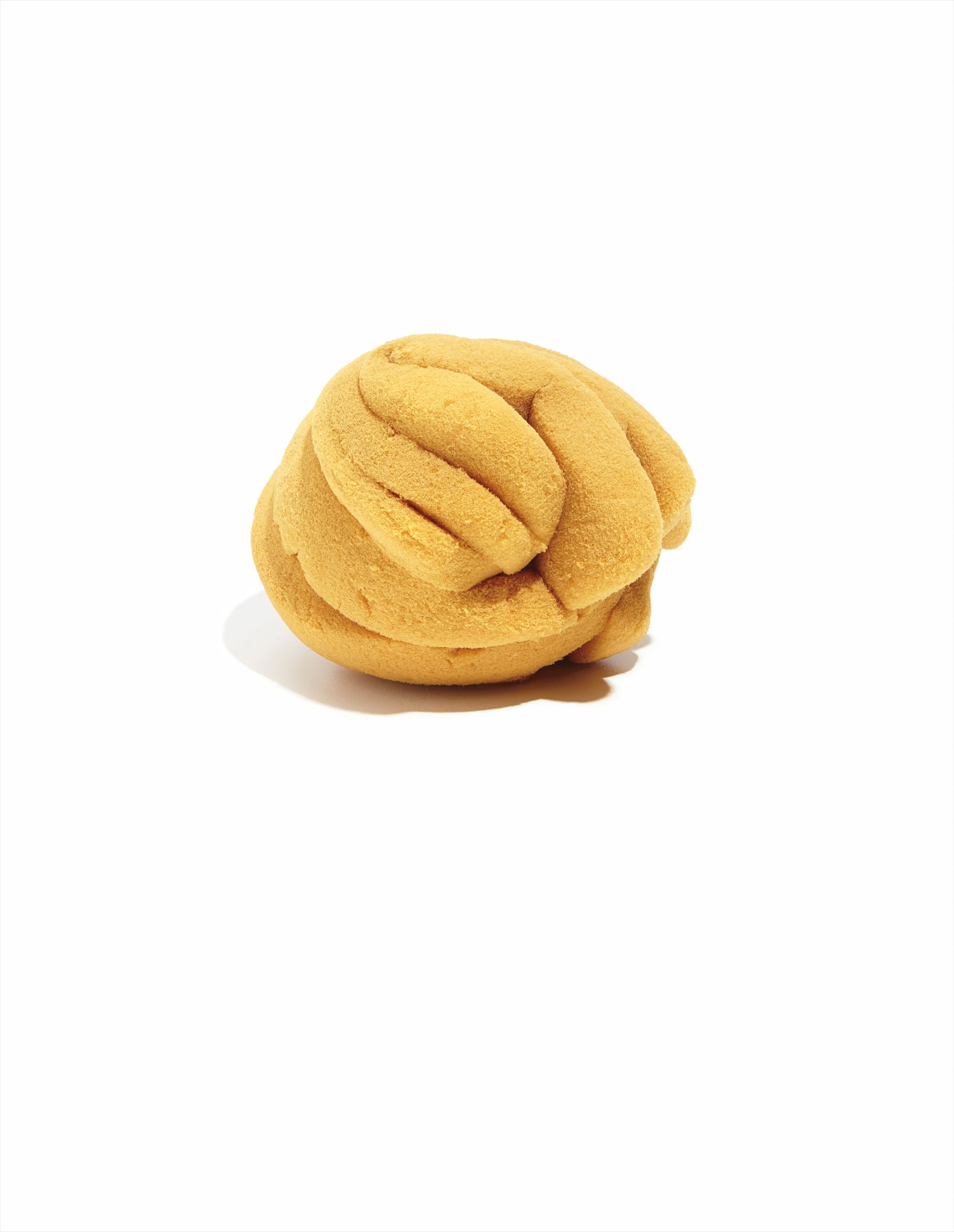
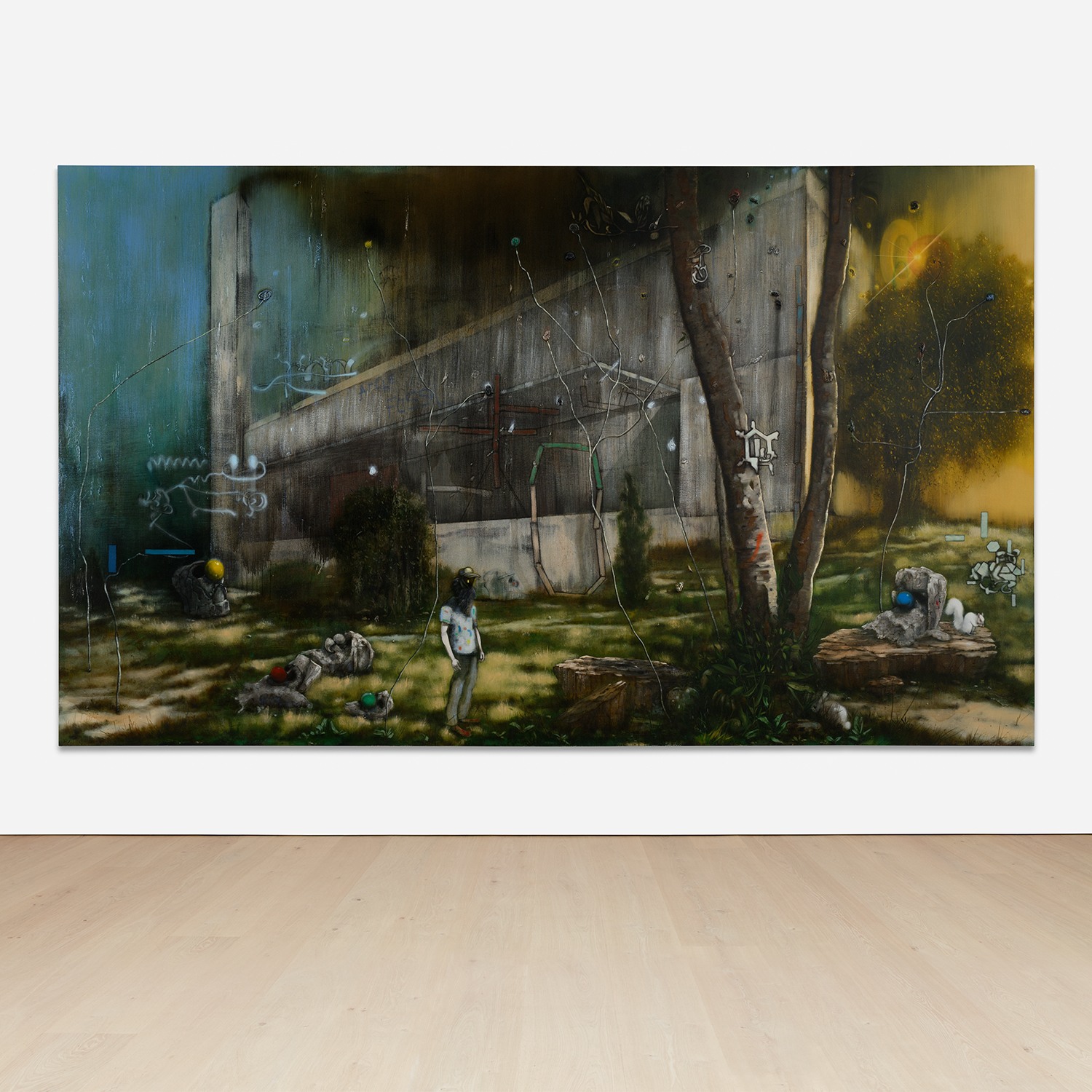
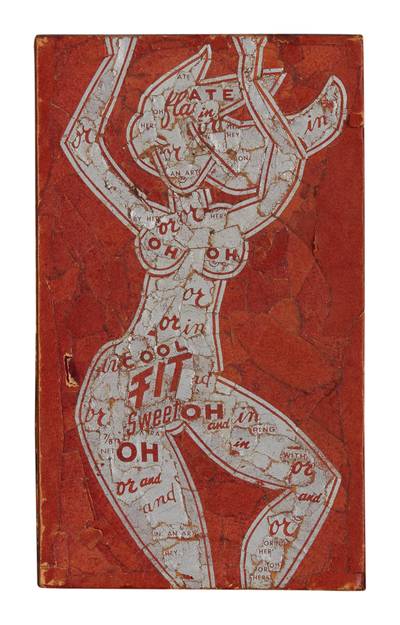
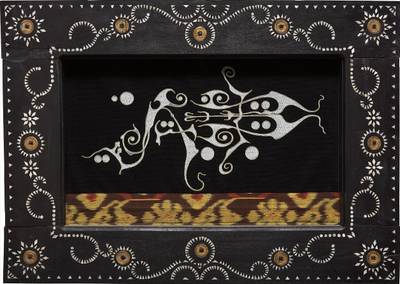
Danilo Dueñas and Francesca Pasquali, both represented on The Collection, bring very different geographic and material traditions to this space, and watching how curators place their work in dialogue with more established names has been one of the more interesting developments of recent exhibition making. Al Hansen's assemblages, made from cigarette wrappers and found ephemera, feel newly relevant in a moment when the art world is reconsidering Fluxus and its legacy. Cullen Washington Jr. and Joe Reihsen are younger practitioners who approach surface with a freshness that suggests the conversation is nowhere near finished.
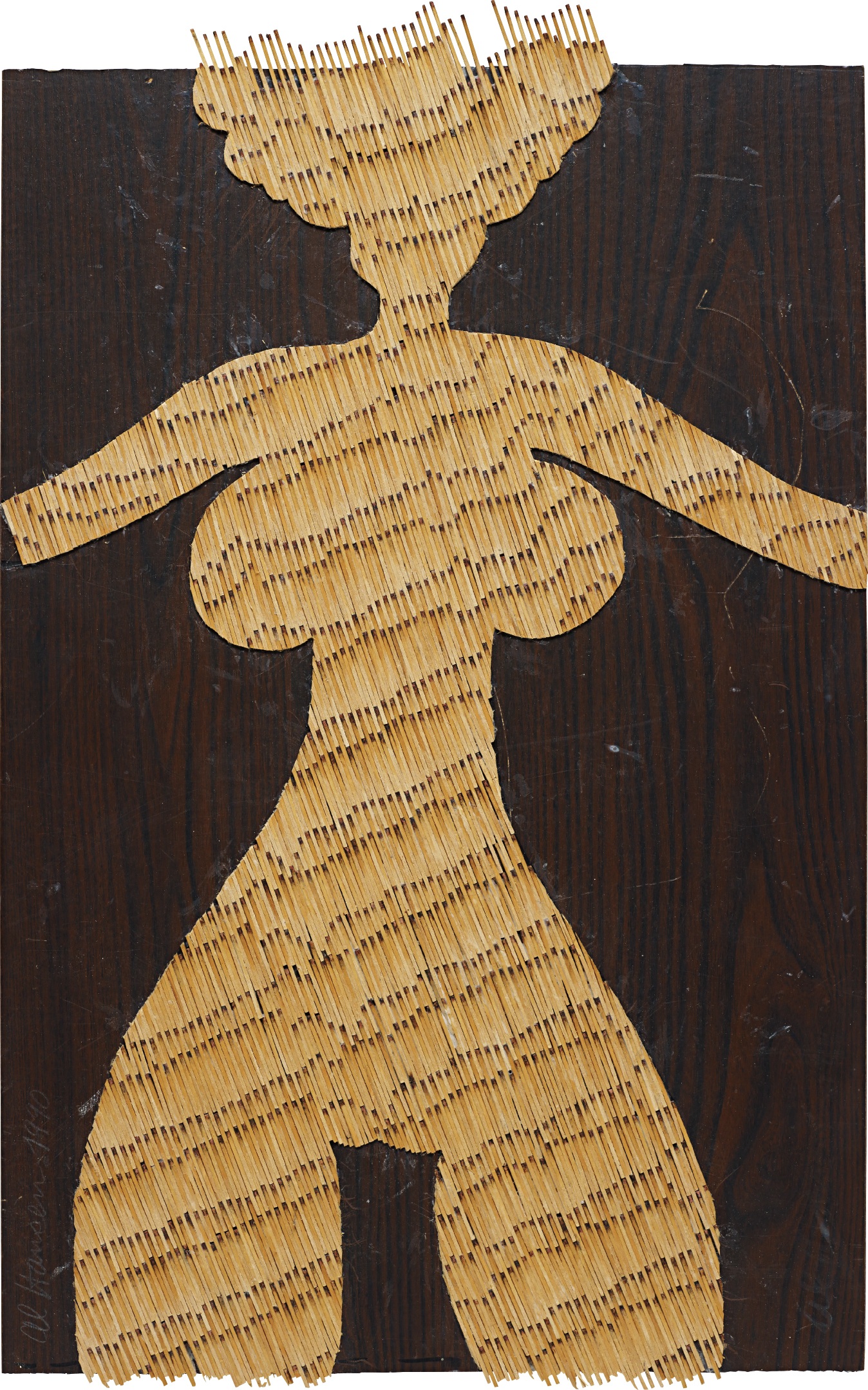
Al Hansen
matches on particle board
The energy in this space is moving toward a more expansive geography and a greater willingness to see material practice as a form of politics rather than pure aesthetics. Collectors who have approached textural work primarily through the lens of European and American modernism are increasingly finding that the most interesting new thinking is happening elsewhere, or in the productive friction between traditions. What has not changed, and will not, is the fundamental truth that a great textural work asks something of its viewer that a flat image simply cannot: it asks you to believe in the physical world as a place where meaning accumulates, one layer at a time.