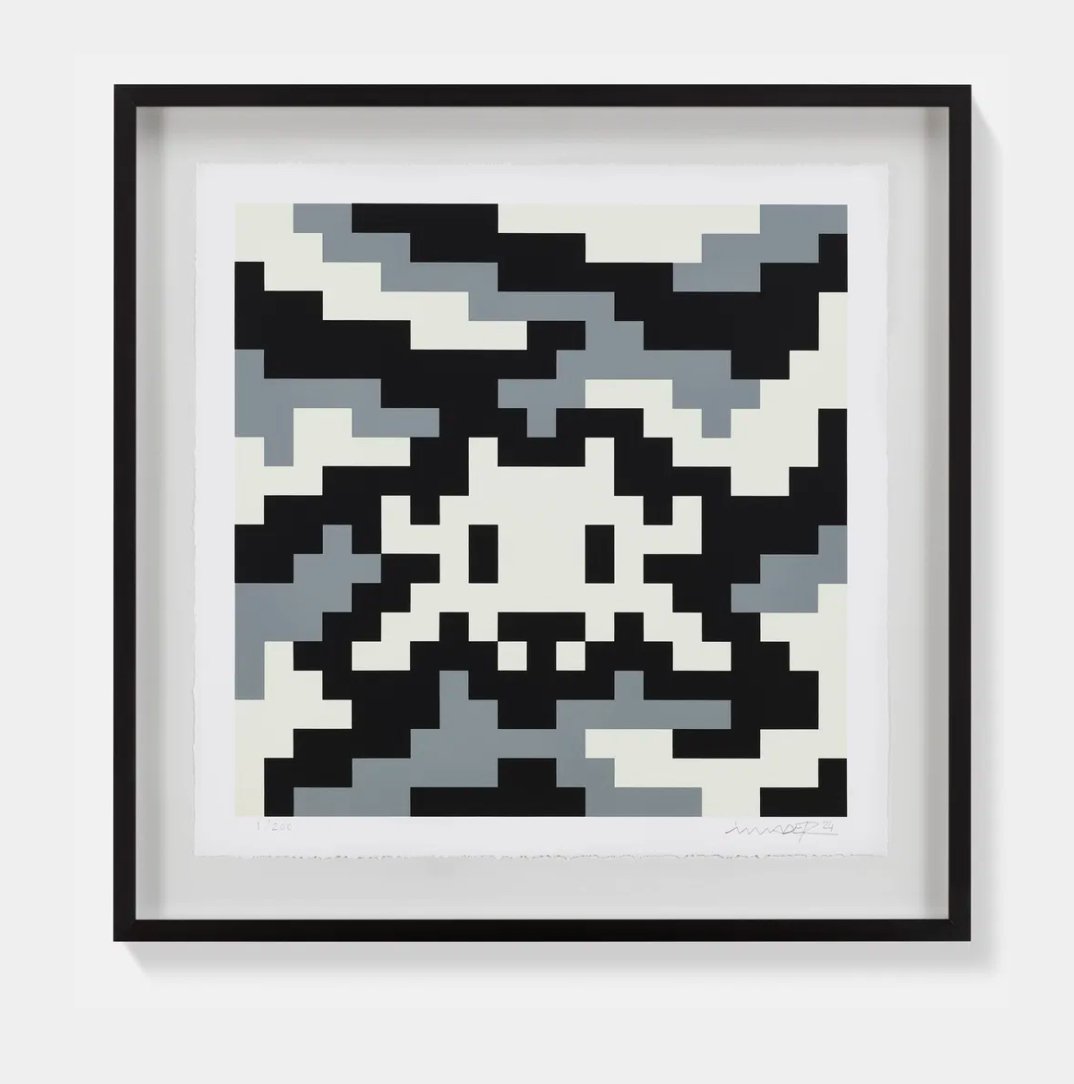
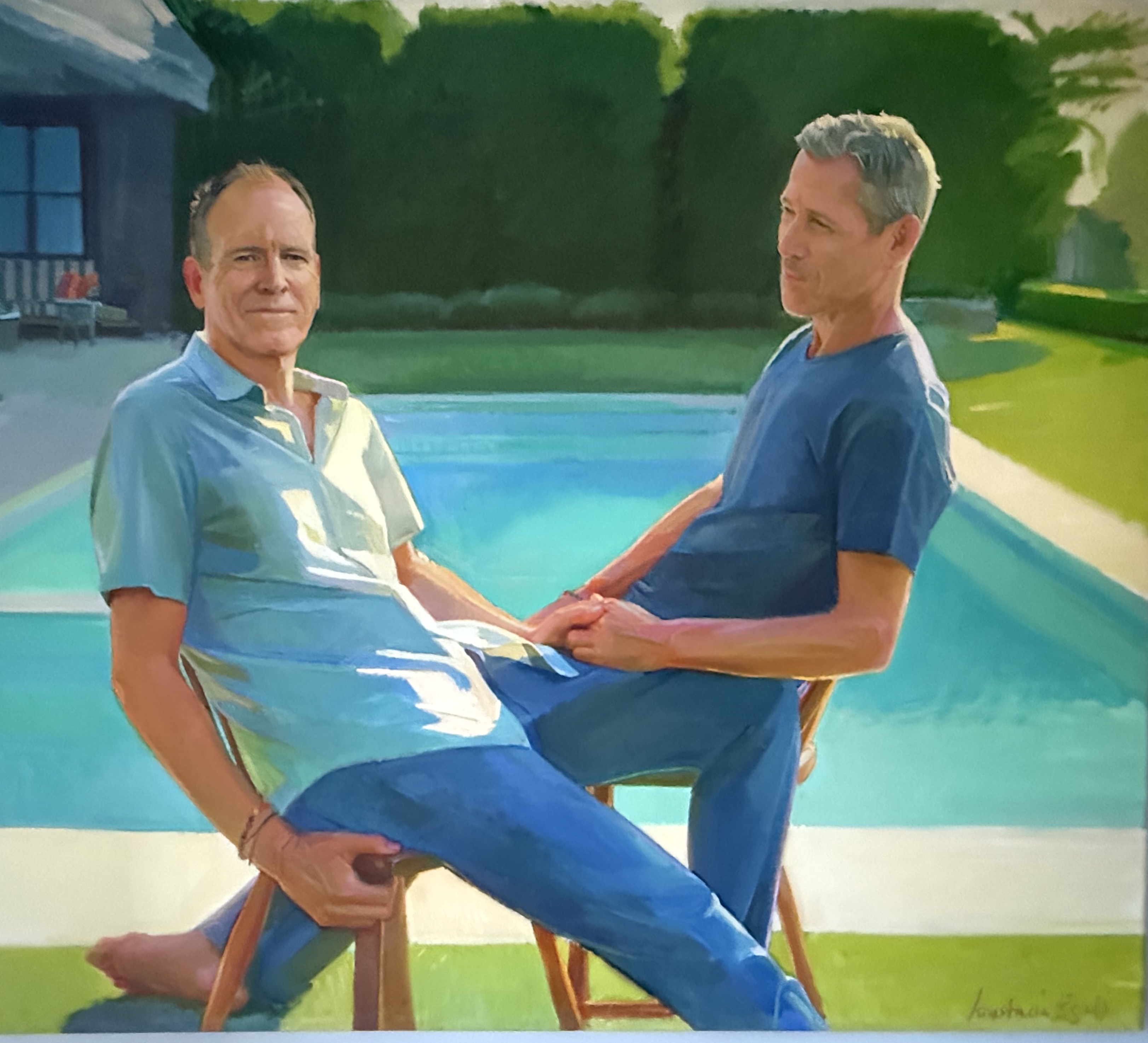
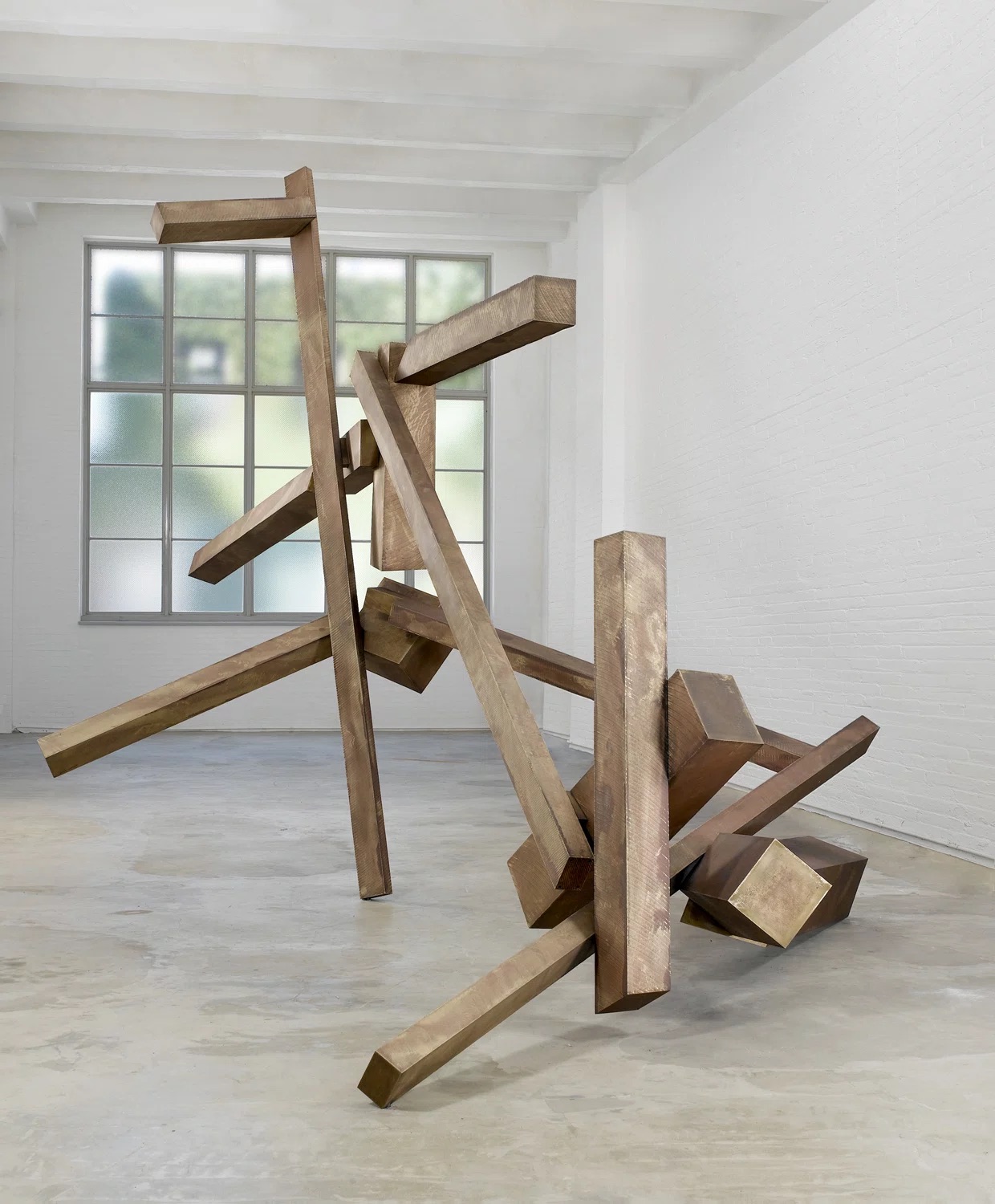
Tactile Surface
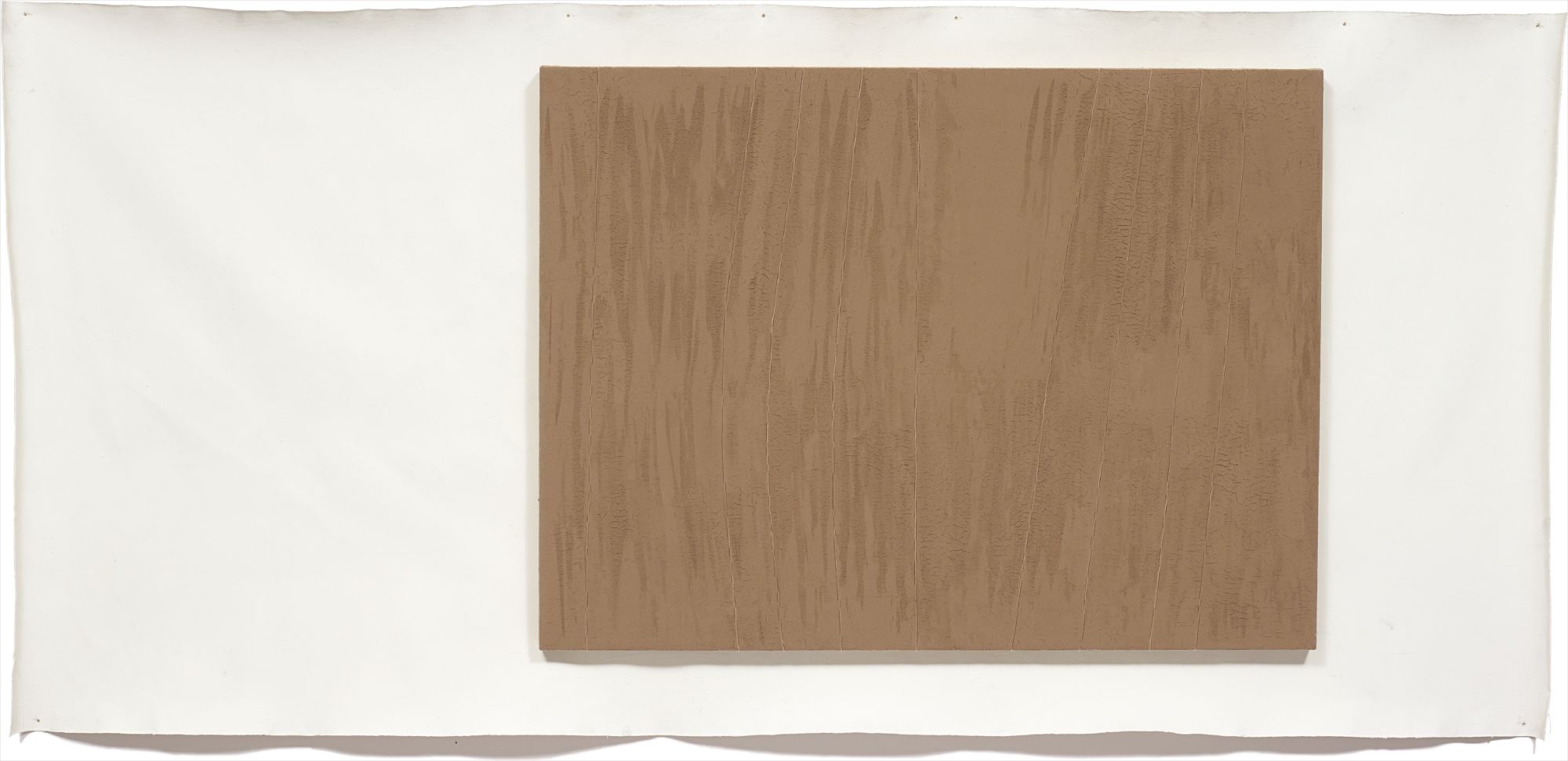
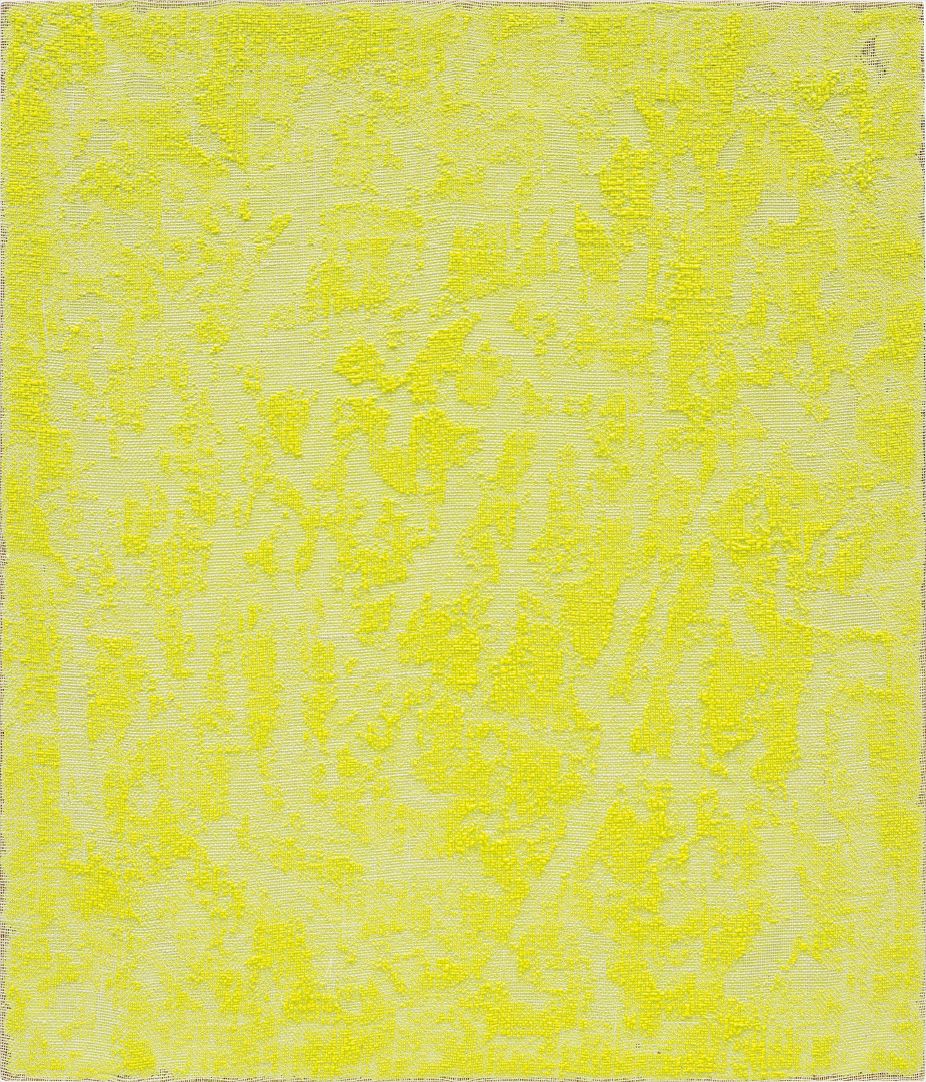
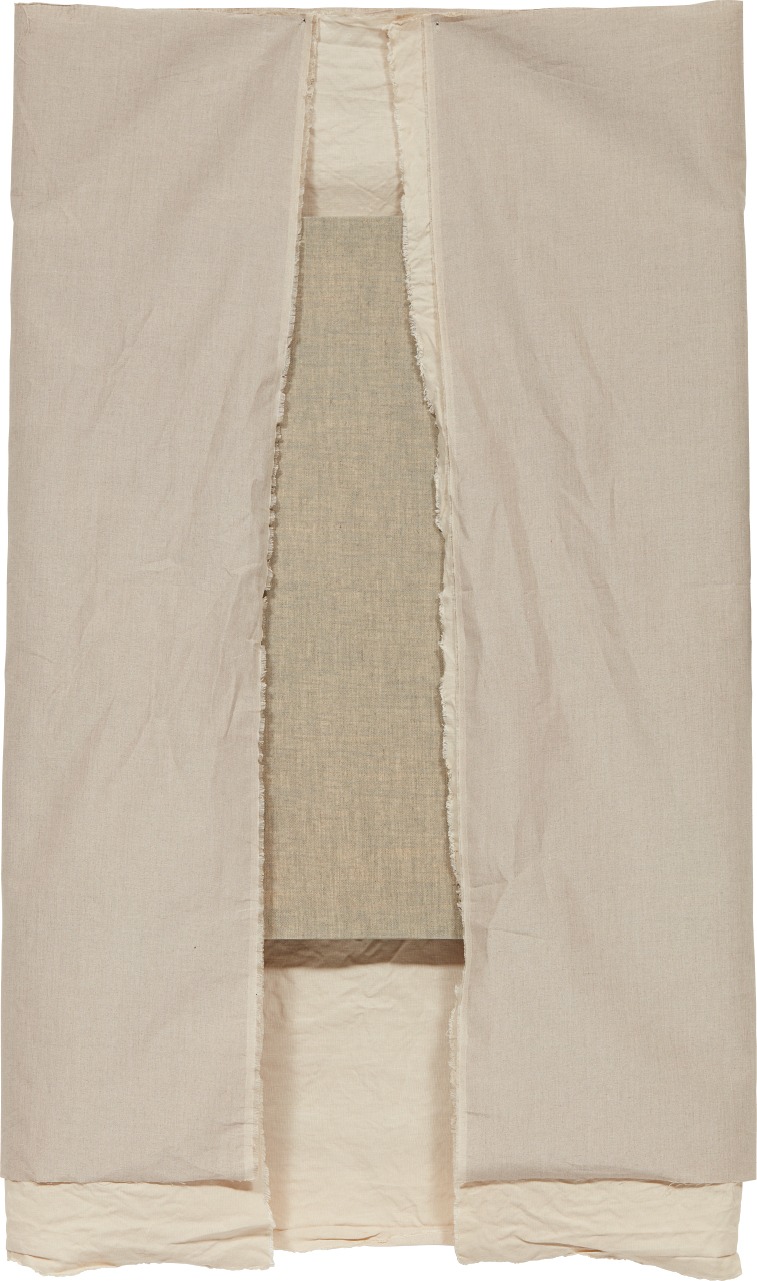
N. Dash
W/1.w.c.
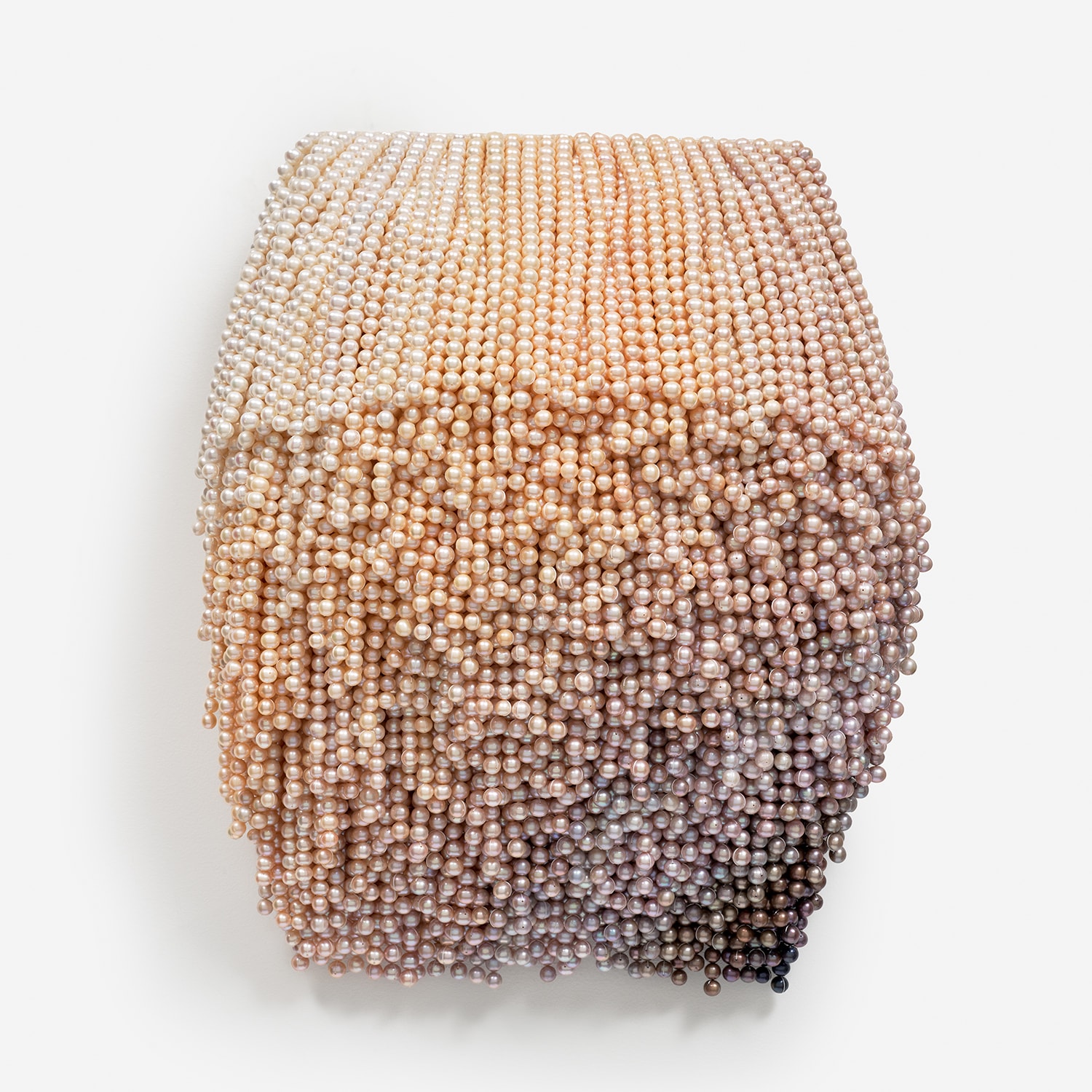
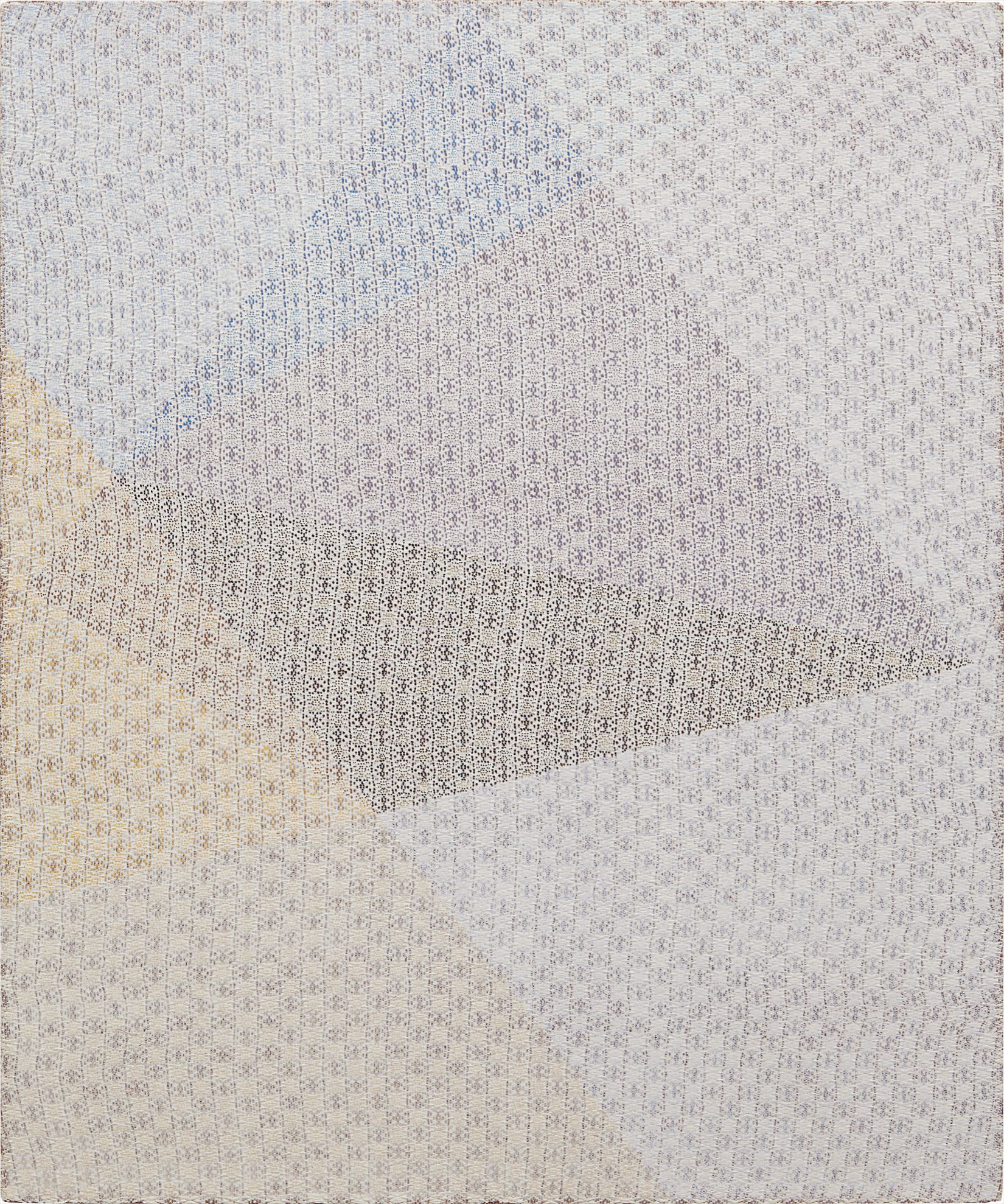
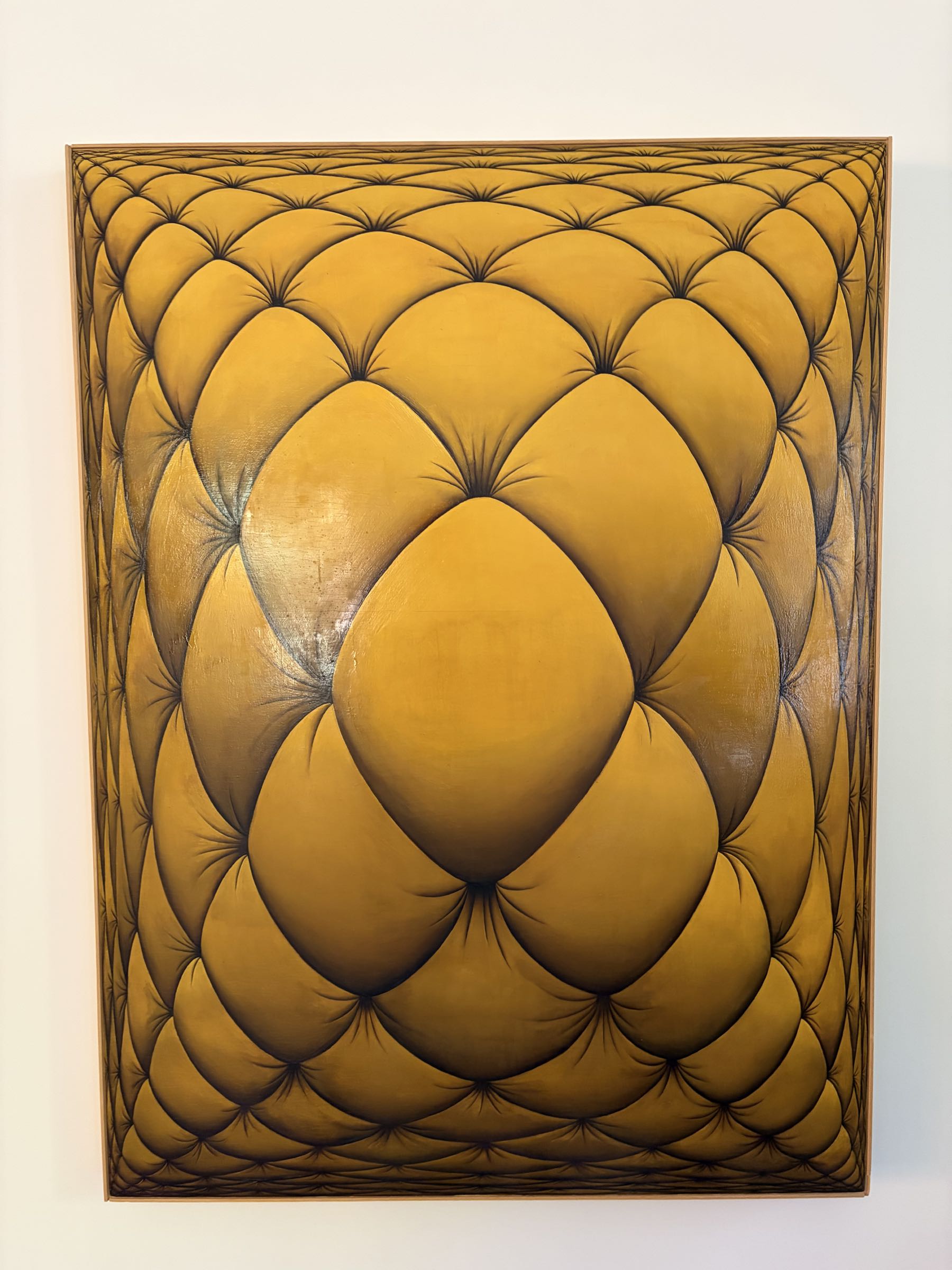
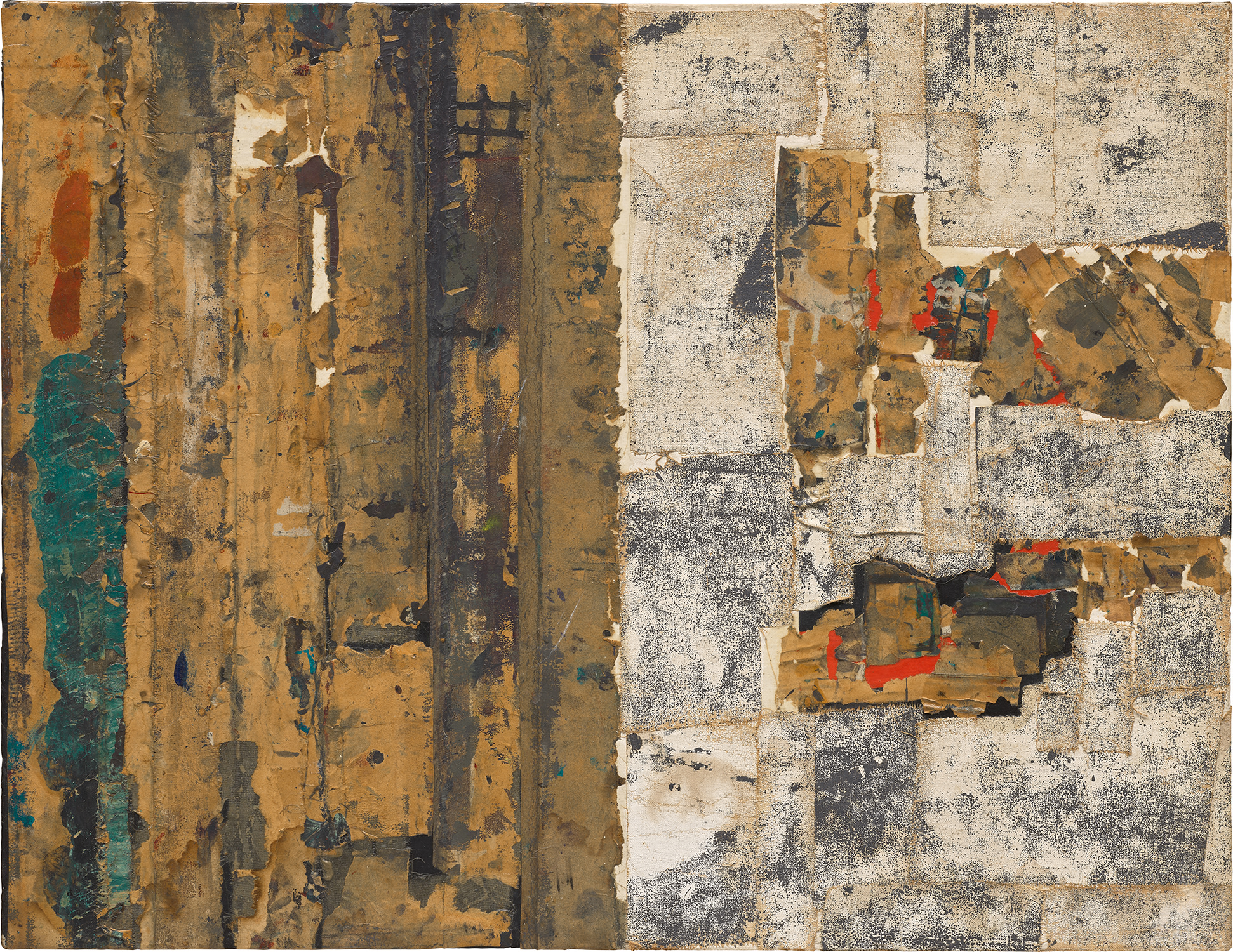
Feel Everything: Art That Demands Your Touch
There is a category of art that refuses to be experienced from a polite distance. It pulls you forward, makes you want to reach out, to press a finger into its surface, to understand it through the body rather than the mind alone. Tactile surface work occupies this charged territory, where the physical fact of the object becomes the subject itself, and where the conventional separation between viewer and artwork begins to dissolve. To spend time with these works is to be reminded that looking is, at its core, a form of touch by other means.
The origins of this sensibility reach back to the mid twentieth century, when a generation of artists began questioning whether paint on canvas had exhausted its expressive possibilities. The Italian postwar movement Arte Povera and the broader Spatial Concept movement associated with Lucio Fontana opened a critical door. Fontana's slashed and punctured canvases from the 1950s onward treated the surface as something to be violated, traversed, made physical. His buchi and tagli were not paintings in any traditional sense.
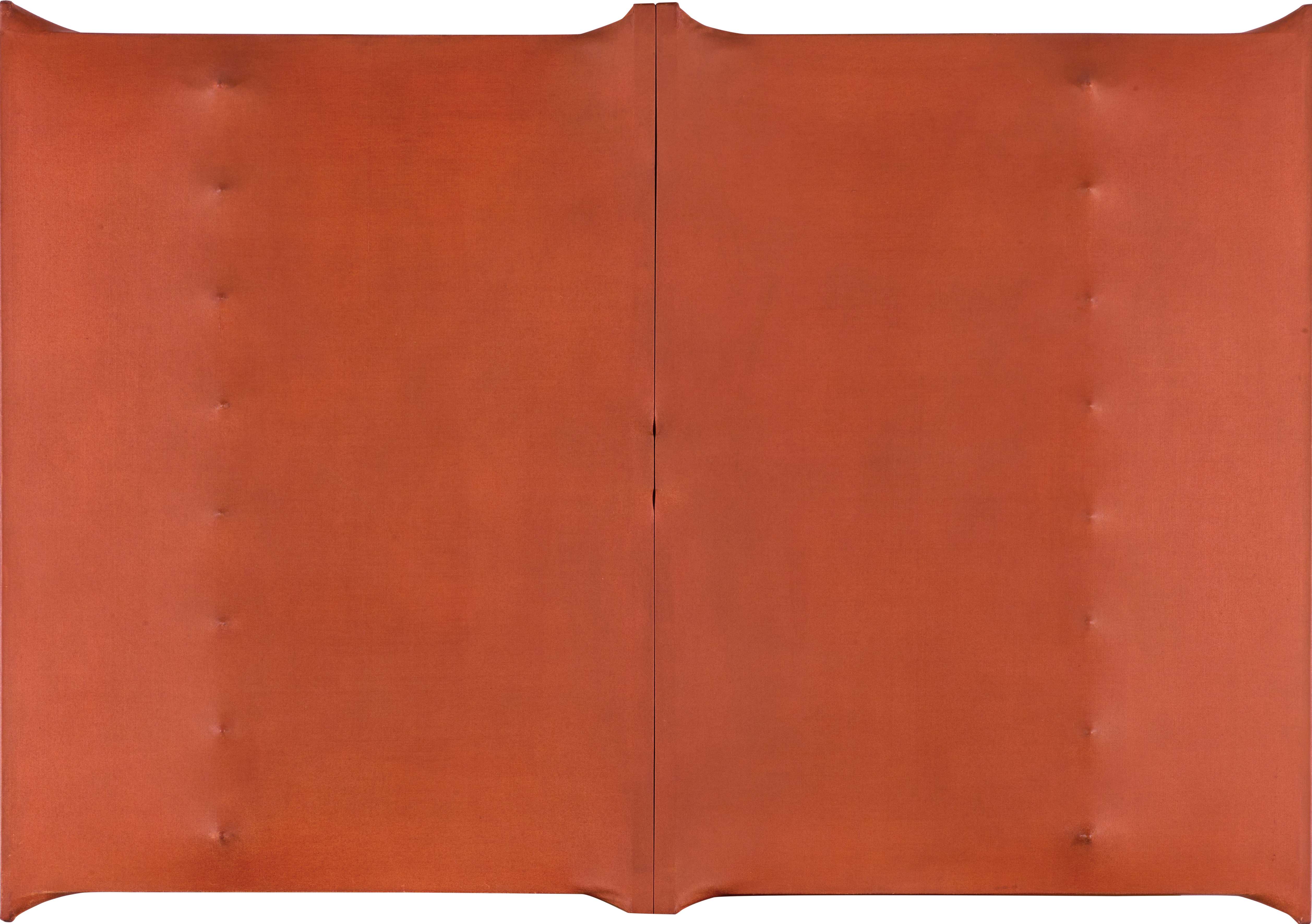
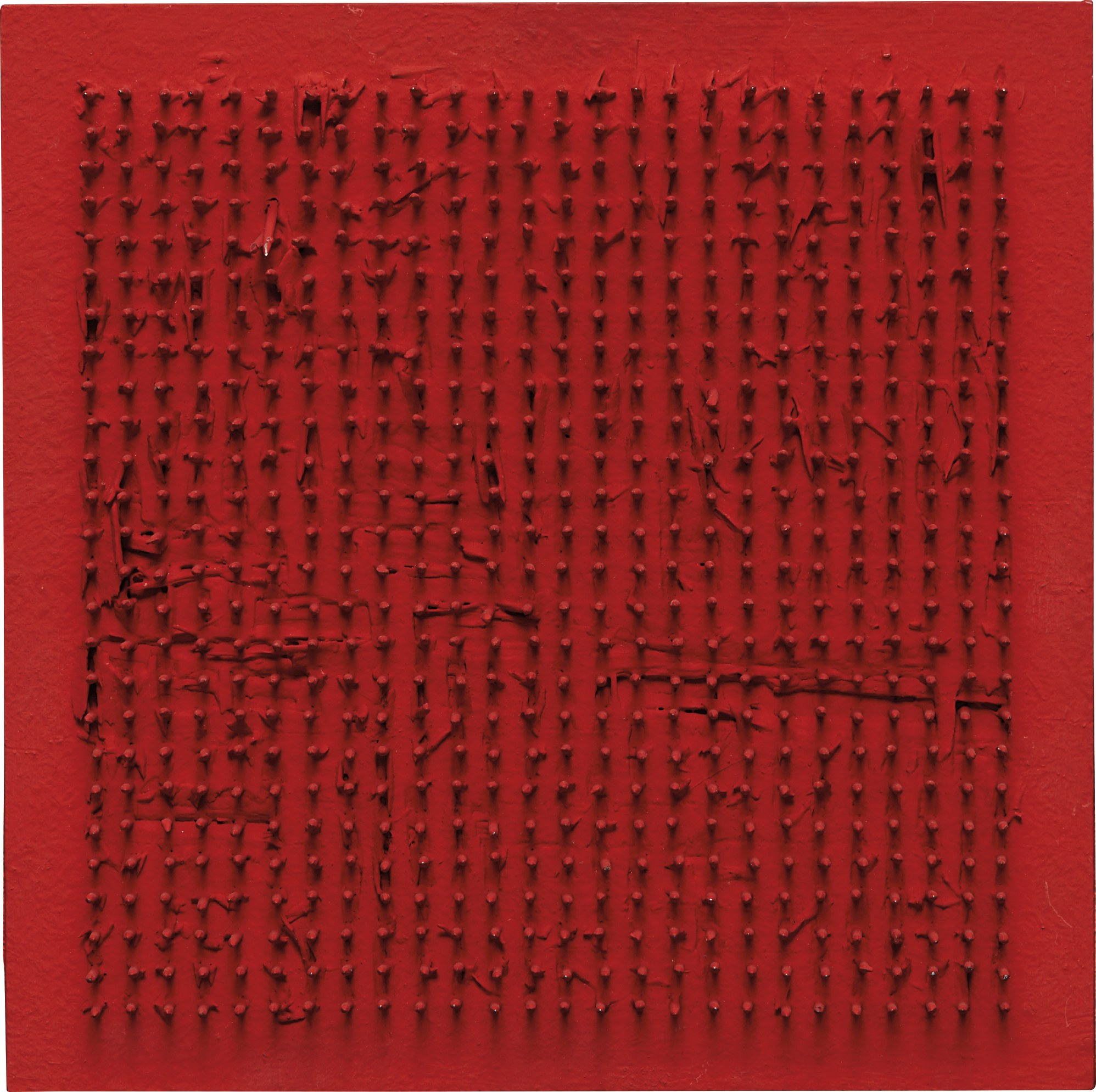
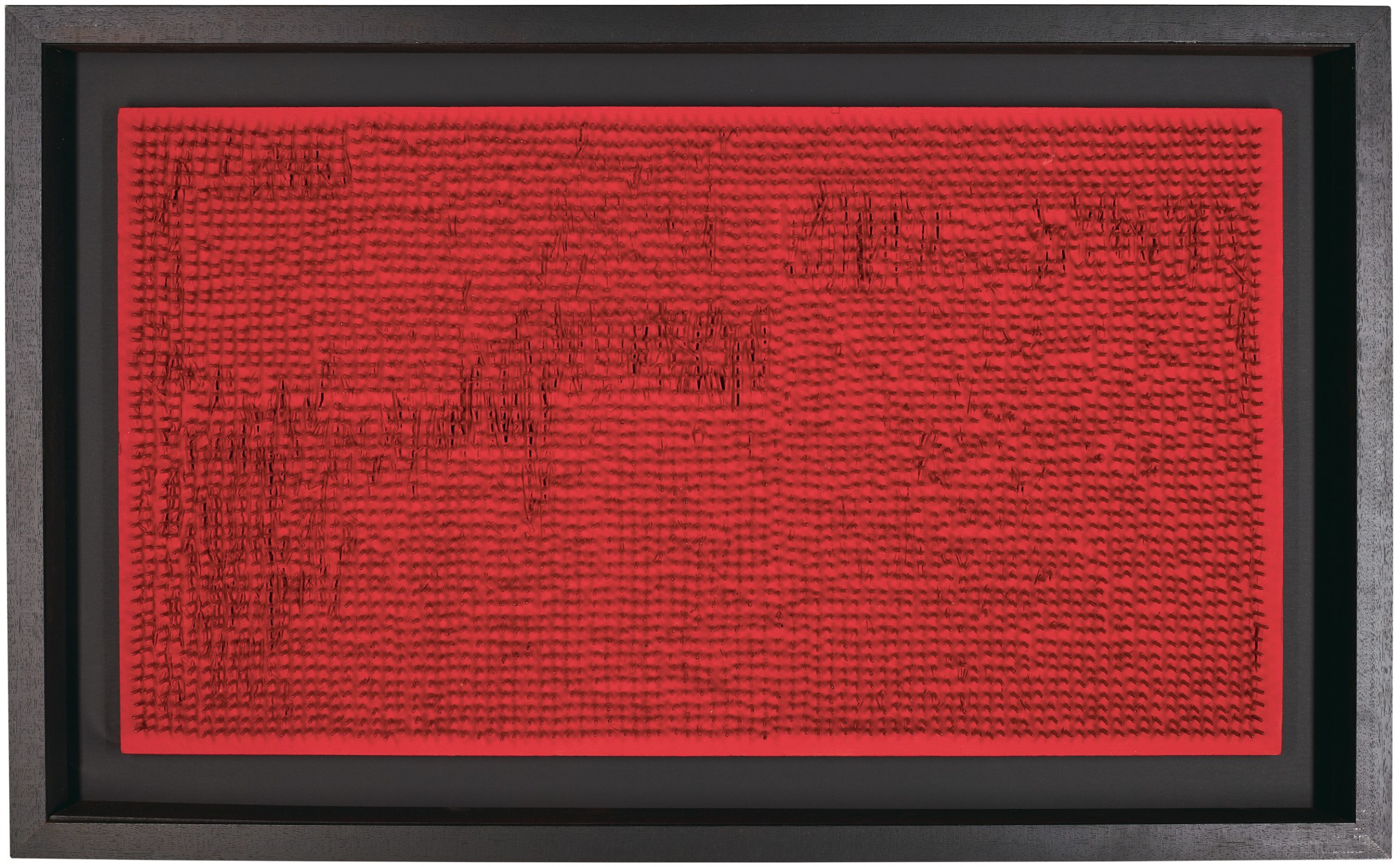
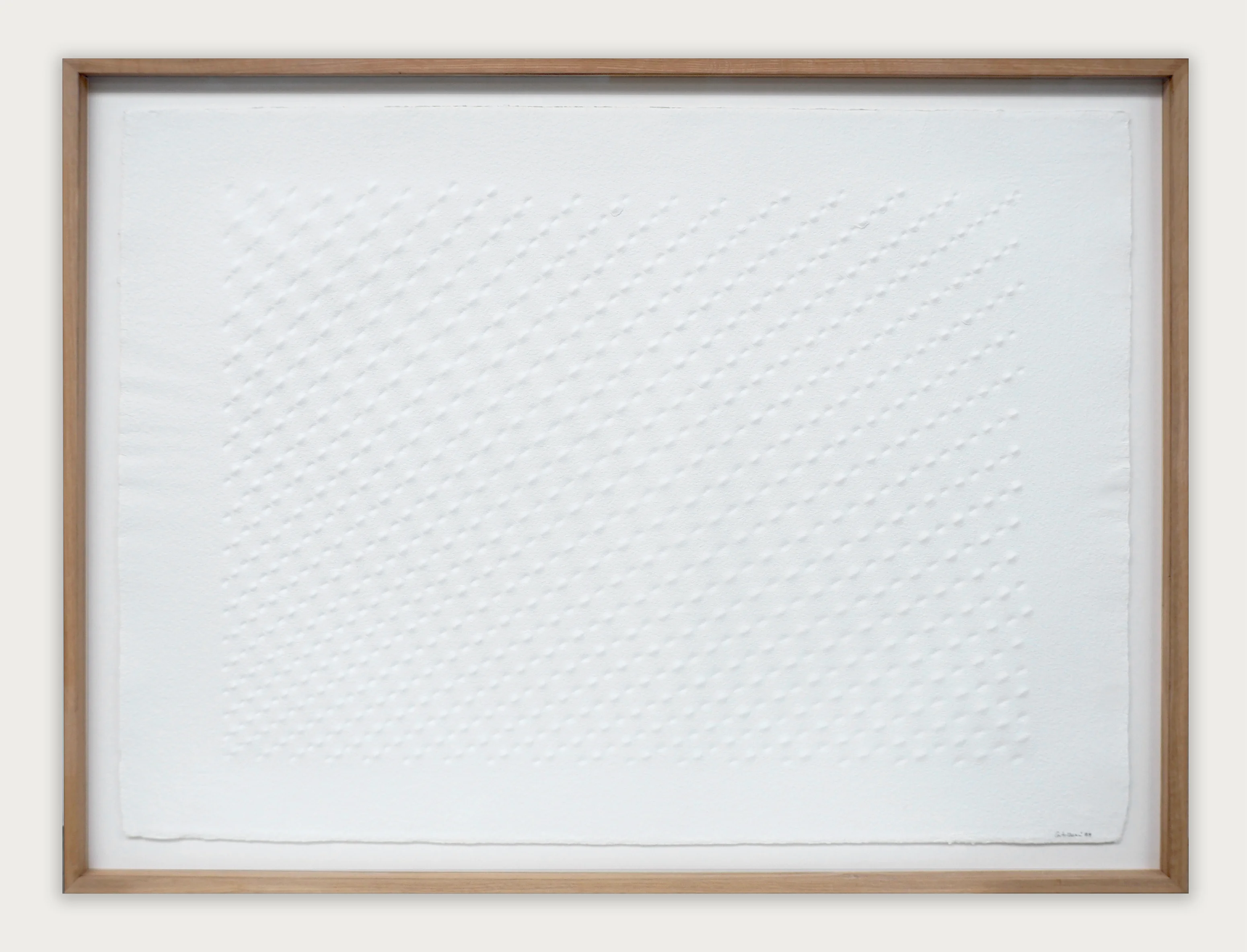
Enrico Castellani
Superficie rossa, 1963
They were events that happened to material, and they changed what artists understood a surface to be capable of. Enrico Castellani emerged from this same Italian ferment and took it somewhere even more rigorous. Working from the early 1960s through decades of sustained investigation, Castellani developed his signature extroflexion canvases, surfaces studded with nails from behind so that the painted plane became a field of rhythmic protrusions and depressions. Light raked across these works differently at every hour and from every angle.
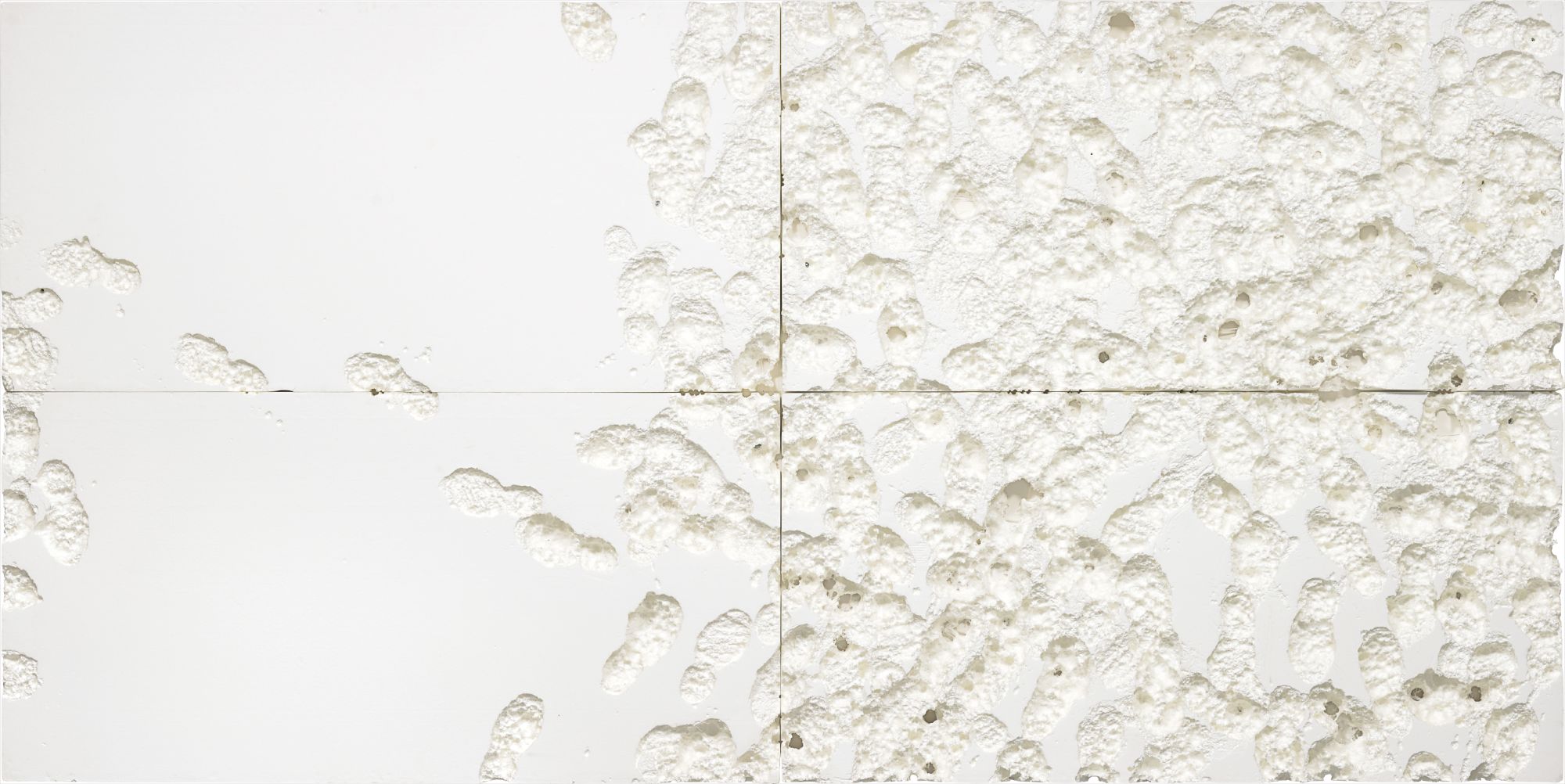
What looked like a monochrome painting revealed itself as a landscape of shadow and relief, a surface that breathed. His work is among the most compelling examples of how tactile tension can become the entire content of a piece, and it is well represented on The Collection. Salvatore Emblema, a less internationally celebrated figure but one increasingly recognized as a genuinely radical voice, developed a practice rooted in the physical manipulation of canvas fiber itself. Rather than applying material to a support, Emblema unraveled and rewove the canvas, making the surface an object of transformation rather than reception.
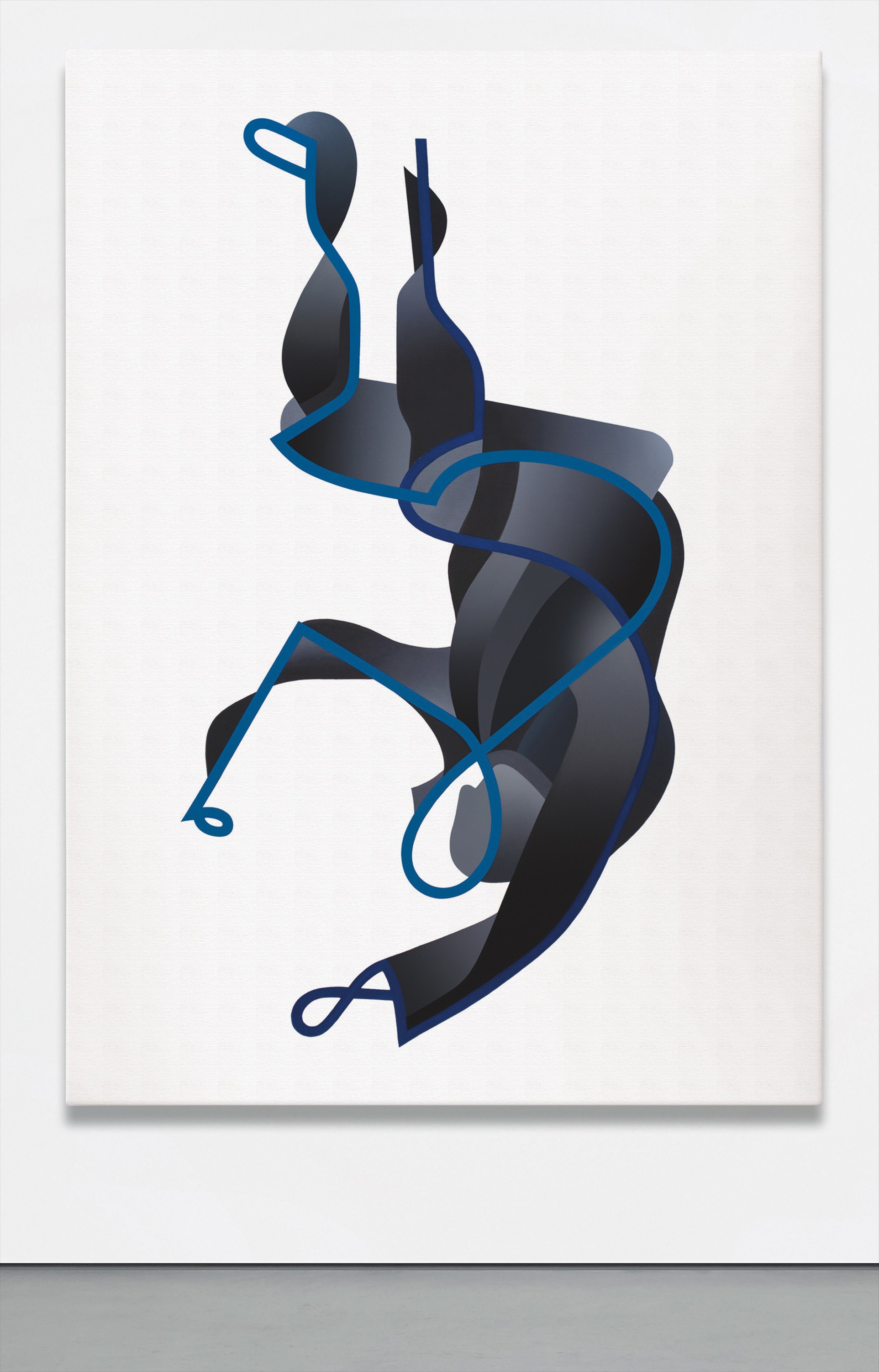
Salvatore Emblema
"Materico" "Pitture", 1965
His work anticipates what many younger artists would later explore: the idea that the ground of painting is not neutral, that it carries memory and potential, and that working into it rather than onto it produces something fundamentally different in kind. Nuvolo, known also as Giorgio Ascani and associated with the Roman avant garde of the late 1950s, similarly pressed and embossed surfaces in ways that recorded gesture as physical fact rather than painted illusion. The German and French postwar contexts produced their own tributaries of this sensibility. Bernard Aubertin, who was deeply influenced by his friendship with Yves Klein, turned to fire as a mark making tool, burning works on paper and wood to create surfaces that registered the passage of heat as an almost geological record.
His pyro objects carry an intensity that no brushstroke could replicate because they document a real event, a literal scorching, rather than a representation of one. Rudolf Stingel, working in a very different register, has used materials like Styrofoam and carpet with almost perverse generosity, inviting visitors to physically mark large installations and turning the tactile surface into a collaborative and durational project. His 2013 retrospective at the Chicago Museum of Contemporary Art remains one of the more talked about exhibitions of that decade precisely because the work refused passive spectatorship. The American strand of this investigation runs through process art and materiality based practices that gained momentum in the late 1960s and 1970s.
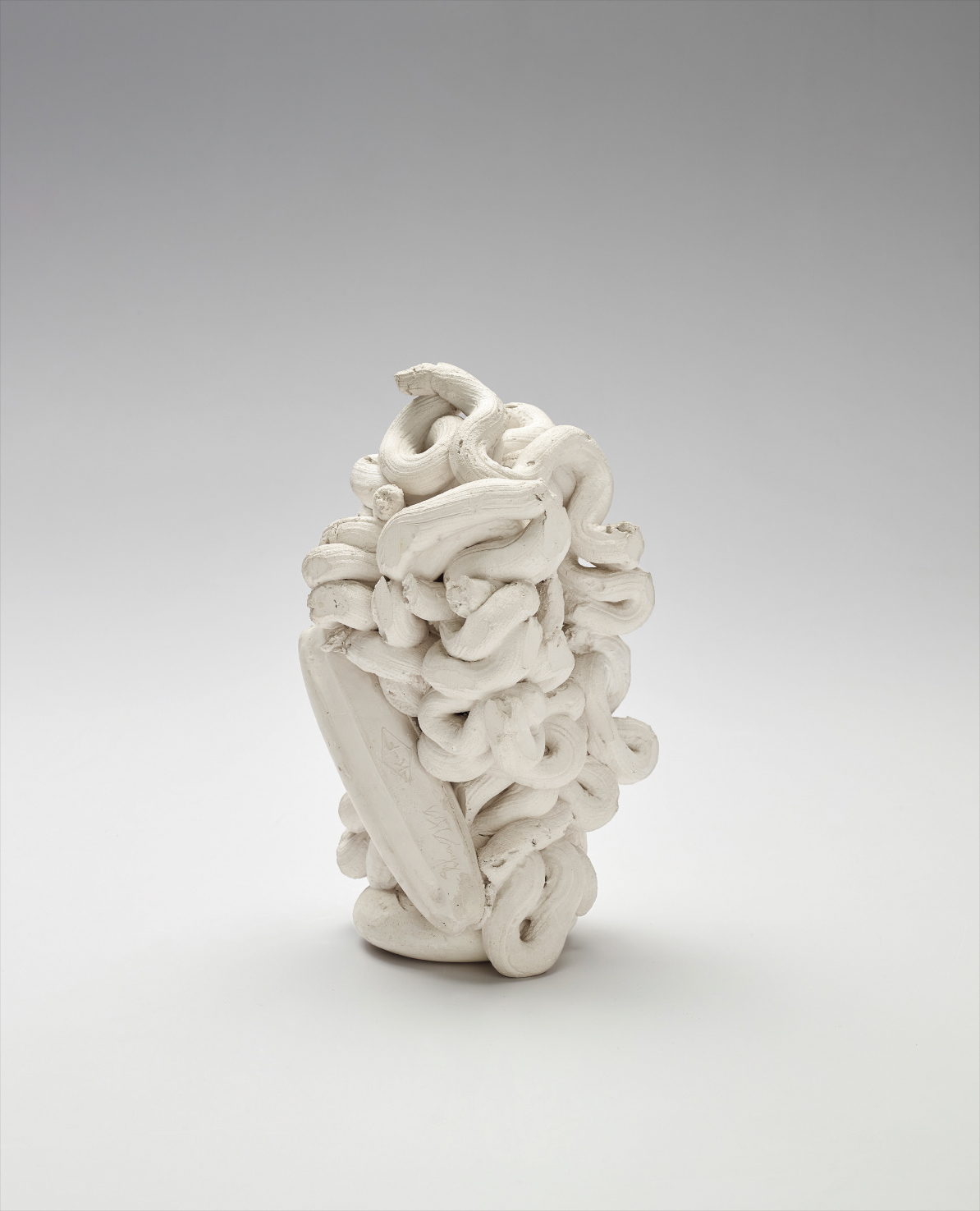
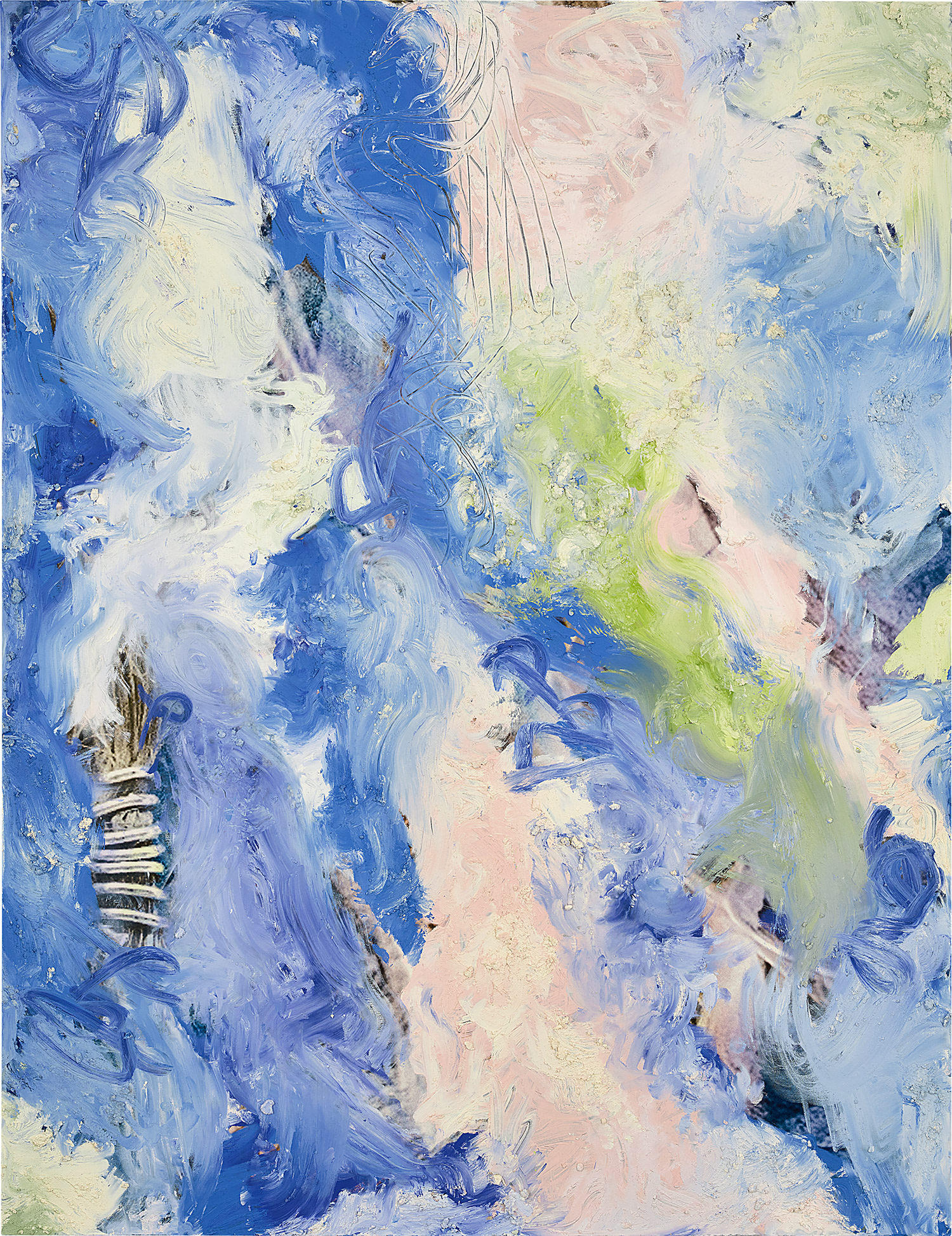
N. Dash
W/1.w.c.
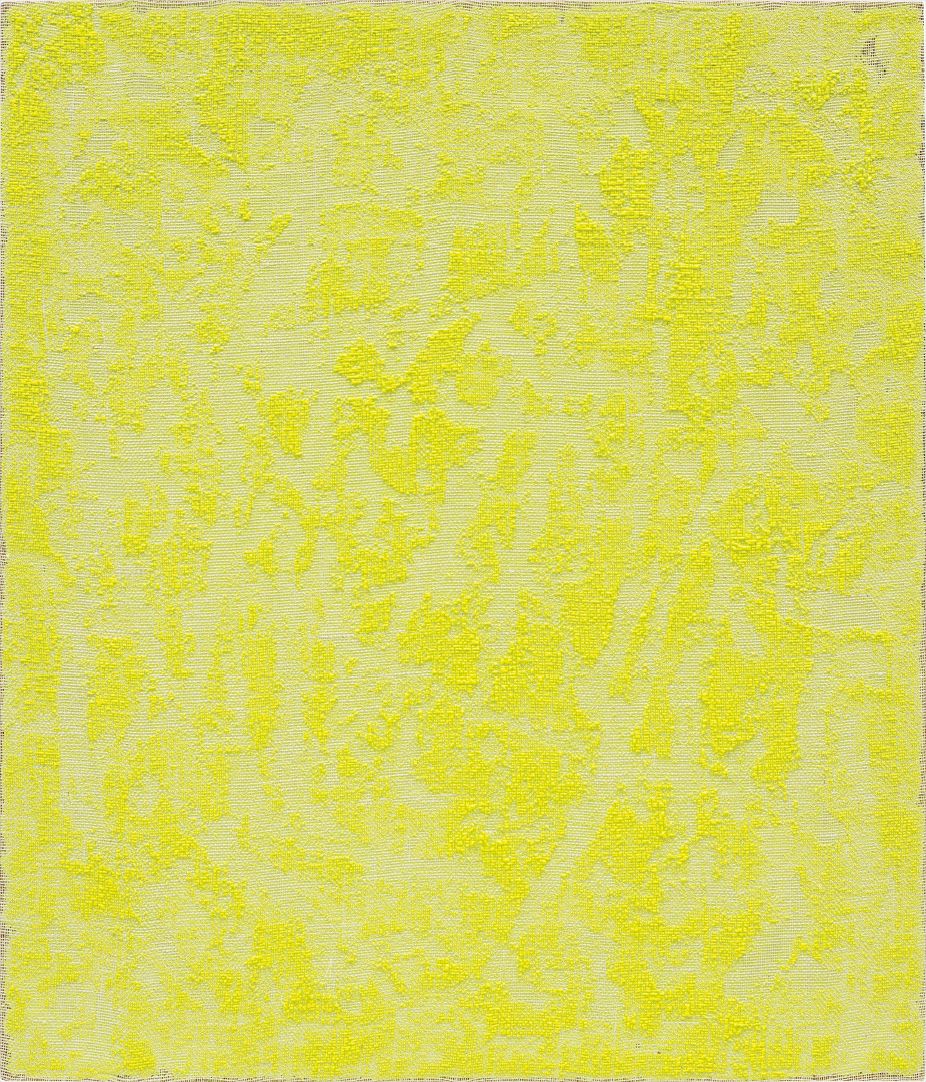
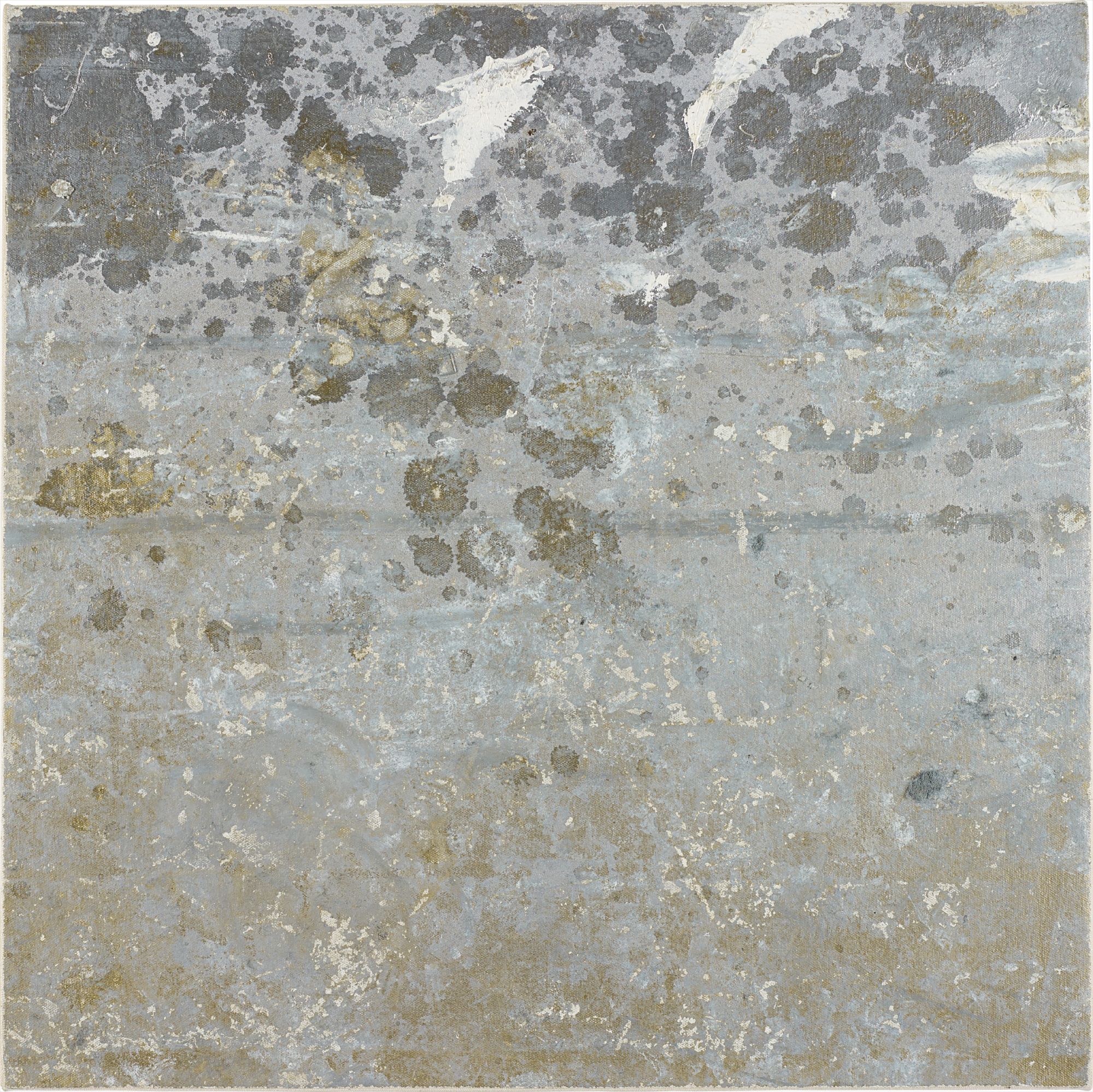
Evan Nesbit, working today, embeds fabric and mesh into his painted surfaces, creating works where the weave of the material becomes visible through and within the paint itself. There is a structural honesty to this approach, an insistence that the support not be hidden or transcended but acknowledged as a co author of the final image. N. Dash works with a similarly embodied logic, sleeping on and physically living with her canvases before they are considered finished, so that the work accumulates traces of time and contact in ways that are literally rather than metaphorically present.
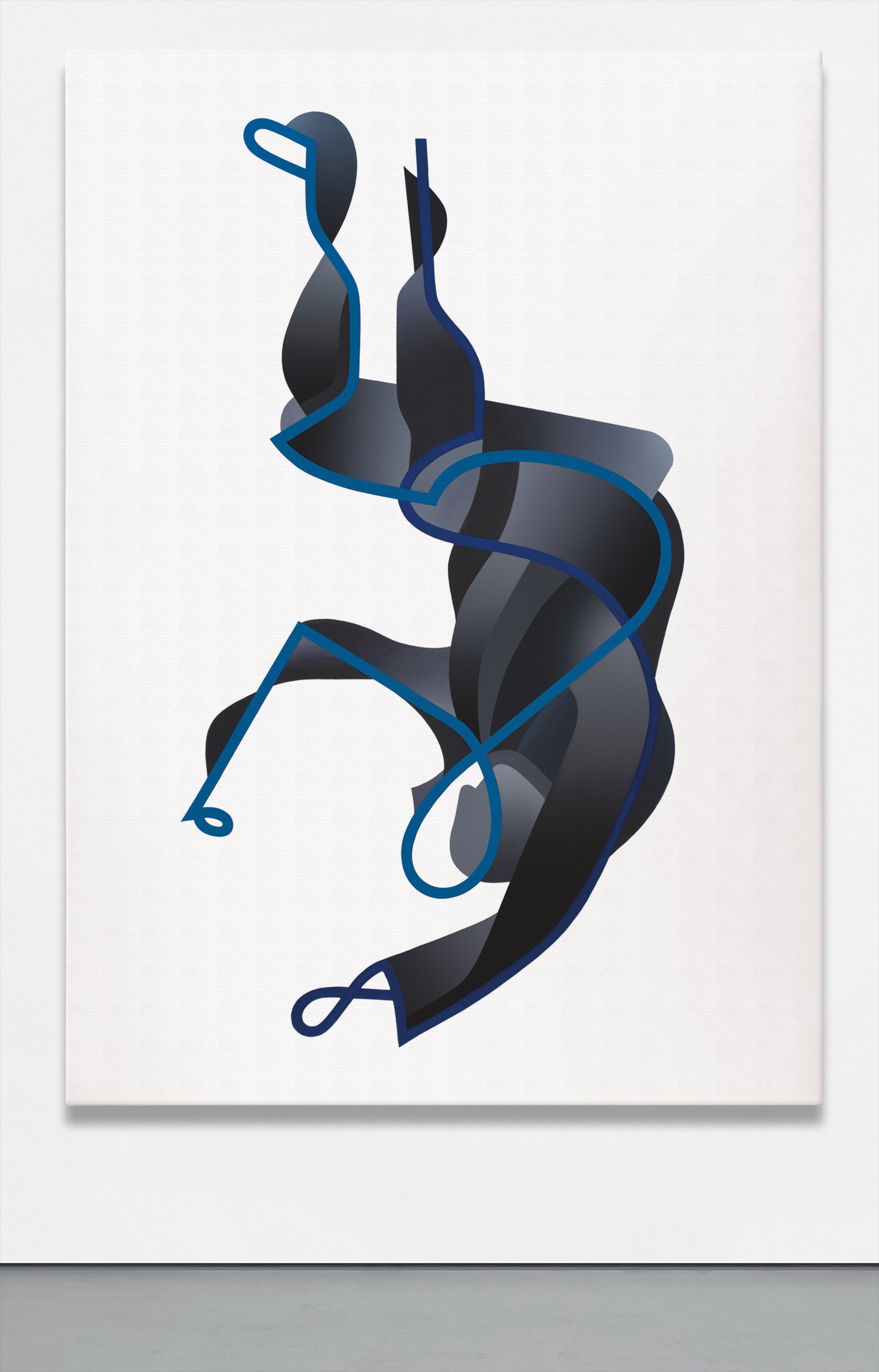
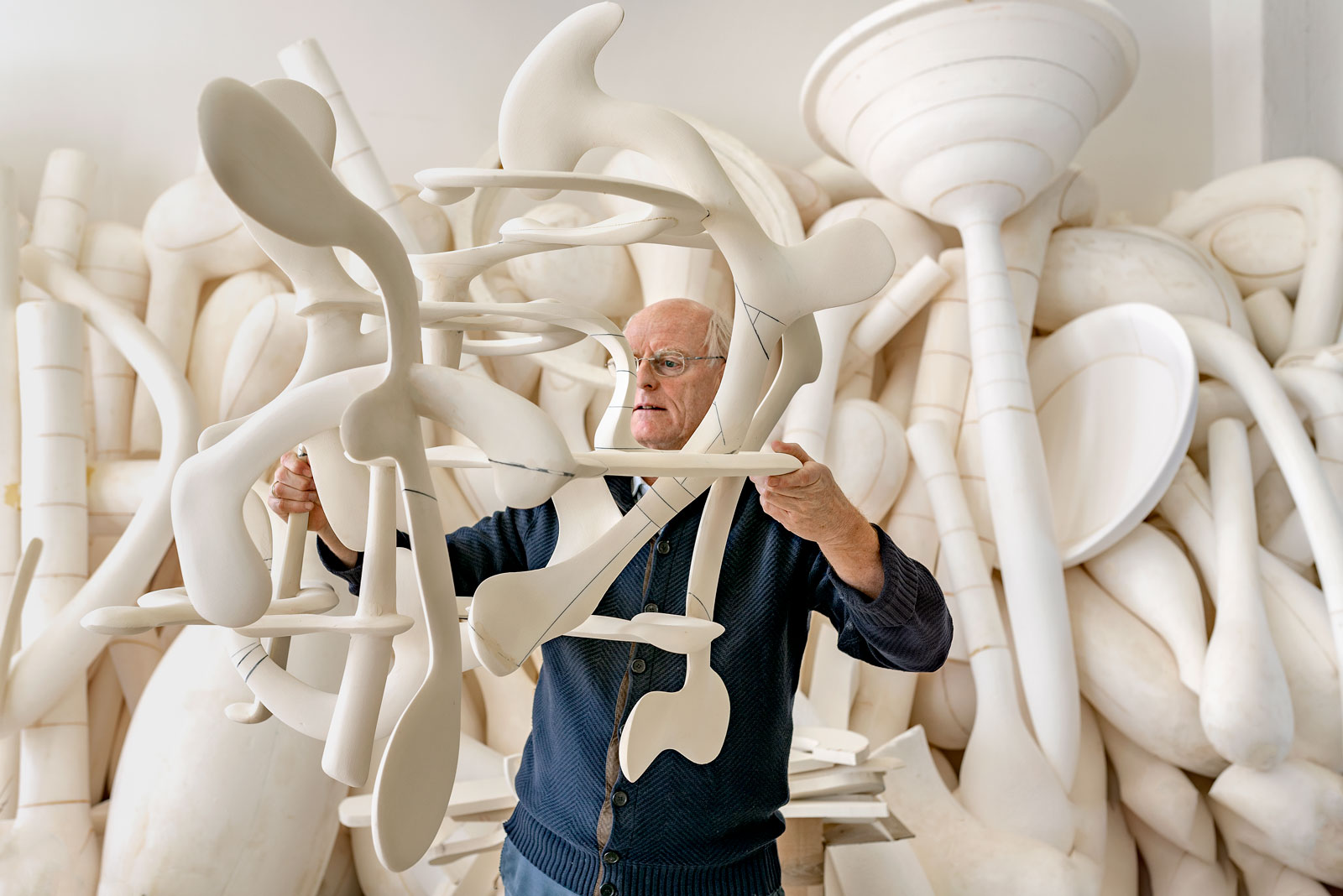
Donna Huanca brings the tactile into an expanded field that involves the body of the performer as much as the painted surface. Her installations often feature live performers whose skin is painted and marked, collapsing the boundary between the artwork's surface and human flesh. Tony Cragg, coming from a sculptural tradition, approaches surface as something discovered through accumulation and arrangement, a surface that is always the outer skin of a complex interior logic. Paola Pivi and Jürgen Drescher, each in distinct ways, manipulate material expectations so that what you anticipate feeling when you look at a surface and what that surface would actually yield are deliberately misaligned.
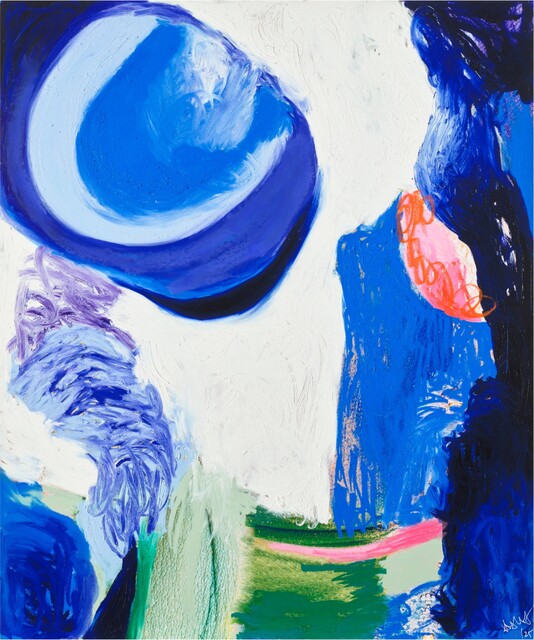
Donna Huanca
Karita de Diosa (Goddess Face), 2022
What unites these practices across their considerable differences is a shared conviction that the relationship between a viewer and a surface is never neutral or merely optical. Every texture implies a potential touch, a pressure, a warmth or coolness. Artists working in this mode understand that they are engaging a primal human instinct, the need to know the world through contact, through resistance, through grain. In an era dominated by screens that simulate depth without providing any, work that foregrounds the actual physical fact of its own surface carries a particular kind of urgency.
For collectors, tactile surface work offers something that no digital reproduction can convey. These are objects that change in real light, that hold the mark of their making in ways you discover slowly and differently each time you spend time with them. To live with a Castellani, or to place a work by Evan Nesbit or N. Dash in a room you inhabit, is to find that the work participates in the life of the space rather than simply hanging in it.
That quality of active presence is rare, and it is precisely what makes this lineage of practice one of the most consistently rewarding areas for a collector to explore.