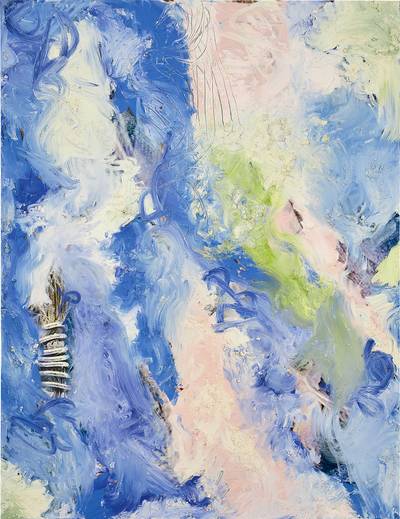
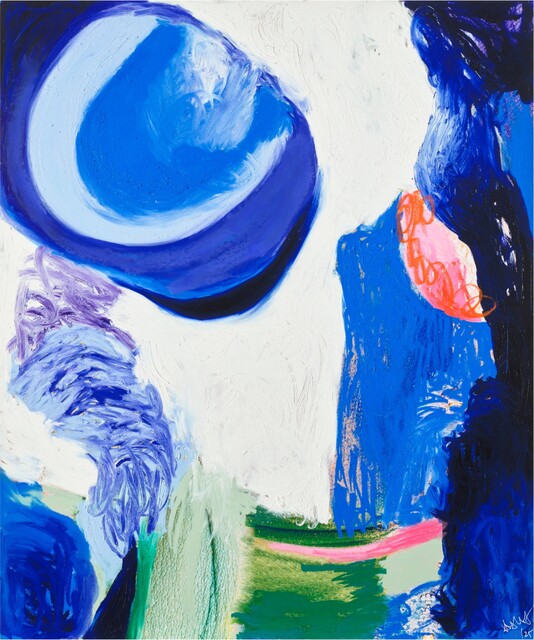
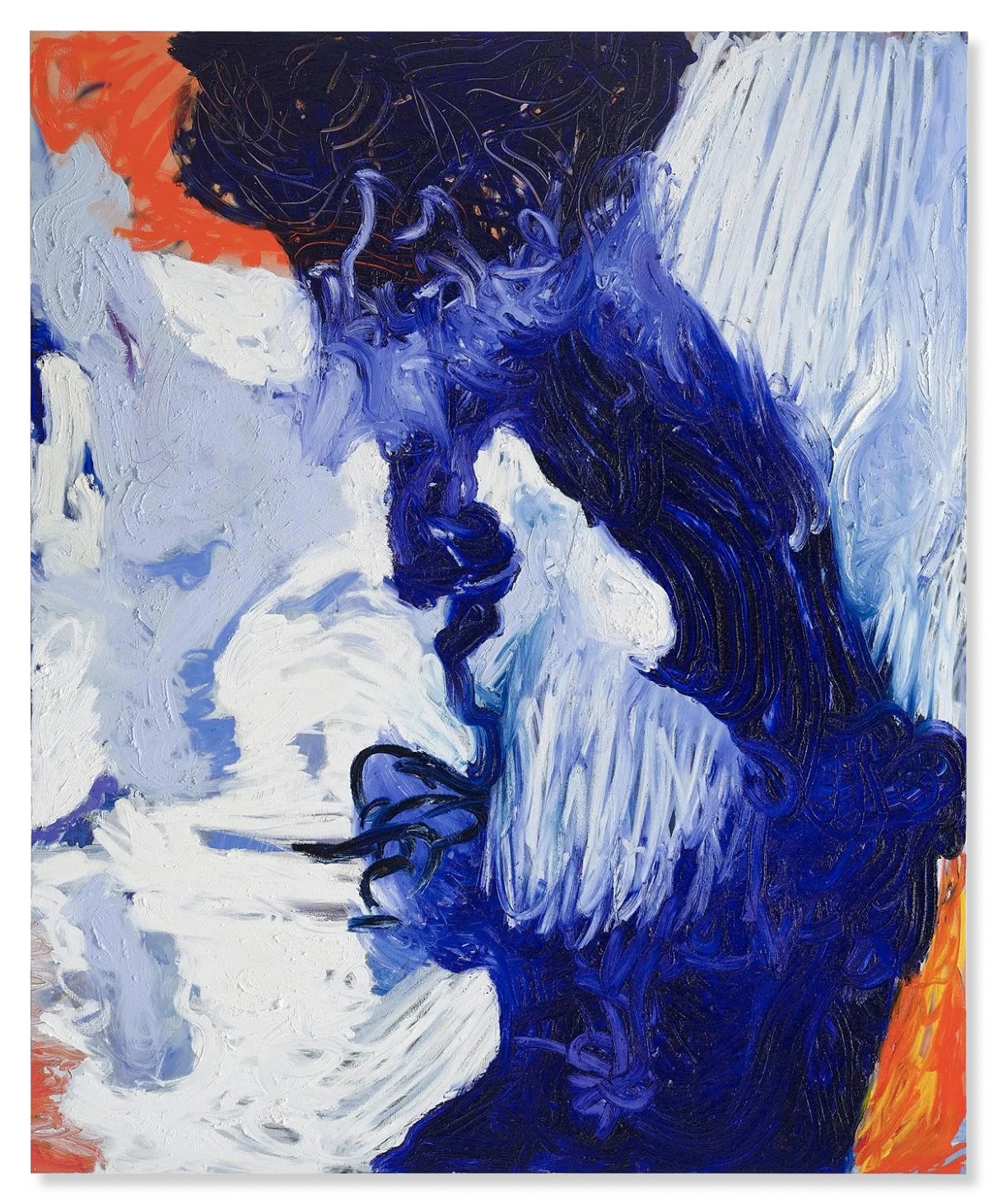
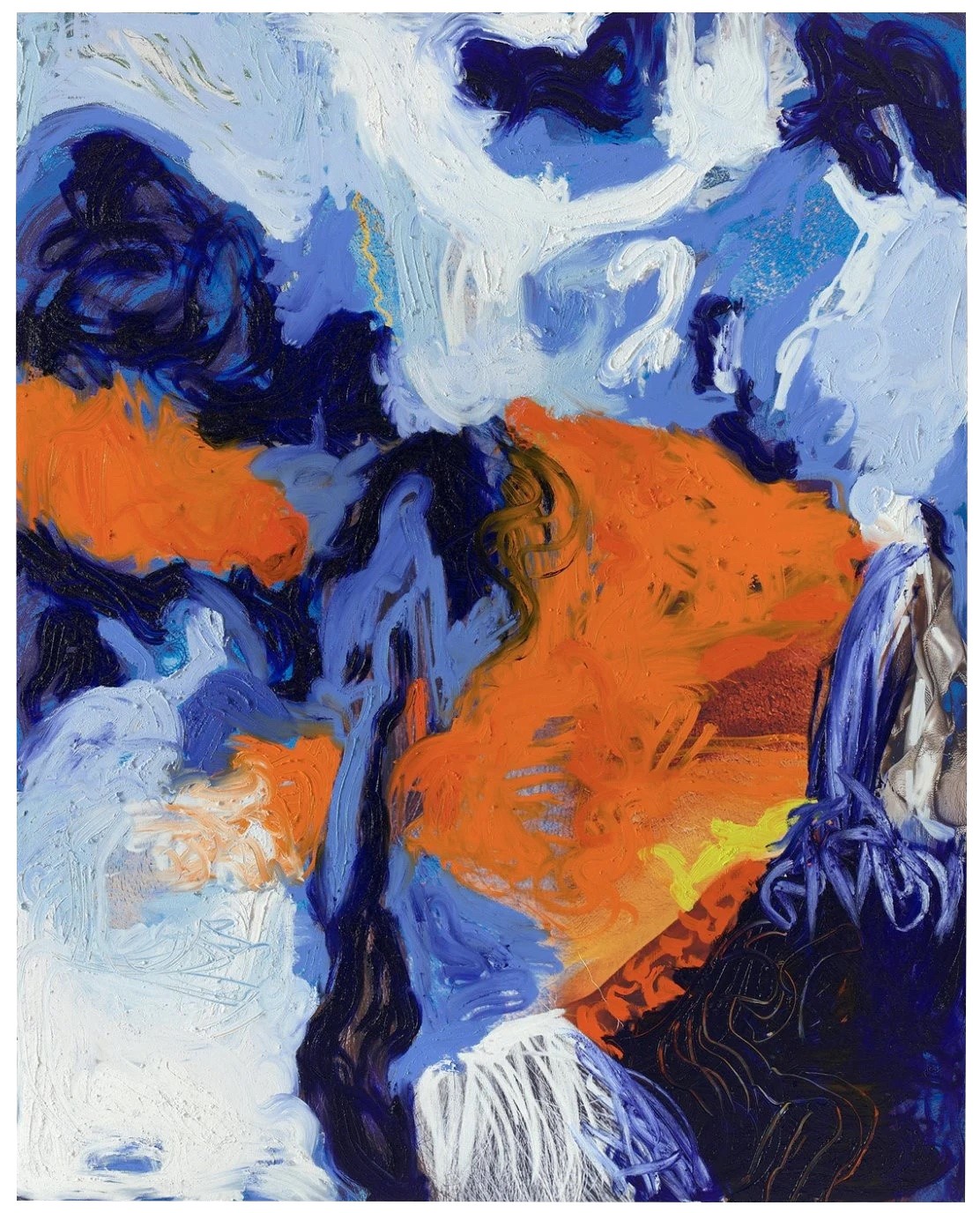
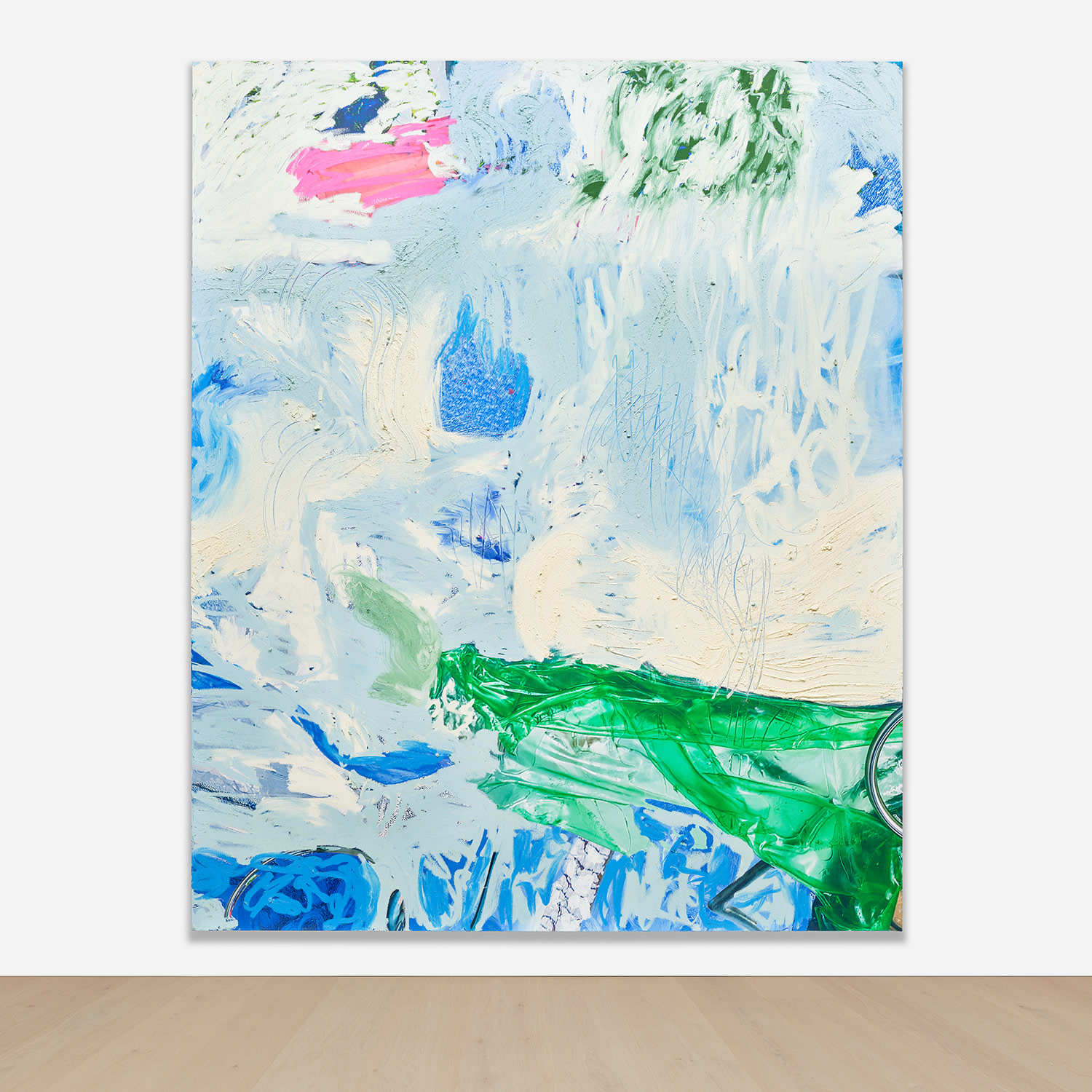
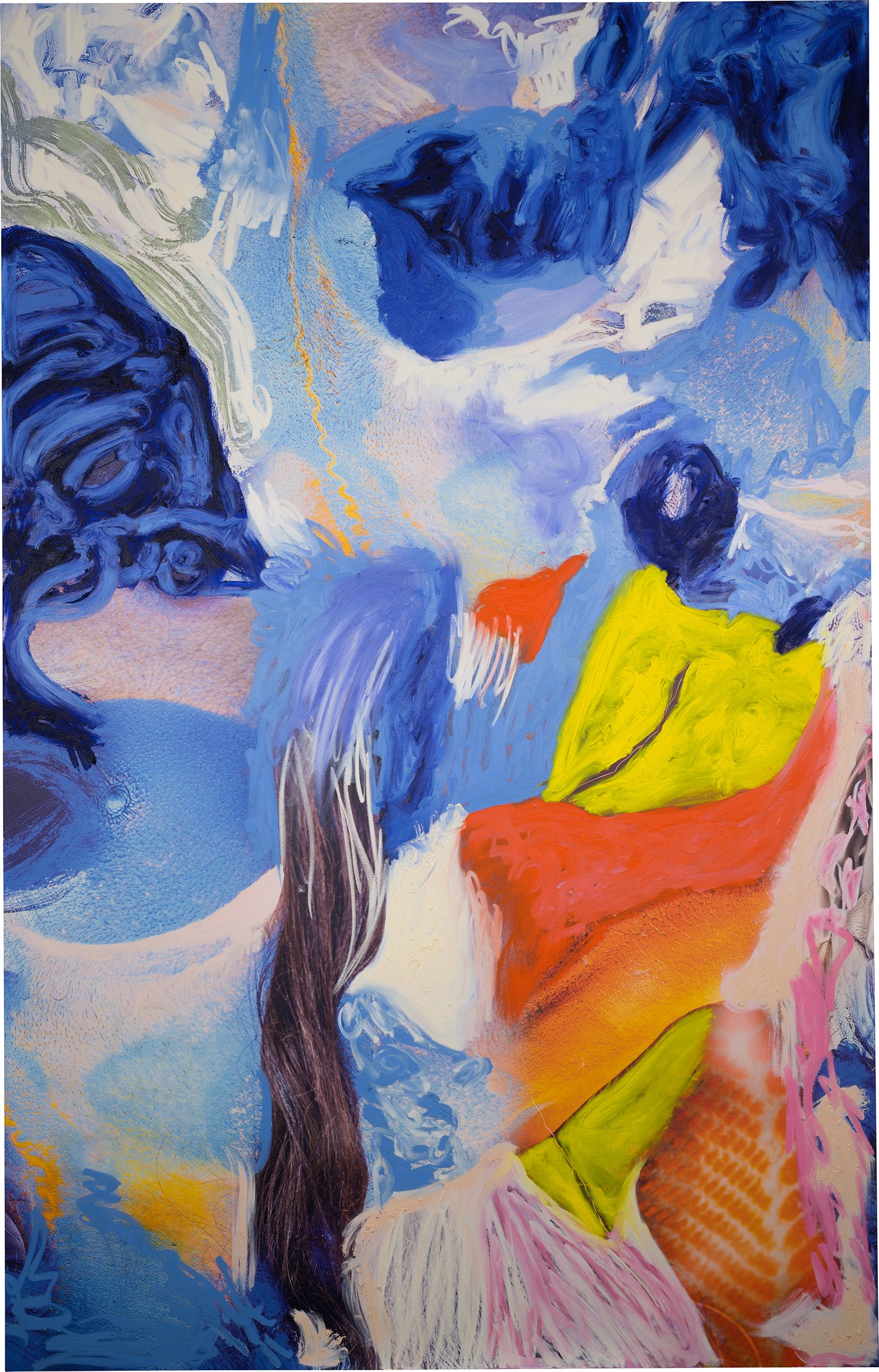
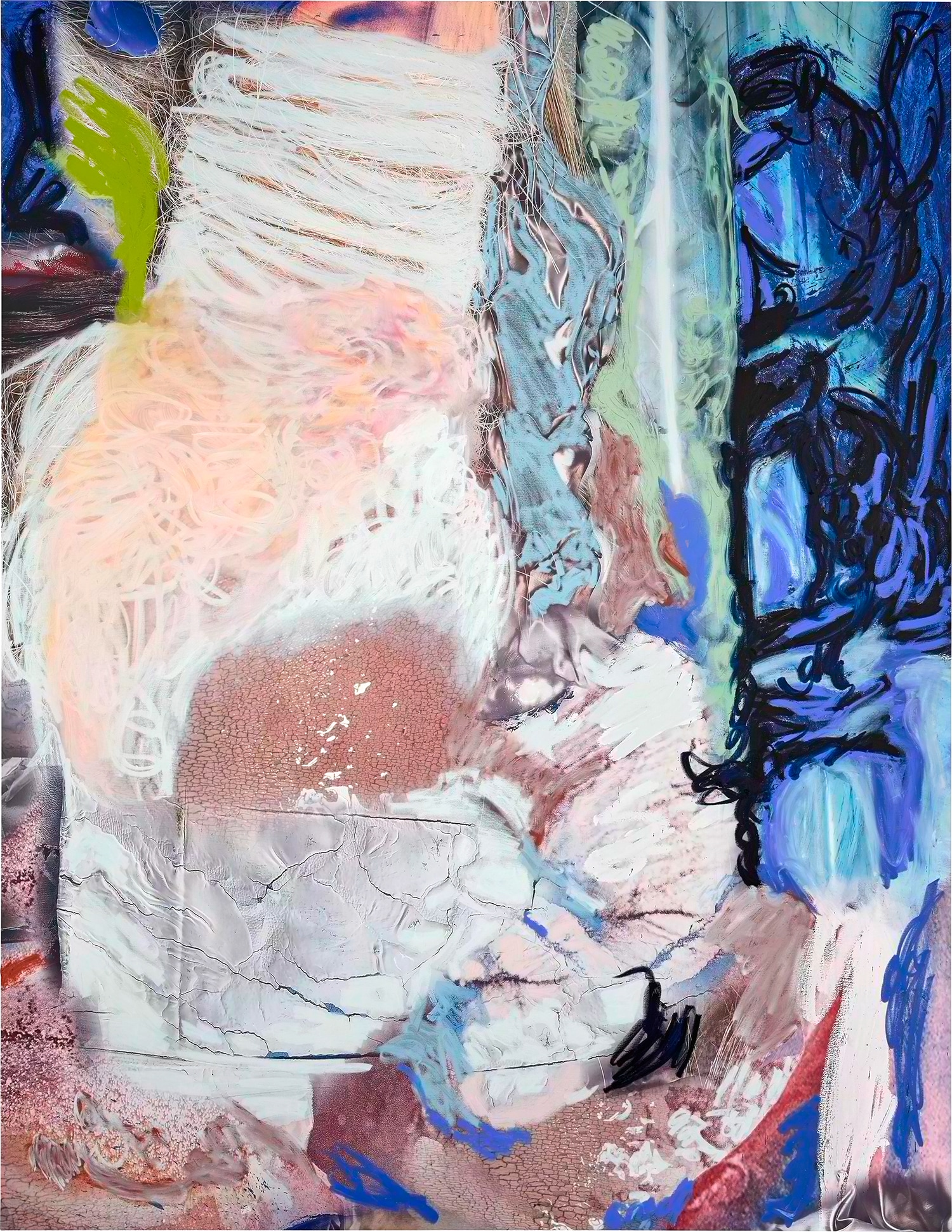
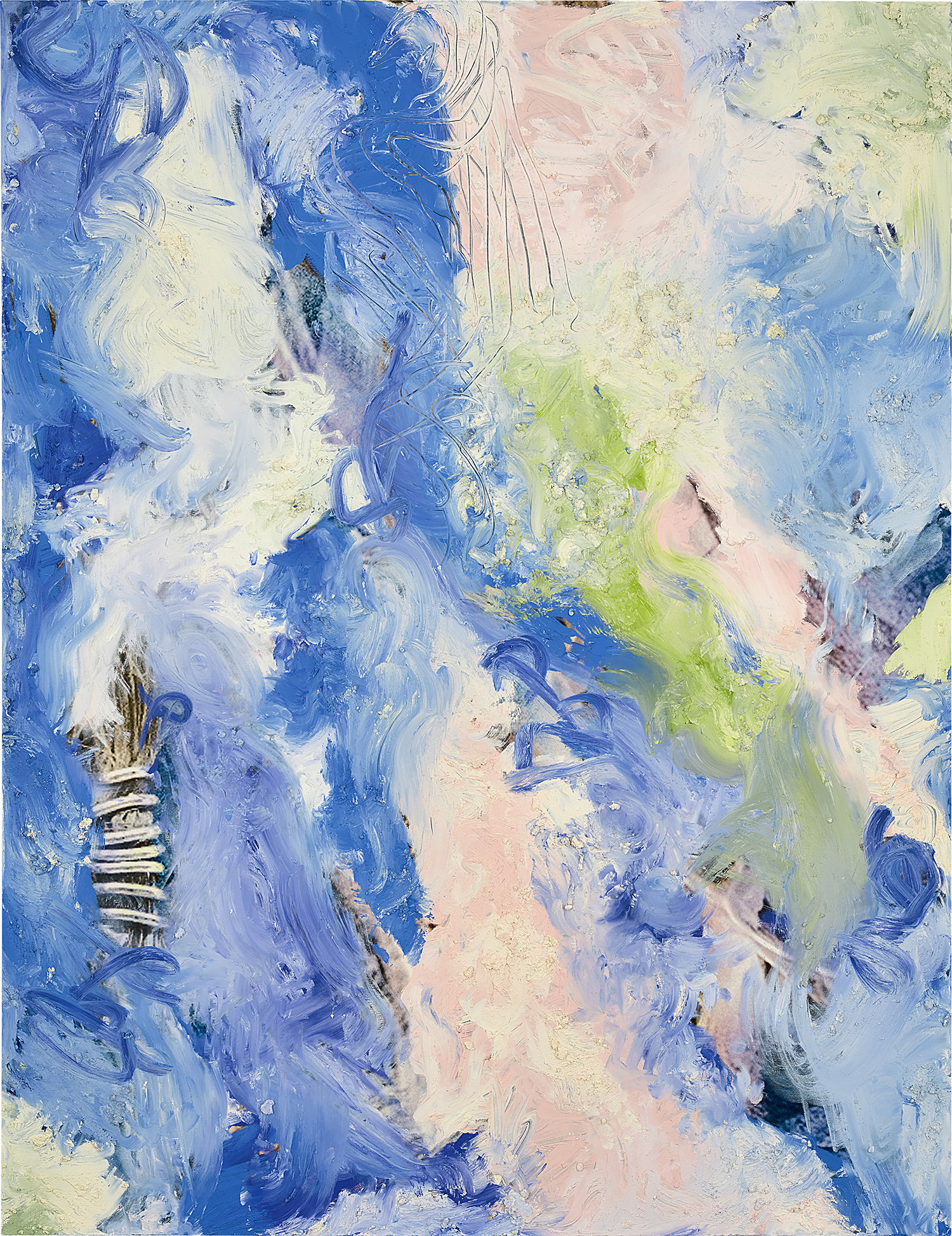
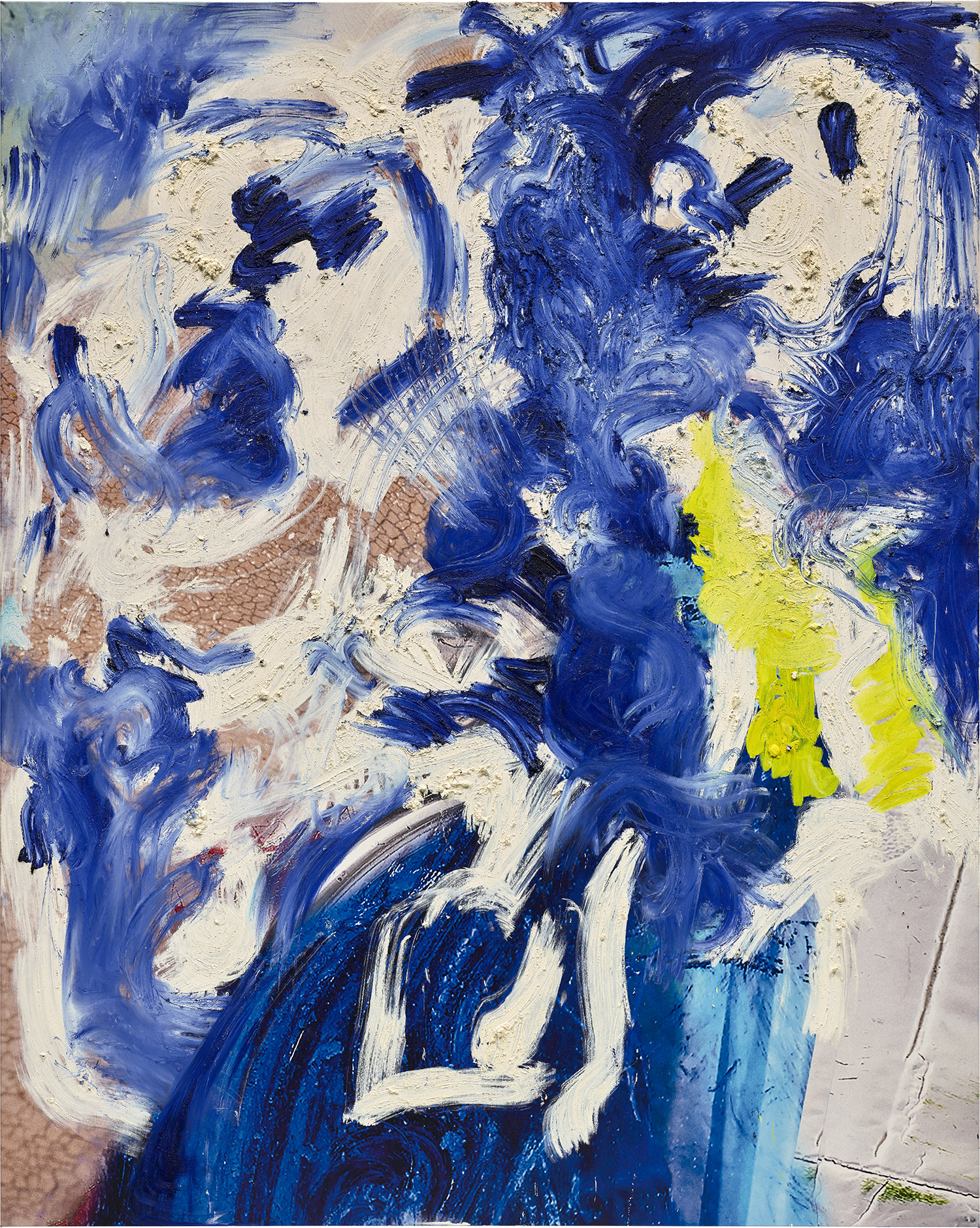
In the years since her breakthrough presentations at Peres Projects in Berlin, Donna Huanca has quietly become one of the most arresting presences in contemporary art. Her work does not ask for passive attention. It demands full sensory surrender, pulling visitors into environments where painted bodies move through scented air, where sculpture and living flesh become indistinguishable, where the boundary between artwork and audience dissolves with deliberate, ceremonial grace. That this transformation has unfolded across some of the world's most significant exhibition spaces, including the Yuz Museum in Shanghai, speaks to the universal resonance of her deeply personal vision. Huanca was born in 1980 and grew up shaped by the layered cultural inheritance of her American upbringing and her Bolivian roots. That dual inheritance has never been merely biographical background for her. It is the marrow of the work itself. The Andean traditions she carries, the ritualistic relationships between body, land, and cosmology that run through South American indigenous culture, inform every installation she builds. Growing up between worlds gave her a particular sensitivity to how identity is performed, negotiated, and inscribed on the skin, and she has spent her career transforming that sensitivity into environments of extraordinary physical and emotional power. Her artistic development traces a path from painting toward immersion. In her early years, Huanca worked through the language of the painted canvas, exploring how pigment, texture, and layered material could evoke states of embodiment and ritual. The leap toward live performance and installation was not a departure from that foundation but an expansion of it. By incorporating performers whose bodies are painted and choreographed within her installations, she effectively extended the canvas into three dimensions, turning the gallery floor into a living work. The performers in her environments are not illustrative. They are sculptural, meditative presences whose slow movements and stillness echo the painted surfaces that surround them. The paintings themselves remain central to understanding her practice. Works such as Finger Painting (Lapiz azul) from 2015 reveal the tactile intimacy of her earliest explorations, oil on canvas worked with a directness that feels almost bodily in its application. As her practice evolved, Huanca introduced digital print as a substrate, layering oil, acrylic, sand, and pigment over photographic surfaces to create works of dense, luminous complexity. Vesuvianite from 2016 and Magma 1 from 2017 demonstrate this synthesis beautifully, their volcanic titles hinting at the geological and elemental forces she channels. By the time of Yma Pima and Skadi in 2018, she had arrived at a fully confident visual language: richly textured surfaces where organic material and digital imagery fuse into something that feels simultaneously ancient and urgently contemporary. Gordoroxxx from 2020 carries that evolution further still, the sand worked into oil lending the surface a tactile weight that photographs struggle to convey. Her 2022 work Karita de Diosa (Goddess Face), an archival pigment print with handcoloring in orange oil pastel, marks a compelling turn toward a more intimate scale, the goddess face emerging through layers of mark and print with the warmth of something devotional. What draws collectors to Huanca is precisely this quality of layered devotion. Her canvases are not decorative objects. They are residues of a larger practice, carrying within them the energy and intention of performances and installations that may have existed for only a few days. Owning a work by Huanca is, in a real sense, owning a fragment of a ritual, a piece of a world she built and then gave back to the air. The combination of oil with sand and pigment on digital print creates surfaces of unusual physical presence that reward close, extended looking. Early works on canvas such as Finger Painting (Lapiz azul) represent the clearest entry point into her practice for new collectors, offering a direct encounter with her painterly instincts. The later digital print works, with their denser layering and more complex material vocabulary, appeal to collectors who want to trace the full arc of her development. Across both categories, condition and provenance matter enormously, and works that have passed through Peres Projects carry the institutional credibility of a gallery that has championed her vision from the beginning. Within art history, Huanca occupies a singular position, though her work echoes and responds to a lineage of artists who have treated the body as both medium and subject. The feminist performance traditions of the 1970s, the Body Art practices of artists like Ana Mendieta whose engagement with land, ritual, and female identity anticipated Huanca's own concerns, and the post Minimalist interest in immersive environment all feed into her practice. She is also in productive conversation with contemporary peers working across installation, painting, and performance, artists who share her conviction that the gallery space can function as a ceremonial chamber rather than a neutral white container. What distinguishes her is the particular warmth and sensuality of her aesthetic, the way her environments feel generative and enveloping rather than confrontational. She is interested in healing and transformation as much as critique. Donna Huanca matters today because she asks questions that our cultural moment cannot afford to ignore. Questions about whose bodies are seen, how they are decorated and marked, what traditions of adornment and ritual have been suppressed or forgotten, and what it might feel like to inhabit a world in which the senses are fully honored. Her multisensory environments do not explain these questions. They embody them, creating temporary communities of witnesses who share, for the duration of a performance, something close to collective experience. As her work continues to grow in ambition and reach, and as collectors and institutions worldwide recognize the depth and consistency of her vision, Huanca's place among the defining artists of her generation feels not only assured but necessary.