Symbolic Art
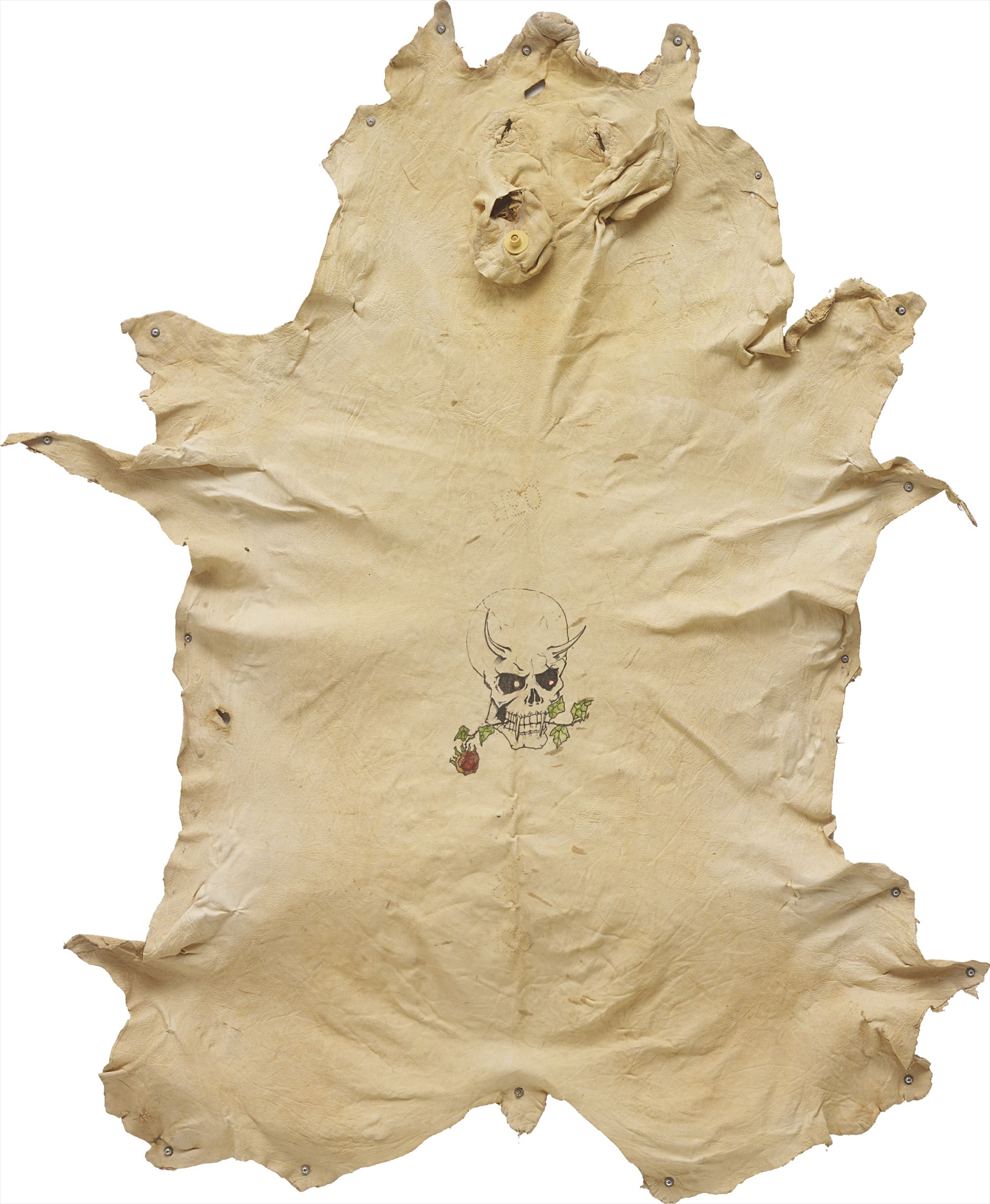
Wim Delvoye
Skull with Rose


Signs and Wonders: Symbol Reclaims the Canvas
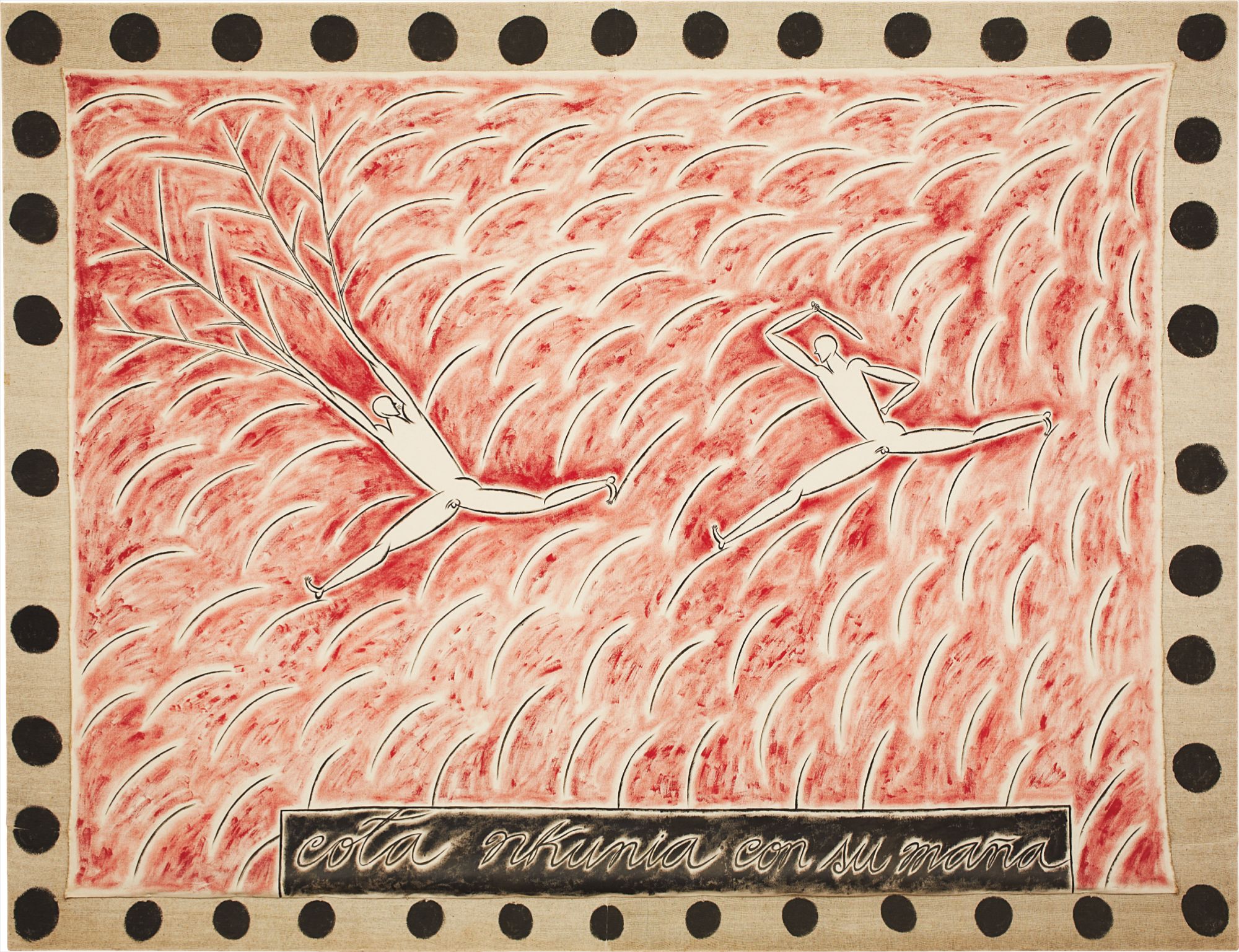
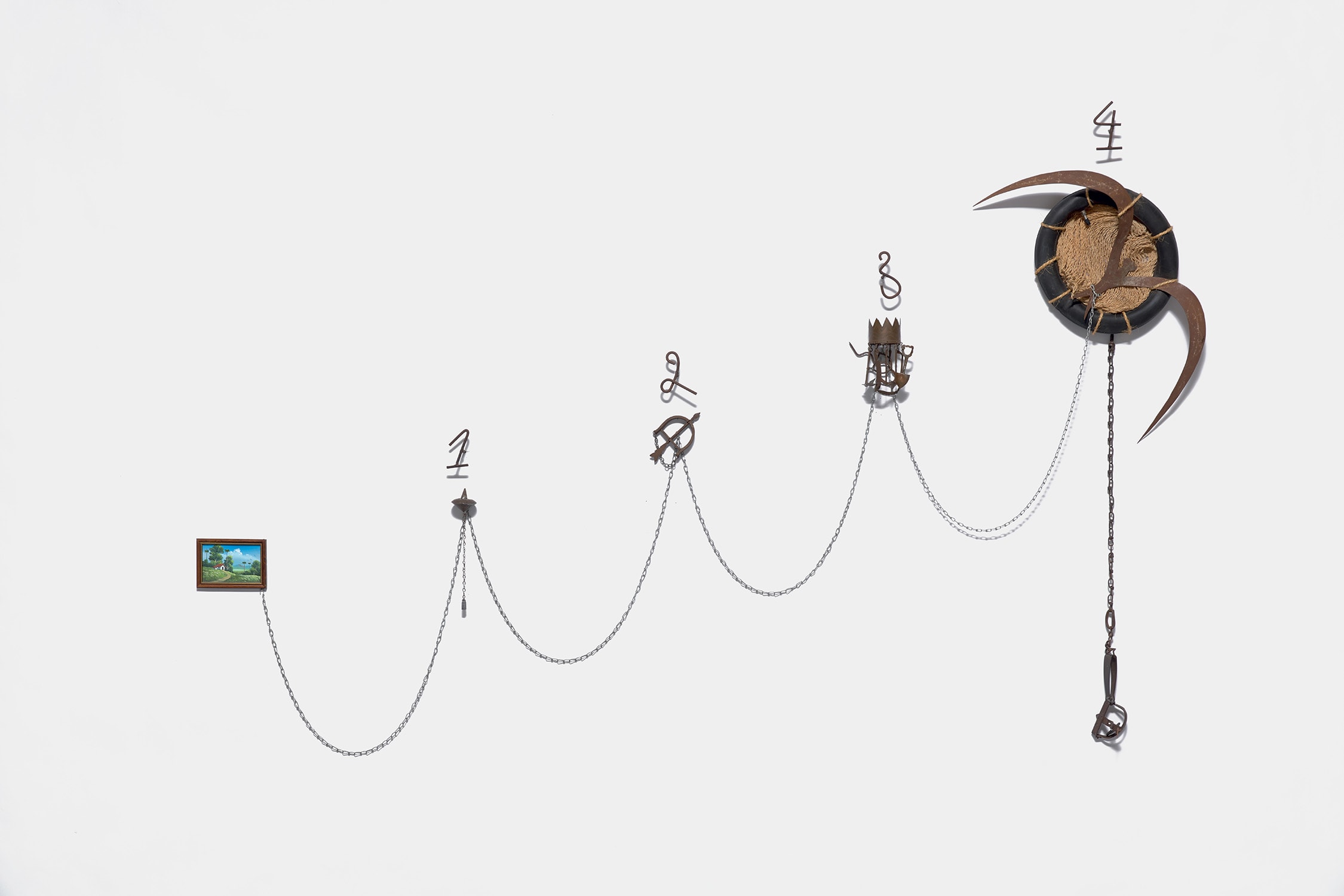
When Sotheby's offered a major work by José Bedia in its Latin American art sale a few years back, the room paid attention in a particular way. There was a quality of concentrated stillness that tends to accompany works where the image operates on more than one register simultaneously. Bedia's canvases carry the visual logic of Palo Monte cosmology, the Afro Cuban spiritual tradition he has devoted decades to studying, and collectors who encountered that work weren't simply buying a painting. They were acquiring a portal, a system of meaning that rewards extended looking and rewards it differently each time.
That quality, the sense that an artwork holds more information than any single viewing can exhaust, is precisely what is driving renewed appetite for symbolic art across every segment of the market right now. The critical rehabilitation of symbolic modes in contemporary art has been building steadily since the mid 2010s, when a generation of curators began pushing back against the dominance of post internet aesthetics and the cool detachment that came with it. Shows like the Solomon R. Guggenheim Museum's 2019 survey of Hilma af Klint fundamentally reoriented the conversation, drawing record attendance and forcing a reassessment of how Western institutions had historically dismissed spiritual and symbolic content as marginal, decorative, or naively mystical.
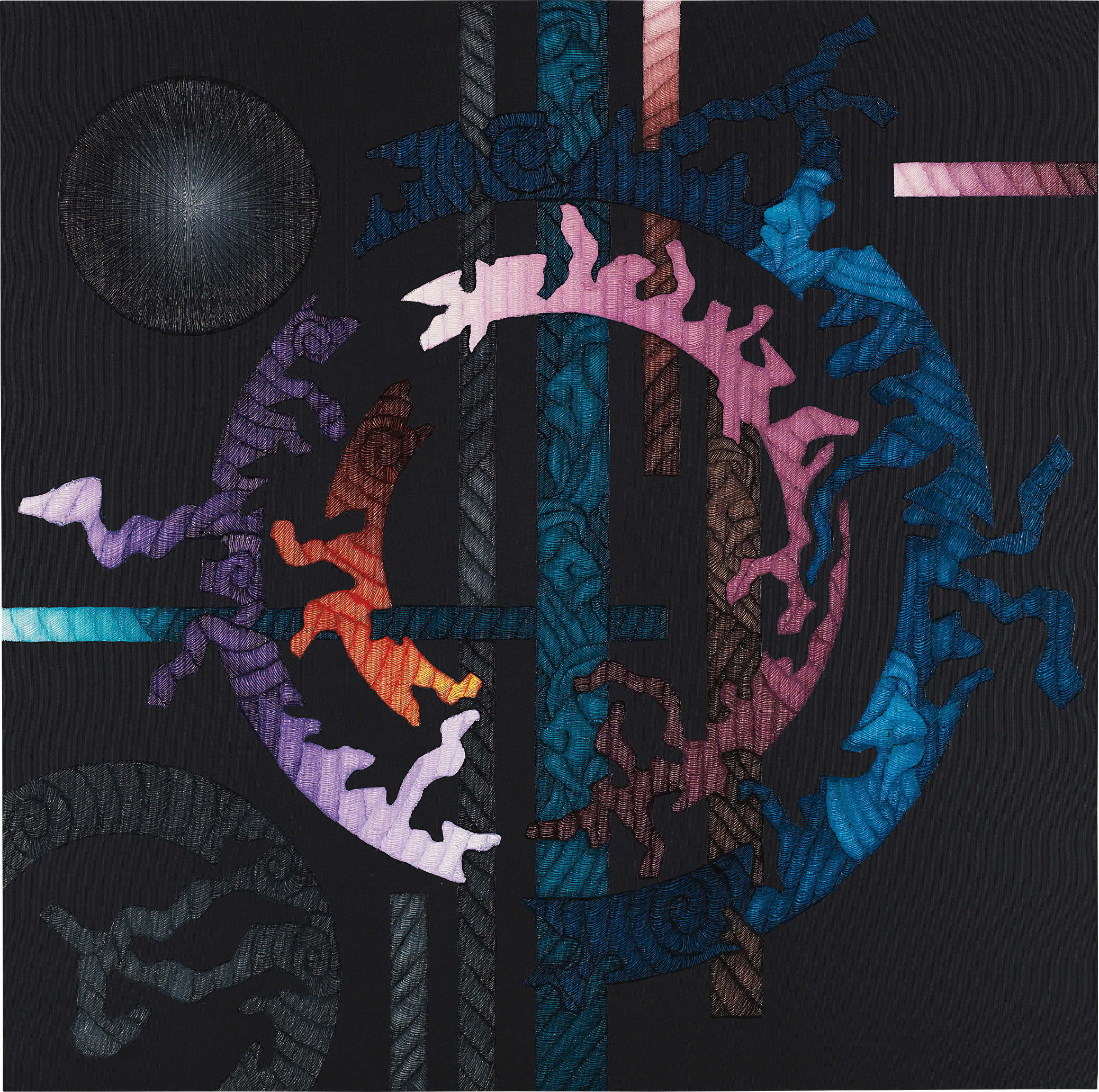
Ahmet Güneştekin
Gunessiz Uyuyanlar, 2011
That revisionist energy spread quickly. Museum programming across Europe and North America began foregrounding artists whose practices engage religious iconography, cosmological systems, and symbolic vocabularies drawn from outside the canonical Western tradition. In that climate, the works of artists like Ahmet Güneştekin have found a new institutional seriousness. Güneştekin, whose visual language synthesizes Anatolian mythology, Zoroastrian symbolism, and the memory cultures of Eastern Turkey, was the subject of a major solo exhibition at the Istanbul Modern, and his work has since traveled to venues in Europe and the Gulf.
What collectors respond to is not simply the visual richness, considerable as that is, but the sense that each element in a Güneştekin composition earns its place within an internally coherent symbolic system. That coherence is what separates symbolic art that endures from decoration that merely resembles it. Ahmed Moustafa, the Egyptian British artist whose work engages the geometric and numerical dimensions of Arabic calligraphy, operates in a similarly rigorous register. His pieces in the collection point to how symbolic traditions outside the European mainstream are commanding serious critical and commercial attention.
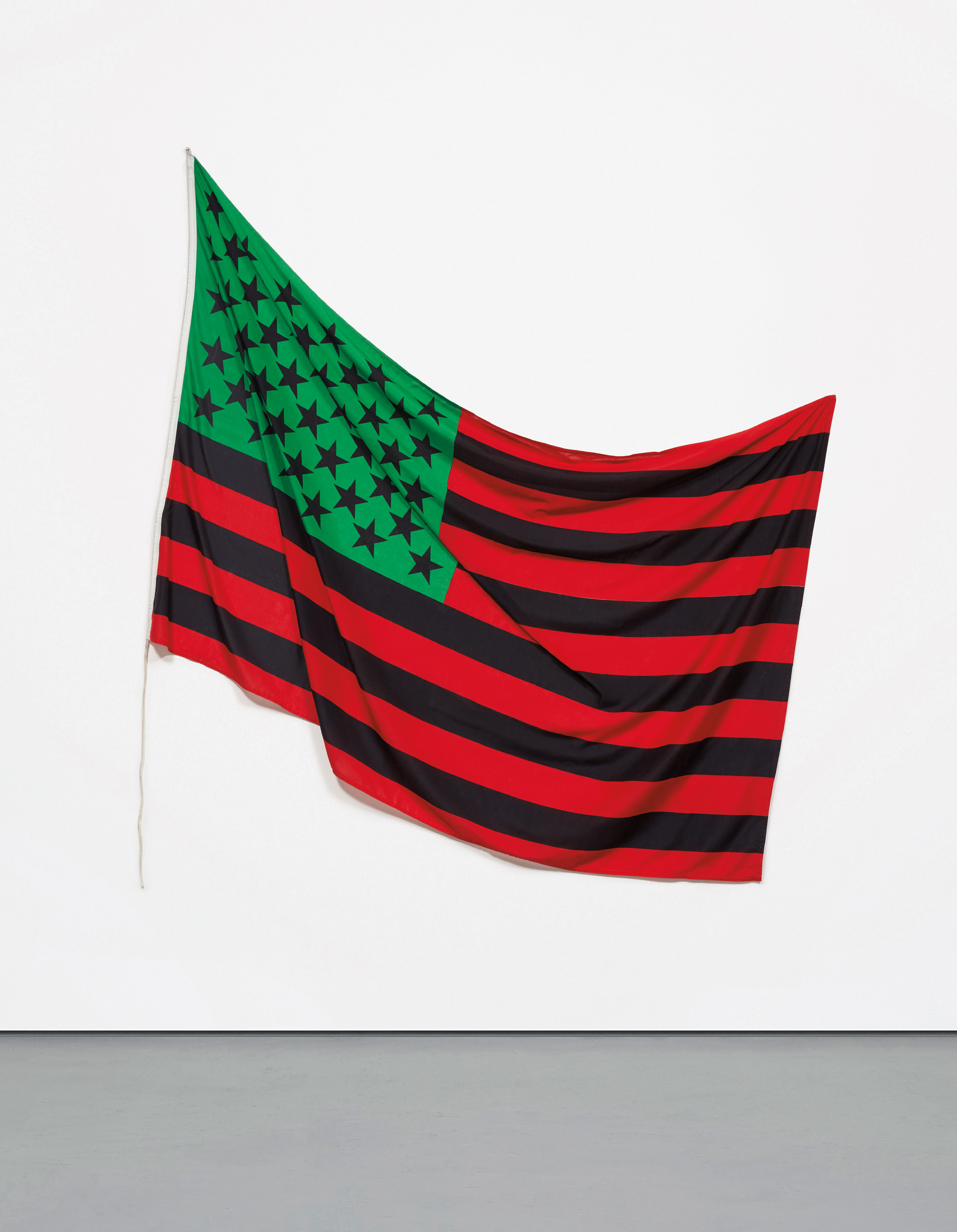
David Hammons
African-American Flag
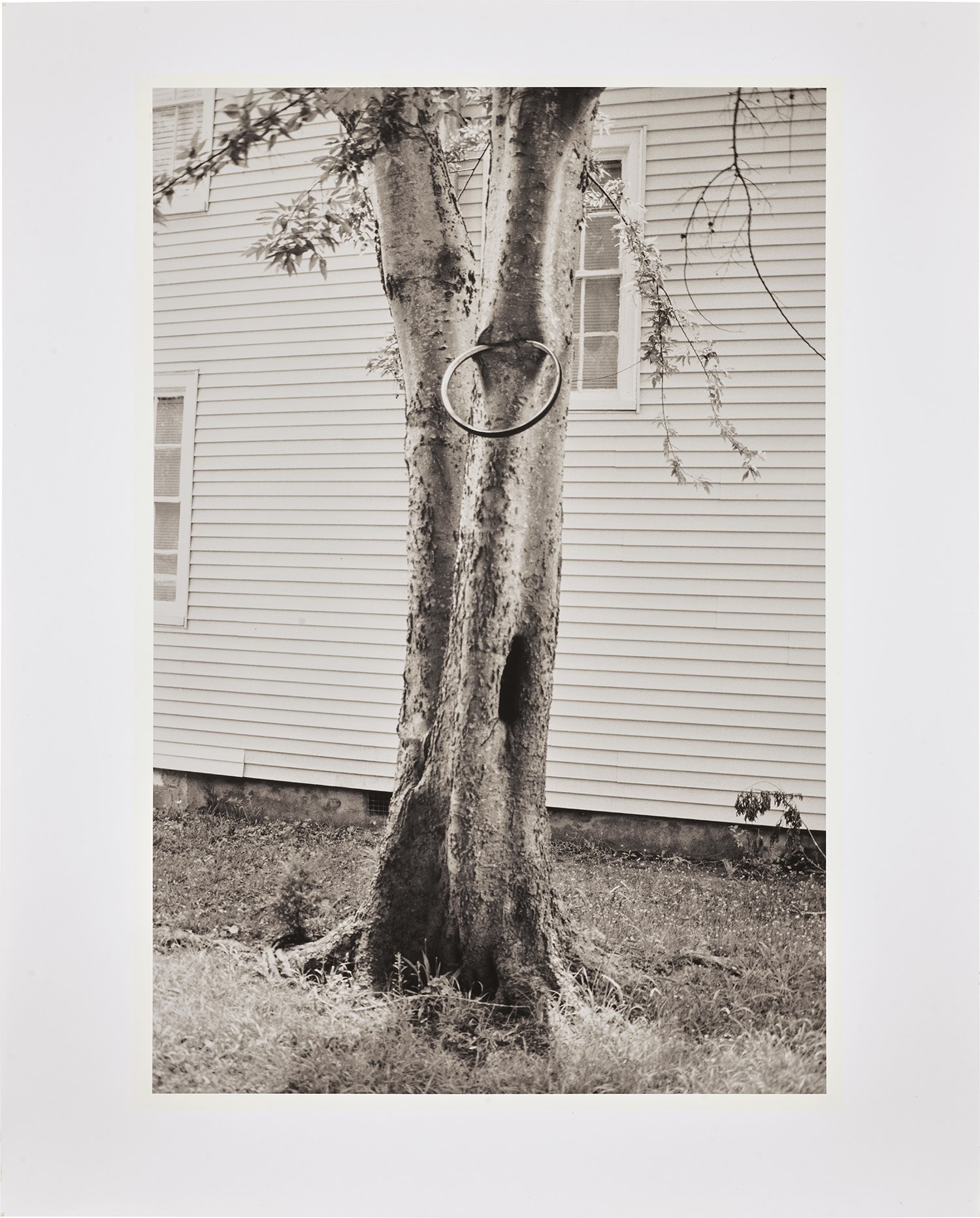
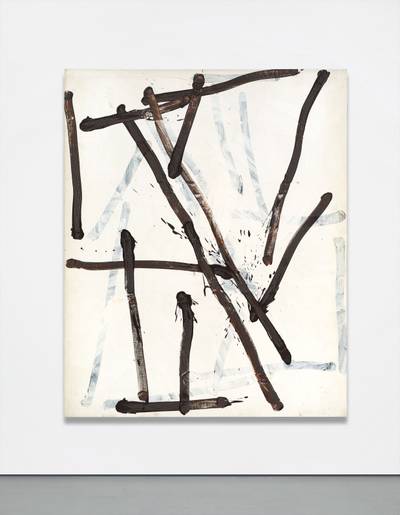
At auction, the clearest indicator of market confidence in symbolic work is the performance of artists whose practices draw on non Western cosmological traditions. David Hammons, whose presence on The Collection is well deserved, has seen sustained auction results that reflect both his canonical status in American art and the particular symbolic density of his objects, works that encode the history and spiritual life of Black America through materials and gestures that resist easy decoding. Kiki Smith, whose engagement with body, myth, and folk symbolism has only deepened over a long career, commands strong secondary market results, particularly for works that explicitly engage the liminal territories between the human and the natural world. The market has essentially confirmed what perceptive collectors understood years ago: symbolic complexity is not a liability in a work.
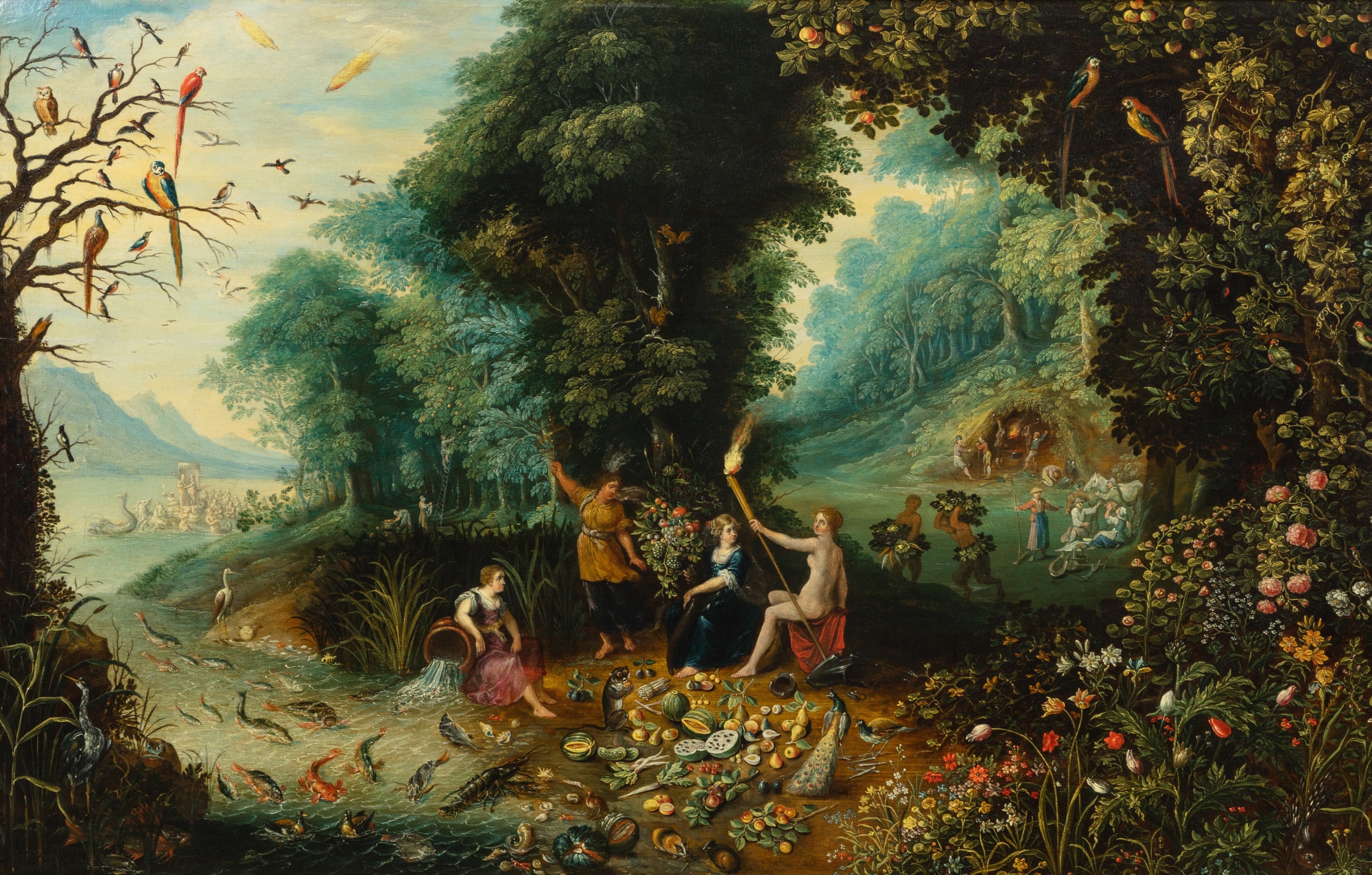
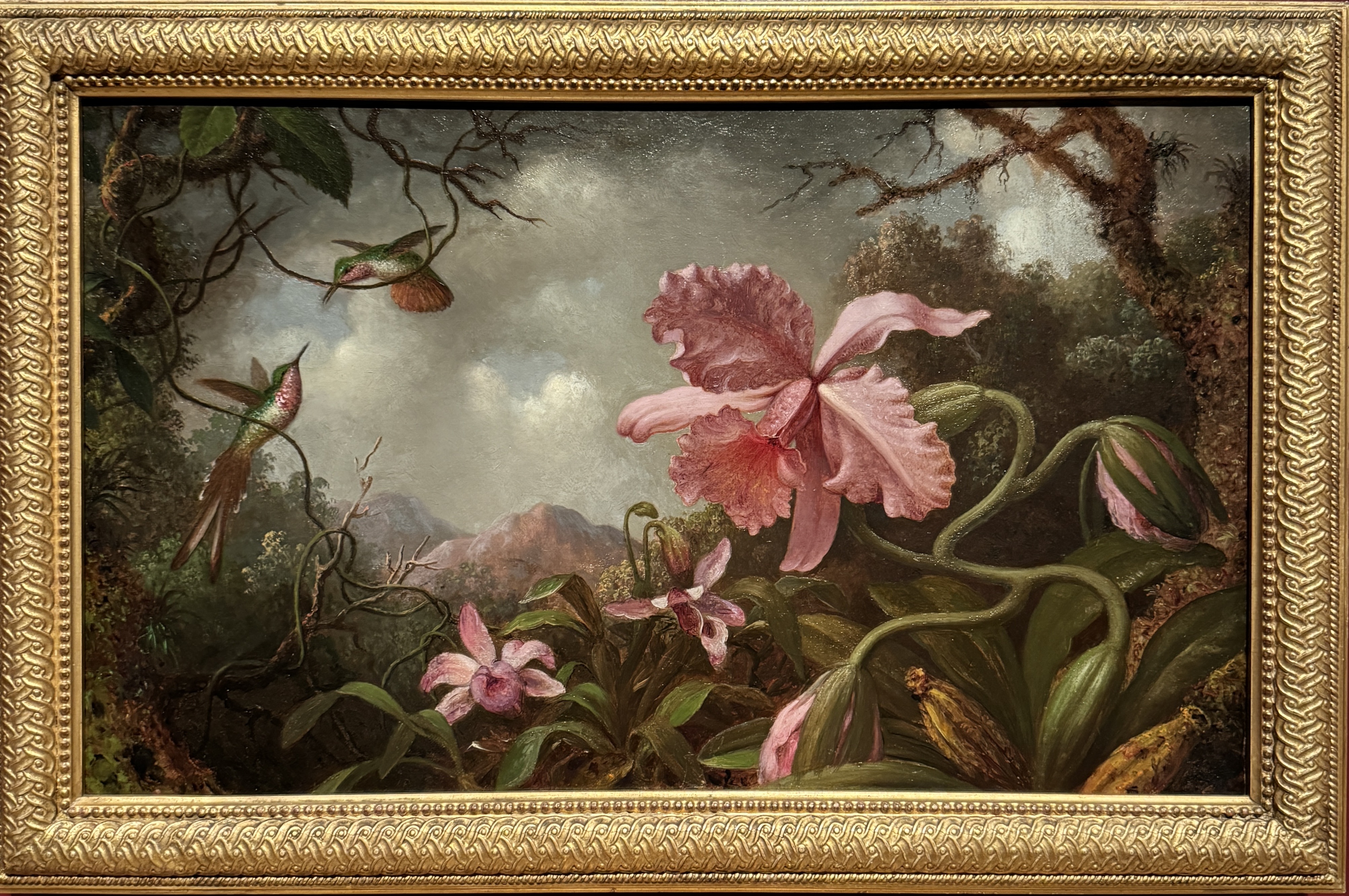
It is a value driver. The historical dimension of symbolic art collecting has also grown more sophisticated. The presence on The Collection of works from the Workshop of Jan Brueghel the Younger and historical pieces from the Flemish tradition places contemporary symbolic practices within a long continuum. Seventeenth century Flemish painting was itself a deeply symbolic enterprise, where flowers carried theological weight and every assembled object in a vanitas composition functioned as a sign within a shared cultural lexicon.
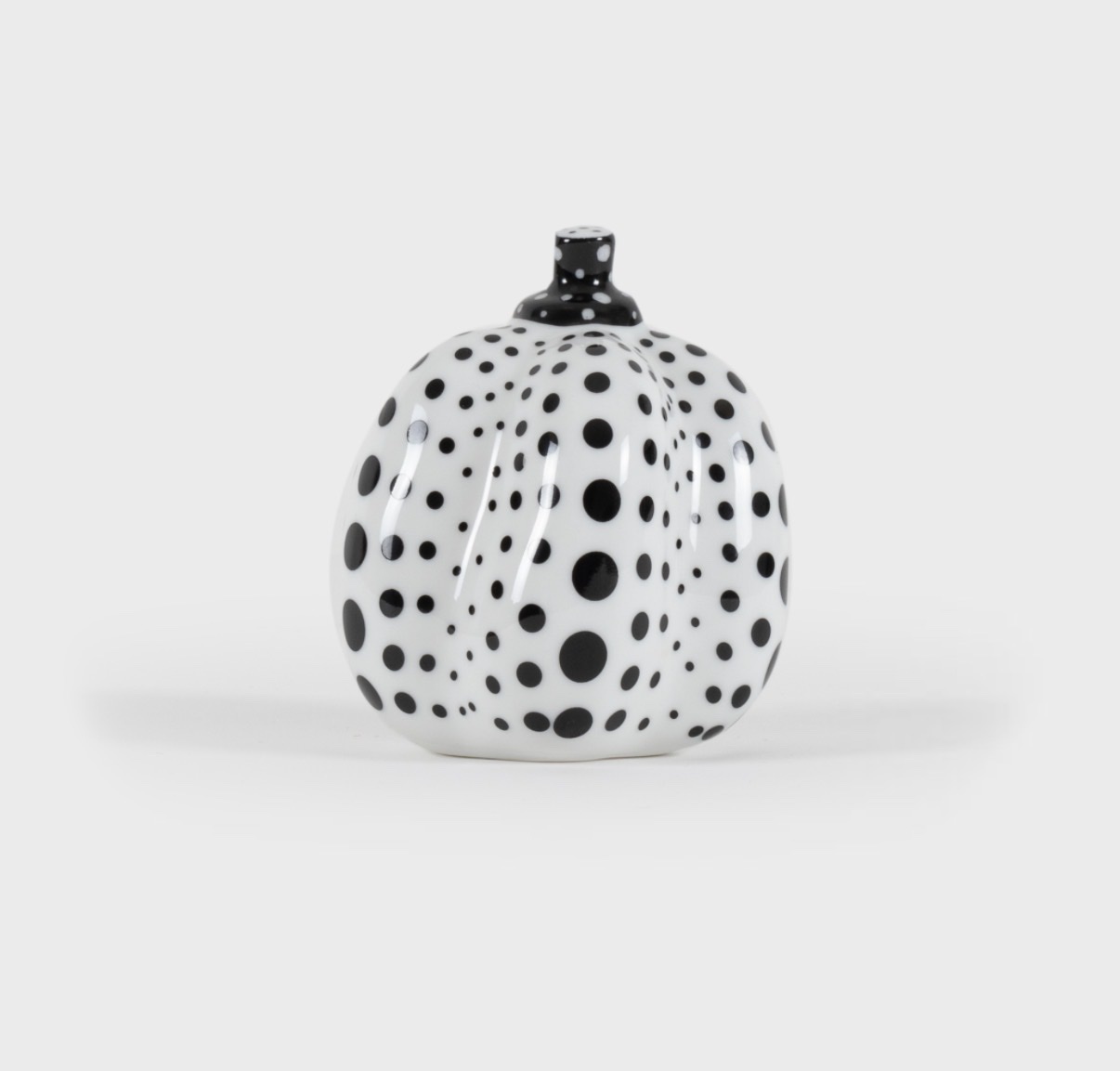
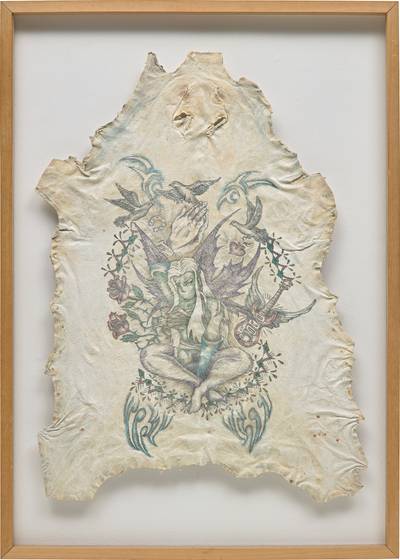
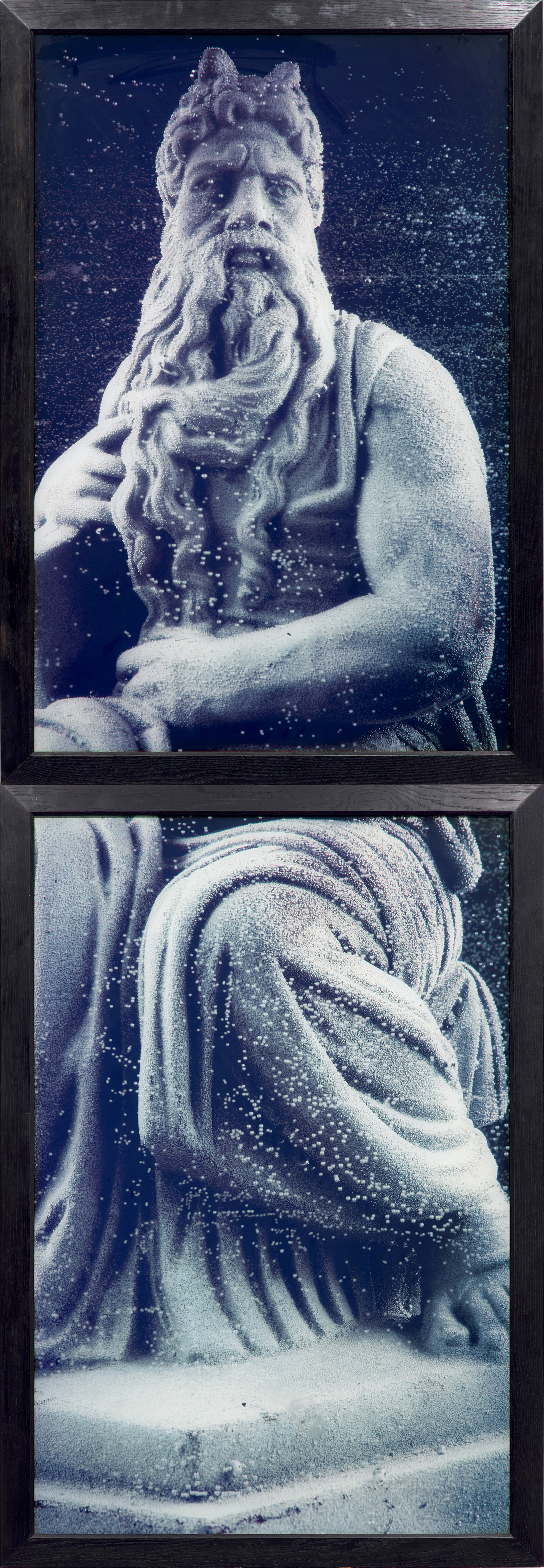
Wim Delvoye
Skull with Rose
Collectors who understand that history bring a different quality of attention to contemporary work. They recognize, for instance, that Wim Delvoye's practice, with its irreverent manipulation of Christian iconography and its obsessive engagement with the decorative and the sacred, participates in a conversation that stretches back centuries. Museum acquisitions in this area have accelerated noticeably. The British Museum has expanded its holdings of works that engage non Western symbolic systems, and the Smithsonian's various museums have been vocal about building collections that represent the full range of global symbolic traditions.
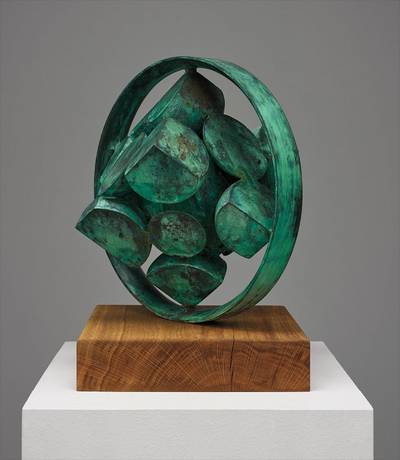
Antony Gormley's work, long collected by major institutions, has been reframed in recent critical writing as fundamentally symbolic in its concerns, less about the body as physical fact and more about the body as sign, as placeholder in larger cosmological or philosophical systems. That reframing reflects a broader curatorial movement toward reading even formally rigorous contemporary practices through a symbolic lens. The critical writing shaping this conversation is coming from multiple directions at once. The journal Third Text has been essential in building frameworks for understanding symbolic practices outside European traditions.
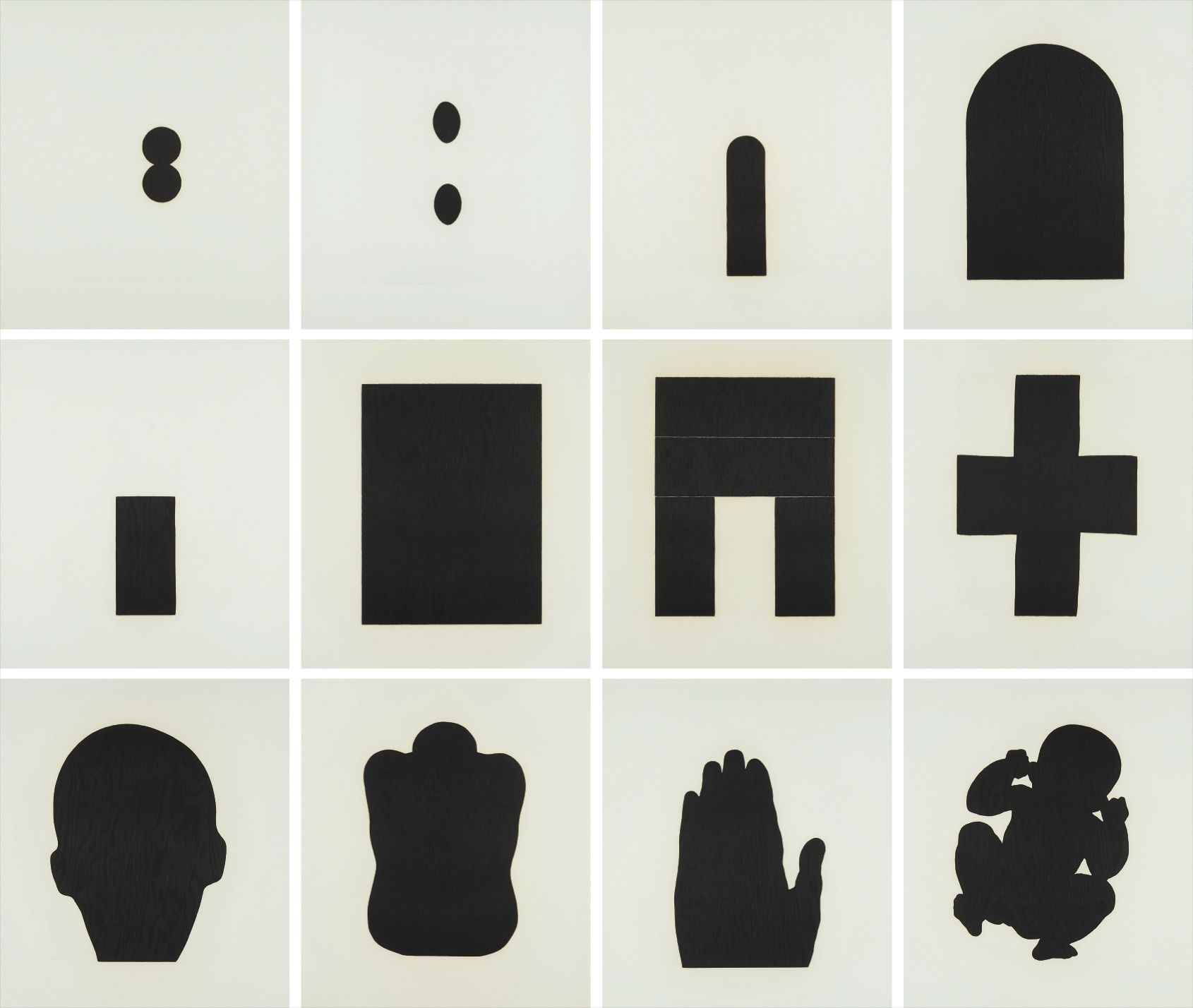
Antony Gormley
Bearing Light
Writers like Kobena Mercer have given collectors and curators tools for thinking about how symbolic vocabularies carry political as well as spiritual content. Meanwhile, the renewed interest in Aby Warburg's image atlas and his thinking about symbolic survival across cultures has filtered from academic art history into curatorial practice and now into collector consciousness. Pietro Ruffo's intricate works, which layer cartographic, scientific, and mythological symbolism, and the haunting cosmological imagery in the paintings of Jakub Julian Ziółkowski, both feel very alive in this critical moment. Where is the energy heading.
Toward the intersection of the symbolic and the archival, is one answer. Artists like Yoan Capote, whose work encodes collective memory and political trauma within symbolic structures, and Oleksandr Zhyvotkov, whose paintings carry the symbolic weight of Eastern European folk traditions transformed by contemporary experience, suggest that the most urgent symbolic art being made right now is work that treats inherited visual languages as living systems under pressure. The surprise that awaits some collectors is how much symbolic work from African, Asian, and Indigenous traditions has been undervalued for so long, and how quickly that is changing. The zoomorphic traditions of West Africa, represented on The Collection by a remarkable Ivorian piece, are no longer being assessed against European benchmarks.
They are being understood on their own terms, and the market is catching up to that understanding at speed.