Spiritual Imagery
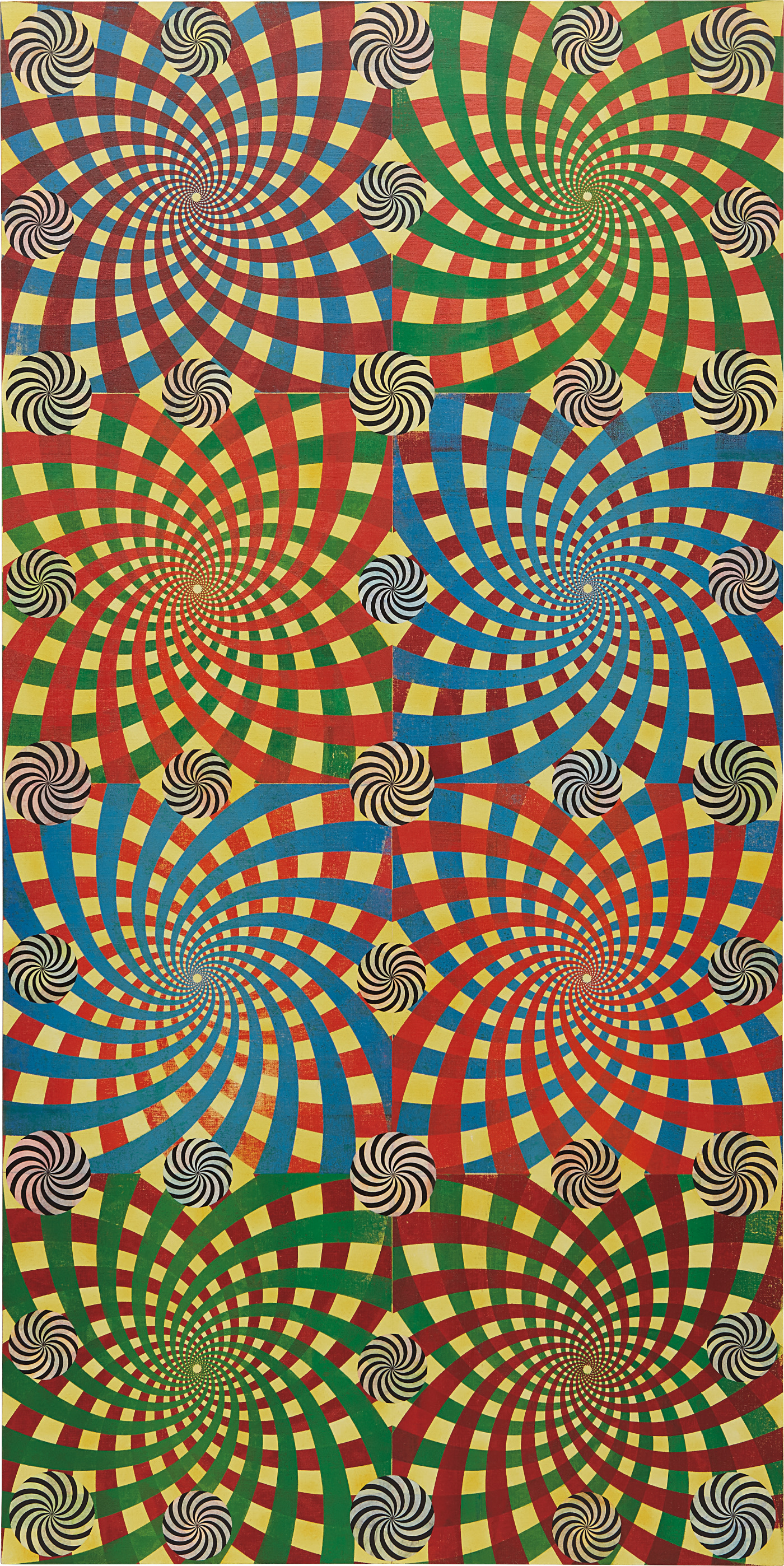
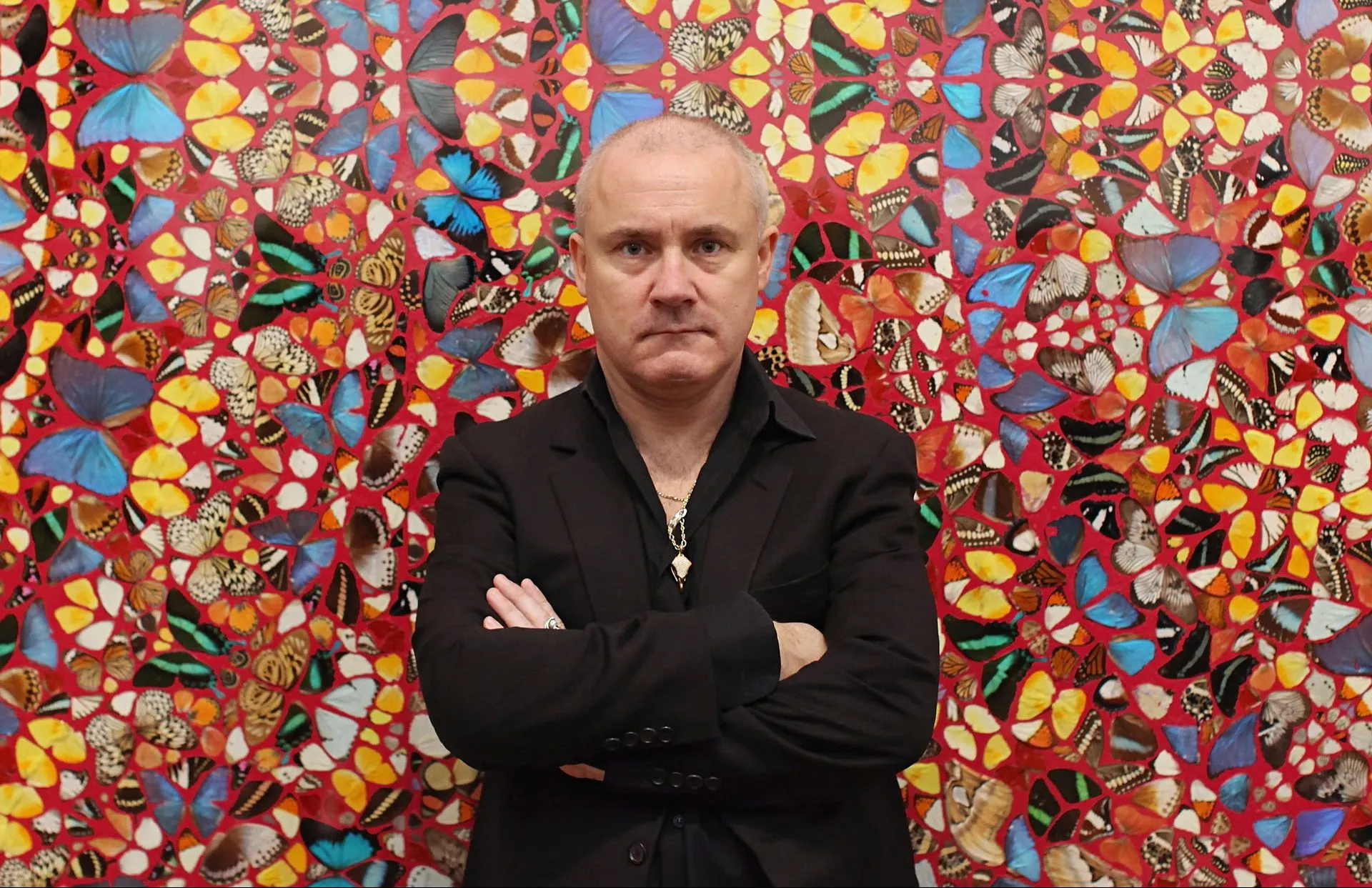
Philip Taaffe
Spiraling Portal
Sacred Ground: Art Reclaims the Spiritual
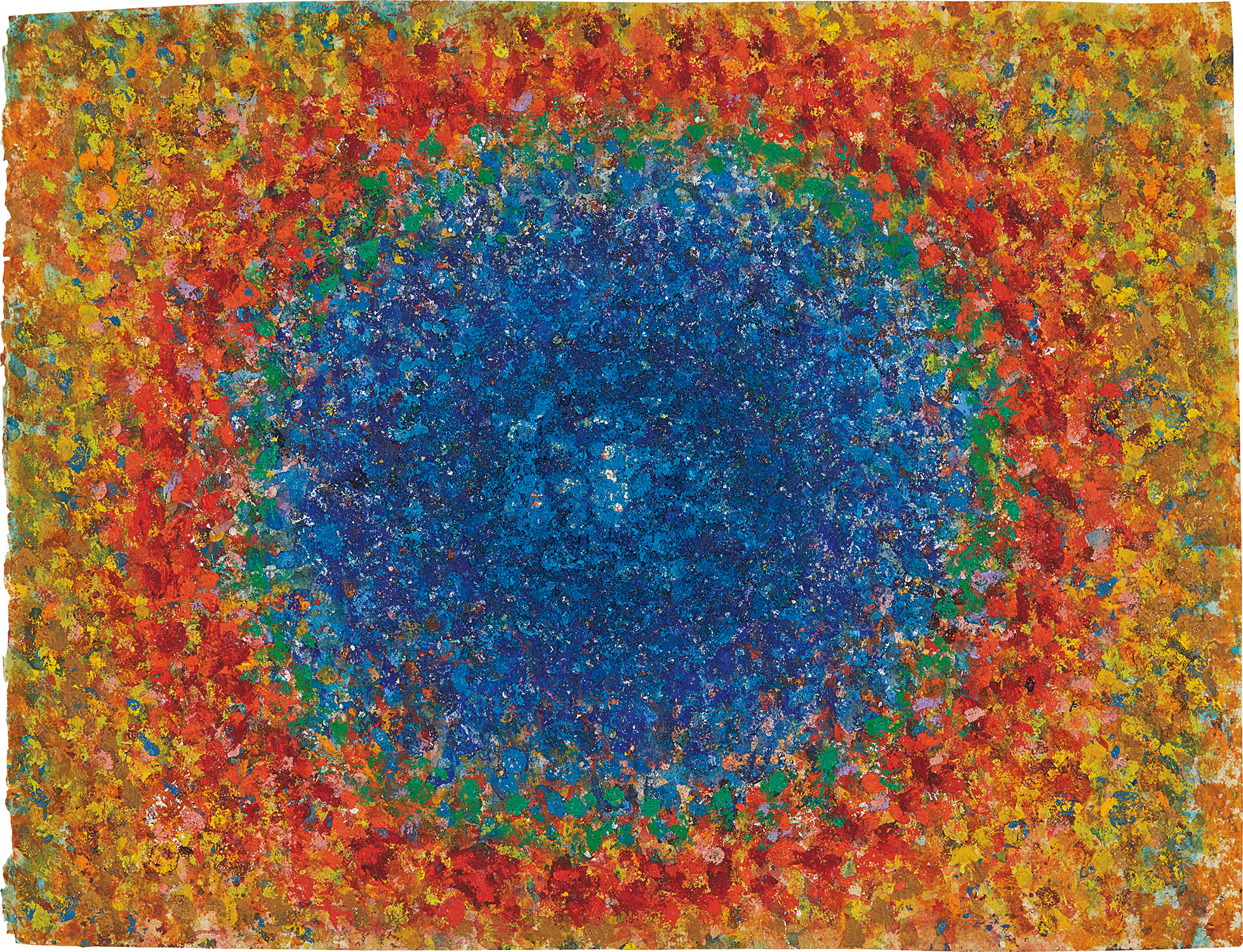
When Sotheby's brought a significant work by Richard Pousette Dart to auction in recent years, the room paid attention in a way that felt different from the usual blue chip spectacle. Pousette Dart, the quietest and perhaps most genuinely mystical of the first generation Abstract Expressionists, had long been overshadowed by Pollock and de Kooning, artists whose myths were easier to sell. But something has shifted. Collectors and institutions alike are returning to artists who were always more interested in transcendence than in gesture, more drawn to the invisible than the visible.
The spiritual in art is not having a revival so much as a reckoning. The critical groundwork for this moment was laid slowly and carefully over the past two decades. The landmark exhibition 'The Spiritual in Art: Abstract Painting 1890 to 1985,' which originated at the Los Angeles County Museum of Art in 1986, cast a long shadow and seeded generations of curatorial thinking. But the more recent acceleration began around 2012 to 2014, when a wave of shows at institutions from the Guggenheim Bilbao to the Centre Pompidou began placing spiritual and cosmological concerns at the center of serious art historical inquiry rather than treating them as footnotes.
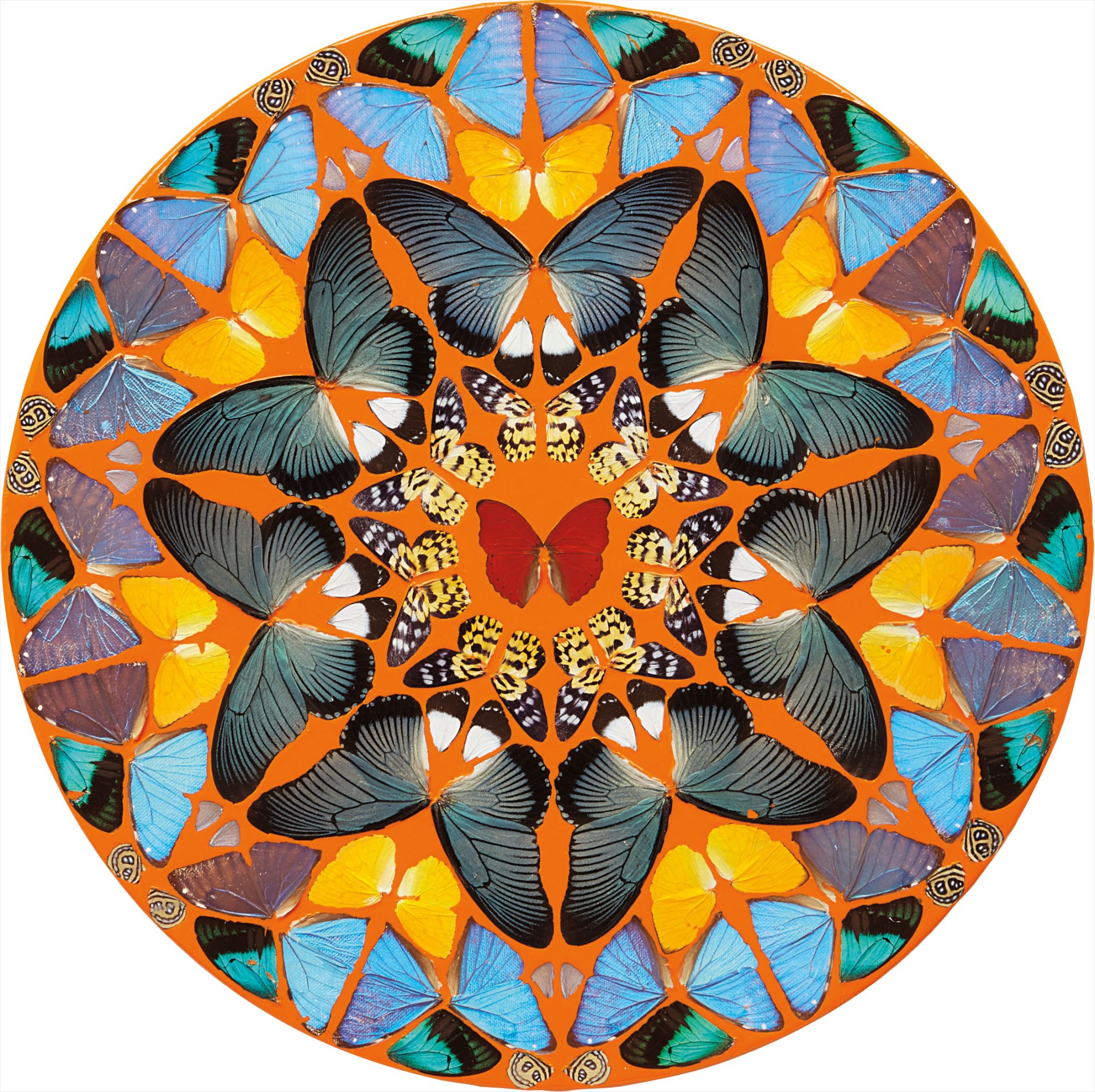
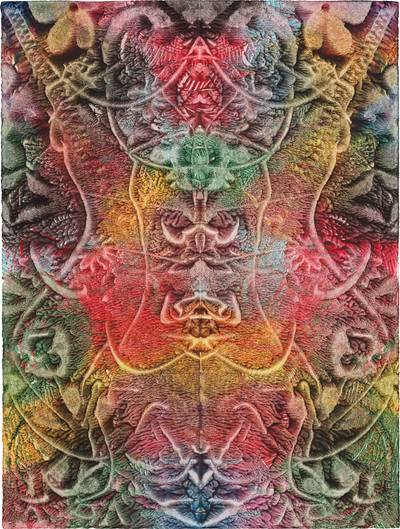
Damien Hirst
Psalm 23: Dominus regit me
Curators stopped apologizing for the word 'sacred' and started using it with precision. In the auction market, the appetite for spiritual imagery has proven surprisingly resilient and in some categories genuinely heated. Damien Hirst, whose relationship to mortality and transcendence has always been more sincere than his provocateur reputation suggests, commands prices that reflect how deeply collectors respond to art that touches questions of life, death, and what lies beyond. His spot paintings and natural history works, whatever the critical establishment says about them, are purchased by people who want something on the wall that carries weight beyond aesthetics.
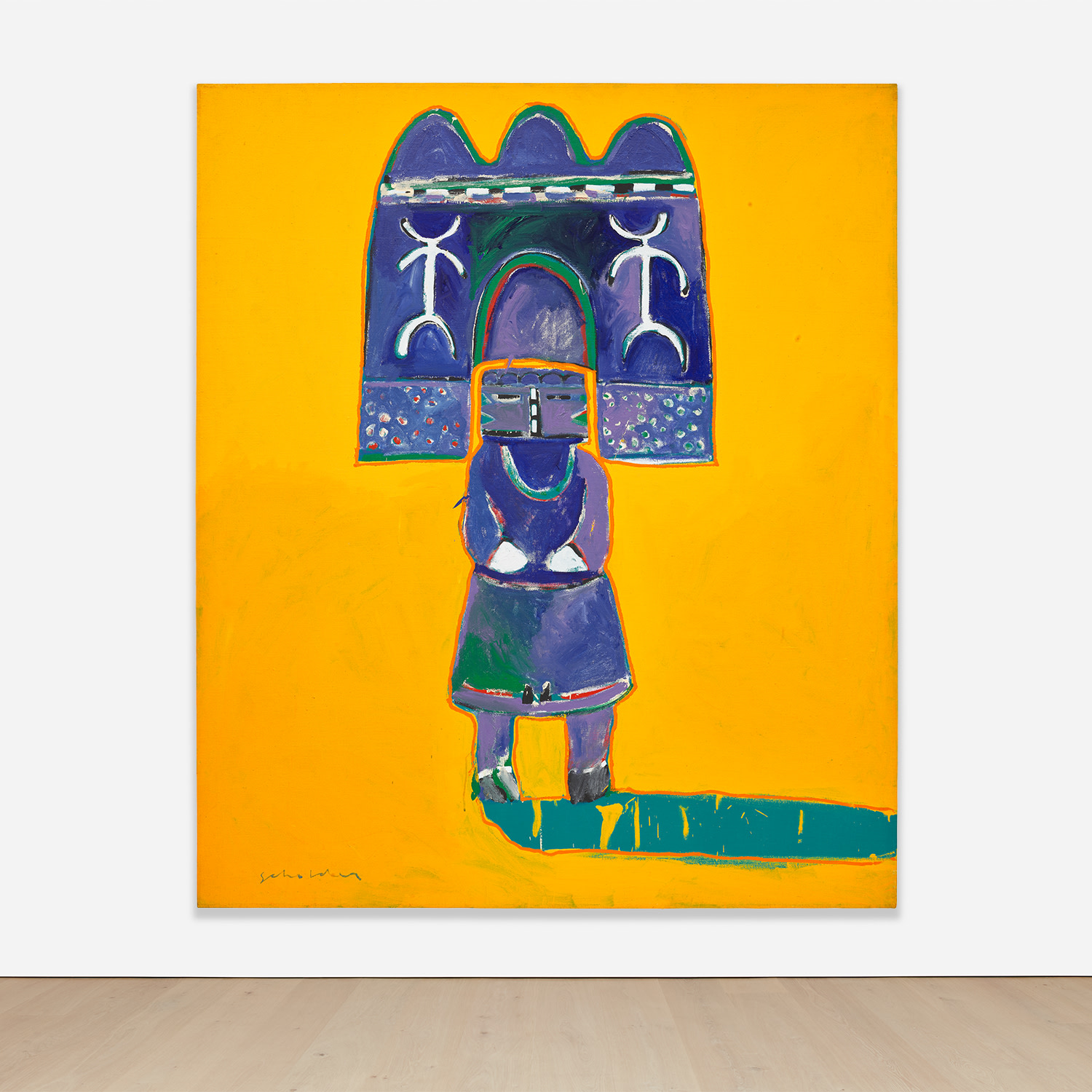
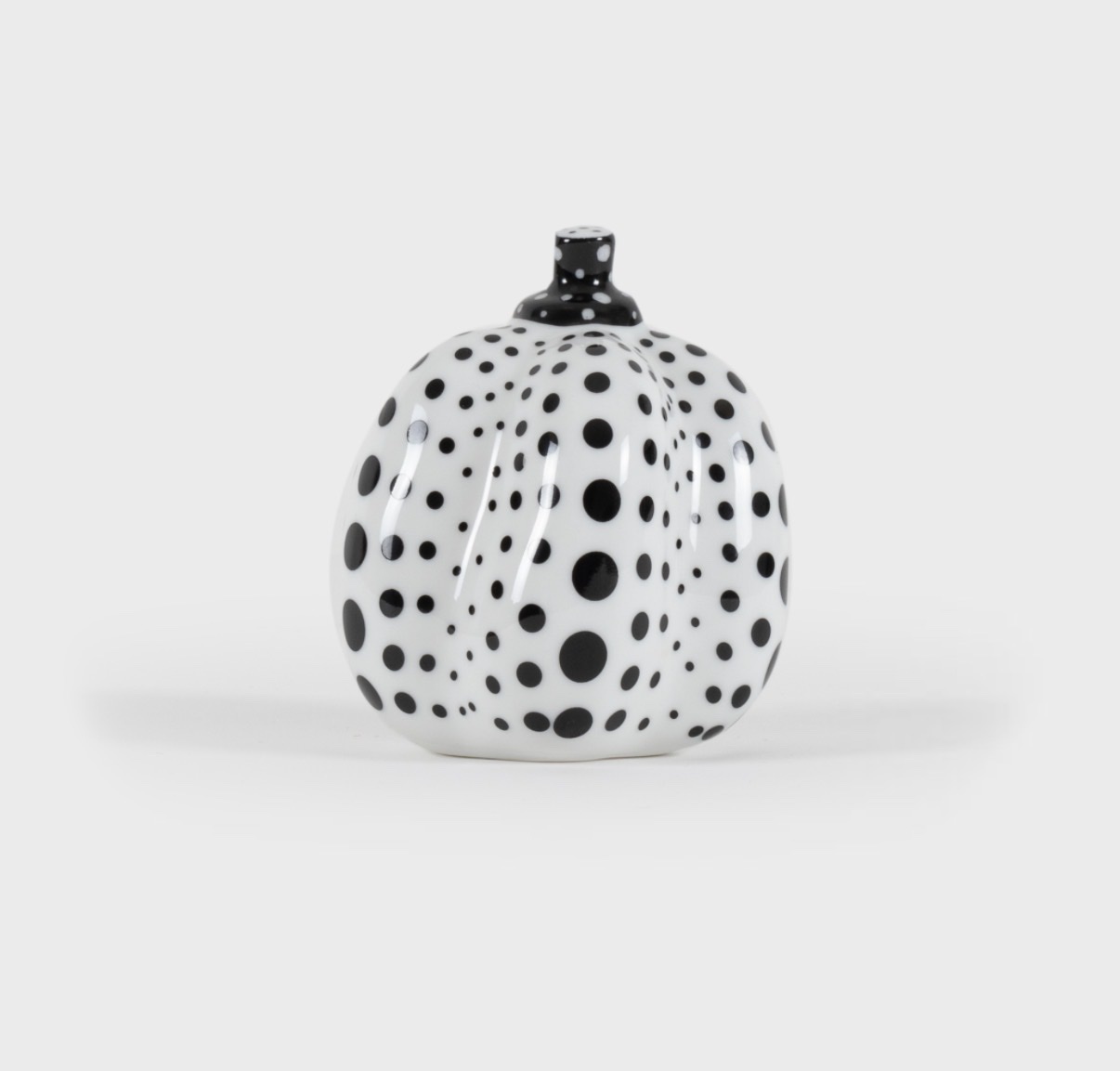
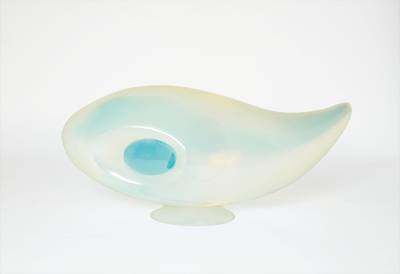
Meanwhile the market for Fritz Scholder, the Luiseno artist who fused Indigenous ceremonial imagery with a raw, confrontational painterly energy, has grown steadily as institutions and collectors reckon seriously with Native American modernism on its own terms. Mariko Mori represents a different frequency entirely. Her work, which draws on Shinto cosmology, Buddhist thought, and a kind of benevolent futurism, has been embraced by collectors who might otherwise never engage with explicitly spiritual content. Mori found a way to make the sacred feel technologically fluent, and her major installations have been acquired by some of the most rigorous contemporary art collections in the world, including the Royal Academy of Arts and the Museum of Contemporary Art in Chicago.
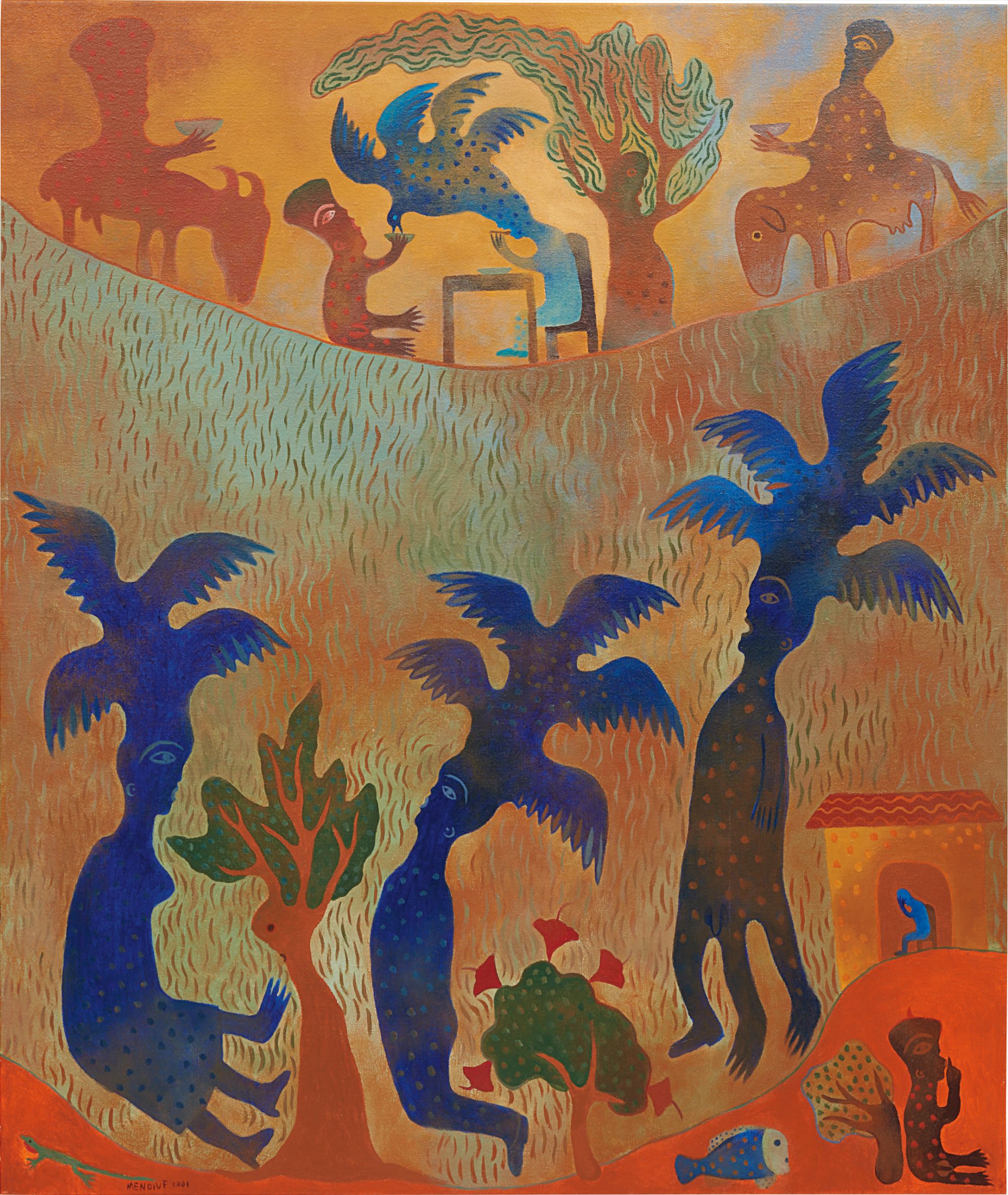
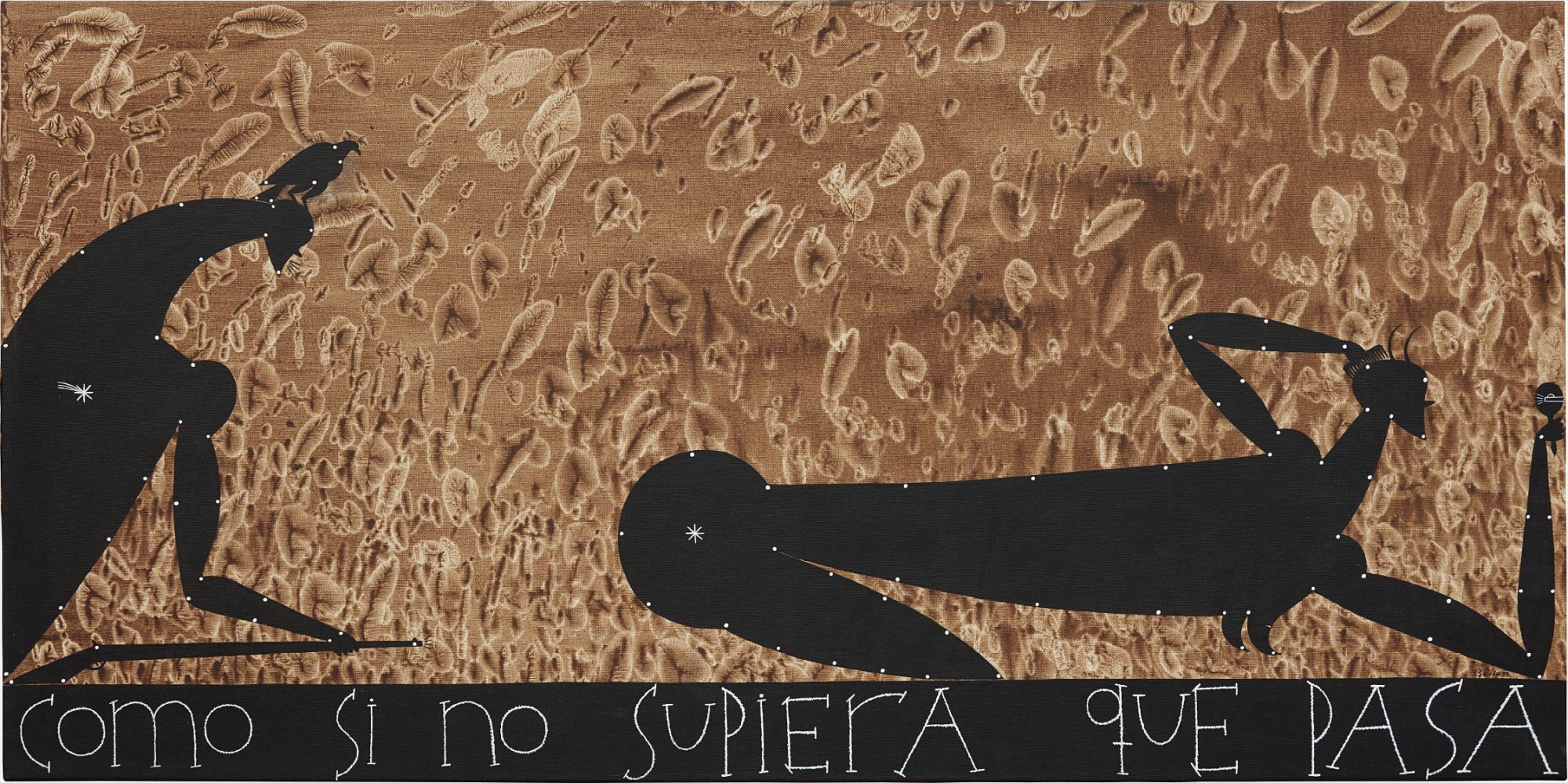
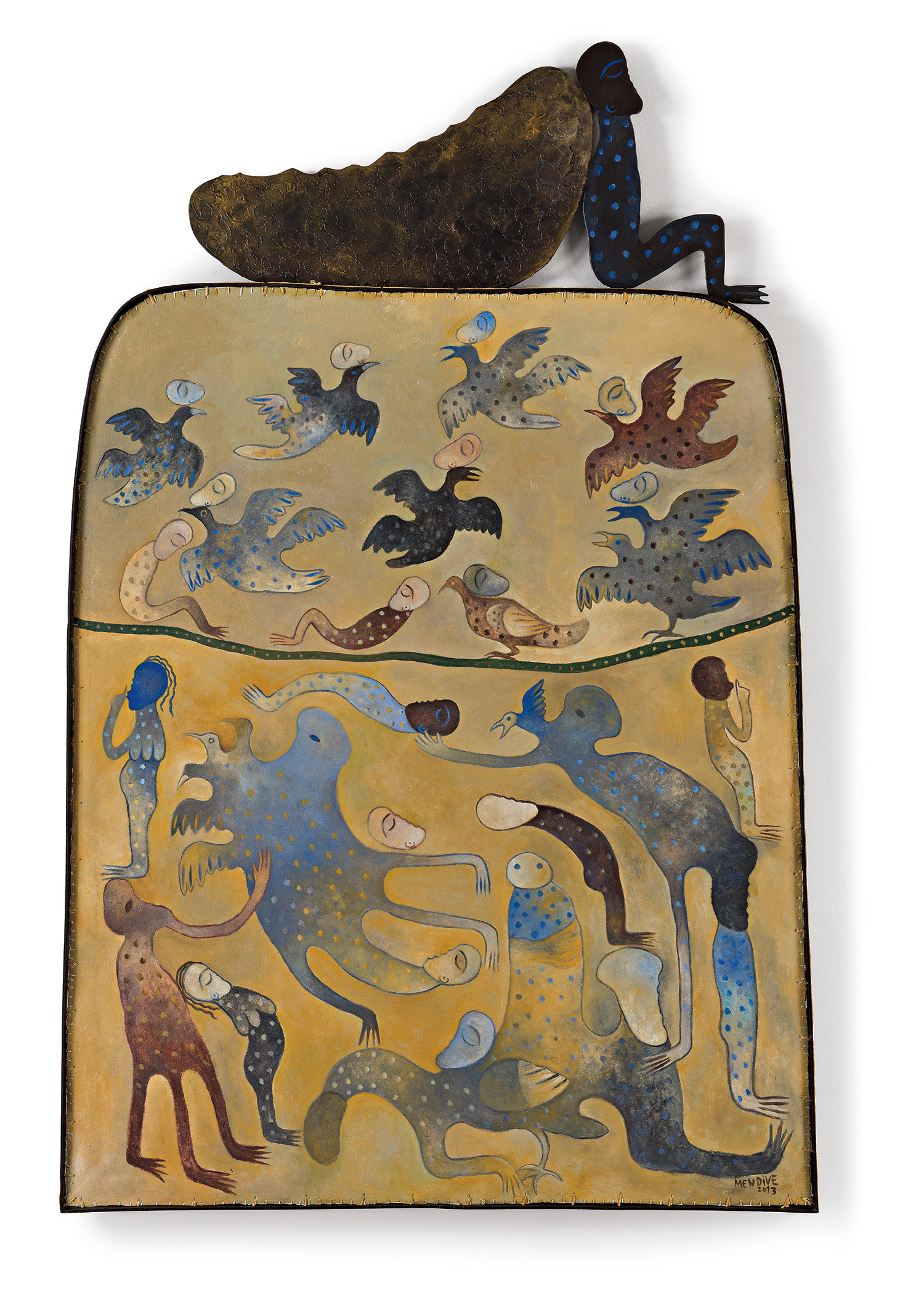
Manuel Mendive
Se alimenta mi cabeza, me alimento yo
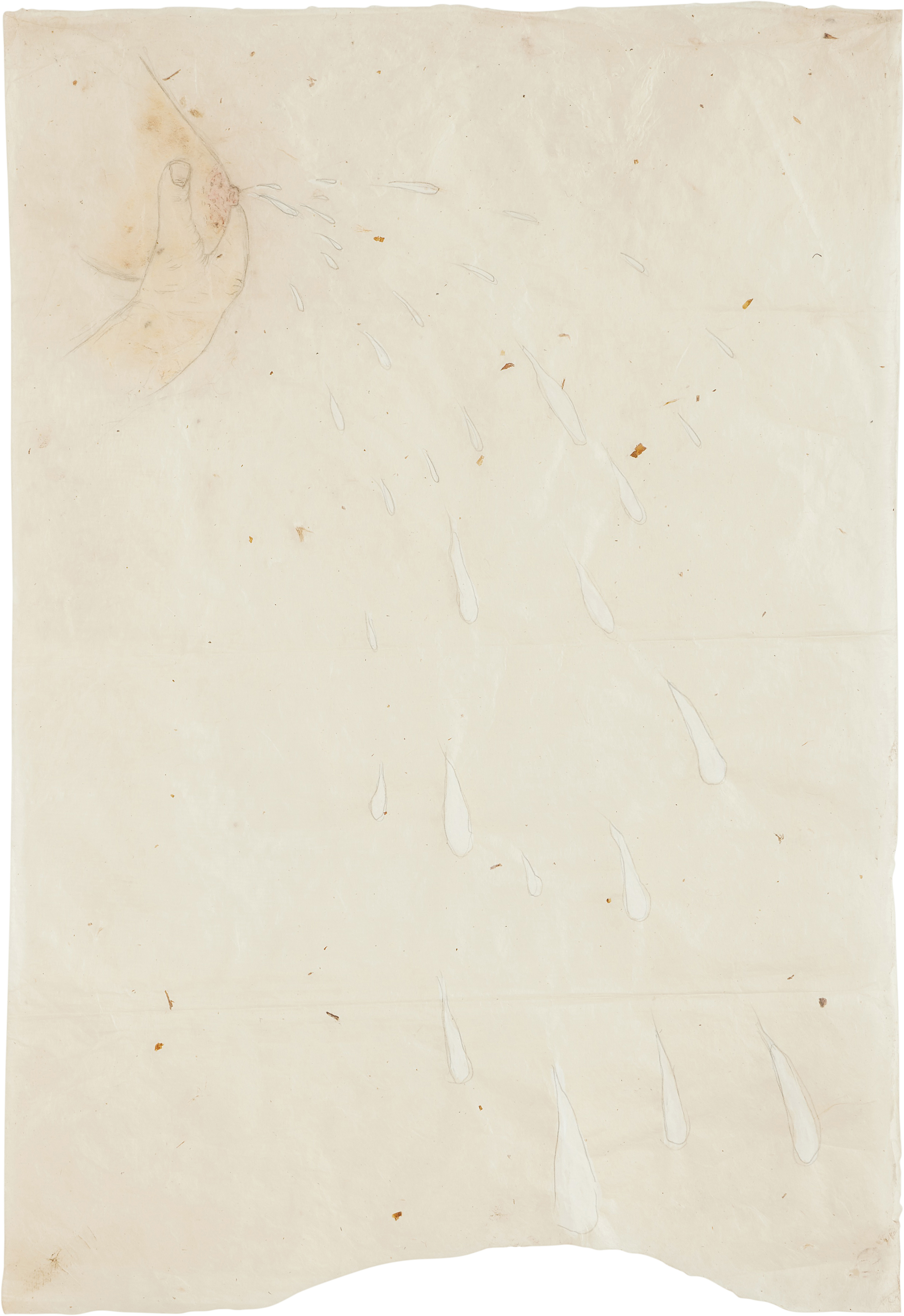
Her presence on The Collection speaks to how this category resists easy borders: spiritual imagery can be ancient and it can be made of LED and tempered glass. José Bedia and Manuel Mendive bring an entirely different kind of sacred knowledge to contemporary art. Both artists work from within Afro Cuban religious traditions, specifically the cosmologies of Palo Monte and Santeria, and both have achieved serious international standing without diluting or translating their sources for Western comfort. Bedia's large scale drawings and installations have been shown at institutions including the Museum of Modern Art and the Walker Art Center, and his work carries a kind of authority that comes from genuine initiation, not appropriation.
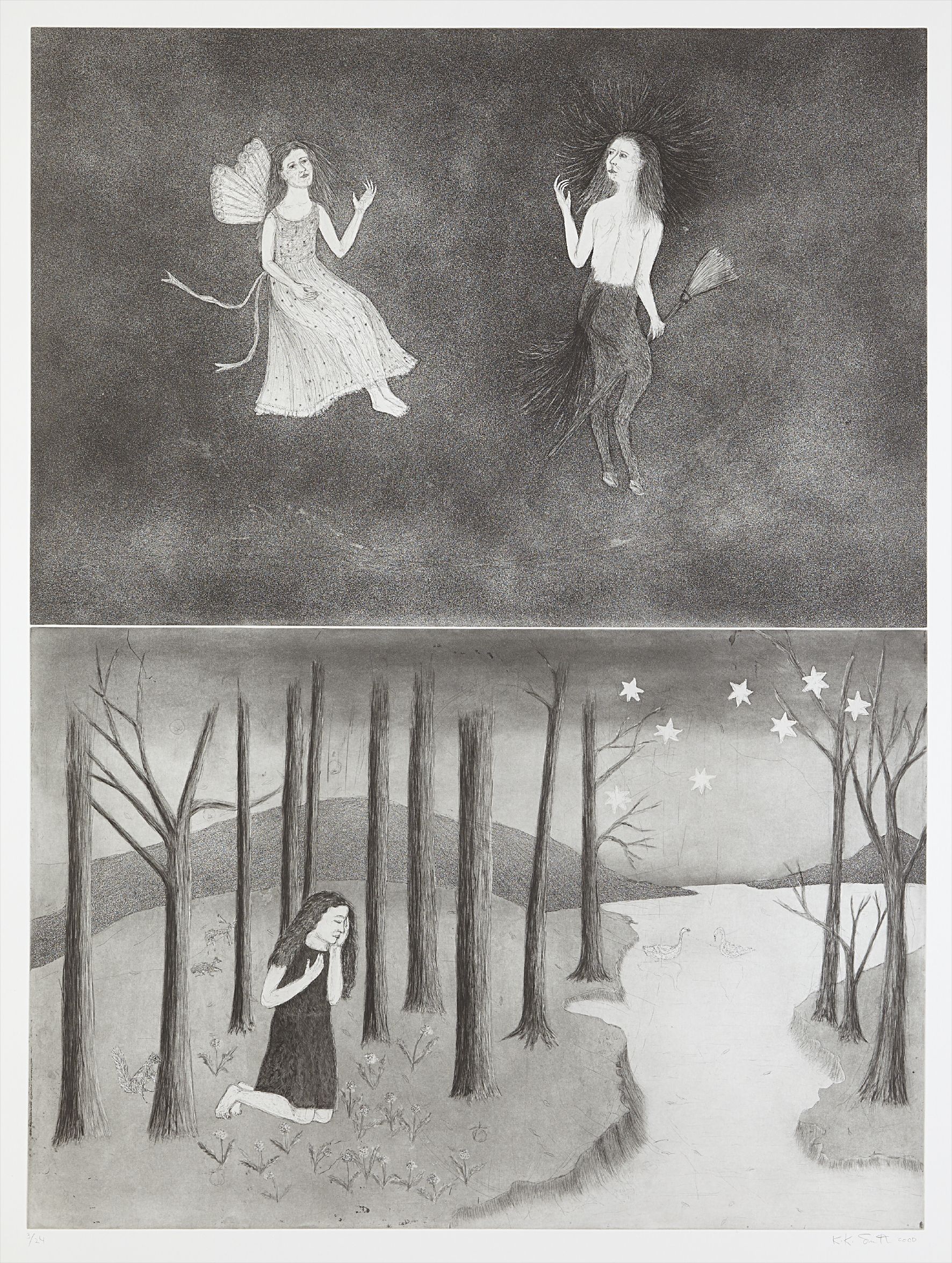
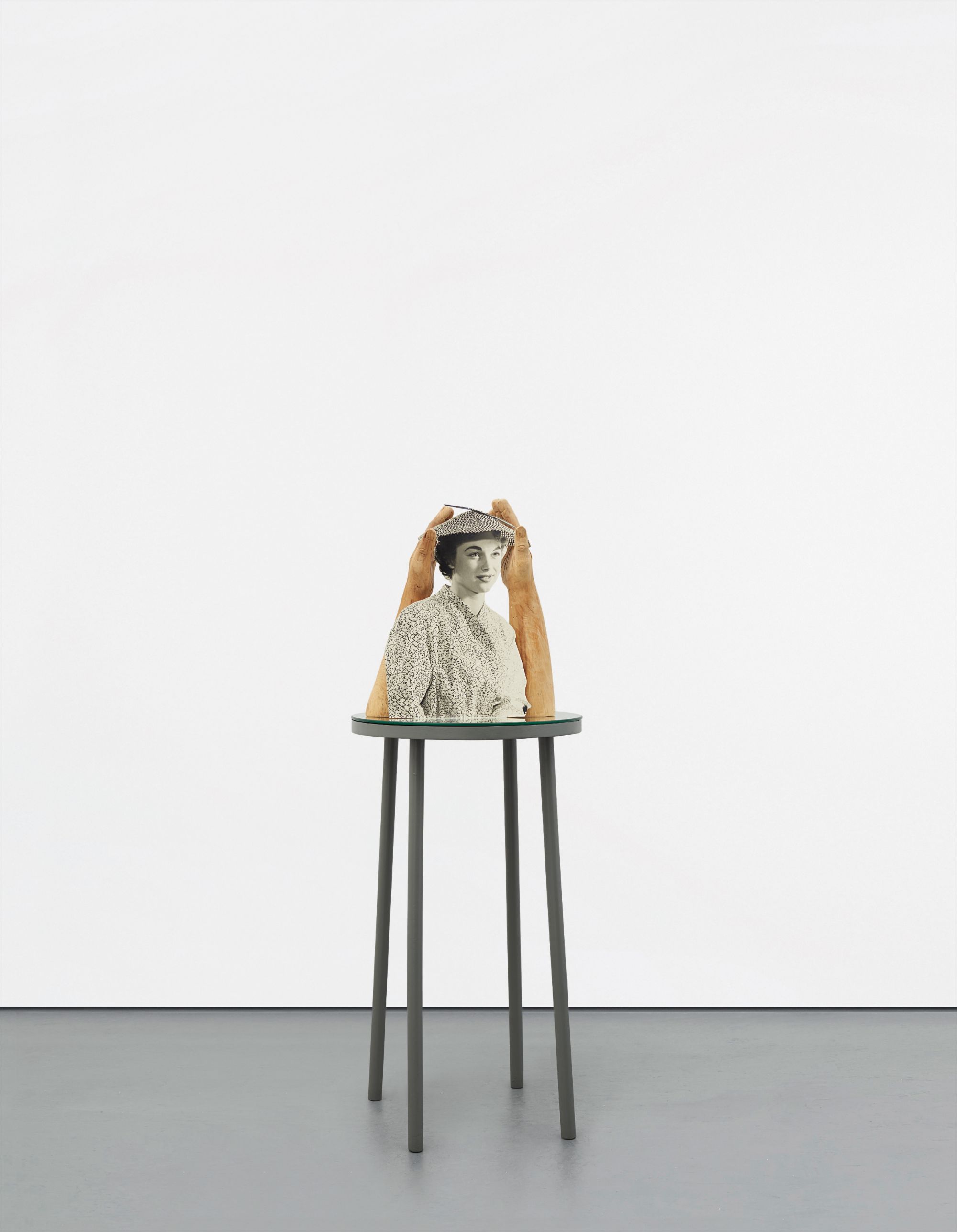
Mendive, now in his eighties, has been celebrated in Cuba for decades and is increasingly understood internationally as one of the great visionary painters of the twentieth and twenty first centuries. Kiki Smith, whose explorations of the body, mythology, and folk spiritual traditions have made her one of the most beloved figures in American art, rounds out a group of artists on The Collection who share a commitment to the numinous without sharing a single visual language. The institutions collecting most aggressively in this space tend to be those with the curatorial confidence to hold contradictions. The Museum of Fine Arts Houston, which holds the Rothko Chapel in its civic orbit, has always understood that spiritual art and contemporary art are not separate categories.
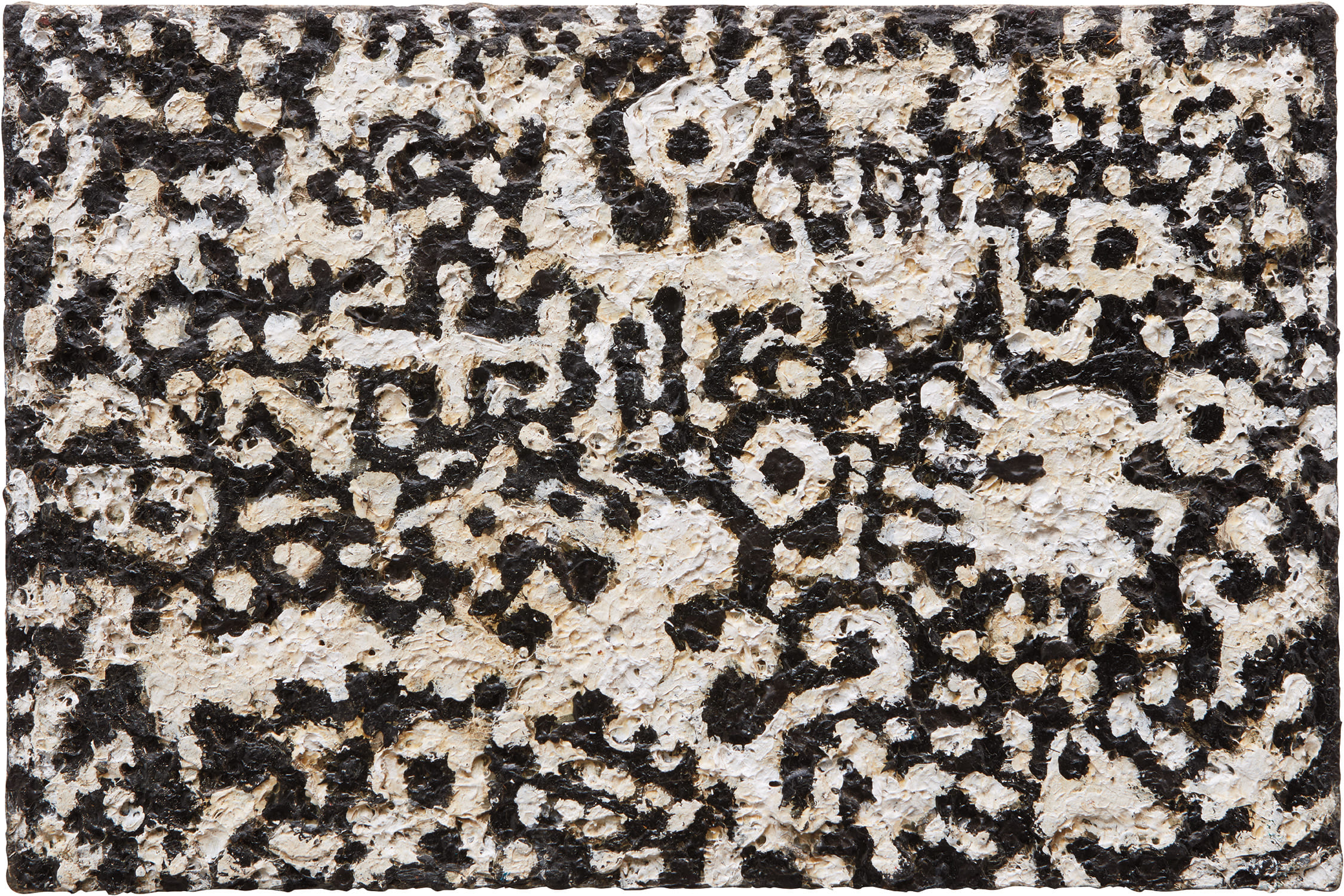
Philip Taaffe
Spiraling Portal
The Rubin Museum of Art in New York, founded in 2004 to explore Himalayan art and its connections to contemporary practice, has expanded its programming to create genuine dialogue between historical sacred objects and living artists. When the Rubin brings a curator like Elena Pakhoutova into conversation with a contemporary artist responding to Tibetan cosmological imagery, the results tend to generate exactly the kind of cross disciplinary attention that moves markets and shapes critical conversation. The writers and curators doing the most interesting thinking in this area right now include curator Rujeko Hockley, whose work has consistently pushed institutions to think more expansively about what spiritual knowledge looks like in contemporary practice, and scholar Steven Buigon, whose writings on the cosmological dimensions of contemporary African and diaspora art have reframed how the field understands artists like Bedia. Philip Taaffe, whose intricate pattern based painting draws on Islamic geometry, Celtic ornament, and a vast archive of non Western visual culture, has benefited from critics who take seriously the idea that ornament is itself a form of spiritual technology.
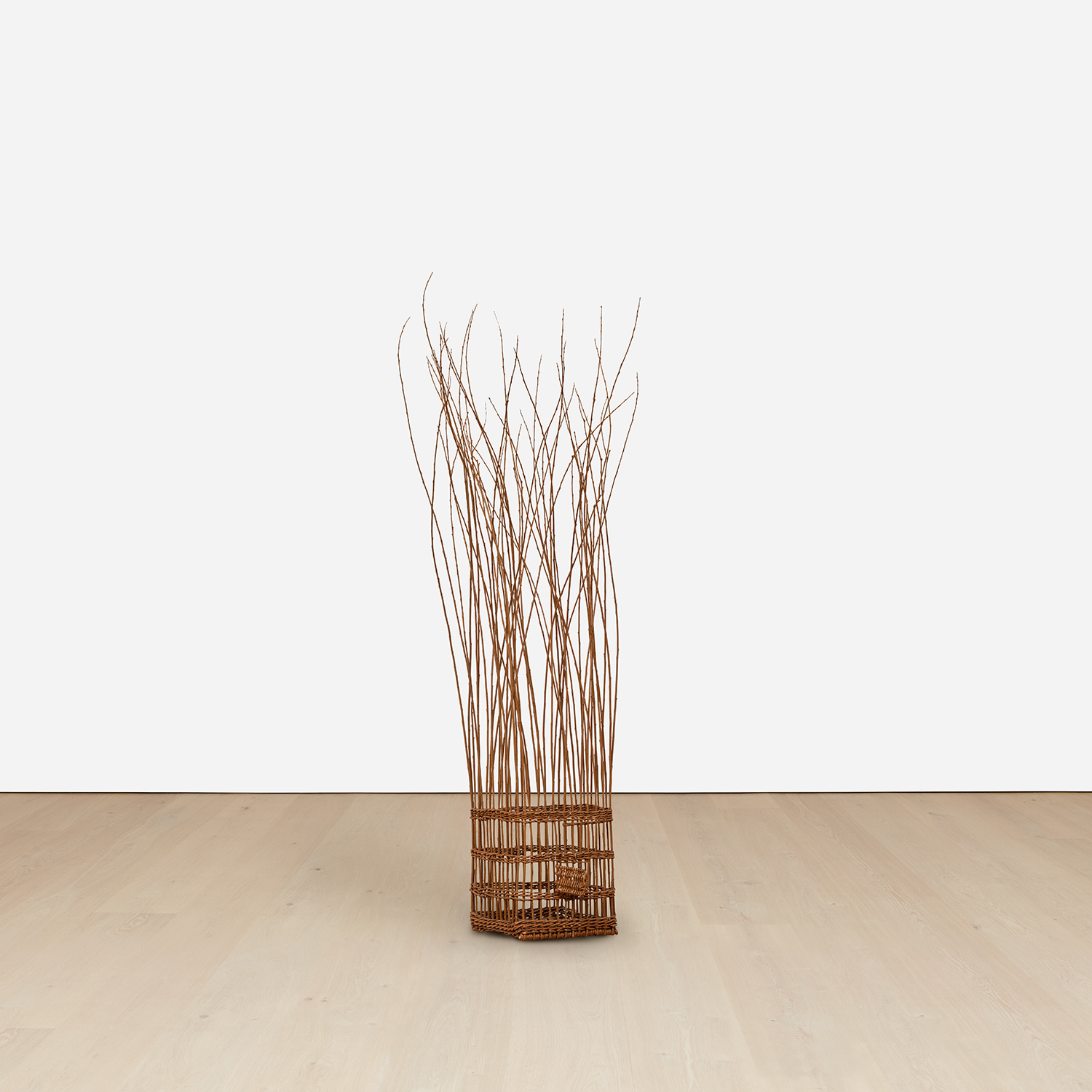
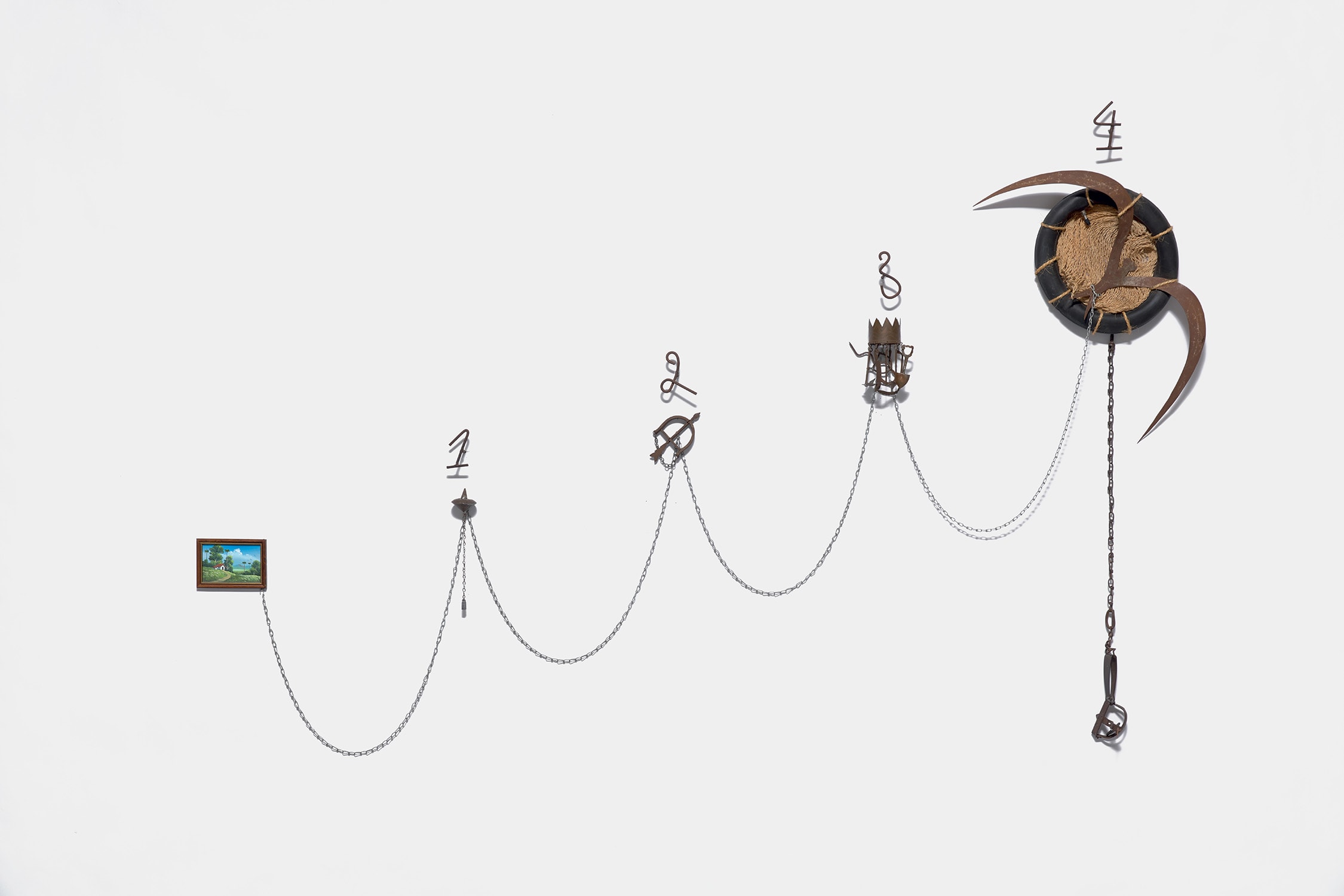
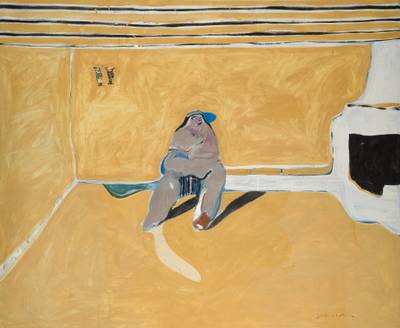
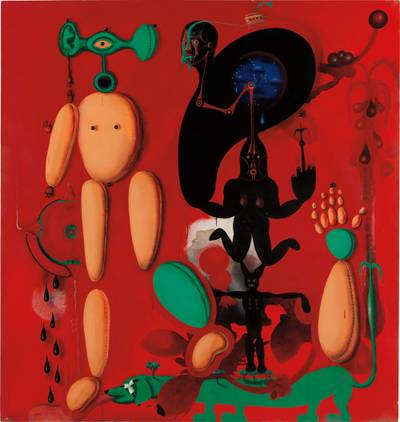
His work rewards exactly the kind of slow, informed looking that the best art writing tries to model. Where is the energy heading. Segundo Planes, whose work operates in a quieter register, points toward a growing collector interest in artists who work at the margins of the conversation but with absolute conviction. There is a real hunger right now for authenticity over spectacle, for artists whose engagement with the sacred is structural rather than decorative.
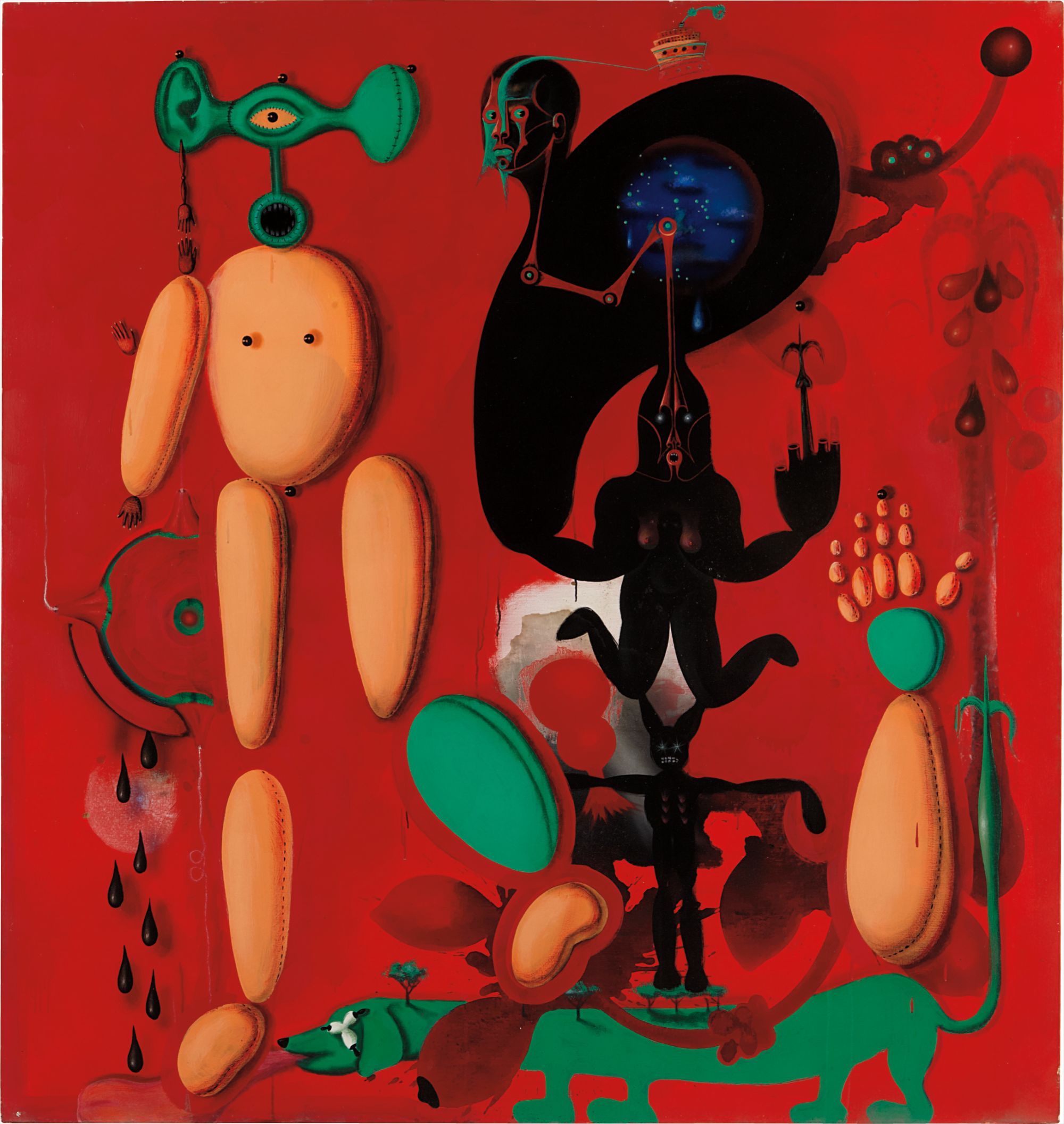
Segundo Planes
Changó llen con el cielo en la mano
The next wave of serious collecting in this category will likely focus on artists from West Africa, Latin America, and Southeast Asia whose spiritual traditions have not yet been fully metabolized by the Western market. The prices are still accessible, the scholarship is catching up fast, and the institutions are paying attention. For collectors who trust their instincts, spiritual imagery is not a niche. It is where painting and sculpture have always been doing their most serious work.