Silkscreen Printing
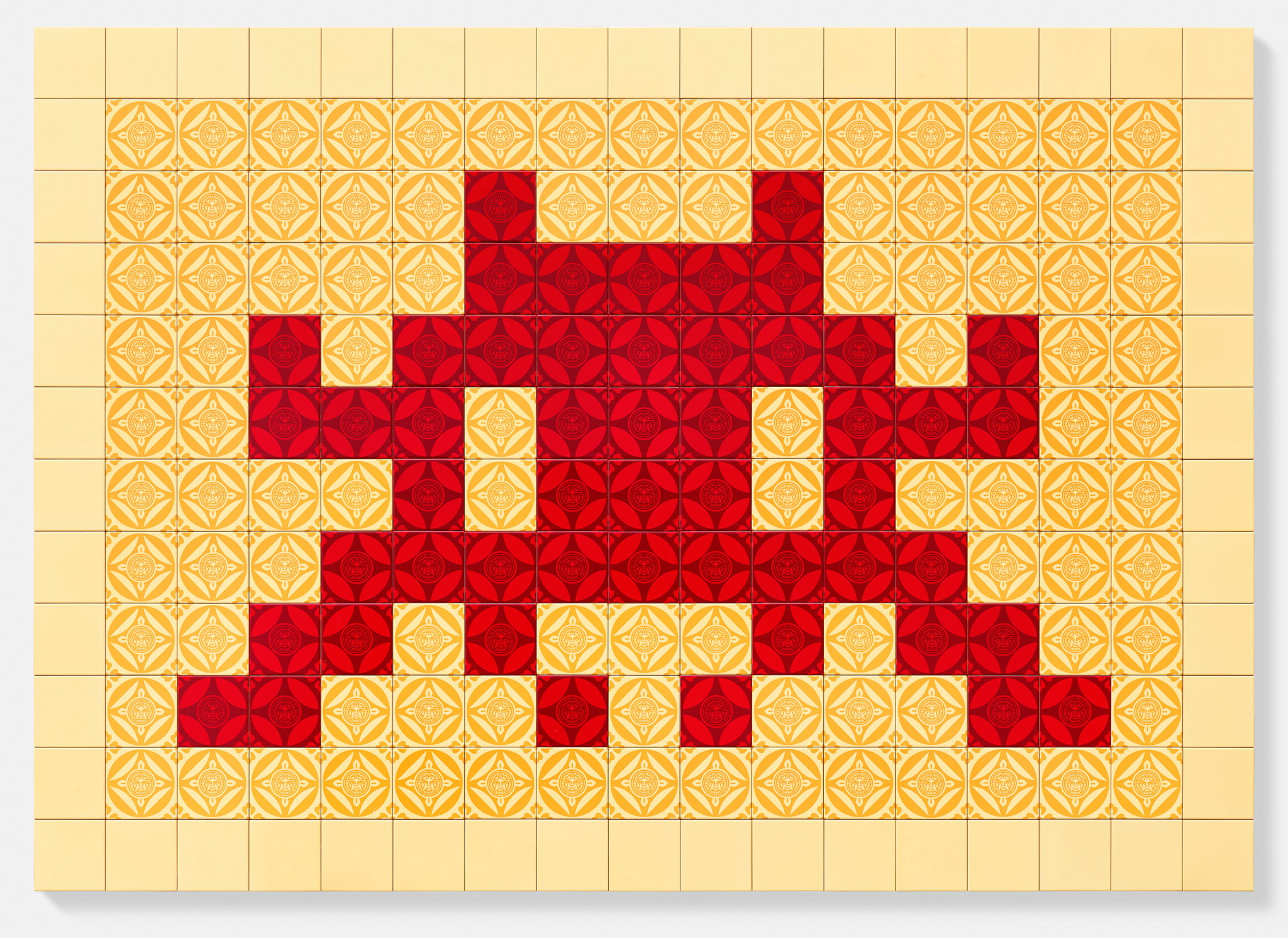
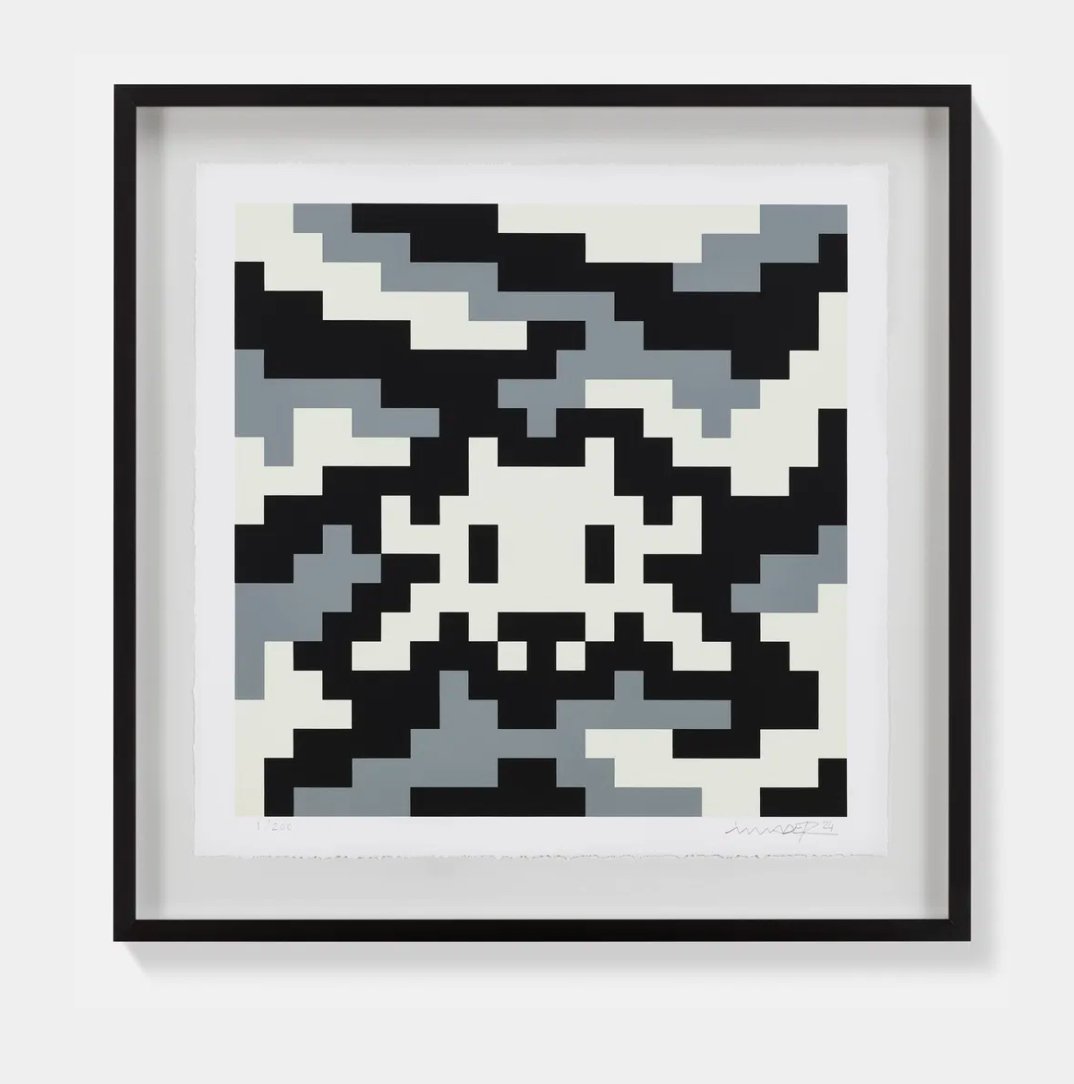
Shepard Fairey
Positive Space/Negative Space (Large Red/Cream), 2025
The Ink That Changed Everything
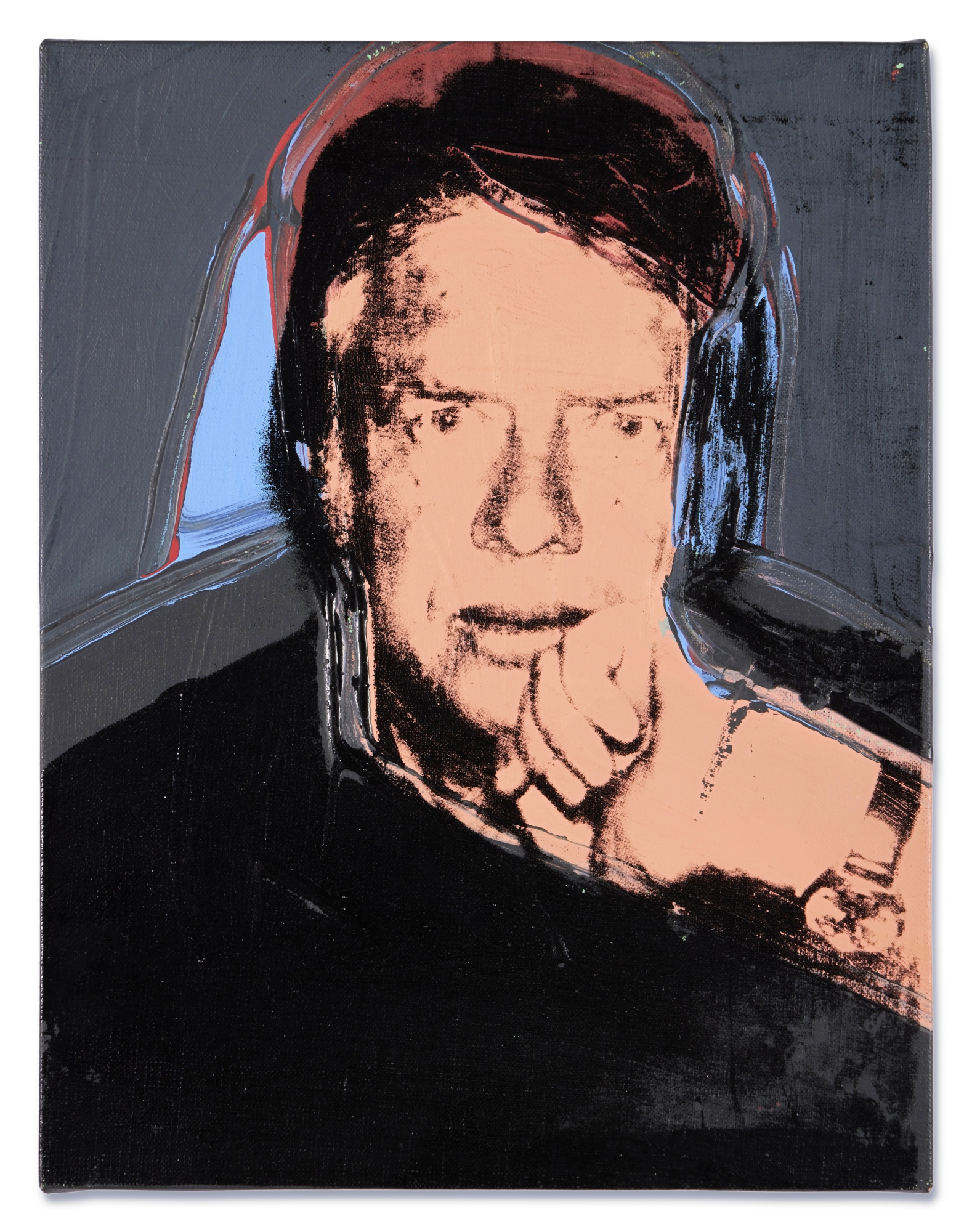
When Christie's brought a group of Andy Warhol's Marilyn silkscreens to auction in recent years, the rooms filled with a particular kind of electricity that is hard to manufacture. It was not nostalgia exactly, though nostalgia was certainly present. It was something closer to recognition: the sense that these objects, made through a process borrowed from commercial printing, still carry more cultural voltage than almost anything produced with more obviously precious means. Silkscreen printing sits at the center of some of the most consequential conversations happening in the art market right now, and understanding why requires paying attention to what institutions are buying, what prices are doing, and which artists are being reconsidered with fresh urgency.
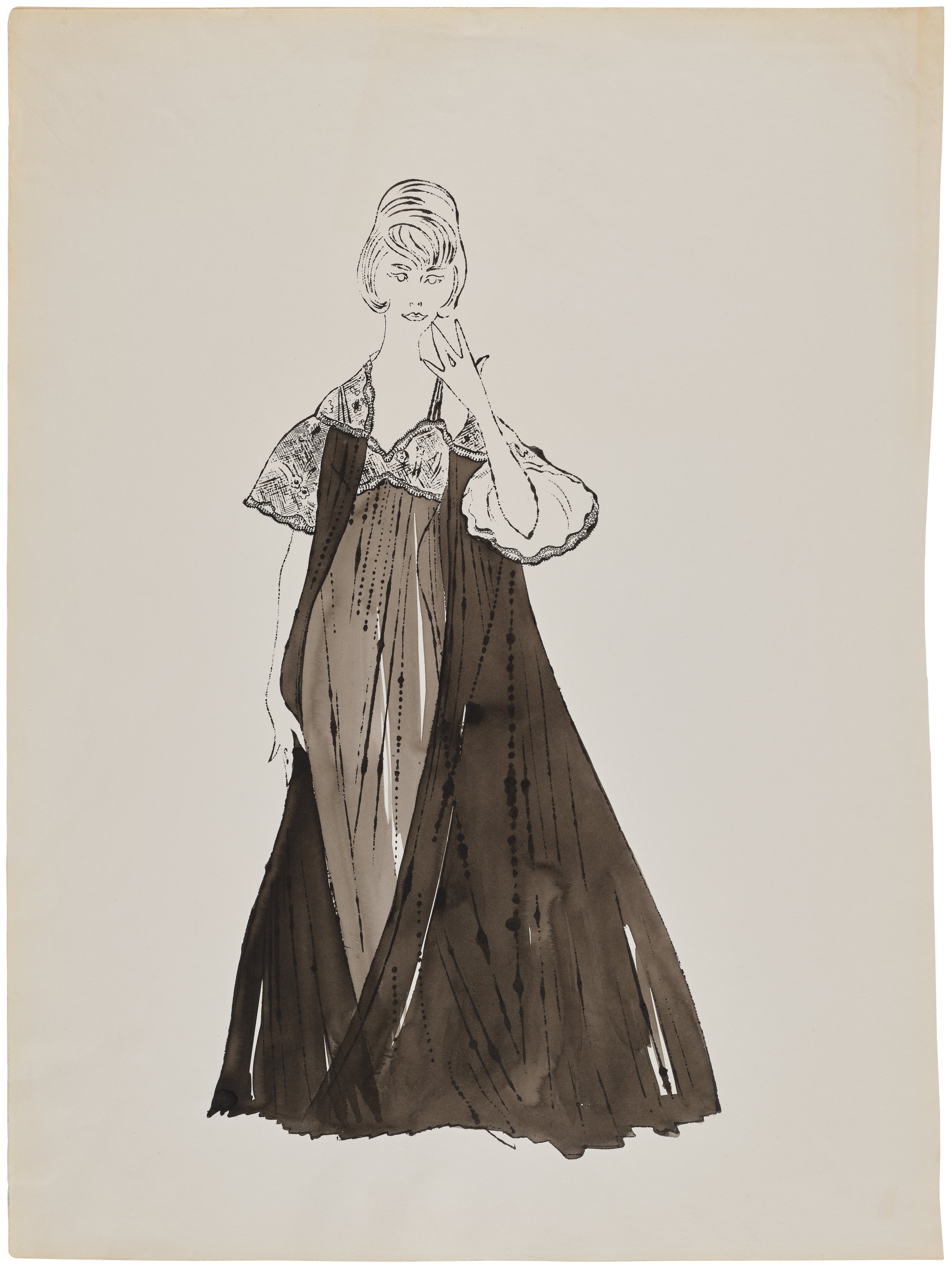
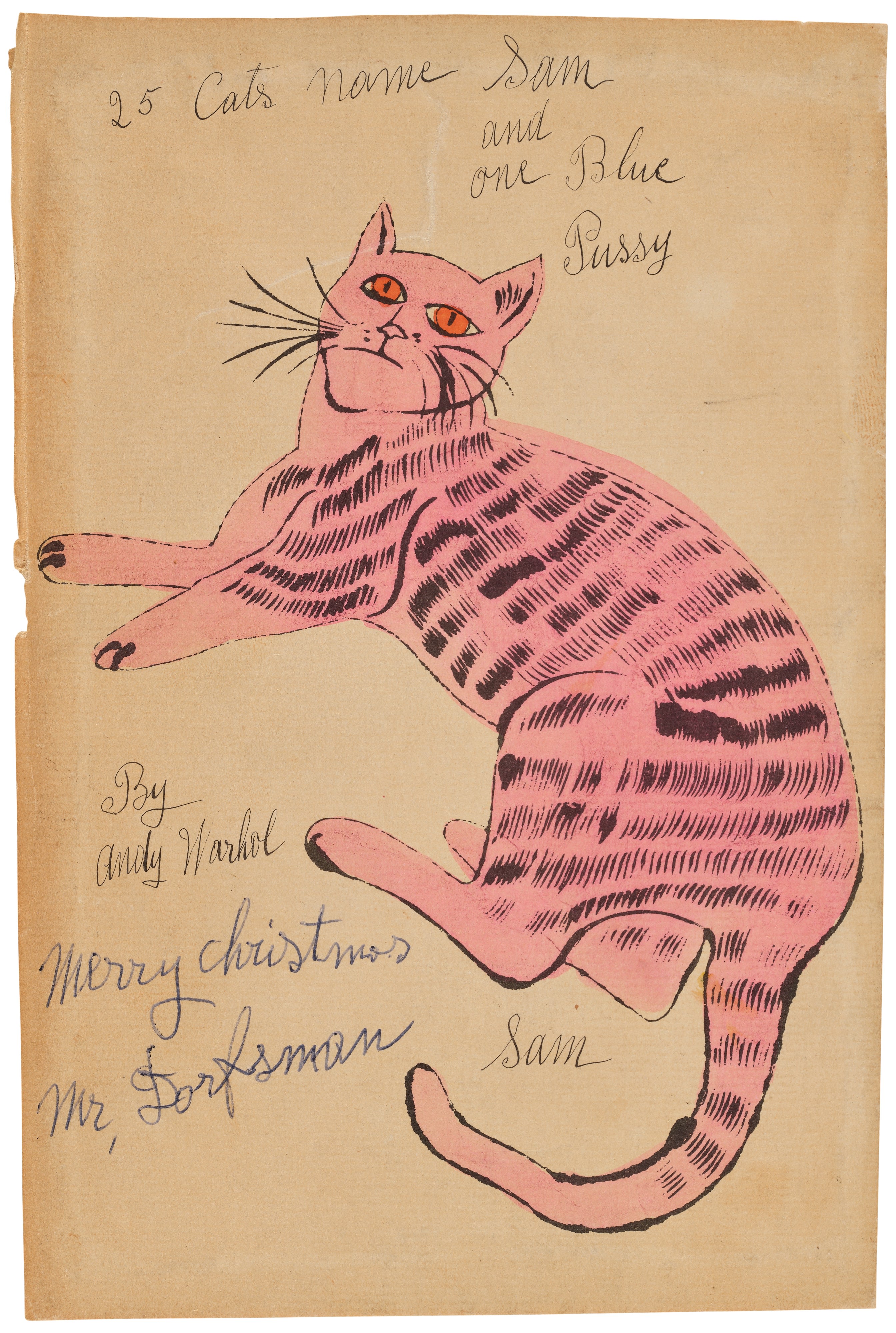
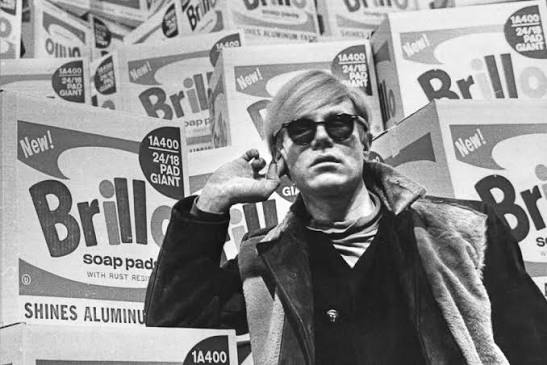
The process itself is seductively simple in description and endlessly complex in practice. Ink is pushed through a mesh screen onto a surface below, with portions of the screen blocked to create an image. What made silkscreen revolutionary in the 1960s was not the technique but the attitude it encoded: a deliberate embrace of reproducibility, of flatness, of the visual language of advertisements and news photographs. When Warhol set up his Factory and began producing images of soup cans, celebrities, and disaster scenes using silkscreen, he was not just making pictures.
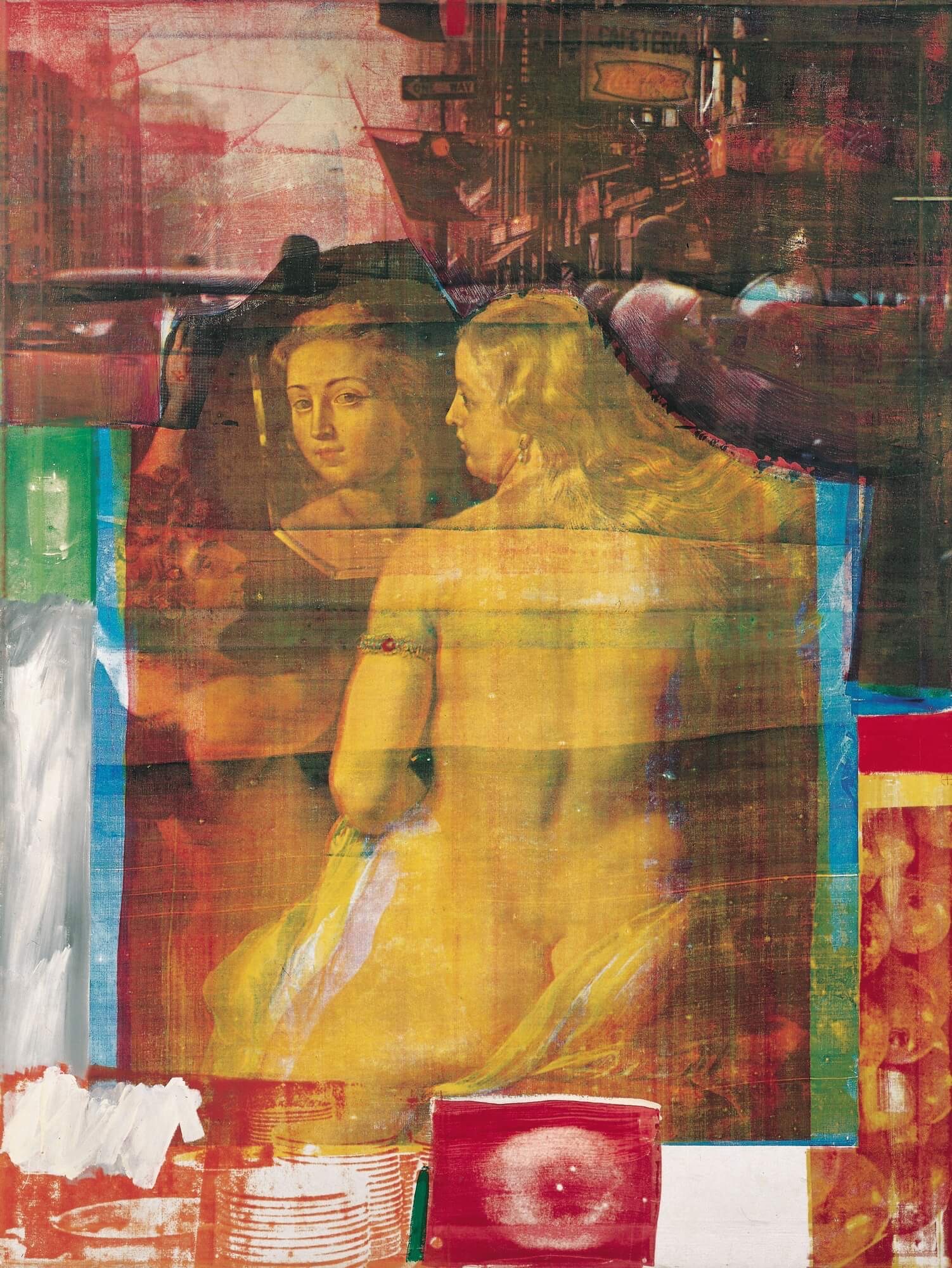
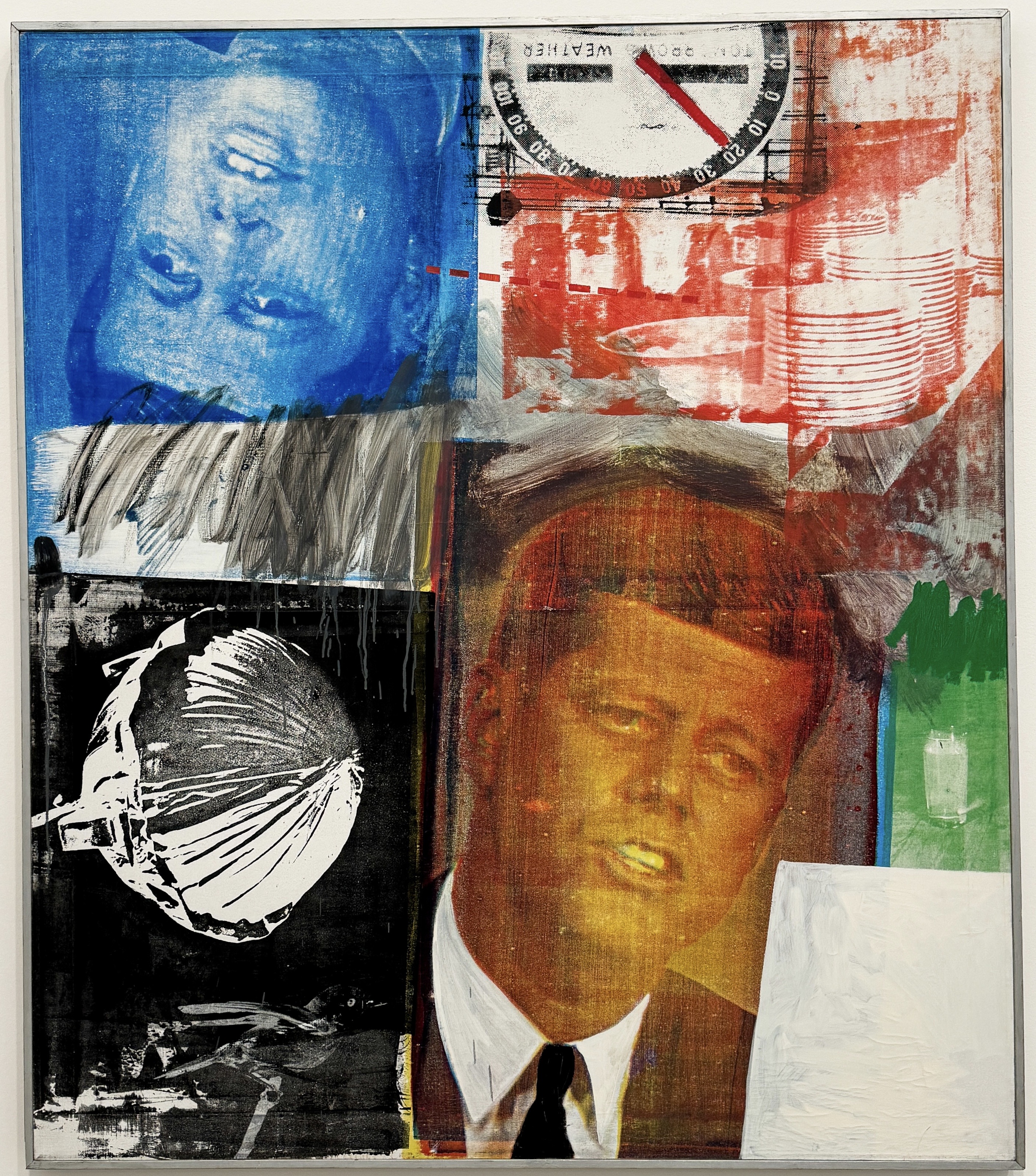
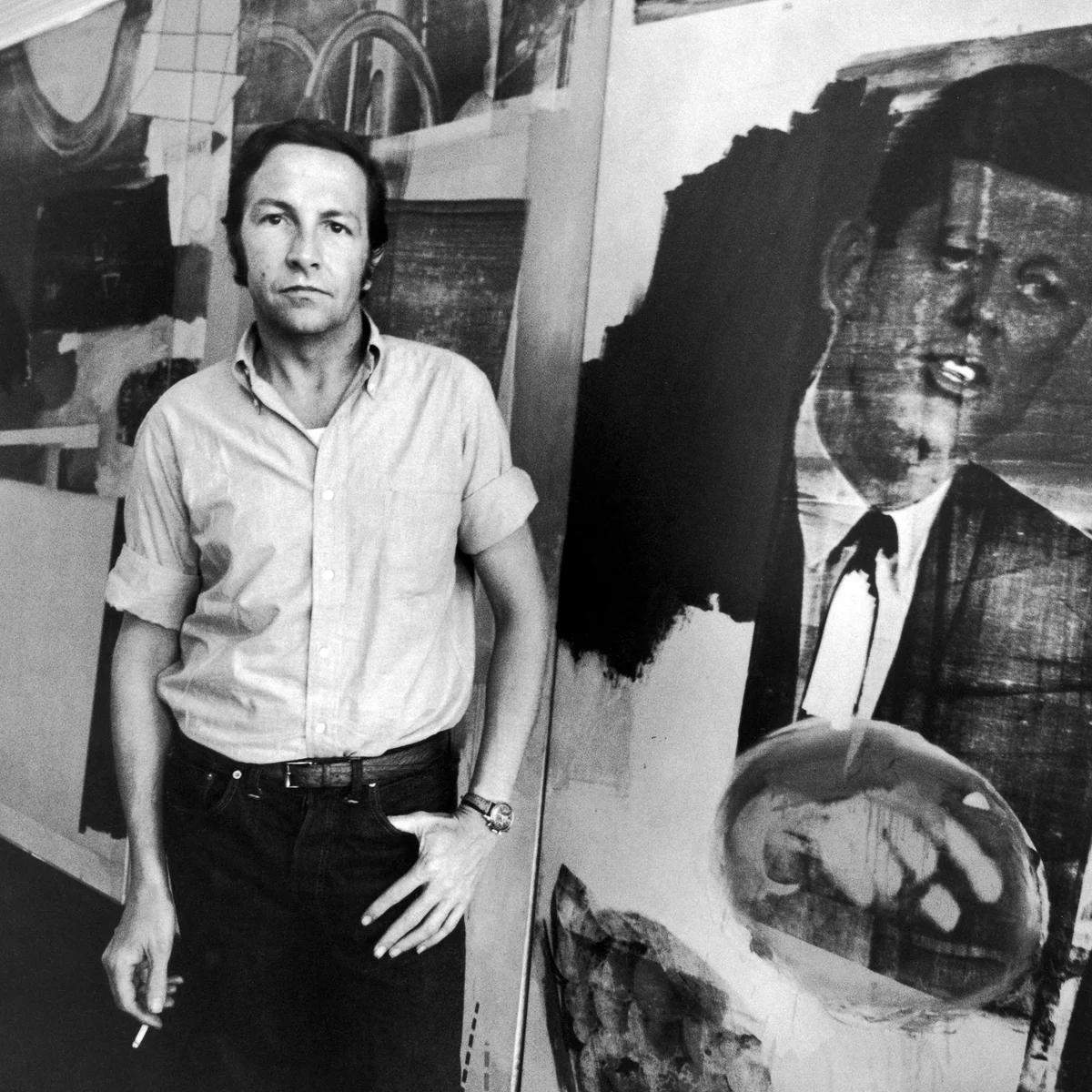
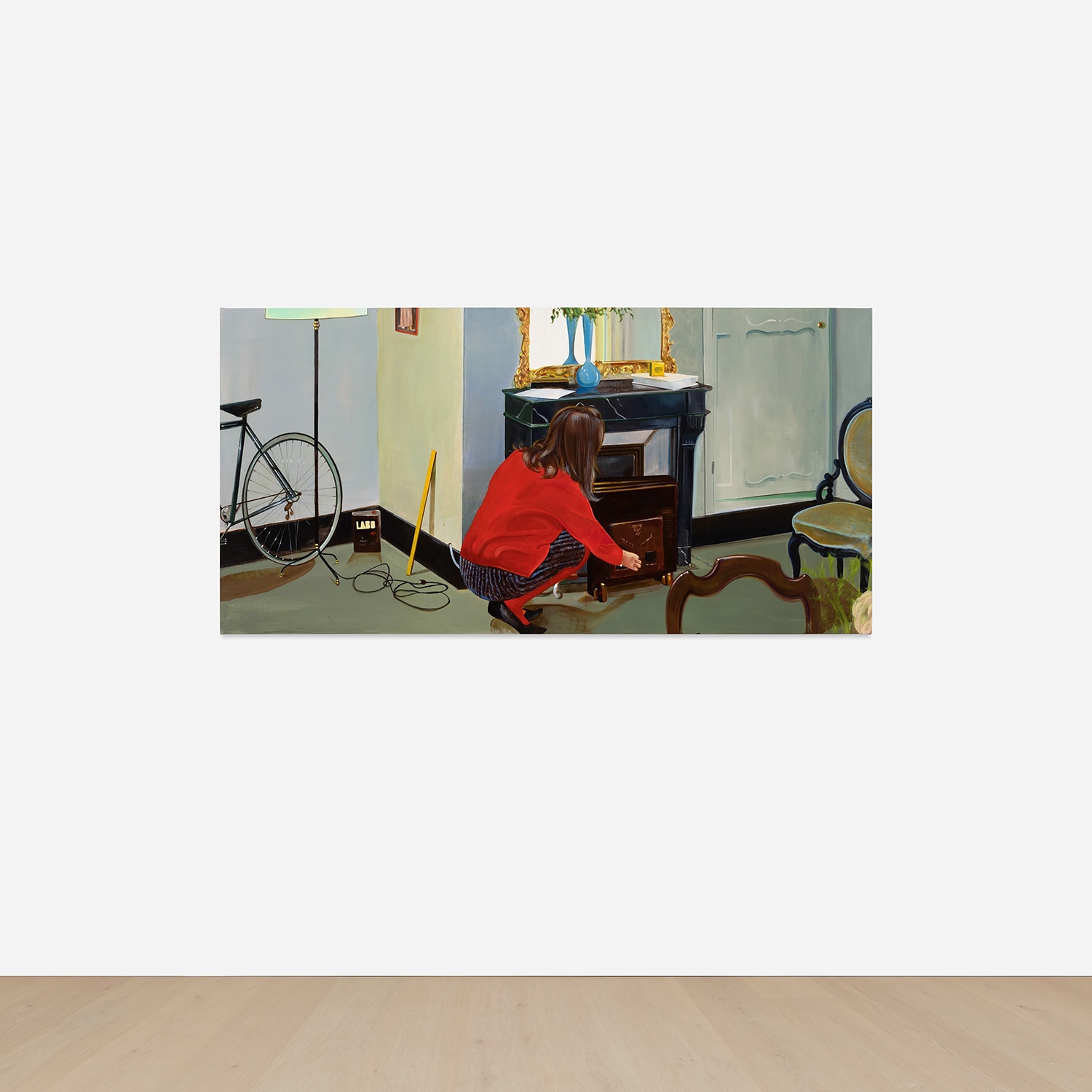
Robert Rauschenberg
Persimmon, 1964
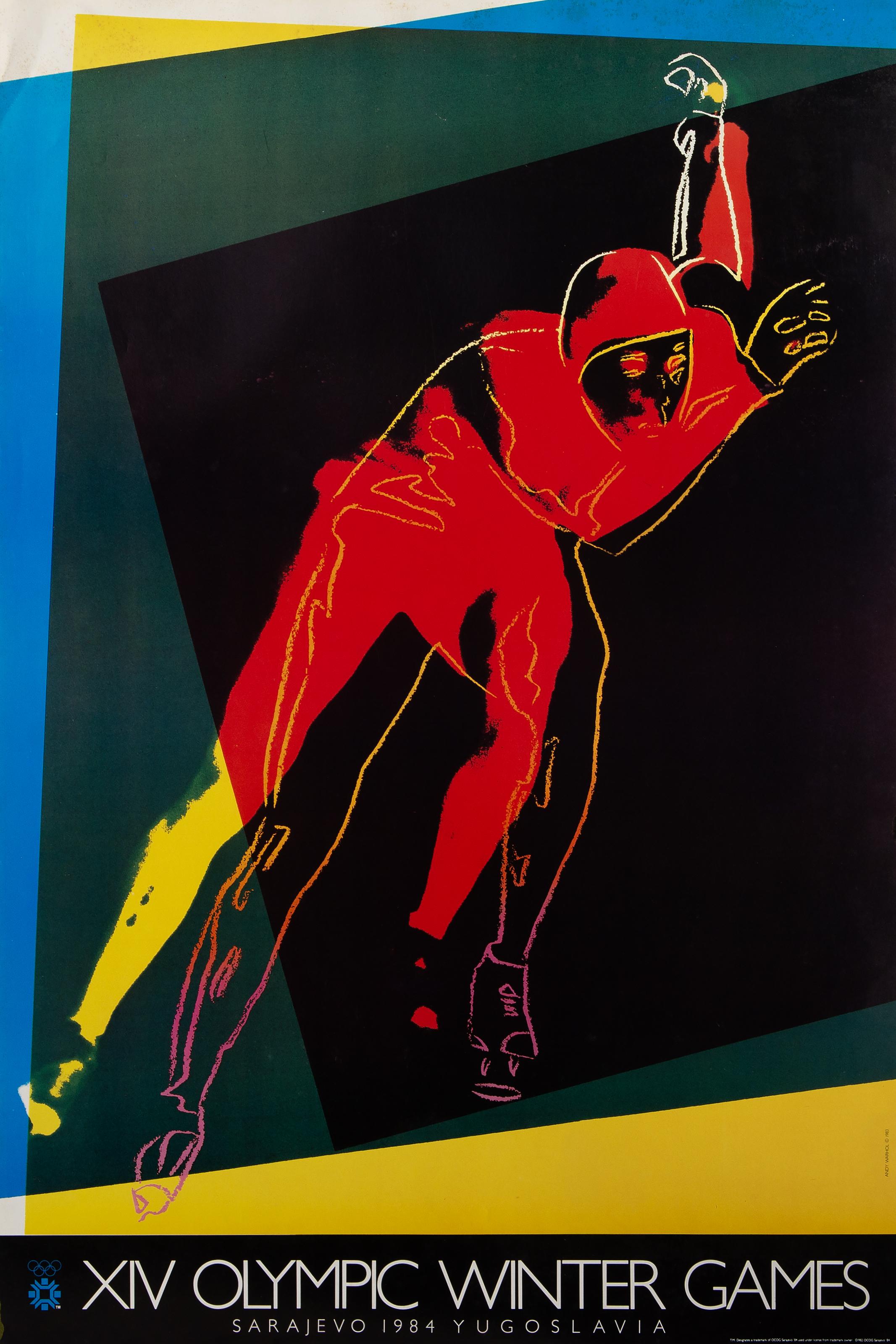
He was making an argument about what pictures are and where they come from. That argument has only grown more resonant in the decades since. The market for Warhol silkscreens has remained one of the most reliable indicators of broader collector confidence, and the works available on The Collection reflect the depth of appetite for his output across different periods and subjects. His flower prints, his celebrity portraits, his more politically charged imagery from the late 1970s and 1980s: each subset attracts its own dedicated collectors and generates its own scholarly attention.
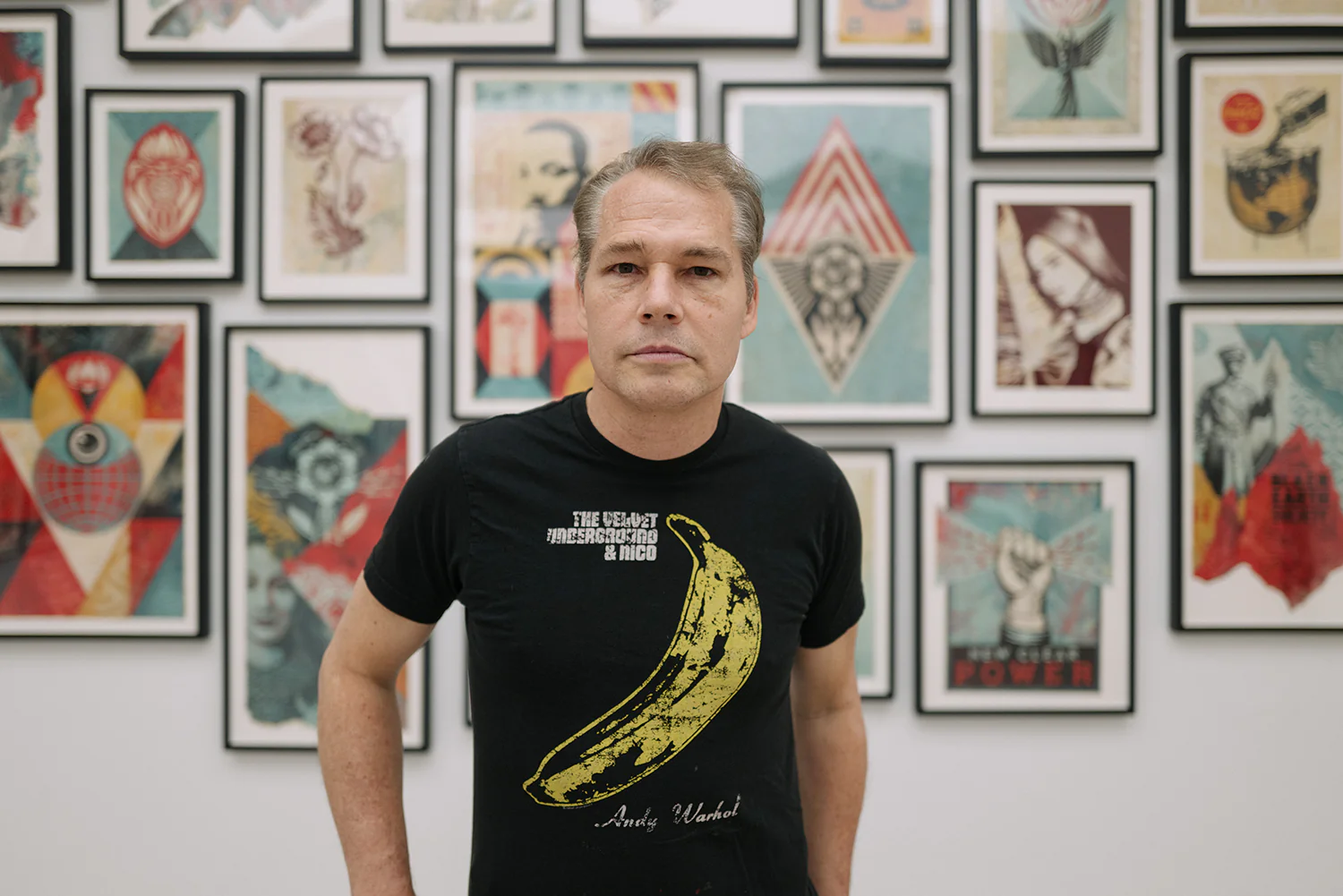
Major auction records for Warhol silkscreens consistently place him among the highest valued artists at any given sale, with individual works routinely reaching eight figures. What is interesting to watch is how the market has become more discerning rather than simply more expensive: provenance, condition, and the specific edition or variant now drive significant price differentials that would not have registered twenty years ago. Shepard Fairey represents a different but equally instructive chapter in silkscreen's story. His work, also well represented on The Collection, arrives from a tradition that runs through political poster art, street culture, and the DIY aesthetics of punk and skateboarding.
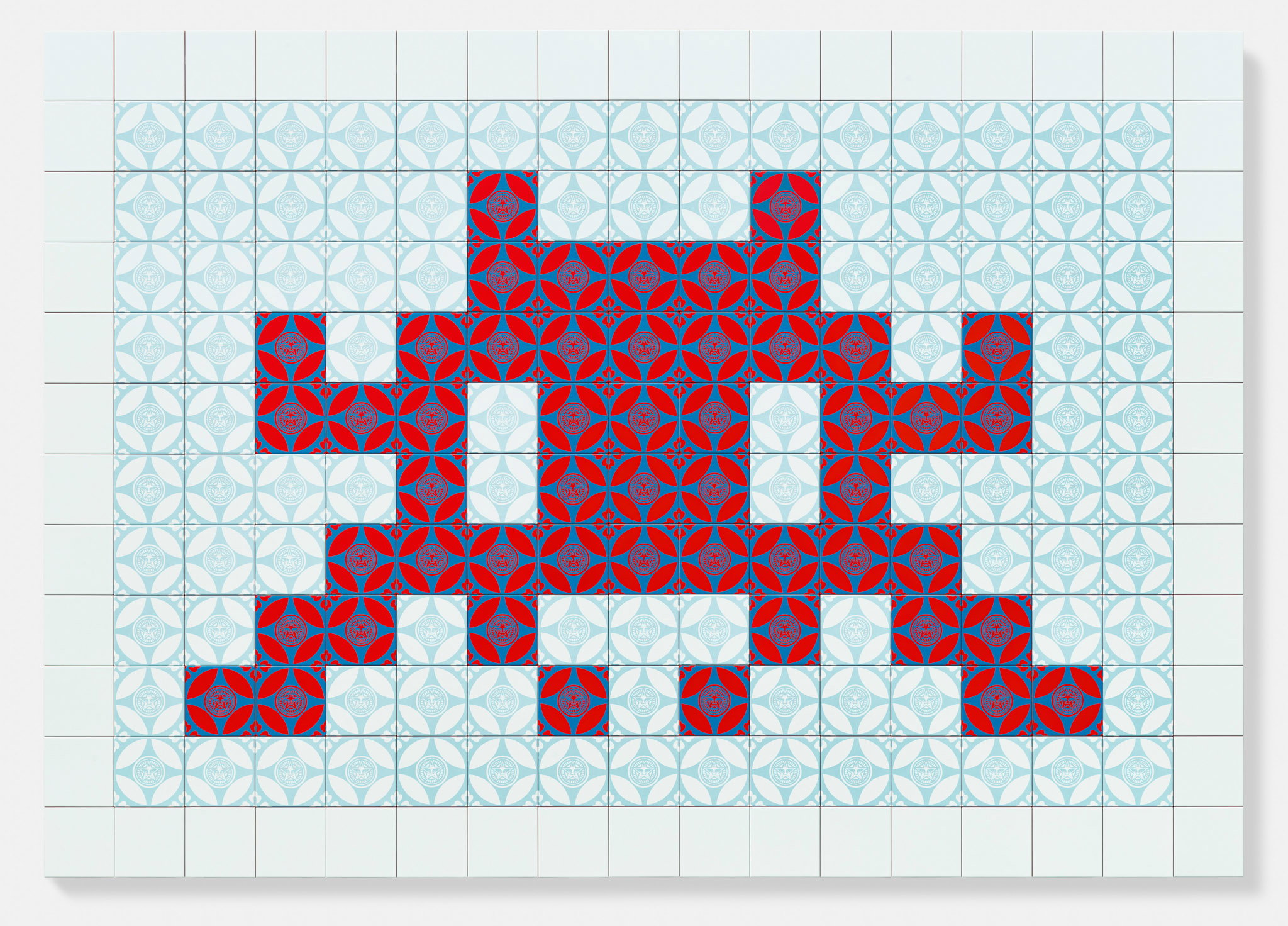
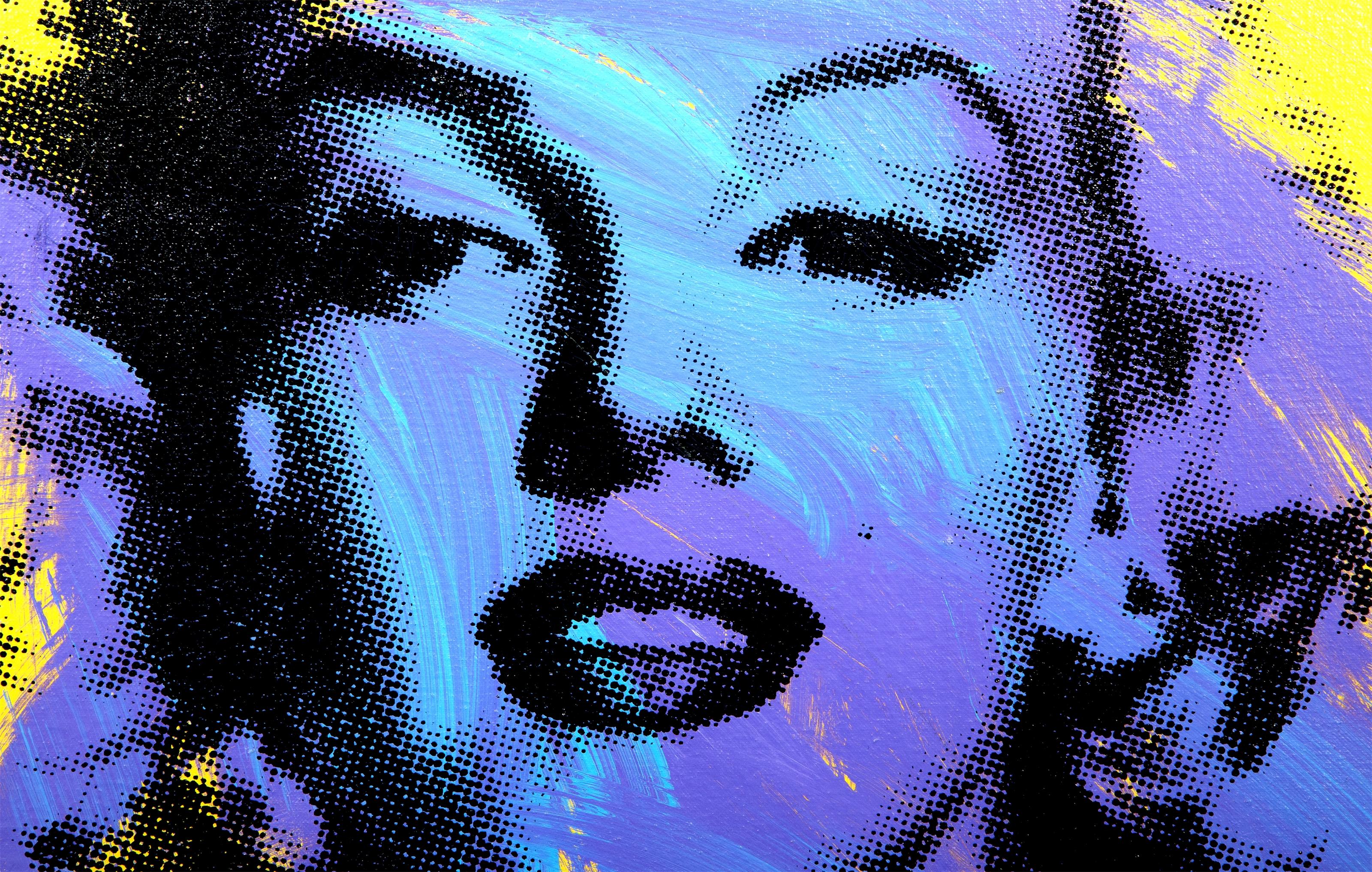
Shepard Fairey
Positive Space/Negative Space (Large Red/Blue), 2025
The critical reception of Fairey has shifted meaningfully over the past decade. Early dismissals of his work as graphic design rather than fine art have given way to more serious institutional engagement: his pieces have entered museum collections, and exhibitions devoted to his practice have attracted audiences that bridge street culture and the gallery world. The Boston Institute of Contemporary Art, which has deep connections to Fairey's Boston roots, has engaged with his legacy in programming contexts that would have seemed surprising fifteen years ago. Robert Rauschenberg offers perhaps the most intellectually rigorous case for silkscreen as a fine art medium.
His combine paintings and silkscreen works of the 1960s, which layered photographic imagery with painterly gesture, were the subject of a major traveling retrospective organized by MoMA that reminded a new generation of viewers how radical and sophisticated his synthesis of media really was. Rauschenberg understood that silkscreen was not a shortcut or a cheat but a way of thinking about images: how they accumulate, how they speak to each other, how the surface of a painting could become something like a newspaper page or a wall. His influence on subsequent generations of artists working in print has been enormous, even when that influence is not always acknowledged directly. Institutionally, the signal is clear and consistent.
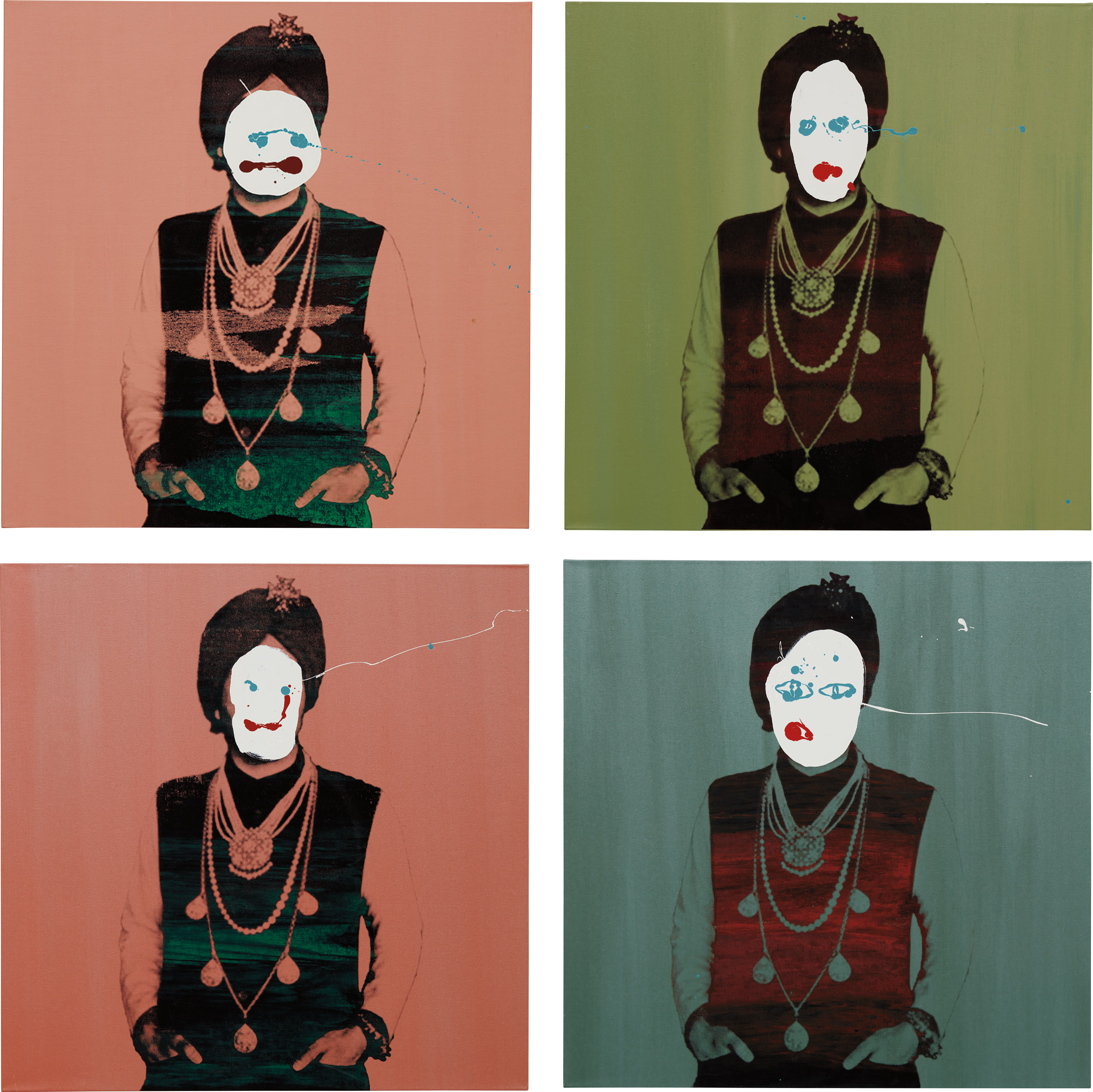
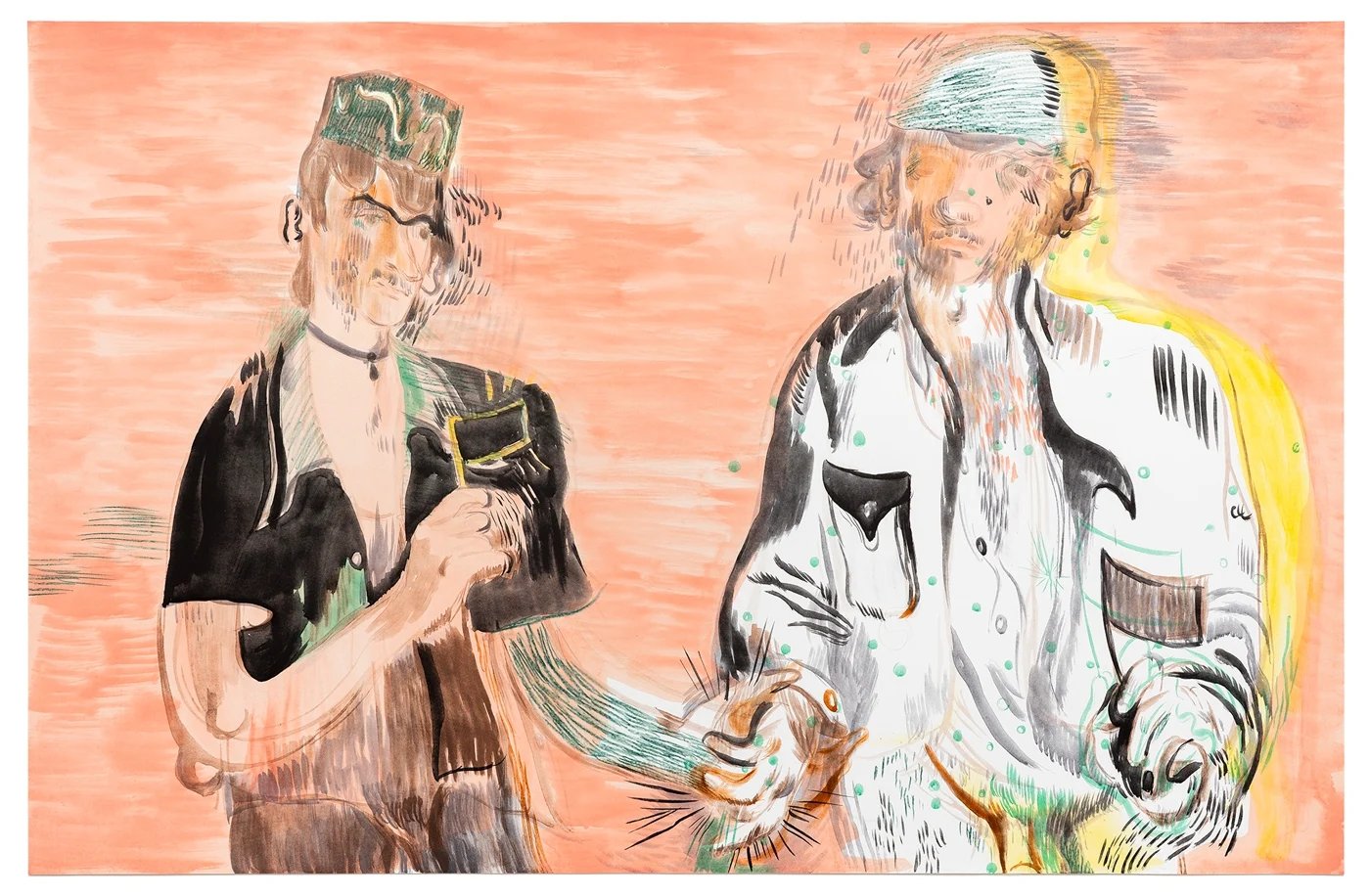
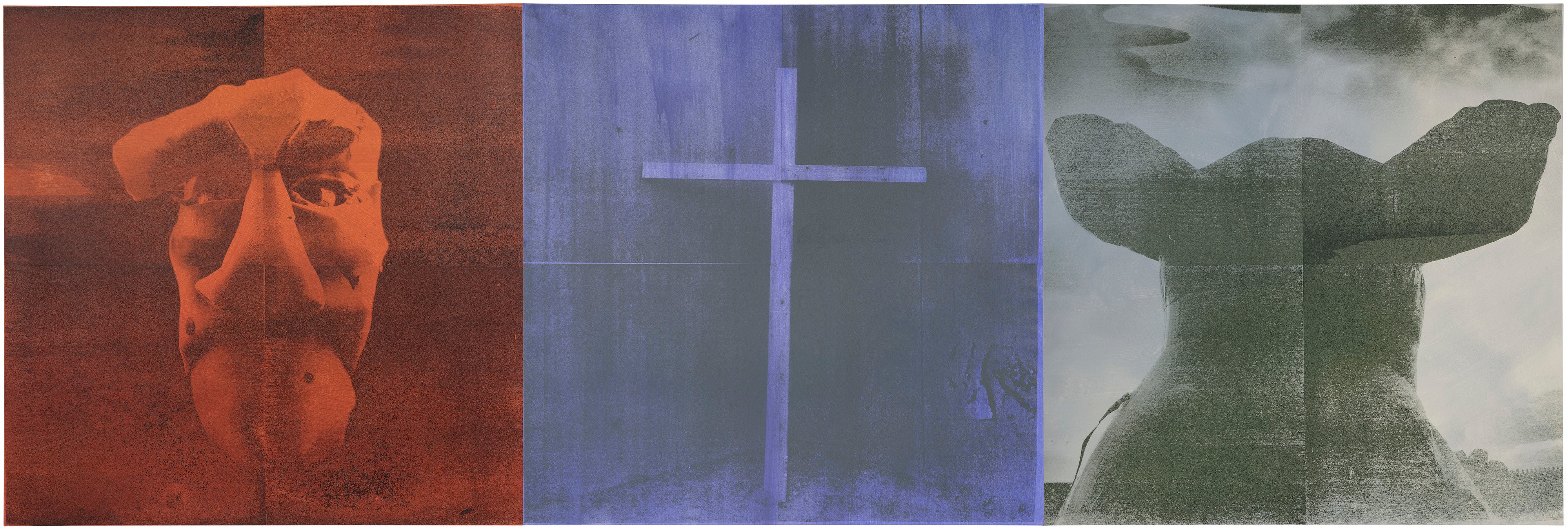
The Bruce High Quality Foundation
Self Portrait 1, Self Portrait 2, Self Portrait 3, Self Portrait 4, 2011
The Museum of Modern Art, the Tate Modern, the Whitney Museum of American Art, and the Broad in Los Angeles all hold significant silkscreen works as central to their modern and contemporary collections rather than peripheral to them. The Broad's holdings are particularly instructive: the collection was built with a deliberate focus on postwar American art, and silkscreen is woven through it as a connective tissue between Pop, conceptualism, and later movements. When an institution of that seriousness and that scale commits to silkscreen as core rather than decorative, it shapes how the rest of the market thinks. The critical writing around silkscreen has grown considerably more nuanced in recent years.
Scholars like David Joselit, whose work on network aesthetics and the circulation of images has been enormously influential, provide frameworks for understanding why silkscreen feels so contemporary even when the specific works in question are sixty years old. Publications including Artforum and October have published essays that move beyond the Pop Art frame to situate silkscreen within broader questions about mechanical reproduction, authenticity, and the politics of the image. This theoretical enrichment has made collecting in this space feel intellectually serious in ways that pure market enthusiasm never quite achieves on its own. What feels genuinely alive right now is the space between established masters and the generation of artists who absorbed silkscreen not as a revolutionary gesture but as a given.
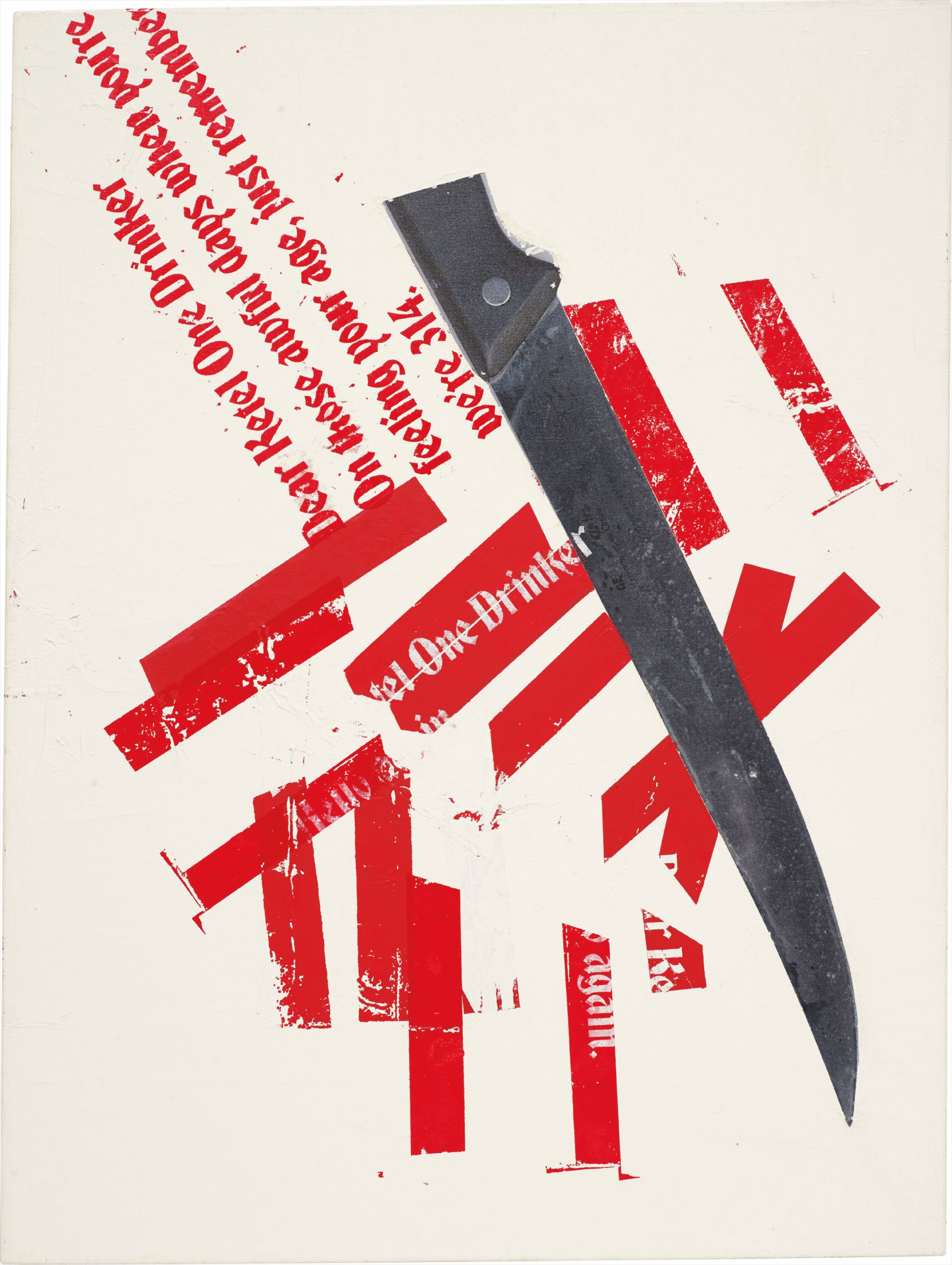
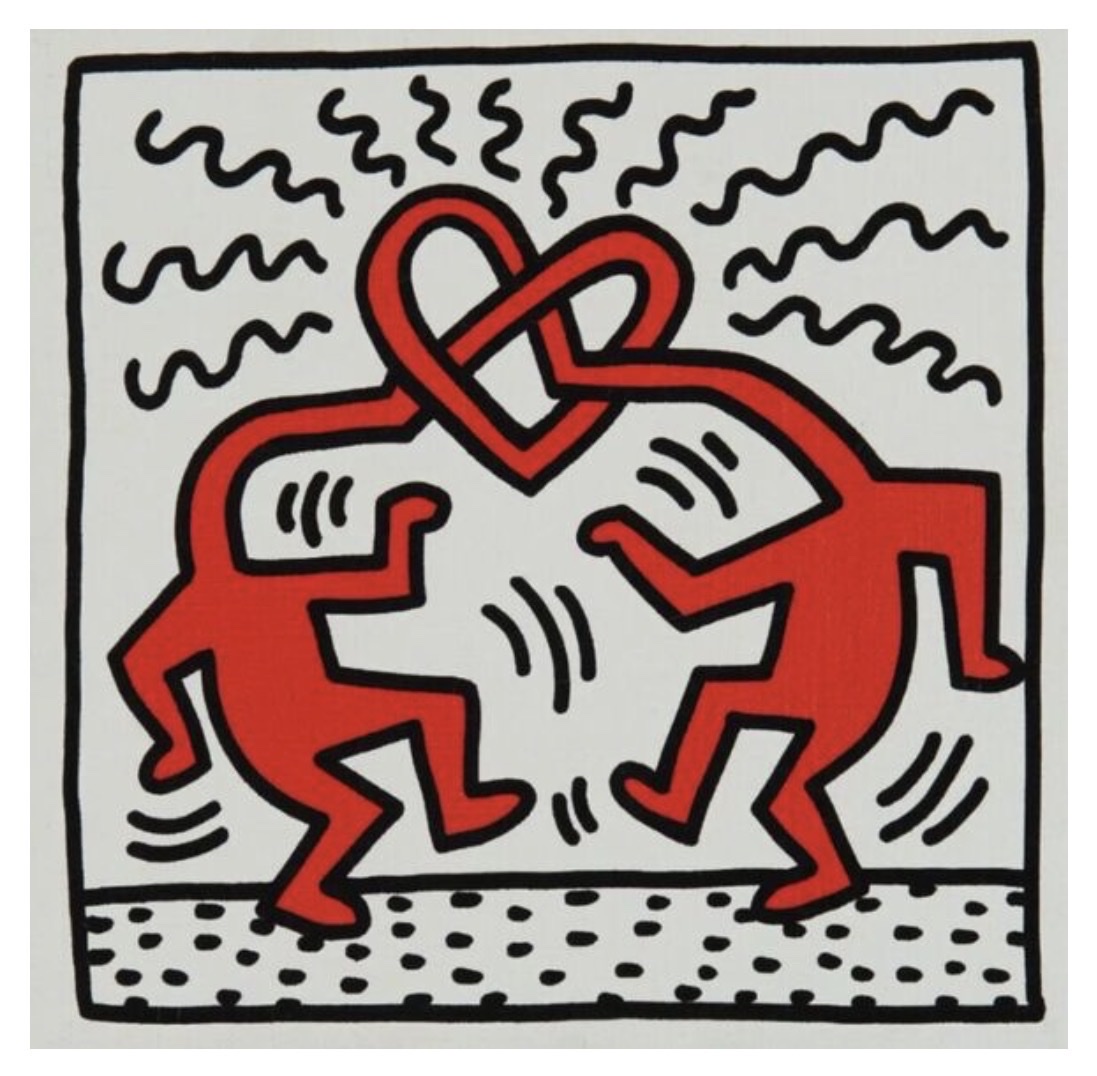
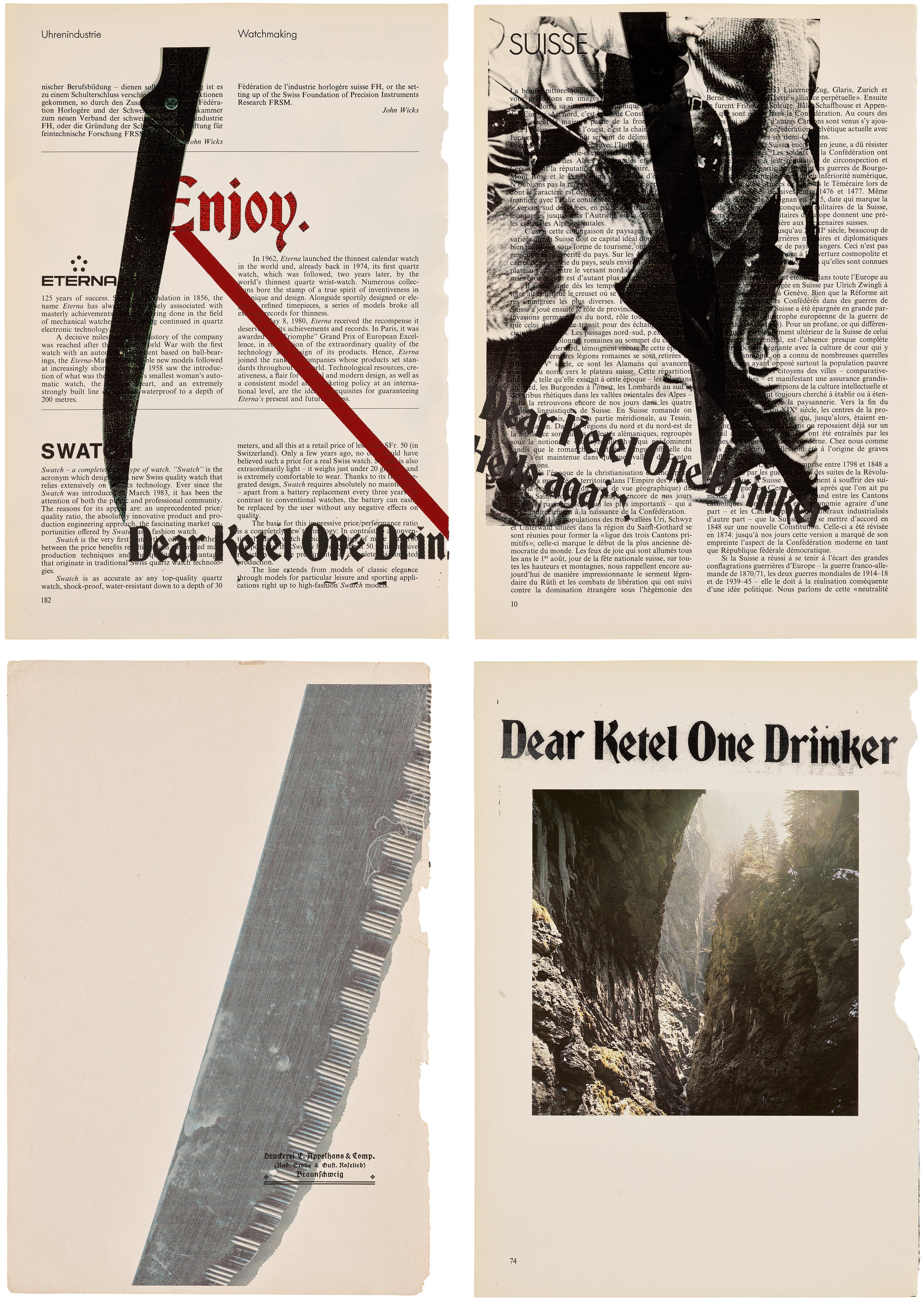
GuytonWalker
“We were trying to find a form and a vocabulary that was truly collaborative…..We didn't want the works to have elements that were identifiably Guyton or Walker, but became instead the work of a third artist”
Artists associated with collectives and institutional critique, including those connected to groups like The Bruce High Quality Foundation, bring an awareness of silkscreen's history that is simultaneously reverential and irreverent. The energy in younger practices is less about what silkscreen says about mass production and more about what it can do when pushed against digital imaging, textile traditions, and site specific contexts. The surprise that seems to be coming is the recognition that silkscreen, far from being a settled medium with a fixed meaning, is still being discovered by artists who have no memory of Warhol's Factory but a very clear sense of what the mesh, the ink, and the surface can do together. That is a medium with a future, not just a past.