Romantic Naturalism
Unknown
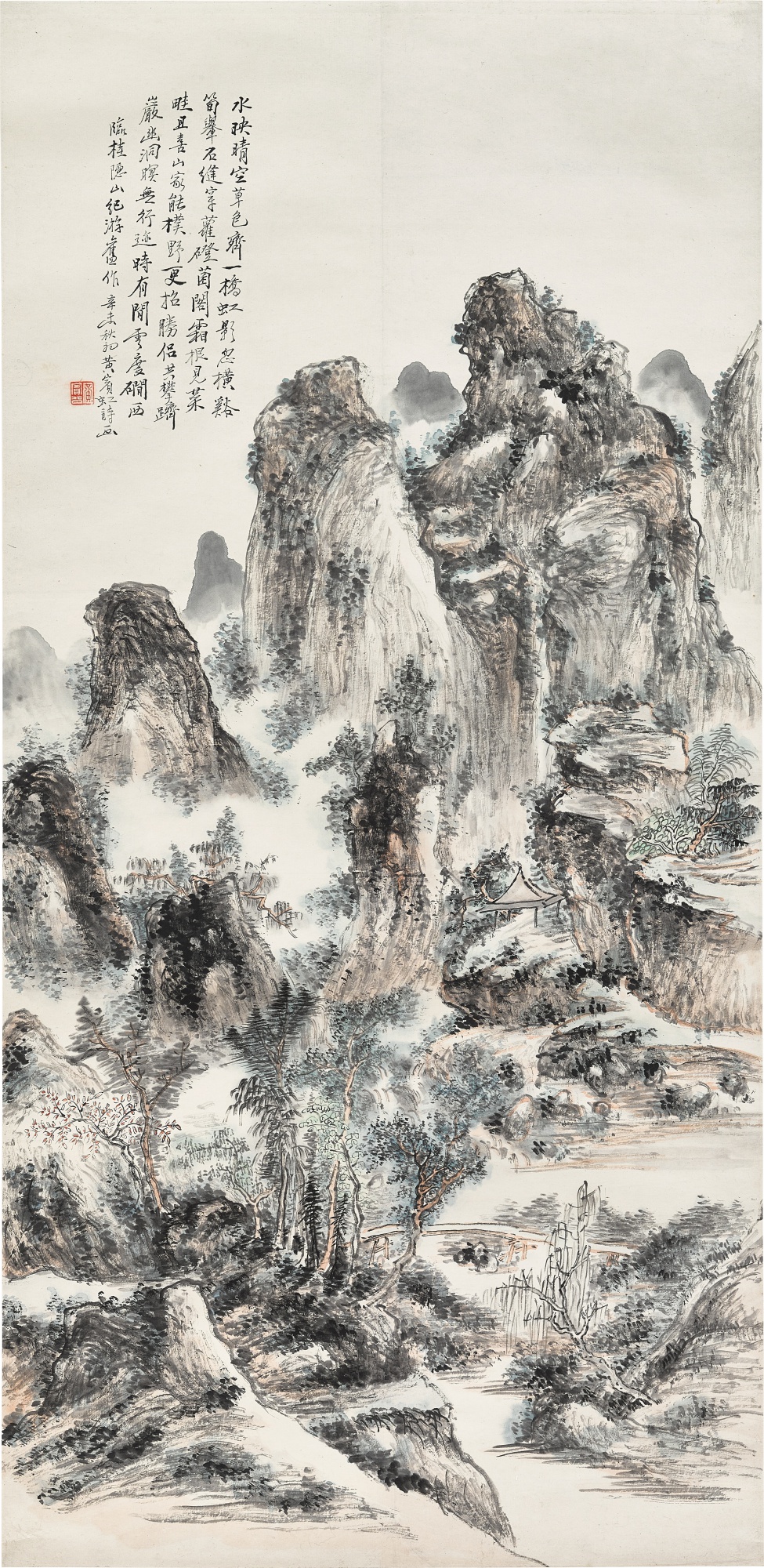
Huang Binhong, Verdant Mountains Amongst the Clouds
Nature, Feeling, and the Market's Quiet Obsession
When a small Daubigny panel painting of the Oise River sold at Christie's Paris for well above its high estimate a few seasons ago, the room paid attention. These were not the fireworks of a blue chip contemporary sale. The work was intimate, unassuming, painted en plein air with the kind of directness that makes you feel the cold morning light on the water. That result was a signal, one of several in recent years, that Romantic Naturalism is not simply a category of comfortable, decorative landscape painting.
It is a living market with real conviction behind it. The term Romantic Naturalism names the territory where emotional intensity meets close observation of the natural world. It describes a broad sensibility that runs through the Barbizon painters of mid nineteenth century France, through the generation that followed them along the rivers and coastlines of Normandy and Provence, and into later artists who carried the same feeling into the twentieth century. The movement was never a formal school with a manifesto.
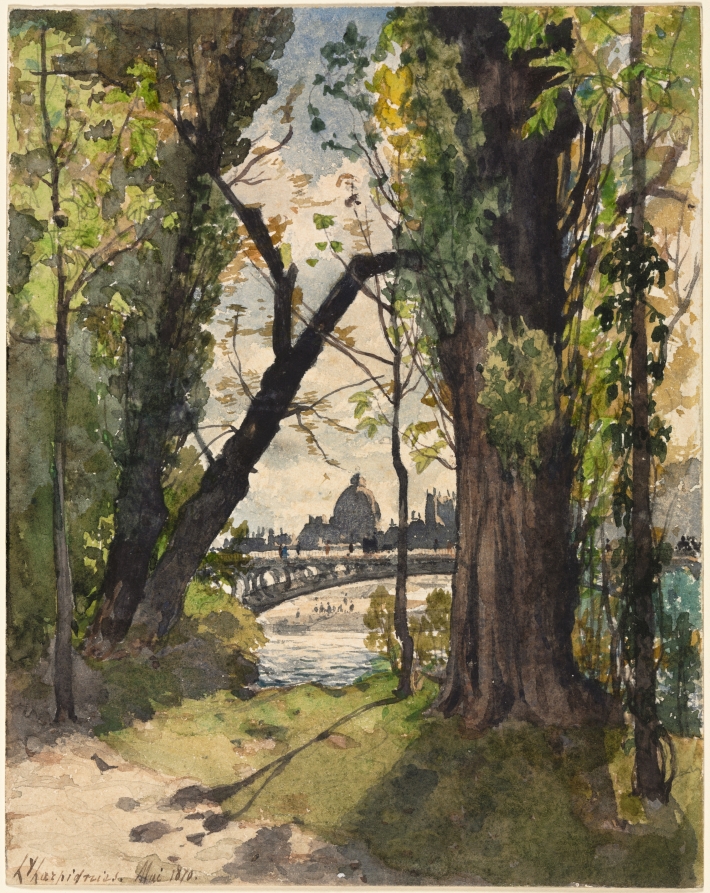
Henri Joseph Harpignies
View of the Institut de France from the Foot of the Pont Royal, 1870
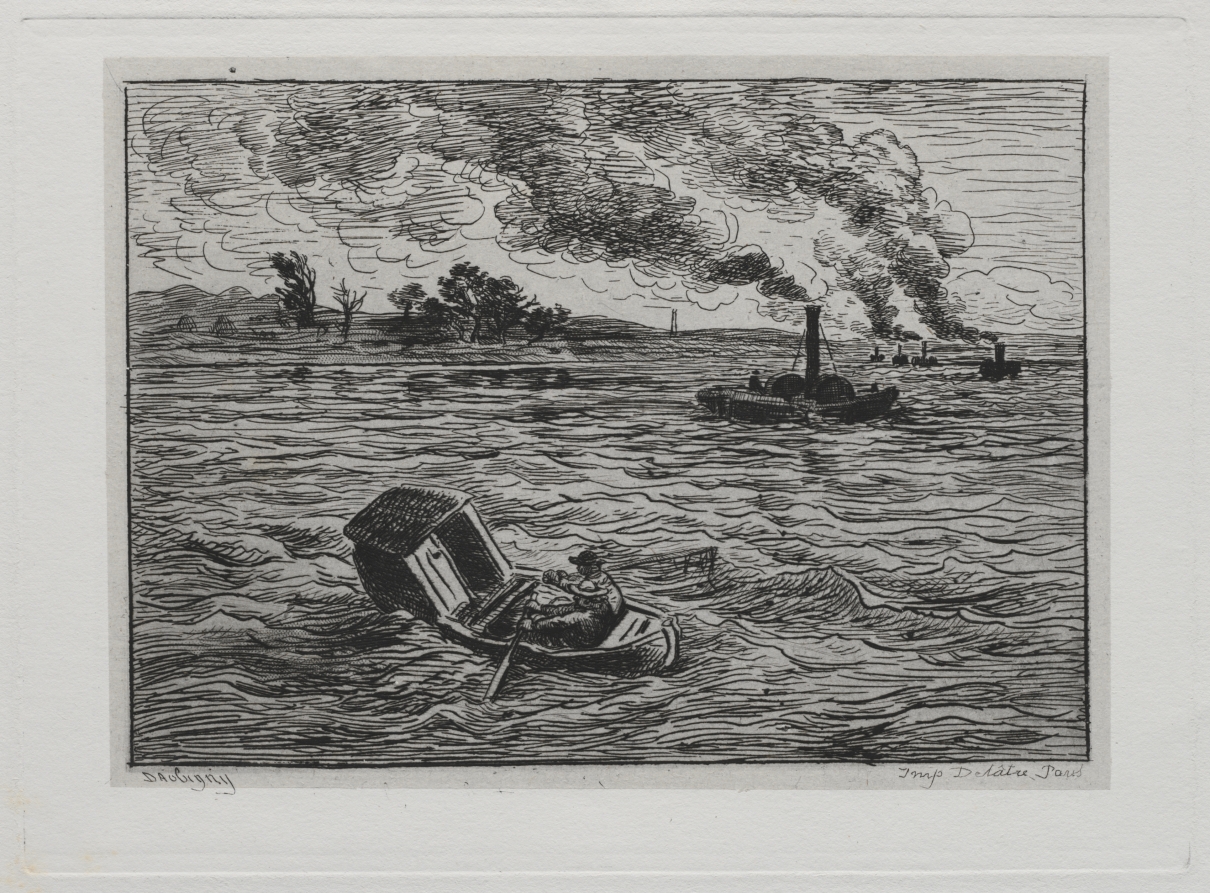
It was more like a shared faith in the emotional truth of weather, water, and the changing light above a treeline. That faith turns out to be remarkably durable. Charles François Daubigny is perhaps the figure most central to understanding why this category commands serious attention. Working from his famous studio boat along the Seine and the Oise throughout the 1860s and 1870s, Daubigny developed a practice that was genuinely radical in its commitment to capturing the transient qualities of light and atmosphere on the spot.
His influence on Monet is well documented, and that connection to the Impressionist story gives him a narrative hook that institutions and auction houses have learned to use well. His works on The Collection demonstrate the range he was capable of, from silvery twilight river scenes to boldly handled skies that feel almost abstract in their confidence. At auction, strong examples have consistently found bidders willing to compete. Henri Joseph Harpignies offers a different but equally compelling case.
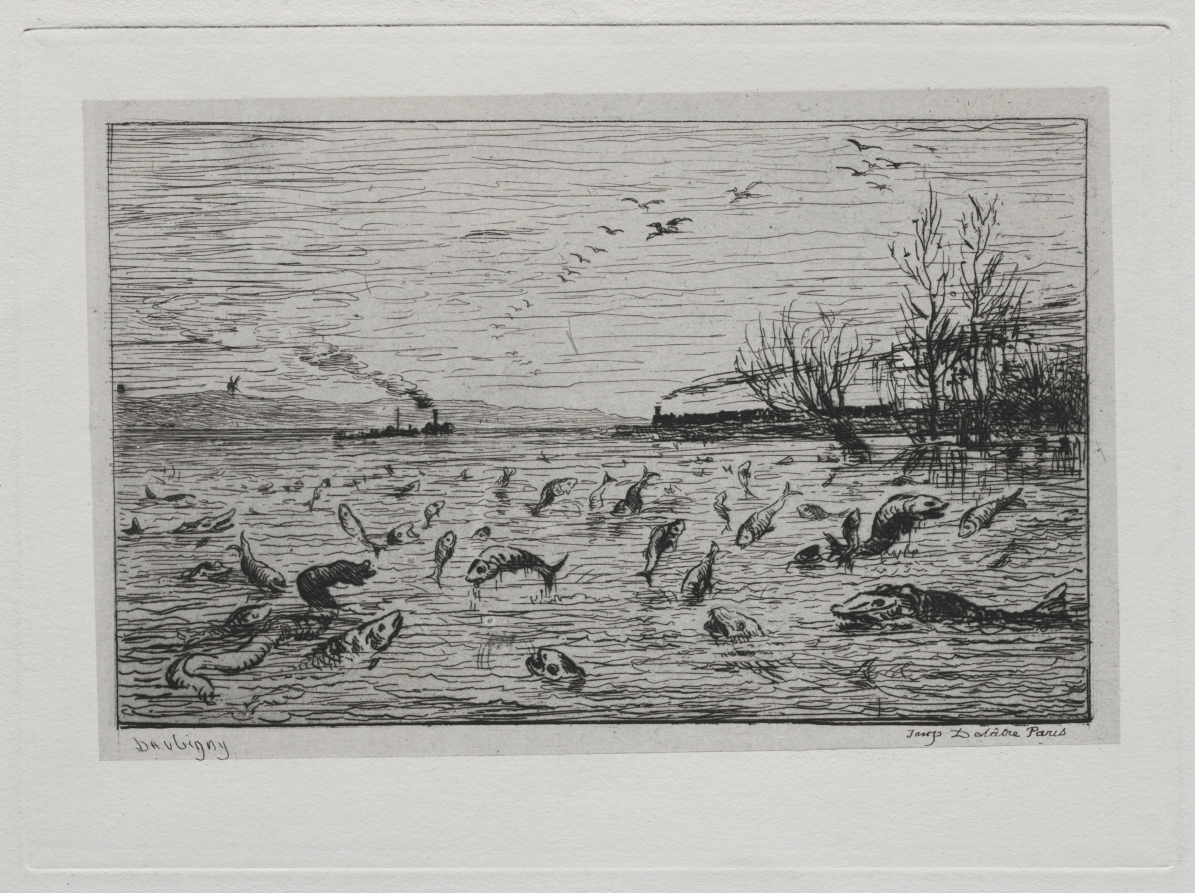
Charles François Daubigny
The Boat Trip: Rejoicing of the Fish at the Departure of the Cabin Boy (The Fish), 1861
Where Daubigny was loose and atmospheric, Harpignies brought a more architectural clarity to his landscapes, with trees silhouetted against luminous skies in a way that feels almost graphic. He lived to the age of ninety eight, working almost to the end, and his late paintings carry an earned serenity that collectors respond to deeply. Major examples have appeared at Sotheby's and Bonhams in recent years, with the best watercolors and oils finding homes quickly. His representation on The Collection speaks to the sustained appetite for his work among collectors who understand his place in the tradition.
The institutional conversation around Romantic Naturalism has matured considerably over the past decade. The Musée d'Orsay has long held the canonical works, but the more interesting signal has come from American institutions revisiting the Barbizon tradition not as a footnote to Impressionism but as a movement worth understanding on its own terms. The Metropolitan Museum's sustained attention to French landscape painting, and the J. Paul Getty Museum's scholarship around plein air practice broadly, have both contributed to a critical reframing.
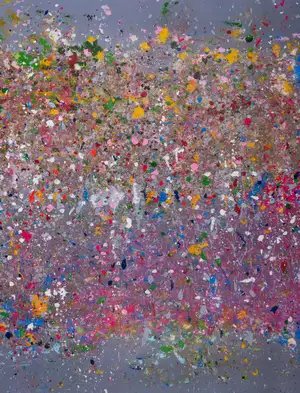
Damien Hirst
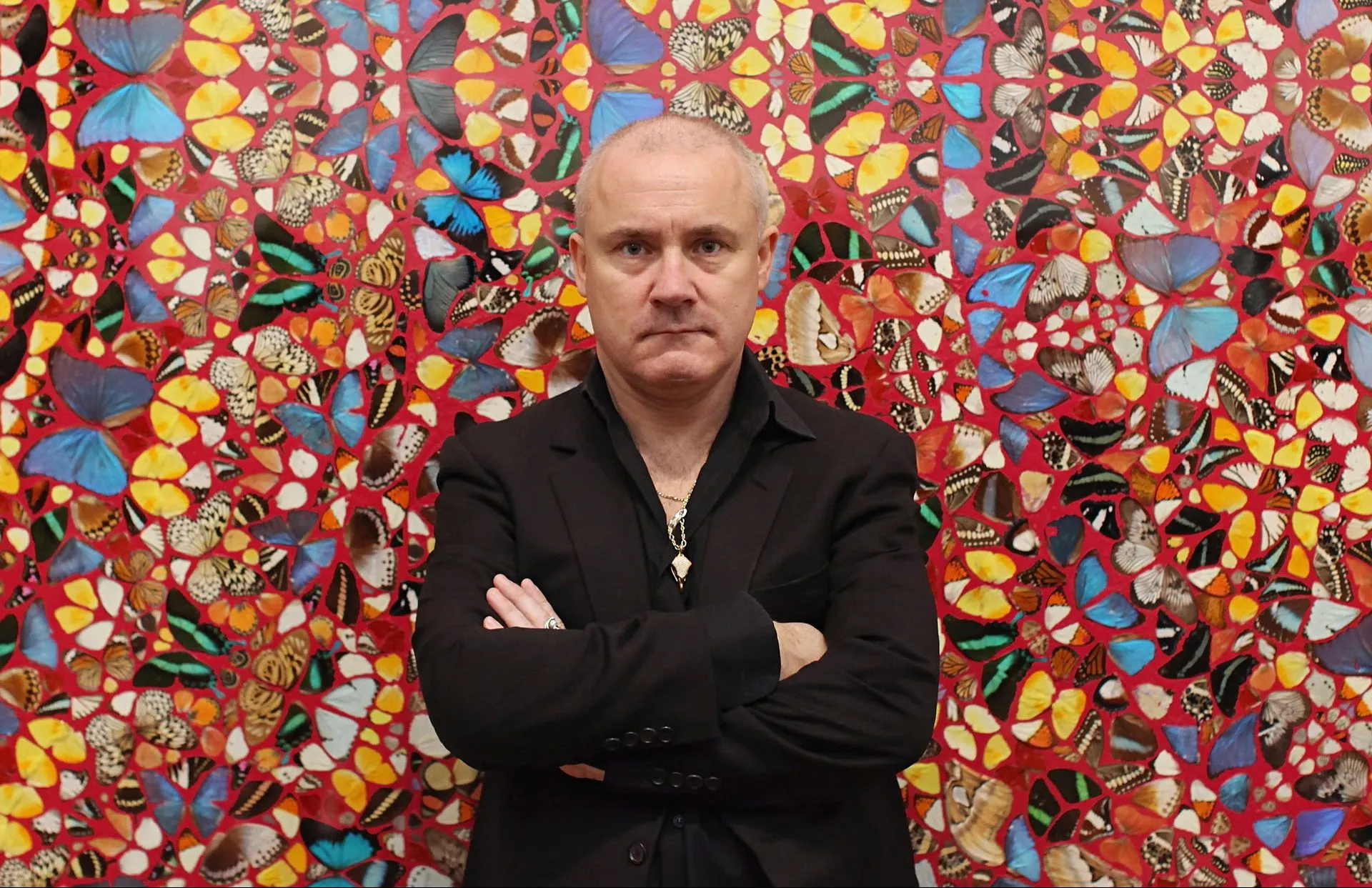
H13-4. Studland Bay, from Where the Land Meets the Sea
When museums of that caliber dedicate gallery space and catalogue essays to this territory, the market listens. The critical conversation has been shaped in part by curators willing to draw unexpected connections. Recent writing has placed Barbizon and Romantic Naturalist painters alongside early photography, pointing out that artists like Daubigny were grappling with questions of indexical truth and the frozen moment that we more often associate with the camera. That reframing has attracted a younger, more conceptually oriented collecting audience who might not have previously considered nineteenth century French landscape painting as intellectually alive.
Publications including the Burlington Magazine and Apollo have run serious scholarly pieces in this area, and the appetite for that kind of critical engagement shows no sign of fading. There is also an intriguing wrinkle in the broader cultural conversation around Romantic Naturalism, and it involves an unlikely presence. Damien Hirst, one of the most commercially visible artists of the past three decades, has spoken and written at length about his deep admiration for nineteenth century painting and natural history imagery. His butterfly works and spot paintings carry an oblique but genuine dialogue with ideas about pattern, beauty, and the natural world that echo through the Romantic Naturalist tradition.
Unknown
Huang Binhong, Verdant Mountains Amongst the Clouds
Seeing Hirst's work appear alongside Daubigny and Harpignies on a platform like The Collection creates a genuinely interesting visual and intellectual conversation, a reminder that the concerns of this tradition have not been resolved. They have been absorbed and recycled into new forms. The market energy in this category right now is concentrated in works with clear provenance, strong condition, and some kind of critical anchoring, whether through exhibition history, scholarly mention, or association with a well known collection. Mid sized oils with compelling light effects are performing consistently.
Works on paper, particularly watercolors that demonstrate the artist's direct engagement with a specific place and moment, have become a genuine area of competition at the middle market level. For collectors entering this space, that tier offers genuine quality at prices that still feel reasonable relative to where comparable Impressionist works trade. What feels alive here is the sense that Romantic Naturalism is being understood not as a historical category to be completed and filed away but as a set of ongoing questions about how we look at the natural world and what we need from images of it. At a moment when landscape carries urgent ecological weight, paintings that record a river, a forest edge, or a particular quality of autumn light feel less like nostalgic decoration and more like documents of something we are in the process of losing.
That undercurrent of feeling is not lost on the collecting community. The best works in this tradition are not simply beautiful. They are quietly necessary.