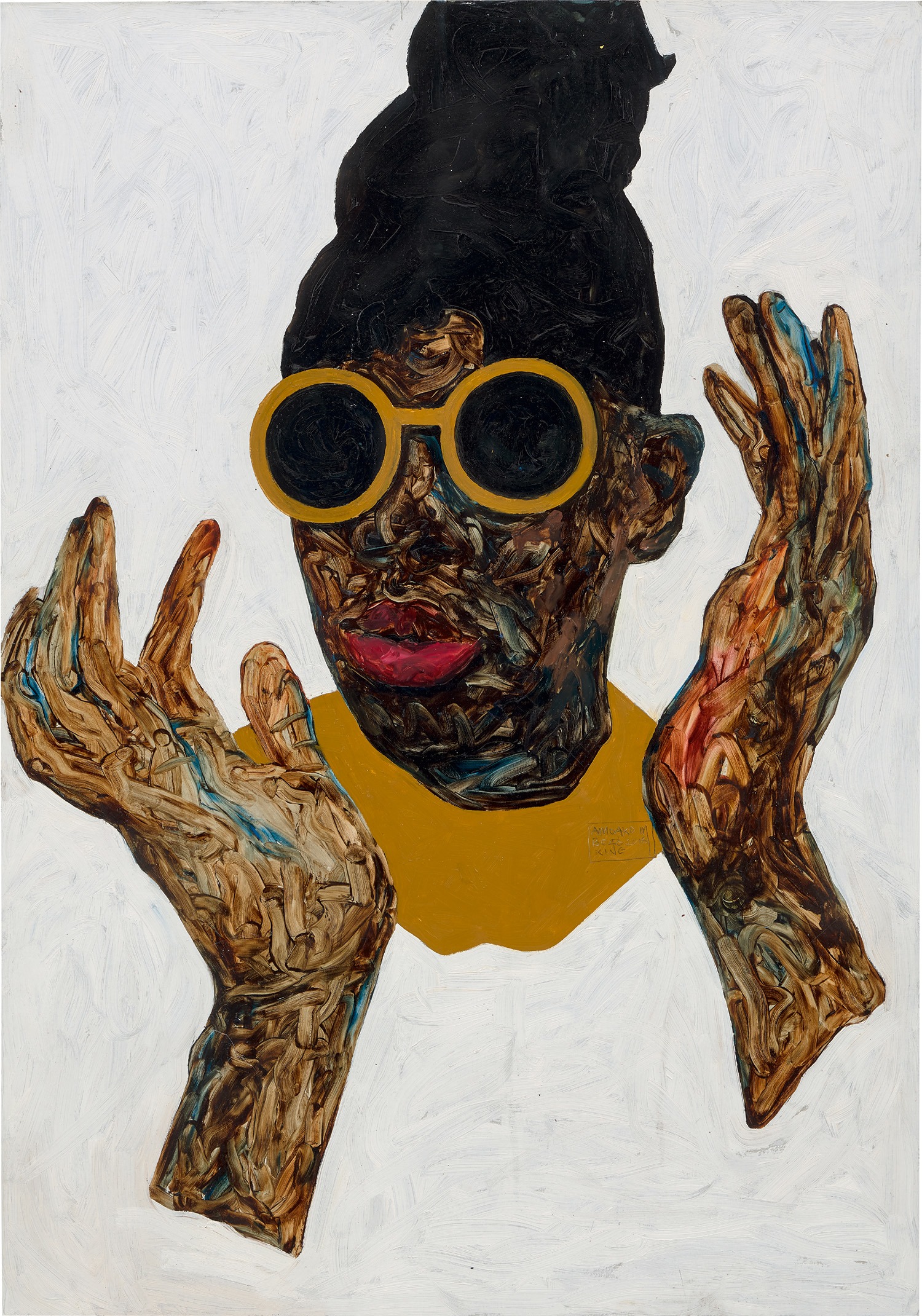
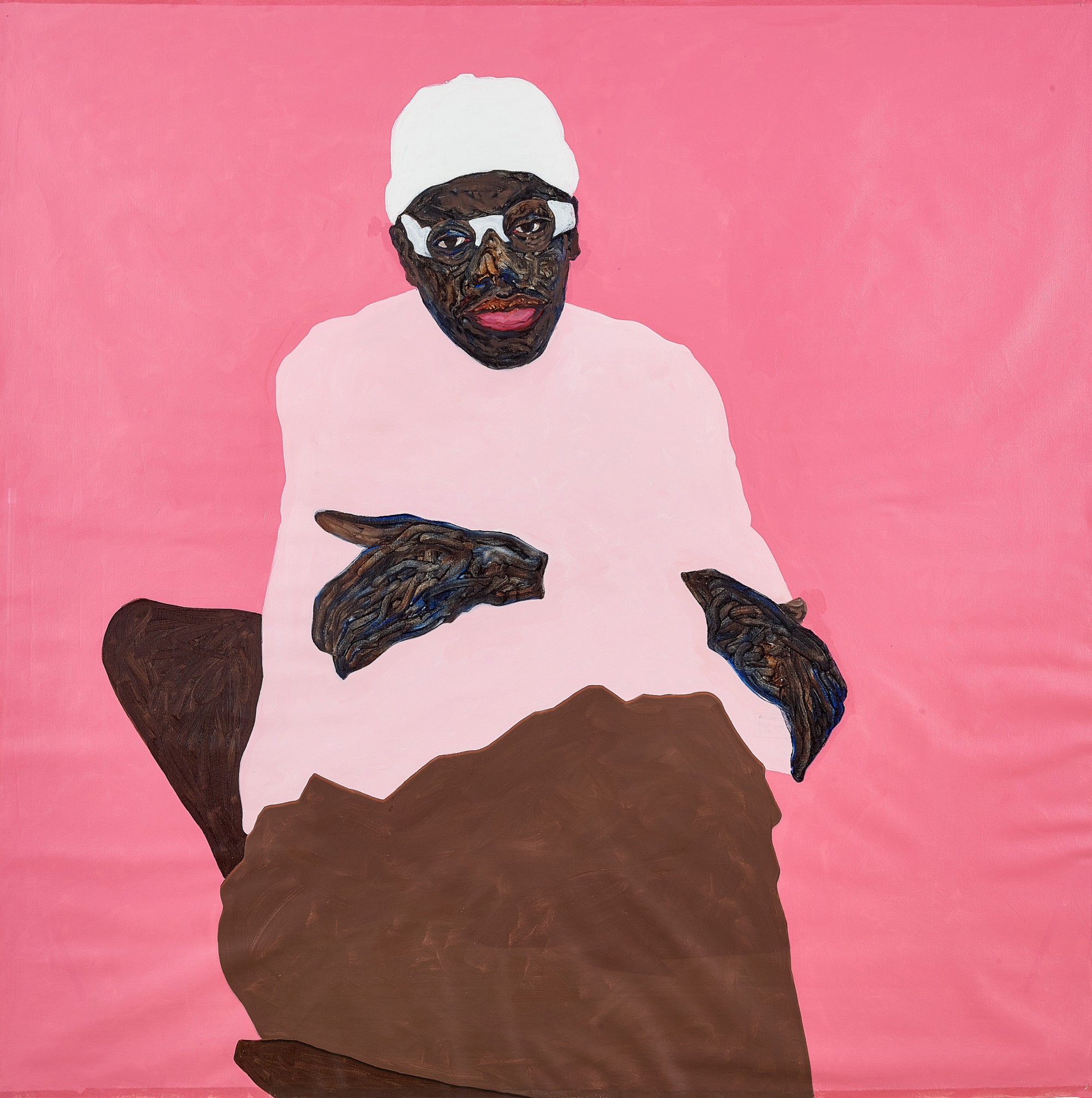
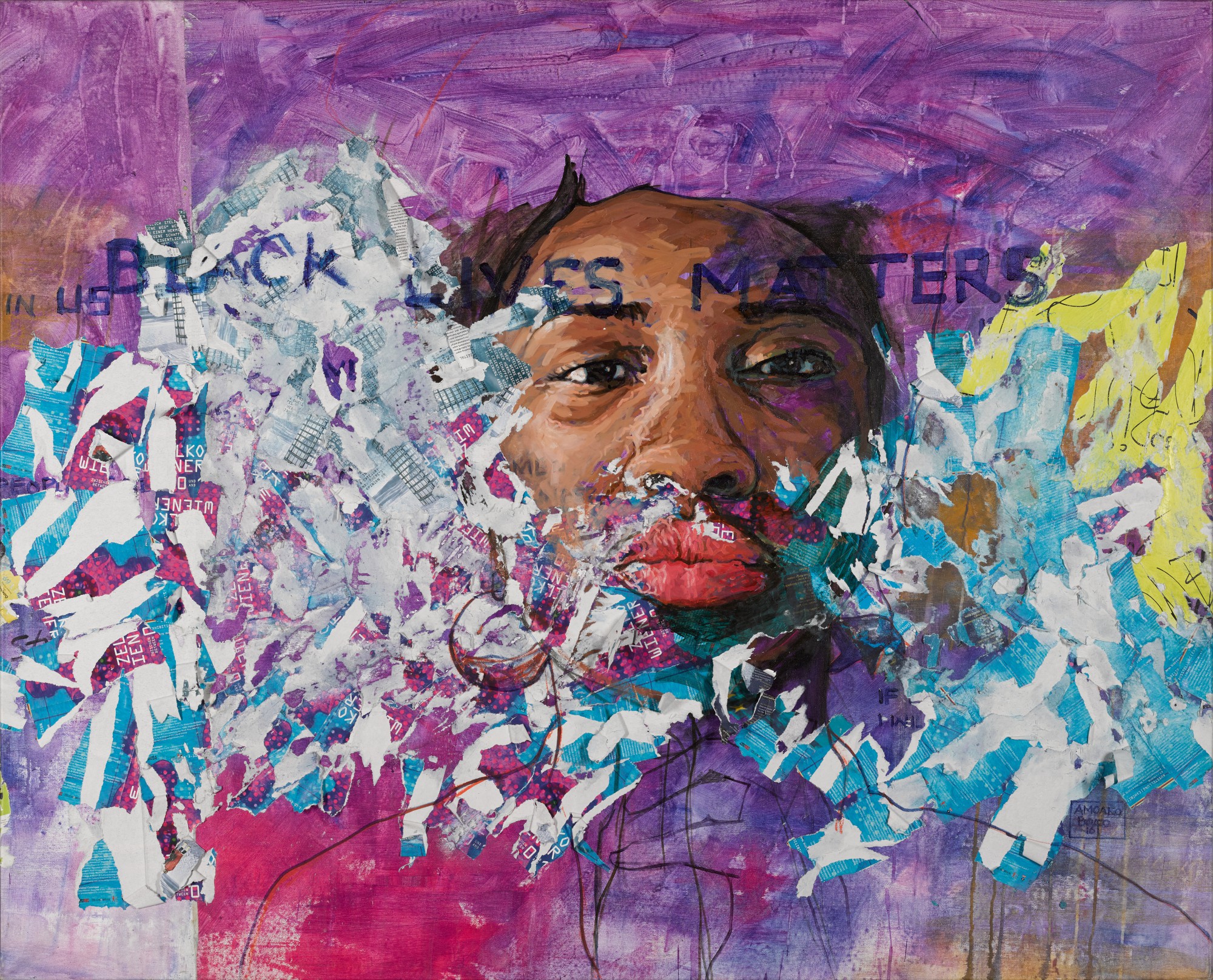
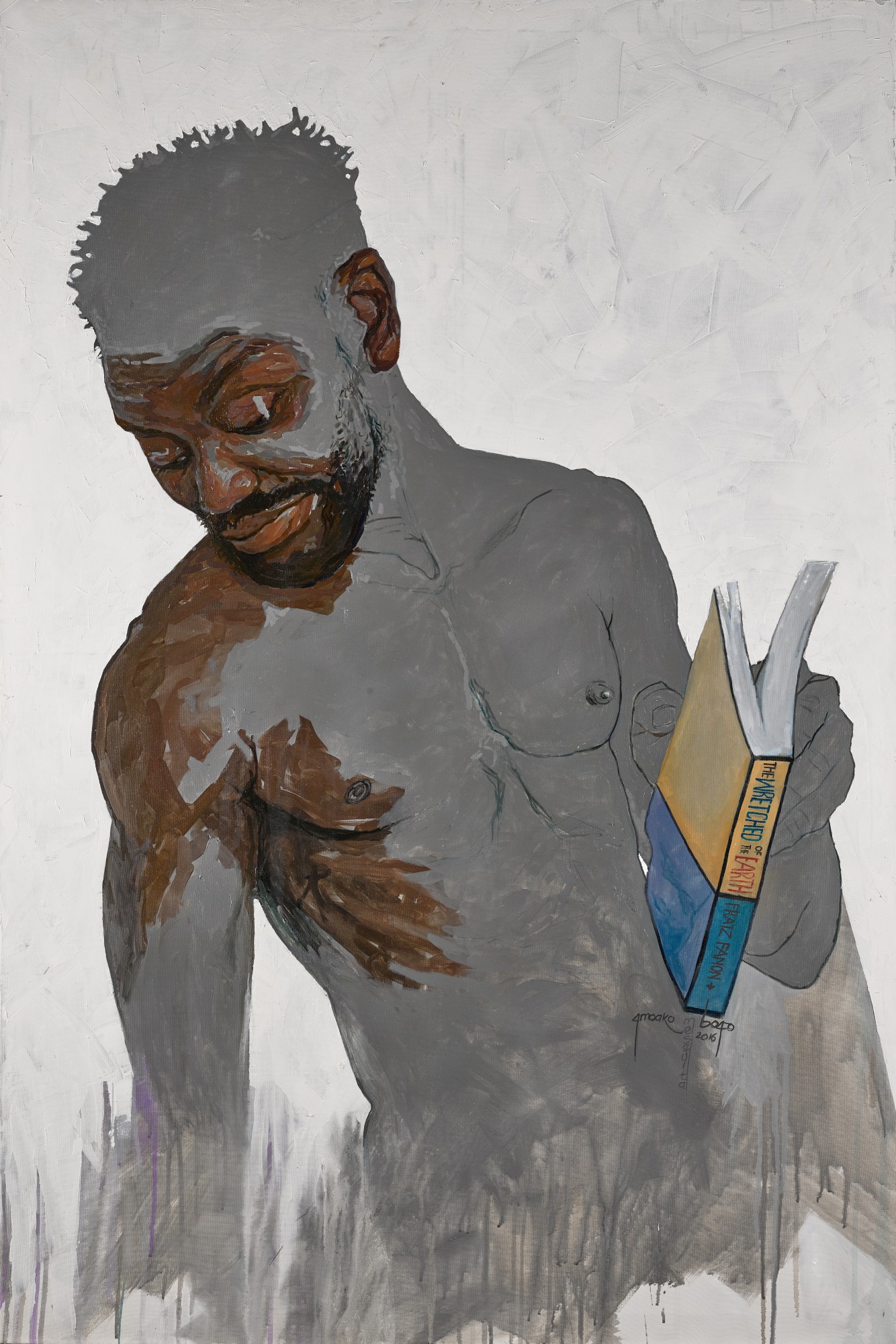
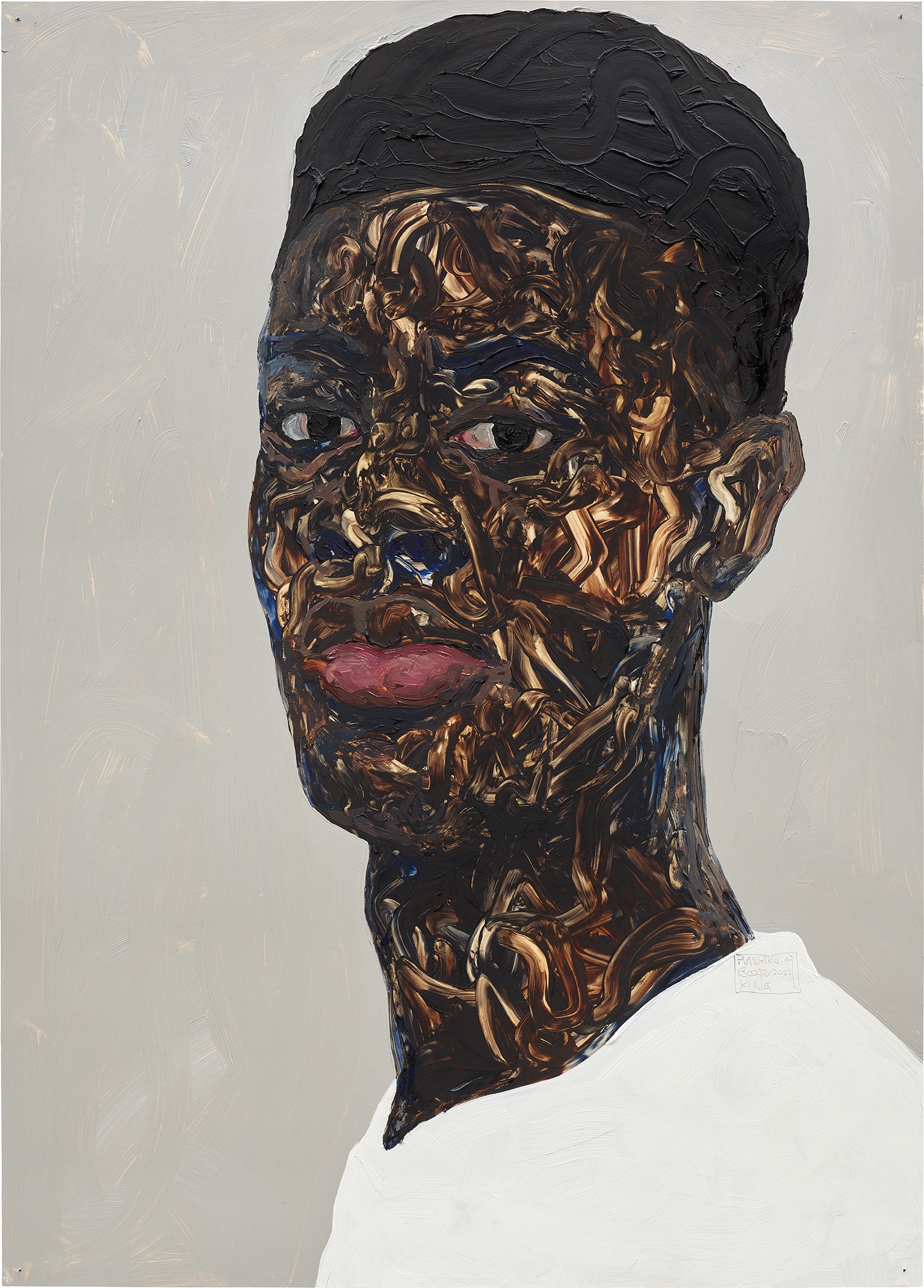
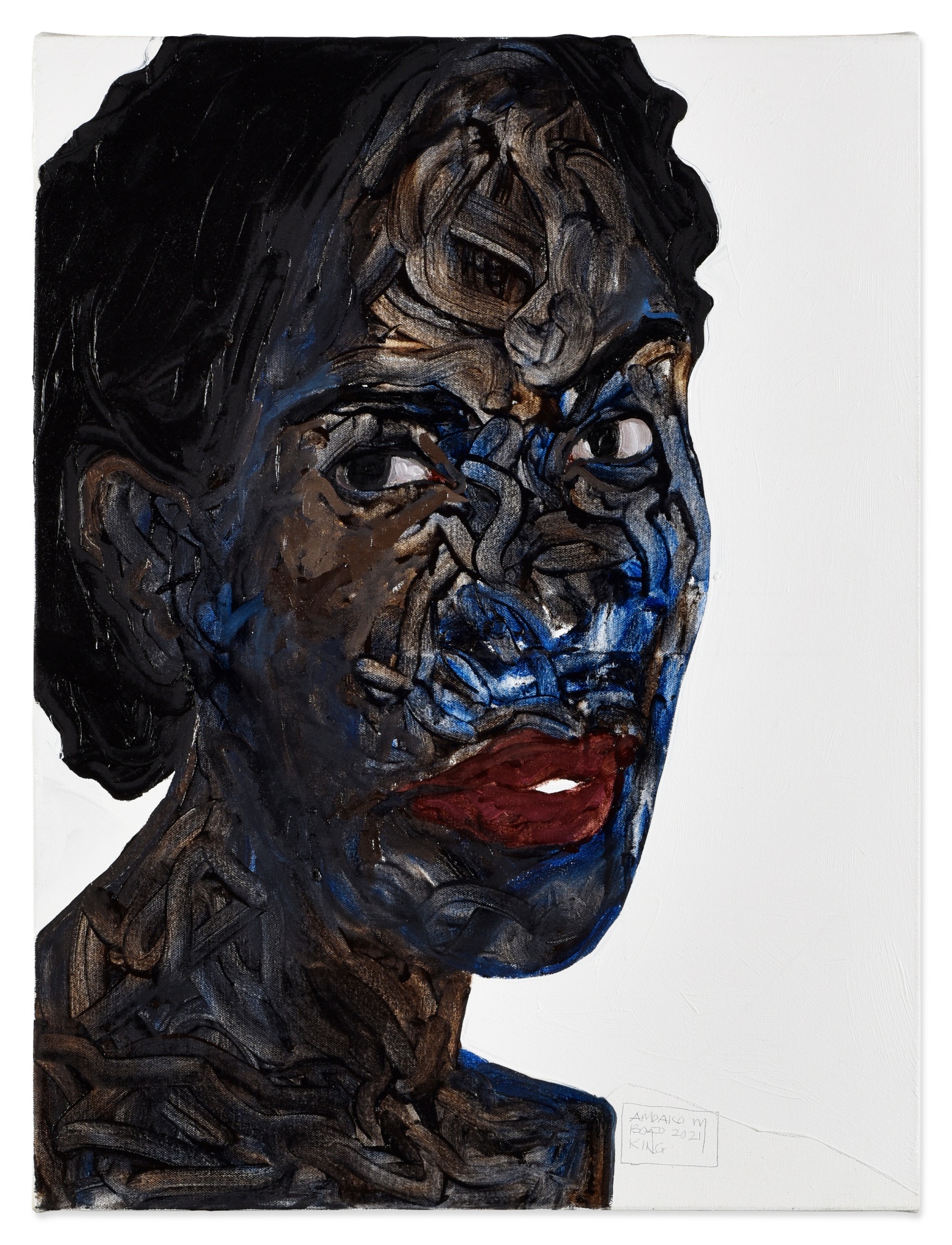
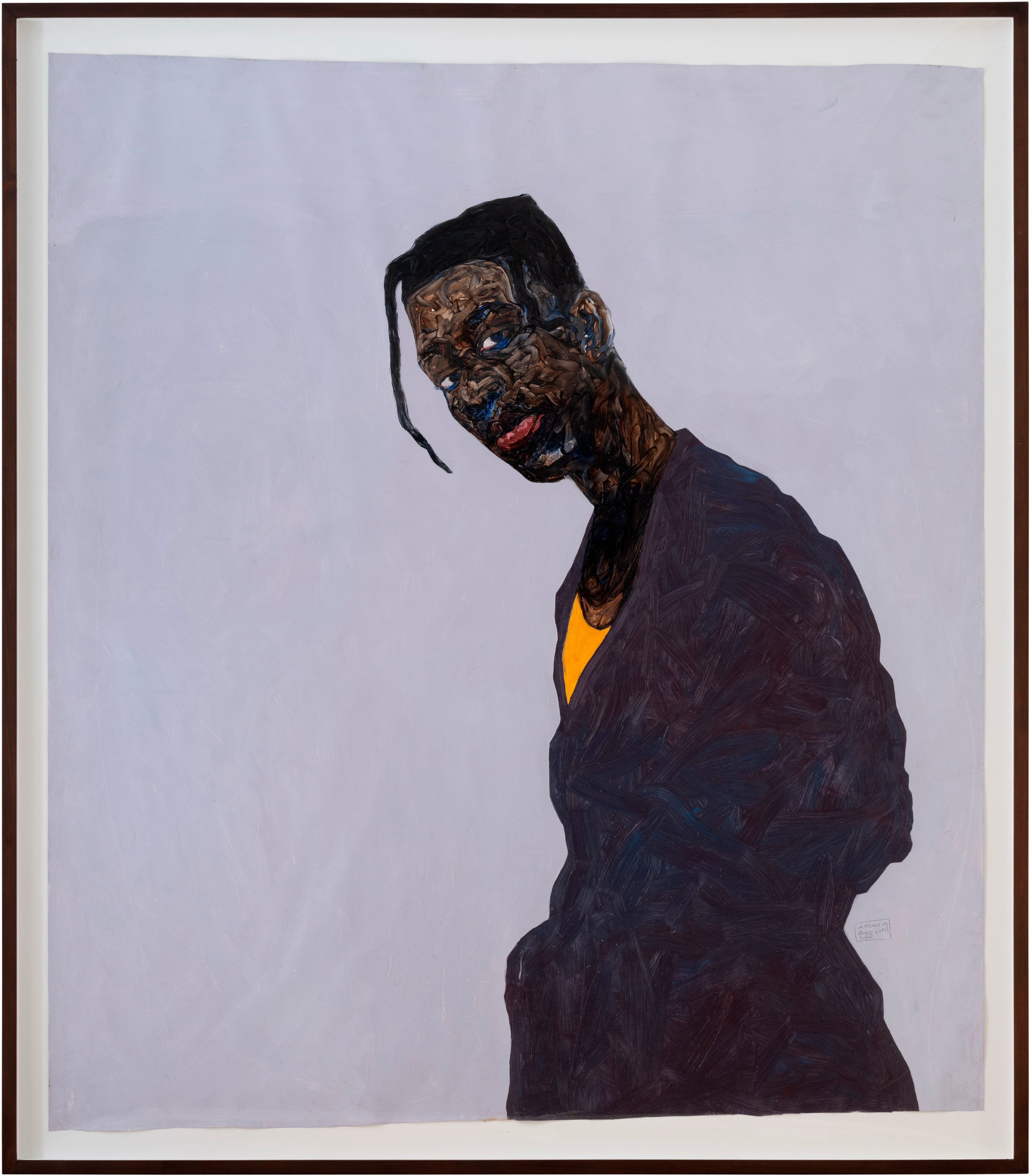
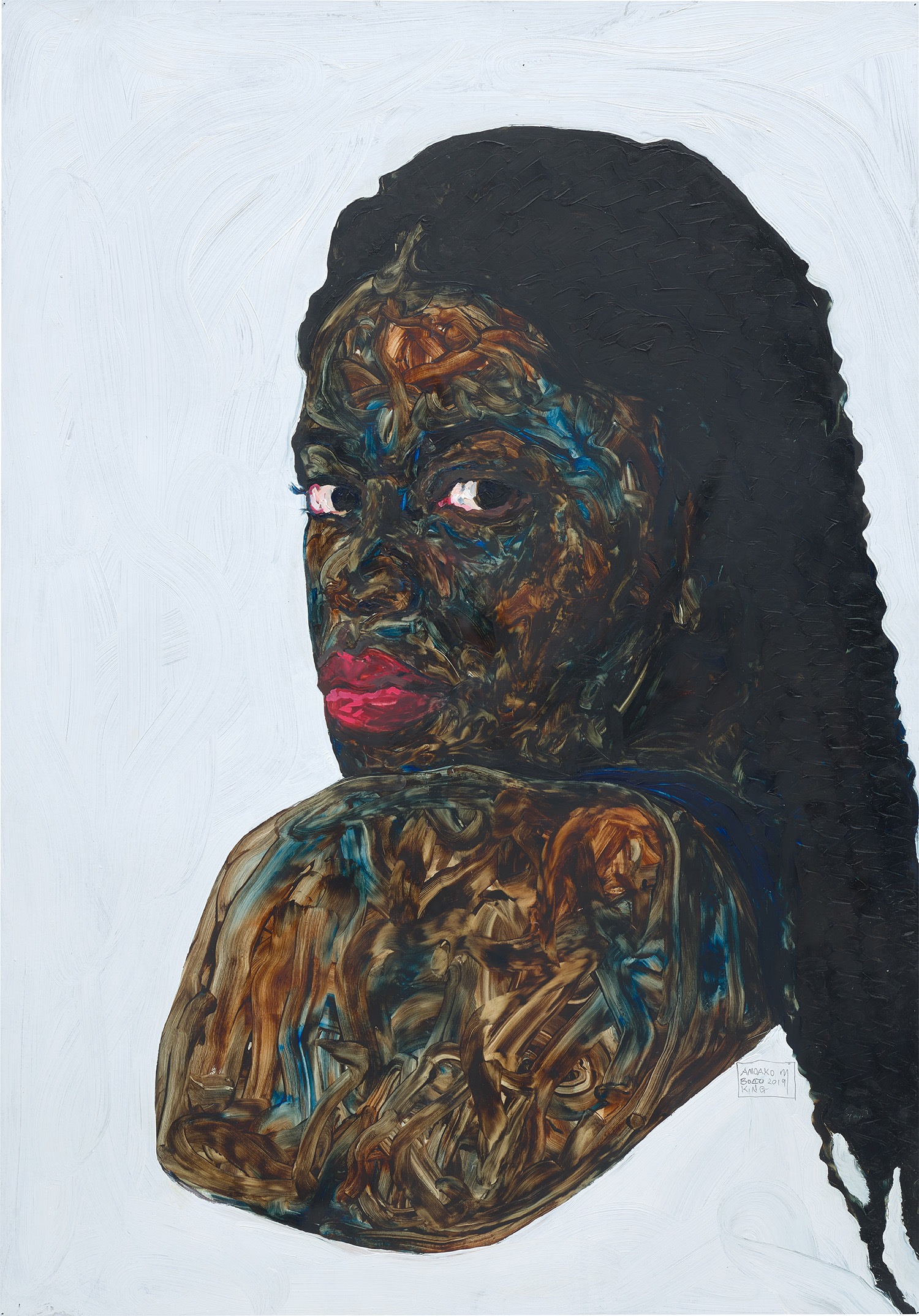
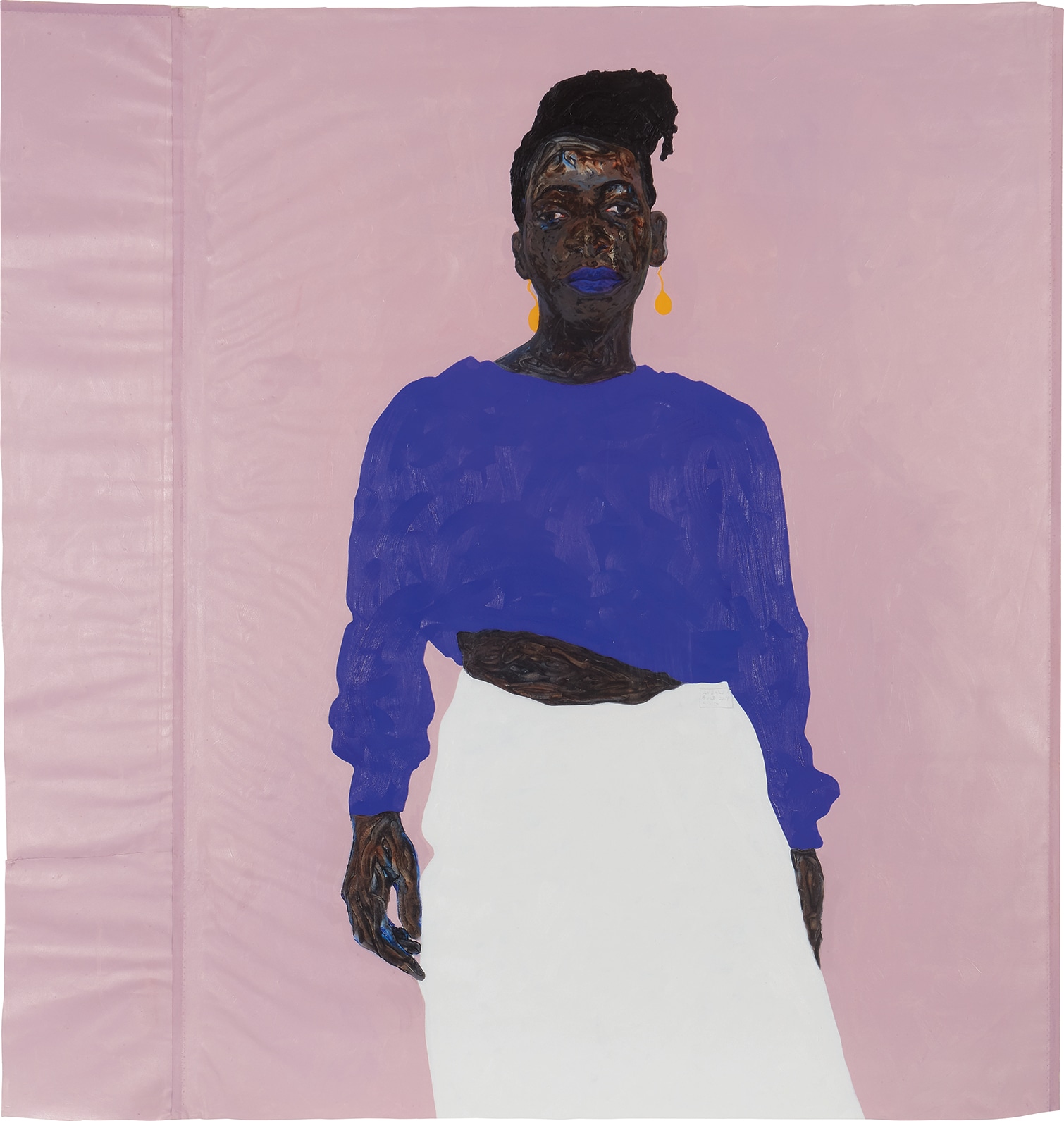
When the Rubell Museum in Miami presented Amoako Boafo's work to an audience still finding its footing in a new decade, the response was immediate and visceral. Collectors, curators, and critics found themselves standing before portraits of extraordinary presence, figures rendered with such warmth and confidence that the paintings felt less like representations and more like introductions. The Ghanaian painter had arrived not with a whisper but with a declaration, and the art world took notice in the way it reserves for artists who genuinely shift the atmosphere of a room. Boafo was born in Accra, Ghana, in 1984, and his early formation was shaped by the rich visual culture of West Africa alongside a deeply personal relationship with portraiture as a form of acknowledgment. He studied at the Ghanatta College of Art and Design in Accra before pursuing graduate studies at the Academy of Fine Arts Vienna, where he completed his MFA. That dual grounding, rooted in Ghanaian identity and sharpened by rigorous European academic training, gave Boafo a distinctive vantage point. He understood the history of Western portraiture from the inside, which meant he also understood precisely what had been left out of it. It was during his time in Vienna that Boafo began developing the signature technique that would come to define his practice. Working with his fingers directly on the canvas, he built up surfaces that carry an unmistakable tactile energy, the ridges and whorls of his touch becoming part of the visual language of the work. This was not mere stylistic novelty. The choice to use his hands to render Black skin was a deliberate and deeply meaningful act, one that collapsed the distance between artist and subject and insisted on an embodied, physical kind of seeing. Paint applied this way does not describe skin so much as it becomes a kind of skin itself. Boafo's breakthrough into wider recognition accelerated around 2019 and 2020, when his work began circulating among a new generation of collectors hungry for figuration that felt urgent and alive. Works from this period, including pieces like "Joy in Purple," "Purple Jacket," and the double portrait "Tonica and Adia," all from 2019, exemplify the full power of his vision. His subjects are rendered against boldly saturated grounds, their clothing, accessories, and bearing communicating a luxurious self possession. These are not subjects observed from a distance. They are people who have chosen to be seen on their own terms, and the painter has honored that choice with every stroke and fingerprint. Among the works that best illustrate the breadth of his practice are "Golden Frames" and "Gaze I," both from 2018, executed in oil on paper with an intimacy that rewards close looking. "The Hug" from 2017, one of his earlier oil on canvas works, demonstrates how long Boafo had been pursuing this language of tender connection before the wider world caught up with him. "Red Lipstick" from 2021 shows his continued evolution, the figure commanding the picture plane with a directness that feels both glamorous and grounded. Across all these works, a consistent theme emerges: the celebration of Black beauty not as a corrective argument but as a simple, luminous fact. From a collecting perspective, Boafo represents one of the most compelling cases in contemporary painting today. His work entered the permanent collection of the Solomon R. Guggenheim Museum, a milestone that confirms his standing not merely as a market phenomenon but as an artist of genuine and lasting institutional significance. Secondary market results have reflected enormous enthusiasm, with works on paper as well as large scale canvases achieving prices that speak to the depth of collector conviction. For those approaching his work now, pieces from the 2017 to 2019 period carry particular historical weight as they document the concentrated moment when his visual language crystallized. Works on unstretched canvas and paper offer points of entry that also reveal the rawness and process driven quality central to his practice. Boafo occupies a compelling position within a broader conversation about figuration, identity, and the politics of representation that has animated painting for the past two decades. His work resonates with that of painters like Lynette Yiadom Boakye, whose invented portraits carry a similarly commanding psychological presence, and Kerry James Marshall, whose monumental commitment to the visibility of Black life in painting paved a path that artists of Boafo's generation now walk with confidence. There is also a kinship with the expressive energy of Neo Expressionism, though Boafo's work is less interested in existential turbulence than in something rarer and more radical: delight. He paints people who are well, who are beautiful, who are free, and in doing so he quietly refuses a long tradition of depicting Black subjects through the lens of suffering or struggle. What makes Boafo matter so profoundly right now is not simply the quality of the paintings, though that quality is beyond question. It is the clarity and generosity of his intention. He has spoken about his desire to create images that reflect a fullness of Black life, images that his community could see itself in without apology or qualification. In an art historical moment when portraiture has reclaimed its place at the center of serious discourse, Boafo stands as one of its most eloquent and necessary voices. His fingerprints, literally embedded in the surface of each work, are a signature in the deepest sense: a mark of presence, of care, of authorship. To collect his work is to bring that presence into a room and feel it every day.