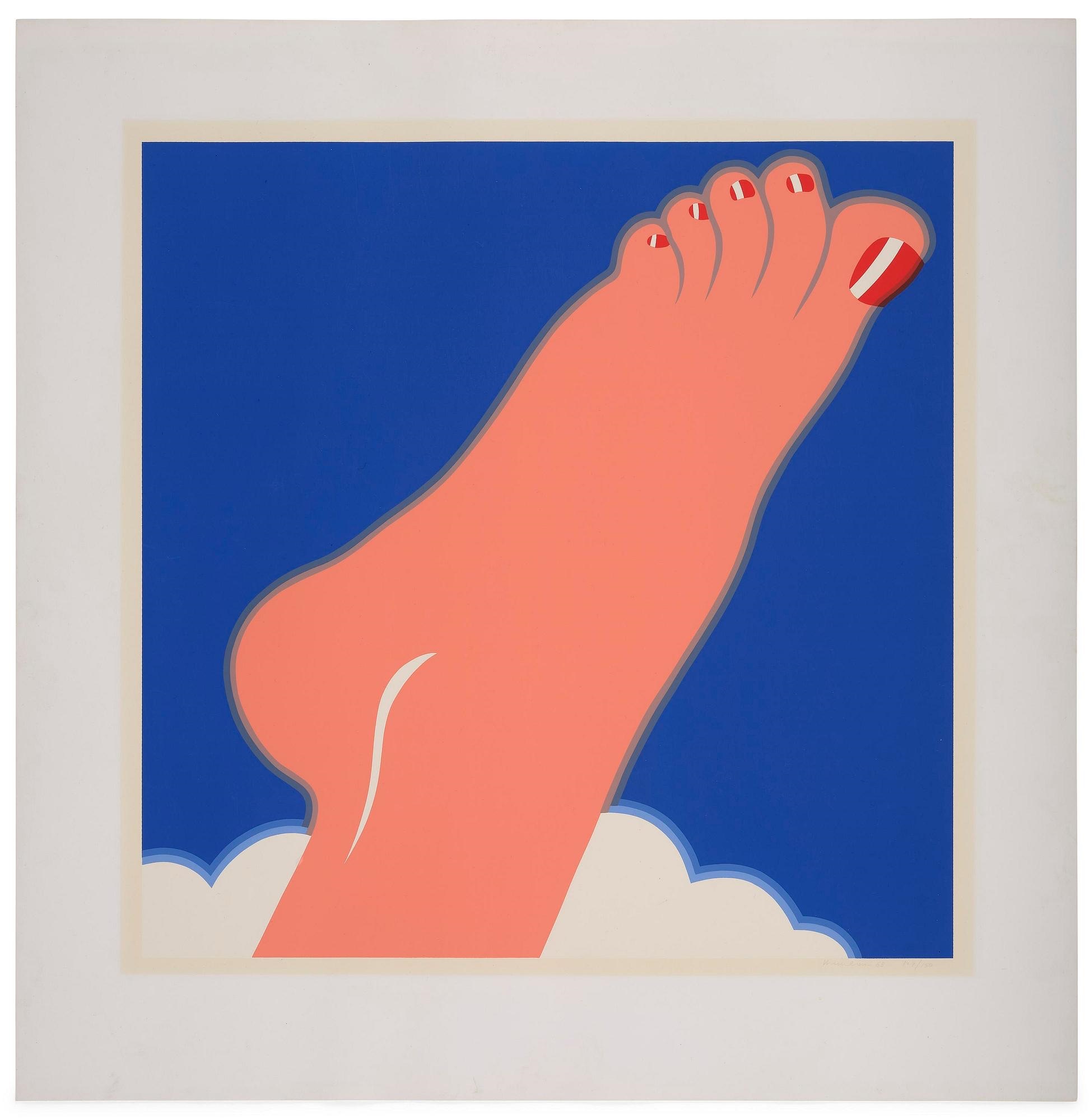
Post-Modernism
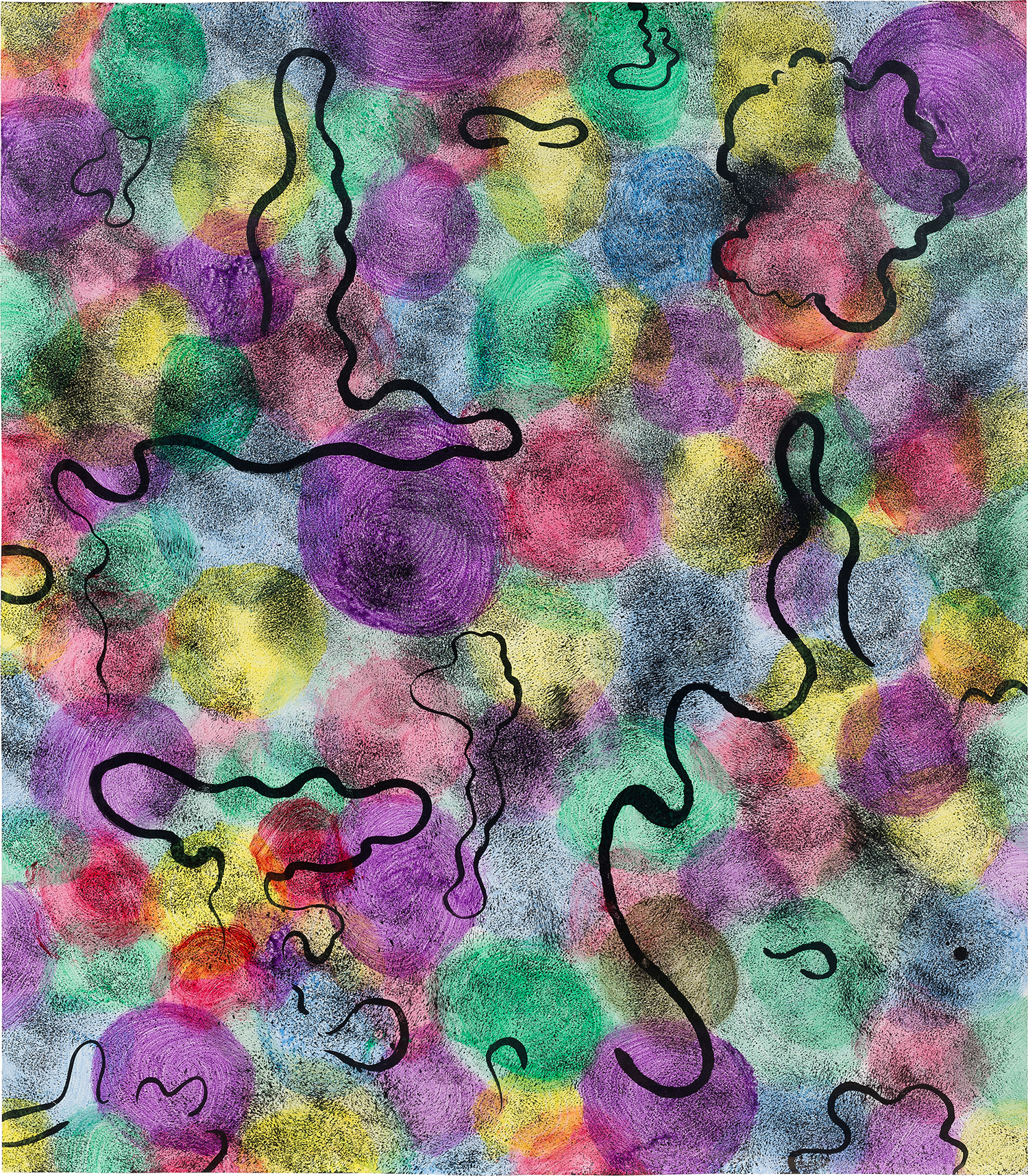
Mike Kelley
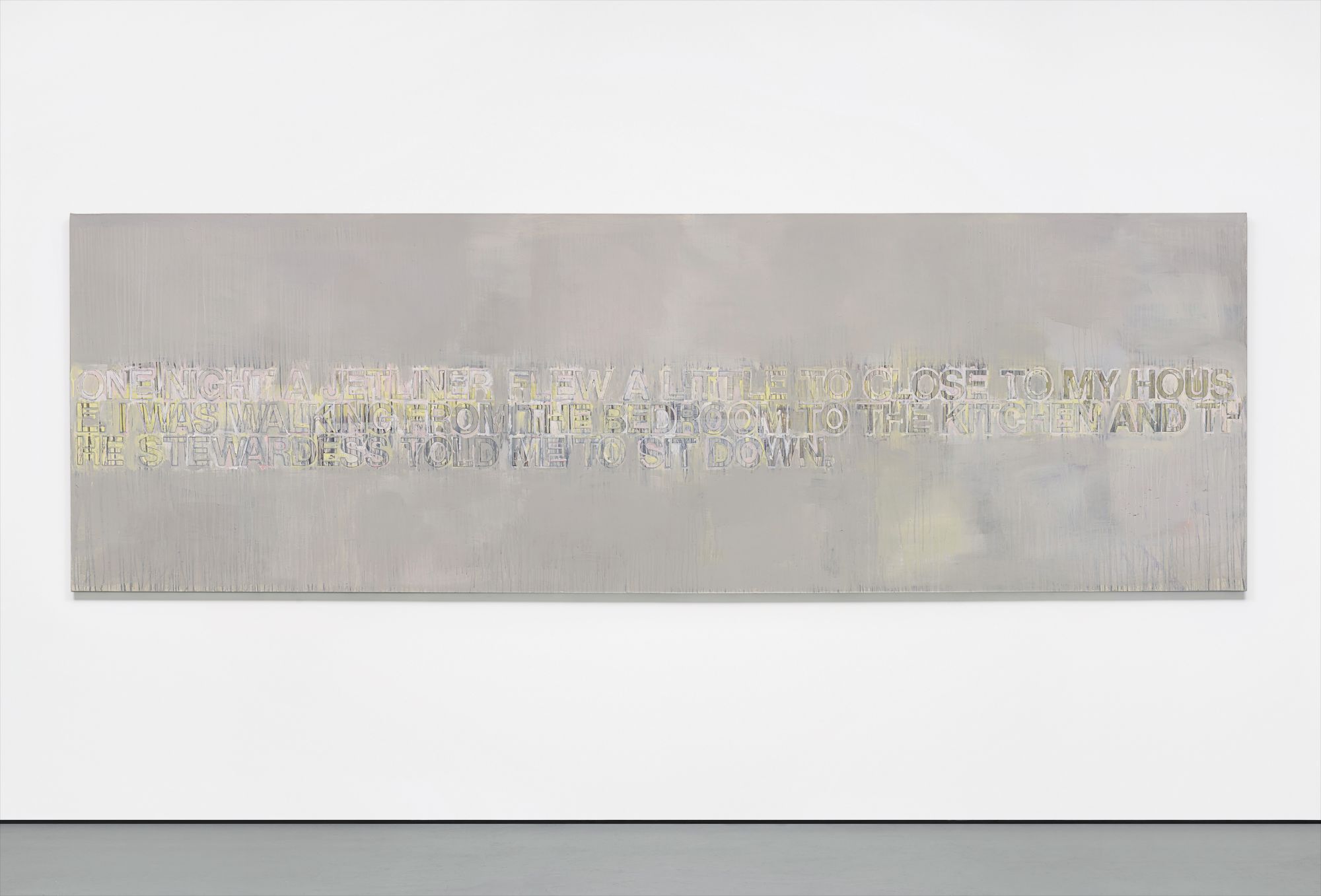
Unwashed Abstraction Nr. 2, 1988



The Art That Refuses To Take Itself Seriously
There is a particular pleasure in living with postmodern art that is difficult to articulate until you have experienced it. The work talks back. It asks uncomfortable questions about why you bought it, what it means to own a reproduction of a reproduction, whether the joke is on the artist or on you. Collectors who are drawn to this territory tend to share a certain disposition: they are people who find sincerity and irony equally compelling, who want their walls to generate conversation rather than simply radiate prestige.
This is art that rewards looking closely and thinking harder. The appeal goes beyond intellectual stimulation. Postmodern works tend to age in interesting ways. An image that felt aggressively contemporary in 1983 accumulates new layers of meaning as the culture shifts around it.
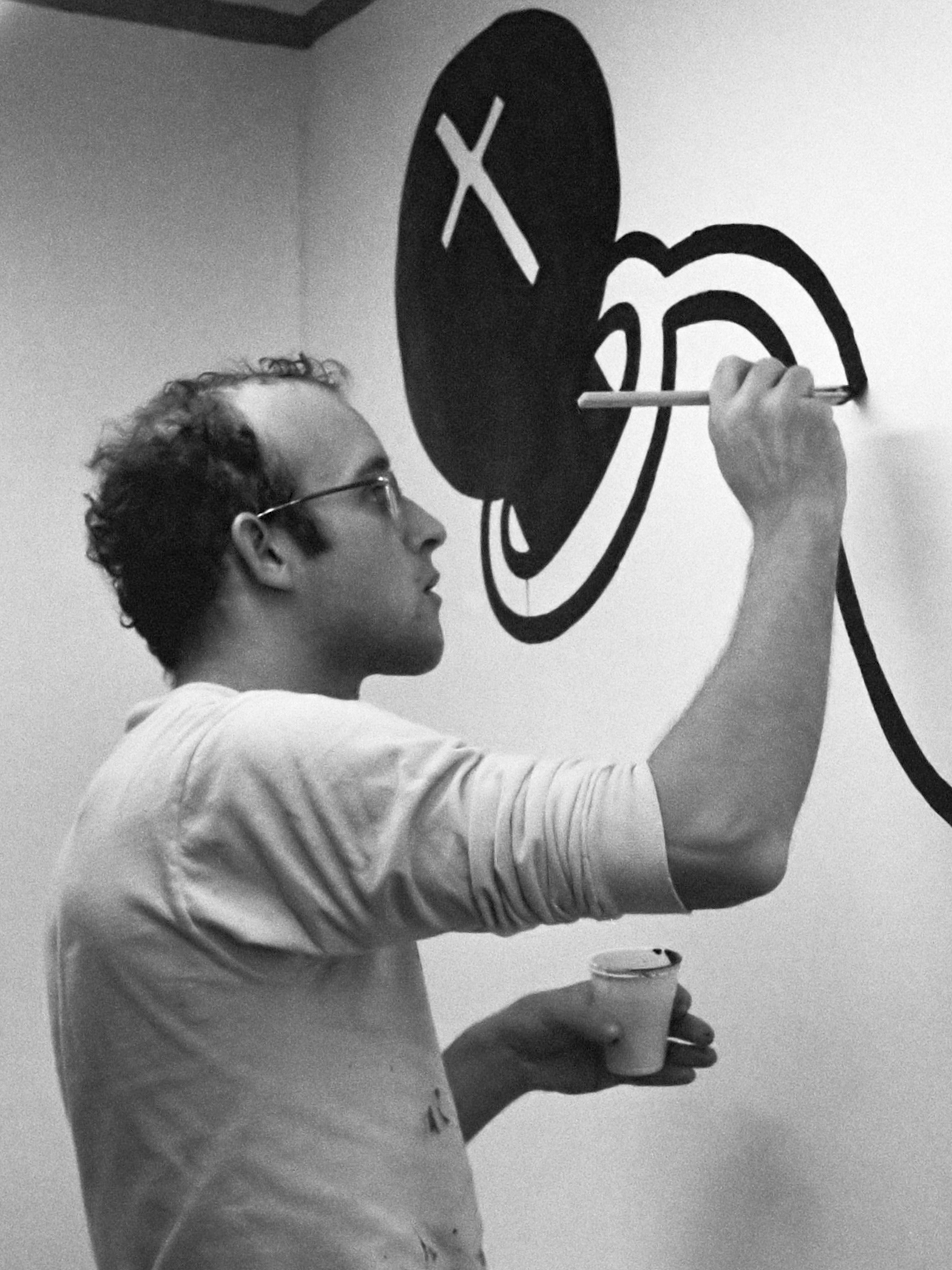
Keith Haring
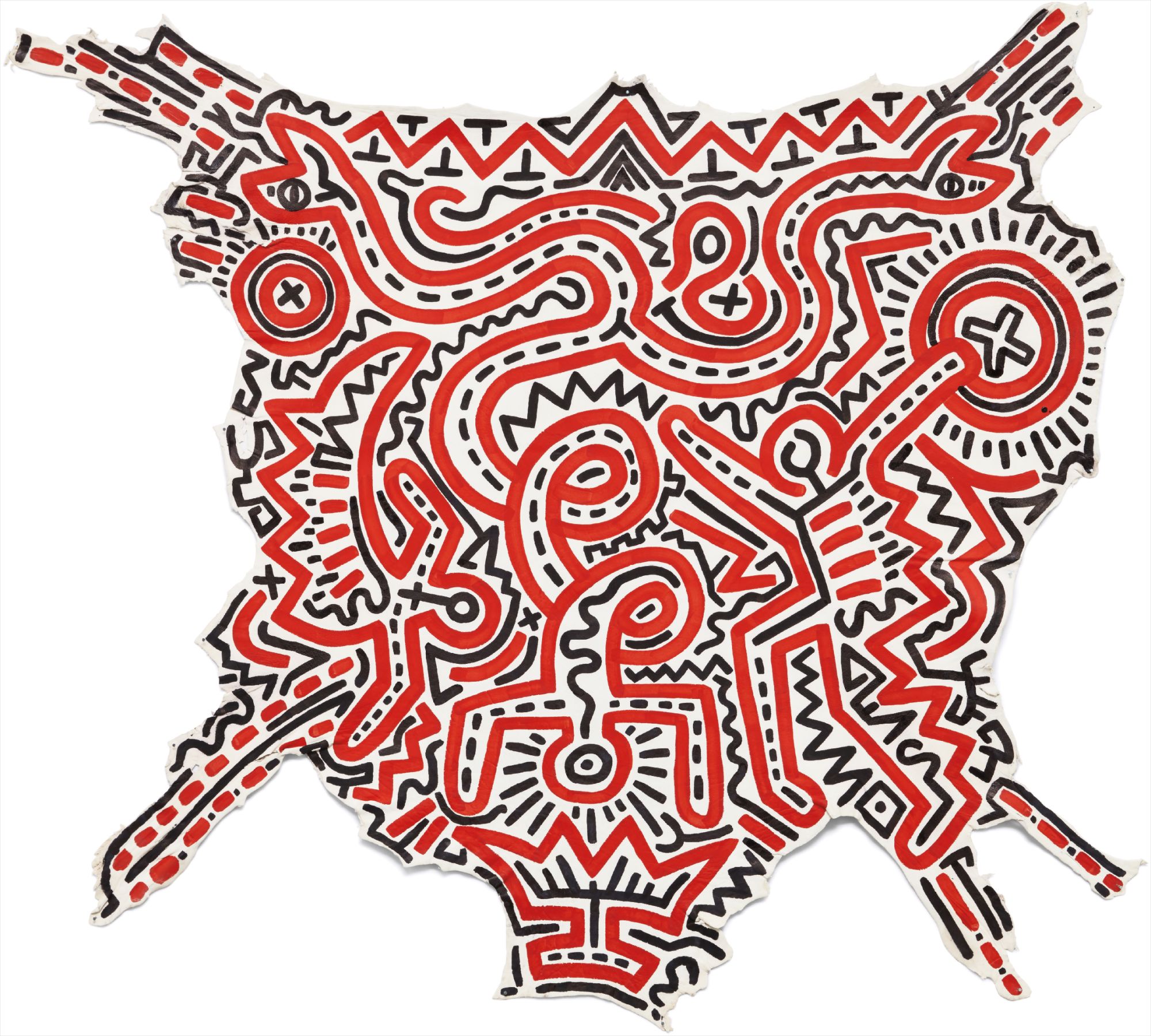
The present two lots are beautiful examples of Keith Haring’s genius and dexterity as an artist. The early 1980s are the most sought after years of Keith Haring’s tragically short and intense career. Starting at an early age when his father made him sketches of characters from comic strips through his graffiti days in the New York subway, Haring invented his own alphabet of contemporary artistic language. Under the influence of Andy Warhol and contemporary to Jean-Michel Basquiat, Haring believed that art was a product of the individual and the ultimate expression of individuality. He chose the public realm for his art out of curiosity and an embrace of his temperament as well as his generosity. Enjoying success at a very young age, his philosophy was an idea of universal art strongly influenced by the aesthetics of decoration and eighties post-modernism., 1983
Keith Haring's visual language, developed in New York subway stations and refined through the decade that followed, now reads simultaneously as historical artifact, pop icon, and acute social commentary. Living with that kind of work means living with a mirror that reflects different things depending on where you are standing and when. When collectors ask what separates a good postmodern work from a truly great one, the answer usually comes down to whether the conceptual framework and the visual experience are genuinely inseparable. A lot of postmodern art relies entirely on the idea, and once you understand the idea, the object becomes redundant.
The great works sustain looking. They create visual pleasure or genuine unease independent of the theoretical apparatus surrounding them. The best Richard Prince photographs, for instance, operate as images first. The appropriation reading deepens the experience but does not replace it.
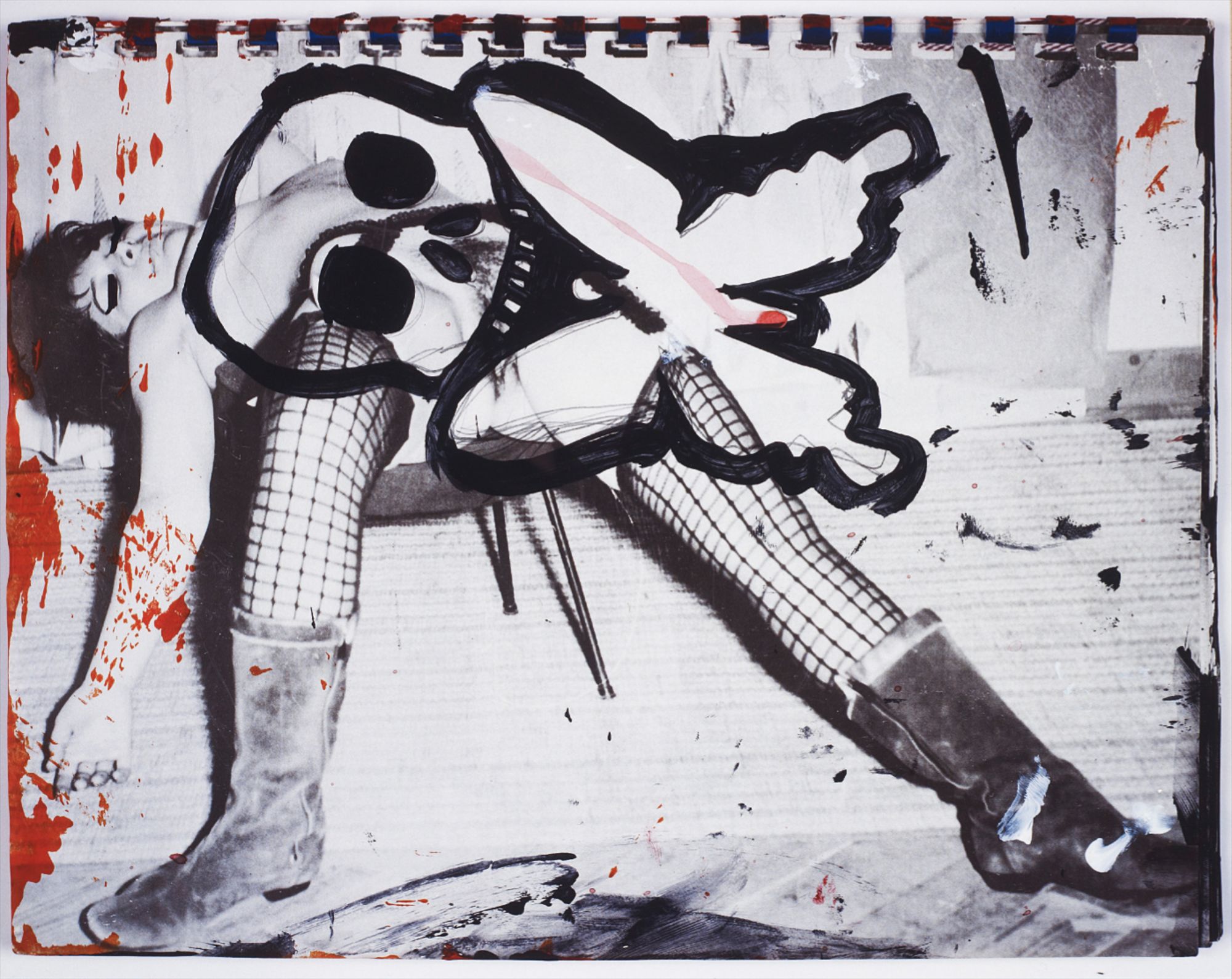
Richard Prince
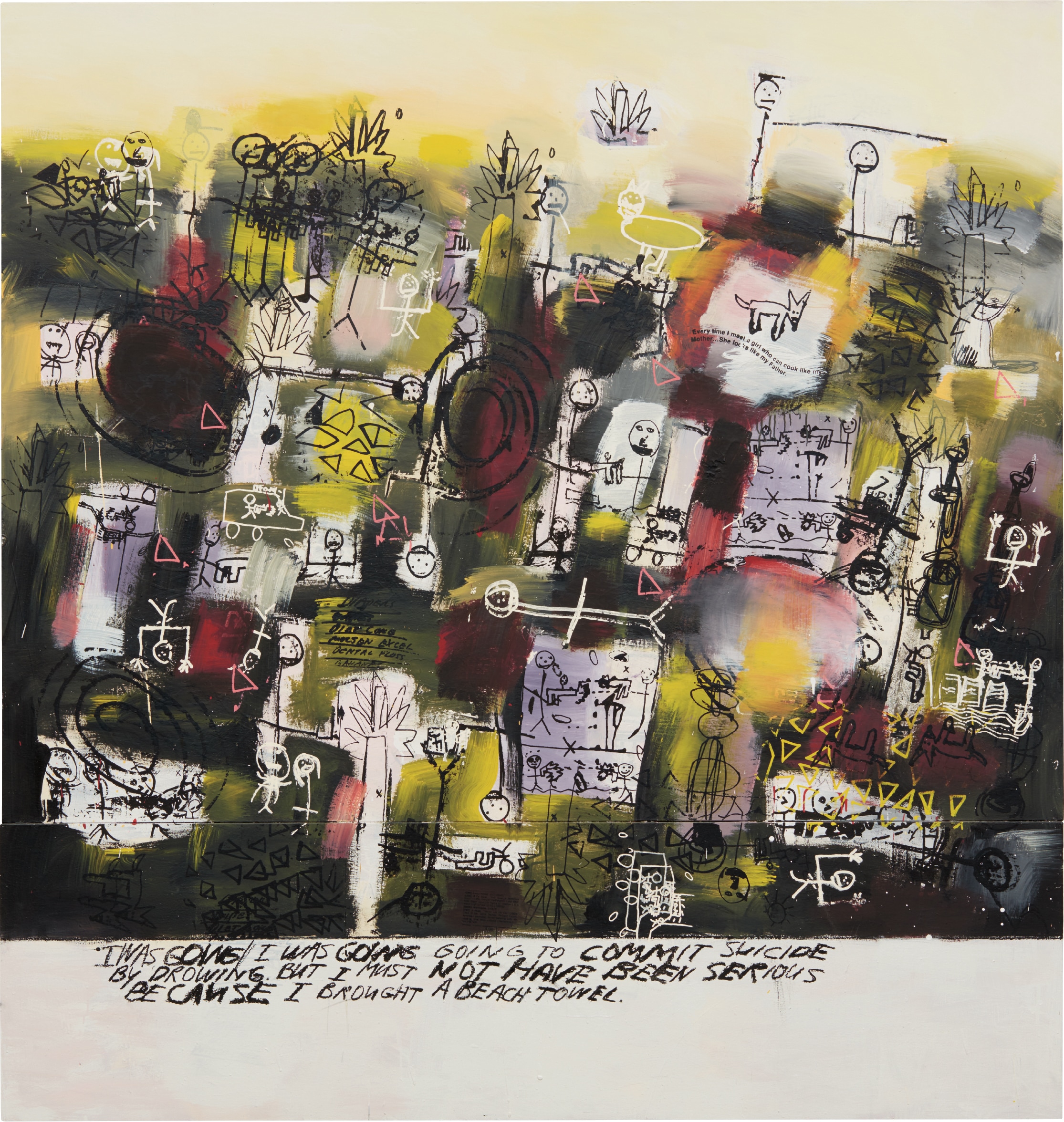
Going Going Going, 1998
Provenance and exhibition history carry unusual weight in this category. A work that appeared in a defining show carries documentary weight that a comparable piece without that history simply cannot match. For postmodern art especially, context is not incidental. It is often constitutive of meaning.
Ask where a work has been shown, what catalogue essays have addressed it, and whether it was made during what most scholars consider the artist's most focused and rigorous period. These are not peripheral questions. They go to the heart of what the work is. Among the artists well represented on The Collection, Richard Prince remains one of the most significant and contested figures in the postmodern canon.
Jennifer Bartlett
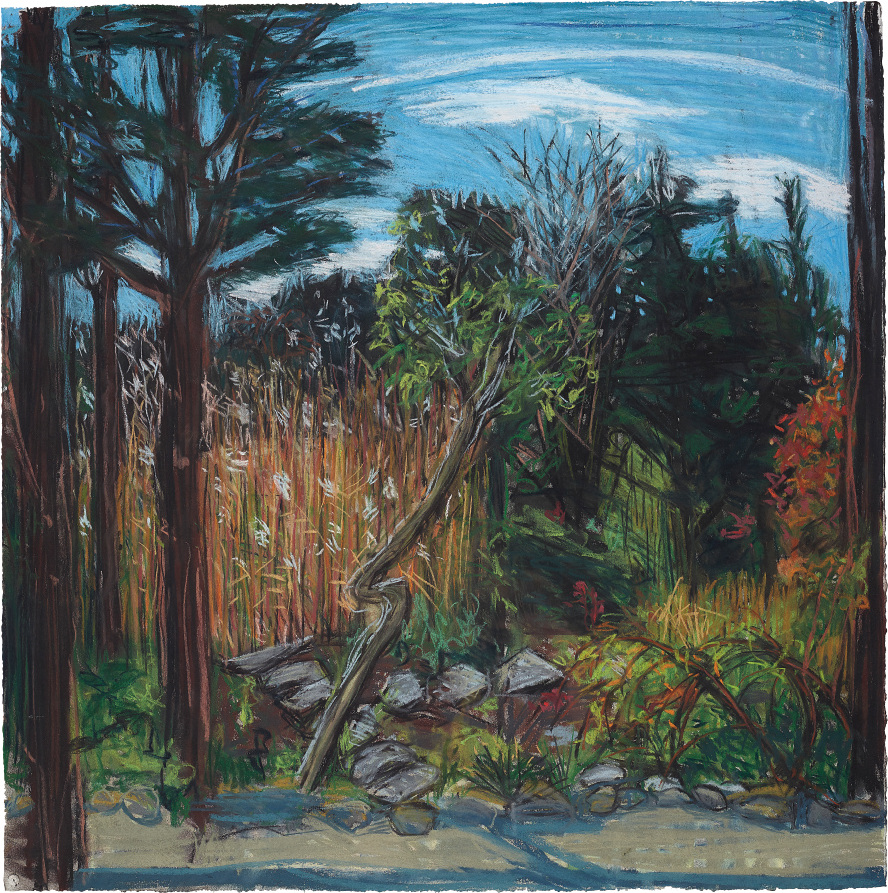
October Amagansett #9, 2002
His rephotography work from the late 1970s and early 1980s essentially defined appropriation as a serious artistic strategy, and his market has reflected that centrality. Works from his Cowboys series and his Nurse paintings have achieved prices that establish him firmly in the upper tier of his generation. The challenge for collectors is that his output is uneven and his practice has evolved in directions that not everyone finds equally compelling. Knowing which bodies of work represent his most sustained thinking is essential before making an acquisition.
Mike Kelley occupies a different position but one equally important to understanding the period. His work drew on vernacular American culture, thrift store aesthetics, and a kind of mournful comedy that was unlike anything else being made. Since his death in 2012 his market has been reassessed significantly upward, and institutional attention has intensified. A Kelley work carries with it a particular charge: it is uncomfortable in ways that feel generative rather than merely provocative.
Mike Kelley
Unwashed Abstraction Nr. 2, 1988
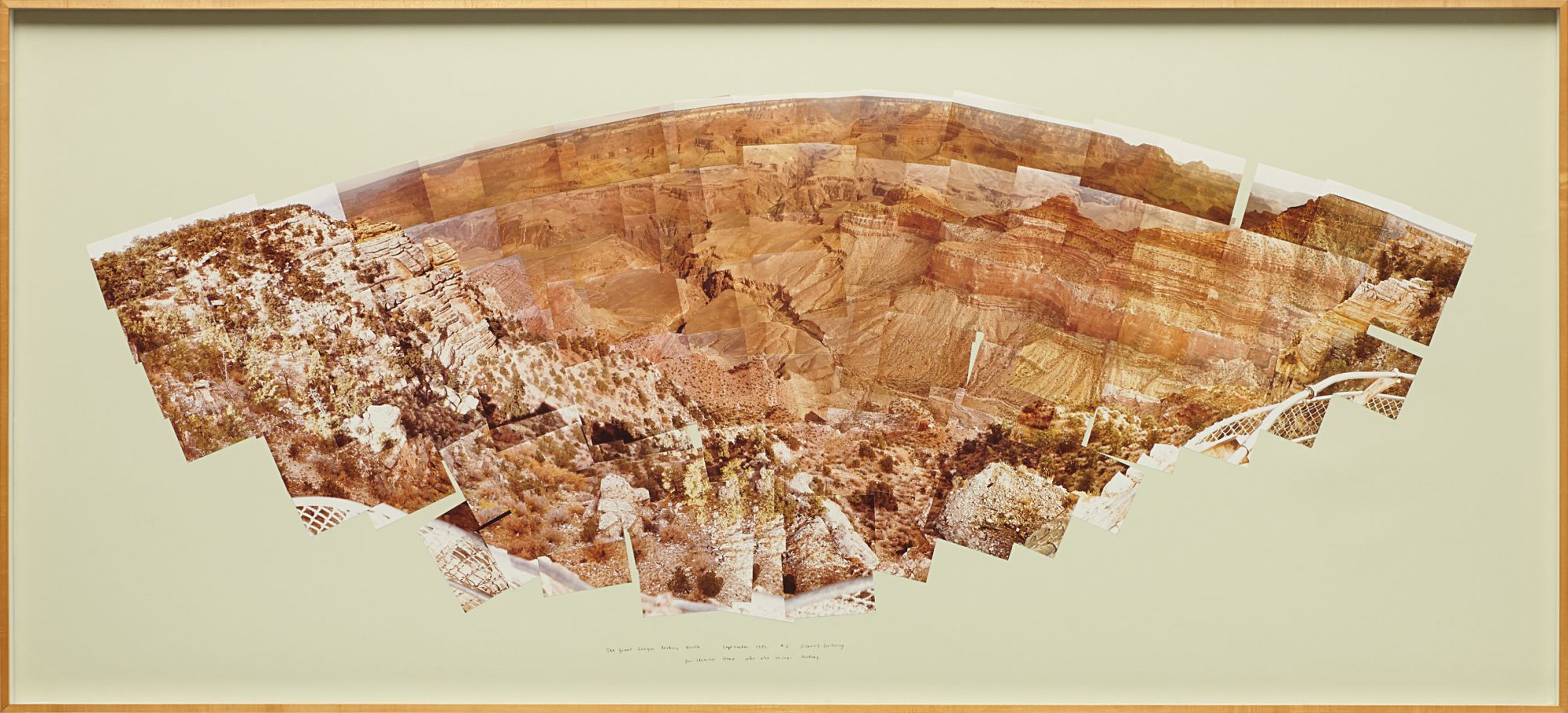
For collectors with a serious interest in the conceptual and critical dimensions of postmodernism, Kelley represents an opportunity that still has room to appreciate. David Hockney presents a different kind of argument for the category. His relationship to postmodern ideas is more oblique than Prince or Kelley but no less interesting. His ongoing interrogation of photographic representation, particularly through his photocollages of the 1980s, engages directly with questions about how we see and how images construct reality.
Hockney's market is among the most robust of any living artist, which means entry points require serious capital, but his work retains value across market cycles in ways that more theoretically narrow artists sometimes do not. For collectors looking toward emerging territory, the most interesting younger artists working in this space are those who have absorbed postmodernism's lessons about appropriation, simulation, and the instability of meaning and then moved somewhere genuinely new. Artists working with internet imagery, meme culture, and the aesthetics of digital distribution are asking the same questions Prince and his contemporaries asked about magazine advertising and television, but with a new set of materials and a new relationship to originality. The secondary market for this work is still forming, which creates real opportunity alongside real risk.
At auction, blue chip postmodern works have performed strongly through recent cycles, with Prince, Haring, and Hockney all demonstrating resilience even in softer overall market conditions. Works with clean ownership histories and strong institutional exhibition records tend to find confident bidding. Mid tier works, meaning those by significant artists but outside their most celebrated bodies of work, can be more volatile. This is actually where knowledgeable collectors find their best opportunities, acquiring works that the broader market has not yet fully understood.
On the practical side, condition is particularly important for works on paper and for any piece that incorporates photographic elements or unconventional materials. Kelley's use of stuffed animals and fabric requires careful storage and display consideration. Prince's large format photographs need UV protection and consistent humidity control. For any work in edition, understand the full edition size, the number of artist's proofs, and where the particular piece you are considering sits within that structure.
A low numbered print from a small edition in a consequential body of work is a fundamentally different proposition from a late pull in a large run. When approaching galleries, the most useful questions are the ones that dealers sometimes find uncomfortable: ask directly about condition reports, ask whether the work has ever been restored, ask what the artist's estate or foundation says about the work's place within the broader practice. Ask whether the gallery has placed similar works with institutions. Postmodern art rewards collectors who bring the same critical intelligence to the acquisition process that the artists brought to making the work.
The irony, perhaps, is that taking this art seriously requires understanding exactly why it refused to be taken seriously in the first place.