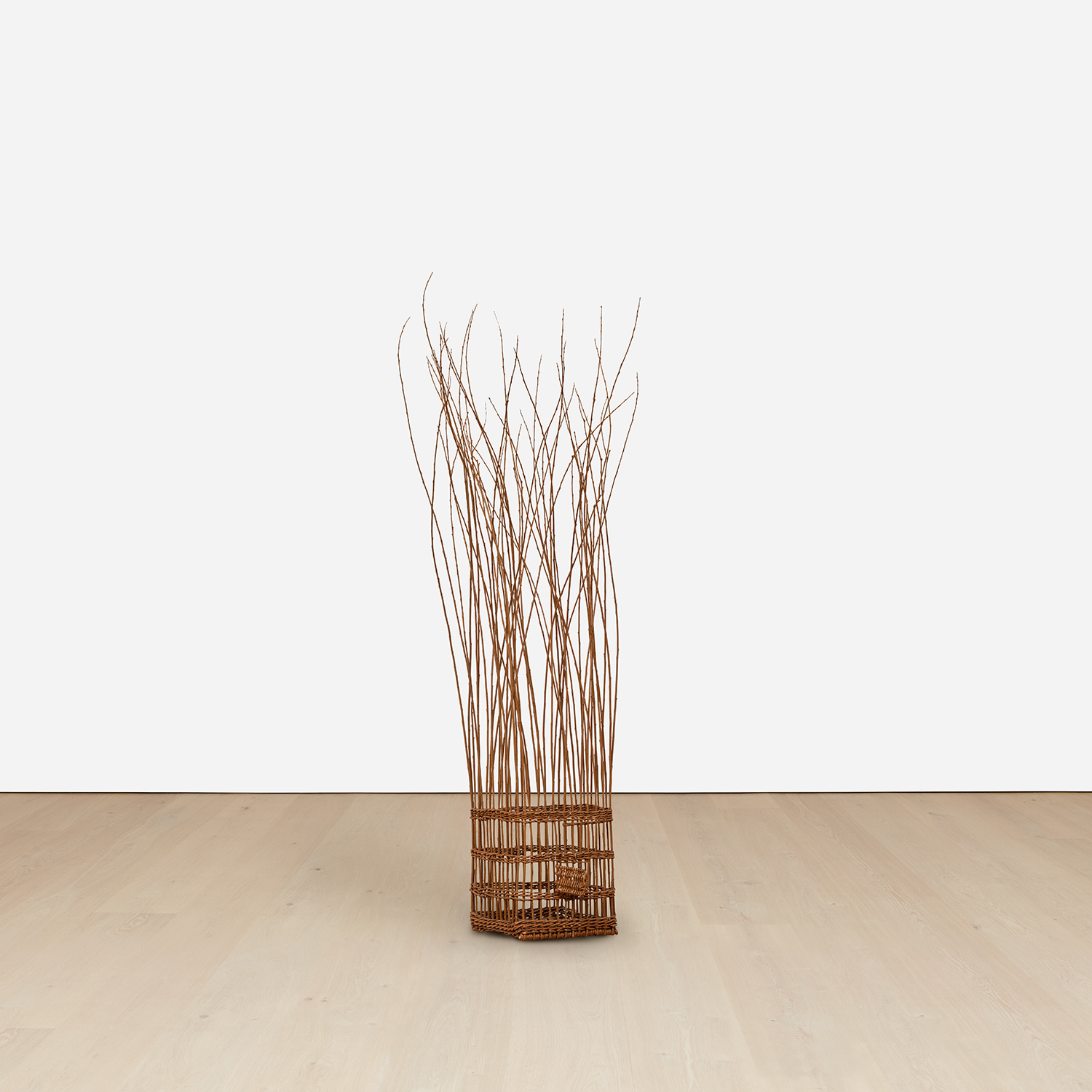
Post-Internet Art
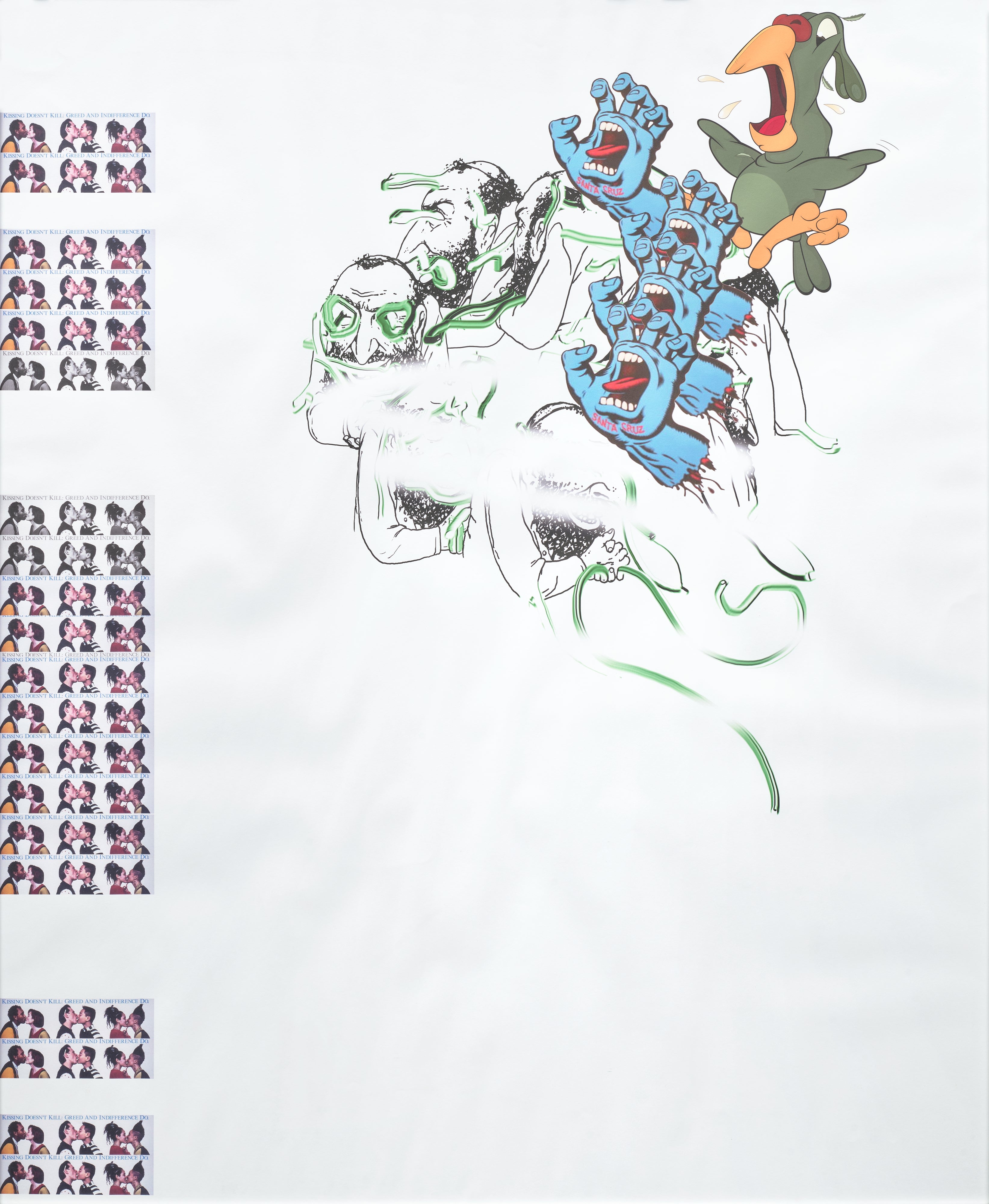
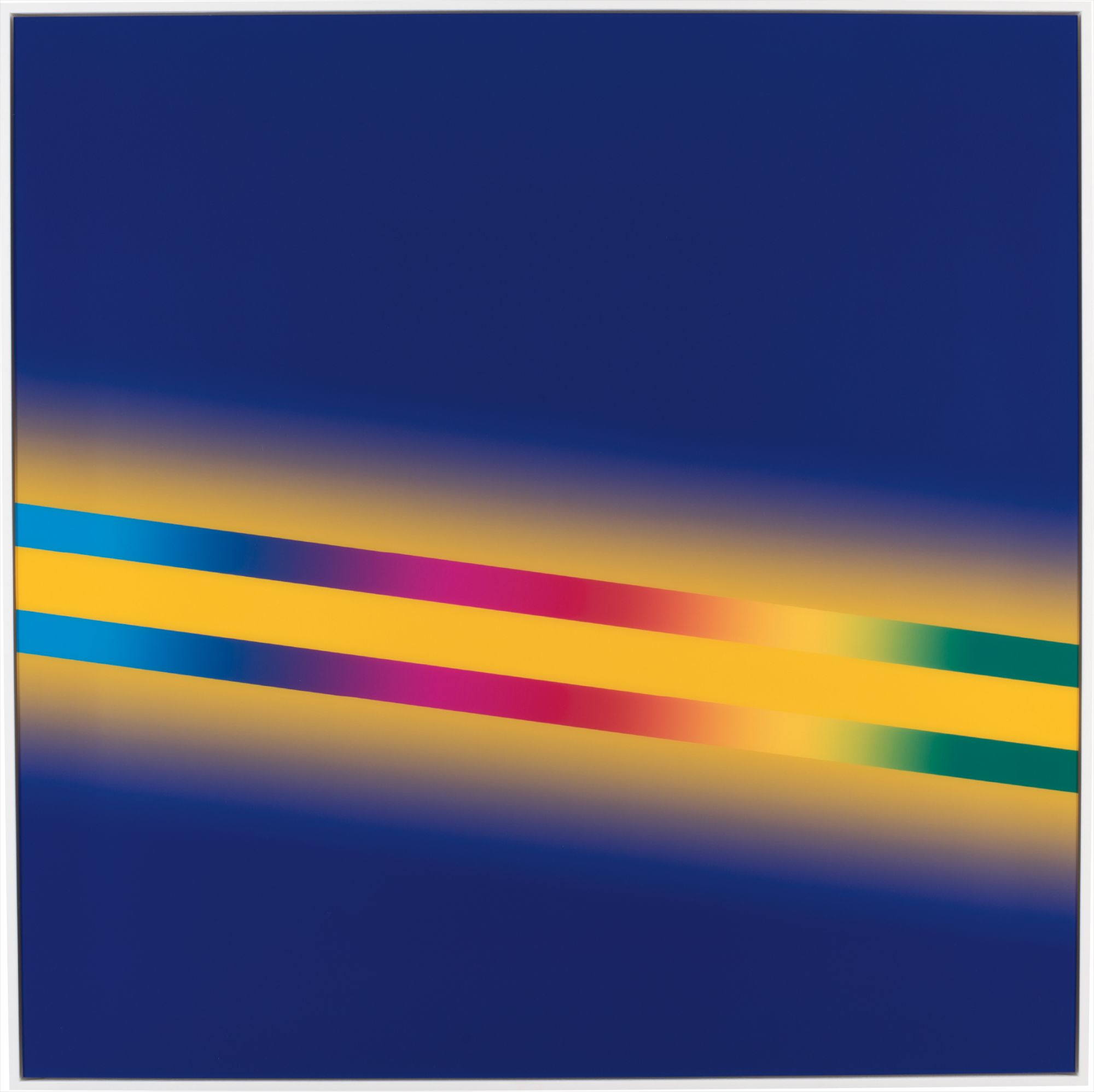
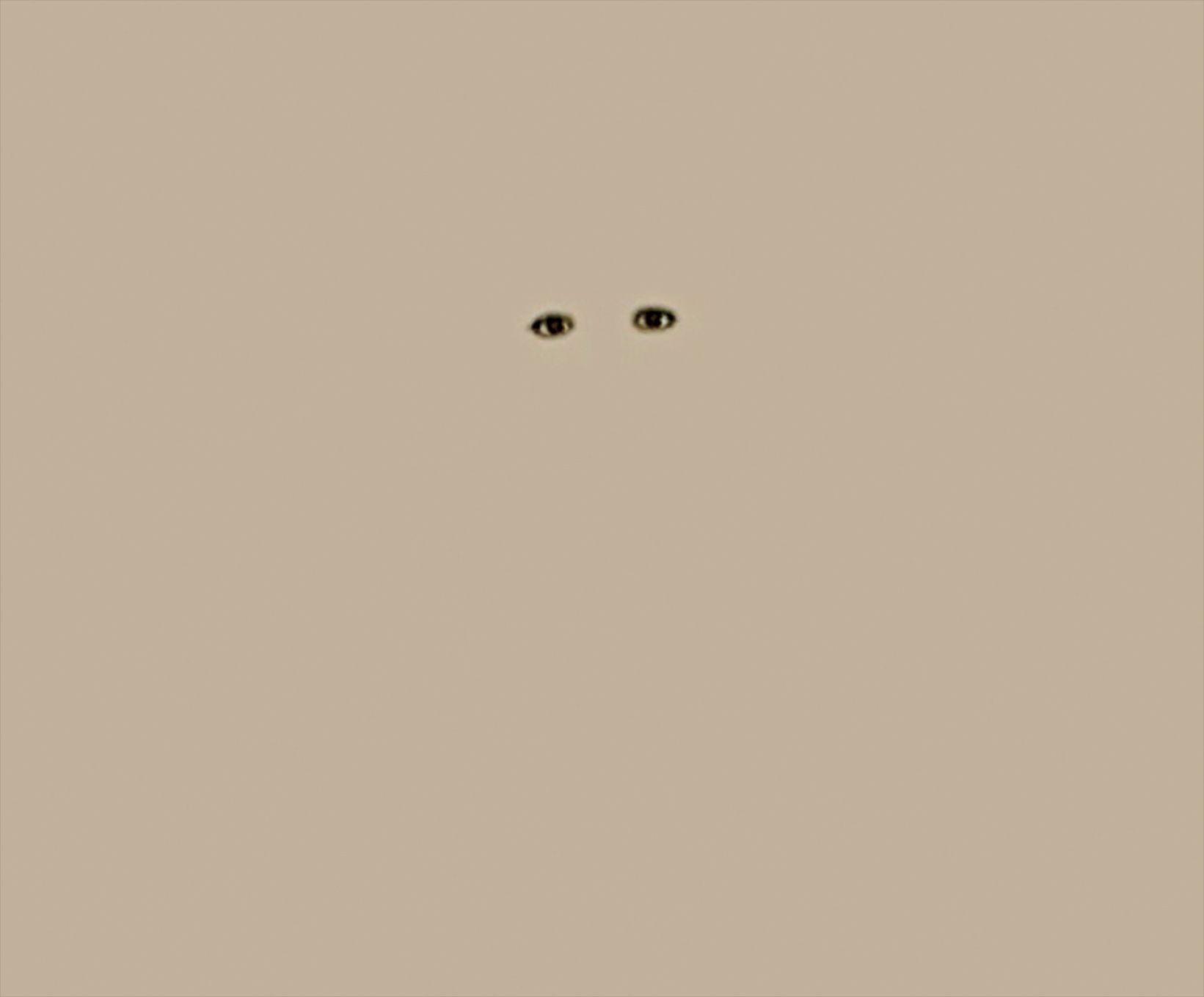
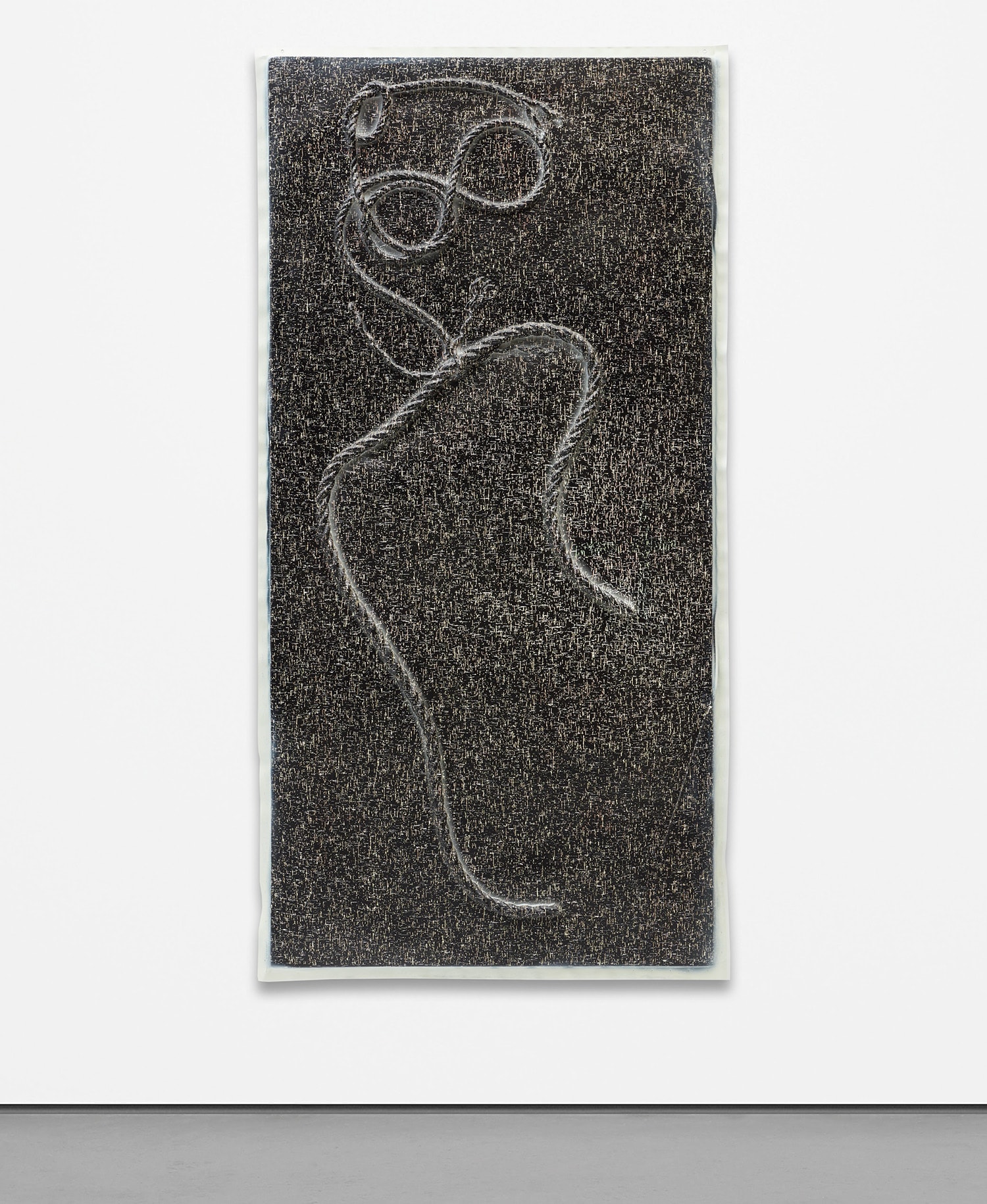
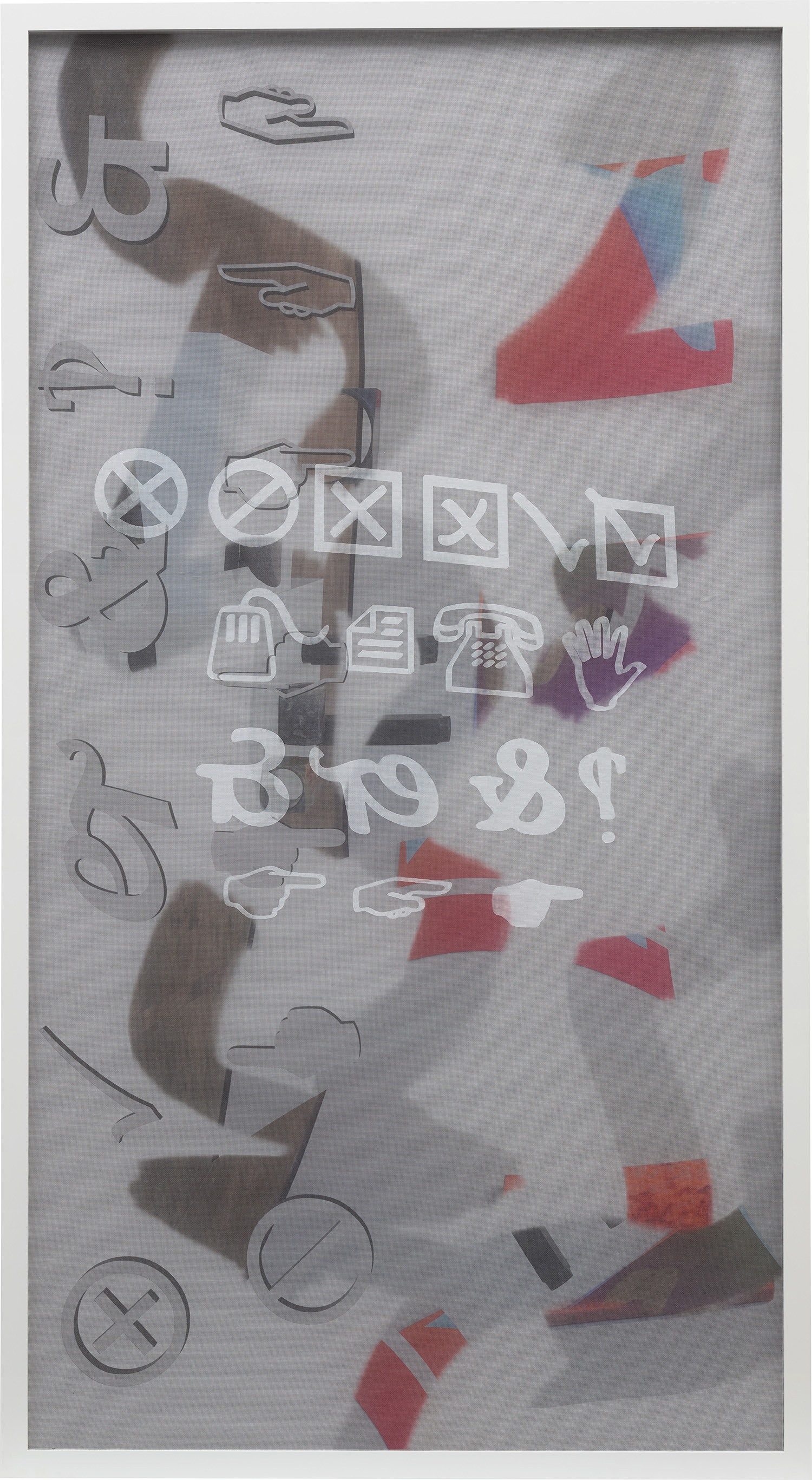
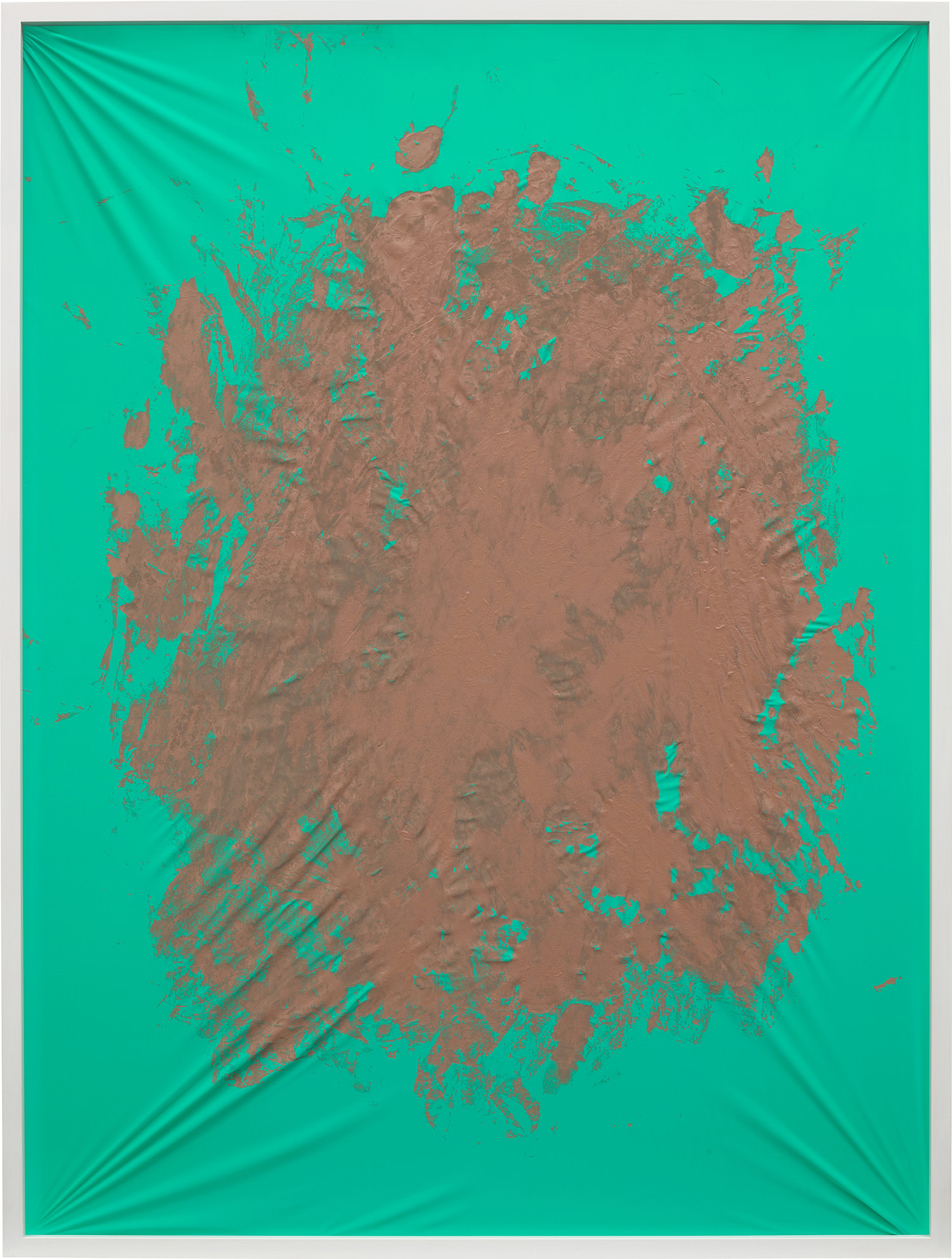
Jordan Wolfson
Untitled, 2012

Born Online, Made to Last Forever
There is a particular feeling that comes with recognizing an image you have seen a thousand times on a screen suddenly rendered in oil paint, or inkjet print, or cast resin, hanging on a white wall and asking to be taken seriously as art. That feeling, equal parts uncanny and thrilling, is something like the emotional register of post internet art. It is a movement that emerged from a simple but radical observation: that the internet had already changed everything, and that artists who grew up inside its logic would inevitably make work that looked, felt, and thought differently as a result. The term itself is generally credited to Marisa Olson, who used it around 2008 to describe her own practice of absorbing internet culture and then producing work offline that bore its residue.
Gene McHugh developed the concept further in his influential 2011 online essay collection, which traced how a generation of artists had stopped treating the internet as a subject or a tool and started treating it as an environment, as foundational as air or electricity. By the time major institutions began catching up, curators at venues like the New Museum and MoMA PS1 were scrambling to frame a conversation that artists had already been having among themselves for years, largely through blogs, Tumblr feeds, and the now legendary online forum The Dump. What makes post internet art historically interesting is precisely that it refused the breathless novelty of earlier net art. Artists working in the 1990s like Vuk Cosic and Jodi.
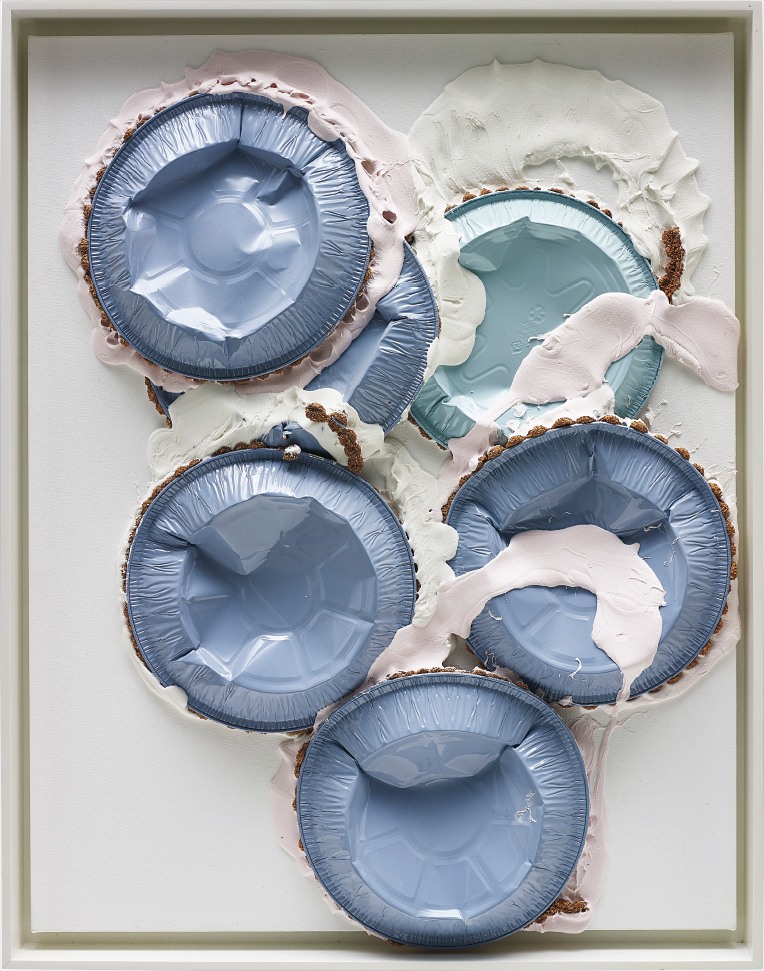
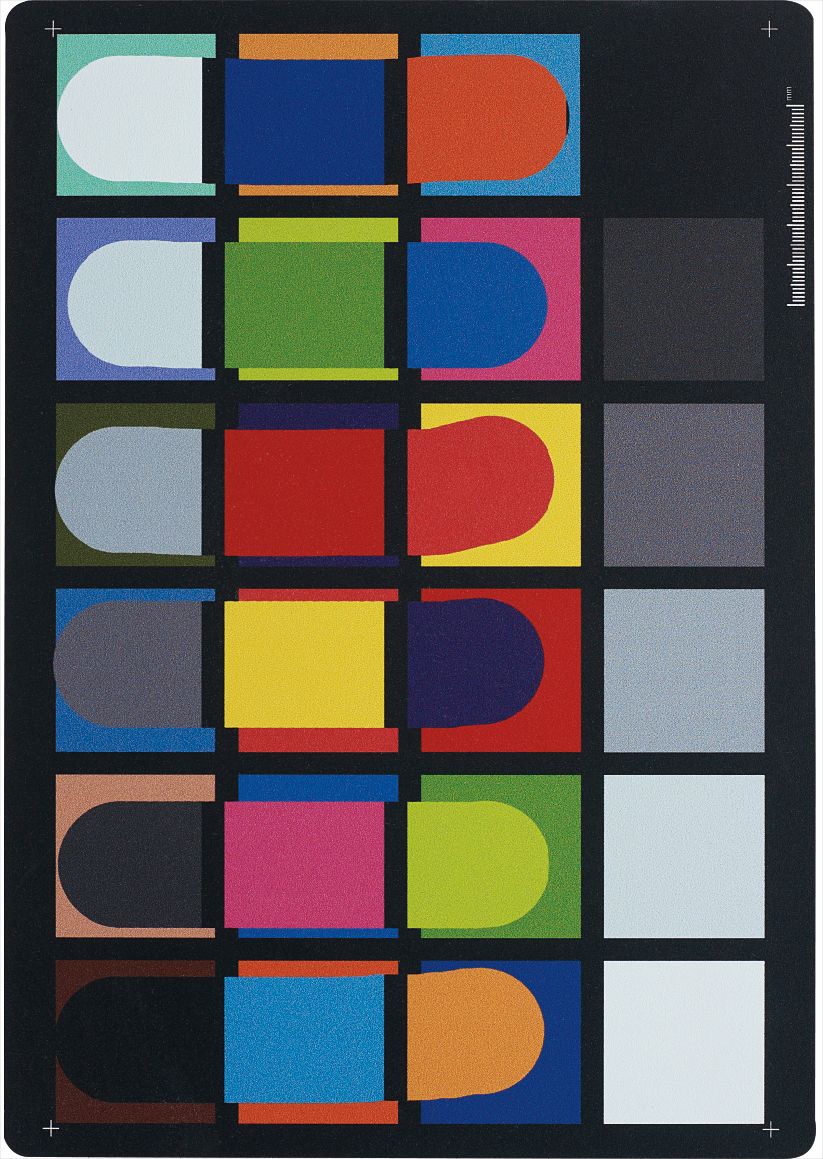
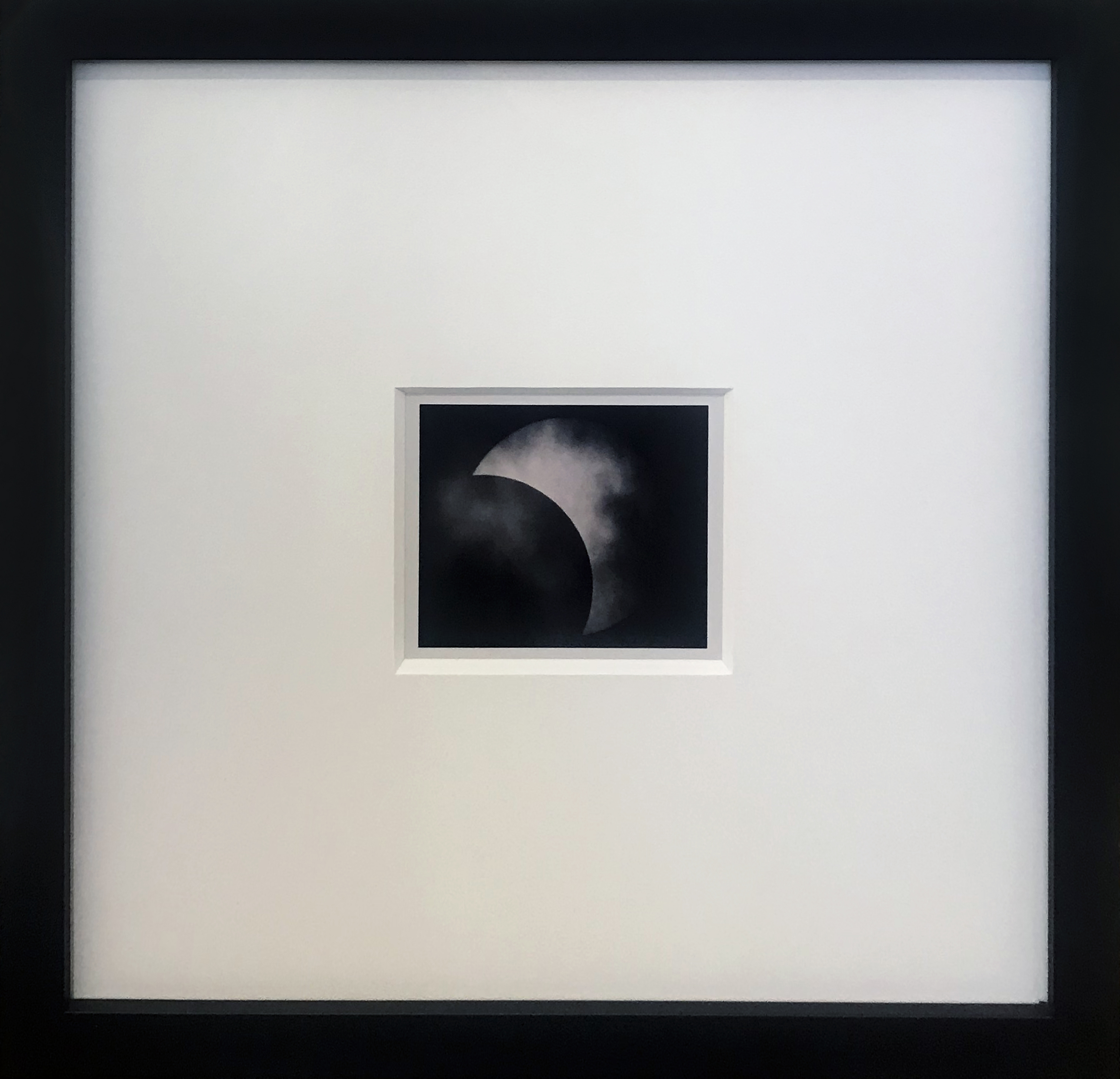
Seth Price
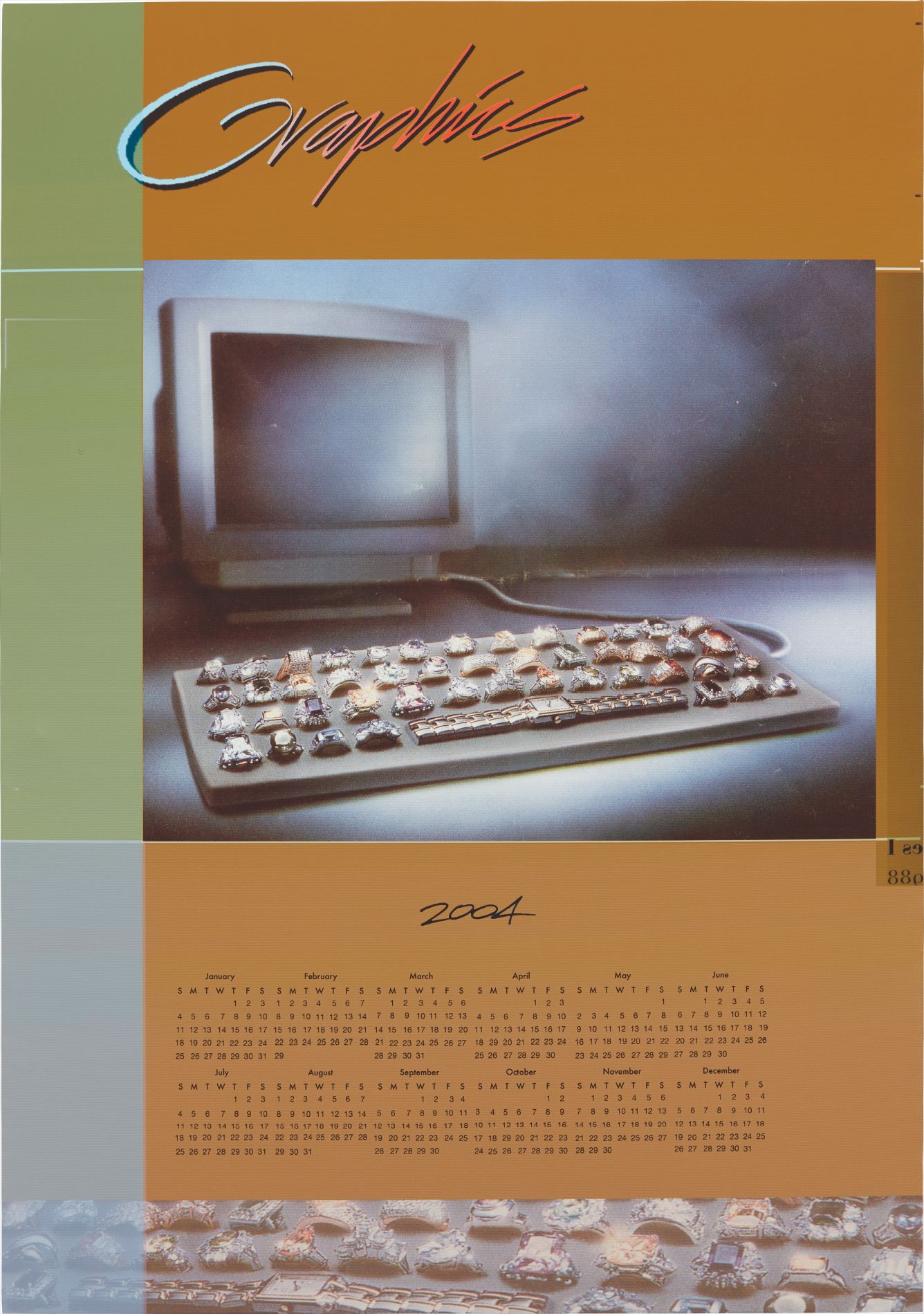
Olive Graphics, 2004
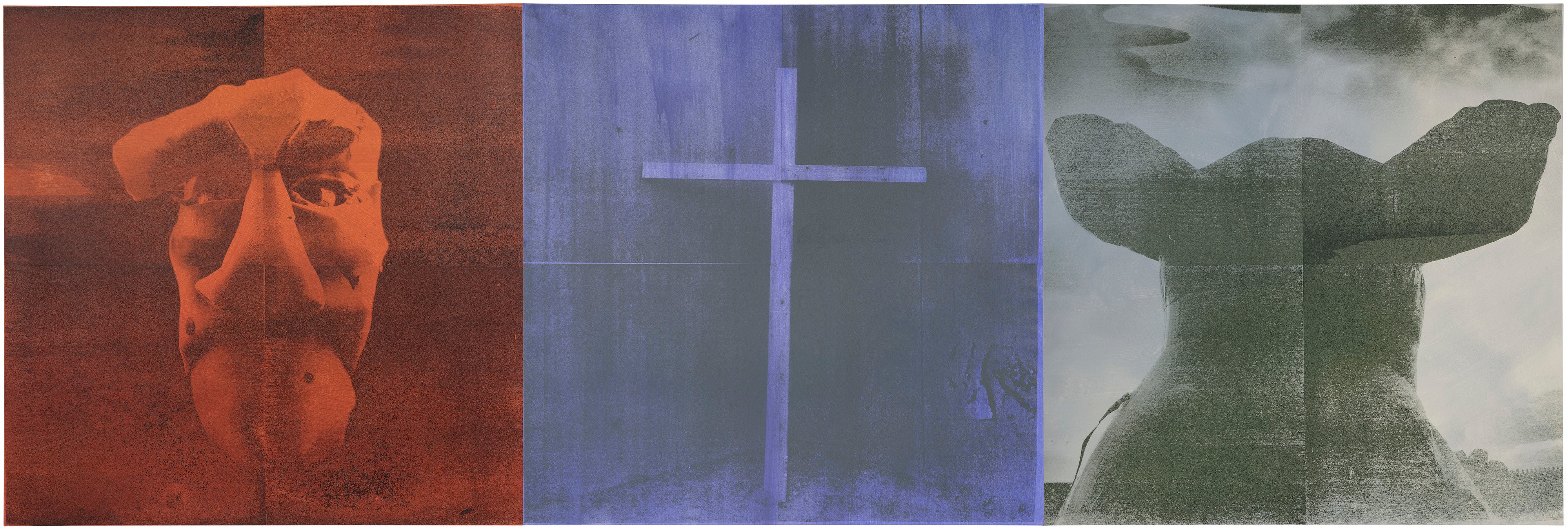
org had positioned the internet itself as the medium and the message, their work inseparable from the browser. Post internet artists were cooler about it, more suspicious of digital utopianism, and far more interested in how online life had seeped into consciousness, desire, and aesthetic judgment. Seth Price, whose work occupies an important place in this conversation, articulated something like a manifesto in his 2002 essay Dispersion, which circulated freely as a PDF and argued that distribution itself had become a legitimate artistic strategy. His sculptures and videos treat surfaces as carriers of cultural information, the polymer and the inkjet and the vacuum formed plastic all speaking a language shaped by the logic of reproduction and flow.
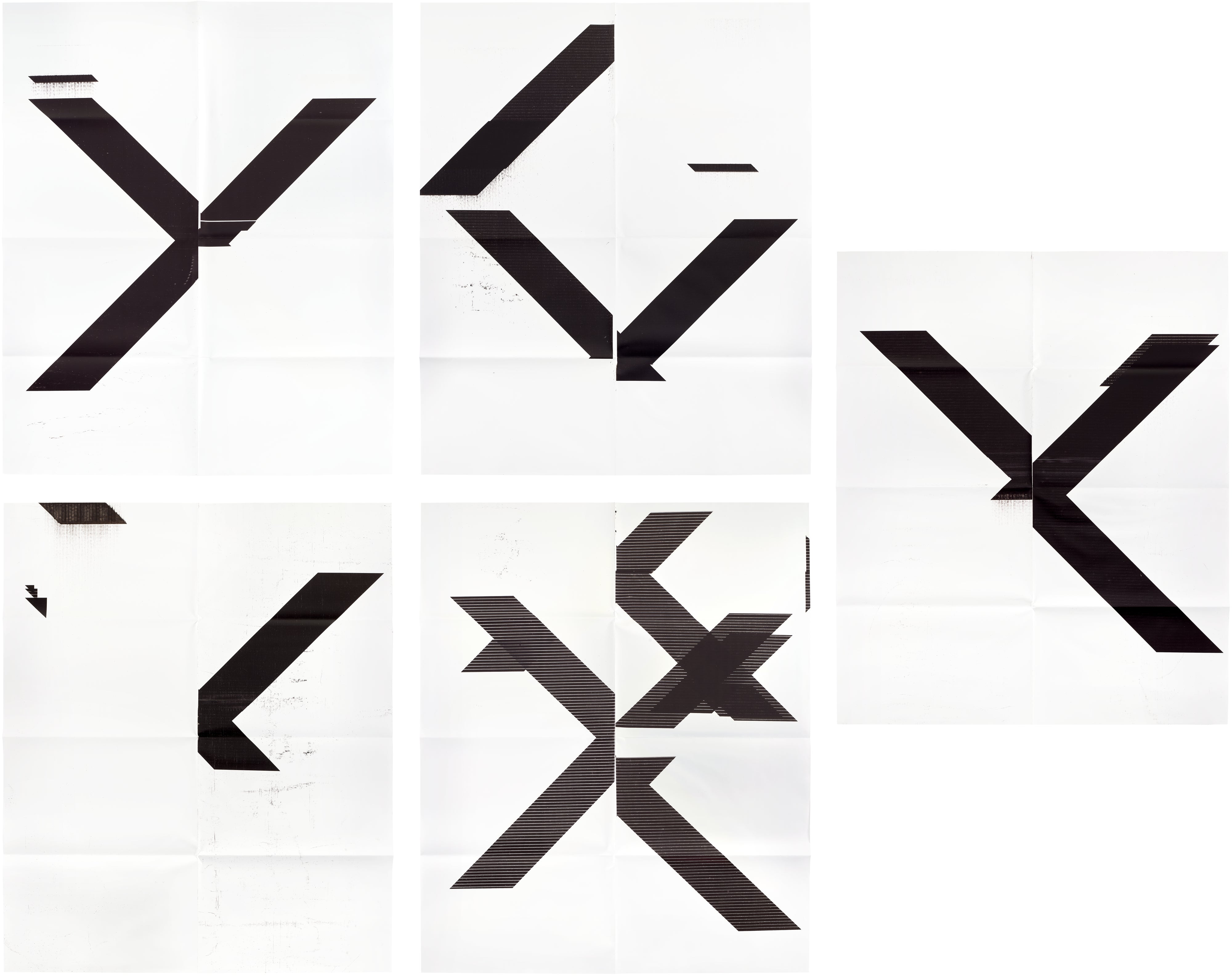
Cory Arcangel approached this territory from the direction of video games and pop music, with a lightness that belied the conceptual precision underneath. His Super Mario Clouds, first shown in 2002, stripped a Nintendo cartridge down to its sky and its drifting clouds, a gesture of elegant subtraction that said more about nostalgia, mediation, and the aesthetics of obsolescence than any labored theoretical statement could. Wade Guyton meanwhile was pushing inkjet printing into genuinely strange new territory, feeding canvas through an Epson printer and letting the machine introduce its own errors, its own judgment. Thomas Ruff was doing something adjacent with his large scale photographic works sourced from the internet, internet nudes and jpegs blown up to the point where compression artifacts became the actual subject, the degradation of data as a kind of beauty.
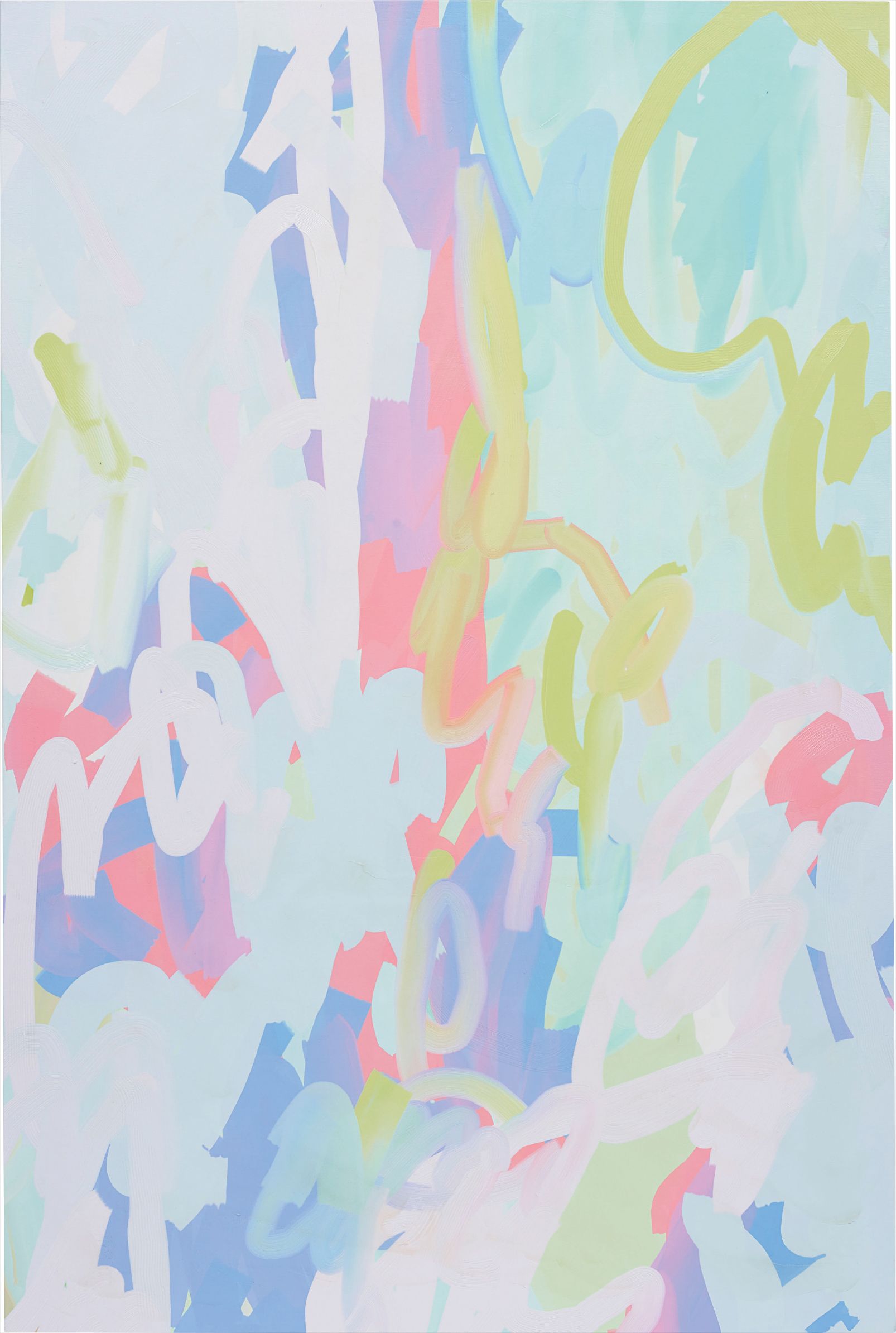
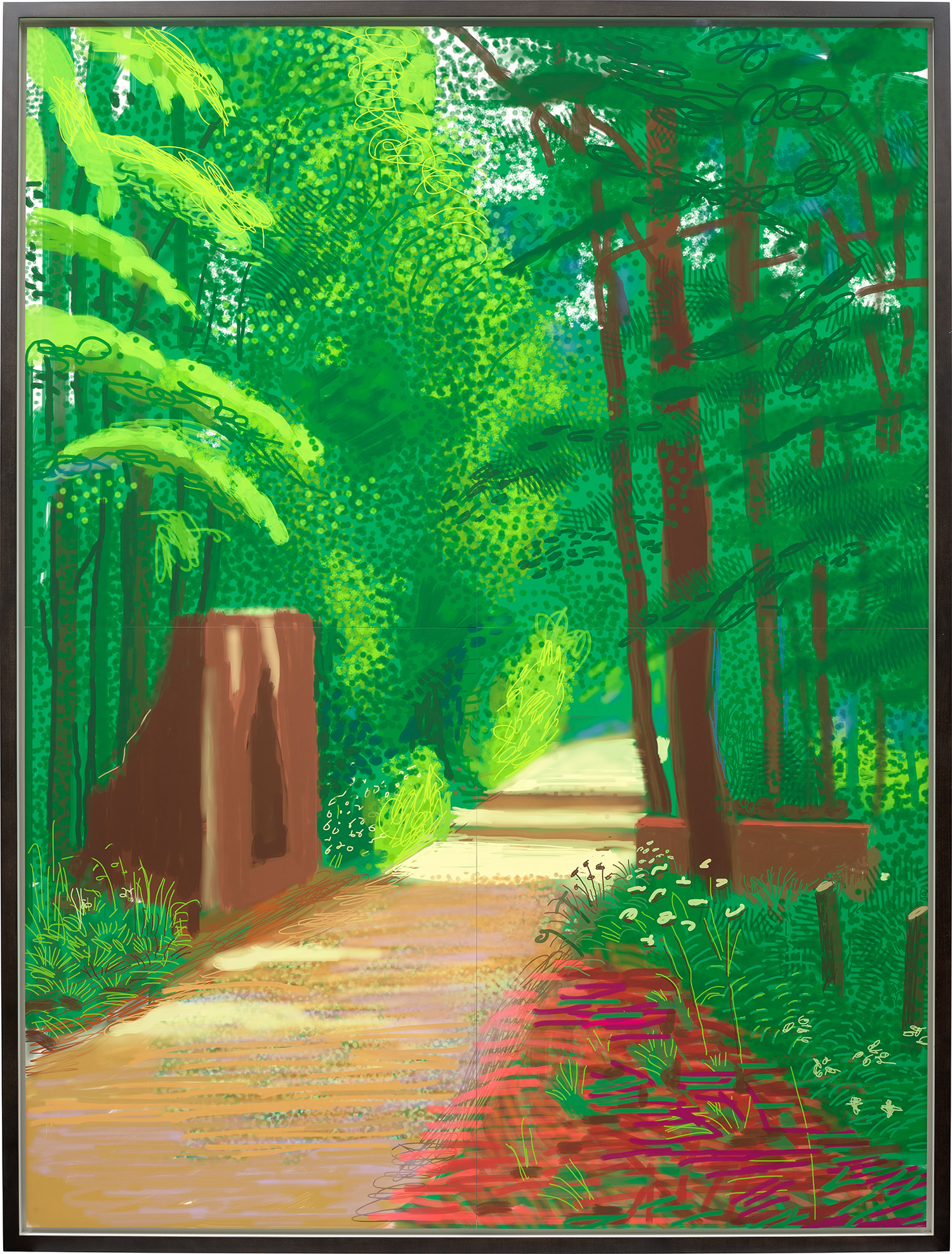
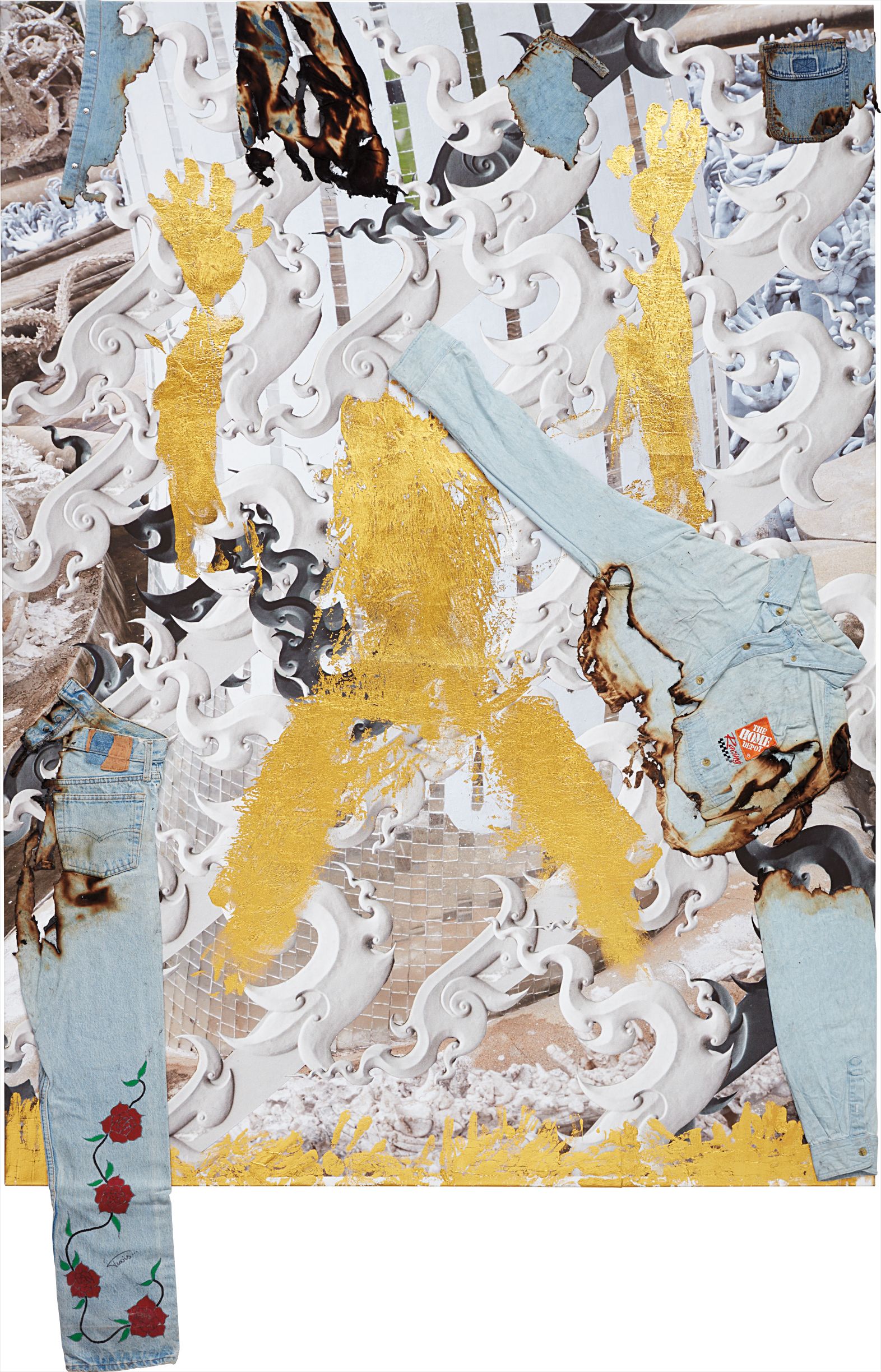
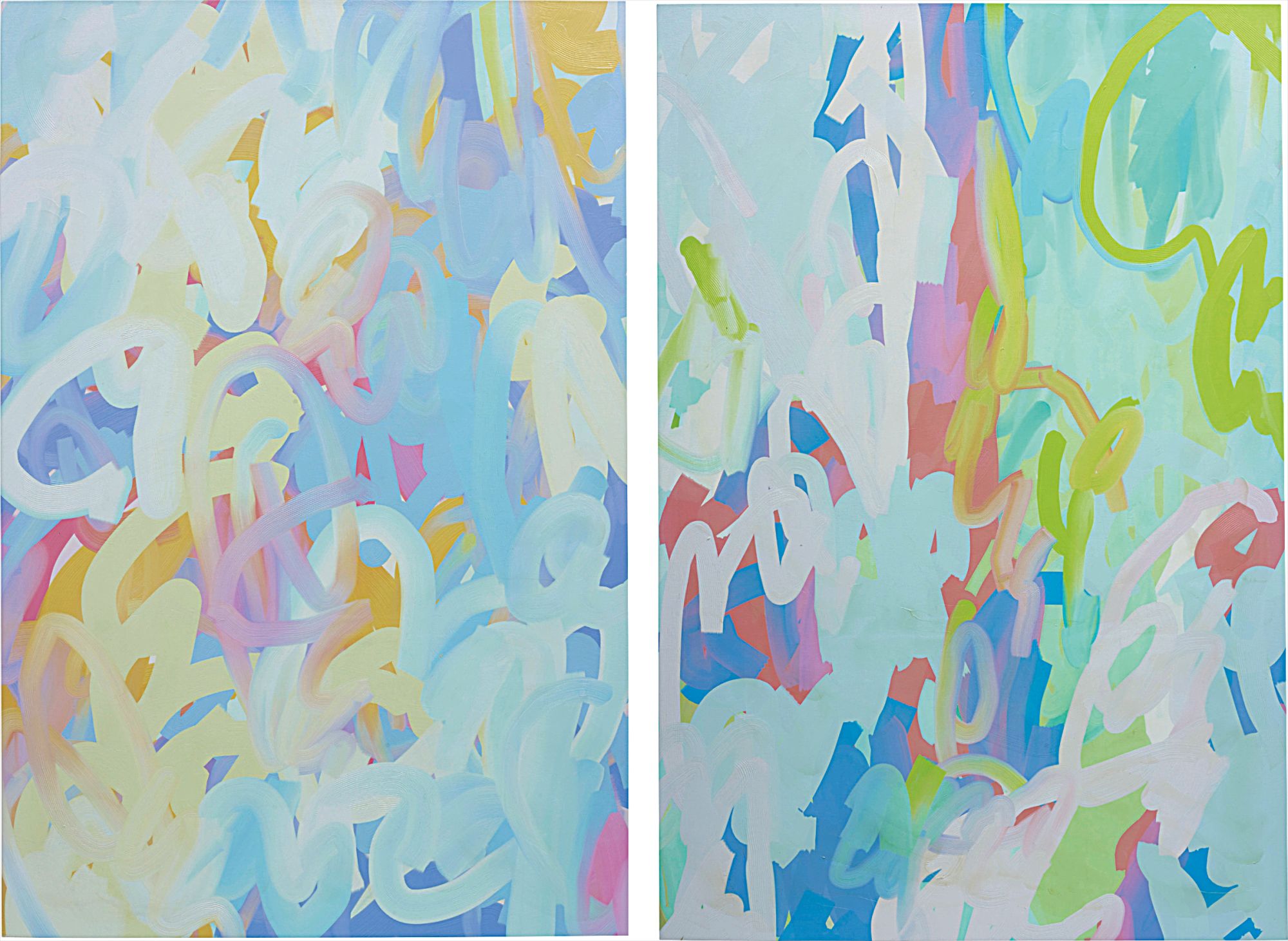
Korakrit Arunanondchai
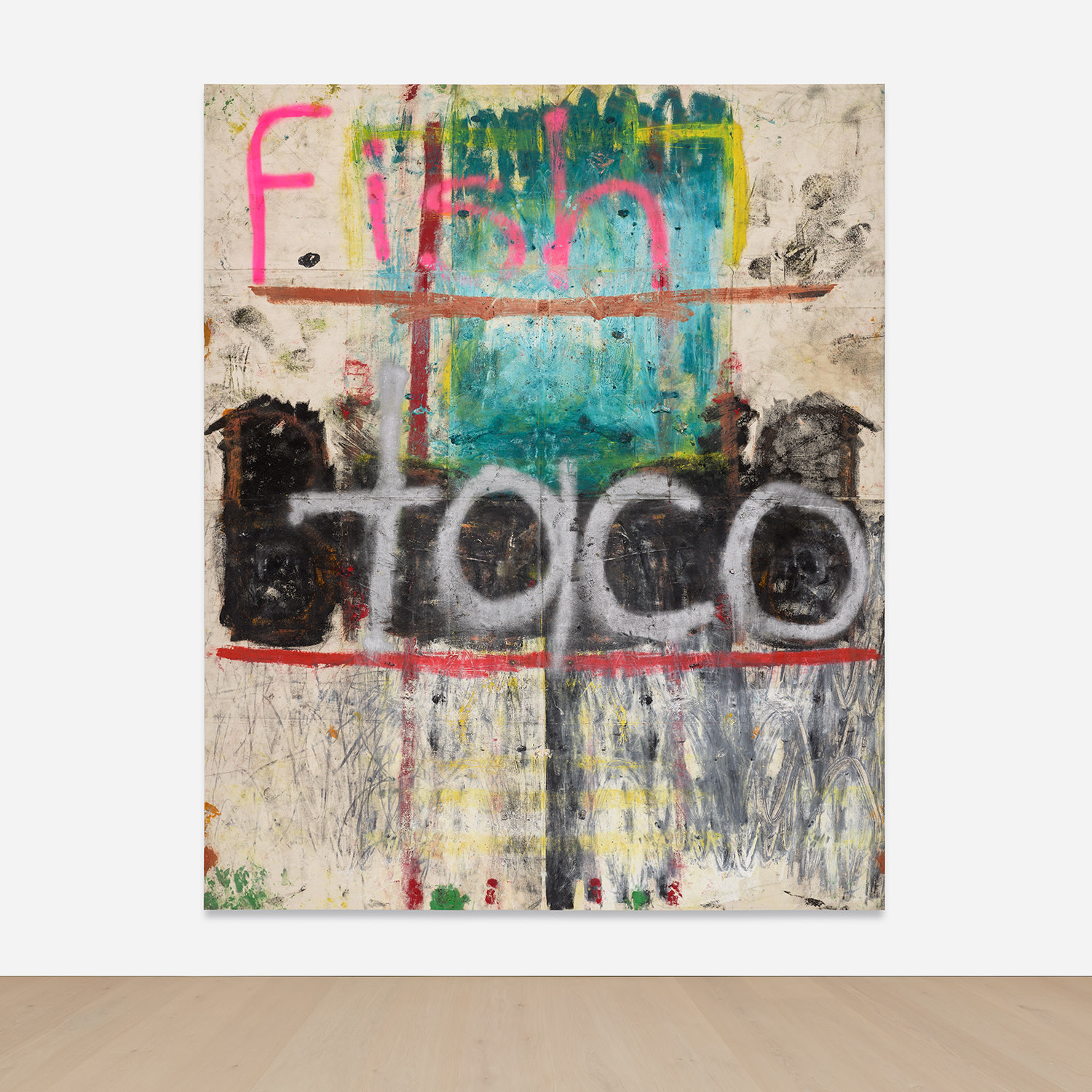
denim and inkjet print on canvas, 2014
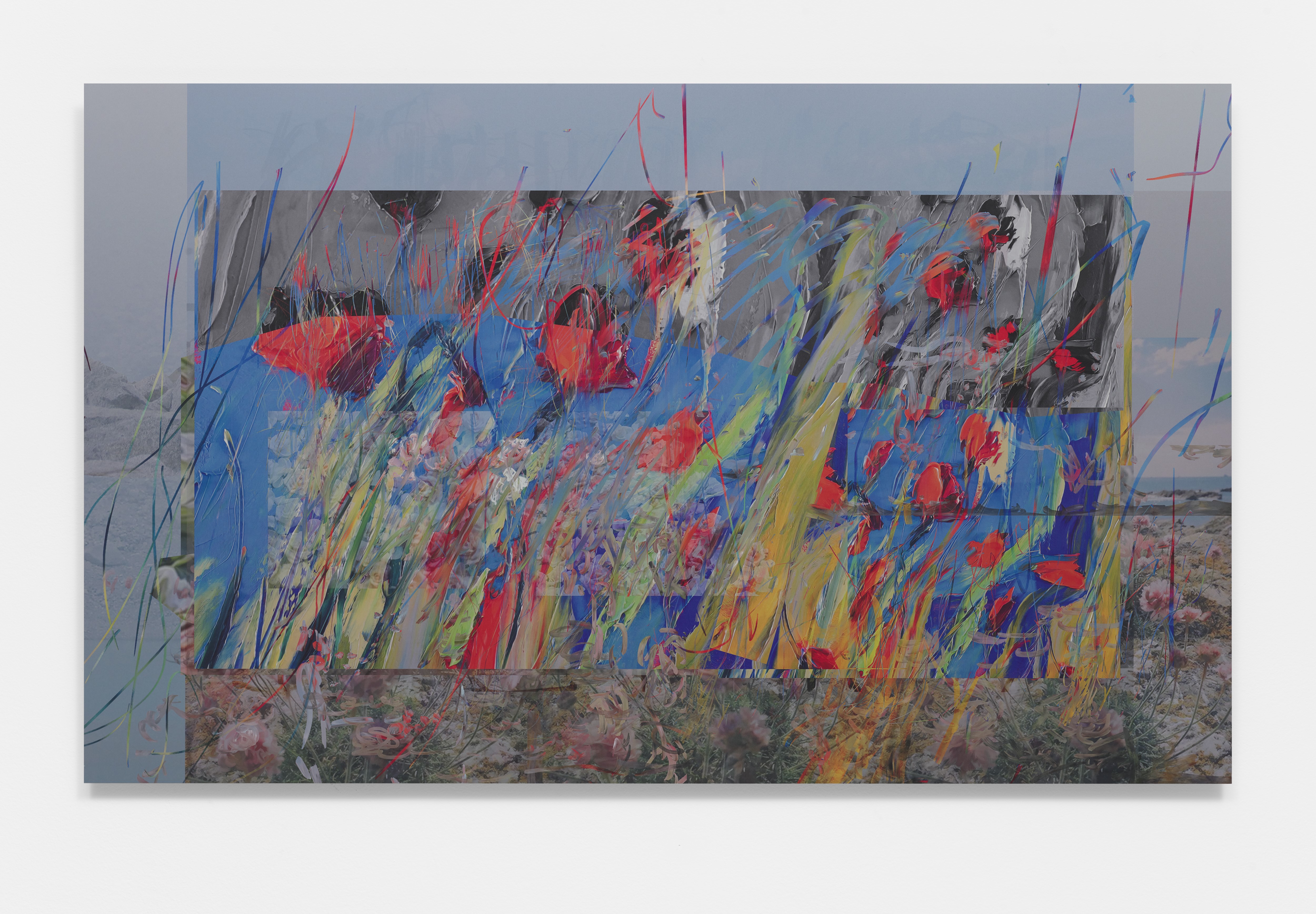
Parker Ito and Petra Cortright represent perhaps the most exuberant strain of this sensibility, artists who came of age entirely inside the internet and who brought its aesthetics into painting and video with a kind of gleeful abandon. Cortright became known for works made using webcam software and digital filters, but she never let that description flatten what she was doing, which was genuinely exploring what painting could mean when its inputs were a laptop camera and a set of proprietary software tools. Artie Vierkant took a more analytical approach through his Image Objects, works that existed simultaneously as physical sculptures and as documentation images that he altered after the fact, collapsing the distinction between the thing and its record. Korakrit Arunanondchai brought a more ritualistic and autobiographical energy, weaving together personal mythology, Thai cultural memory, and the visual language of social media in paintings on denim and immersive video installations that feel like fever dreams of late capitalism.
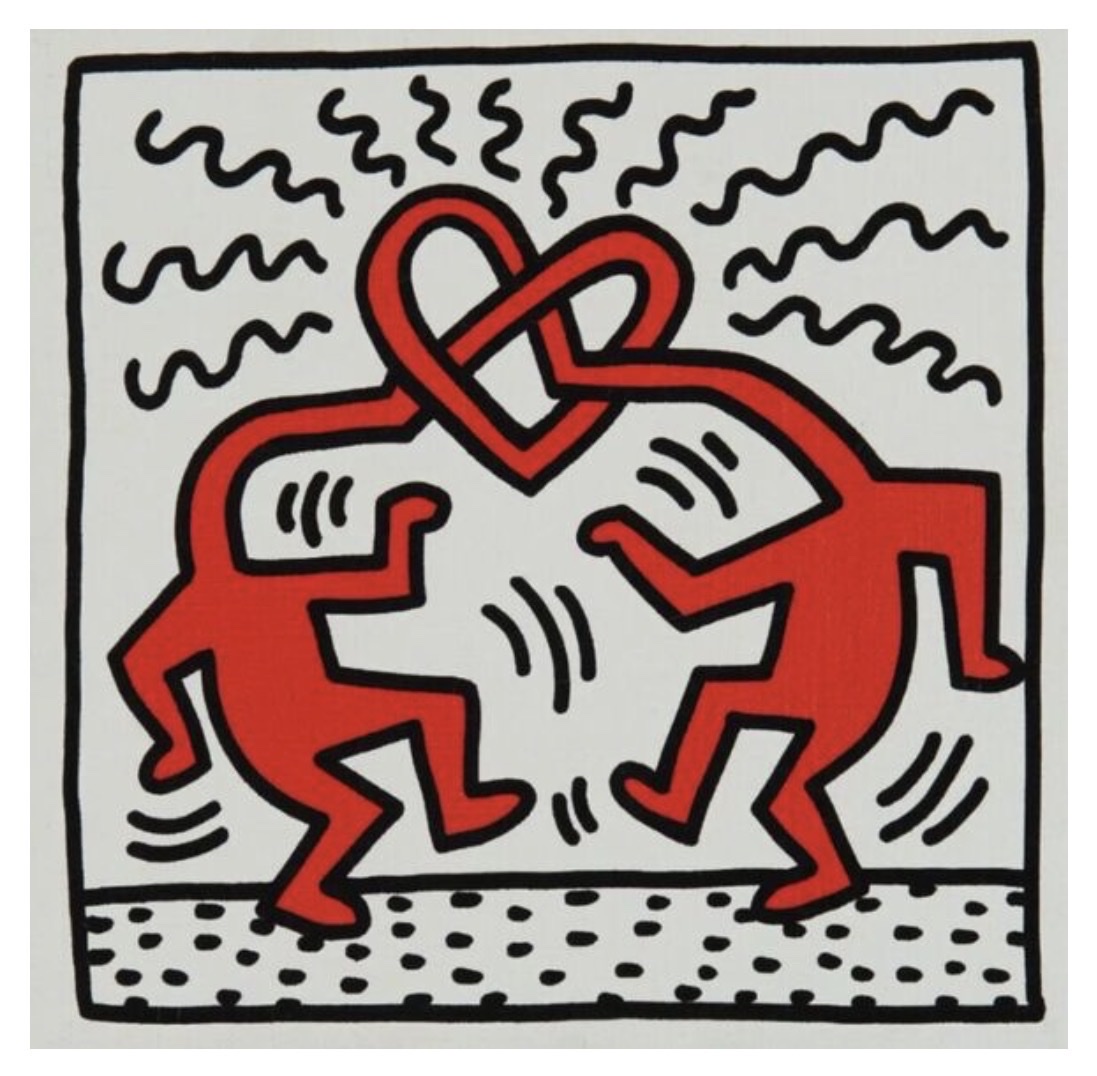
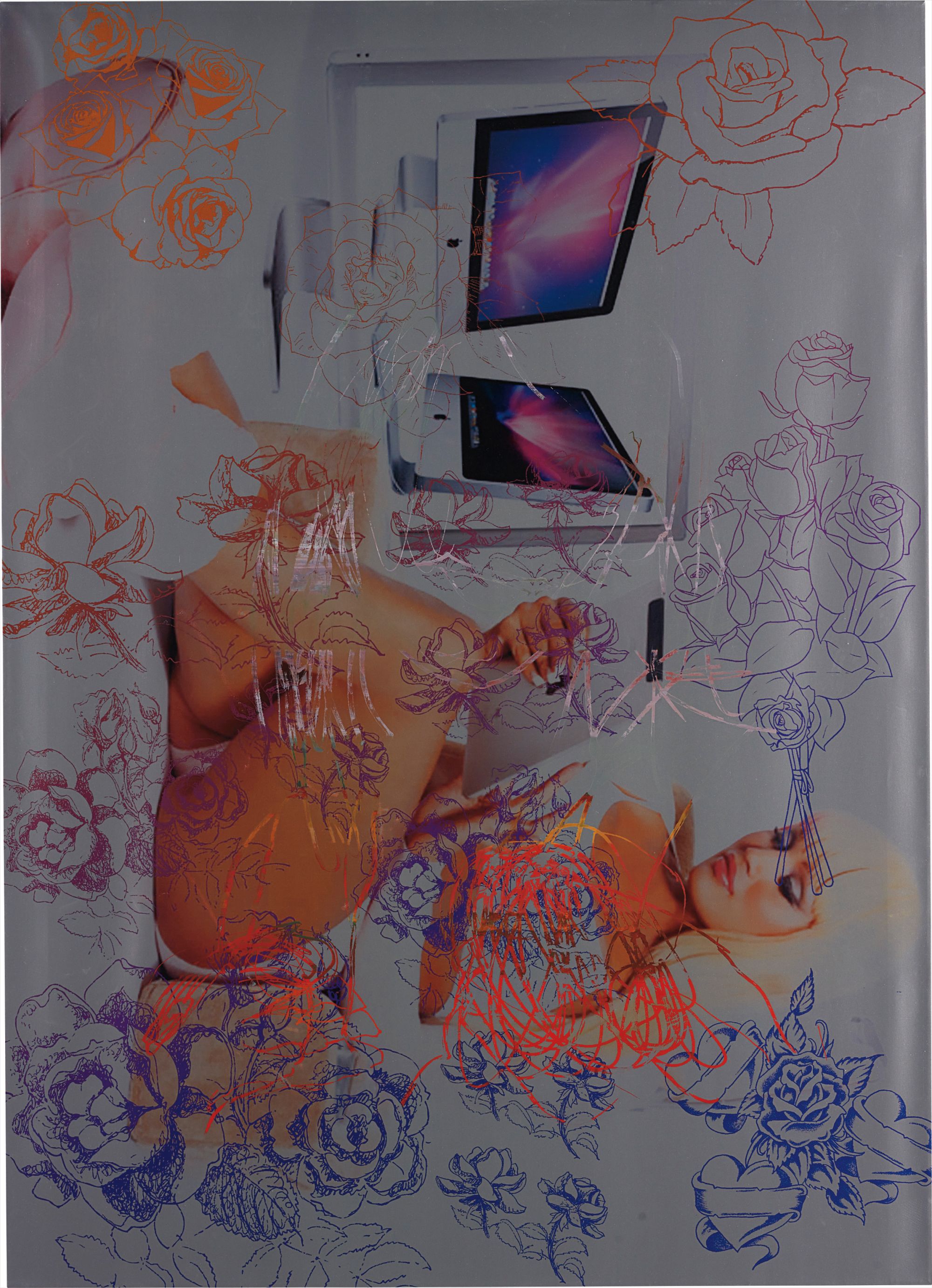
Jon Rafman has spent years excavating the stranger corners of networked culture, from his ongoing 9 Eyes project, which culls unsettling and poignant images from Google Street View, to his more recent video works that plunge into online subcultures with a mix of empathy and horror. Jordan Wolfson made works that combined digital animation, robotics, and an almost unbearable directness about violence and desire, his Female Figure from 2014 disturbing precisely because it was so technologically seamless. Oliver Laric dealt with questions of copying and authenticity in ways that felt both conceptually rigorous and genuinely playful, understanding that the internet had made the original a philosophical problem rather than a simple fact. The cultural significance of post internet art lies not just in what it made but in how it changed the terms of art world conversation.
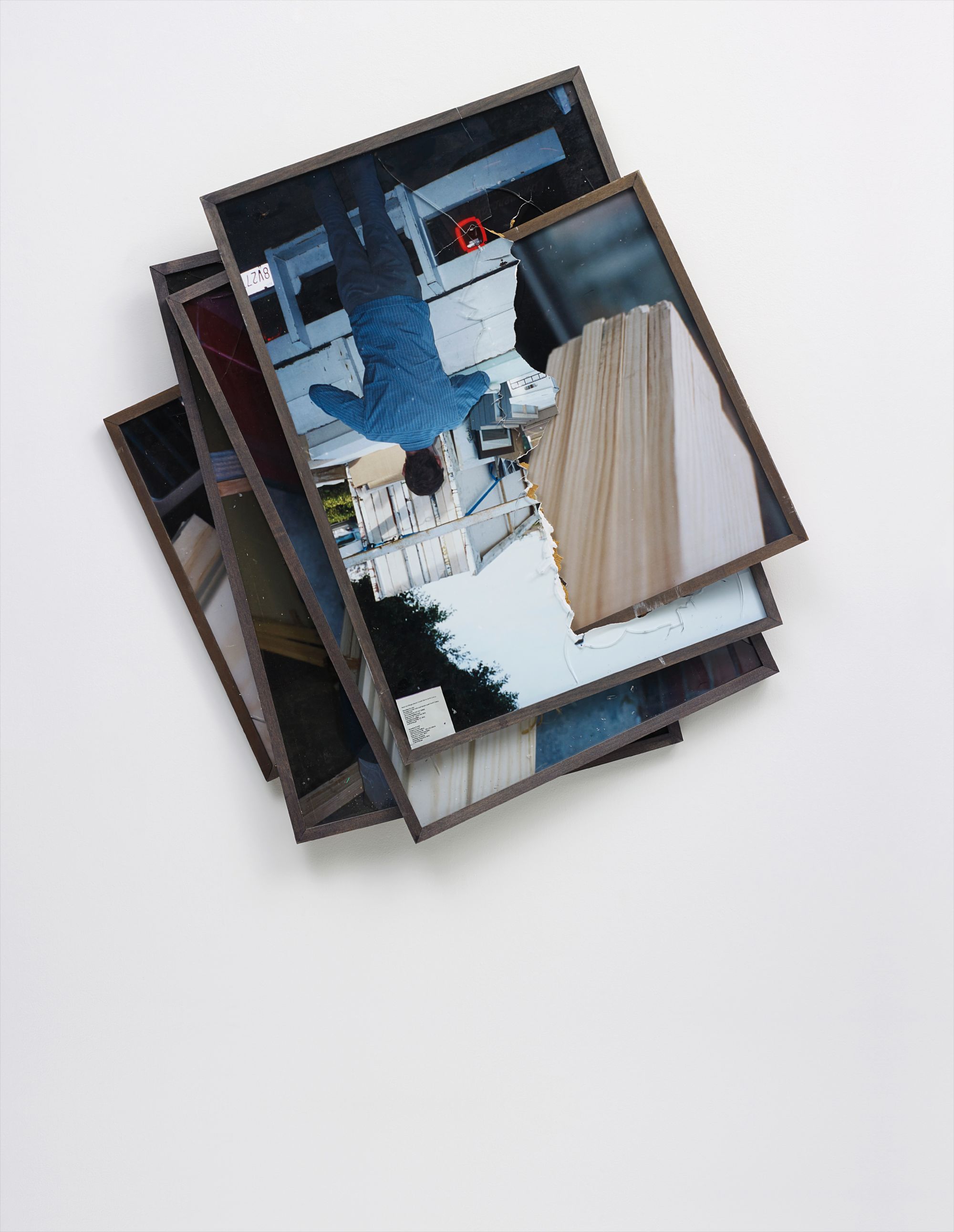
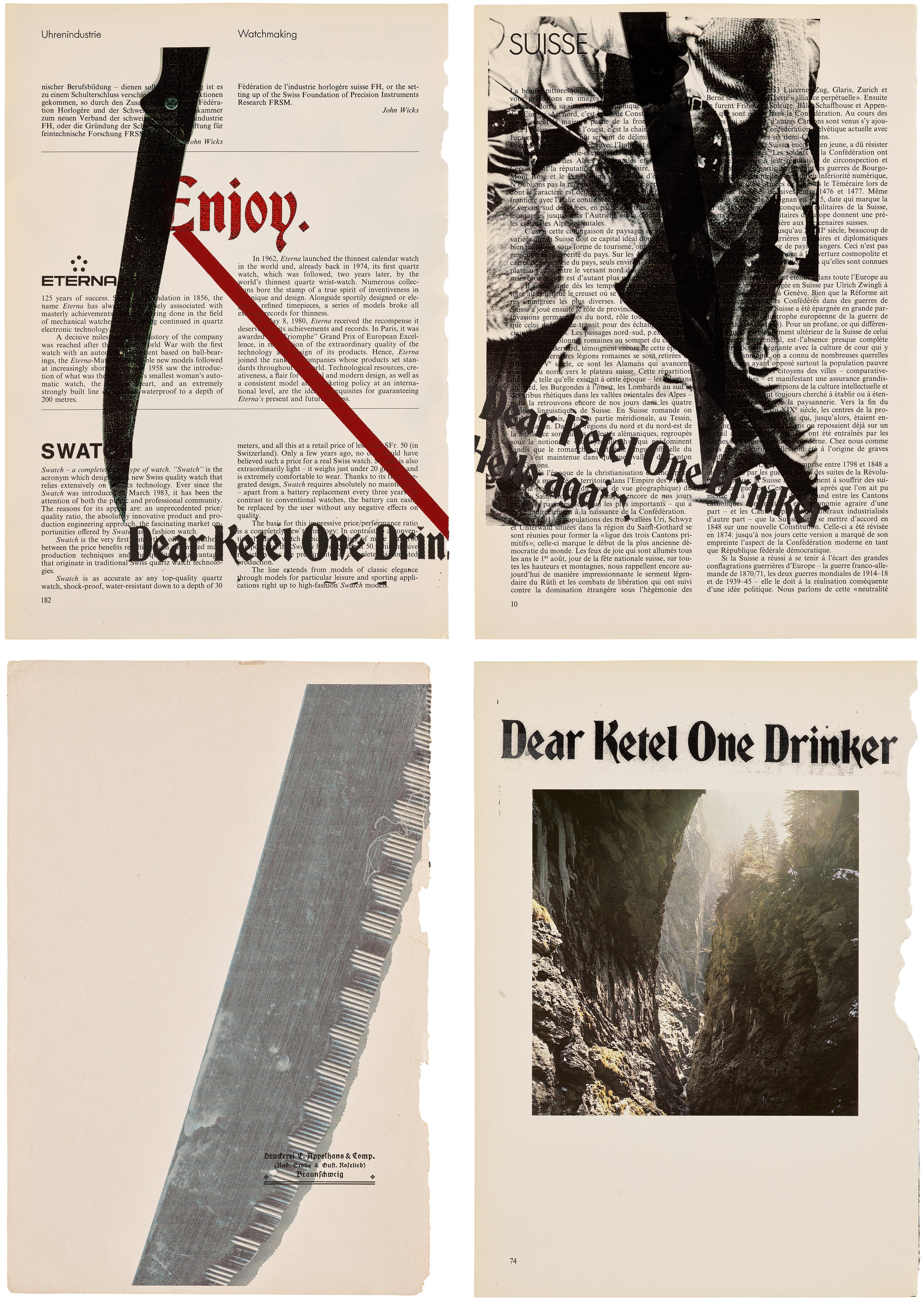
Jordan Wolfson
Untitled, 2012
It insisted that digital life was not a supplement to real life but continuous with it, that the aesthetics of the feed and the screenshot and the compression artifact were as legitimate a starting point as the brushstroke or the readymade. It also, productively, forced collectors and institutions to think harder about what it means to own a work that exists simultaneously in multiple forms, or that references a visual culture constantly shifting beneath everyone's feet. What has lasted, and what continues to feel urgent when you look at works by these artists on platforms like The Collection, is the underlying seriousness of the inquiry. Post internet art at its best was never about the internet as a novelty.
It was about what it means to be a conscious, sensing human being in a world restructured by networks, and that question only grows more pressing. The artists who asked it first, with the most rigor and the most feeling, made work that holds up not as historical artifact but as ongoing provocation. That, finally, is the measure of any significant movement.