Pictures Generation
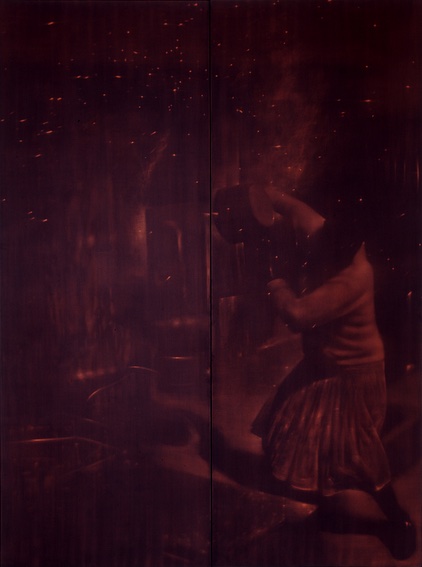
Troy Brauntuch
Untitled (Woman with Bucket), 1991

The Pictures Generation Still Has Secrets
There is something deeply seductive about living with work from the Pictures Generation, and collectors who have done it for any length of time will tell you the experience does not diminish. These are images that hold their tension. They ask you to look again, not because they are decorative or soothing, but because something in them resists full resolution. The pleasure of owning this work is partly intellectual and partly visceral, a low hum of unease that sits beneath surfaces that can appear, at first glance, almost banal.
That combination of cool appearance and psychological charge is rare in any movement, and it is a large part of why serious collectors keep returning to it. The Pictures Generation emerged from a specific moment in New York, loosely crystallized around the 1977 exhibition Pictures at Artists Space, organized by critic Douglas Crimp. The artists associated with it, including Sherrie Levine, Robert Longo, Cindy Sherman, Barbara Kruger, and Richard Prince, were grappling with a world already saturated in mediated imagery. Television, advertising, film stills, news photography: these were the raw materials of consciousness for a generation that had grown up inside the image economy.
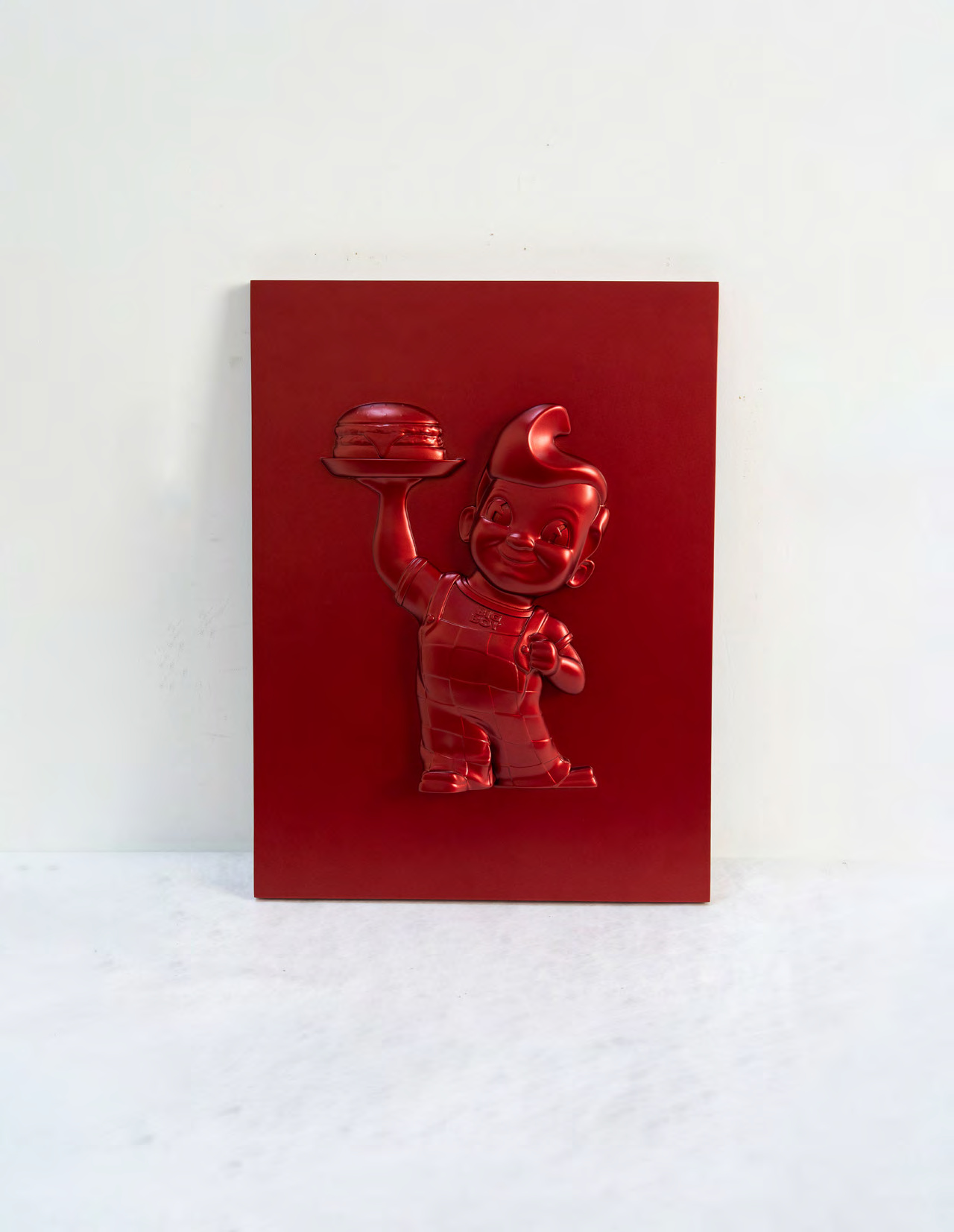
Robert Longo
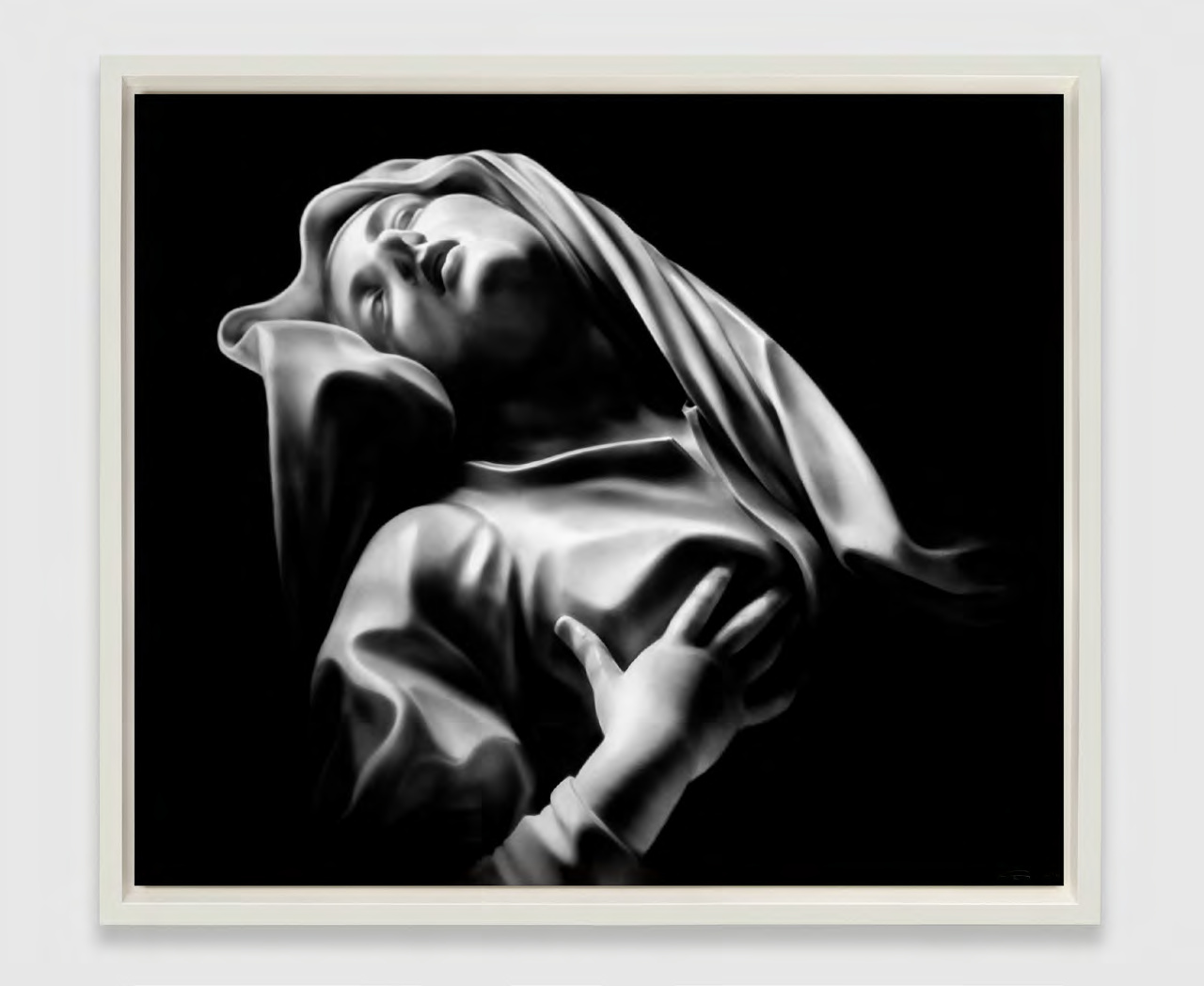
Bob's Big Boy (Portrait of American President), 2026
Rather than resist that saturation, these artists went straight into it, appropriating, reframing, and interrogating imagery until its ideological freight became visible. The result was a body of work that feels as urgent now as it did then, perhaps more so. What separates a good work from a great one in this territory comes down to the quality of the conceptual pressure. A strong Pictures Generation work does not merely reproduce or appropriate.
It creates a situation in which the viewer becomes aware of their own position as a consumer of images, a subject formed by visual culture. Look for works where the tension between what is depicted and how it is depicted is unresolved and generative. Scale matters enormously. Many of the most important works in this mode were conceived at a scale that commands physical presence, works meant to implicate the viewer rather than invite their comfortable contemplation.
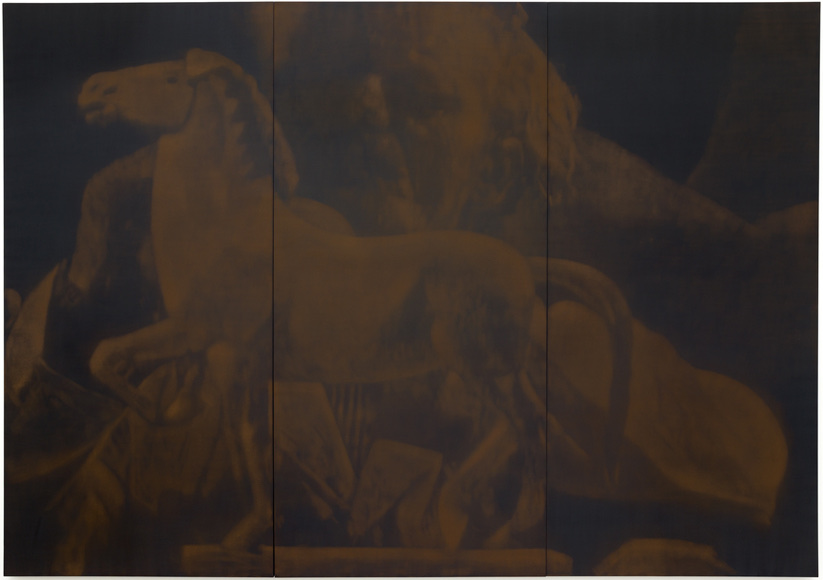
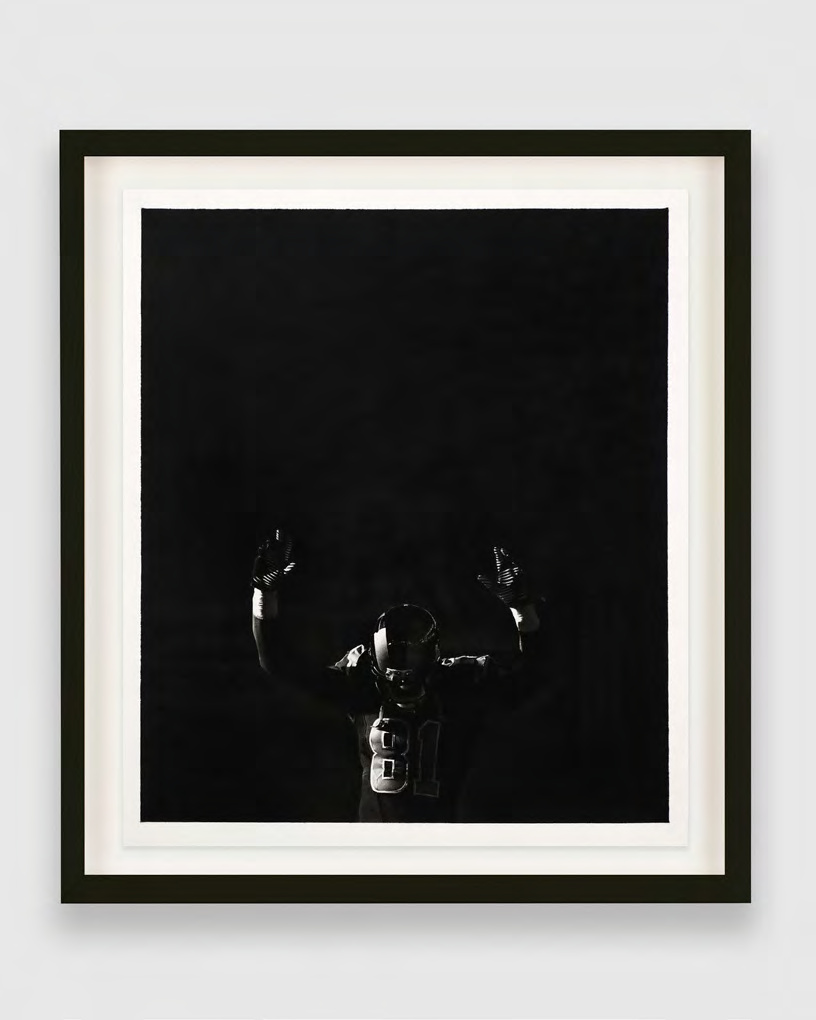
Troy Brauntuch
Untitled (Horse), 2017
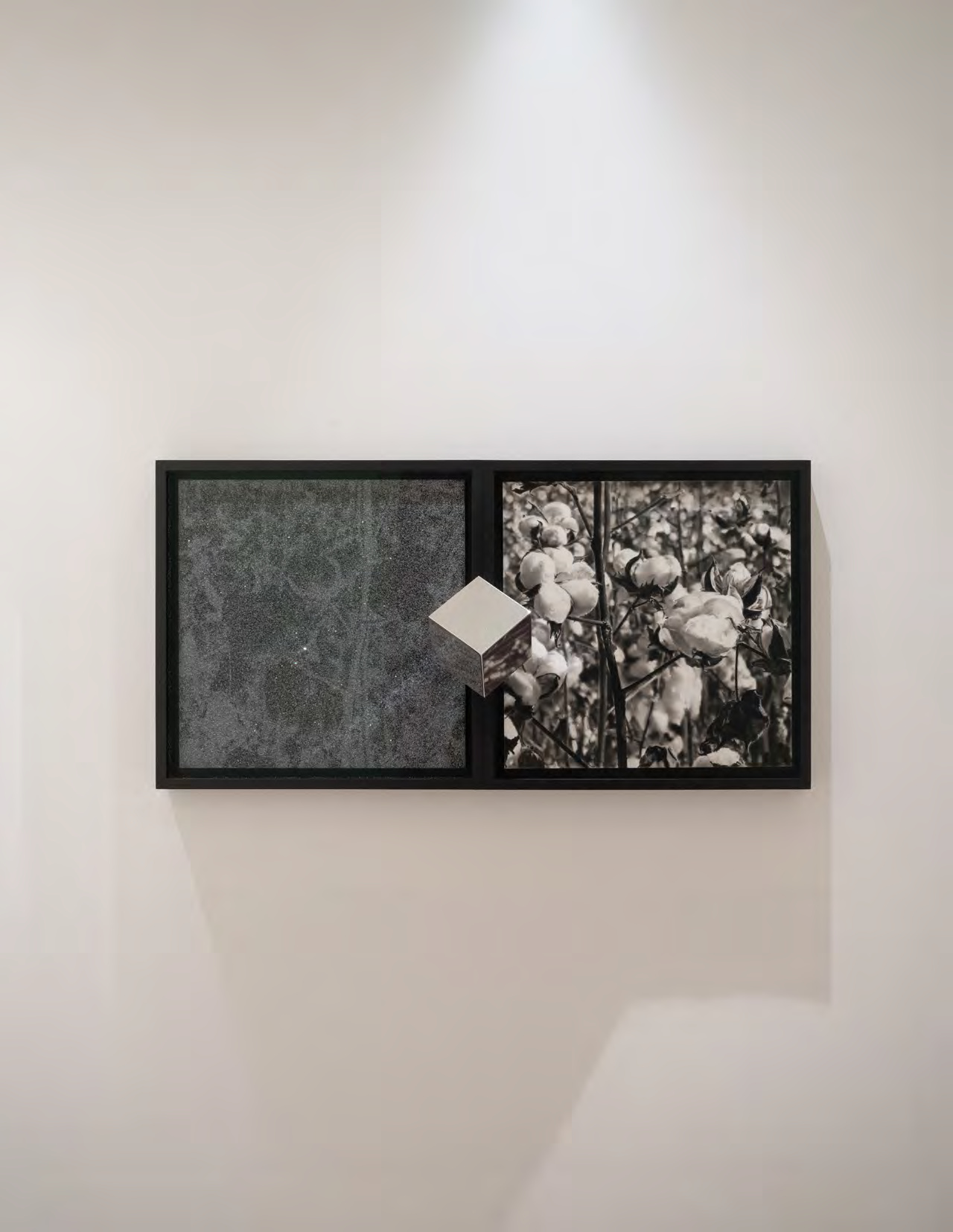
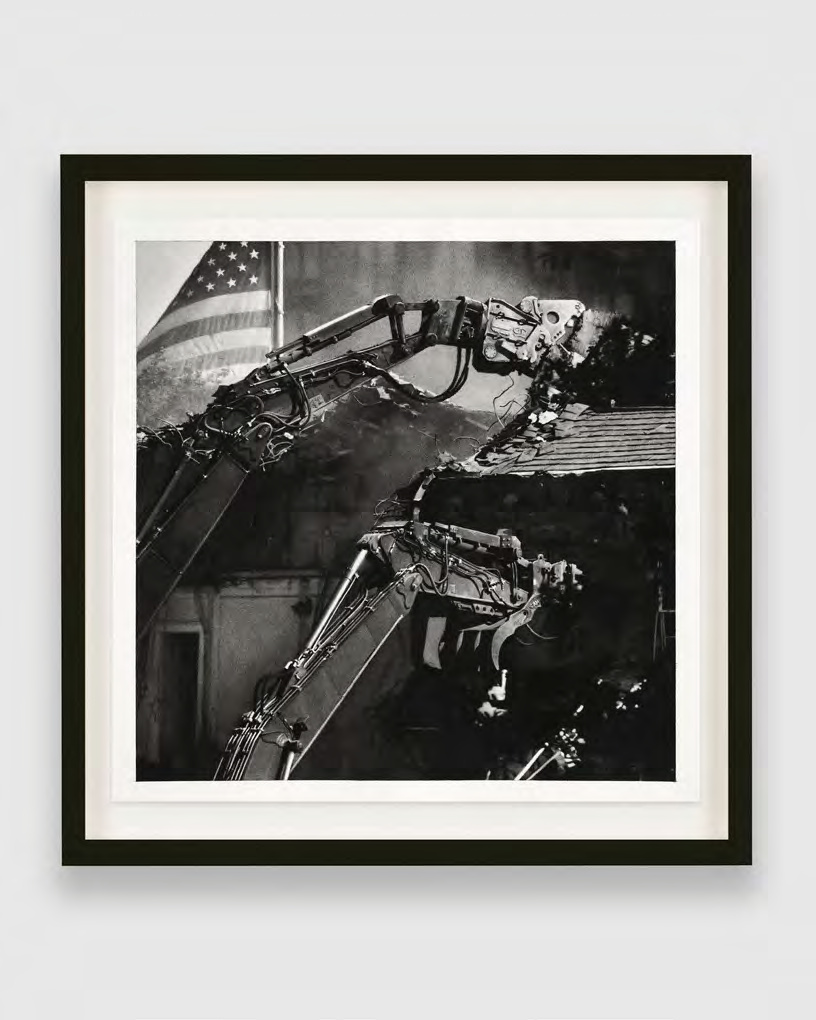
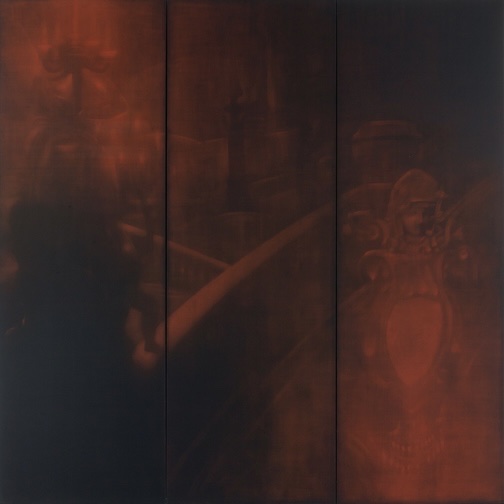
Provenance and exhibition history also carry unusual weight here because so much of the discourse around this movement developed in real time through critical writing and gallery programs in New York during the late 1970s and 1980s. Troy Brauntuch is an artist whose work rewards sustained attention and whose presence on The Collection represents a genuine opportunity for collectors thinking carefully about this territory. Brauntuch was one of the five artists in that original 1977 Pictures show, which gives his work a documentary significance within the movement's history. His approach is distinctive even among his peers: he works from photographs, often sourced from charged historical material, rendering them in graphite or printing them on black velvet or fabric supports in ways that make the imagery almost impossible to see directly.
The images hover at the threshold of legibility. They require effort, patience, and a willingness to sit with difficulty. That quality is precisely what makes them compelling to live with, and it is also what has kept Brauntuch somewhat underrecognized relative to peers who achieved broader commercial visibility. His market has historically been quieter than those of Sherman or Prince, which means collectors who do the work of understanding his practice can still access it at prices that will almost certainly look different in a decade.
At auction, Pictures Generation works across the board have performed with considerable strength over the past two decades, though the market is not uniform. Cindy Sherman's large format Untitled Film Stills and subsequent series have achieved prices at the very top of the contemporary market, and Richard Prince's rephotography works have generated both record prices and substantial legal controversy, which has itself become part of their cultural profile. Works by Levine and Longo have also traded actively and appreciably. The secondary market for Brauntuch is more selective, which is characteristic of artists whose work requires contextual knowledge to appreciate fully.
When strong examples do appear, they tend to find buyers who have been waiting, and prices reflect a collector base that is committed rather than speculative. For collectors entering this space, condition considerations are significant. Works on paper and photographic works require careful environmental controls, as do works on unconventional supports like the velvet and fabric Brauntuch favors. Ask galleries directly about storage history, any history of light exposure, and whether the works have been examined recently by a conservator.
For photographic works, the distinction between unique prints, artist proofs, and editions is critical: always clarify the edition size and where in the edition the specific work sits. Earlier prints from an edition, particularly those made under the supervision of the artist shortly after the negative was produced, tend to hold greater significance both critically and commercially. The question of display is worth thinking through before you commit. Works from this movement were often conceived in dialogue with the white cube gallery context and with ideas about how institutional spaces produce meaning.
That does not mean they require a clinical environment at home, but it does mean they tend to reward thoughtful placement. A Brauntuch work placed where it catches ambient light at an angle will reveal things a flat, even installation might suppress. Give this work room to breathe and, more importantly, room to be looked at slowly. For collectors watching for emerging opportunities in this territory, the most interesting younger artists are those who have absorbed the Pictures Generation's critical logic while translating it into the present image environment, where the conditions of saturation and appropriation have become almost unimaginably more complex.
Social media platforms, algorithmic image feeds, and the collapse of the distinction between producer and consumer of images have created a new landscape that some painters and photographers are beginning to navigate with genuine rigor. The critical frameworks developed by the Pictures Generation artists and by the writers around them, October magazine above all, remain the essential vocabulary for evaluating this work. Collectors who have spent time with foundational works will find themselves unusually well positioned to recognize when something in the younger generation is doing it with real intelligence.