Photographic Series
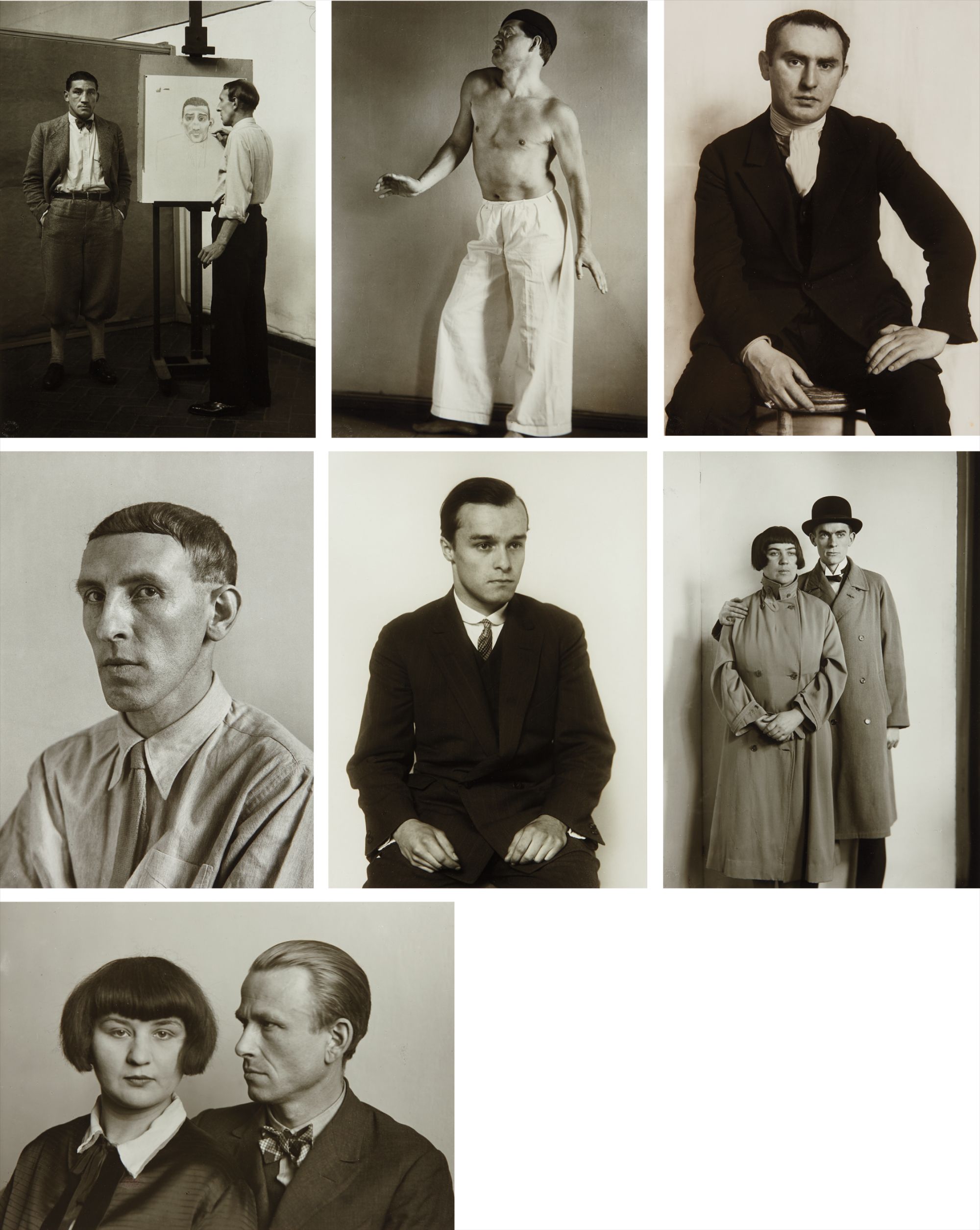
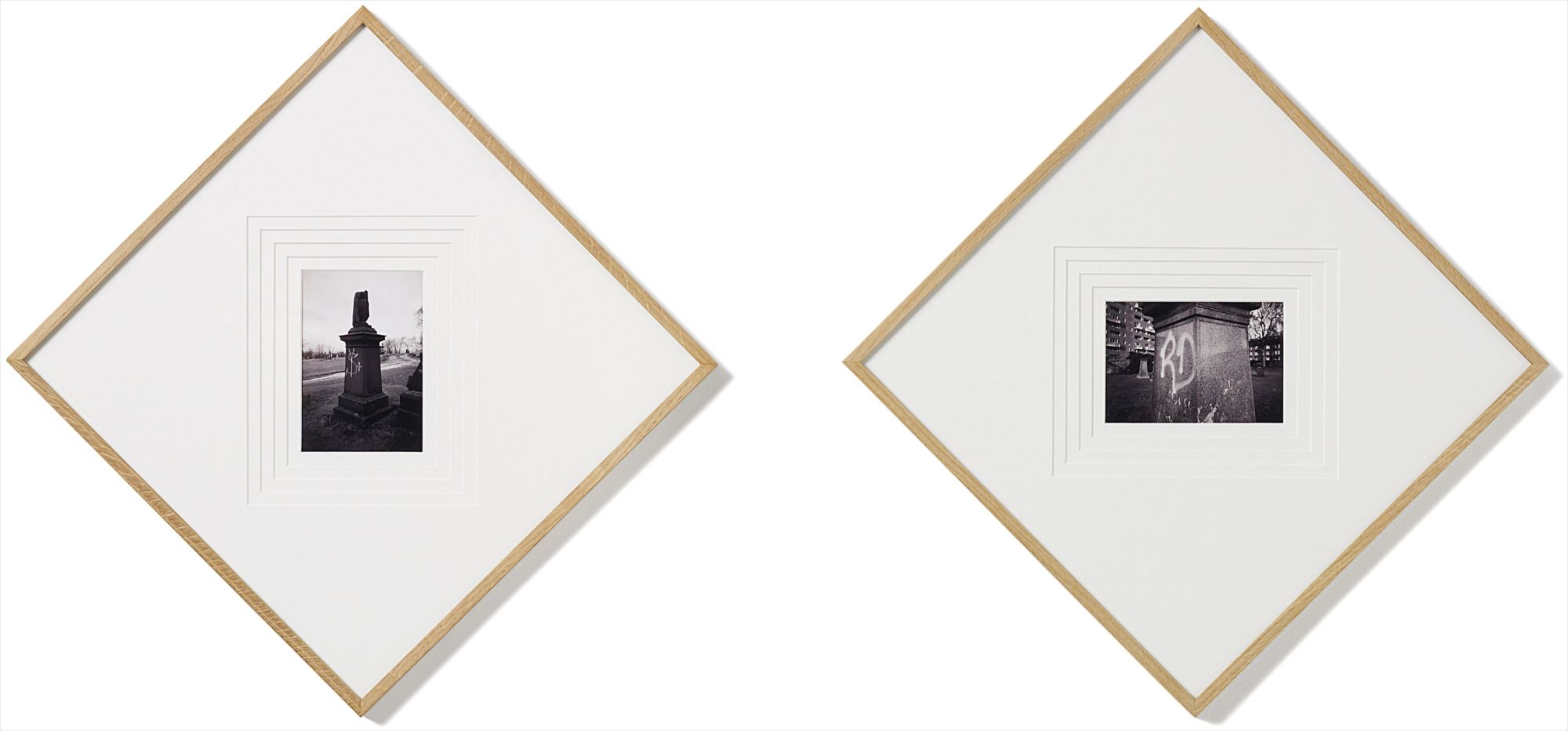
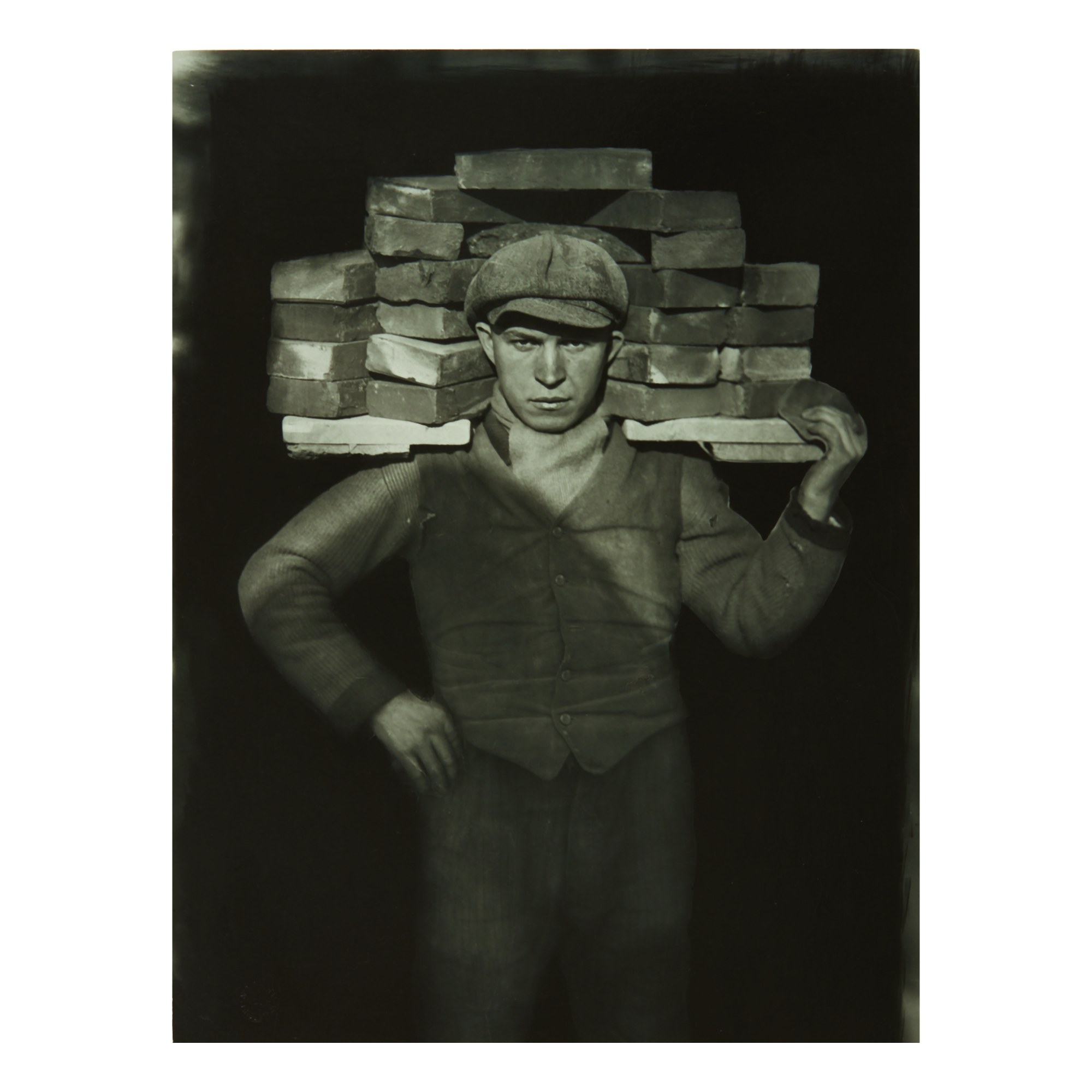
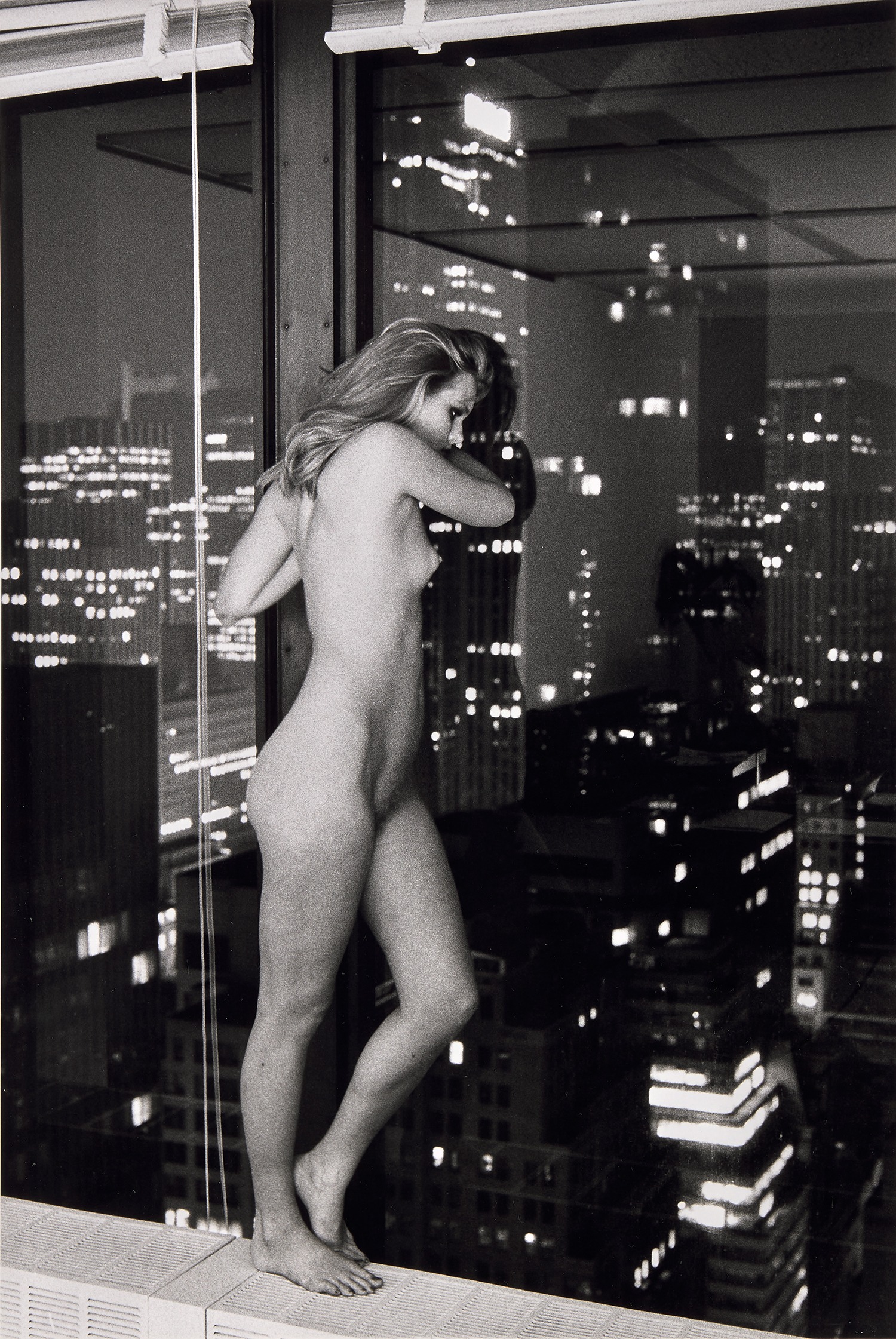
August Sander
Portraits of Artists


The Series That Changes Everything You See
There is a particular kind of collector who discovers, usually by accident, that a single photograph on a wall leaves them wanting more. Not a different photograph, but the next one. And then the next. This is the essential seduction of the photographic series: it trains you to look differently, to understand that meaning accumulates across images rather than residing in any single frame.
Living with a cohesive body of sequential or thematically linked photographs is one of the most intellectually rewarding experiences collecting has to offer, and among the most underestimated. Collectors drawn to photographic series often describe a similar feeling: the work gives back more the longer you spend with it. A single print from August Sander's monumental project People of the Twentieth Century commands respect on its own, but understanding that it belongs to an attempt to catalogue an entire society through portraiture changes how you read every face in it. The individual image becomes a node in something larger.
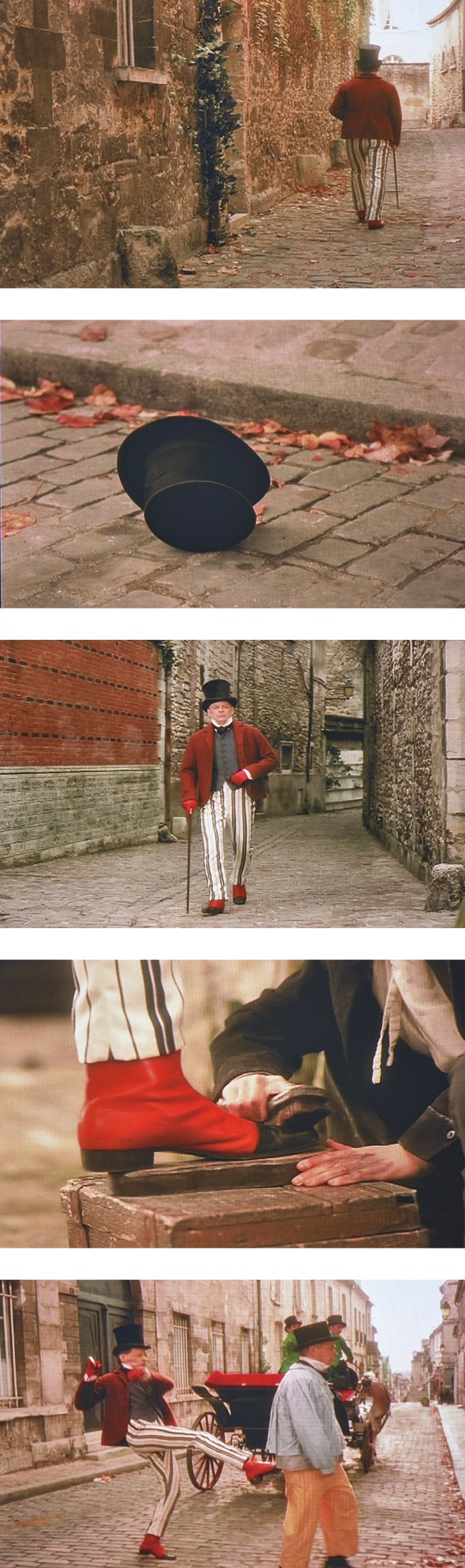
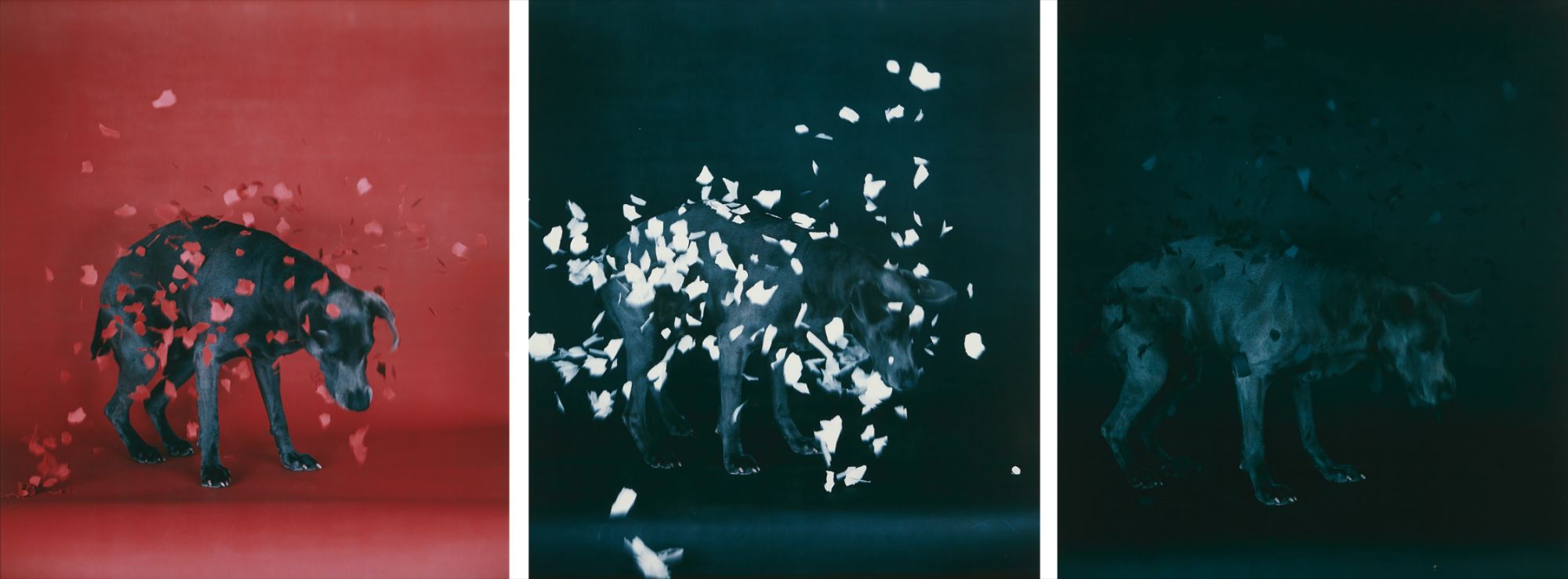
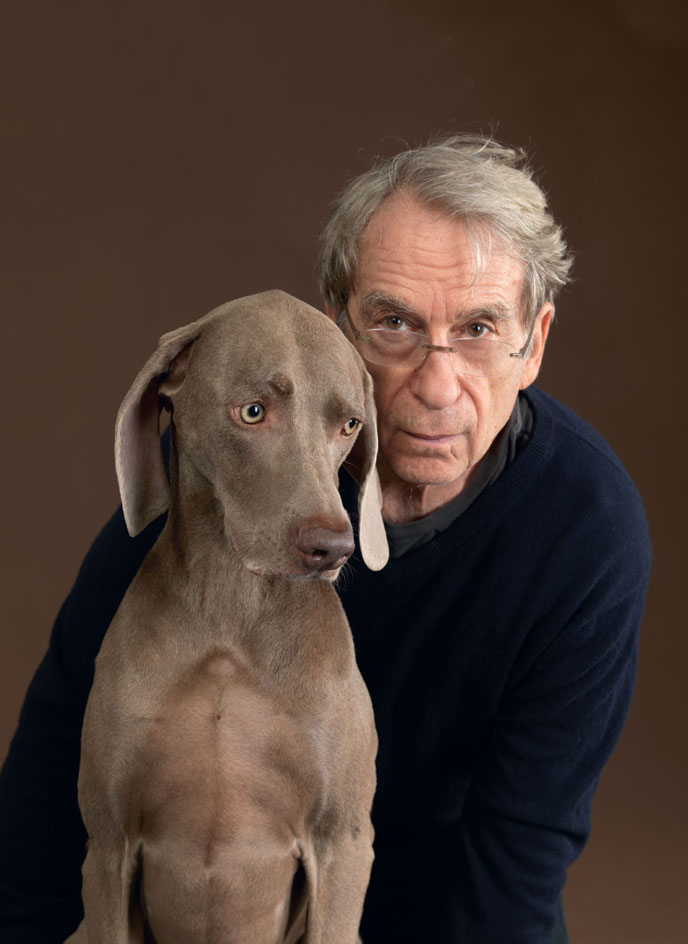
Sharon Lockhart
c-print, 2001
This layered quality, where the part speaks to the whole and the whole reframes the part, is what separates the photographic series from almost any other collecting category. What separates a good work from a great one in this space has less to do with technical virtuosity than with conceptual necessity. The best series feel like they could not have been made any other way, as though the form itself was invented to hold the idea. Sharon Lockhart's long durational projects, for instance, use the sequence to collapse time and complicate the boundary between documentary and staged imagery.
When you are evaluating a series for acquisition, ask yourself whether the logic of sequencing is doing genuine work, or whether the images are simply grouped by subject. Proximity to a theme is not the same as structural thinking. Among the artists well represented on The Collection, several reward sustained collector attention. Nan Goldin's work, even in individual prints, carries the weight of an ongoing visual diary that spans decades, and understanding its serial nature transforms how any single image reads.
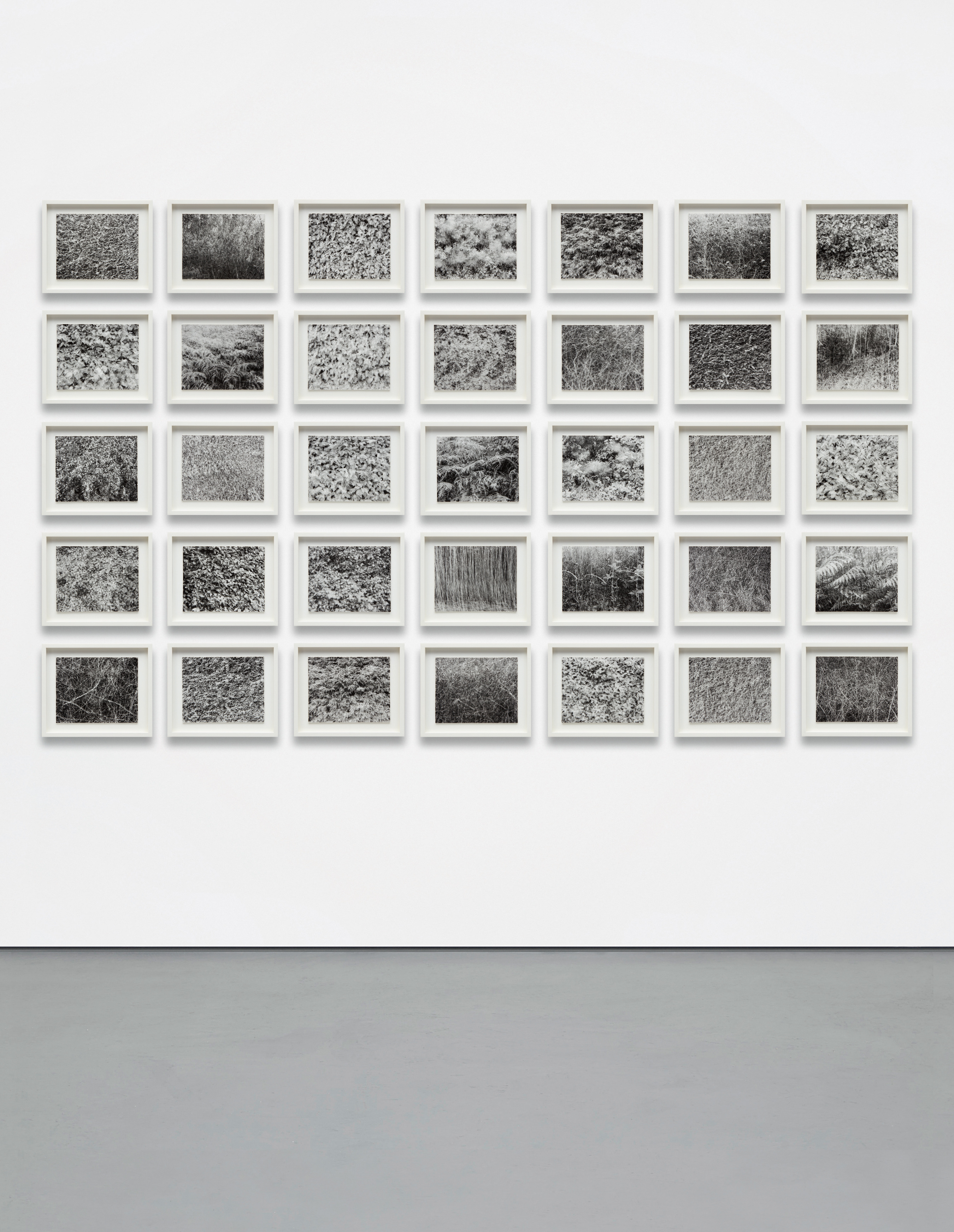
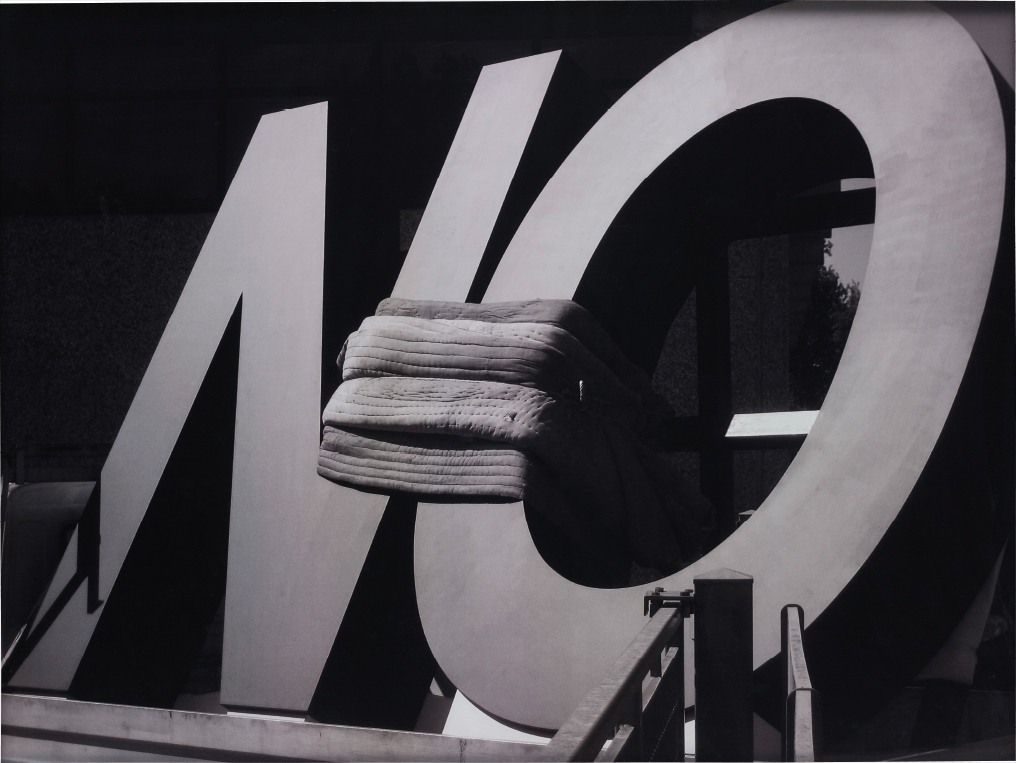
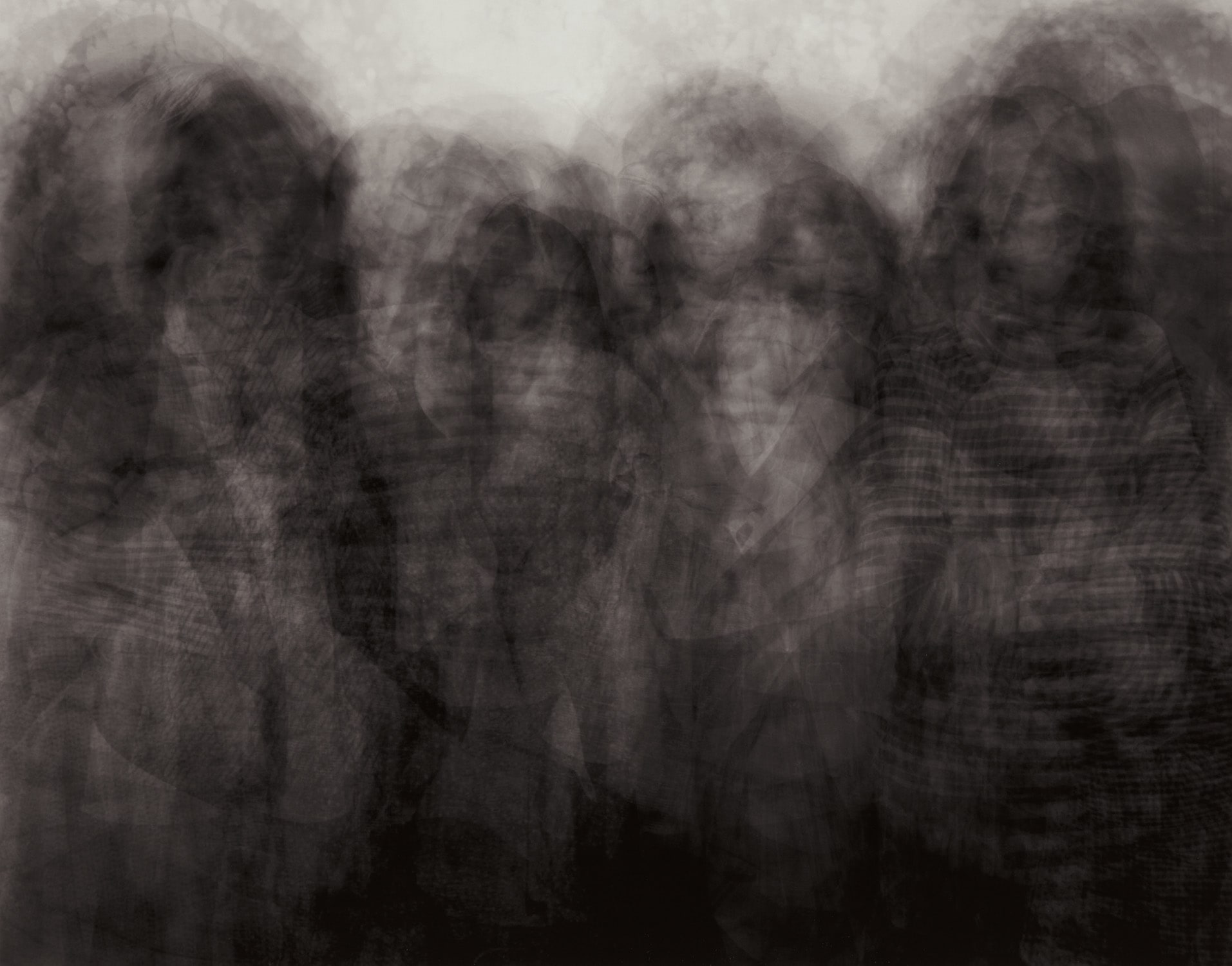
Idris Khan
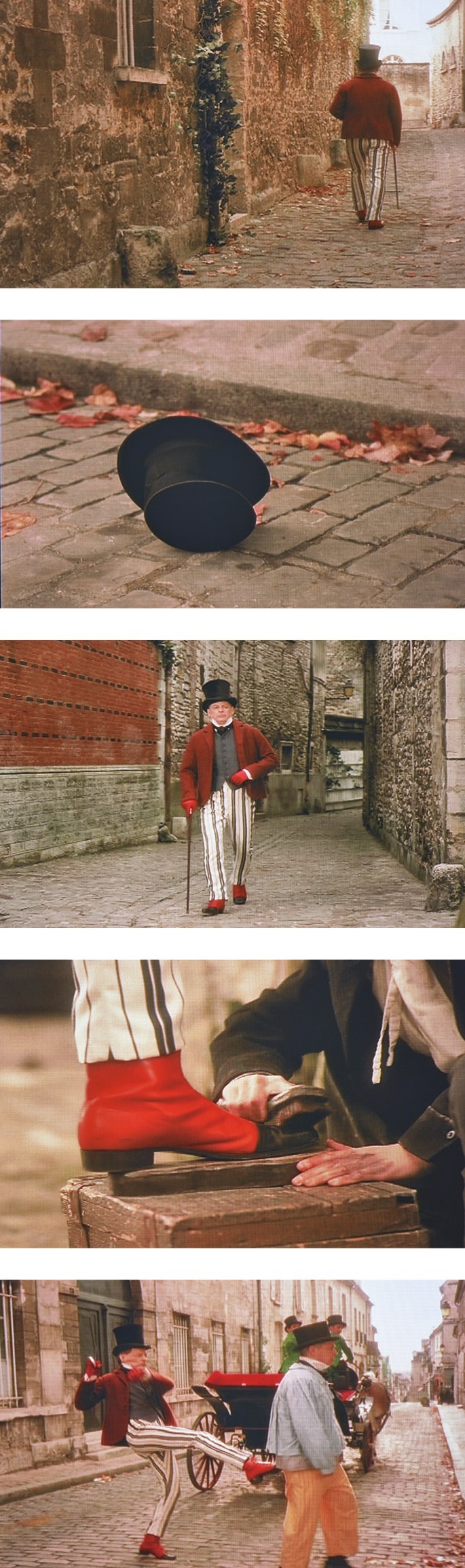
As Salaamu ‘alaikum wa rahmatulaah...Peace and blessings of God be upon you
Garry Winogrand's street photographs, made at a pace that was itself a kind of method, gain enormous resonance when encountered in sequence. Idris Khan has built an entire practice around the layering and compression of serial imagery, making explicit what other photographers leave implicit: that the series is where photographic meaning lives. And Gerhard Richter, approaching photography from the position of a painter, understood early that sequencing images was a way of undermining their documentary authority while simultaneously honoring it. For collectors willing to look beyond the established names, there are serious opportunities.
Rosângela Rennó has spent her career working with found and archival photography in ways that challenge authorship and memory, and her institutional profile in South America and Europe outpaces her recognition in the primary English language market. This kind of gap between critical standing and market price is exactly where thoughtful collectors find the most rewarding acquisitions. Bruno V. Roels works at the intersection of photography and conceptual art in ways that feel genuinely necessary right now, and his edition sizes and prices reflect a market that has not yet caught up with the ambition of the work.
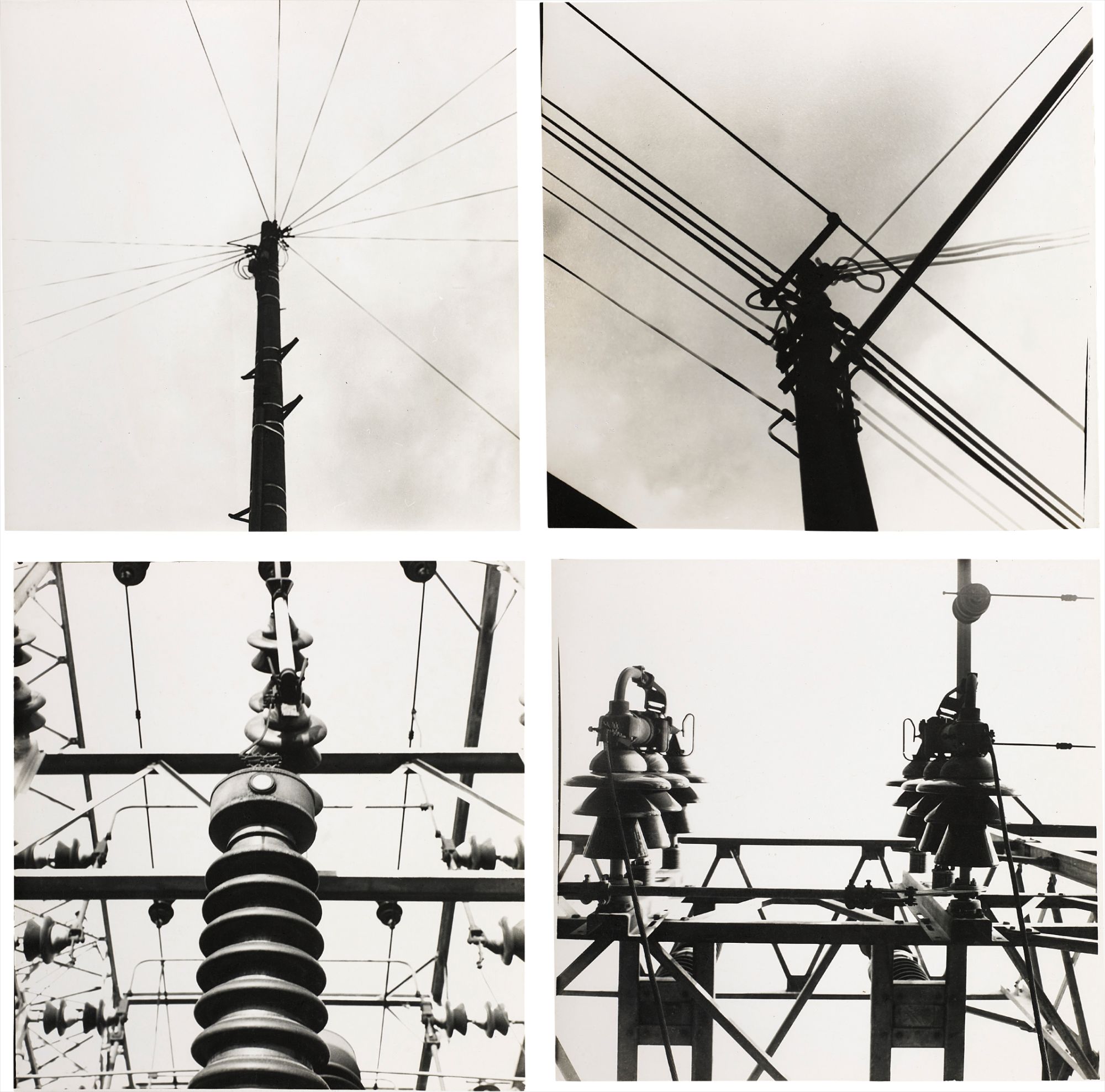
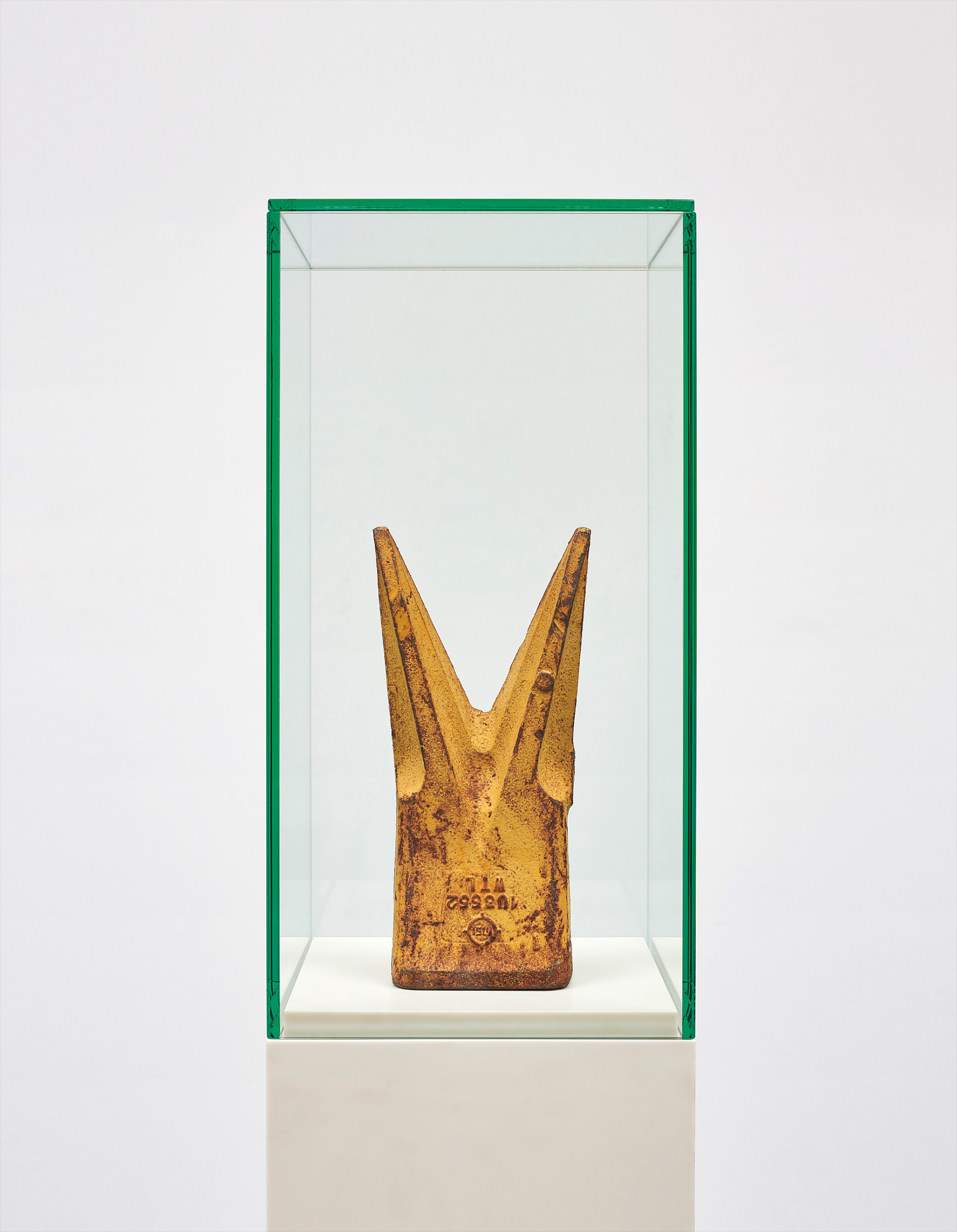
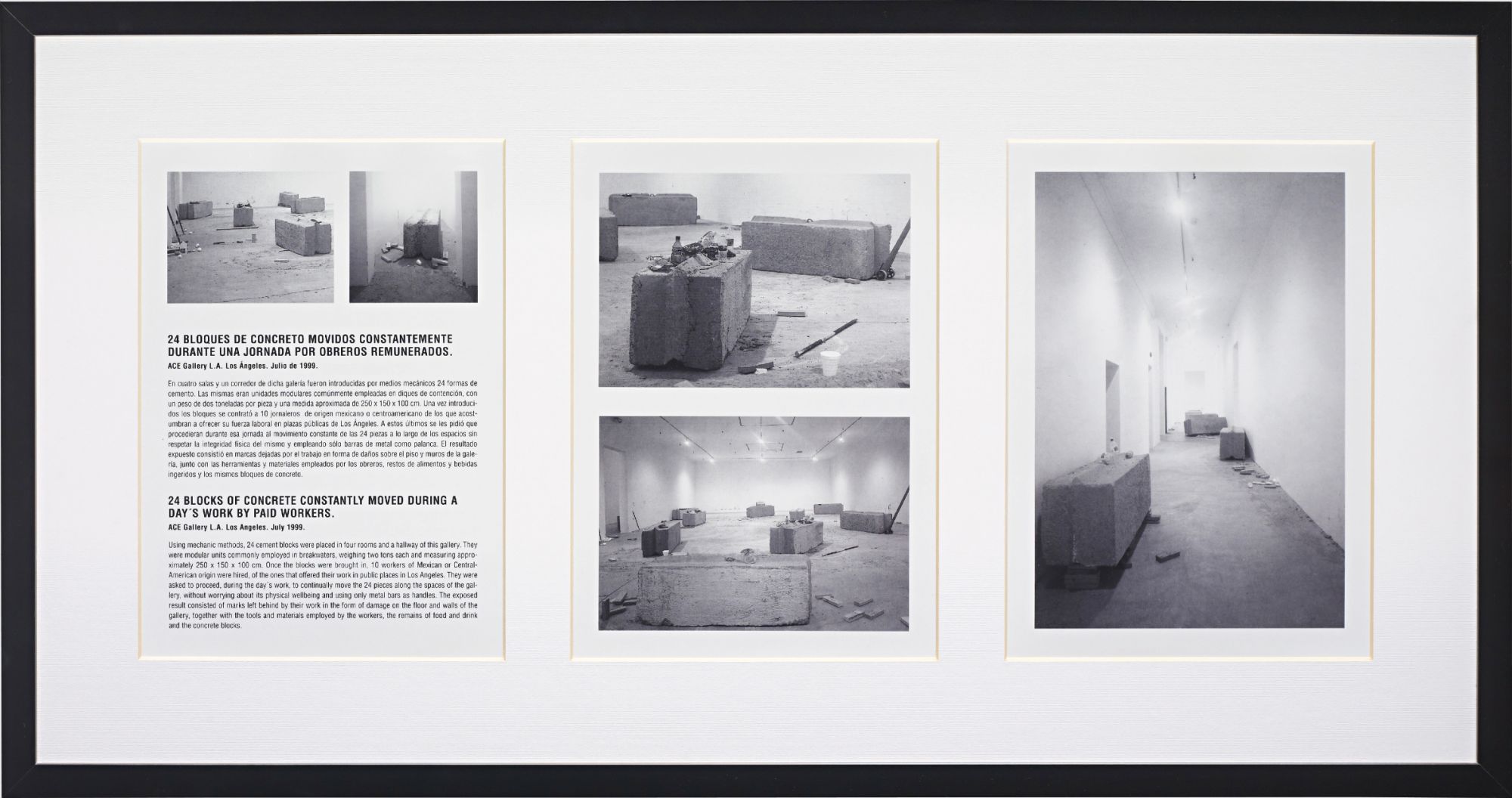
Jorge Ortiz
Cables
Jorge Ortiz offers another compelling case: a photographer engaging seriously with questions of landscape, labor, and visibility whose work has been collected by institutions but remains accessible at the primary market level. The secondary market for photographic series has matured considerably since the early auction sales of the 1970s, when photography was still fighting for legitimacy in the saleroom. Today, cohesive groups or full series consistently outperform individual works from the same edition at major houses, sometimes dramatically so. Collectors who acquire strategically, building depth in a single body of work rather than scattering across names, have seen this pay off over time.
The challenge is that great series are rarely offered complete on the secondary market, which means the primary market relationship matters enormously. When a dealer offers you the chance to acquire multiple works from a single project, that is worth taking seriously. Condition is where photographic collecting requires particular discipline. Chromogenic prints are vulnerable to fading in ways that affect value significantly, and early works by artists like Helmut Newton or Bruce Davidson require careful provenance and condition research before acquisition.
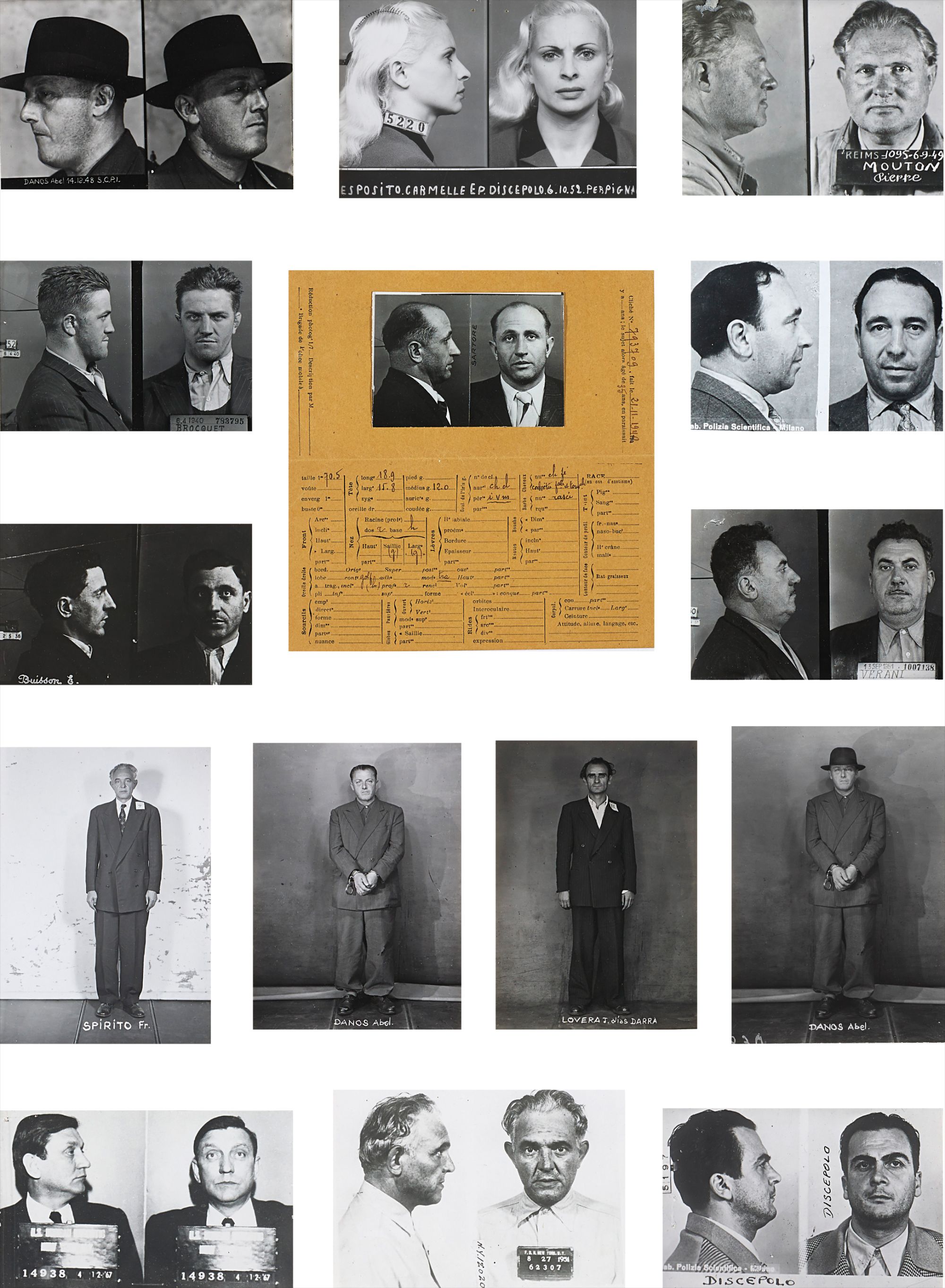
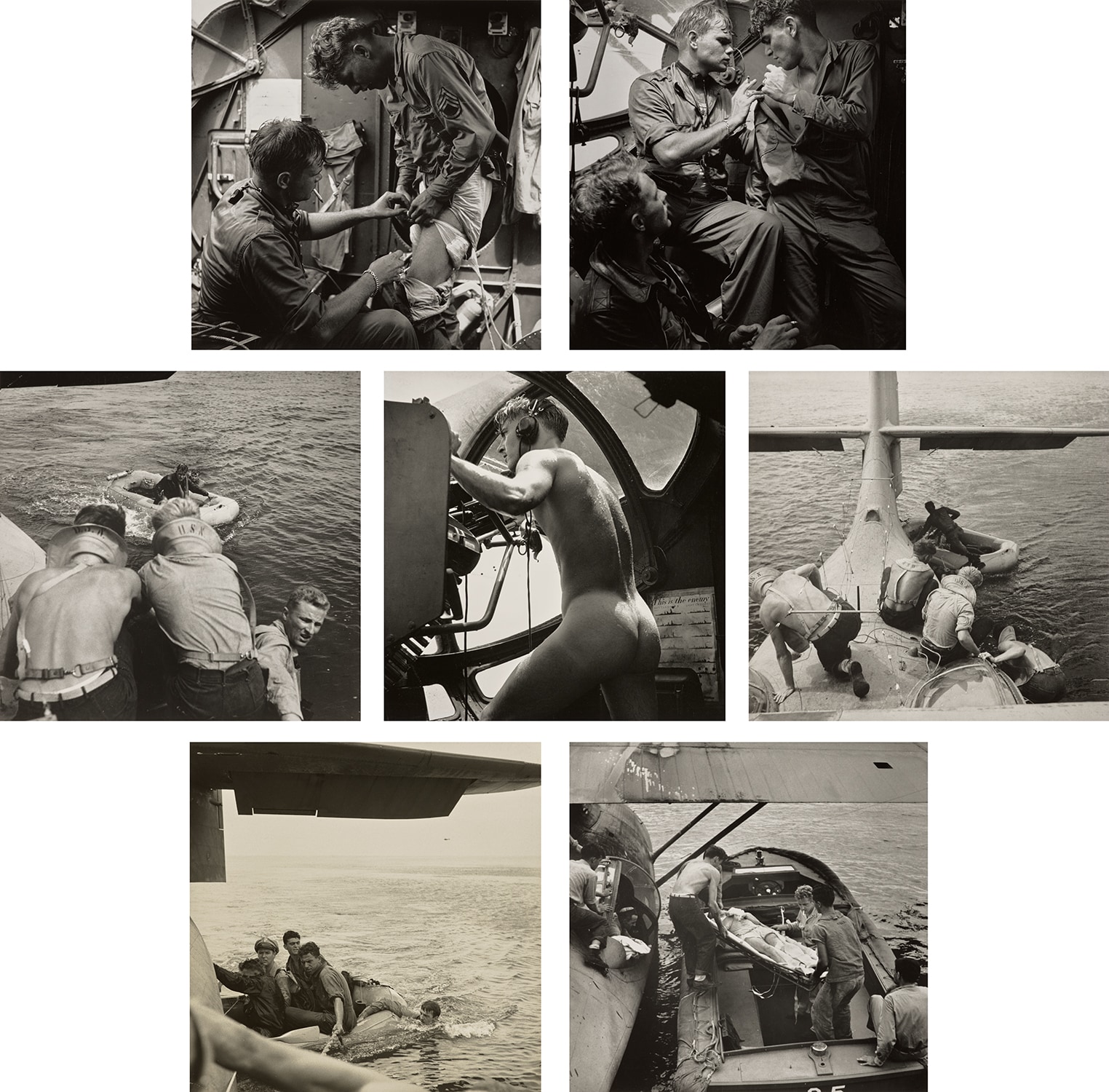
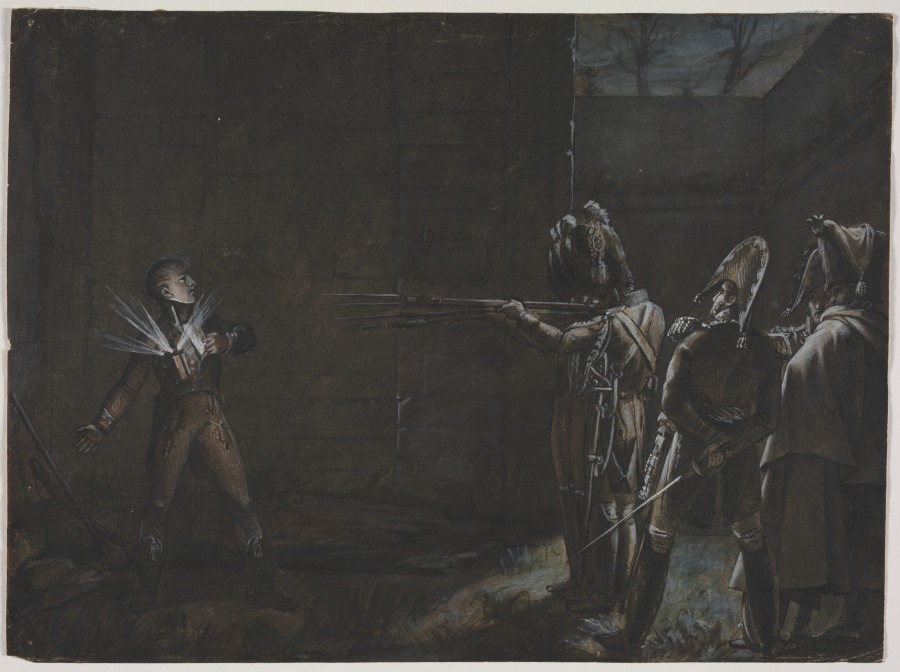
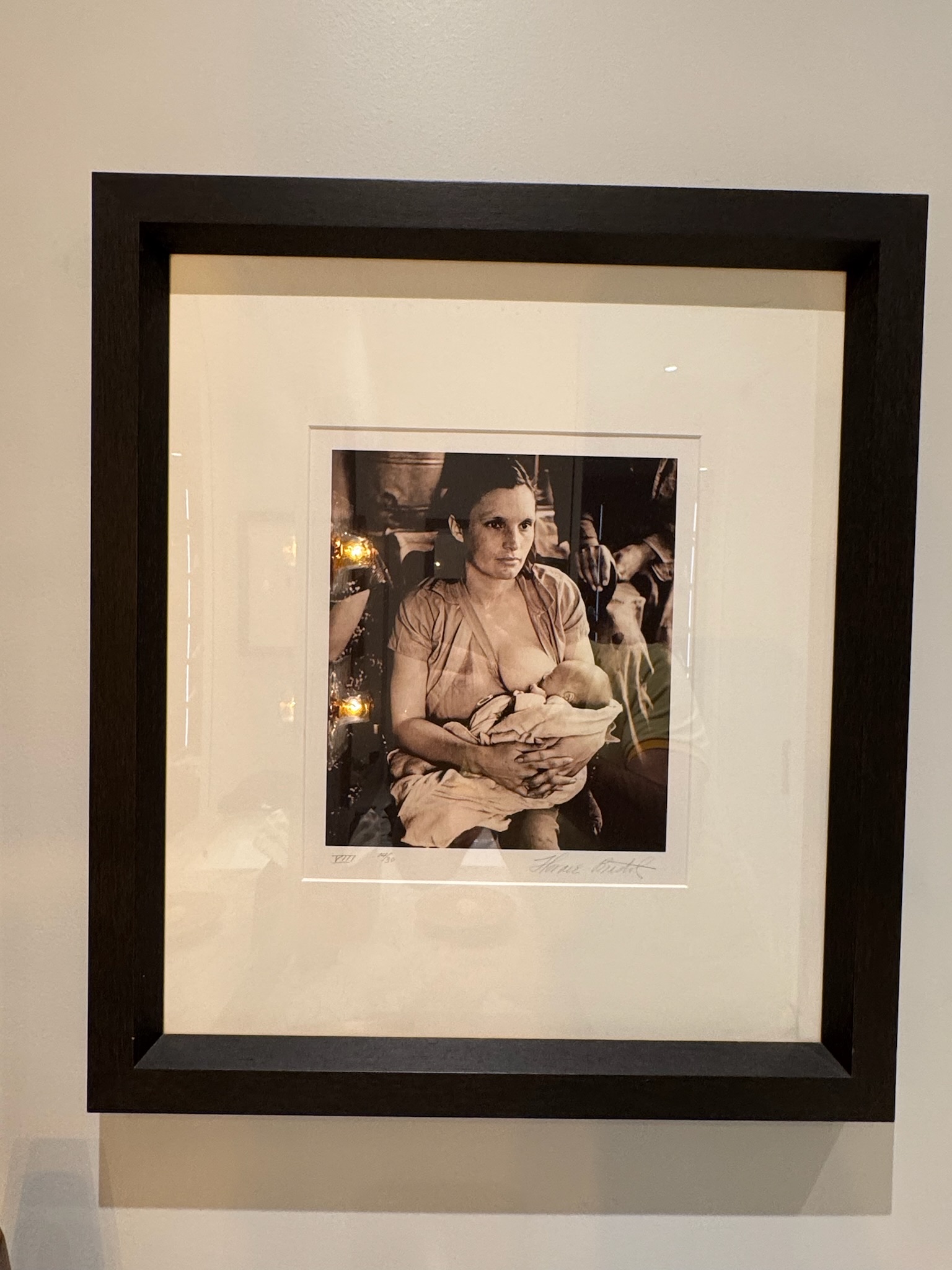
Anonymous
1940s-1960s
Cibachrome and dye transfer prints from the 1970s and 1980s can be remarkably stable when stored correctly, but the question of exhibition history matters: how long has a work been on display, and under what light conditions? Always ask a gallery for condition reports and, for significant acquisitions, commission an independent assessment from a conservator who specializes in photographic media. The edition structure matters too. A work from a small edition with a clear numbering history is a meaningfully different investment than an open edition print, even when the images are visually identical.
Display is a question that collectors of photographic series often underestimate until they are living with the work. A sequence requires physical arrangement that honors its logic, which means thinking carefully about spacing, hanging height, and whether the works should be framed identically or allowed some variation. Many serious collectors find that a dedicated wall or even a room devoted to a single series creates a viewing experience that justifies the commitment. Lighting deserves professional attention: UV filtering is essential for works on paper, and the directionality of light changes how photographic surfaces read.
Some finishes, particularly metallic or glossy surfaces, need to be hung with the angle of light in mind or they simply will not be legible. The question worth asking any gallery before you acquire is this: what is the artist's relationship to this specific body of work now? A series that an artist considers complete and closed has a different market trajectory than one that is ongoing or that the artist has publicly disavowed. Understanding where a work sits within the full arc of a practice is the kind of context that separates an informed acquisition from a lucky one.
Photographic series reward this kind of research, and they reward the collectors who approach them with the same sustained attention the best artists brought to making them.