Photoetching
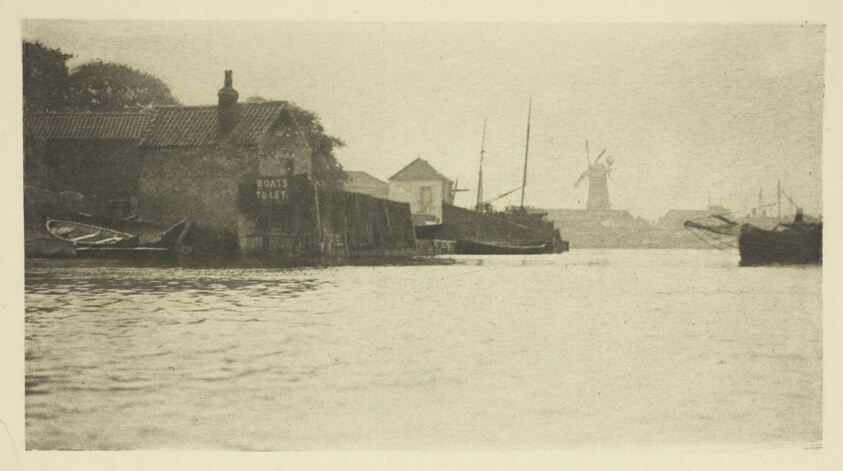
Peter Henry Emerson
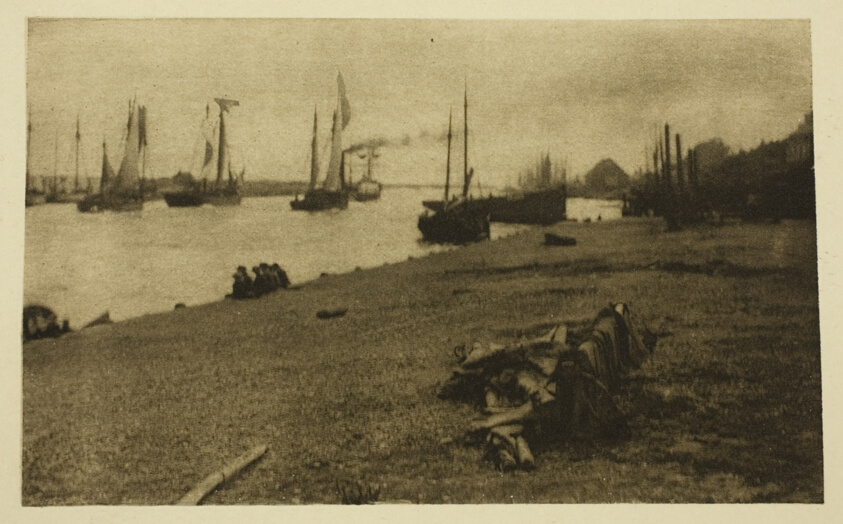
Bound for the North River, 1887
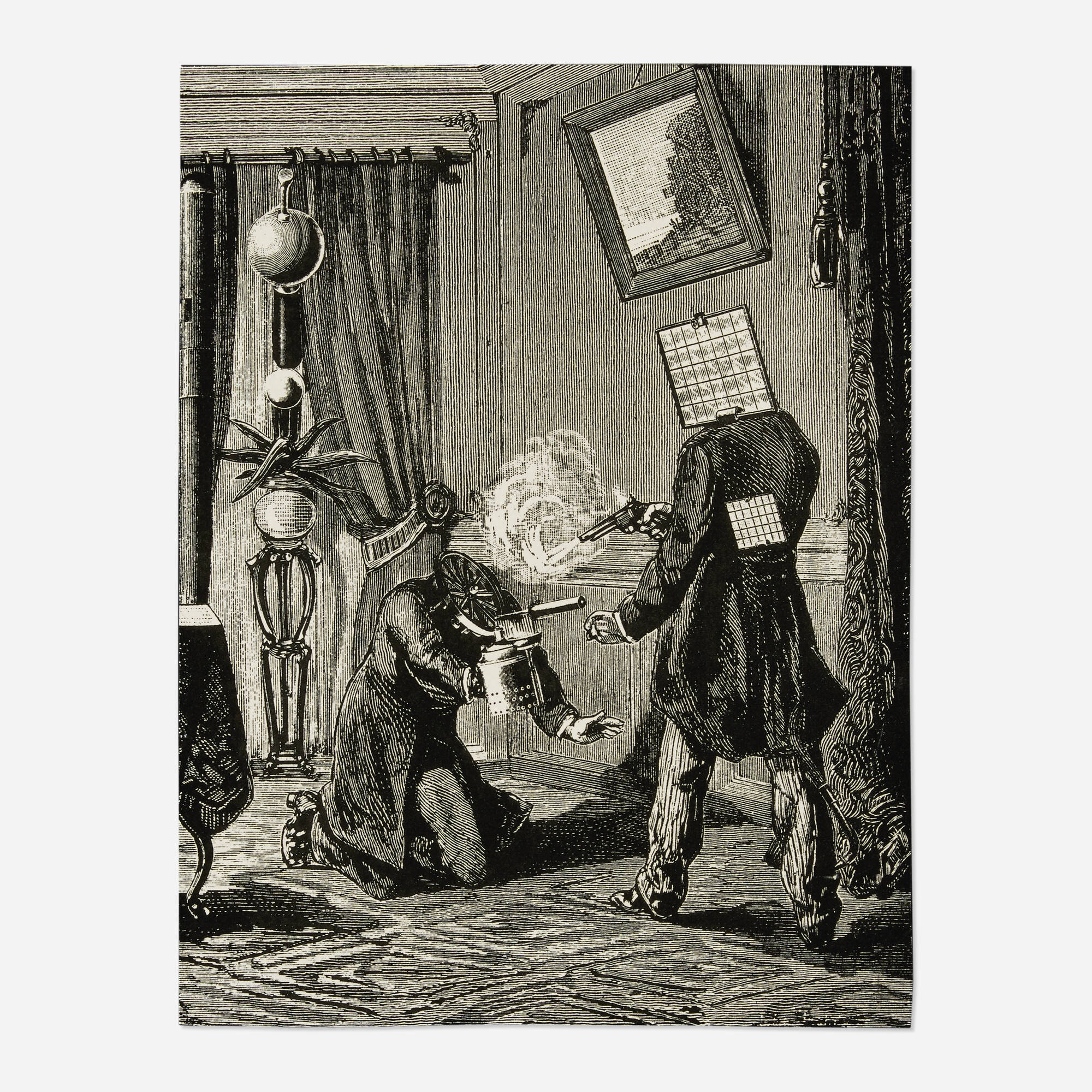
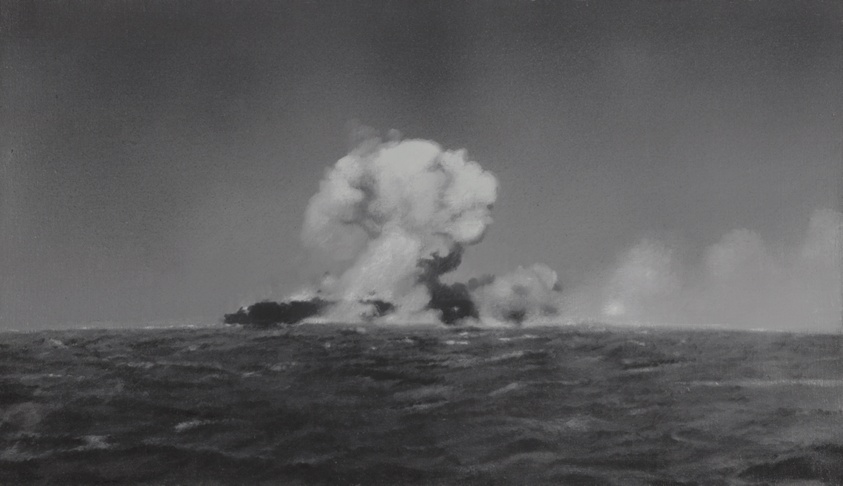
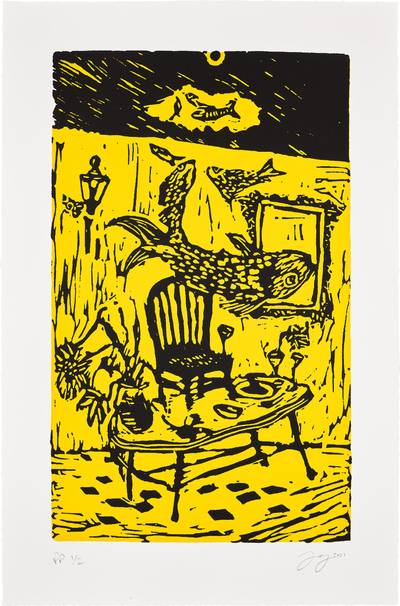
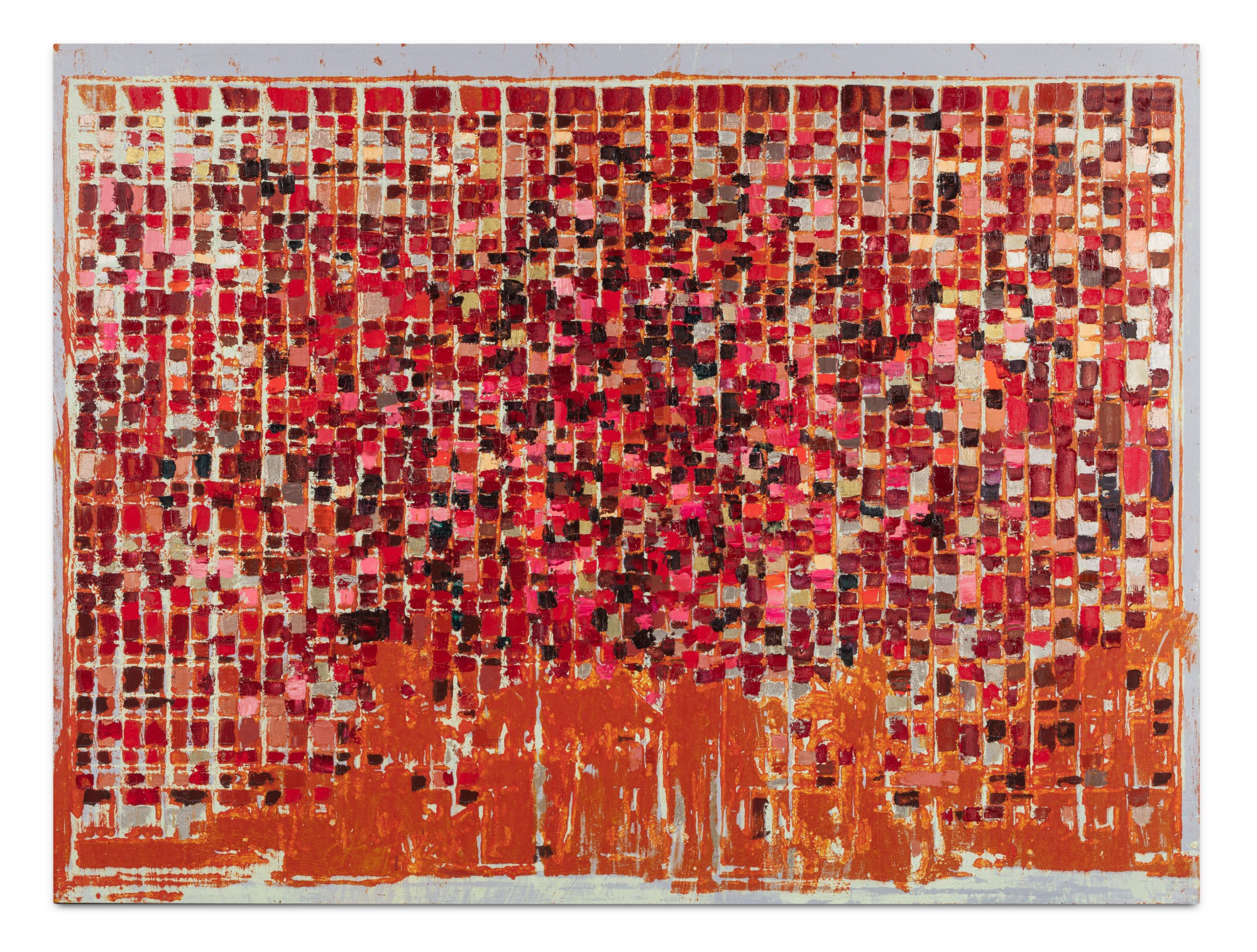
The Quiet Seduction of Ink and Acid
There is something about a photoetching that stops you in a room. Not with the loud insistence of a large canvas or the immediate glamour of a glossy photograph, but with a kind of magnetic stillness. Collectors who discover this medium tend to become devoted to it, and the reasons are easy to understand once you have spent time in front of a fine example. The surface carries memory in a way that digital reproduction simply cannot approximate.
Tone pools into shadow with a richness that feels almost organic, as though the image has been breathed rather than printed. Photoetching, also called photogravure in its most historically significant form, fuses photographic imagery with the intaglio printmaking tradition. The process involves transferring a photographic positive onto a metal plate coated with a light sensitive ground, then etching that plate in acid before printing by hand on dampened paper. The result occupies a compelling middle territory between photography and the handmade object.
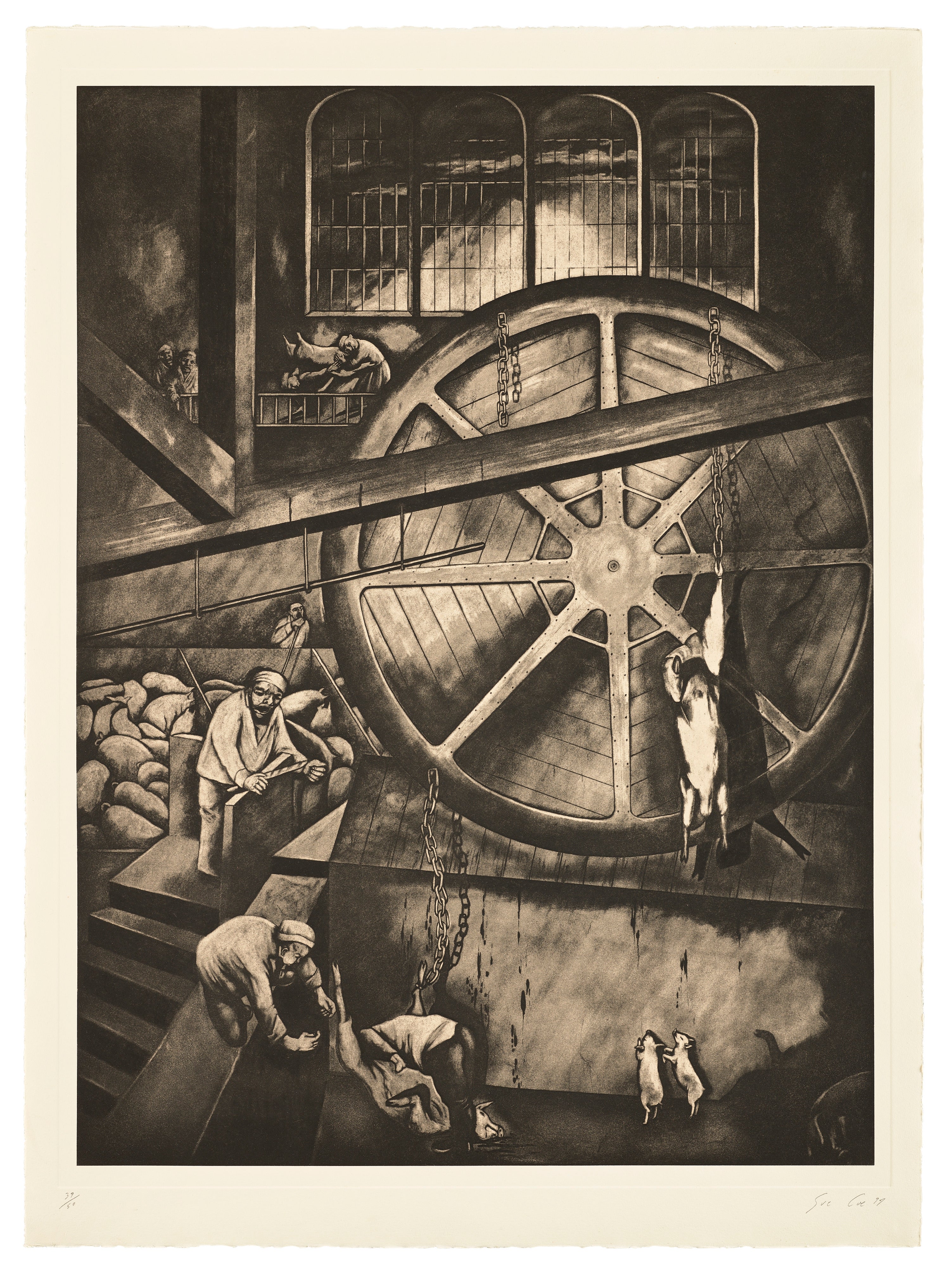
Sue Coe
The Large Hog Hoist
For collectors drawn to works that reward close looking, that conversation between the mechanical and the artisanal is endlessly satisfying. You are never quite finished reading a good photoetching. What separates a good work from a great one in this medium comes down to a handful of qualities that any serious collector should learn to identify. Tonal range is everything.
A truly exceptional photoetching will move from the densest, most velvety blacks through a full spectrum of mid tones to the most luminous, delicate whites, with no zone feeling rushed or collapsed. Equally important is the quality of the impression itself, meaning the ink film, the plate tone, and the paper. Early pulls from an edition consistently outperform later ones, and works printed under the direct supervision of the artist carry a different kind of authority. The paper matters enormously too.
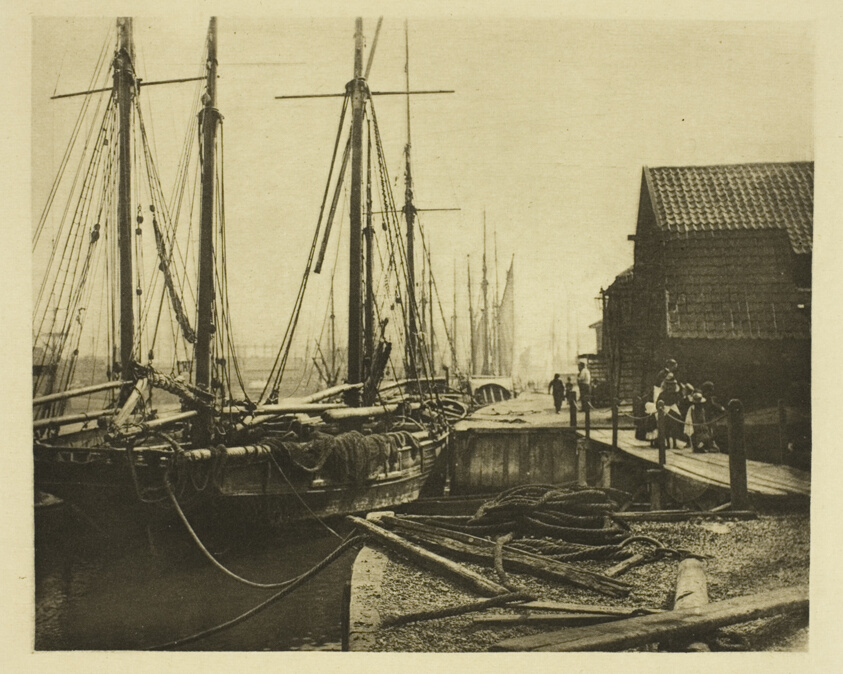
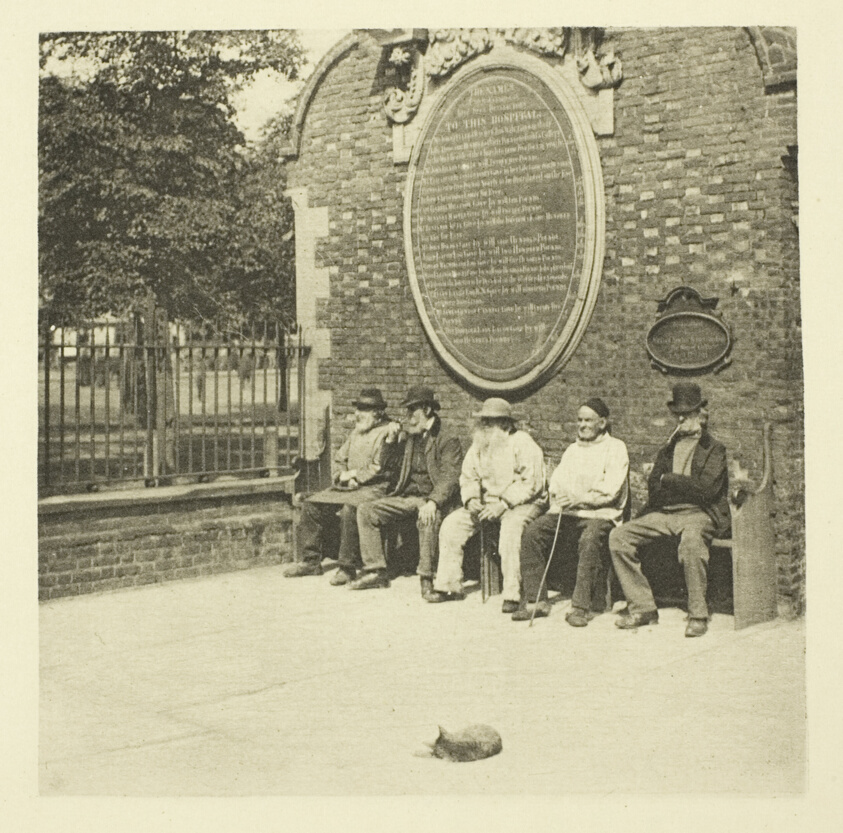
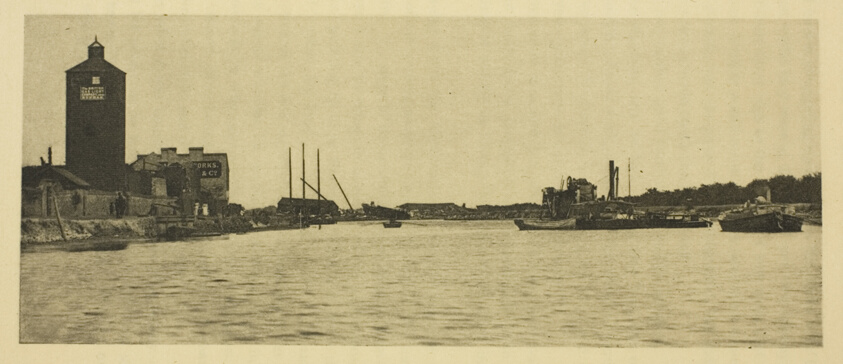
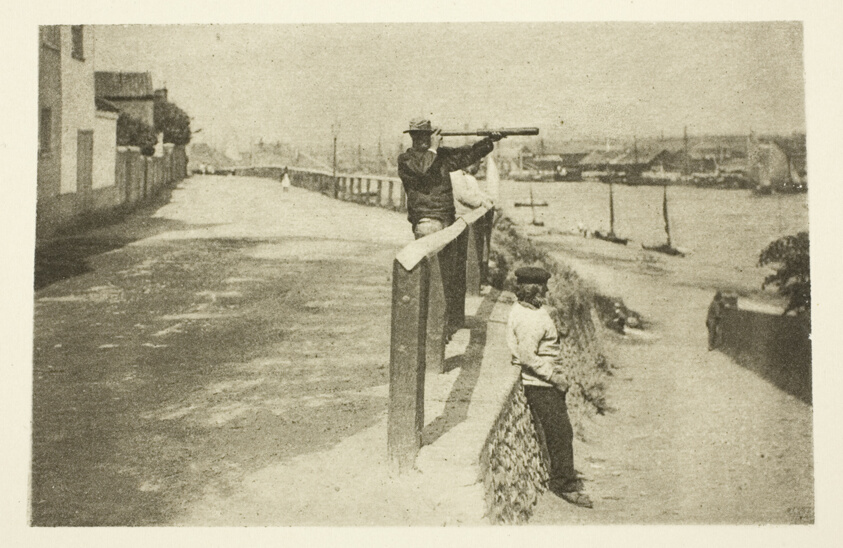
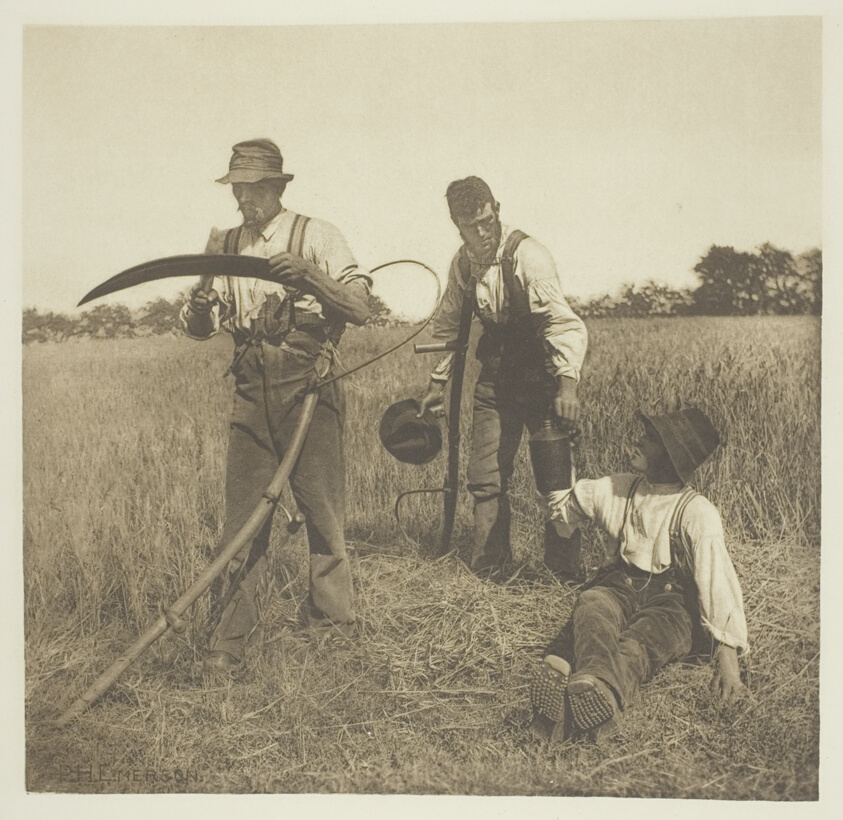
Peter Henry Emerson
Bound for the North River, 1887
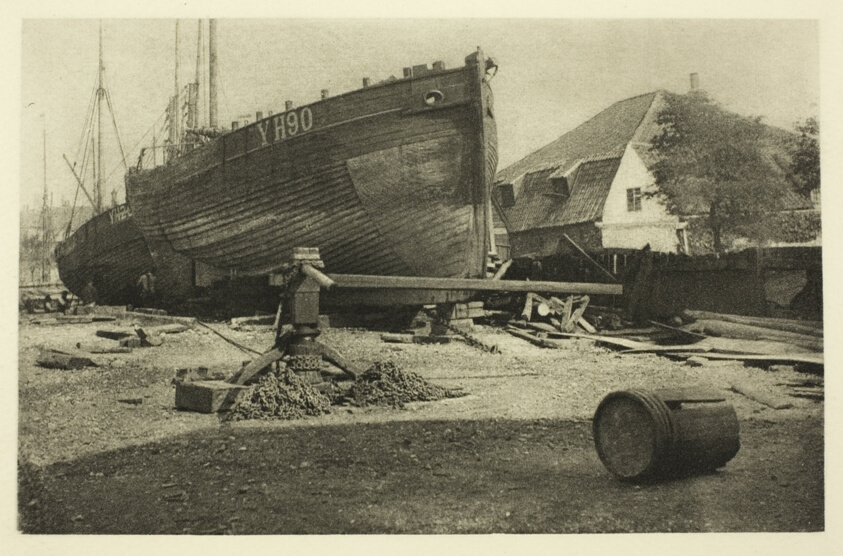
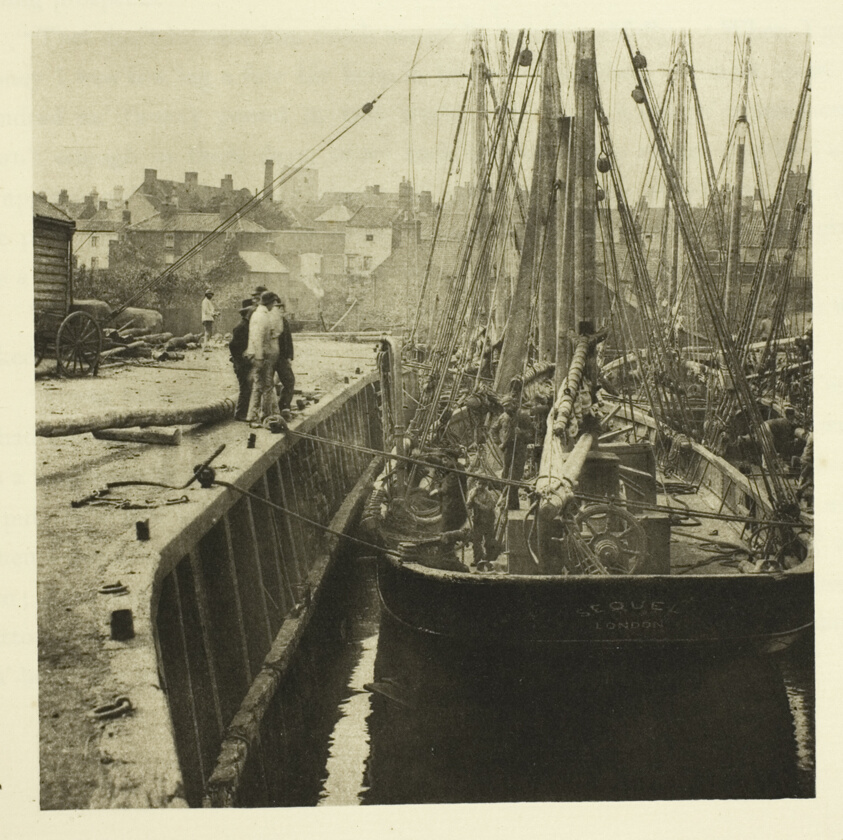
Nineteenth and early twentieth century examples on period laid or wove sheets have a presence that modern reproductions on bright white stock cannot replicate. When thinking about which artists represent genuine value in this space, Peter Henry Emerson is the name that commands attention above all others. Emerson was a practicing physician turned photographer who argued passionately in the 1880s and 1890s for photography as a fine art in its own right, at a time when that position required real intellectual courage. His platinum prints and photogravures of the Norfolk Broads and the English fens are among the most quietly powerful images in the history of the medium.
His 1886 portfolio Life and Landscape on the Norfolk Broads, produced with Thomas Goodall, remains a landmark publication, and original examples from that period are now collected with genuine seriousness. Emerson is well represented on The Collection, and for collectors building around this medium, his work offers both historical significance and extraordinary living quality. Bruce Conner brings an entirely different energy to the photoetching tradition. Known primarily as an assemblage artist and filmmaker associated with the San Francisco Beat scene, Conner worked in printmaking with remarkable sophistication, and his approach to photographic imagery in print form carries the same disquieting intensity as his better known collages.
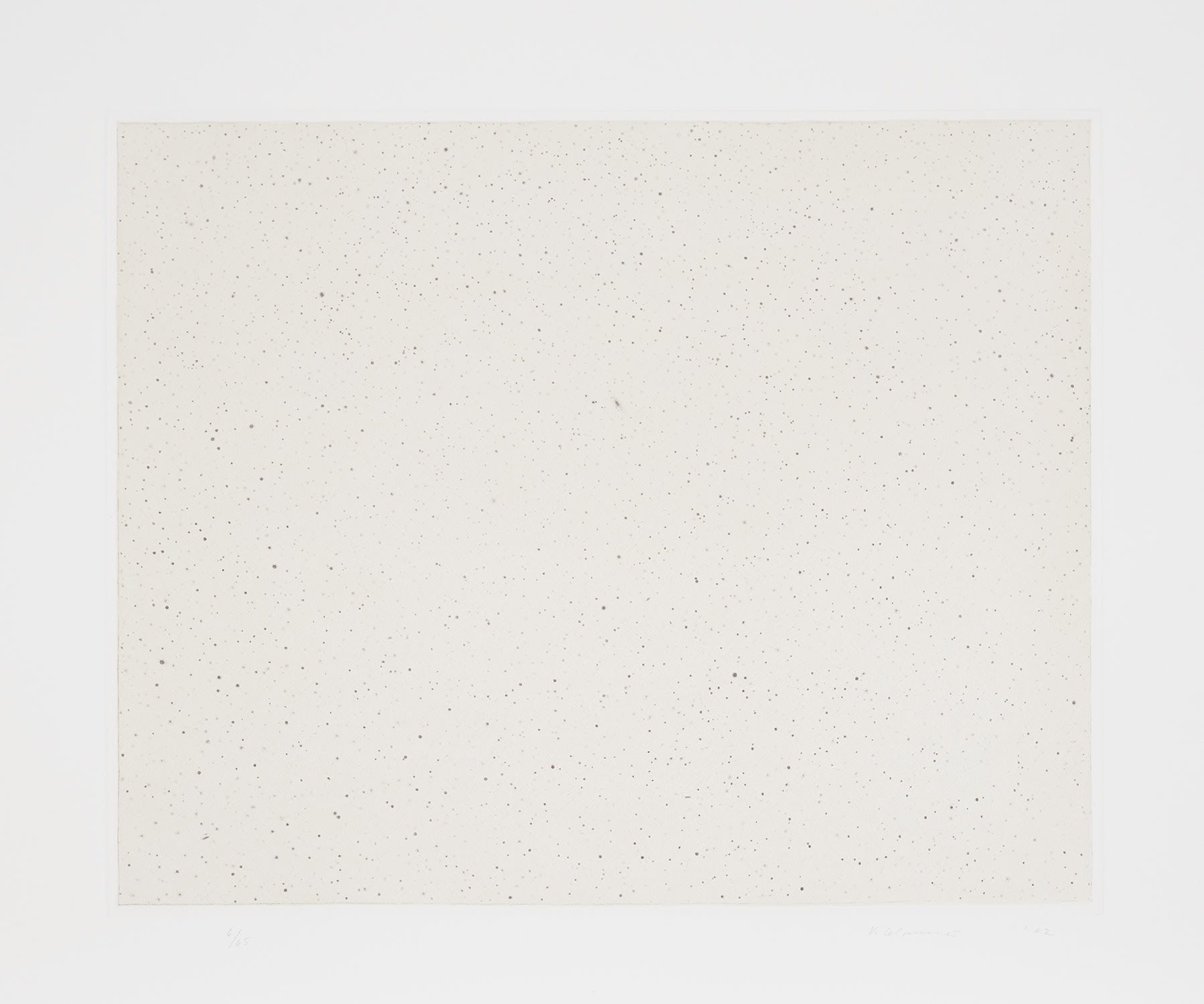
Vija Celmins
Night Sky 2 (Reversed) (G. 1933, R. 41)
His prints are rarer than his other work and are frequently undervalued by collectors who think of him through the lens of only one practice. The works on The Collection offer an opportunity to engage with a more private and meditative side of an artist who deserves far wider recognition in this specific medium. Vija Celmins is one of the most consistently admired artists working in any medium today, and her engagement with photoetching and related intaglio processes is central to understanding her achievement. Her images of ocean surfaces, star fields, and spider webs become, through her meticulous process, investigations into perception itself.
A Celmins print asks you to look until looking becomes a kind of vertigo. The secondary market for her work is strong and has moved steadily upward over the past two decades. Auction results at Christie's, Sotheby's, and Phillips have confirmed that collectors treat her prints with the same seriousness as her drawings and paintings, which is appropriate given how central the print medium is to her practice. For collectors with an appetite for younger or less recognized voices, the field is genuinely rich right now.
A generation of artists trained in traditional printmaking techniques is rediscovering photoetching as a way to reintroduce slowness and materiality into image making at a cultural moment that is otherwise dominated by speed. Artists working in this space often have limited secondary market histories, which creates real acquisition opportunity. Galleries specializing in contemporary printmaking are the best places to begin these conversations, and attending a print fair like the IFPDA Print Fair in New York is still one of the most efficient ways to develop an eye and build relationships with specialists. At auction, photoetchings and photogravures perform with notable consistency when the provenance is clean and the condition is strong.
Works by canonical names in the medium, including Emerson, regularly attract serious bidding, particularly when they come with original documentation or are drawn from important historical collections. The market for prints as a category has matured considerably since the early 2000s, and buyers are now far more sophisticated about distinguishing between original works and later reproductions. That sophistication has been good for prices at the top of the market and has made condition all the more consequential. On the practical side, condition is the issue that collectors in this medium most frequently underestimate.
Works on paper are vulnerable to light, humidity, and acidic materials in framing, and many older photoetchings have suffered from decades of improper display. Before acquiring any work, ask to see it out of its frame, look carefully at the margins for foxing or tidelines, and ask about any restoration history. For display, UV filtering glass is not optional. When evaluating editions, ask the gallery specifically about the print number and whether the plate was canceled after the edition was complete.
For unique works or works outside the traditional edition structure, ask about exhibition history and any institutional interest. These conversations will tell you almost everything you need to know about whether a dealer is someone you want to work with over the long term.