Sue Coe
“
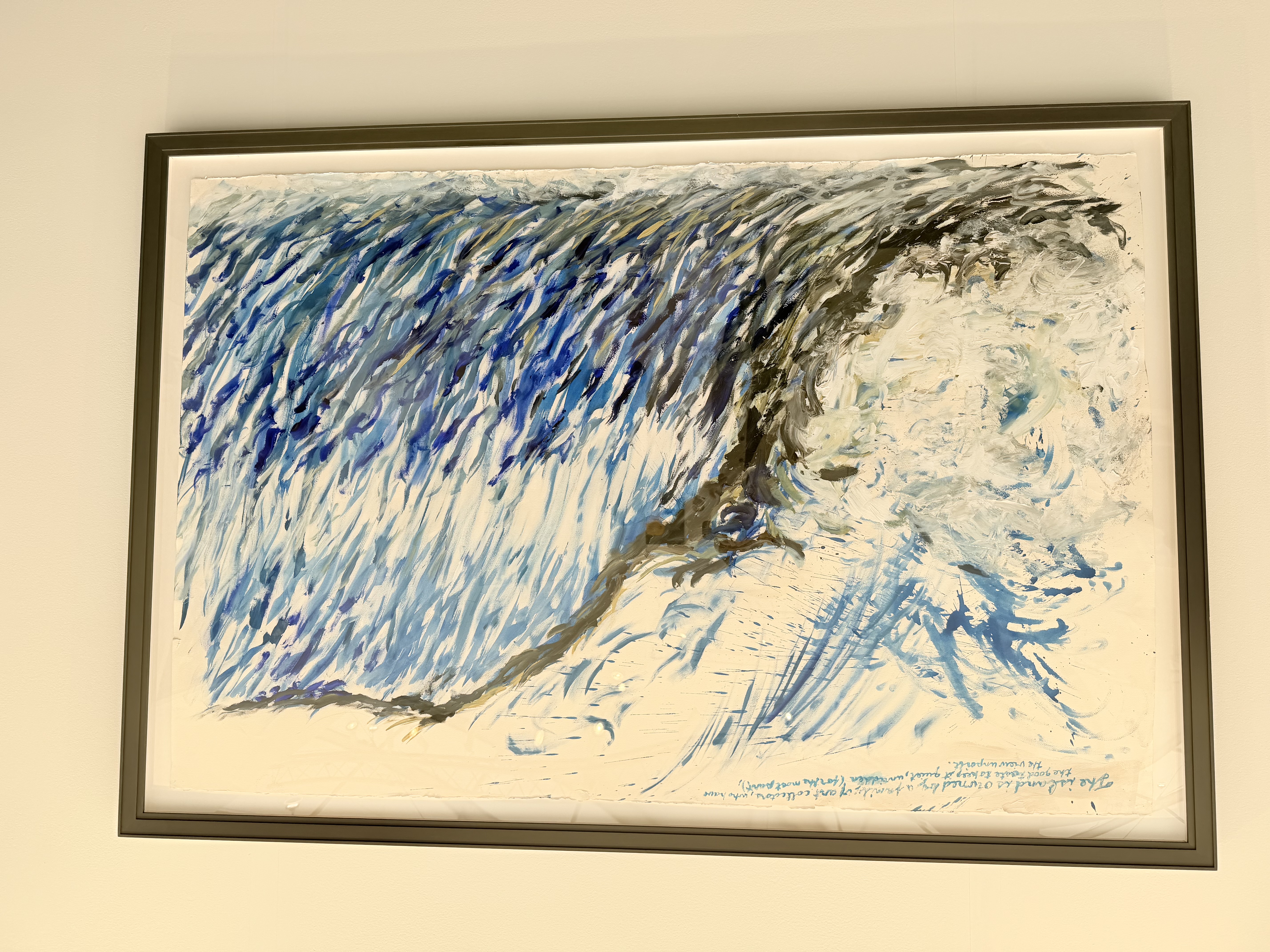
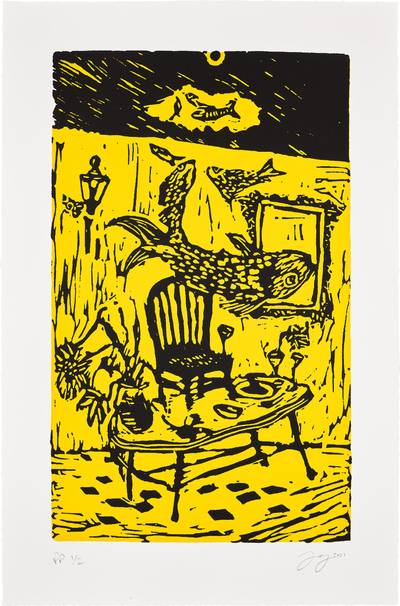
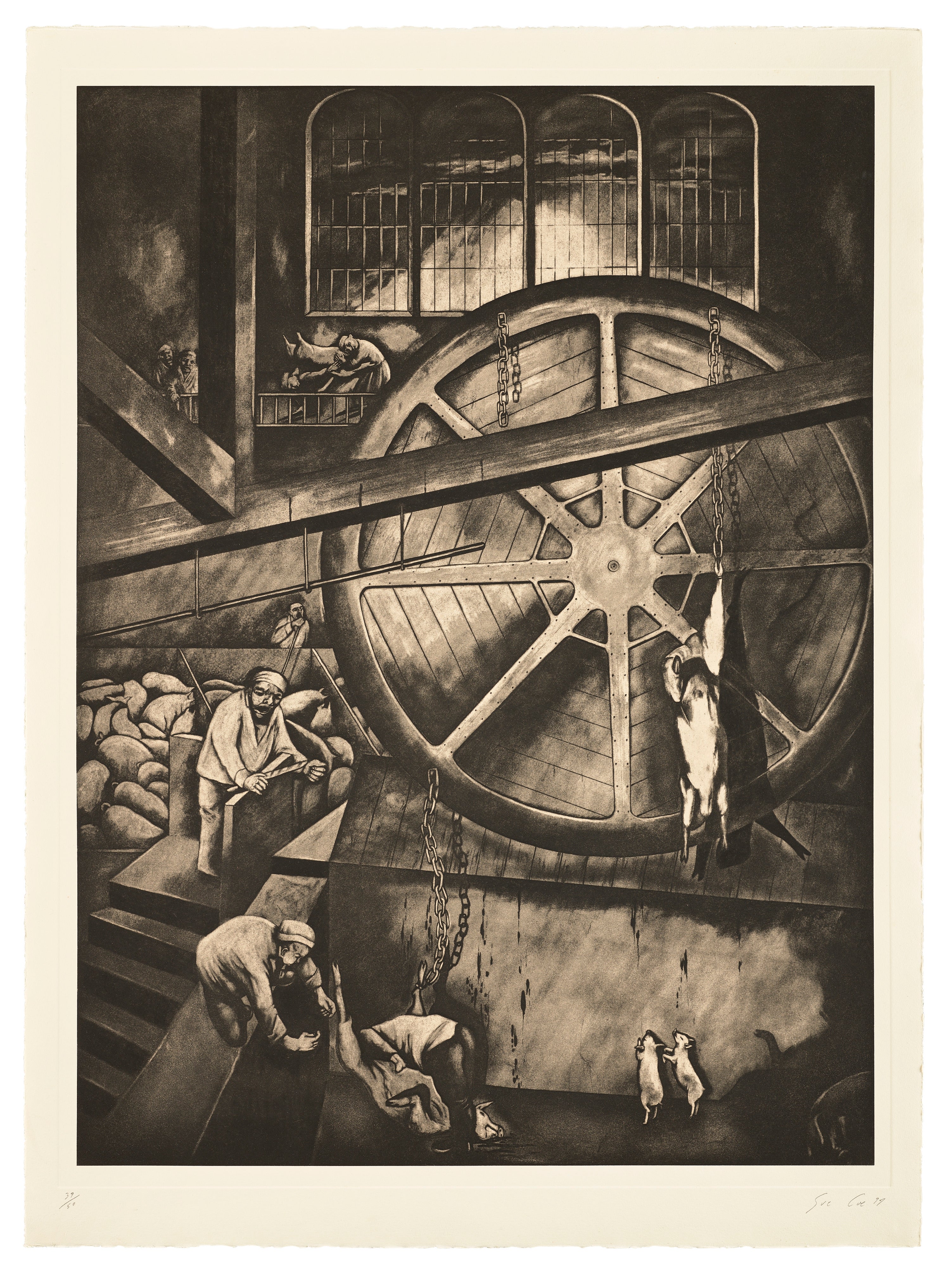
Sue Coe is a British artist and illustrator known for her viscerally powerful, politically charged work that confronts issues of animal rights, capitalism, war, and social injustice. Working primarily in graphite, gouache, and printmaking, her dark, expressionistic imagery draws on traditions of social realism and artists like Francisco Goya and Käthe Kollwitz. She has been a significant figure in activist art since the 1970s, contributing to publications like The New Yorker and publishing numerous influential books.
Artists in conversation
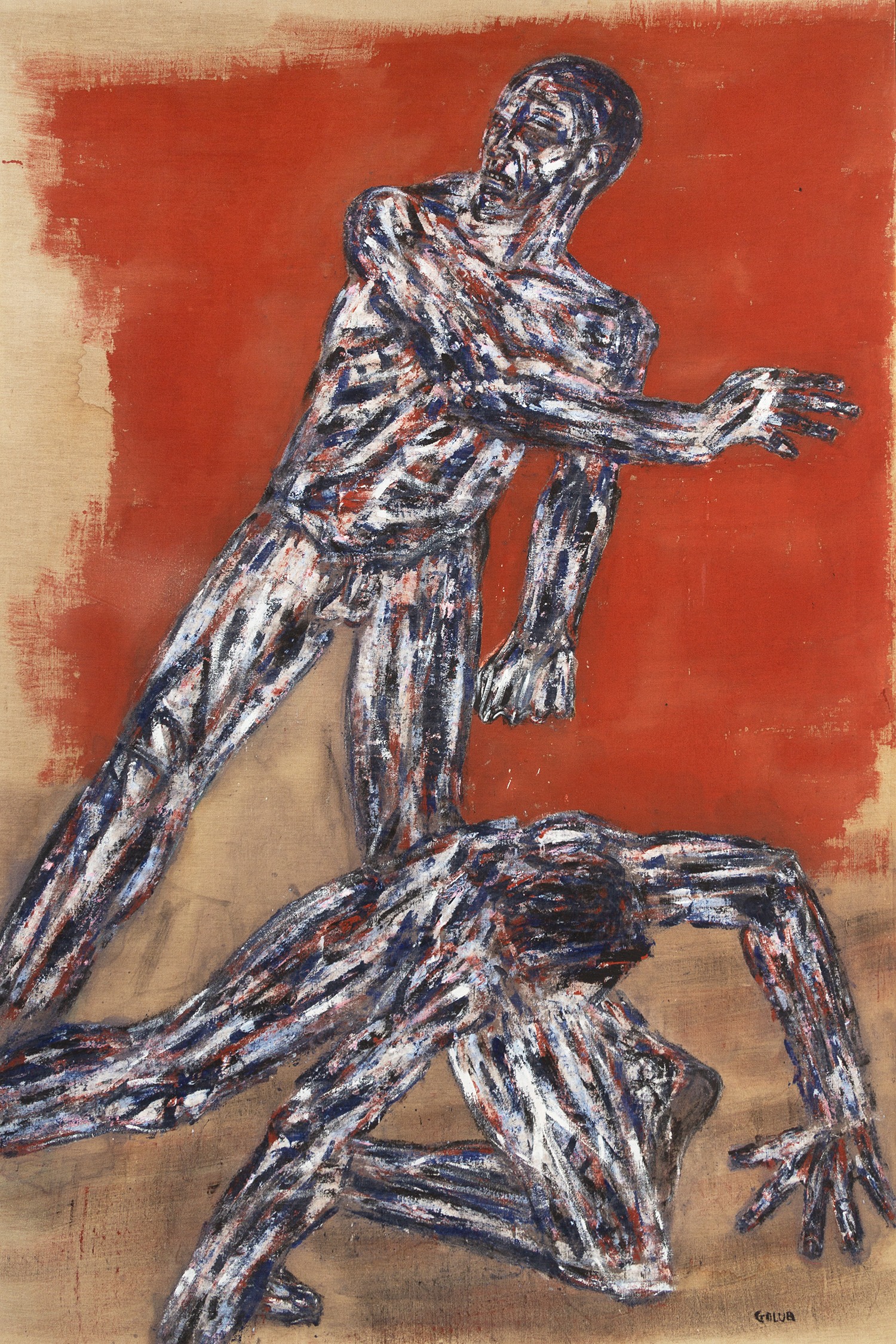
Leon Golub
Golub shared Coe's commitment to unflinching political imagery depicting violence, power, and systemic brutality. Both artists used raw, expressionistic figuration to confront state violence and social injustice head on.
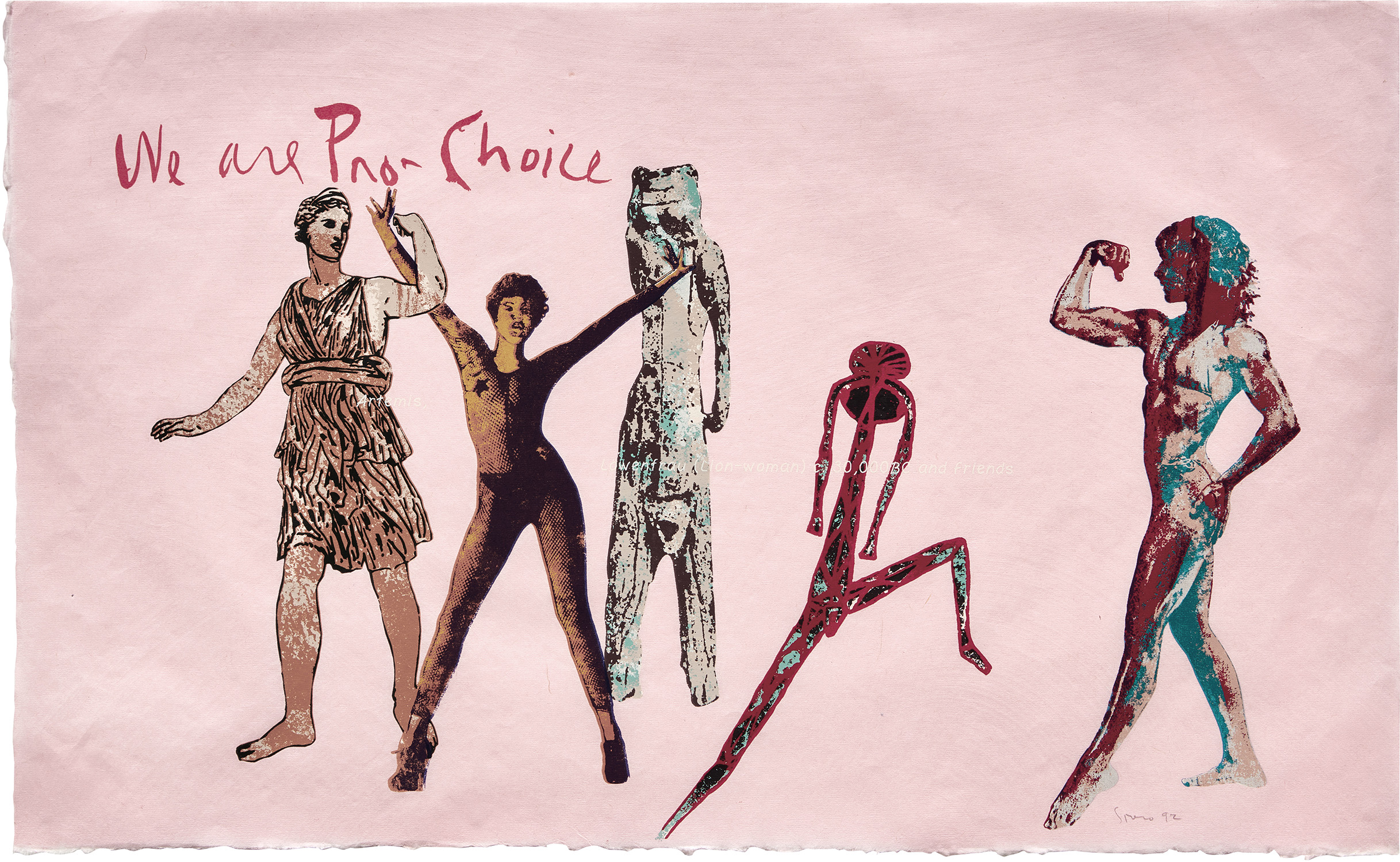
Nancy Spero
Spero combined feminist politics with expressionistic printmaking and drawing to address war, torture, and patriarchal oppression. Her activist graphic sensibility and commitment to social commentary closely mirrors Coe's approach.
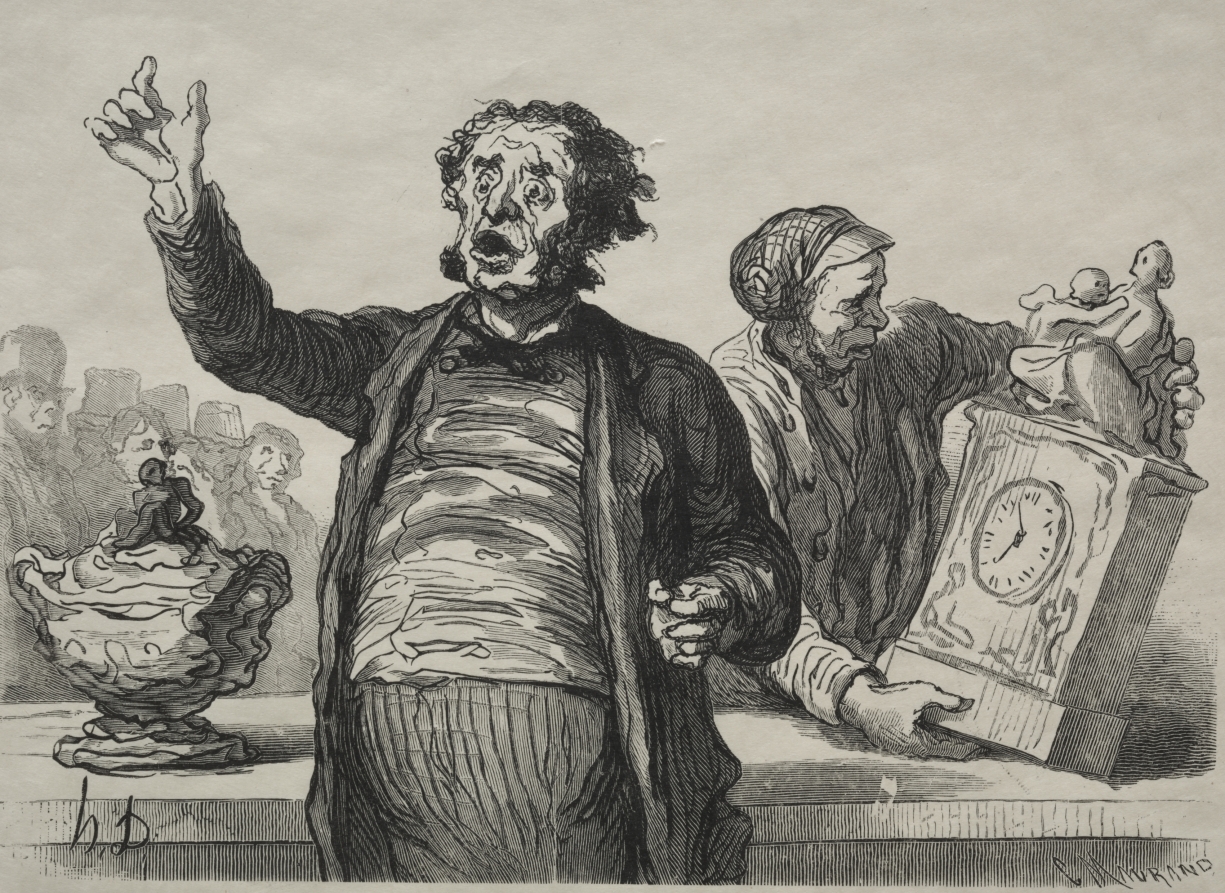
Honoré Daumier
Daumier pioneered the use of printmaking and caricature as vehicles for biting political and social satire targeting capitalism and corruption. His darkly expressive graphic work in service of activist causes prefigures Coe's practice directly.
Artists who inspired them
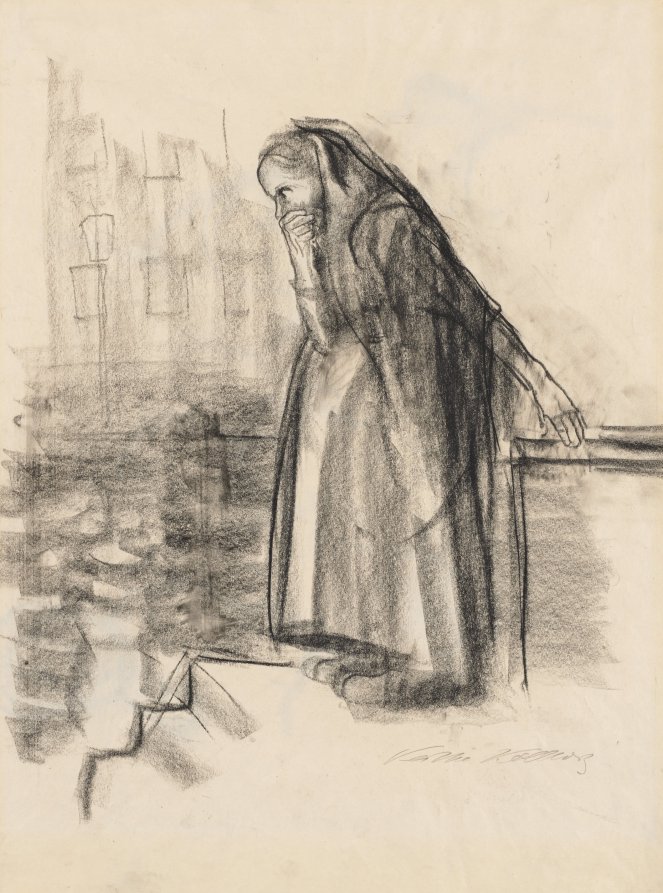
Käthe Kollwitz
Kollwitz's emotionally devastating prints and drawings depicting working class suffering, war, and grief were a foundational influence on Coe's visual language. Coe has directly cited Kollwitz as a major model for socially engaged printmaking.
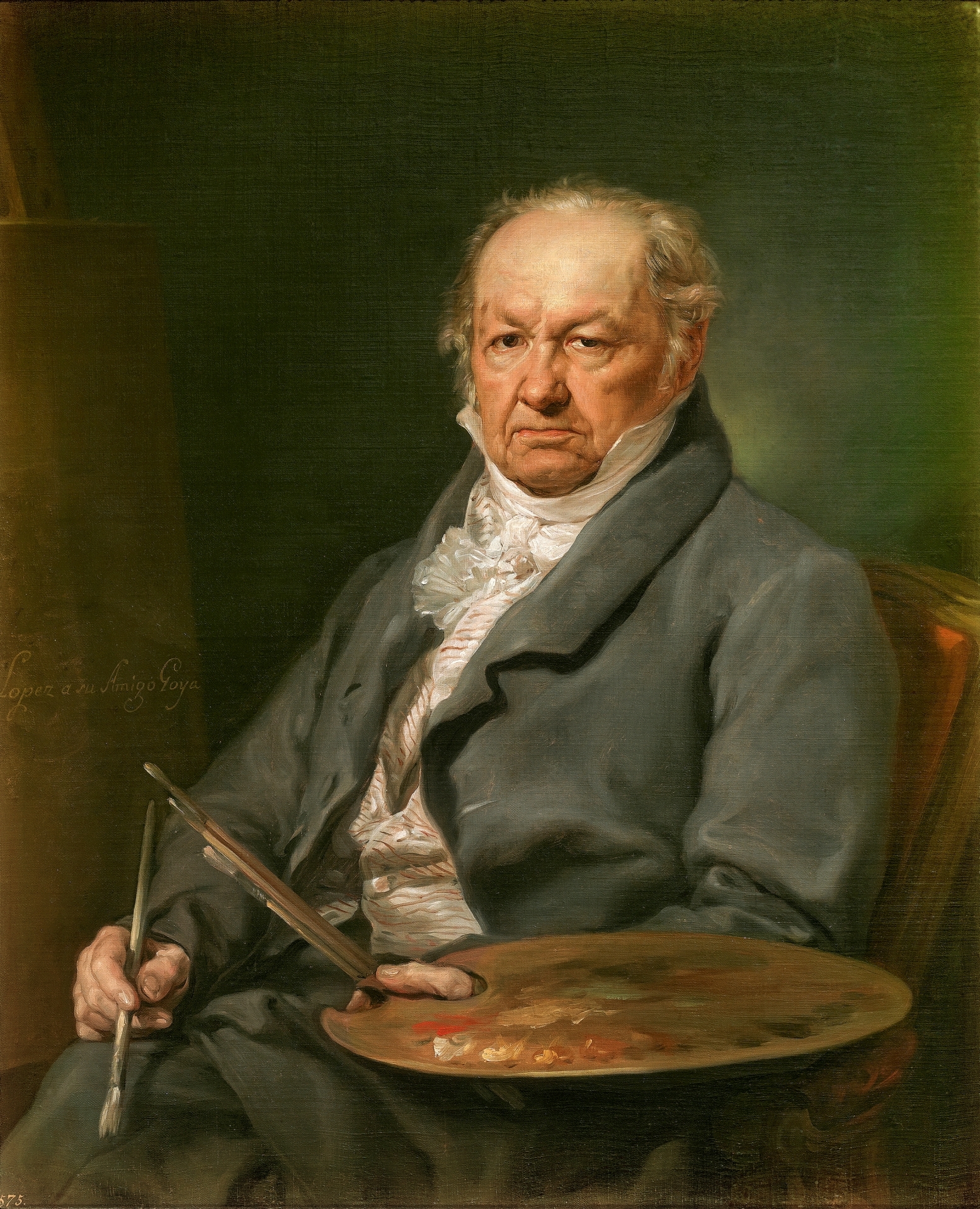
Francisco Goya
Goya's Disasters of War series established a precedent for using graphic imagery to bear witness to atrocity and political violence. Coe draws explicitly on his dark tonal range and willingness to depict horror without sentimentality.
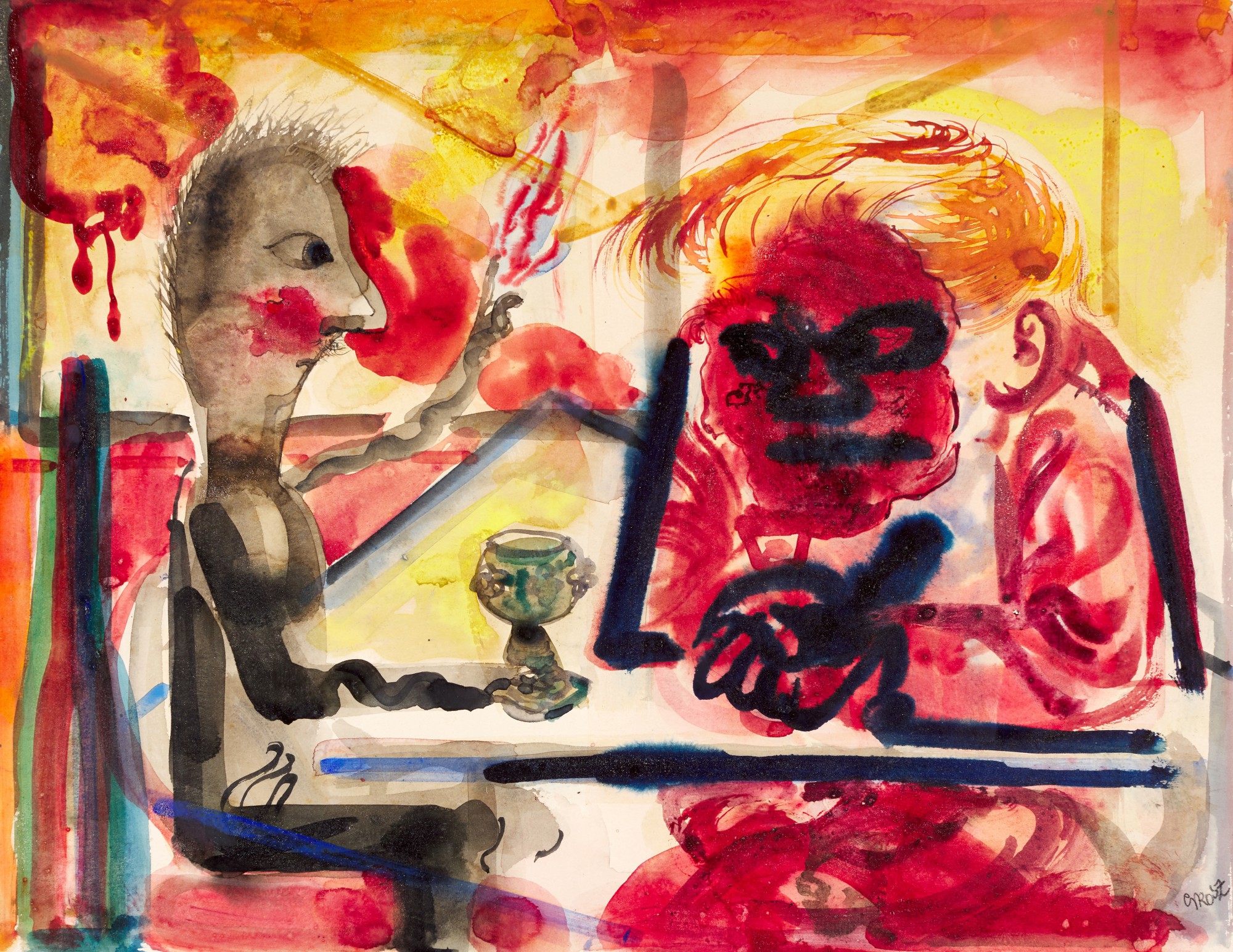
George Grosz
Grosz's savage caricatures of capitalist greed, military power, and bourgeois corruption in Weimar Germany provided Coe with a model for art as direct political weapon. His expressionistic distortion and moral fury are clearly echoed in her work.