Pharmaceutical Theme
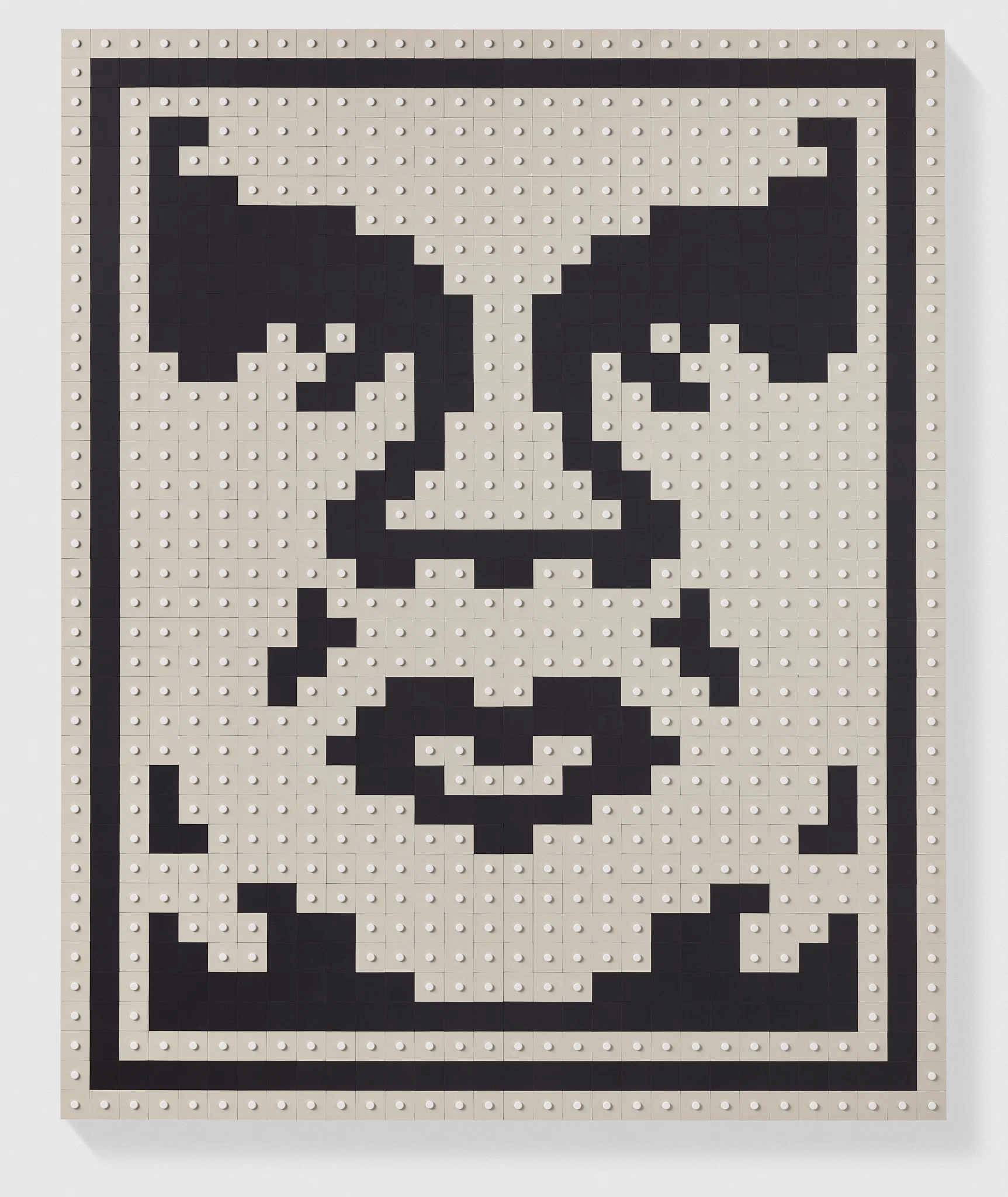
Shepard Fairey
Icon Pixel (with Pills), 2025
The Pill That Became a Painting
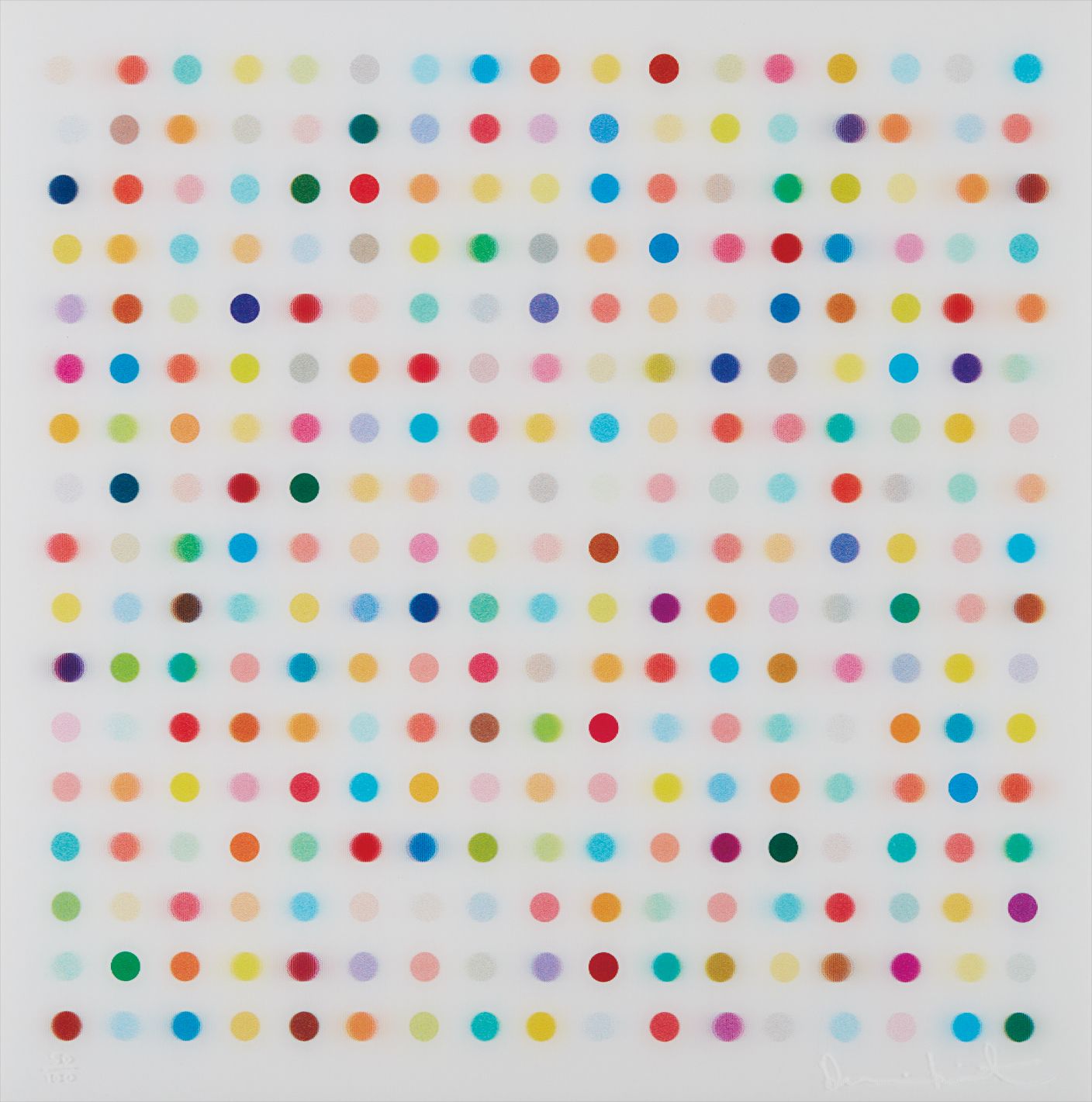
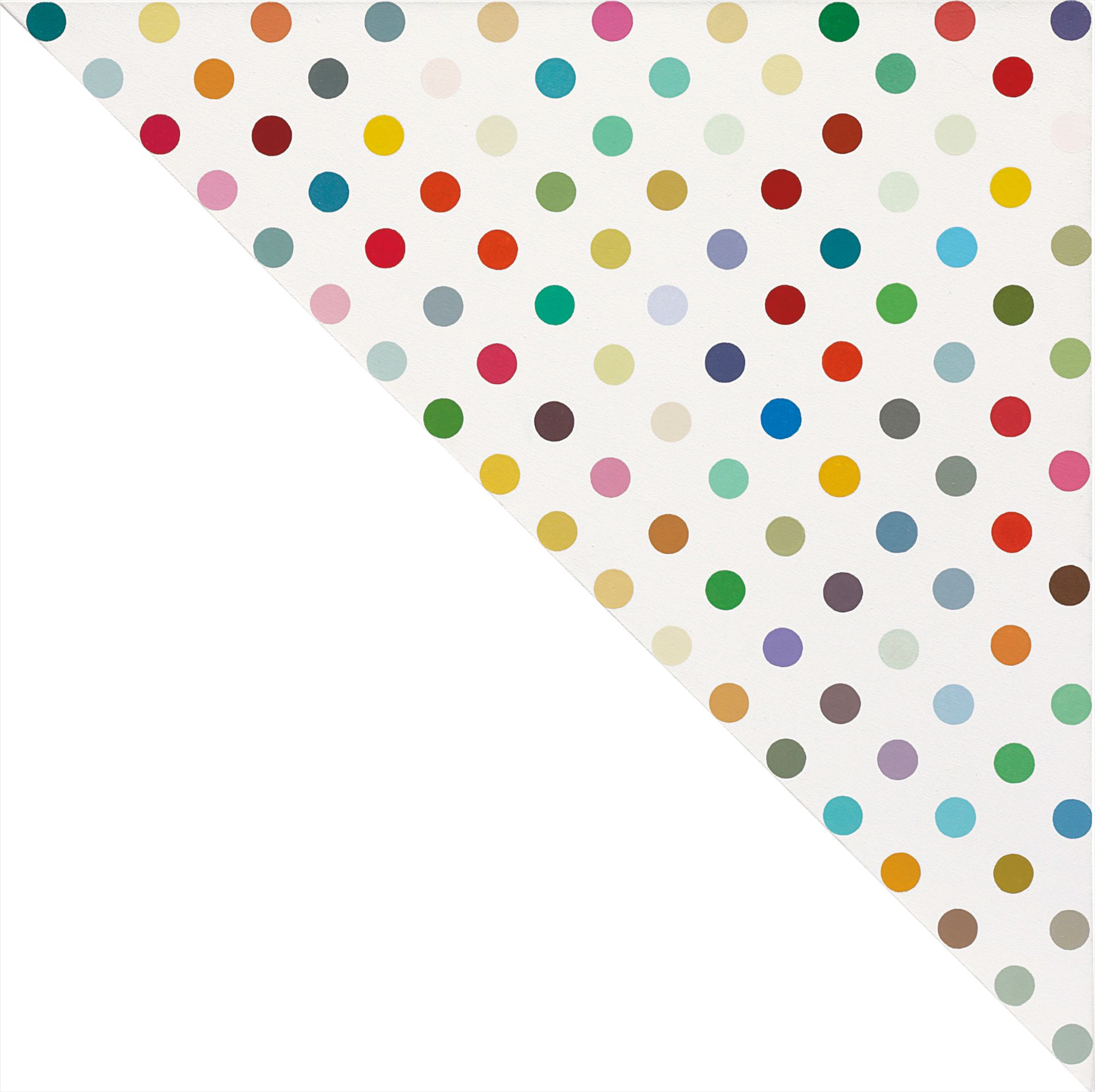
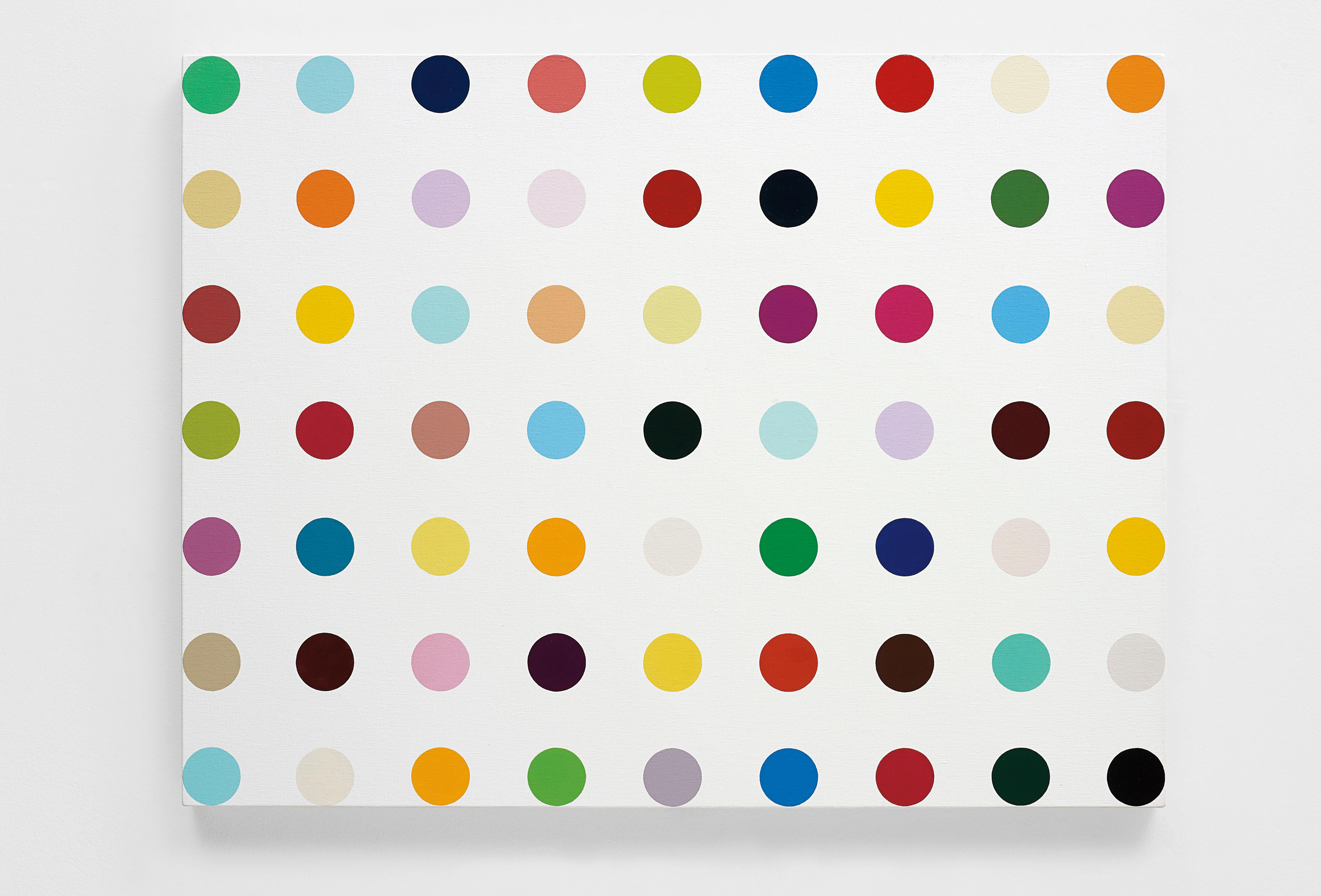
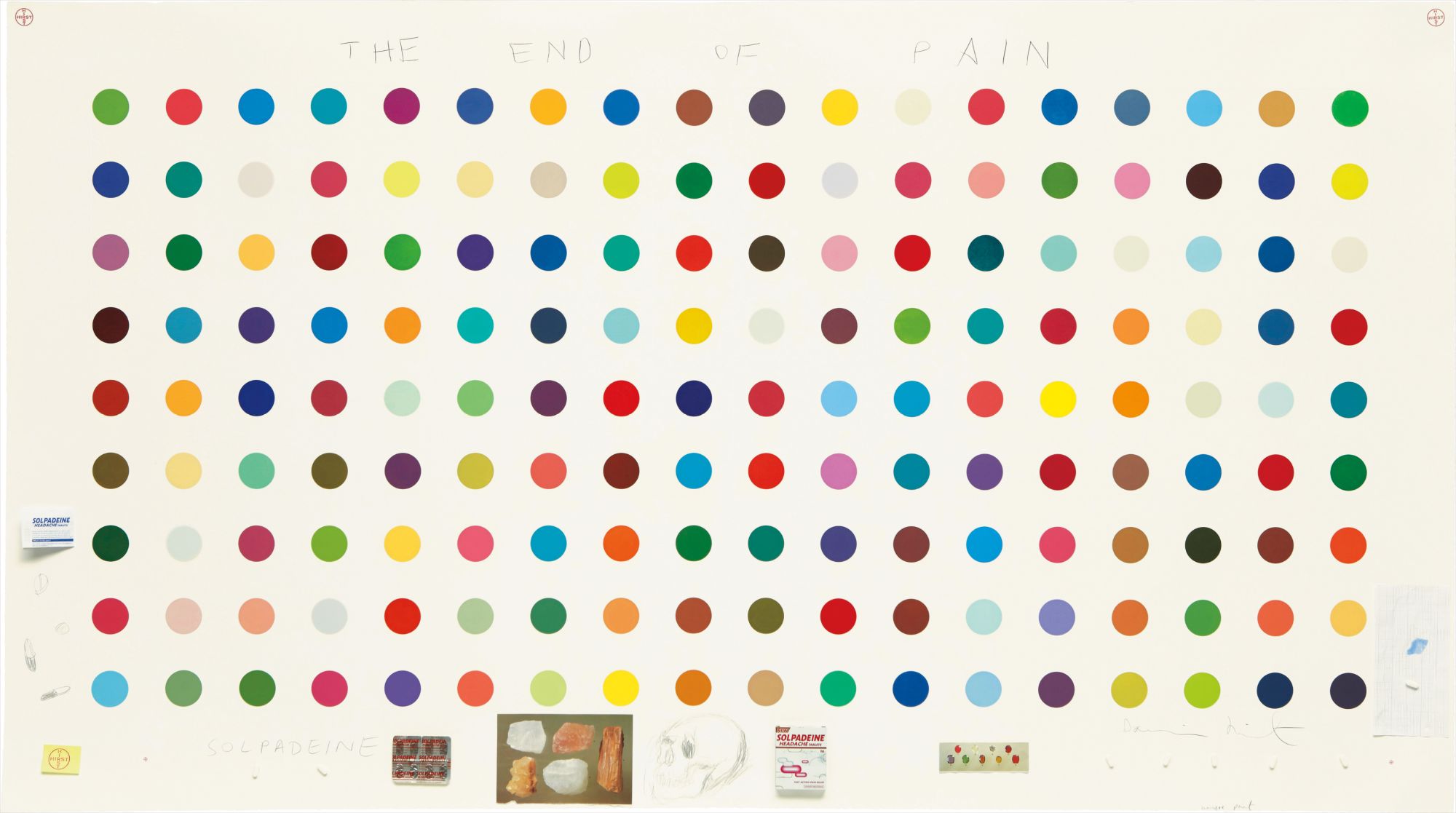
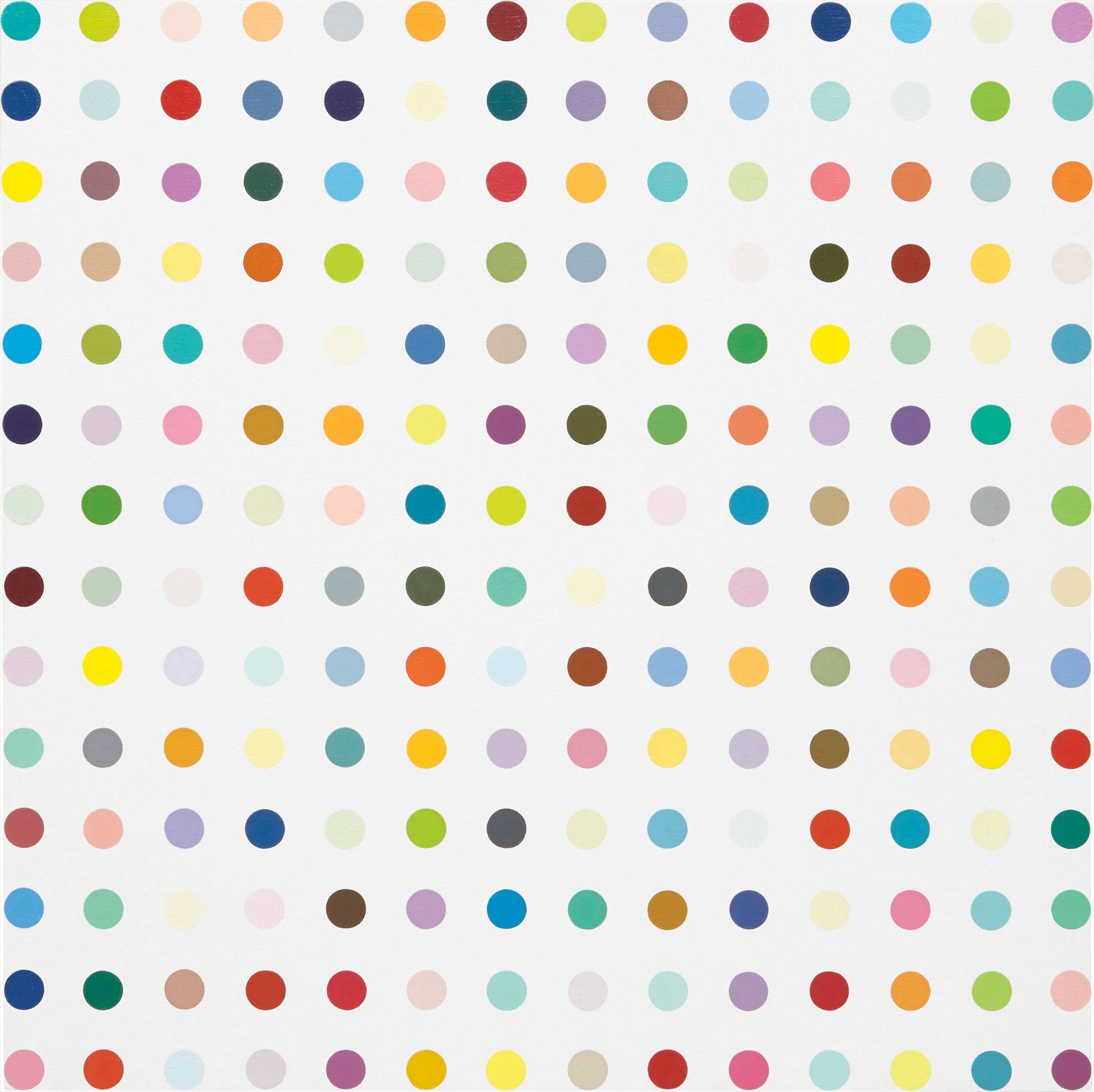
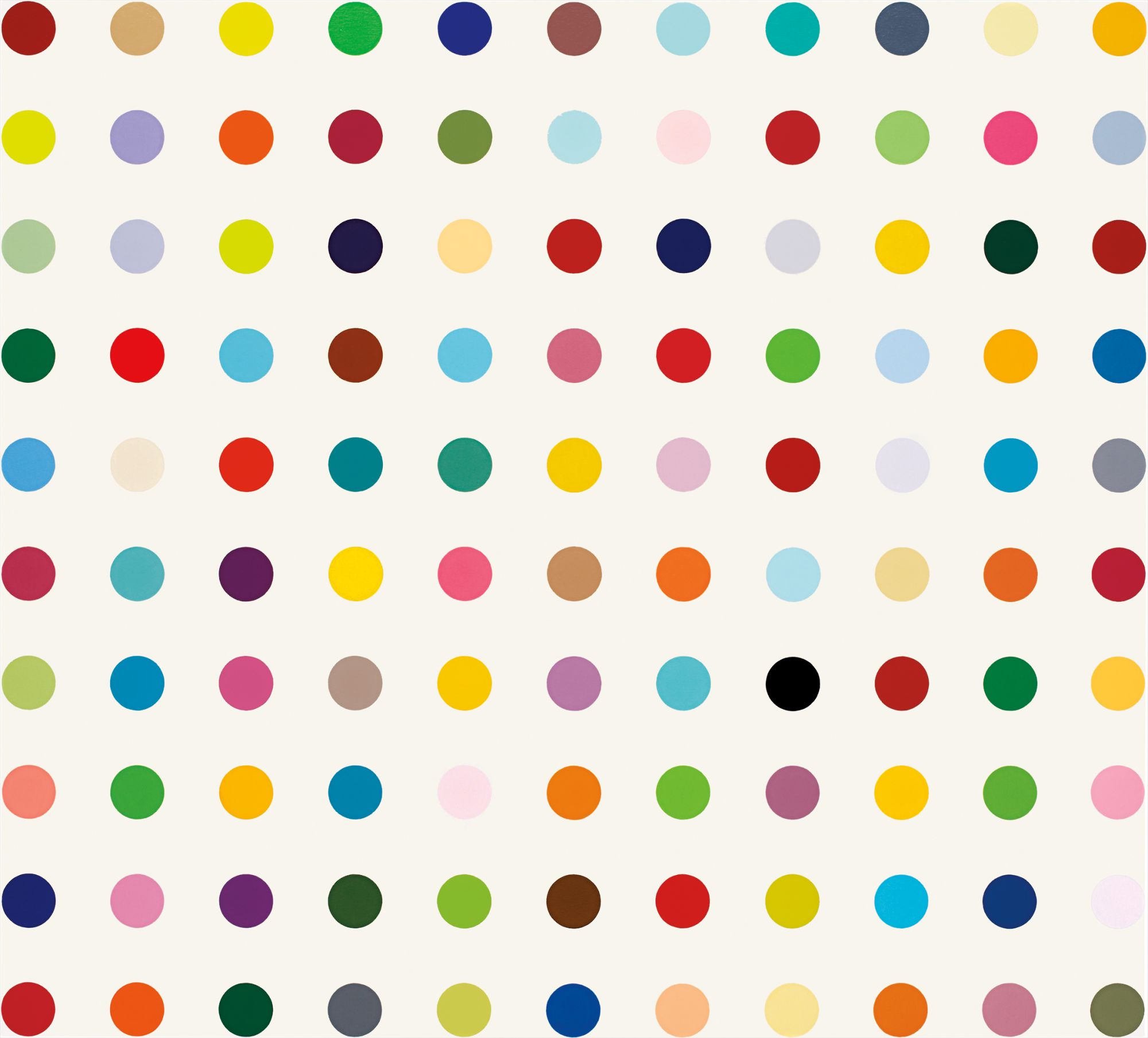
When Damien Hirst's spot painting 'Lullaby Spring' sold at Sotheby's London in 2007 for just over nineteen million dollars, setting a record for the artist at the time, the art world collectively paused. The work, a densely packed grid of pharmaceutical capsule forms rendered in household gloss on canvas, was not just a market event. It was a cultural referendum on anxiety, medicine, mortality, and the strange comfort we take in the clinical. The pharmaceutical theme in contemporary art had arrived not as a footnote but as a headline, and the conversation it opened has only grown richer in the years since.
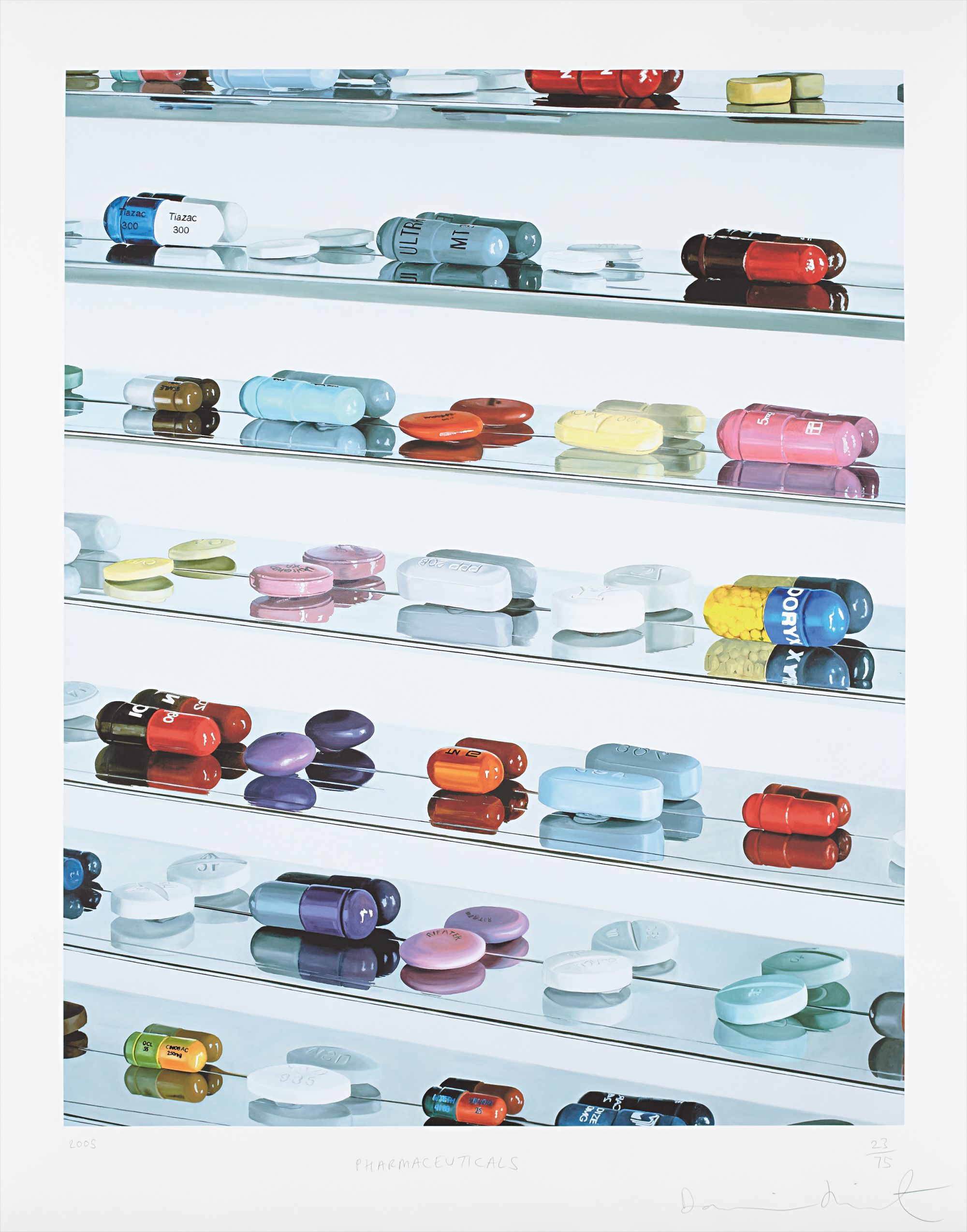
The pharmaceutical as subject matter sits at a particular crossroads that serious collectors find genuinely difficult to resist. It implicates the body, commerce, death, and the seductive aesthetics of the laboratory all at once. Hirst understood this earlier and more completely than almost anyone working in his generation. His medicine cabinets, first shown at the Saatchi Gallery in the early 1990s, transformed the domestic bathroom cabinet into a reliquary.
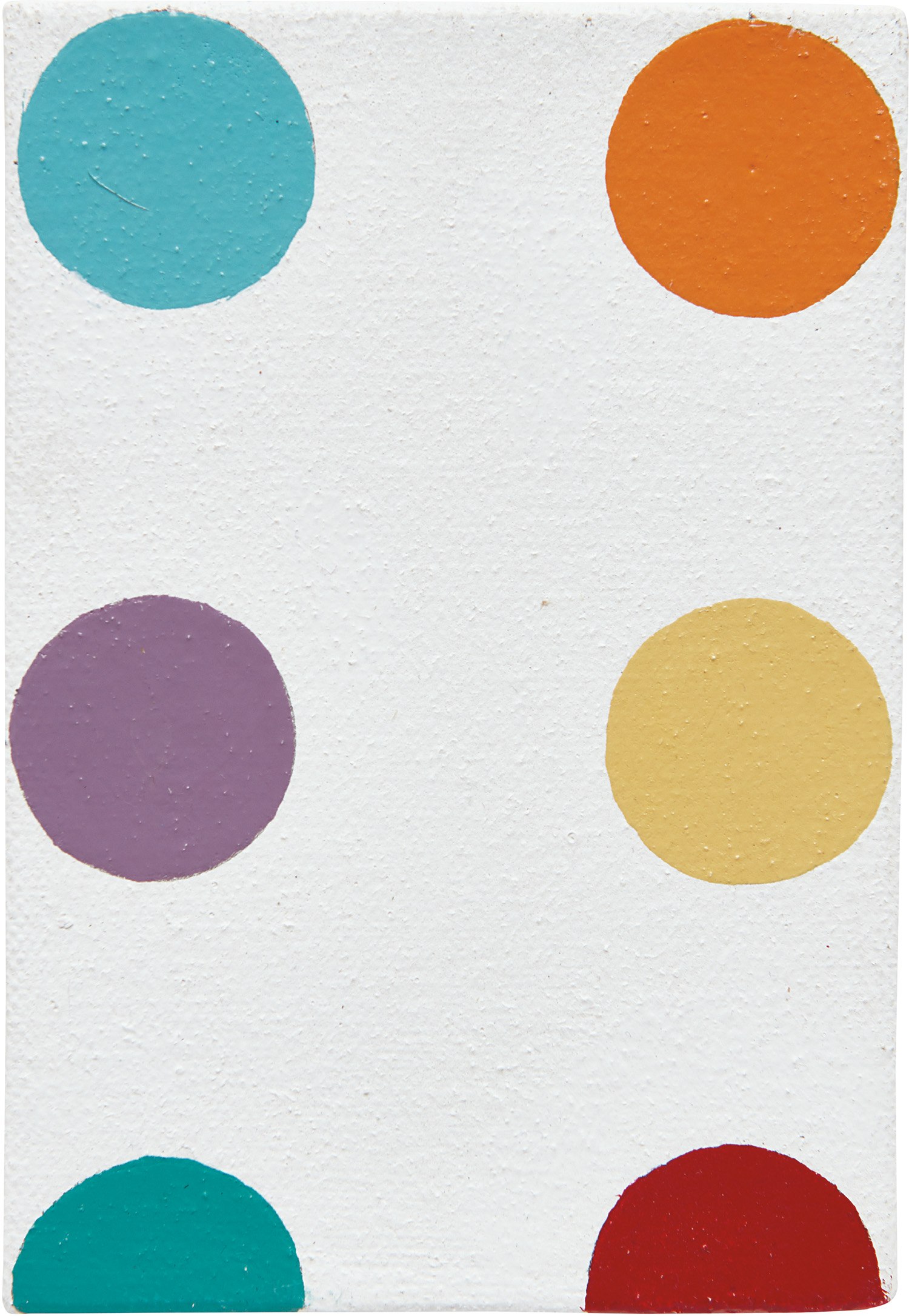
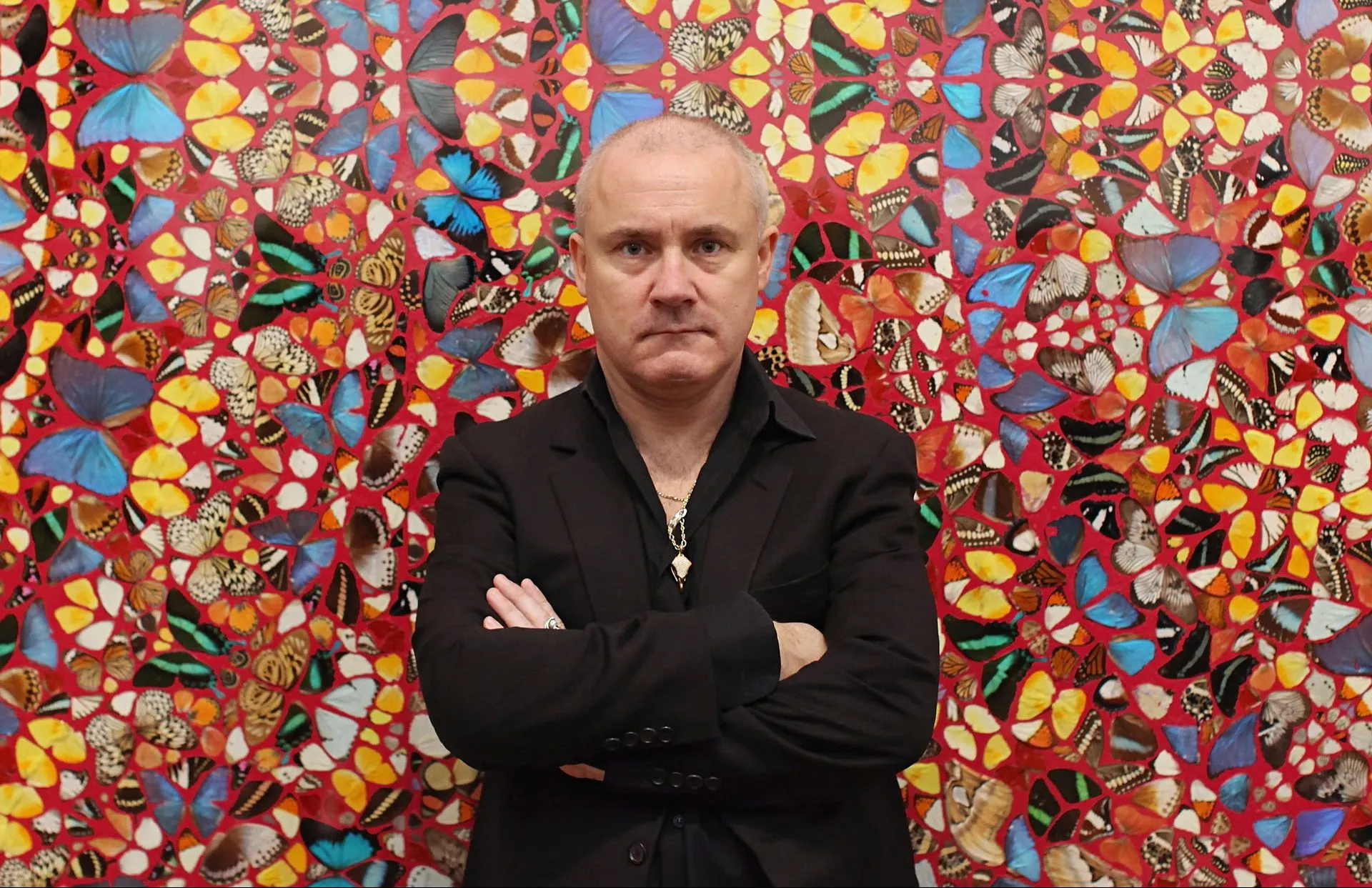
Damien Hirst
Bombesin
Packed with branded pill bottles and blister packs arranged with obsessive precision, these works looked like altars to modern faith in chemistry. They also looked undeniably beautiful, which was partly the point and partly the provocation. Institutional interest in this territory has deepened considerably in recent years. The Tate Modern retrospective for Hirst in 2012 gave museum audiences a chance to consider the pharmaceutical works not as tabloid provocations but as a sustained body of inquiry into how contemporary culture manages fear.
The show drew enormous crowds and generated serious critical debate about whether Hirst was illustrating consumer culture or genuinely indicting it. That ambiguity, never quite resolved, is part of what keeps the work alive. Museum directors from the Guggenheim Bilbao to the National Gallery of Australia have acquired works that engage pharmaceutical imagery, signaling that this is not a passing fashion but a durable critical framework. The auction market tells a complementary story.
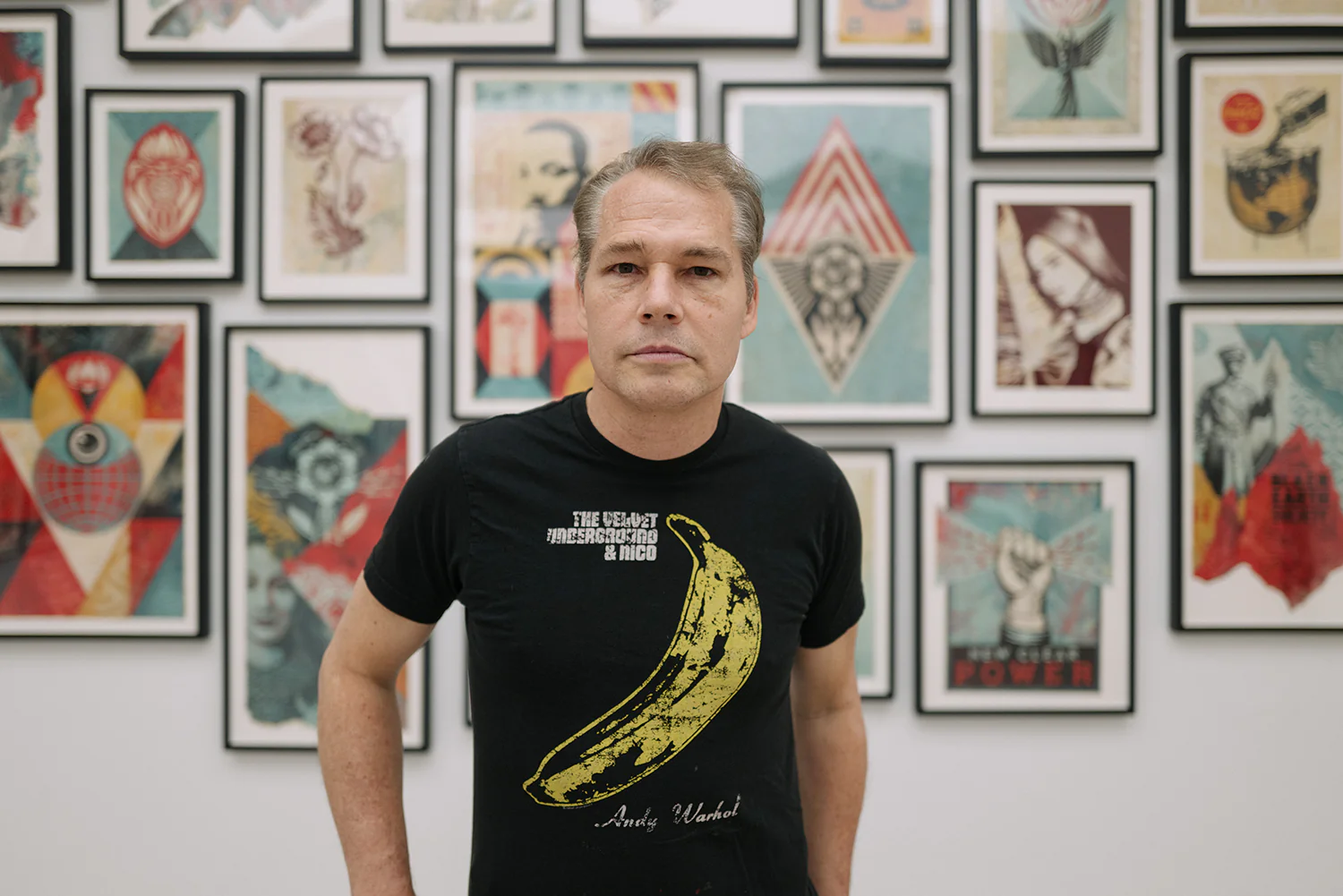
Shepard Fairey
Icon Pixel (with Pills), 2025
Hirst remains the dominant figure in this space and his prices at the top end have been extraordinary, though the market for his work is genuinely complex and rewards careful navigation. The 2008 'Beautiful Inside My Head Forever' sale at Sotheby's, conducted directly with the artist and bypassing the secondary market entirely, grossed over two hundred million dollars across two sessions and included numerous works that drew on pharmaceutical and scientific imagery. It remains one of the most discussed single artist sales in modern auction history. Prices for spot paintings and cabinet works at the upper end continue to reflect the seriousness with which major collectors regard this material, though the middle market for Hirst has seen volatility that any informed buyer should understand before entering.
Shepard Fairey occupies a different but genuinely interesting position within the broader pharmaceutical conversation. Where Hirst approaches the subject through the language of fine art and institutional critique, Fairey comes at related questions through graphic design, street culture, and the vocabulary of propaganda. His works that engage pharmaceutical and corporate imagery carry a more explicitly political charge, rooted in his background in street art and his long engagement with questions of power and manufactured consent. Fairey is well represented on The Collection, and his presence alongside Hirst creates a productive tension that any serious collector should think about.
Together they map two very different but equally urgent approaches to the same underlying cultural anxiety. The critical conversation around pharmaceutical themed art has matured considerably from the early days when it was primarily framed as shock tactics or celebrity culture commentary. Curators like Francesco Bonami and critics writing in October and Artforum have worked to place this material within longer art historical traditions, connecting it to Fluxus medicine events, to Marcel Duchamp's interest in pharmaceutical typography, and to the long history of memento mori in Western painting. The pill and the cabinet and the clinical white of the laboratory are now understood as a coherent iconographic language with genuine depth.
This critical rehabilitation has had real market consequences, as institutional endorsement tends to do. What feels alive right now in this space is the growing interest in how younger artists are inheriting and complicating the pharmaceutical legacy that Hirst's generation established. Artists working in the wake of the opioid crisis in the United States are bringing an urgency and specificity to this imagery that differs substantially from the cooler, more aesthetic approach of the 1990s YBA moment. The pills are no longer abstract; they carry names, they carry lawsuits, they carry grief.
This shift in tone is beginning to register at fairs and in gallery programs, and it seems reasonable to expect that auction houses will take notice within the next few years as these careers develop and institutional validation accumulates. For collectors building a serious position in this area, the works on The Collection offer a genuine range of entry points and conceptual approaches. The pharmaceutical theme rewards collecting that thinks in conversations rather than isolated acquisitions. A Hirst cabinet or spot painting in dialogue with a Fairey work that interrogates corporate power creates something more interesting than either work alone.
The best collections in this space tend to be ones where the collector has a point of view, where there is a thread of inquiry running through the acquisitions. This is territory where intellectual engagement and market awareness can reinforce rather than undermine each other, which is not always the case in contemporary art. That rare alignment is perhaps the most compelling reason to pay close attention right now.