Performance
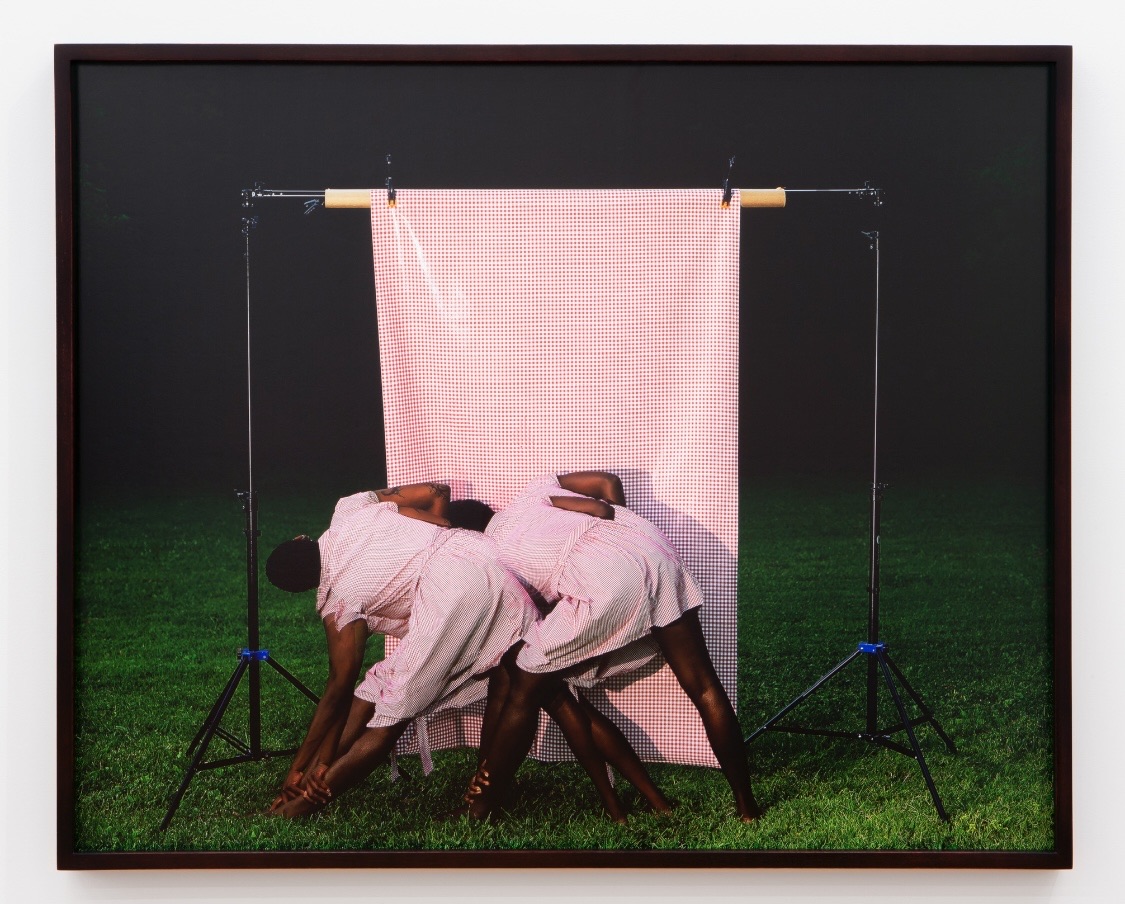
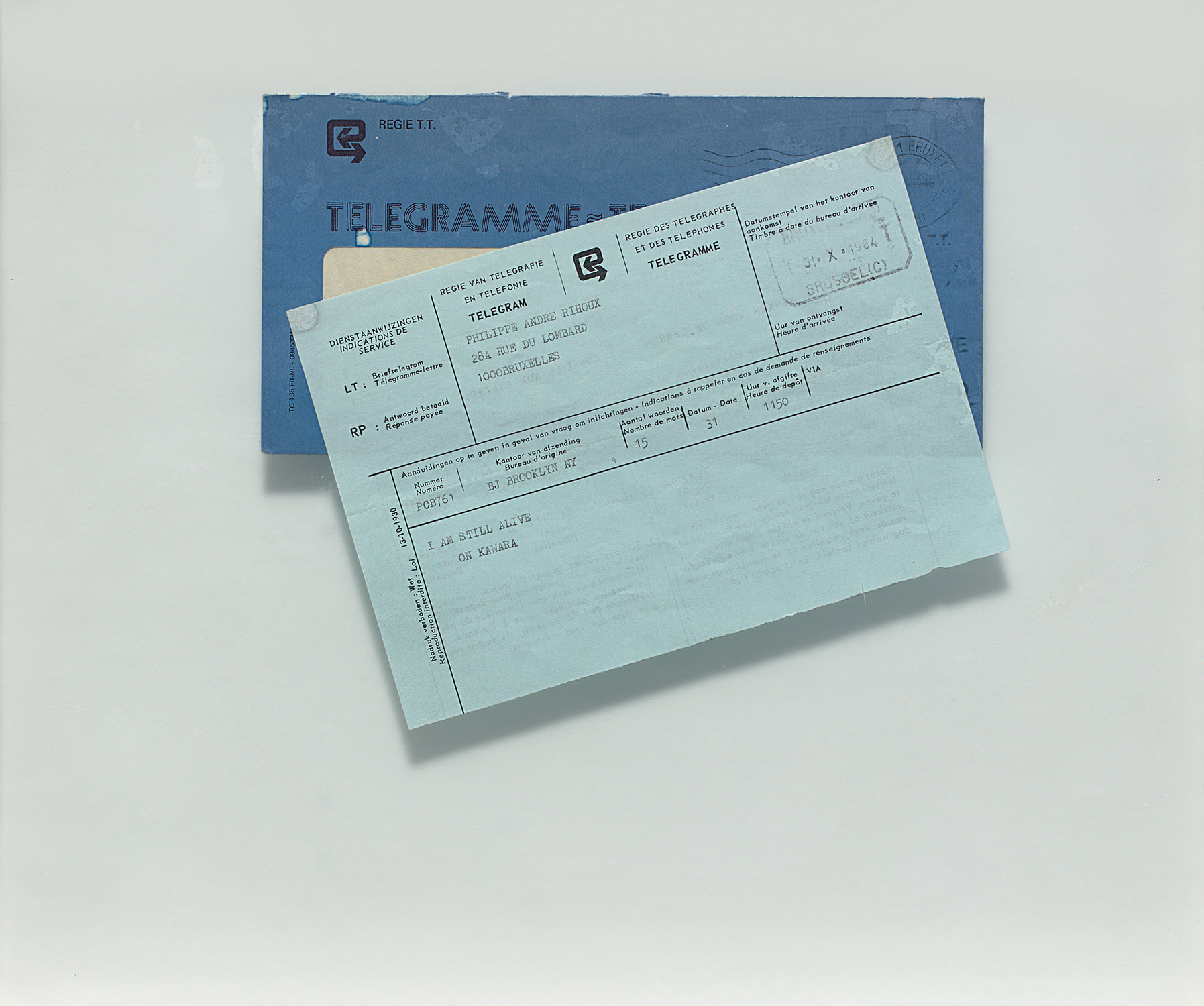
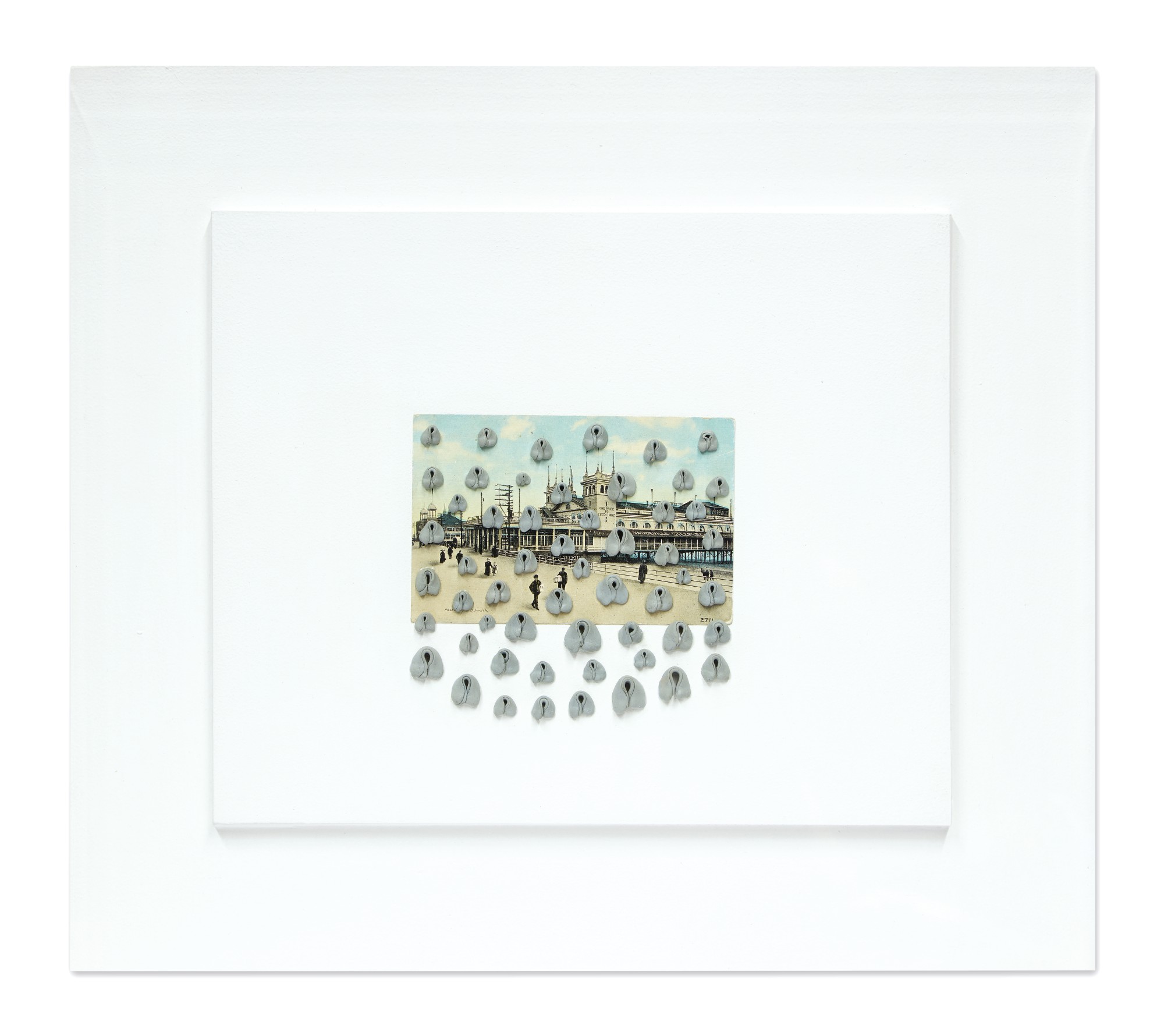
Widline Cadet
Untitled


The Art You Cannot Hang on a Wall
There is a particular kind of collector who is drawn to performance based work, and they tend to share a certain quality: a willingness to sit with discomfort, to hold something intangible as seriously as something framed. What draws them is not decoration but confrontation. The best performance derived works, whether photographic documentation, video, multiples, or objects that carry the residue of an action, ask something of the person living with them. They do not recede into a room.
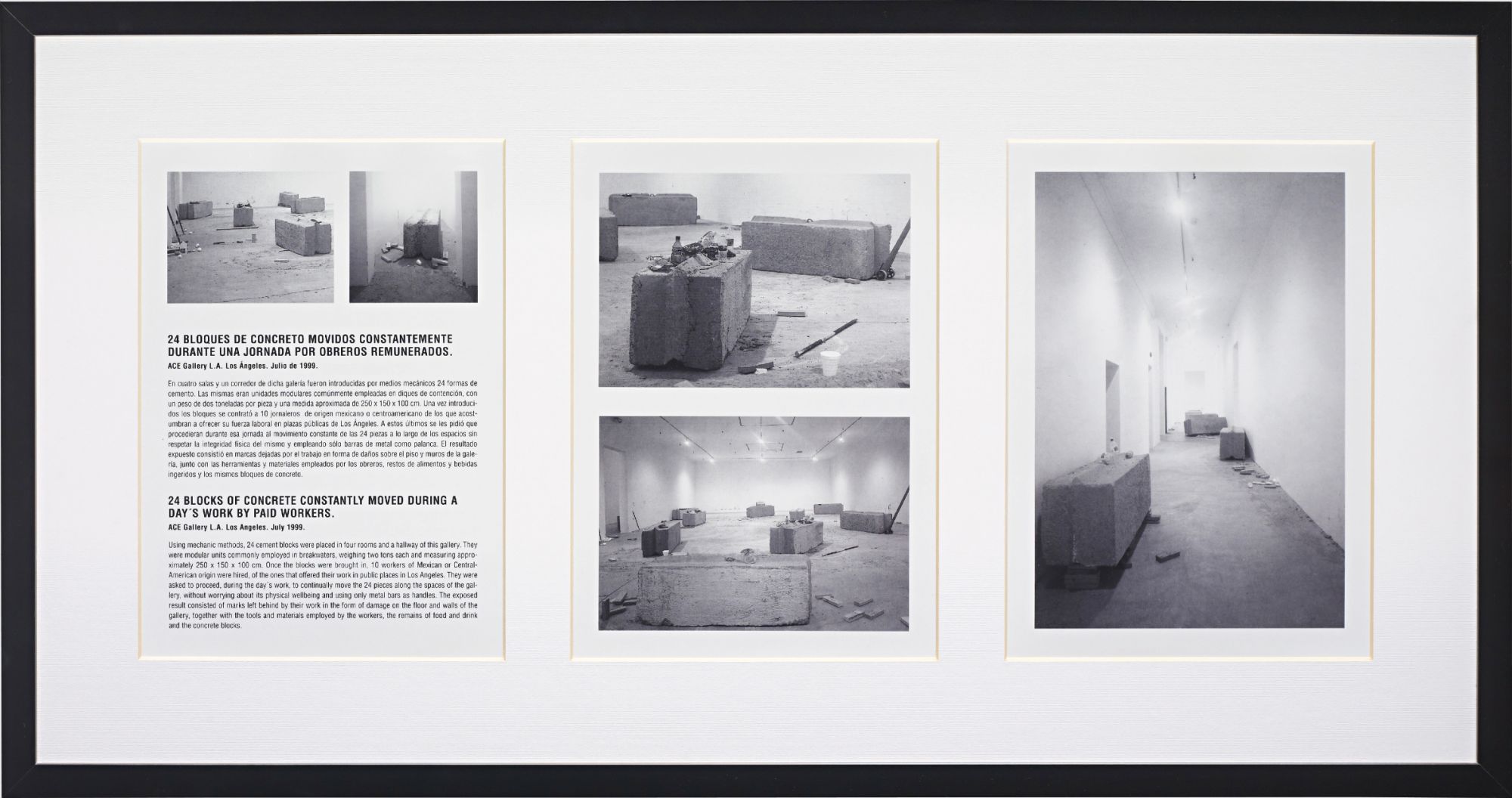
They persist, and that persistence is precisely what makes collecting in this space so charged and so rewarding over time. For collectors approaching performance for the first time, the initial question is almost always about what you are actually acquiring. Unlike a painting or a bronze, many of the most significant works in this category exist as photographs, films, or artist sanctioned certificates and instructions. This is not a limitation.
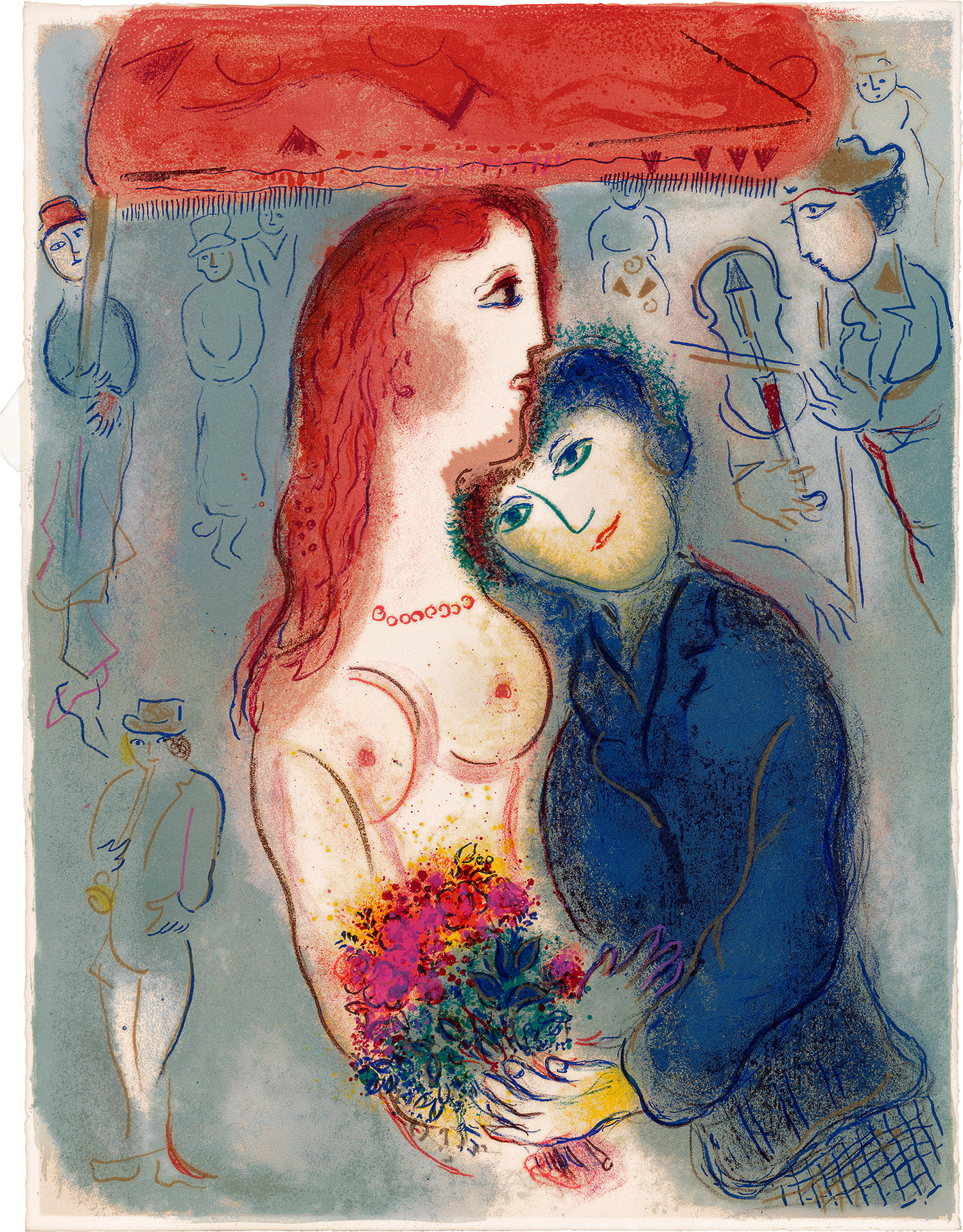
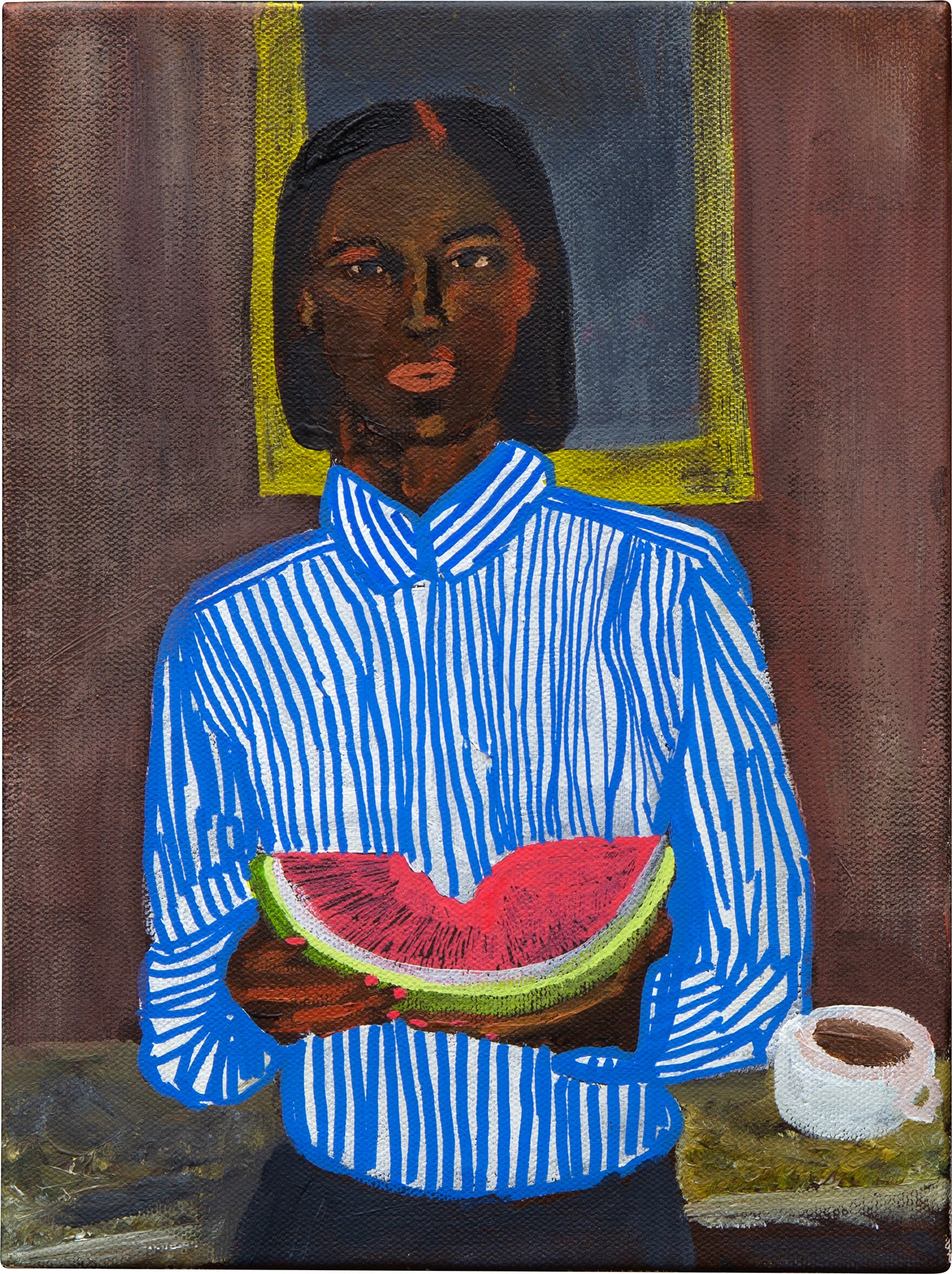
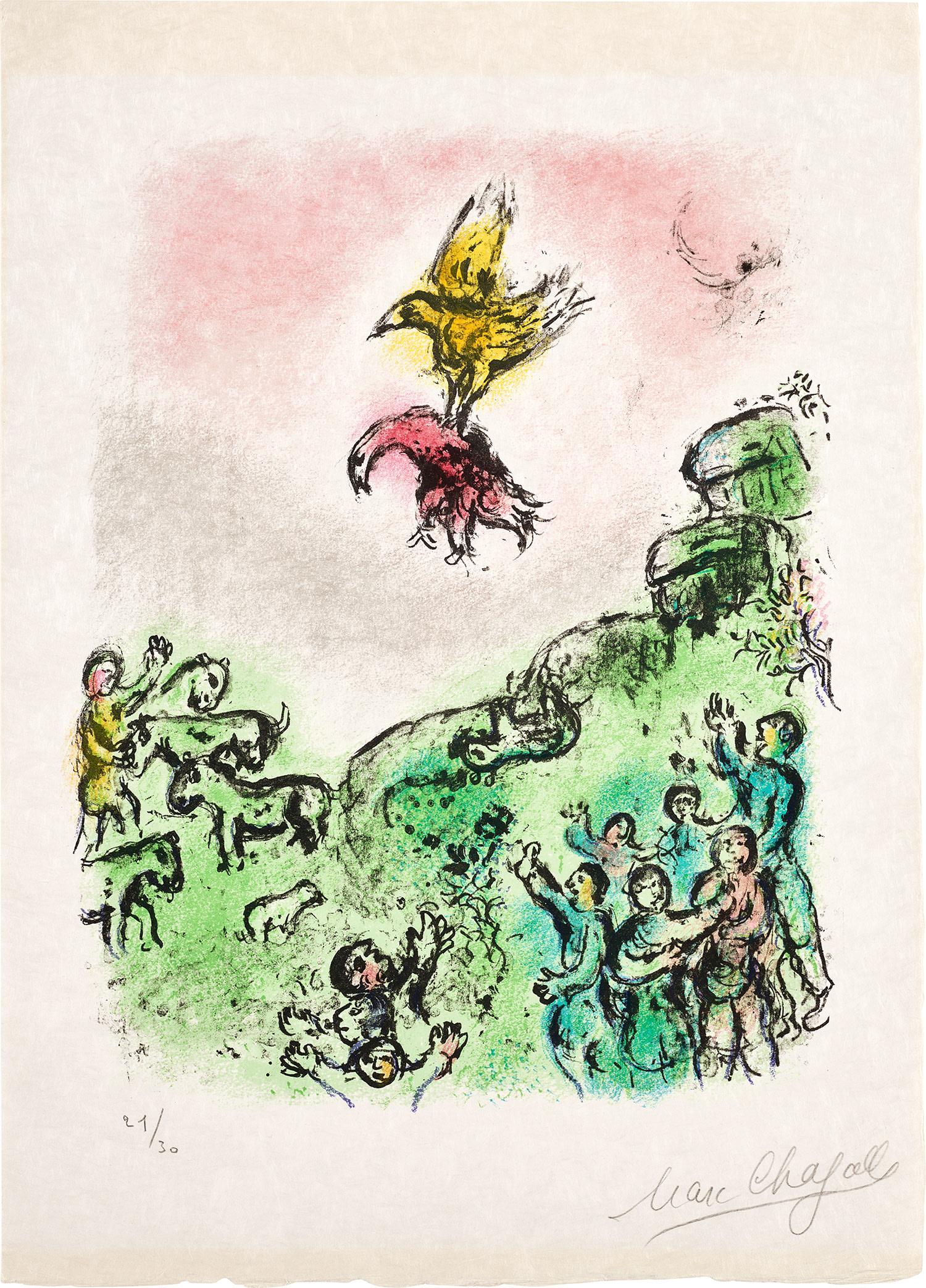
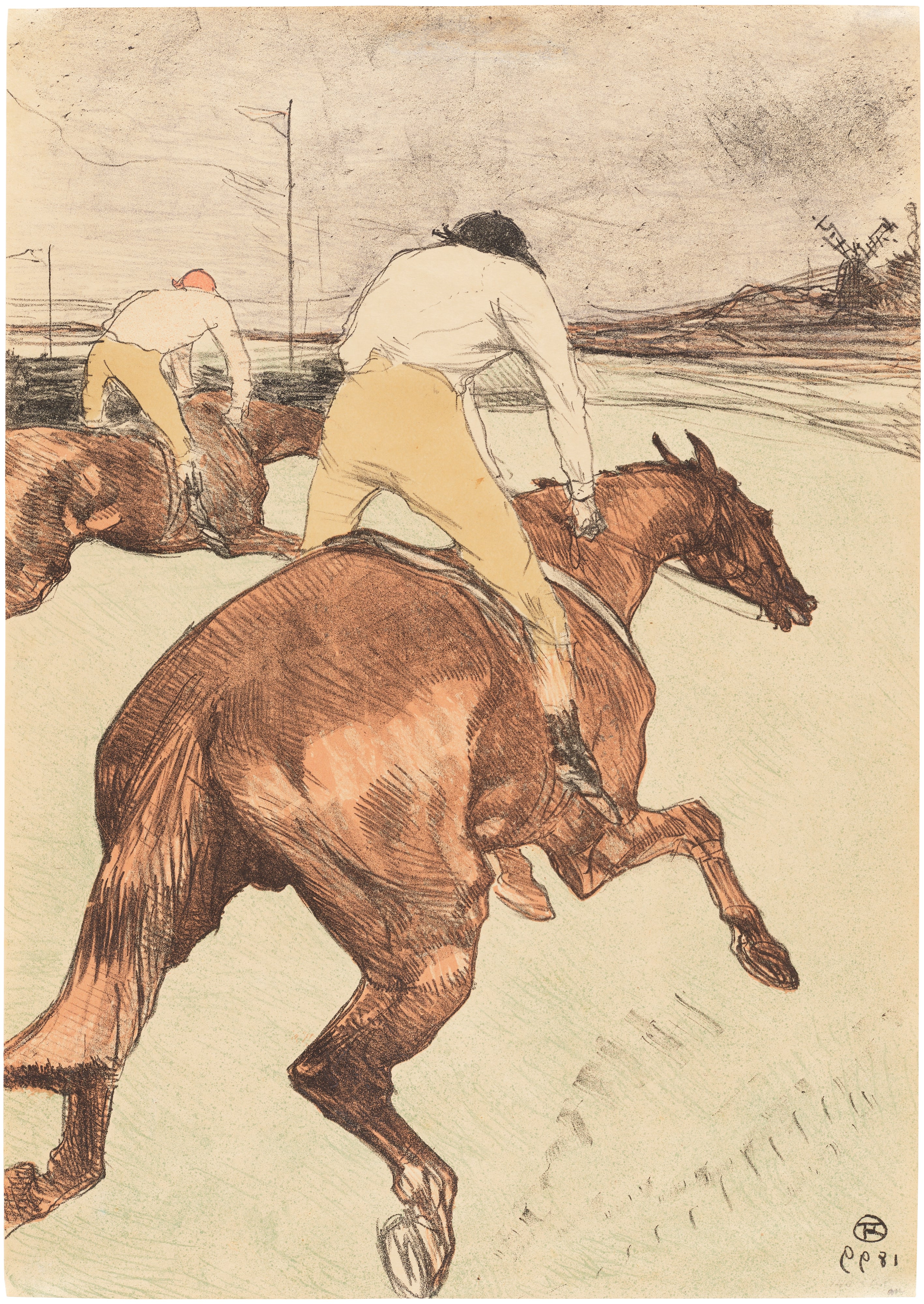
Marc Chagall
Le cirque (The Circus): plate 5 (M. 494, see C. Bks. 68)
It is, in many ways, the point. The work lives in the transaction between the object you own and the action it records or enables. A collector who understands this moves through the category with real confidence, because they are buying meaning rather than simply material. What separates a good work from a great one in this space comes down to proximity to the original act and the coherence of that relationship.
Documentation that feels like an afterthought produces work that reads as archival rather than artistic. The great examples, by contrast, make the document inseparable from the performance itself. Joseph Beuys understood this better than almost anyone. His actions and the objects and multiples that orbited them were conceived as a unified field.
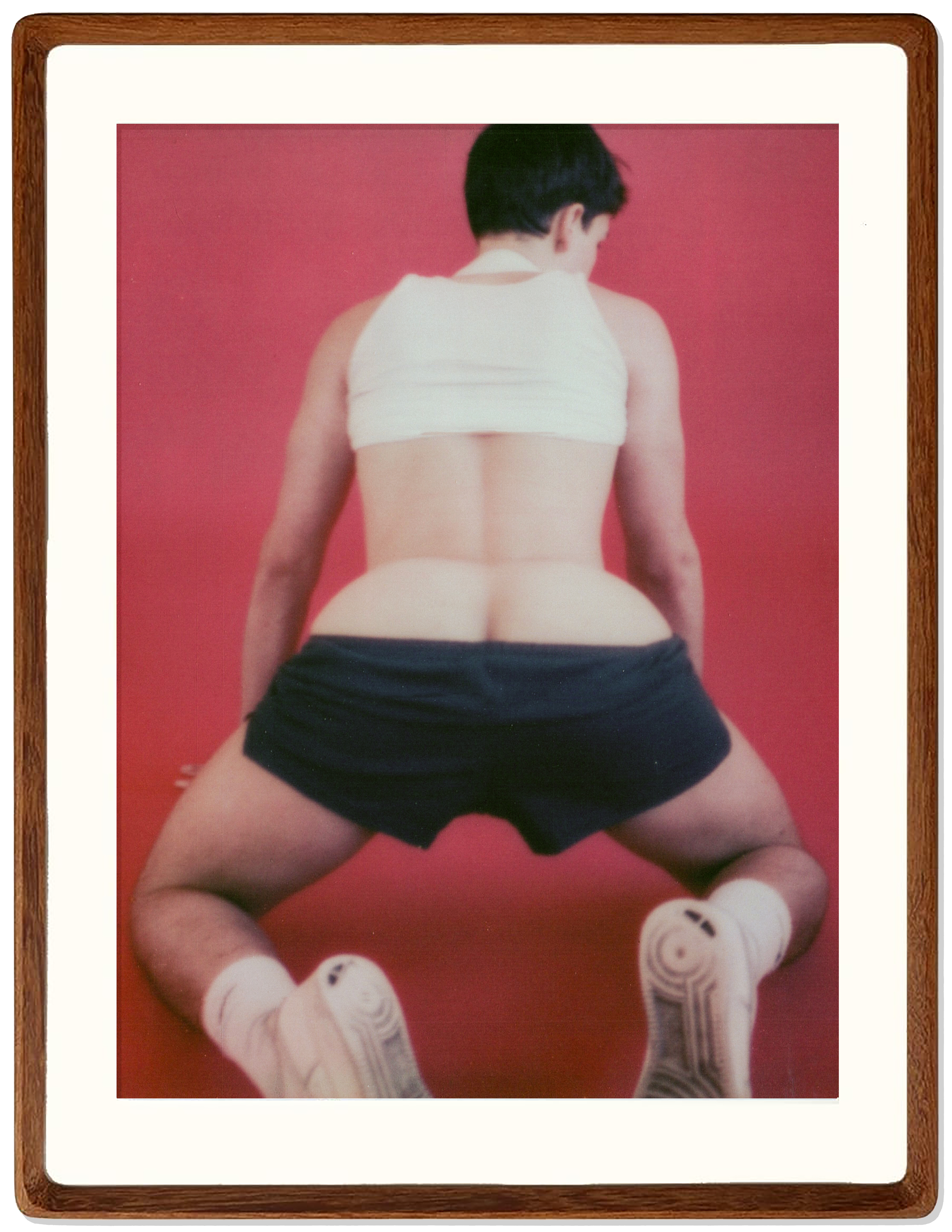
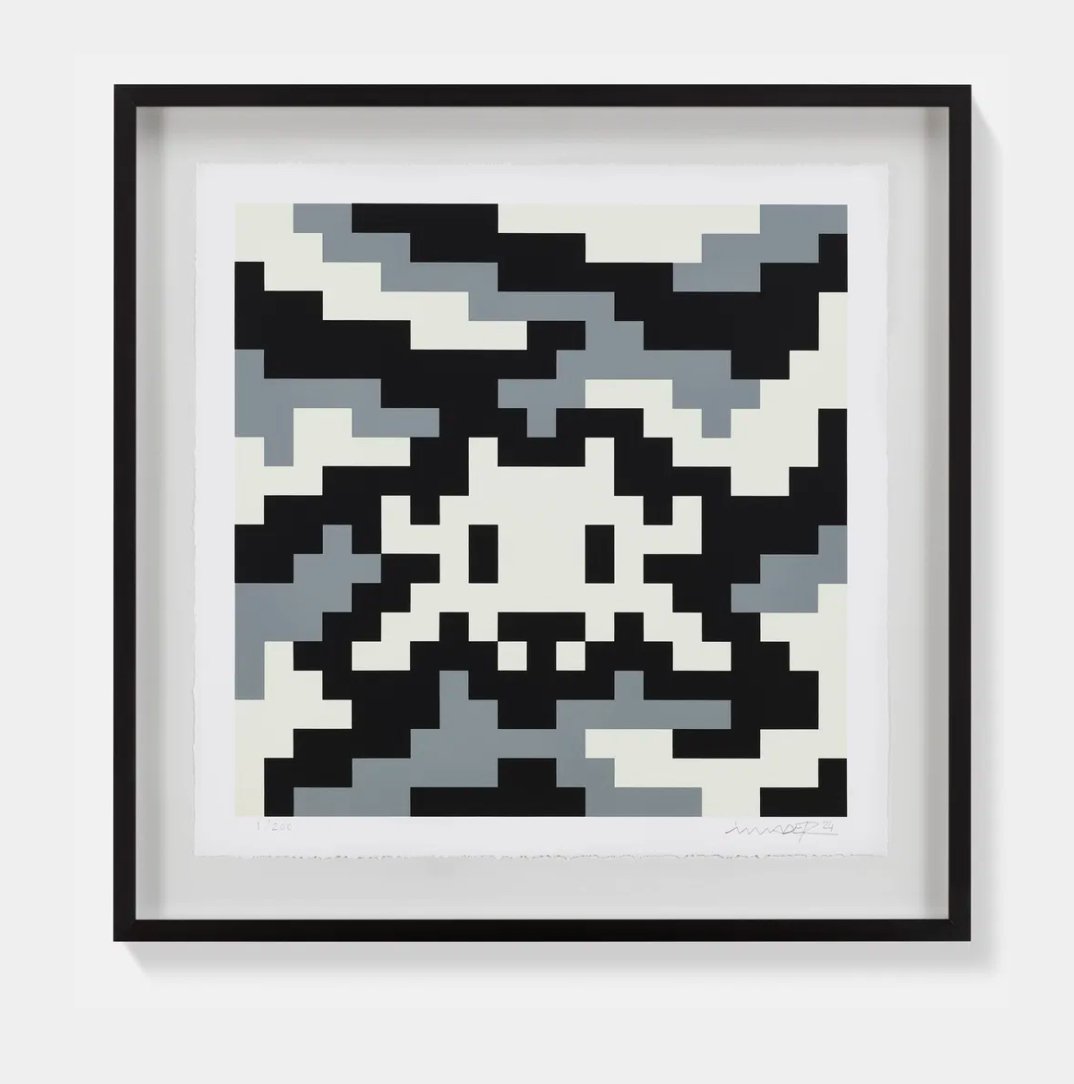
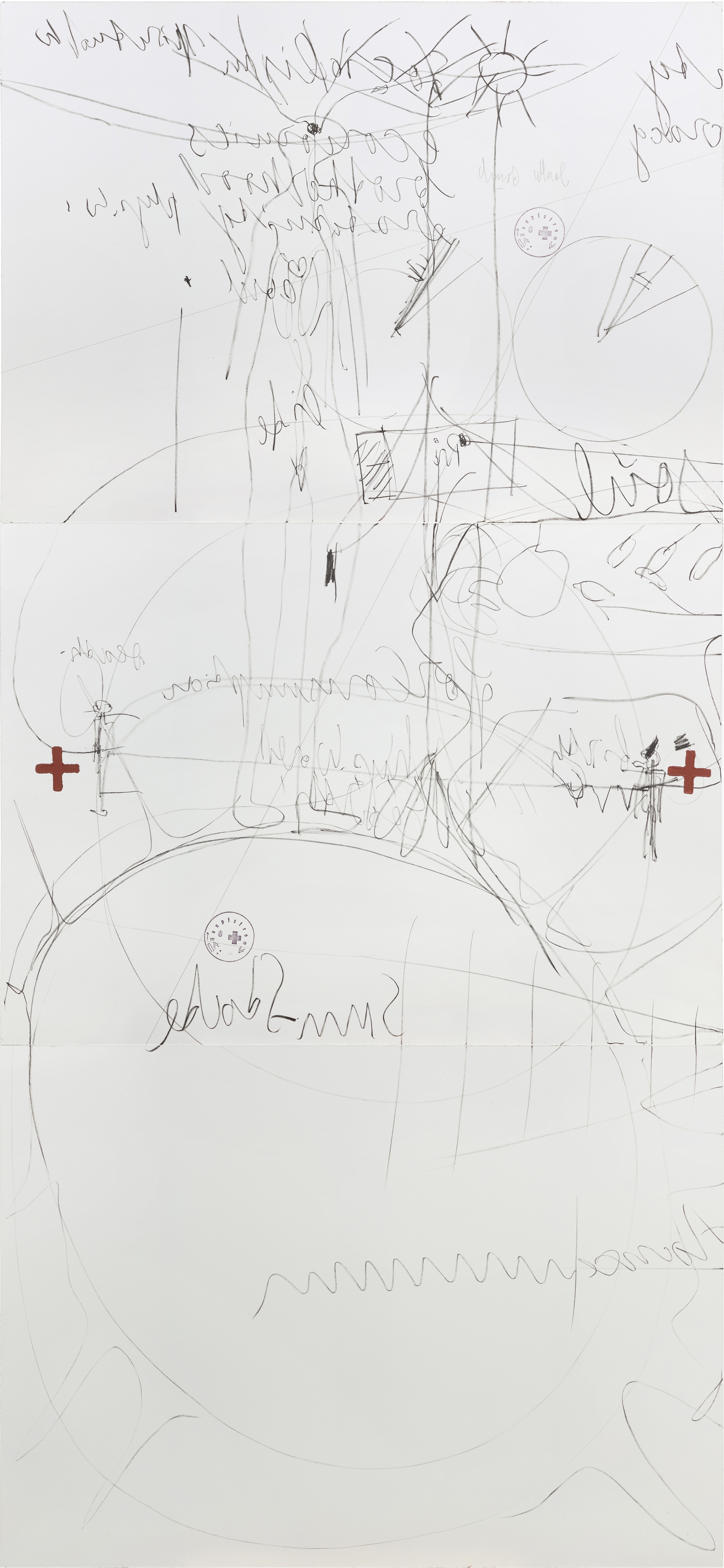
Marc R. Christensen
Enough to Mean to Business, 2024
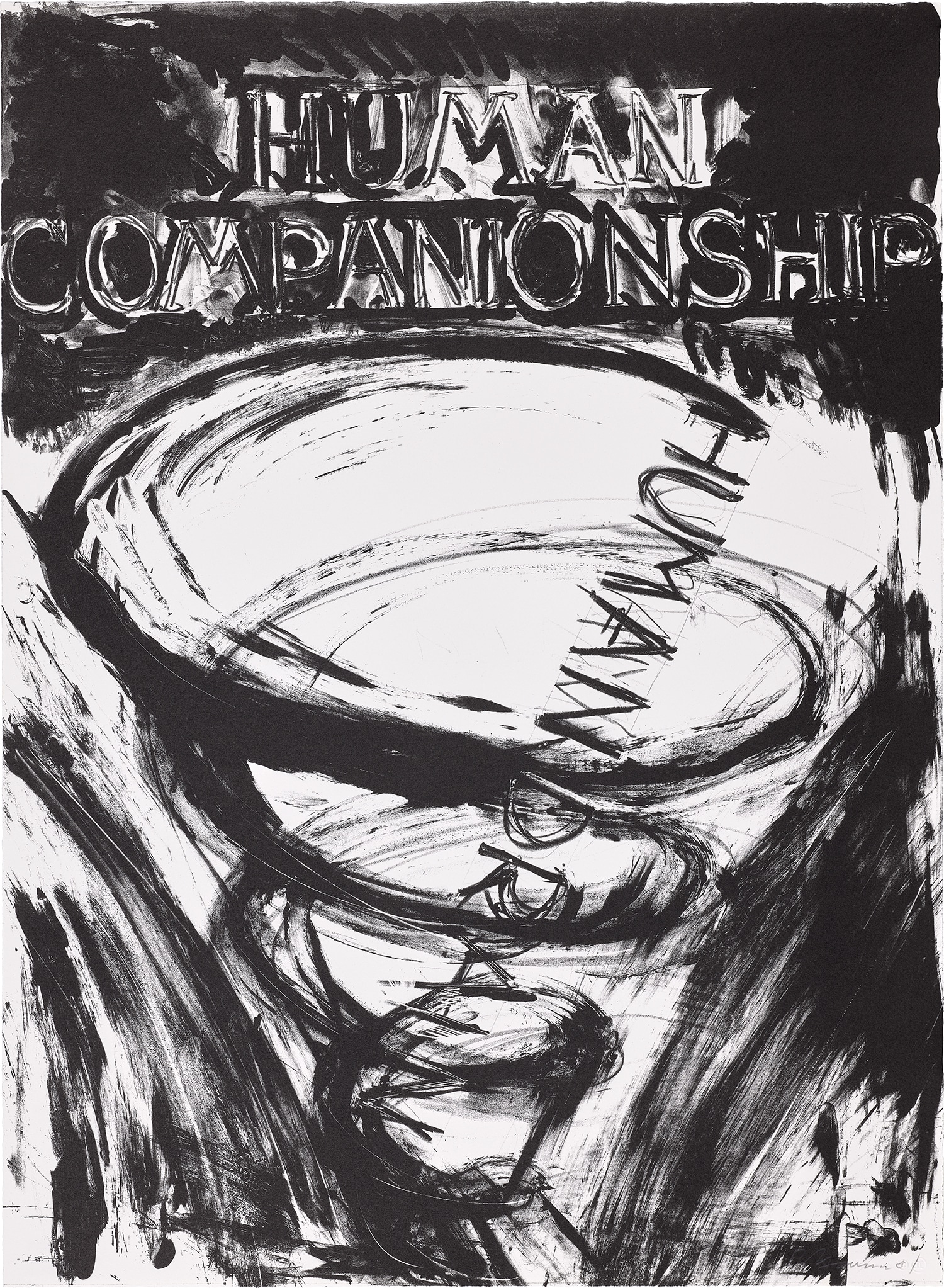
A Beuys multiple is not merchandise from a show. It carries the conceptual weight of the action. Similarly, Bruce Nauman's video works from the late 1960s and early 1970s are not records of something that happened. They are the work, and the distinction matters enormously when you are deciding what to acquire.
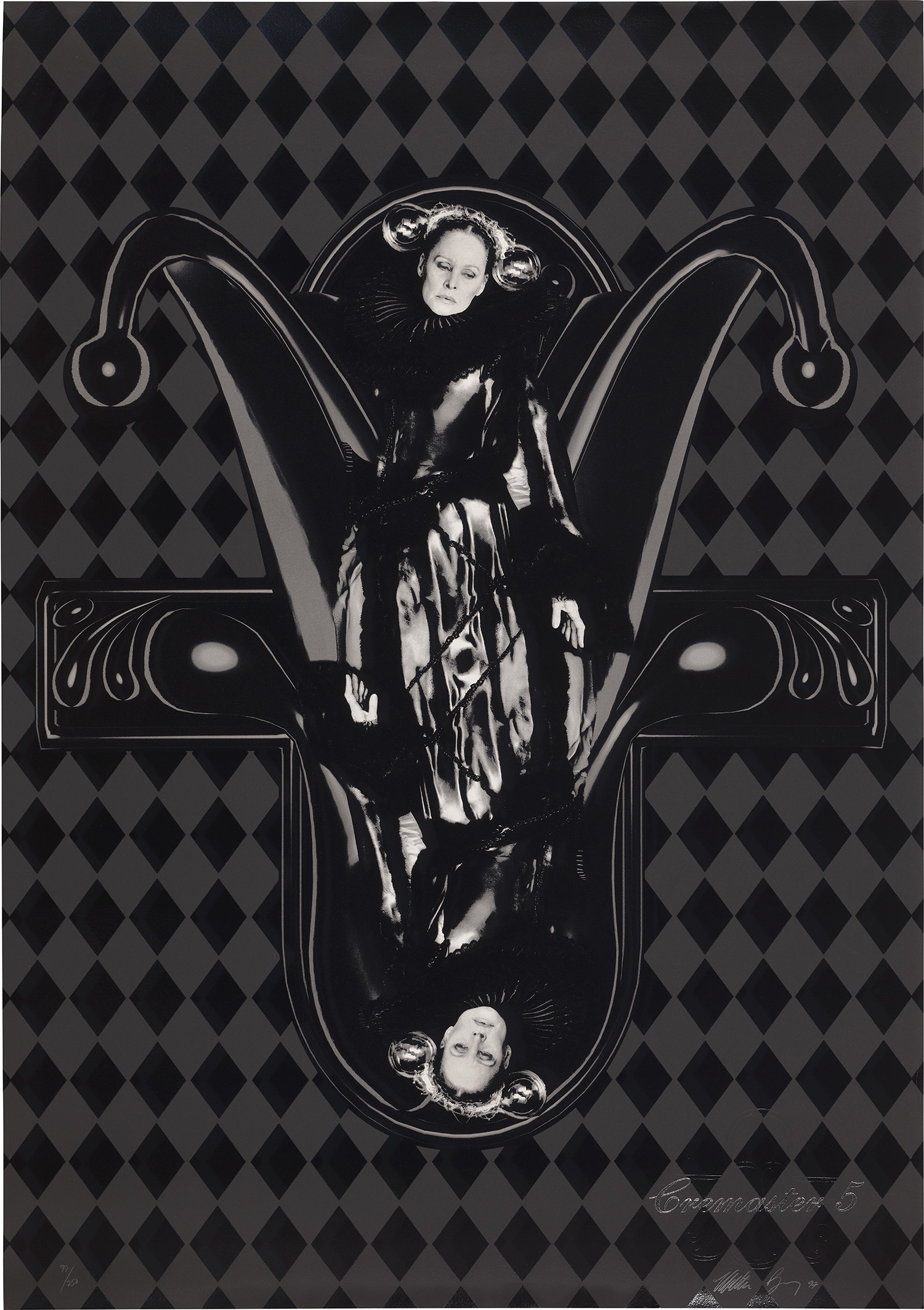
Among the artists well represented on The Collection, the strongest long term value arguments cluster around figures whose performance practice produced work that is both historically pivotal and increasingly scarce. Matthew Barney's output from the Cremaster cycle period has proven remarkably resilient at auction, with his photographs and multiples from the 1990s consistently attracting serious institutional competition. The work is demanding, cosmologically dense, and not for everyone, but collectors who committed early have seen that commitment rewarded. Hannah Wilke is a different case, and in some ways a more urgent one.
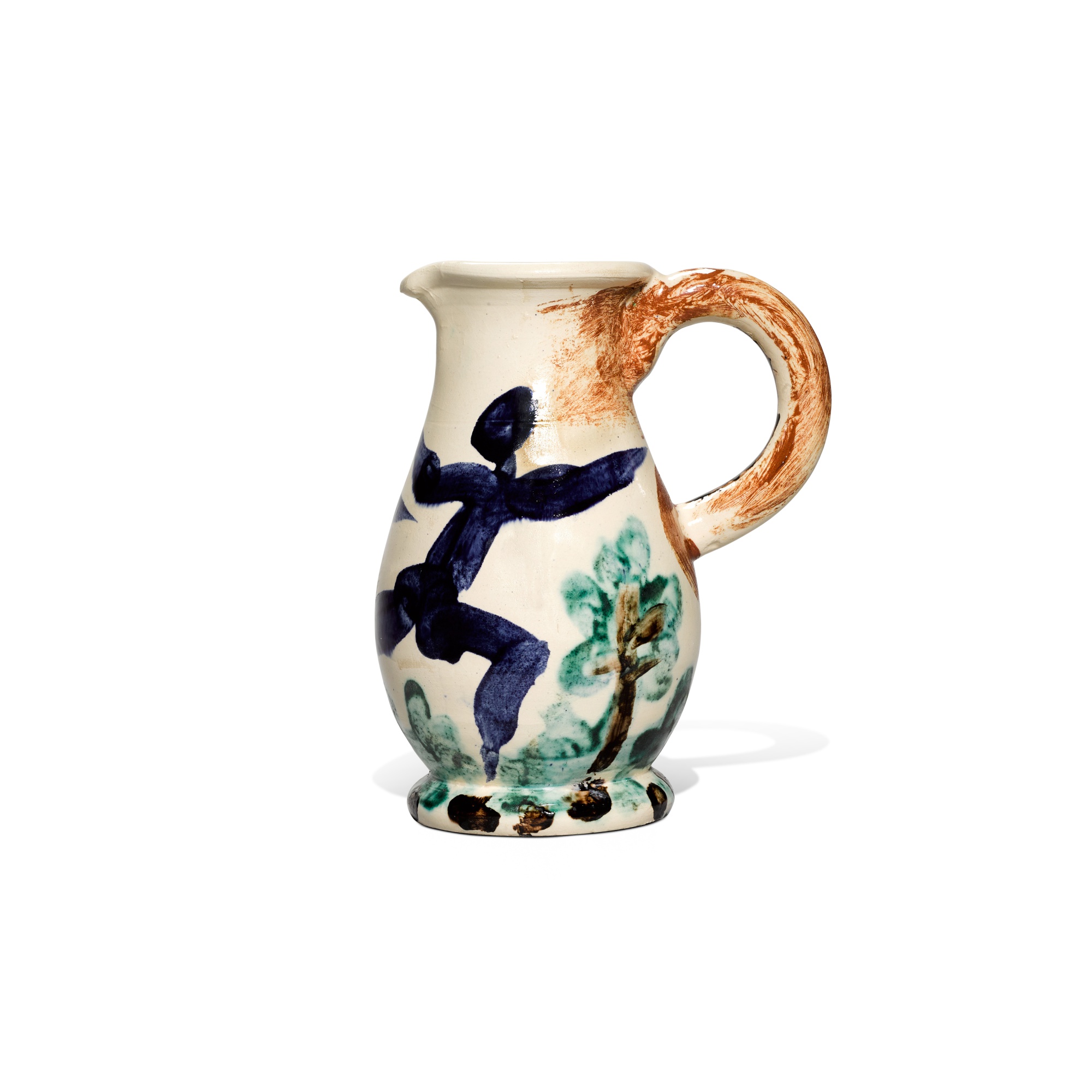
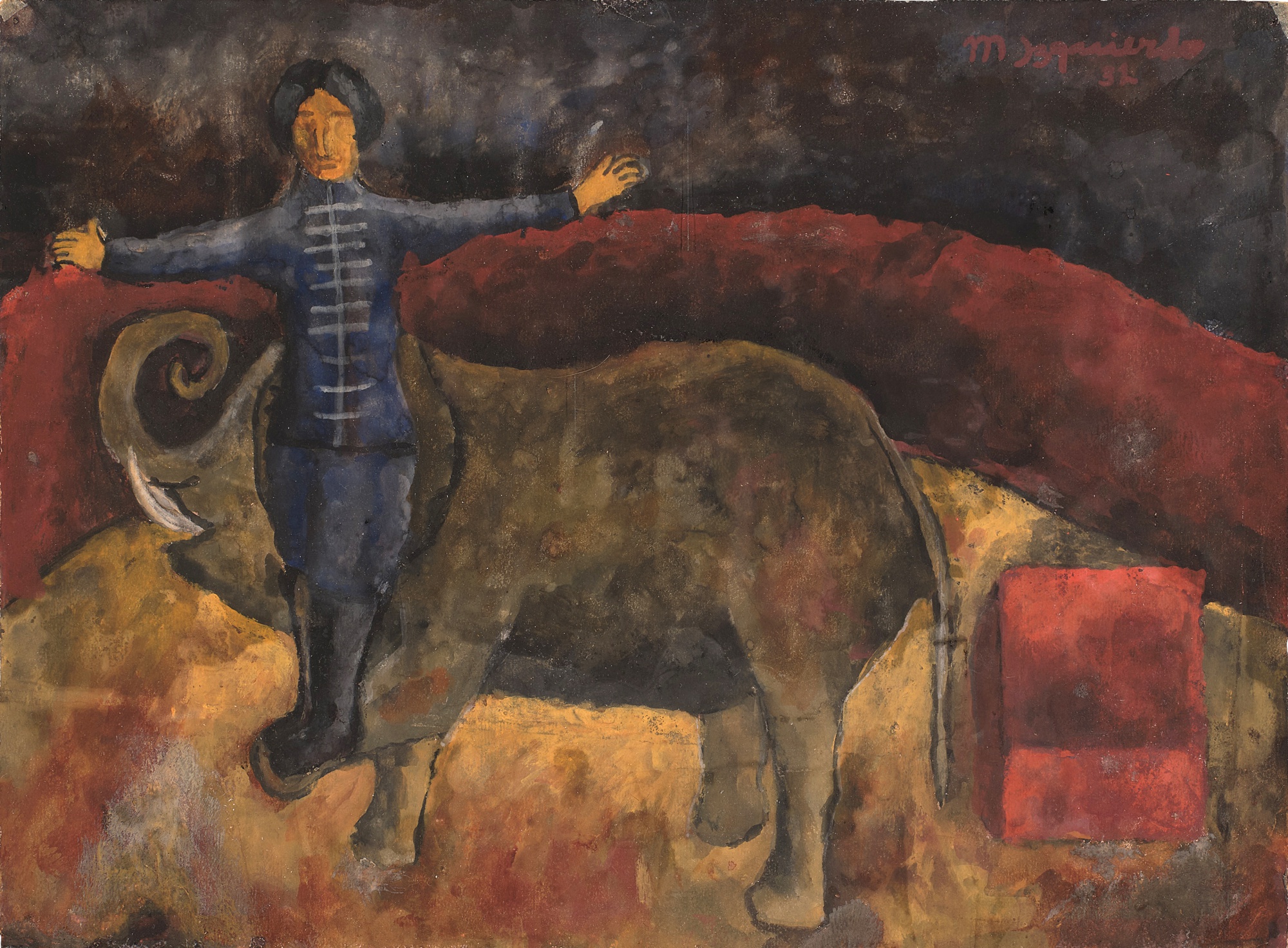
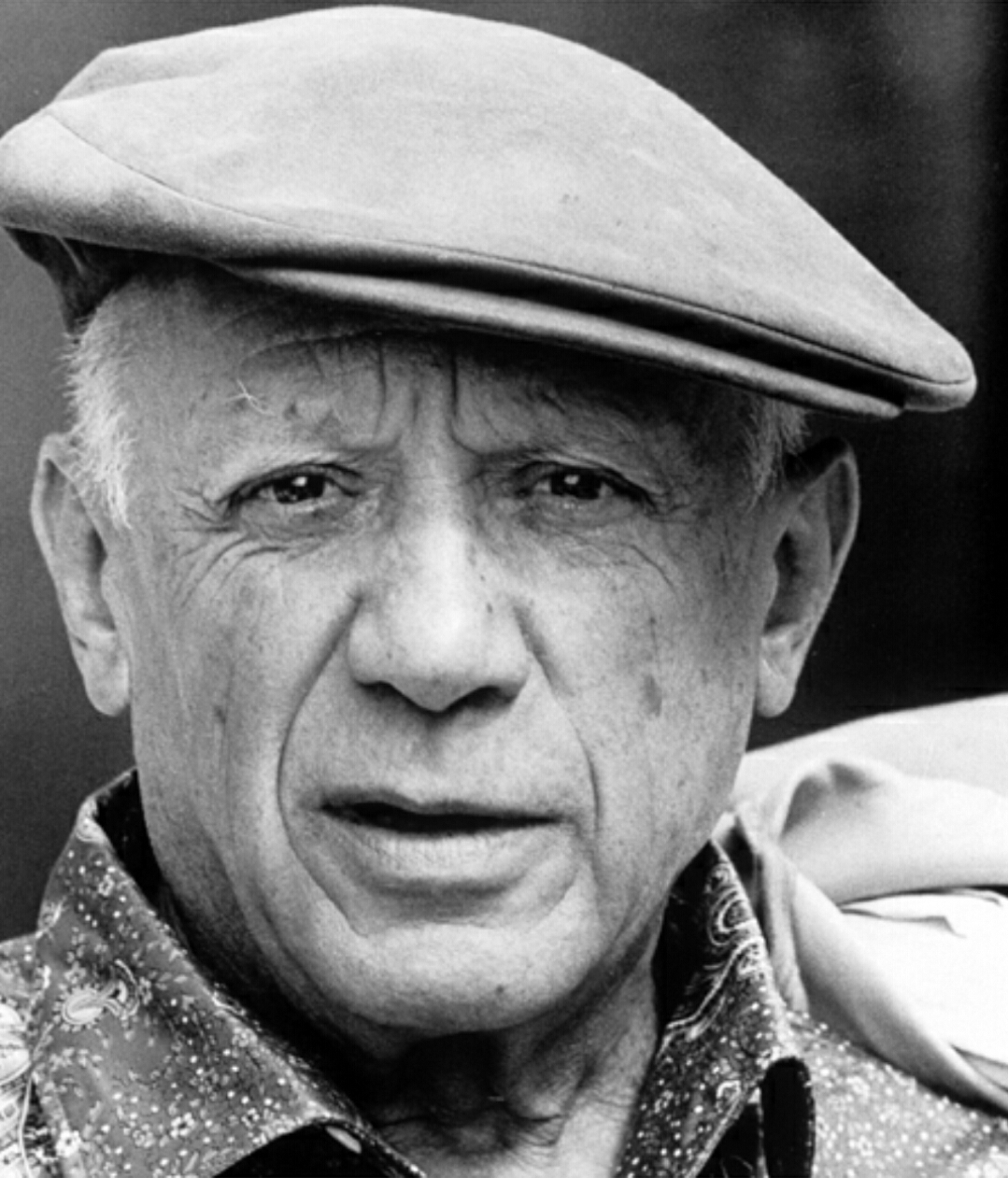
Pablo Picasso
Danseur, 1948
Her work from the 1970s, particularly the documentation of her S.O.S. series, has been significantly reappraised in the last decade as feminist performance history has been written more carefully.
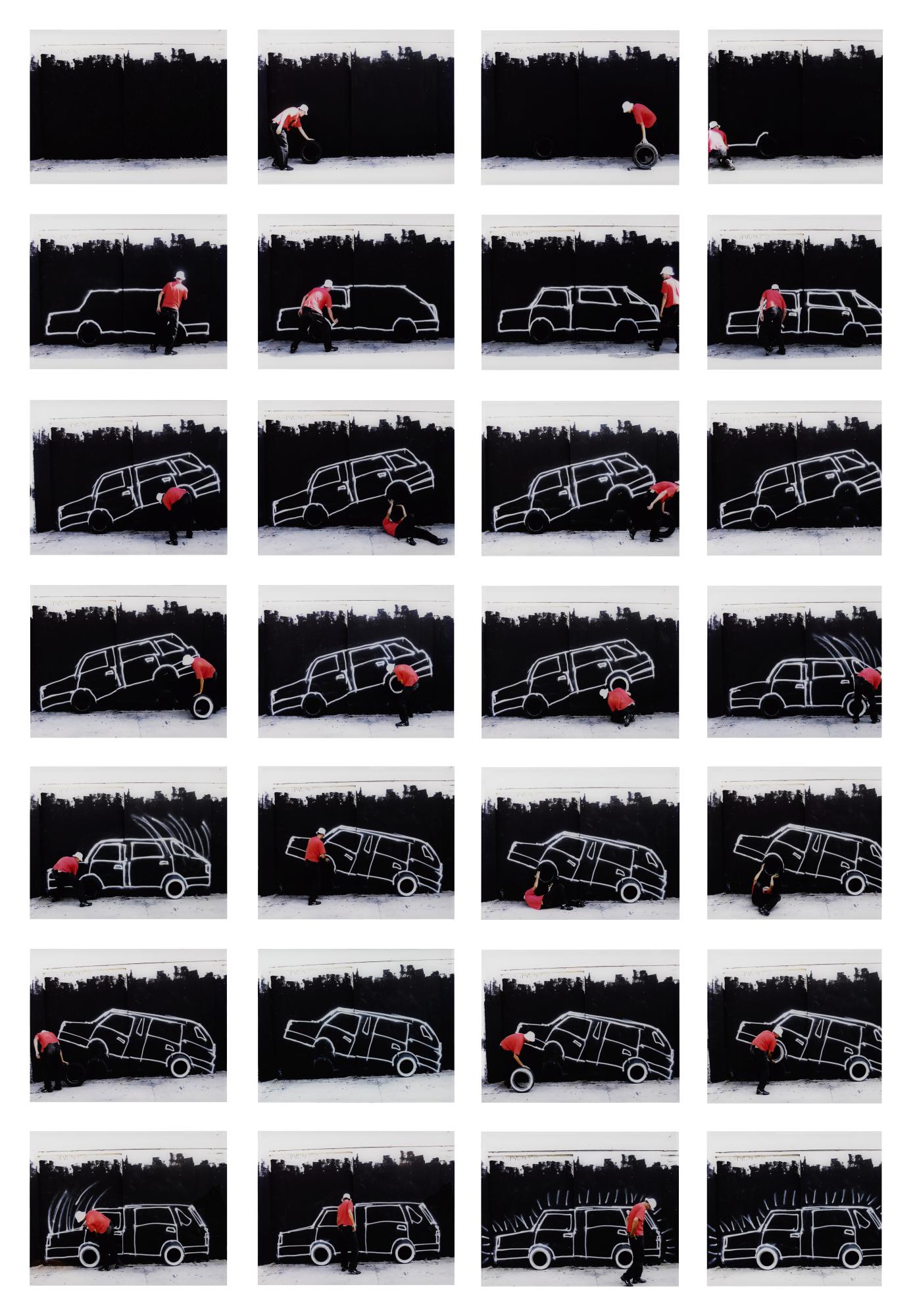
Works on paper and photographs are still acquirable at prices that will look modest in hindsight. Vito Acconci, whose radical body based work from the early 1970s anticipated so much of what followed, is represented on The Collection and remains an area where serious collectors can still find entry points before the market fully catches up with the critical consensus. For collectors with a longer horizon, a few names deserve close attention. Robin Rhode, whose wall based performances create a brilliant dialogue between drawing, photography, and action, is building a body of work that has genuine crossover appeal between performance and the more established print and photography markets.
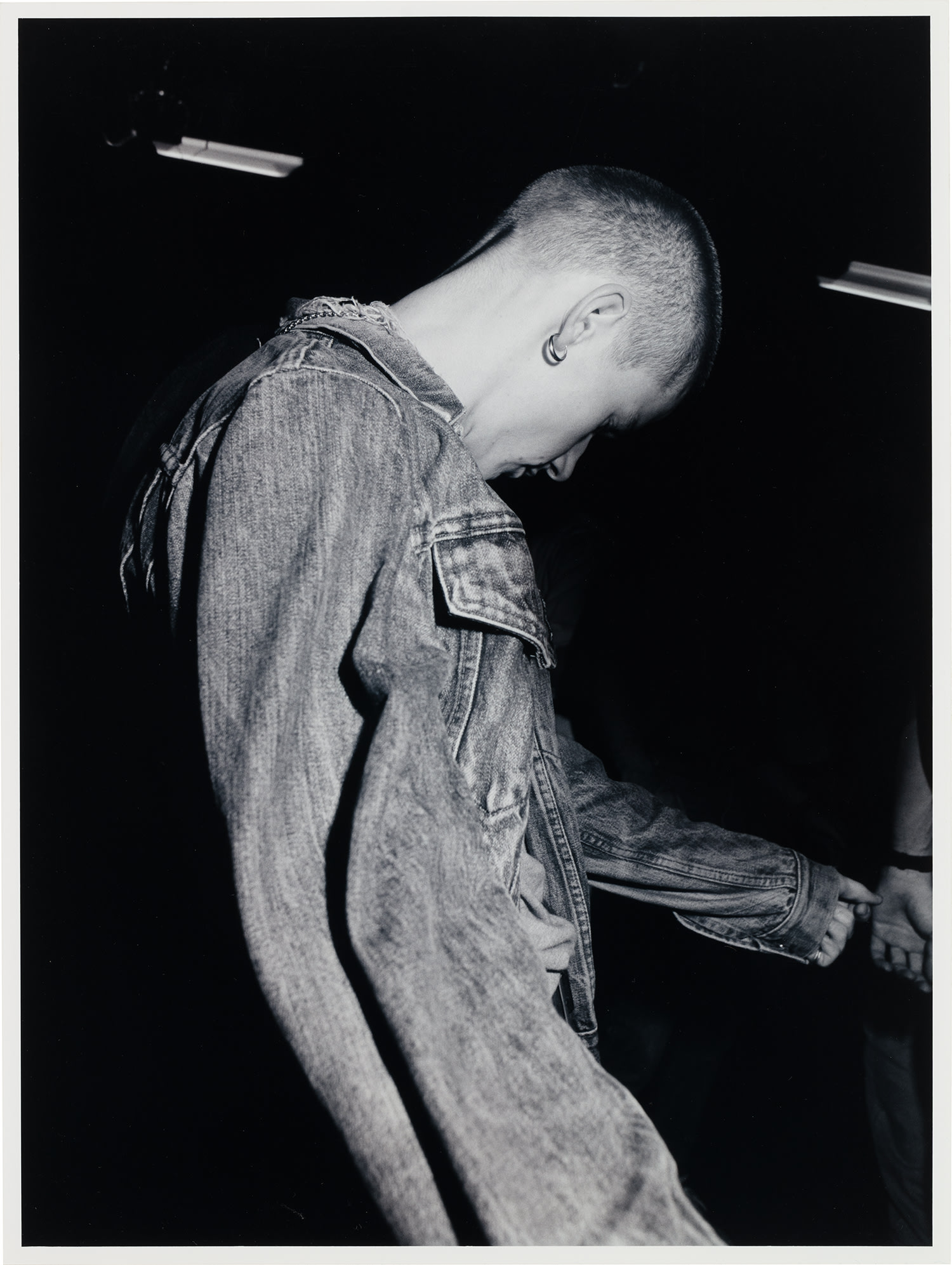
Wolfgang Tillmans
dancer, Opera House
His work is rigorous, visually immediate, and produced in ways that make collection management straightforward. Zhang Huan, whose early durational performances in Beijing in the 1990s are among the most important documents of that period in Chinese contemporary art, has moved into large scale painting and ash based work that translates the logic of performance into collectible objects with real presence. Samuel Fosso, working across West Africa and engaging his own body as both subject and instrument, is producing a photographic self performance practice that serious collectors are beginning to recognize as essential. These are not speculative tips.
They are areas where the critical groundwork is already laid and the market has not fully responded. At auction, performance related works behave differently depending on category. Video works and time based media still present liquidity challenges, and collectors should be clear eyed about this before acquiring. The secondary market for video is thinner than for photographs or multiples, and selling a video edition outside of a major auction house context can be difficult.
Photographs documenting performance, on the other hand, have traded actively for decades and benefit from the same collector base that drives fine art photography broadly. Cindy Sherman's market is perhaps the clearest illustration of how performance inflected photography can achieve the deepest blue chip stability. Her work has been consistently acquired by major institutions and sustained strong secondary results across cycles. For Vanessa Beecroft, whose tableau performances with living bodies are documented in large format photographs, prices have been more volatile, reflecting ongoing debates about the work's relationship to contemporary conversations around representation and the body.
Those debates are not resolved, but they are generative, and collectors with strong points of view tend to navigate this kind of market turbulence better than those buying purely on trend. Practically speaking, condition considerations for performance documentation are distinct from those for works on paper or canvas. Photographic prints degrade through light exposure and humidity in ways that can be irreversible, and provenance documentation is particularly important in this category because authenticity questions arise more often than in other areas. Always ask a gallery to confirm whether a work comes with a certificate of authenticity from the artist or estate, and for editions, request the full edition size and the number of artist's proofs.
Ask specifically whether the work has been exhibited and whether any institutional loans are on record. For video, ask about the format of the master and whether the gallery provides ongoing technical support for format migration. These questions are not pedantic. They are the difference between owning something that retains its meaning and owning something that silently deteriorates.
Collectors who ask them consistently are the ones who build collections that endure.