Peaceful Mood
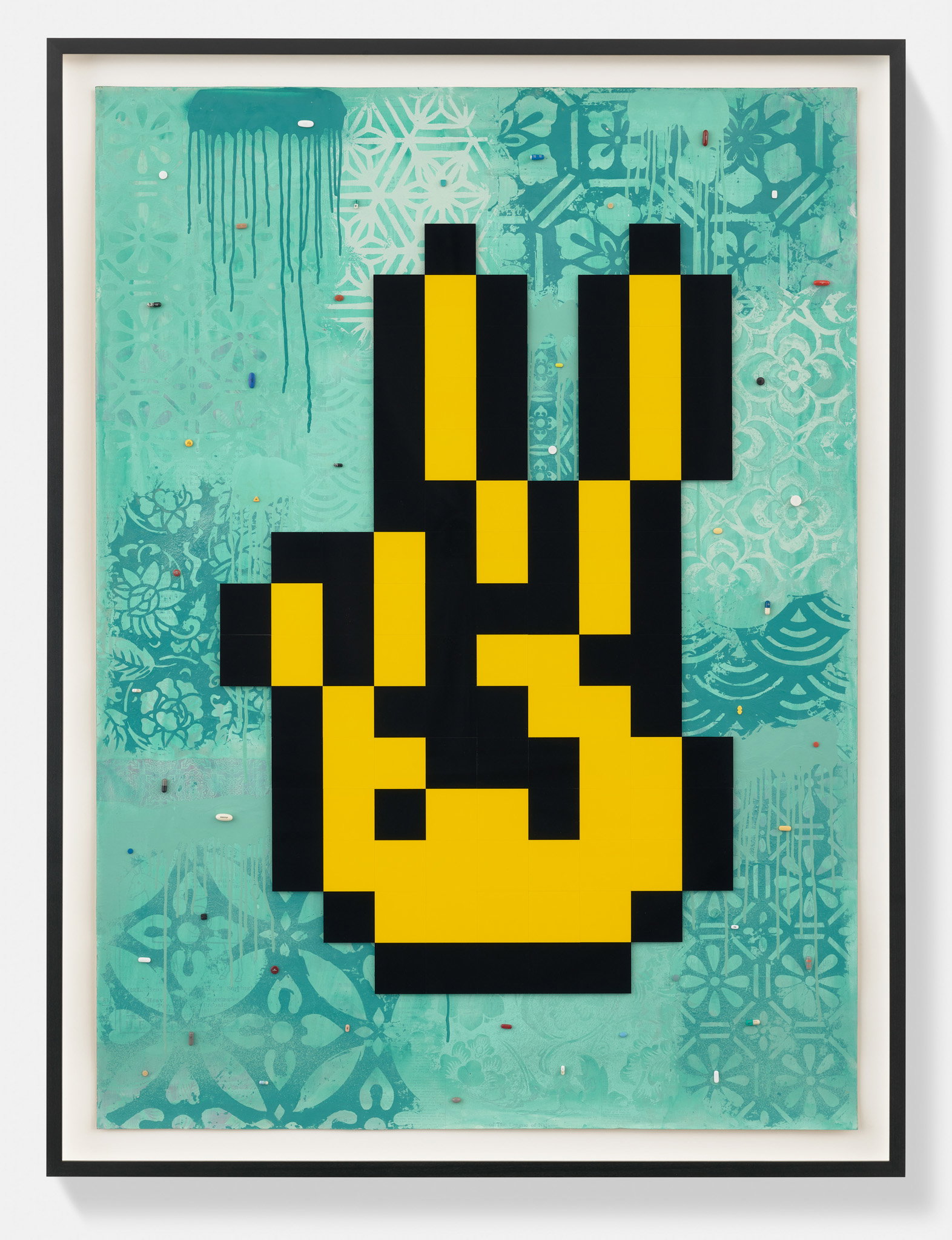
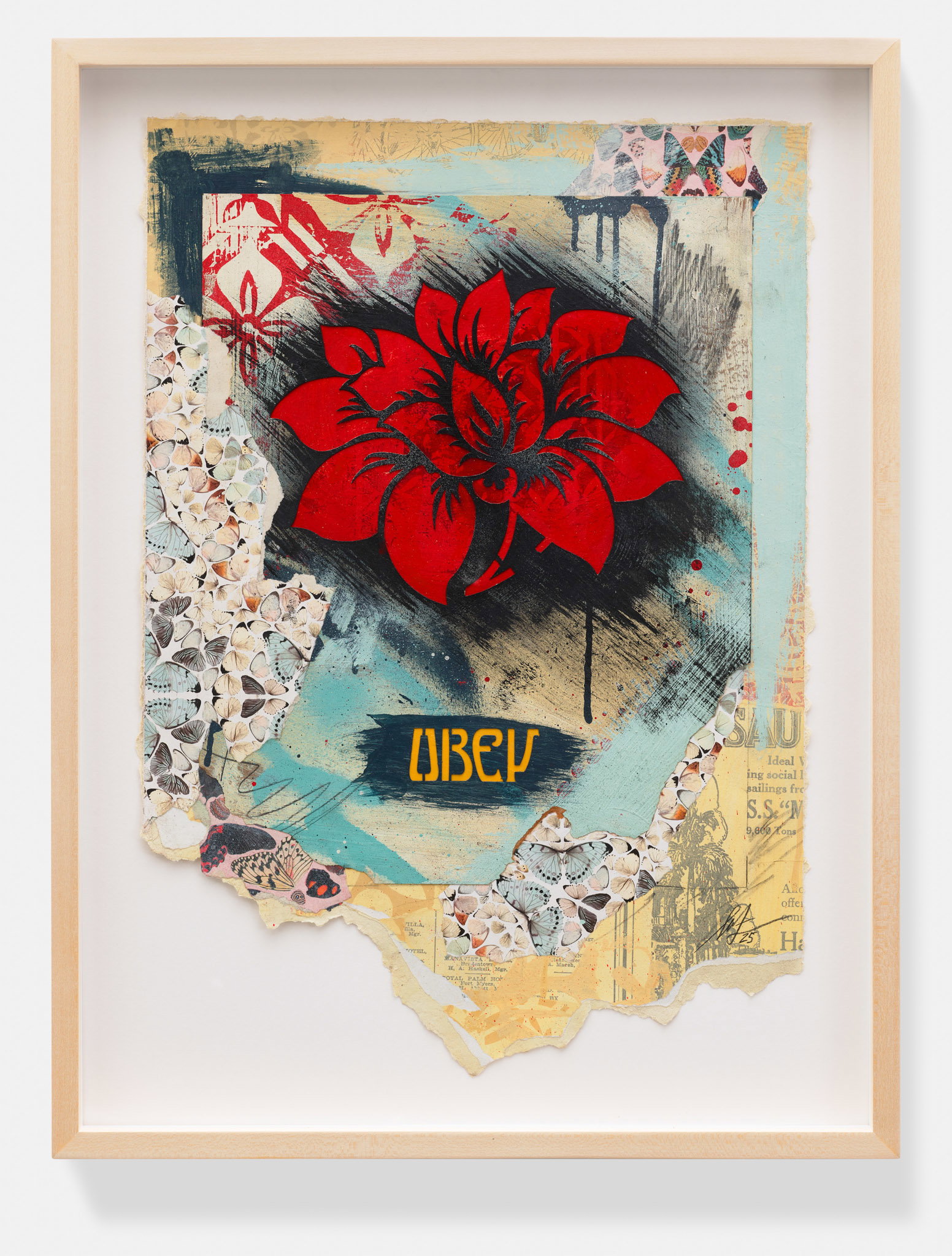
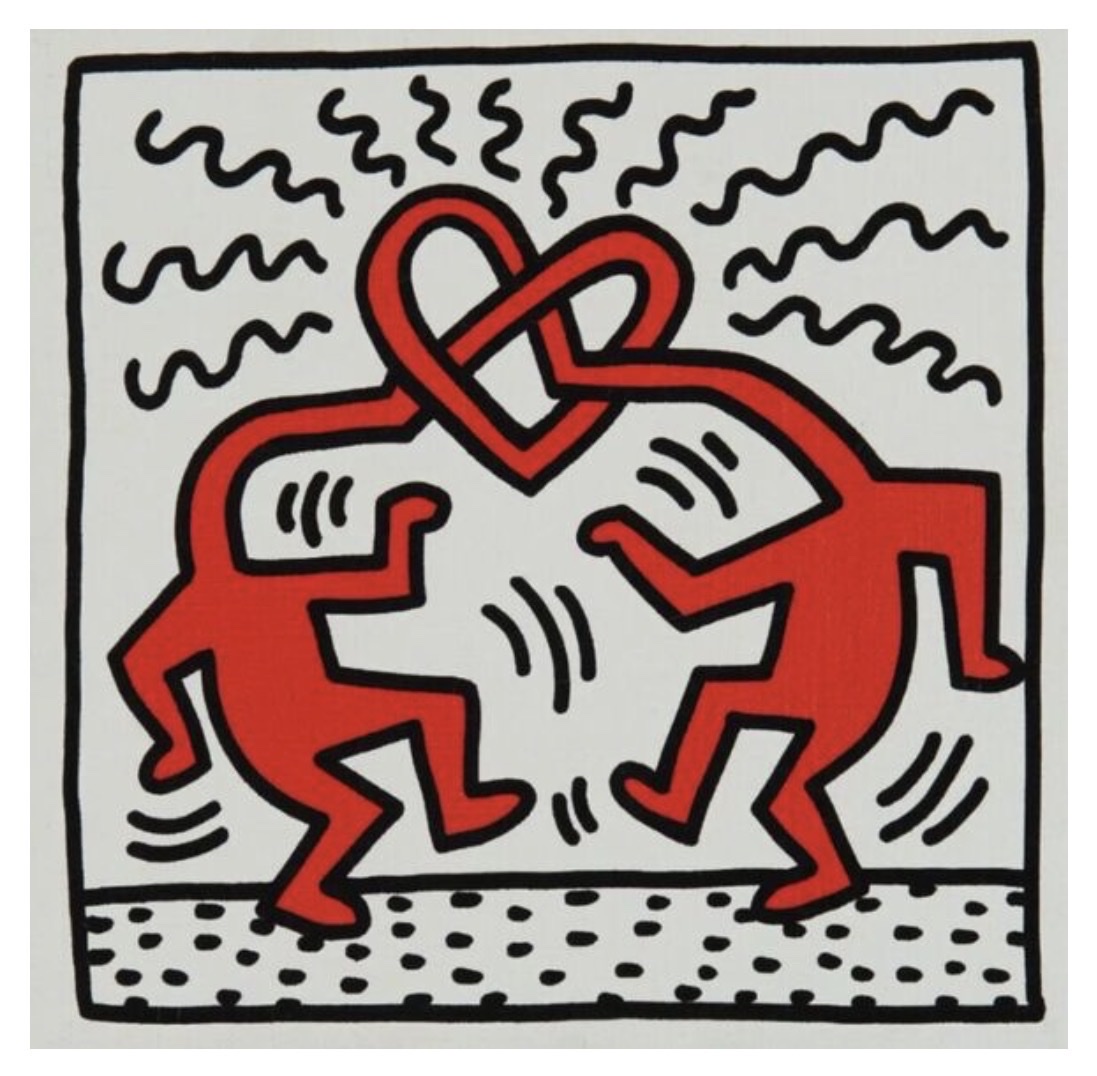
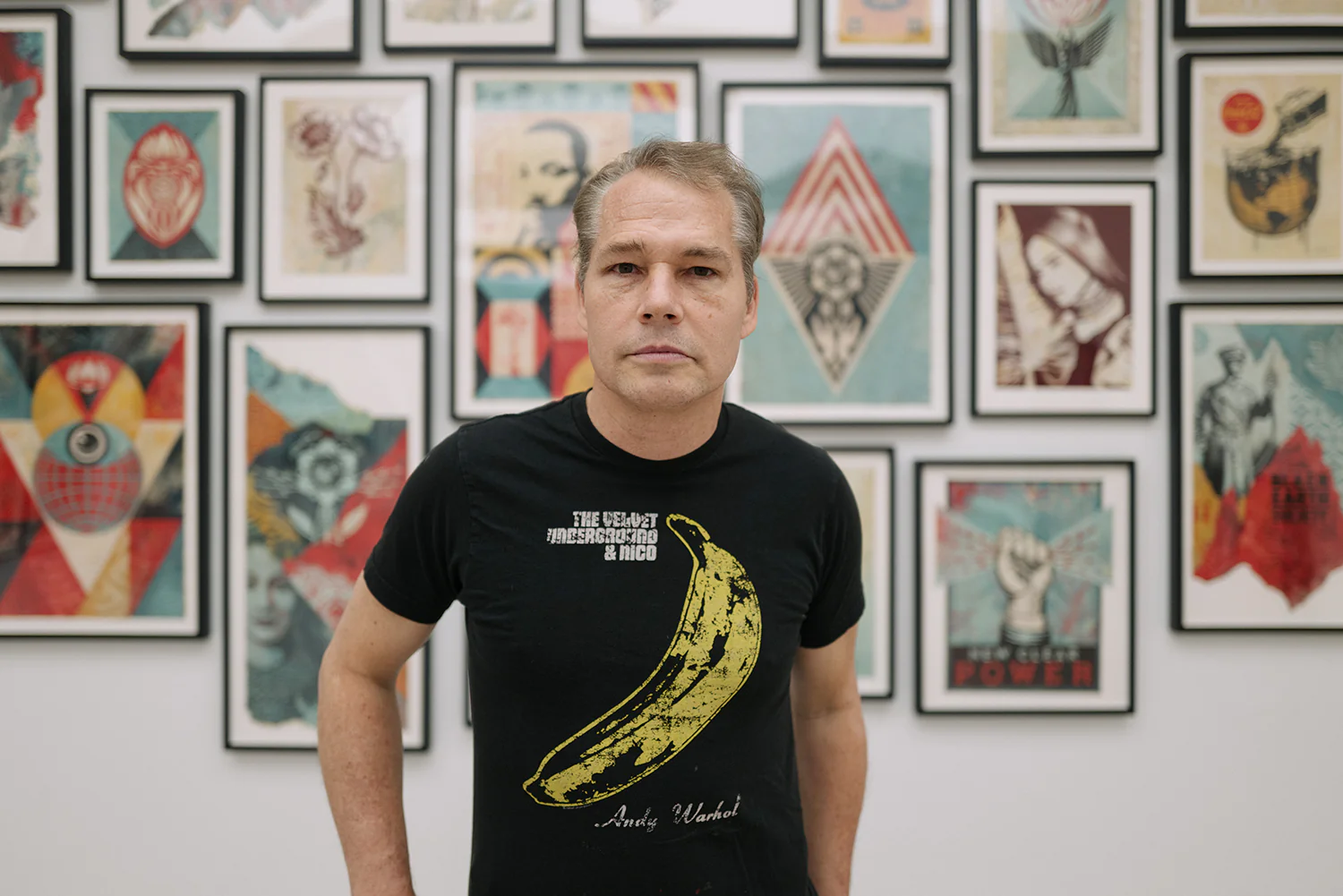
Shepard Fairey
Peace, 2025
The Quiet Revolution: Stillness Sells
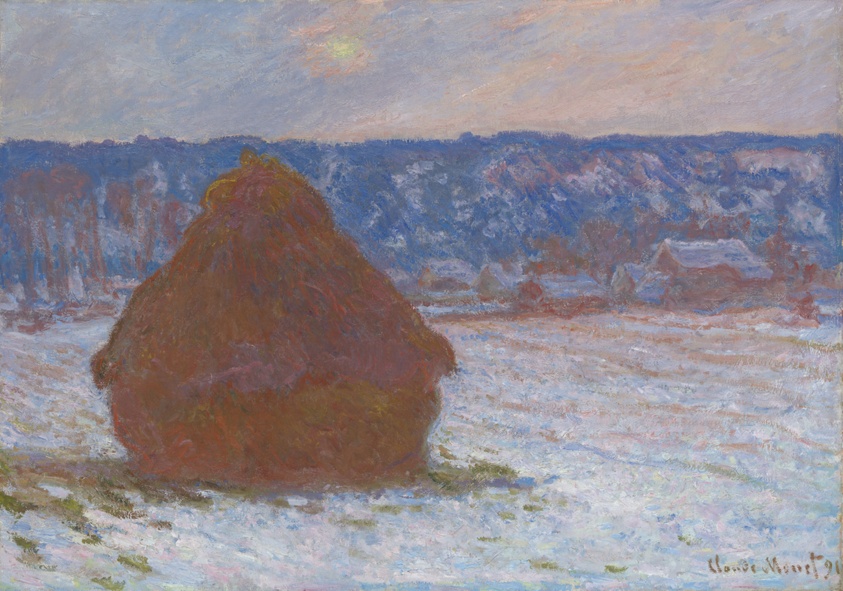
When Claude Monet's 'Le Bassin aux nymphéas' sold at Christie's Paris for well over 40 million euros, the room fell into something close to reverence. It was not just the price that silenced people. It was the recognition that what collectors were really bidding on was the feeling the painting produced, a deep, almost physiological sense of calm. The appetite for peaceful imagery in art has never been a soft or sentimental preference.
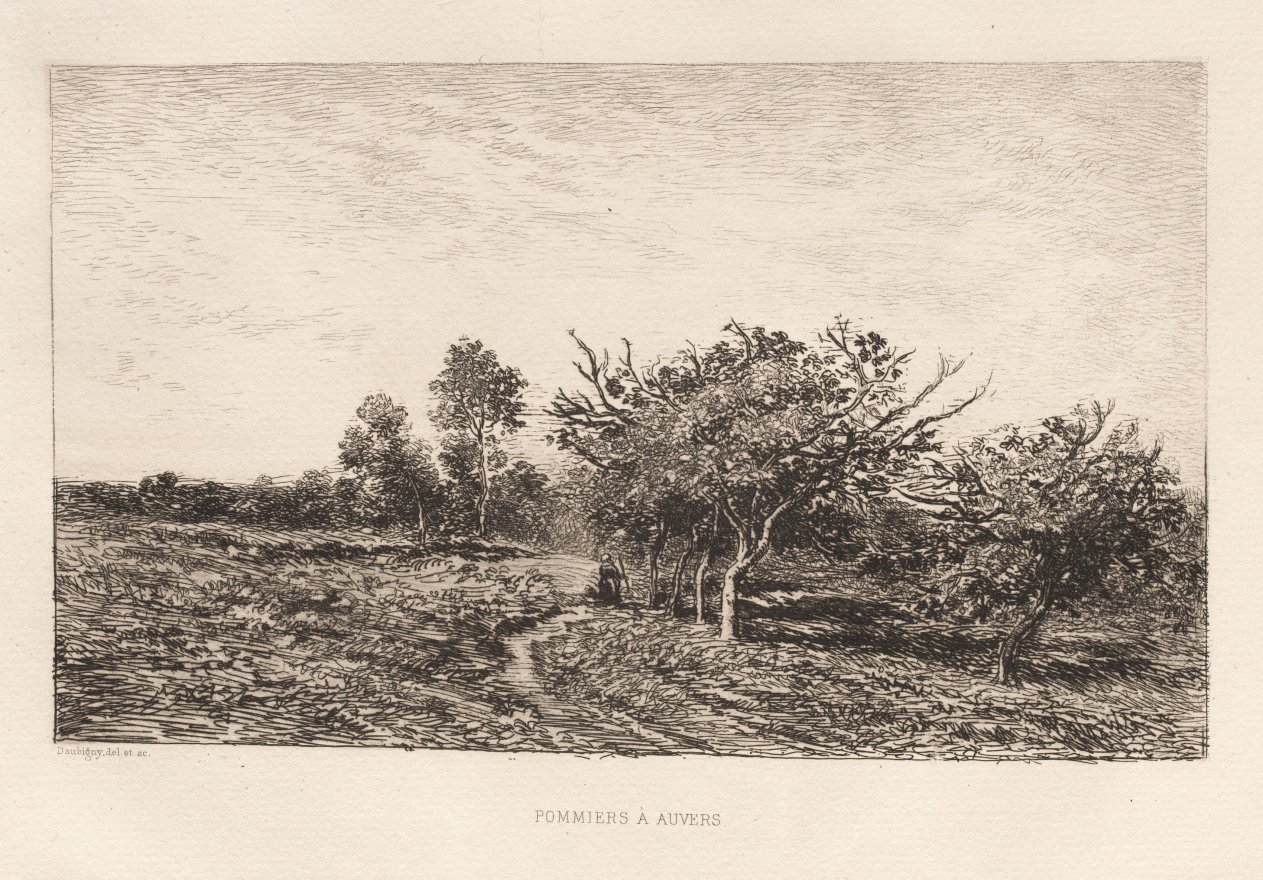
It is, increasingly, one of the most sophisticated and fiercely competitive positions a collector can take. The category of peaceful mood work spans an enormous range of practice and period, from the luminous pastoral canvases of the Barbizon painters to the meditative repetitions of contemporary street art. What unites them is less a visual vocabulary than an intention, a willingness to slow the viewer down, to insist on stillness in a cultural moment defined by velocity. Charles François Daubigny, one of the great underestimated figures of nineteenth century French painting, understood this instinctively.
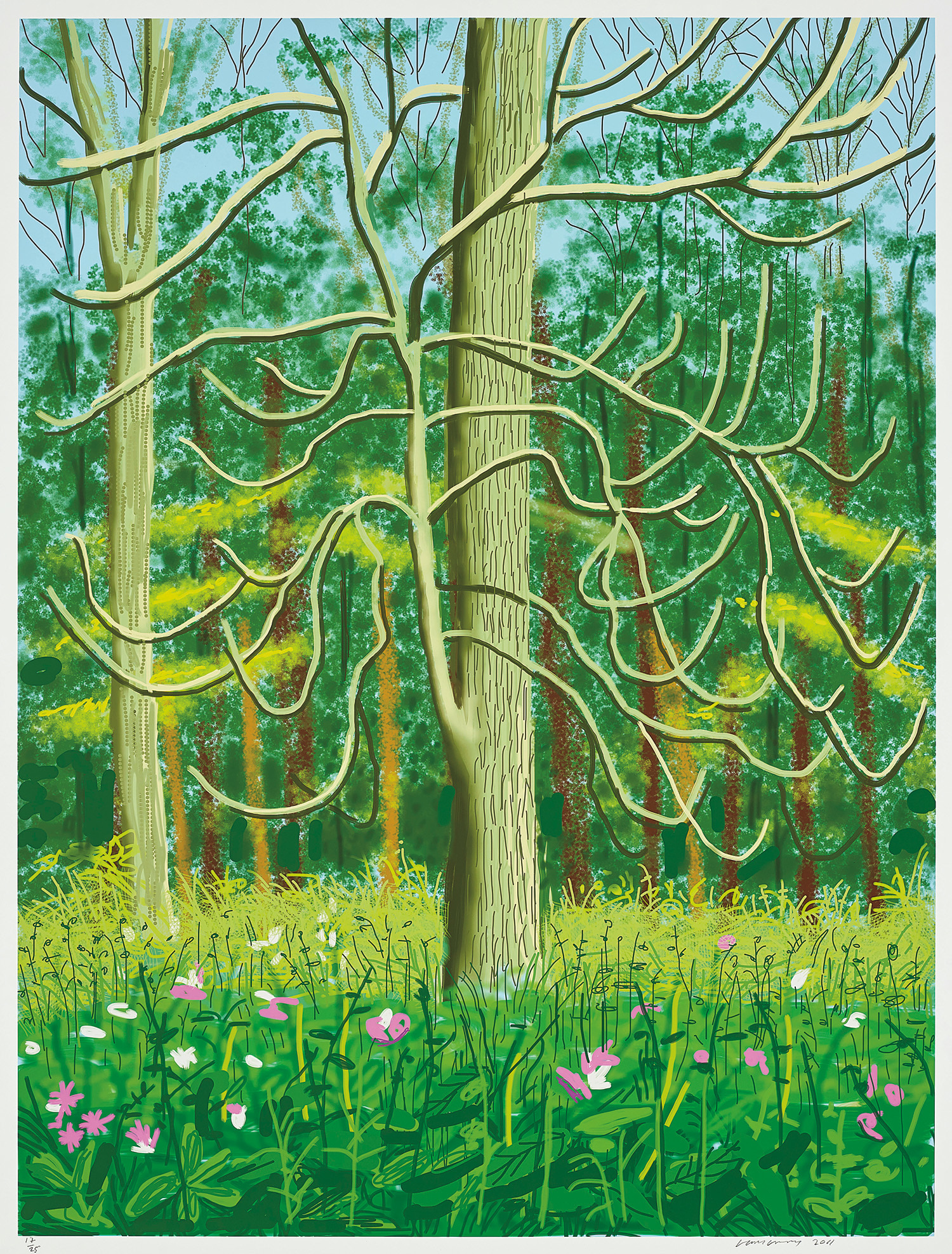
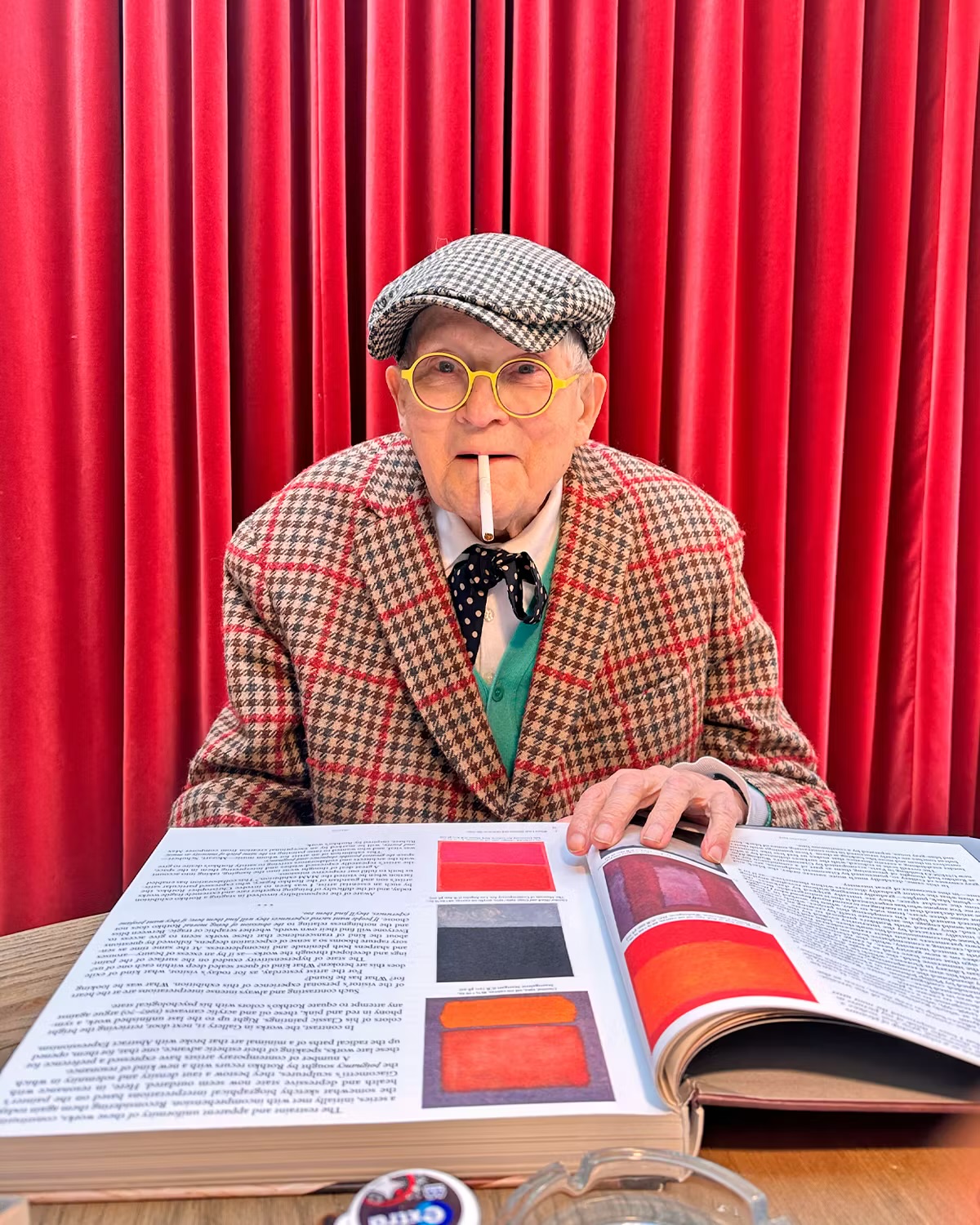
David Hockney
The Thames in the Morning, 1988
His riverside scenes, painted often from a studio boat he called Le Botin, achieved a quality of suspended time that would later become central to Impressionist ambition. The recent renewed interest in his work at auction reflects a broader reassessment of the Barbizon school as not merely a precursor to Impressionism but as a serious tradition in its own right. Museum exhibitions have played a significant role in repositioning how we understand peaceful mood as a critical category rather than a commercial one. The Fondation Beyeler's 2019 Monet retrospective, which drew extraordinary attendance and serious scholarly attention, reframed the late water lily paintings not as decorative triumphs but as radical perceptual experiments.
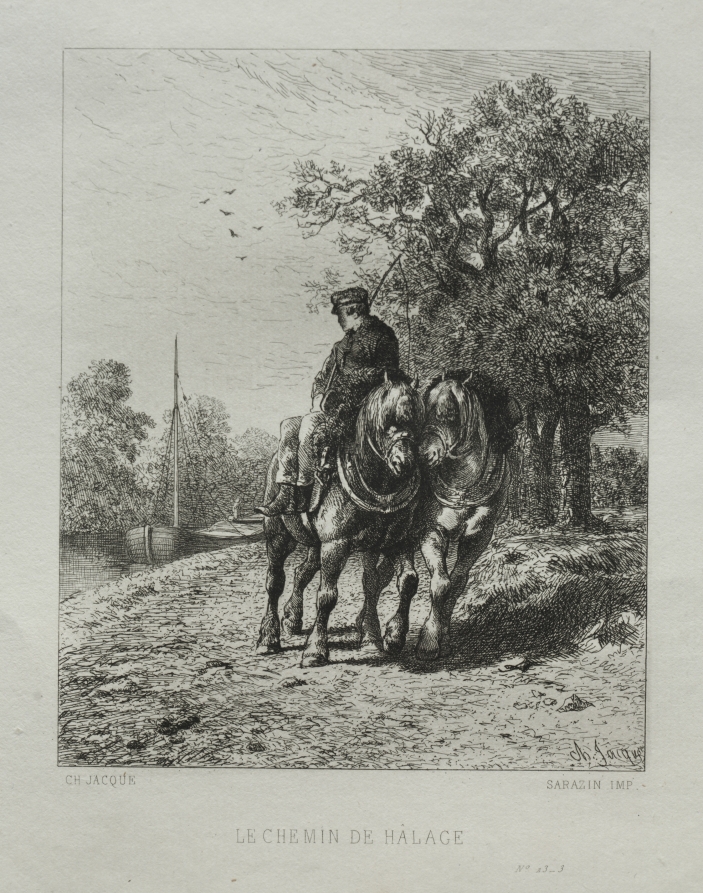
Around the same time, the Musée d'Orsay mounted renewed attention on the pastoral traditions that fed into Impressionism, bringing figures like Charles Émile Jacque back into critical conversation. Jacque, better known for his etchings and his scenes of sheep in soft northern light, sits at a fascinating intersection of the picturesque and the quietly radical. His work on The Collection is well worth sustained attention. The auction market for peaceful mood work has shown consistent resilience, which is itself a signal worth reading carefully.
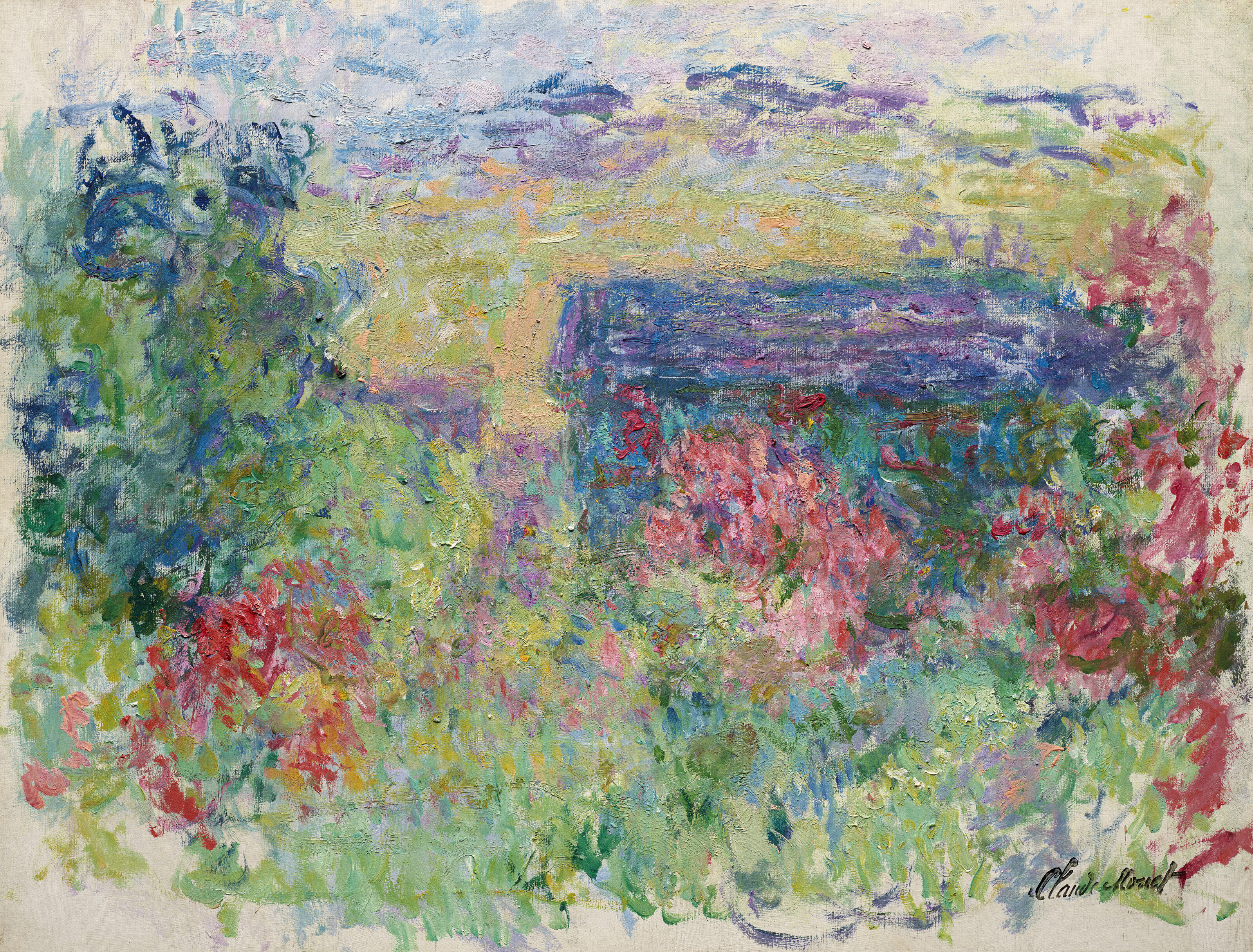
Claude Monet
La maison à travers les roses
Collectors who pursue this category tend to hold rather than flip, which means supply is often constrained and genuine examples command real premiums. David Hockney, whose sun drenched California swimming pools and Yorkshire landscapes both fall convincingly within the peaceful mood register, has been among the most consequential artists at auction in the past decade. His 'Portrait of an Artist (Pool with Two Figures)' set a record for a living artist when it sold at Christie's New York in 2018 for over 90 million dollars. That result was not simply a celebrity moment.
It confirmed that the market reads stillness, pleasure, and pictorial clarity as profound values, not easy ones. Shepard Fairey occupies a more unexpected position in this conversation. Known primarily for his graphic political work and the iconic Obama Hope poster, Fairey has a quieter and more contemplative side that serious collectors have begun to track with real interest. His work that moves toward peaceful imagery, drawing on motifs of nature, mandala patterning, and a kind of street informed minimalism, represents a genuine evolution in his practice.
Shepard Fairey
Peace, 2025
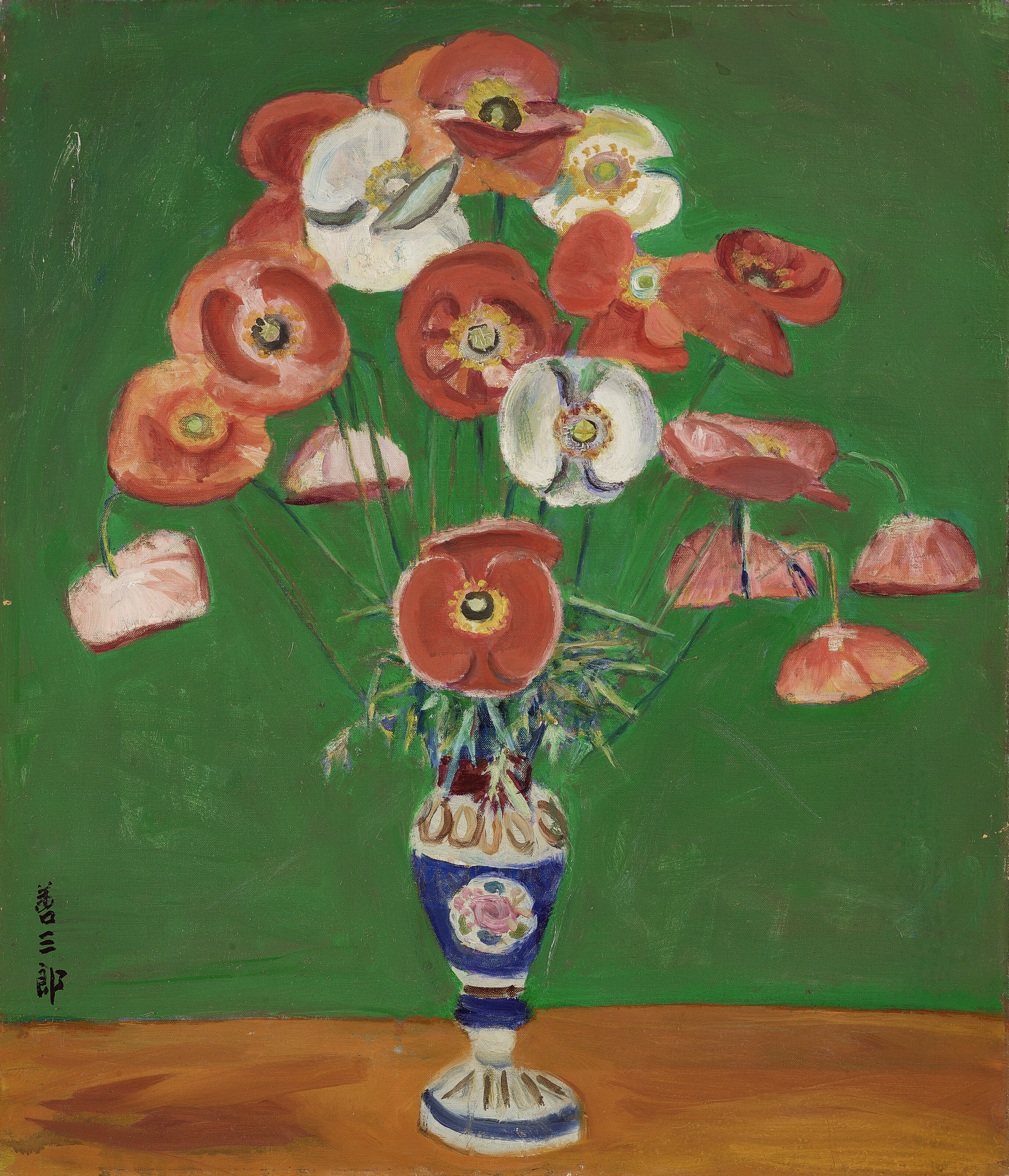
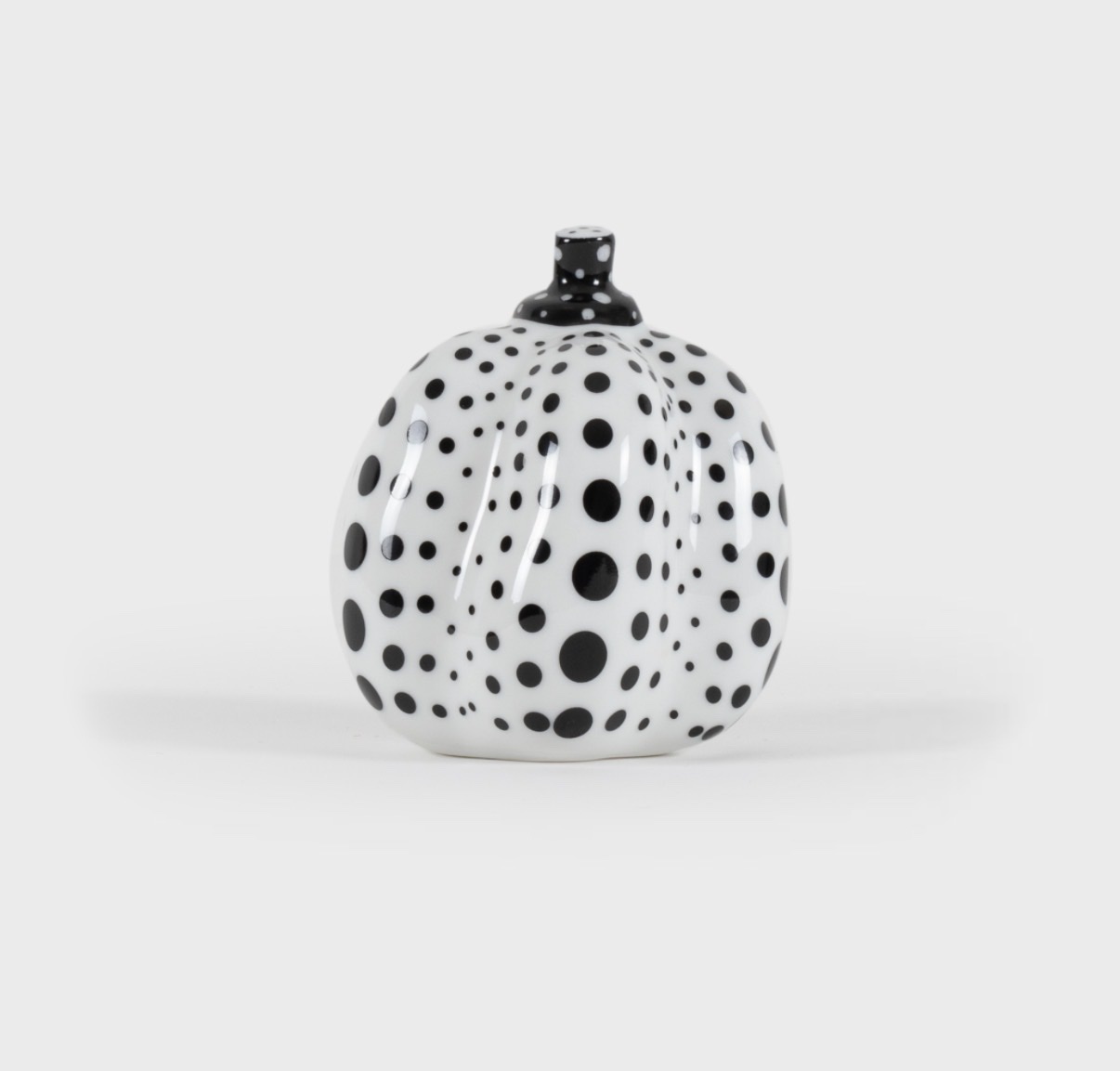
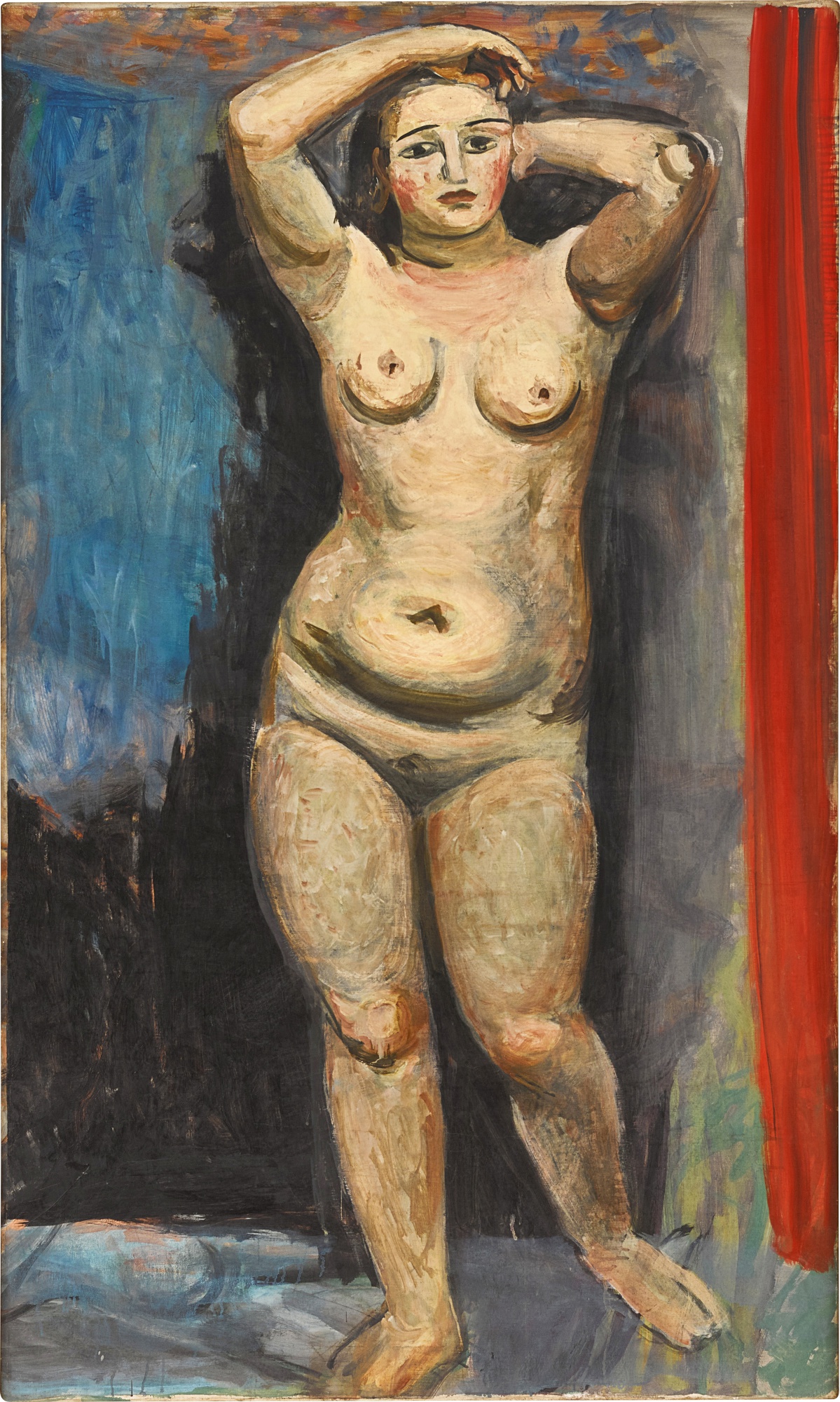
Institutions including the Museum of Contemporary Art in Los Angeles have taken his work seriously as social portraiture, but the peaceful register of his output is where some of the most interesting critical reconsideration is now happening. The works on The Collection reflect this less discussed dimension of his practice. Japanese artists working in contemplative traditions have also entered the Western market conversation in ways that feel newly urgent. Zenzaburo Kojima, the Meiji and Taisho era painter who worked across Japanese and Western traditions, is a figure whose critical reputation is still being properly formed in international contexts.
His presence on The Collection points to something important: the peaceful mood category is not a Western invention, and the most interesting collecting in this space increasingly crosses geographic and cultural assumptions about where stillness lives as an artistic value. The critical writing shaping this conversation is coming from several directions at once. Curator and writer Katy Siegel has written compellingly about the relationship between affect and painting, while T.J.
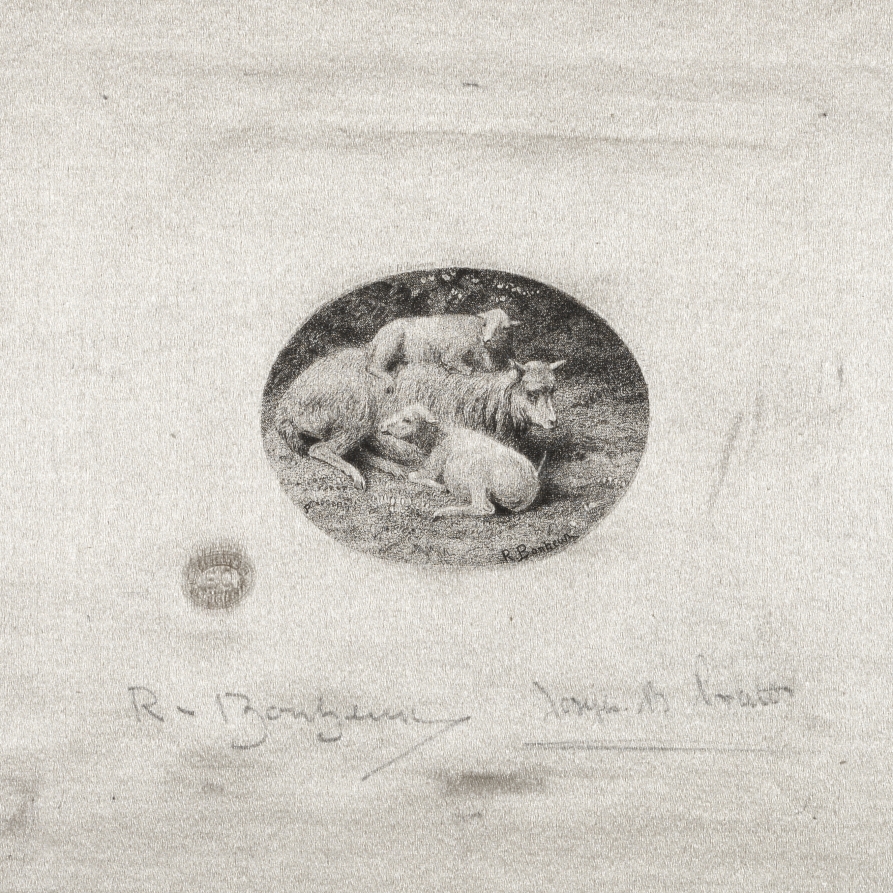
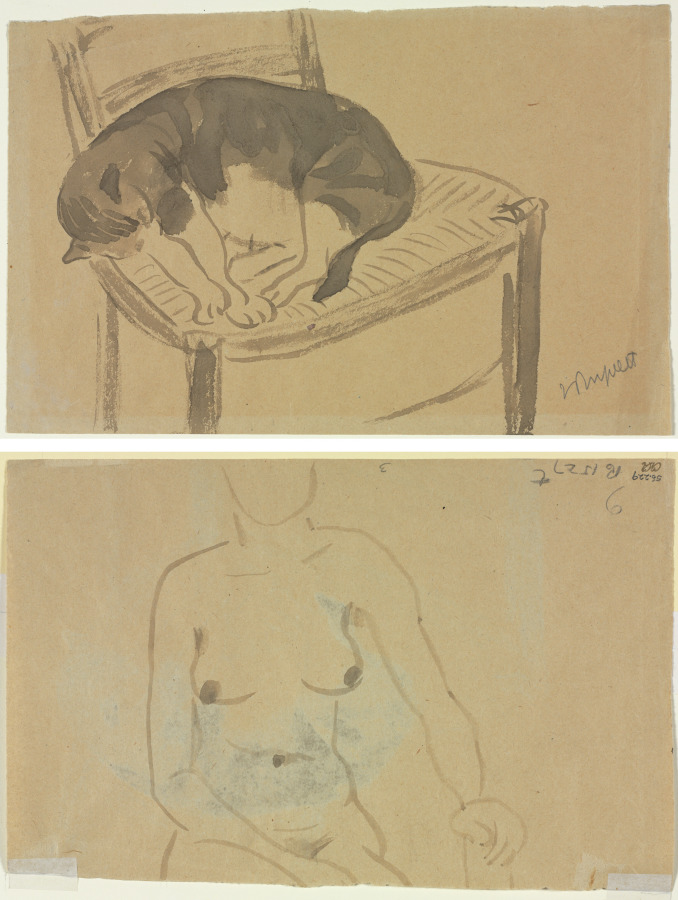
Joseph Bishop Pratt
Sheep and Lambs, 1893
Clark's long engagement with Impressionism continues to provide the deepest intellectual framework for understanding why images of leisure and natural calm carry such ideological and emotional weight. Publications including Frieze, The Burlington Magazine, and Apollo have all run significant features in recent years on the commercial and conceptual rehabilitation of landscape and pastoral work, treating peaceful mood not as a retreat from contemporary concerns but as an active engagement with them. Joseph Bishop Pratt is another figure whose work invites this kind of rereading. American artists working in the pastoral and tonalist traditions of the late nineteenth and early twentieth century are having a genuine moment of critical reconsideration, driven partly by institutional collecting and partly by a generation of collectors who find the visual noise of much contemporary work genuinely exhausting.
The energy in this space feels very alive, and the surprises are coming from the places you might least expect: from street artists finding stillness, from Meiji era painters being reconsidered through a contemporary lens, from Barbizon masters whose market was assumed to be settled but which is quietly heating up. The peaceful mood category is not where art goes to rest. It is, right now, where some of the most interesting action is.