Paper On Canvas
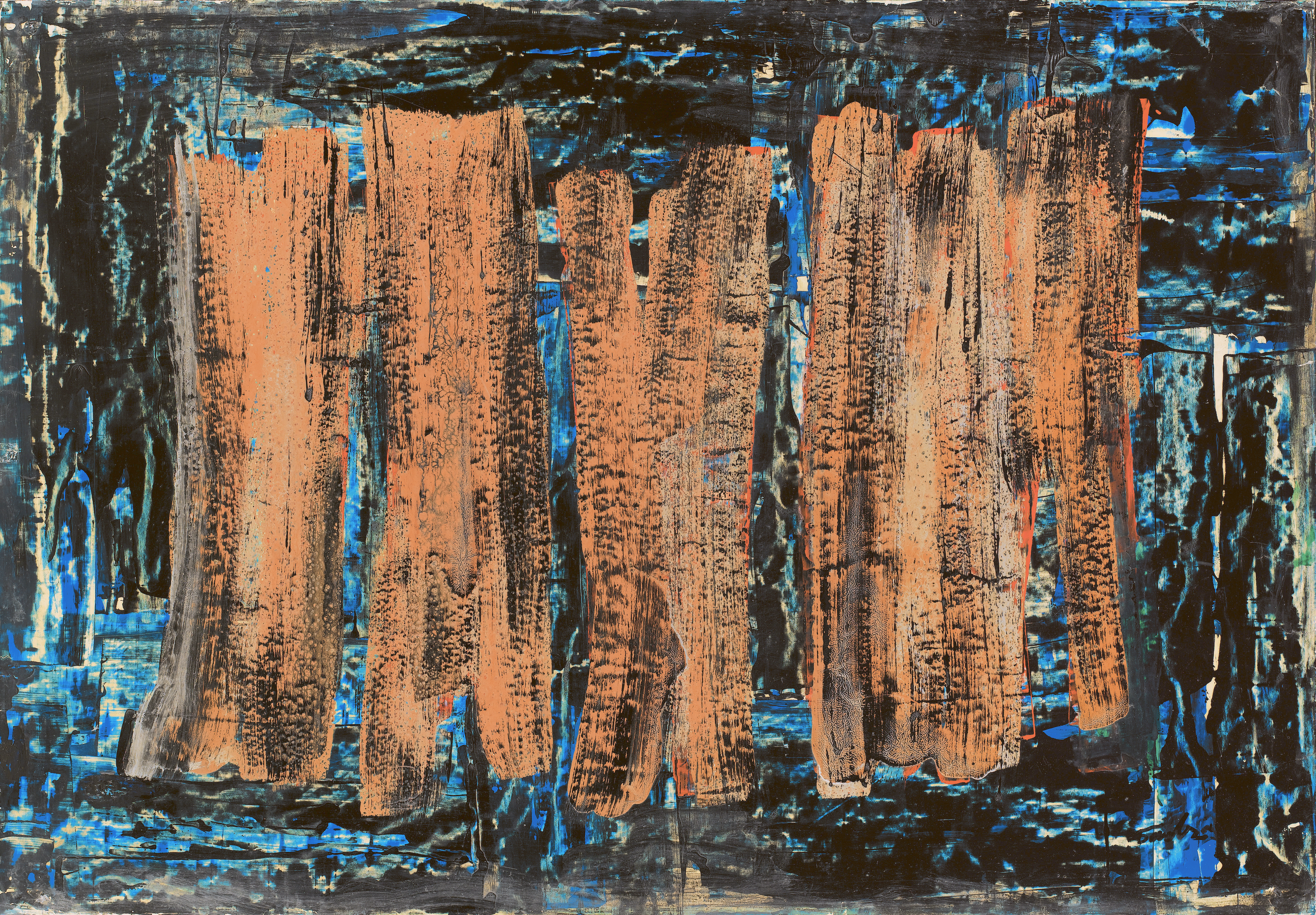
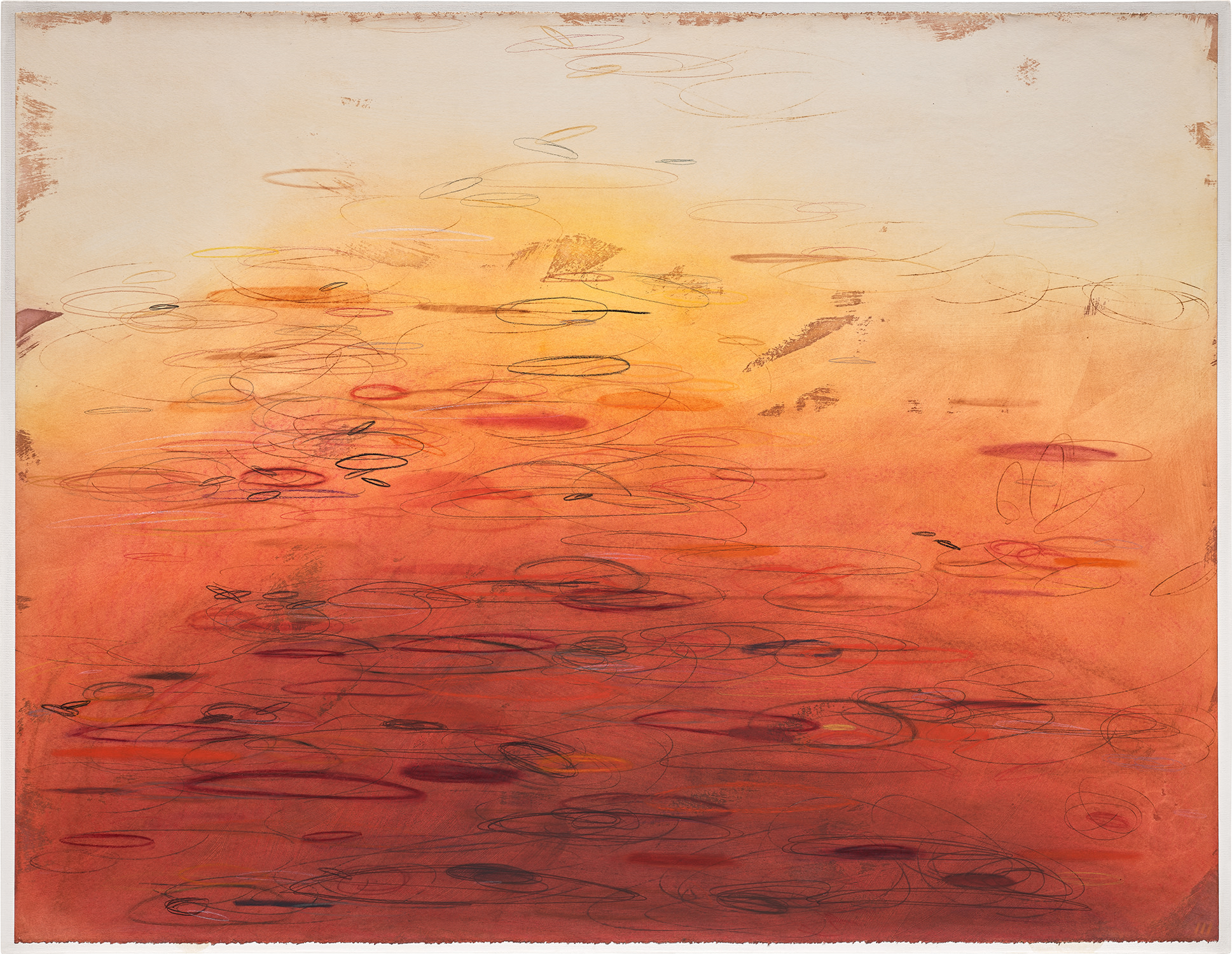
Albert Oehlen
I 16, 2010

When Paper Becomes the Whole Point
There is something almost perverse about taking paper, one of the most modest and provisional of materials, and fixing it permanently to canvas. Canvas implies duration, ambition, the museum wall. Paper implies the sketch, the note, the thing you might throw away. When artists began collapsing that distinction in earnest during the twentieth century, they were not simply experimenting with mixed media.
They were asking a fundamental question about what a painting is allowed to be, and who gets to decide. The practice of incorporating paper onto canvas has roots that stretch back further than most collectors realize. Georges Braque and Pablo Picasso introduced papier collé into their Cubist work around 1912, gluing fragments of newspaper and wallpaper directly onto their compositions. But that gesture, radical as it was, still treated paper as an element within a painting, a piece of evidence assembled into an argument.
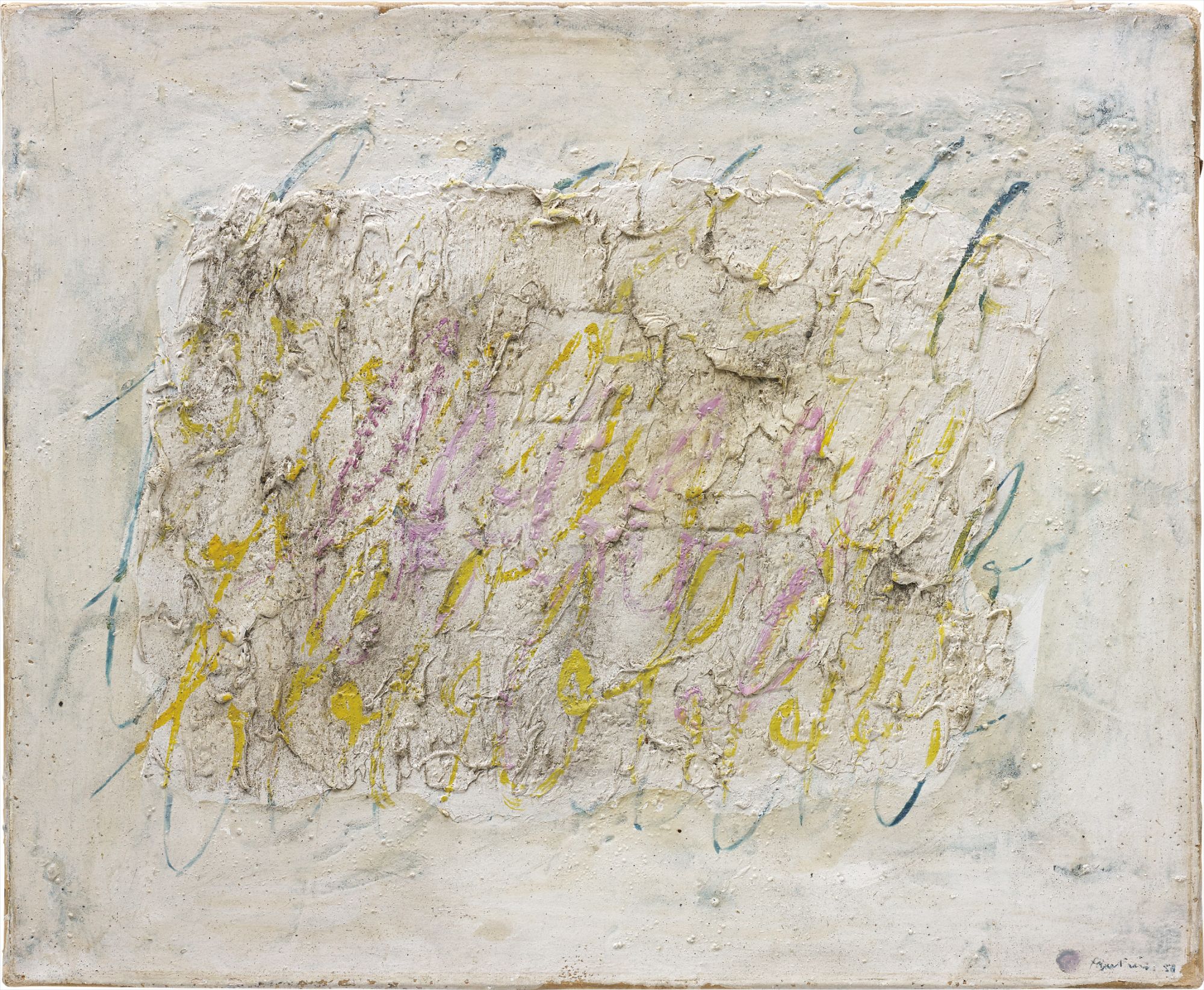
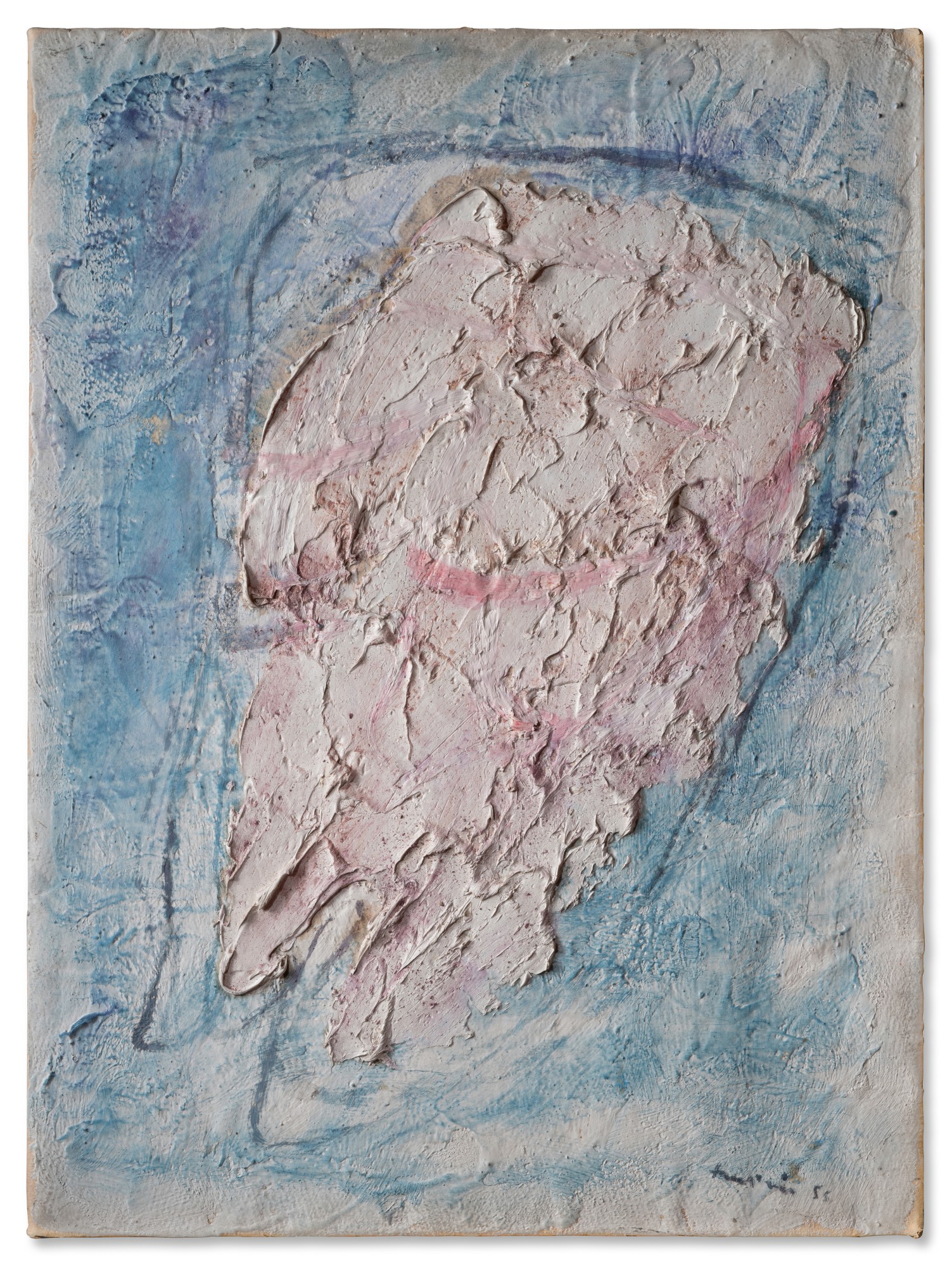
Jean Fautrier
Ba Be Bi Bo Bu
What came later was something more consuming. By the postwar decades, paper had migrated from ingredient to protagonist, and the artists who understood this most deeply were often the ones working closest to the edge of abstraction. Jean Fautrier was among the first to grasp the expressive potential of layered paper surfaces in a painterly context. Working in Paris through the 1940s, he built up his haunting Otages series using thick applications of pâte, sometimes incorporating paper pulp and tissue into his surfaces to create grounds of extraordinary tactile complexity.
The result was something neither quite painting nor quite relief, a surface that seemed to have suffered, to have been pressed and folded by experience rather than merely described. Fautrier understood that the vulnerability of paper, its capacity to absorb and scar, carried emotional weight that smoother supports simply could not. Jean Dubuffet pushed in a related but distinct direction. His work through the late 1950s and into the 1960s embraced what he called Art Brut, a deliberate rejection of fine art refinement in favor of materials and methods associated with outsiders, children, and the unschooled.
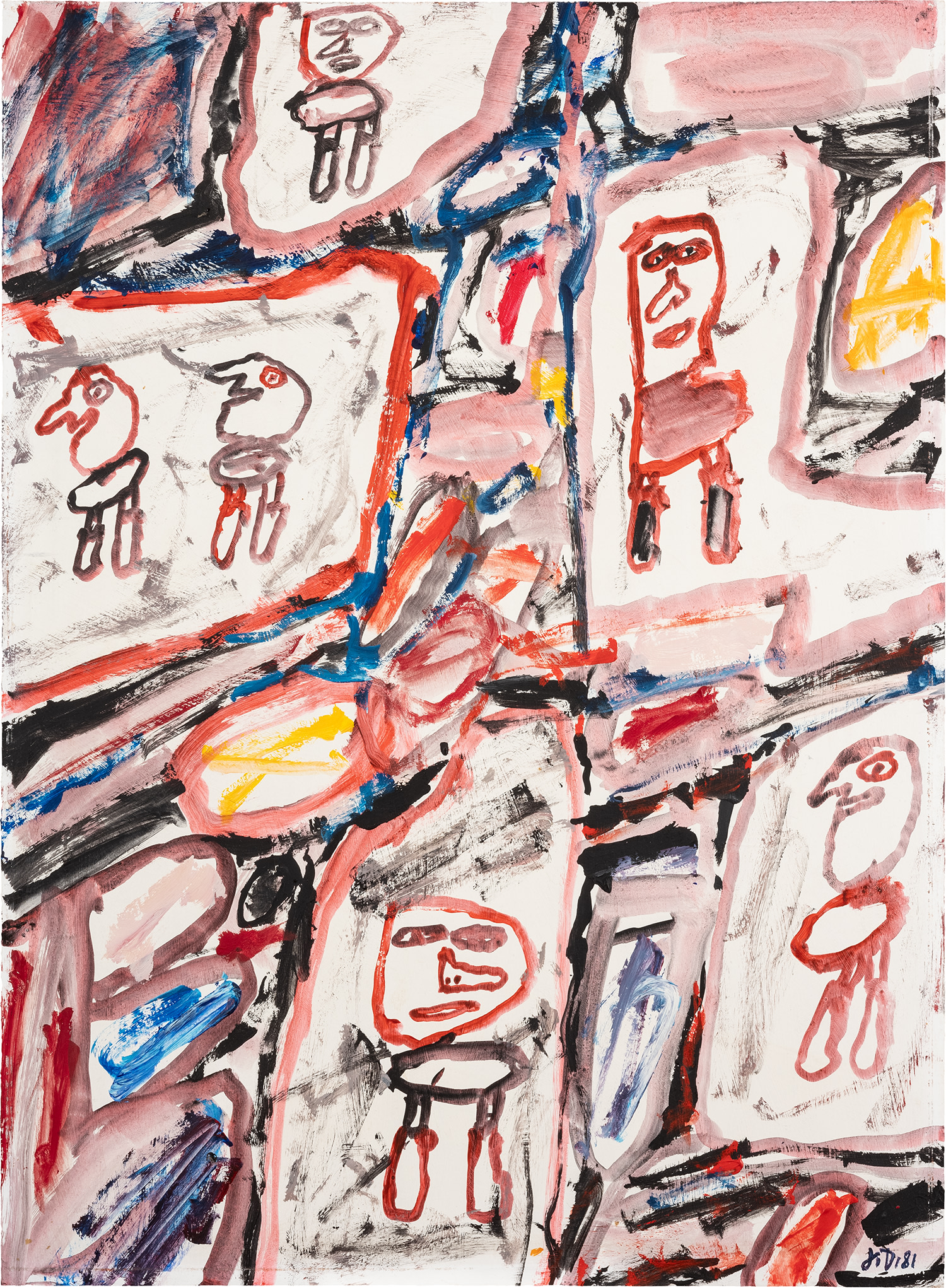
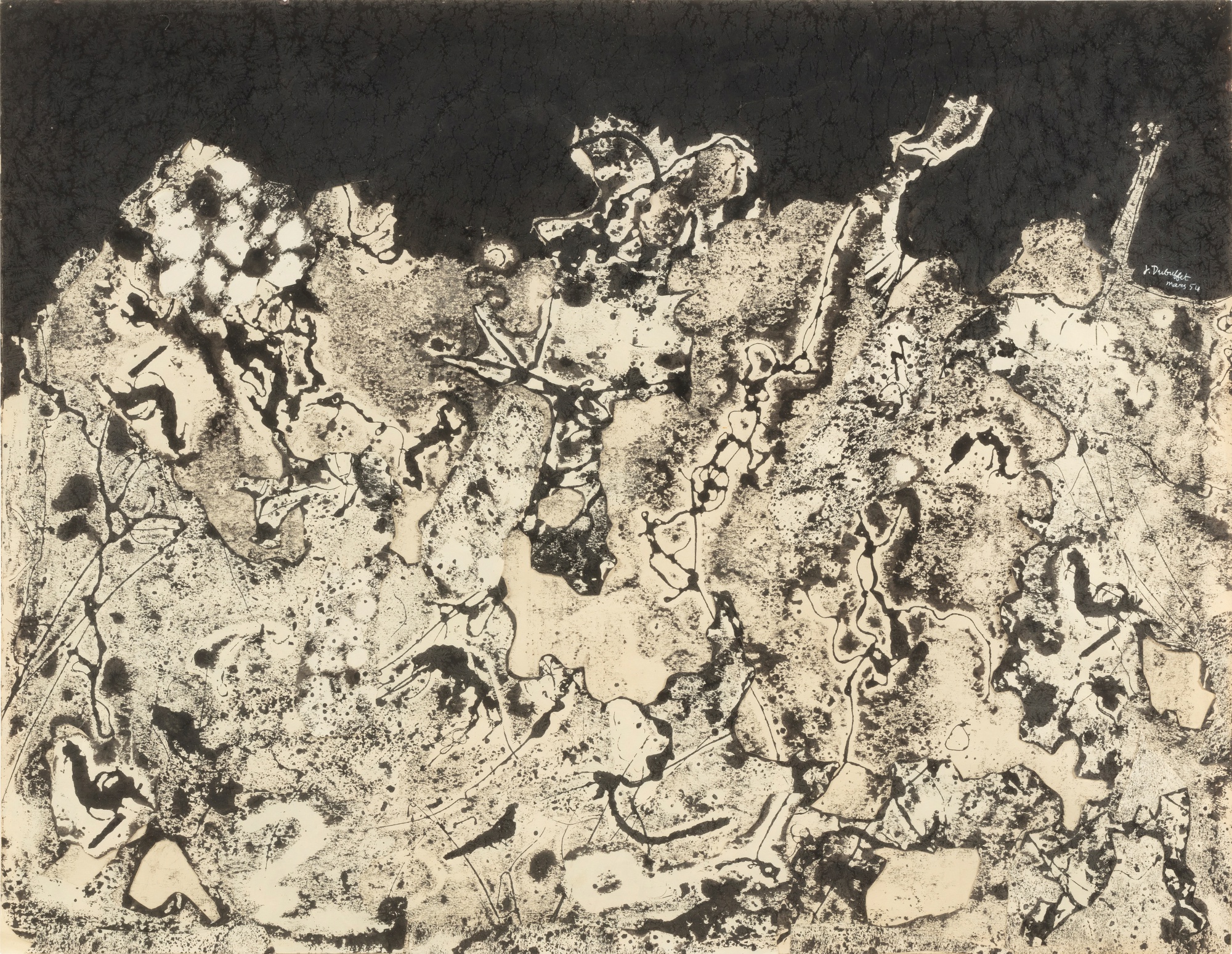
Jean Dubuffet
Site avec 6 personnages
Dubuffet would assemble, cut, and paste paper elements onto canvas with gleeful aggression, treating the surface as something to be violated and reconstructed rather than preserved. His assemblages of this period feel like arguments against taste itself, and they remain among the most genuinely transgressive works of the postwar era. Another lineage runs through Spain, and through the particular intensity of Antoni Tàpies. Working in Barcelona from the 1950s onward, Tàpies developed a practice that combined sand, marble dust, varnish, and paper in ways that made his canvases feel almost geological.
He would tear, fold, and press paper into his surfaces until they resembled ancient walls, cracked earth, or objects retrieved from catastrophe. For Tàpies, these materials carried political as well as aesthetic weight. To make a painting out of humble, discarded things under a repressive regime was its own form of resistance. The presence of paper in his work was never decorative.
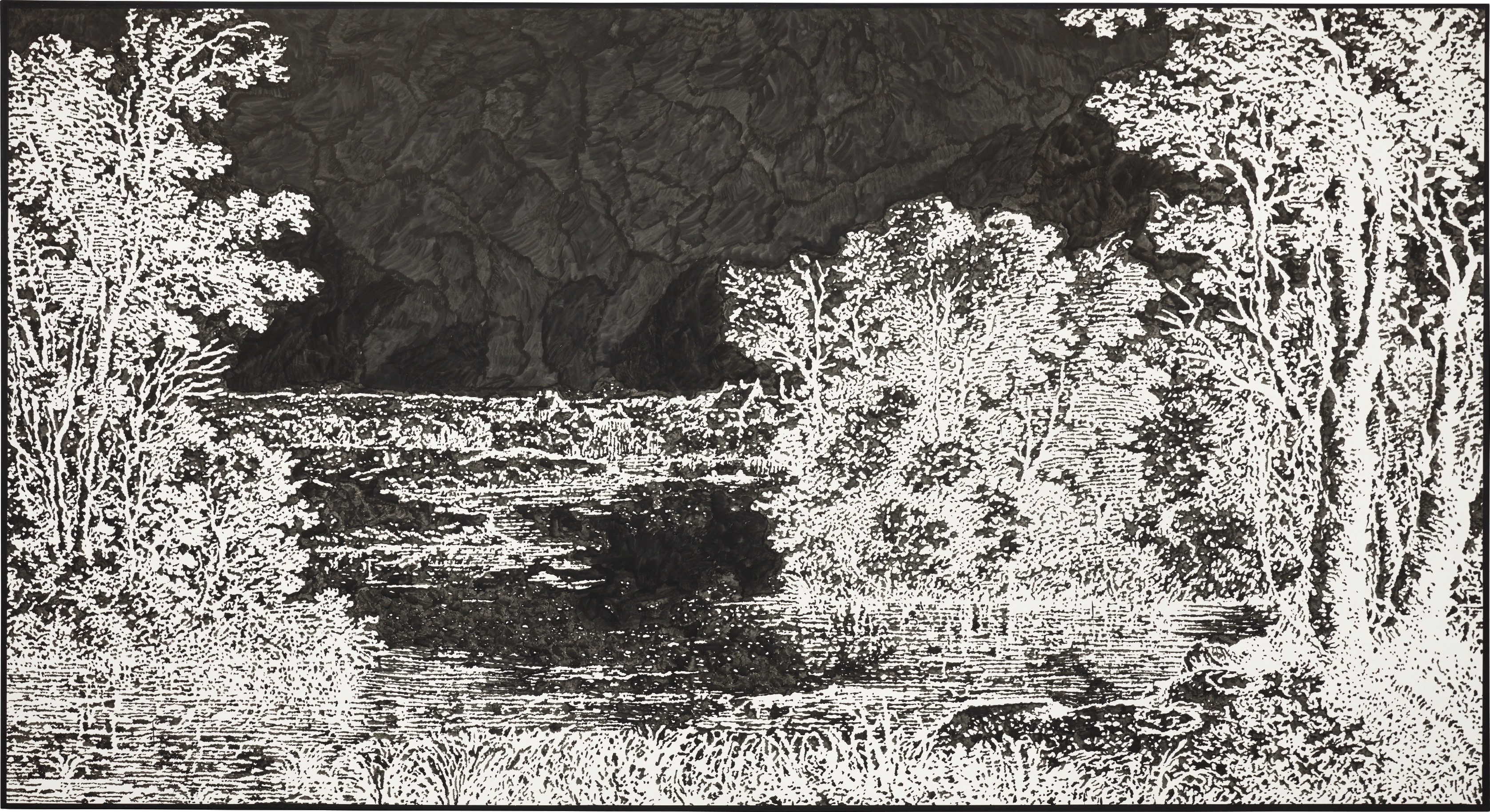
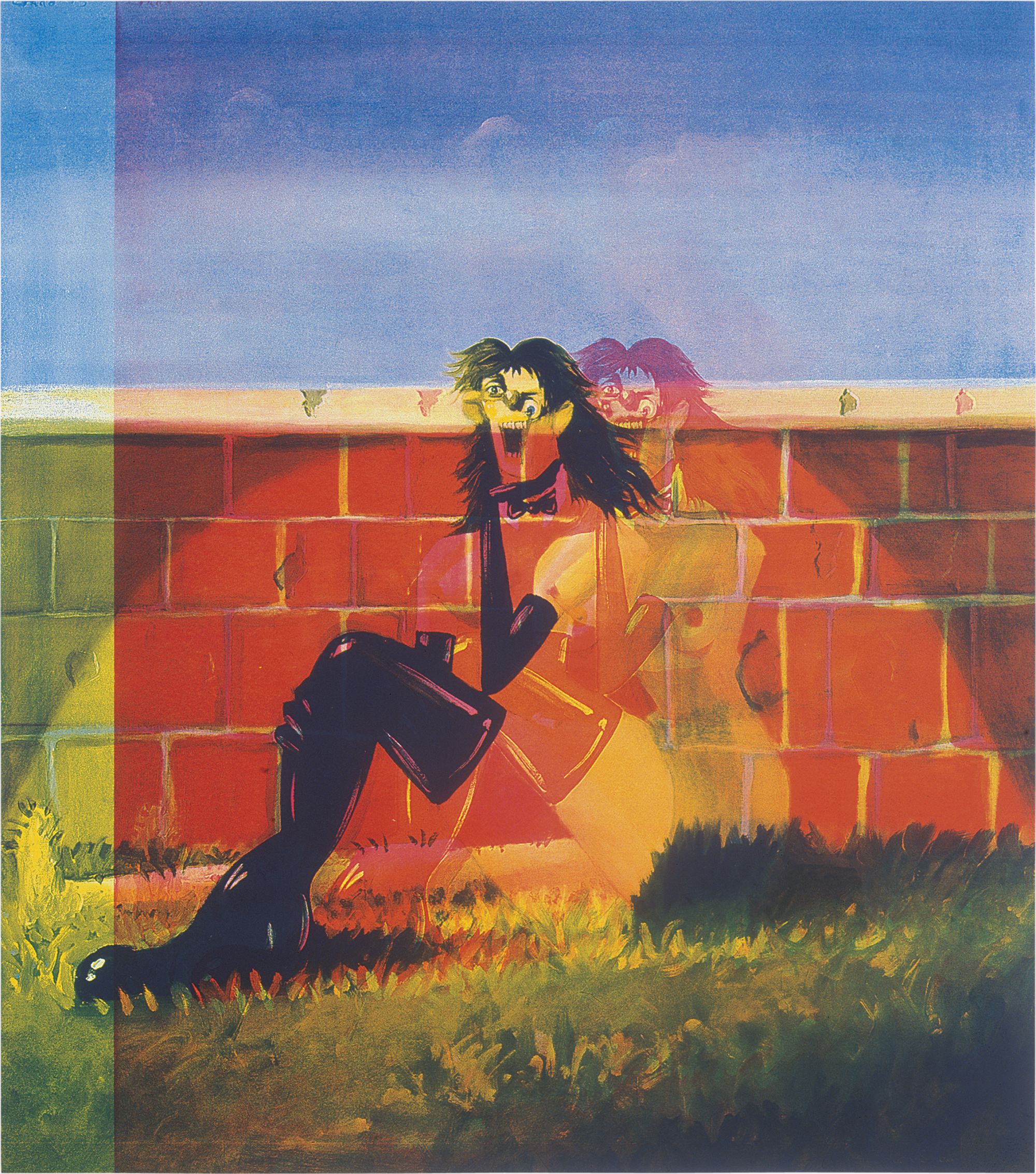
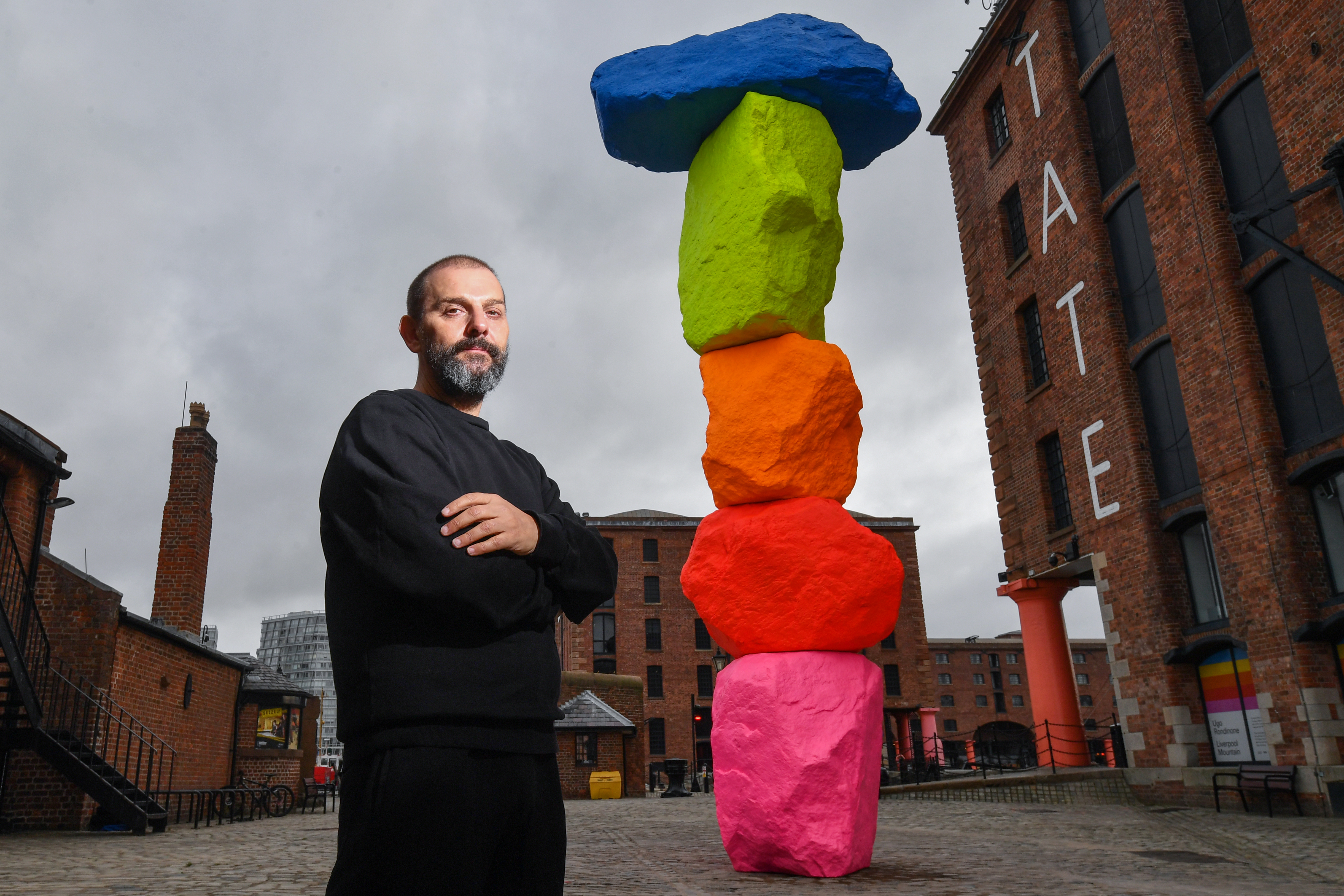
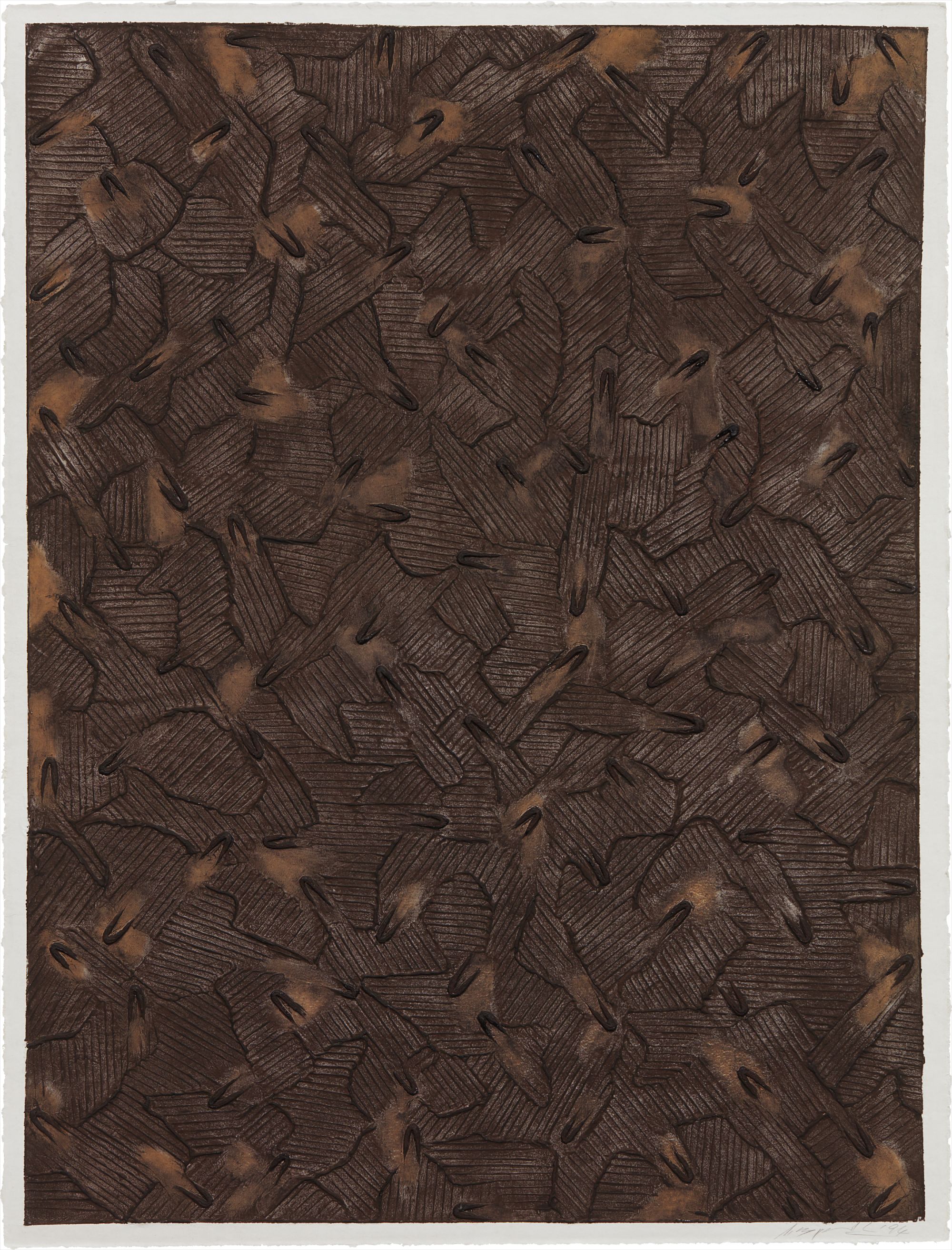
Ugo Rondinone
No. 69 VIERUNDZWANZIGSTERNOVEMBERNEUNZEHNHUNDERTFÜNFUNDNEUNZIG, 1995
It was structural in every sense. In Asia, parallel investigations were underway. Park Seo Bo, one of the founding figures of the Korean Dansaekhwa movement, worked extensively with hanji, traditional Korean mulberry paper, incorporating it into canvases that emphasized process, repetition, and meditative restraint. His Ecriture series, developed from the late 1960s onward, used the grain and texture of paper as a partner in composition rather than a backdrop.
The result is work that is deeply physical without being aggressive, surfaces that seem to breathe. Chu Teh Chun, the French Chinese painter who studied under Lin Fengmian and later became a member of the Académie des beaux arts in Paris, brought a related sensibility to his lyrical abstractions, where layers of material often carried the ghost of calligraphic gesture beneath swells of color. The transfer of these ideas into the contemporary moment is both continuous and surprisingly alive. Emmi Whitehorse, whose work draws on Navajo aesthetic traditions and the landscape of the American Southwest, uses paper as a ground and a membrane, allowing pigment to seep and travel in ways that would be impossible on raw canvas alone.
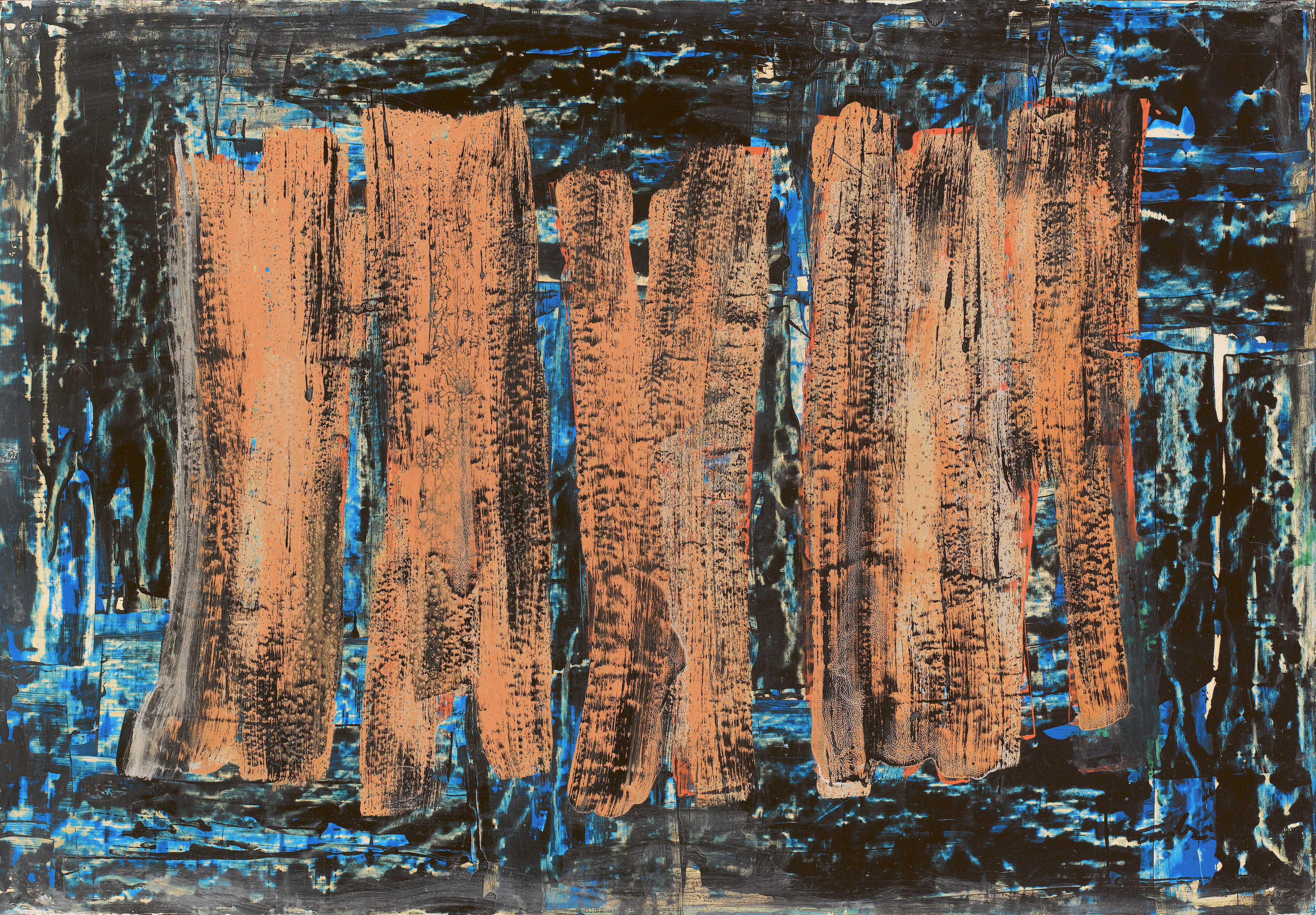
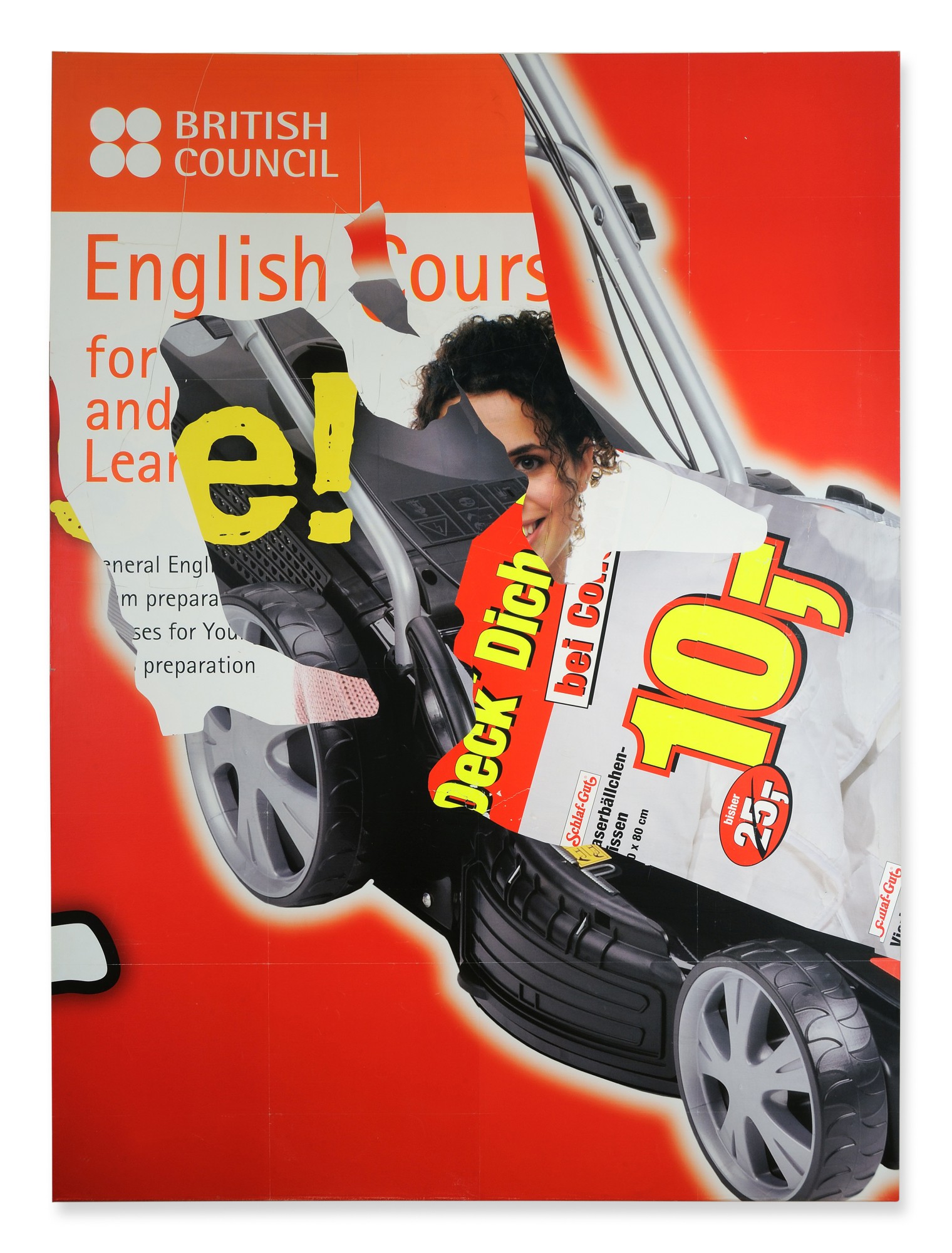
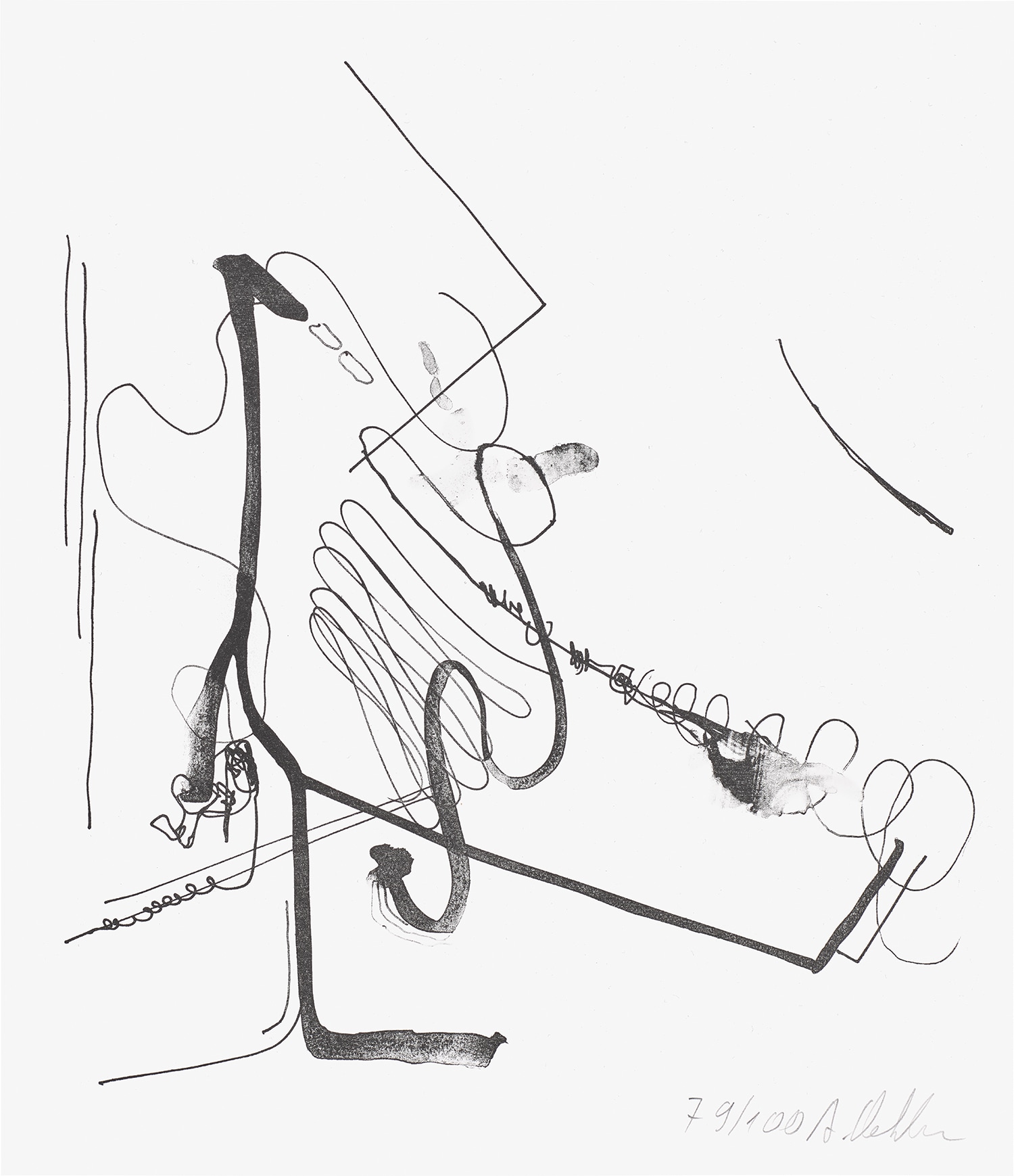
Albert Oehlen
I 16, 2010
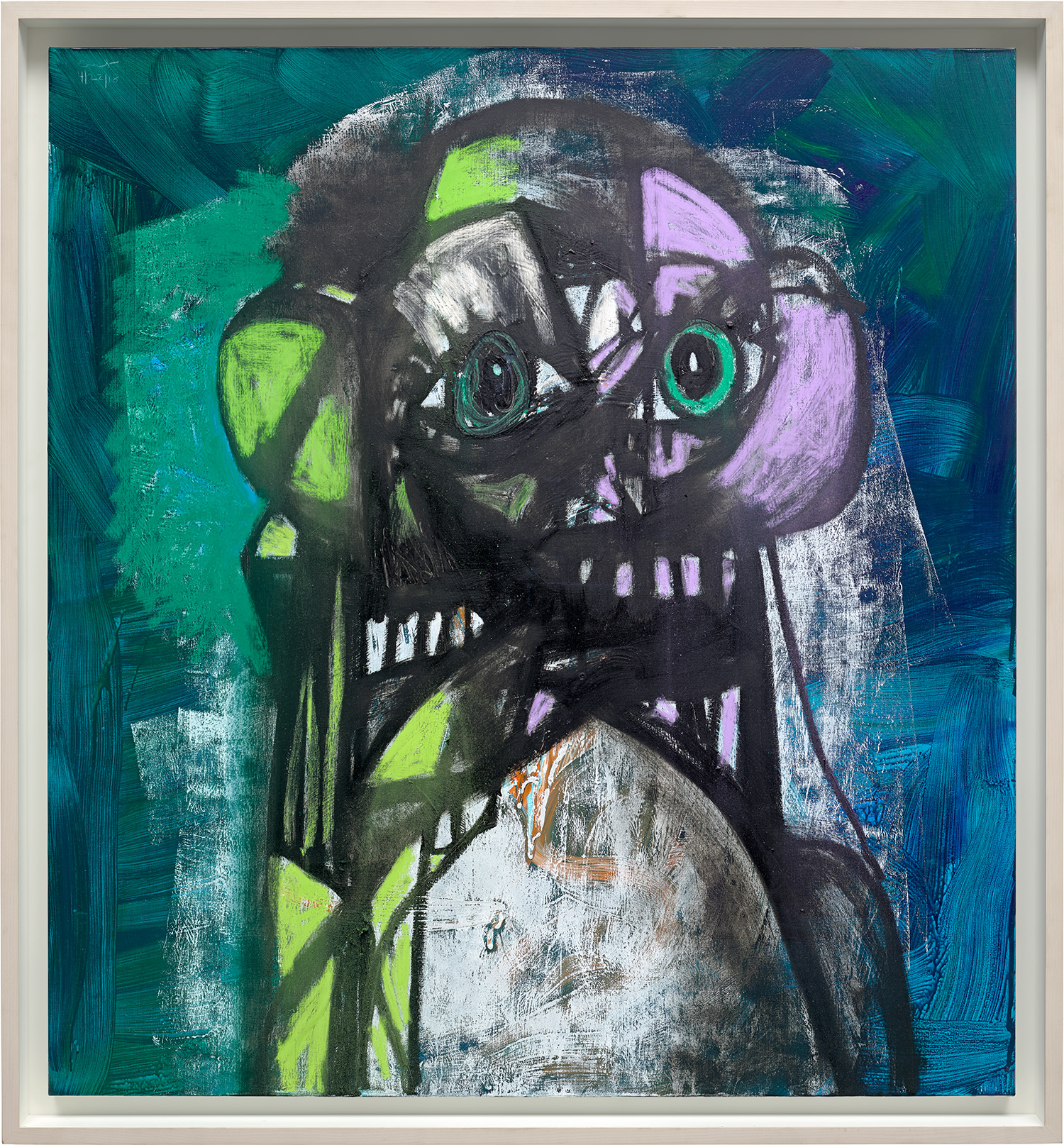
Her surfaces have an atmospheric delicacy that is inseparable from her material choices. George Condo brings a completely different energy, working across painting and works on paper with a restlessness that collapses the boundary between finished object and working document. Albert Oehlen has spent decades treating the picture plane as a site of collision, and paper elements appear in his work as interruptions, fragments that refuse to be resolved into harmony. What unites these artists across generations and geographies is an understanding that paper is not a lesser material.
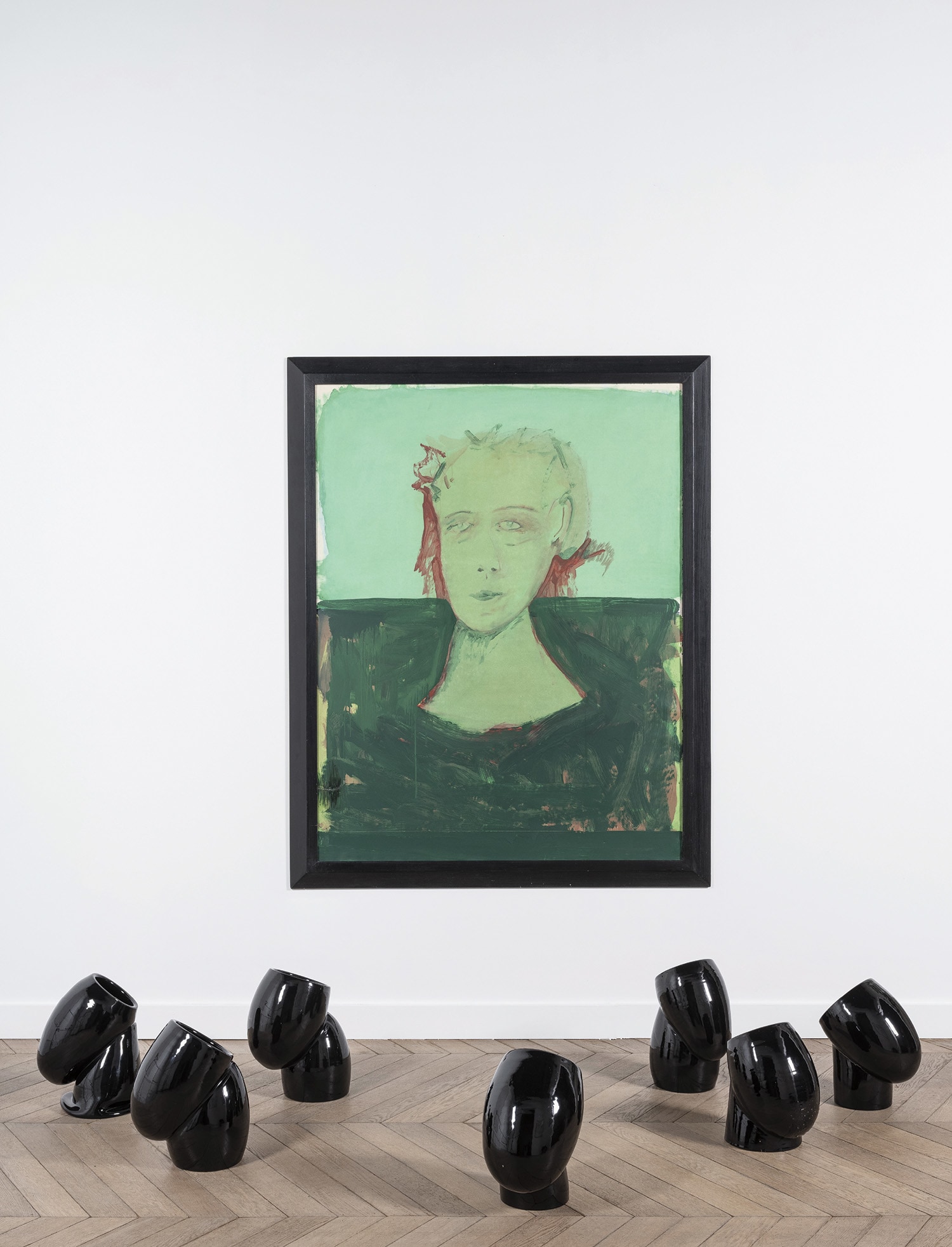
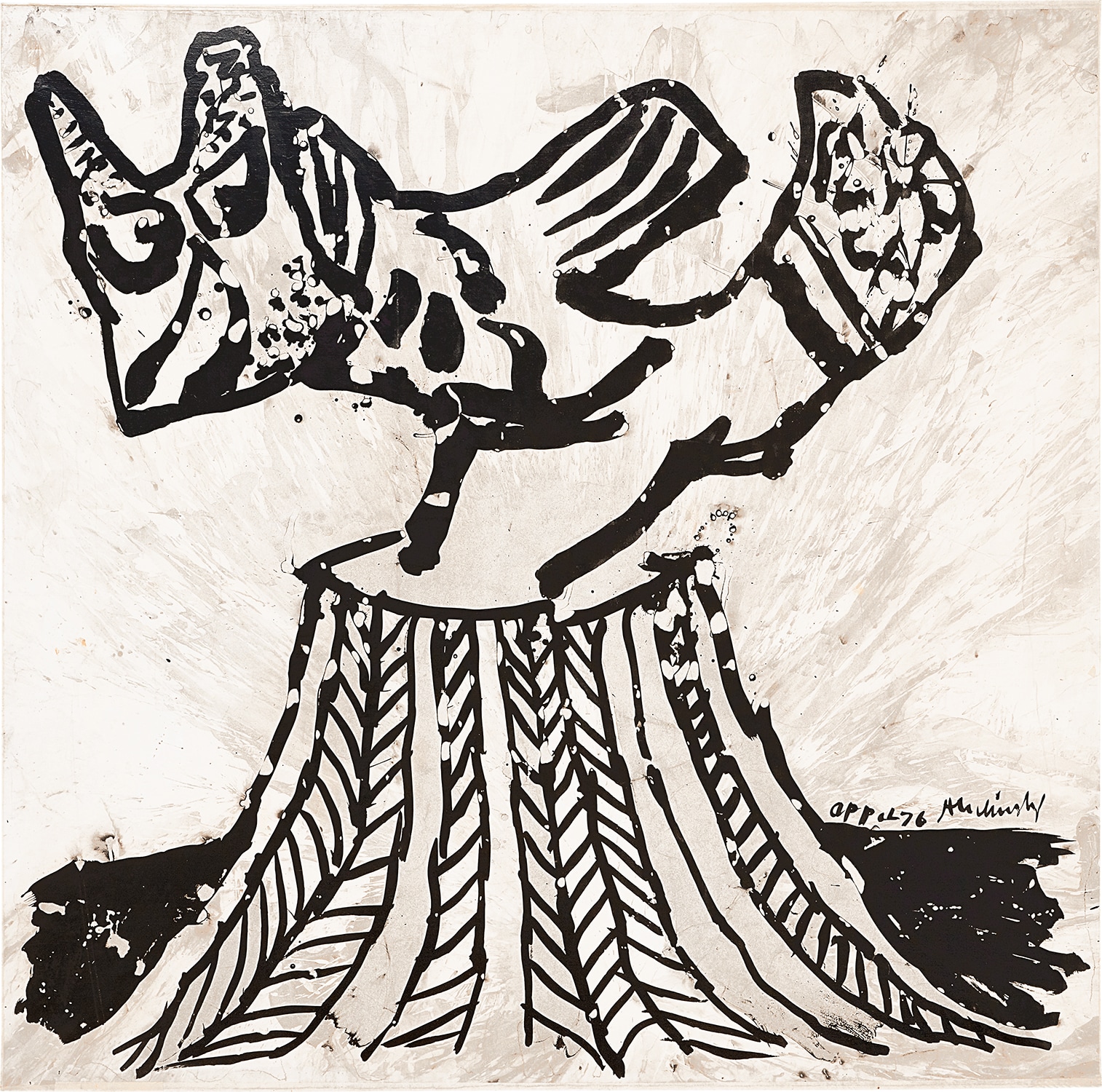
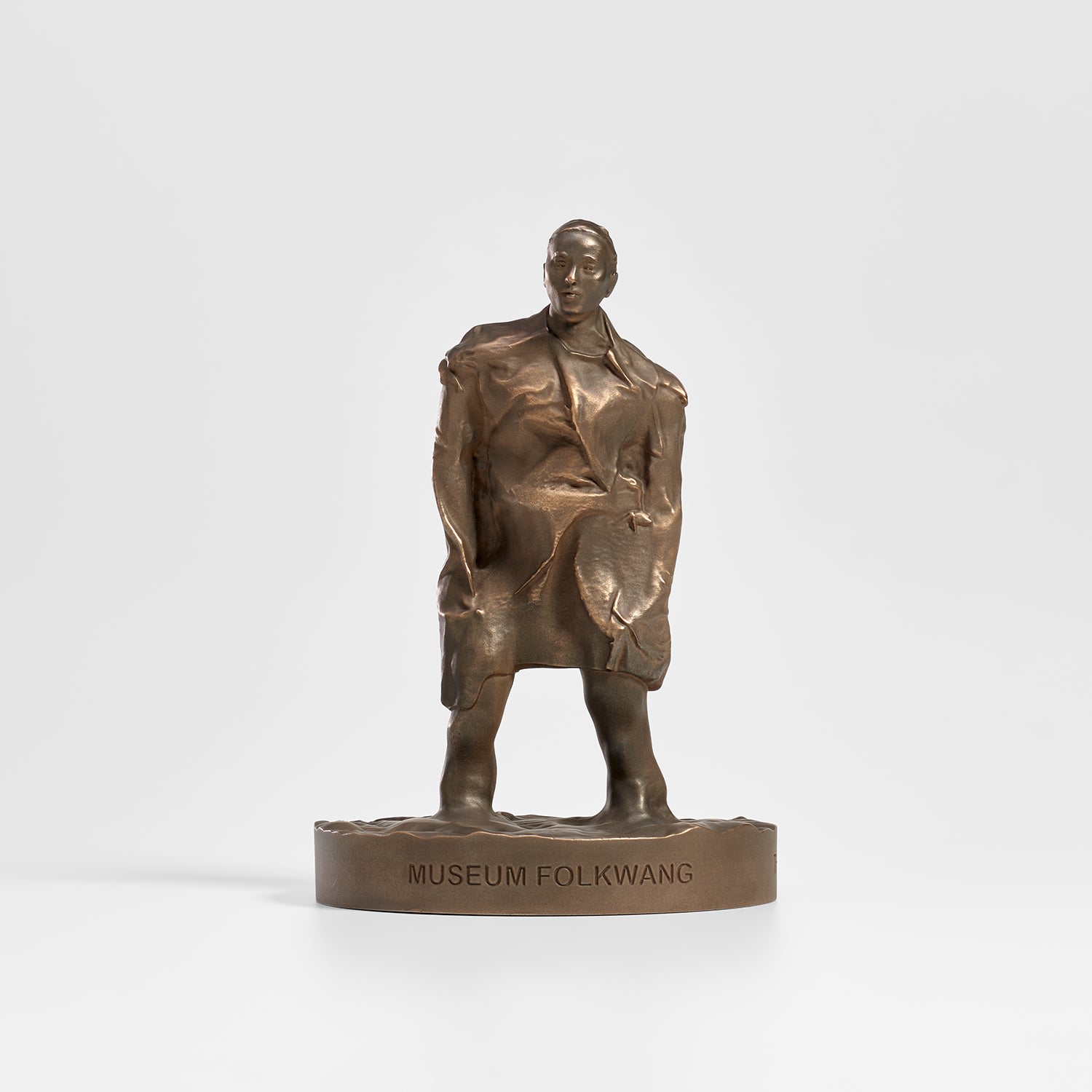
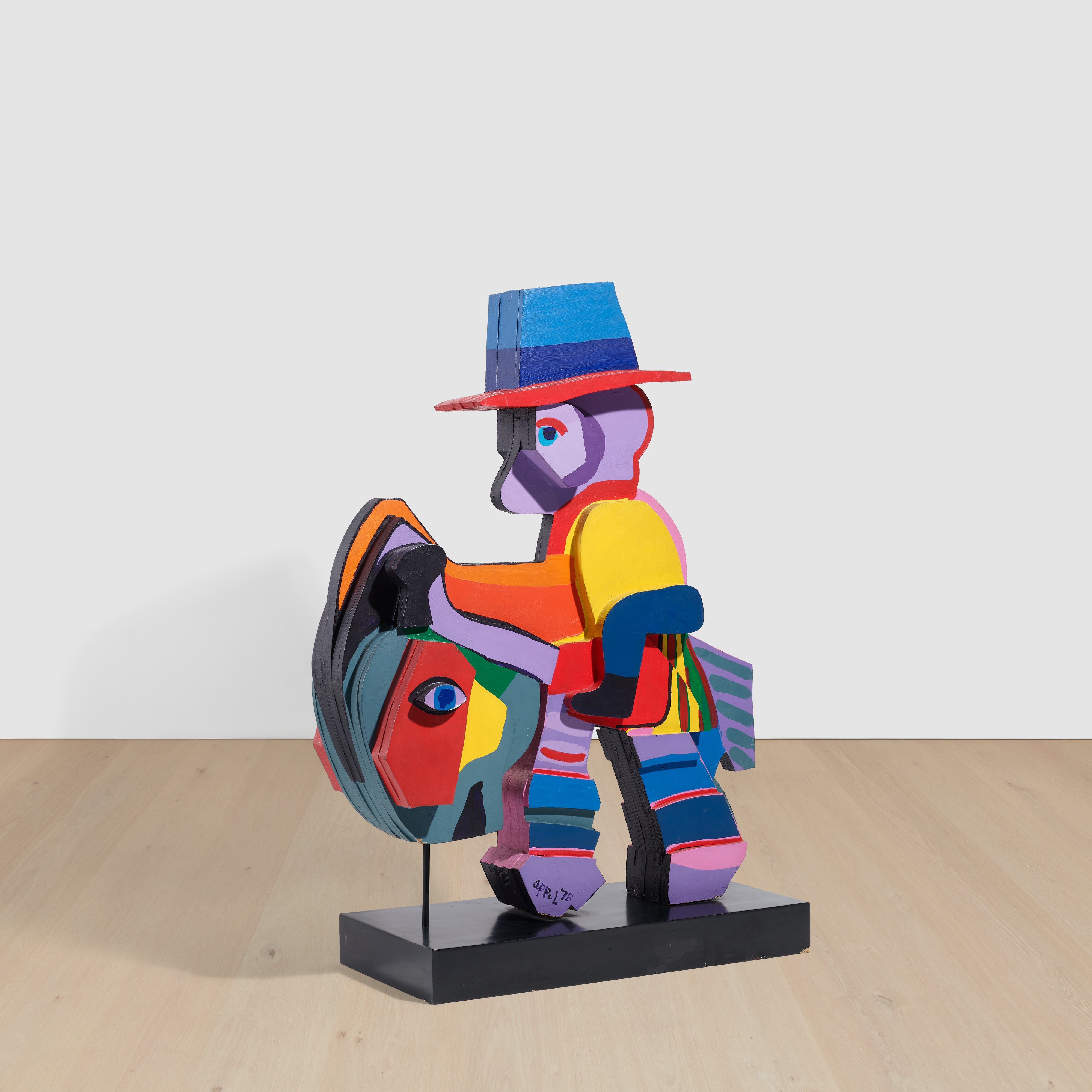
It is a material with its own history, its own vulnerabilities, its own capacity to hold and release. When Ugo Rondinone incorporates paper in his practice, or when Karel Appel tore and layered it with the same ferocity he brought to paint, they were both responding to something in paper itself, its willingness to bear witness to process. Thomas Schütte, whose work moves fluidly between sculpture, drawing, and painting, has described works on paper as the place where thinking happens before it hardens into certainty. To collect works in this category is to collect a kind of history of artistic risk.
These are not objects made for ease or comfort. They are objects made by artists who chose difficulty deliberately, who reached for humble materials because those materials could say things that more exalted ones could not. The works gathered on The Collection in this category span continents and decades, but they share a common seriousness, a belief that the surface of a work is not just where an image lives but where meaning is tested. That belief has not aged.
If anything, it feels more urgent now than ever.