Outsider Art
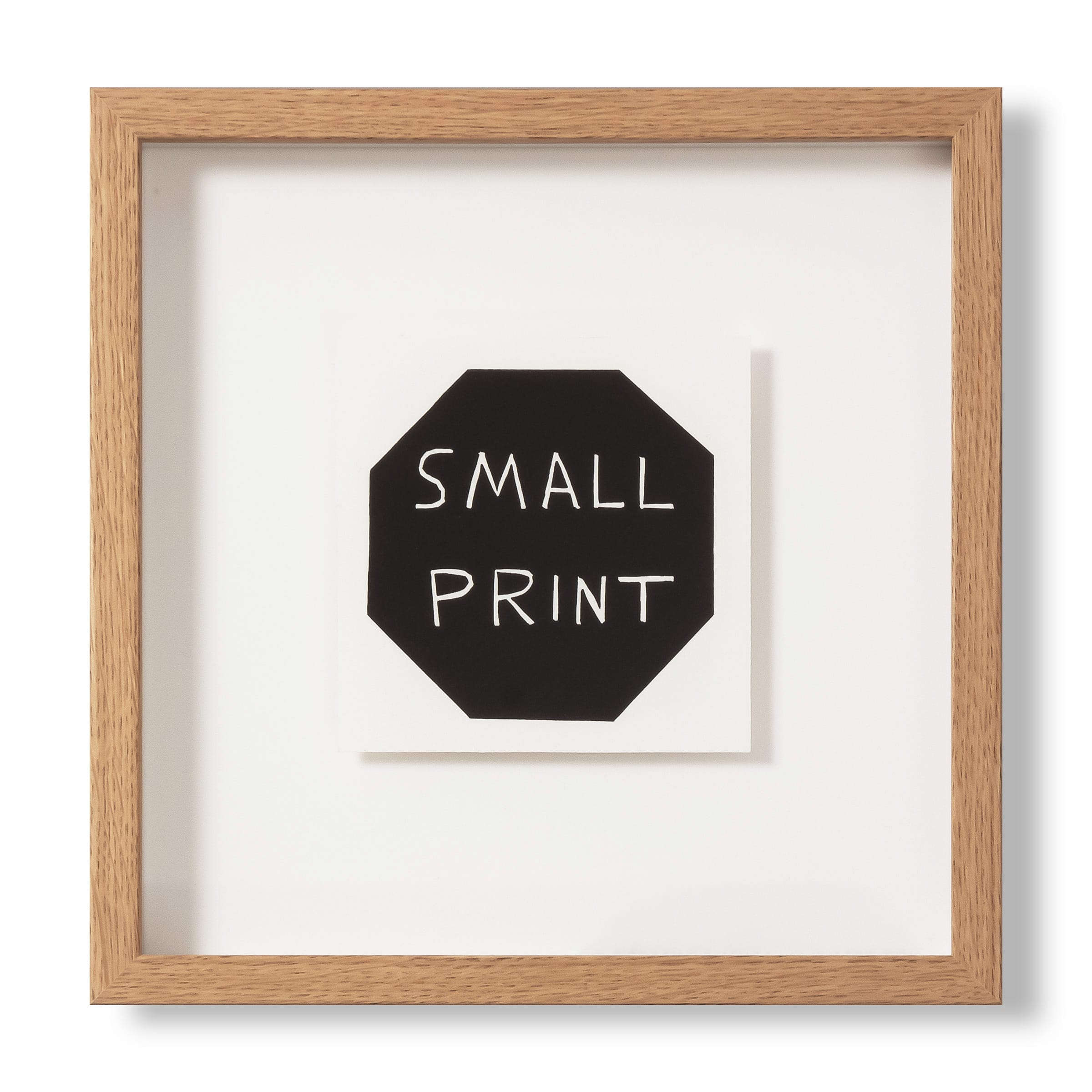
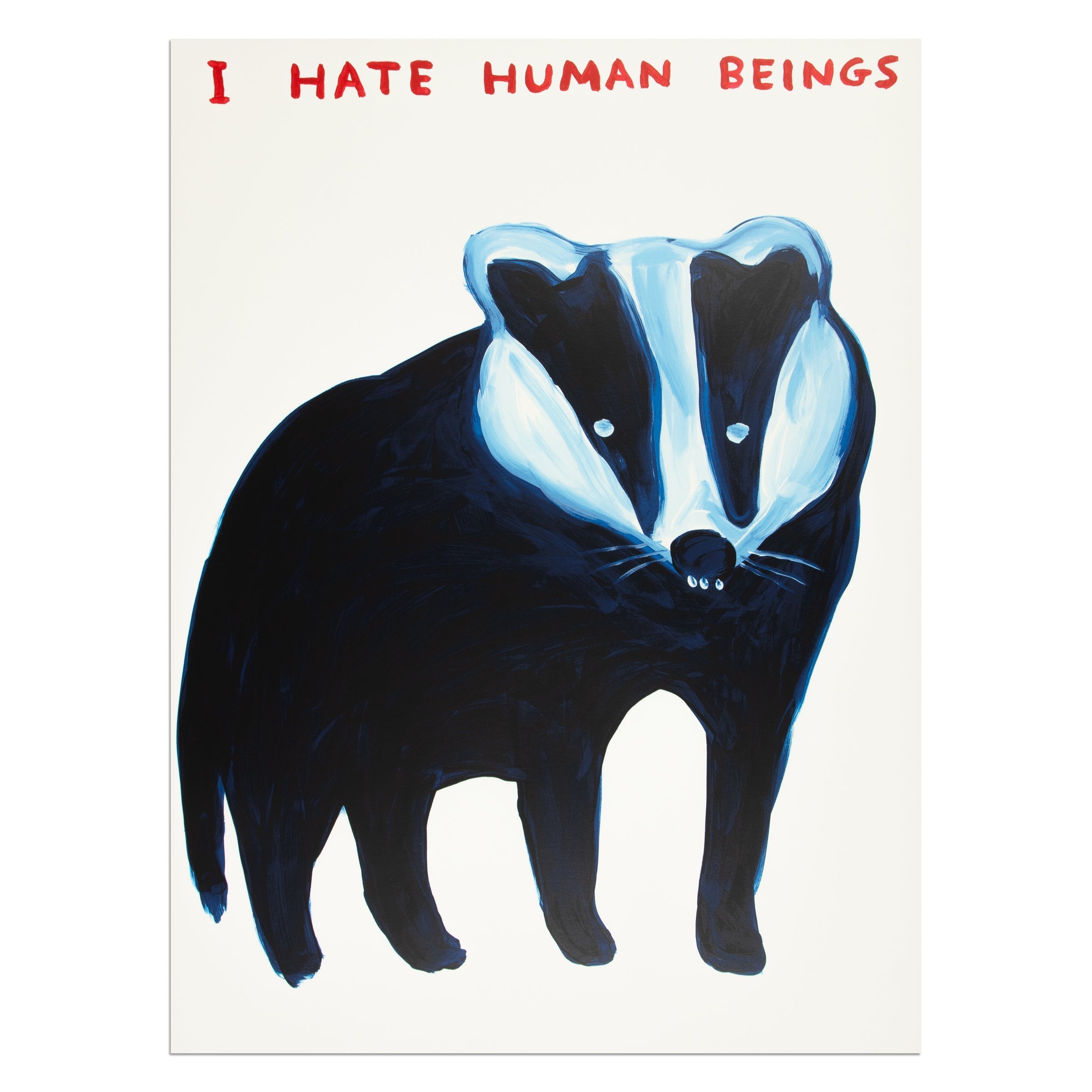
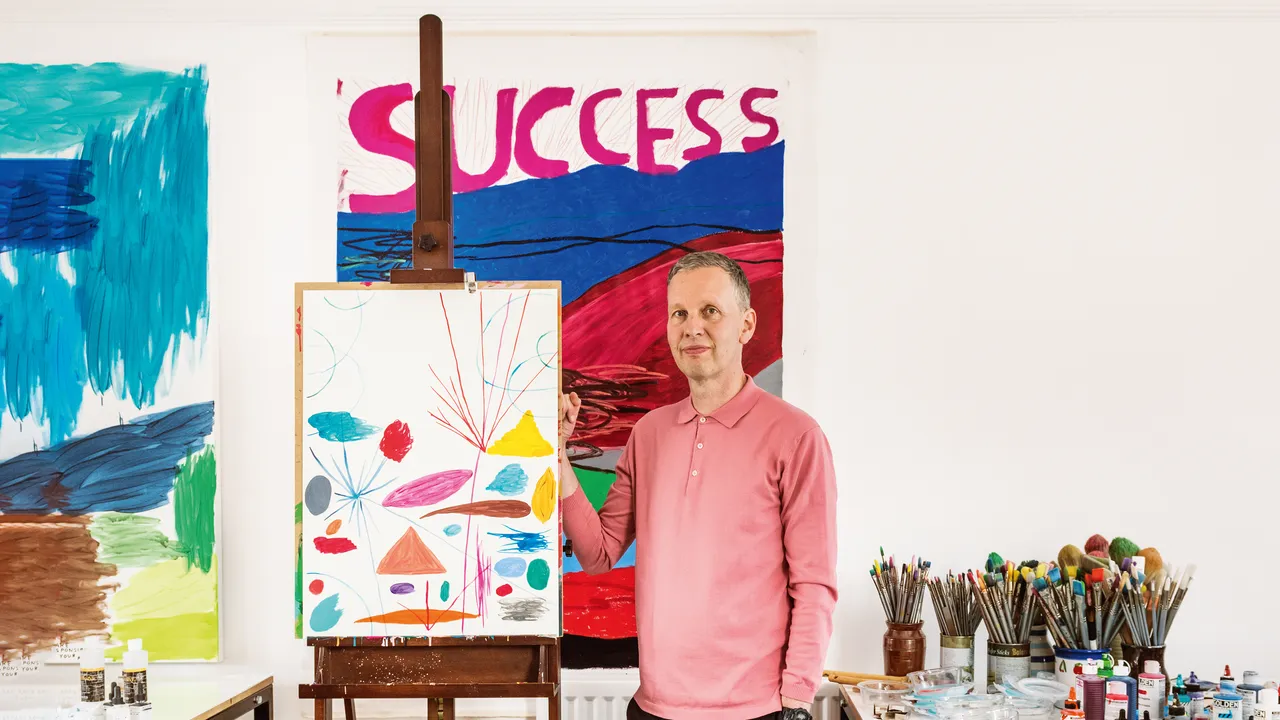
David Shrigley
Small Print, 2023

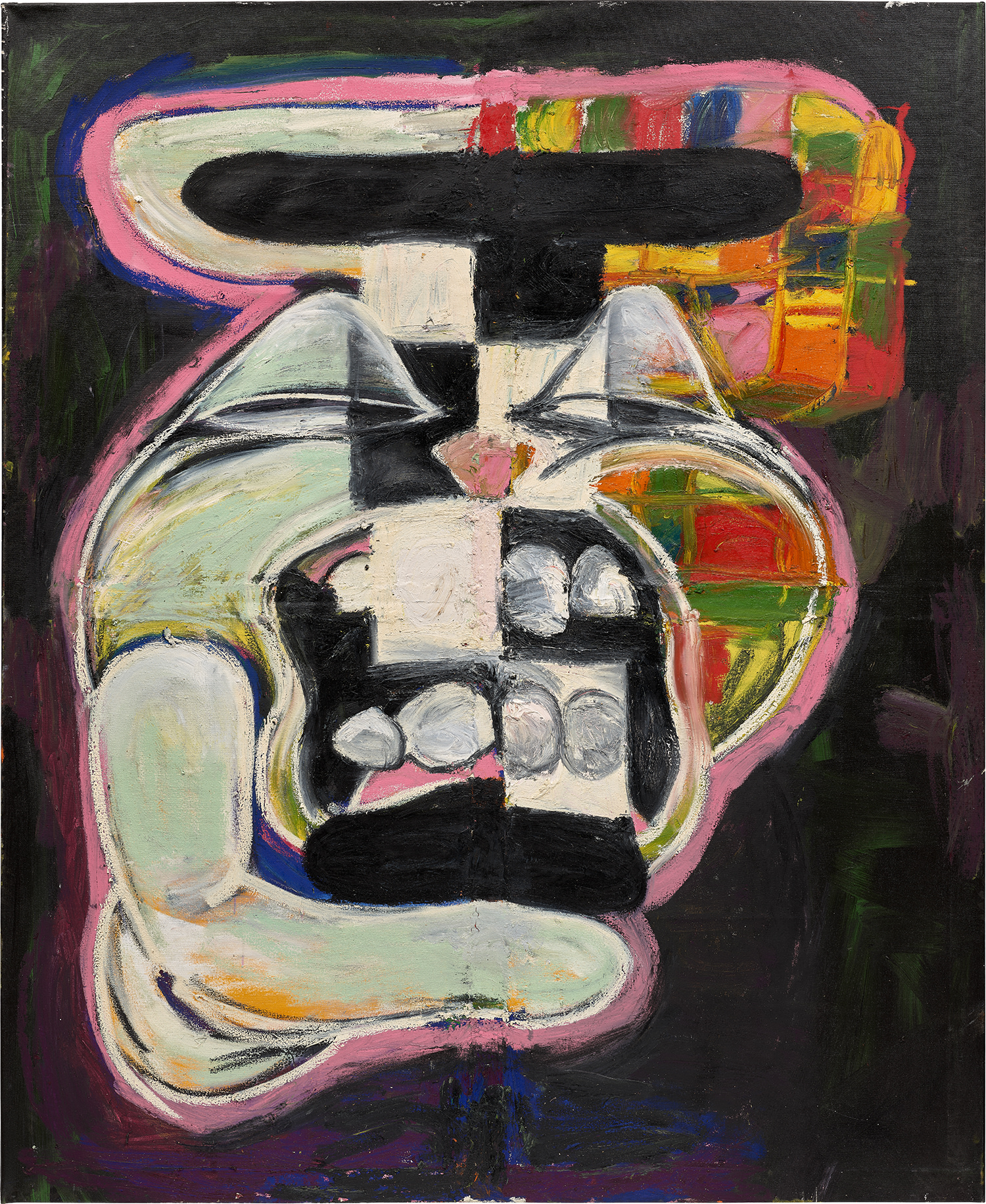
The Rules Were Never Theirs to Follow
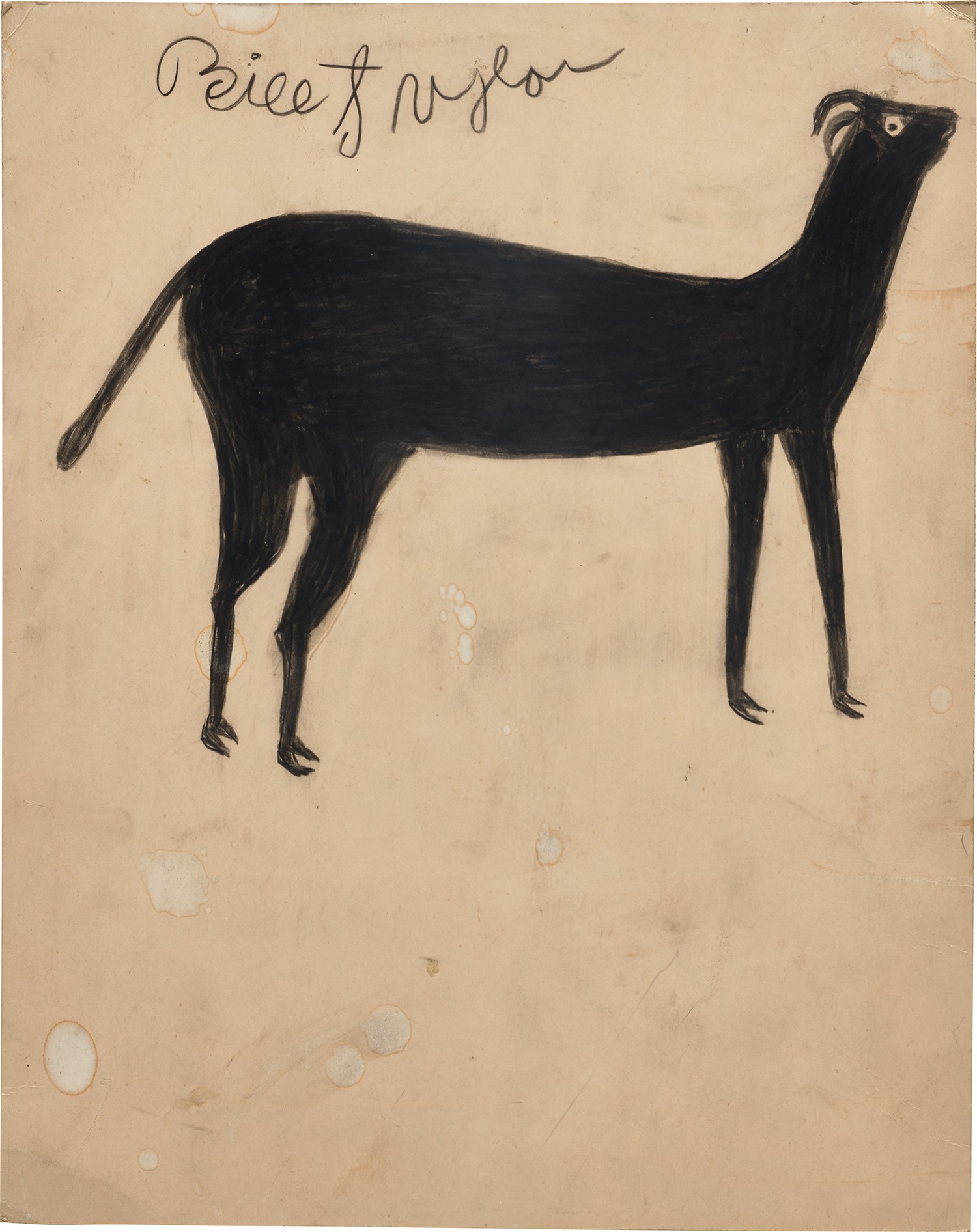
When a single drawing by Bill Traylor sold at Christie's for over a hundred thousand dollars, it felt less like a market correction and more like a long overdue reckoning. Traylor, who was born into slavery in Alabama and began drawing on cardboard scraps in Montgomery at the age of eighty five, had spent decades being written about as a curiosity, a folk oddity, a man outside the system. That framing always said more about the system than about the work. The prices now reflect what certain collectors have quietly understood for years: that the distance from the so called mainstream was never a deficit.
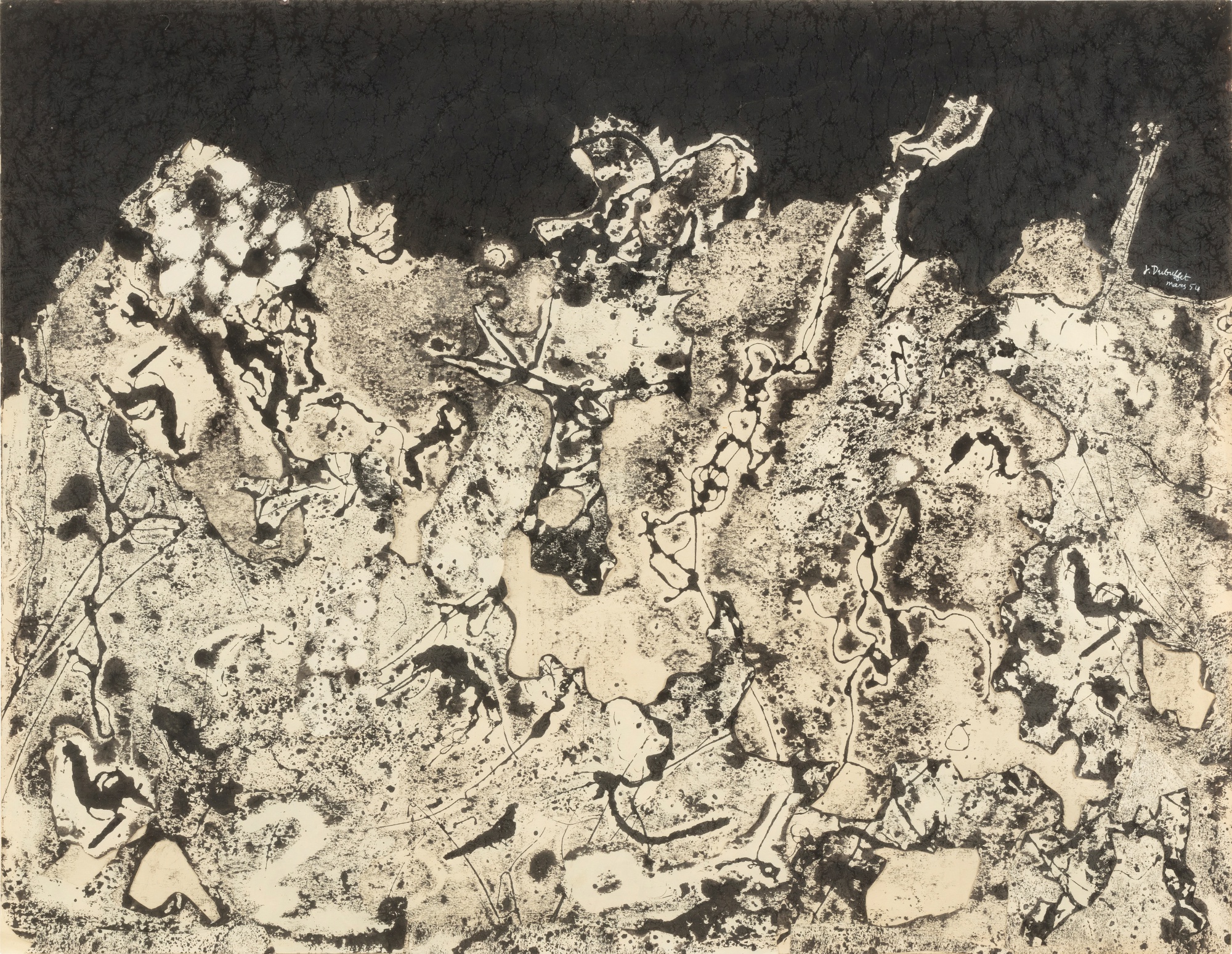
It was the whole point. The term outsider art has always carried a faint condescension, a way of marking territory that protects the academy from having to fully reckon with work that refuses its logic. Jean Dubuffet, who coined the related concept of Art Brut in the 1940s and assembled thousands of works by artists operating outside formal training and institutional culture, was himself a trained, commercially successful painter. He understood the paradox early.
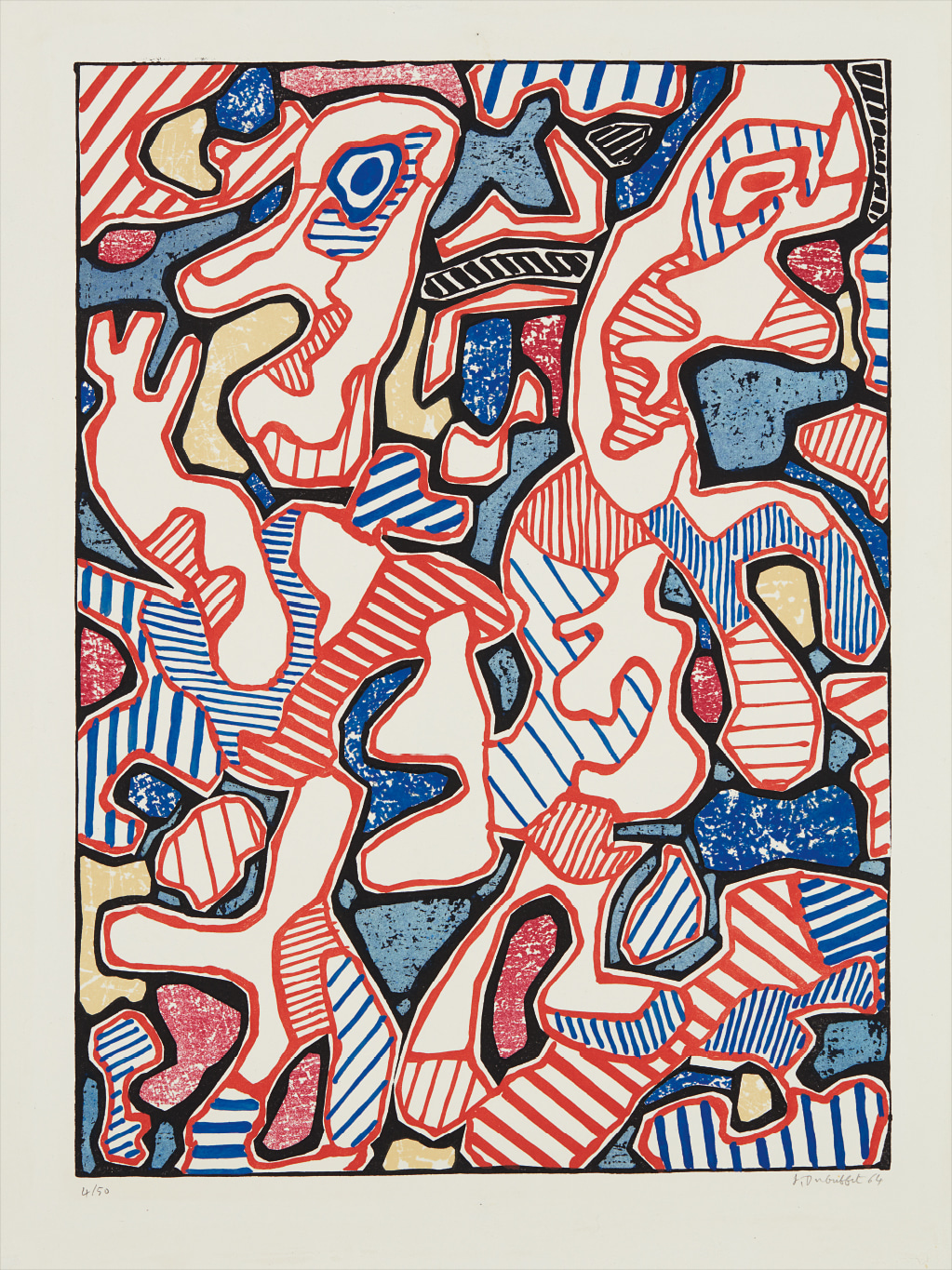
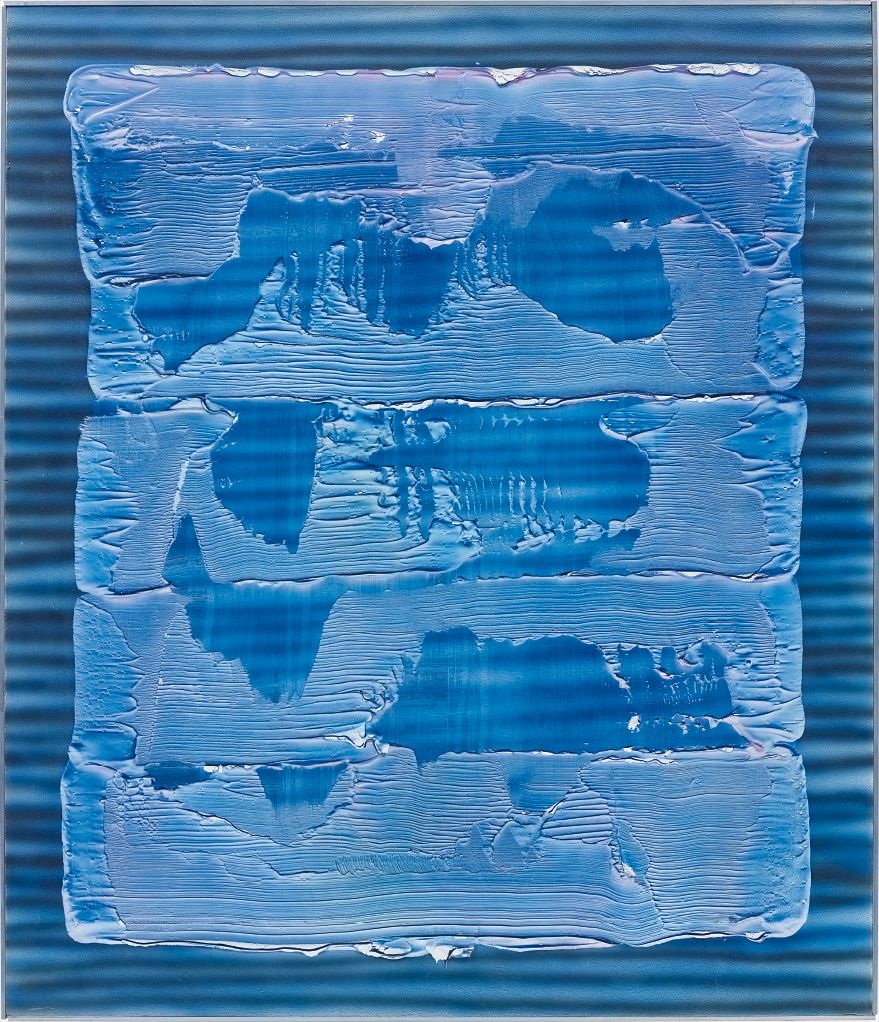
Jean Dubuffet
Affairements
His Collection de l'Art Brut, eventually housed permanently in Lausanne, Switzerland, remains one of the most important repositories of this kind of work in the world, and it continues to shape how curators and collectors frame the conversation today. The institution is doing something quietly radical: insisting that the work be encountered on its own terms rather than filtered through the biographical tragedy that so often gets attached to it. Museum programming has shifted considerably over the past decade. The American Folk Art Museum in New York, long the institutional anchor for this category in the United States, has pushed further into contemporary territory, showing work that blurs the lines between outsider, folk, and self taught in productive ways.
The Outsider Art Fair, which began in New York in 1993 and expanded to Paris, remains the most concentrated annual gathering of dealers, collectors, and work in this field, and its recent editions have felt increasingly buoyant. What was once a somewhat specialized corner of the fair calendar now draws serious attention from collectors who also move comfortably through blue chip contemporary territory. That crossover is not incidental. It reflects a genuine reassessment of what rigor, intention, and vision actually look like.
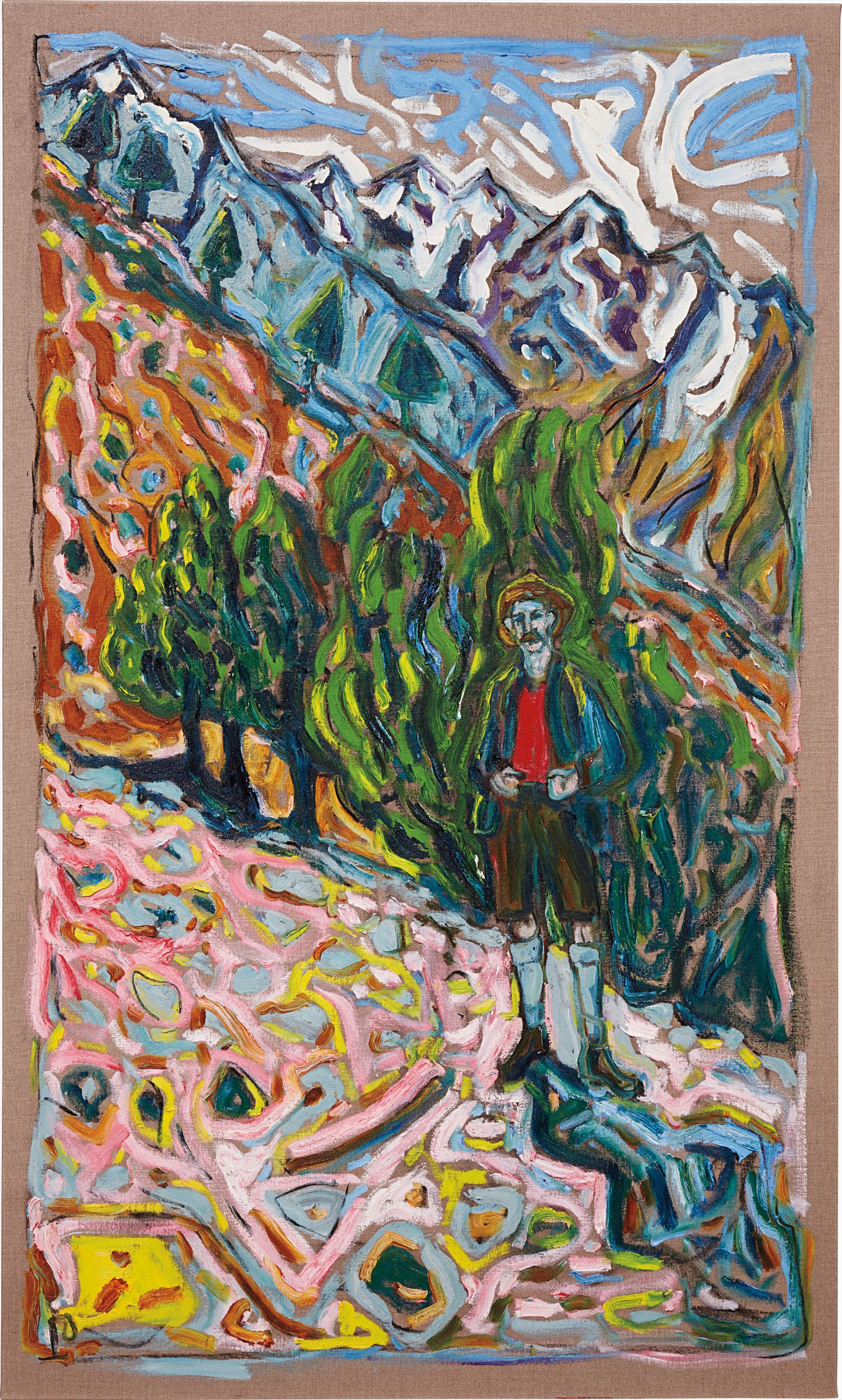
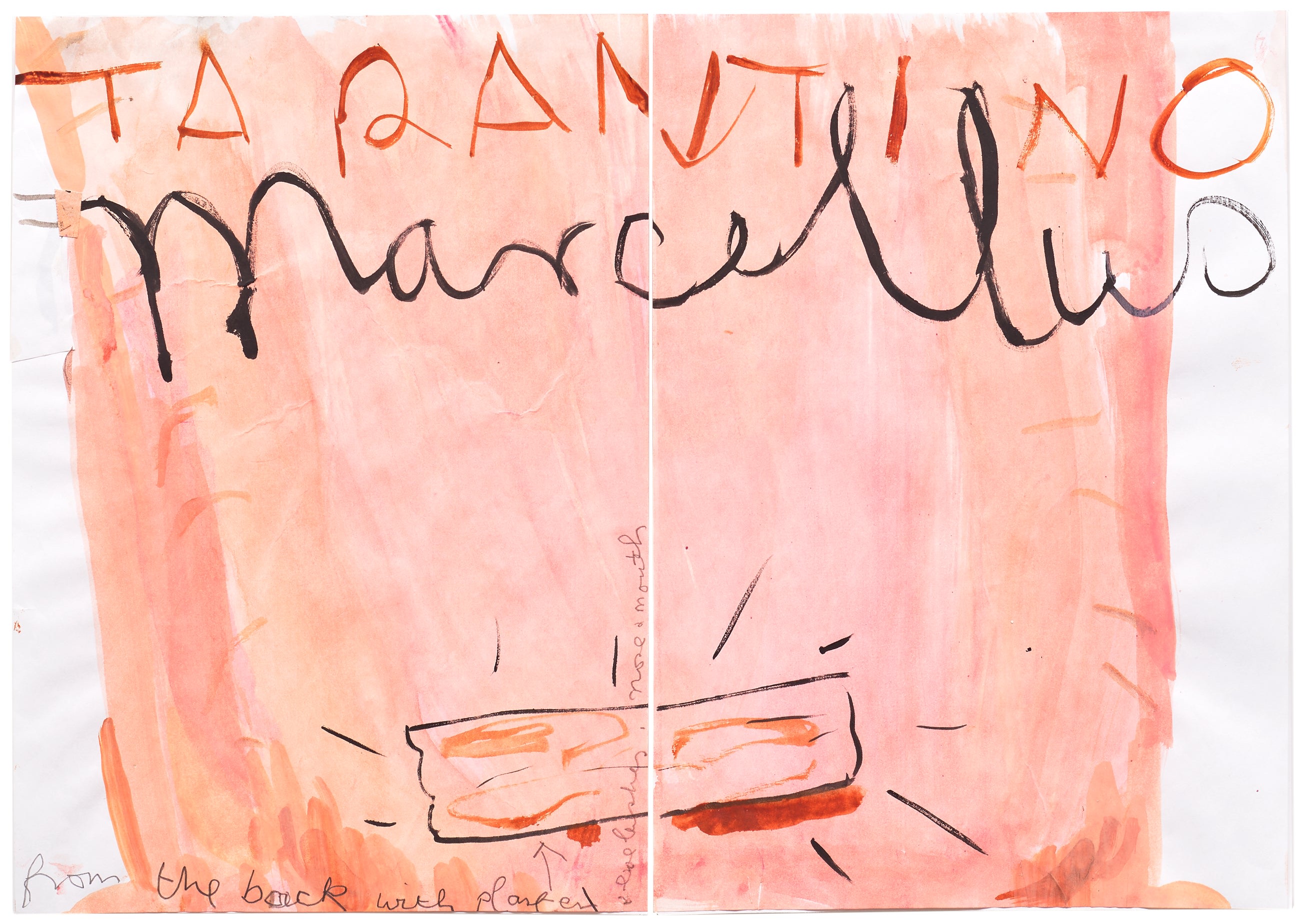
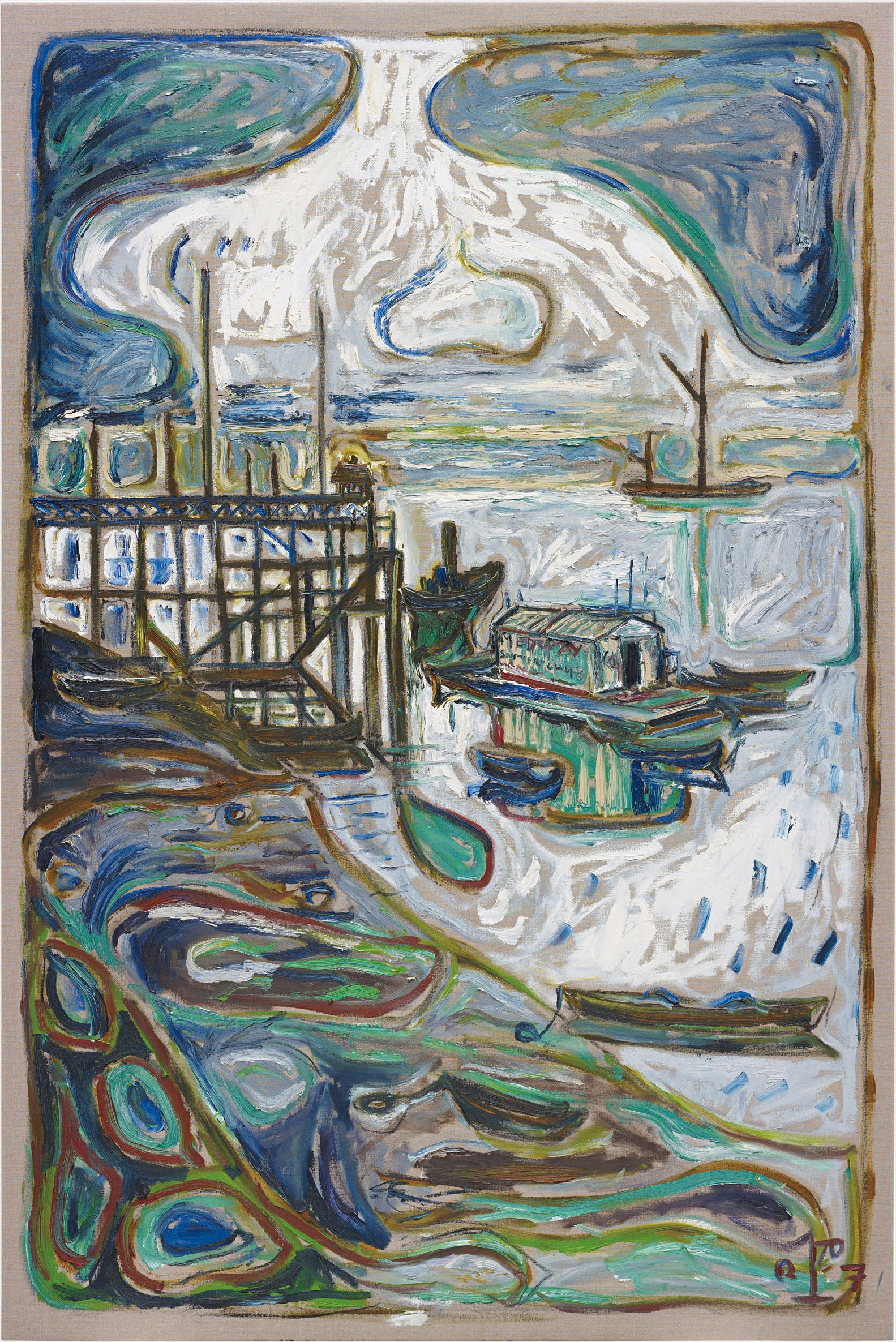
Billy Childish
Stood Before Juniper Trees - High Atlas
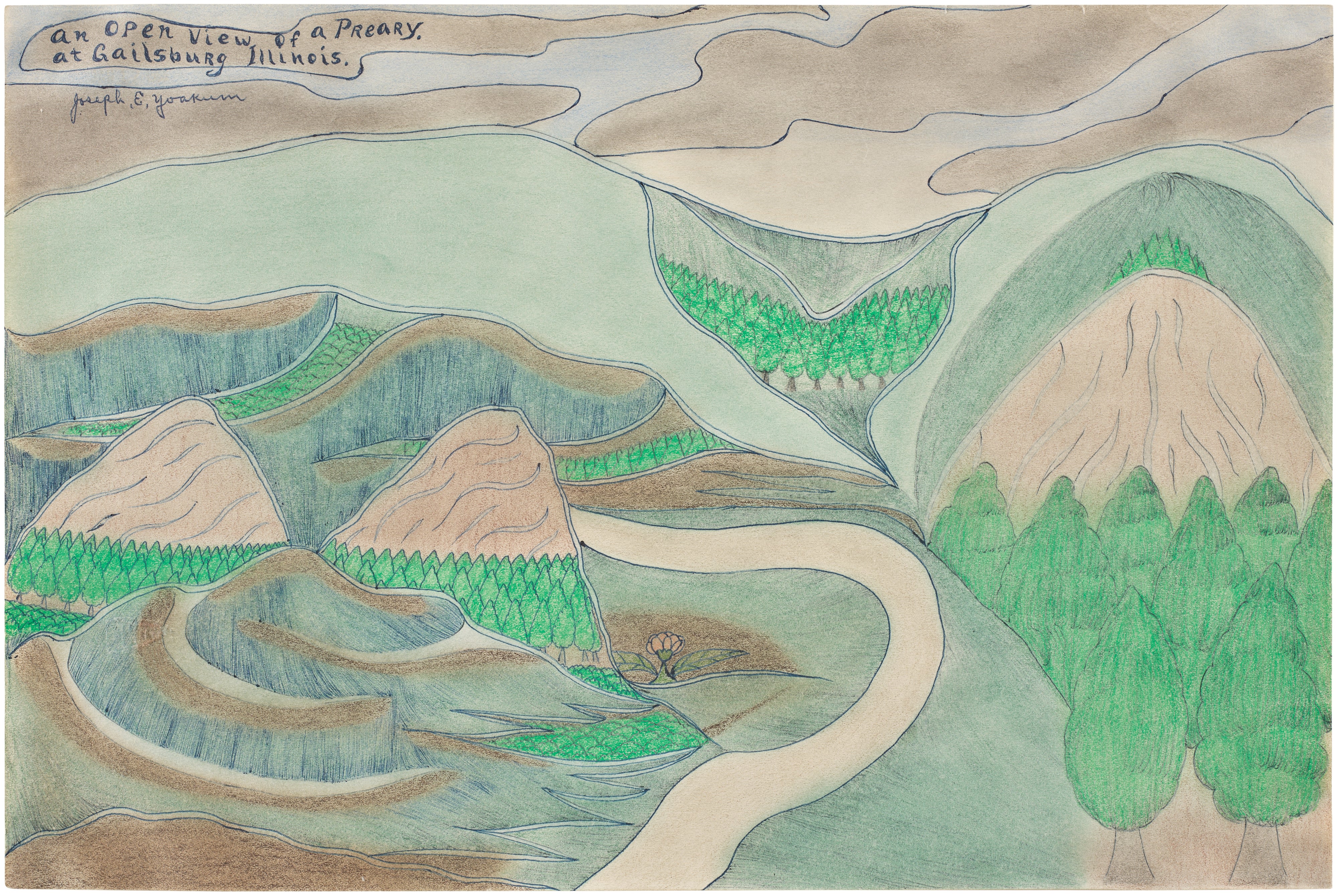
At auction, the results across this category have been uneven in the way that any honest market tends to be, but the directional pressure is clear. Joseph E. Yoakum, the Chicago visionary whose densely rendered landscape drawings are among the most formally singular objects in twentieth century American art, has seen sustained institutional and collector interest since the Drawing Center gave him a major show in 2016. Purvis Young, whose urgent, layered paintings on found materials carry an almost overwhelming emotional charge, remains undervalued relative to the power of the work, which is the kind of gap that attentive collectors notice.
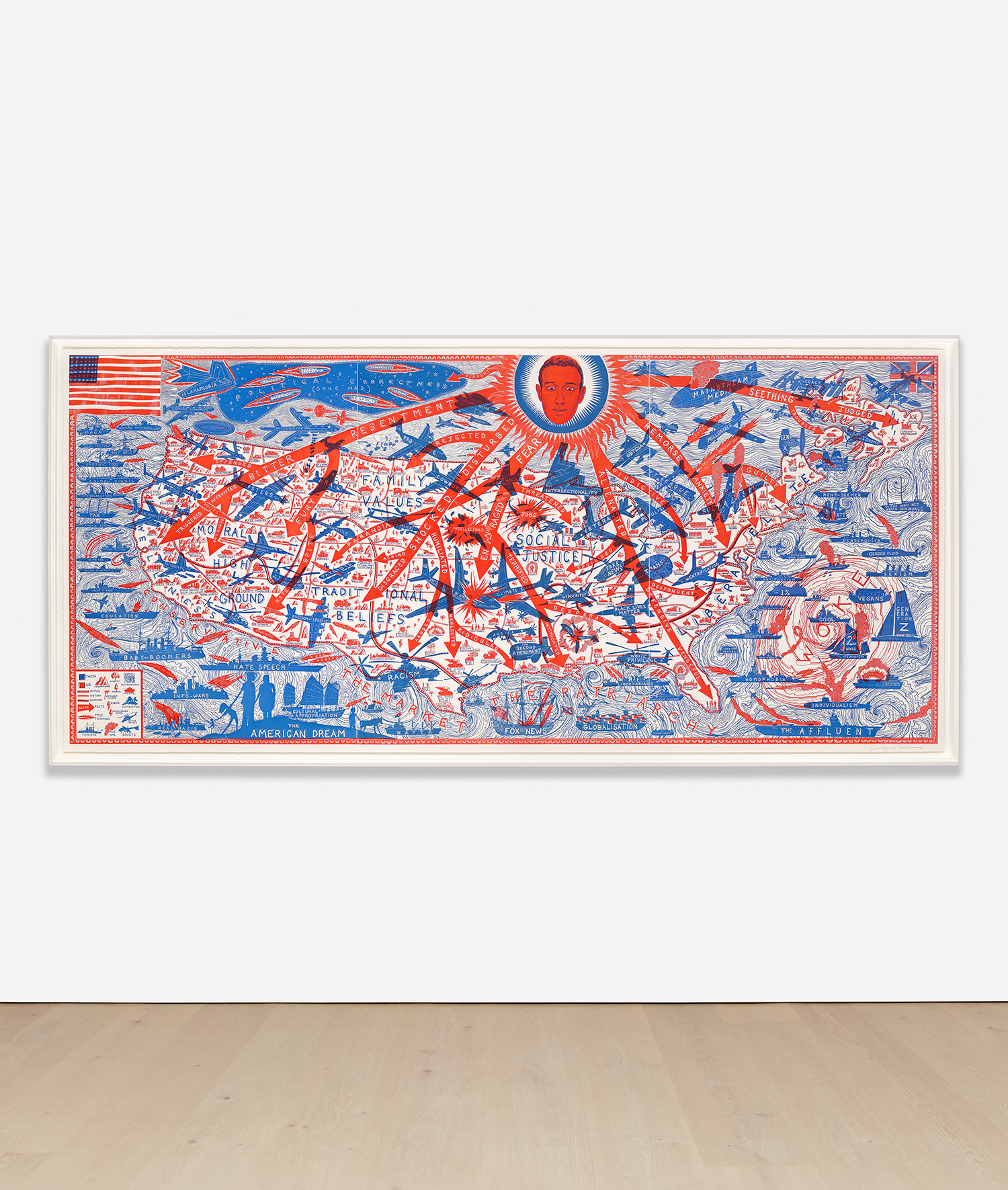
Bill Traylor sits at the top of this market tier, with strong results at the major houses confirming a consensus that was already forming in private. The works on The Collection reflect this range thoughtfully, from Traylor to Yoakum to artists whose market trajectories are still being written. What makes the current moment genuinely interesting is the way that artists who trained formally but operate with an outsider sensibility are now being folded into this conversation without apology. David Shrigley, whose deadpan drawings and text works carry a raw, handmade quality that resists the polish of the gallery system even as he moves through it, is well represented on The Collection.
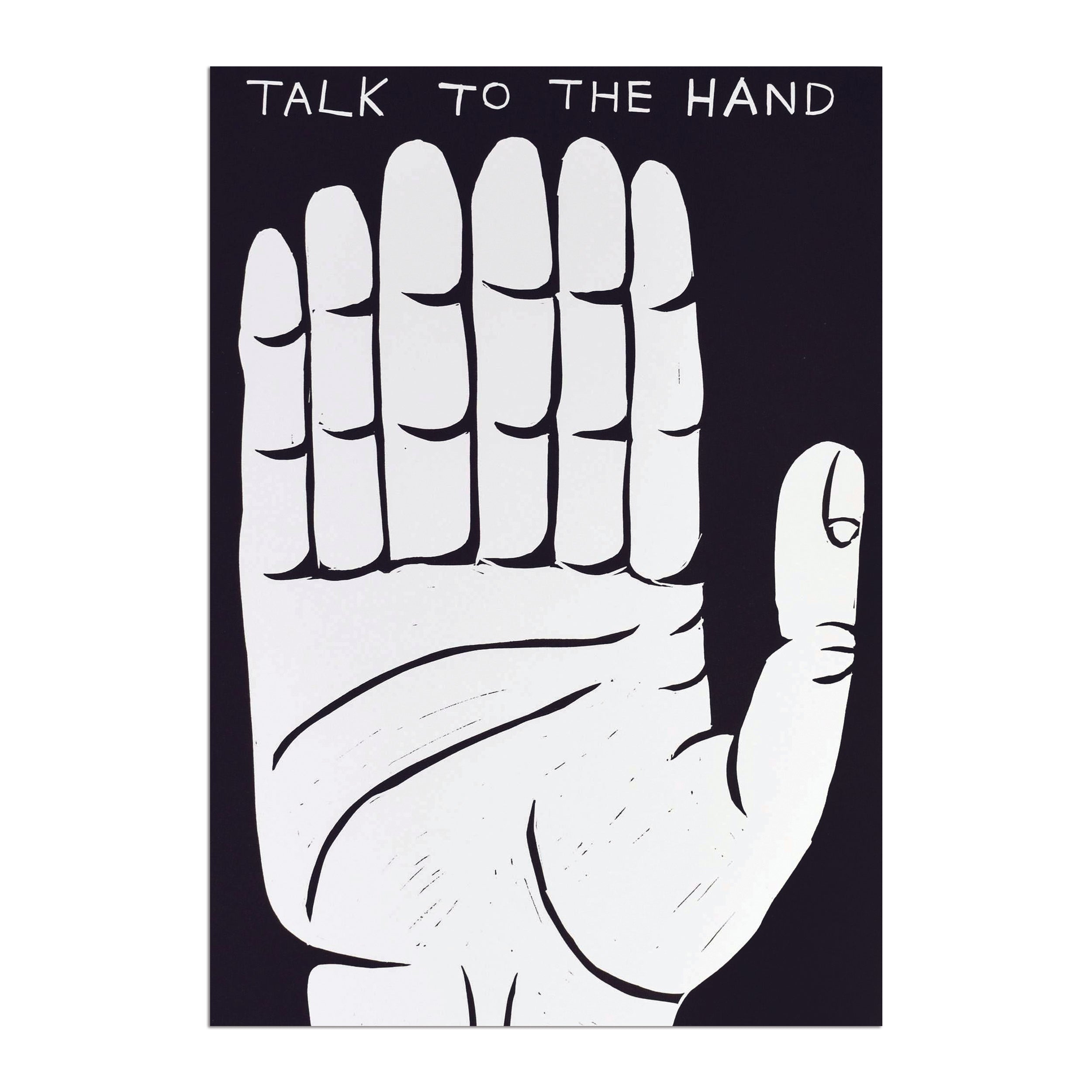
David Shrigley
Talk to the Hand, 2021
Rose Wylie, who only gained significant recognition in her seventies, makes paintings of almost aggressive simplicity that reward sustained looking in ways that much more technically accomplished work does not. Grayson Perry, Billy Childish, and Aboudia each operate with a kind of willful disregard for received taste that connects them, temperamentally if not biographically, to the tradition Dubuffet was describing. The category is expanding, and the expansion feels earned rather than opportunistic. The critical conversation is being shaped by a handful of writers and curators who are doing serious work to move beyond the outsider framing without losing what was genuinely useful about it.
Jenifer P. Borum has written with real precision about self taught artists and the institutional conditions that have historically surrounded their reception. The work being done around the legacy of Henry Darger, whose posthumously discovered illustrated narrative ran to thousands of pages, continues to raise productive questions about authorship, privacy, and the ethics of exhibition. Colin Rhodes's book Outsider Art: Spontaneous Alternatives, while now more than two decades old, remains a useful reference point precisely because it takes the formal qualities of the work seriously rather than leading with biography.
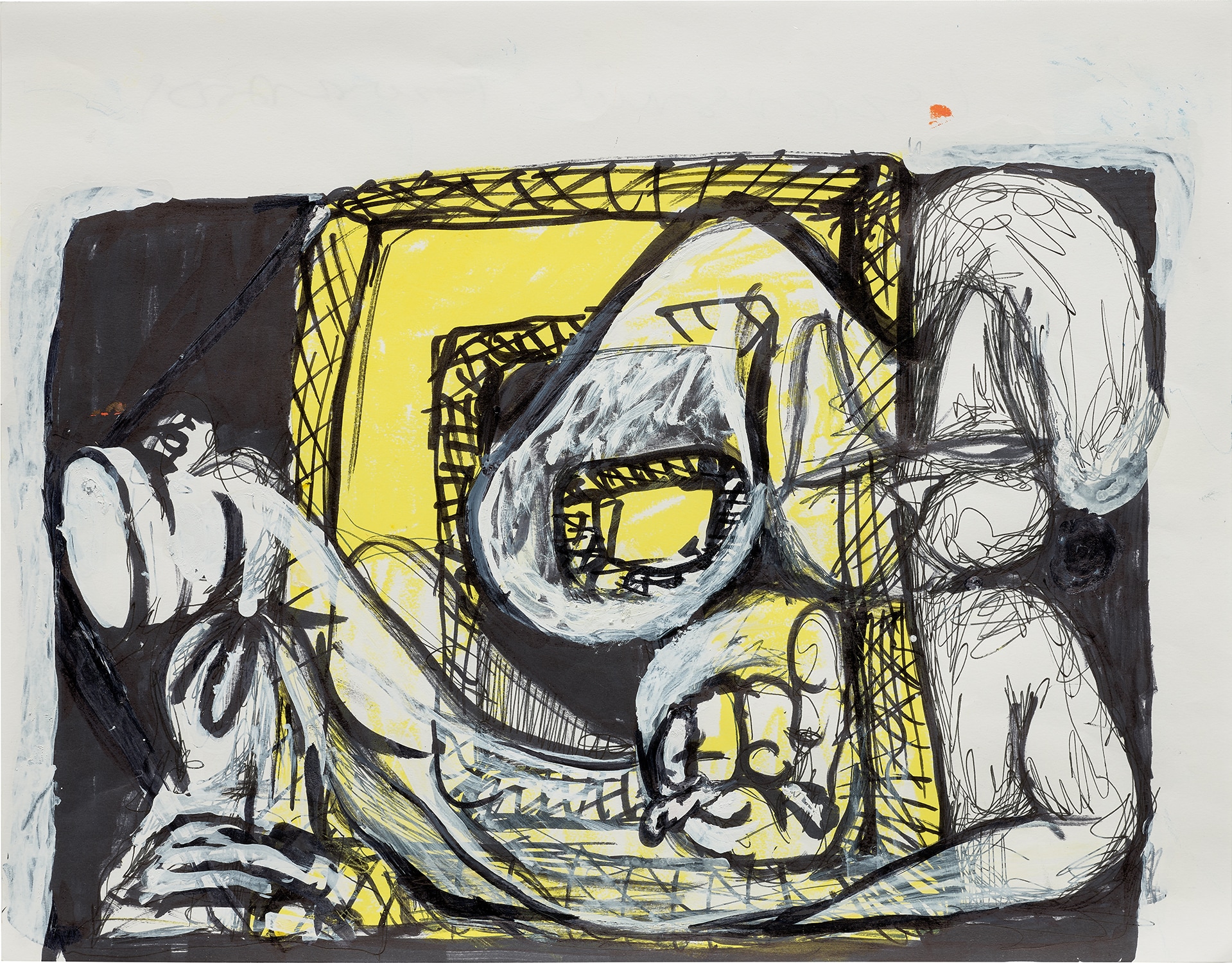
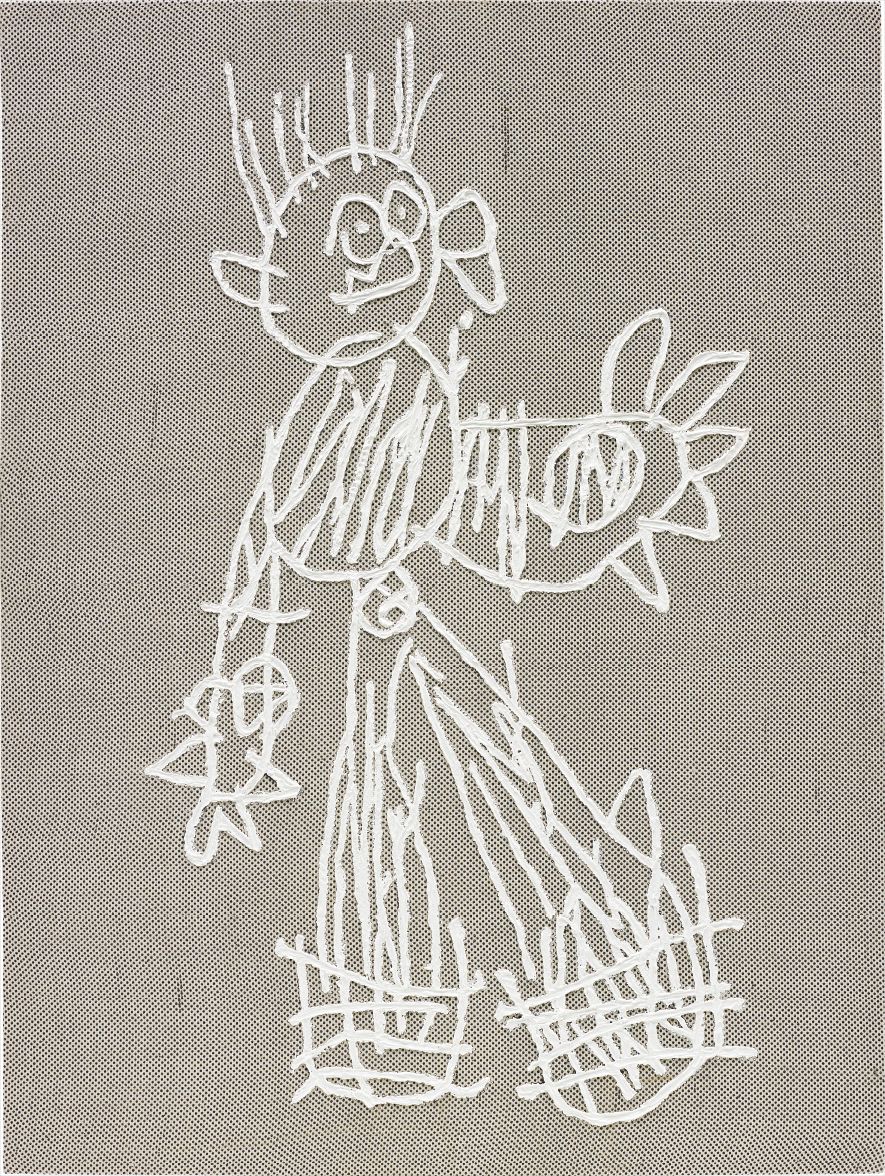
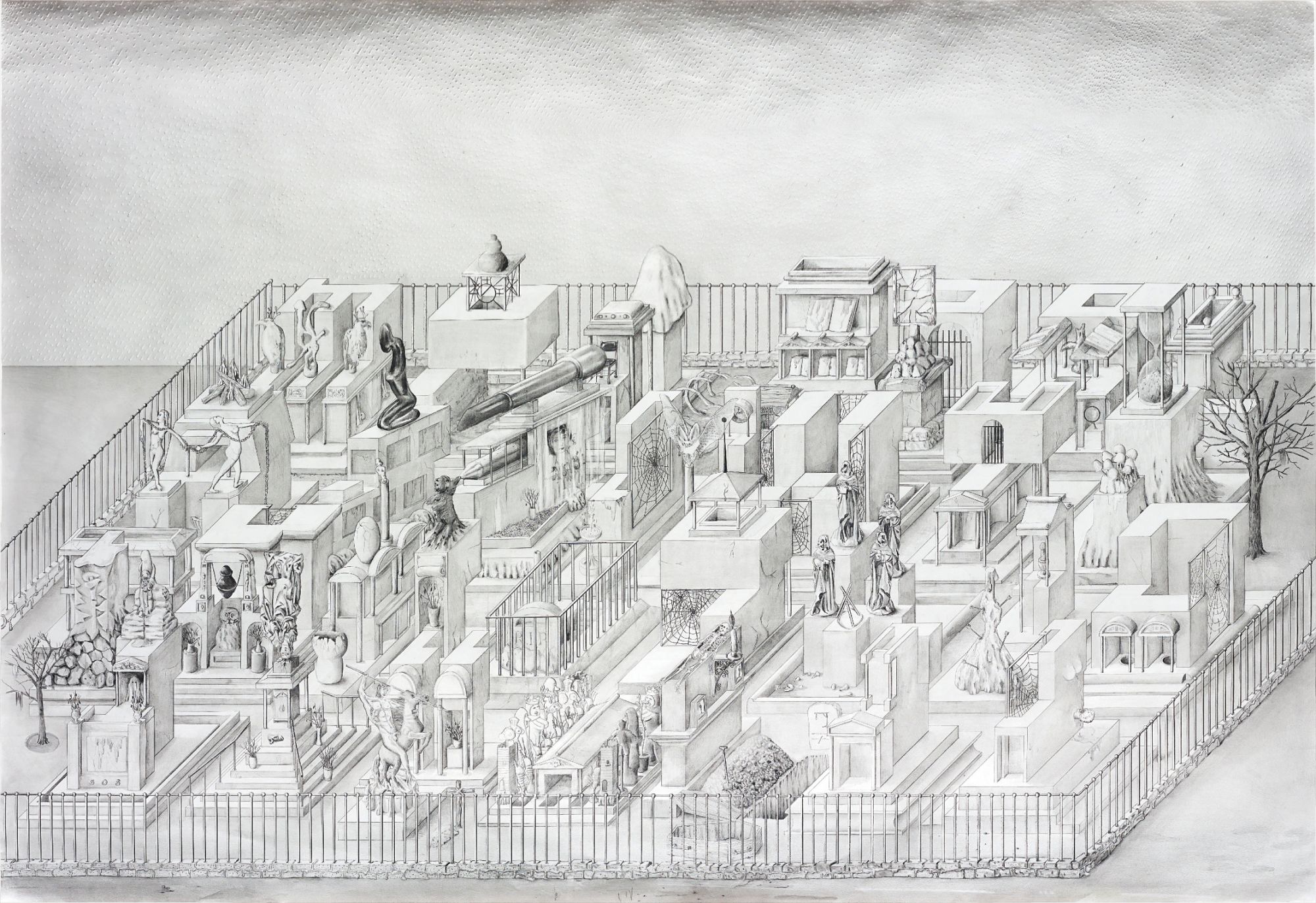
Gerasimos Floratos
marker, crayon, pen and correction fluid on paper, 2016
The energy right now feels most alive in the space between categories, in artists like Daniel Johnston, whose drawings and recordings existed in a continuous loop of mutual influence, or Harmony Korine, whose visual work carries the same feverish, uncontained quality as his films. Conrad Botes, working in South Africa with imagery drawn from Afrikaner mythology and punk aesthetics, represents the kind of genuinely strange vision that this category has always made room for. What feels settled is the idea that self taught means lesser. What feels genuinely open is how institutions will continue to integrate this work into their permanent collections and whether the market will eventually reflect the full scope of what has been made.
The collectors who got there early already know the answer.