Nautical Subject
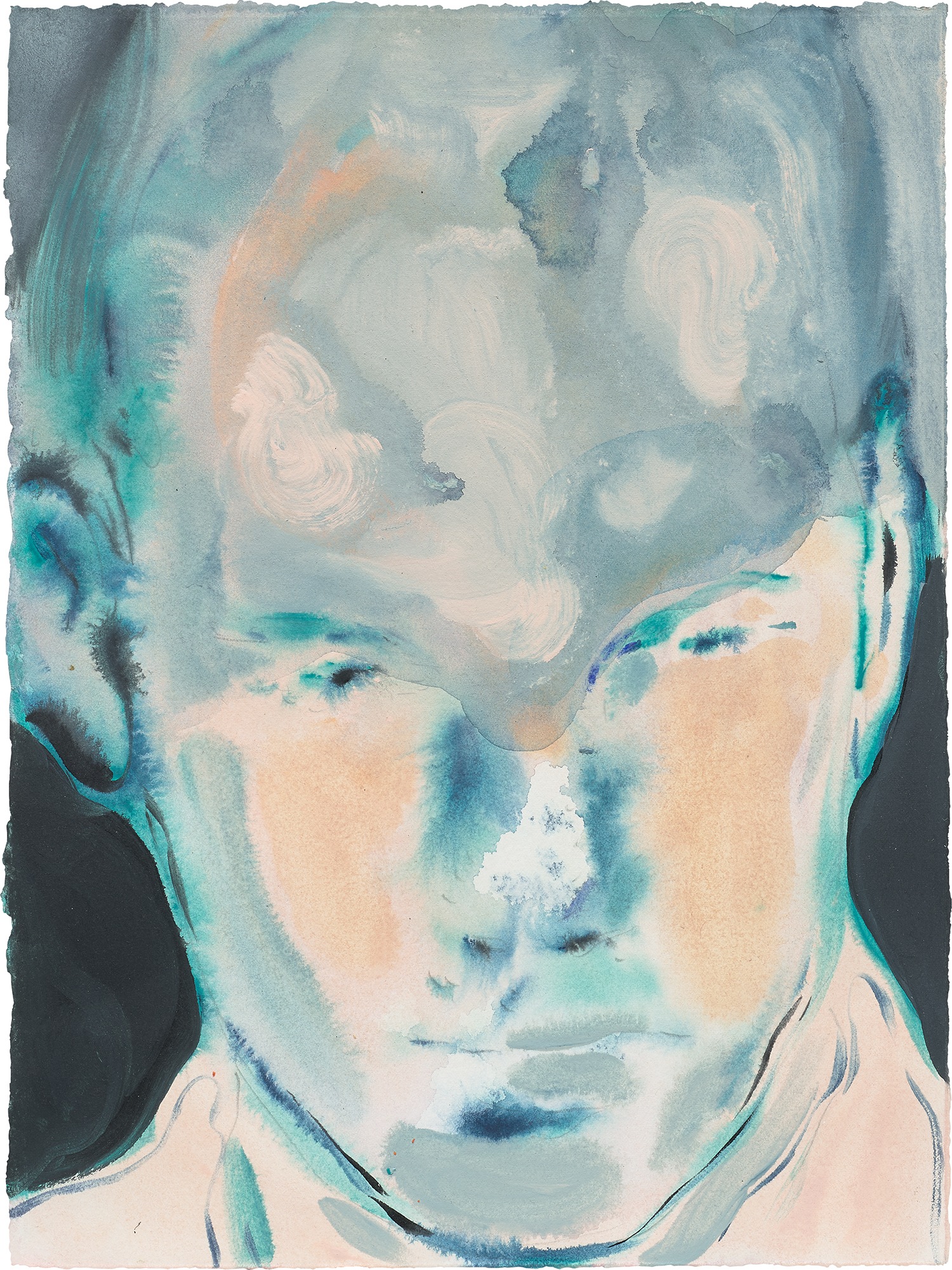
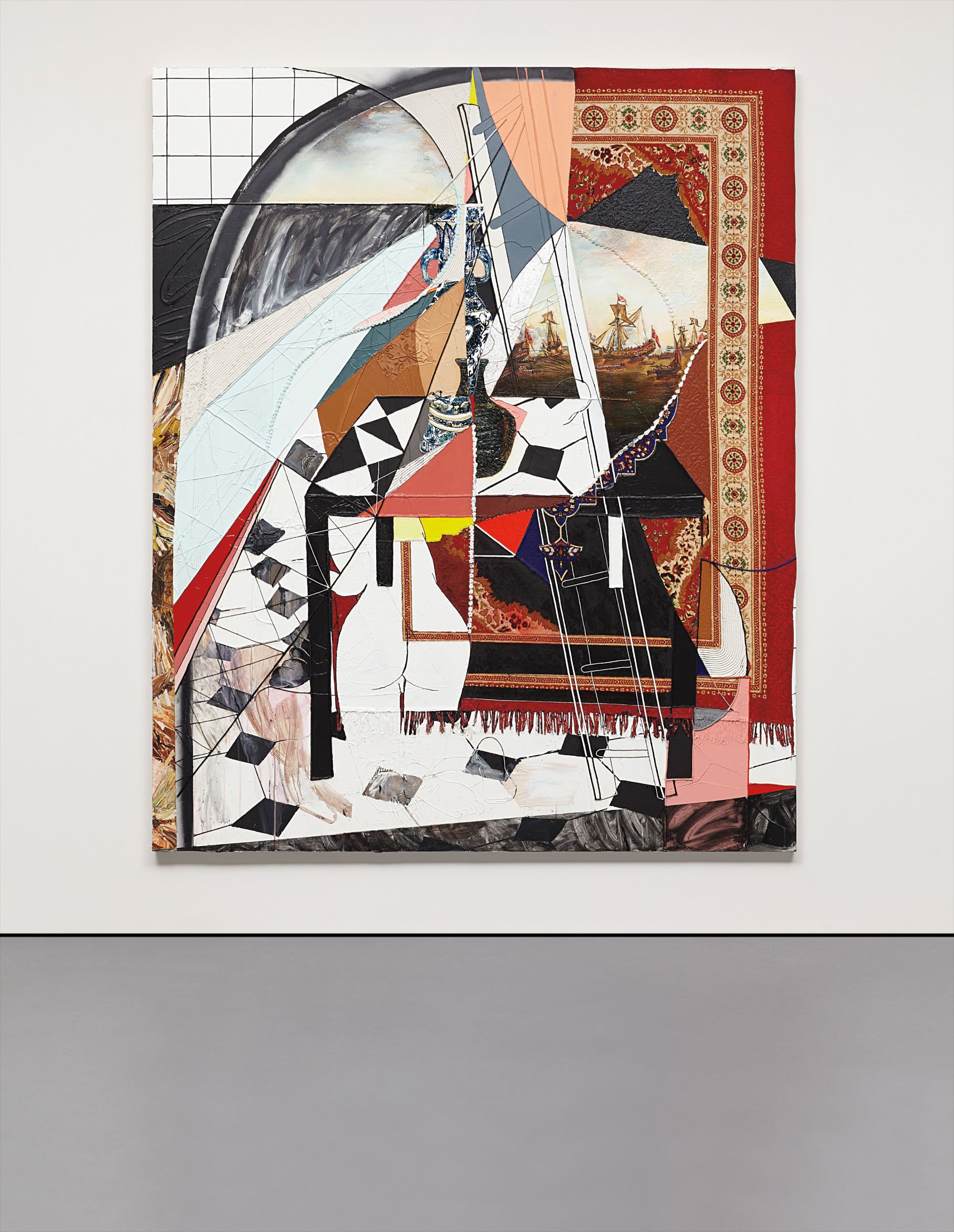
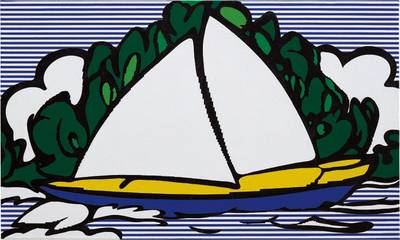
Anthony Cudahy
Bluenose, 2019



The Sea Is Never Just the Sea
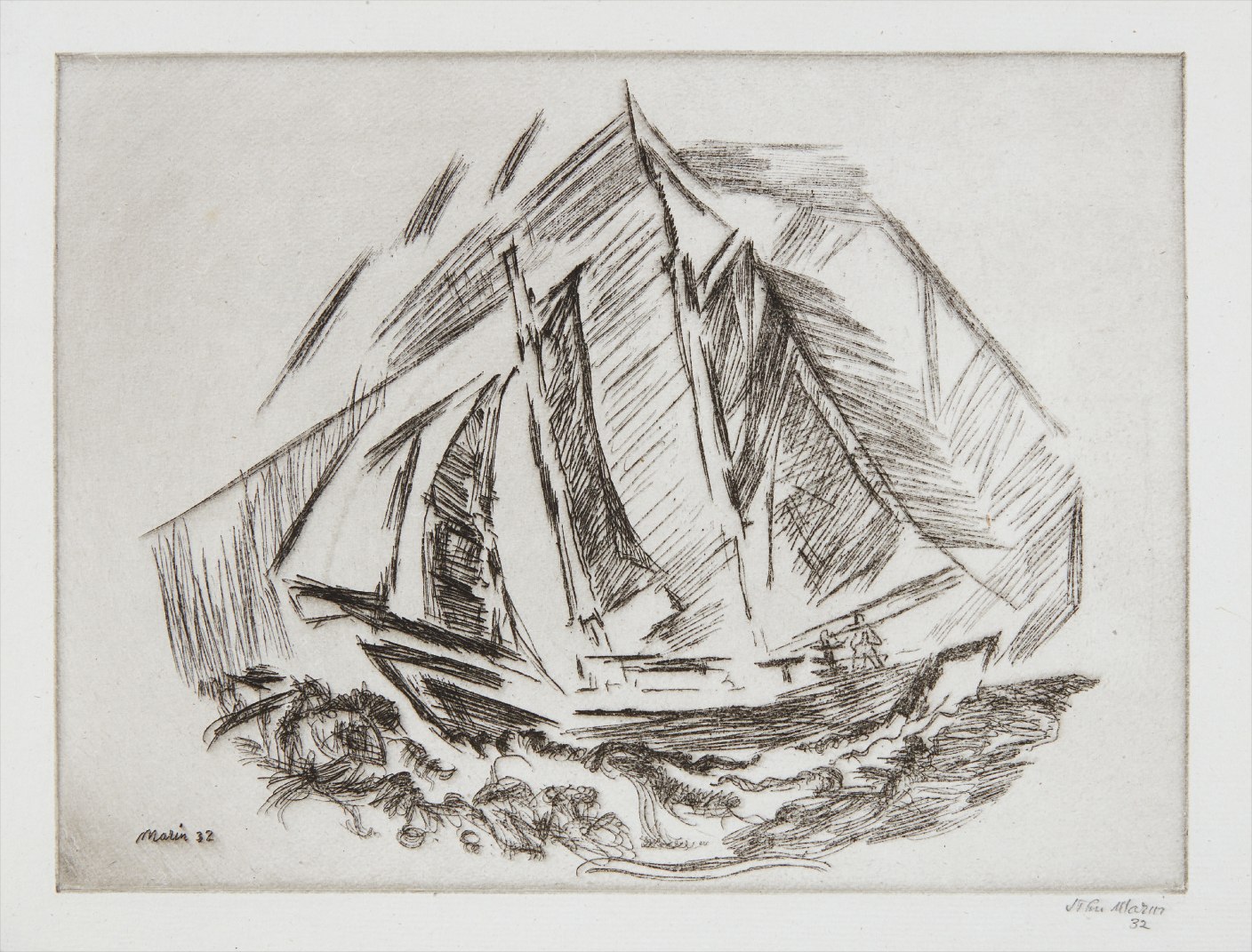
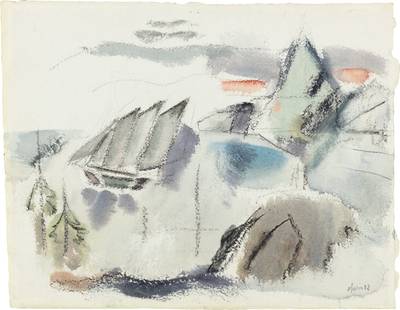
When Christie's brought a major John Marin watercolor to auction in recent years, the bidding moved with the restless energy of the subject itself. Marin's coastal Maine scenes, those fractured, electric renderings of water and sky that sit somewhere between Cubism and raw feeling, have continued to find collectors who understand that nautical subject matter in American modernism is not a minor genre but a central one. The result confirmed something the market has been quietly signaling for a while now: work that engages the sea as a formal and psychological subject is drawing serious attention, not just from maritime specialists but from collectors with broad, ambitious tastes. It is worth pausing on that distinction.
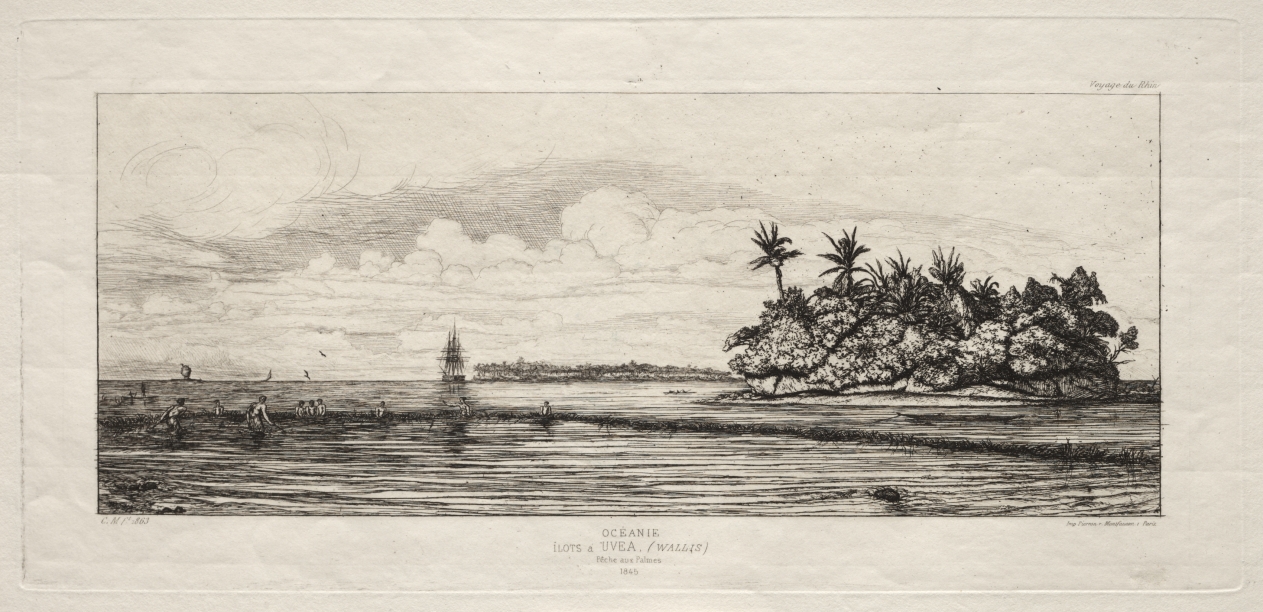
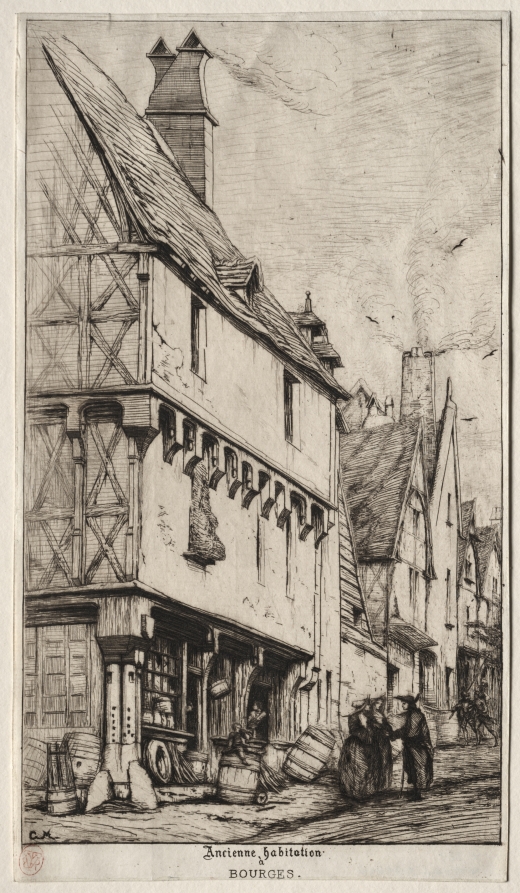
Nautical subject as a category spans an enormous range of artistic ambition and intent. At one end you have the documentary tradition, the kind of rigorous, technically exacting observation practiced by Arthur John Trevor Briscoe, whose etchings of sailing vessels at work are among the most unromantic and therefore most honest records of maritime labor ever made. Briscoe spent time at sea, and it shows. His prints carry the weight of actual experience, the cold, the rigging, the specific physics of a vessel under sail.
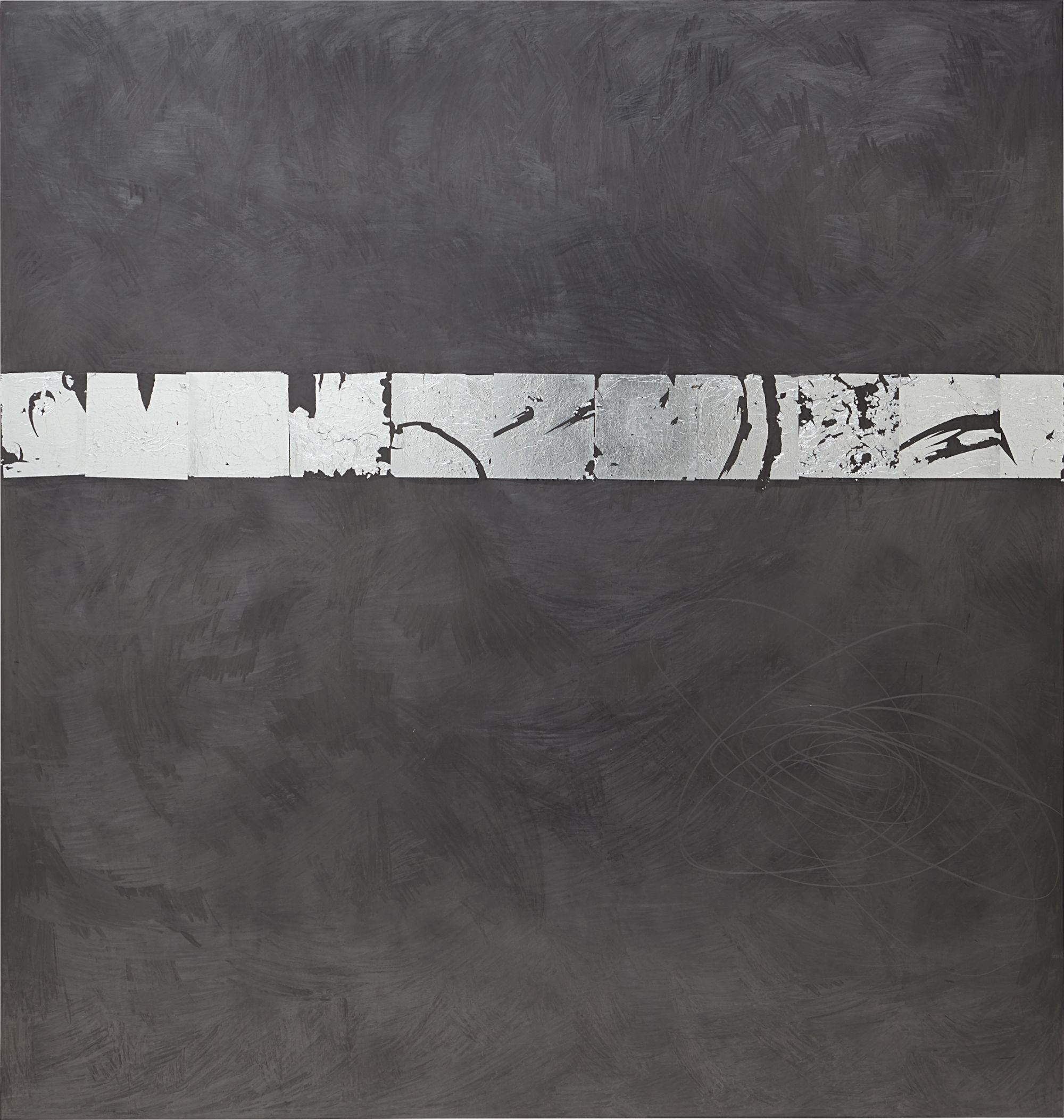
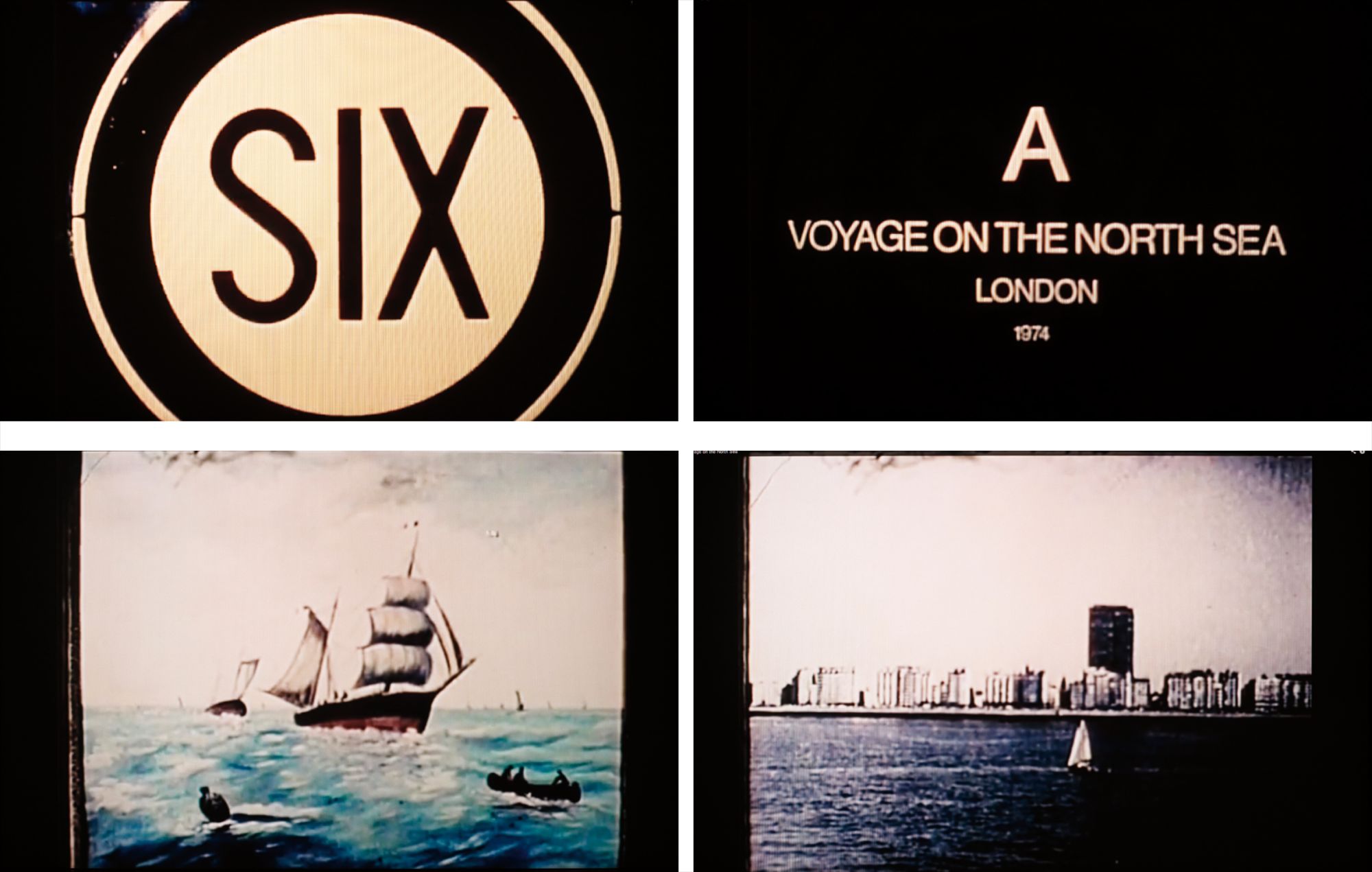
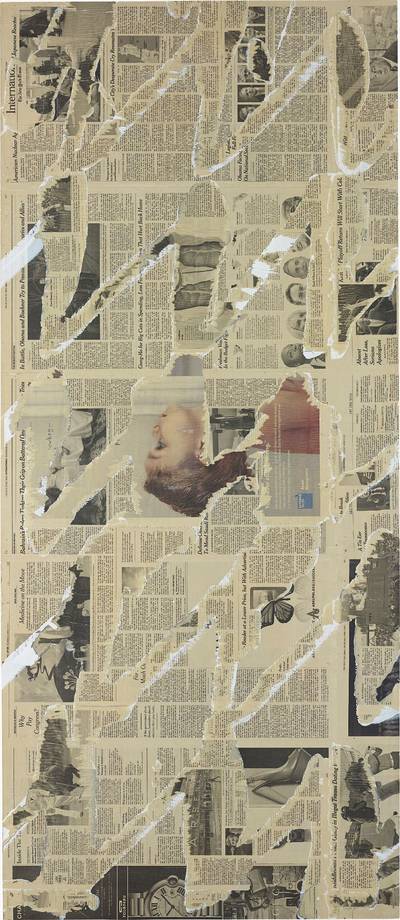
Francis Alÿs
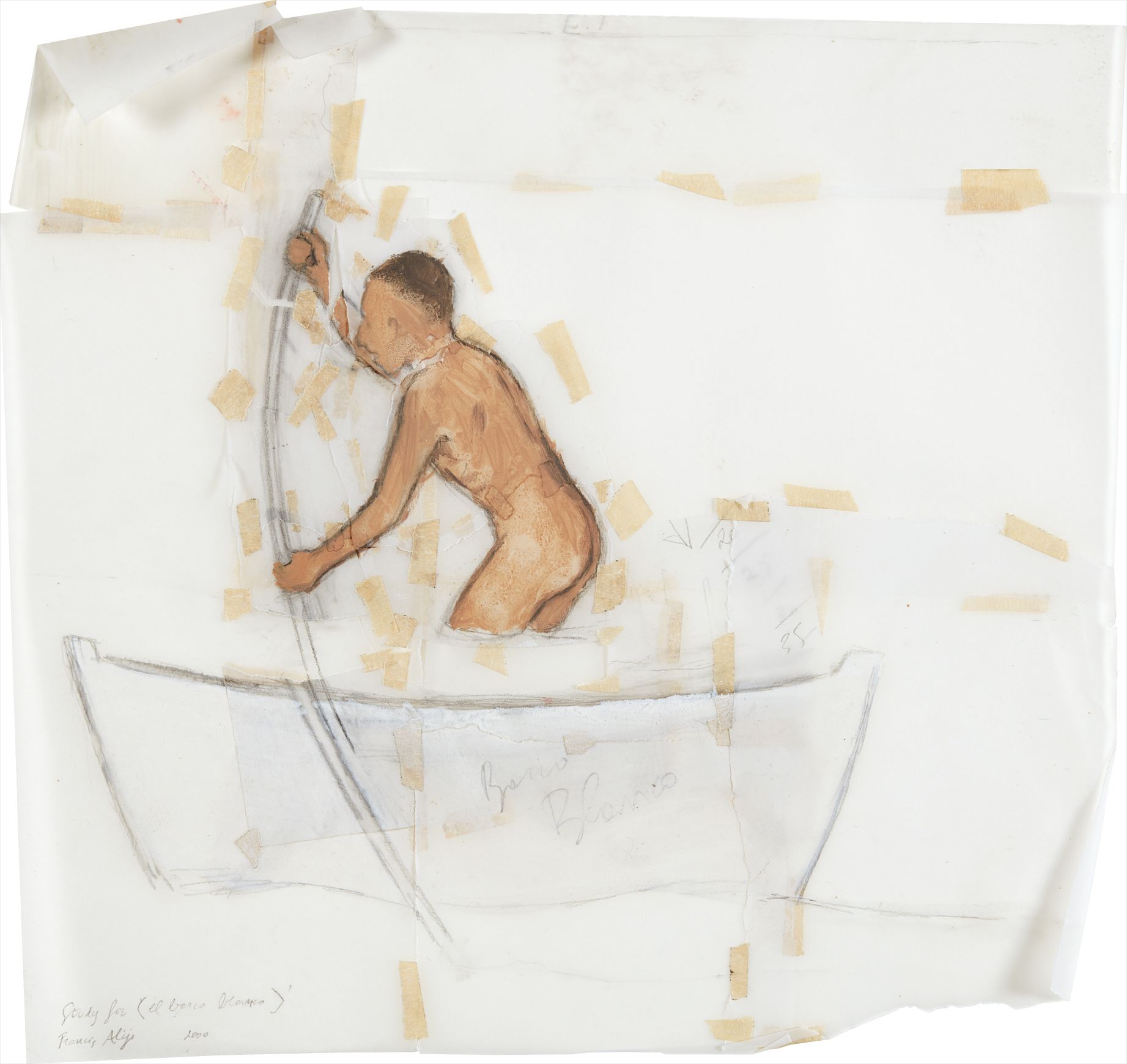
Study for el Barco Blanco, 2000
That grounding in physical truth separates his work from the picturesque tradition and aligns it with something harder and more contemporary in spirit. At the other end of the spectrum, artists working today are using oceanic and maritime imagery as a vehicle for questions that have nothing to do with seamanship. Francis Alÿs has long been interested in journeys across water as metaphors for political and psychological states, and his work resonates with a generation of curators who see the sea not as backdrop but as contested territory. The critical literature around his practice, much of it shaped by writers engaging with ideas of migration, border, and the instability of place, has given institutions a framework for collecting nautical work that would have seemed unexpected twenty years ago.
The Museum of Modern Art and Tate Modern have both demonstrated appetite for this expanded understanding of what maritime imagery can do. The auction market tells a layered story. Maurice Prendergast, whose sun soaked scenes of beaches and harbors in watercolor and monotype represent some of the most joyful and formally sophisticated work in American art, commands strong prices at the major houses. His work appears regularly at Sotheby's and Christie's in categories that attract both Impressionist era collectors and those focused on American modernism, and the results reflect genuine cross market appeal.
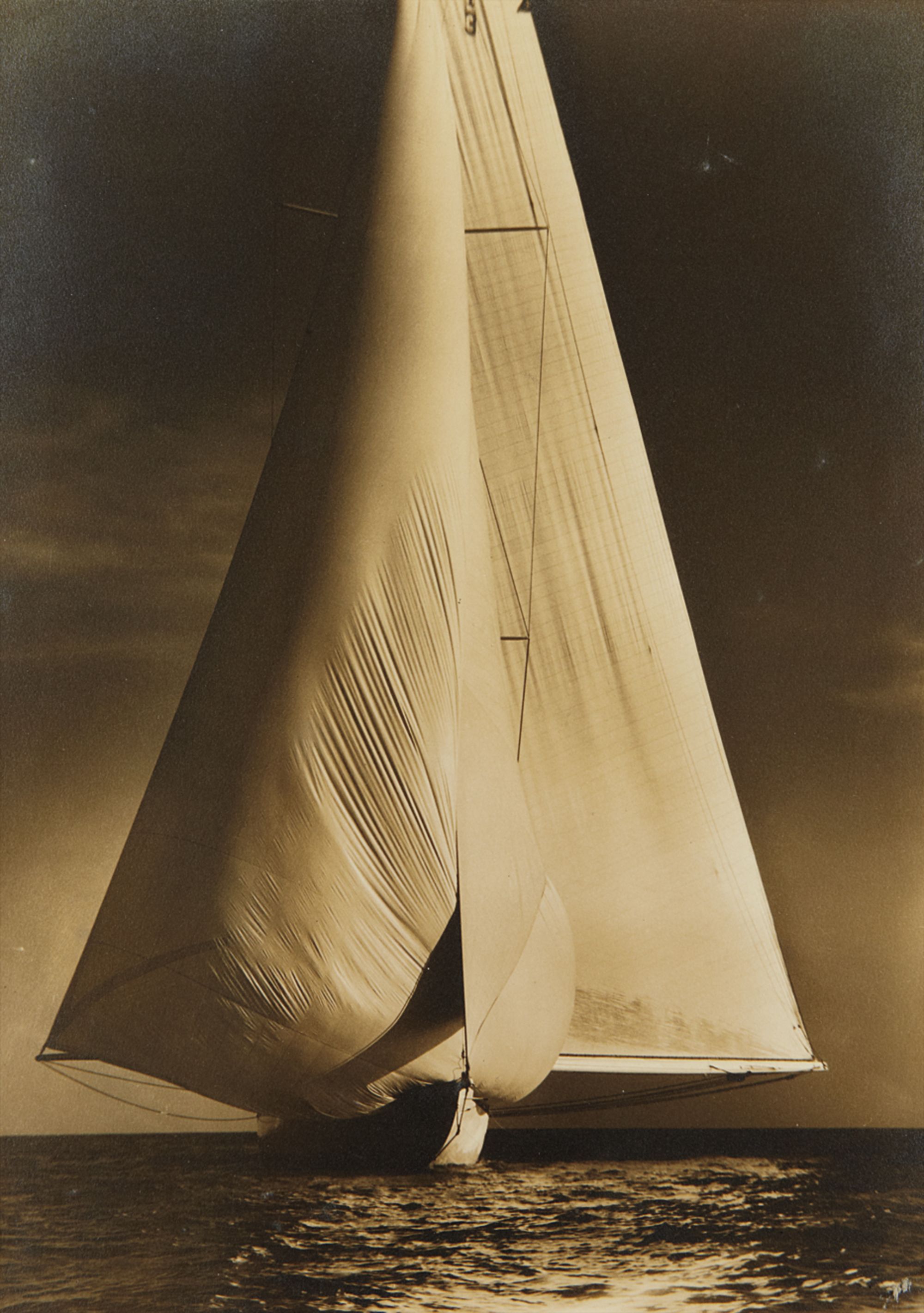
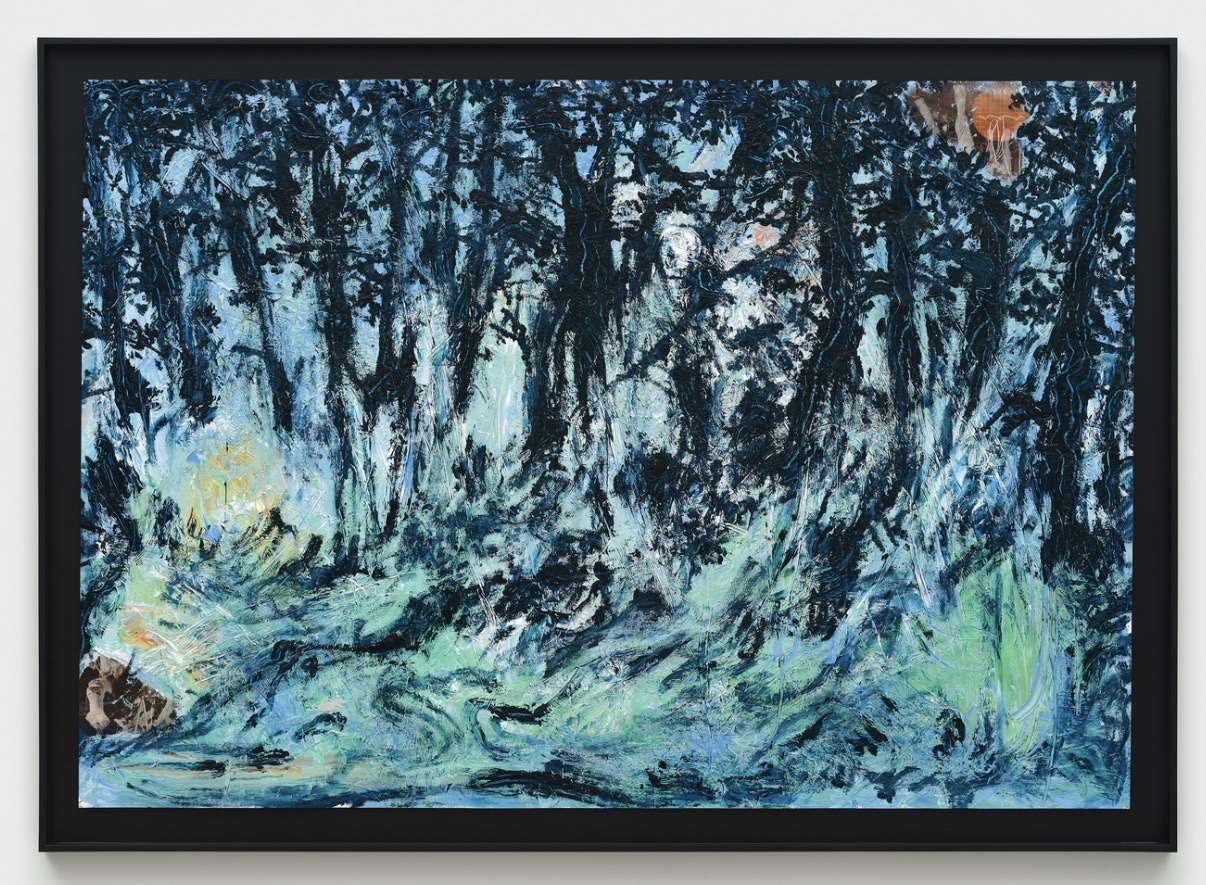
Hernan Bas
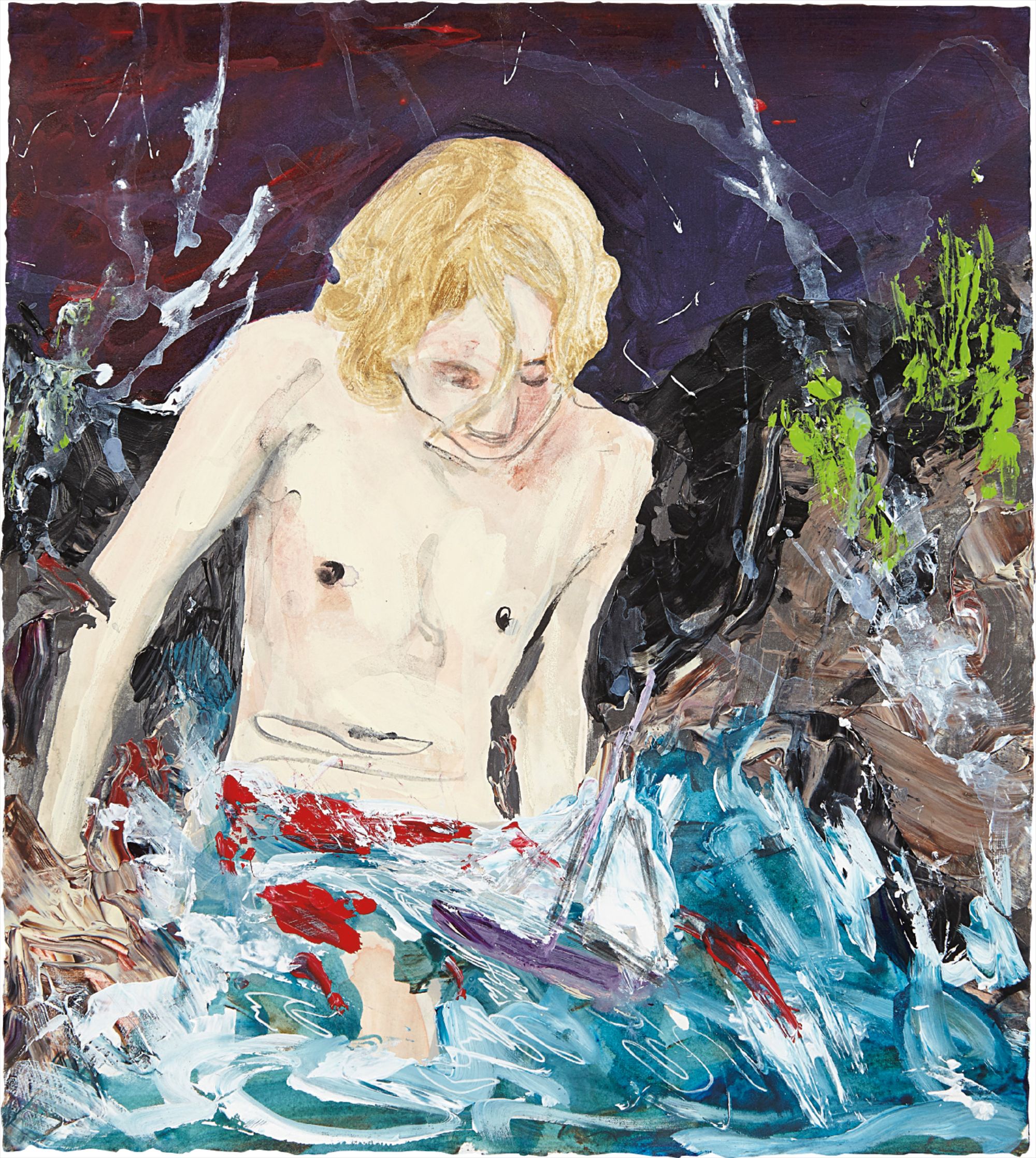
The Giant (Sailboat)
Alex Katz, whose coastal Maine paintings and works on paper carry that same sense of condensed, luminous leisure, has seen sustained institutional and market validation that shows no sign of softening. When collectors talk about Katz, they often reach for the word timeless, which is usually a lazy compliment, but in his case it points to something real: a commitment to the present tense of visual experience that makes his water scenes feel perpetually current. Hernan Bas brings a completely different register to water and coastline. His Florida gothic sensibility, steeped in literary atmosphere and queer subculture, treats the subtropical waterline as a place of ambiguity and menace.
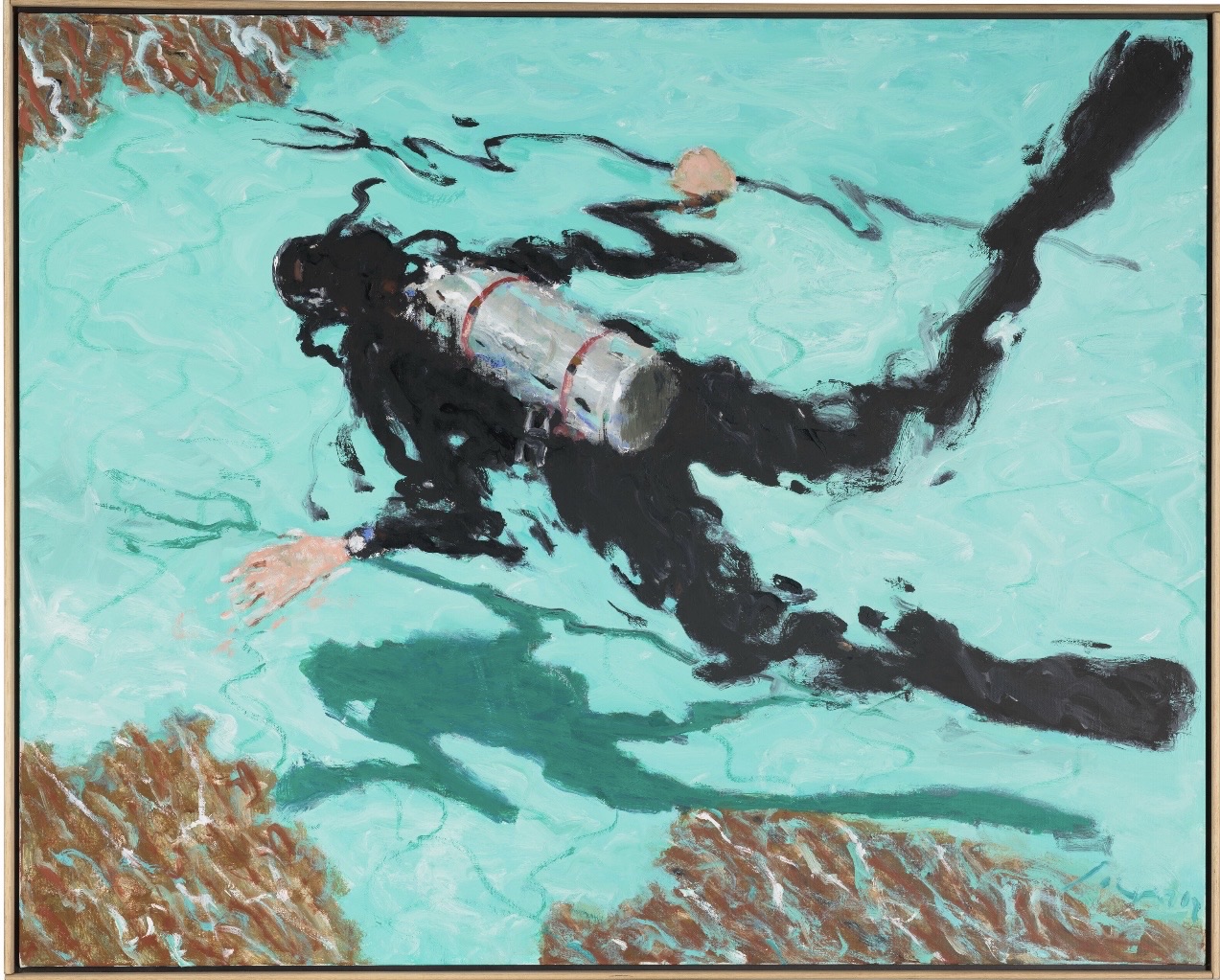
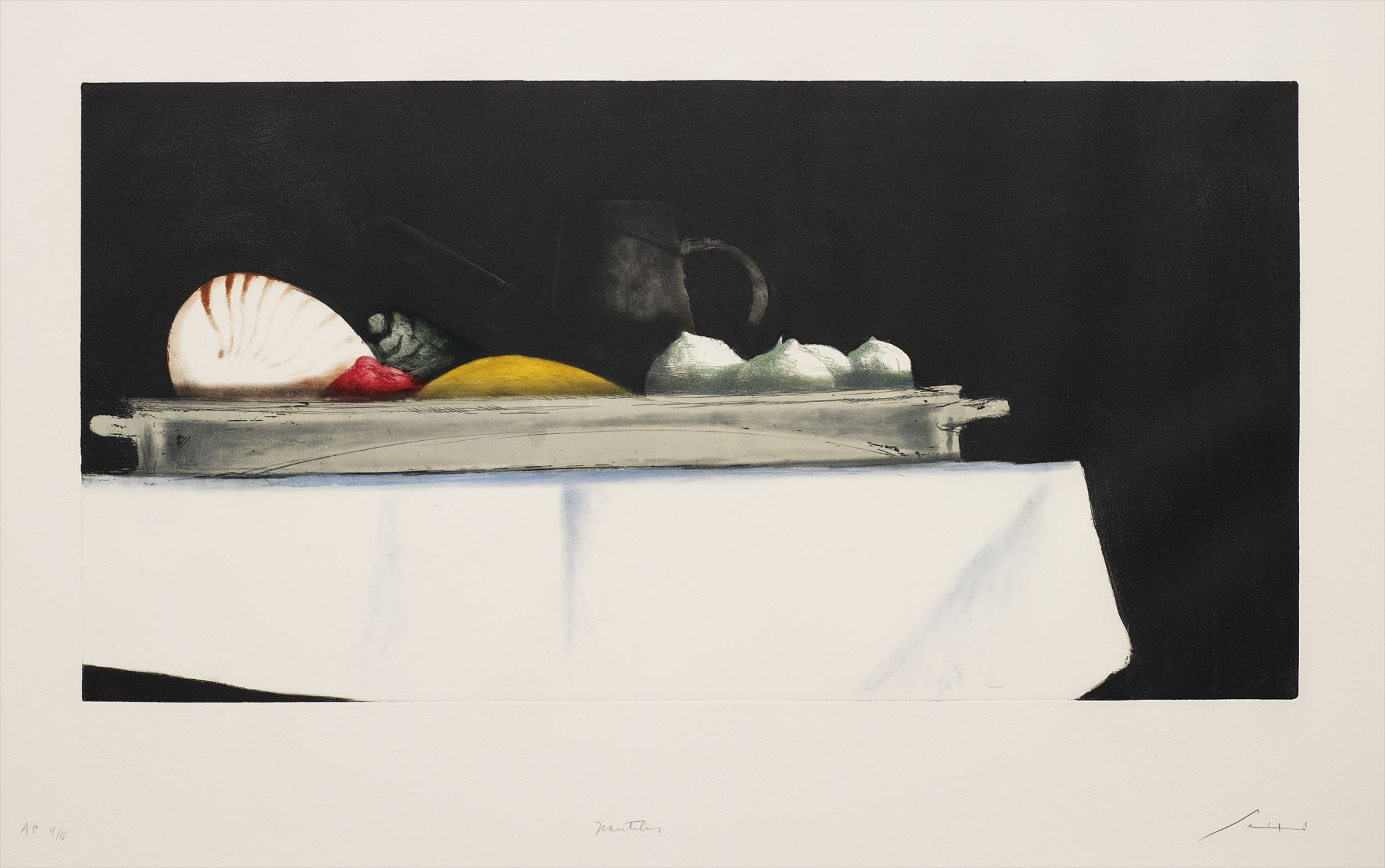
Museum shows in recent years, including presentations at the Rubell Museum in Miami, have helped solidify his standing as one of the most significant painters of his generation working in the American South, and collectors who have followed his career understand that his nautical adjacency is never decorative. Similarly, Julio Larraz, whose scenes of figures and vessels in Caribbean light have a cinematic tension that recalls the best of magical realist literature, occupies an unusual position in the market: critically underattended for years, increasingly recognized now by collectors who respond to work that is technically assured and emotionally complex. The institutional conversation has been shaped in interesting ways by exhibitions that refused to treat the sea as a period subject. The Peabody Essex Museum in Salem has long been a serious collector and exhibitor in this space, but their recent programming has pushed beyond the historical and into dialogue with contemporary practice.
Julio Larraz
Chambered Nautilus
The invitation to think across time periods, to place a Marin watercolor in proximity to works by artists engaging water as geopolitical fact, has changed how curators frame acquisitions and how collectors think about what they are buying. Writers like T.J. Demos, whose work on climate, ecology, and visual culture has been widely read in curatorial circles, have given institutions intellectual scaffolding for expanding the nautical category beyond its traditional boundaries.
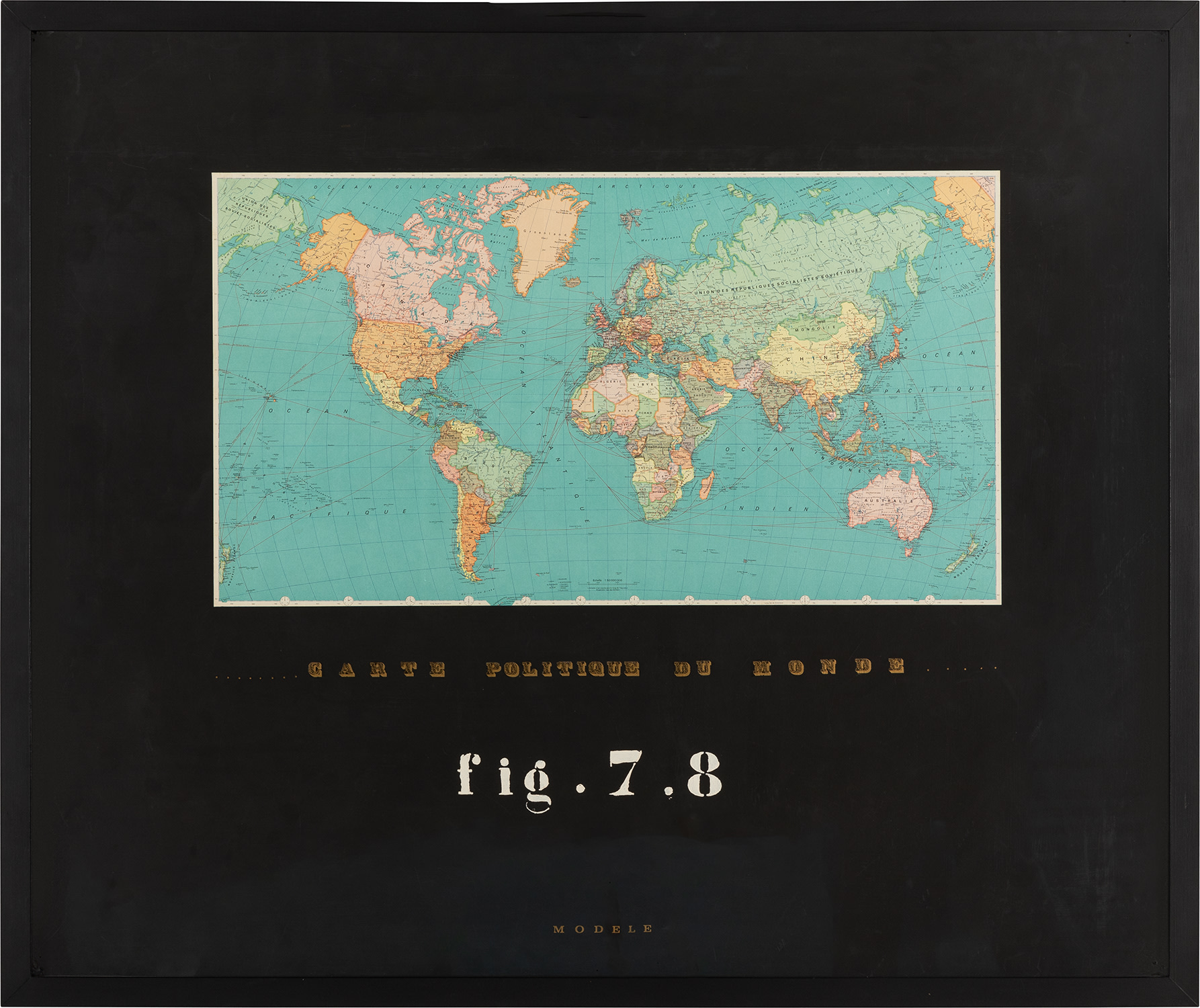
Marcel Broodthaers is a figure who complicates any tidy account of nautical subject in the canon. His engagement with maritime imagery, particularly in his Musée d'Art Moderne, Département des Aigles project and related works, was always conceptual and ironic, treating the iconography of seafaring as a kind of institutional language to be decoded and subverted. That ironic distance did not prevent genuine beauty from entering the work, and institutions from the Guggenheim to the Stedelijk have argued persuasively for his central importance. His presence in any conversation about nautical subject is a reminder that the genre has always harbored more critical complexity than its popular reputation suggests.
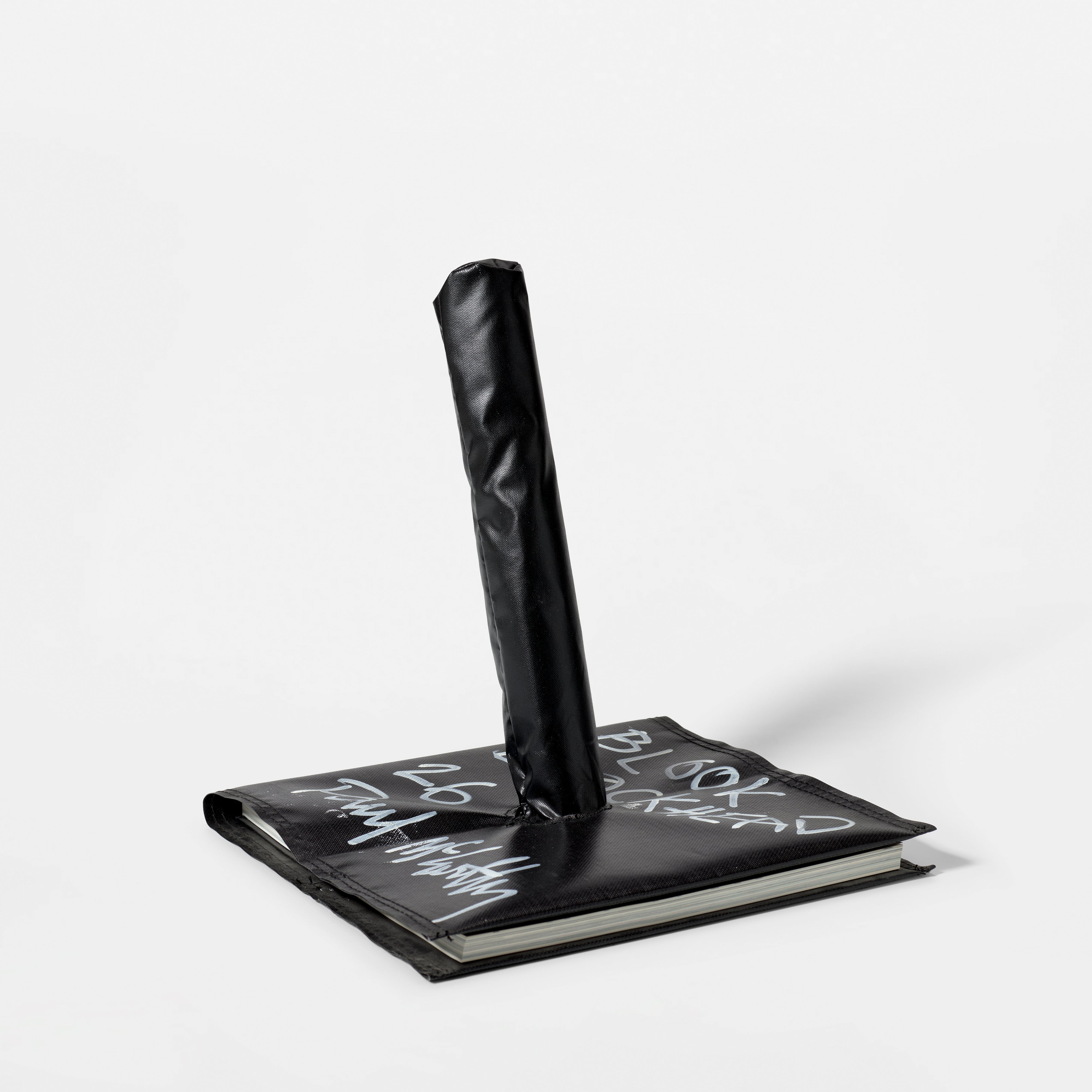
Anthony Cudahy
Bluenose, 2019
What feels alive right now is work that holds the romantic and the critical in tension simultaneously, that can acknowledge the visual pleasure of light on water while remaining alert to what the sea actually means in the present moment. Anthony Cudahy, whose paintings are attentive to the surfaces of things and to the emotional charge of domestic and intimate spaces, brings a painterly intelligence that collectors looking for the next significant voice are paying close attention to. The energy in this category is not moving toward any single aesthetic; it is dispersing in productive ways, finding new arguments in old subjects. The sea, as it always has, keeps offering more than it appears to contain.