Muted Earthy Tones
Djordje Ozbolt
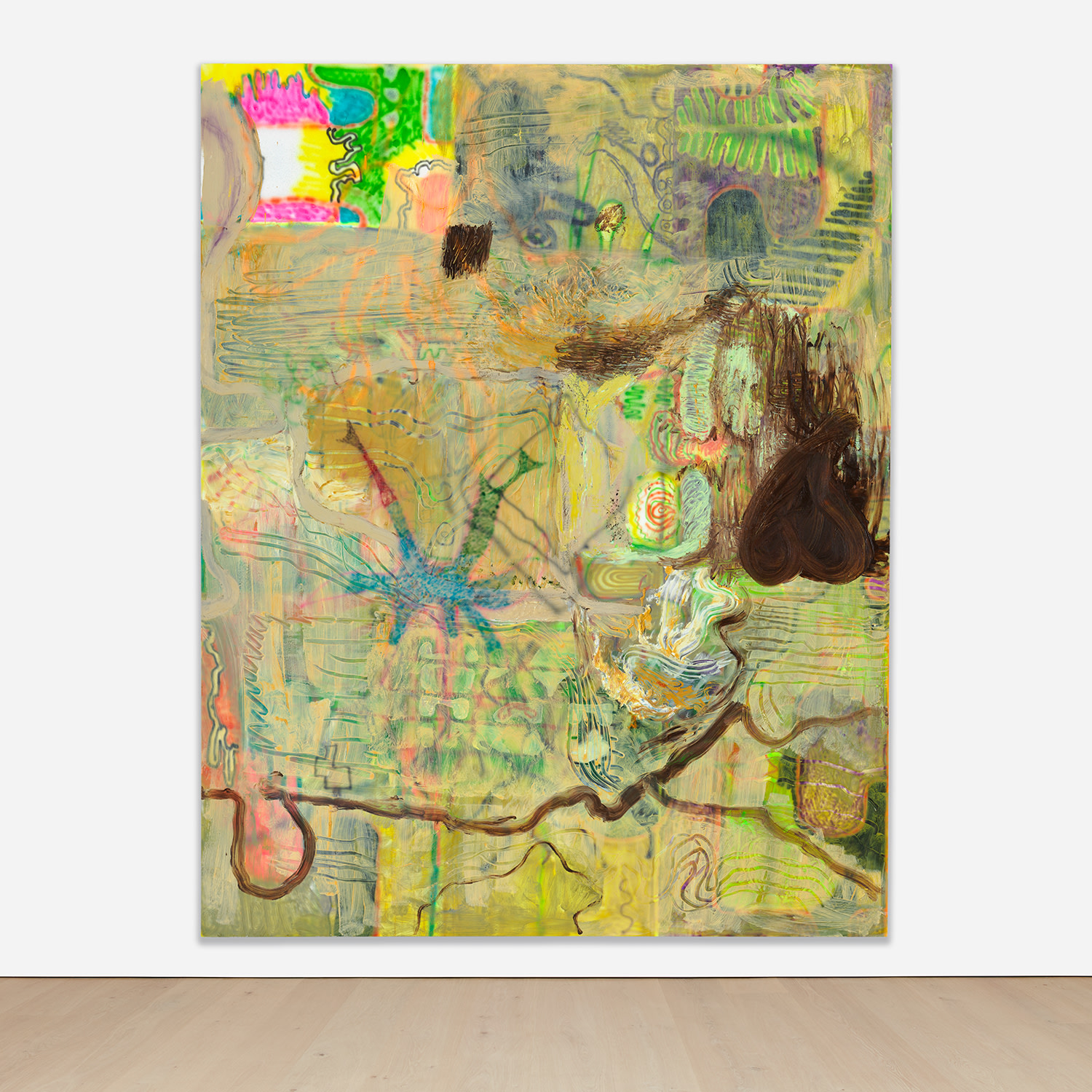
The Order of Things, 2009
The Quiet Power of Earth and Silence
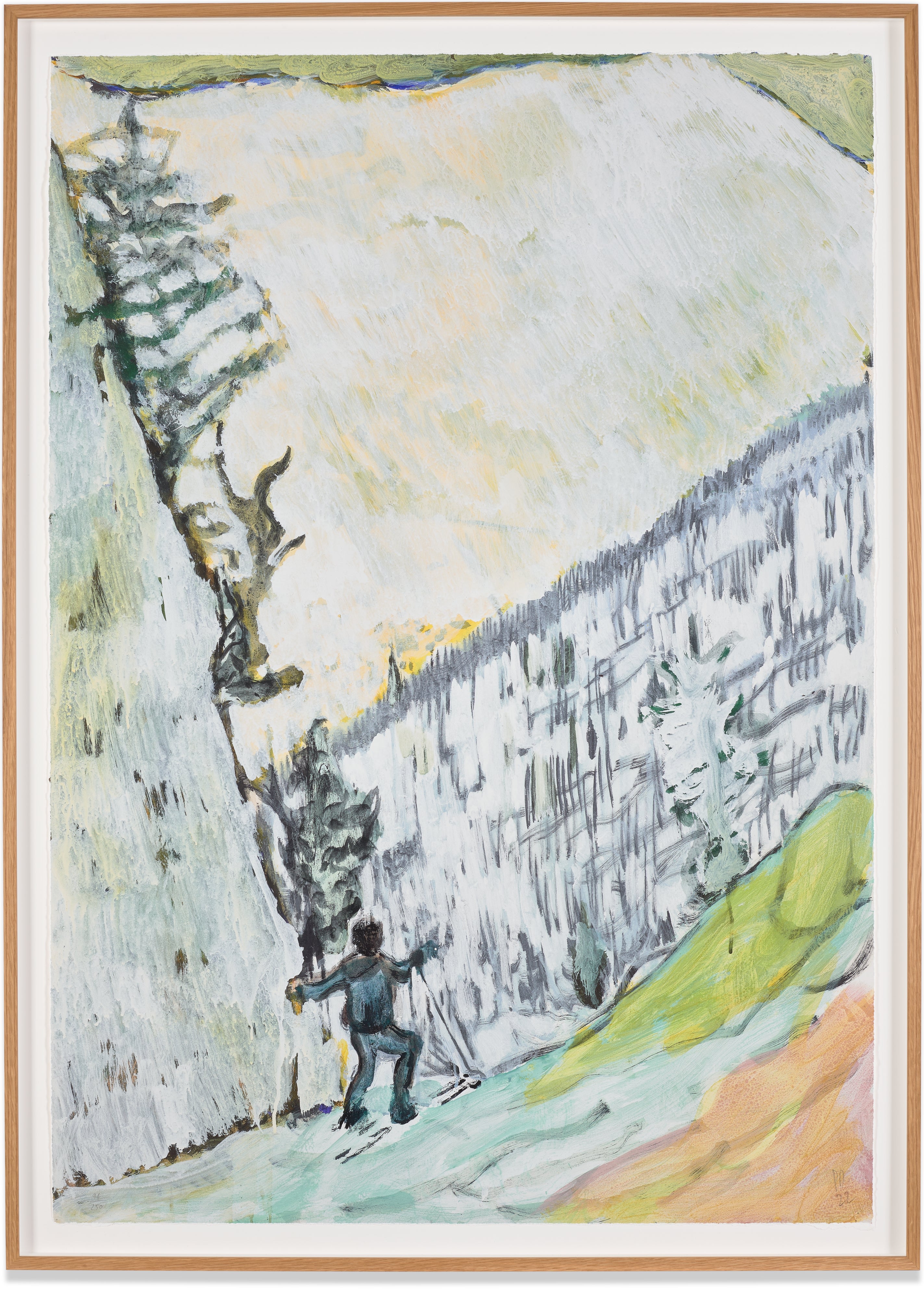
When Peter Doig's 'Swamped' sold at Christie's in 2015 for over 25 million dollars, setting a then record for the artist, the art world paid attention not just to the number but to the palette. That painting, with its still water and overcast sky rendered in deep ochres, muddy greens, and the brown of rotting wood, announced something that collectors had been sensing for years: restraint was having a moment. Not the restraint of minimalism, which can feel clinical, but the restraint of the natural world, of pigment that looks like it came from the ground beneath your feet. Muted earthy tones were no longer a stylistic footnote.
They were the conversation. The critical infrastructure around this palette has been building steadily. When the Scottish National Gallery mounted a major Doig retrospective in Edinburgh in 2013, curators were careful to frame his work not as nostalgia but as a sophisticated interrogation of memory and landscape. The show travelled with considerable momentum, and what struck visitors again and again was how the work refused to be decorative despite being undeniably beautiful.
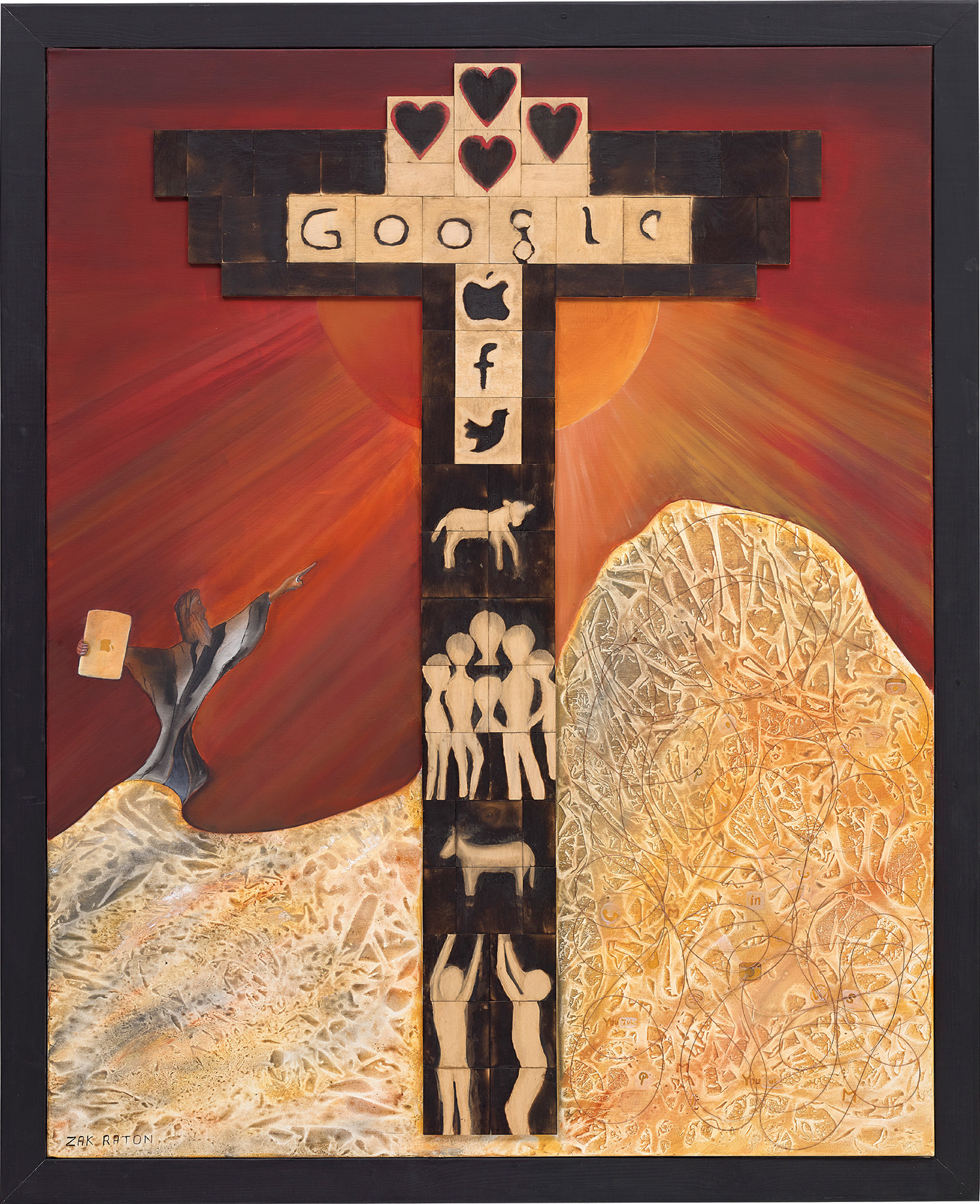
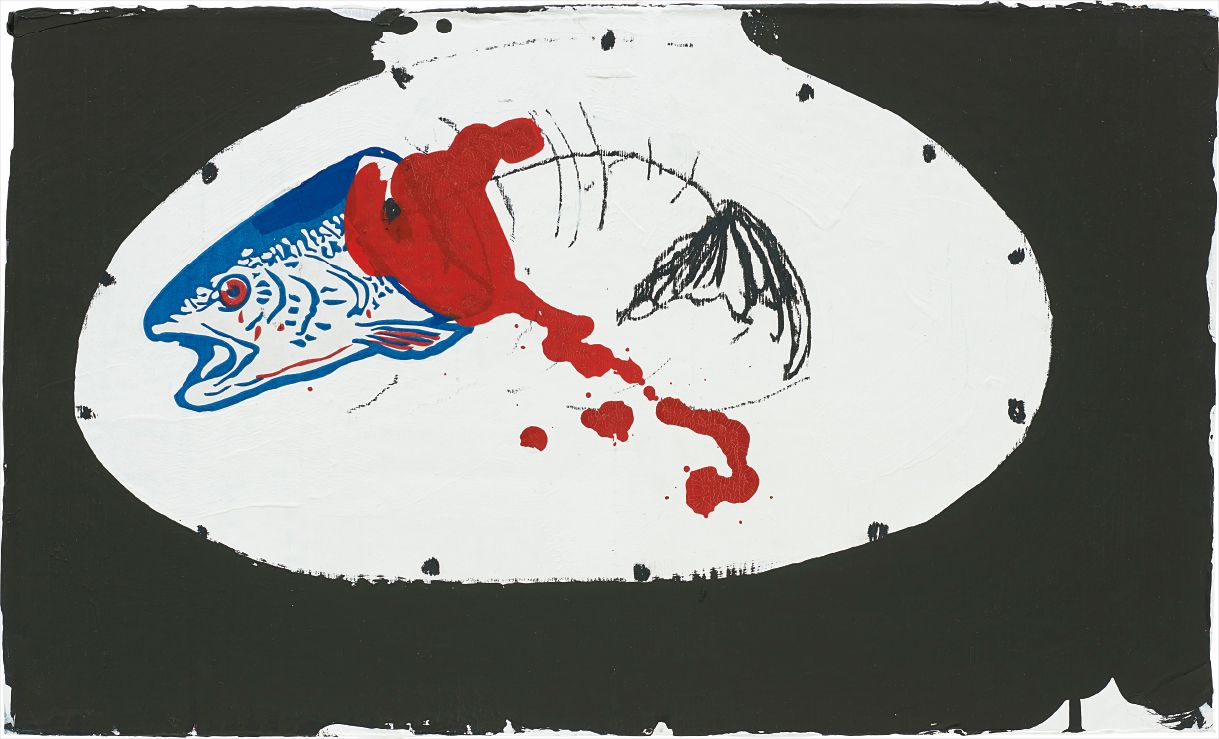
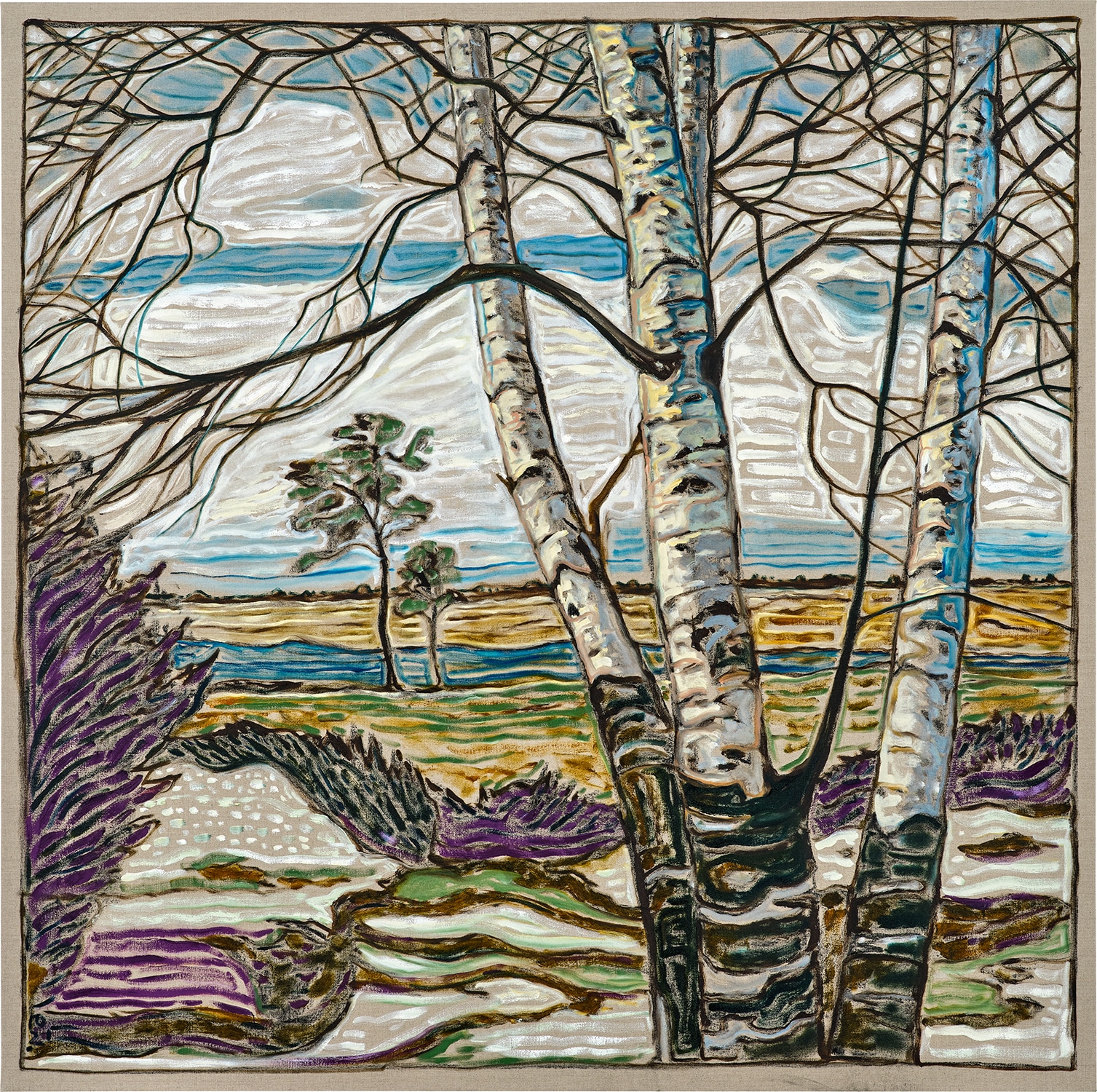
Billy Childish
chrysanthemums, 2014
The muddy, fog draped surfaces demanded attention rather than merely rewarding it. That distinction matters enormously to serious collectors, and it helps explain why Doig has remained a fixture in institutional and private collections alike. Billy Childish presents a different but equally compelling case. His insistence on a raw, almost deliberately unglamorous handling of paint, often in earthy ochres and slate tones drawn from the Kent landscape he has painted obsessively for decades, once made him easy for the mainstream market to overlook.
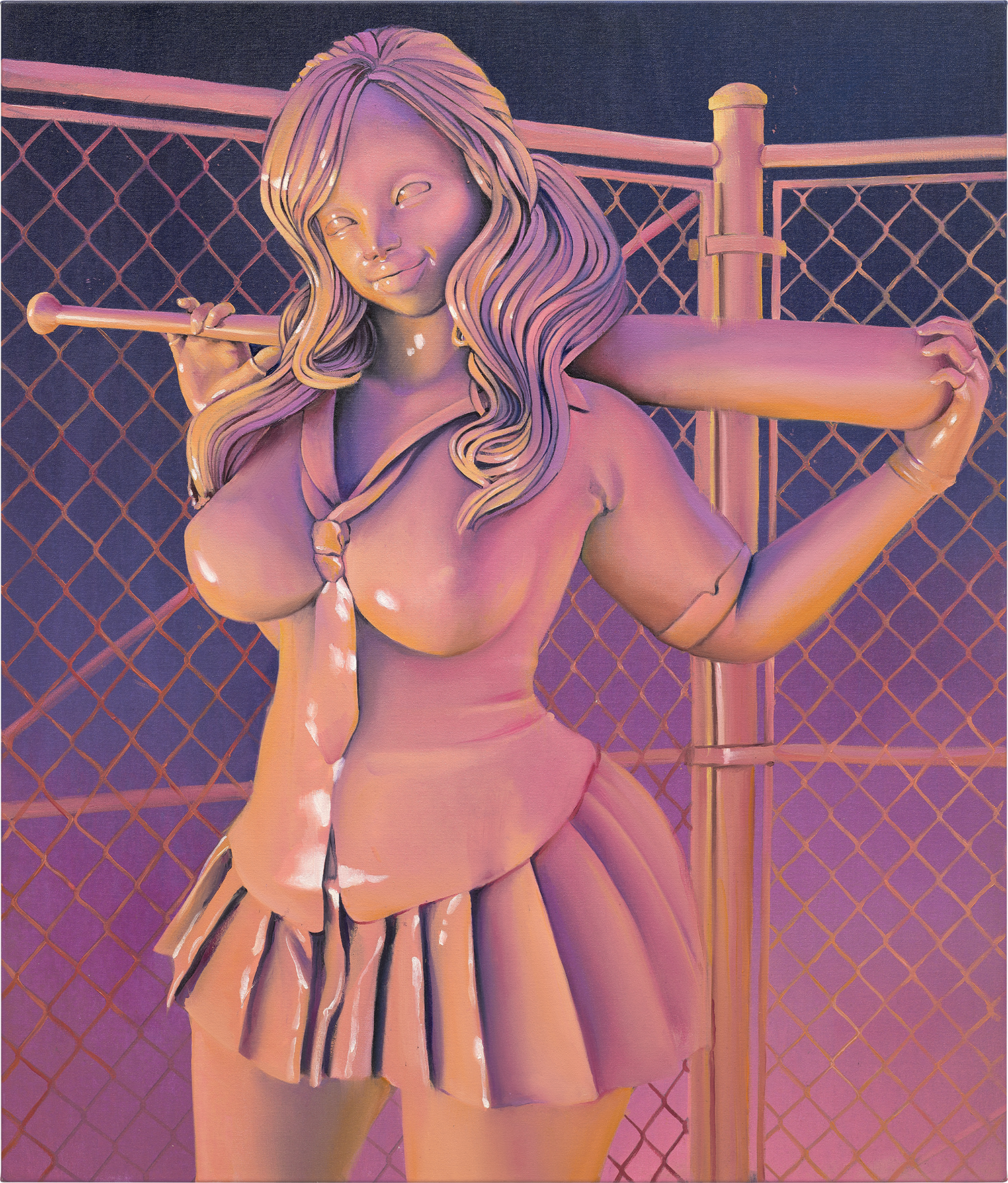
That oversight has been corrected dramatically in recent years, with auction results climbing well past initial estimates as a younger generation of collectors recognised that his work contains genuine pictorial intelligence beneath its deliberately rough surface. Childish has been shown at institutions from Stockholm to Los Angeles, and his presence in collections that also hold blue chip work says something important about how the market reassesses artists who hold their ground without compromise. Calvin Marcus is perhaps the most interesting case study in how the earthy palette functions for a younger generation. His paintings, which often feature loosely rendered figures against sandy, warm neutral grounds, carry a deliberate art historical awareness.
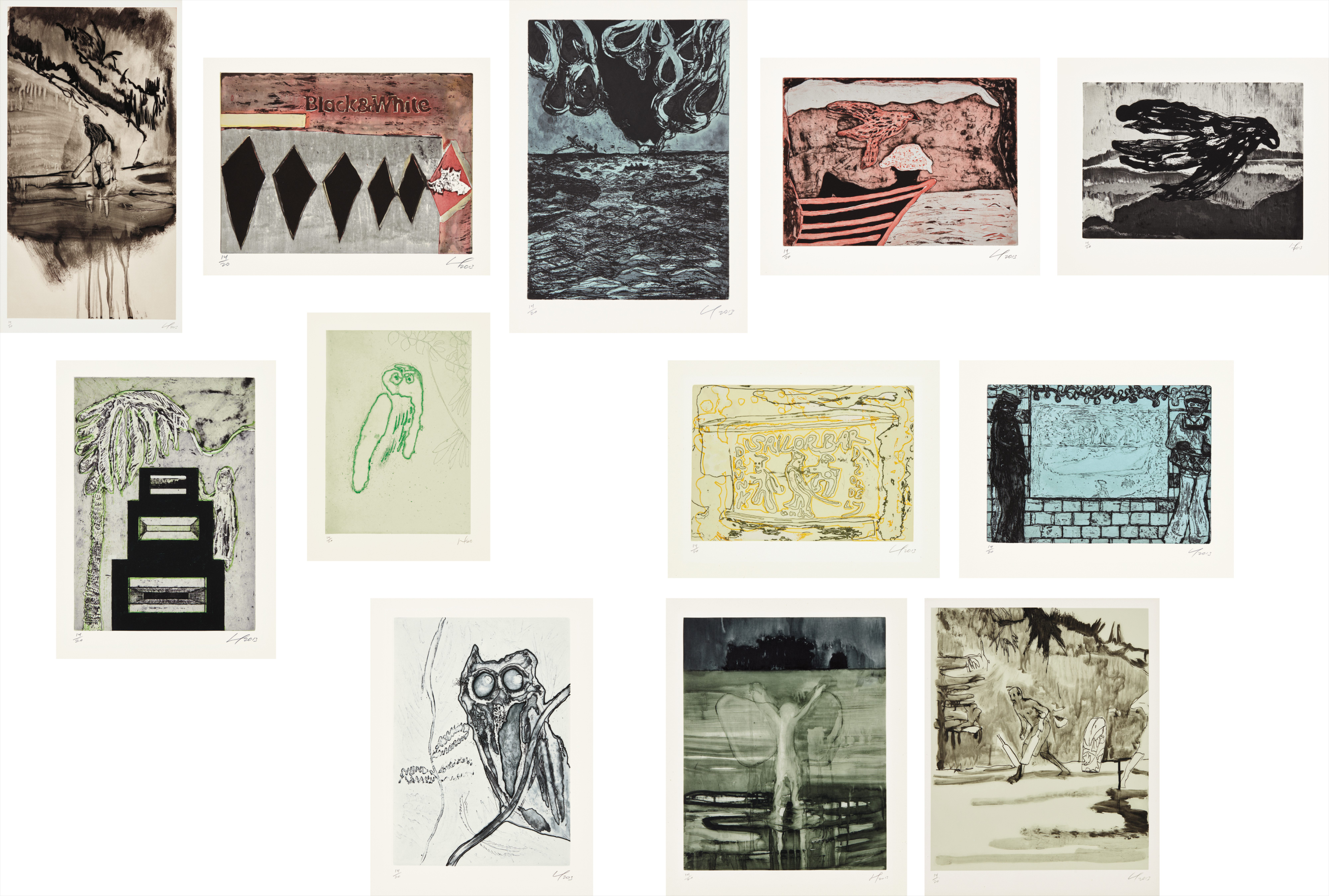
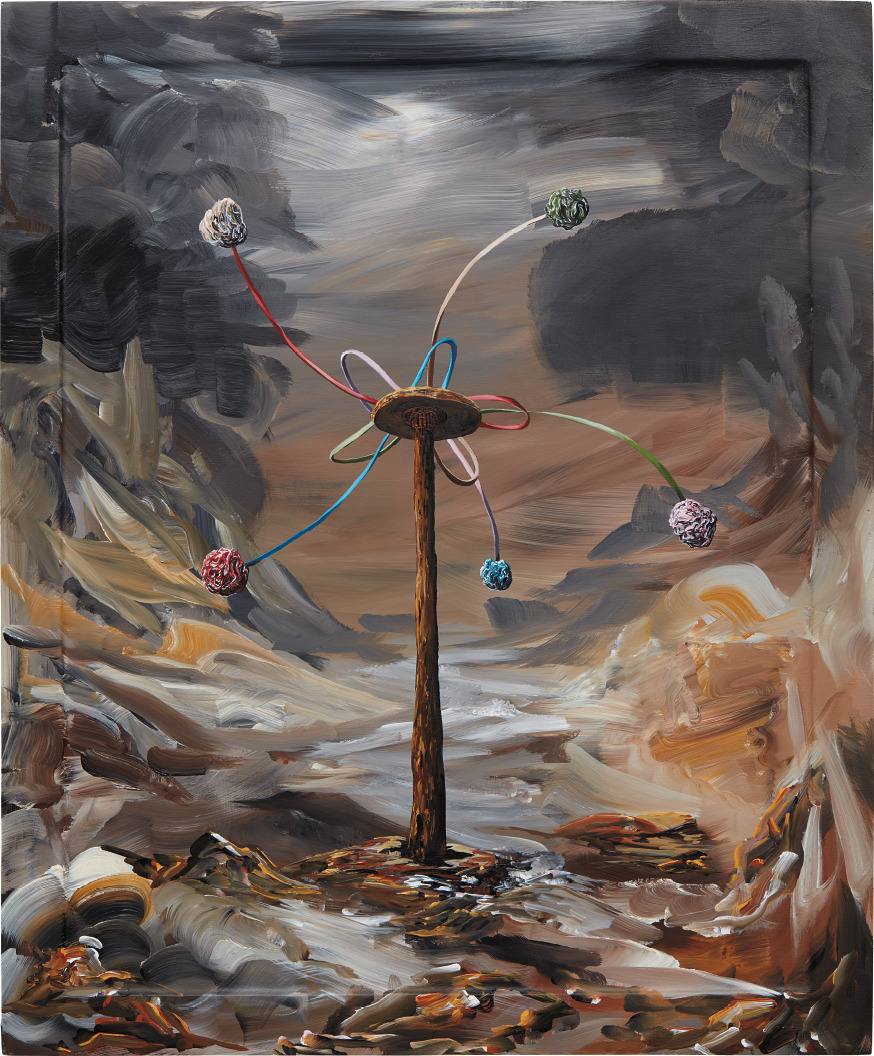
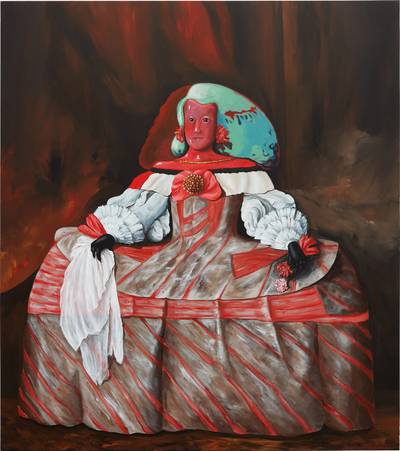
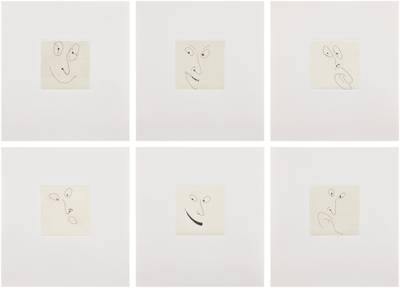
Djordje Ozbolt
The Order of Things, 2009
You can feel references to Italian primitives and to the Bay Area figuration of the mid twentieth century simultaneously, but the work never feels like pastiche. His shows at the gallery Gavin Brown's enterprise in New York, before the gallery's dissolution, placed him in a lineage of painters who understood that a quieted palette is not an absence of ambition but a different kind of ambition altogether. Institutions including the Museum of Contemporary Art in Los Angeles have been acquiring work by artists in his circle, signalling that this generation of figurative painters is being taken seriously at the level of the permanent collection. Djordje Ozbolt brings an entirely different sensibility to the conversation.
His practice borrows freely from folk art traditions, pre modern portraiture, and decorative arts, deploying a palette of terracottas, bone whites, and deep forest greens that feels simultaneously ancient and completely contemporary. He has been shown at Timothy Taylor in London and his work sits in significant European private collections. What makes Ozbolt valuable to the critical conversation is his refusal to be ironic in the way that much appropriation based painting is ironic. The earthy tones in his work carry genuine warmth, and curators writing about him have noted that he retrieves something from decorative traditions that more academically serious painting tends to discard.
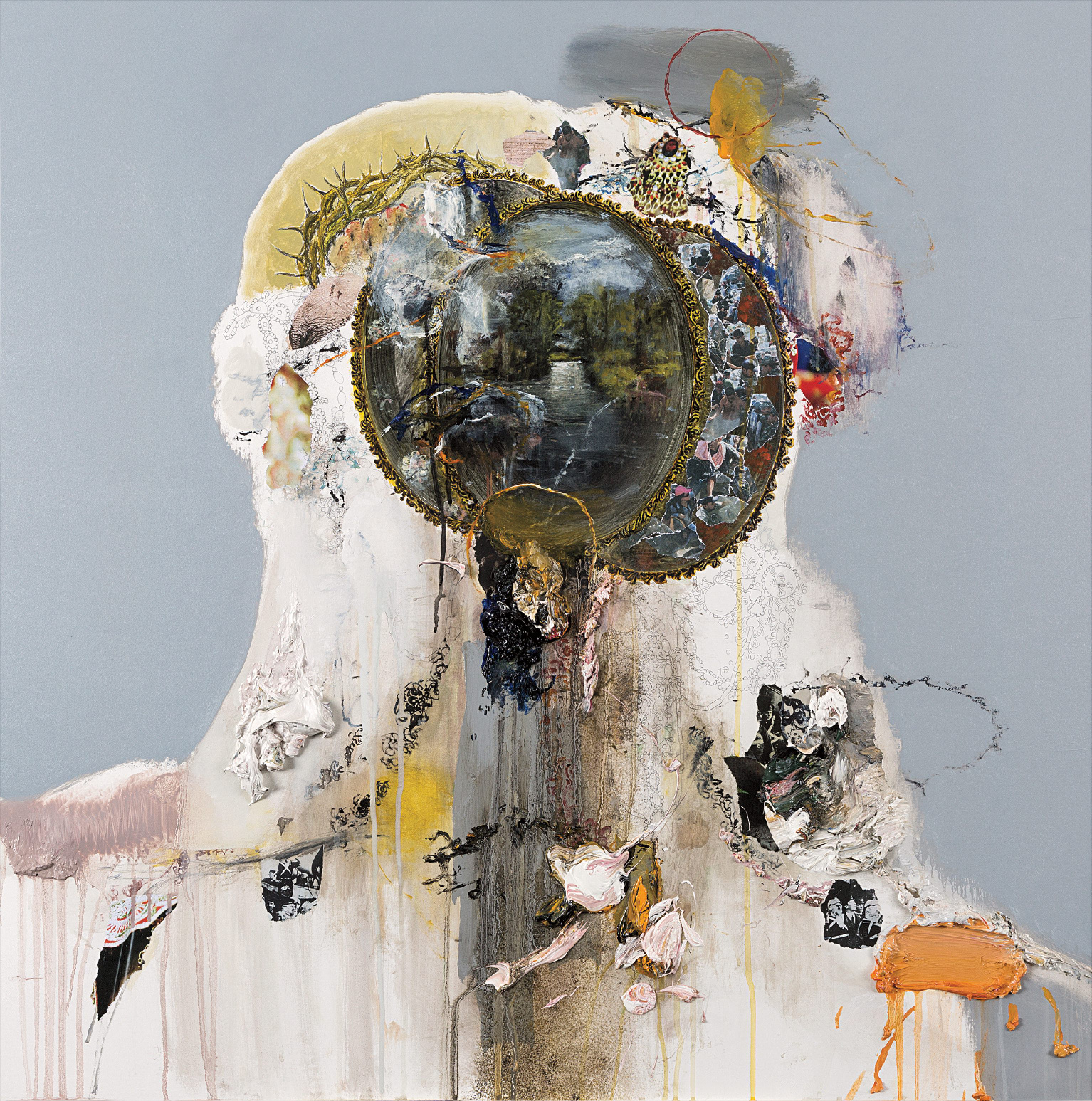
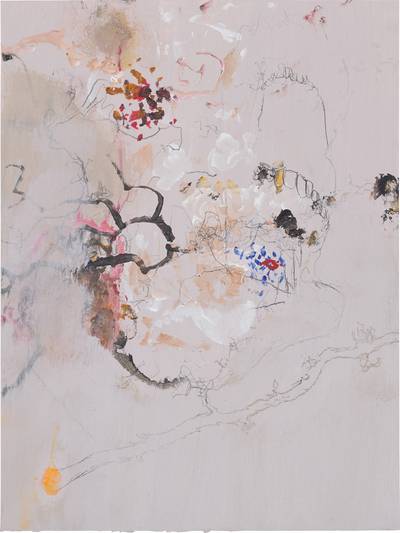
David Kim Whittaker
Portrait for Human Presence VII (The Displaced I), 2015
Michael Williams and David Kim Whittaker represent two distinct ways in which painters working today are pushing the earthy palette toward more destabilised, less immediately legible territory. Williams, who has shown extensively with Andrew Kreps Gallery in New York, uses digital processes in combination with painting in ways that create surfaces with unexpected depth. The resulting work has a kind of archaeological texture, as if the image had been recovered rather than made. Whittaker operates in a quieter register but with real conviction, and his presence in British collections has been growing steadily as curators there look for painters who are doing something genuinely their own.
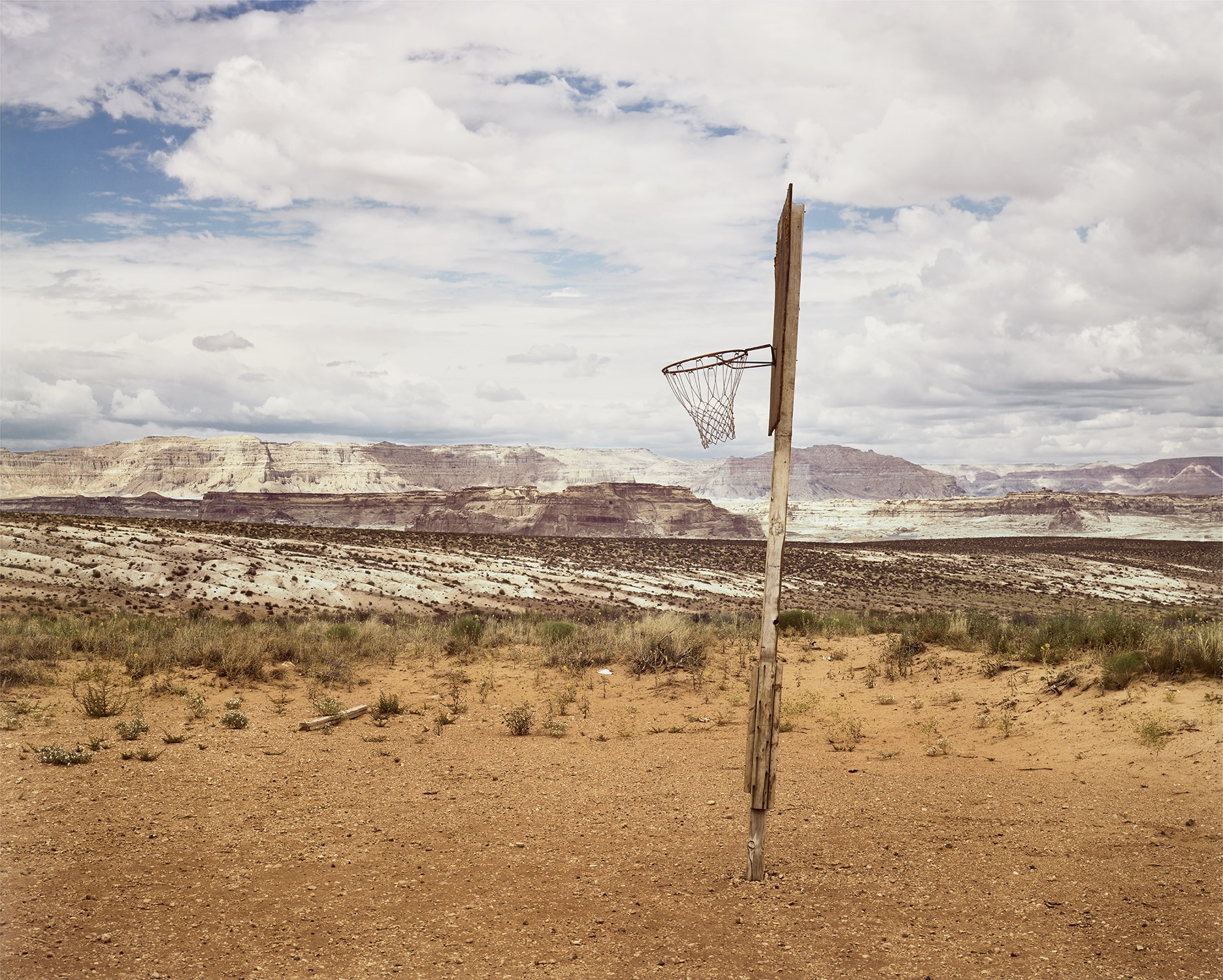
Joel Sternfeld in this context is a reminder that the earthy palette is not exclusive to painting. His landmark series 'American Prospects', shot across the United States throughout the 1980s and collected in a monograph that has become essential reading, renders the American landscape in warm, slightly overexposed tones that feel deeply geological. The photographs have an ochre undertow that makes them feel like documents of a world made from the earth itself. His work has been in the permanent collection of major institutions for decades, and its continued auction market strength suggests that collectors understand it not as documentary photography but as sustained pictorial thinking.
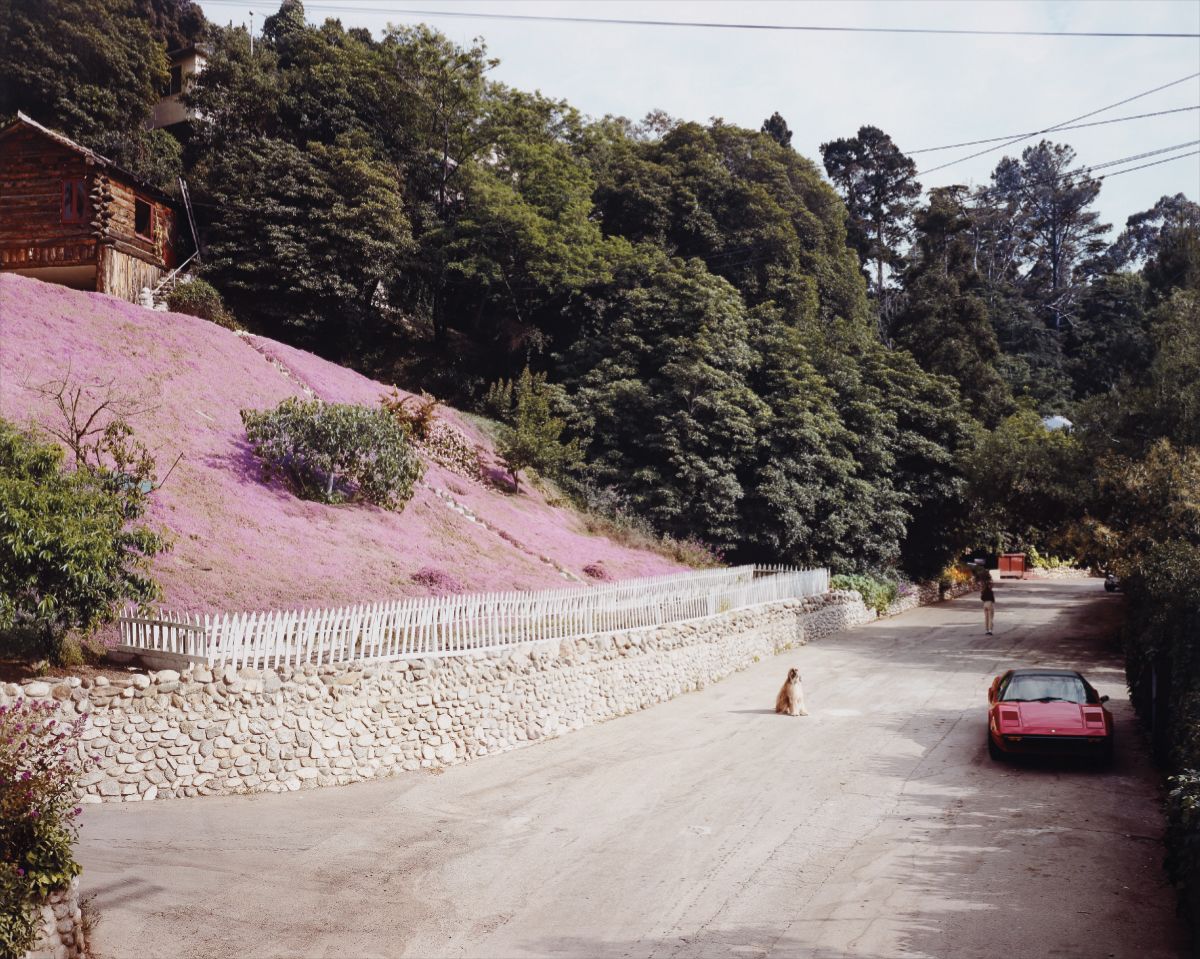
Joel Sternfeld
Rustic Canyon, Santa Monica, California, May
The critical voices shaping this space come from several directions. Curators at institutions like the Kunsthalle Zurich and the Camden Arts Centre in London have been consistent advocates for painters whose work prioritises pictorial seriousness over spectacle. Writers including Barry Schwabsky, who has written with precision about the return of a certain kind of painterly attention in publications including the Nation and Artforum, have provided the intellectual framework that helps collectors understand what is at stake. The conversation has shifted from asking whether painting is dead to asking what painting can still do that nothing else can, and the earthy palette has emerged as one convincing answer.
What feels alive right now is the crossover between this palette and questions of place and ecology. As artists and institutions grapple with landscape in the context of environmental precarity, work that draws literally from the colours of the physical world carries new weight. What feels settled is the critical rehabilitation of artists who were once dismissed as unfashionable, including several whose work is well represented on The Collection. What might surprise people is how quickly institutional attention is moving toward artists in their thirties who are approaching this territory without irony and without anxiety, simply because the earthy tones feel true to what they want to say.
That kind of confidence, in pigment and in quietness, tends to age very well.