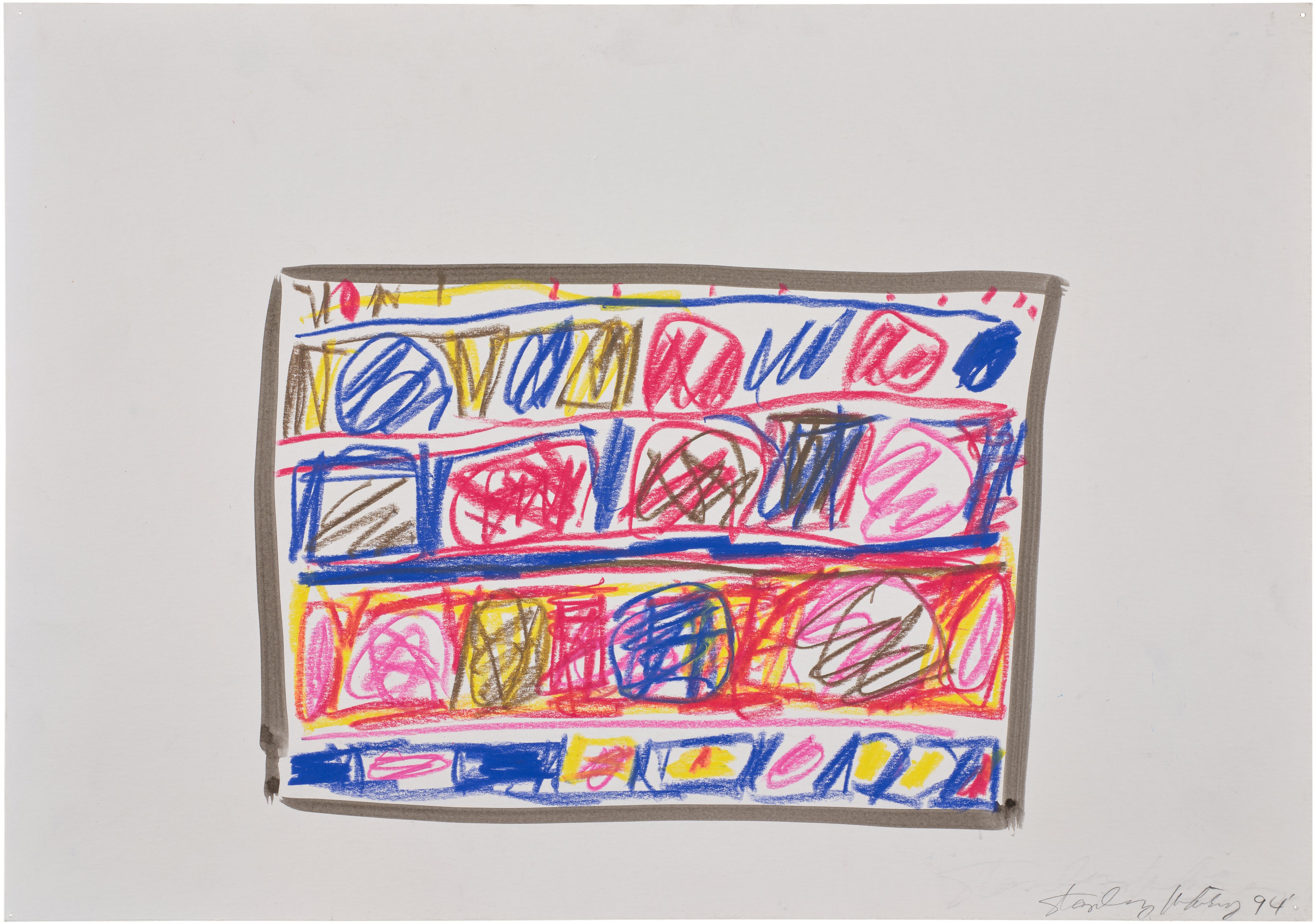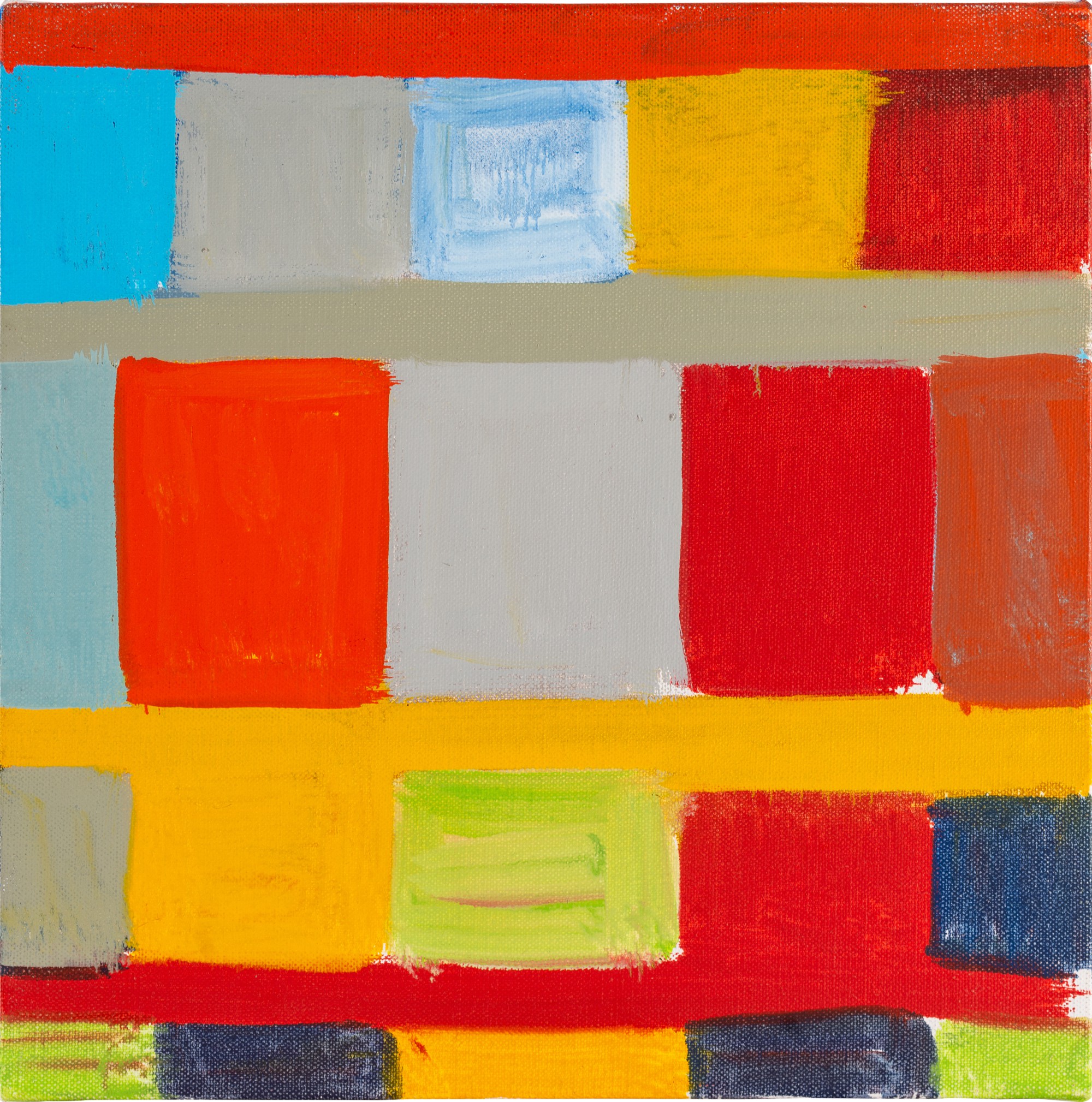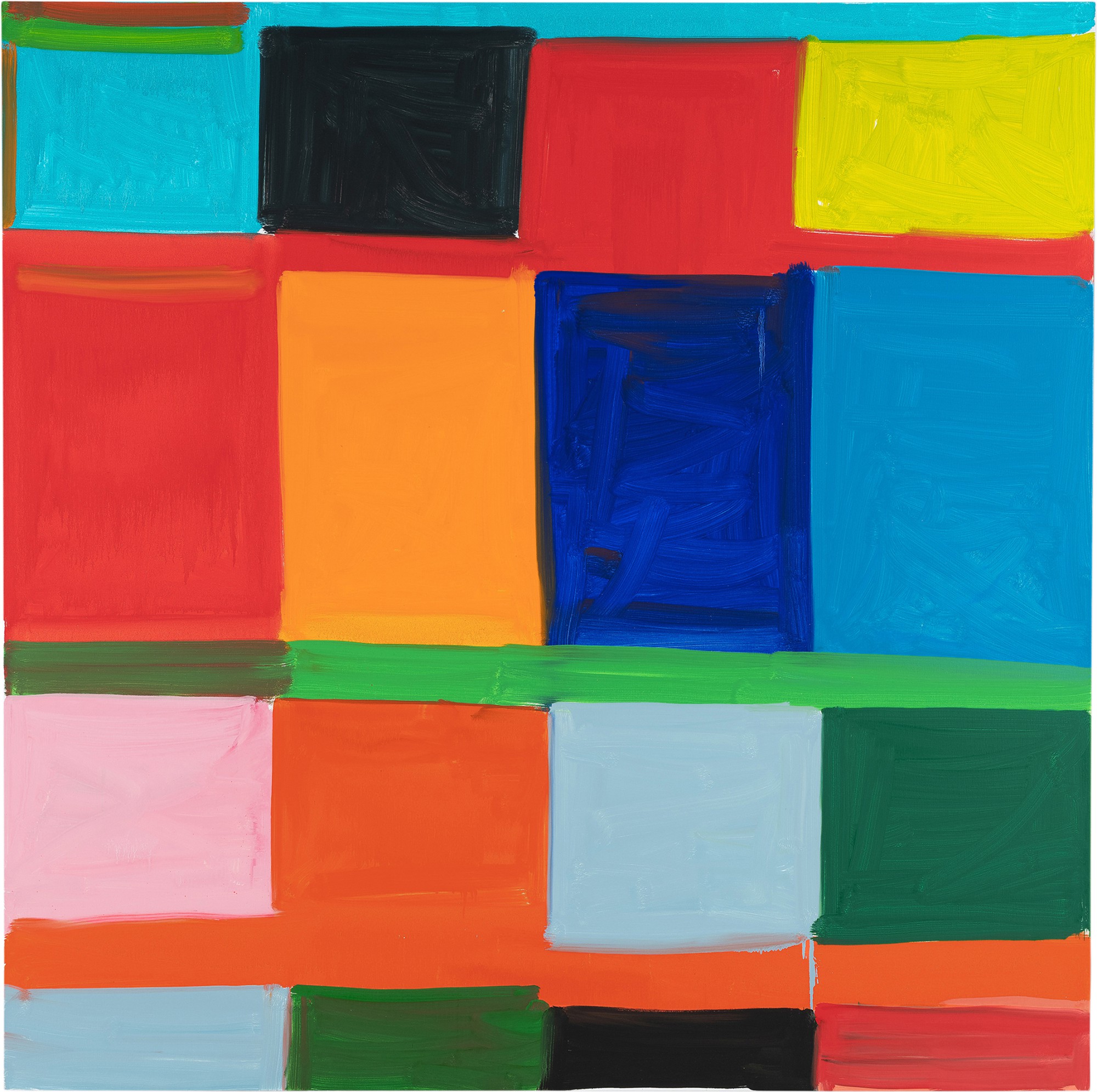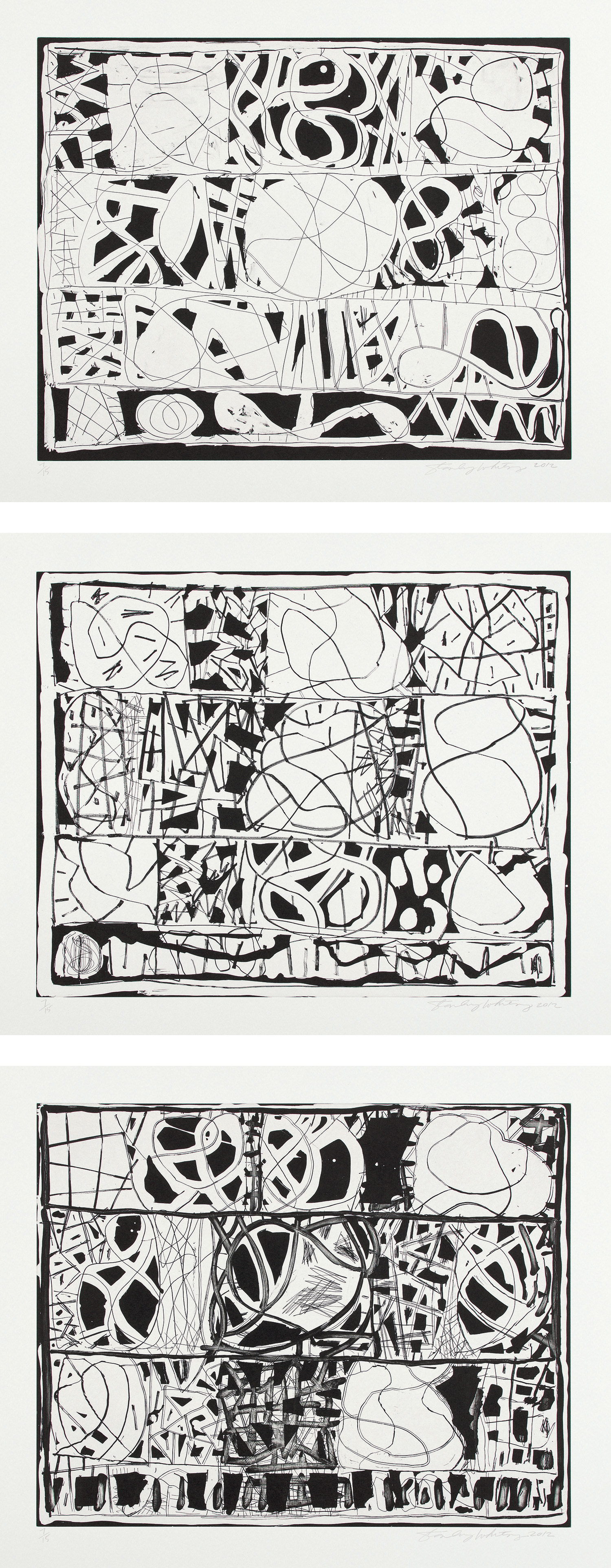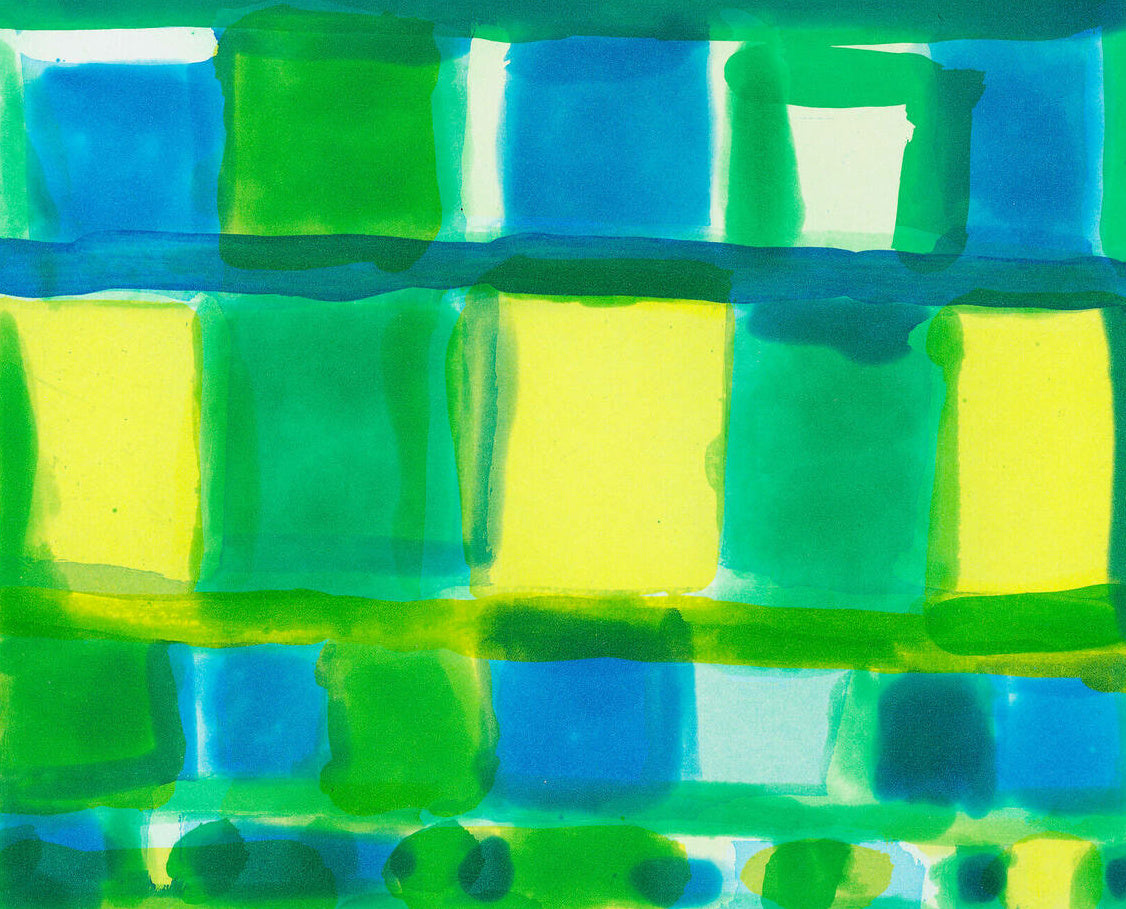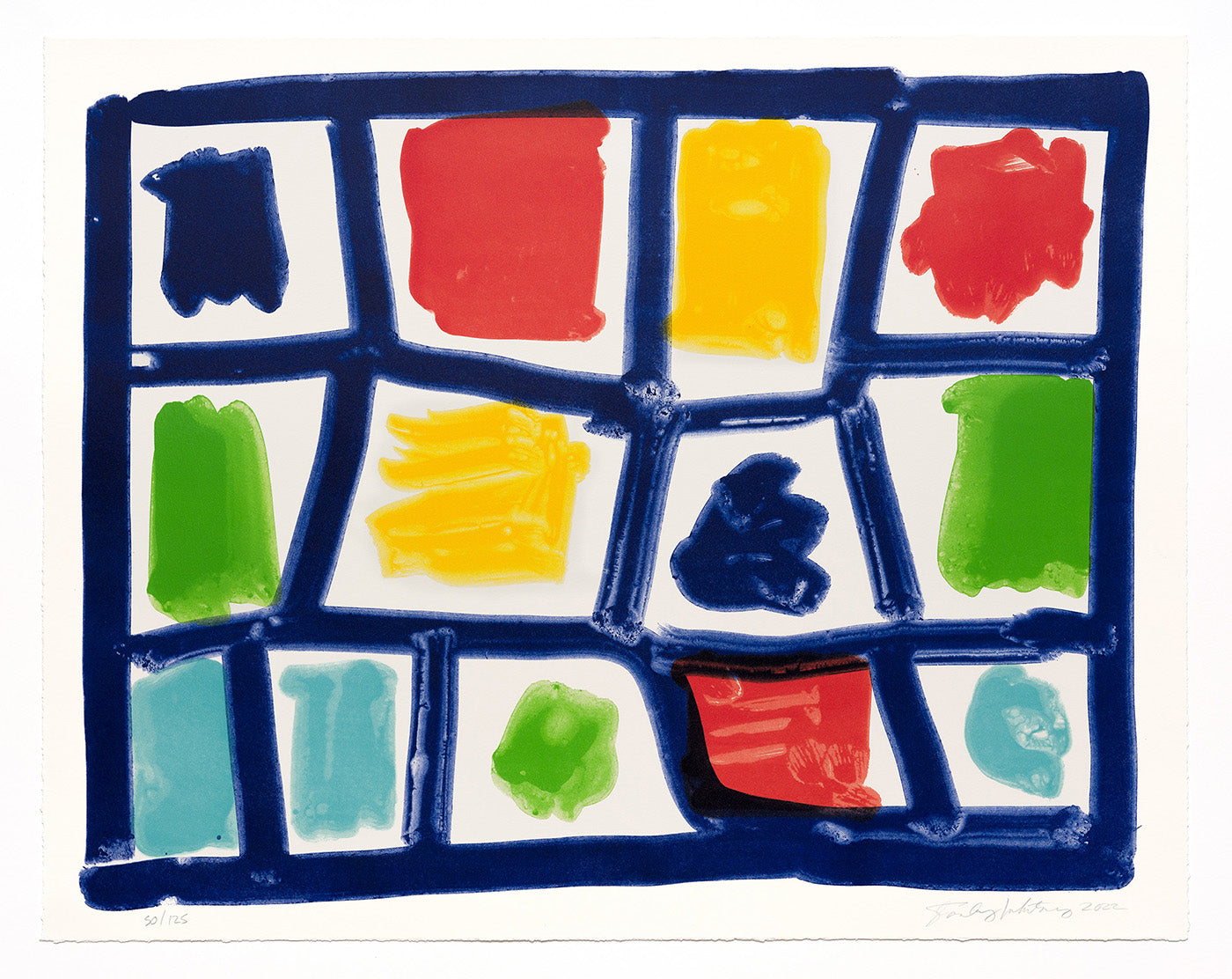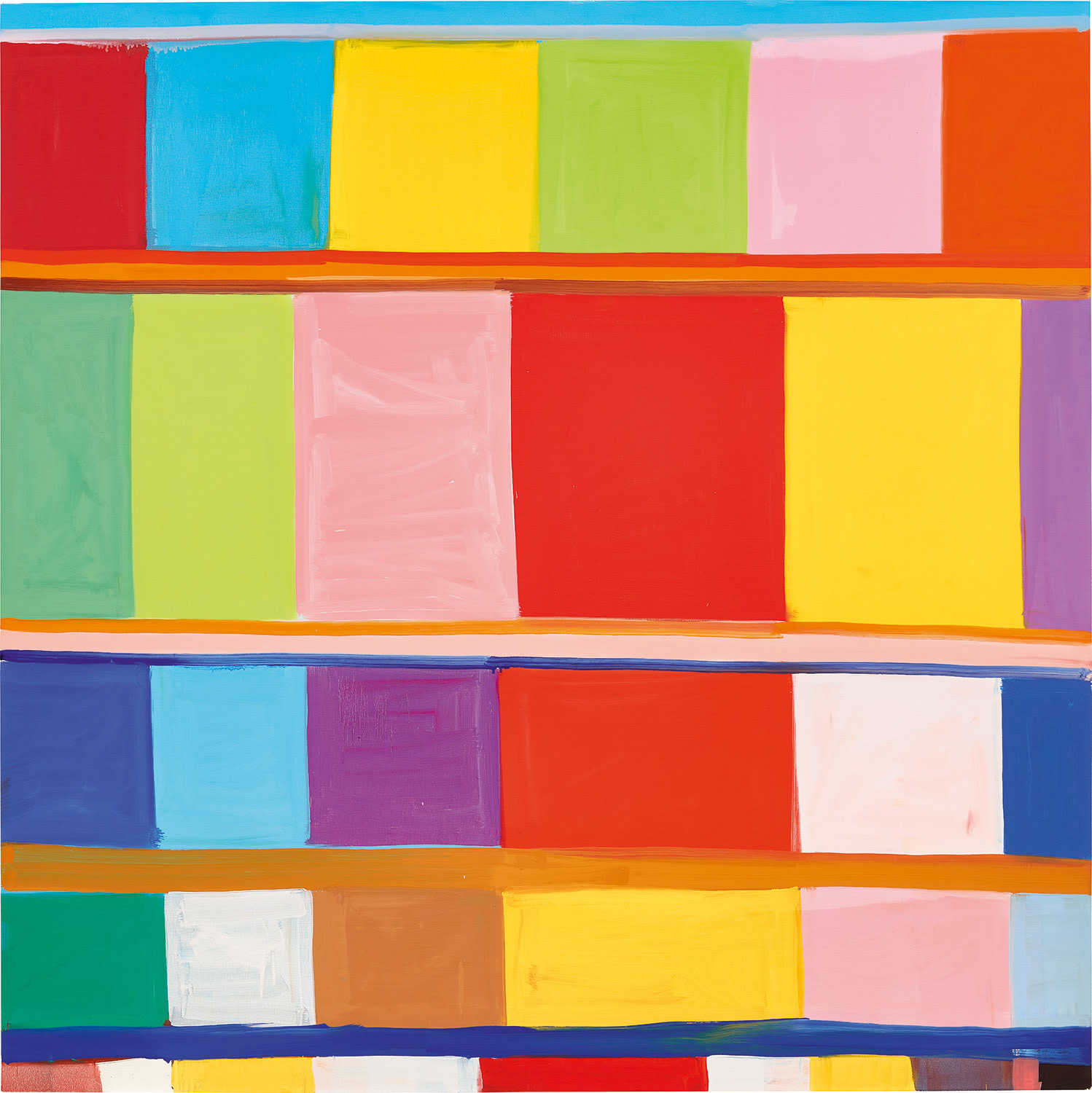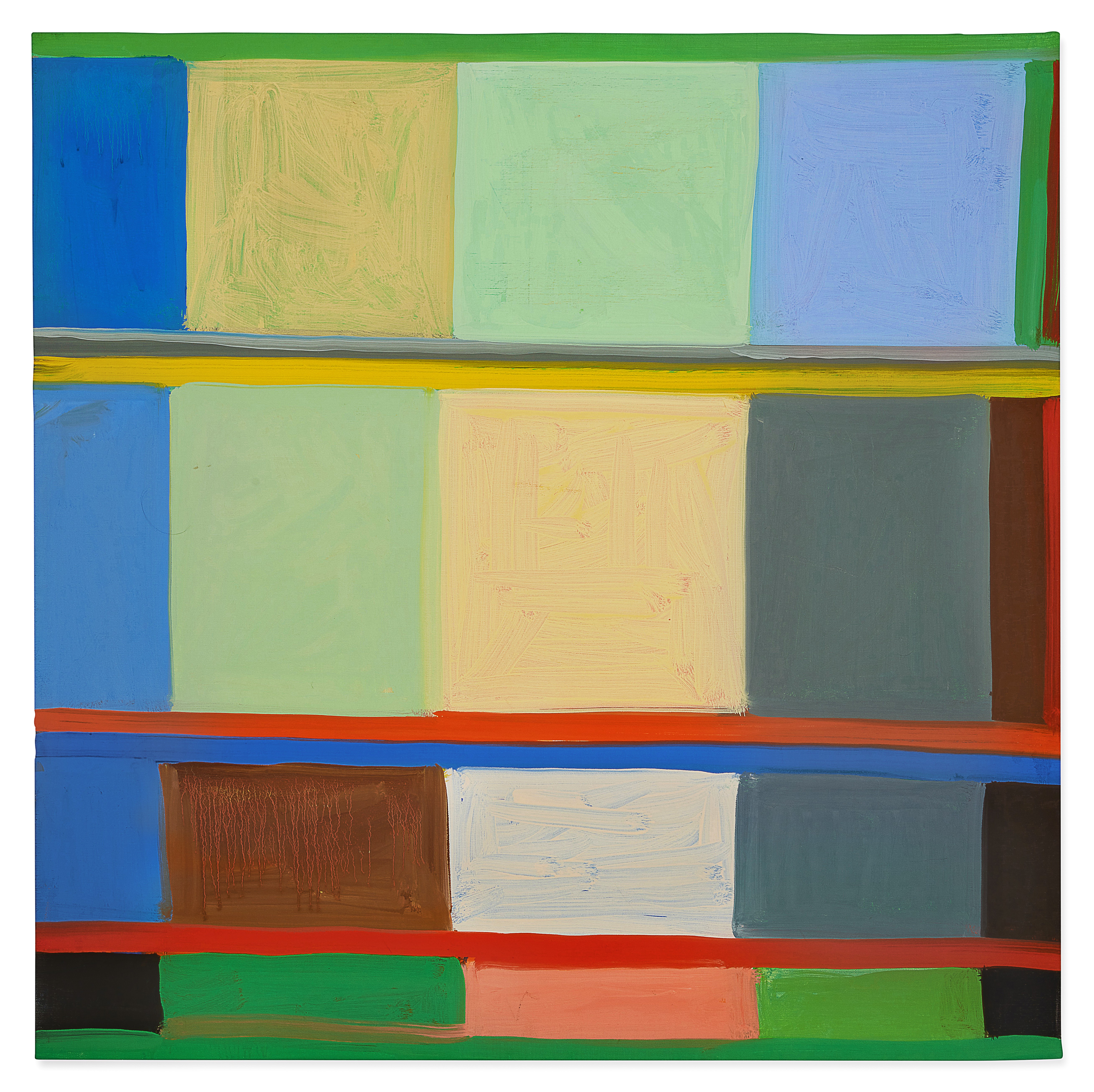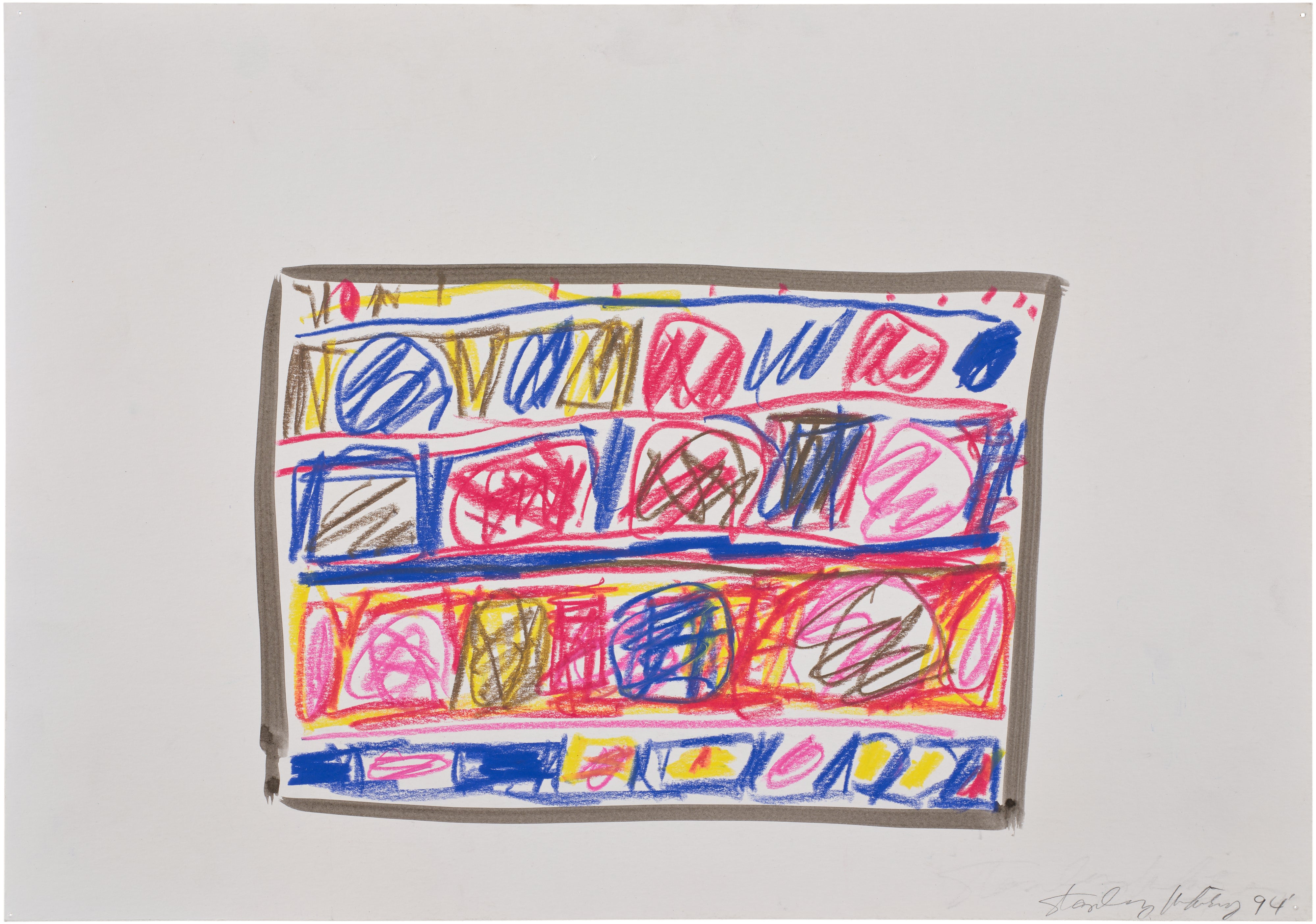
When the Buffalo AKG Art Museum opened its doors to a major retrospective of Stanley Whitney's paintings, something rare happened in the contemporary art world: critics, collectors, and first time visitors all seemed to experience the same moment of breathless recognition. Here was a body of work that had been quietly, rigorously building for decades, and the retrospective made undeniable what many in the art world had long suspected. Whitney is one of the most consequential abstract painters of his generation, and his time has unquestionably arrived. The paintings gathered in Buffalo told a story of sustained commitment and deepening mastery that felt both intimate and monumental. Stanley Whitney was born in 1946 in Philadelphia, Pennsylvania, a city with a rich tradition of artistic ambition and working class discipline. He studied at the Kansas City Art Institute before completing his MFA at the Tyler School of Art in Philadelphia, where he absorbed the rigors of formal training while already beginning to resist its more confining assumptions. Like many Black artists coming of age in the late 1960s, Whitney entered a world that was simultaneously opening and resistant, full of cultural ferment and institutional limitation. He spent significant time in Rome in the 1970s, an experience that proved formative in ways both obvious and subtle, steeping him in the history of European painting while sharpening his sense of what an American and distinctly personal vision might look like in contrast. For many years Whitney taught at Syracuse University, a long tenure that placed him somewhat outside the most concentrated art world circuits of New York, though he never stopped painting and never stopped developing. The distance, in retrospect, may have been a gift. It allowed his practice to mature on its own terms, free from the pressure of trend and market. By the time wider institutional attention arrived, Whitney had already solved the central problem of his art: how to build a system rigorous enough to generate infinite variation, and loose enough to breathe with the spontaneity of genuine feeling. His grid of stacked color blocks, arranged in horizontal rows across the canvas, emerged not as a formula but as a language. The structure of a Whitney painting is instantly legible and yet endlessly surprising. He works with rows of color squares and rectangles, stacking them in a format that recalls everything from Josef Albers to African textiles to the improvisational logic of jazz. Whitney has spoken openly about his love of jazz and its influence on his thinking about rhythm, call and response, and the productive tension between structure and freedom. The connection to quilt making traditions, particularly those of African American quilters in the American South, is equally present in the work, grounding his abstraction in a lineage that runs through craft and community as much as through canonical art history. A painting like "Stay Song 40" from 2019 or the luminous "Breathless" from 2018 demonstrates how this vocabulary, sustained across decades, continues to yield genuinely new emotional registers. Whitney's titles matter. They arrive like fragments of overheard music, poetic and open: "Winter Rap," "Poetry Afternoon," "Nigerian Smile," "A Brief History," "Radical Openness. " These are not descriptions of the paintings so much as invitations into a particular mood or frequency. "Nigerian Smile" from 2012, painted in oil on linen, carries the warmth and complexity its name implies, color laid against color with the confidence of an artist who has spent decades learning exactly how much each choice costs and how much it gives back. "Radical Openness" from 1992, one of his earlier landmark canvases, shows how far back this commitment to a certain quality of aliveness in paint actually reaches. The works on paper and his printmaking practice, including the striking "Black and White Series" rendered in etching and aquatint, reveal that Whitney's sensibility translates effortlessly across medium and scale. From a collecting perspective, Whitney represents something genuinely valuable: an artist whose market recognition arrived relatively late but whose work has a depth and historical rootedness that supports long term significance. His paintings are held by major institutional collections, and works that circulate at auction or through the secondary market carry the authority of a practice that has been tested across more than five decades. Collectors drawn to the tradition of color field painting, to the legacy of artists like Mark Rothko or Ellsworth Kelly, will find in Whitney a figure who absorbs those influences and transforms them through a distinctly personal and culturally specific lens. The linen works in particular, with their warm ground and sumptuous surface, reward extended looking in ways that photography simply cannot capture. Within the broader landscape of contemporary abstraction, Whitney sits in a conversation with artists who have similarly interrogated the possibilities of color, grid, and touch. His relationship to the New York School and to Color Field painting is real but refracted through his own biography and commitments. The critical rehabilitation and expanded recognition of artists like Frank Bowling and Howardena Pindell has helped create a more complete map of postwar abstraction, and Whitney belongs squarely within that expanded understanding. He is neither a footnote nor a latecomer but a central figure whose full recognition is now, finally, tracking the achievement. What makes Stanley Whitney matter today, beyond the beauty of individual paintings, is what his career says about patience, integrity, and the long arc of artistic conviction. In an era that often rewards speed and legibility, he spent decades doing the slow work of genuine discovery. The result is a body of paintings that feel both hard won and effortless, carrying the ease that only comes from real difficulty thoroughly absorbed. To spend time with his work, whether in a museum gallery or in the more intimate setting of a private collection, is to be reminded of what paint can do when a painter truly trusts it. Whitney has given the art of color something it will not easily give back.