Medieval
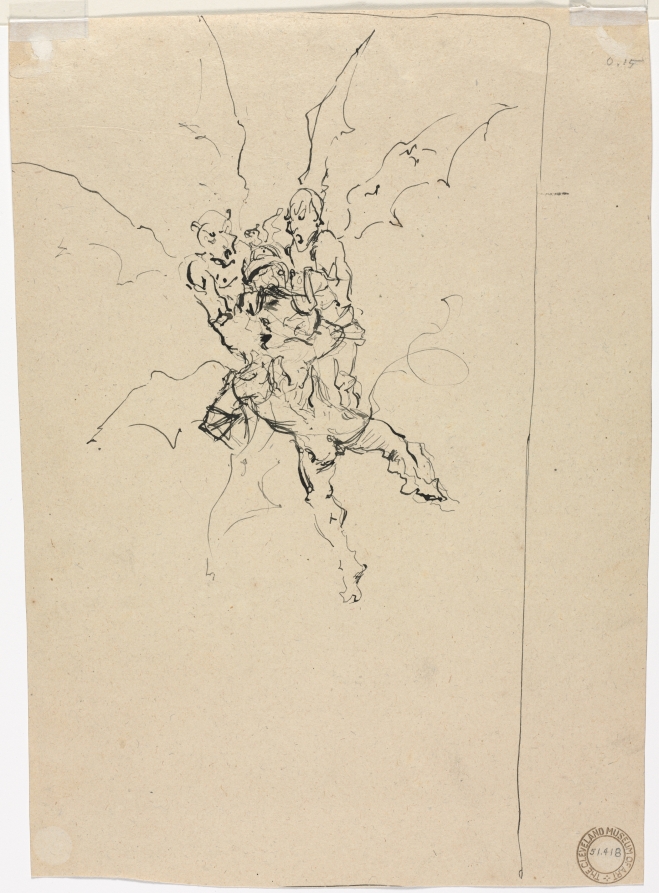
Unknown Artist
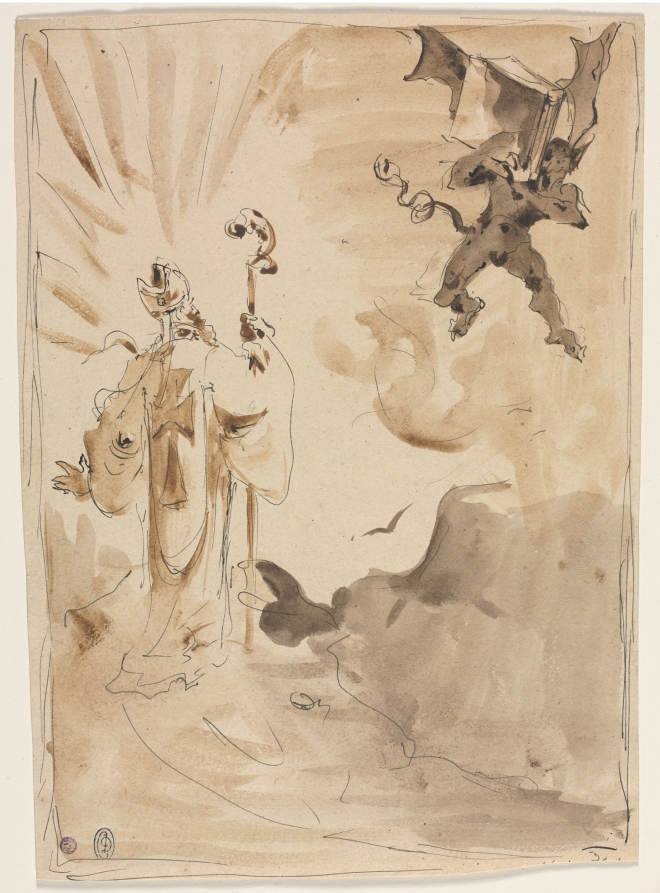
Three Demons Holding a Knight (verso), 1900
The Middle Ages Are Having a Moment
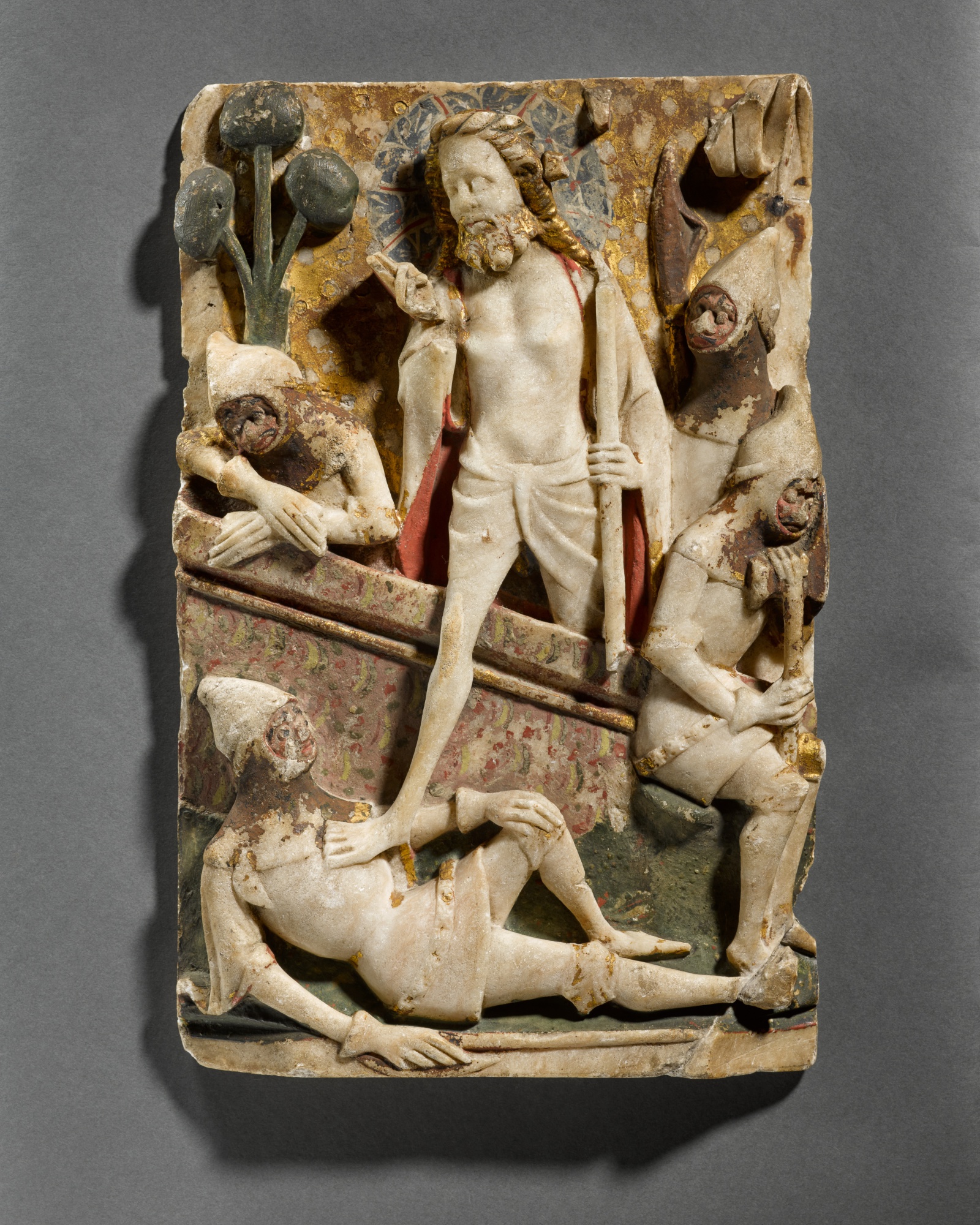
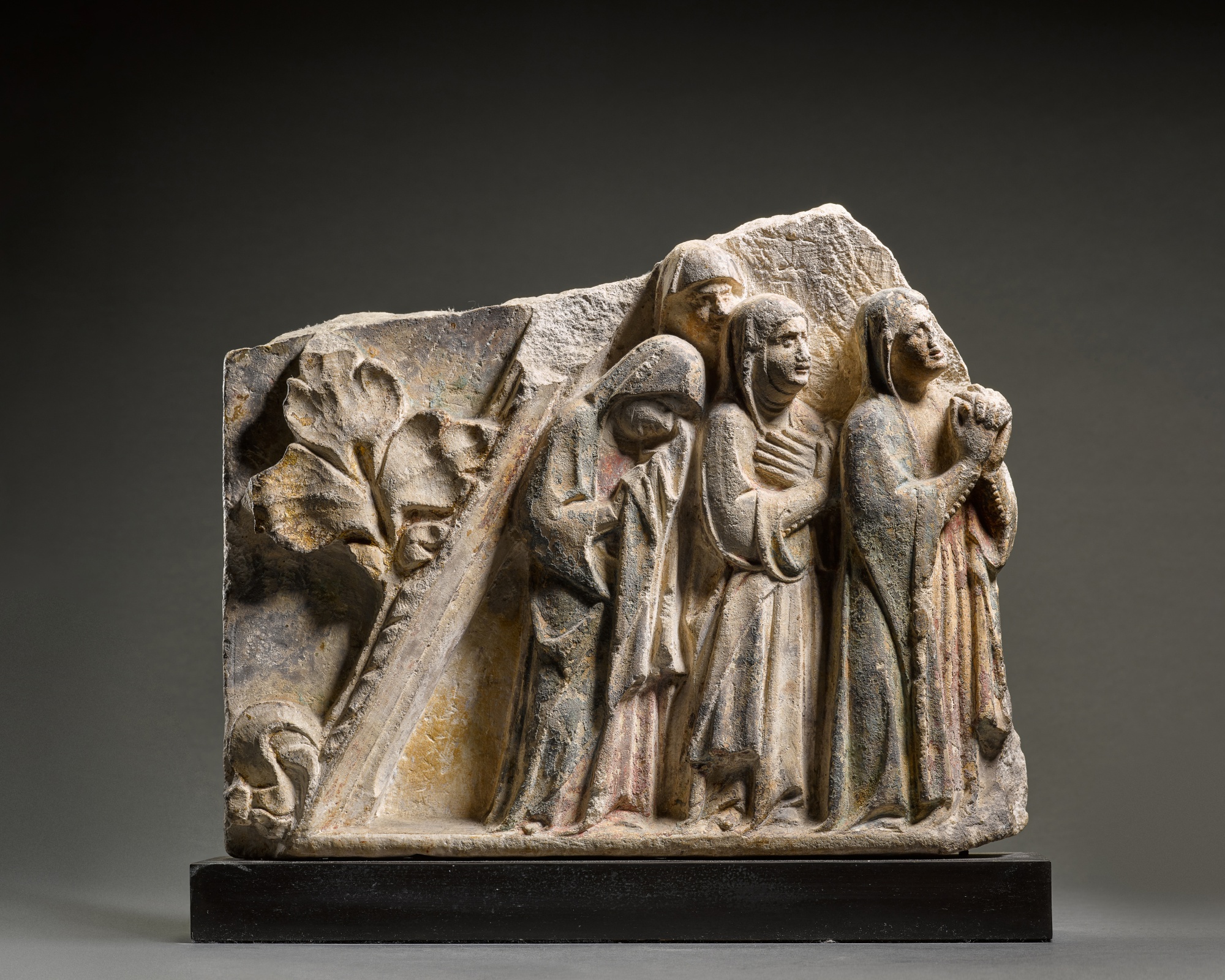
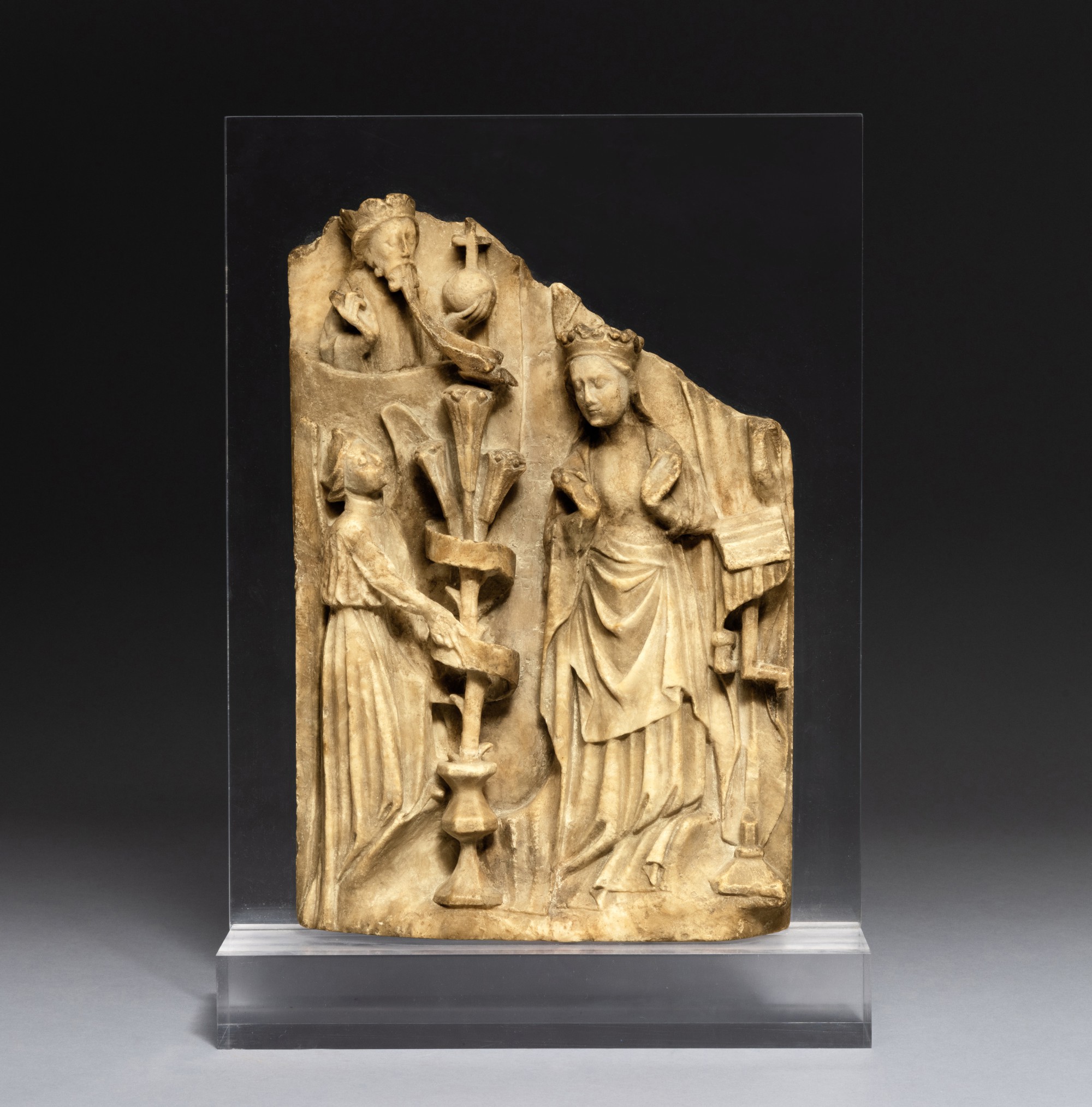
When a small alabaster relief attributed to an English, Nottingham workshop sold at Christie's London for a price that surprised even seasoned dealers in the room, it confirmed something many collectors had been sensing for a while. Medieval material is no longer the quiet backwater of the art market. It is becoming one of the more contested and genuinely exciting areas in which to be active, drawing in a new generation of collectors alongside the established institutional buyers who have long understood its depth. The energy around medieval art has been building steadily since the Metropolitan Museum of Art mounted its landmark exhibition 'Jerusalem 1000 to 1400: Every People Under Heaven' in 2016 and 2017, which reframed the medieval world not as a European story but as a vast network of cultural exchange.
That kind of recontextualization matters enormously to the market. When curators change the frame, collectors change their focus. The Cloisters, the Met's medieval branch in upper Manhattan, continues to draw serious visitors and serious attention, and its collection remains the standard against which private holdings are quietly measured. In Europe, the Musée de Cluny in Paris completed a major renovation and reopened in 2022 with a reimagined presentation of its collection that placed the famous Lady and the Unicorn tapestries in a purpose built circular room.
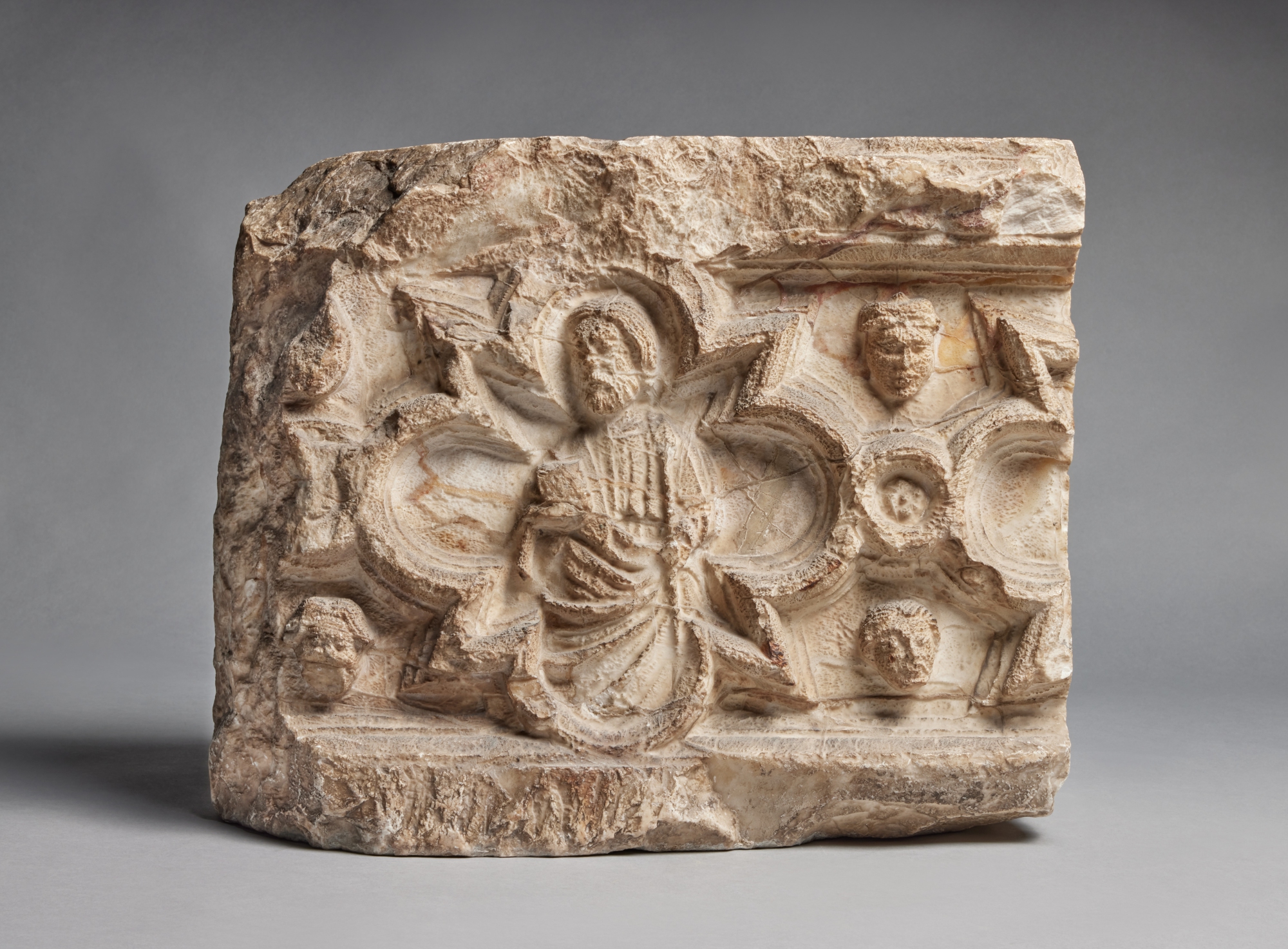
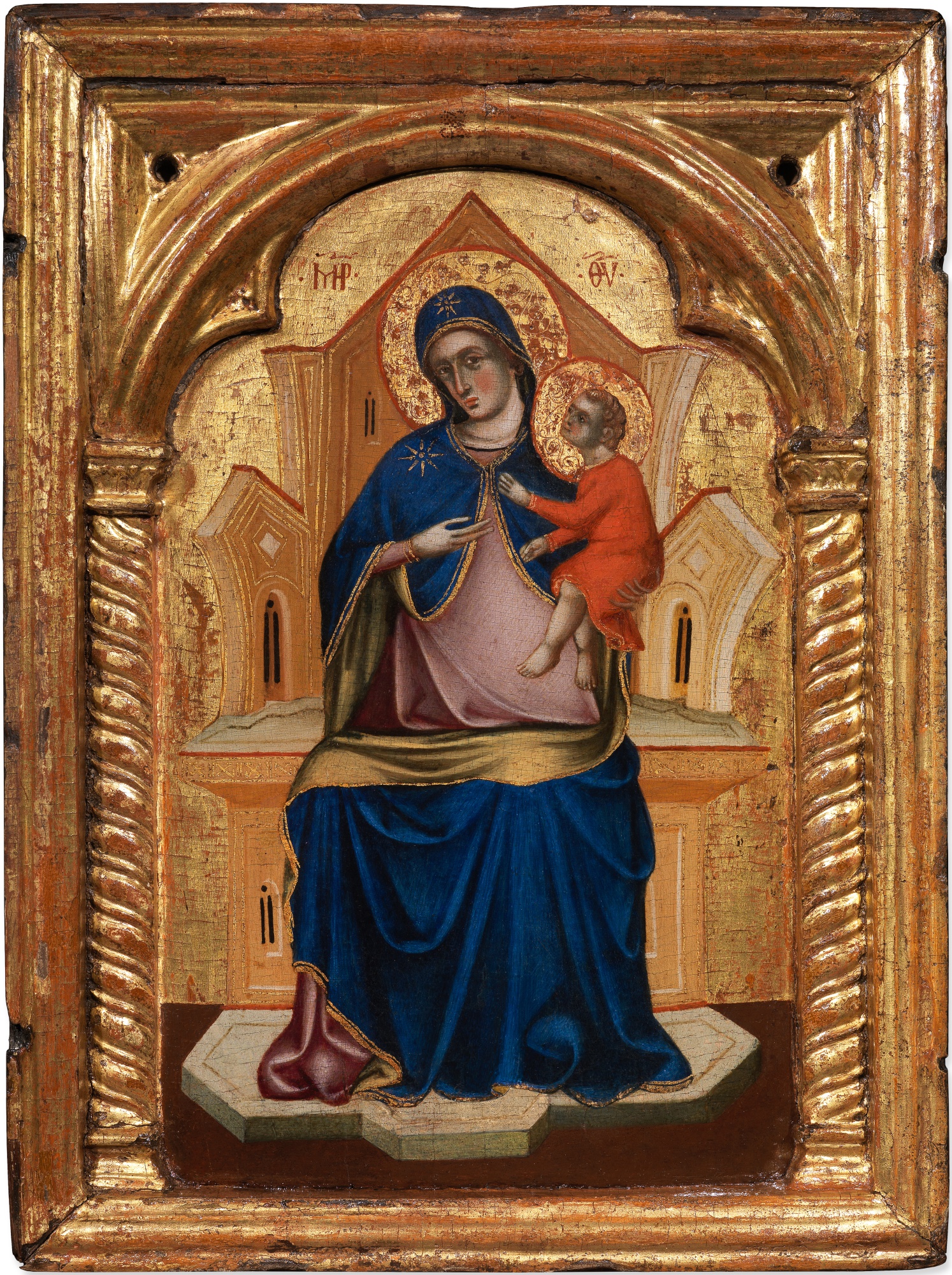
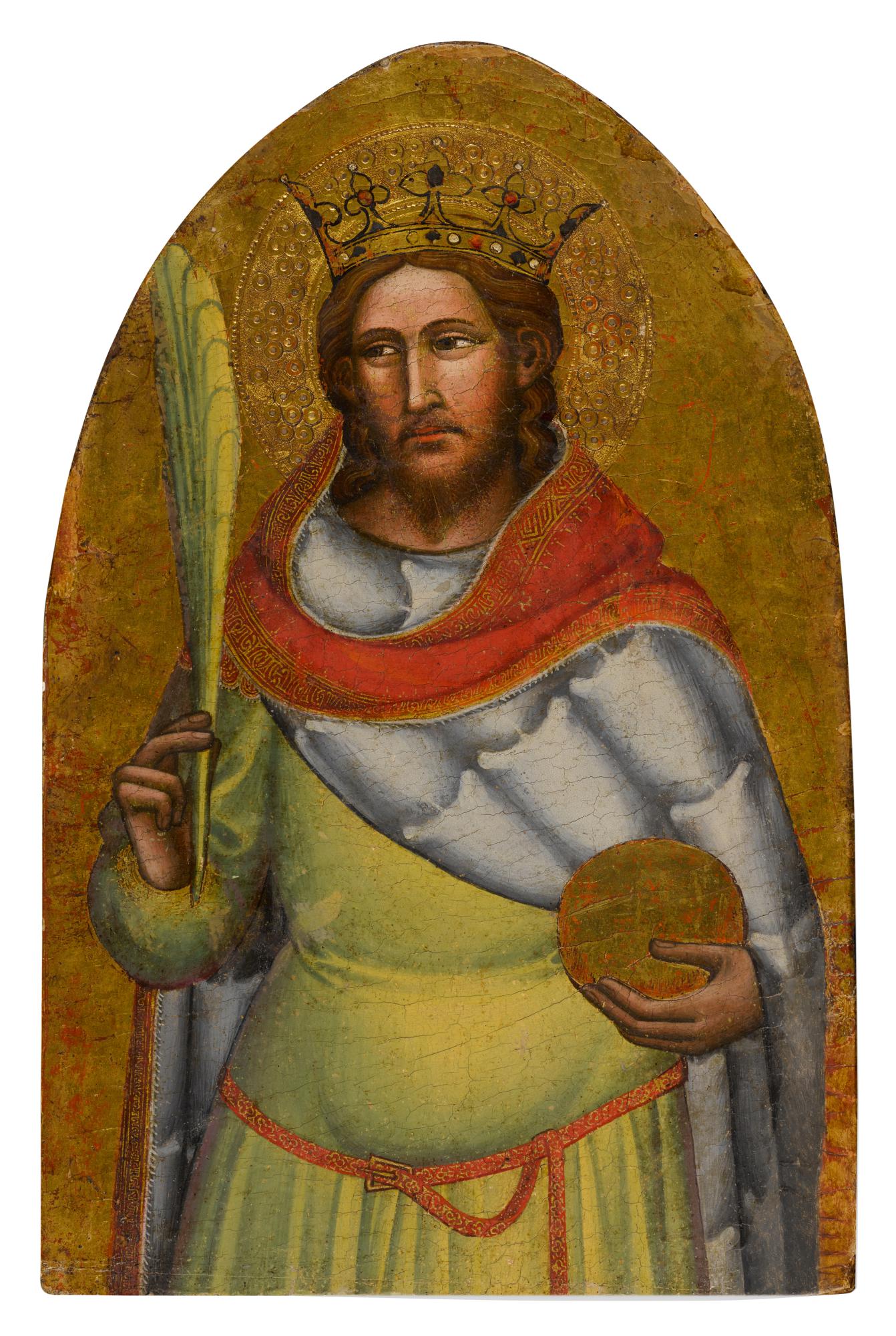
North Italian, 14th century
Architectural Fragment with a Saint
The effect was revelatory. Critics and collectors who attended the reopening described a renewed sense of what medieval craft could communicate when given proper architectural context. The show reminded everyone that medieval art is not fragile or dusty as a category. It is visceral, strange, and formally ambitious in ways that hold up against anything made in the centuries since.
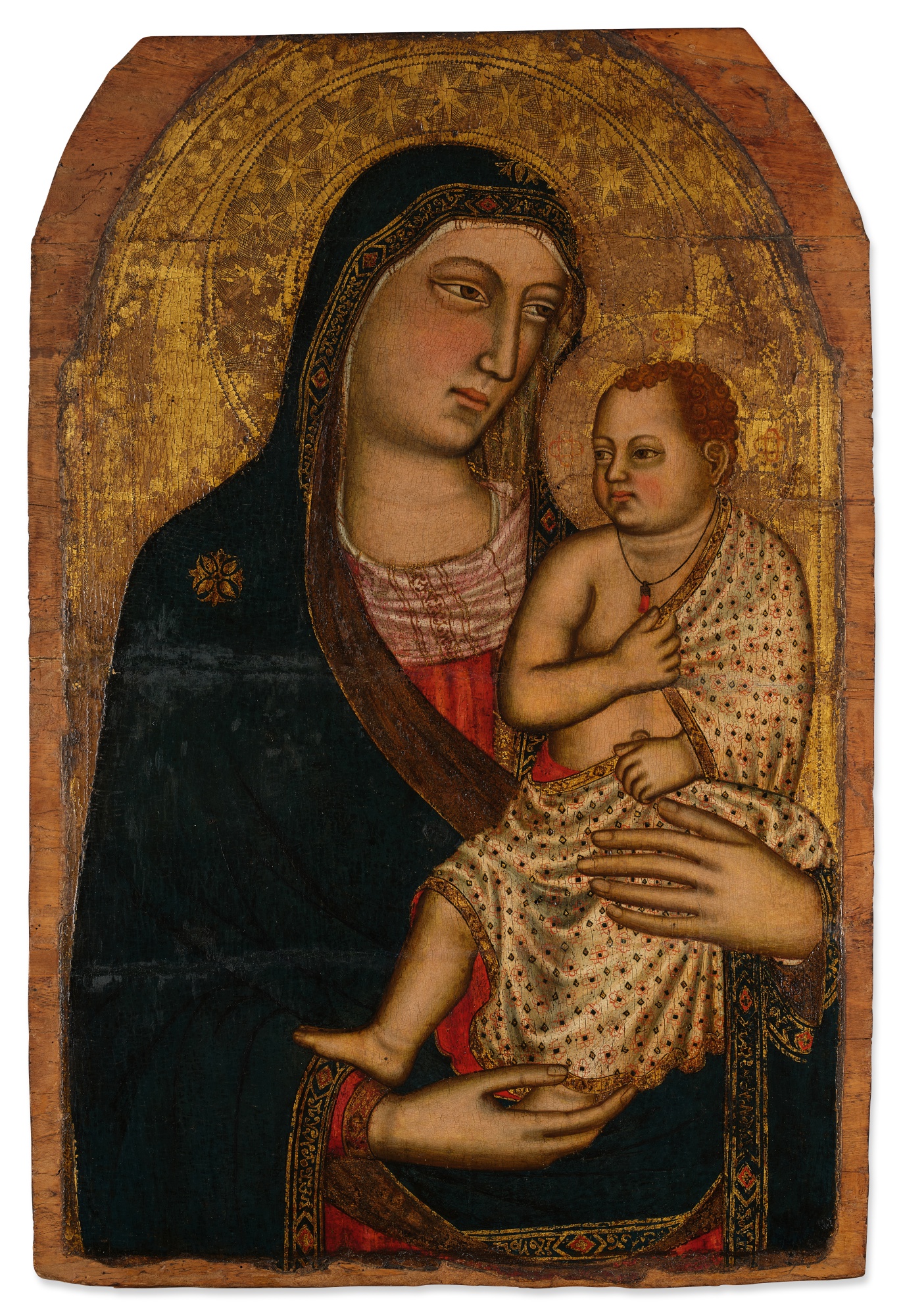
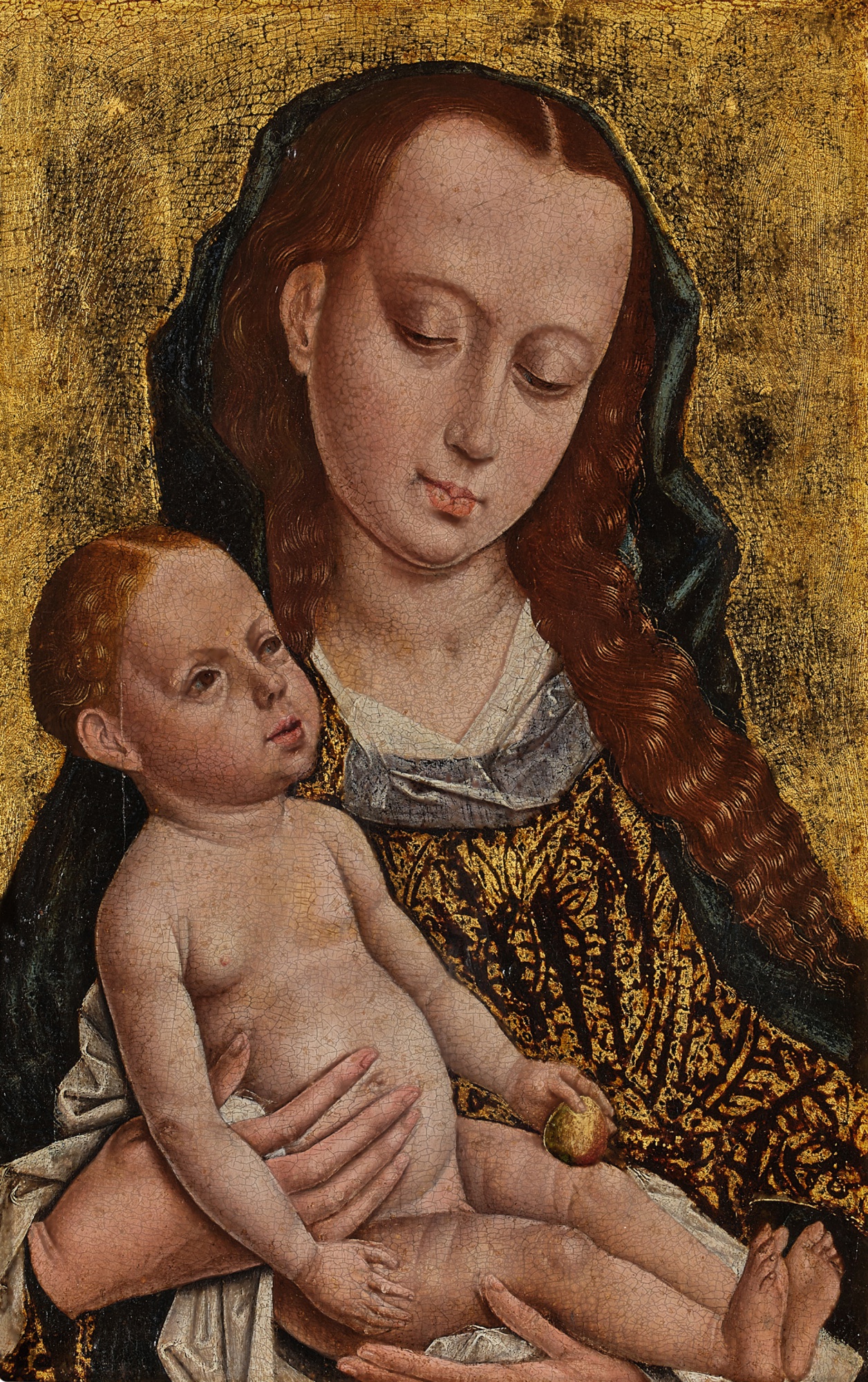
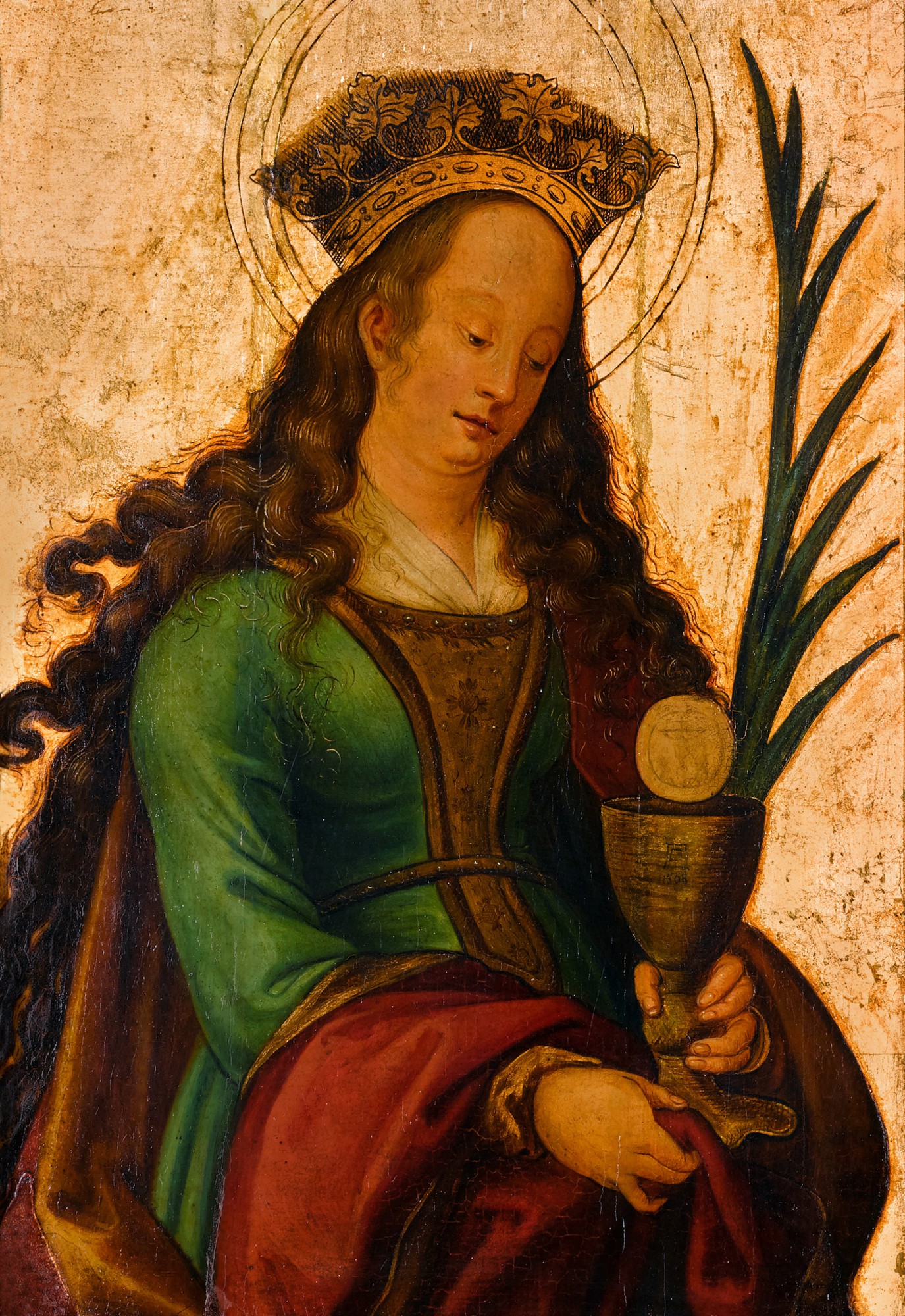
Auction results in recent years have reflected this renewed appetite. Works attributed to followers of major Northern European painters such as Rogier van der Weyden have found strong buyers, particularly when condition and provenance documentation are solid. The follower tradition in medieval and early Renaissance painting is a fascinating market segment in itself. Collectors who might hesitate at the price of a fully attributed panel by a named master can acquire work that sits in genuine proximity to that tradition, sometimes for a fraction of the cost, and the scholarly interest in these workshop practices has only grown.
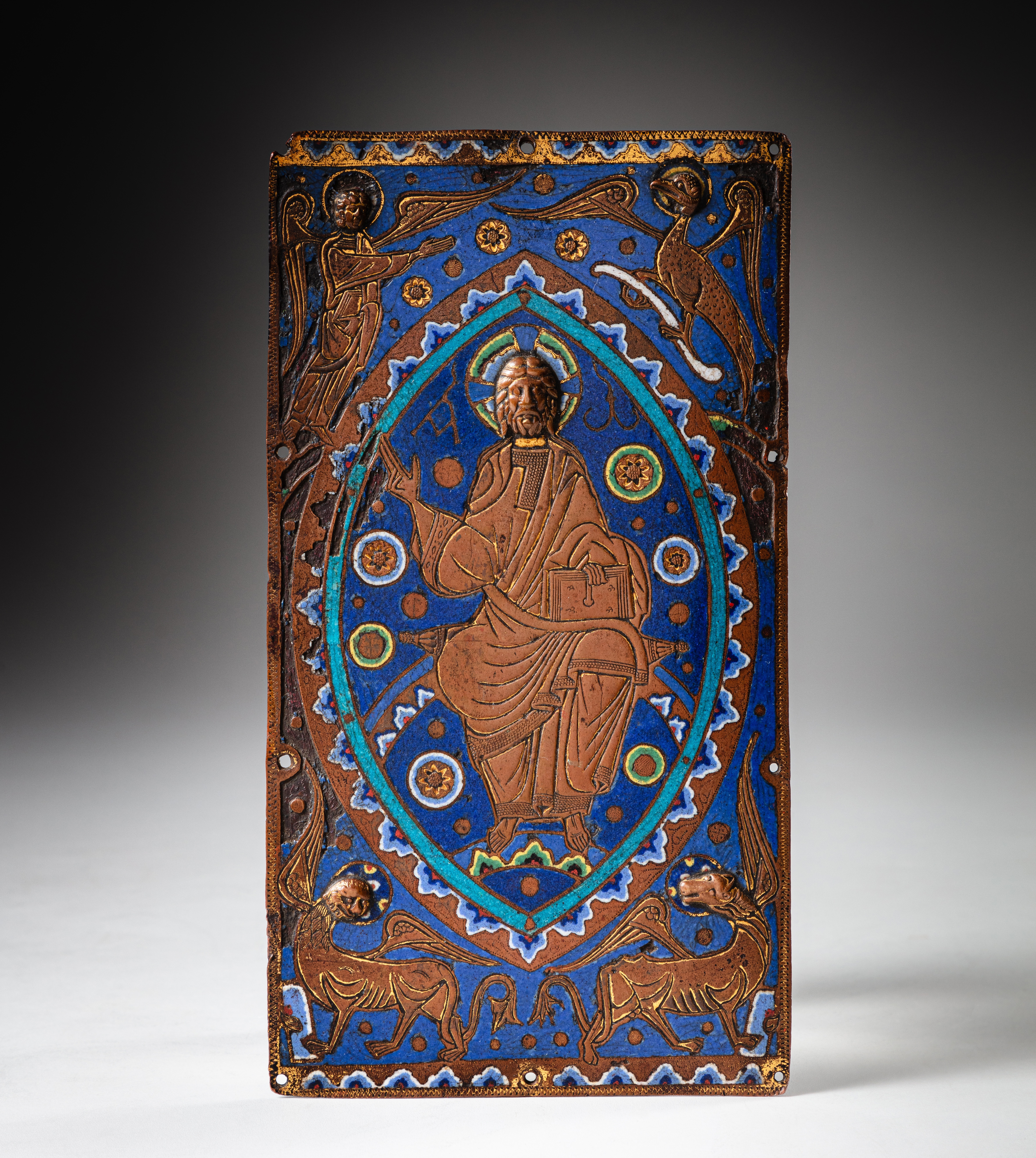
French, Limoges, circa 1200 - 1210
Limoges, vers 1200 - 1210
Albrecht Dürer and Martin Schongauer, both represented on The Collection, remain anchors of the late medieval German printmaking tradition that commands serious institutional and private attention alike. Schongauer in particular has benefited from renewed scholarly focus on his influence on the young Dürer, and that narrative adds measurable value to works on paper that enter the market. The devotional object category deserves special attention. The English alabaster workshops of Nottingham produced relief carvings through the fourteenth and fifteenth centuries that were essentially the mass produced devotional art of their era, exported across Europe and found today from Portugal to Poland.
That ubiquity once made them seem less valuable. Now it makes them seem more interesting. Collectors and curators have come to understand that the scale of Nottingham production tells us something important about the visual culture of late medieval Christianity, and the best surviving examples carry a formal authority that transcends their original function as affordable piety. Works from this tradition on The Collection offer entry points that would have seemed unremarkable to collectors twenty years ago and feel considerably more prescient today.
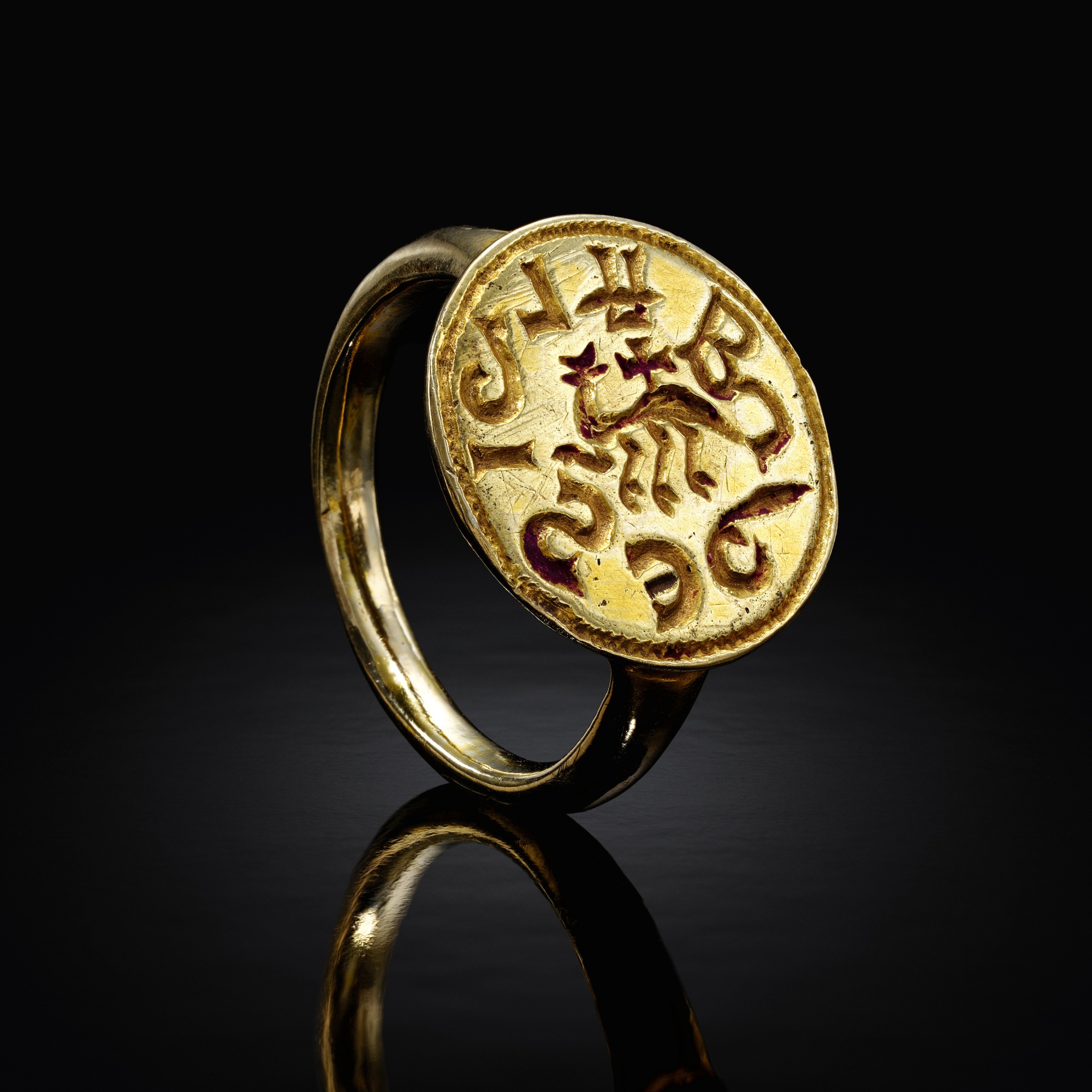
Carolingian, circa 800 A.D.
Ring
The critical conversation around medieval art has also shifted in ways that are beginning to reach the market. Writers like Finbarr Barry Flood and scholars associated with the Index of Medieval Art at Princeton have pushed hard against the old Eurocentric model, arguing that medieval visual culture must be understood as a global phenomenon. That argument is now mainstream enough that major auction houses have begun presenting works from Tibetan and East Asian devotional traditions alongside Western medieval material, suggesting a unified market logic where spiritual object and refined craft matter more than geographic origin. The copper alloy Buddhist figures, the gilt Hevajra, the thogchags represented on The Collection all participate in this expanded sense of what medieval collecting can encompass.
These are not separate categories that happen to share a time period. They are part of a single conversation about how human societies in the first millennium used objects to navigate the sacred. The Limoges enamel tradition is another area where the critical and market consensus is quietly shifting. The champlevé enamels produced in Limoges from roughly 1150 to 1350 were once so thoroughly collected by European aristocrats and American robber barons that the market seemed saturated.
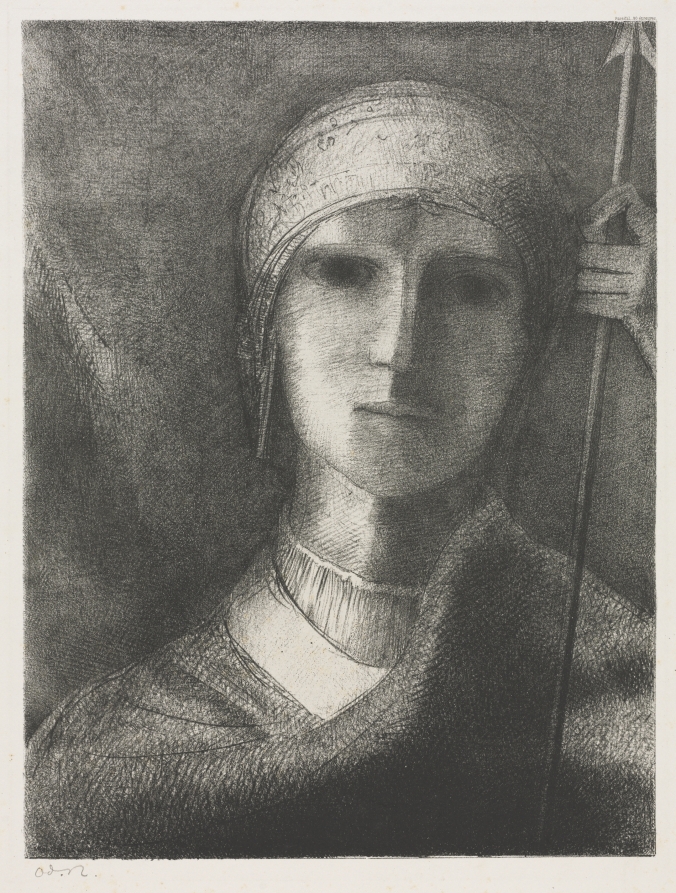
Odilon Redon
Parsifal, 1892
But fresh scholarship on workshop attribution and the ongoing dispersal of old European collections has created new opportunity. A piece dated circa 1200 to 1210 in French Limoges production, as represented on The Collection, sits at the heart of a tradition that made Limoges the visual technology company of its era, producing reliquaries and book covers and altar furnishings at a scale and consistency that has no real parallel until the industrial age. What feels alive right now is exactly the ambiguity that once made some collectors nervous. The question of attribution in medieval art, the long traditions of workshop production and collaborative making that mean a single object might carry the hands of a dozen unknown artists, has shifted from a liability to a source of fascination.
Unknown and unidentified makers, well represented on The Collection, are no longer seen as a problem to be solved but as evidence of a different relationship to authorship and creativity. That is a genuinely contemporary idea, and it is one reason why younger collectors are arriving in this space with enthusiasm rather than caution. The Middle Ages, it turns out, had something to teach us about what art is and who gets to make it.