Market Scene
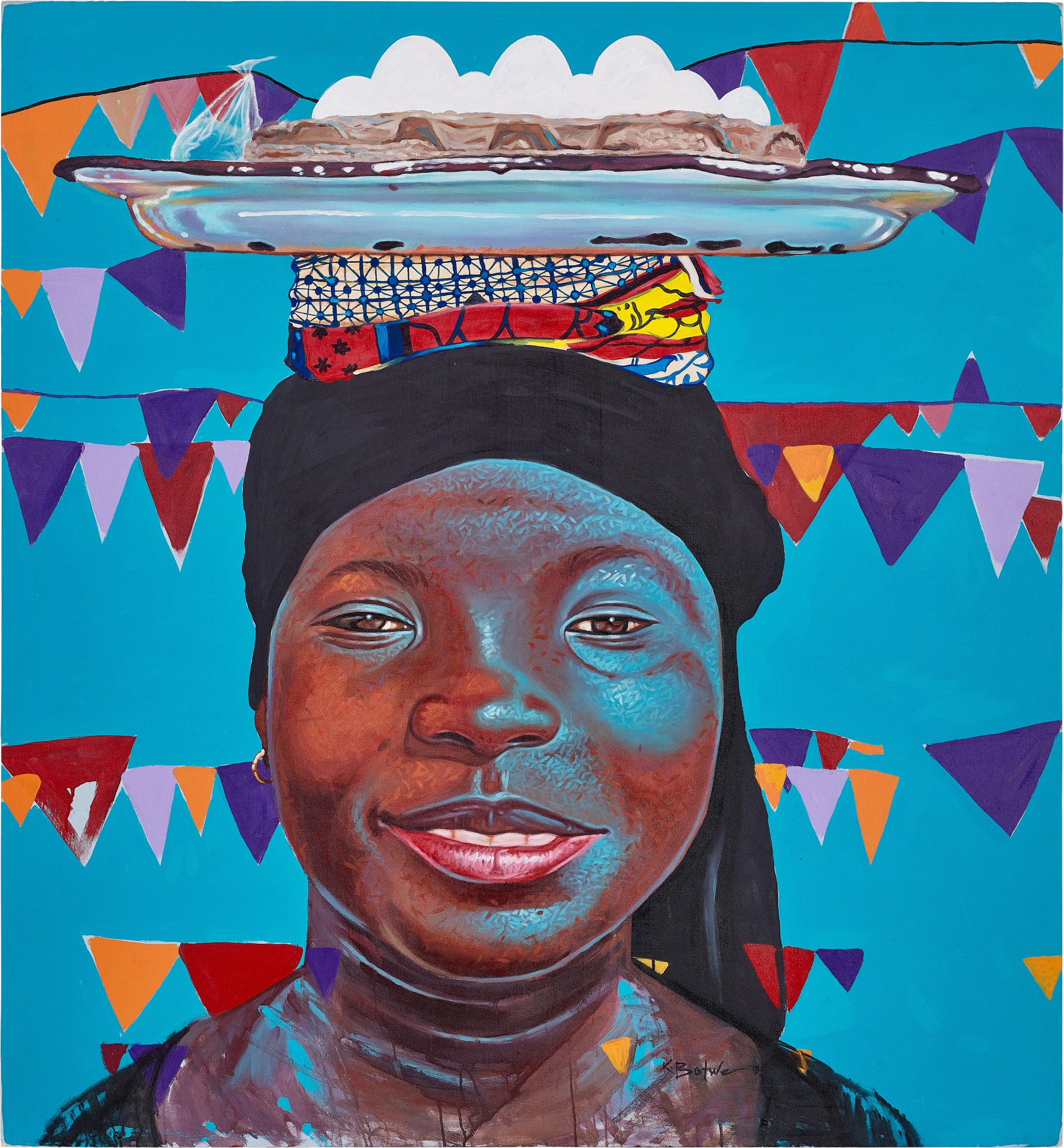
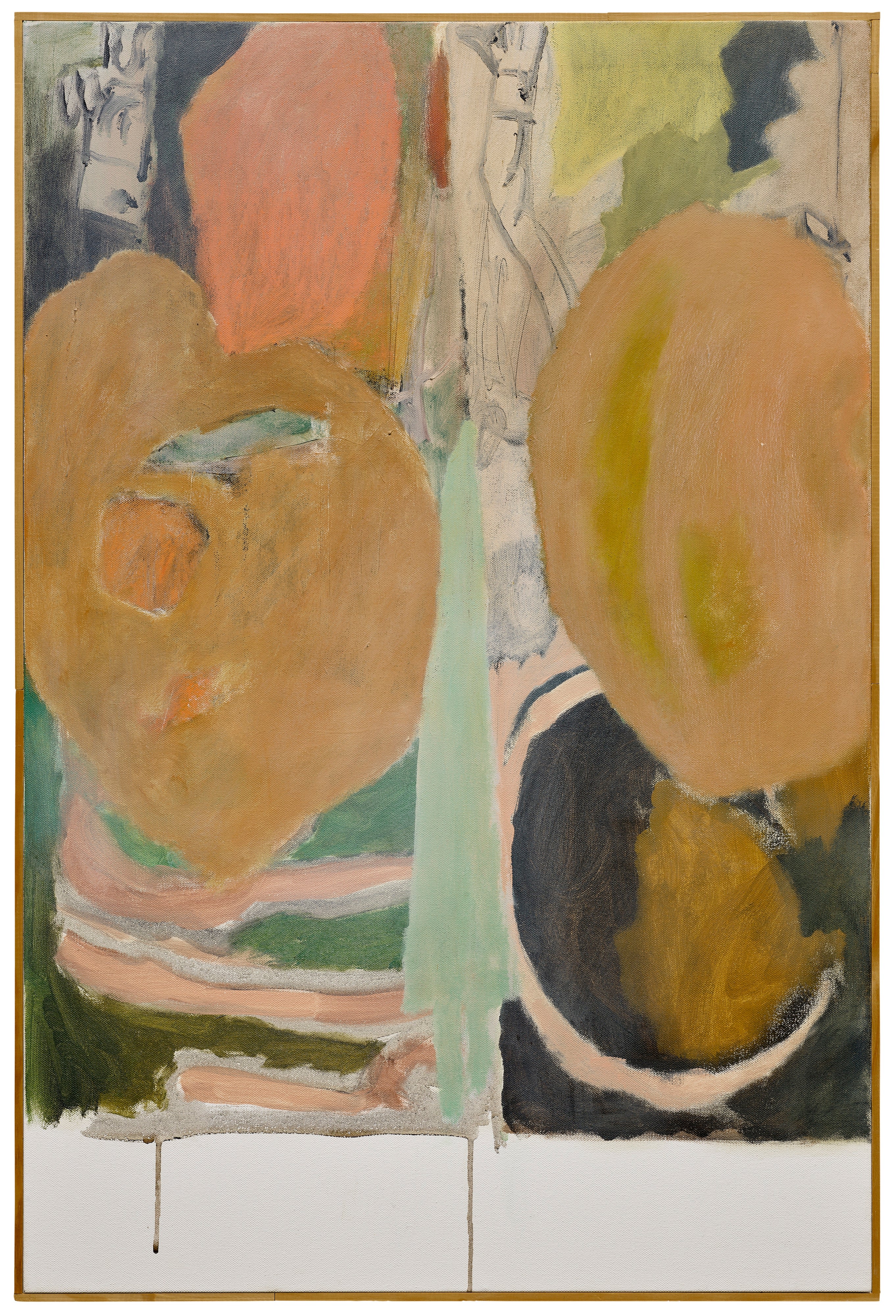
Kwesi Botchway
Passionate Seller 熱情的賣家


The Crowd Never Lies: Collecting Market Scenes
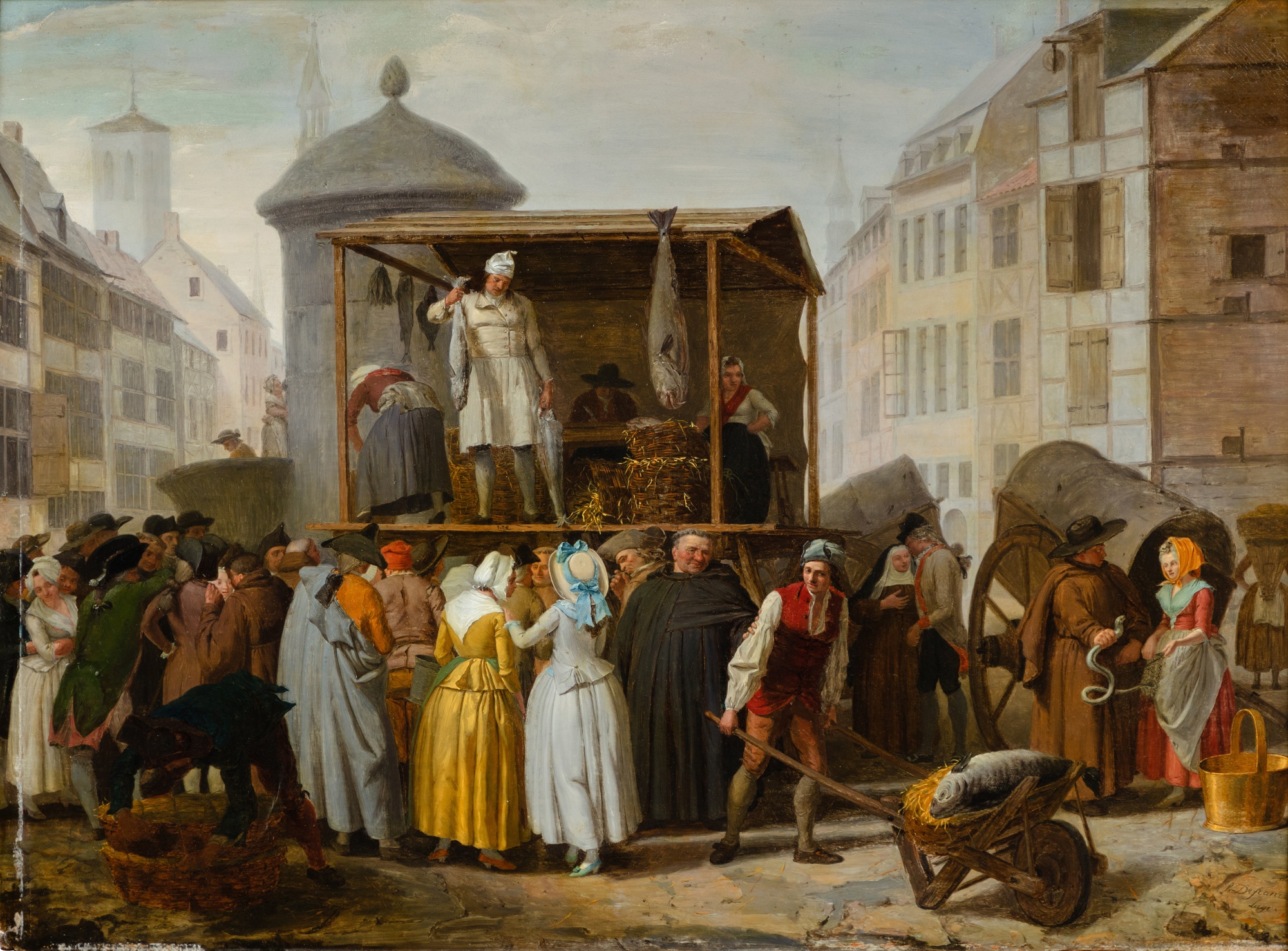
There is something almost confessional about a market scene. More than portraits, more than landscapes, more even than history painting, the genre asks you to look at ordinary people doing ordinary things and find in that the whole texture of a life. Collectors who fall for these works often describe a similar experience: you walk past, something catches your eye, a figure bent over a basket of oranges or a woman haggling over cloth, and suddenly you are inside the painting rather than looking at it. That quality of immersion, of being drawn into a social world that is both immediate and remote, is what makes this category so enduring and so genuinely pleasurable to live with.
The genre spans centuries and continents, which means that building even a modest collection in this space quickly becomes an education in how different cultures have understood commerce, community, and the human body in motion. A seventeenth century Flemish market and a twentieth century West African one share almost nothing in terms of technique, palette, or social meaning, yet both ask the same fundamental question: what does it mean to gather, to exchange, to need? For collectors who care about that kind of breadth, market scenes offer a remarkably generous field. Separating a good work from a great one comes down to a handful of things, and the first is specificity.
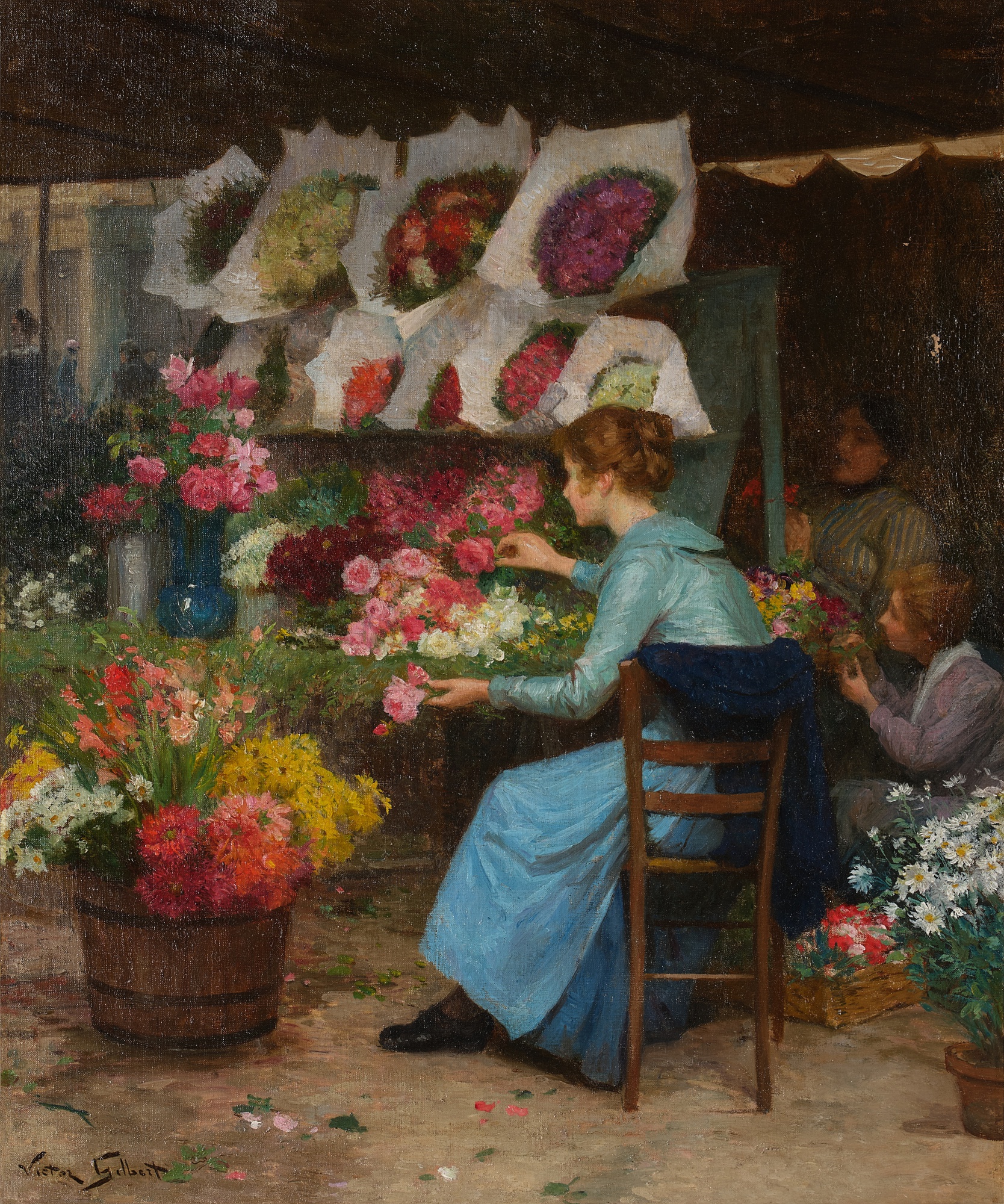
Victor Gabriel Gilbert
Marché aux fleurs
The best market scenes are not generic. They have a particular light, a particular time of day, a particular anxiety or pleasure playing across a particular face. Victor Gabriel Gilbert, the French painter who devoted much of his career to Parisian market halls in the late nineteenth century, understood this instinctively. His best canvases feel almost journalistic in their attention to how fish are stacked, how a seller leans, how the morning light hits a wet floor.
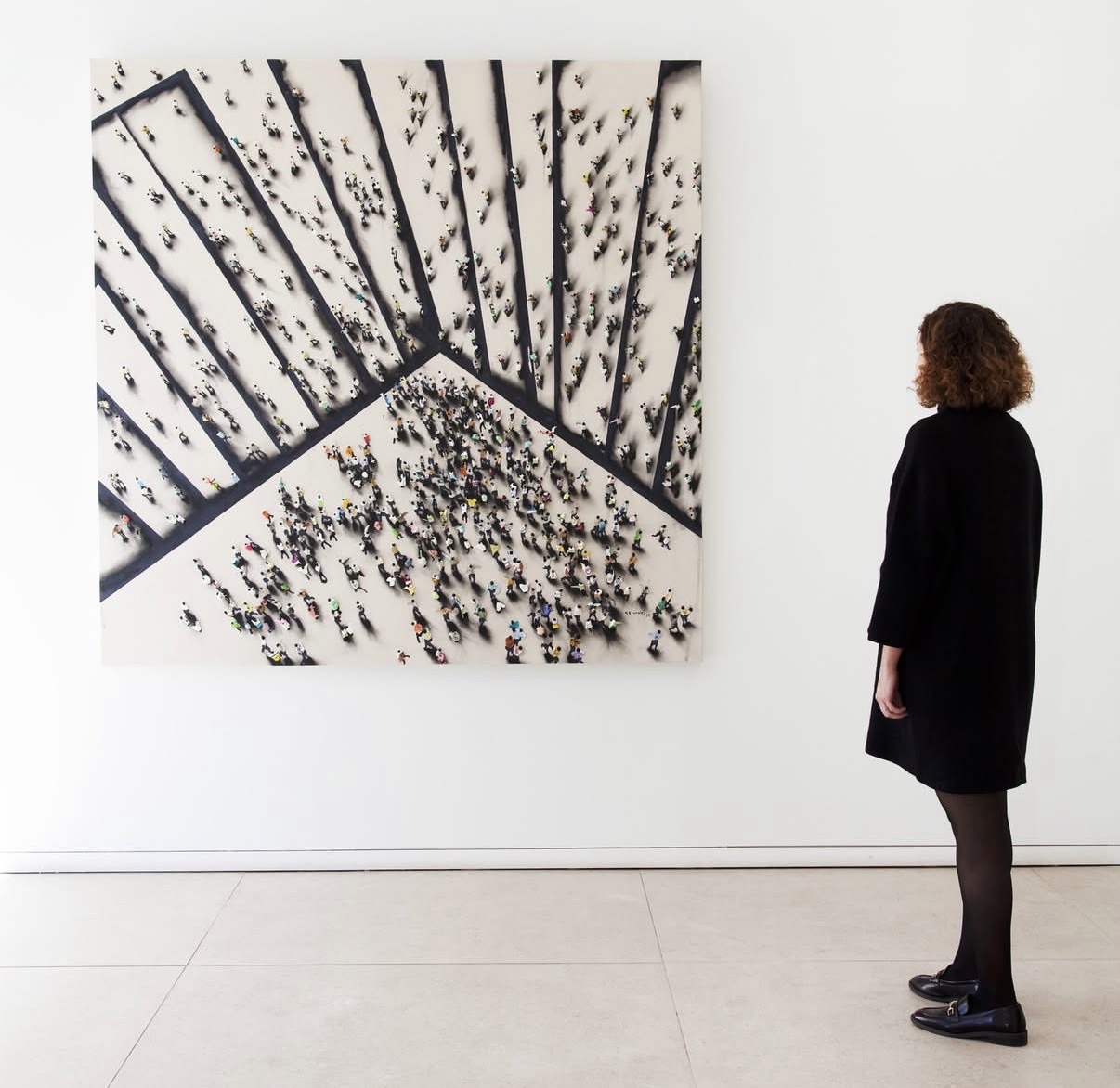
That granular observation is what keeps a work vital across decades of looking. Works that settle for picturesque arrangement rather than genuine observation tend to exhaust themselves quickly. Composition and the handling of crowd is the second distinguishing factor. A market is, by definition, a problem of organization: how do you give order to chaos without killing the energy of it?
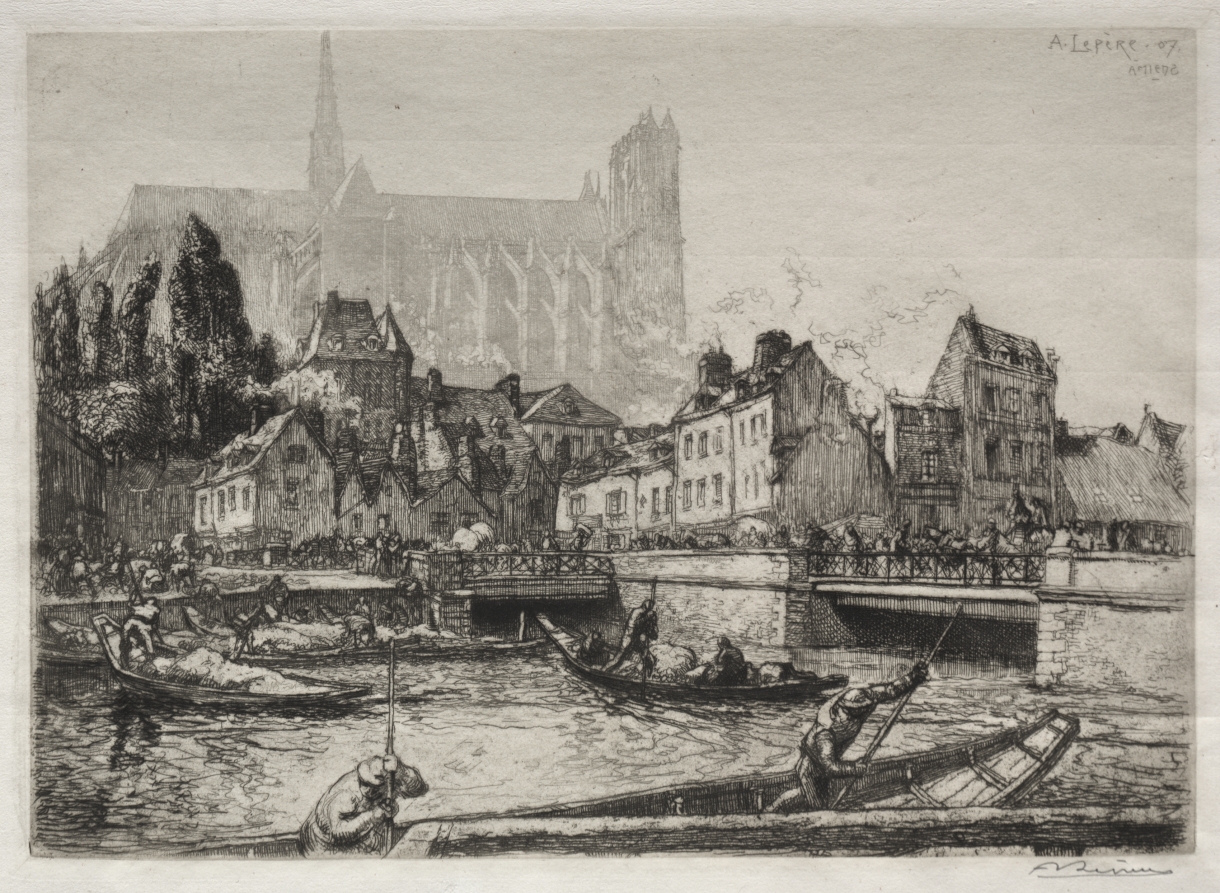
Auguste Louis Lepère
Arrivées des Légumes-Amiens, 1907
The printmaker Auguste Louis Lepère, who is particularly well represented on The Collection, solved this beautifully in his woodcuts and engravings of French street life, using bold contrasts and compressed perspective to create scenes that feel simultaneously busy and legible. His work rewards close attention in a way that separates him from his more merely decorative contemporaries. When you are evaluating a market scene, ask whether the artist has truly organized their pictorial space or simply accumulated figures. The answer will tell you a great deal about the ambition of the work.
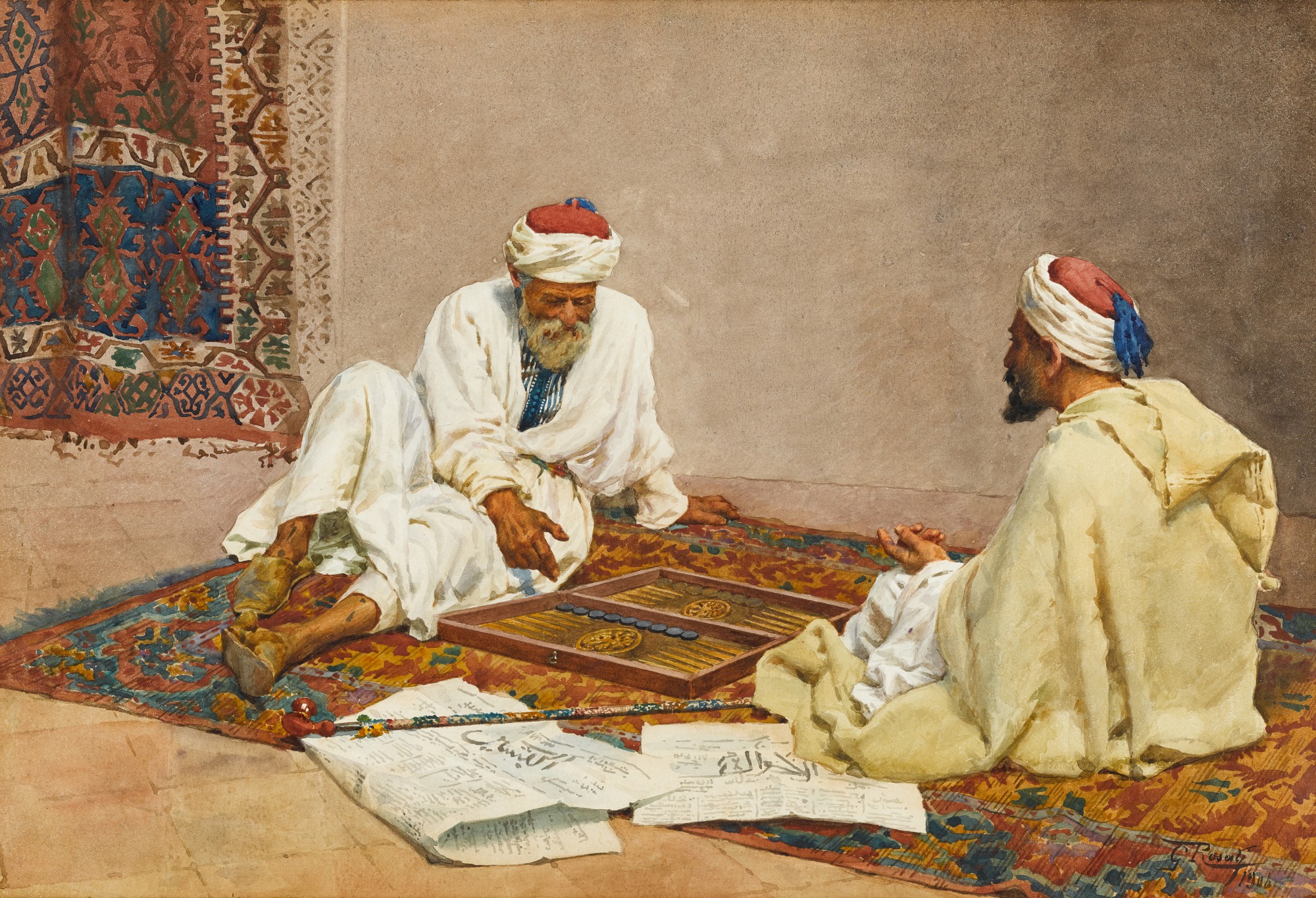
In terms of artists representing strong value, the Orientalist tradition offers some of the most interesting opportunities, particularly for collectors willing to engage critically with the genre's complicated colonial framing. Frederick Arthur Bridgman and Giulio Rosati both depicted North African and Middle Eastern markets with a technical polish that has kept them in demand, and their works continue to perform solidly at specialist sales in Paris and London. The Philippine painter Fernando Cueto Amorsolo brings an entirely different sensibility to the genre: his market scenes are warmer and more domestic, rooted in a specific social world that he knew from the inside, which gives them an authenticity that purely touristic Orientalist painting often lacks. His reputation has grown considerably among Southeast Asian collectors and there is still room for international buyers to engage before prices fully adjust.
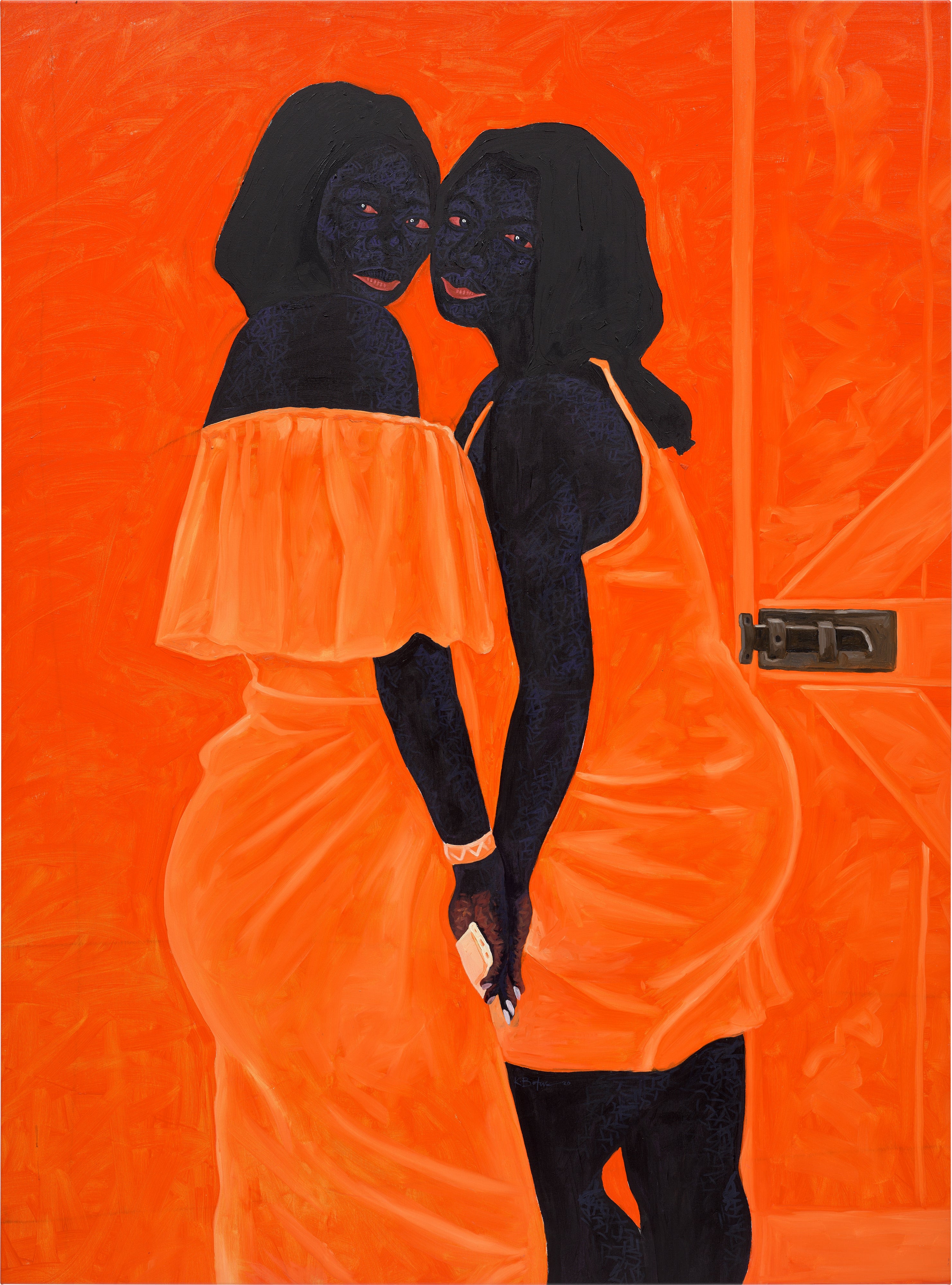
Kwesi Botchway
Passionate Seller 熱情的賣家
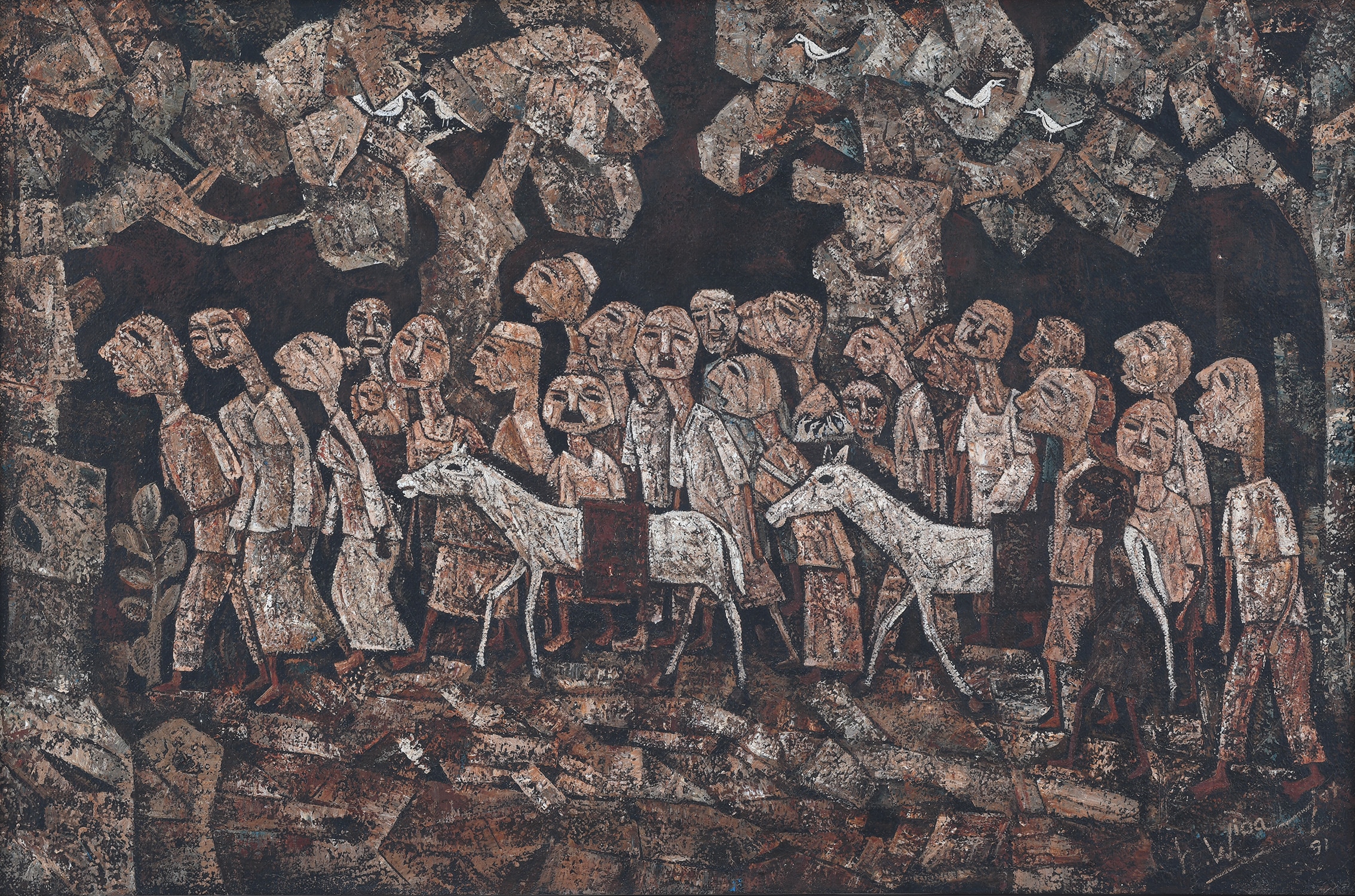
The most compelling emerging opportunities in this category come from West African modernism, a field that remains undervalued relative to its art historical significance. Ablade Glover, the Ghanaian painter, brings extraordinary colour intelligence to his market and crowd scenes, and his ability to dissolve figuration into abstracted masses of pigment puts him in genuine conversation with artists like Dubuffet and Soutine. Kwesi Botchway, also well represented on The Collection, is a younger Ghanaian artist working in a related vein, and his prices have not yet caught up with his critical reputation. For collectors with a long view, these are exactly the kinds of positions worth taking now rather than later.
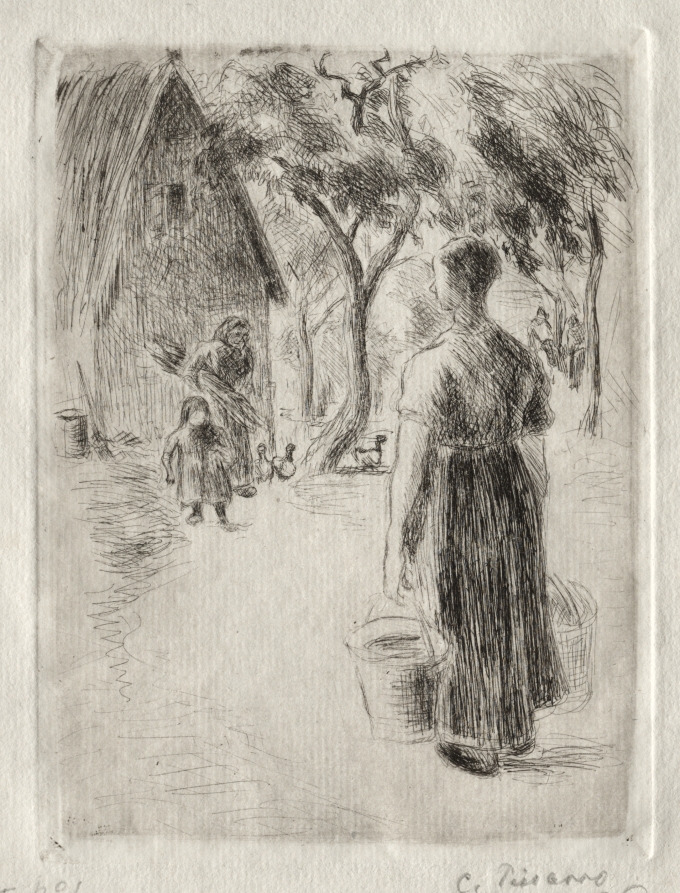
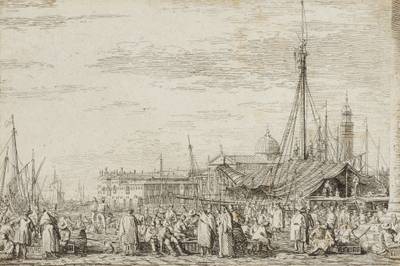
At auction, market scenes perform most reliably when they carry clear geographic specificity, strong provenance, and an identifiable hand. Generically titled works attributed vaguely to a school tend to trade at significant discounts. The exception is when condition is exceptional and the attribution, even if secondary, is to a genuinely interesting workshop: the work on The Collection attributed to Giacomo Francesco Cipper, known as Il Todescini, is a useful example of how a solid attribution to a distinctive Northern Italian painter of humble life can hold value even without an autograph signature. Conversely, works by Camille Pissarro, whose market and peasant scenes are canonical documents of French Impressionism, continue to command serious prices at major international houses because the artist's place in the canon is simply not in question.
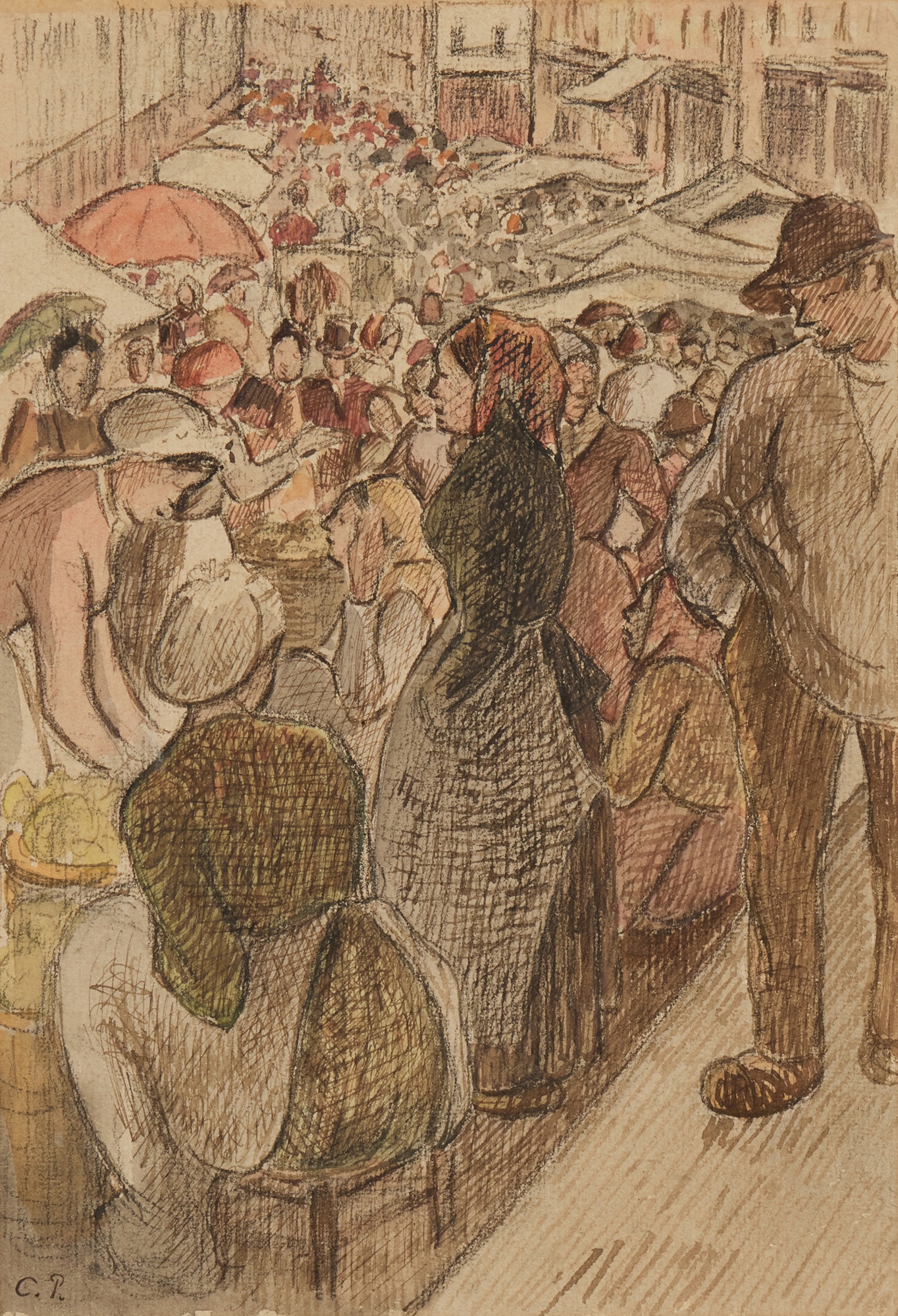
Camille Pissarro
Scène de marché
Practically speaking, collectors entering this category should pay close attention to condition in a way that goes beyond the standard checklist. Market scenes tend to be large, they were often exhibited early in their careers and therefore have varnish histories, and figurative works are particularly susceptible to damage in areas of fine detail, the hands, the faces, the still life elements that give a scene its life. Ask for full conservation reports and do not accept restoration described in vague terms. For works on paper, including the prints of Jean Émile Laboureur or Auguste Louis Lepère, ask specifically about impression quality and whether the work is printed on the full sheet.
Edition prints should come with documentation of edition size wherever possible. Finally, think carefully about display: these are social paintings that benefit from natural light and a degree of intimacy with the viewer. A market scene hung too high or too far away loses its essential character, that feeling that you are about to step into the crowd.