Mannequin
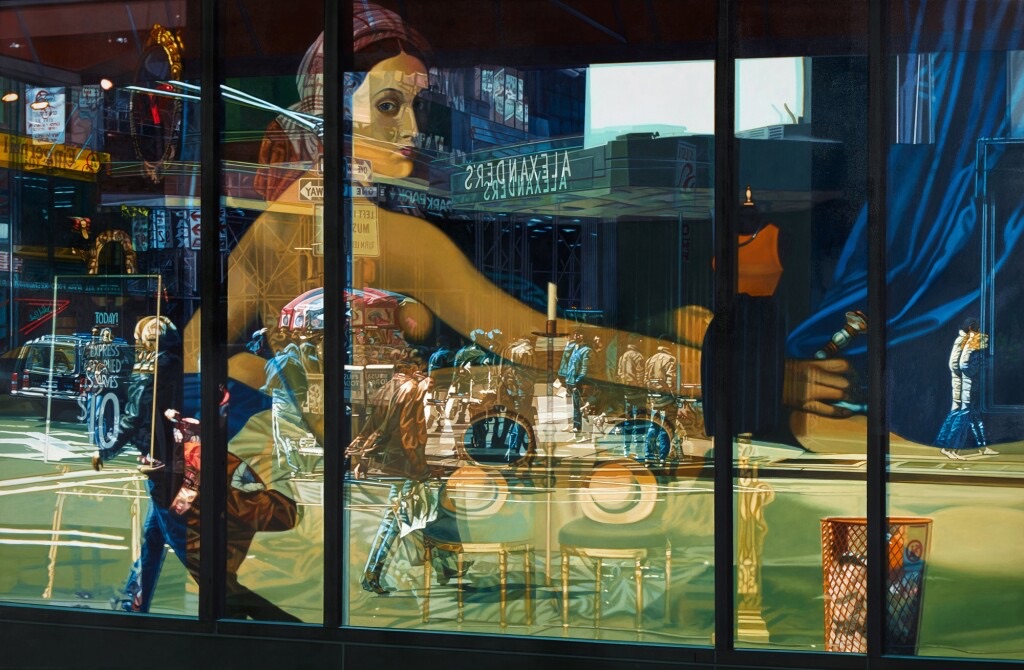
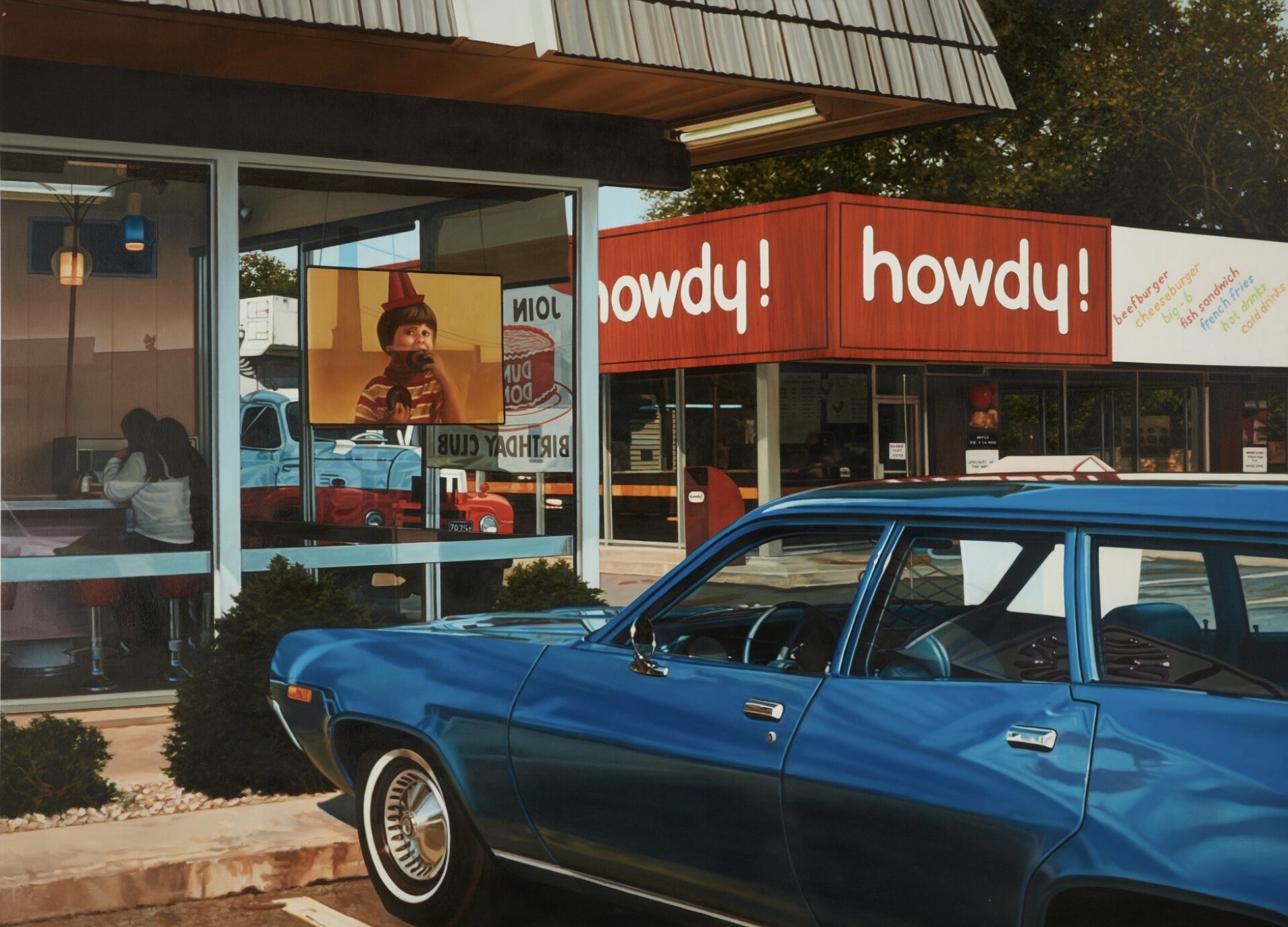
Tom Blackwell
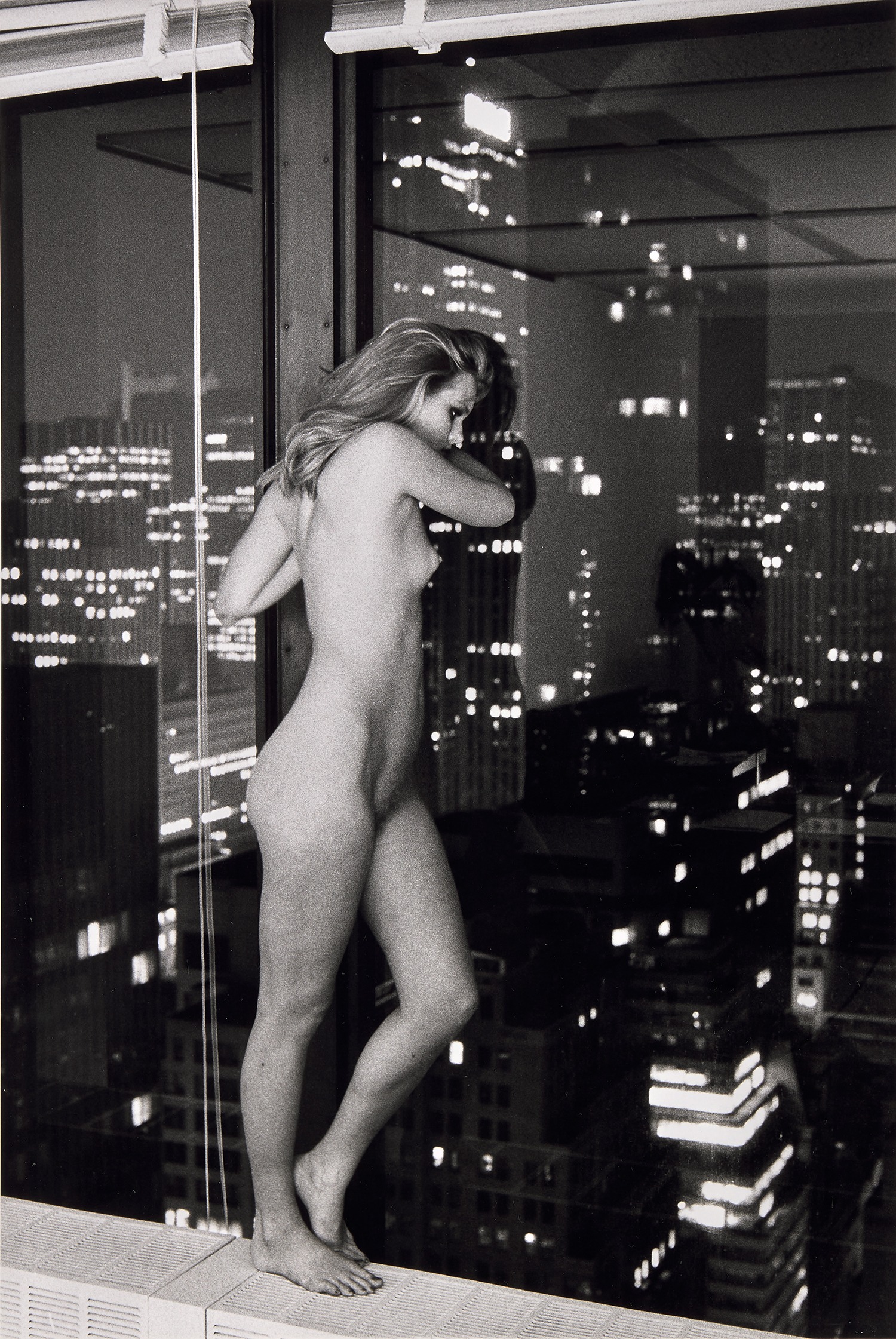
Odalisque Express, 1993
The Uncanny Body That Watches Back
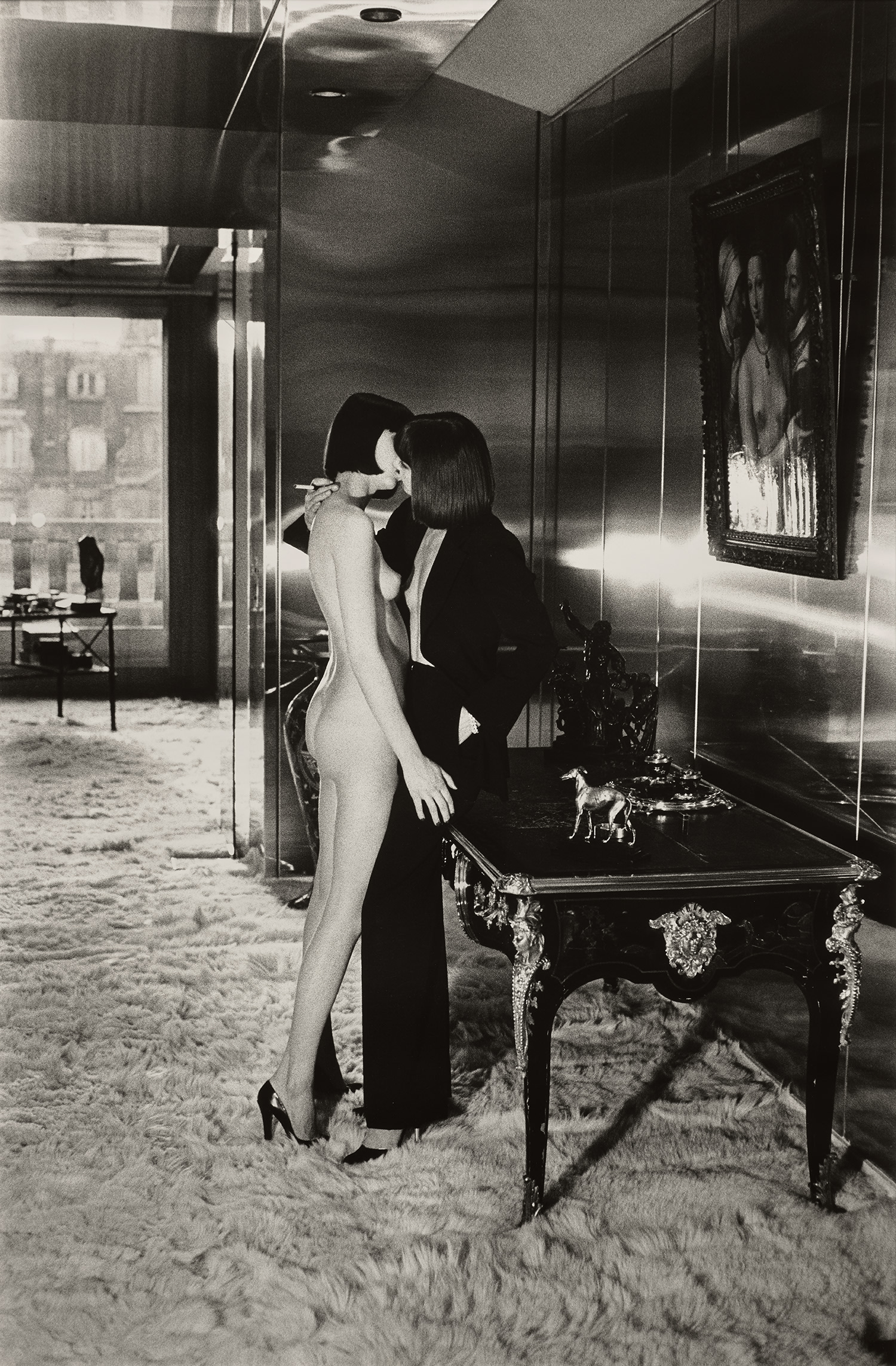
When Sotheby's offered a major Helmut Newton photograph in recent years featuring his signature sculptural nudes posed alongside shop window mannequins, the bidding told a story that went well beyond the photographer's established reputation. The work sold above estimate, and the room was attentive in that particular way it gets when something feels urgent rather than merely desirable. The mannequin, it turns out, is having a cultural moment, and the art market is paying close attention. The mannequin occupies a strange and privileged position in the history of modern and contemporary art.
It is neither human nor object, neither alive nor fully inanimate. It holds a pose without effort, endures without complaint, and reflects back whatever the viewer brings to it. That quality, simultaneously blank and loaded, has made it irresistible to artists working across photography, painting, and sculpture for over a century. What is striking today is how much critical and commercial energy has gathered around works that deploy the mannequin not as prop or novelty but as the primary vehicle of meaning.
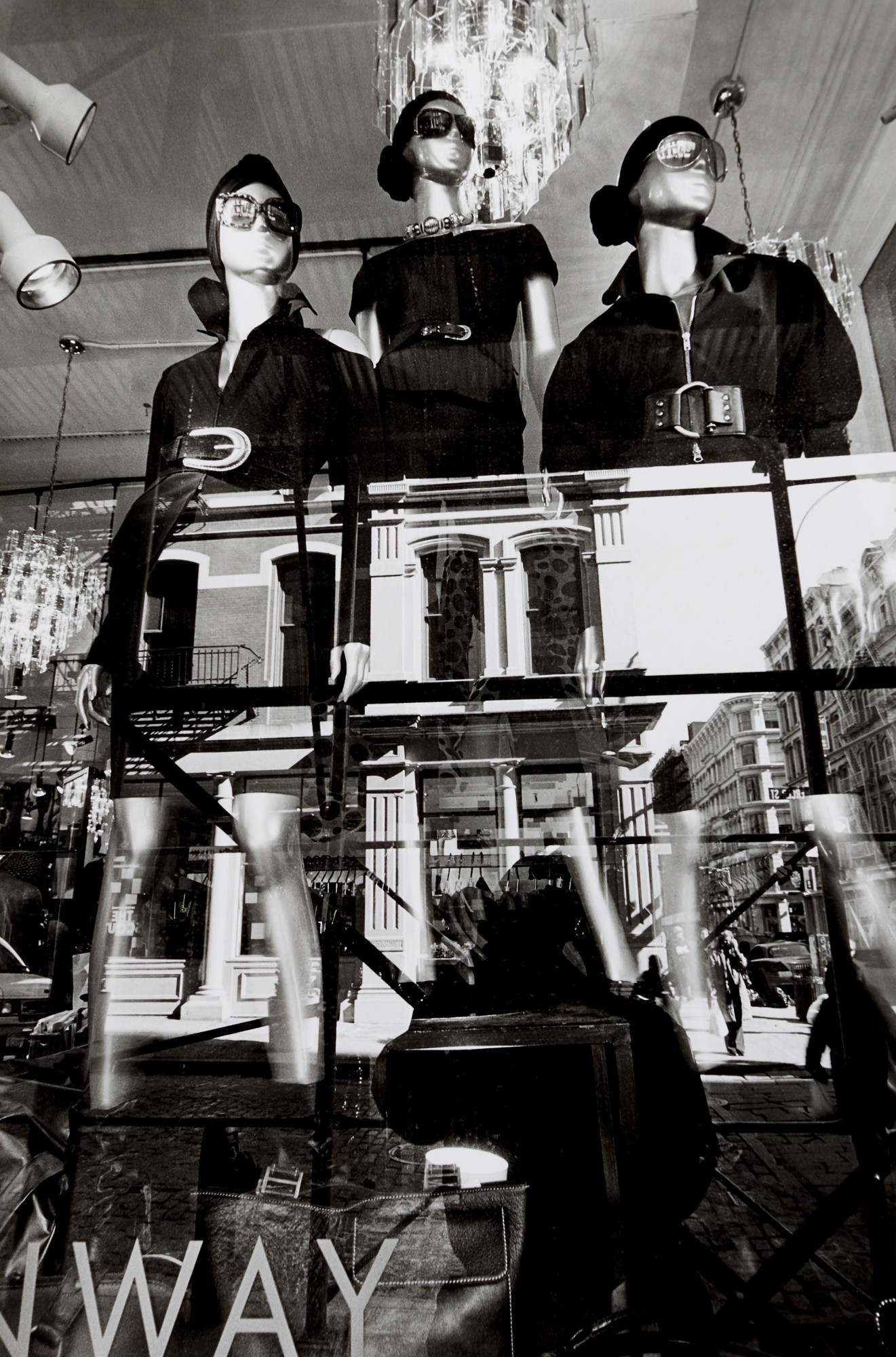
Lee Friedlander
Selected Images (from Mannequin)
The Photography Show presented by AIPAD in New York has in recent editions included gallery presentations of works by Lee Friedlander, whose decades long engagement with shop windows and their ghostly reflections placed the mannequin at the center of a very American kind of alienation. Friedlander's window photographs are not about commerce. They are about the uncanny doubling of the self, the way a reflected face merges with a dressed dummy to produce something neither fully real nor fully fabricated. Institutions including the Museum of Modern Art and the San Francisco Museum of Modern Art hold significant bodies of his work, and curators have increasingly returned to his window series when thinking about how photography negotiates the boundary between subject and surface.
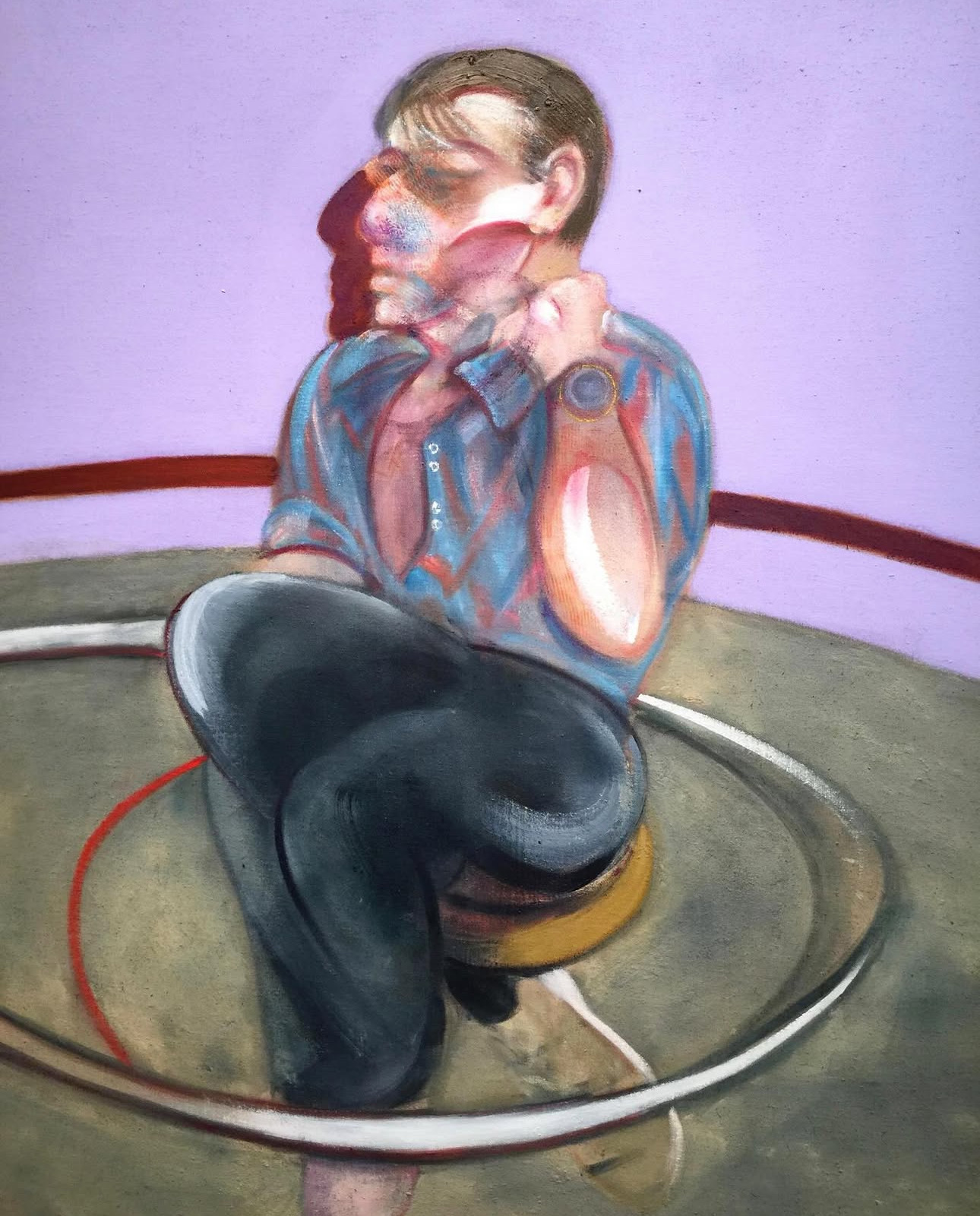
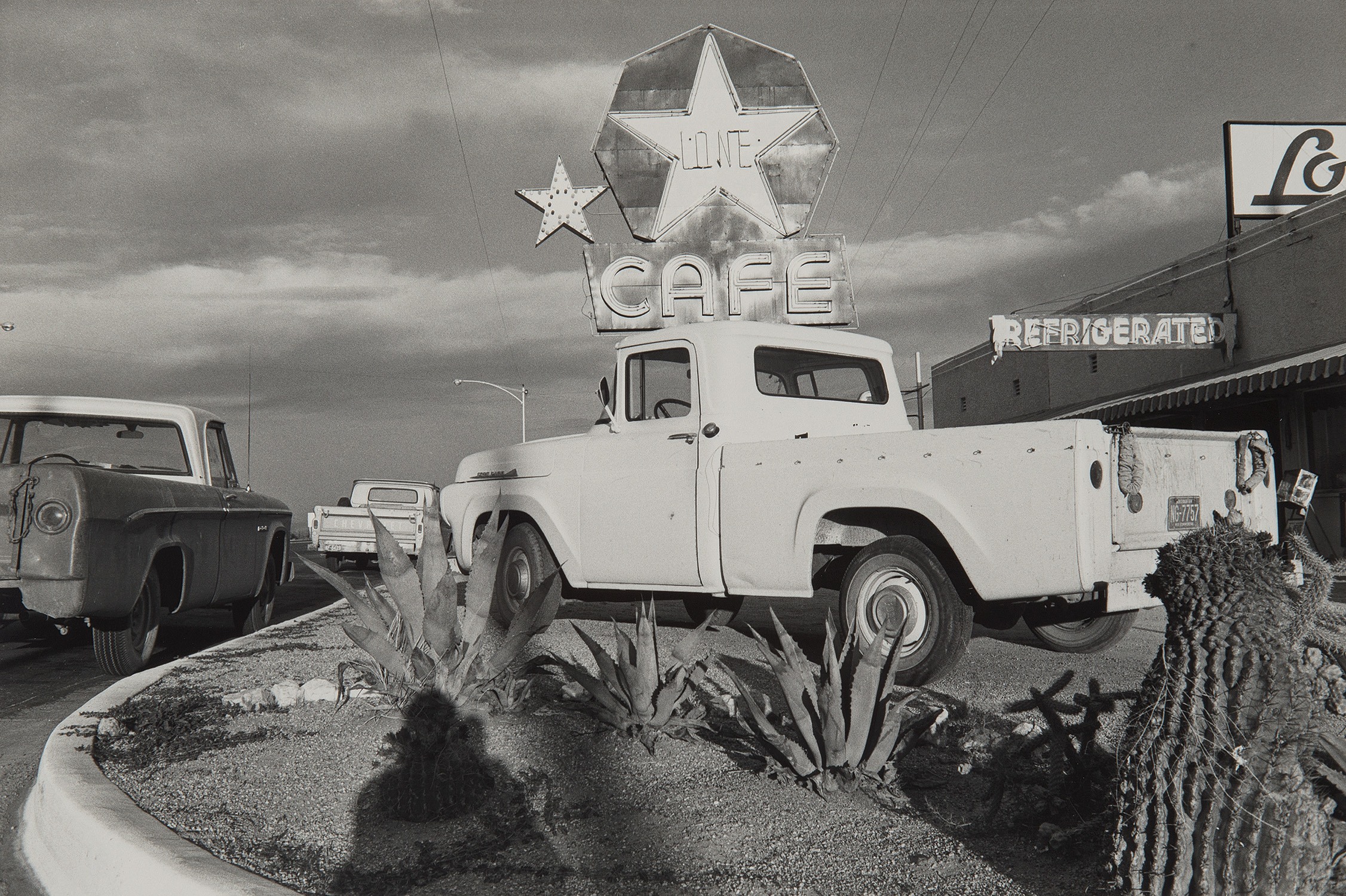
In painting, the market for photorealist works has remained remarkably resilient, and Tom Blackwell, whose hyperrealist canvases often place reflective surfaces and displayed objects in dialogue with the human figure, represents a strand of American painting that collectors have quietly championed for decades. His works command serious attention at auction, particularly among collectors who understand that photorealism at its best is not about mimicry but about the philosophy of seeing. The mannequin in photorealist painting raises questions that pure abstraction cannot: what does it mean to paint something that already simulates a body, and what does the viewer do with that compounded artifice. The major institutional conversation around the mannequin as artistic subject has been shaped significantly by exhibitions engaging with surrealism and its aftermath.
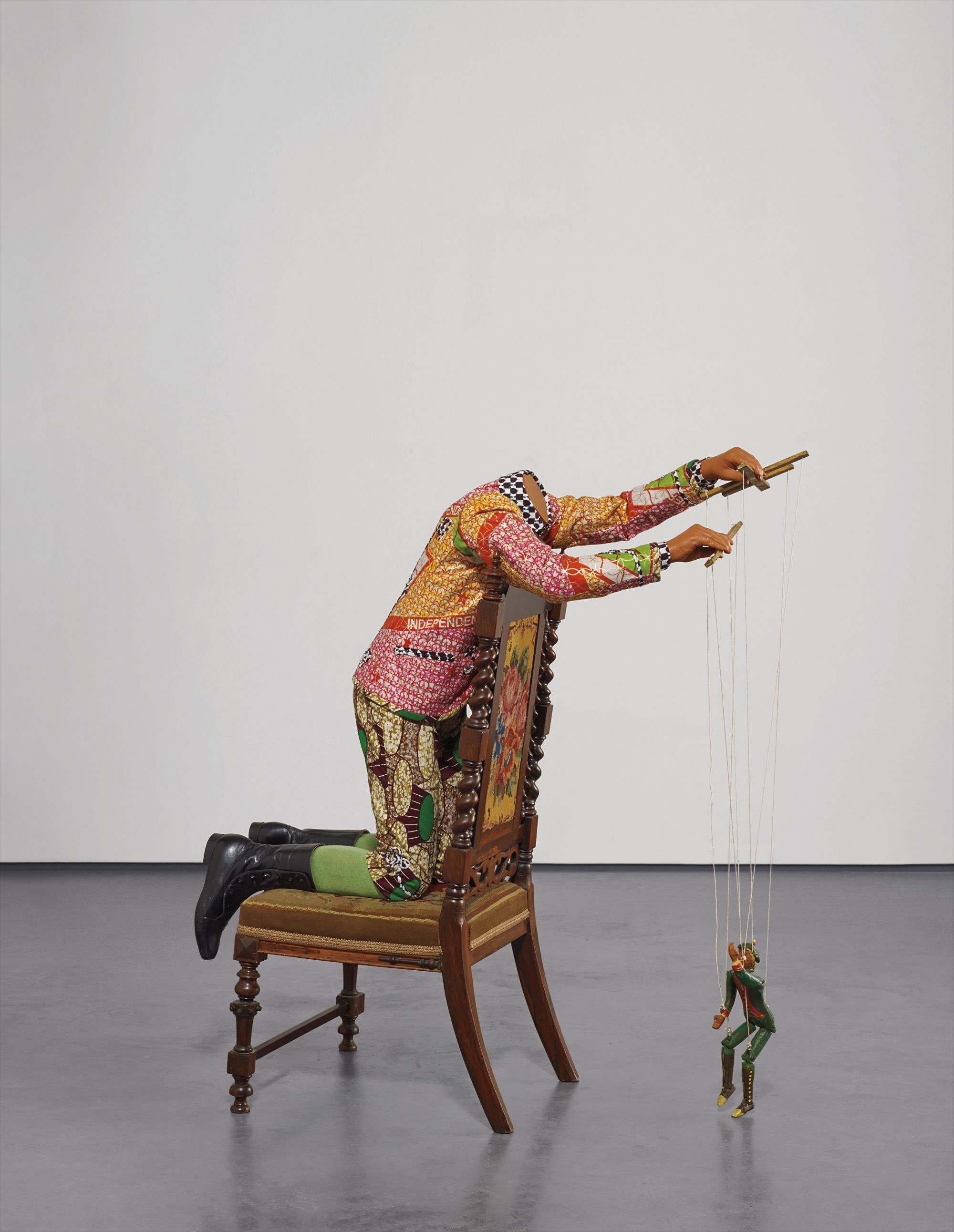
Yinka Shonibare CBE RA
Boy with Marionette
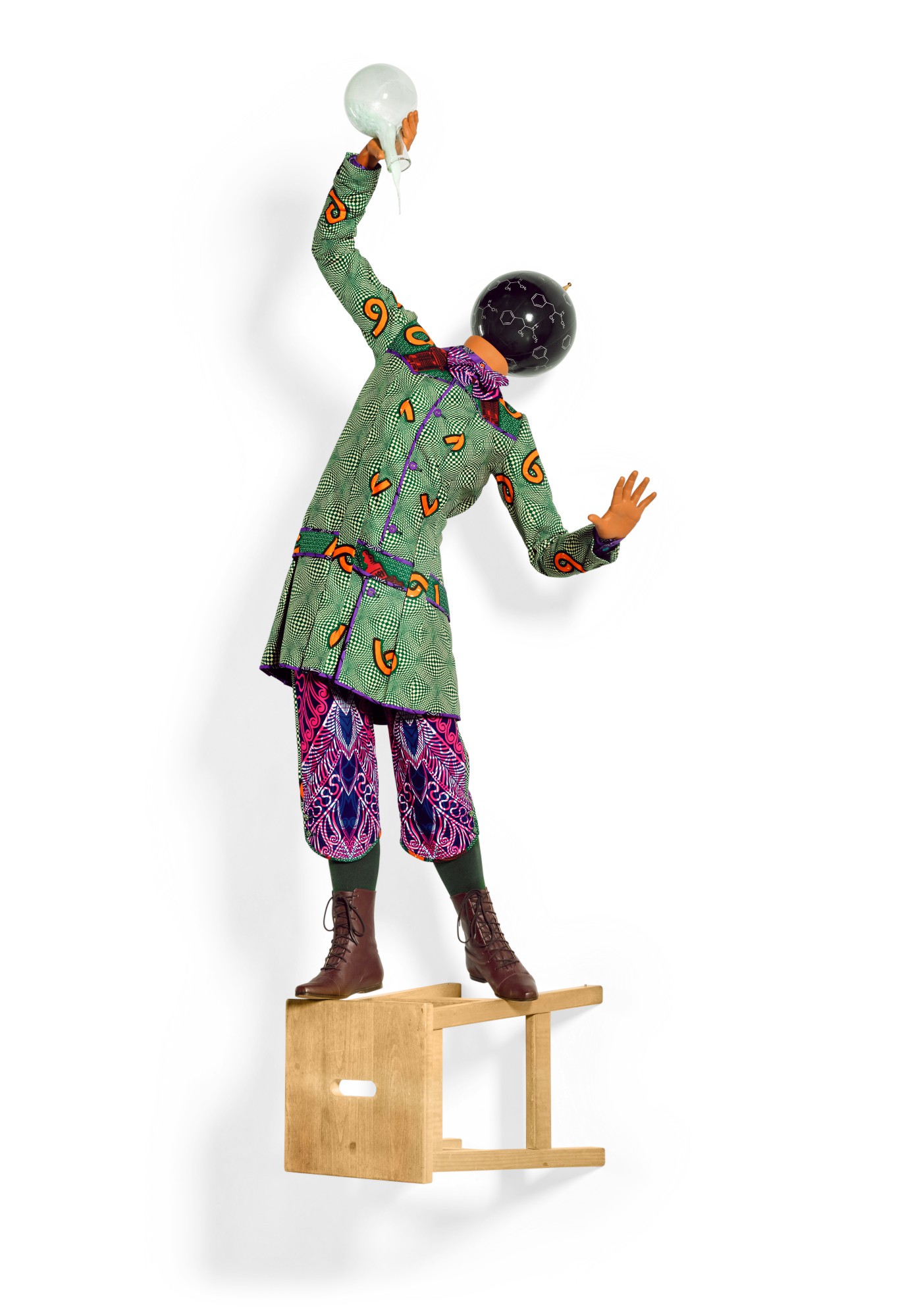
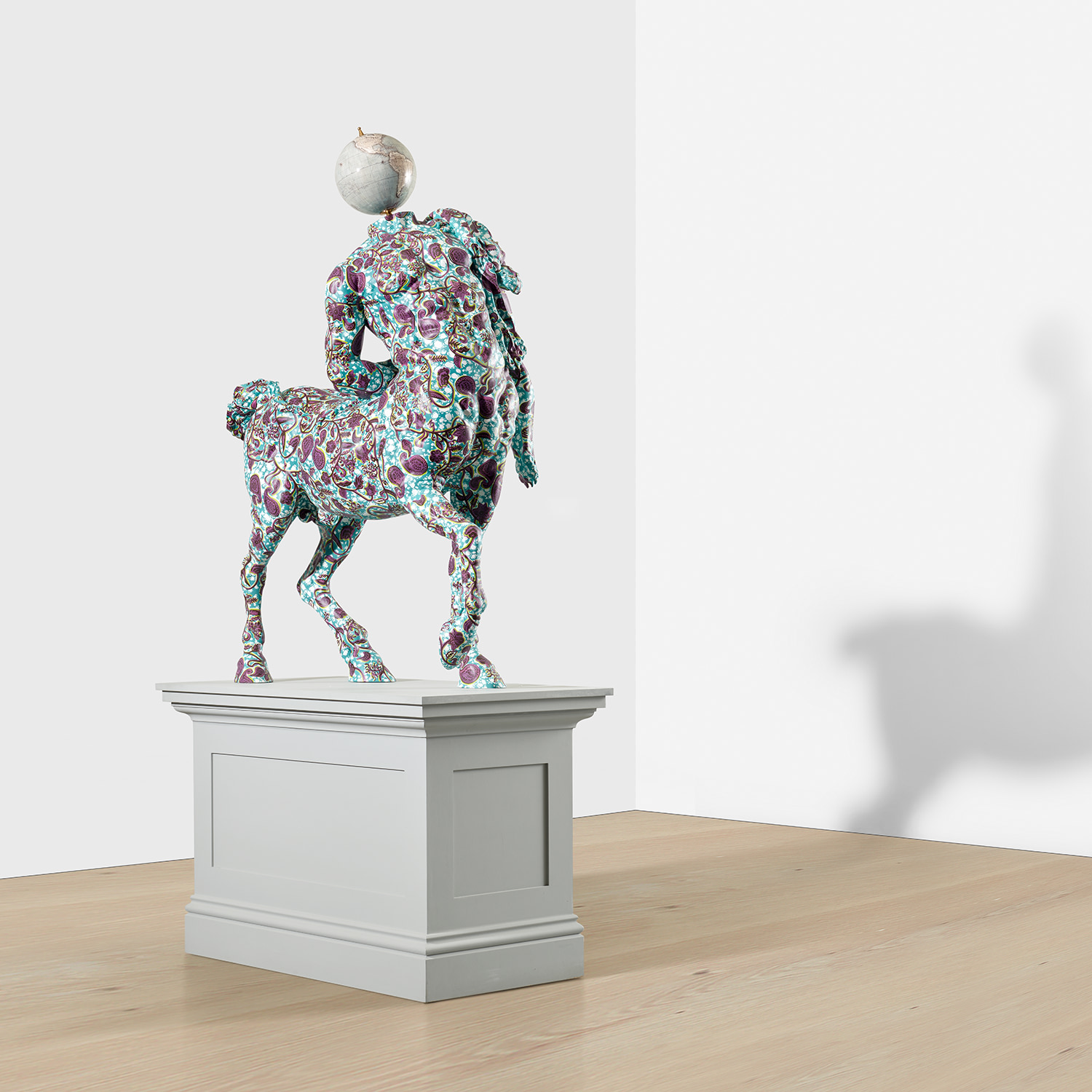
The Centre Pompidou's sustained attention to surrealist objects and the body, and Tate Modern's various explorations of the figure in twentieth century art, have consistently returned to the moment in 1938 when Salvador Dali, Marcel Duchamp, and others transformed the Galerie des Beaux Arts in Paris into a space populated by dressed and altered mannequins. That exhibition is now understood as a pivotal event, and its influence echoes through contemporary practice in ways that feel newly relevant rather than historical. Yinka Shonibare CBE RA brings a postcolonial and deeply political dimension to the mannequin tradition that has attracted enormous institutional support. His headless figures dressed in Dutch wax printed fabric, which carries its own layered history of colonial trade and African identity, have entered collections including the Victoria and Albert Museum, the Museum of Modern Art, and the Tate.
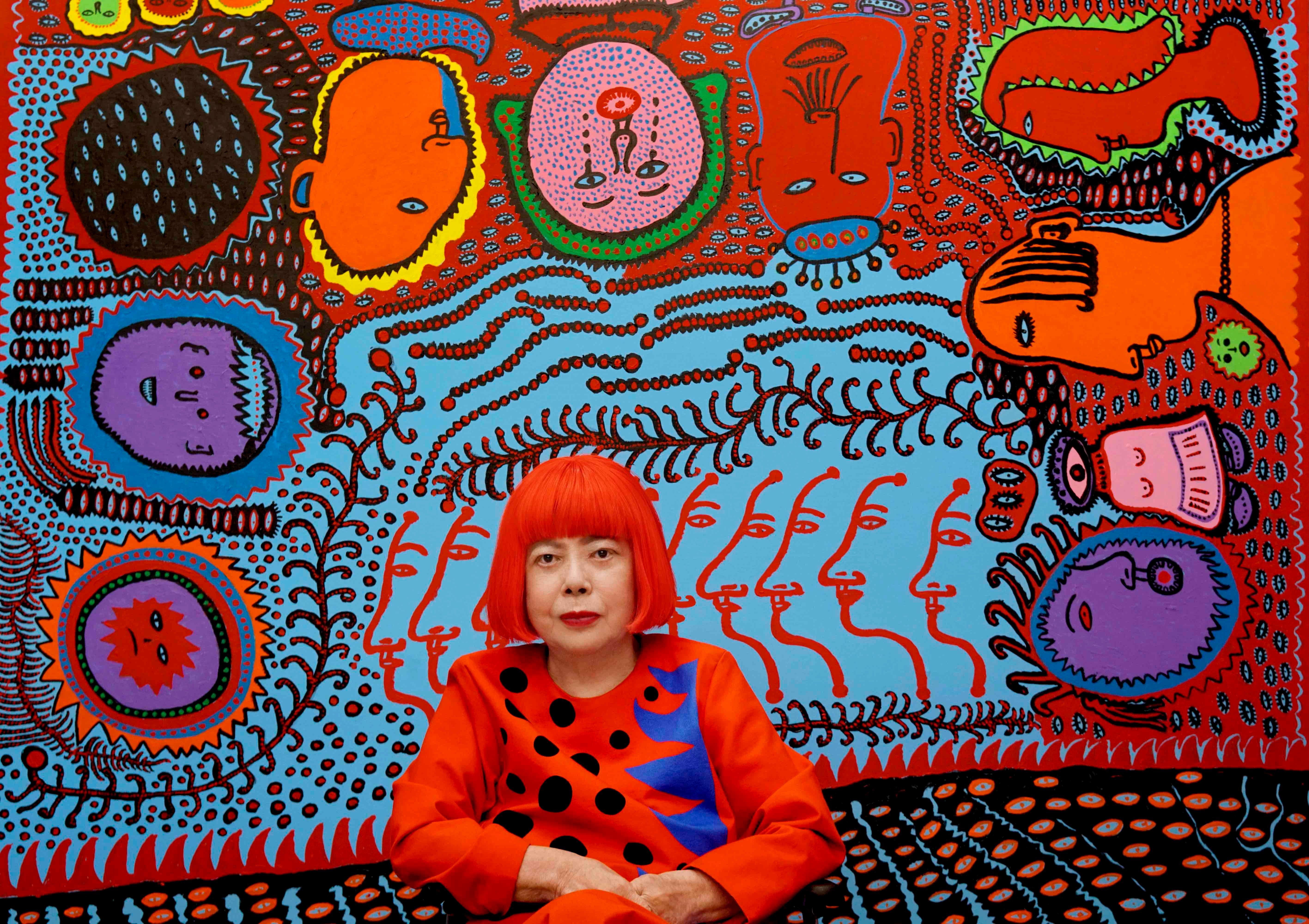
When the Smithsonian National Museum of African American History and Culture engaged with his work, it signaled how the mannequin in Shonibare's hands becomes a site for rethinking whose body is displayed, who dresses it, and whose history it carries. The market has responded accordingly, with major works regularly surpassing seven figures at Christie's and Sotheby's. Yayoi Kusama's relationship to the body as object and the object as body runs through her entire practice, and her infinity rooms frequently incorporate figures and forms that blur the distinction between the human and the fabricated. Her market needs little introduction at this point.
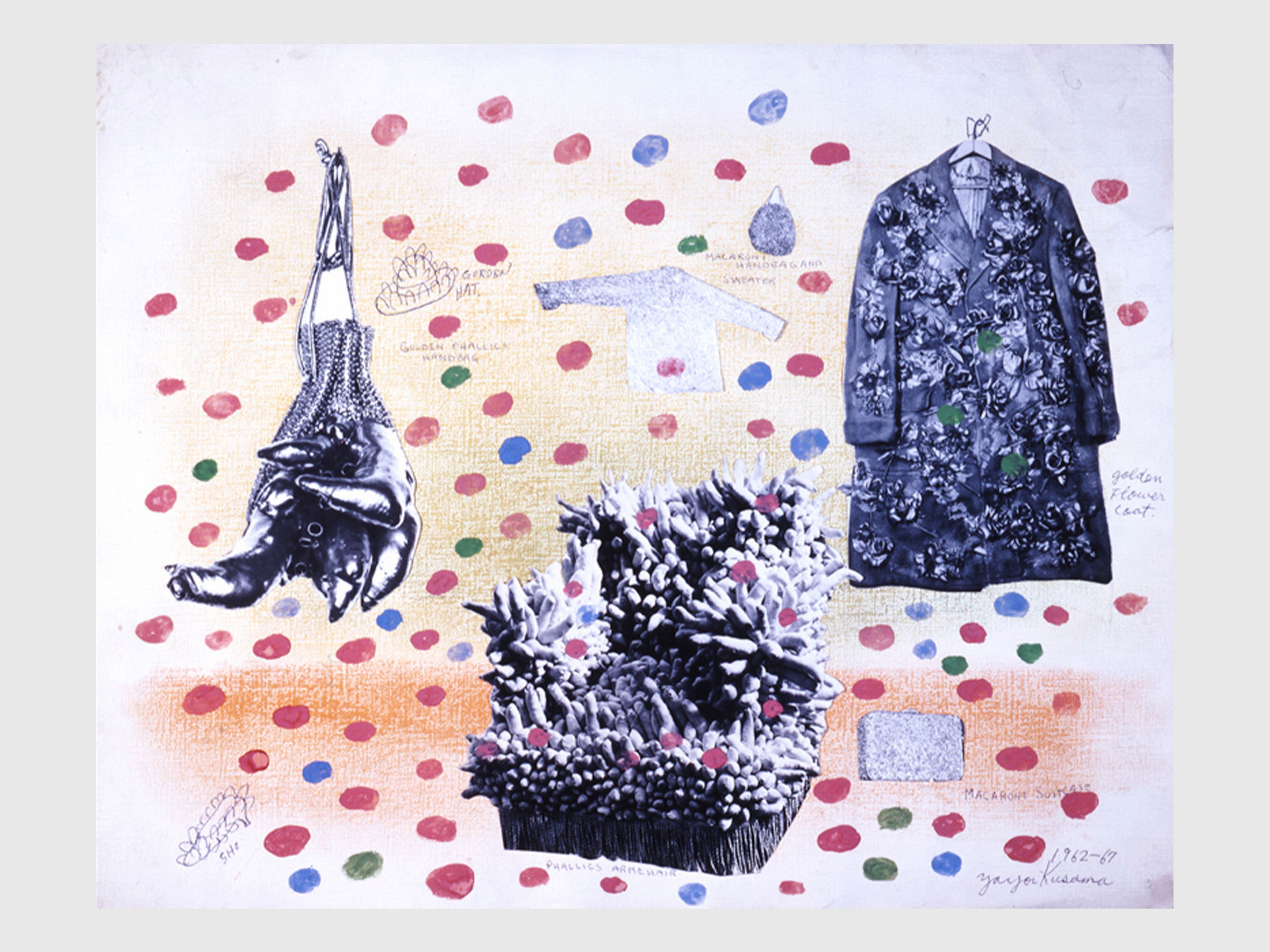
Yayoi Kusama
Self Obliteration
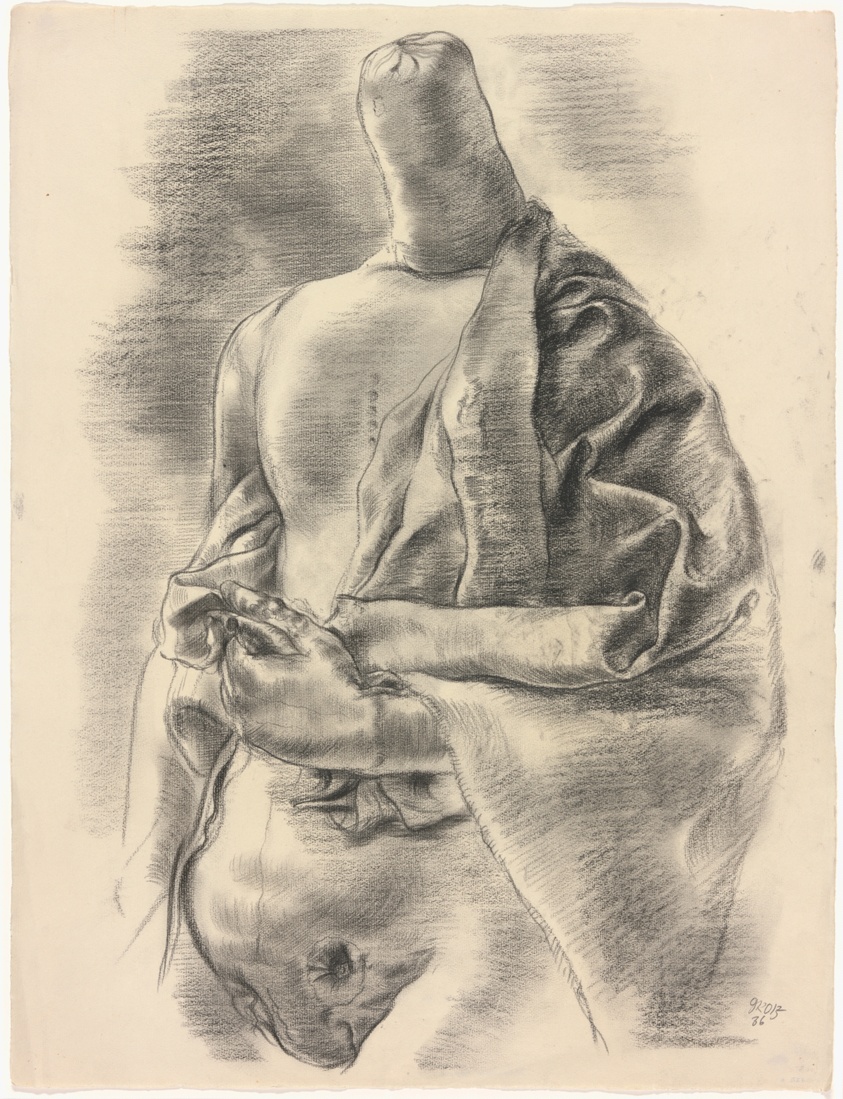
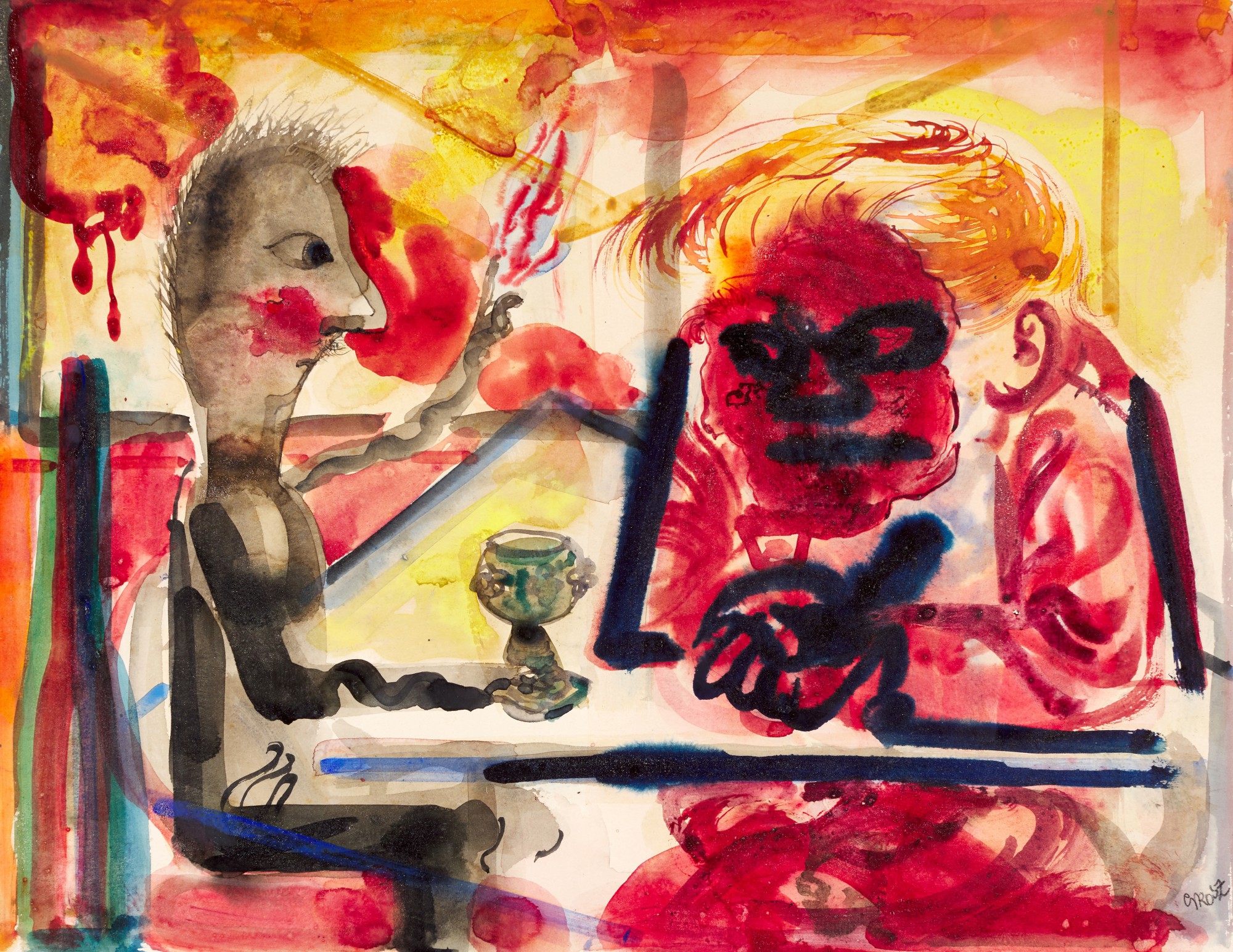
Works on paper and canvas regularly achieve extraordinary results, and the institutional appetite shows no sign of cooling. The Hirshhorn retrospective and her ongoing relationship with the Tate and Pompidou have cemented a critical position that was always deserved but is now fully acknowledged by the market. George Grosz offers a darker angle on all of this. His Weimar era paintings and drawings populated with hollow men, mechanical figures, and bodies reduced to function anticipated by decades the philosophical questions that later artists would ask about the manufactured self.
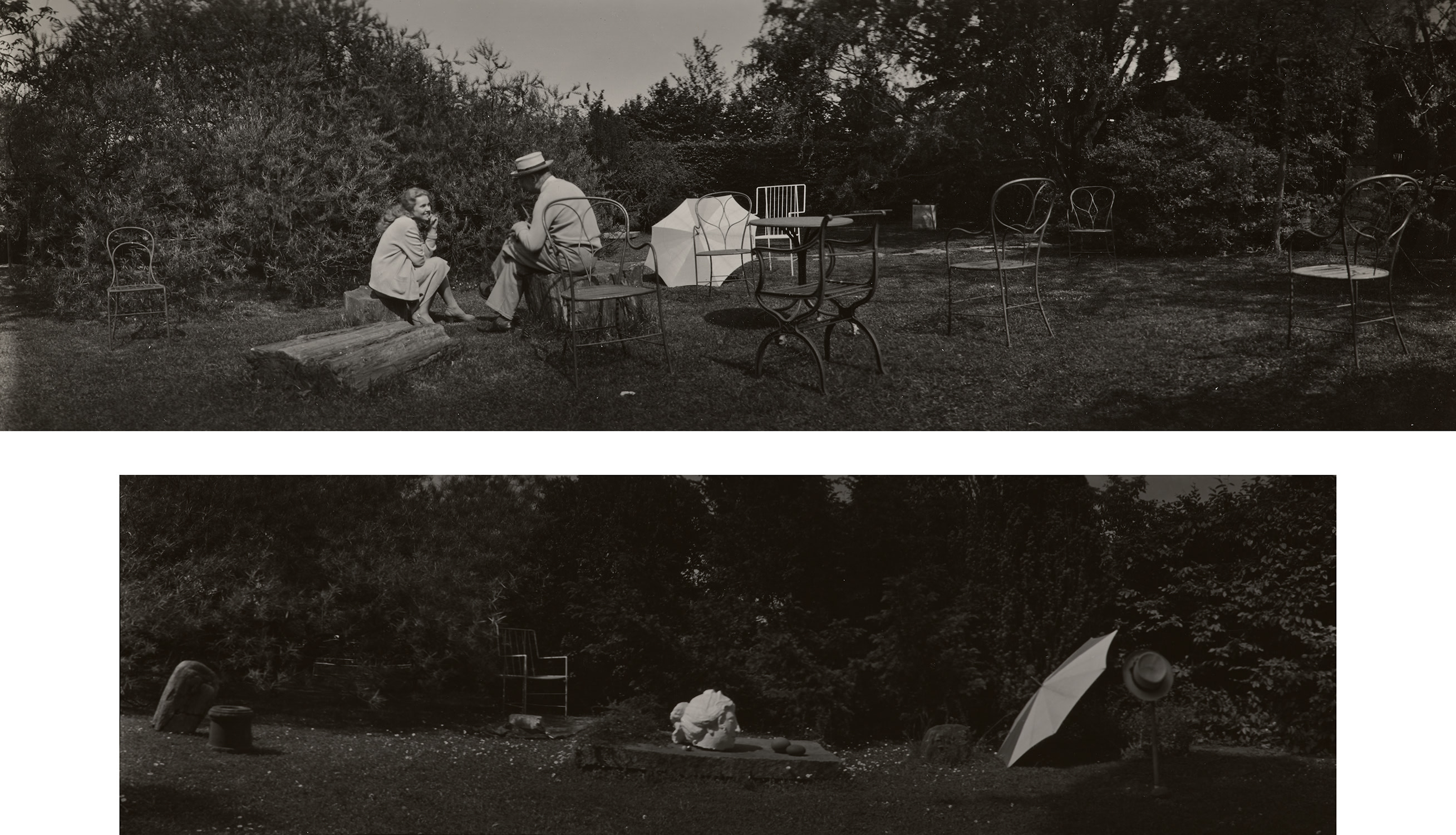
The Neue Galerie in New York has done important work in keeping Grosz and his circle in critical focus, and works that once seemed like period documents now read as remarkably prescient. The collectors who have quietly built holdings in this area are finding that institutional scholarship is catching up to their instincts. Josef Sudek's quieter and more meditative engagement with objects, windows, and reflective surfaces in mid twentieth century Prague belongs to the same conversation, though his place in the mannequin lineage is less obvious. His windows suggest an interior world pressing against glass, a sensibility that resonates with how contemporary artists think about display, desire, and withholding.
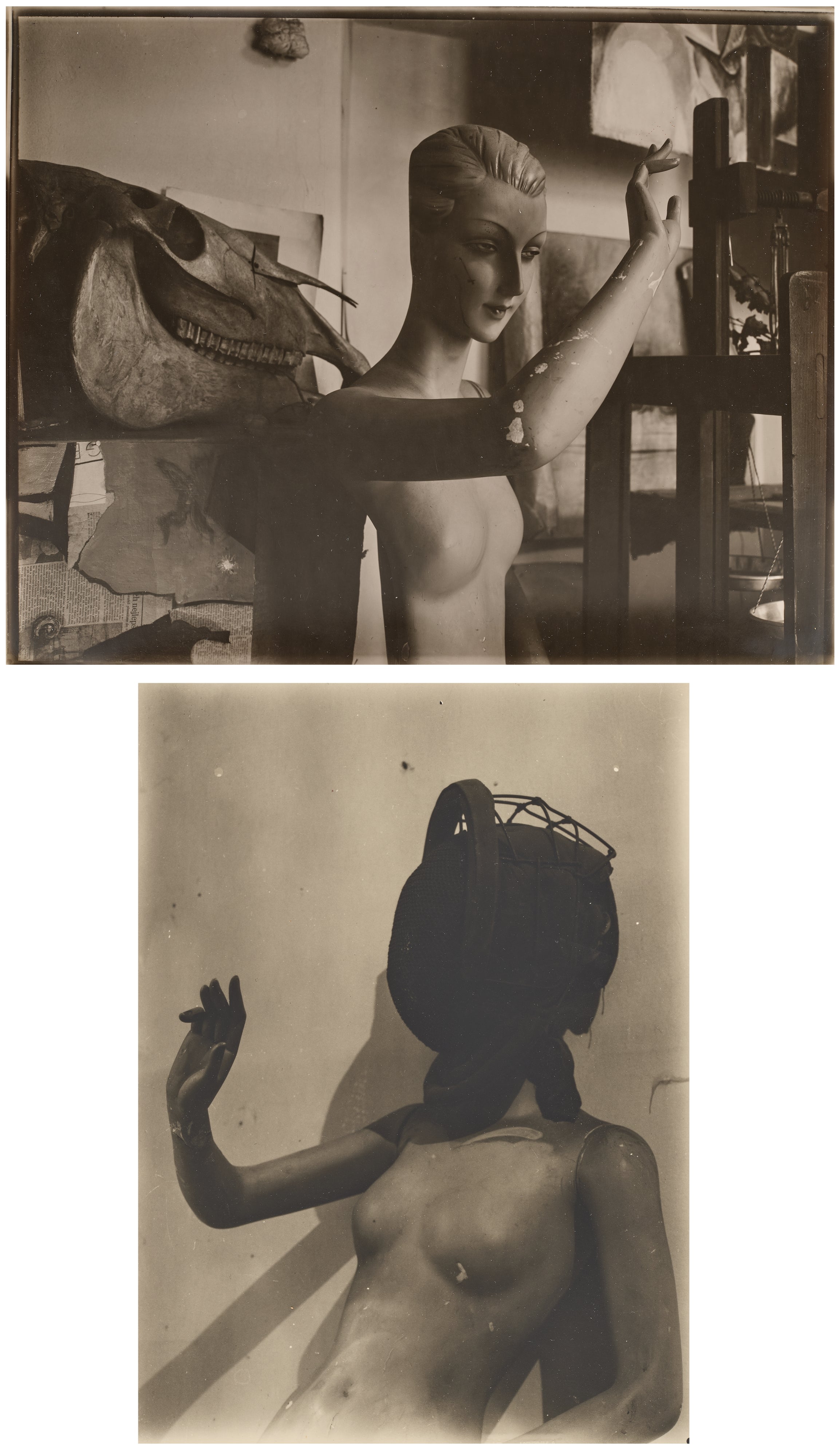
Josef Sudek
Selected Images of Mannequins
The Josef Sudek Studio in Prague has worked to internationalize his reputation, and European and American collectors have taken note. What feels alive right now in this space is the intersection of identity politics and the history of display. Curators at institutions from the Whitney to the Serpentine are asking who the mannequin has historically represented, what bodies it has excluded, and how artists working today are reclaiming or subverting that tradition. The energy is not nostalgic.
It is pointed. The writers shaping this conversation include scholars working at the intersection of fashion theory and art history, and publications including Frieze, Artforum, and the Burlington Magazine have all run substantial pieces in recent years on the politics of the displayed body. For collectors, the mannequin as subject rewards sustained attention precisely because it sits at the crossroads of so many live debates. The works represented on The Collection across photography, painting, and sculpture offer multiple entry points into this conversation, from Newton's charged and glamorous ambiguity to Shonibare's political urgency to Friedlander's cool and democratic eye.
The figure that cannot speak has, paradoxically, never had more to say.