Layered
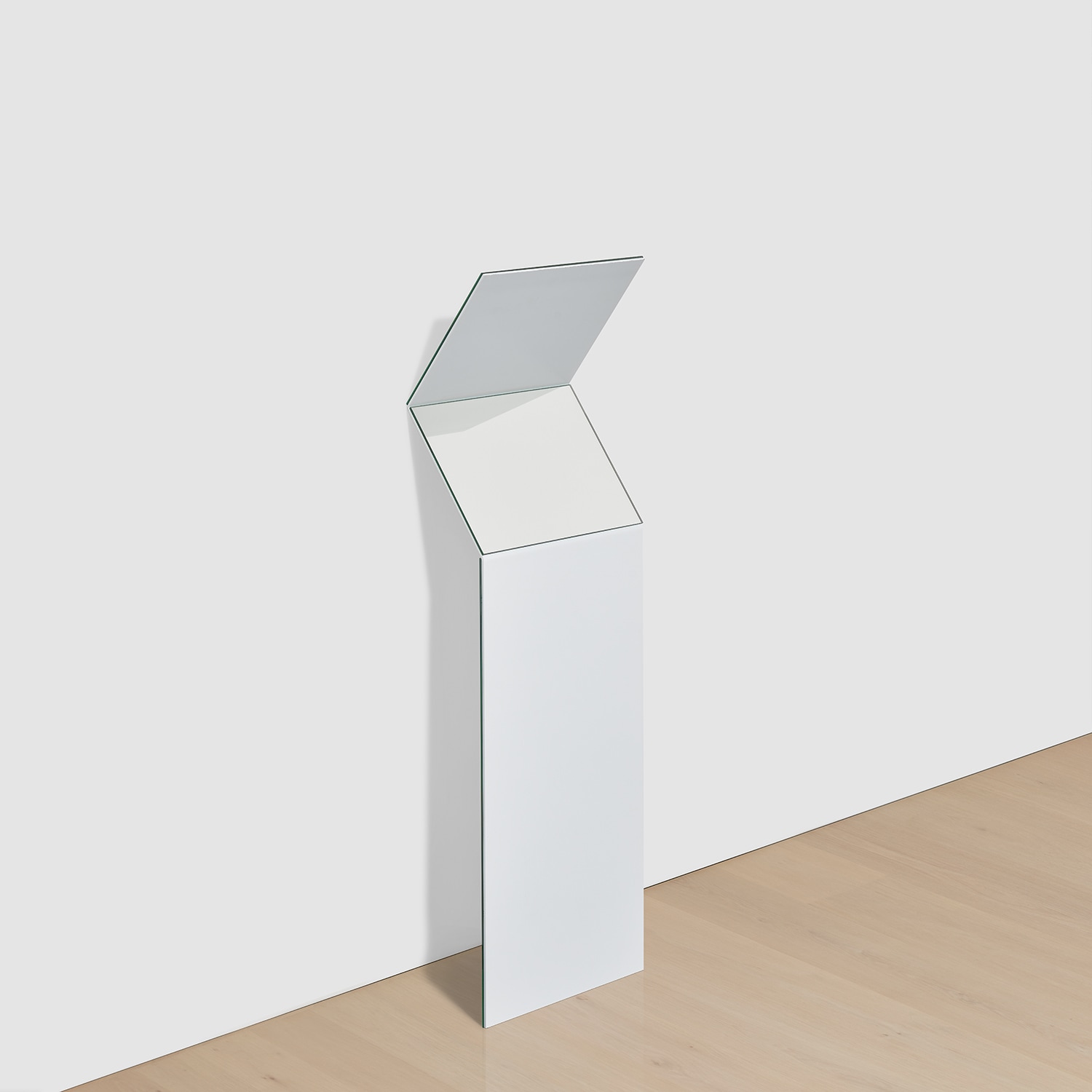
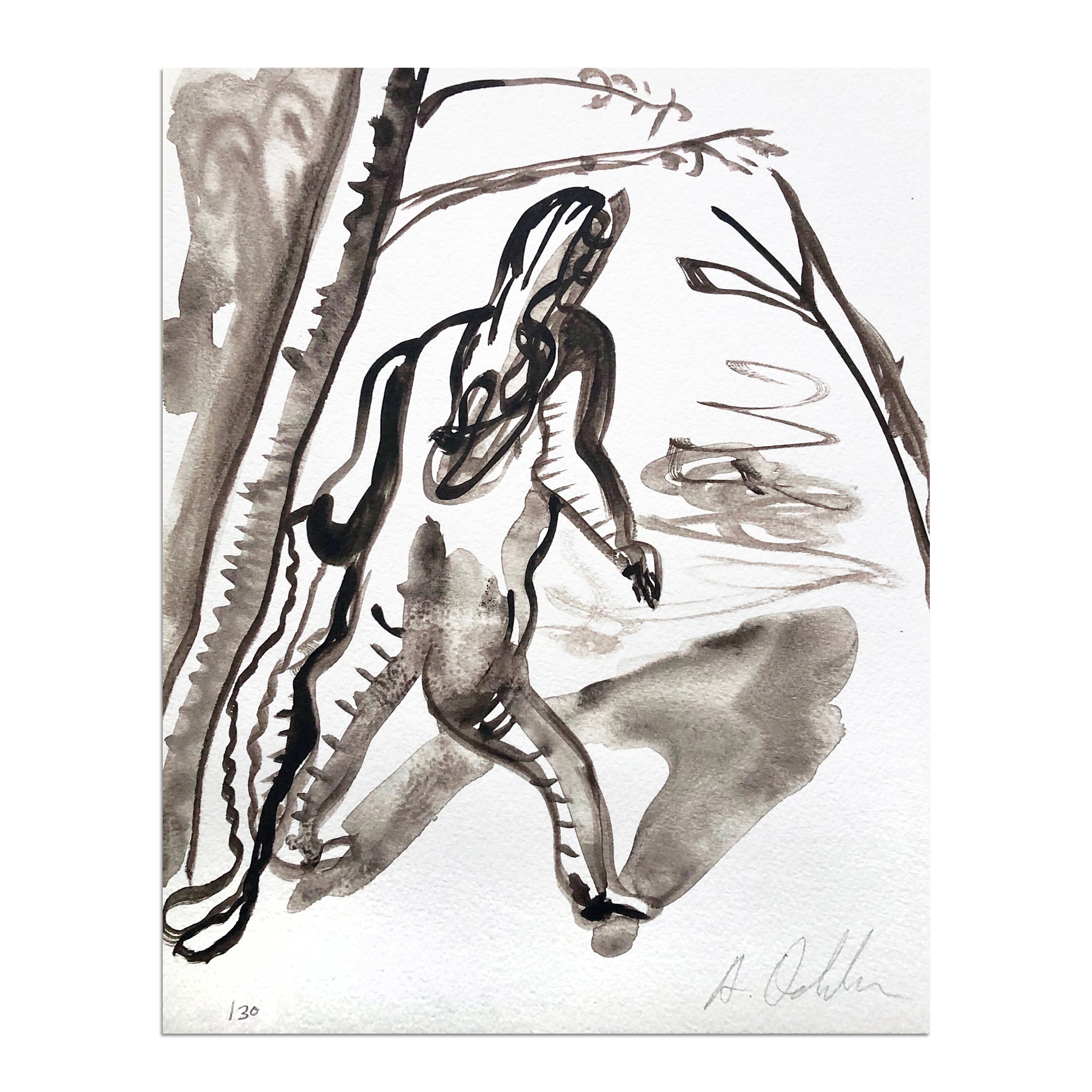
Nairy Baghramian
Everlasting layers … 1-7, 2008
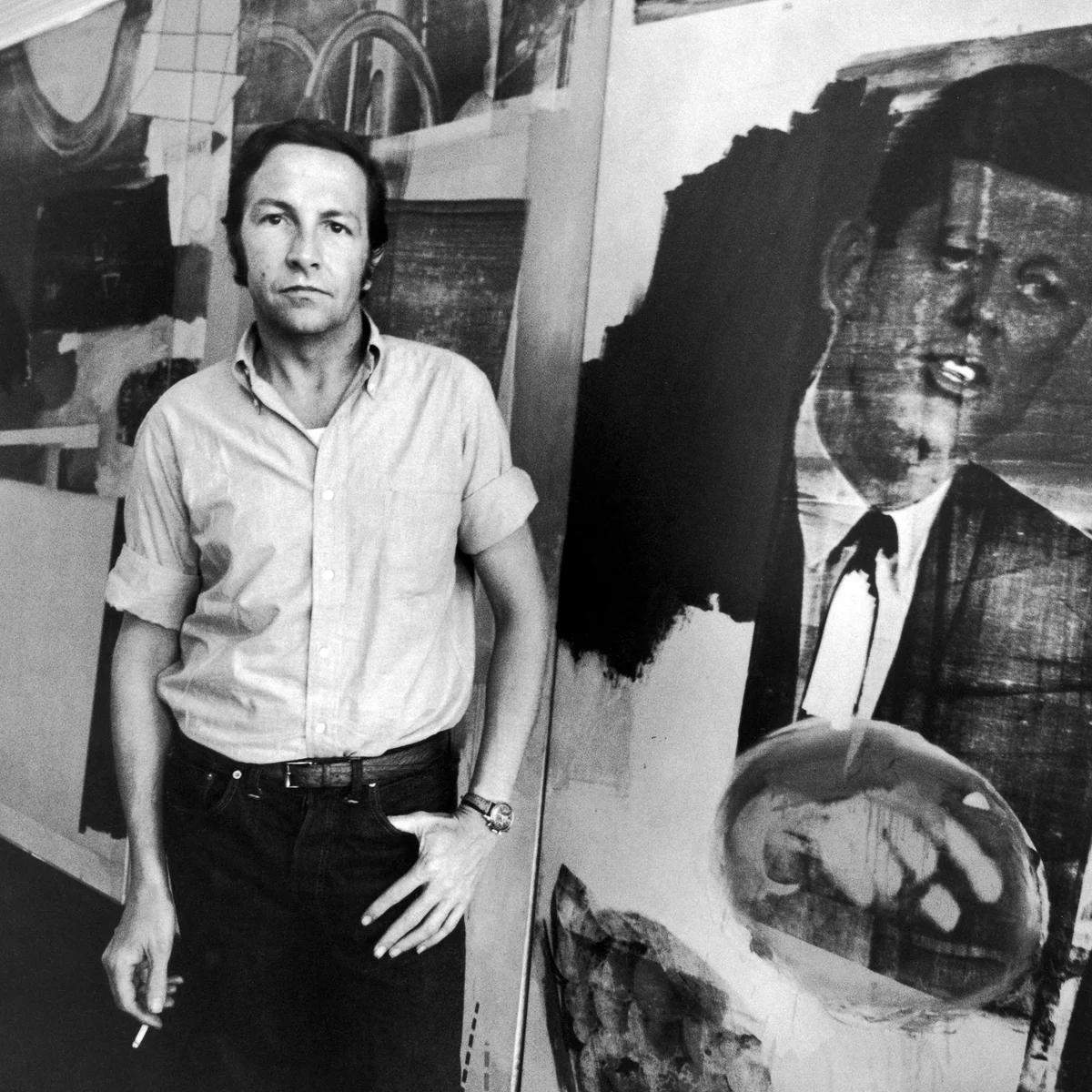
The Art of Accumulation: Why Layered Works Seduce
There is something almost confessional about a layered work. The surface you see is never the whole story, and collectors who are drawn to this category tend to know that. They are people who enjoy the idea that a painting continues to exist beneath itself, that meaning accumulates rather than announces, that living with a work is a process of slow discovery rather than immediate comprehension. This is not art that gives everything up on first meeting, and for a certain kind of collector, that quality is precisely the point.
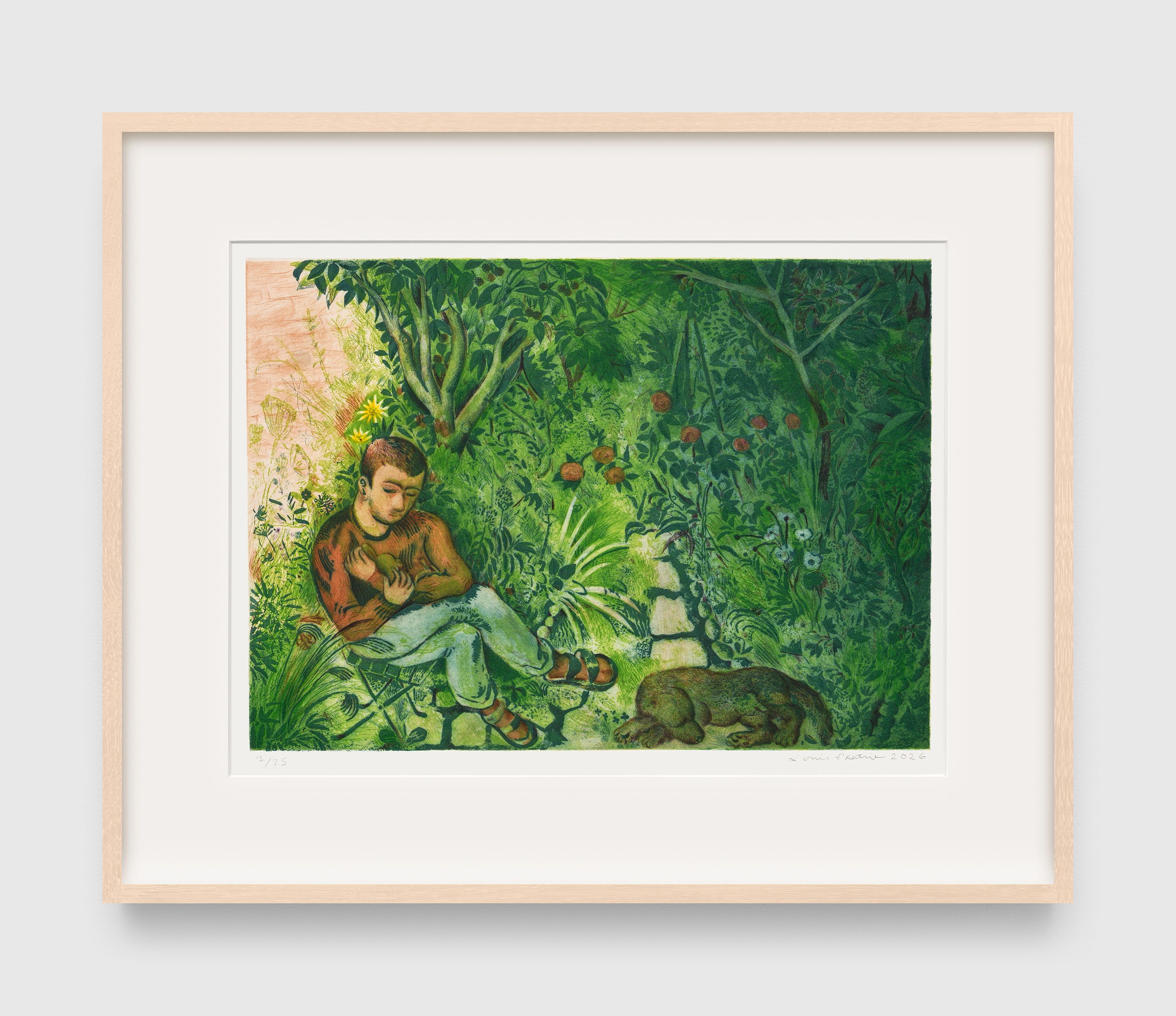
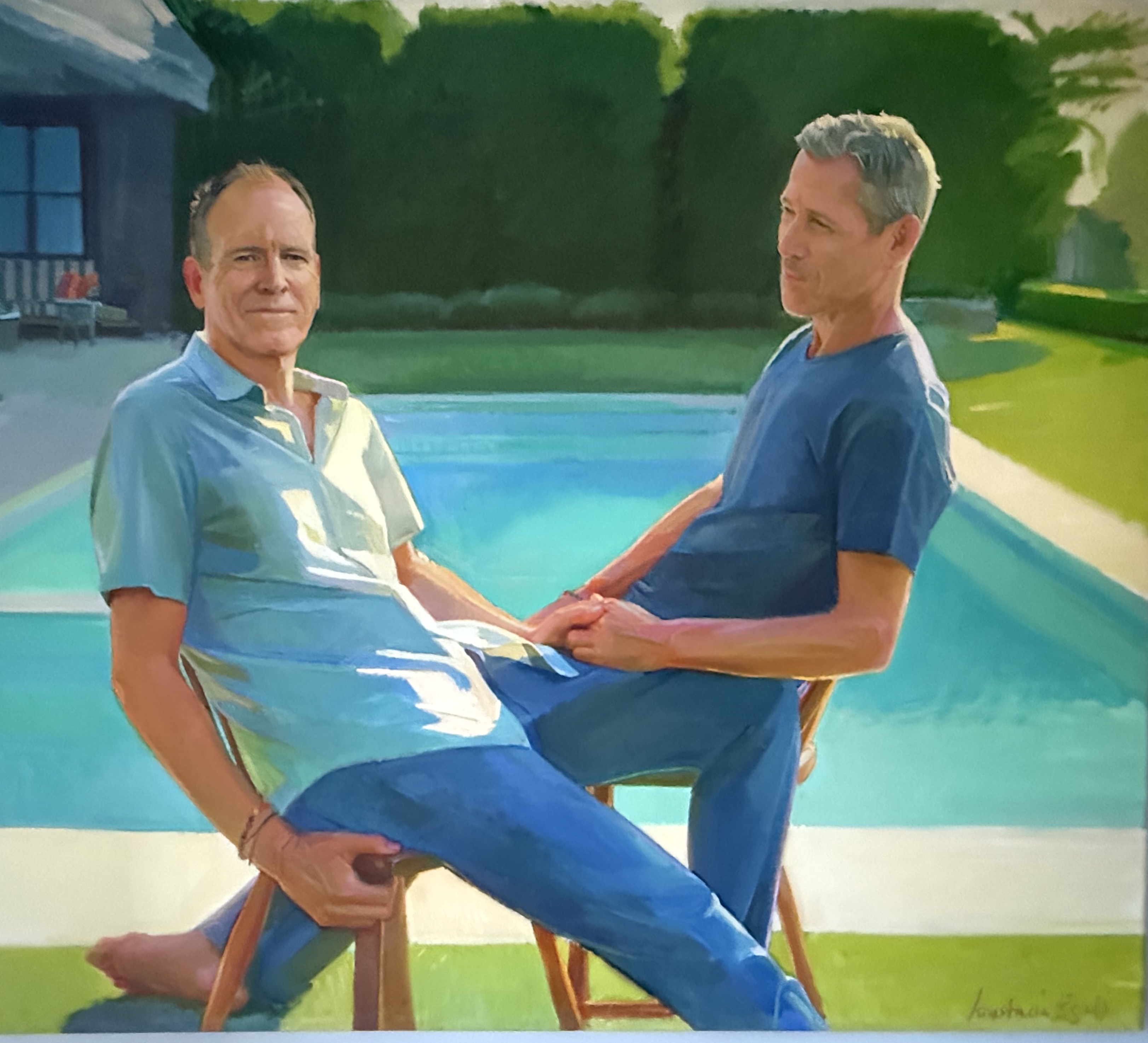
The appeal of layering as both process and philosophy runs deep in contemporary practice, and its pull on the market has only strengthened over the past two decades. Part of this comes down to the sheer visual richness that layered works offer in a domestic or institutional setting. A surface built up over months of working and reworking rewards sustained attention in a way that more declarative painting rarely does. Light changes across the day and the work changes with it.
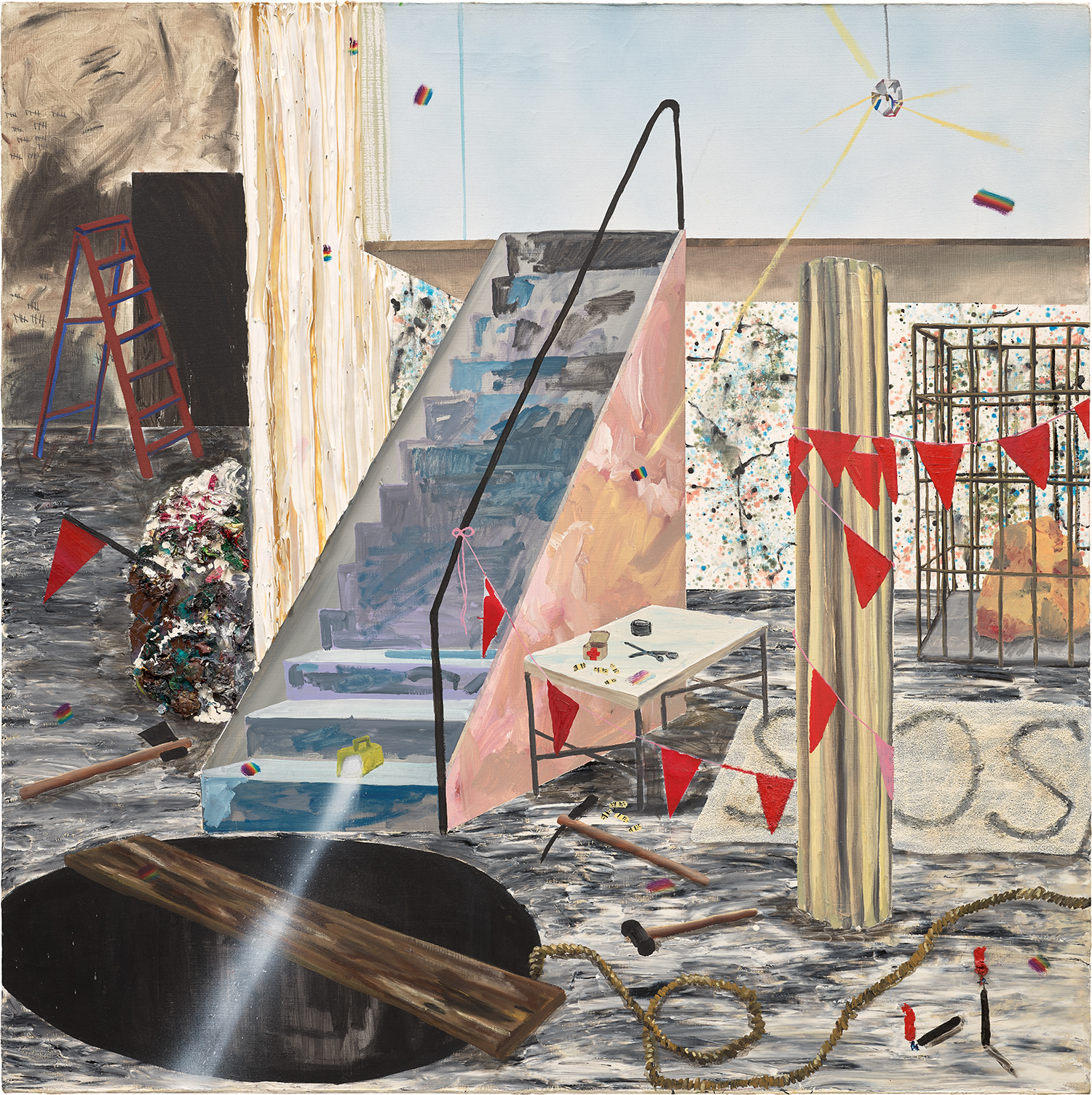
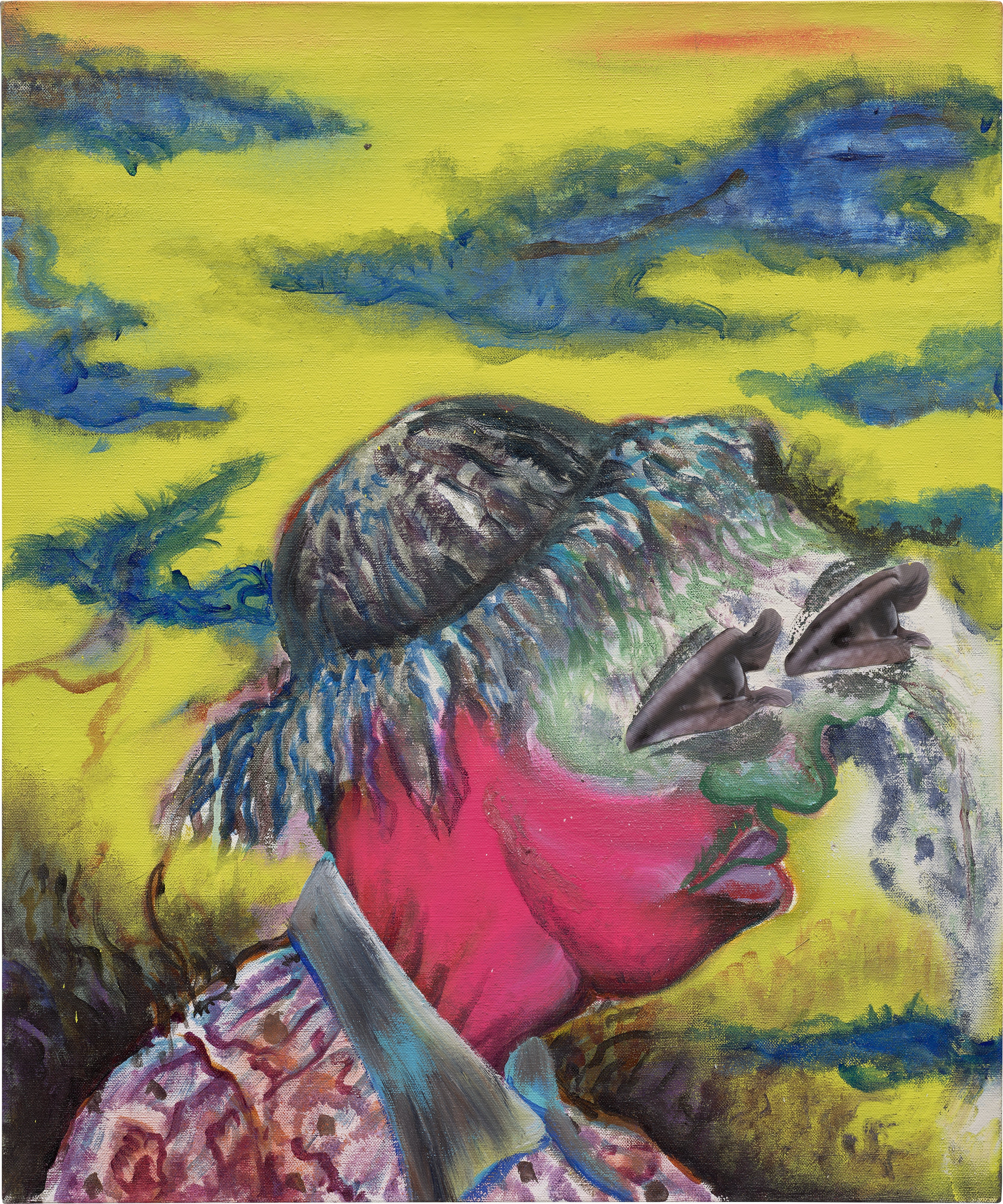
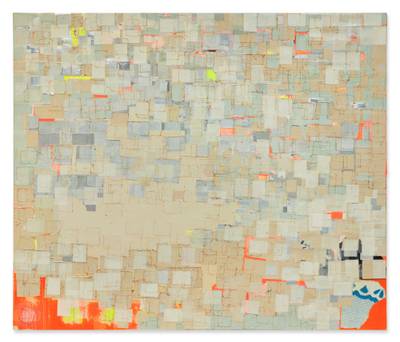
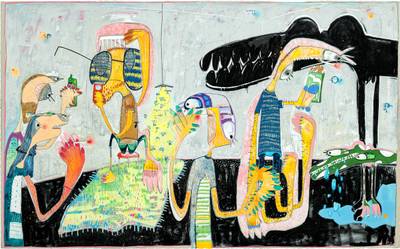
Shara Hughes
Red Flag, 2010
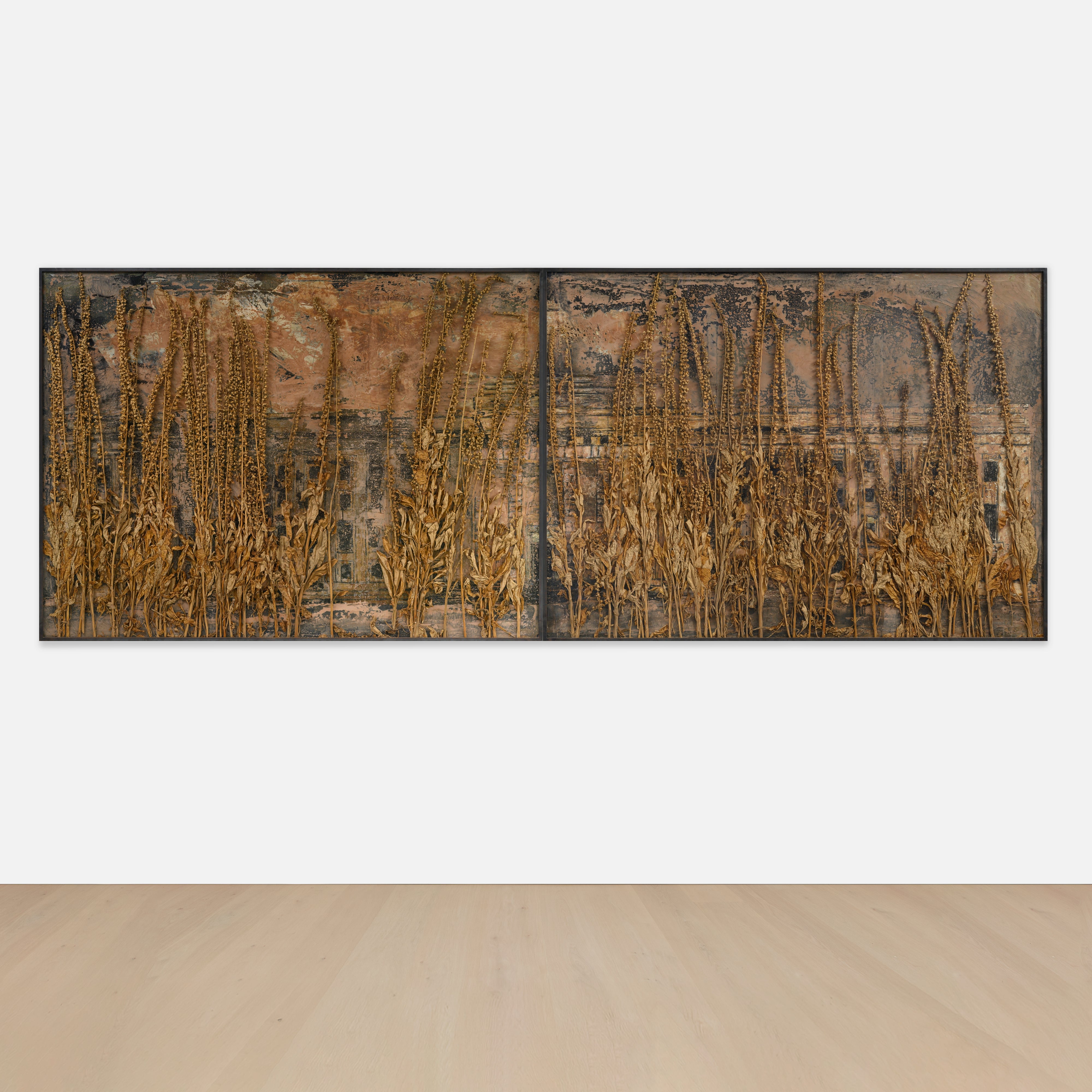
A painting by Anselm Kiefer, whose presence on The Collection speaks to enduring collector appetite, seems almost geological in its density, encaustic and straw and lead pressed into something that feels less like an object and more like a record of time. Knowing what separates a good layered work from a truly great one requires looking past surface texture into what the layering is actually doing. In the strongest examples, accumulation is not decorative but argumentative. Each layer qualifies or complicates the one beneath it, so the final surface carries a kind of compressed logic.
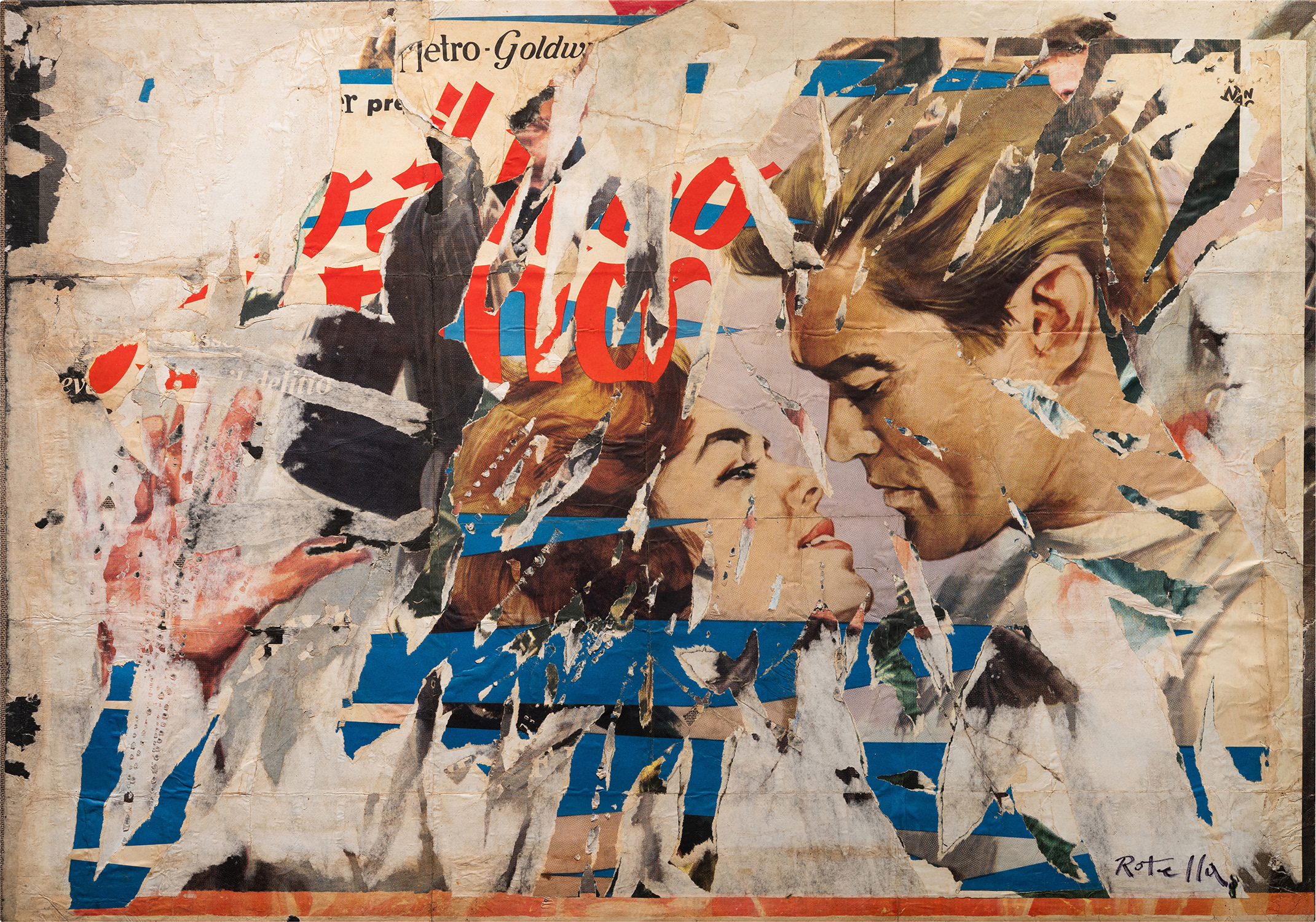
When you look at work by Mark Bradford, whose practice of building up and excavating through torn paper, commercial signage, and found material is represented extensively on The Collection, you are watching a conversation between exposure and burial. The work earns its density. Collectors should be wary of works where layering feels like embellishment, where texture is added for tactile interest rather than meaning. The test is whether the history of the surface matters to your reading of the image, or whether it is simply pleasant to touch.
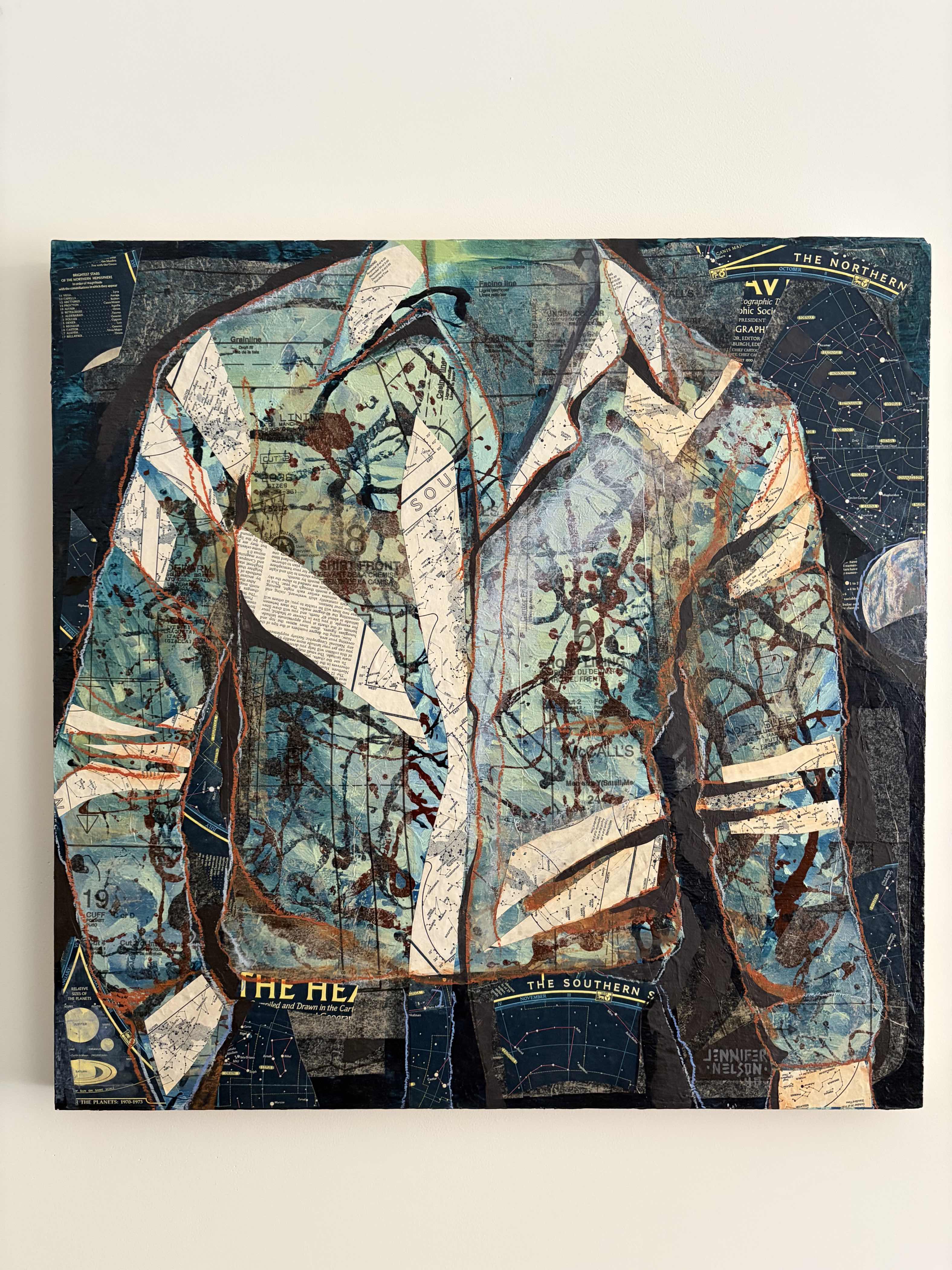
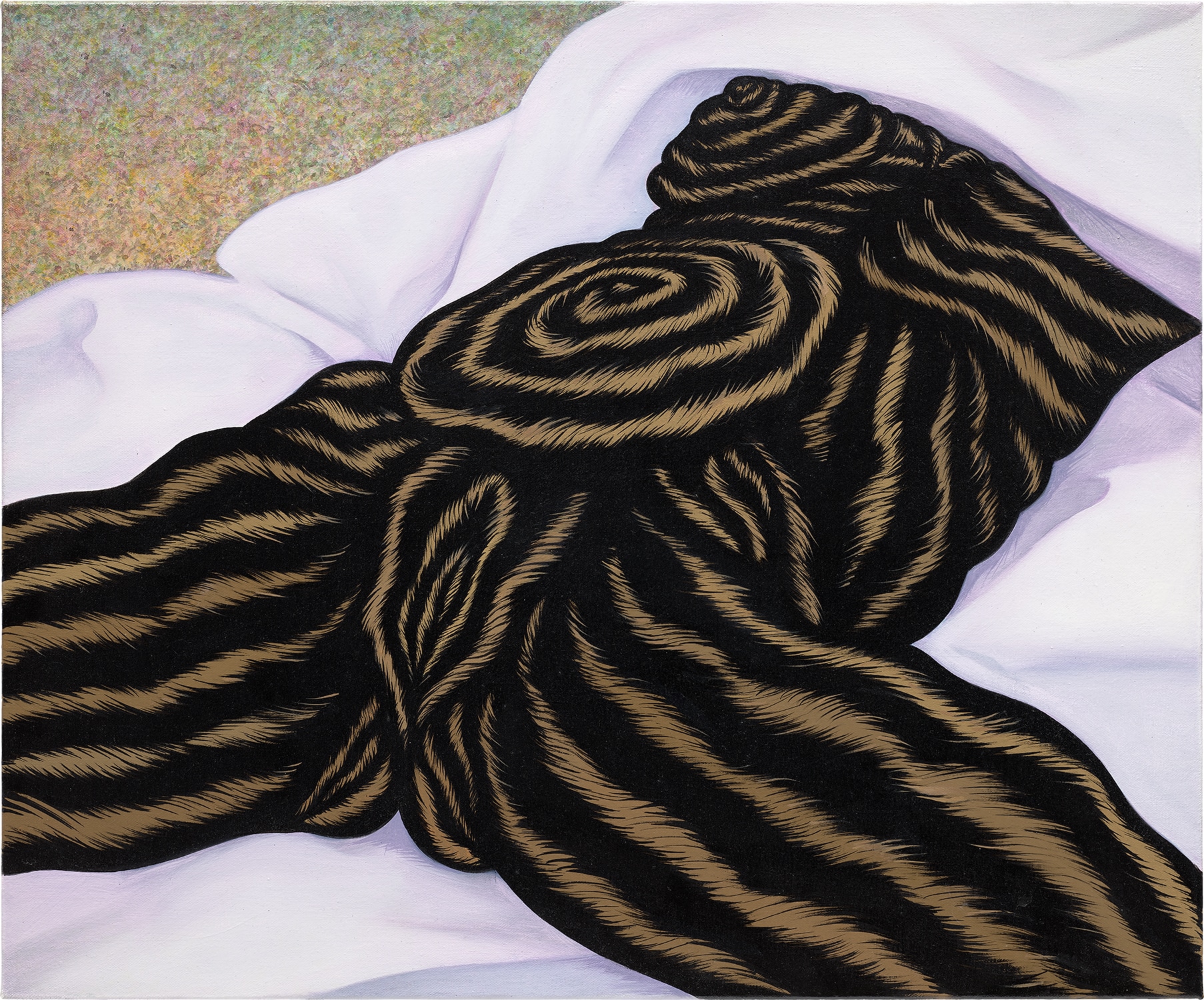
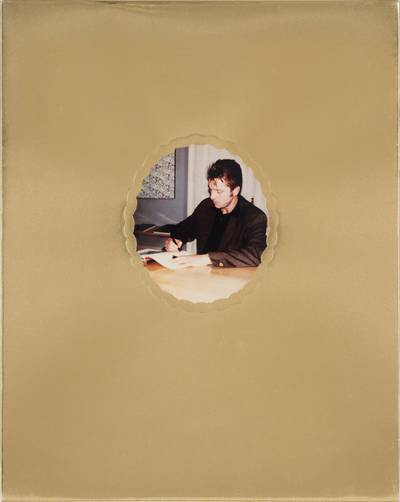
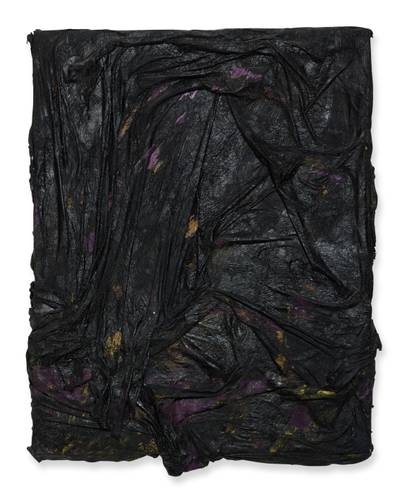
Jennifer Nelson
Manshirt
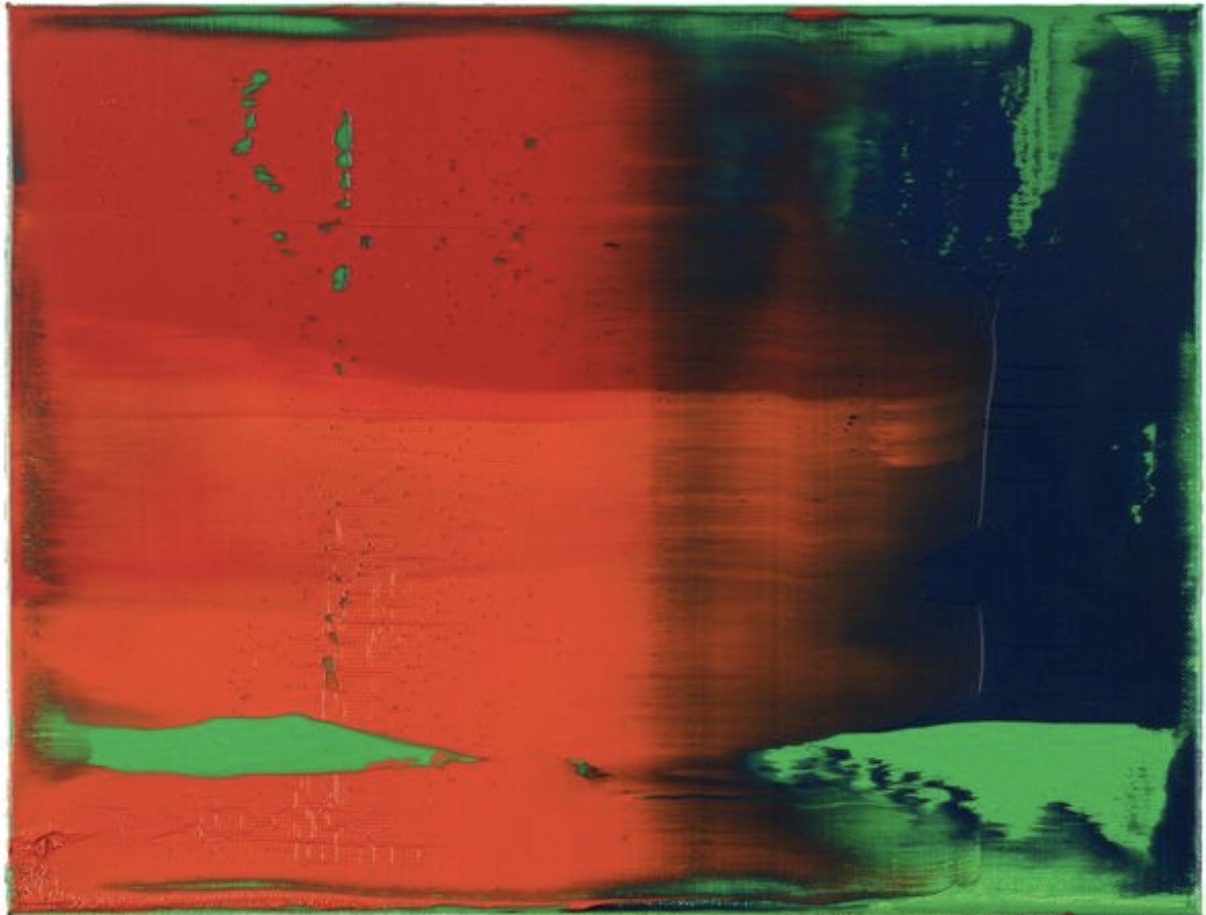
Among the artists here whose market position has proven most durable, Bradford stands out for both critical and commercial reasons. His engagement with urban geography and race has only become more legible to a broader audience over time, and his prices at auction reflect an artist whose cultural relevance is not in question. Gerhard Richter, whose photo paintings and squeegee abstractions both involve forms of layering and erasure, occupies a category of his own in terms of secondary market stability. Works on paper and smaller canvases have historically offered collectors a more accessible entry point to the Richter market, and they tend to hold value with unusual reliability.
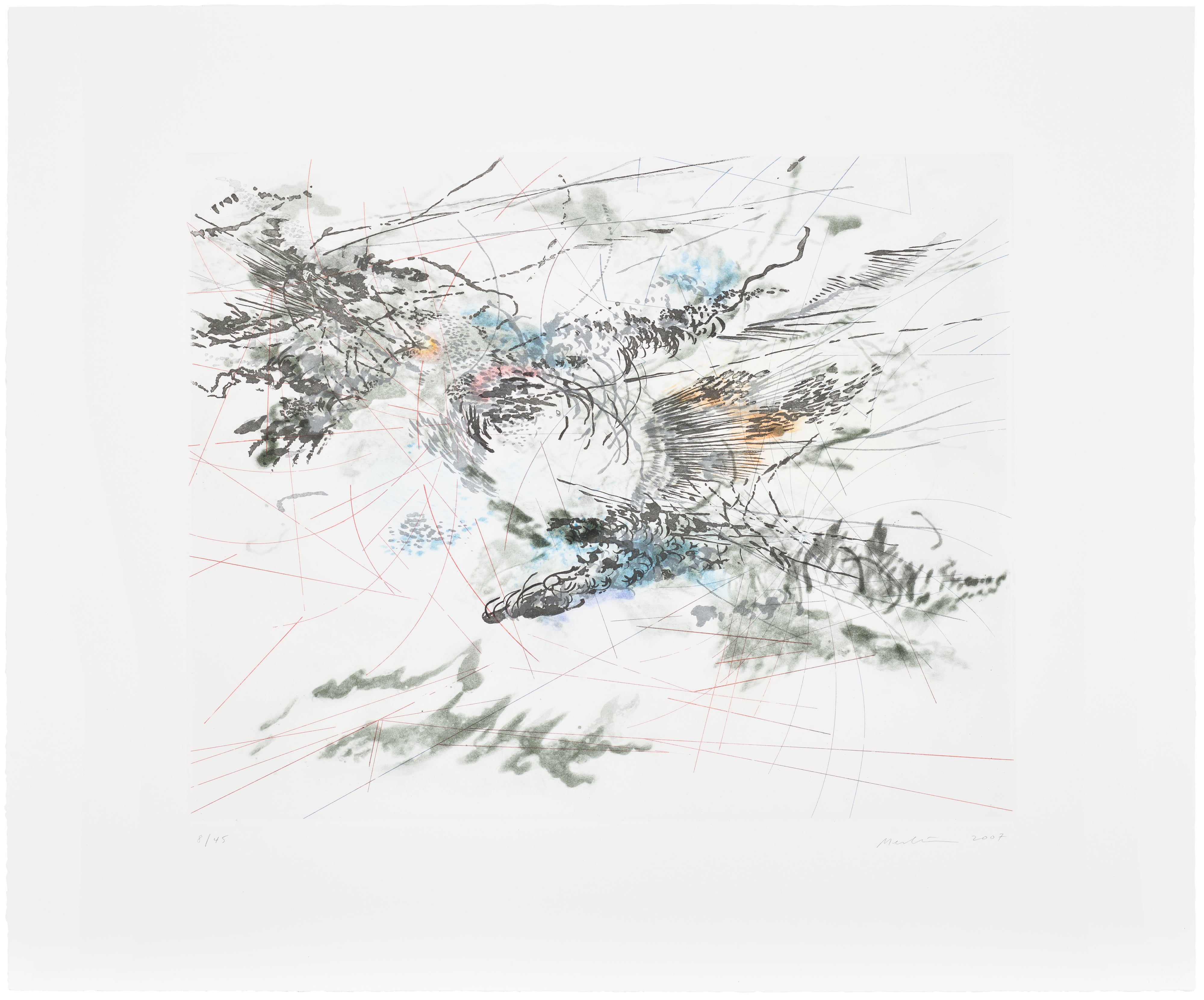
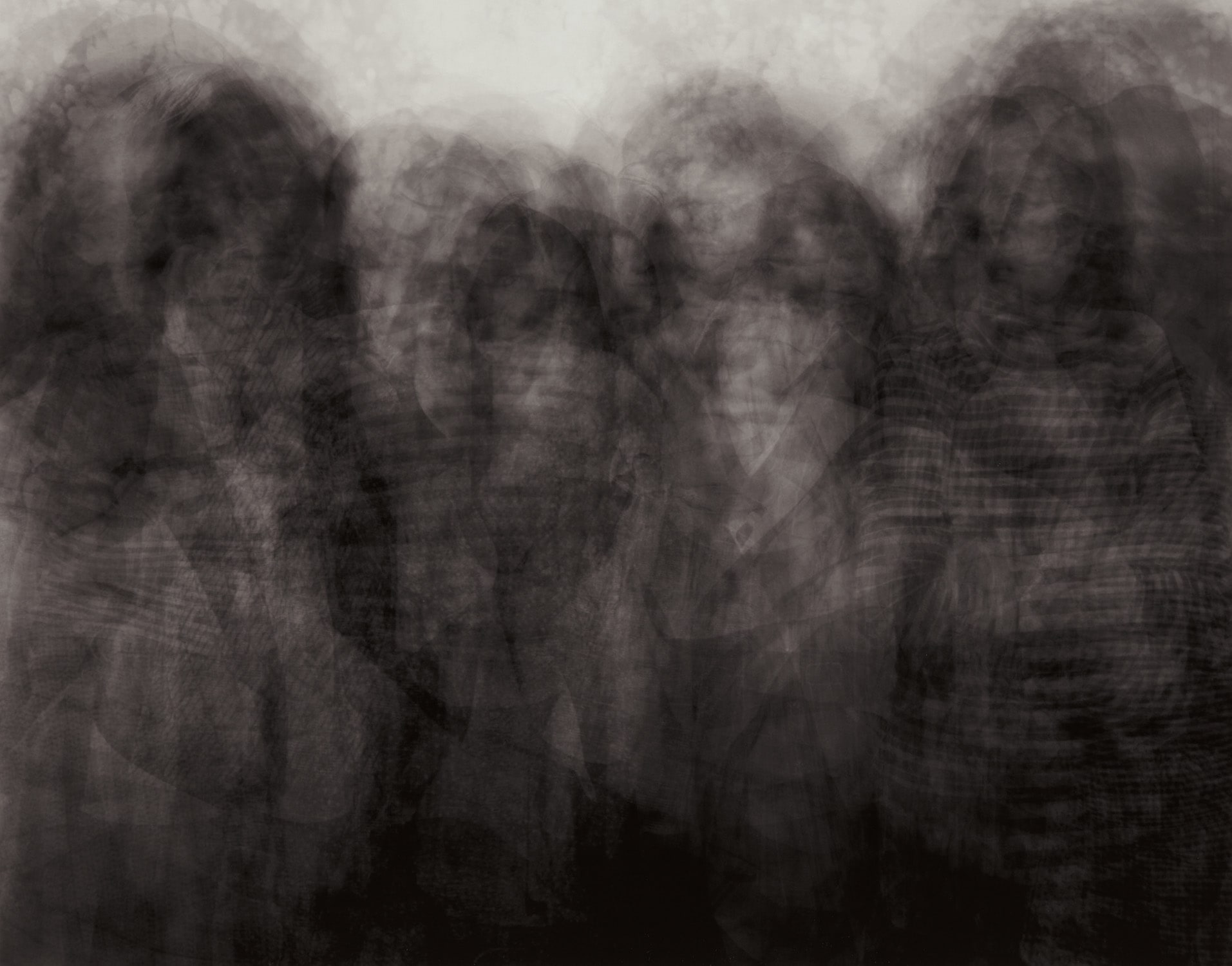
Julie Mehretu, whose dense atmospheric paintings layer drawing, gestural mark, and architectural notation into fields of almost unbearable complexity, has seen sustained auction growth, particularly since her 2019 Whitney retrospective. For collectors looking at the next tier, Idris Khan presents one of the more intellectually coherent bodies of work in this space. Khan compresses time through photographic exposure and overprinting, building images that are simultaneously singular and multiple, and his critical reputation continues to strengthen. Angel Otero works differently, pulling oil paint from glass and reassembling it in layered folds that are part painting and part sculpture, and his trajectory since joining the gallery roster at Lehmann Maupin has been genuinely upward.
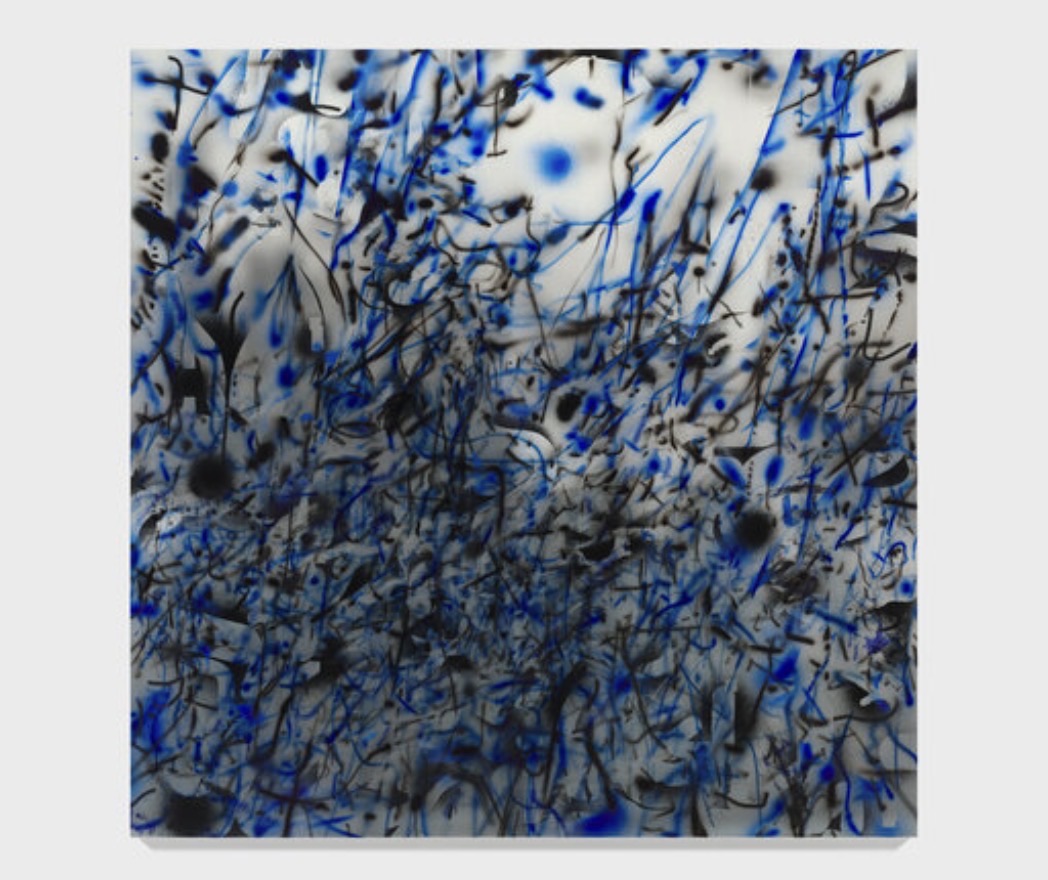
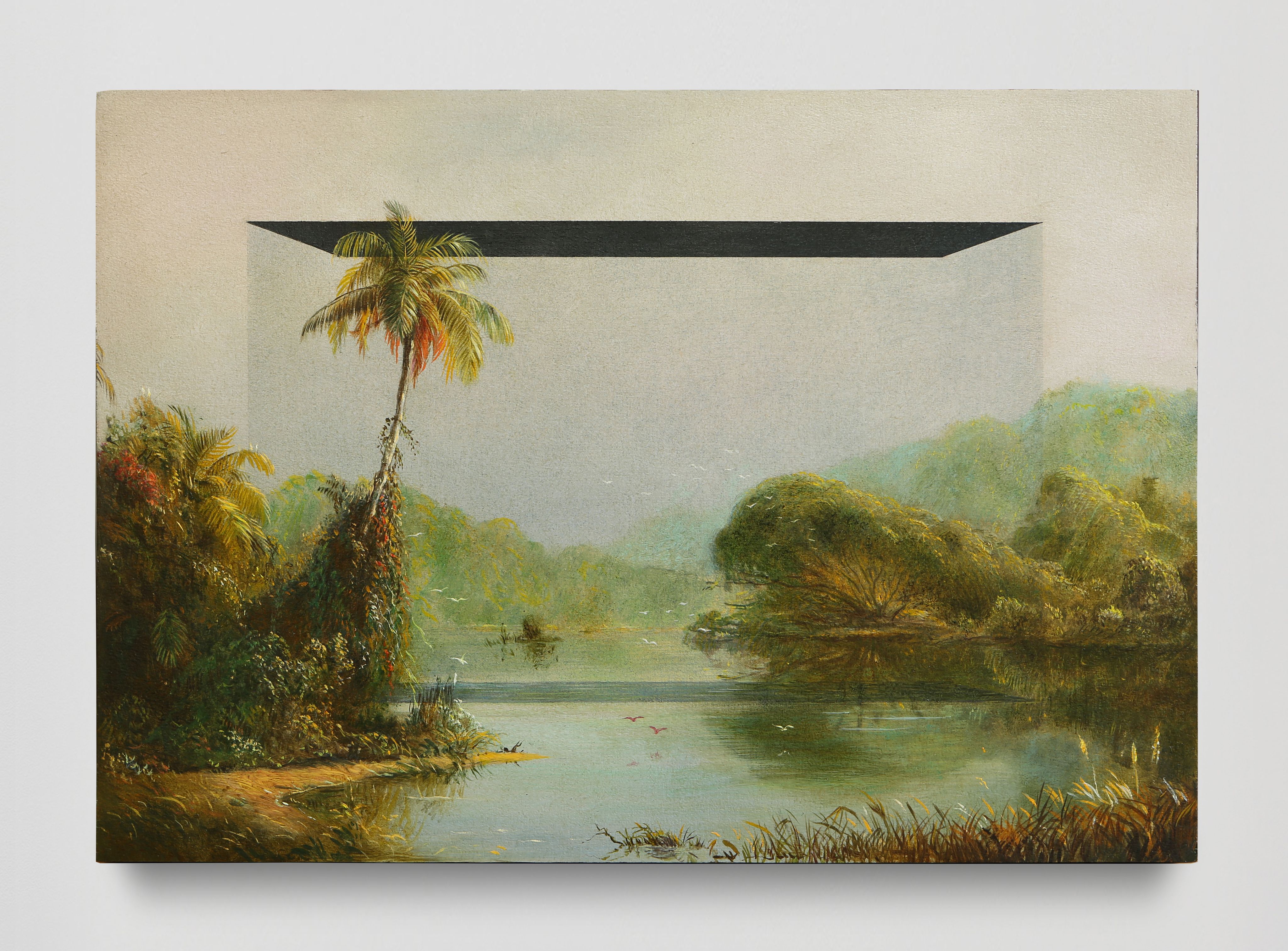
Julie Mehretu
The Wine-Dark-Sea, 2023
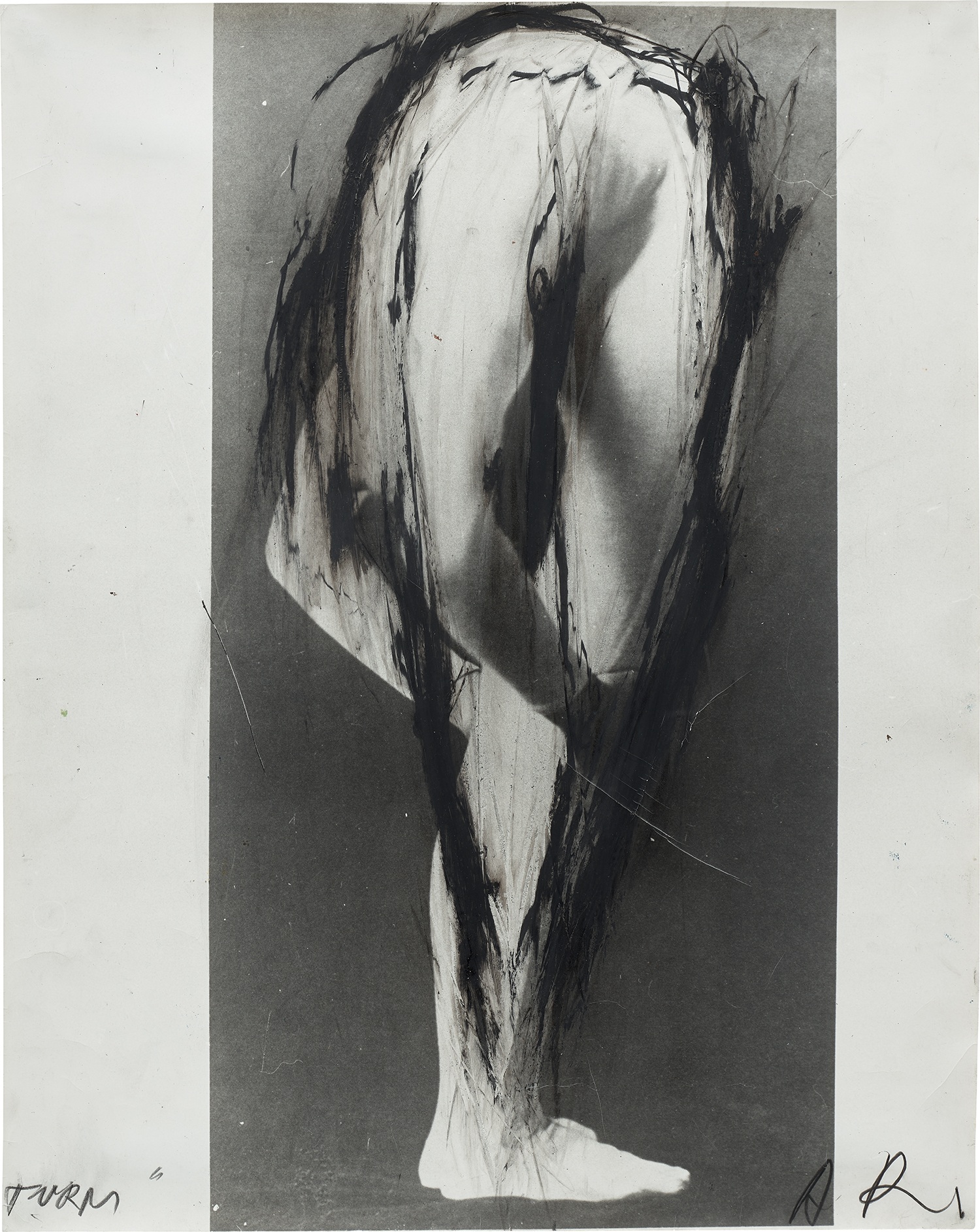
Arnulf Rainer, whose overpainting practice has its roots in post war European gesture, remains somewhat undervalued relative to his historical importance, which makes him worth serious attention. His works sit at a compelling price point given the depth of his influence on subsequent generations. Among younger practitioners on The Collection, Wahab Saheed and Max Vityk both reward close looking. Saheed's canvases carry a densely worked surface that speaks to painting's African diasporic traditions while remaining formally inventive, and his critical attention is growing at a rate that typically precedes market movement.
Vityk brings a different sensibility, working with accumulation in ways that feel alert to digital image culture without being enslaved to it. These are artists at a stage where collecting thoughtfully and early still feels possible, before the secondary market catches up to what their primary market galleries already know. At auction, layered works from established names perform with notable consistency when provenance and condition align. The most important thing to understand about condition in this category is that complexity cuts both ways.
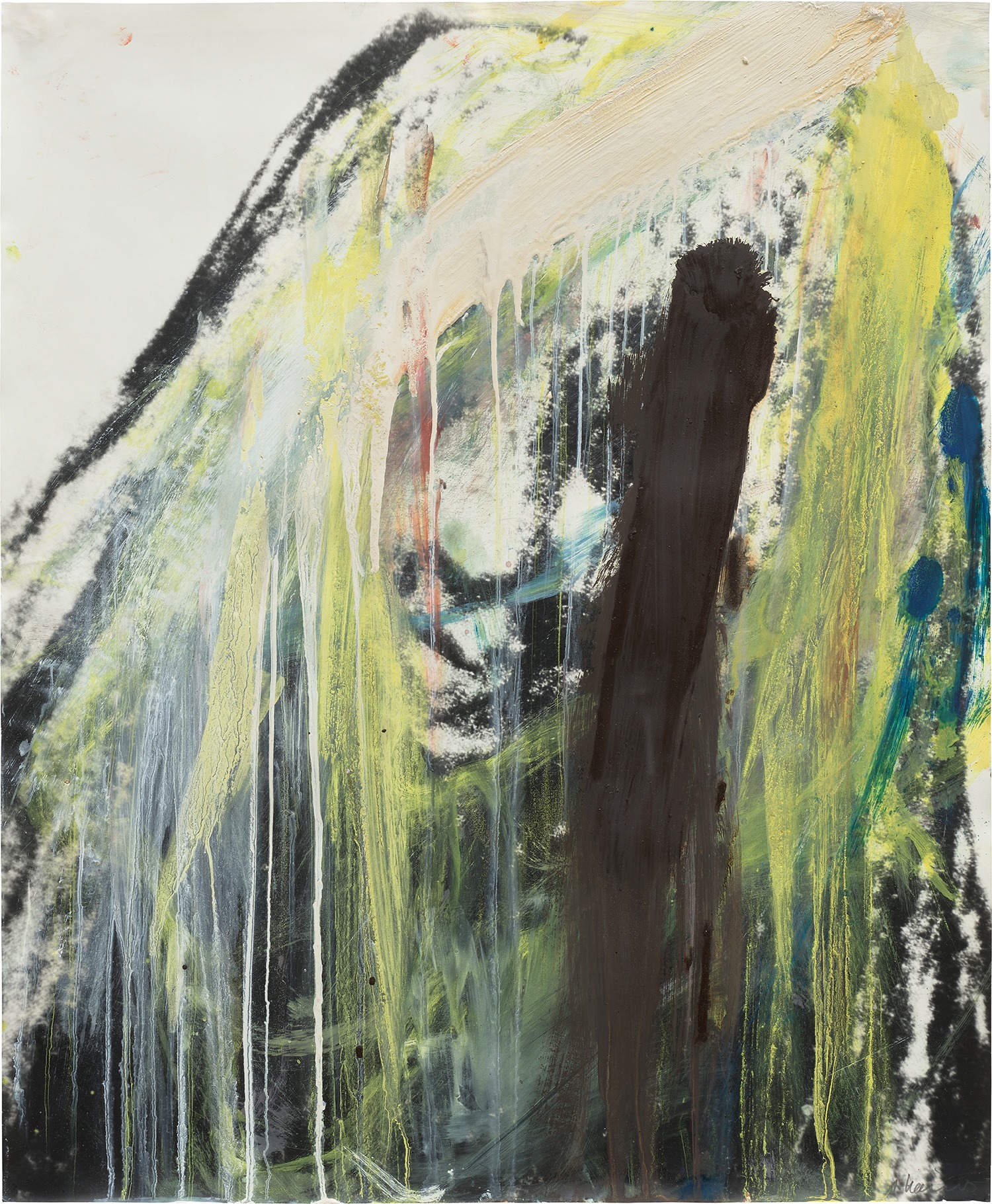
Arnulf Rainer
Goya, 1983
A heavily worked surface is visually compelling, but it is also more vulnerable to environmental changes than a smoother painting. Flaking, cracking, and delamination are real risks, particularly with artists who use non traditional materials. Before acquiring any major work in this category, an independent conservator's report is not a luxury but a necessity. Ask the gallery directly about materials, support, and any known treatment history.
A reputable gallery will have this documentation and should share it without hesitation. On the question of editions versus unique works, this category is particularly weighted toward the unique. Even artists who produce prints and multiples in other modes tend to reserve their most ambitious layered work for singular objects, and the market reflects that. Editions from artists like Richter or Kiefer can offer extraordinary entry points and should not be dismissed, but the price premium attached to unique works in this space is generally justified by both rarity and the specific relationship between artist and surface that only a one of a kind work carries.
When speaking with a gallery, ask about the artist's process timeline for a given work, how long it was in the studio, whether it was reworked significantly, and what documentation exists around its creation. These are not intrusive questions. They are exactly what a serious collector should be asking, and the answers will tell you almost everything you need to know.