Landscape Subject
Archived article
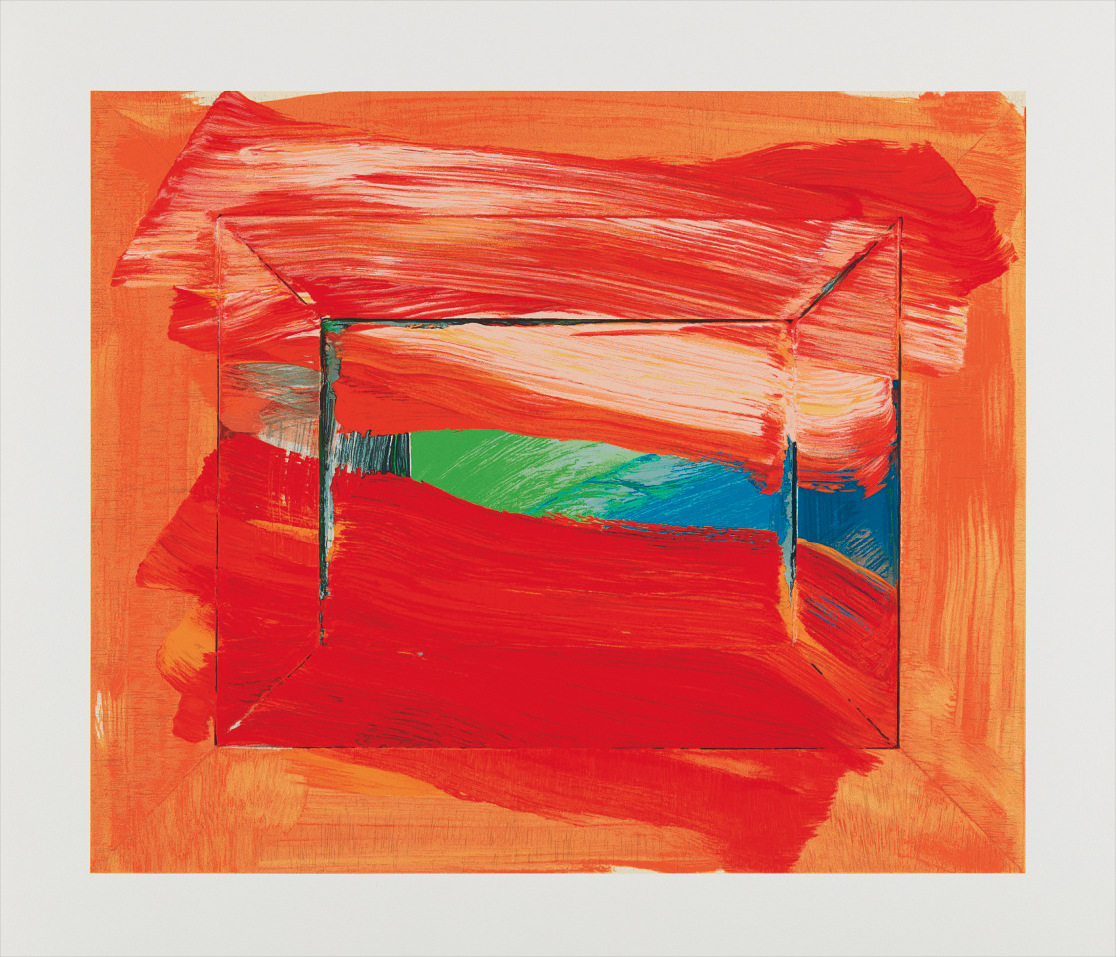
Howard Hodgkin
The Sky's the Limit
You are reading a previous version of this article.
Read the latest version```json { "headline": "The Land Speaks. Artists Finally Listen.", "body": "There is no subject more elemental to the history of art than landscape, and none more persistently misunderstood. For centuries it was considered a minor genre, a backdrop for grander human dramas, a stage set waiting for the real action to begin.
What we know now, and what the most serious collectors have long suspected, is that landscape was always where the most radical thinking was happening. The tension between what we see and what we feel when we look at land, at sky, at the particular quality of light over water, has driven some of the most urgent and formally inventive art of the last two hundred years.", "In Western painting, landscape only achieved genuine status as an independent subject in the seventeenth century, when Dutch artists like Jacob van Ruisdael and Meindert Hobbema began treating the flat terrain of the Netherlands as worthy of sustained, serious attention. Before that, landscape existed largely in service of religious narrative or portraiture.
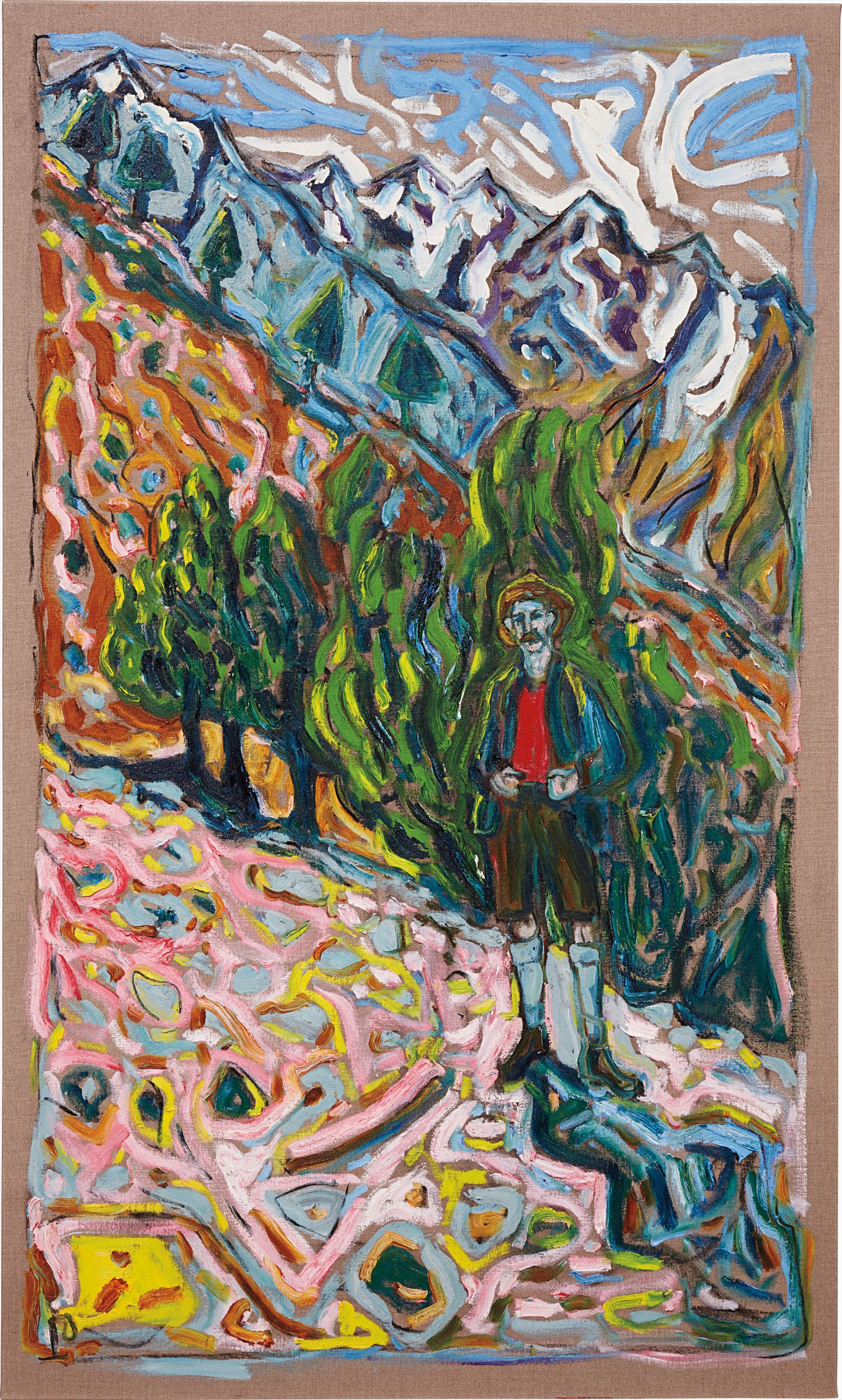
Billy Childish
Stood Before Juniper Trees - High Atlas
The shift was a quiet revolution. By the early nineteenth century, John Constable was making studies of clouds with a scientific intensity that would have seemed eccentric to his peers, and J.M.W.
Turner was dissolving the very substance of land into atmosphere and light. These were not decorative impulses. They were epistemological ones. The question landscape artists were asking was not simply what does this place look like, but what does looking at a place do to the person looking.
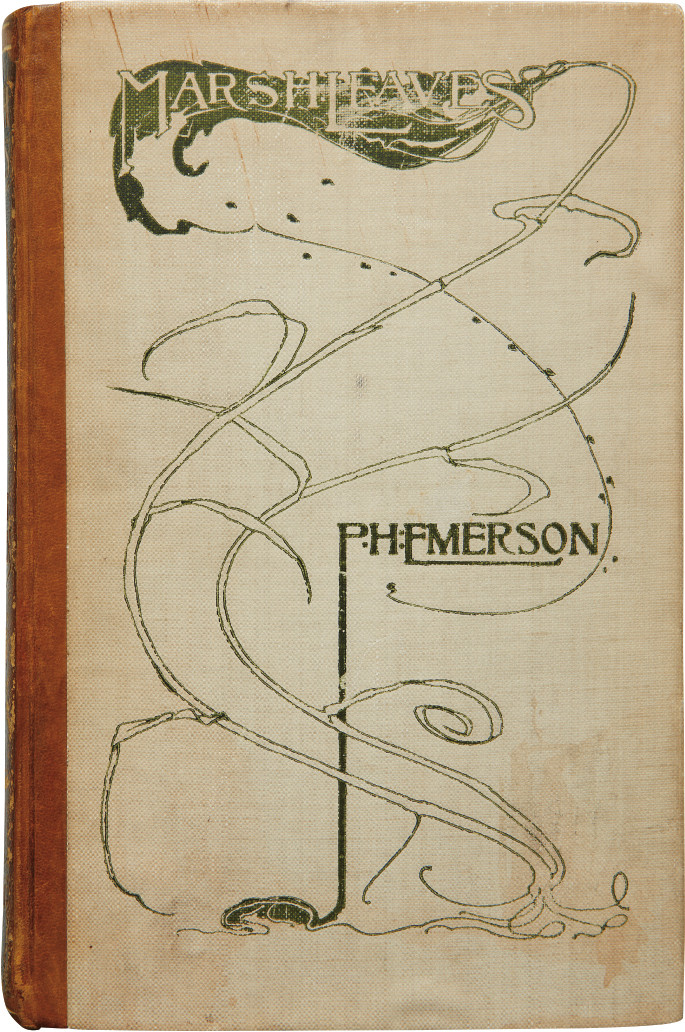
Peter Henry Emerson
Marsh Leaves
", "The Romantics understood that landscape carried emotional and philosophical weight that portraiture and history painting, for all their prestige, often could not reach. By the time the Hudson River School painters like Frederic Edwin Church and Thomas Cole were working in the mid nineteenth century in America, landscape had become explicitly ideological, bound up with ideas about nationhood, manifest destiny, and the sublime. In Europe, the Barbizon painters, working in the forests around Fontainebleau from roughly the 1830s onward, pushed toward a more intimate naturalism that would eventually feed directly into Impressionism. Monet's serial paintings of haystacks and water lilies, begun in earnest in the 1890s, marked the moment when landscape stopped being about the world and started being about perception itself.
", "Photography entered this conversation early and changed it permanently. Peter Henry Emerson, represented on The Collection, published his landmark manifesto Naturalistic Photography in 1889, arguing that the camera could render landscape with a fidelity to human vision that traditional pictorialism had distorted. His platinum prints of the Norfolk Broads remain extraordinary documents, dense with atmosphere, genuine in their attention to the quiet drama of flat water and reedy shores. Decades later, Eugène Atget, also present here, approached the parks and outskirts of Paris with an archival patience that has influenced documentary photographers ever since.
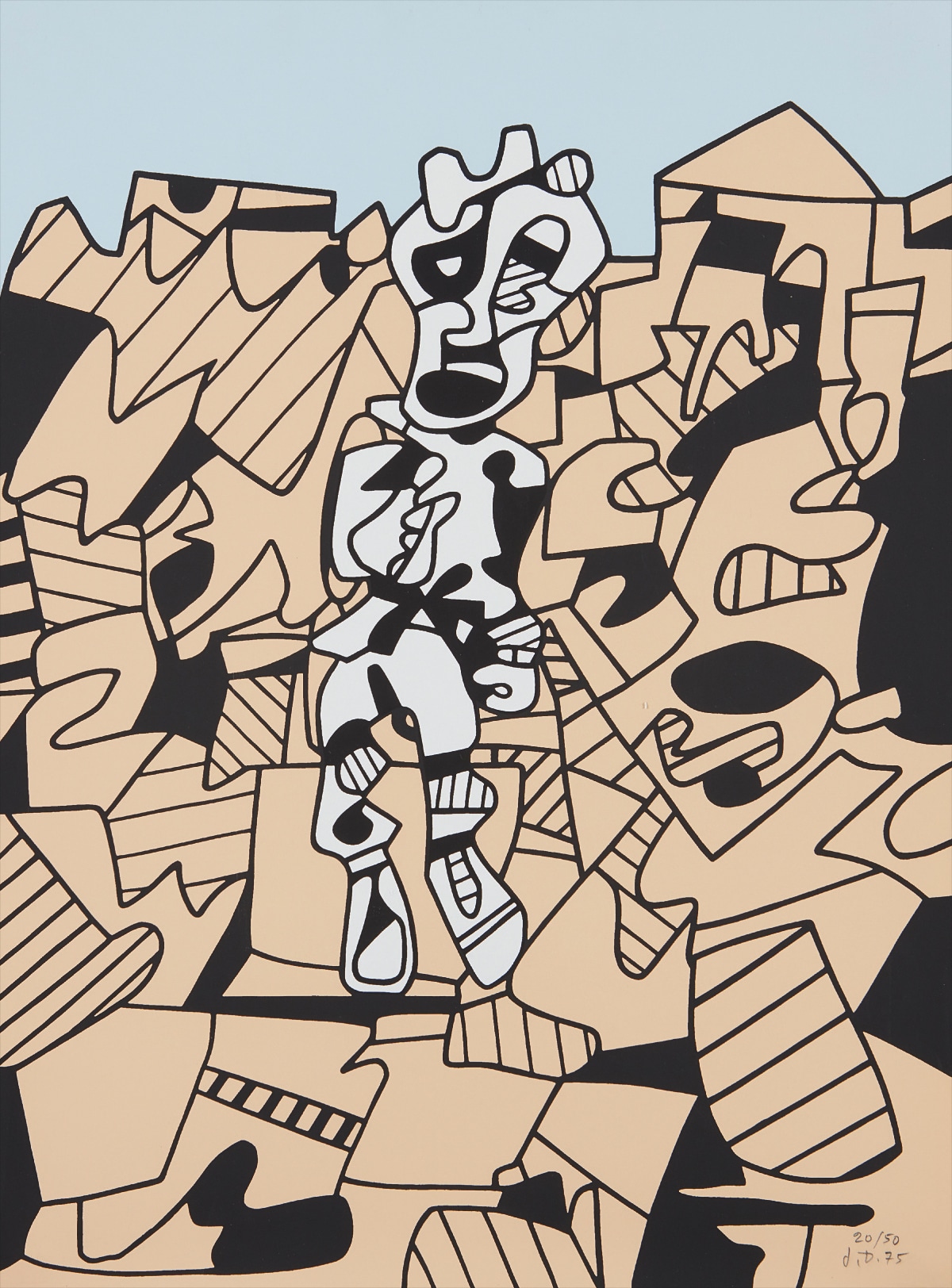
Jean Dubuffet
Territoire et paysan
His landscapes are not dramatic. They are insistent, and the insistence is what makes them unforgettable.", "The twentieth century fragmented the very idea of landscape into something far more contested. Gerhard Richter, whose work on The Collection rewards close attention, has used landscape as a site for meditating on representation itself, painting from photographs and then blurring the image until it sits somewhere between legibility and dissolution.
His Iceberg series and his alpine landscapes from the 1960s and 1970s are not celebrations of nature. They are questions about how images of nature function in culture, about nostalgia and distance and the limits of paint. Anselm Kiefer, another artist in the collection, brings an entirely different weight to terrain, saturating his vast canvases with lead, ash, and straw, invoking German landscape as a site of historical trauma and myth. For Kiefer, the land is never neutral.
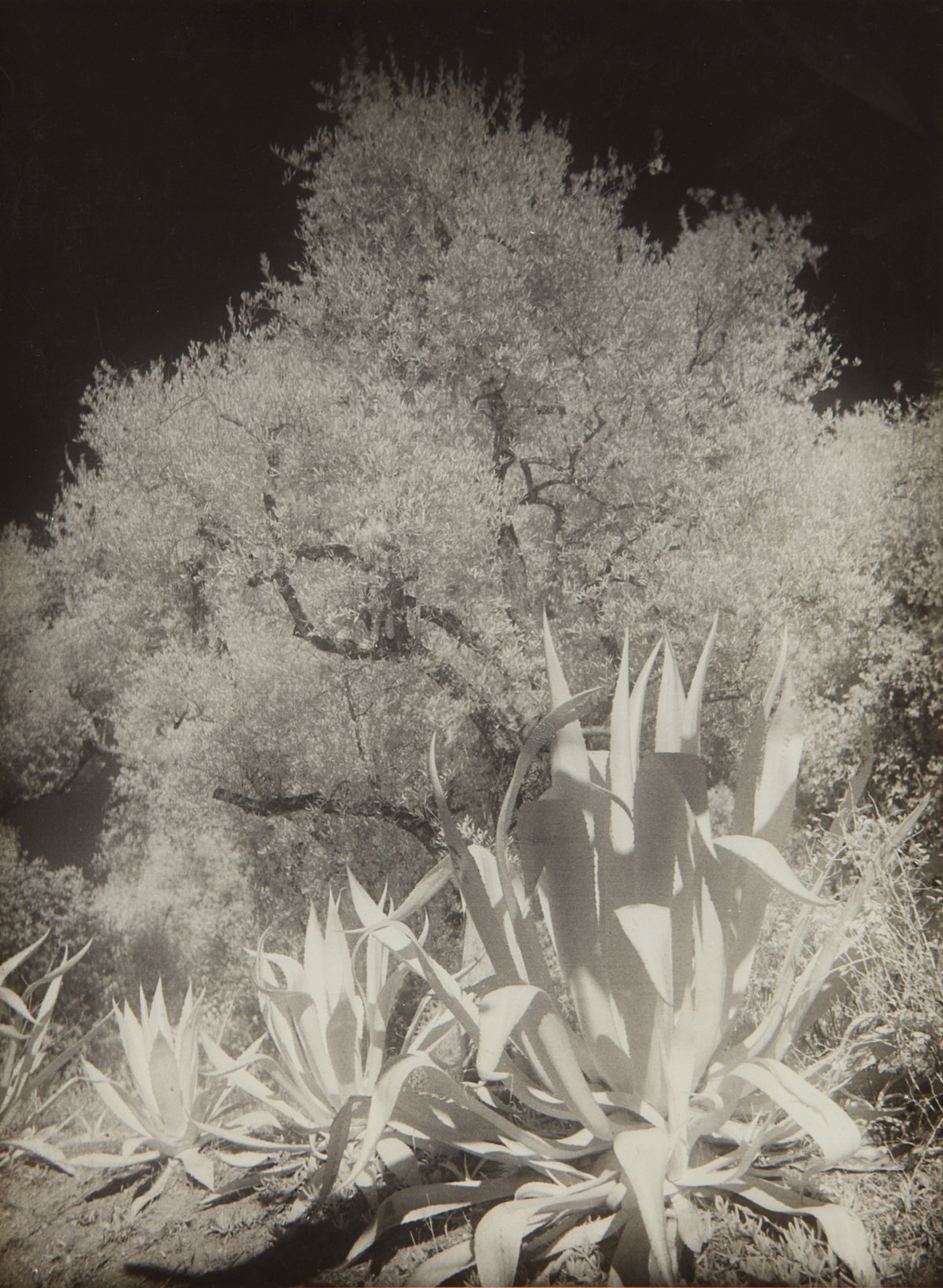
Maurice Tabard
Oliviers et Agaves, Infra-Rouge No. II
", "David Hockney, well represented here, has spent his career in open argument with received ideas about how landscape should be depicted. His Yorkshire paintings, made after his return to England in the mid 2000s, treat the rolling wolds with an almost aggressive joy, using color at intensities that feel more emotional than descriptive. He has spoken about the way we actually see landscape, taking in different information at different moments, and his large multi panel paintings try to honor that complexity. Alex Katz has approached outdoor light and foliage from a completely different angle, stripping landscape back to its most essential shapes and tones, finding in that reduction a kind of elegant suspense.
Both artists are asking what it means to be present in a place, and neither is content with easy answers.", "Contemporary artists have expanded landscape to include territory that would have been unrecognizable to earlier practitioners. Doug Aitken, whose work on The Collection explores the relationship between land, time, and media, treats landscape as something to be experienced at cinematic scale, an environment of sensation rather than scenery. John Gerrard makes work in virtual space that interrogates what we mean by natural environment in an age when the distinction between physical and digital terrain has become genuinely unstable.
Stephen Shore's large format photographs of American roads and terrain, made in the 1970s and deeply influential on subsequent generations, brought the banal vernacular landscape into sharp focus at a moment when the country was reckoning with its own geography. David Maisel photographs industrial landscapes from the air, revealing patterns of environmental damage with a terrible beauty that makes the ethical and aesthetic dimensions of landscape inseparable.", "What draws serious collectors to landscape across every period and medium is the way it holds so many registers at once. It is intimate and vast, personal and political, immediate in its sensory appeal and inexhaustible in its conceptual depth.
The works on The Collection trace a lineage that runs from nineteenth century photography and painting through to the most searching contemporary practices, with stops along the way that reveal just how varied the conversation has always been. Artists like Spencer Finch, who measures and recreates specific qualities of light with a poetic precision, or Jacek Tylicki, who lets natural processes participate directly in the making of work, remind us that landscape is not a fixed category but a living one. It keeps changing because the land keeps changing, and because we keep changing too, and the most compelling art in this tradition is always alert to that mutual transformation.
Works tagged Landscape Subject
Billy Childish
Stood Before Juniper Trees - High Atlas
Jean Dubuffet
Territoire et paysan
Howard Hodgkin
The Sky's the Limit
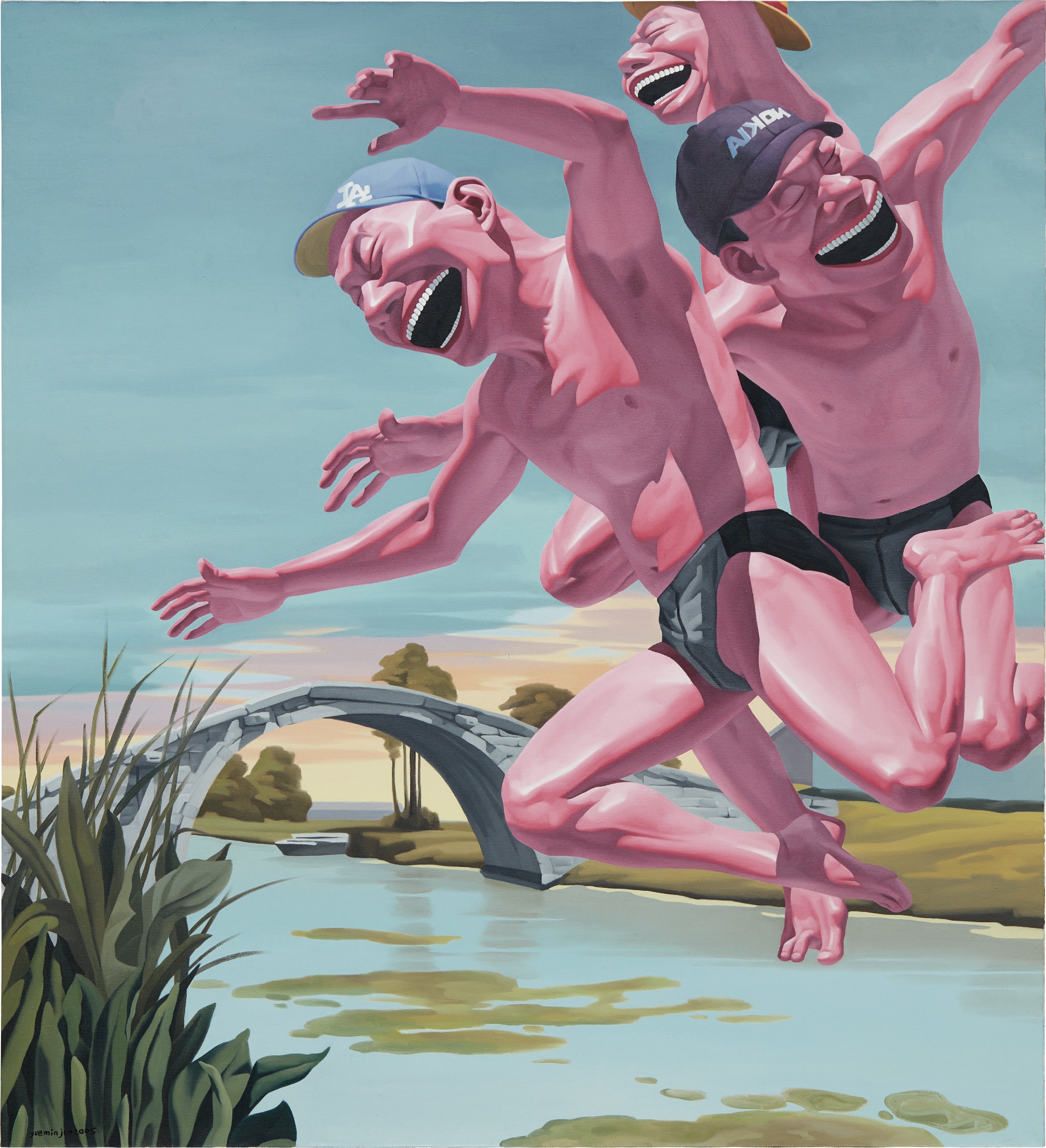
Yue Minjun
Hometown
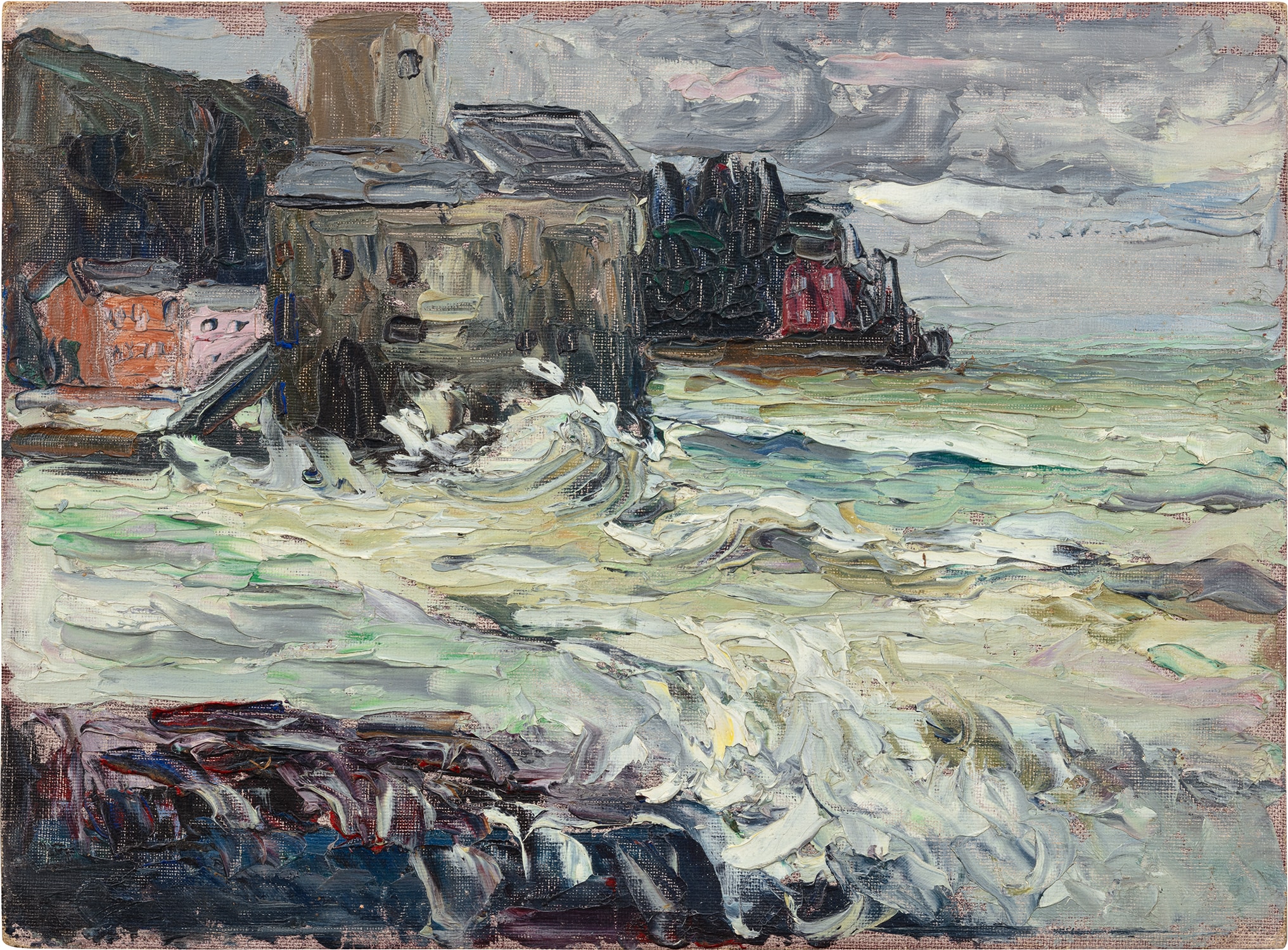
Wassily Kandinsky
Rapallo-Stürmischer Tag
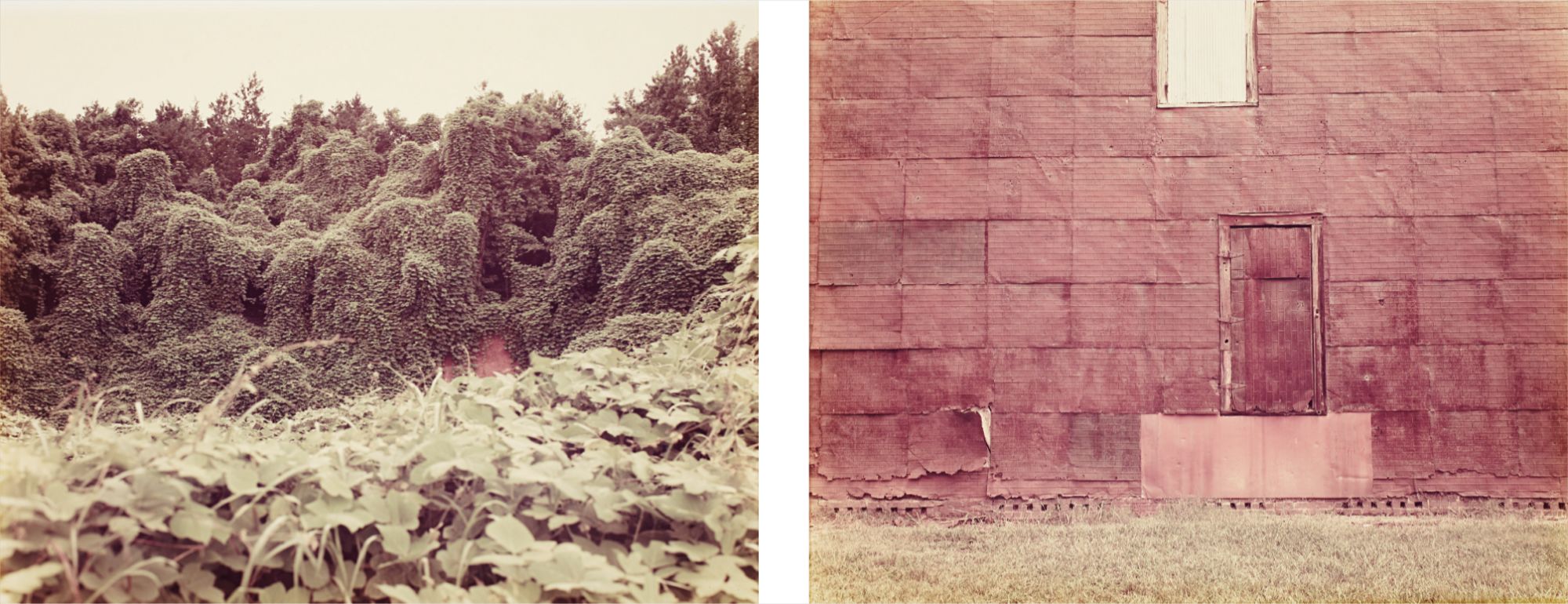
William Christenberry
Cudzu; and Tin Wall
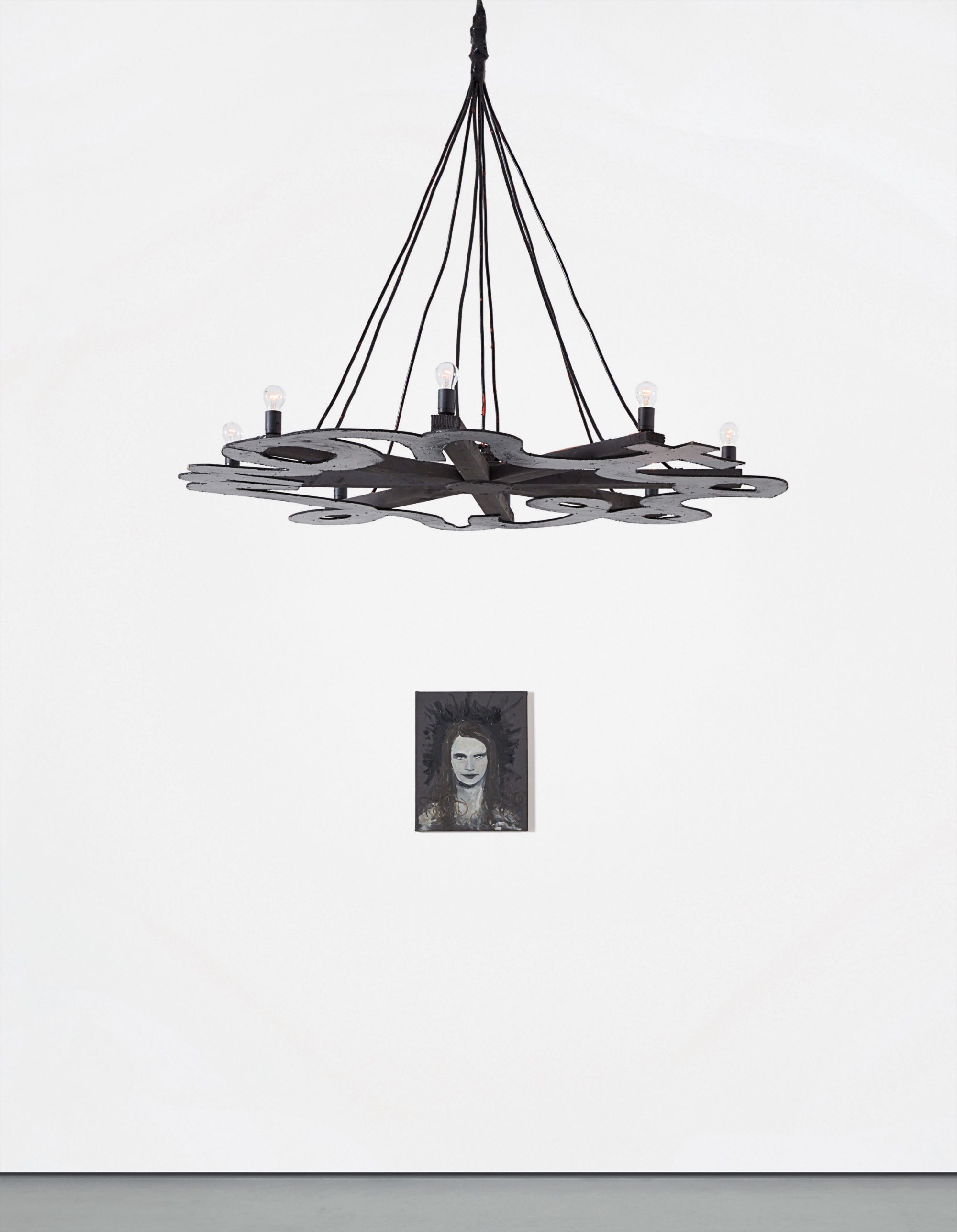
Thomas Zipp
Montagne
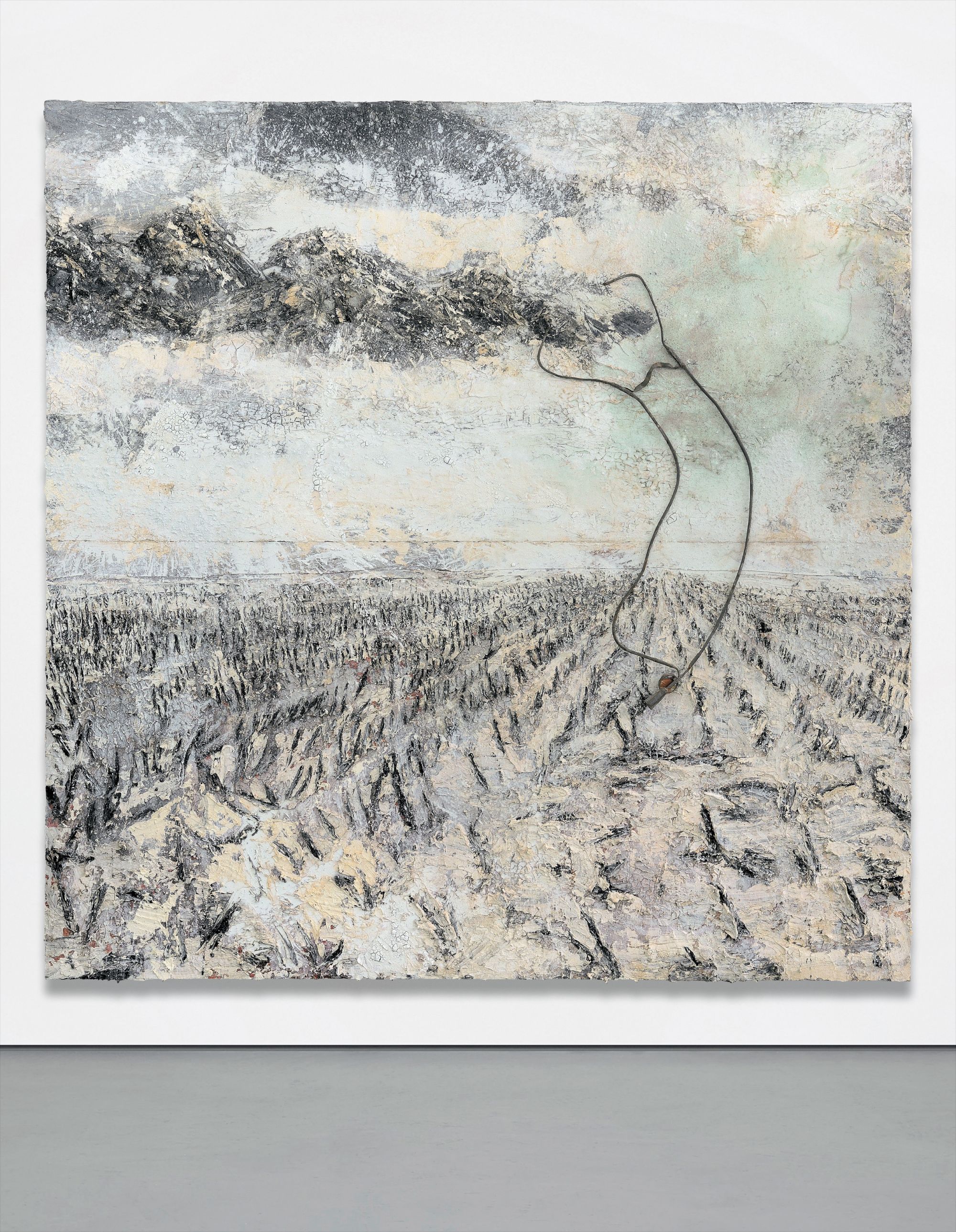
Anselm Kiefer
Der Wolken heitere Stimmung
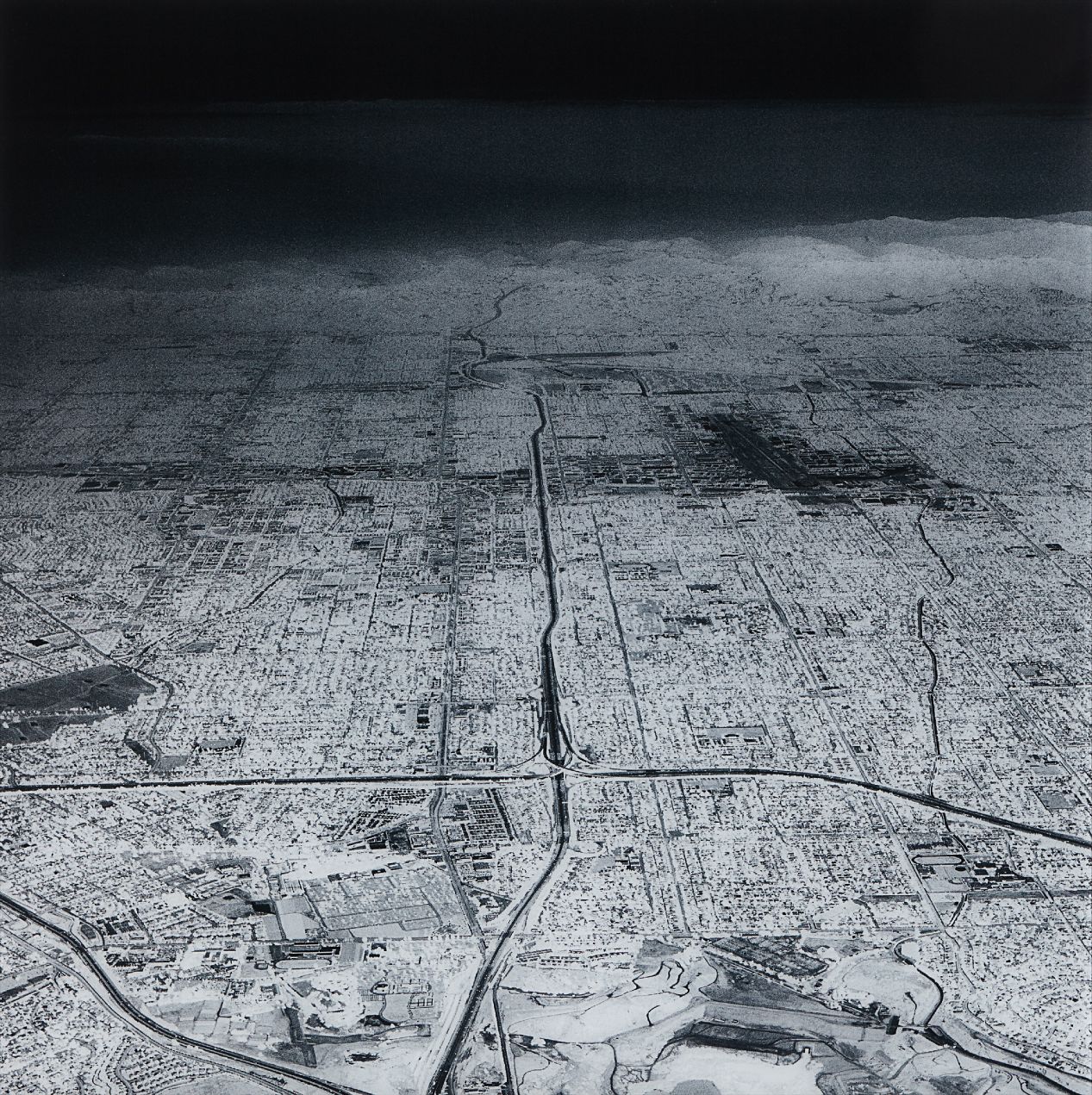
David Maisel
Oblivion 15n
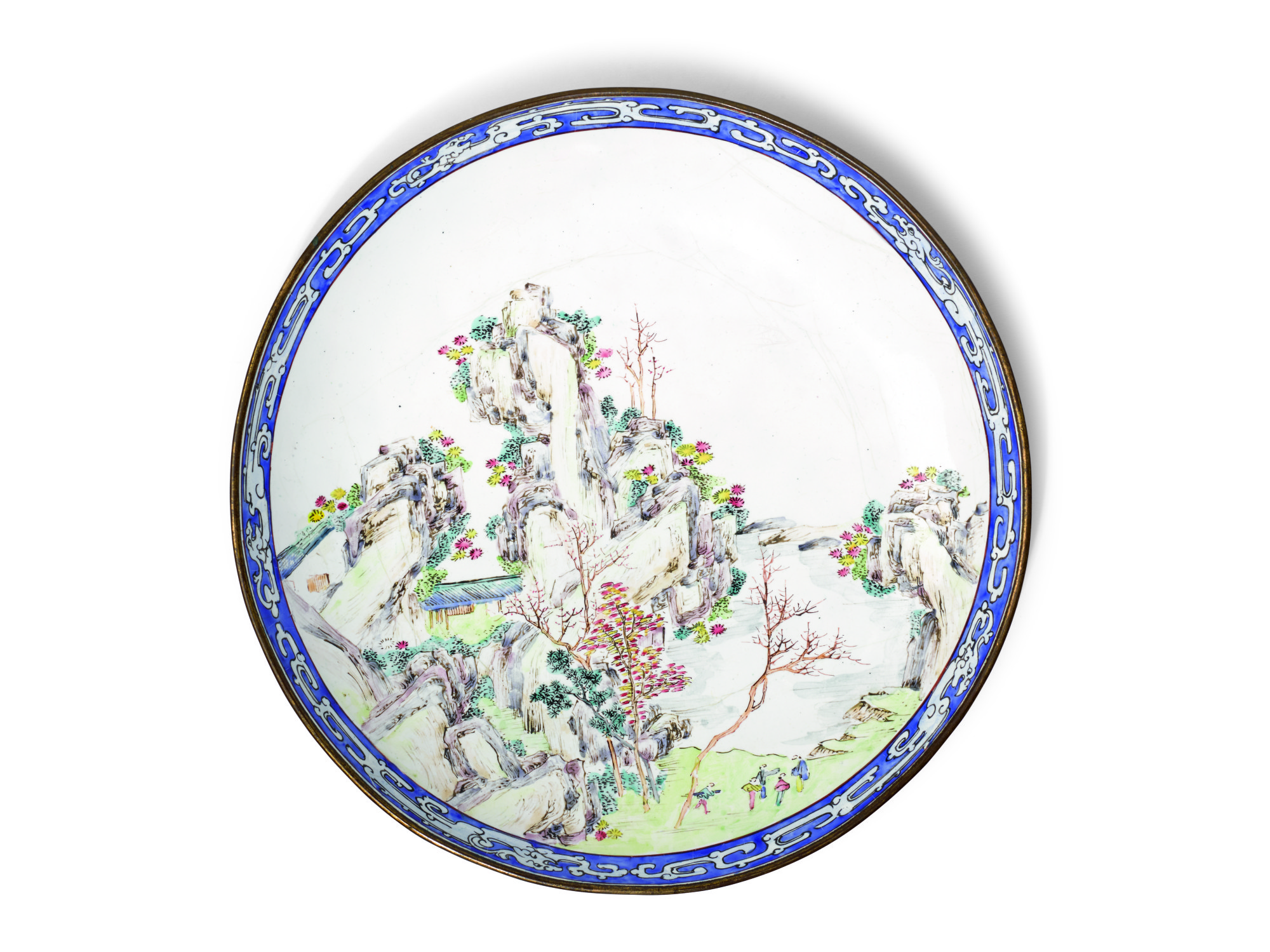
A Canton Enamel 'landscape' Dish | Qing Dynasty, 19th Century
QING DYNASTY, 19th CENTURY
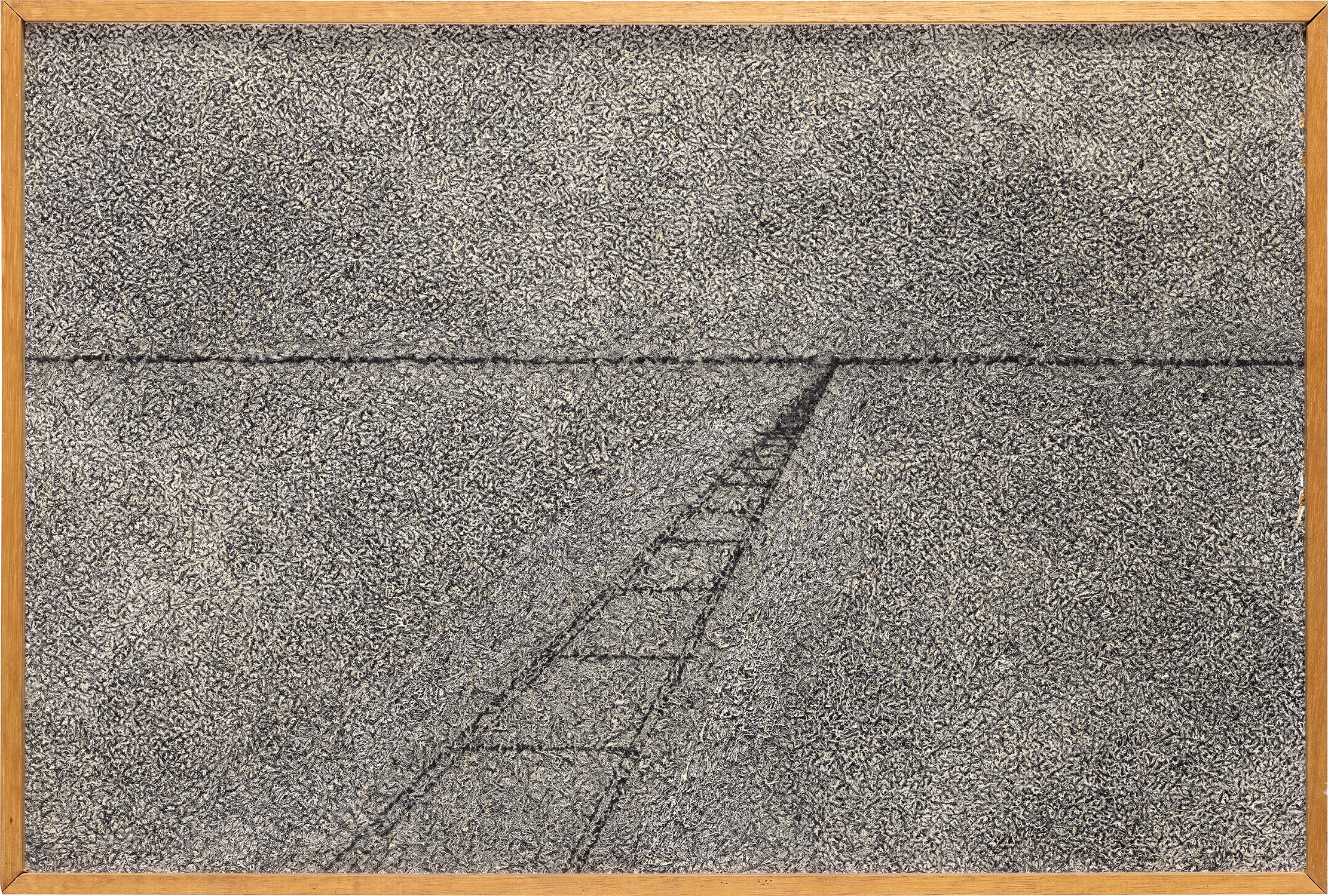
Richard Artschwager
Road
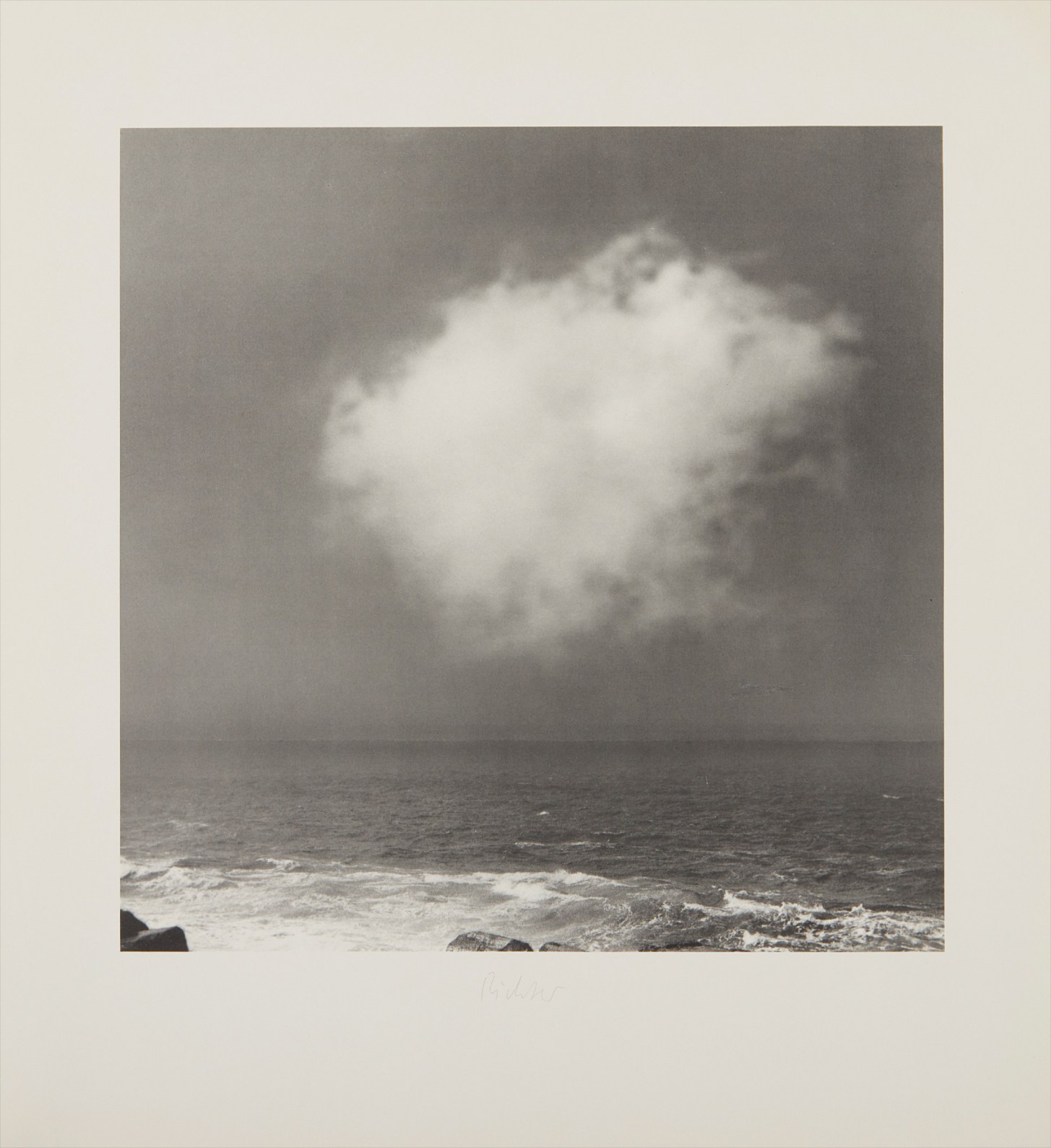
Gerhard Richter
Wolke
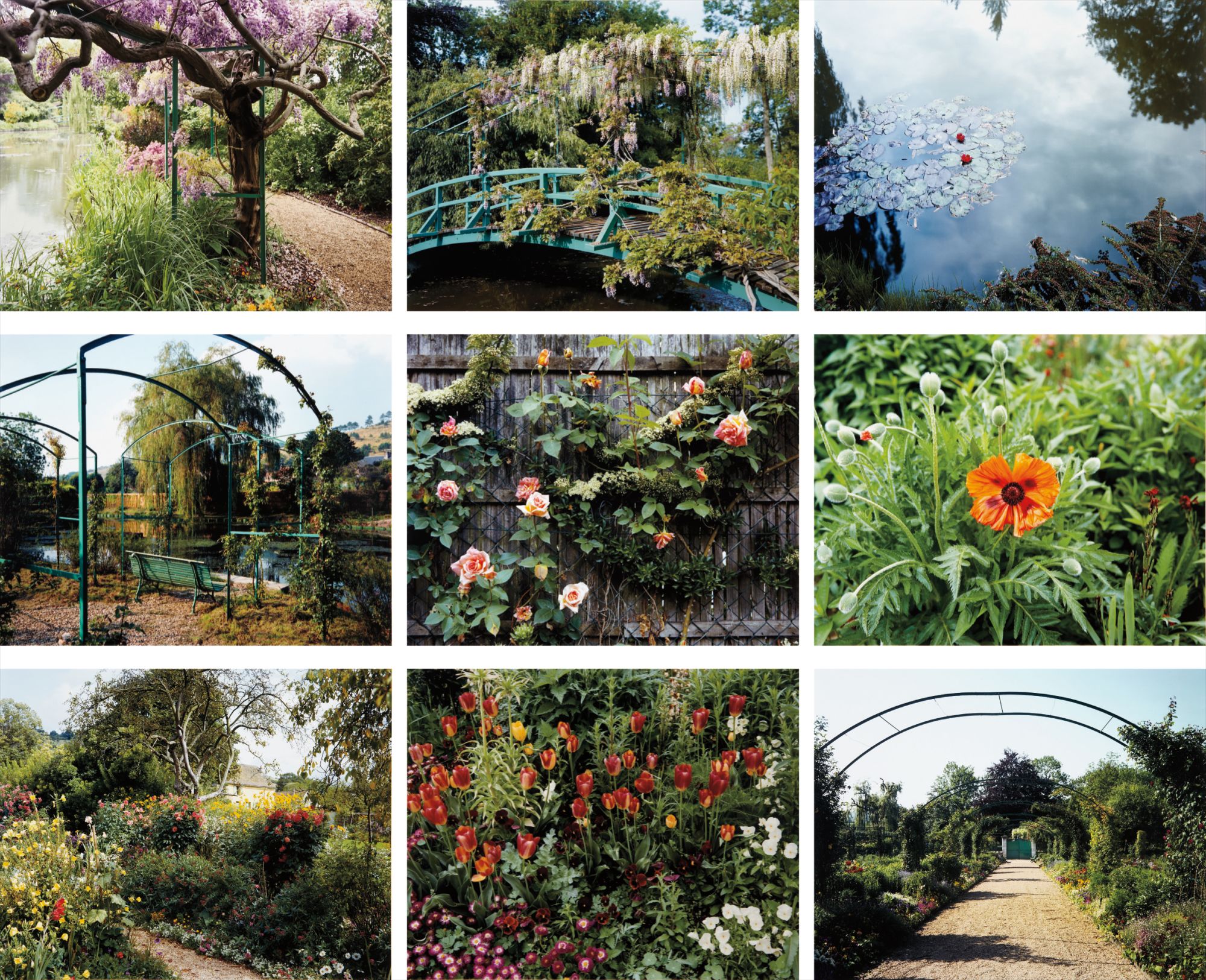
Stephen Shore
The Giverny Portfolio
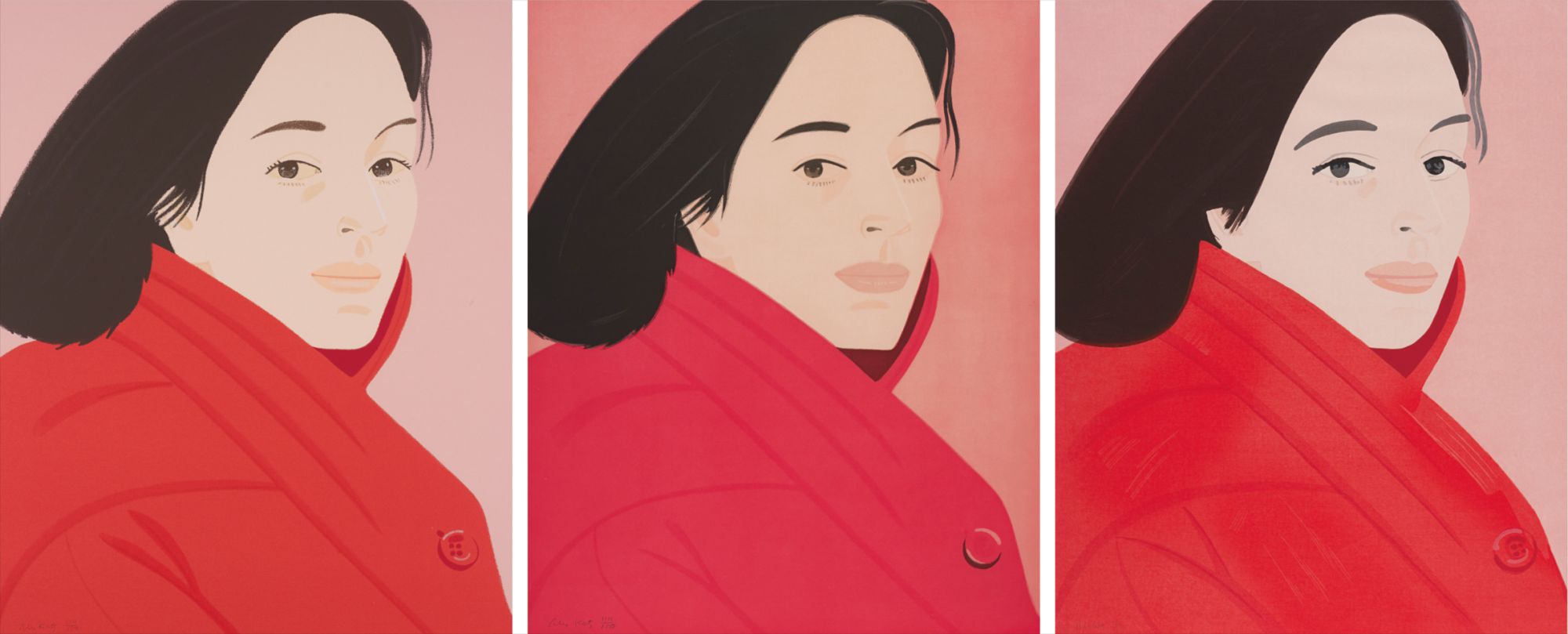
Alex Katz
Brisk Day I; II; and III
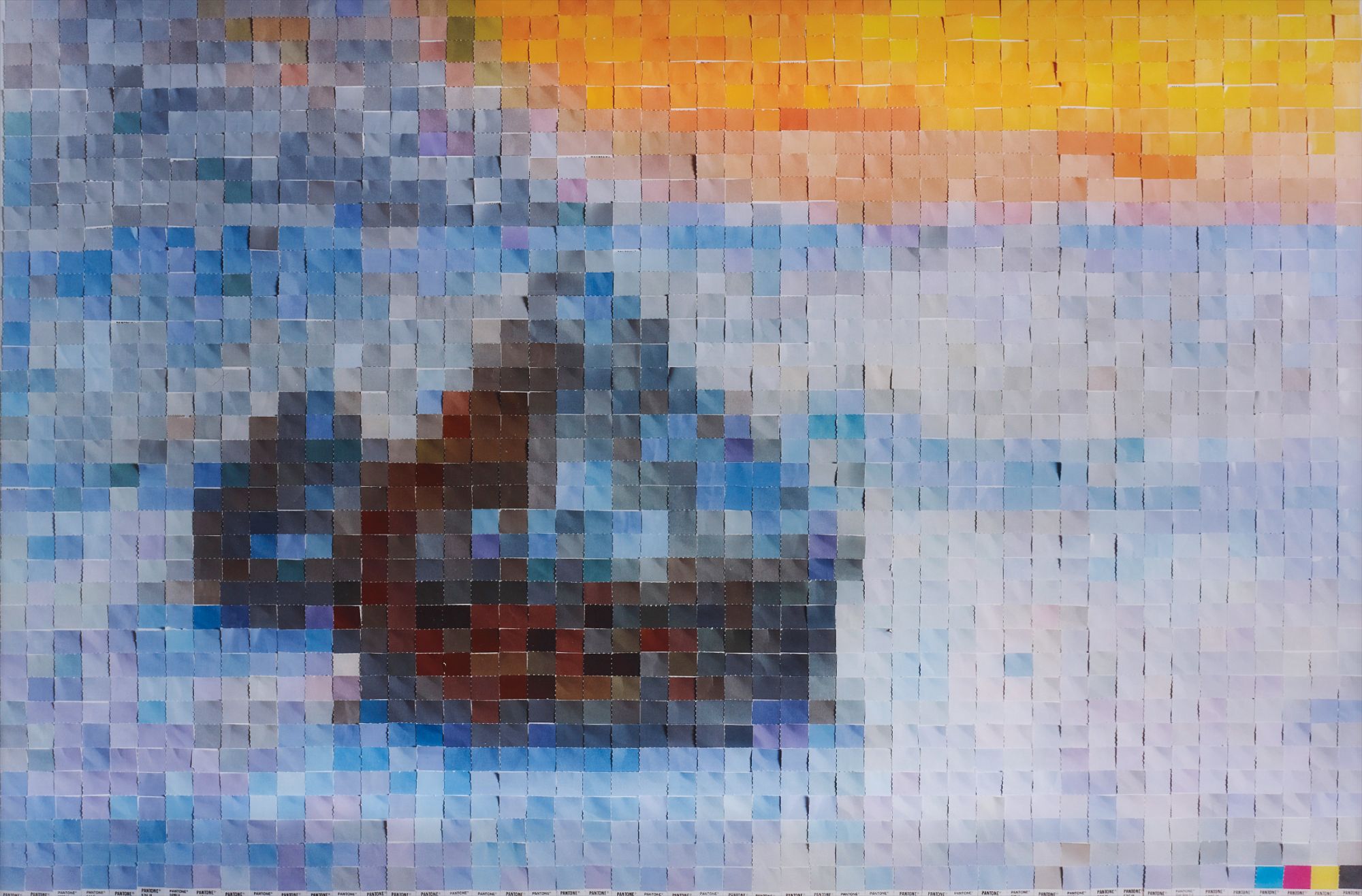
Vik Muniz
Haystacks #5, after Claude Monet (Pictures of Colours
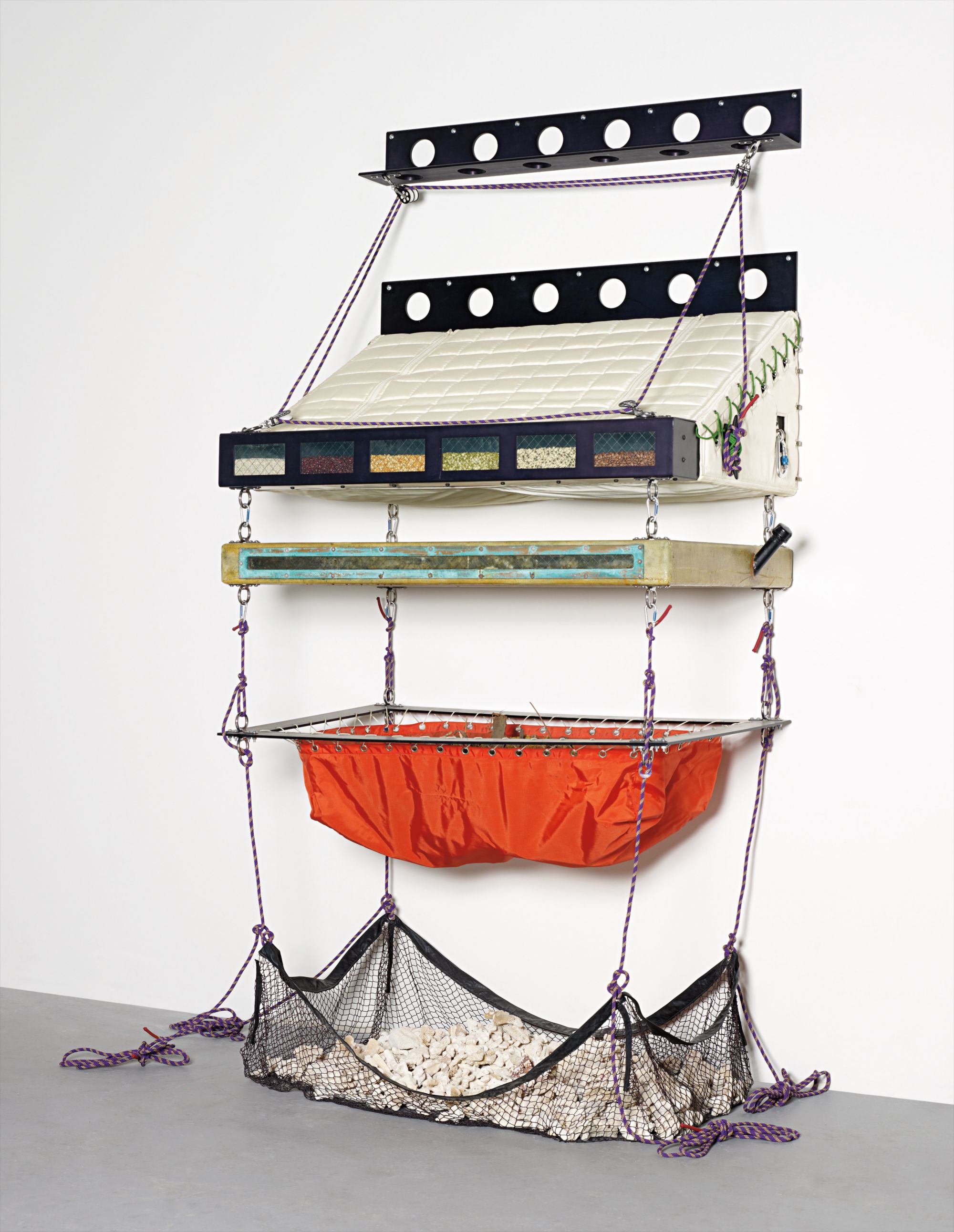
Ashley Bickerton
Stratified Landscape #3
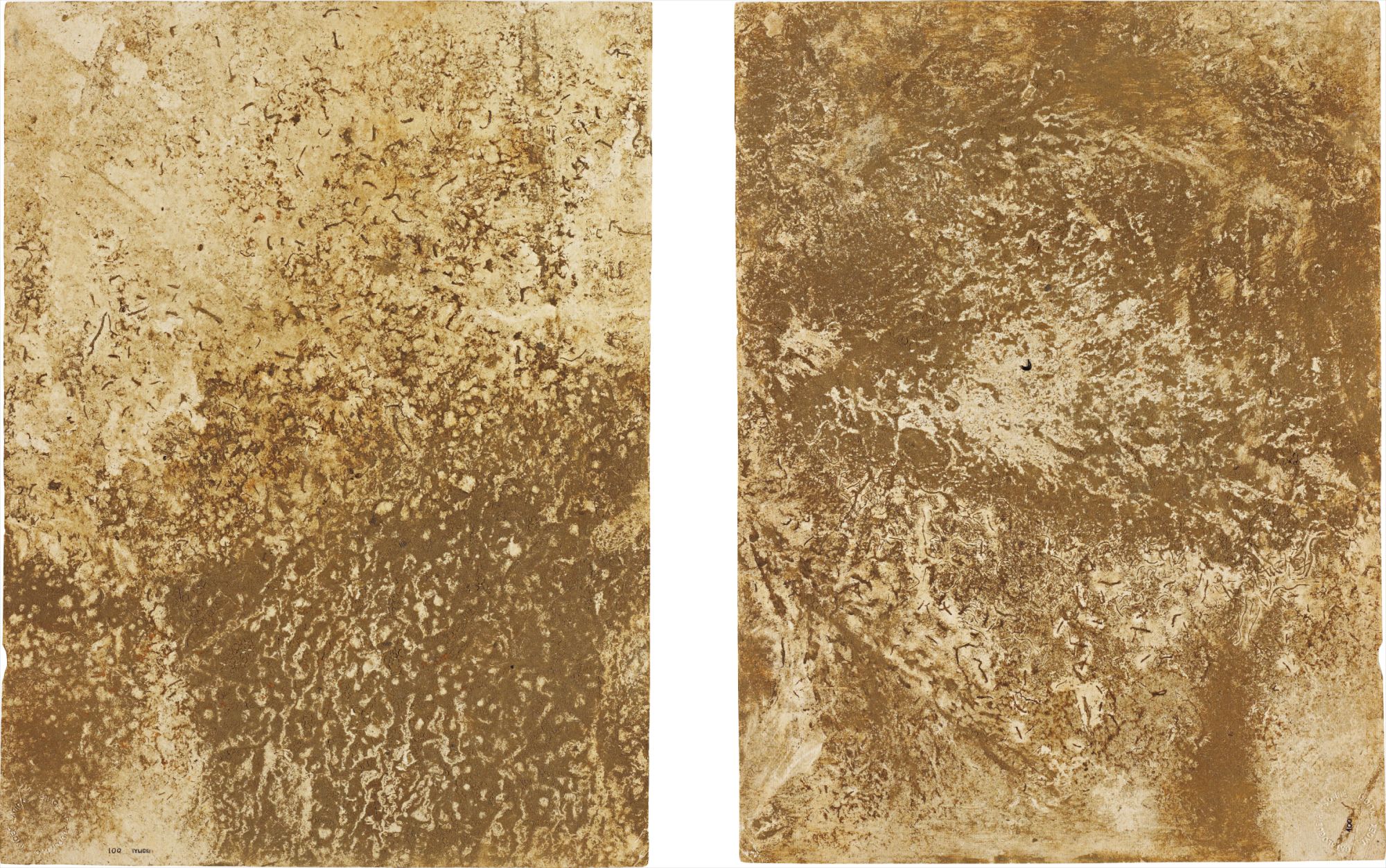
Jacek Tylicki
11 Days in the Rushes of the River + Rain, Hoje River, S.W. Of Lund, Sweden
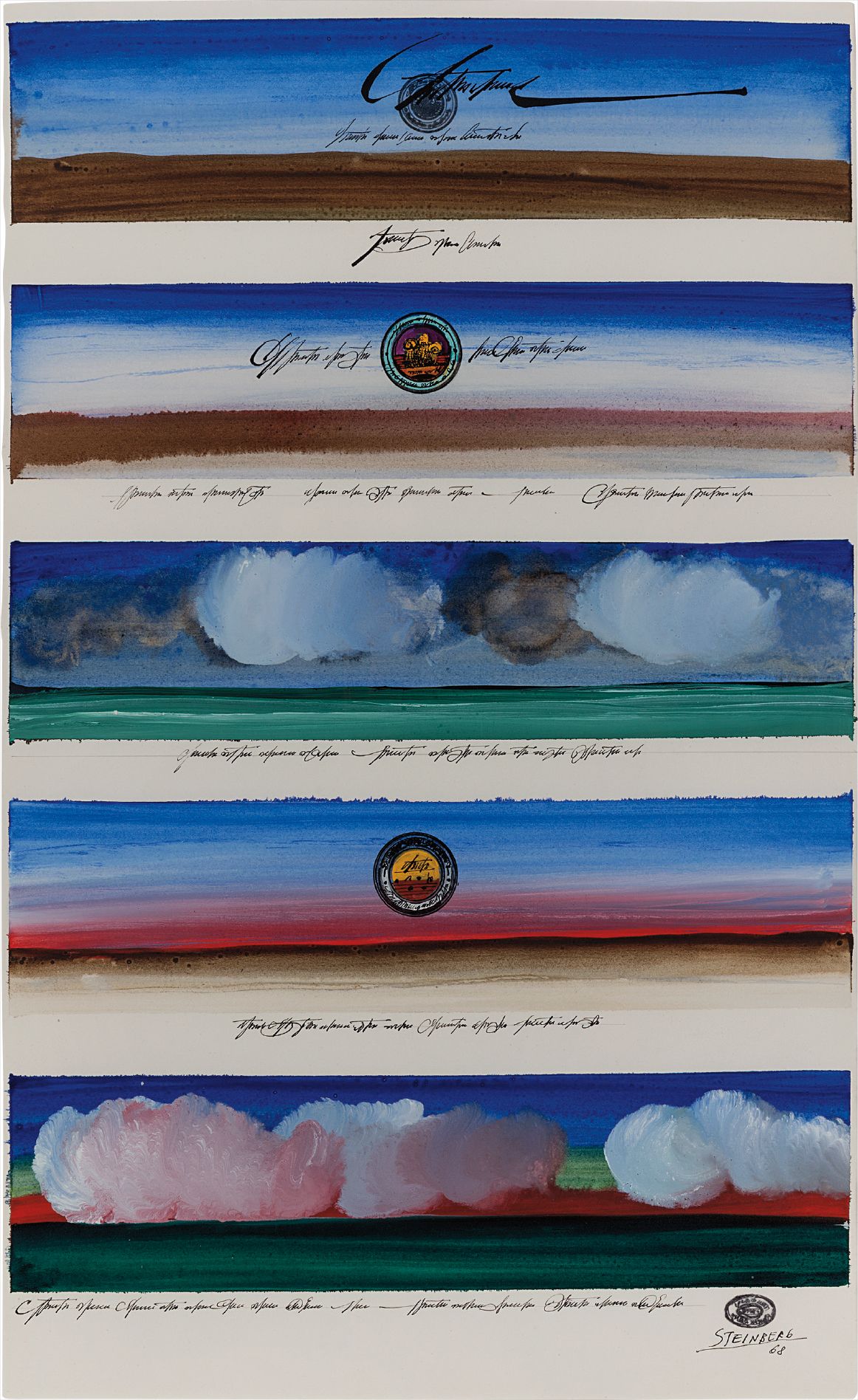
Saul Steinberg
Certified Landscapes
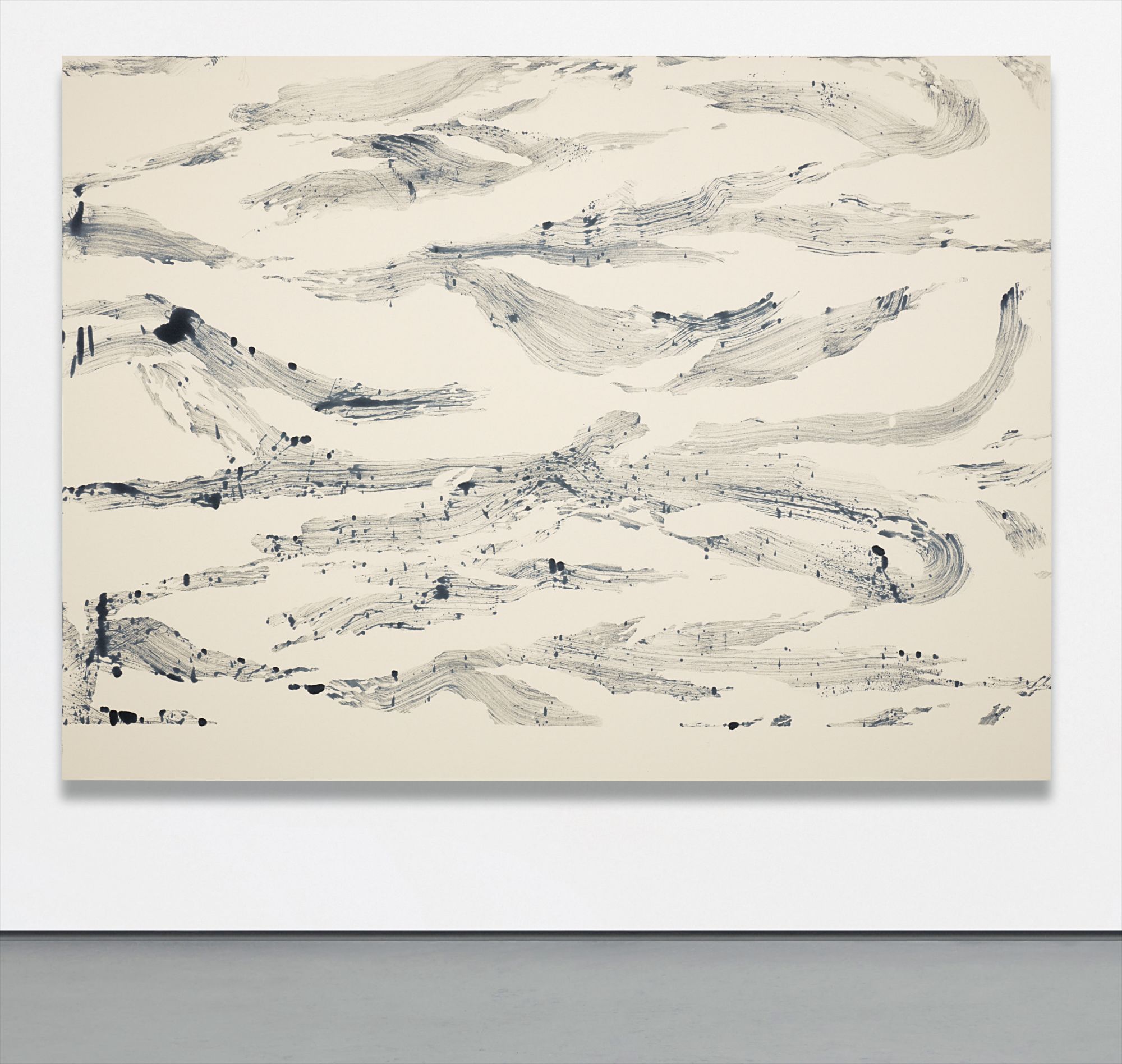
Lucien Smith
A River Runs Through It
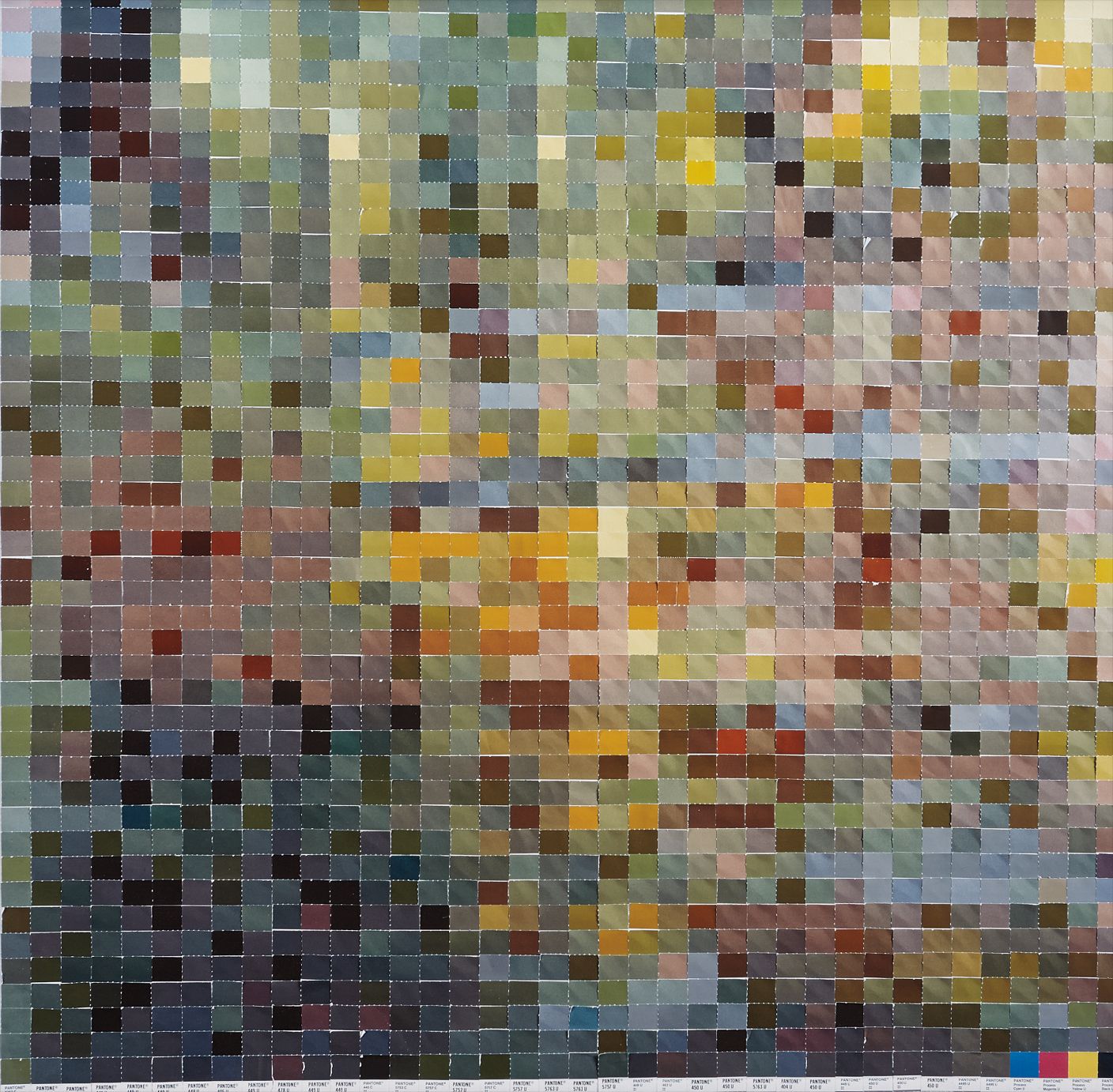
Vik Muniz
Giverny 2, after Monet #2 from Pictures of Color
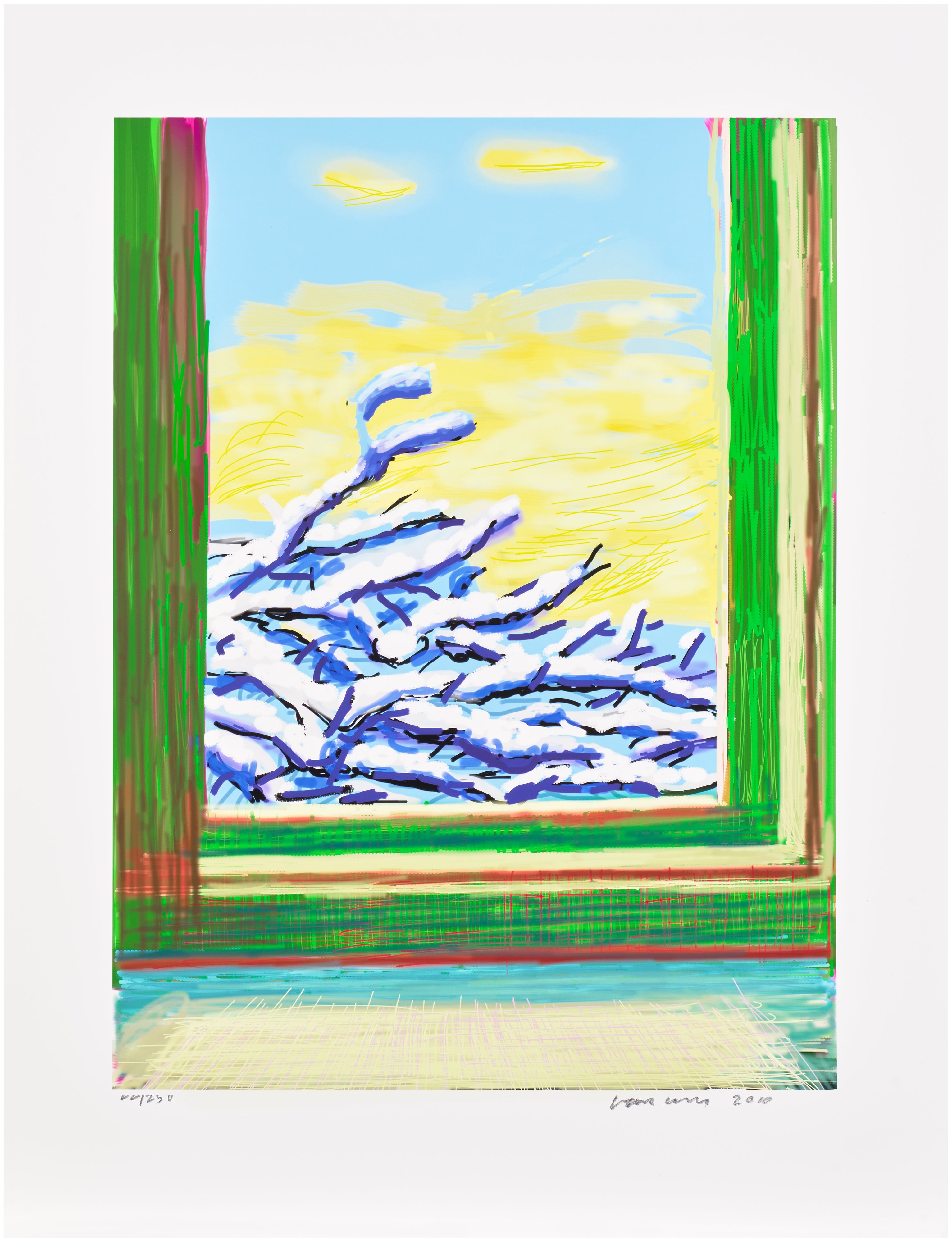
David Hockney
No. 610, 23rd December 2010, from My Window
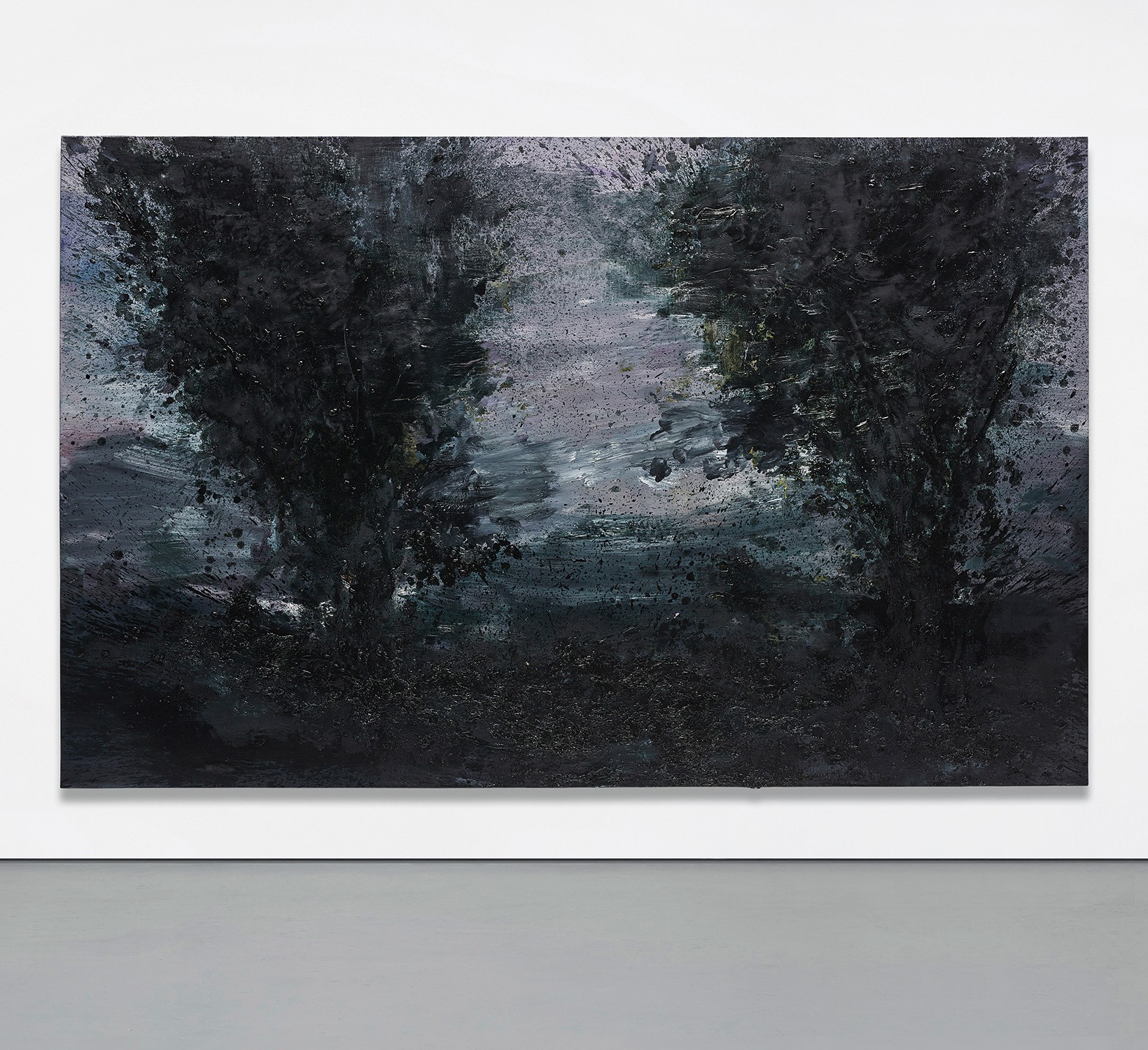
Yan Pei-Ming
Paysage International
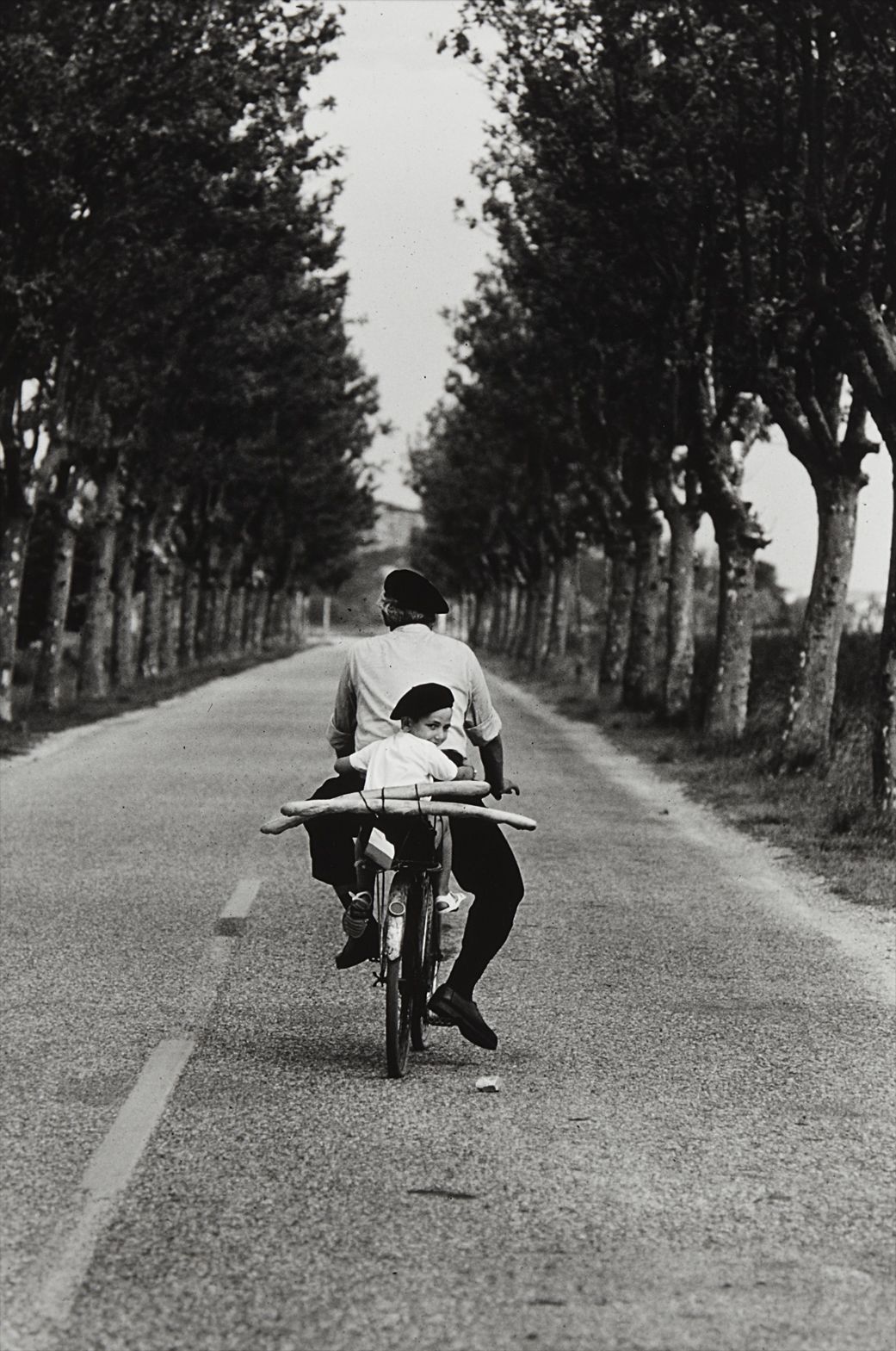
Elliott Erwitt
Provence, France
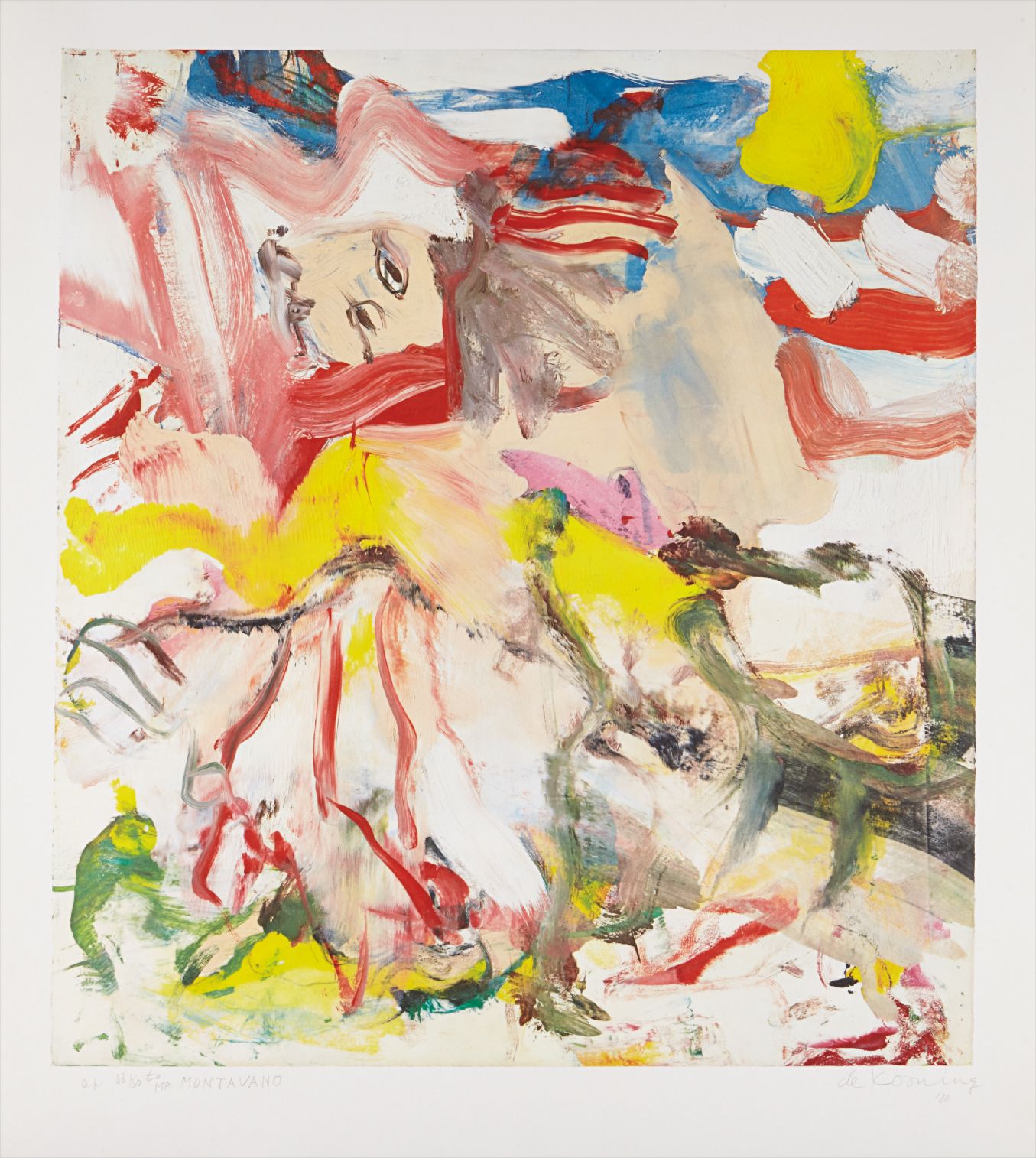
Willem de Kooning
Figures in a Landscape VI