
Frederic Edwin Church
5
Works
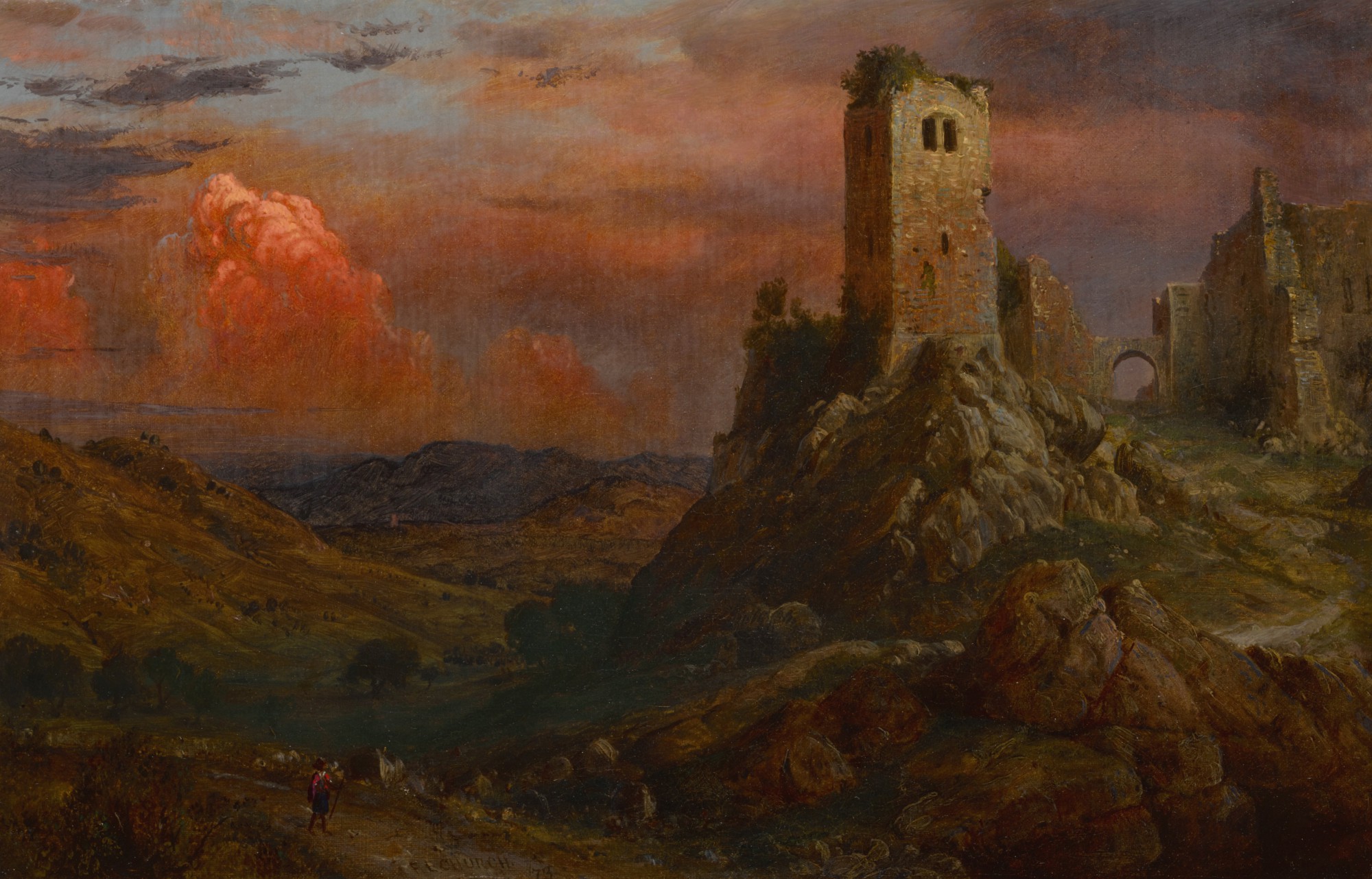
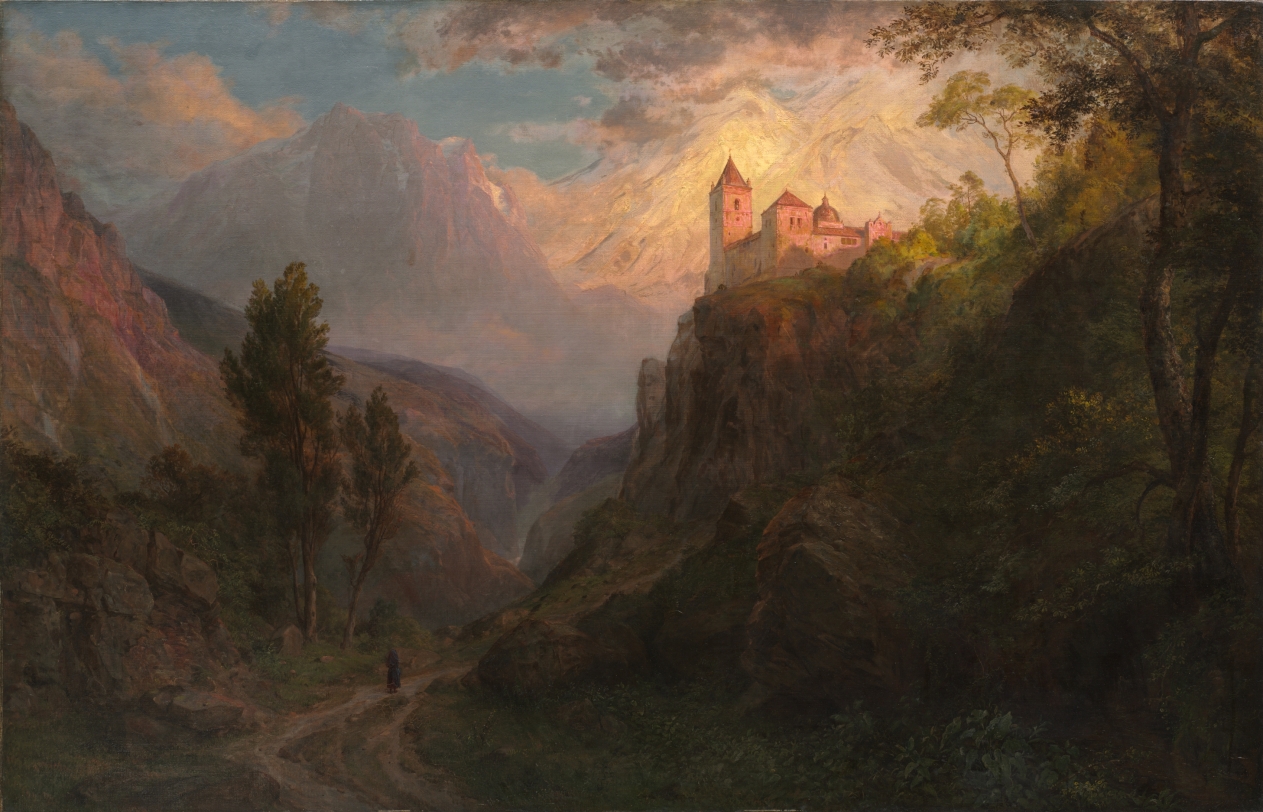
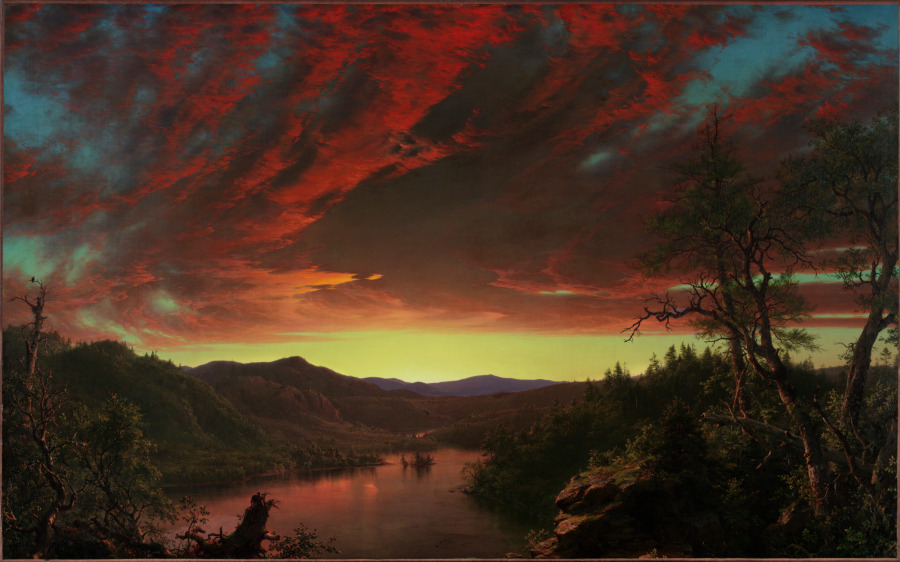
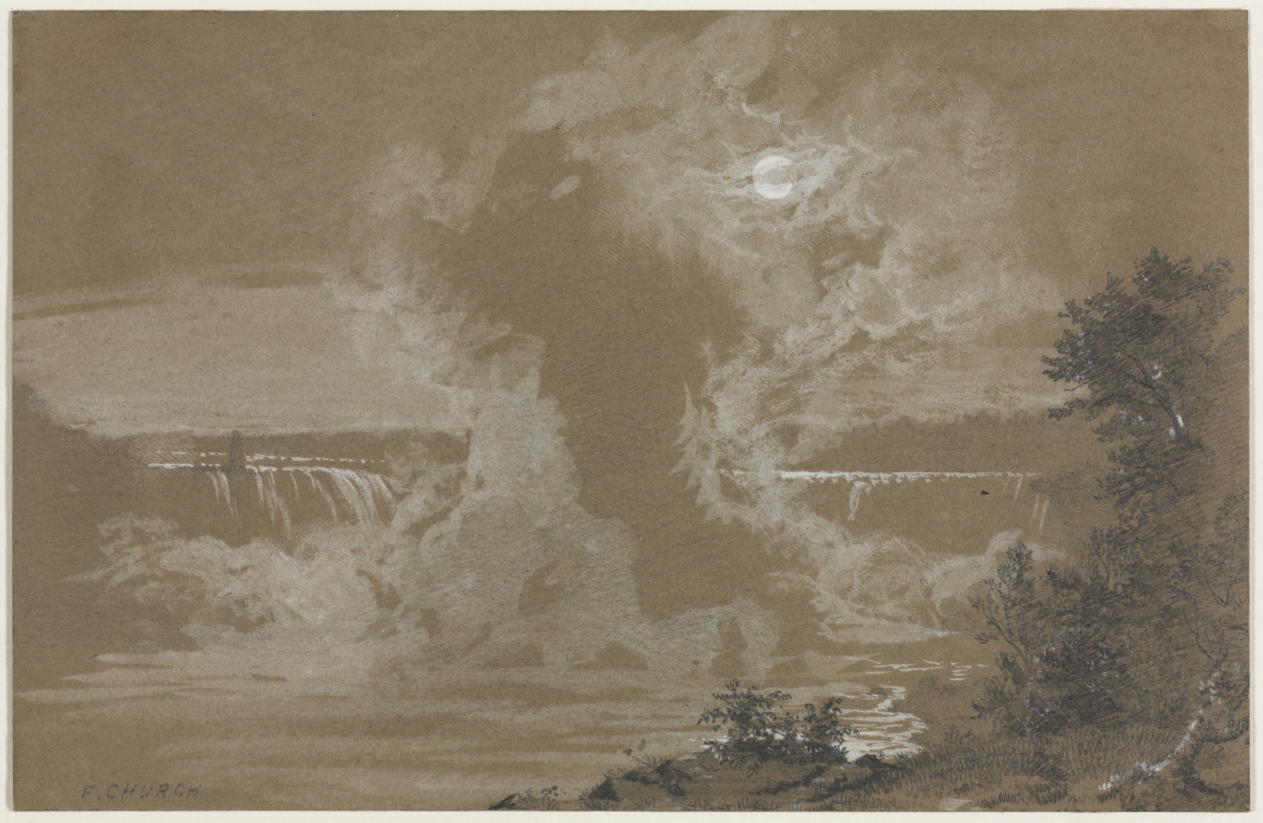
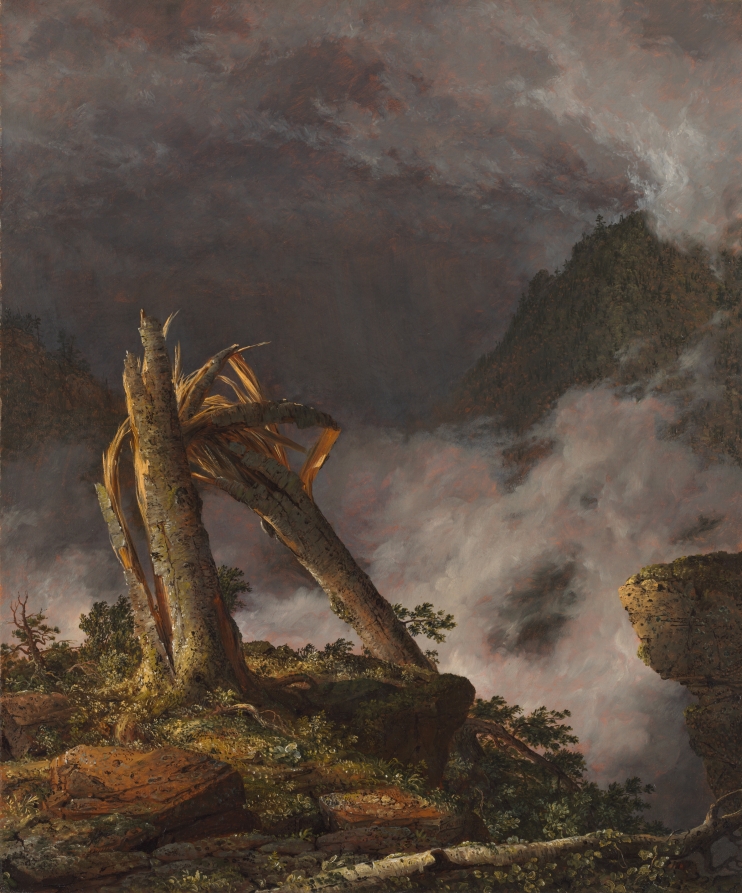
Frederic Edwin Church was one of the most celebrated American landscape painters of the 19th century and a central figure of the Hudson River School. Born in Hartford, Connecticut, Church studied under Thomas Cole, the founder of the Hudson River School, and quickly surpassed his master in technical virtuosity and popular acclaim. Church became renowned for his monumental, luminous landscapes that combined scientific accuracy with romantic grandeur, often depicting dramatic natural phenomena such as icebergs, volcanoes, and tropical wilderness. His meticulous attention to geological and botanical detail reflected the era's fascination with natural science and exploration, while his theatrical compositions and mastery of light effects created works of sublime beauty that captivated American and European audiences alike. Church's most famous works include "Niagara" (1857), which caused a sensation when exhibited and established him as America's preeminent landscape painter, "The Heart of the Andes" (1859), a six-foot-wide masterpiece that drew thousands of paying visitors in New York, and "Twilight in the Wilderness" (1860). He traveled extensively throughout his career, making expeditions to South America, the Arctic, Jamaica, and the Middle East, transforming his sketches and studies into monumental studio paintings. His work "The Icebergs" (1861) and "Cotopaxi" (1862) exemplify his ability to capture both the awesome power and exquisite beauty of nature on a grand scale. Church's significance extends beyond his technical mastery to his role in shaping American cultural identity during a period of westward expansion and national self-definition. His paintings embodied the concept of Manifest Destiny and America's unique natural heritage. In his later years, Church designed and built Olana, his Persian-inspired villa overlooking the Hudson River in New York, which itself became a gesamtkunstwerk reflecting his aesthetic vision. Today, Olana operates as a historic site and museum. Church's work influenced generations of landscape painters and remains central to understanding 19th-century American art, representing the pinnacle of the Hudson River School's achievement.
Spotted by
Artists in conversation