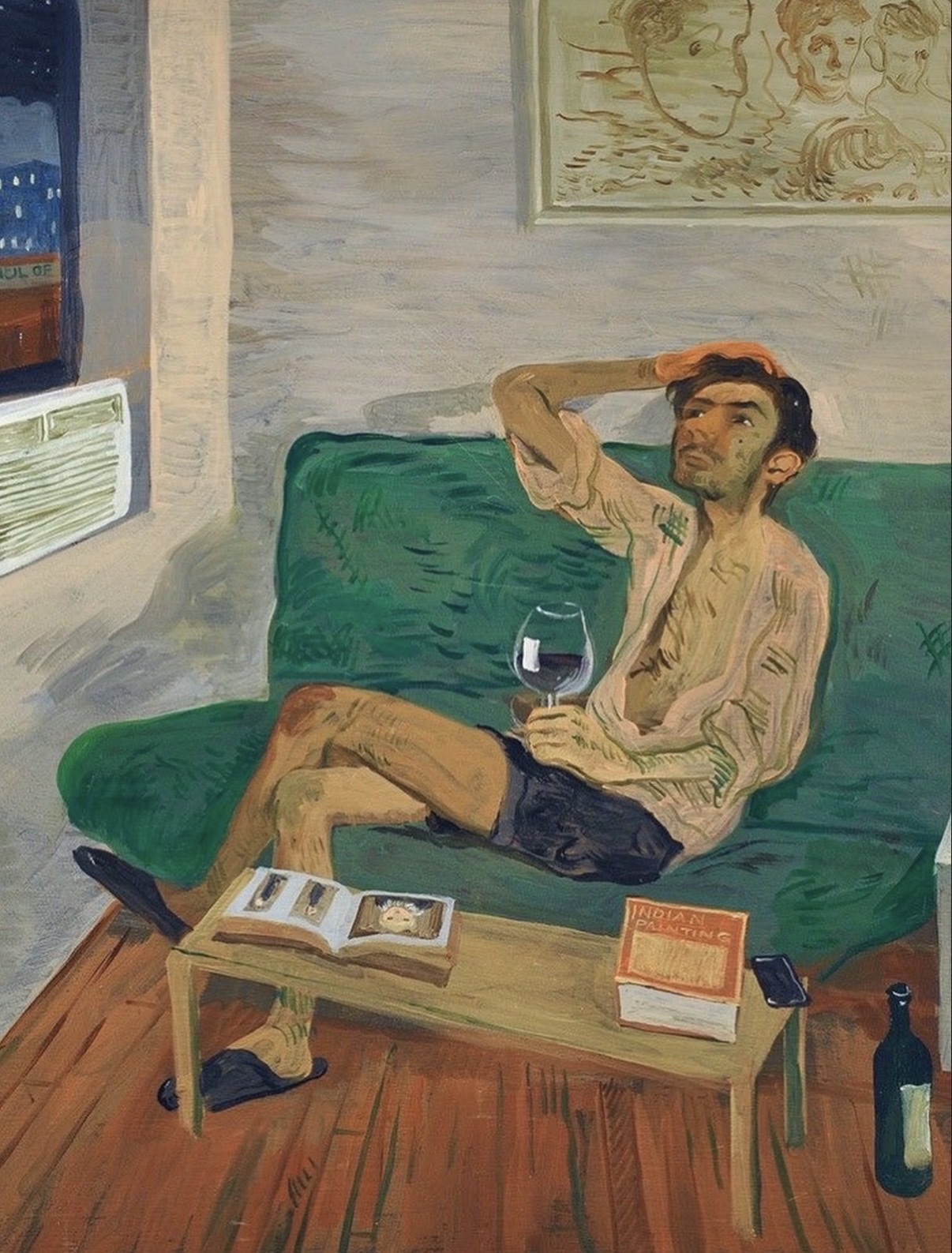
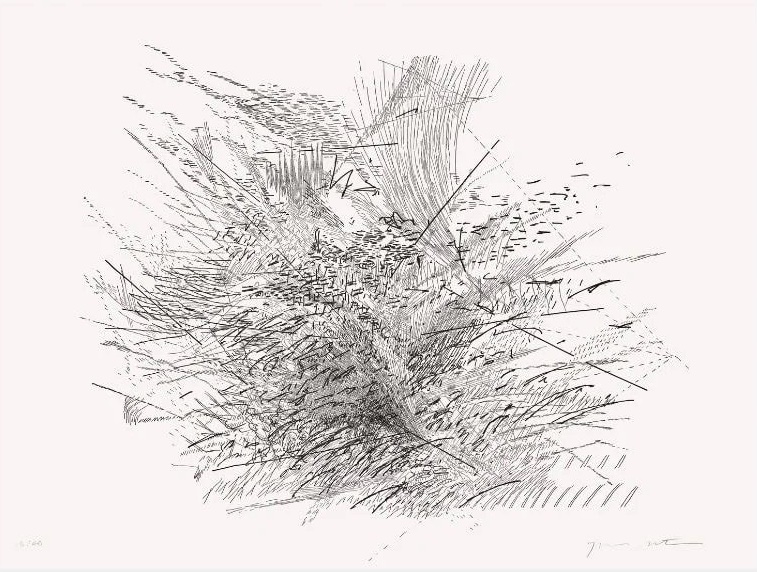
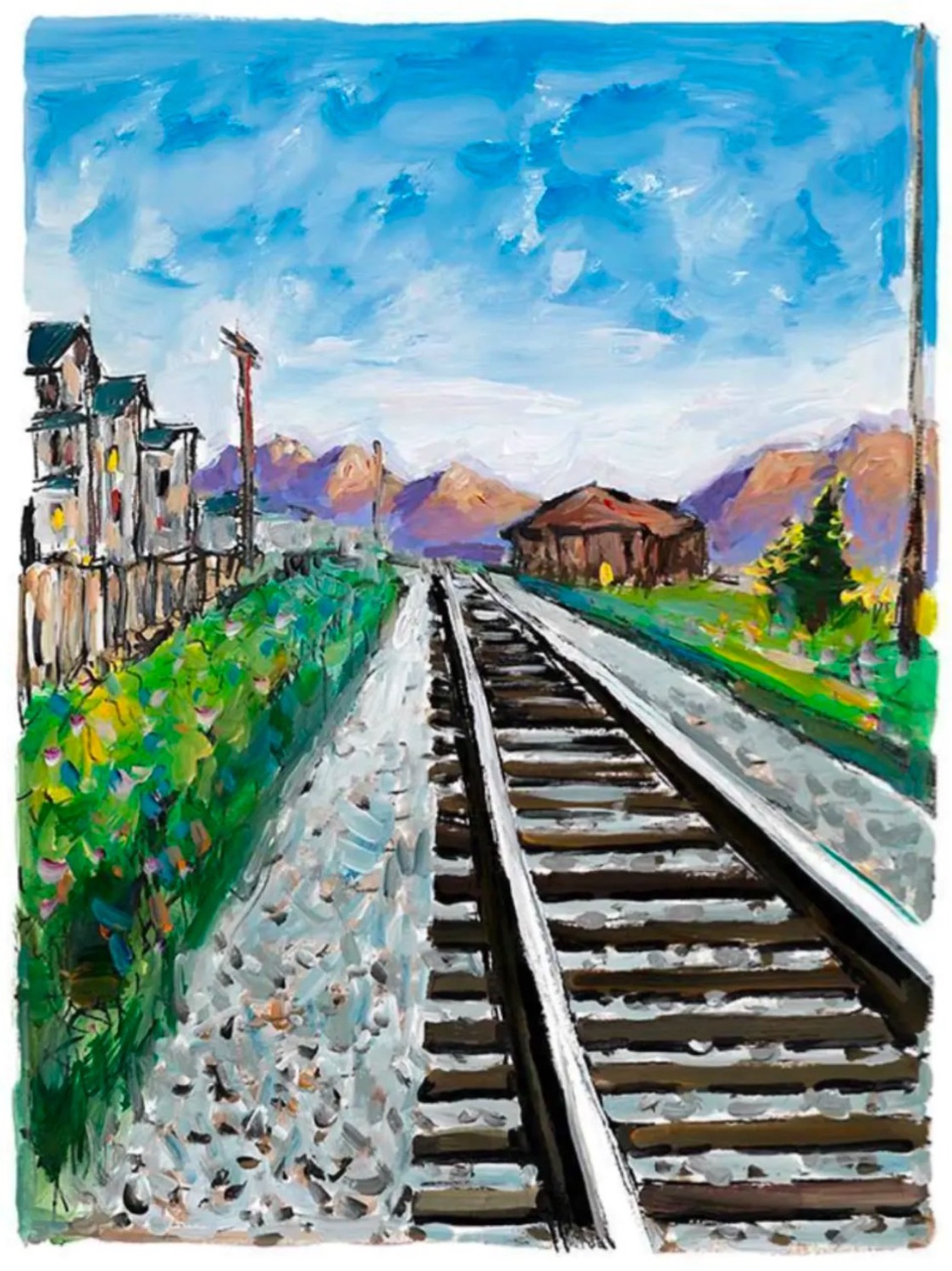
Landscape Subject
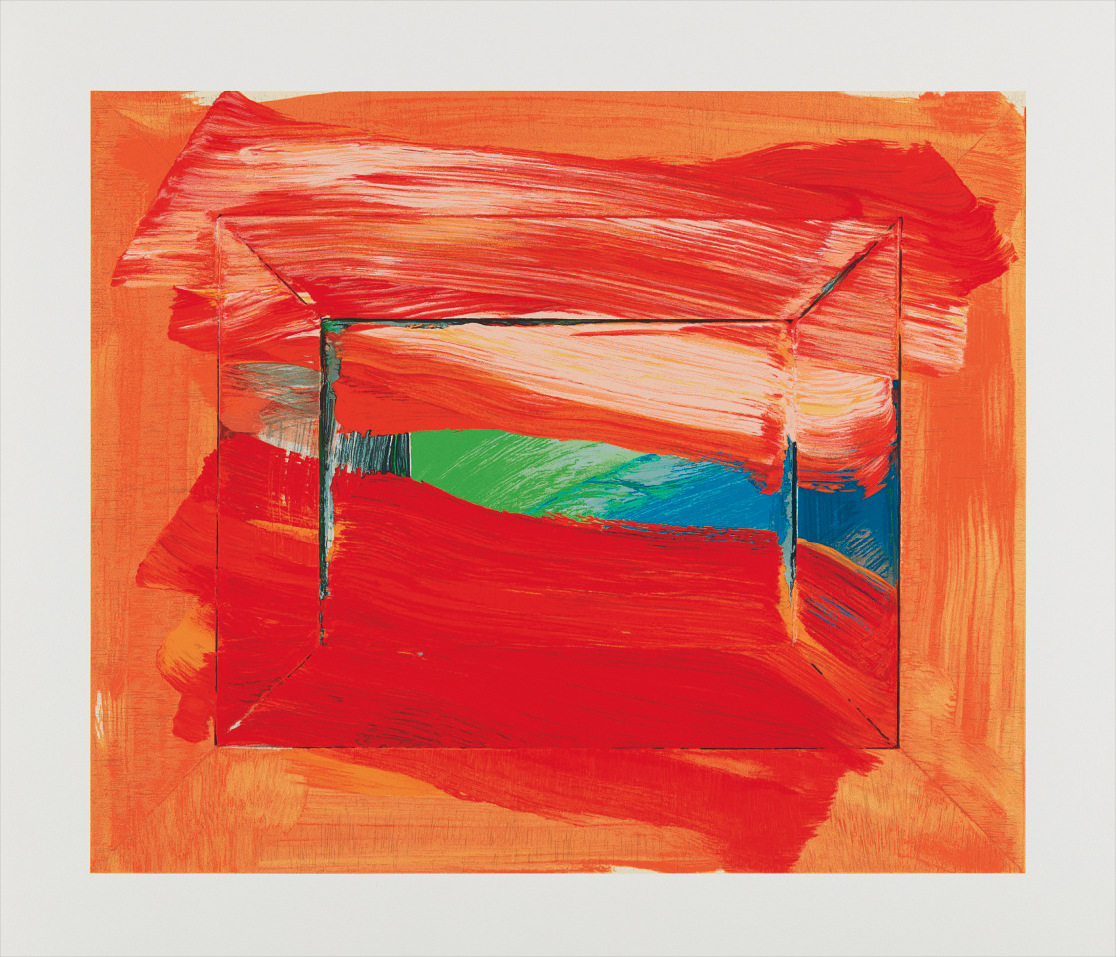
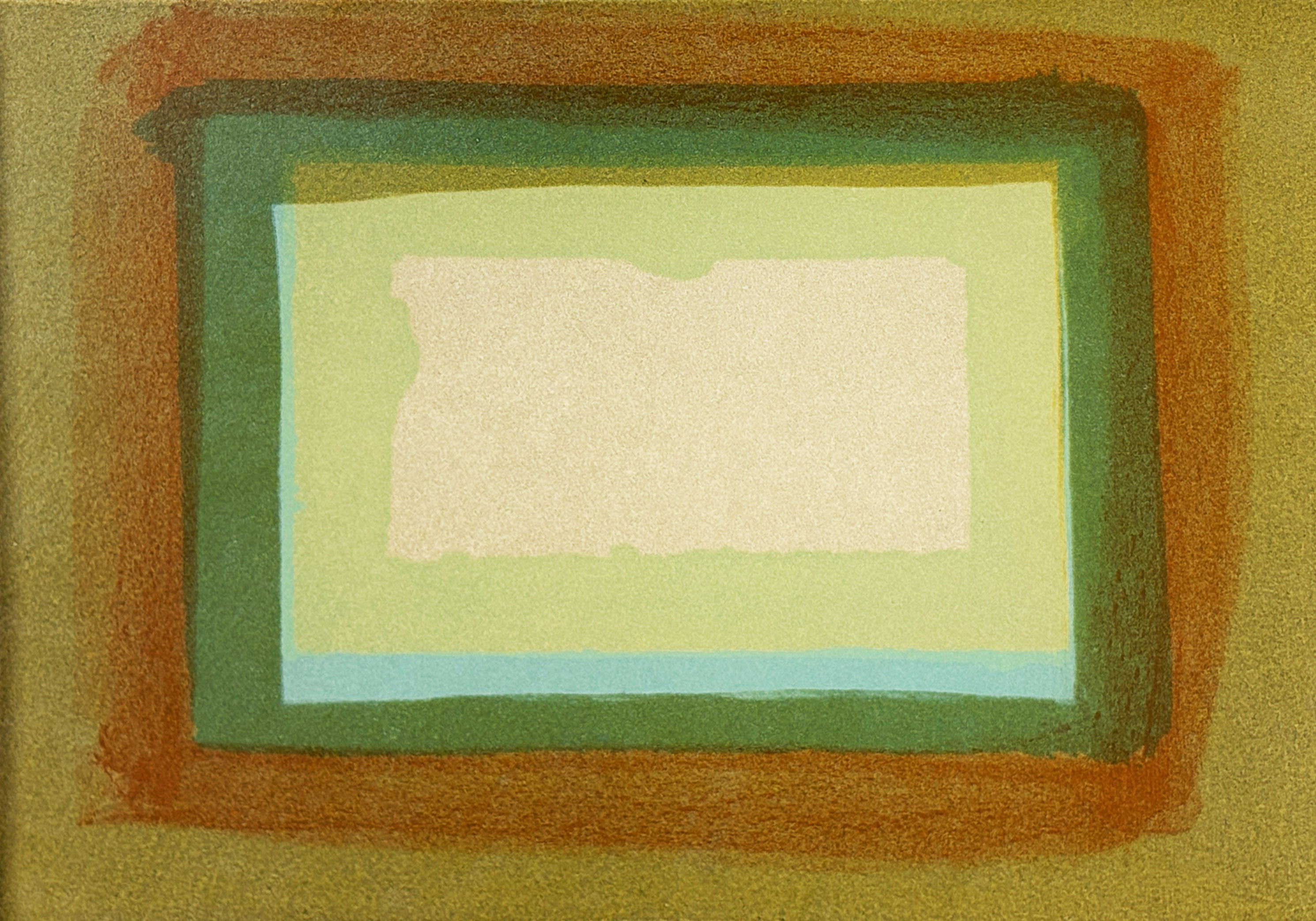
Howard Hodgkin
The Sky's the Limit



The Land Was Never Just There
There is something almost embarrassingly primal about the human need to look at land and call it beautiful. Landscape as a subject has been with us since the cave painters at Lascaux traced the contours of hills and rivers behind their animal figures, yet for centuries Western art considered it a minor genre, a backdrop rather than a subject. What changed over the last four hundred years is one of the most compelling stories in the history of art: how the world outside the window became a mirror for everything happening within. The elevation of landscape to serious artistic purpose happened gradually, with the Dutch Golden Age providing perhaps the first sustained argument for its legitimacy.
By the seventeenth century, painters like Jacob van Ruisdael and Meindert Hobbema were producing works in which weather, light, and topography carried the full emotional and philosophical weight that history painting had claimed for itself. The genre arrived in England with particular intensity, and by the early nineteenth century Turner and Constable were engaged in a kind of friendly rivalry over who could make nature feel more urgently, more personally true. Constable's oil sketches, worked directly from observation at Hampstead Heath, introduced a rawness and immediacy that would echo forward through Impressionism and well beyond. The Impressionists, of course, transformed everything.
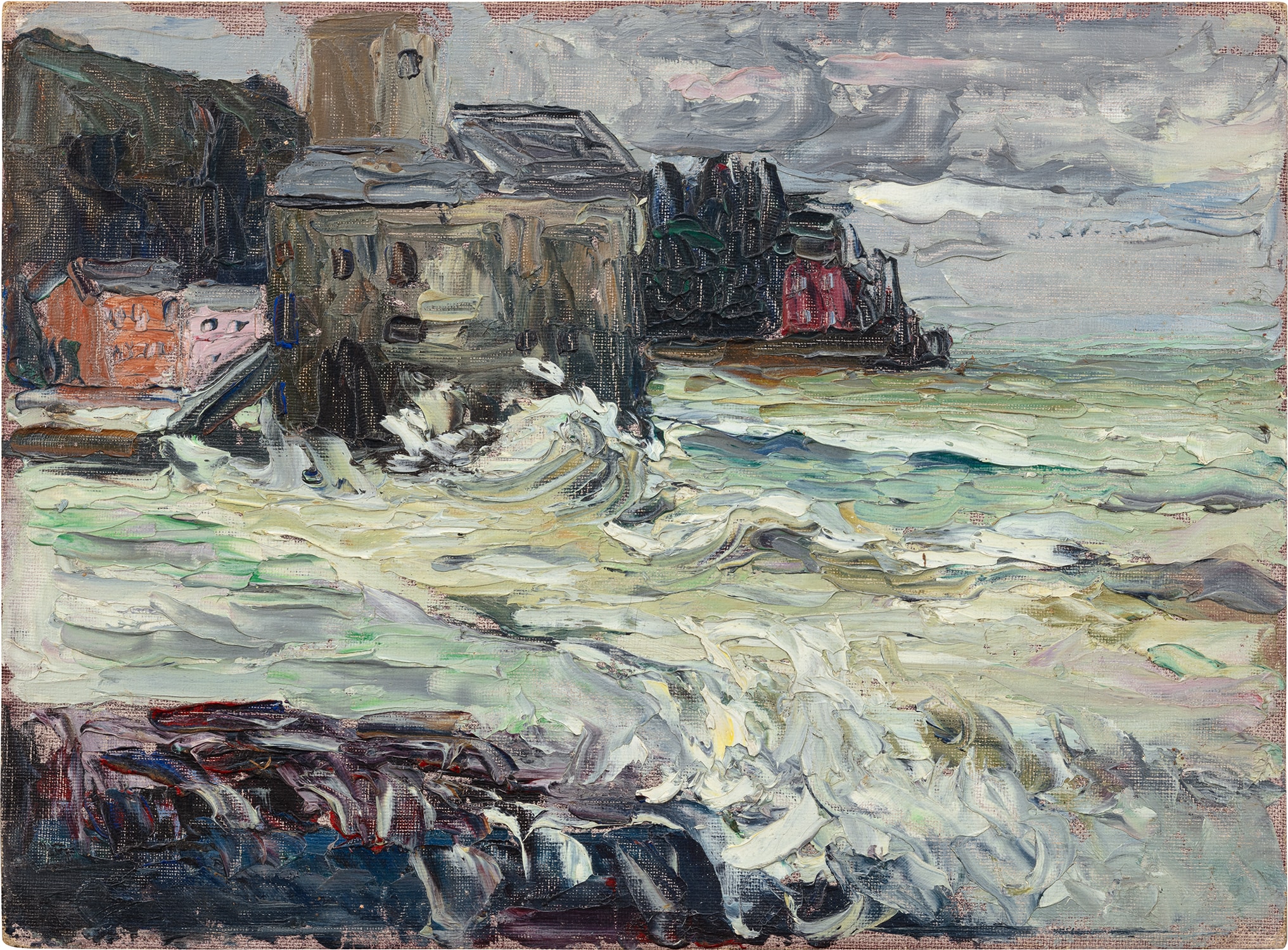
Wassily Kandinsky
Rapallo-Stürmischer Tag, 1906
When Monet began his extended studies of the same haystacks, the same Rouen Cathedral facade, the same stretch of the Seine at different hours and seasons in the 1890s, he was no longer really painting the land at all. He was painting perception itself, the way light deceives and reveals, the way the eye constructs rather than simply receives. This conceptual shift quietly redefined what landscape could mean, opening a door through which abstraction would eventually walk. Wassily Kandinsky, represented on The Collection, moved from his early expressionist landscapes toward total abstraction partly by asking what would remain of a painting if the subject disappeared entirely.
His answer changed the course of modernism. By the mid twentieth century, landscape had fragmented into something plural and contested. The Abstract Expressionists in America engaged with it obliquely, finding in the vastness of the American continent a kind of sublime pressure that demanded new formal responses. Then came the earthwork artists of the 1960s and 70s, Robert Smithson chief among them, who took the question of landscape entirely out of the studio and into the terrain itself.
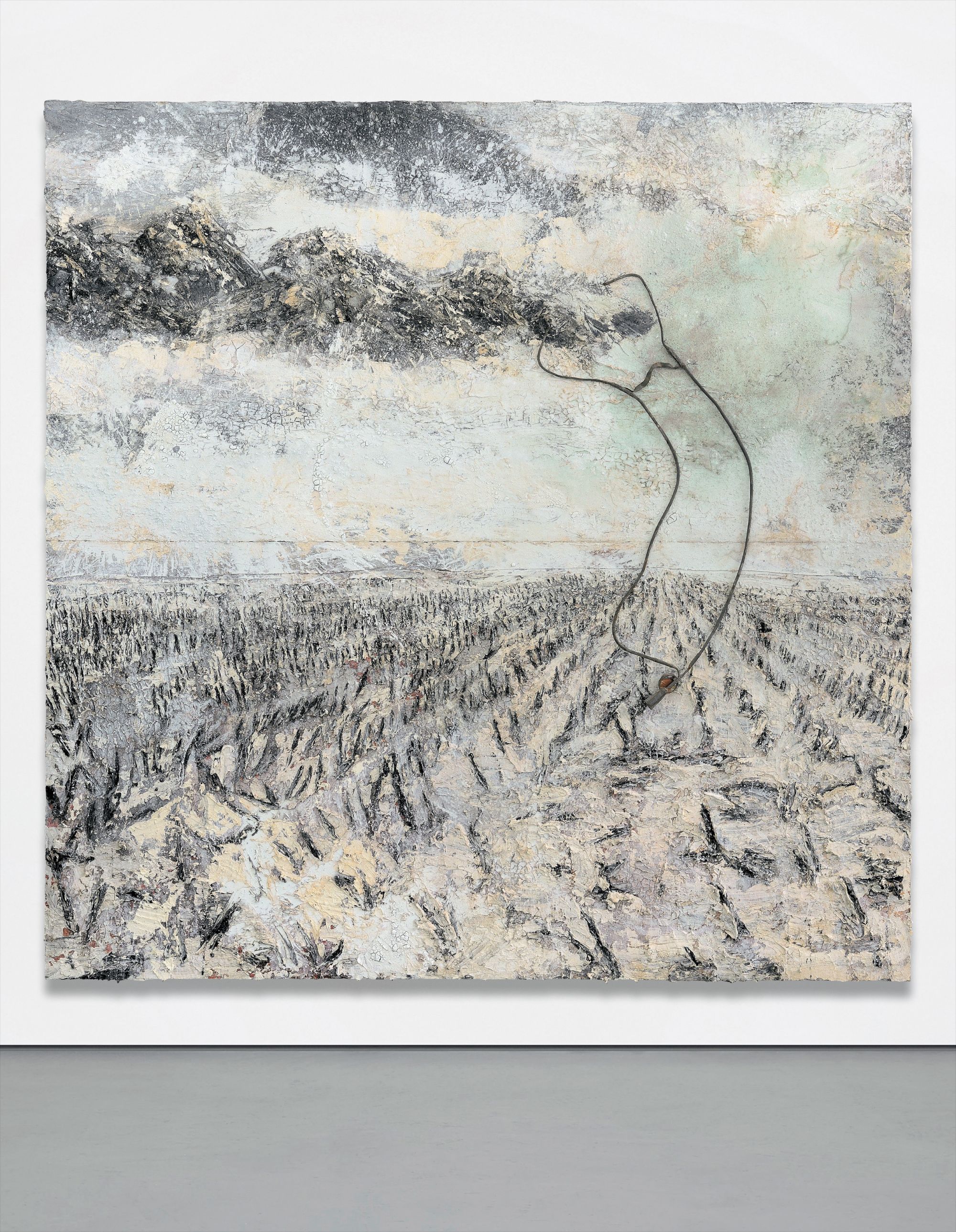
Anselm Kiefer
Der Wolken heitere Stimmung, 2011
Smithson's Spiral Jetty, completed in 1970 on the shores of Great Salt Lake in Utah, collapsed the distance between representation and subject: the land was not something to depict but something to inhabit, reshape, and think with. Anselm Kiefer, whose monumental work on The Collection speaks to his sustained engagement with the German countryside as a site of memory and myth, belongs to this tradition of treating landscape as historical and psychological burden rather than visual pleasure. Photography, from its earliest moments, introduced an entirely different set of questions. When Peter Henry Emerson published his treatise on naturalistic photography in 1889 and made his lyrical studies of the Norfolk Broads, he was insisting that the camera could achieve something as artistically valid as the painted landscape.
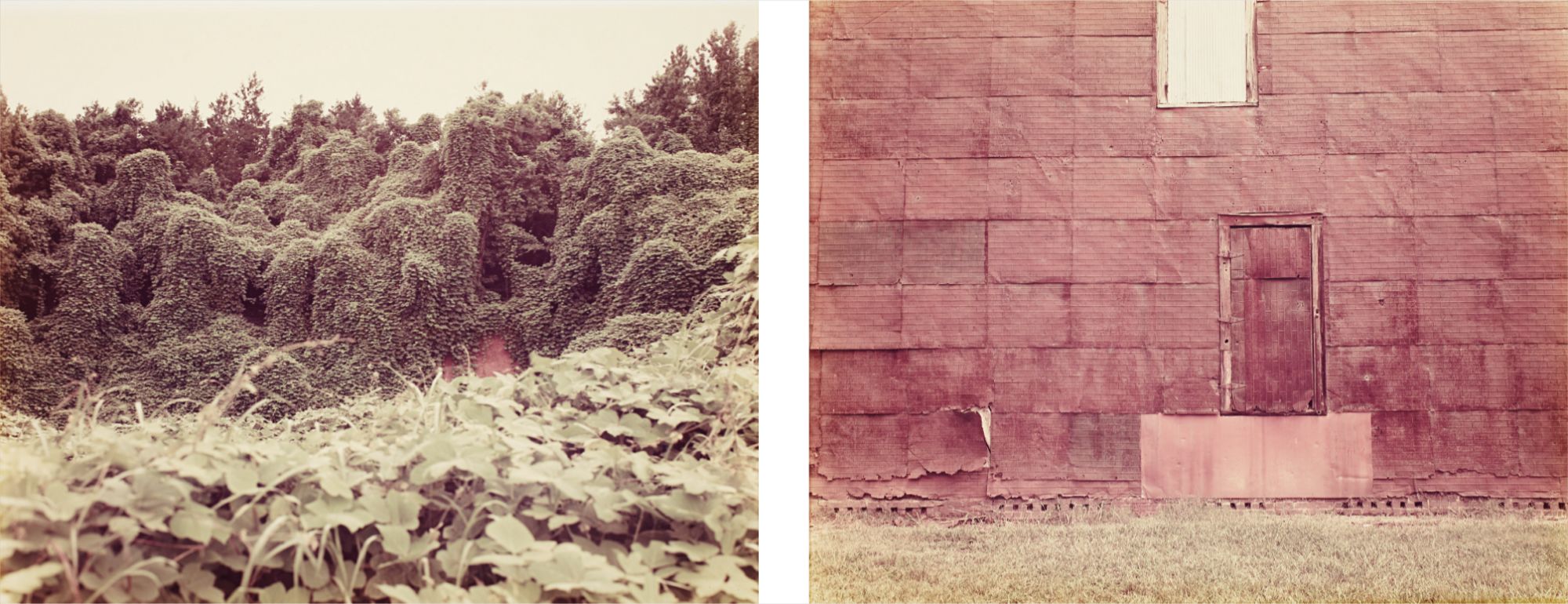
Eugène Atget, working in and around Paris from the 1890s onward, brought an almost anthropological intensity to the landscapes of the city's edges and formal gardens, creating documents that felt simultaneously like records and elegies. Both artists are represented on The Collection, and their presence alongside painters suggests something true about how the medium conversation in landscape has always been rich and generative. Stephen Shore and William Christenberry, both of whom appear on The Collection, later extended this tradition into the American vernacular, finding in ordinary roads, storefronts, and fields a kind of deadpan poetry that challenged the hierarchy between dramatic and mundane subjects. David Hockney, whose work features prominently on The Collection, has returned to landscape repeatedly across his career in a way that feels like a sustained argument.
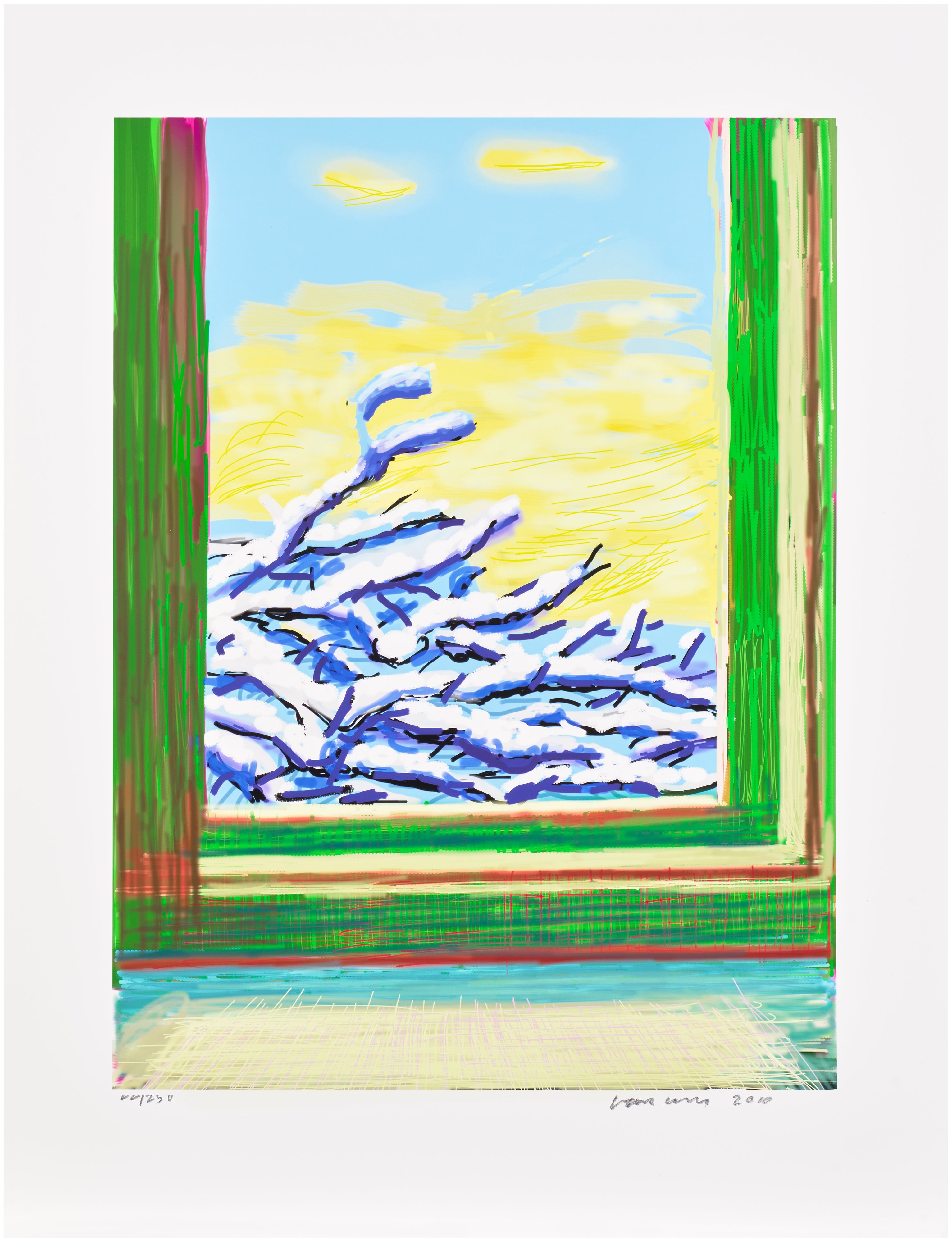
David Hockney
No. 610, 23rd December 2010, from My Window
His Yorkshire paintings from the mid 2000s, many of them constructed from multiple canvases joined together, explored how the eye actually moves through a landscape over time, refusing the single fixed viewpoint that classical perspective demanded. Gerhard Richter, also well represented here, approached landscape from exactly the opposite direction: his photo paintings of the 1960s and 70s produced images that looked like photographs slightly out of focus, introducing doubt and memory into the genre in ways that felt entirely contemporary. Where Hockney insists on the sensory abundance of being in a place, Richter suggests that our relationship to landscape is always already mediated, always arriving through some layer of image or memory. What unites the most compelling landscape work today is precisely this awareness of mediation.
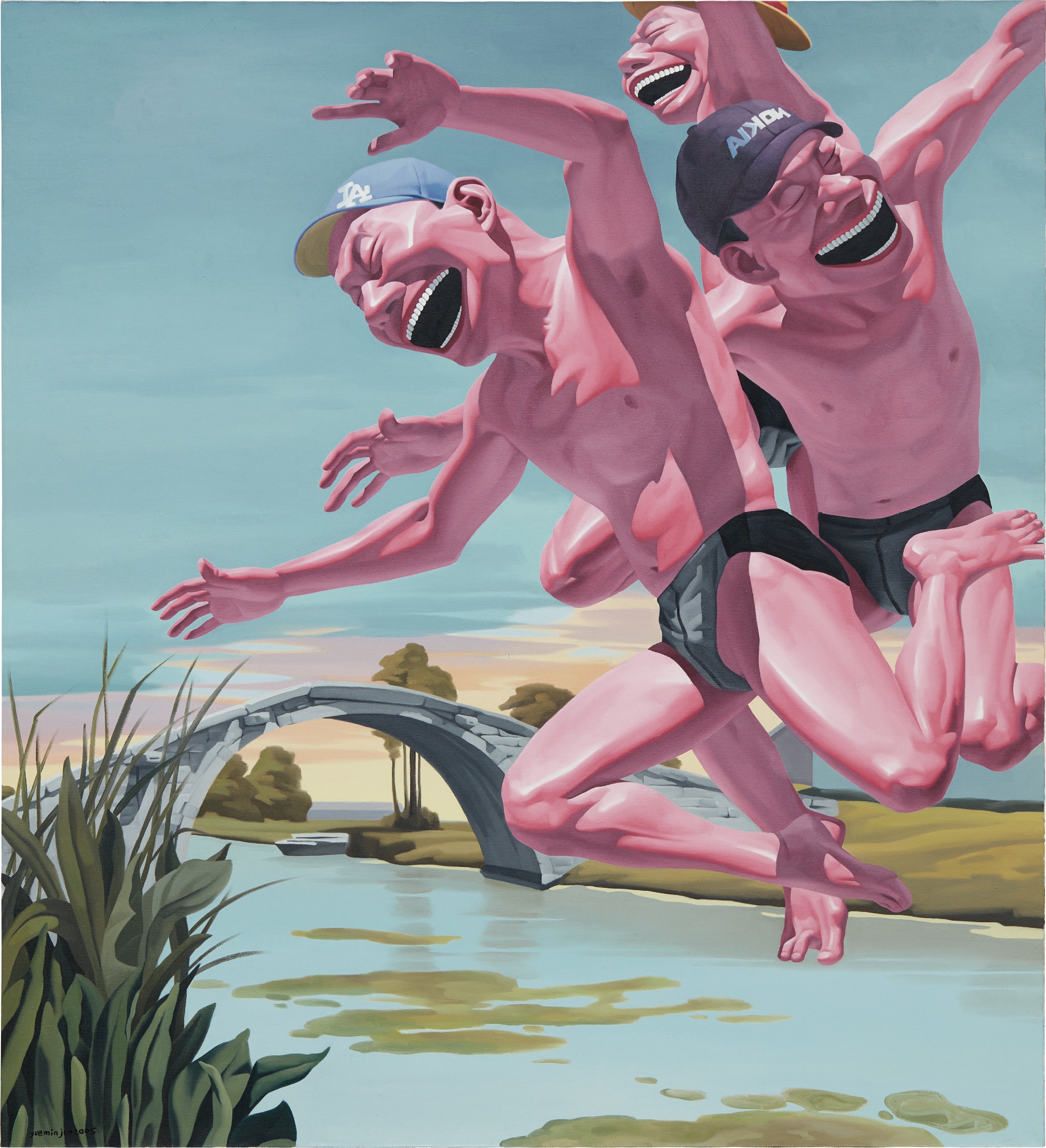
John Gerrard, whose practice involves real time computer simulations, creates landscape works that exist in perpetual, algorithmic time, asking whether a place rendered without a camera or a brush can still carry the emotional weight we associate with landscape art. Spencer Finch's investigations into light and color, Doug Aitken's fragmented explorations of American geography and infrastructure, and David Maisel's aerial photographs of industrial sites and depleted lakes all locate the genre at the intersection of environmental urgency and formal experimentation. The landscape has become, in the best contemporary work, a place to think about time, damage, beauty, and complicity simultaneously. That a nineteenth century Canton enamel dish decorated with landscape motifs and works by Billy Childish, Alex Katz, and Yang Fudong can all reasonably belong to the same conversation is itself a kind of revelation.
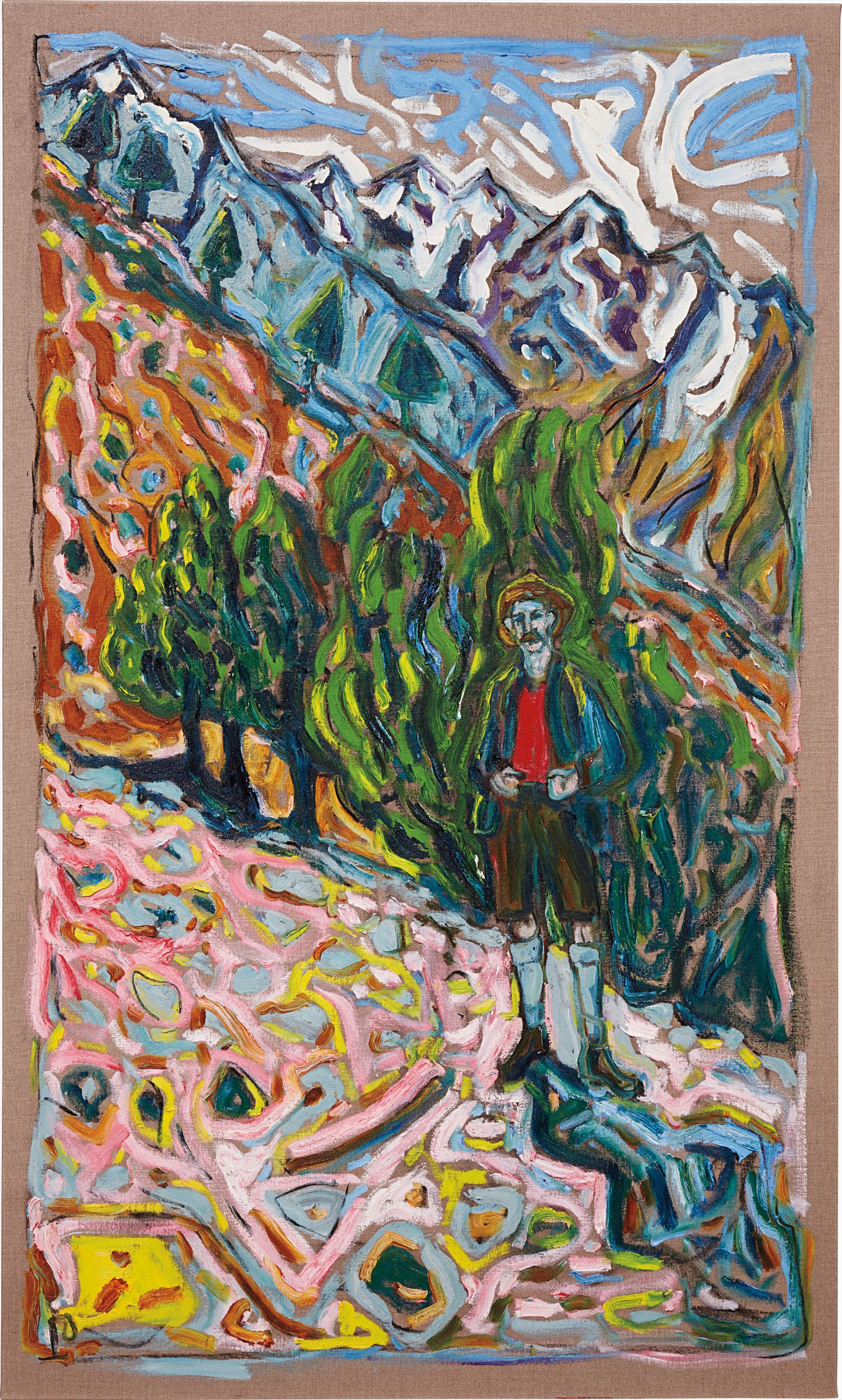
Billy Childish
Stood Before Juniper Trees - High Atlas
Landscape cuts across medium, geography, and century in ways few other subjects can claim. It is never just scenery. It is where we project our fears, our ideals, our losses, and our most persistent longing for something we can never quite name. That is why collectors have always been drawn to it, and why it continues to generate the most unexpected and necessary art of our time.