Landscape Setting
Archived article

Giovanni di Pietro, called Spagna
Madonna and Child in a Verdant Landscape
You are reading a previous version of this article.
Read the latest version```json { "headline": "The Land Never Lies to Collectors", "body": "There is something quietly radical about a collector choosing to live with a landscape. In an art world that frequently prizes the conceptually dense, the politically urgent, or the technically bewildering, the decision to hang a painting of sky and earth on your wall can feel almost like a confession. But collectors who have spent time with great landscape works will tell you the same thing: the genre rewards sustained looking in a way that few categories can match. The painting changes with the light of the room, with the season outside the window, with the mood you carry into the space.
It meets you where you are.", "When we talk about what draws serious collectors to landscape, we are really talking about a particular kind of intimacy. These works do not demand interpretation so much as presence. They ask you to slow down, which is a genuinely countercultural act in contemporary collecting culture.
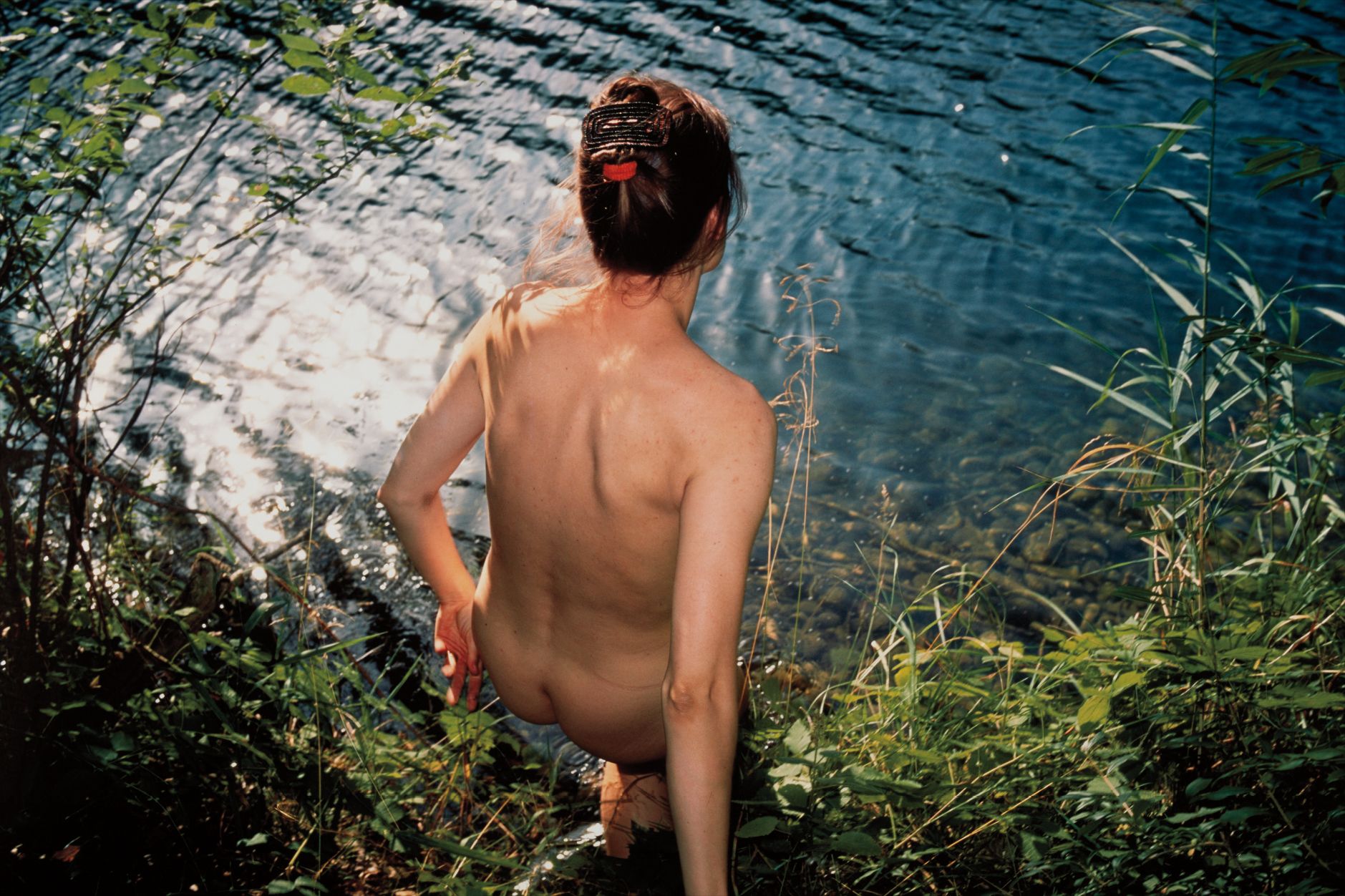
Nan Goldin
Geno by the lake, Bavaria
The best landscape works also carry an enormous amount of art historical weight without announcing it, so there is always more to discover the longer you look. That combination of immediate sensory pleasure and intellectual depth is extraordinarily rare, and it explains why strong landscapes hold their value so tenaciously across market cycles.", "The question of what separates a merely good landscape from a genuinely great one is where experienced collectors earn their perspective. Technical accomplishment is the entry point, not the destination.
A great landscape work captures something specific rather than something generic: a quality of light that belongs to a particular hour of a particular season, or a spatial logic that feels discovered rather than composed. Paul Cézanne, whose approach to landscape was so thoroughly transformational that it rewired how subsequent generations understood pictorial space, understood this intuitively. His views of Mont Sainte Victoire are not paintings of a mountain, they are investigations into how perception itself operates. When you encounter a Cézanne landscape, you are looking at a philosophical argument rendered in paint.
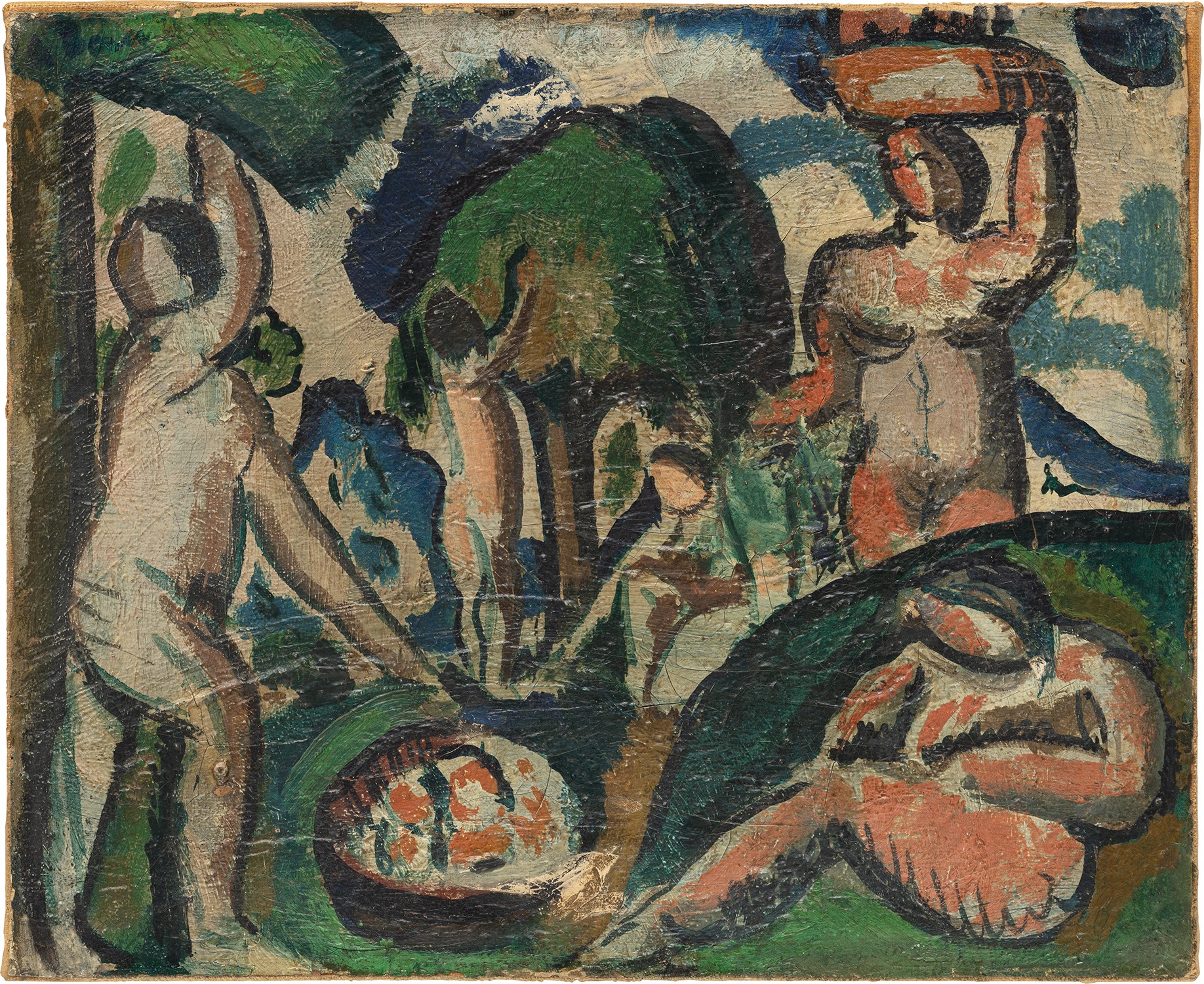
André Derain
Nus dans un paysage, 1908
That specificity of vision, the sense that only this artist could have produced this work from this place at this moment, is the quality collectors should be searching for relentlessly.", "Provenance and exhibition history carry real weight in this category. A landscape that appeared in a significant survey show, or that passed through a respected collection, carries a kind of institutional endorsement that matters both culturally and commercially. André Derain's Fauvist landscapes from the period around 1905 to 1908 are a useful case study here.
Works from those years, when Derain was working in intense dialogue with Matisse and rethinking the entire chromatic language of outdoor painting, have an energetic authority that his later work rarely matches. Collectors paying attention to period and context within an artist's career consistently outperform those who simply collect a name.", "For collectors thinking about value and long term strength, the works on The Collection offer a genuinely interesting cross section of how landscape has been approached across very different artistic sensibilities. Nigel Cooke brings a deeply layered, psychologically charged quality to landscape imagery, embedding narrative strangeness into settings that initially read as pastoral.
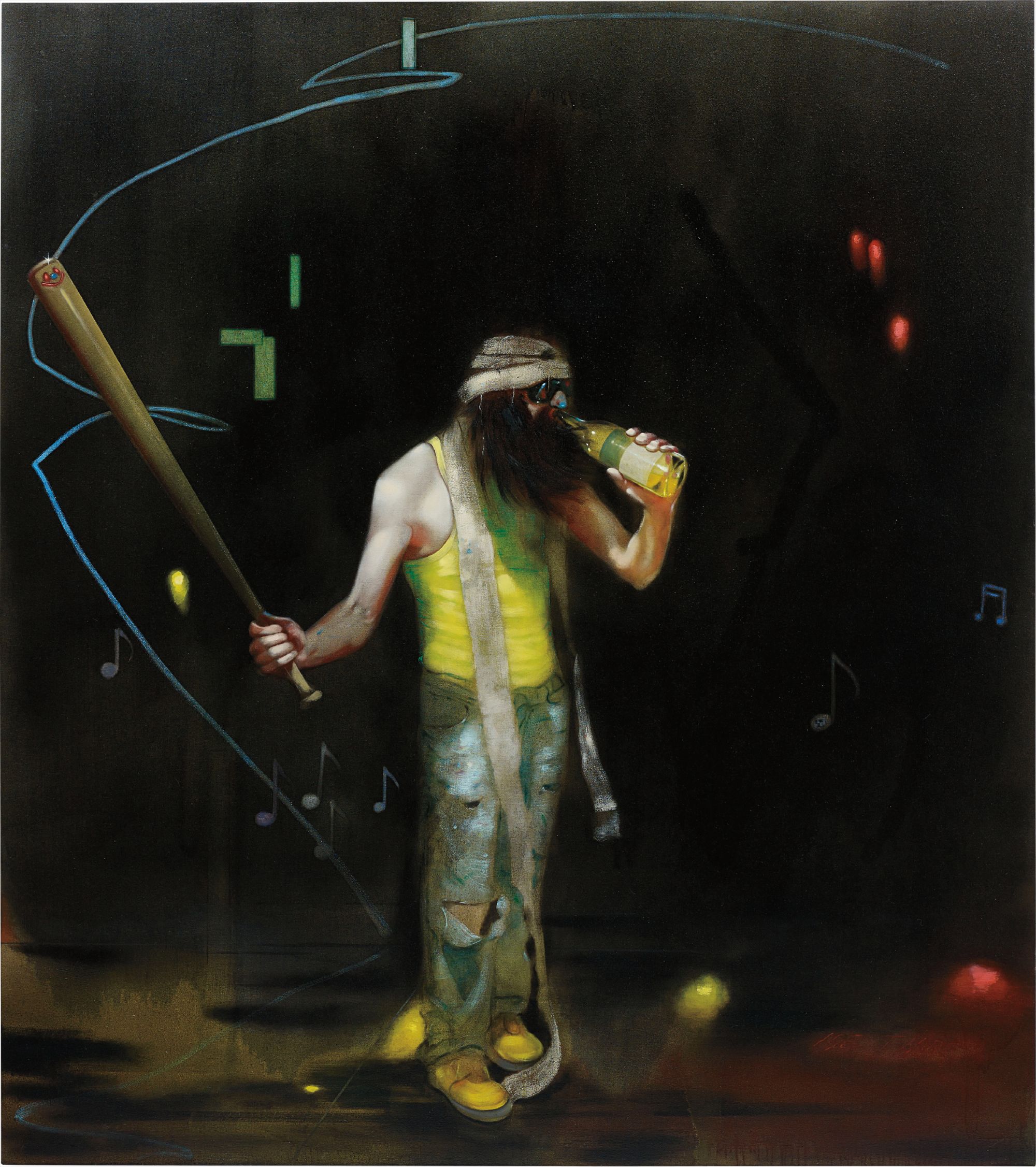
Nigel Cooke
In Da Club - Me Time
His work sits at an interesting intersection between the painterly tradition and something more contemporary and unsettled, and it has attracted serious institutional attention. Paul Shambroom, whose practice involves a rigorous documentary eye applied to overlooked or politically loaded American spaces, asks very different questions of the land itself. His photographs of rural settings and civic spaces carry a conceptual weight that rewards collectors interested in landscape as critical inquiry rather than aesthetic pleasure alone.", "The early Renaissance tradition of landscape as sacred setting deserves its own mention in any serious collecting conversation.
Giovanni di Pietro, known as Lo Spagna, worked within the Umbrian tradition that Perugino established, and the landscape backgrounds in his religious works are not incidental but theologically meaningful. Rolling hills and luminous skies in that tradition are doing real iconographic work. For collectors of early works on panel or devotional paintings, understanding how landscape functions as spiritual architecture rather than mere backdrop is essential to appreciating what you are actually looking at.", "At auction, landscape works have demonstrated remarkable resilience through market volatility, though the category rewards patience far more than speculation.
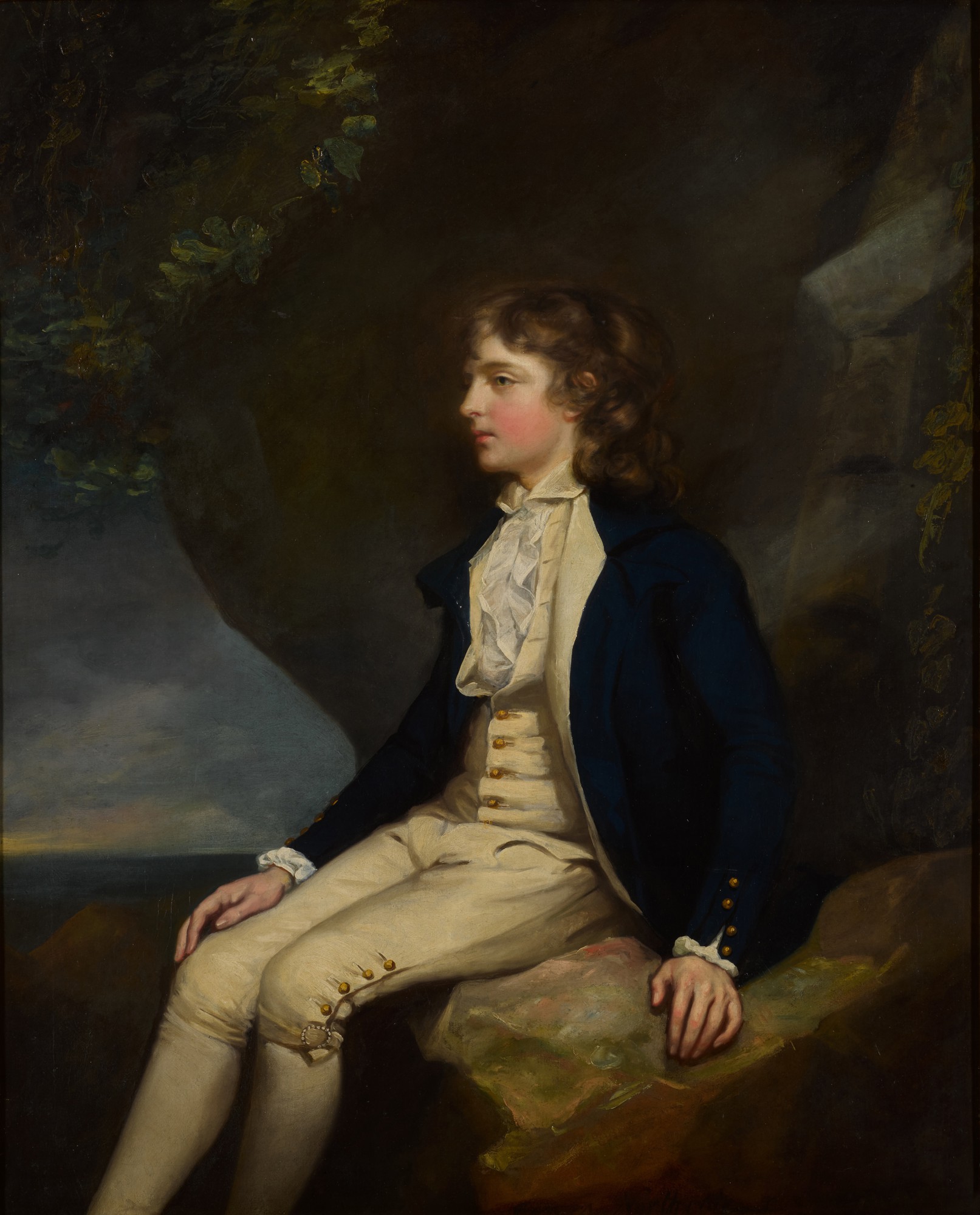
James Northcote R.A.
Portrait of a Captain Raynor, R.N., seated on a rocky bank, in a midshipman's uniform
The major houses have seen consistent demand for Impressionist and Post Impressionist landscapes at the top end, with genuinely fresh material at any quality level generating strong competition. The secondary market for contemporary artists working in landscape is more complex. Prices for living artists in this space can fluctuate significantly based on exhibition momentum and critical attention, so collectors should focus on artists with sustained institutional support rather than those who have experienced a single spike of market enthusiasm.", "Condition is a practical concern that cannot be overstated.
Canvas works are particularly vulnerable to flaking paint and structural damage from fluctuating humidity, and works on panel can crack if moved between environments with very different moisture levels. Before purchasing any significant landscape work, commission a condition report from a conservator who specialises in the relevant medium and period. Ask the gallery directly about any previous restoration, and request documentation. Display considerations matter enormously too: direct sunlight is destructive to almost any painted surface, and works should be hung away from exterior walls in climates where temperature variation is significant.
", "For collectors newer to this category, a few practical questions will serve you well when speaking with a gallery or advisor. Ask why this work, from this period in the artist's career. Ask about the specific location depicted, if it is identifiable, and whether that site carries meaning within the artist's broader practice. Ask about editions in the case of photographic or print works, where the distinction between an early authorised print and a later restrike can represent a very substantial difference in both cultural and monetary value.
Nan Goldin, whose work engages with landscape as emotional and psychological territory rather than topography, makes prints in controlled editions, and understanding the printing history is fundamental to making a sound acquisition.", "The land, rendered through the intelligence of a great artist, has always been one of the most durable subjects in the history of collected art. What makes this moment particularly interesting is the range of conceptual positions that contemporary artists bring to that subject, expanding what landscape can mean and do without abandoning the fundamental pleasure of looking at the world made visible through someone else's eyes. Collectors who approach this category with both historical literacy and genuine openness to what the form is becoming will find it endlessly rewarding, both to live with and to build upon.
Works tagged Landscape Setting
Nan Goldin
Geno by the lake, Bavaria
André Derain
Nus dans un paysage
James Northcote R.A.
Portrait of a Captain Raynor, R.N., seated on a rocky bank, in a midshipman's uniform
Nigel Cooke
In Da Club - Me Time
Giovanni di Pietro, called Spagna
Madonna and Child in a Verdant Landscape
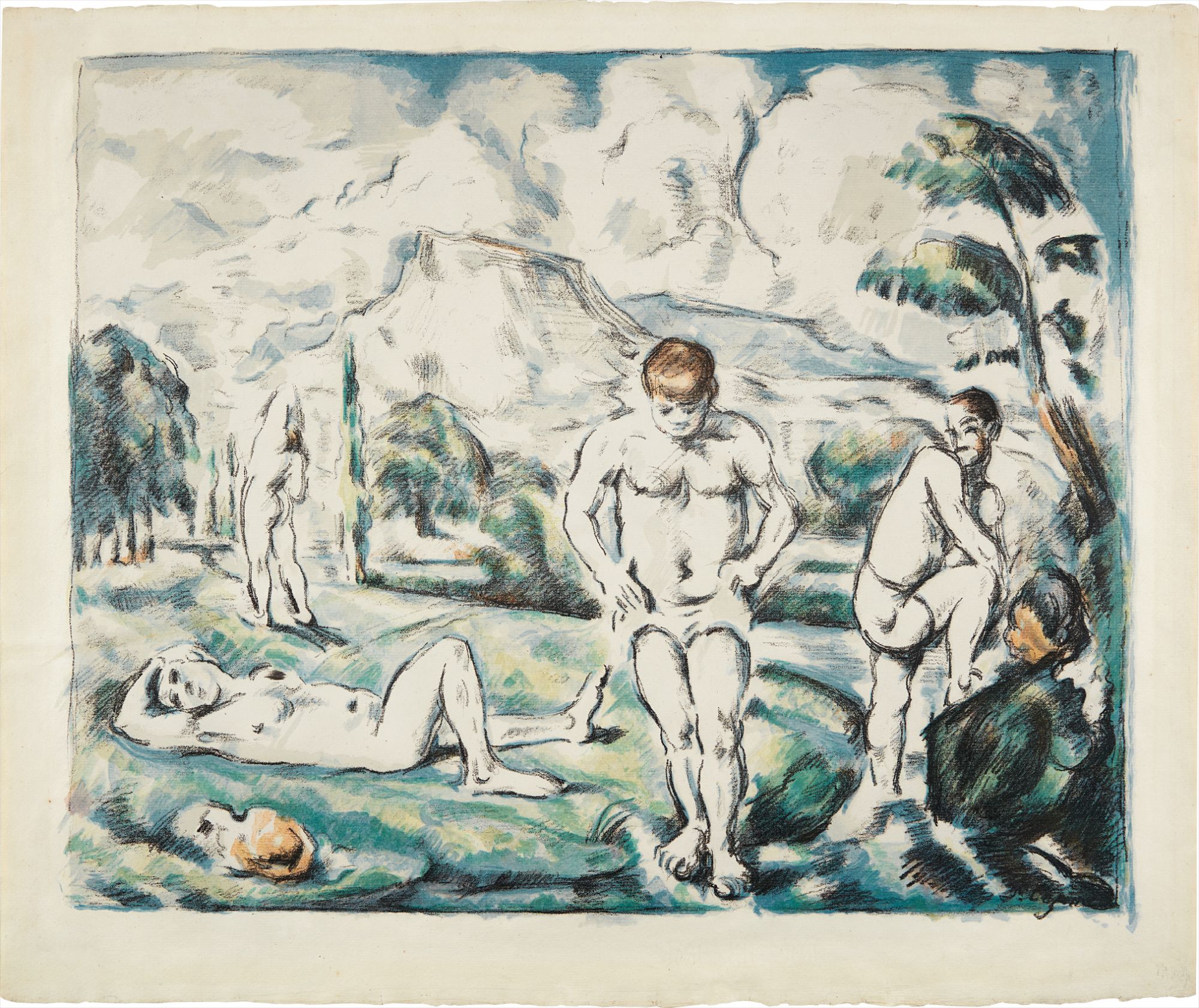
Paul Cézanne
Les baigneurs (grande planche) (The Large Bathers)
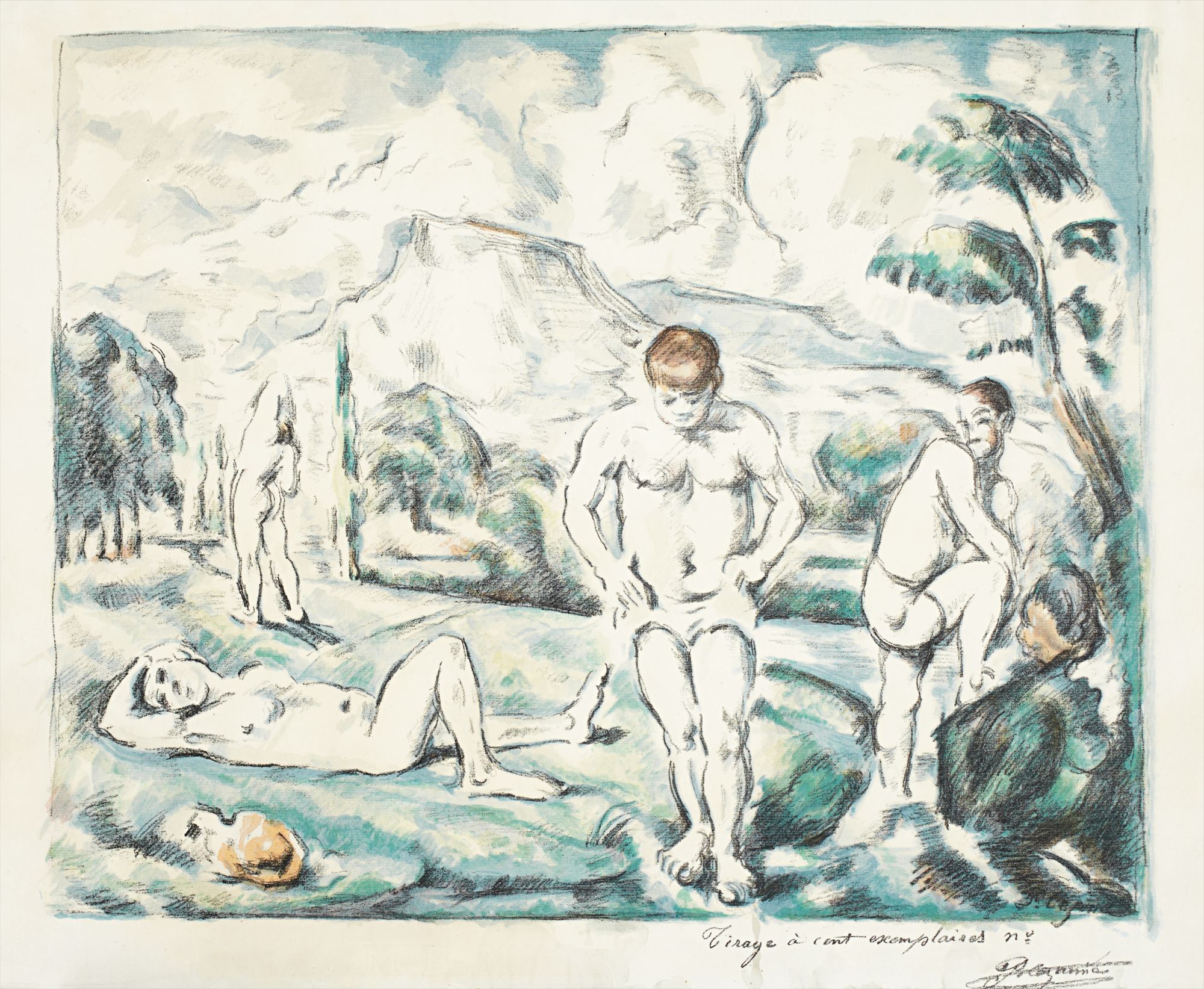
Paul Cézanne
Les baigneurs grande planche (The Large Bathers)
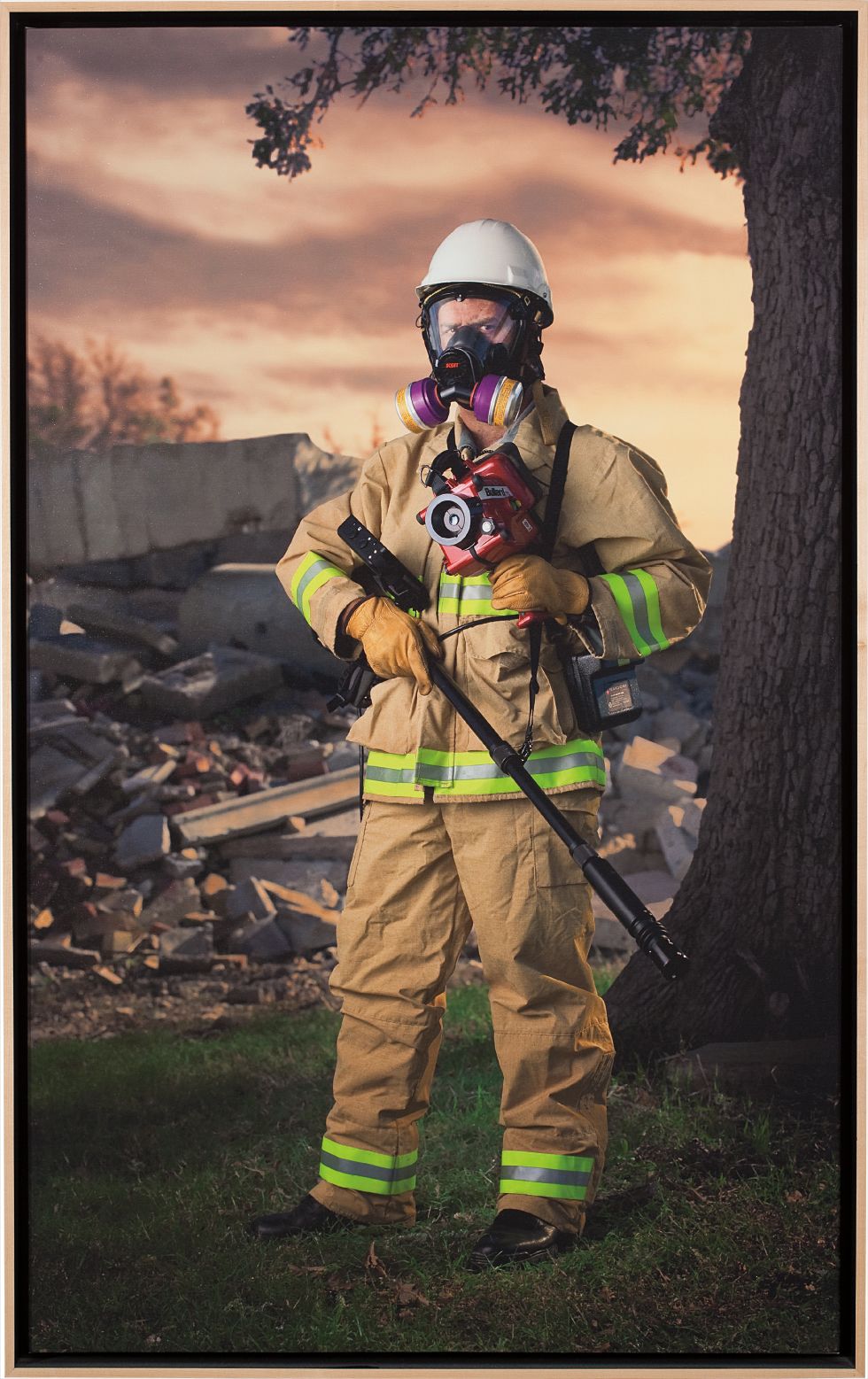
Paul Shambroom
Police SWAT, Camouflage (Terror Town, Playas Training Center, NM)