Land Art
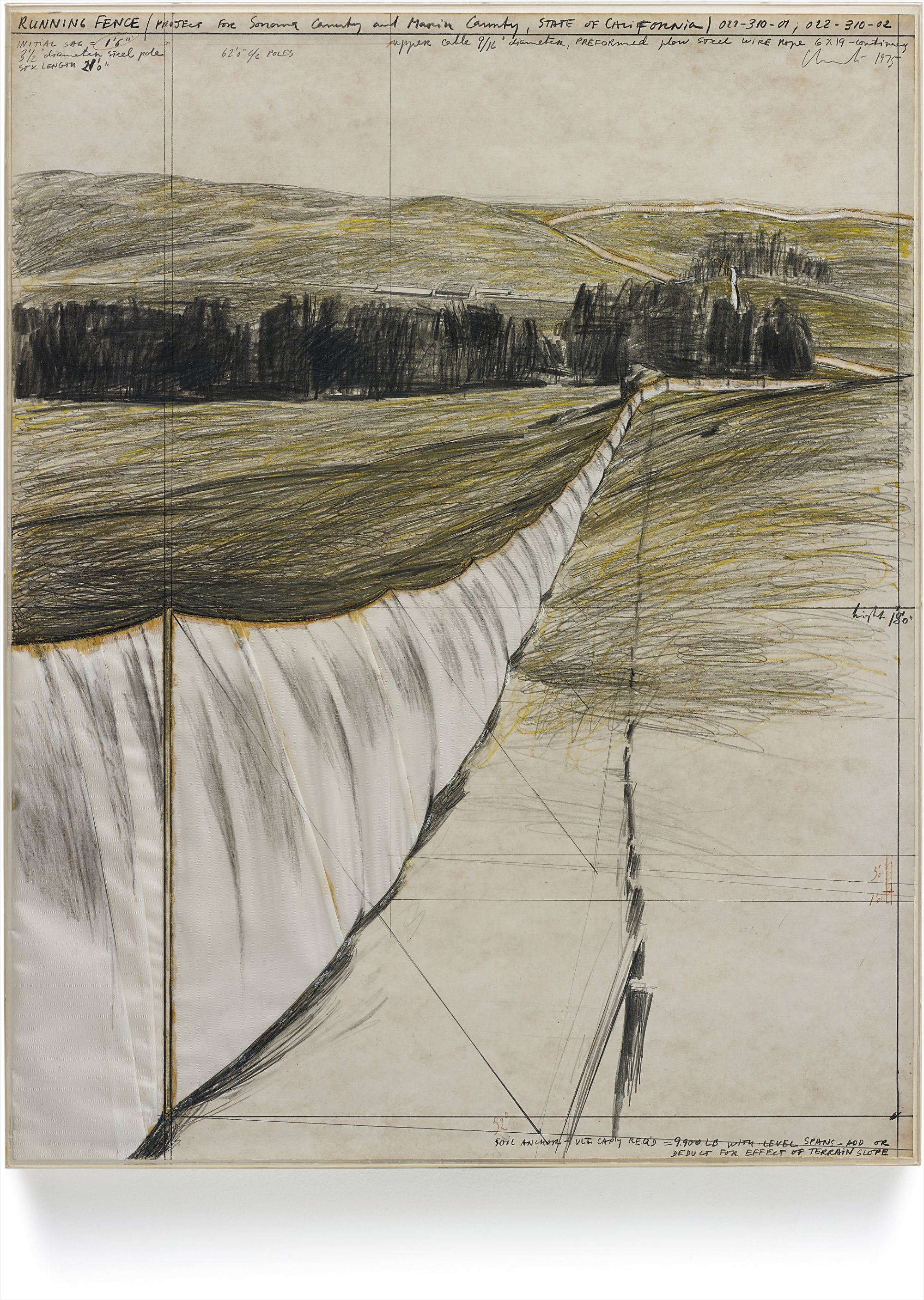
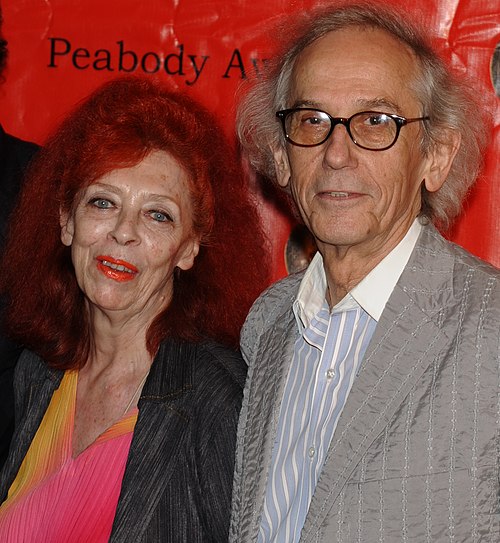
Christo and Jeanne-Claude
Running Fence, 1975
The Earth Itself Was Always the Canvas
There is a particular kind of collector who, standing in front of a Richard Long photograph of a stone circle in the Sahara or a muddy handprint dragged across gallery paper, feels something shift. It is not the usual transaction of beauty or status that draws them in. It is something older, more elemental, closer to what drew people to mark cave walls in the first place. Land Art attracts collectors who are comfortable with paradox, who can hold in mind the idea that the most significant gesture might also be the most temporary, and that owning a piece of this tradition means owning a document of something that no longer exists, or exists only in the world, far beyond your walls.
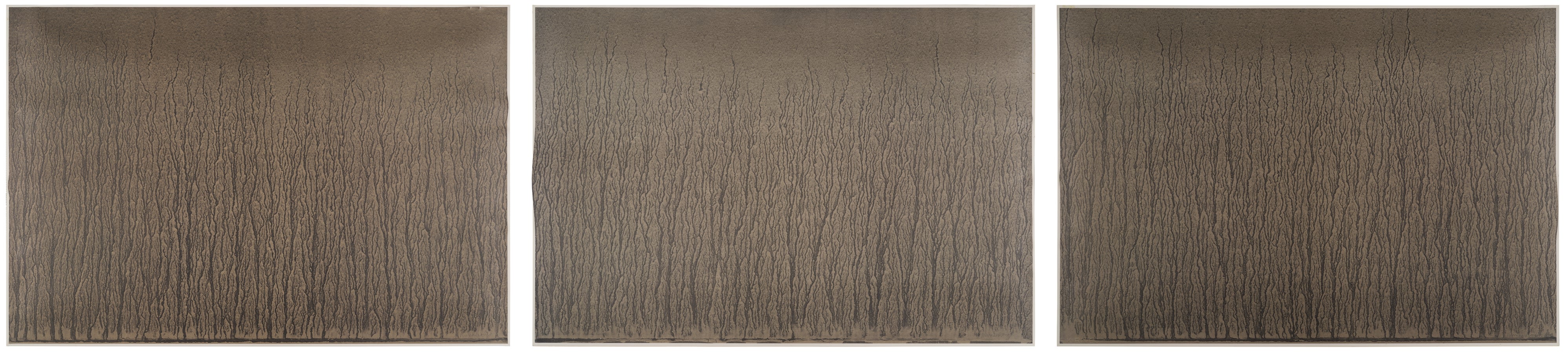
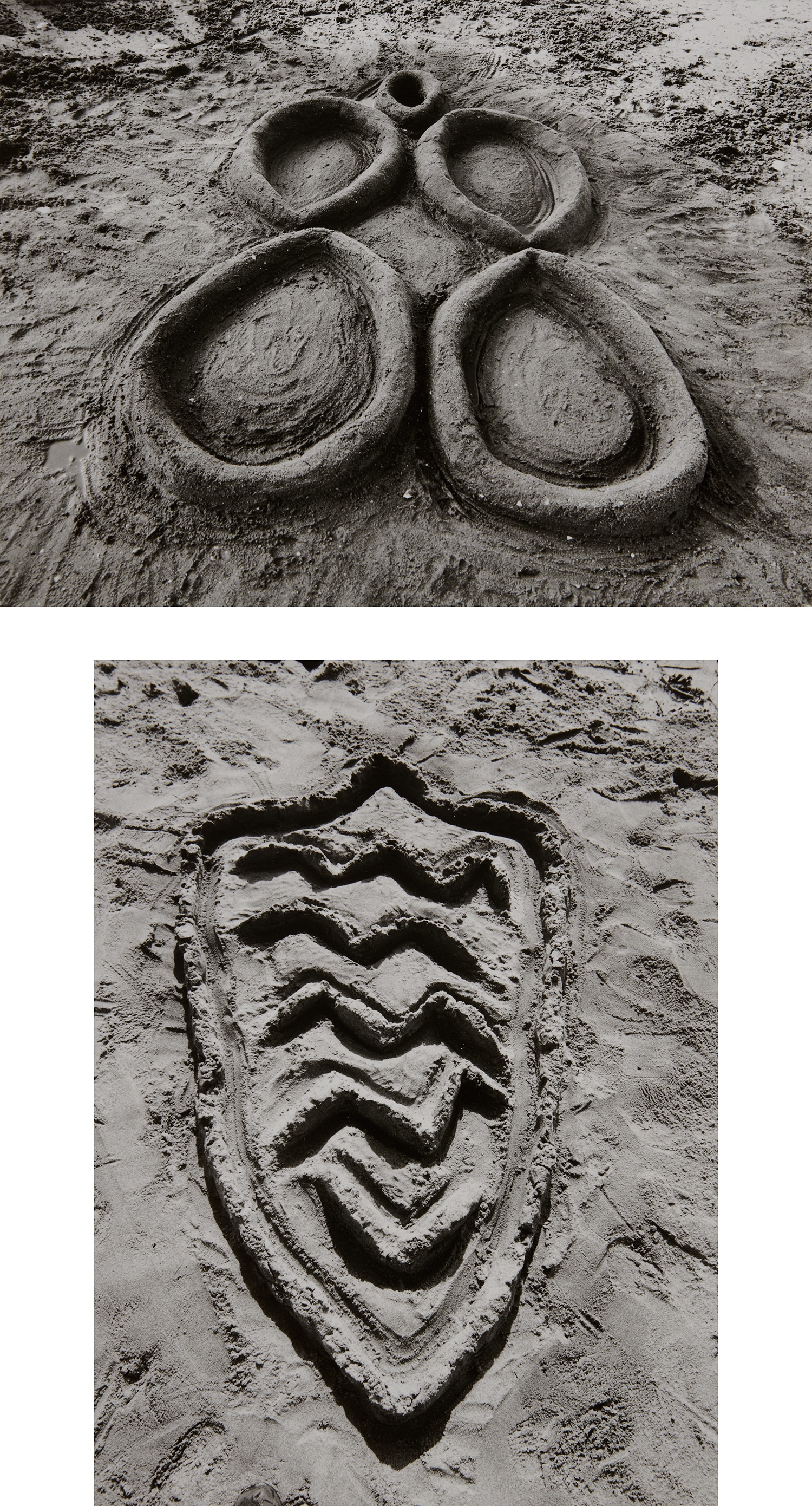
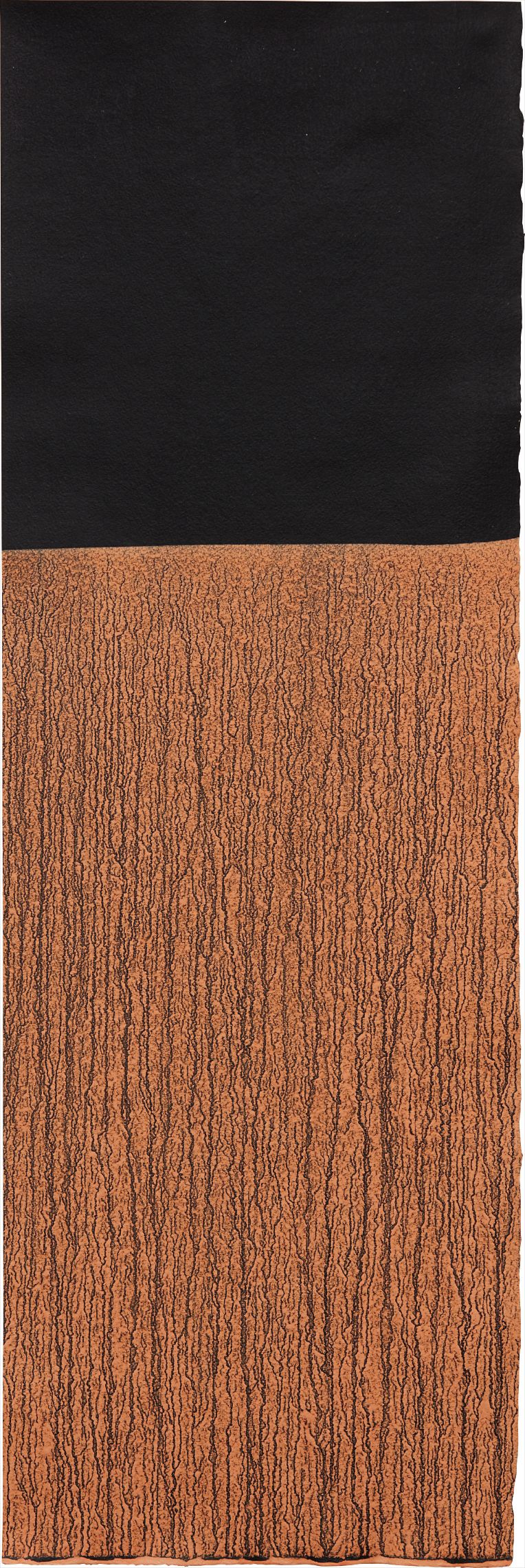
Living with Land Art is genuinely different from living with a painting or a sculpture. The works that enter a home or a collection are almost always proxies: photographs, drawings, maps, artist books, multiples, certificates. Richard Long's mud works on paper are an exception, physical and immediate, but even they carry the residue of somewhere else, some walk or river or hillside that preceded them. This displacement is not a limitation.
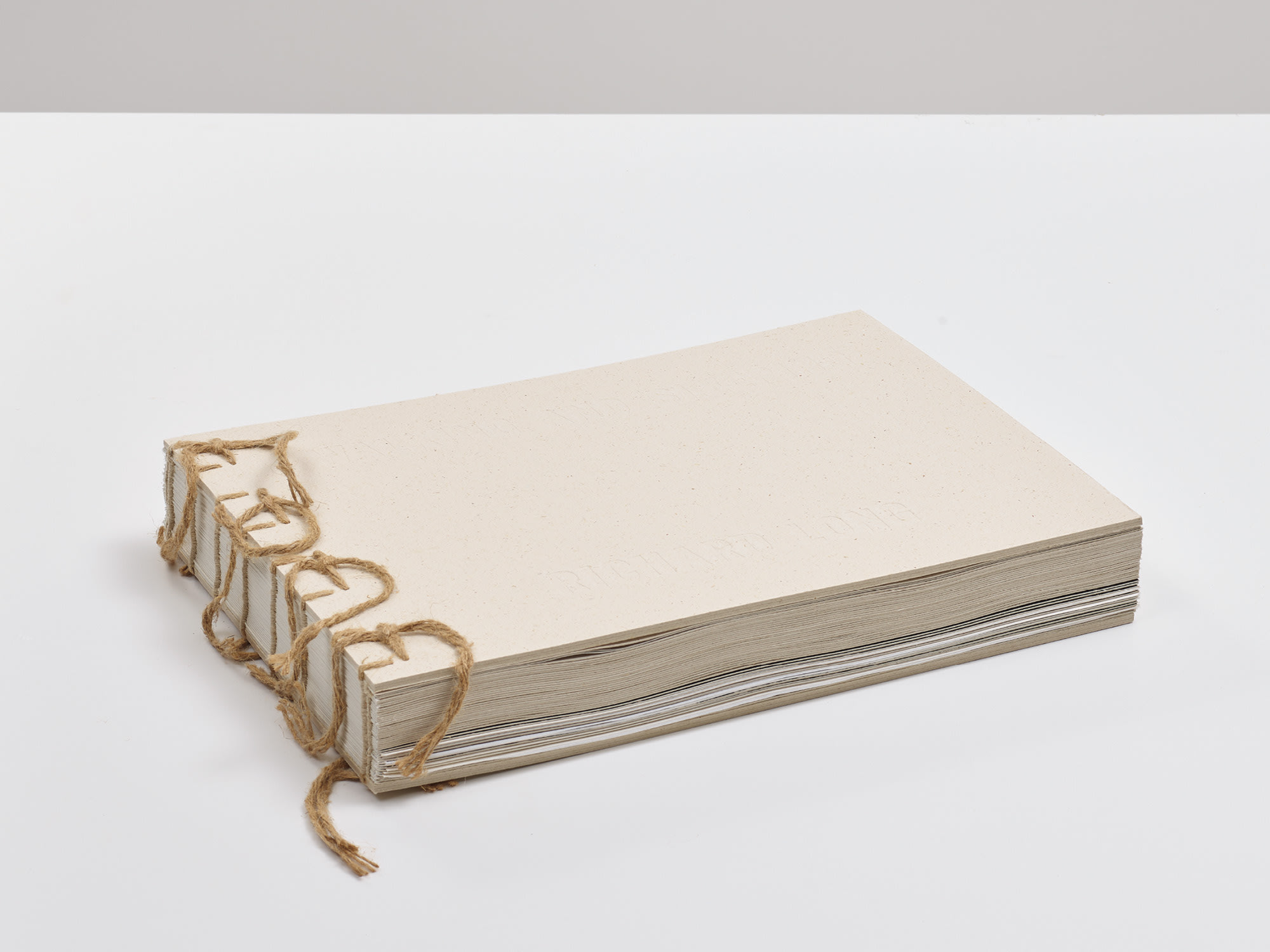
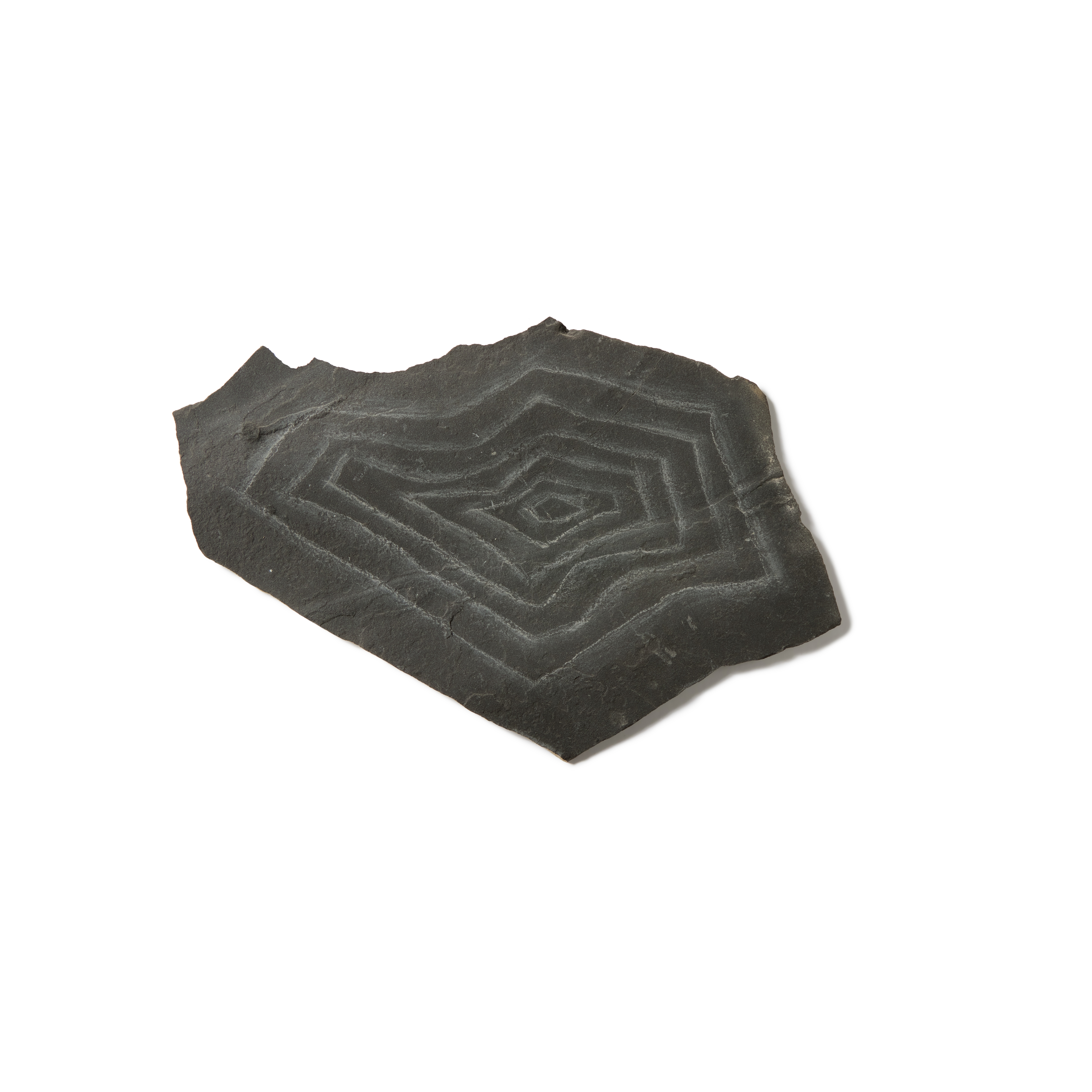
Richard Long
Mud Drawing, 1990
For the collectors who love this work, it is the whole point. You are not buying the landscape. You are buying the record of an encounter with it, and that encounter tends to feel more urgent and alive than most studio paintings made in comfortable isolation. What separates a good work from a great one in this category comes down to a few things that are worth naming clearly.
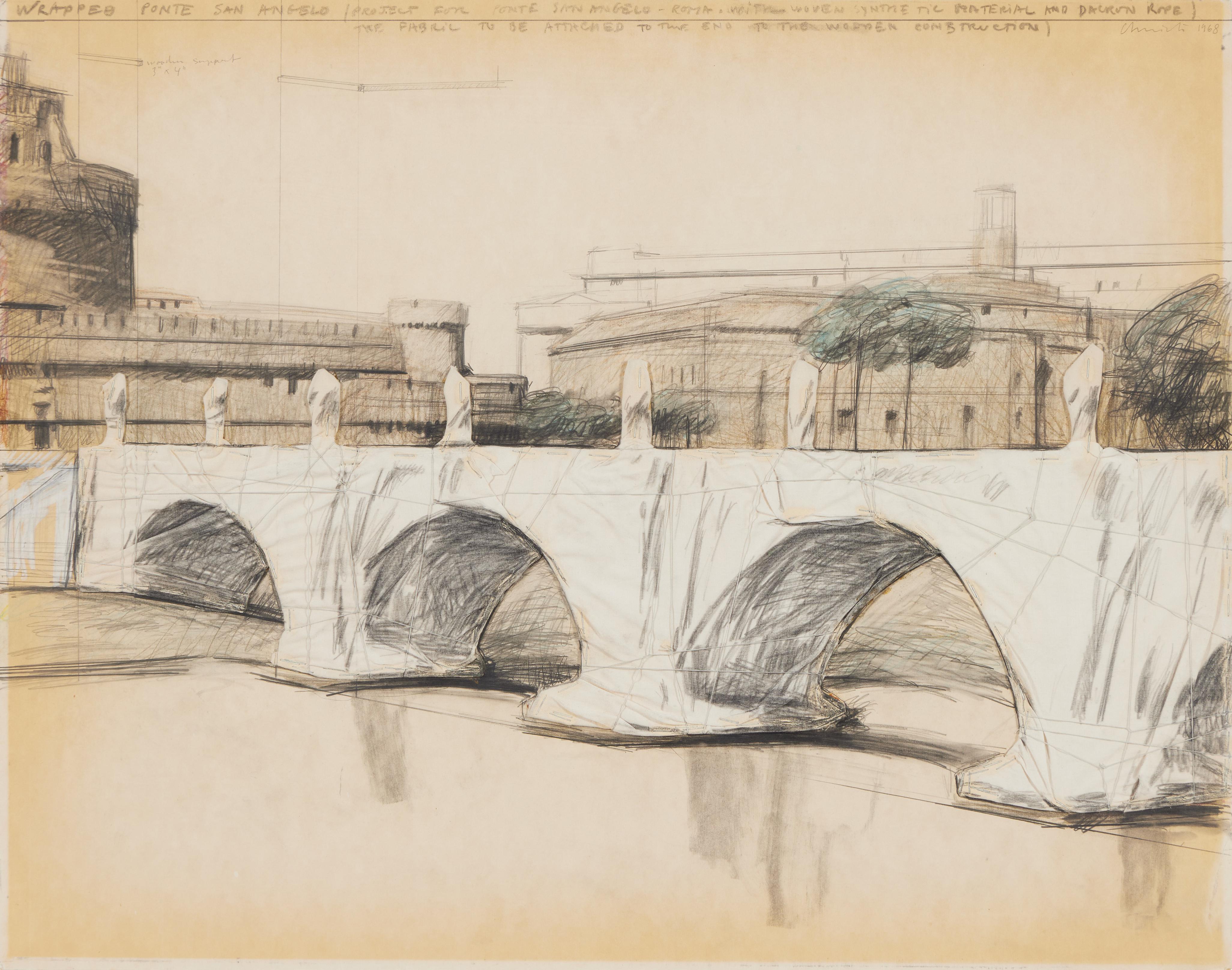
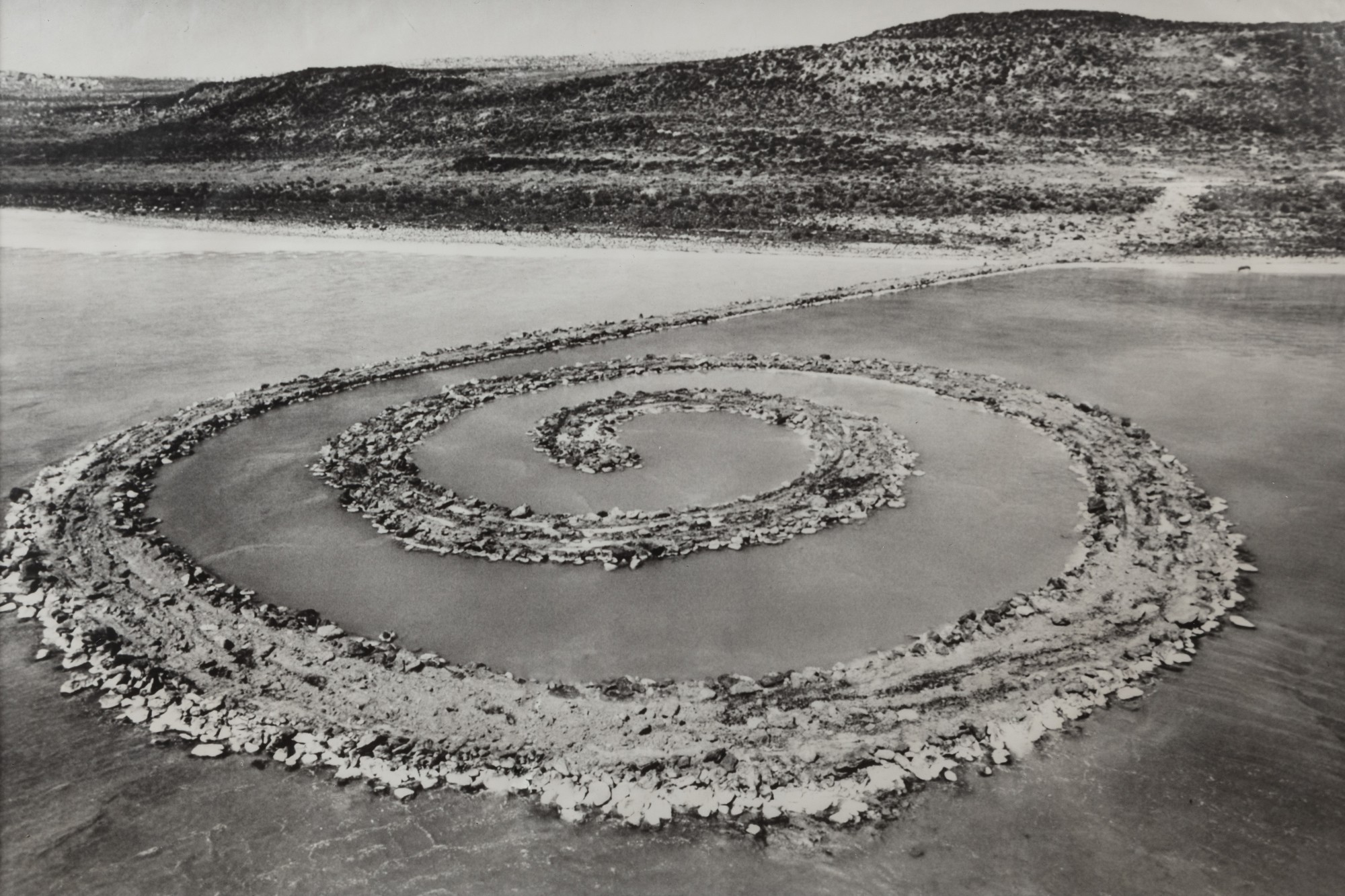
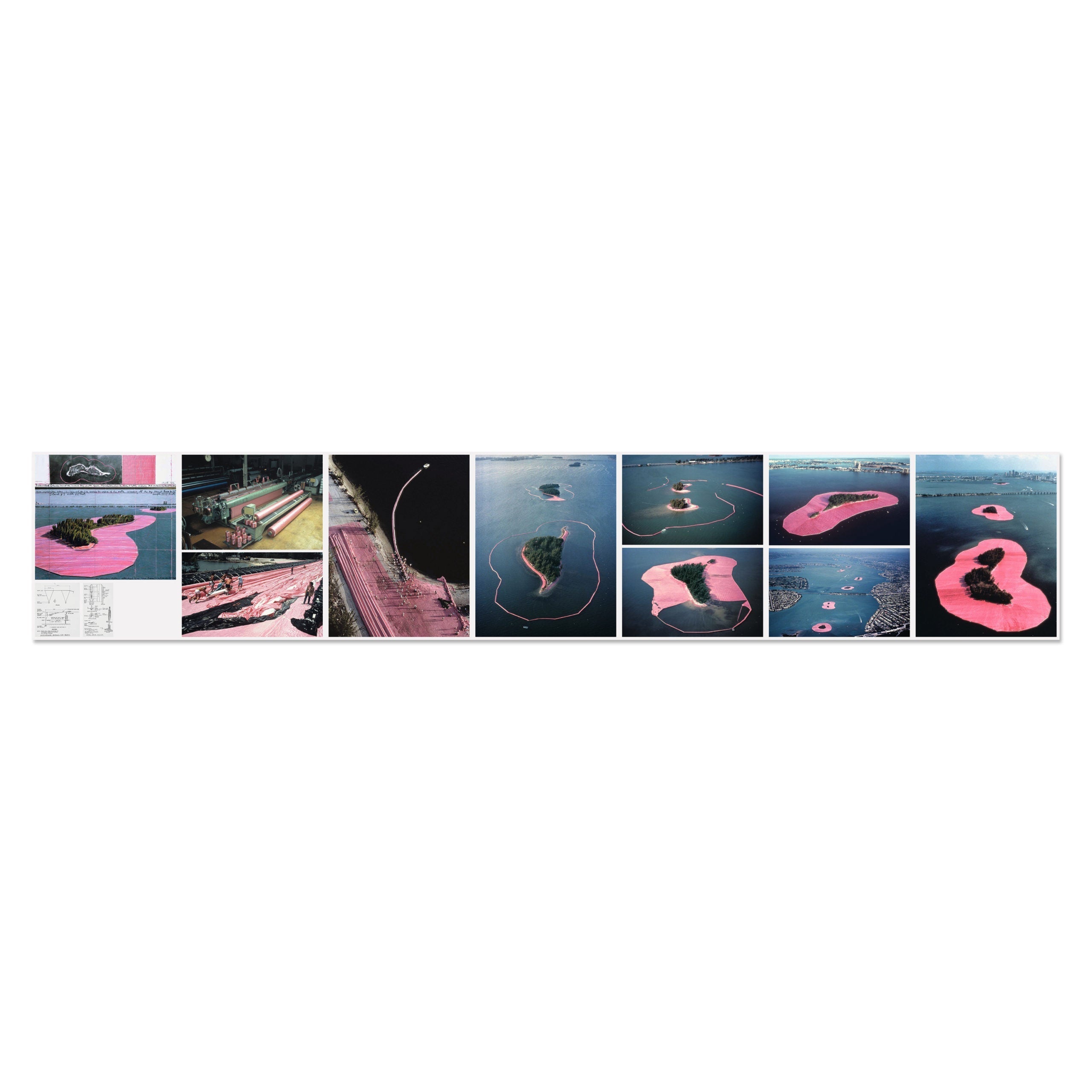
Proximity to the defining gesture matters enormously. With Robert Smithson, for instance, a work that documents or conceptually relates to the Spiral Jetty carries a weight that other works in his practice simply cannot match. With Christo and Jeanne Claude, the preparatory drawings and collages for realized projects are the crown jewels of the market, not because they are more beautiful in isolation, but because they are umbilically connected to something that moved millions of people. The work should feel necessary, not decorative.
Christo
Surrounded Islands, 1935
Ask yourself whether removing the land or the natural process from the piece would leave anything at all. If the answer is yes, look more carefully. Among the artists well represented on The Collection, several deserve particular attention from a collecting standpoint. Richard Long remains one of the most intellectually coherent artists of the past fifty years, and his market reflects a sustained institutional confidence that has never really wobbled.
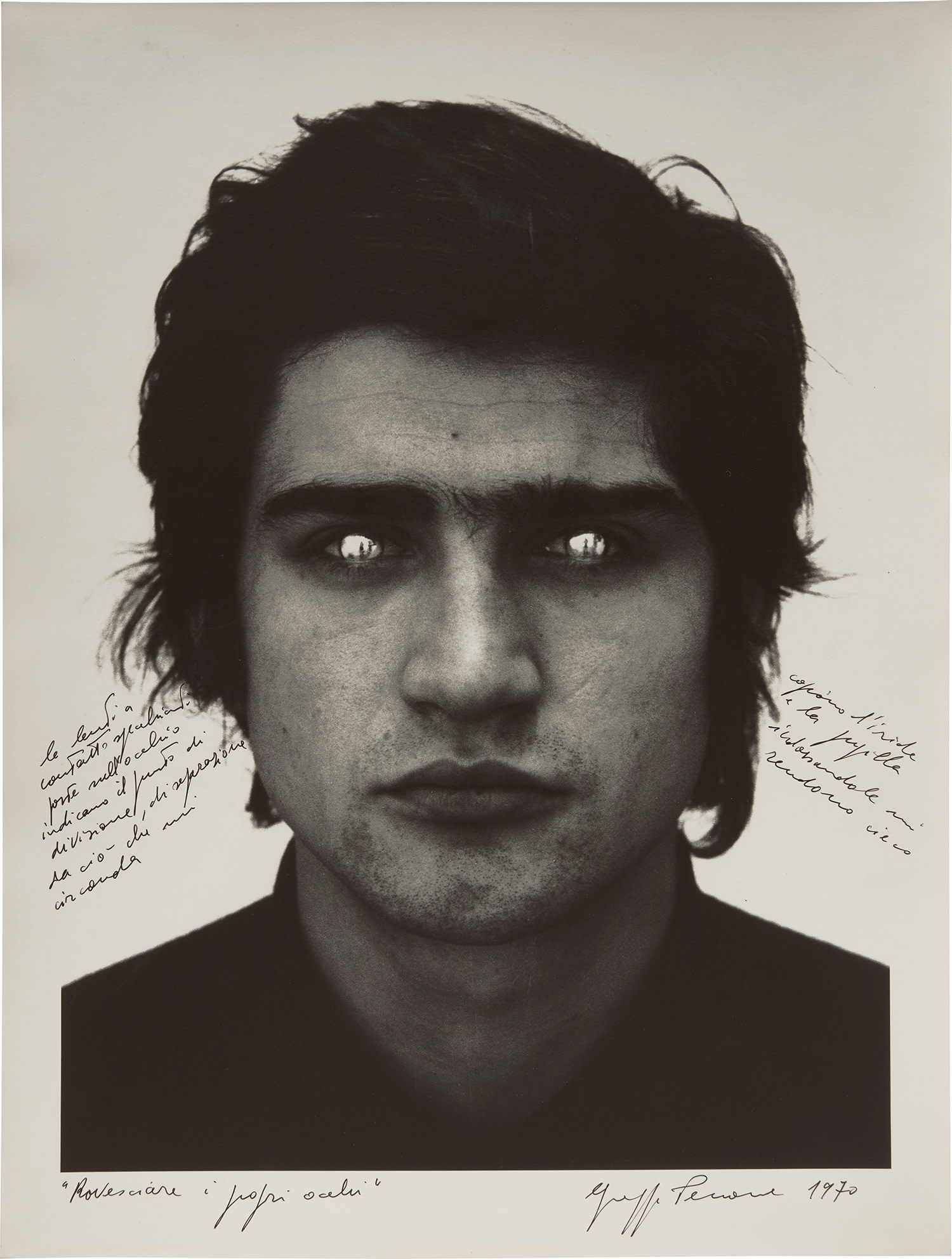
His works on paper, especially the large mud circle pieces, are genuinely rare and have moved steadily upward. Andy Goldsworthy presents a compelling case for collectors who want photographic work with real material depth. His images are not merely documentary, they are finished artworks in their own right, and his prices remain accessible relative to the cultural footprint he carries. Giuseppe Penone, the Italian Arte Povera master whose practice is deeply rooted in the relationship between the human body and trees, is criminally undervalued in English speaking markets and represents one of the clearest opportunities in this entire category.
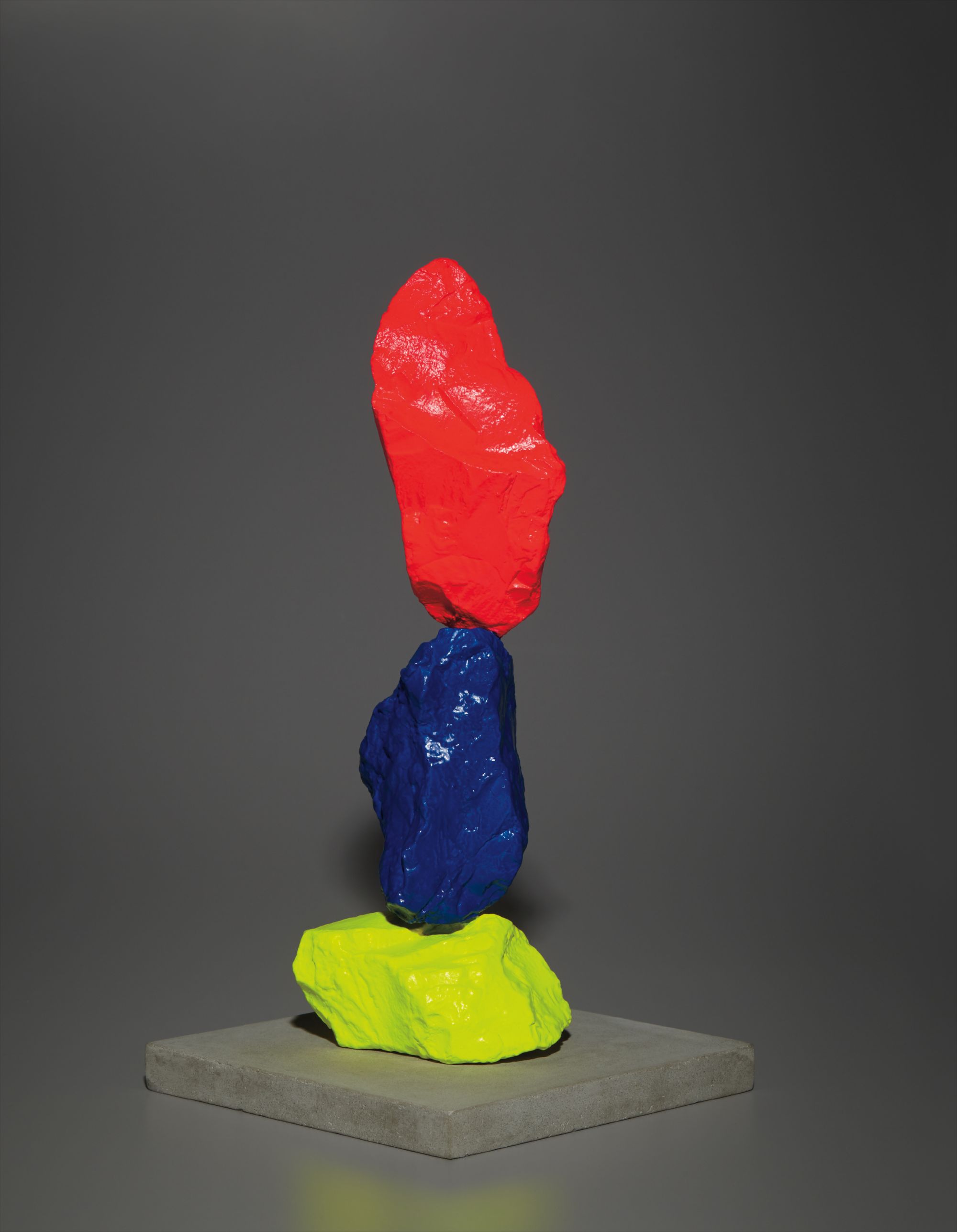
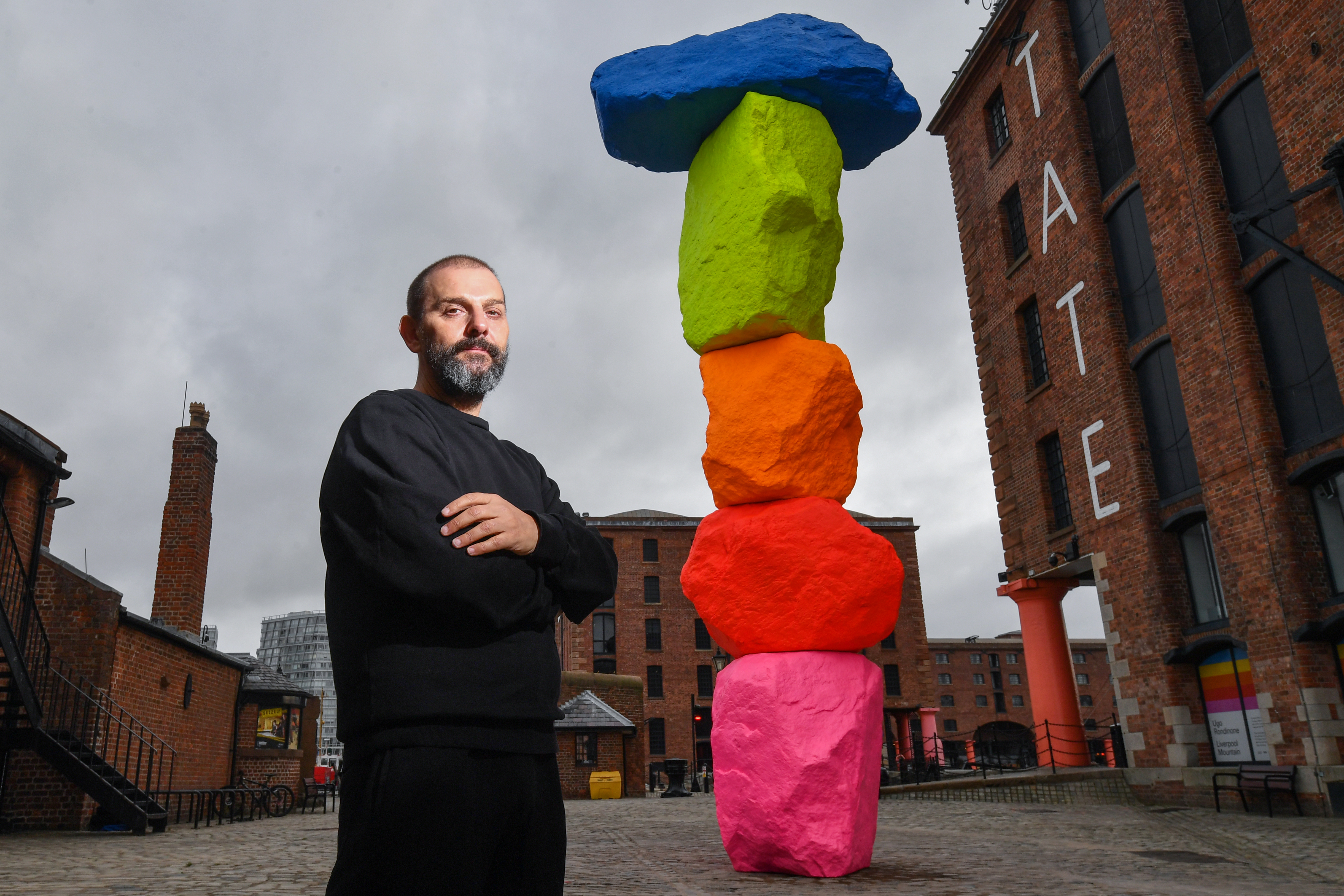
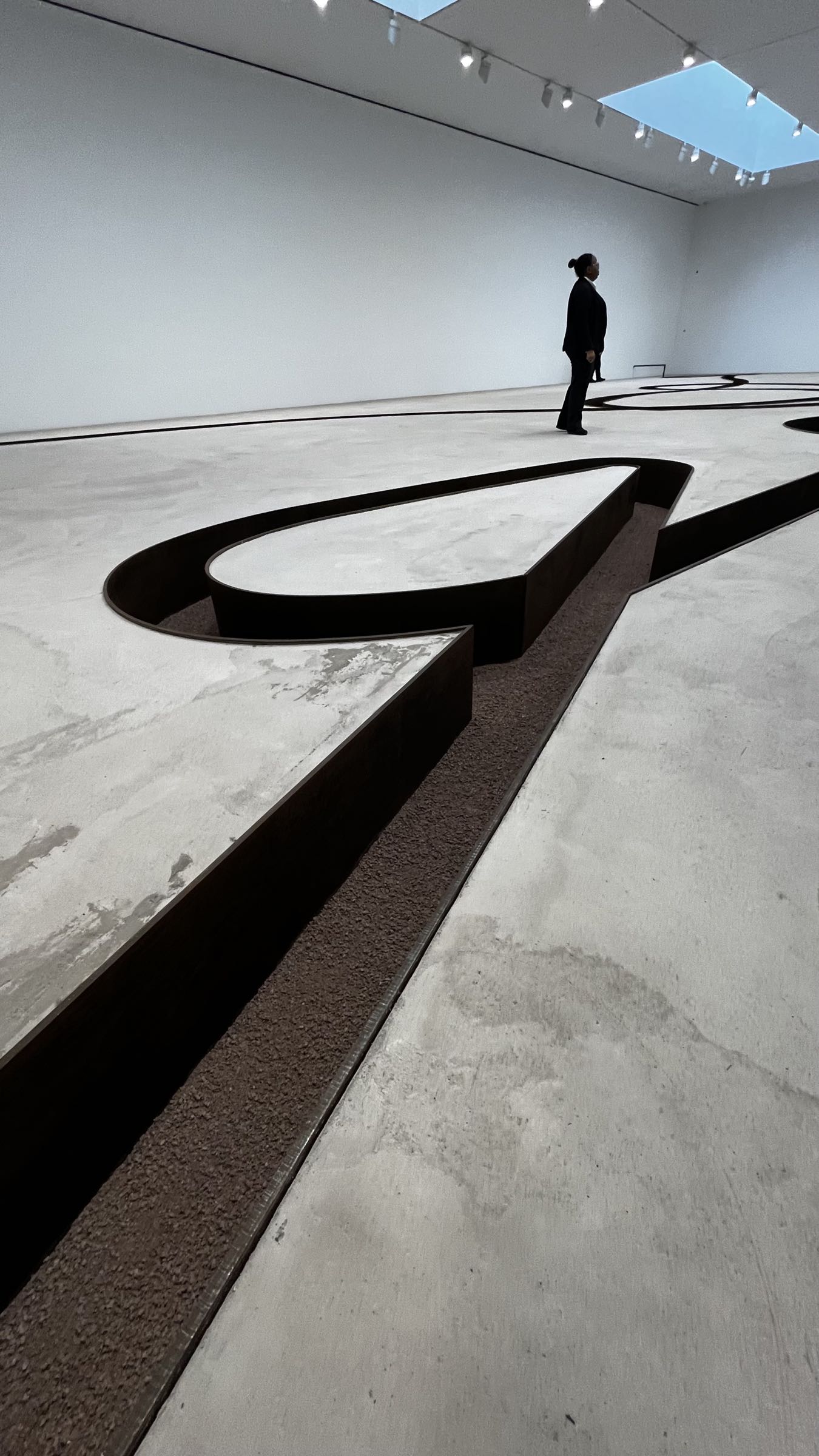
Ugo Rondinone
yellow blue red mountain, 2016
His work has been acquired by every major European institution of consequence, and the secondary market has not yet caught up with that fact. For collectors watching the edges of this field, Abraham Cruzvillegas deserves sustained attention. His autoconstrucción practice, rooted in the informal architecture of his upbringing in Ajusco, Mexico City, brings an entirely different political and geographic register to conversations about land, material, and environment. He is not a land artist in the classic North American desert tradition, but his thinking about place, impermanence, and the relationship between humans and their physical surroundings belongs to the same lineage.
Works by Ugo Rondinone, whose stone stacks and environmental installations have generated serious institutional momentum over the past decade, also offer an interesting entry point for collectors who want something aesthetically immediate but conceptually grounded in landscape and elemental material. At auction, Land Art behaves in ways that reward patience and punish impulsiveness. The blue chip names, Smithson, Walter De Maria, James Turrell, perform best when the work has clear provenance and a demonstrable connection to their most discussed projects. De Maria's Lightning Field documentation and related works command serious premiums whenever they appear.
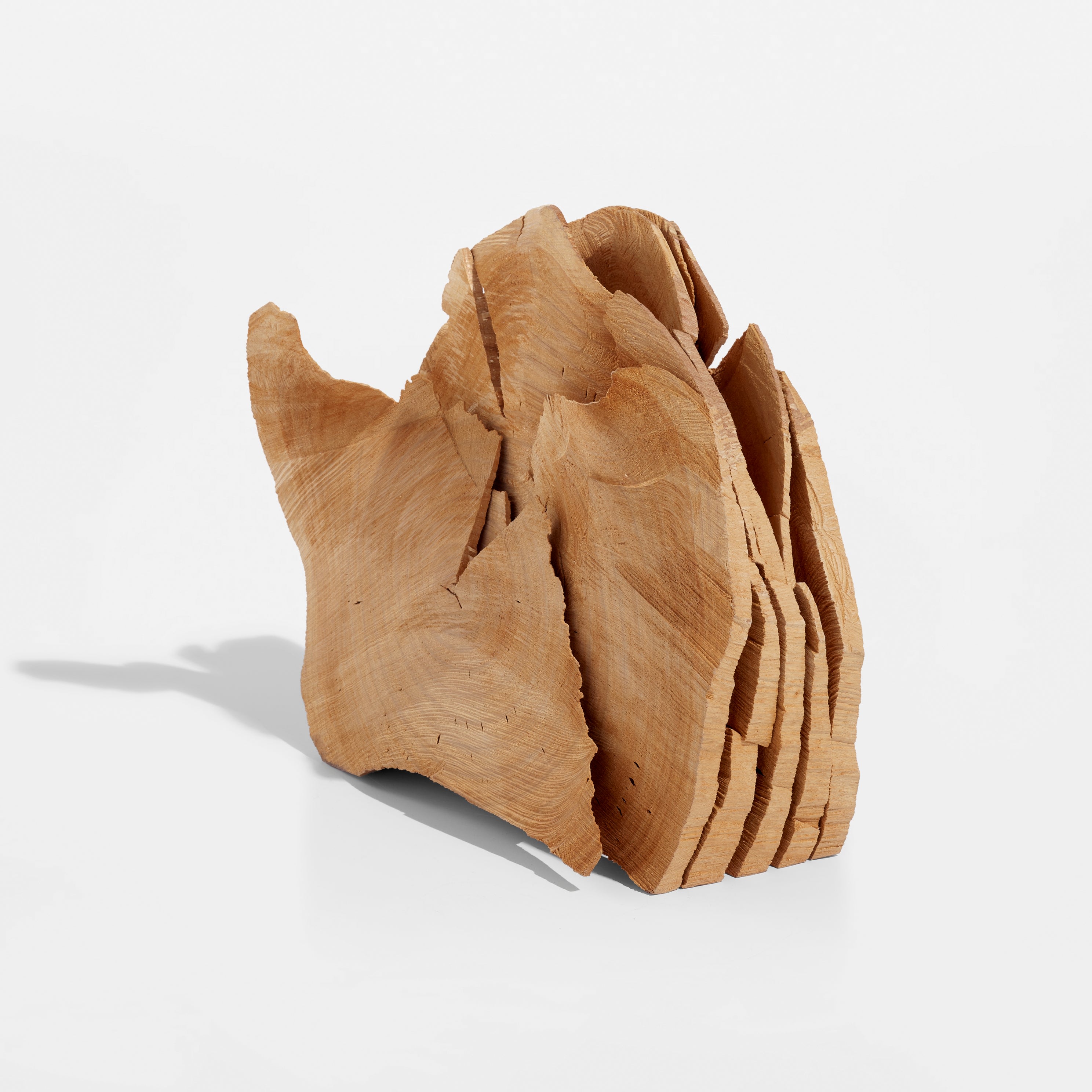
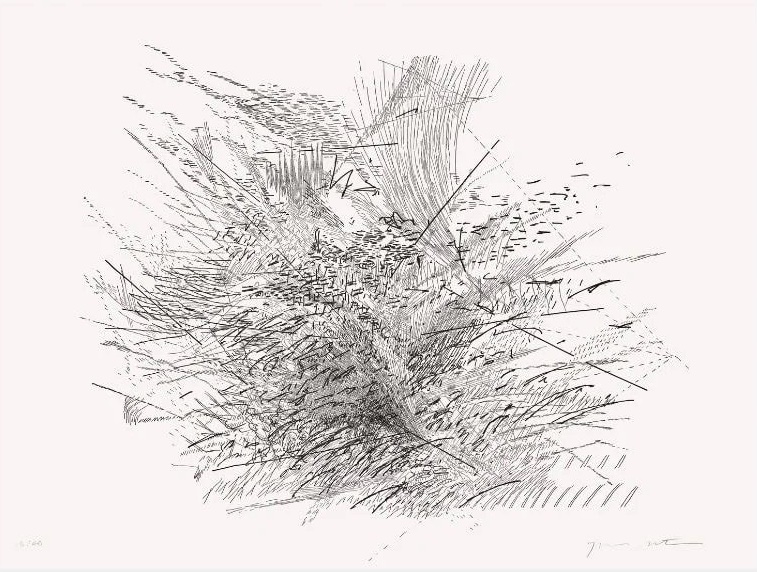
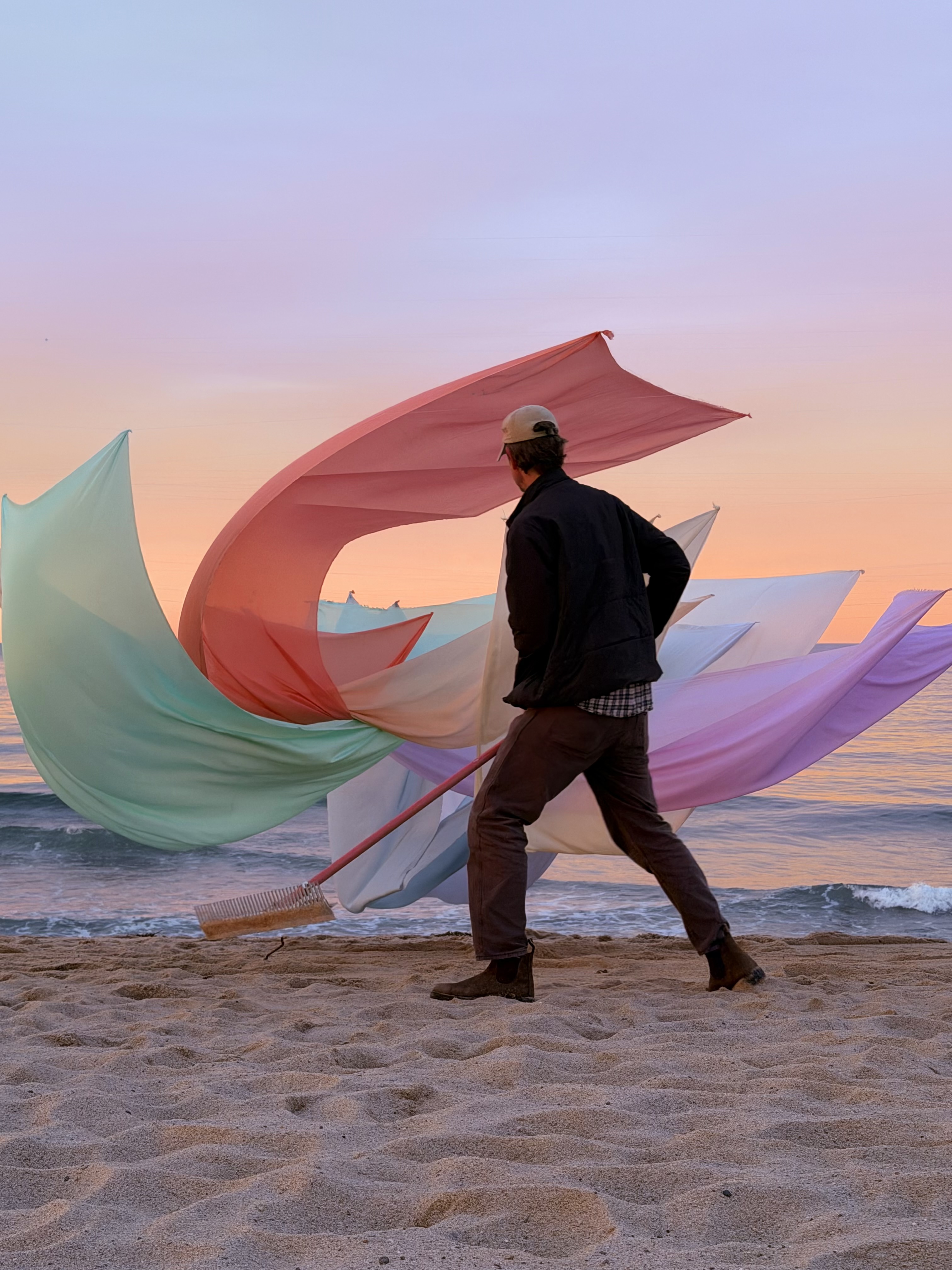
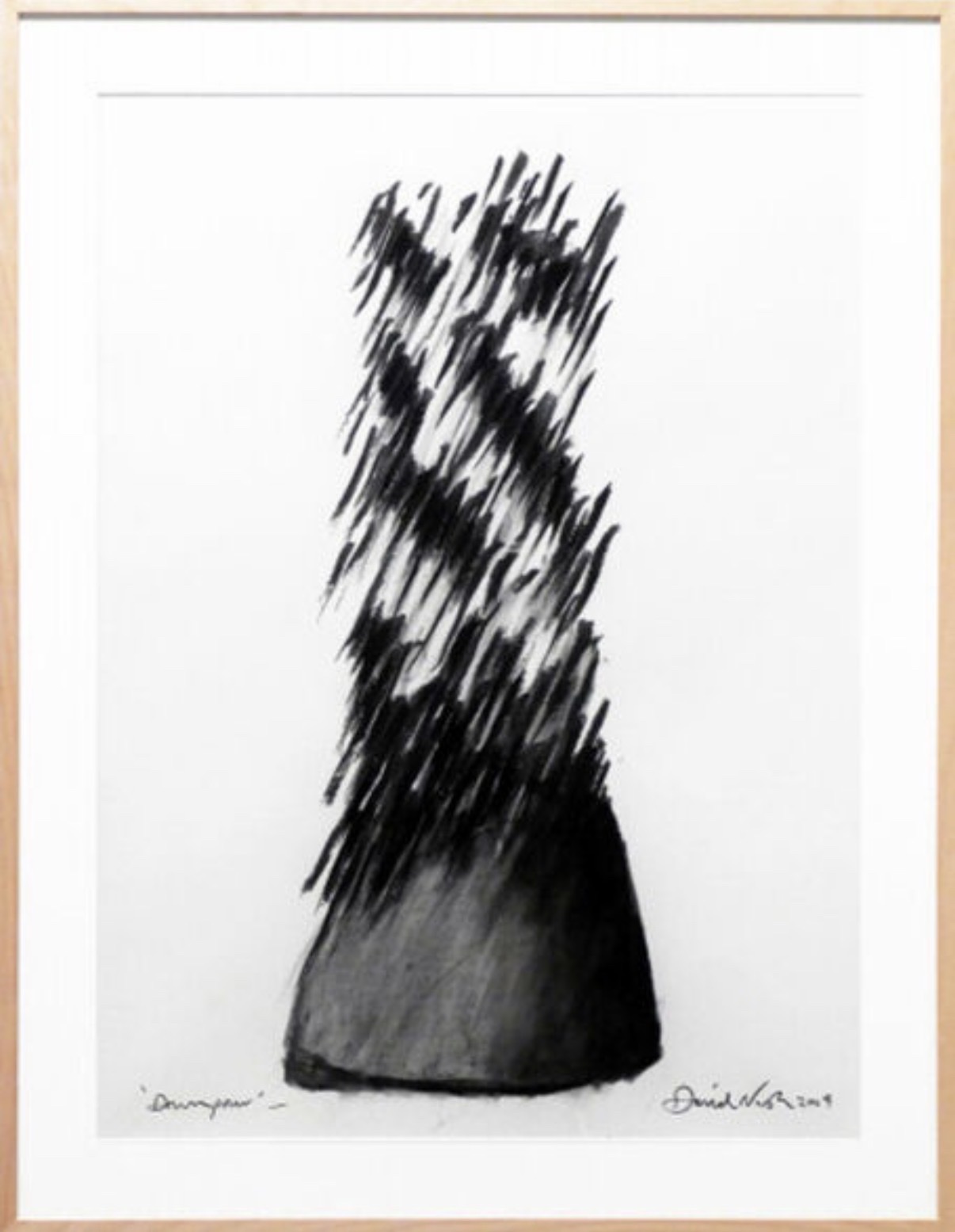
David Nash
Waving Warps, 2012
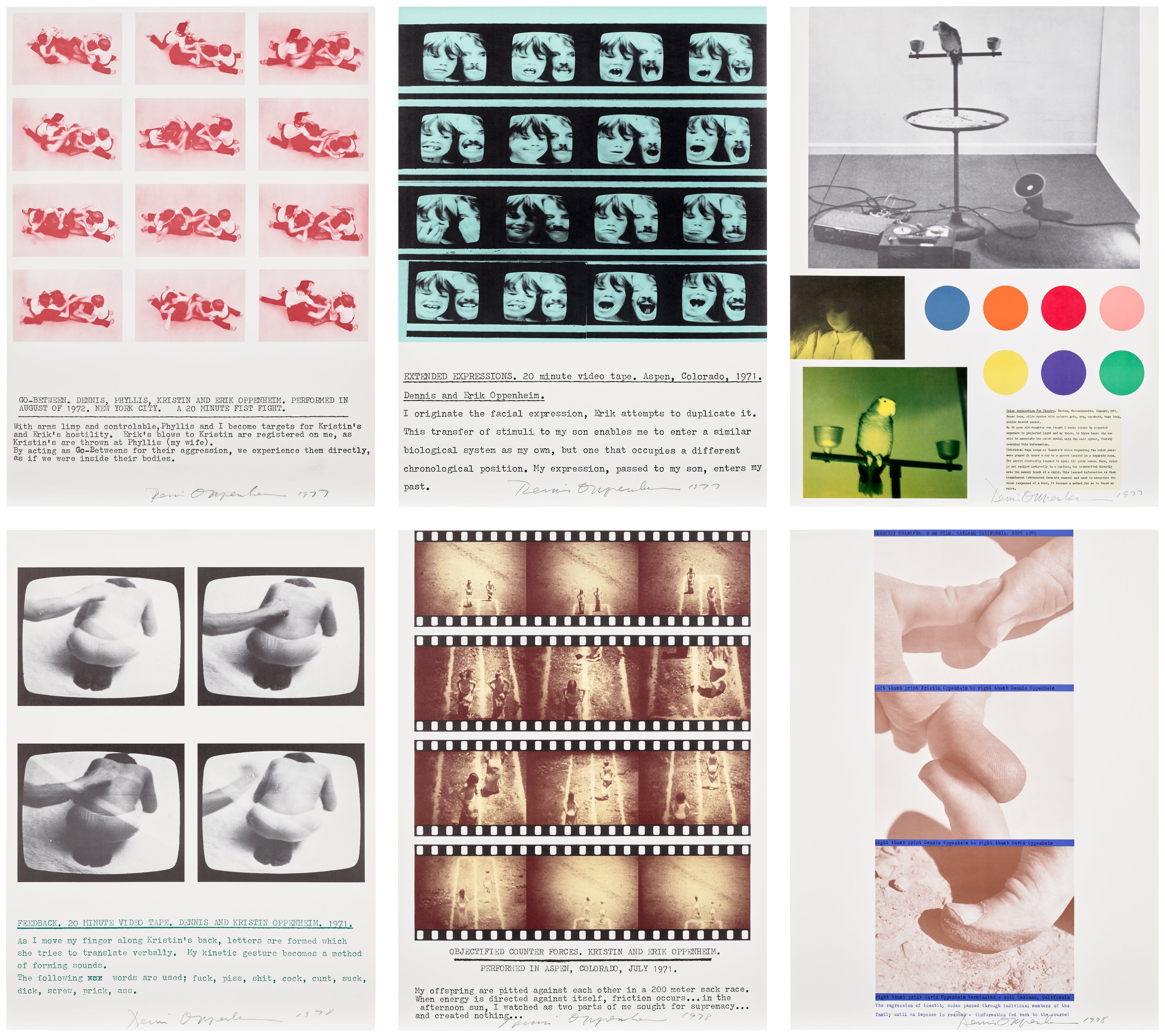
Turrell's prints and multiples have a wider collector base than is sometimes acknowledged, and his edition works have appreciated meaningfully as his retrospectives have traveled globally. The middle tier of the market, where artists like Dennis Oppenheim or Charles Ross sit, is more volatile, and condition is everything. Works on paper that have been stored improperly or displayed under unfiltered light can lose not just value but their entire visual logic. The earthy tones, the photographic surfaces, the delicate paper works: all of them require care that is slightly different from what a collector used to oil paintings might instinctively provide.
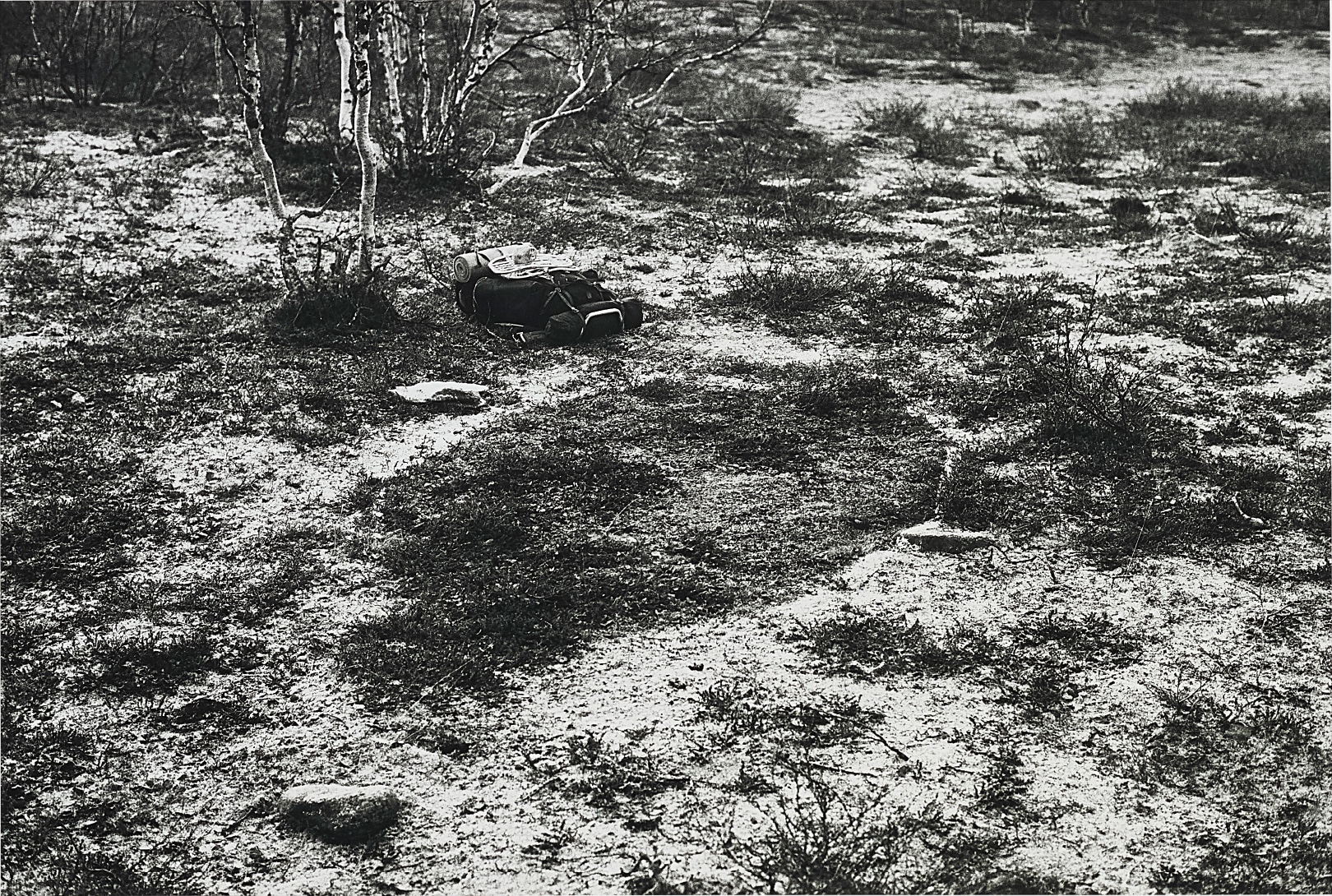
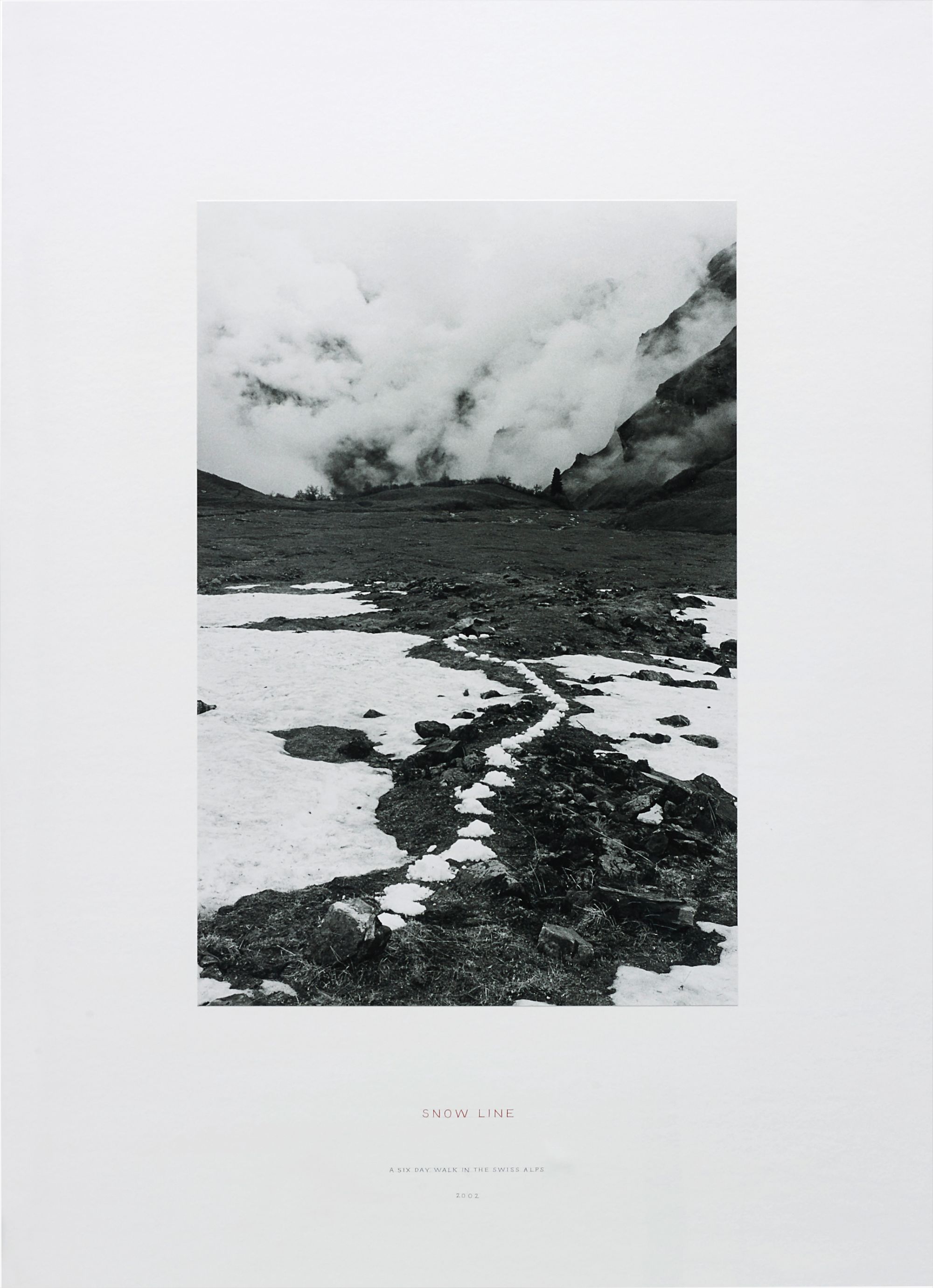
Practically speaking, there are questions every serious collector should ask before acquiring in this space. For editions, ask for the full edition size and the number of artist proofs. Land Art photographers, including Richard Misrach and Hamish Fulton, typically work in small editions, but small is relative and it matters. For unique works, ask specifically about previous display conditions and any known restoration.
For certificate based or instruction works, ensure the certificate is original, signed, and stored separately from the work itself, ideally in archival conditions. Ask any gallery whether the work has been exhibited, and if so, request the exhibition history in writing. Provenance in this field is not bureaucratic tedium. It is part of the meaning.
A work that passed through the hands of a significant early collector or appeared in a foundational exhibition carries a kind of authority that simply cannot be manufactured, and in a category where so much depends on trust in what the work documents and what it claims, that authority matters more than almost anywhere else in the contemporary market.