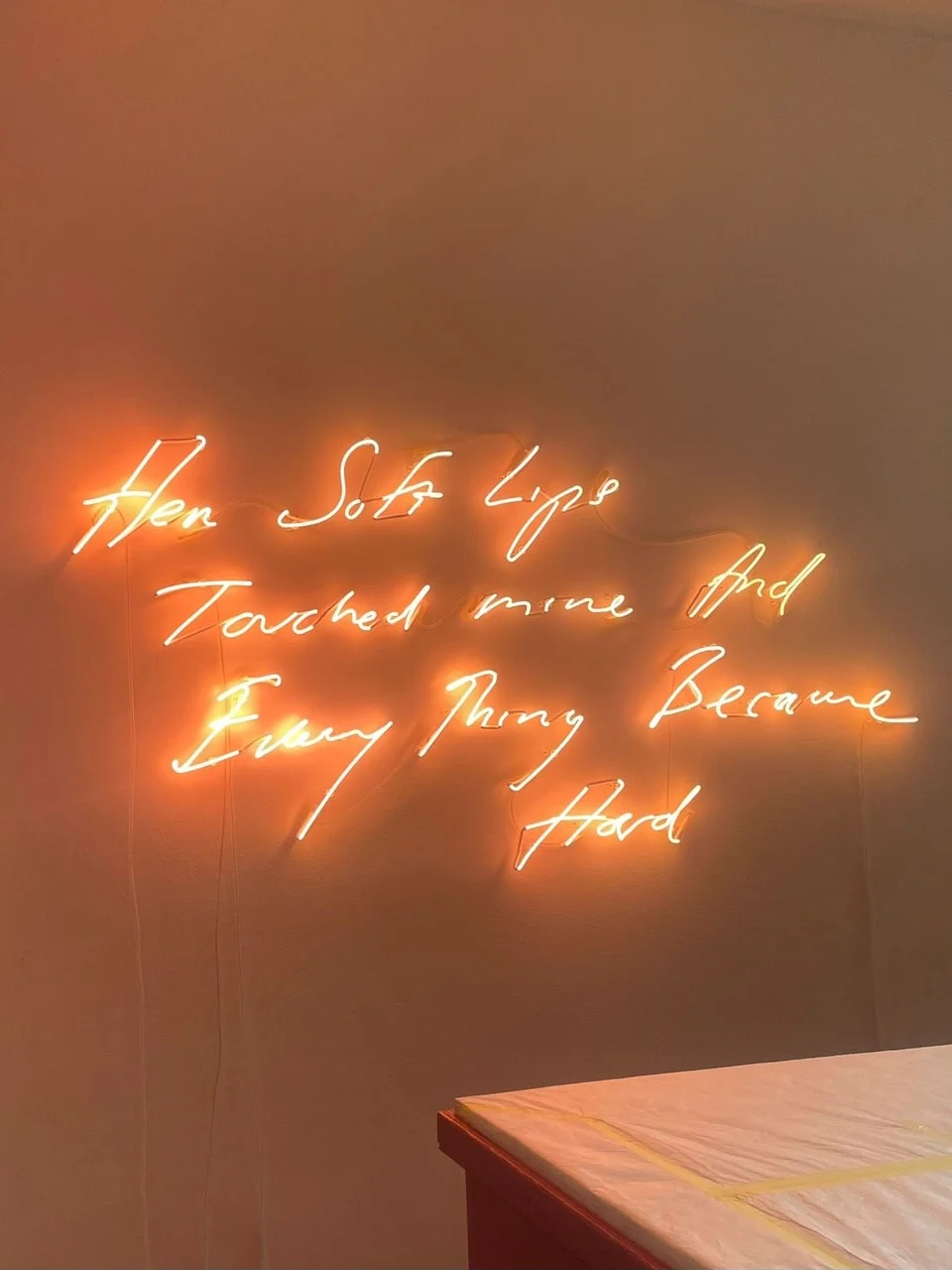
Intimacy
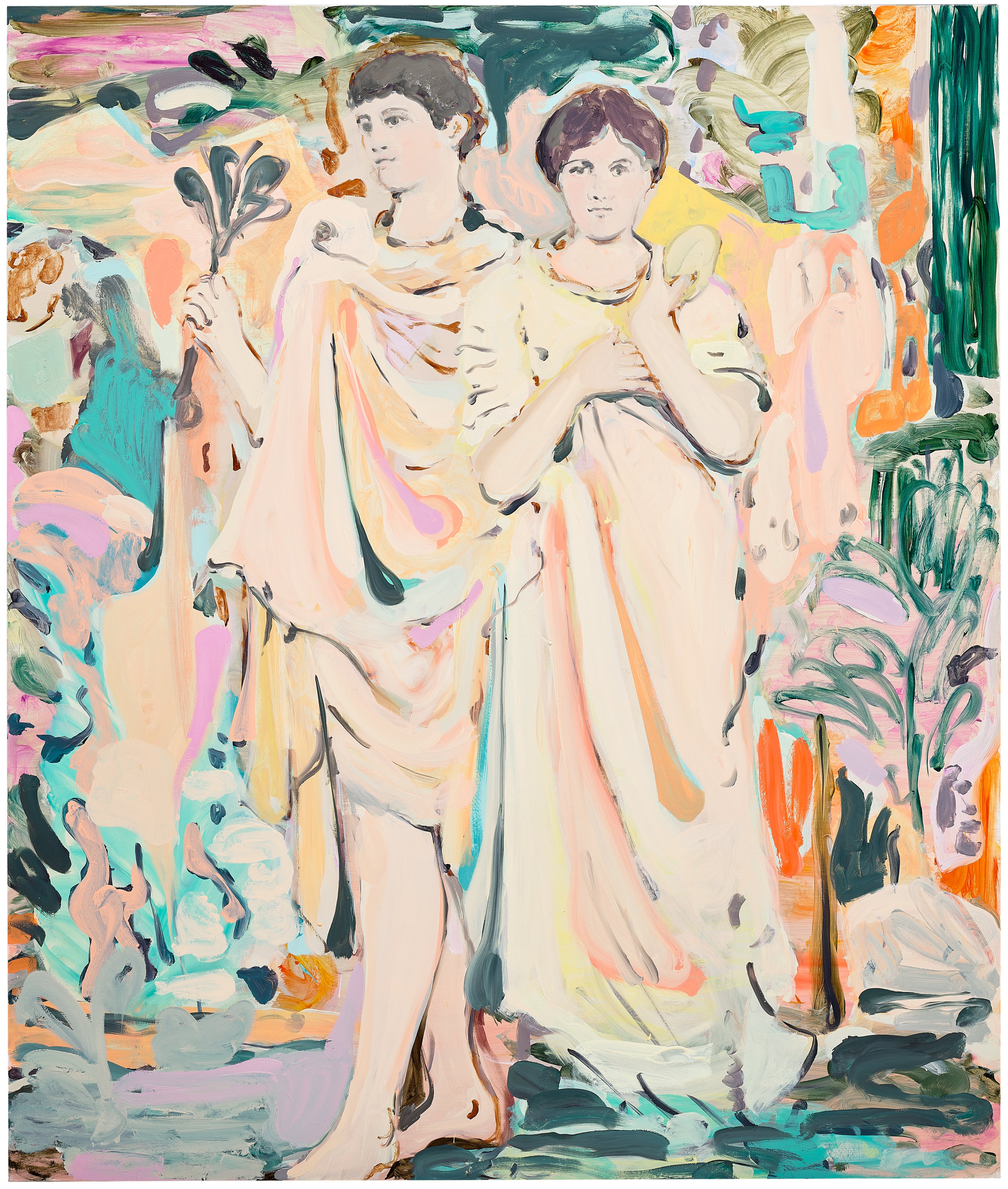
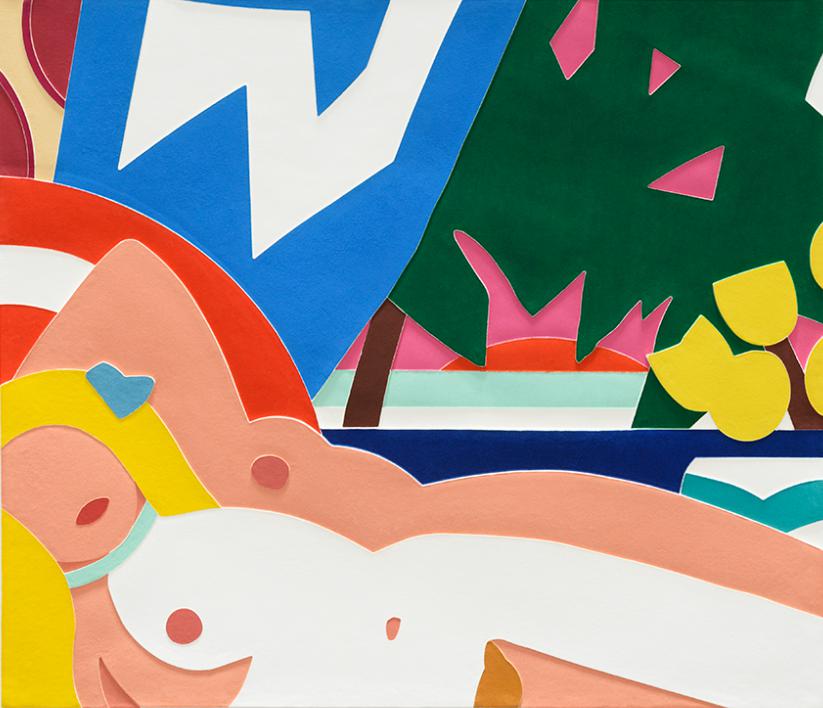
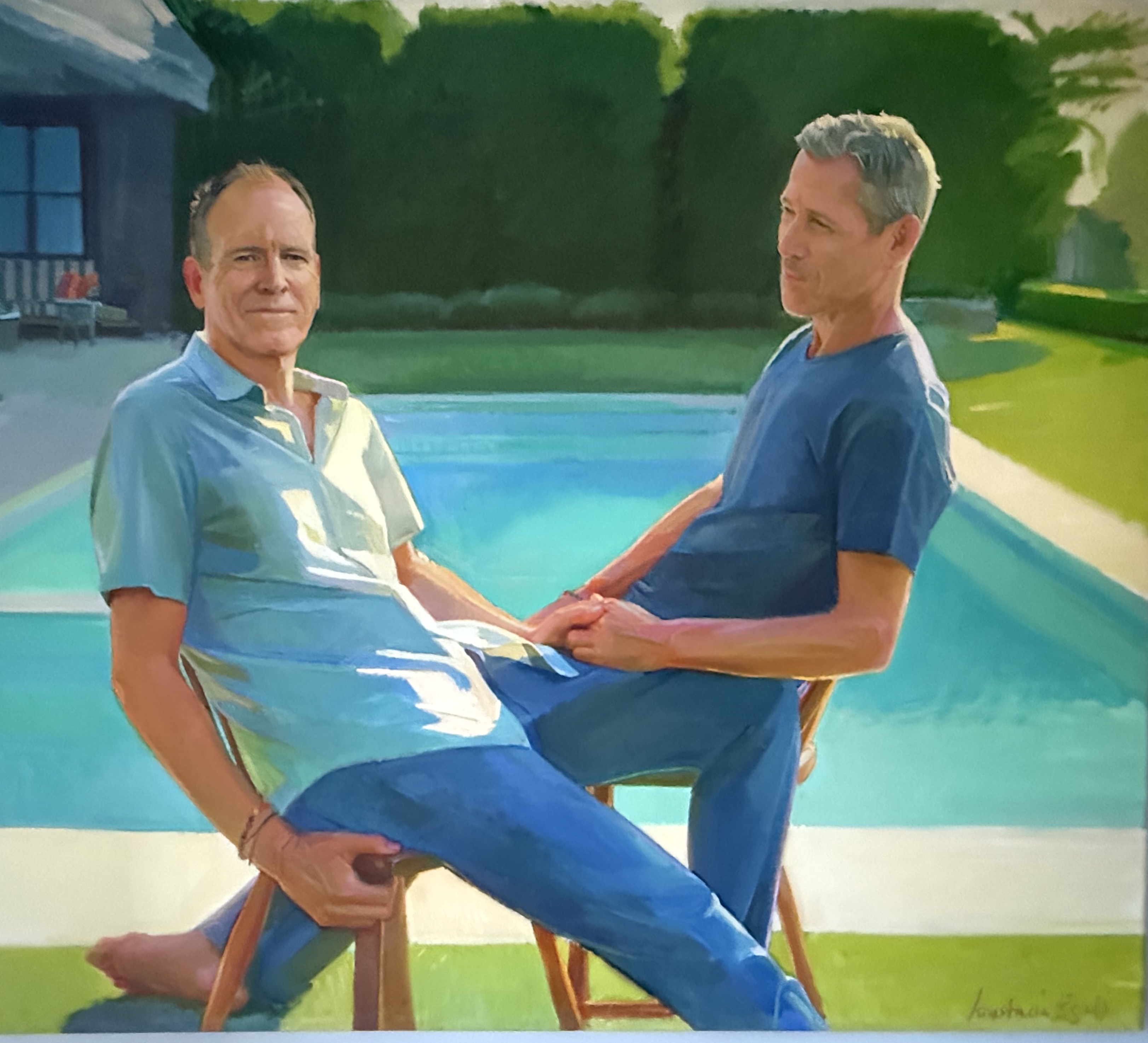
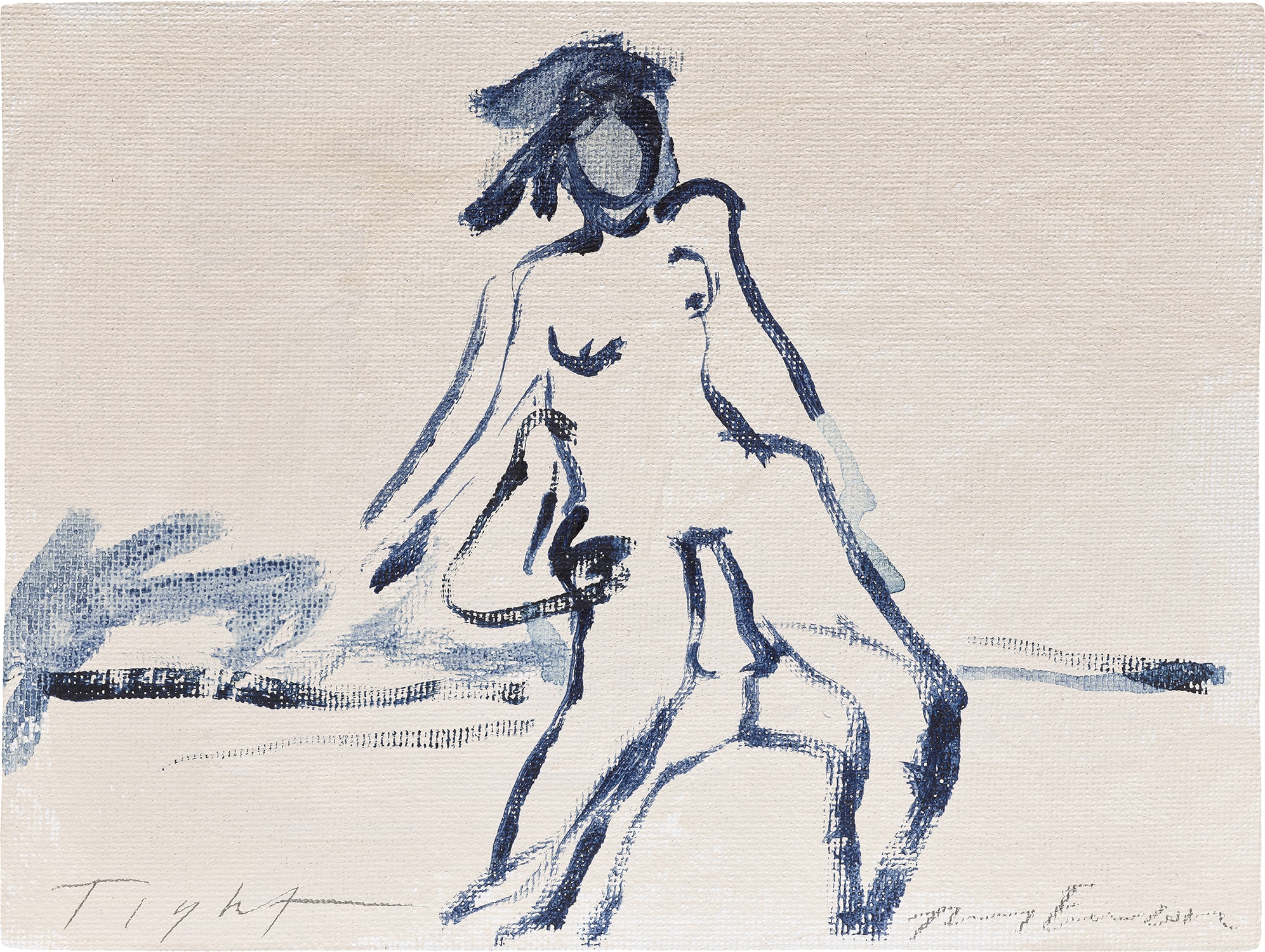
Tomo Campbell
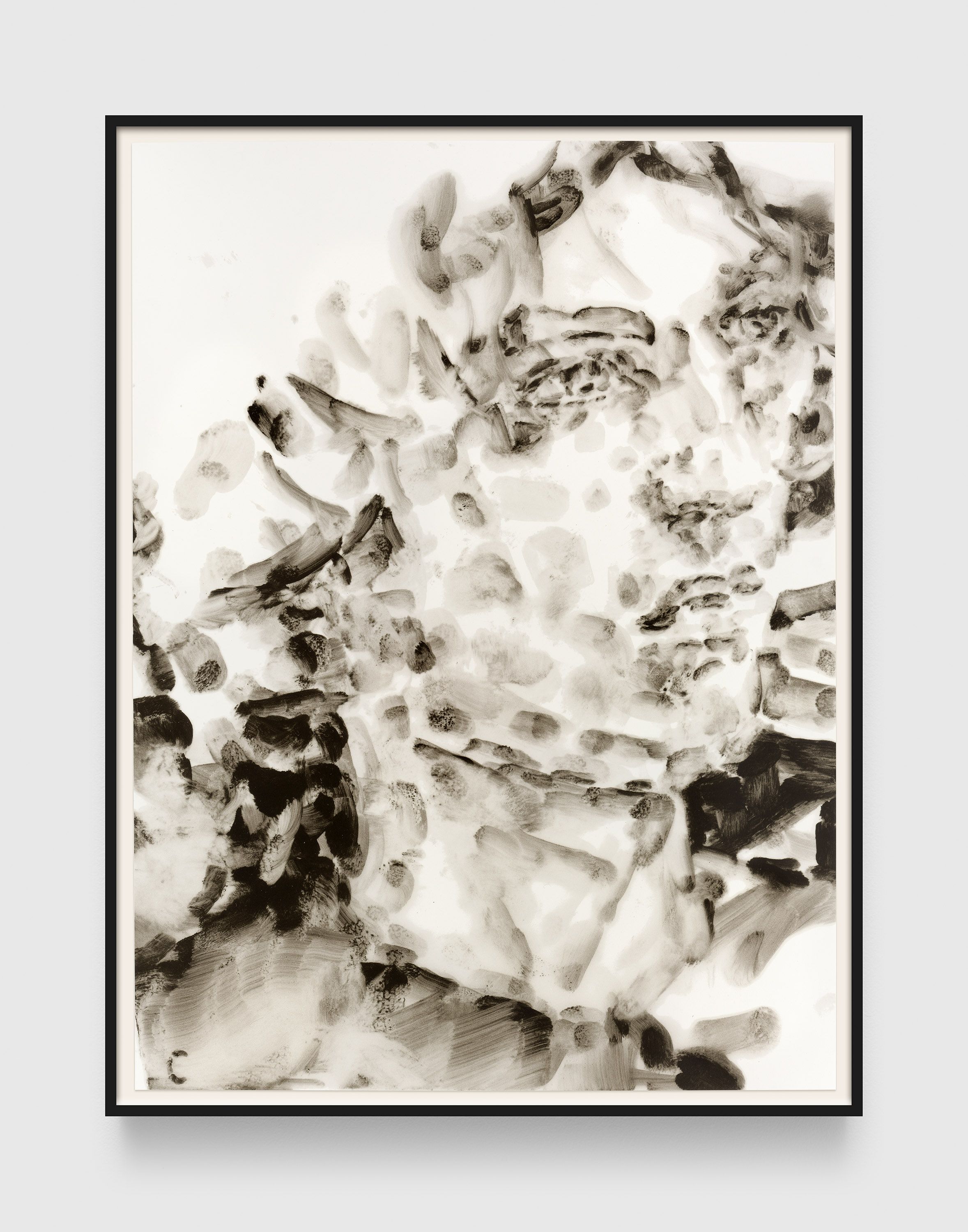
Right Beside You, 2025
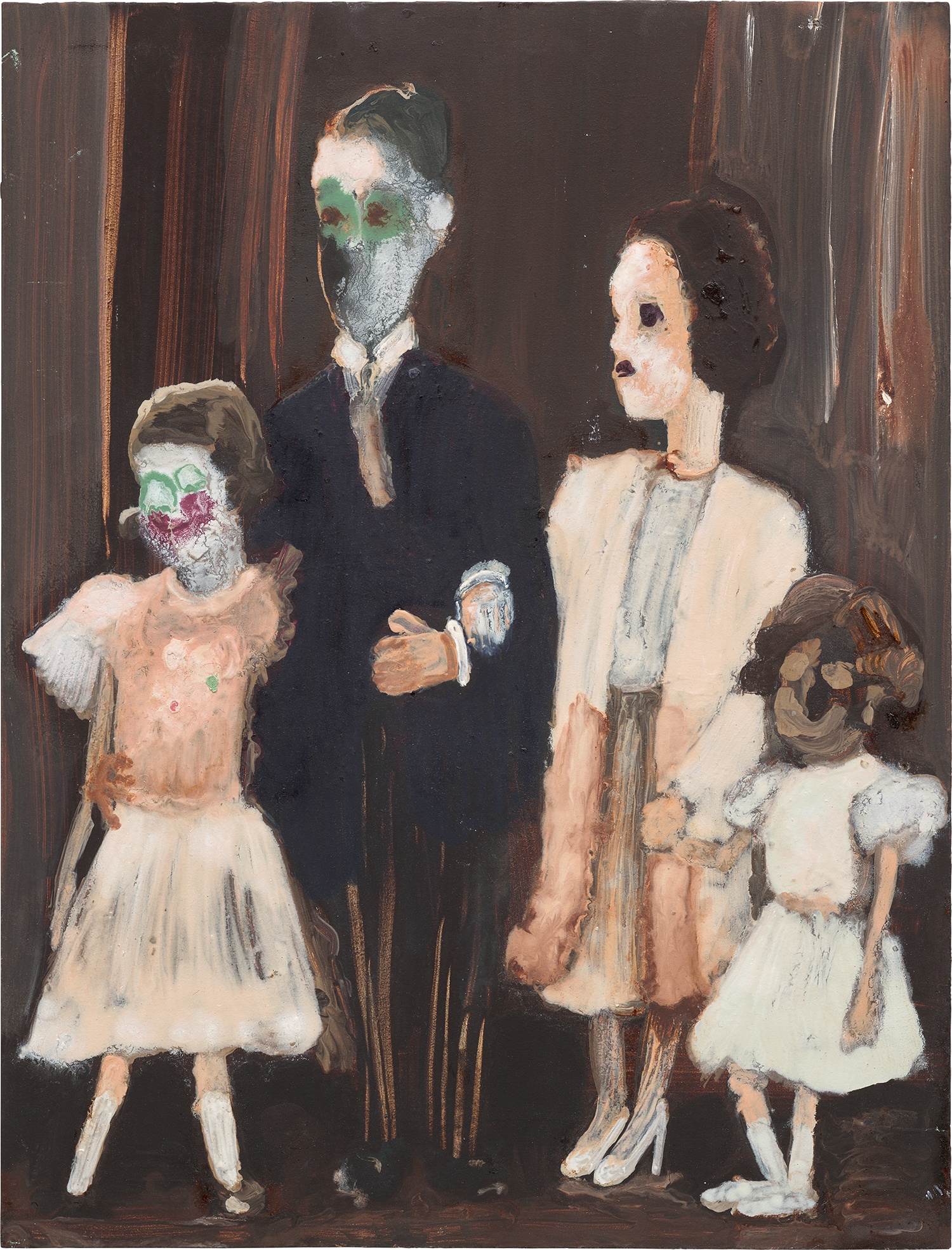
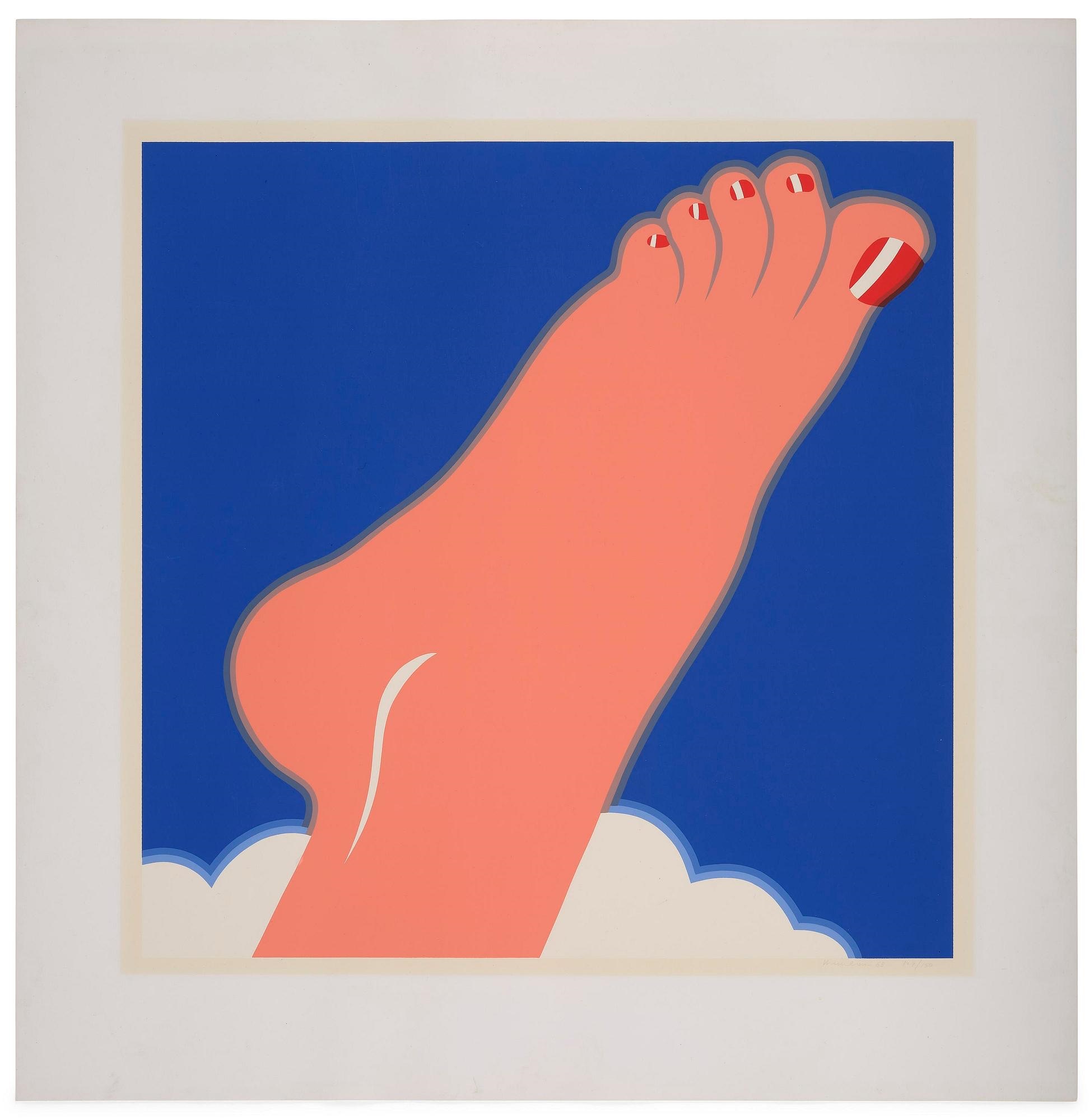
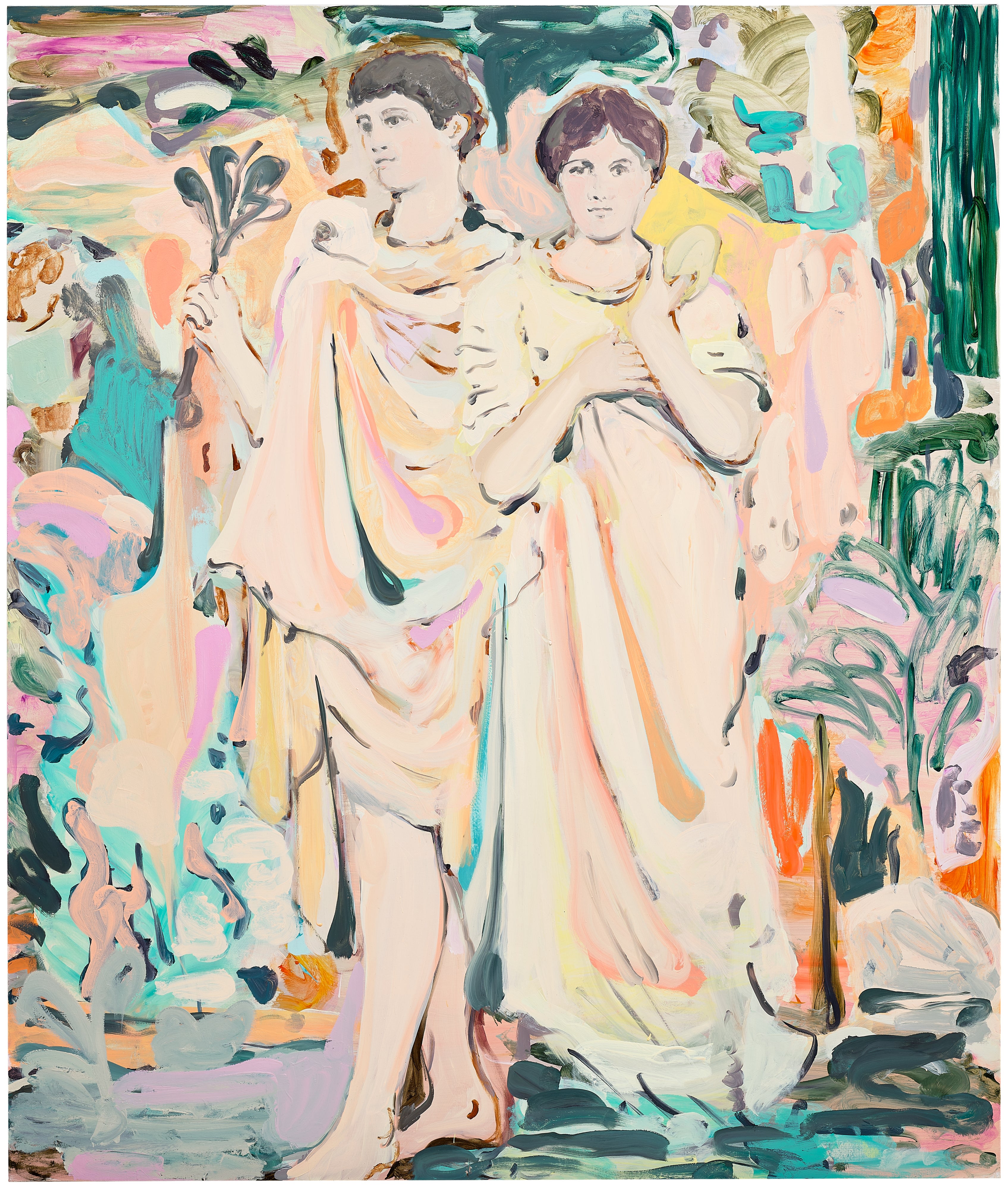
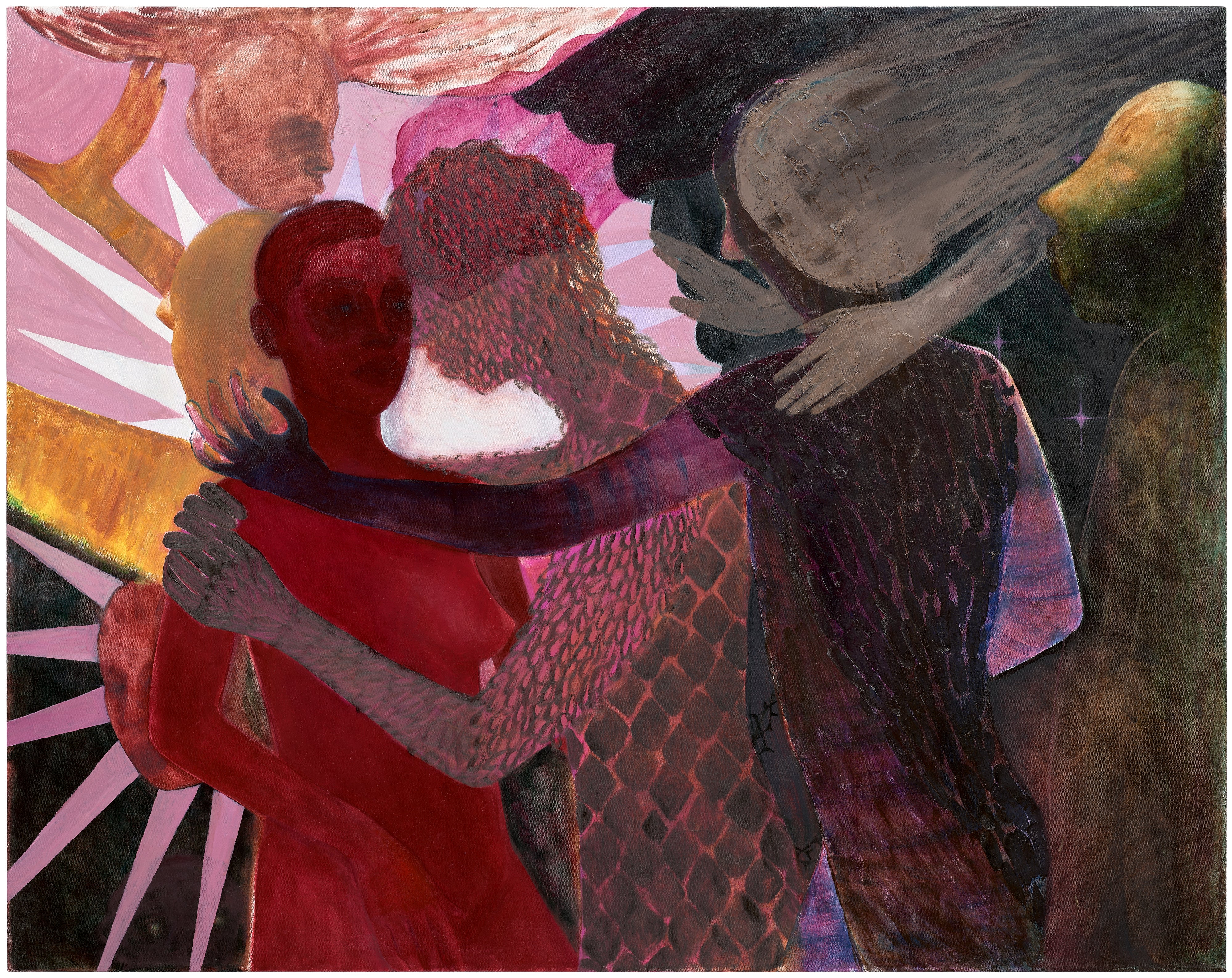
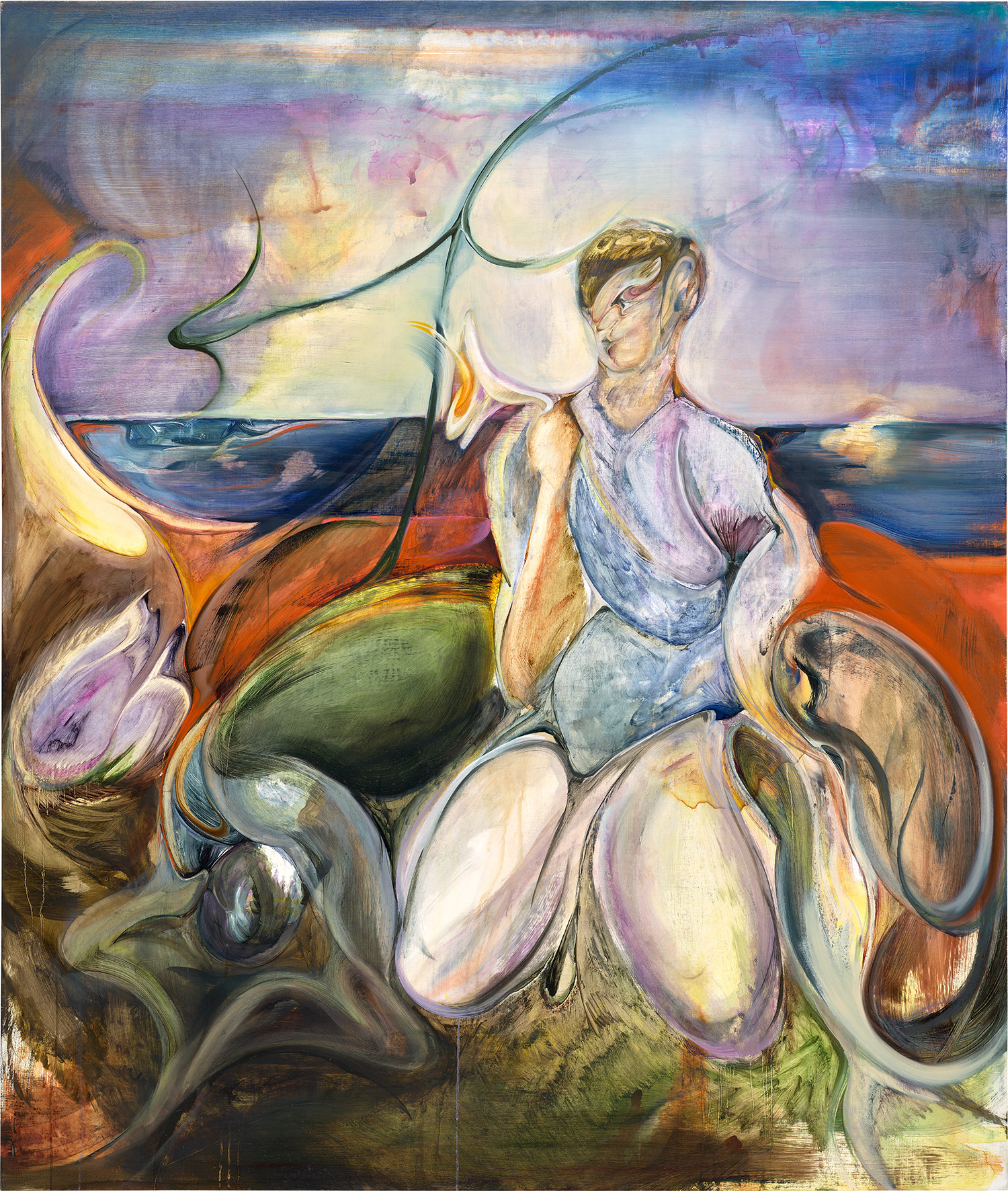
The Art of Getting Close to Someone
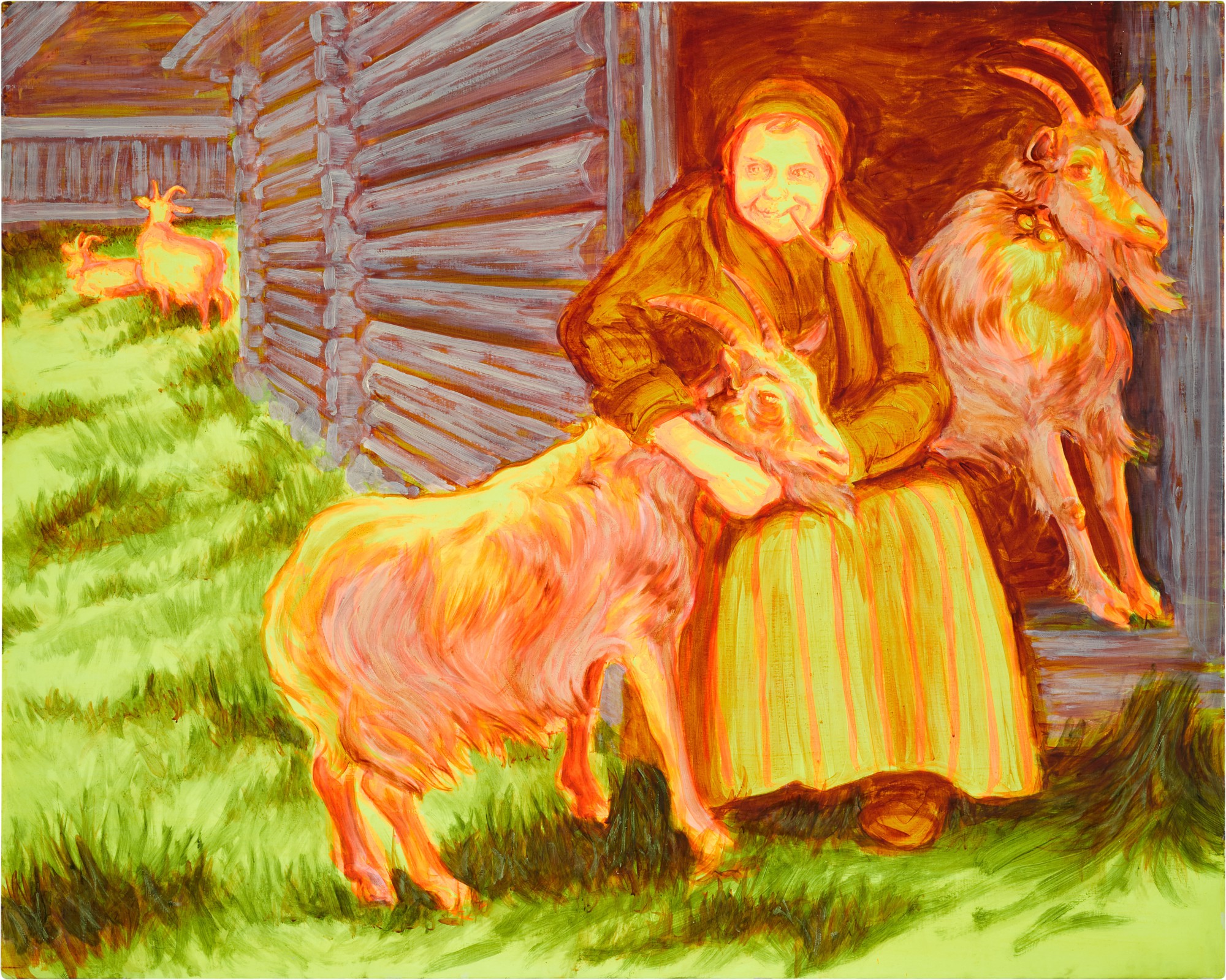
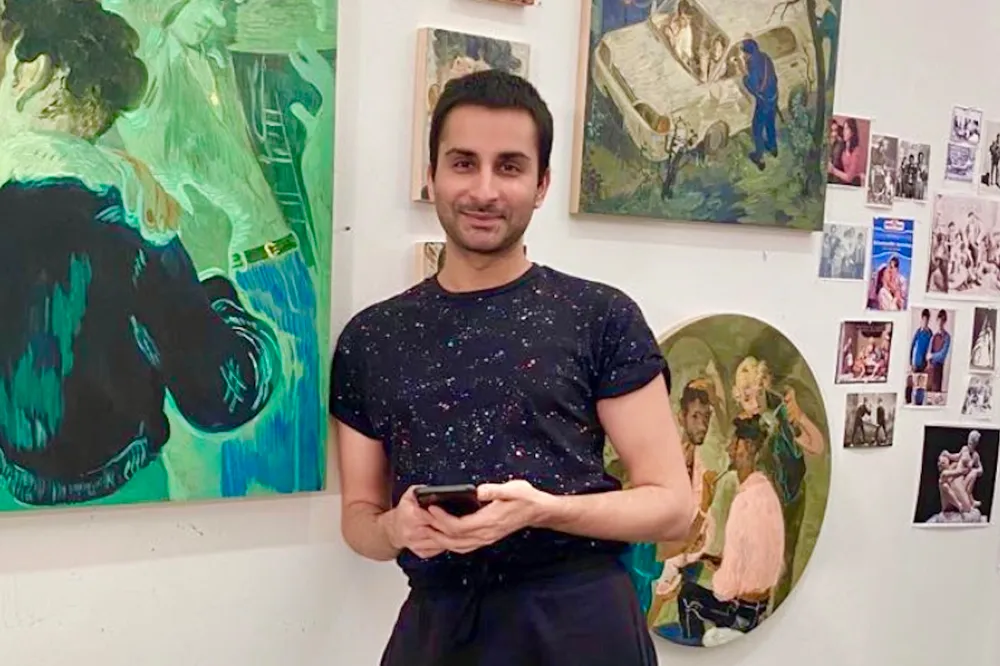
When Salman Toor's paintings began appearing at major auction houses in the early 2020s, something shifted in the room. His small, tenderly observed canvases of South Asian men in private moments, bathed in amber light, in bathrooms and bedrooms and bars, were pulling prices well above estimate and attracting serious institutional attention. A work that might have been dismissed as too personal, too niche, too soft by an older market logic was suddenly being read as precisely what painting had been missing. The appetite was not just for queer imagery or diasporic narratives, though both mattered.
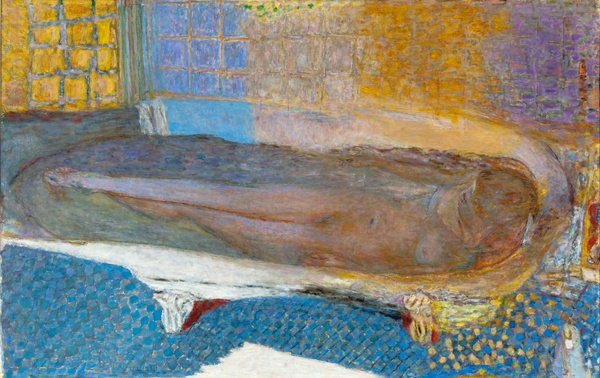
It was for something harder to name: the feeling of being allowed into a room where you were not expected. Intimacy has become one of the defining categories of contemporary collecting, and its elevation tells us something true about where cultural attention has moved. The word itself is slippery. It can mean erotic charge, as in Robert Mapplethorpe's precise, confrontational photographs, or it can mean the quiet of domestic life, as in Pierre Bonnard's interiors where a woman leans over a bath in colours so warm you almost feel the steam.
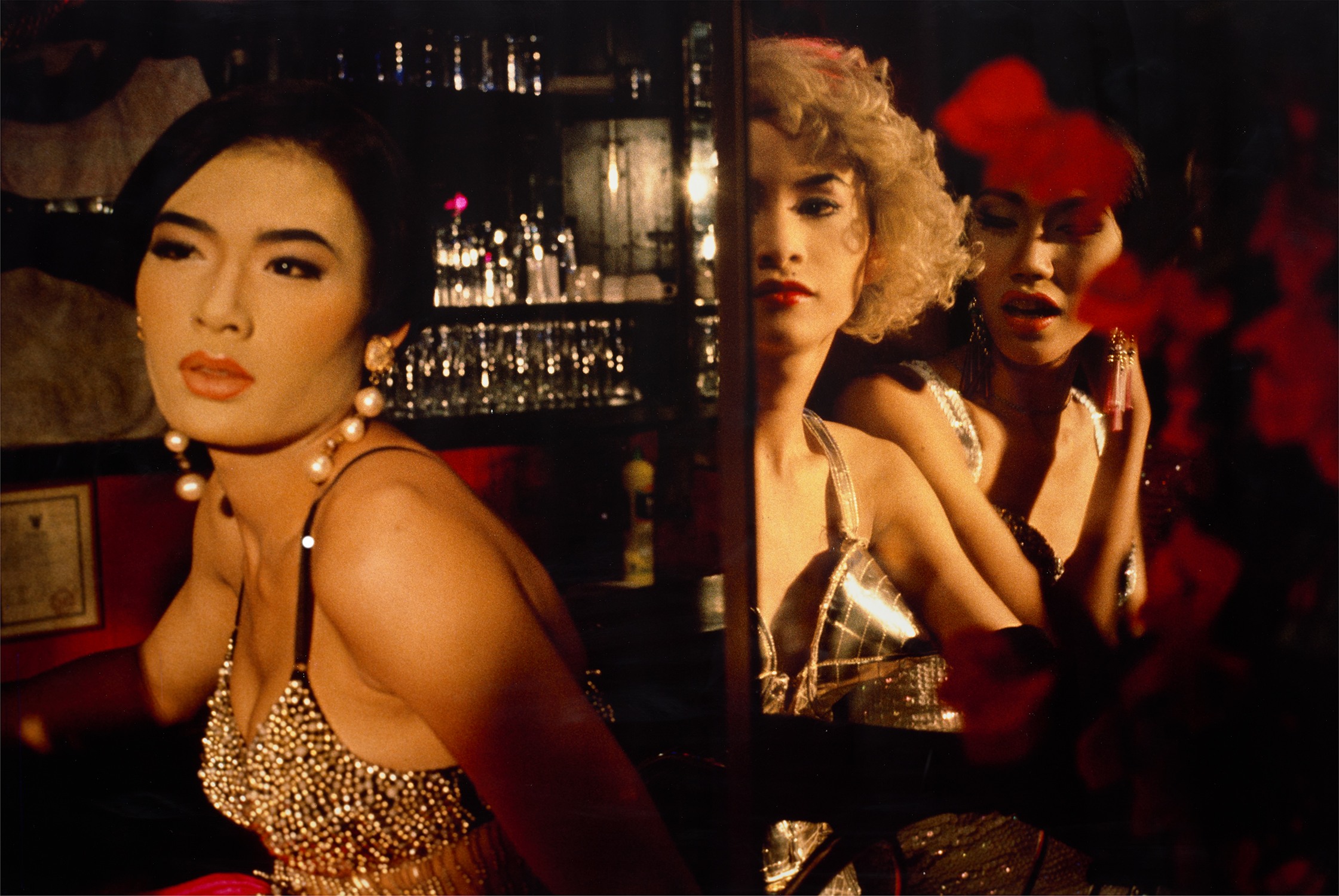
Nan Goldin
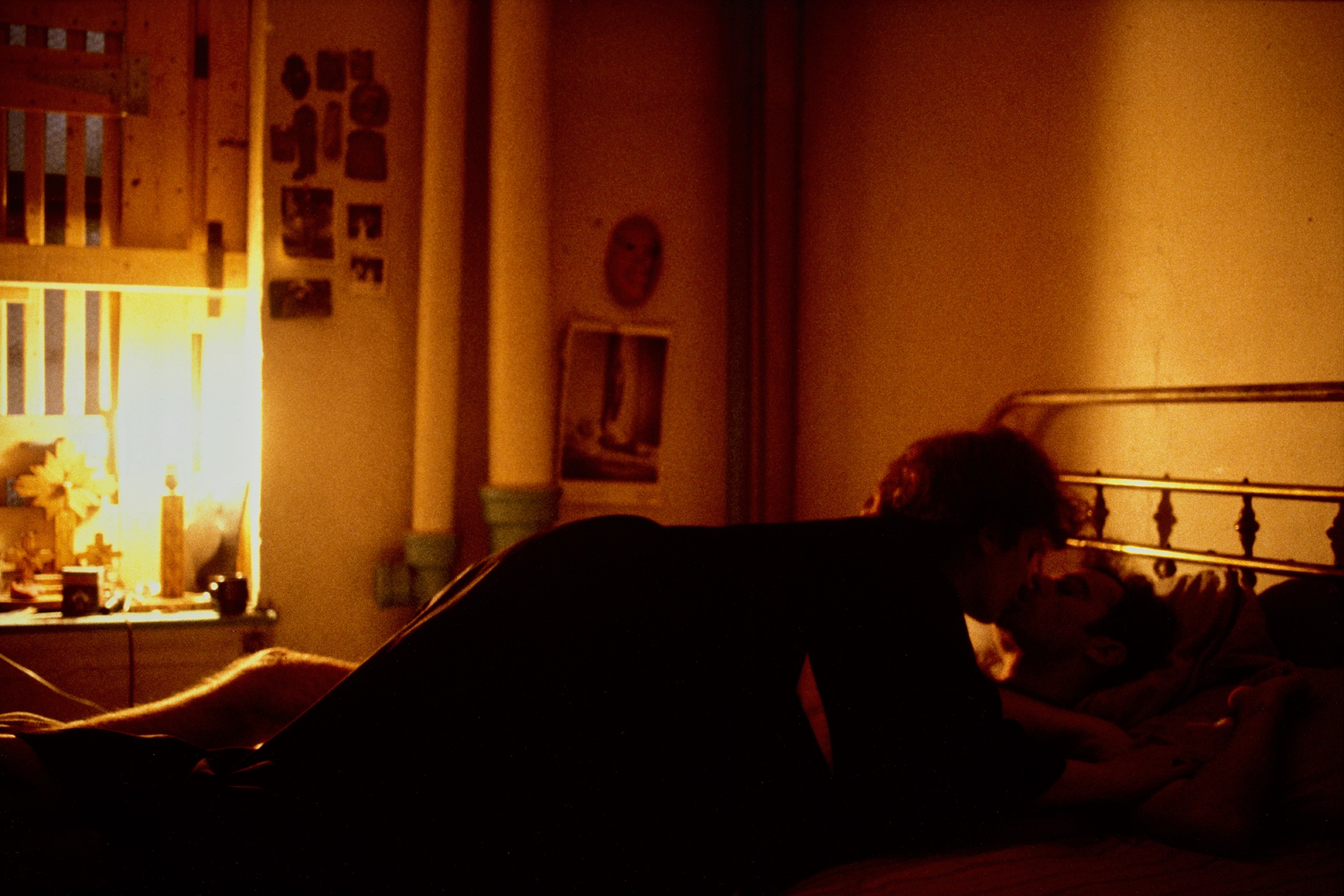
Self-portrait on top of Brian; Kissing, NYC
It can mean vulnerability made visible, which is the territory Nan Goldin has occupied since her landmark 1986 slideshow and book The Ballad of Sexual Dependency turned private grief into one of the most influential photographic projects of the late twentieth century. What connects all of these is a refusal of distance. These works insist on proximity. The exhibition history of this territory is rich and accelerating.
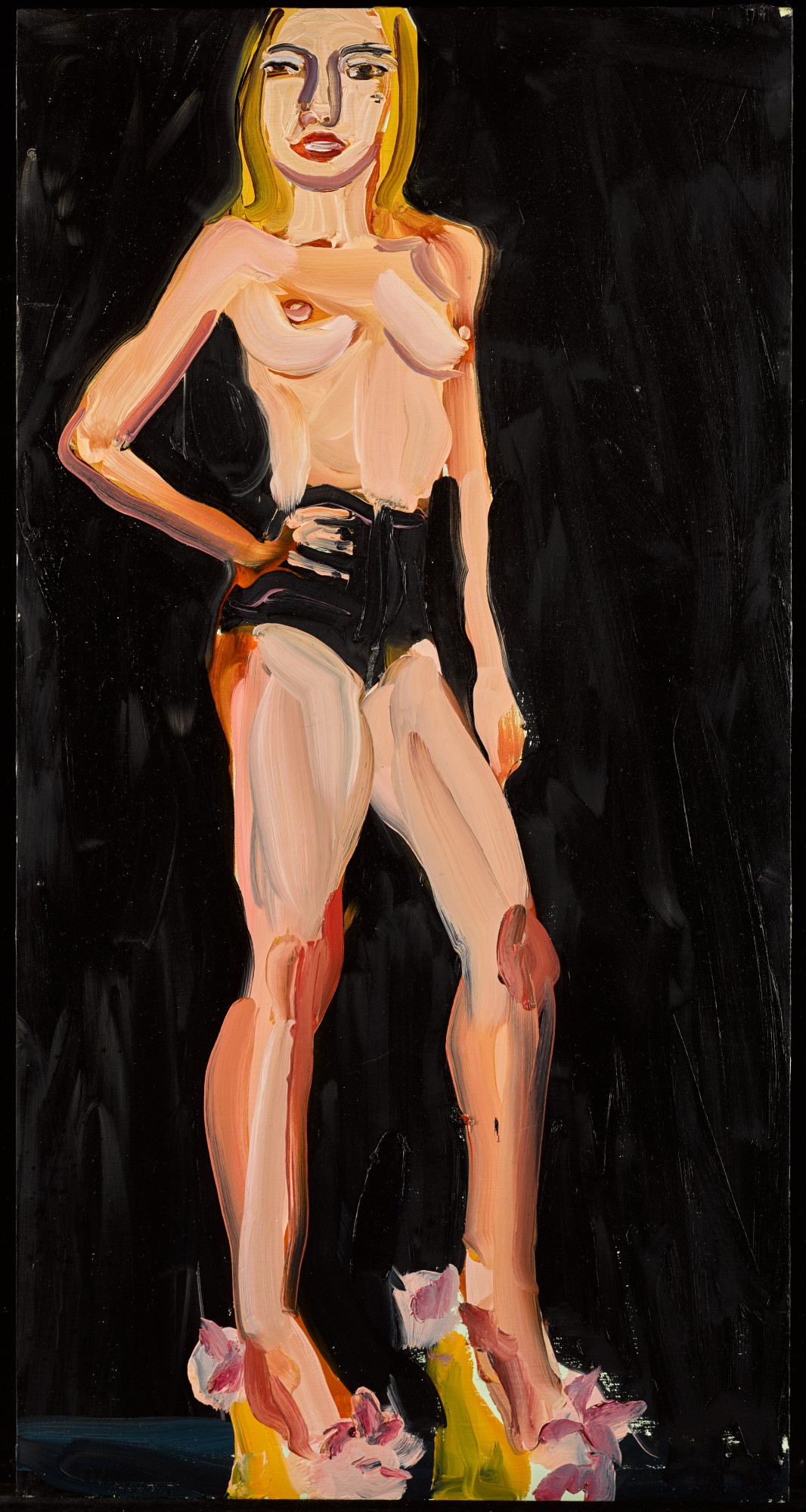
Goldin's retrospective This Will Not End Well, which opened at the Stedelijk Museum in Amsterdam in 2022 before travelling to major European venues, recontextualised her entire practice for a new generation and arrived at a moment of heightened public awareness around her activism against the Sackler family. The show reminded collectors and institutions that intimacy in photography is never innocent of politics. Closer to the intimate scale of the studio, Chantal Joffe has received sustained institutional support in Britain, with major shows at the Victoria Miro and a growing presence in museum collections that recognise her unflinching portraits of women and children as serious contributions to the figurative tradition. Genieve Figgis, whose hallucinatory domestic scenes dissolve Regency parlours into something closer to fever dream, has built a cult following that has now crossed into auction rooms with real conviction.
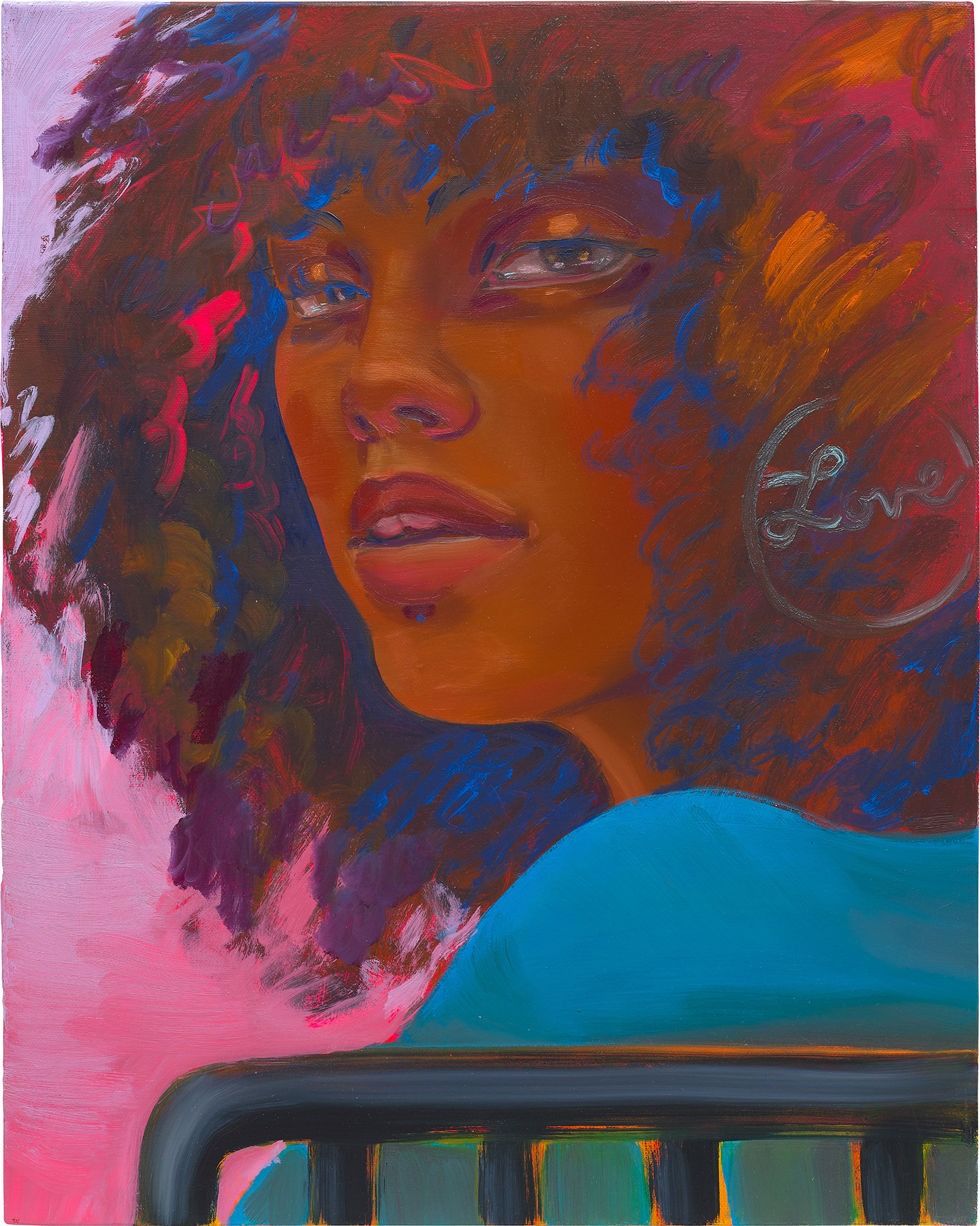
Salman Toor
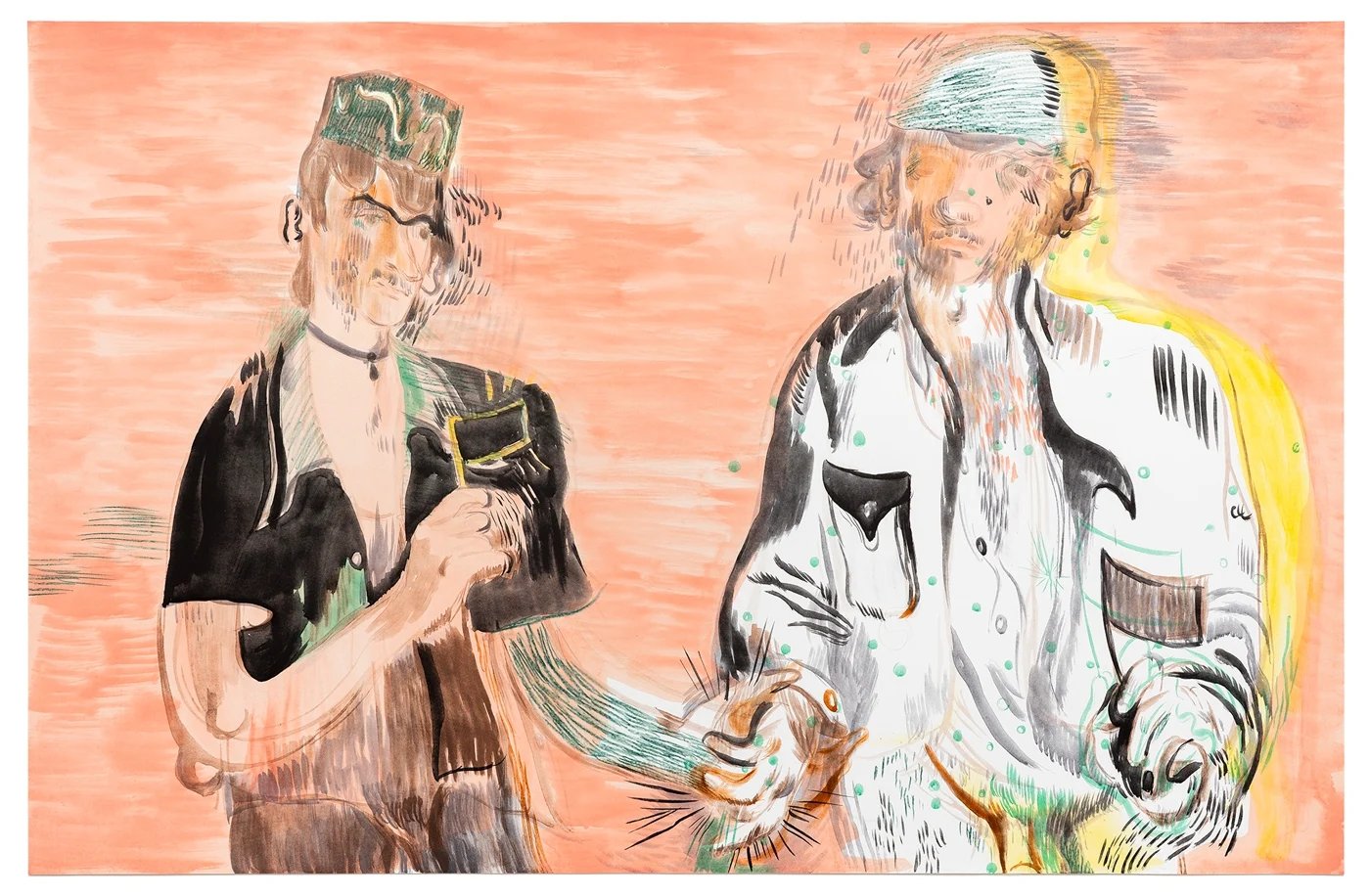
Citizens with Flags, 2025
At auction, the market signals are unambiguous. Toor's secondary market has been one of the more watched stories of recent years, with works achieving multiples of estimate at Christie's and Sotheby's. Felix González Torres, whose conceptual tenderness, most famously his candy spill pieces and billboard works made in response to the AIDS crisis, commands prices in the millions and holds a position of canonical certainty that few artists of his generation can match. His work is in nearly every major public collection in the world, and when a significant piece appears at auction it becomes an event.
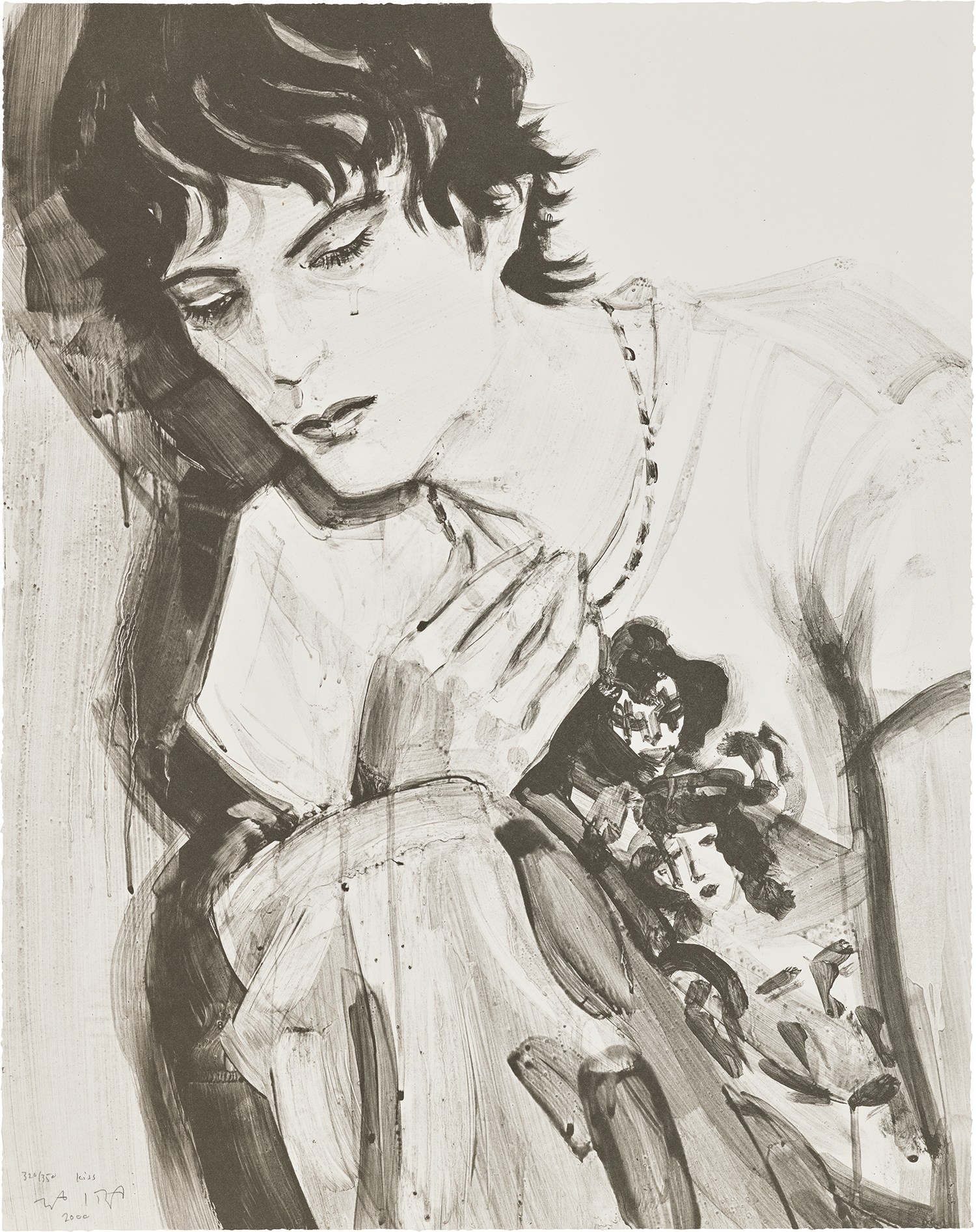
Elizabeth Peyton, whose small portraits of lovers and rock musicians and historical figures made intimacy fashionable in the downtown New York scene of the 1990s, remains a strong performer and something of a bellwether for the broader category. Amoako Boafo, whose finger painted portraits of Black subjects glow with almost aggressive tenderness, saw meteoric auction results in the early 2020s that raised questions about speculation alongside genuine enthusiasm. The institutions collecting seriously in this space include the Tate, MoMA, the Hammer Museum in Los Angeles, and the Broad, but the more interesting signal comes from smaller and mid size museums that are building focused holdings. The Studio Museum in Harlem has been a crucial champion of artists like Toor and Boafo, and its influence on what the broader market values cannot be overstated.
Elizabeth Peyton
Kiss (Tony)
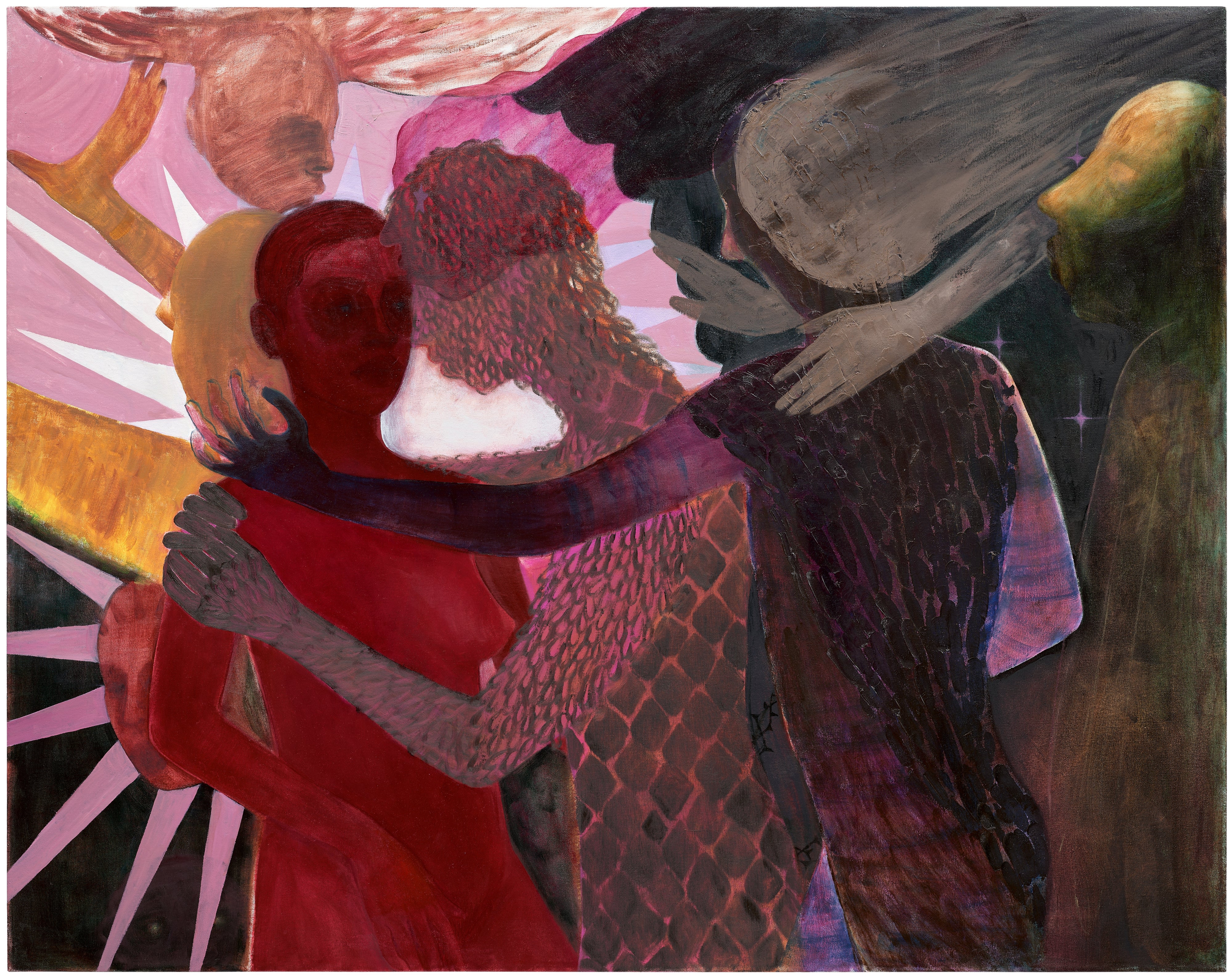
Naudline Pierre, whose monumental canvases of celestial figures locked in intimate struggle feel simultaneously ancient and urgently present, has attracted institutional interest that suggests her trajectory is still building. Paul Mpagi Sepuya's photographic work in the studio, which folds mirrors, bodies, and the photographic apparatus itself into layered images of Black queer intimacy, is in serious collections and gaining critical mass. The critical conversation around intimacy has been shaped by a handful of writers and curators whose frameworks have proved genuinely useful. Hilton Als at The New Yorker has written about desire, vulnerability, and the gaze with a precision that feels inseparable from the art itself.
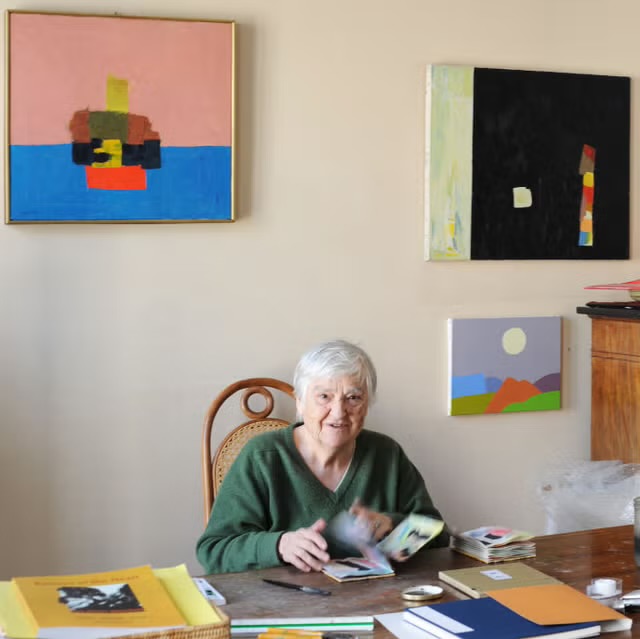
The curator Hamza Walker and, in a different register, Katy Siegel have both written compellingly about figuration and the body in ways that illuminate why paintings by artists like Haley Josephs or Honor Titus feel so charged at this particular moment. Josephs in particular, with her dreaming, otherworldly figures suspended in soft surreal space, is finding an audience that extends beyond the gallery system into a broader conversation about inner life and representation. What feels alive right now is work that holds multiple registers at once, where intimacy is not simply warmth or eroticism but something closer to epistemological uncertainty. Etel Adnan's small leporello books and oil paintings, intimate almost by definition in their scale, carry the weight of a long philosophical and poetic life, and their presence in major collections and recent retrospectives has introduced a different kind of intimacy to the conversation: the intimacy of a mind revealed through a lifetime of work.
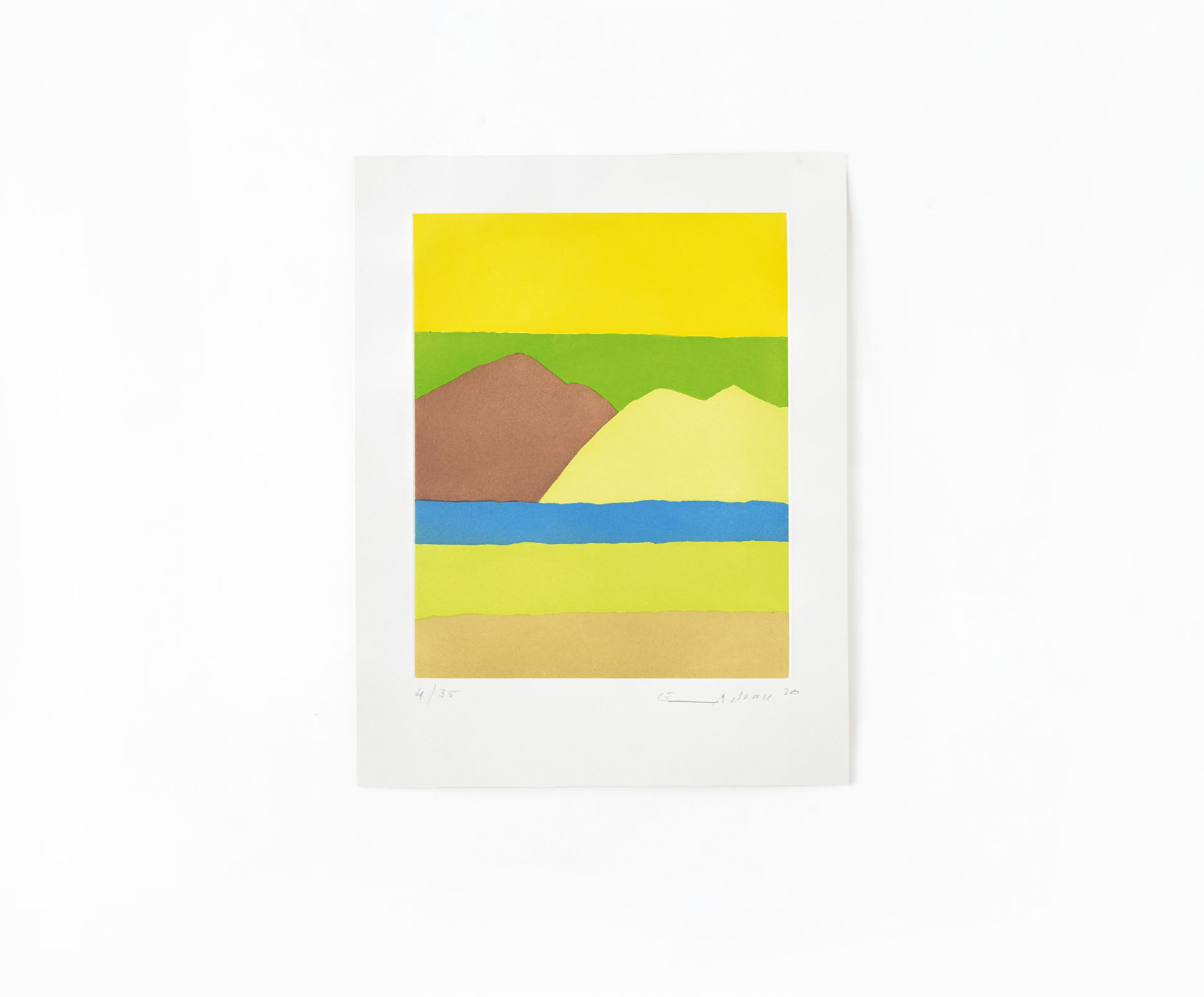
Etel Adnan
en miroir, 2020
Zhang Enli's close up paintings of everyday objects, hoses, buckets, containers, treat the overlooked with such sustained attention that the result feels strangely tender. Dominique Zinkpè's interlocked figurative sculptures from Benin carry collective memory in forms that feel simultaneously private and communal. The surprise may be that the market for intimacy is not softening as broader conditions cool. If anything, the demand for work that feels genuinely felt rather than theoretically constructed seems to be intensifying.
Collectors who came of age in an era of spectacle and scale are turning toward the small, the close, the true. The works on The Collection reflect this shift with real intelligence, bringing together artists across generations and geographies who share a belief that the space between two people, or between a person and the world, is where the most important things happen.