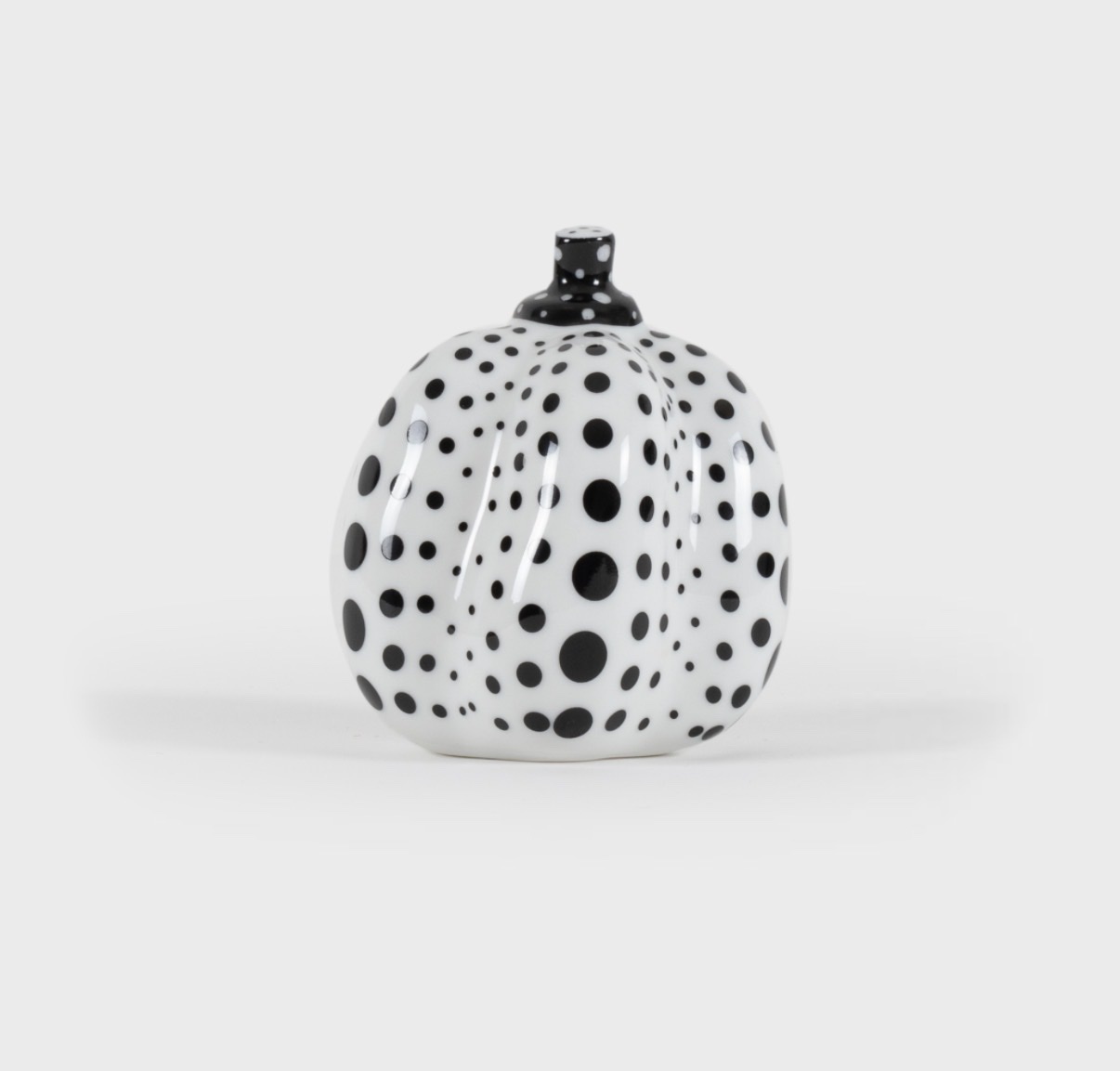
Holiday Theme
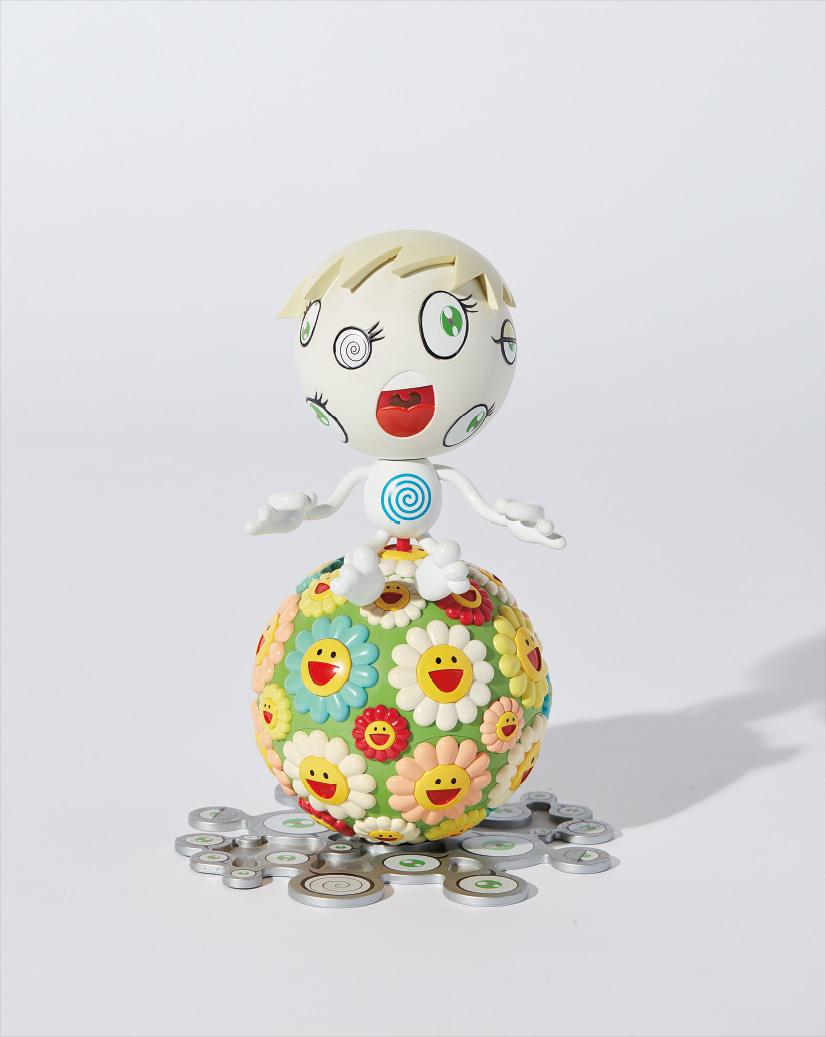
Takashi Murakami
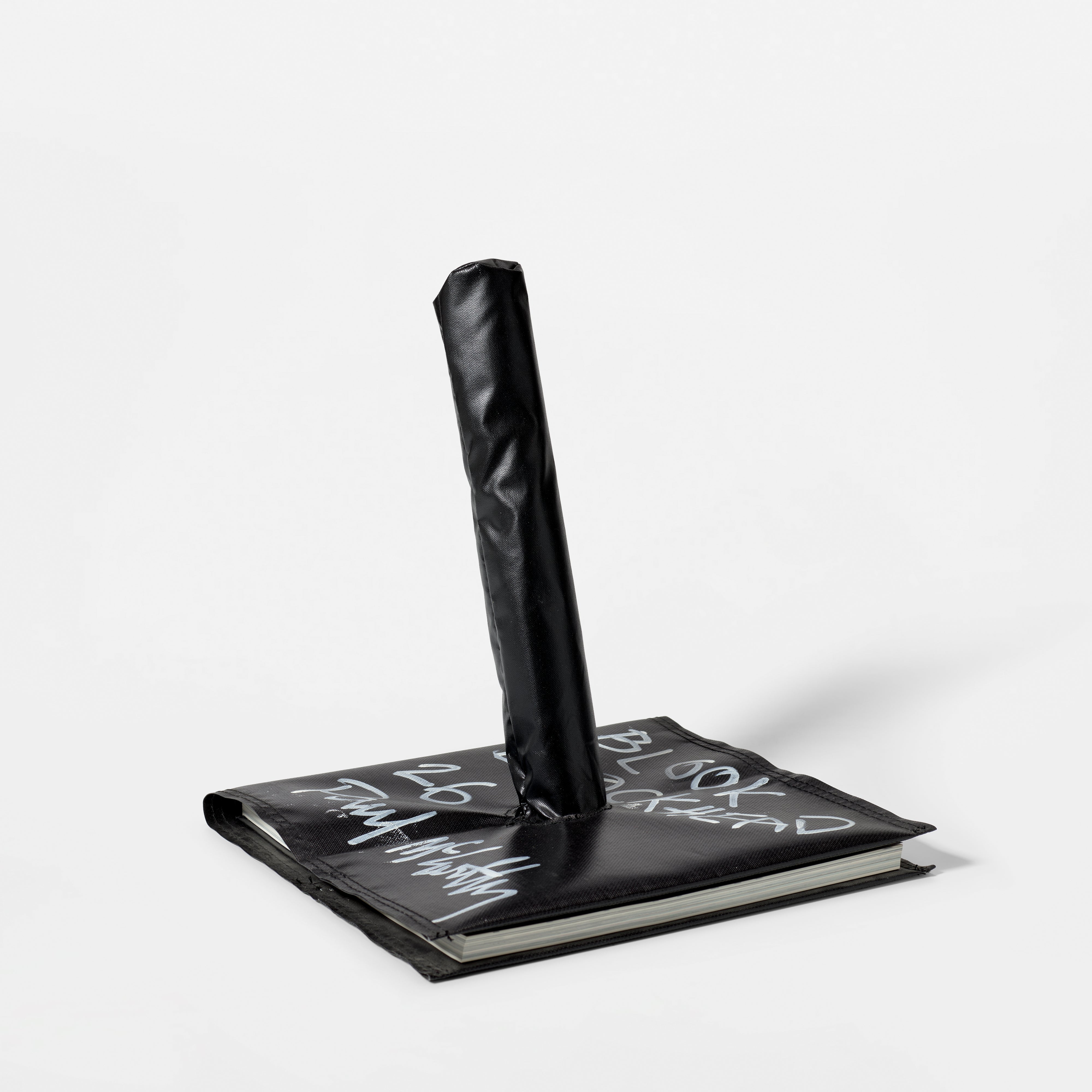
Oval (Peter Norton Christmas Project)
Joy Is Serious Business in the Art Market
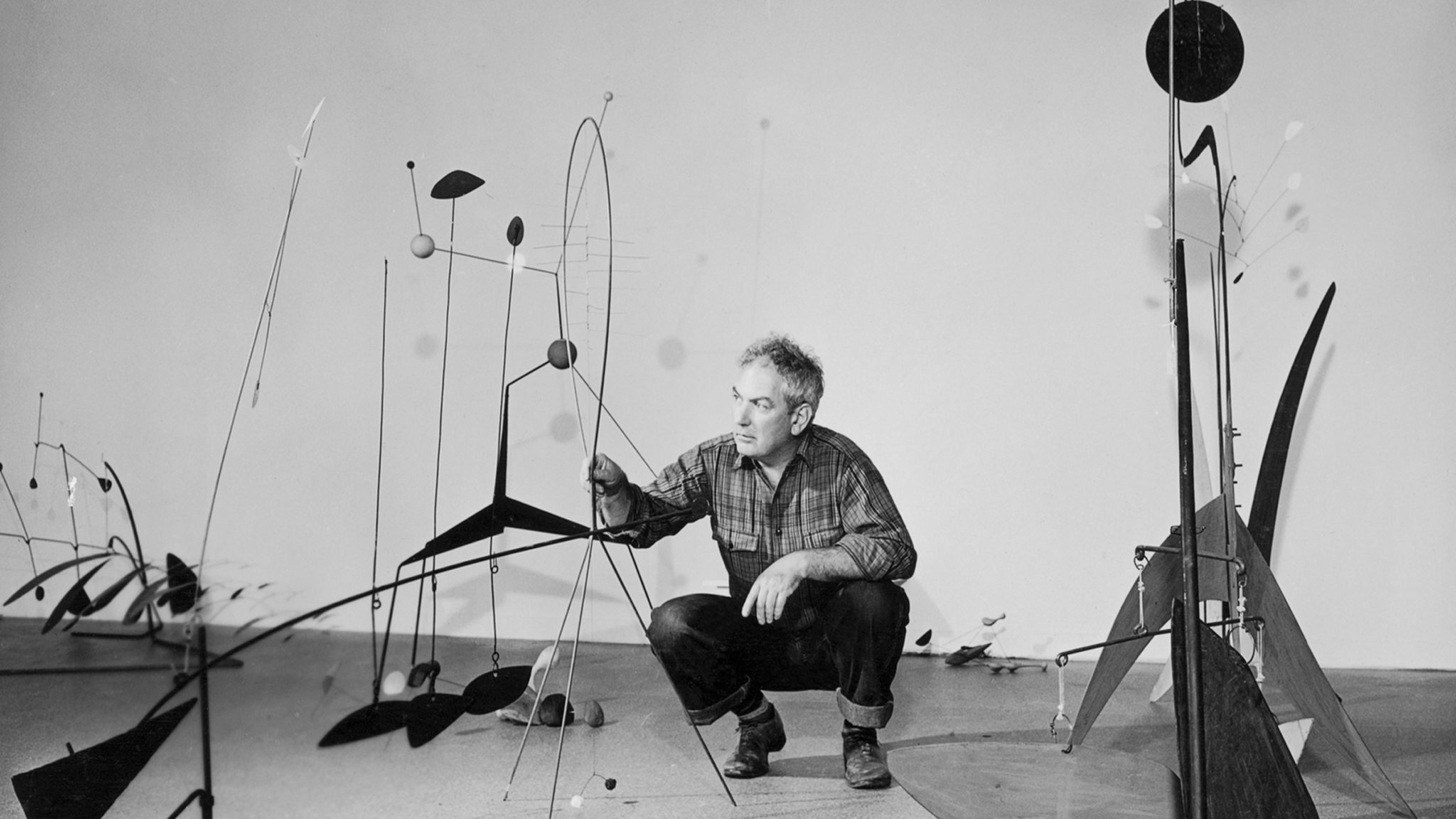
When a mobile by Alexander Calder carrying biomorphic shapes in red, black, and yellow sold at Christie's for well above its high estimate, the room felt something that auction rooms rarely admit to feeling: genuine delight. That sale, like so many involving Calder's work in recent years, reminded the market that festivity and formal rigor are not opposites. The holiday theme in art has quietly become one of the more interesting lenses through which collectors are reconsidering what they value, what they display in their homes, and what kind of emotional register they want their collections to occupy. For too long, holiday themed work was treated as a lesser category, something decorative rather than serious, seasonal rather than enduring.
That attitude has shifted considerably. Museum curators have begun looking more carefully at how artists across the twentieth and twenty first centuries have engaged with ritual, celebration, and collective joy, not as sentimentality but as a genuine subject of inquiry. The outcomes have been surprising and often revelatory, particularly when the work in question comes from artists who bring formal ambition to emotionally resonant material. Calder is the presiding genius of this conversation.
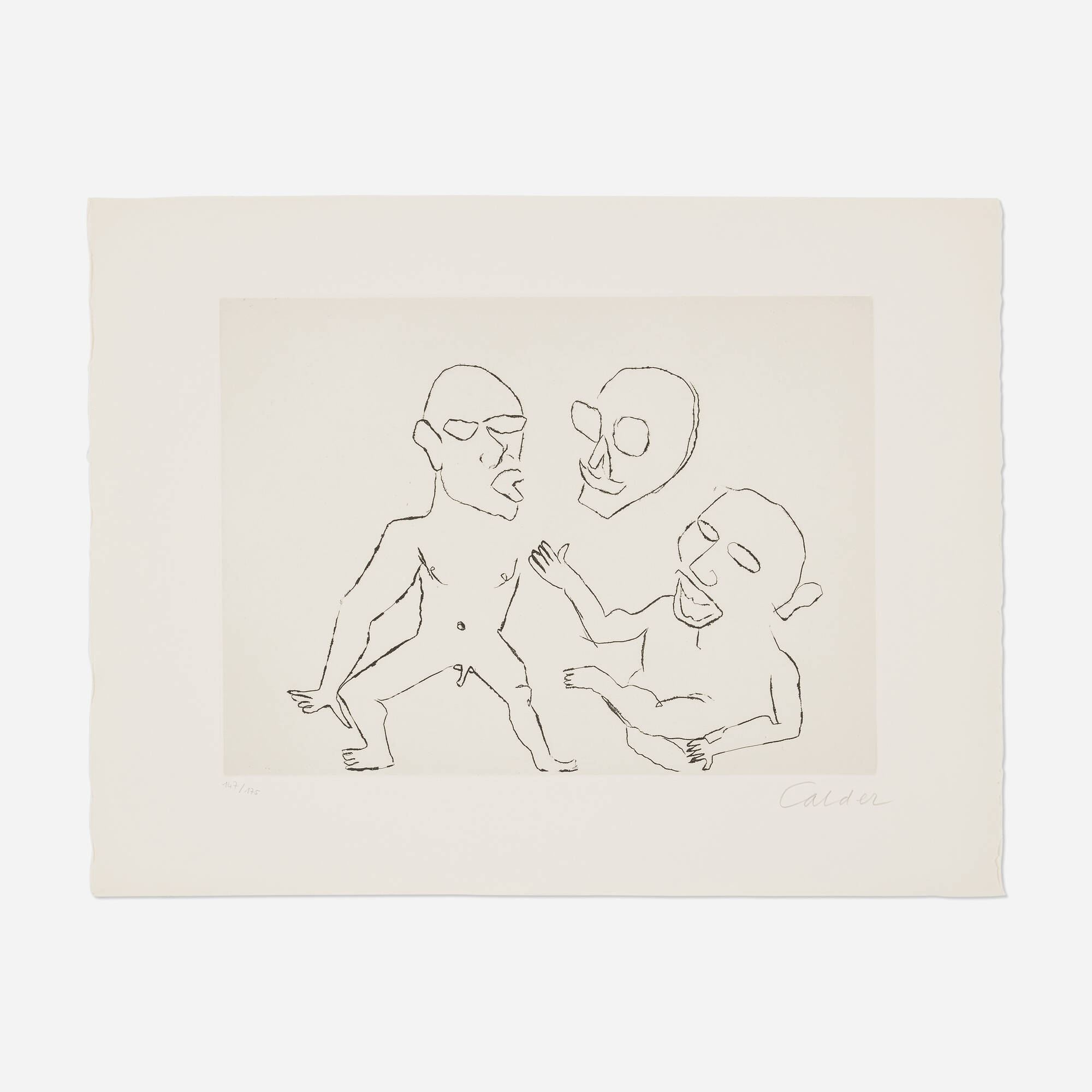
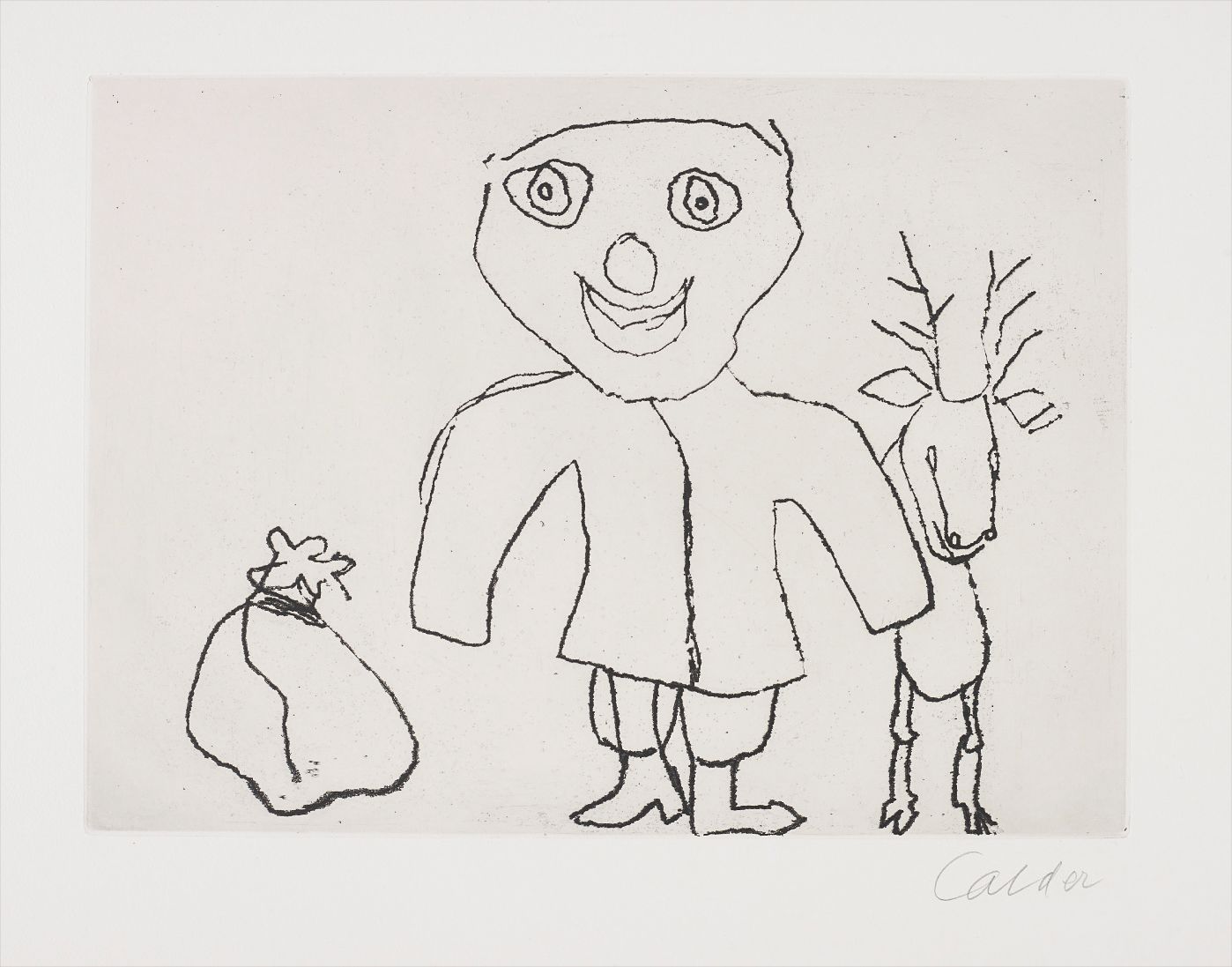
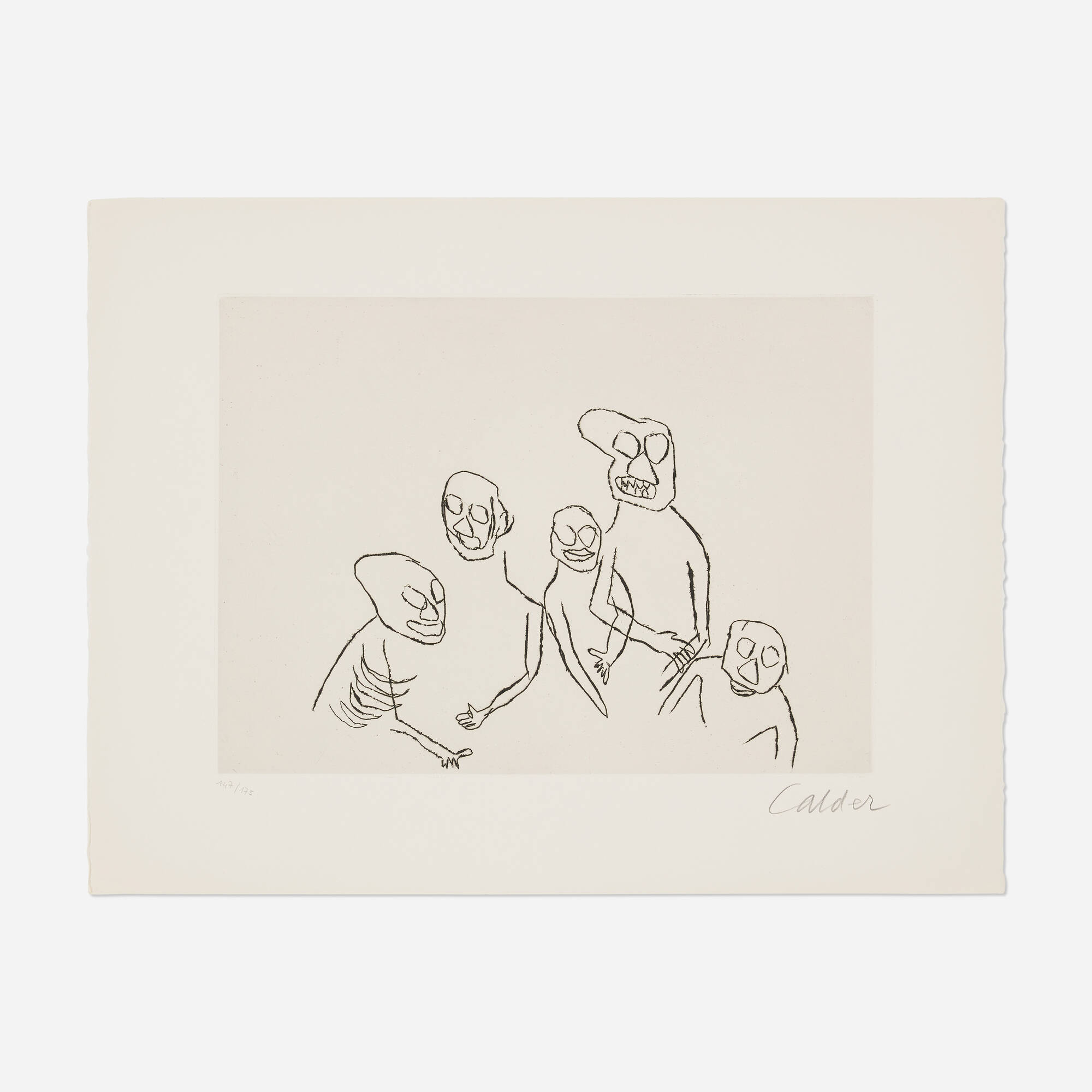
Alexander Calder
Untitled (Santa Claus VII), 1974
His mobiles and stabiles, many of which carry an almost festive energy through their use of primary colors and playful movement, have become central to how institutions think about art that is simultaneously serious and celebratory. The retrospective mounted at the Centre Pompidou and later traveled internationally gave curators a fresh opportunity to articulate what makes his work feel perpetually alive. The holiday register in Calder is never literal, it is structural: the sense of occasion lives in the movement, the surprise, the way a room changes when one of his works is present. Collectors have internalized this.
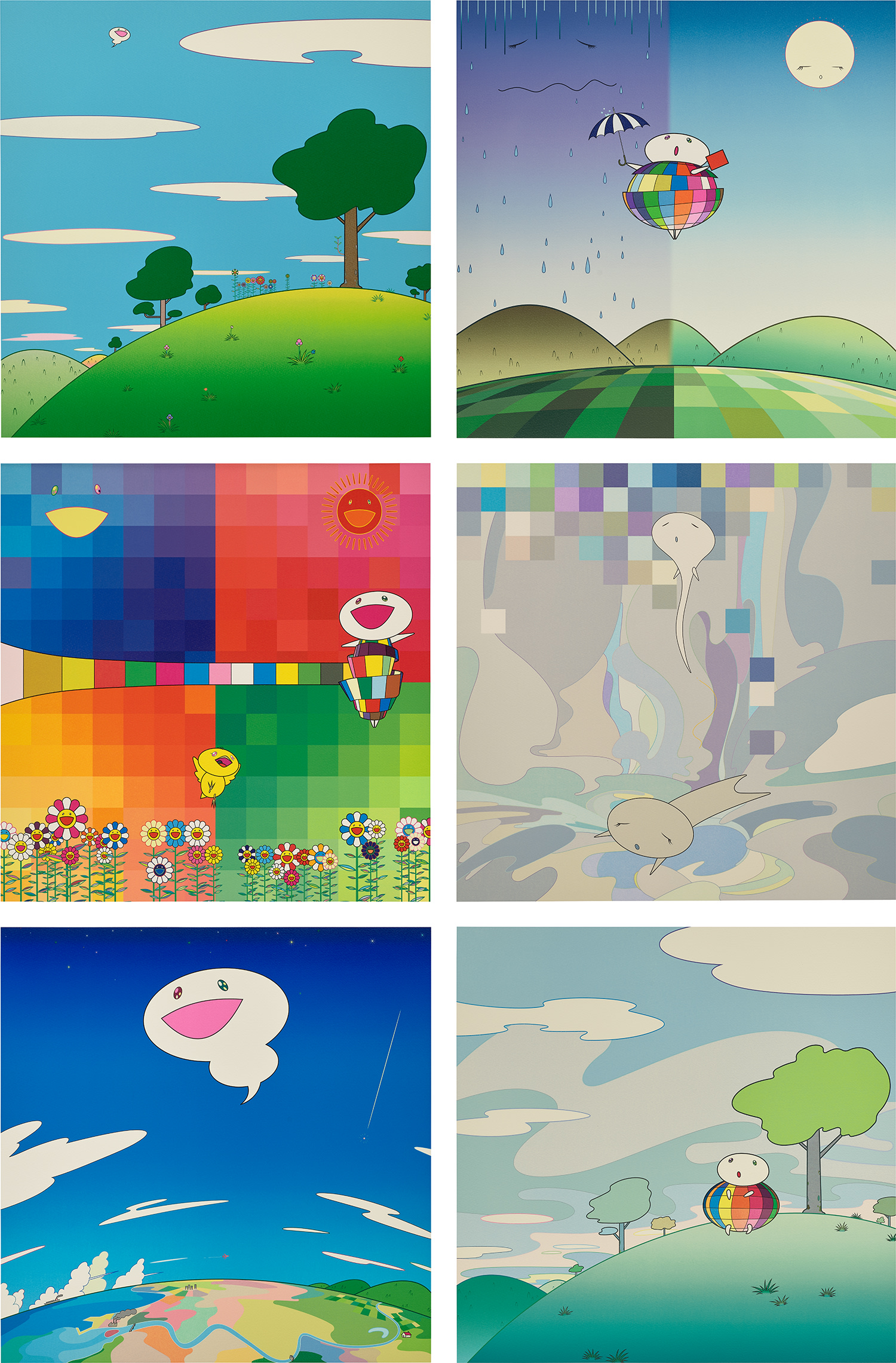
Works by Calder on The Collection reflect that enduring confidence in his ability to transform a space. Takashi Murakami occupies a very different position in this conversation, and arguably a more contested one. His engagement with festivity draws on the visual grammar of anime, street culture, and Japanese folk tradition, all filtered through a production model that is itself a kind of spectacle. His collaborations with Louis Vuitton in the early 2000s brought the holiday gift economy into direct dialogue with fine art in ways that critics found either brilliant or opportunistic, and sometimes both.
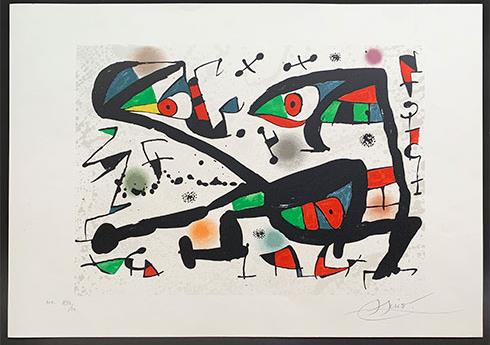
Takashi Murakami
Oval (Peter Norton Christmas Project)
What is beyond dispute is that his work generates extraordinary auction results. His flowers, his smiling suns, his skulls dressed in cheerful colors: they occupy a register of celebration that feels entirely contemporary and utterly distinct from anything Calder was doing. Murakami's presence on The Collection speaks to a collector base that is comfortable holding that tension. Paul McCarthy complicates this picture in the most productive way possible.
His engagement with holiday iconography is famous for its critical aggression. His Santa sculptures and inflatable works take the visual language of Christmas festivity and push it into territory that is grotesque, political, and darkly funny. When his giant inflatable work appeared on the Place Vendôme in Paris in 2014, the controversy it generated was itself a kind of cultural event, a demonstration that holiday symbols still carry enough charge to provoke. McCarthy's work reminds collectors that the holiday theme is not innocent, that it arrives with the full weight of consumer culture, family mythology, and ideological freight.
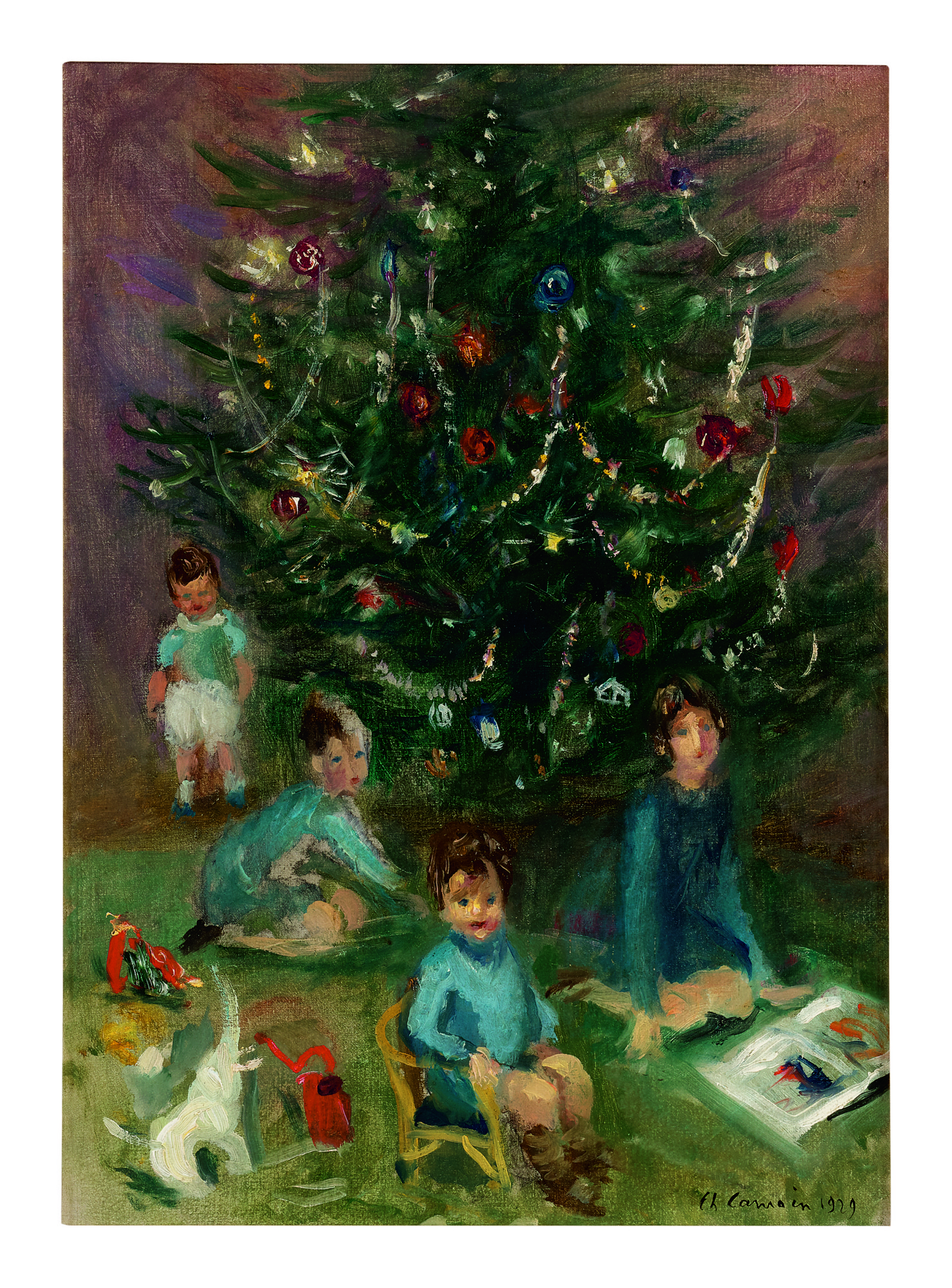
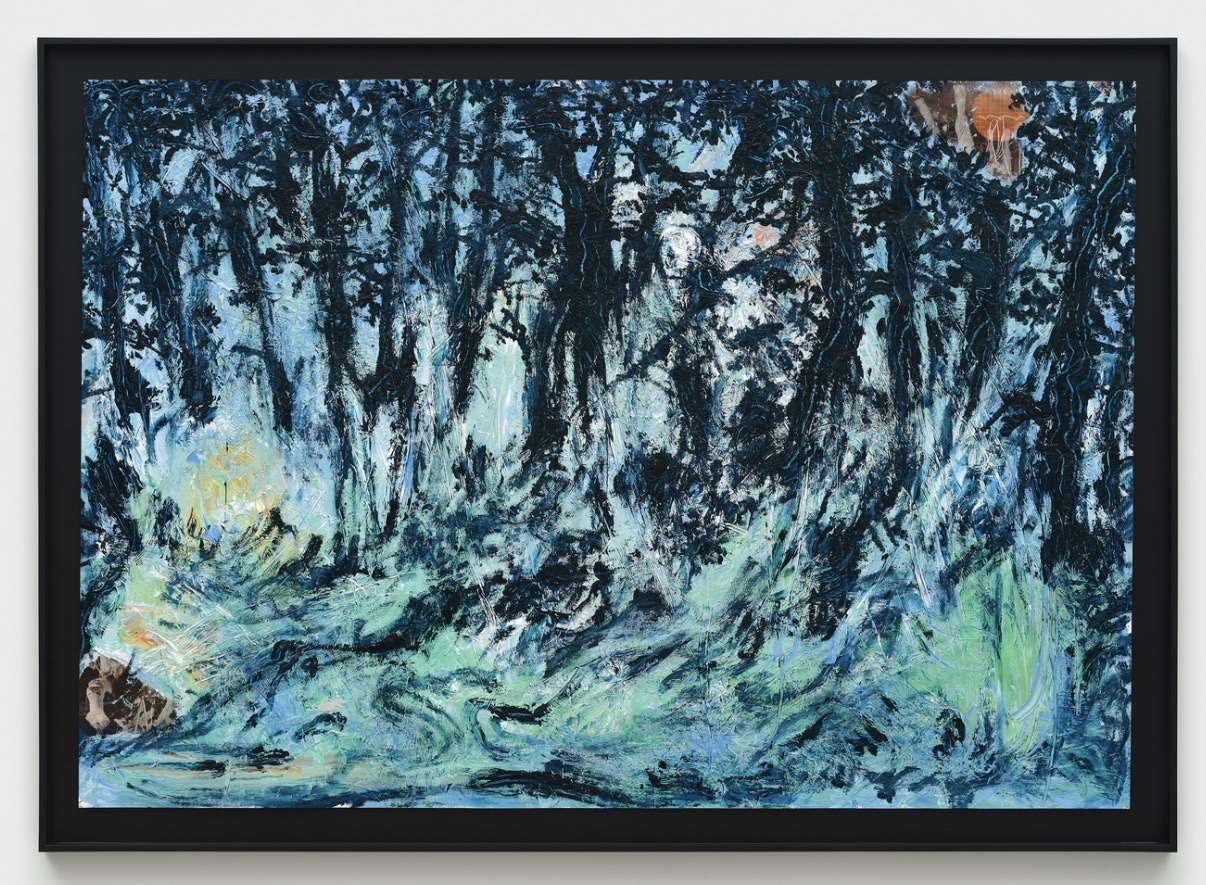
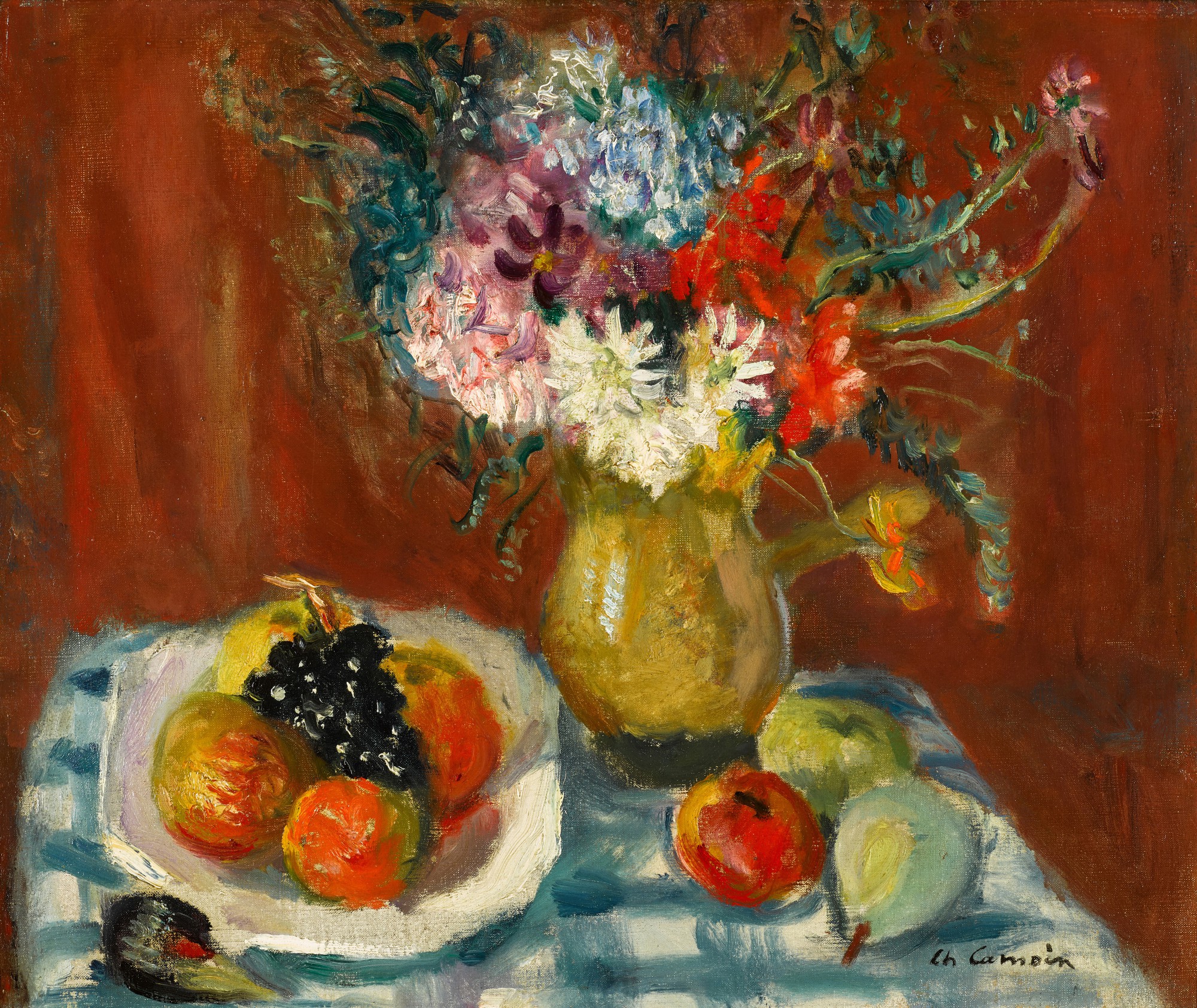
Charles Camoin
Noël Chez Les Vanier, 1929
His work is challenging to live with and perhaps that is precisely the point. Charles Camoin offers yet another dimension entirely. As a close associate of Matisse and a painter of warmth and sensory pleasure, Camoin worked in a tradition where celebration was understood as a legitimate painterly subject. His canvases carry the light of the South of France, a sense of ease and abundance that reads as its own form of festivity.
For collectors interested in the early twentieth century French context, Camoin represents a bridge between Post Impressionist intimacy and the broader Fauvist embrace of color as emotional language. His work on The Collection sits in productive contrast to the more confrontational energies of Murakami or McCarthy. Institutions are increasingly building programming around this thematic terrain. The Museum of Arts and Design in New York has explored the intersections between craft, decoration, and celebration in ways that blur the line between the applied and the fine.
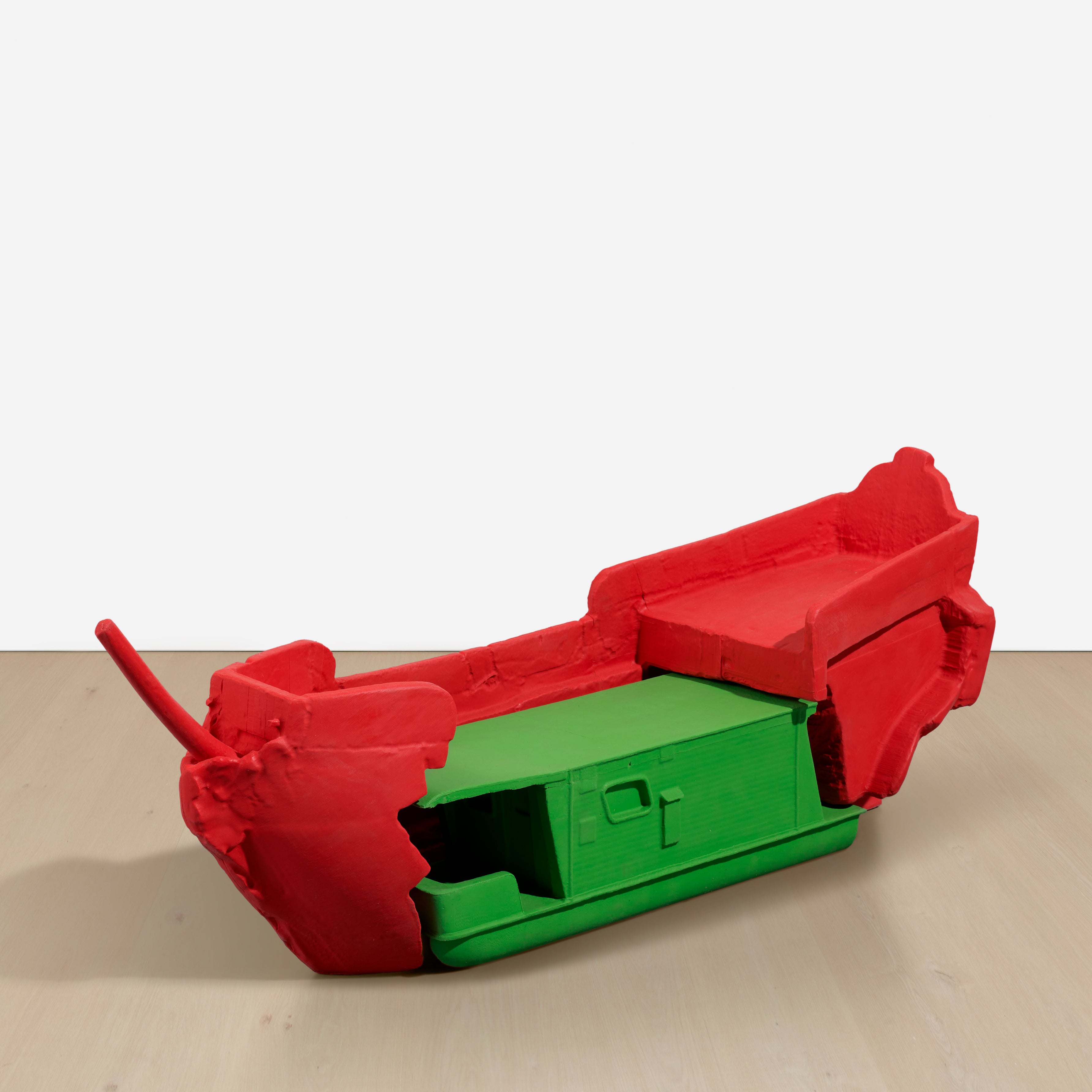
Paul McCarthy
Houseboat and frigate, X-mas, 2003
Tate Modern's curatorial attention to relational aesthetics and collective experience over the past decade has provided a critical framework for understanding why artists return again and again to moments of shared ritual. These institutional moves matter because they shape the language collectors use and the prices they are willing to pay. The critical conversation has been shaped in large part by writers willing to take pleasure seriously as an aesthetic category. Sianne Ngai's work on the cute and the zany provided unexpected theoretical support for thinking about artists like Murakami in a more rigorous way.
Publications including Artforum and Frieze have given increasing space to artists working in registers that earlier criticism might have dismissed as decorative or commercial. The result is a critical environment where holiday themed work can be evaluated on its own terms rather than measured against some imagined hierarchy of seriousness. Where is the energy heading? The answer is somewhere more nuanced than collectors might expect.
There is growing appetite for work that engages with non Western festive traditions, with Diwali, Lunar New Year, and Carnival as visual and conceptual sources rather than Christmas as the default frame. Young artists working in sculpture and installation are finding ways to make celebratory work that is also politically aware, formally inventive, and resistant to easy commodification. The holiday theme, once a soft corner of the market, is beginning to feel like one of its more generative edges. For collectors paying attention, that is less a surprise than an invitation.