History
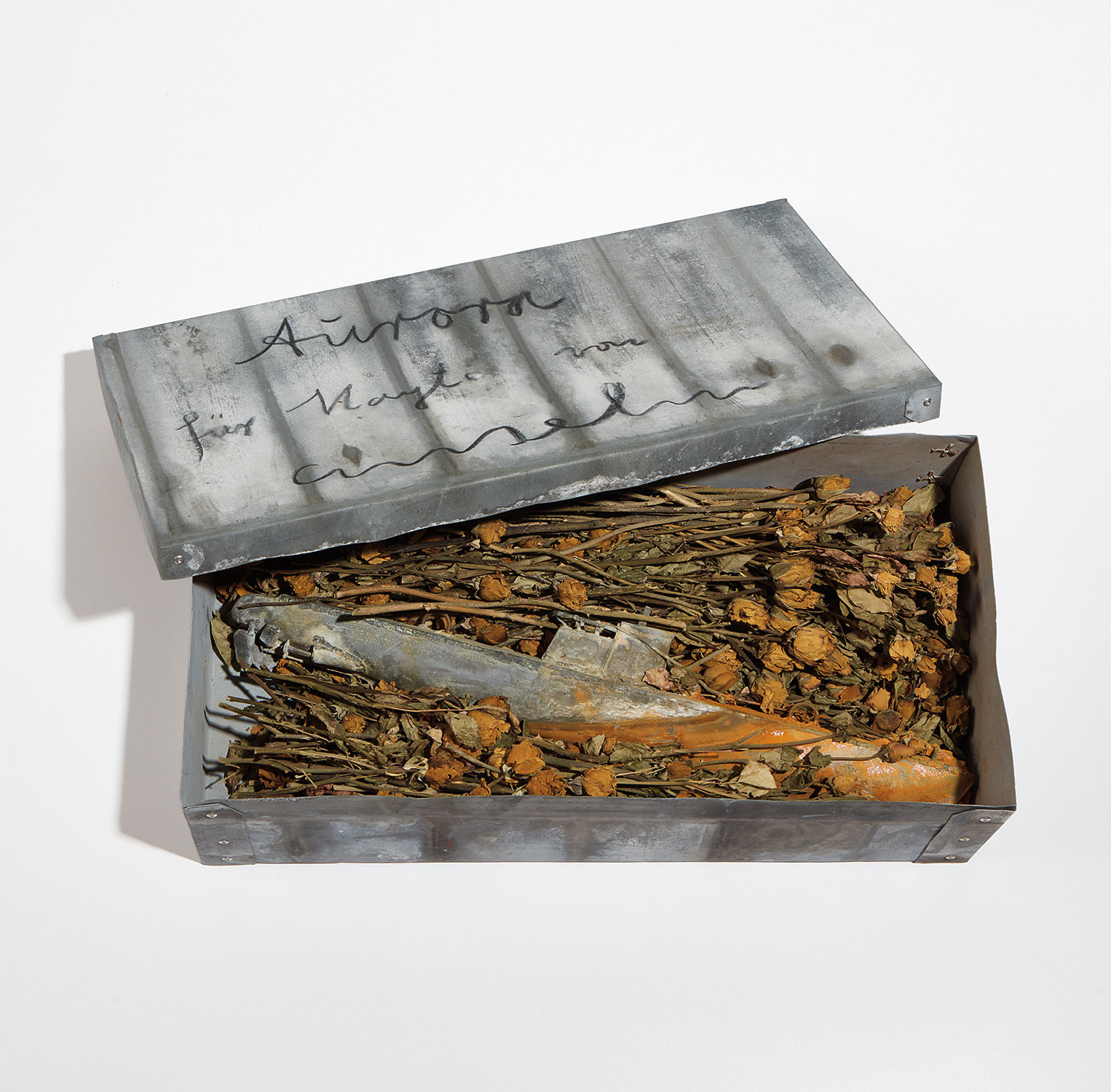
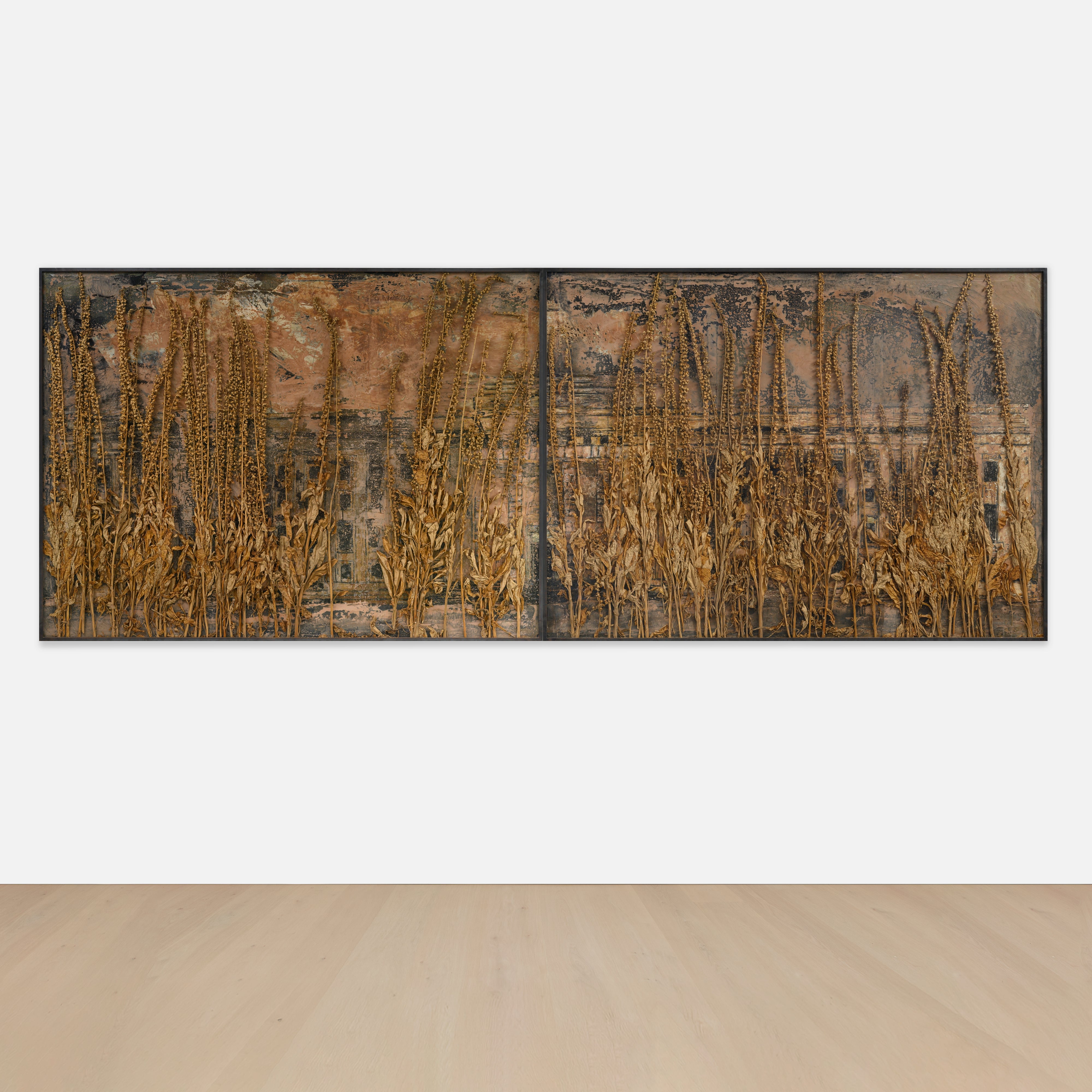
Anselm Kiefer
Aurora, 2016




The Past Is Never Where You Left It
There is something almost irrational about the pull that history exerts on serious collectors. Not nostalgia exactly, and not scholarship either, though both play their part. It is closer to a desire to possess time itself, to hold in a room something that carries the weight of what has already happened and refuses to let it settle quietly. Works that engage with history as subject matter tend to stop visitors in their tracks in a way that purely formal or decorative pieces rarely do.
They generate conversation, provoke discomfort, and reward sustained looking in ways that make them genuinely difficult to live without once you have lived with them. The best works in this category do not illustrate history so much as they metabolize it. There is a crucial distinction between art that depicts historical events and art that has actually absorbed the texture of time, the residue of trauma, the weight of collective memory. Anselm Kiefer, whose works appear on The Collection, spent decades developing a visual language dense enough to hold German history without either aestheticizing or escaping it.
Anselm Kiefer
Aurora, 2016
His use of lead, ash, and straw are not decorative choices but philosophical ones. When you are evaluating a work that positions itself in dialogue with history, ask whether the material logic of the piece is inseparable from its content. If you could swap the medium for another without losing much, that is usually a warning sign. Scale and ambition matter too, but they are easily mistaken for quality.
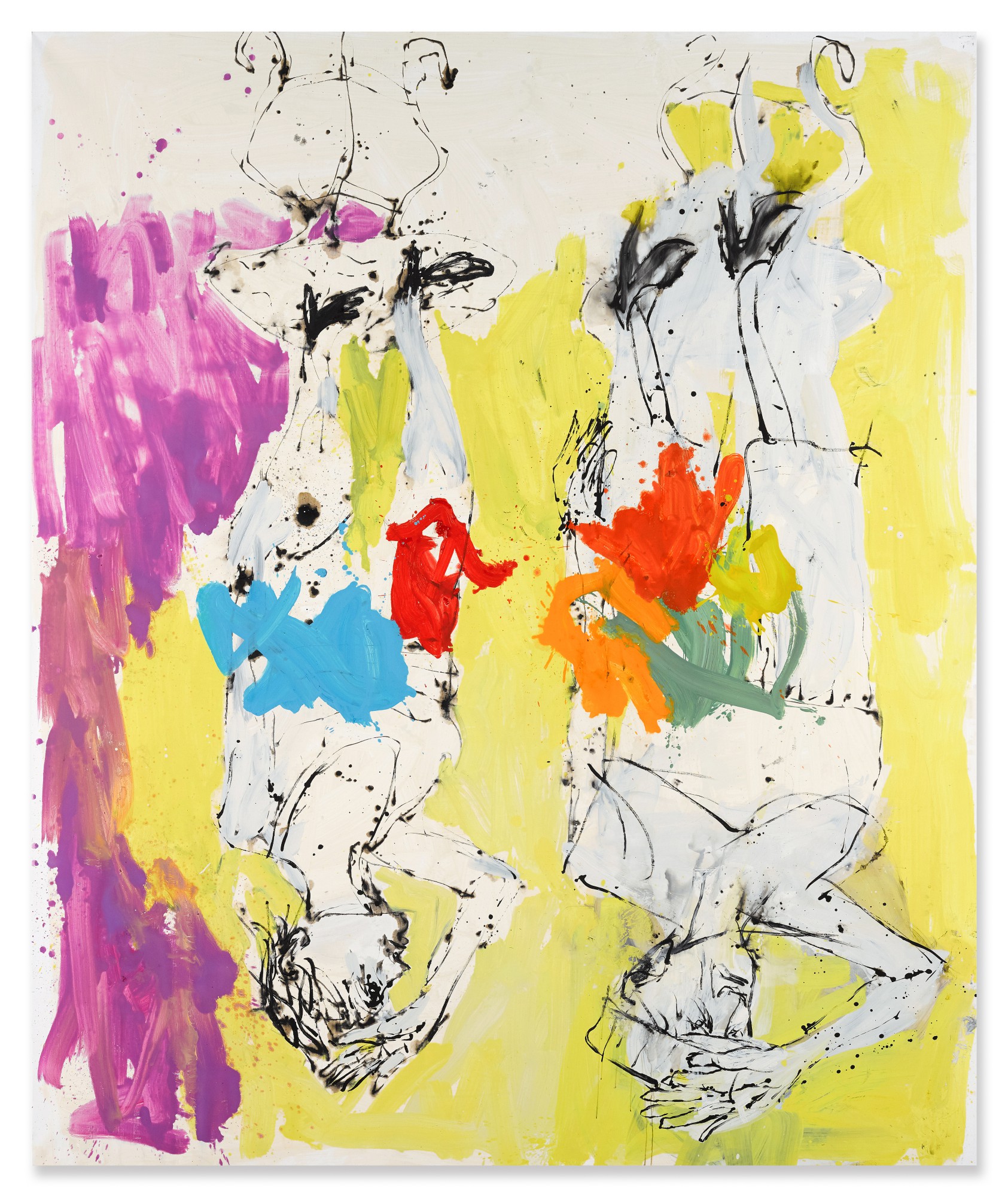
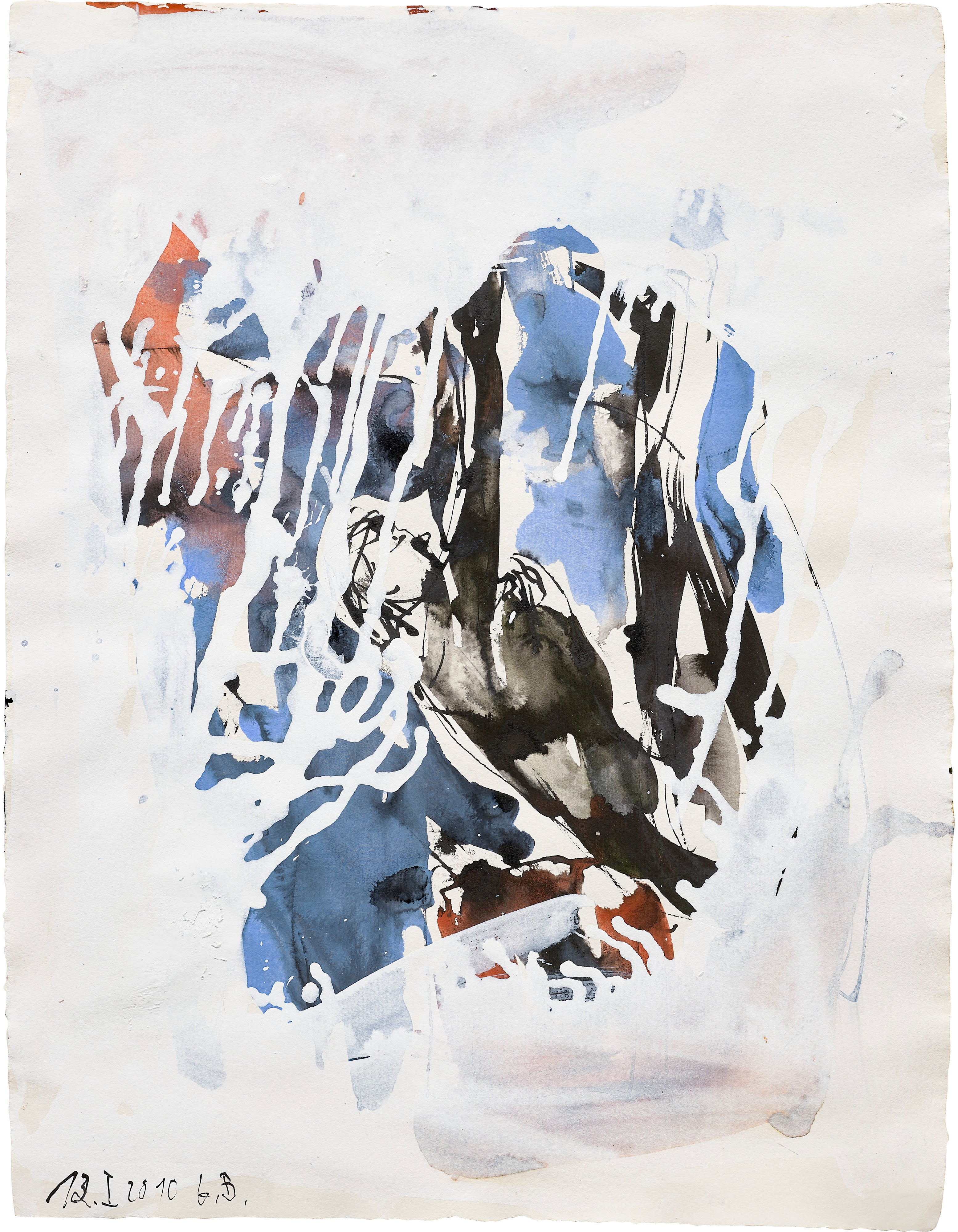
A large canvas covered in loaded imagery can still be empty at its core, while a small and precise work can carry tremendous historical density. Georg Baselitz, who shares with Kiefer a reckoning with postwar German identity, found that inverting his figures was not a gimmick but a way of refusing comfortable legibility, forcing viewers to encounter the painted surface before the subject. That kind of formal intelligence, where the how and the what are genuinely inseparable, is what separates a good historical work from a great one. It is also what sustains value over decades rather than years.
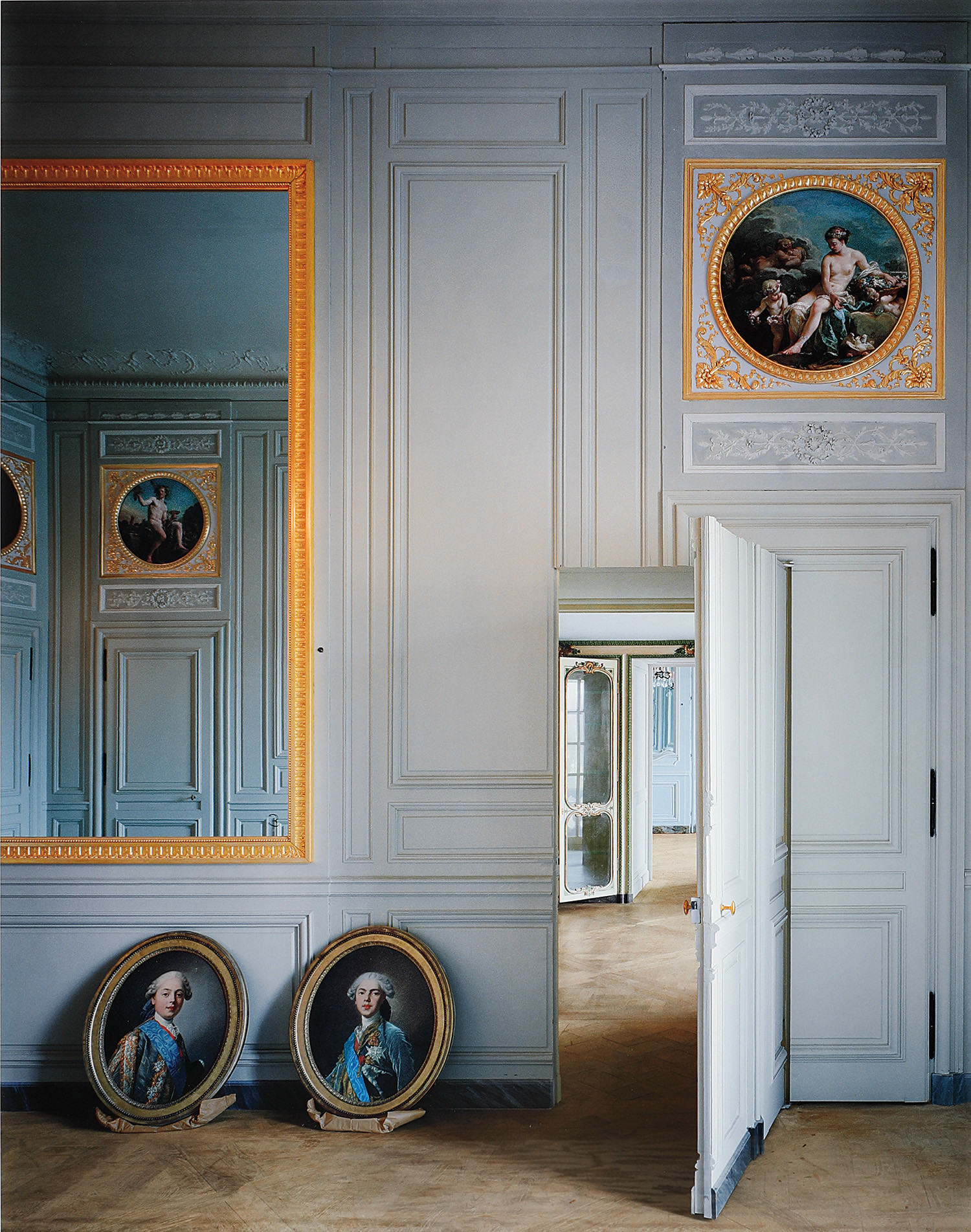
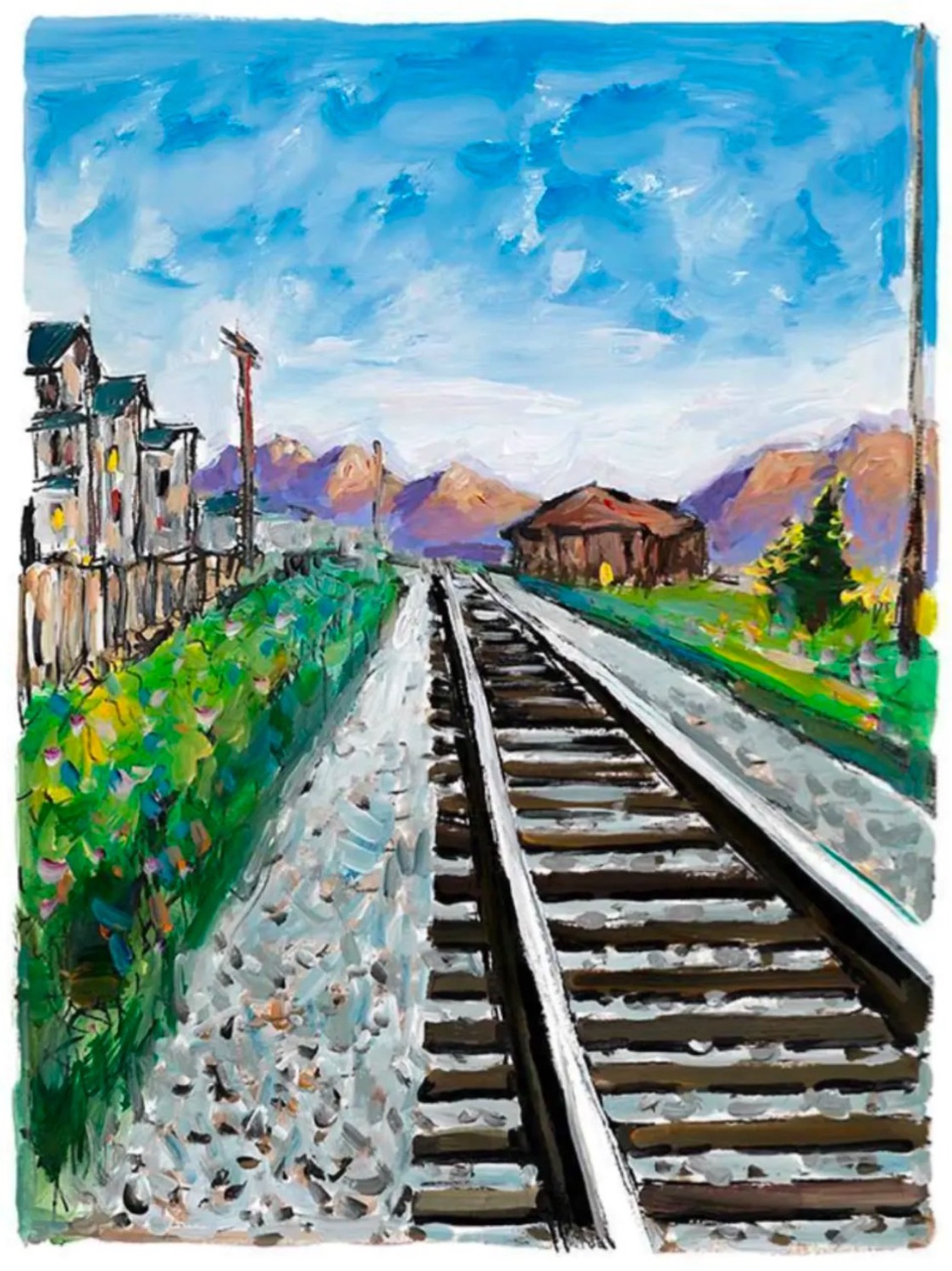
Robert Polidori
Cabinet Intérieur de Madame Adélaïde, Versailles
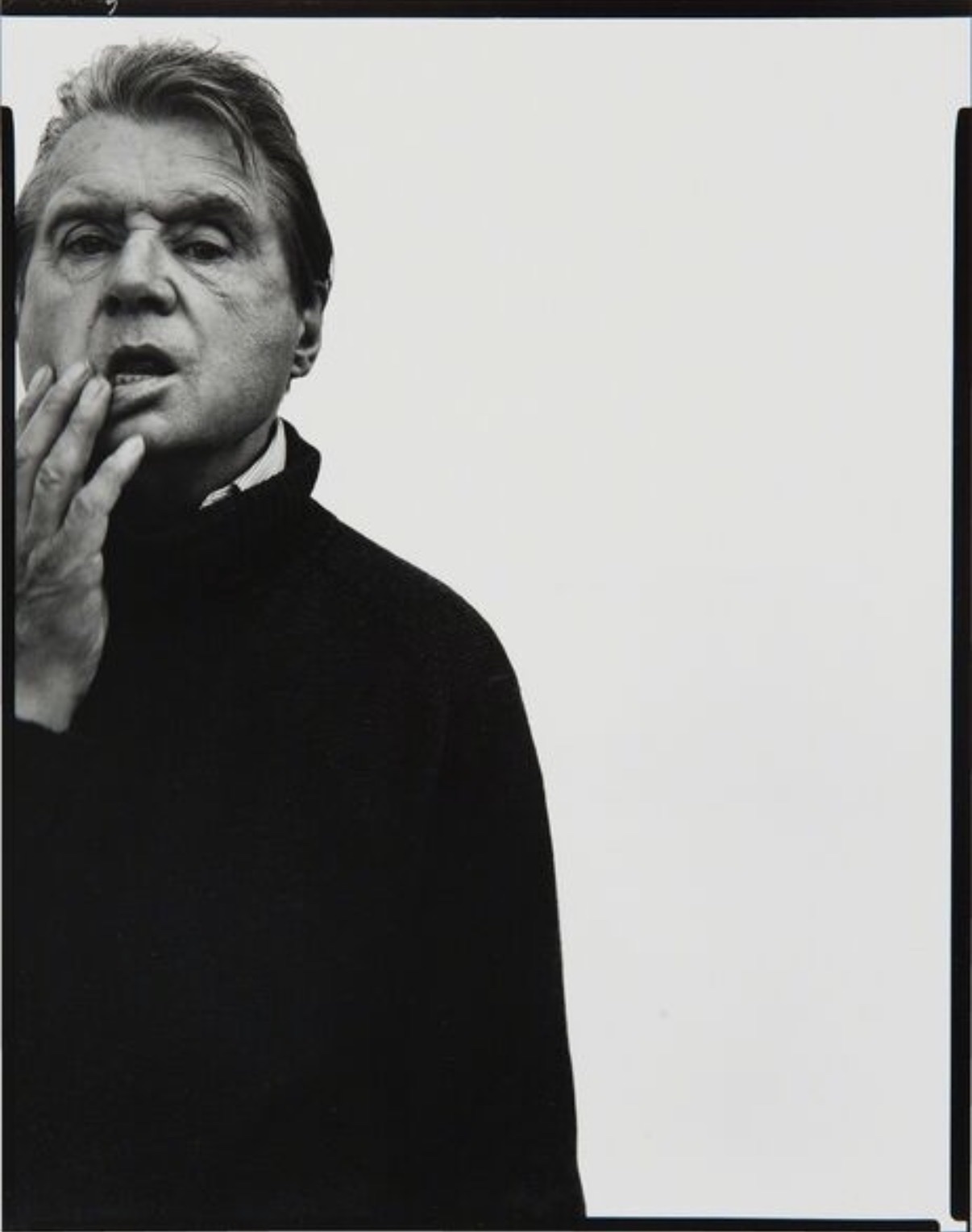
The photographic tradition offers its own compelling entry point for collectors drawn to this territory. Robert Polidori's work documenting the aftermath of Katrina in New Orleans or the frozen interiors of Versailles approaches history as archaeology, finding in damaged and preserved spaces the traces of lives lived and suddenly interrupted. Henri Cartier Bresson, represented here as well, understood the decisive moment not merely as a technical achievement but as a claim about how history actually reveals itself: in the fleeting, the contingent, the gesture caught between intention and accident. Collecting either of these photographers means grappling with questions of edition size and print provenance that are absolutely central to value.
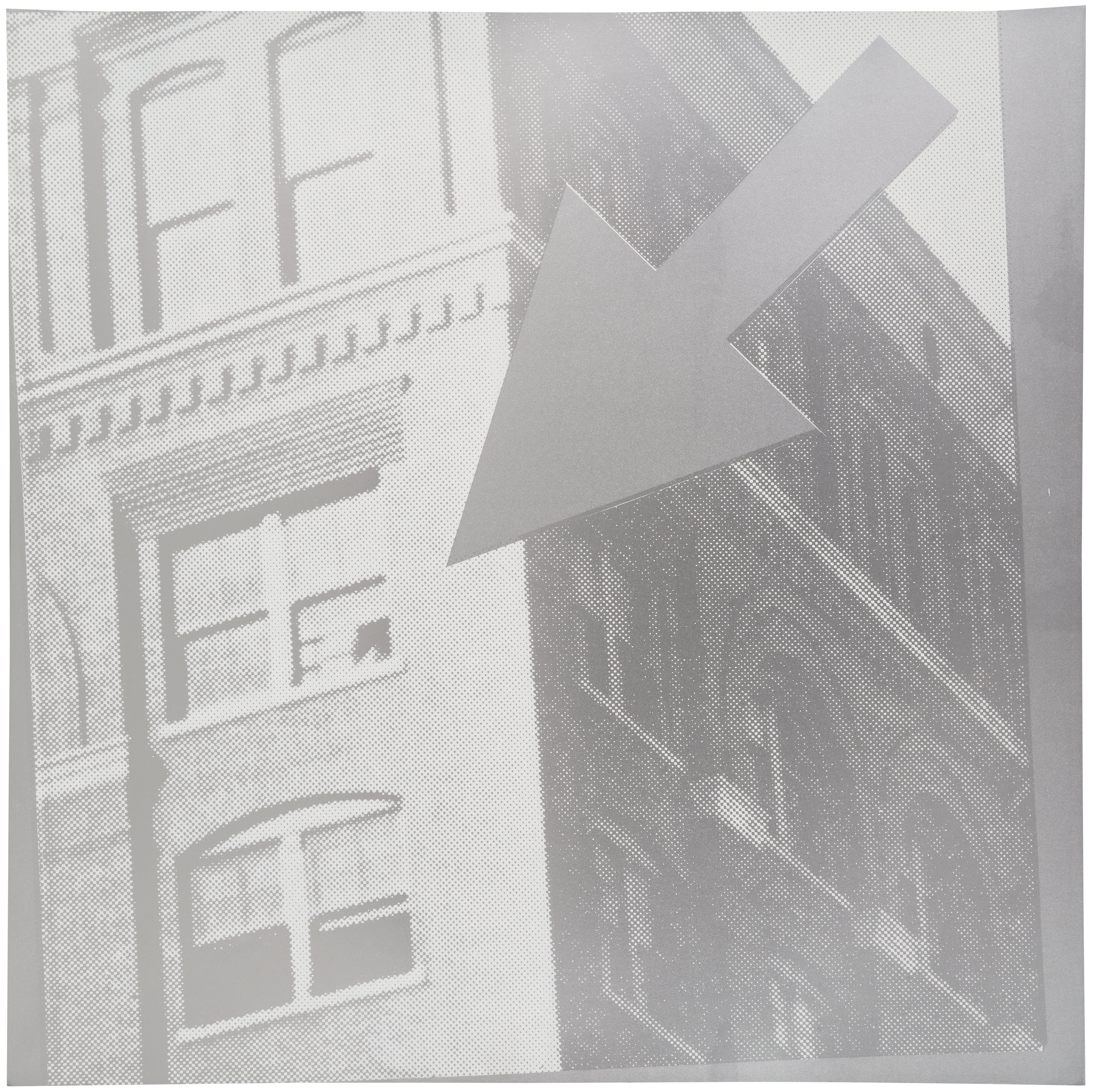
Vintage prints, meaning those made close to the time of the original negative, will almost always outperform later prints at auction, sometimes dramatically. Ask any gallery you work with to be precise about when the print was made and by whom. American artists working in this space have increasingly expanded the definition of what history means and whose history gets to count. Hank Willis Thomas builds his practice around the intersection of race, advertising, and collective American memory, using found imagery and reflective surfaces to make viewers complicit in what they are seeing.

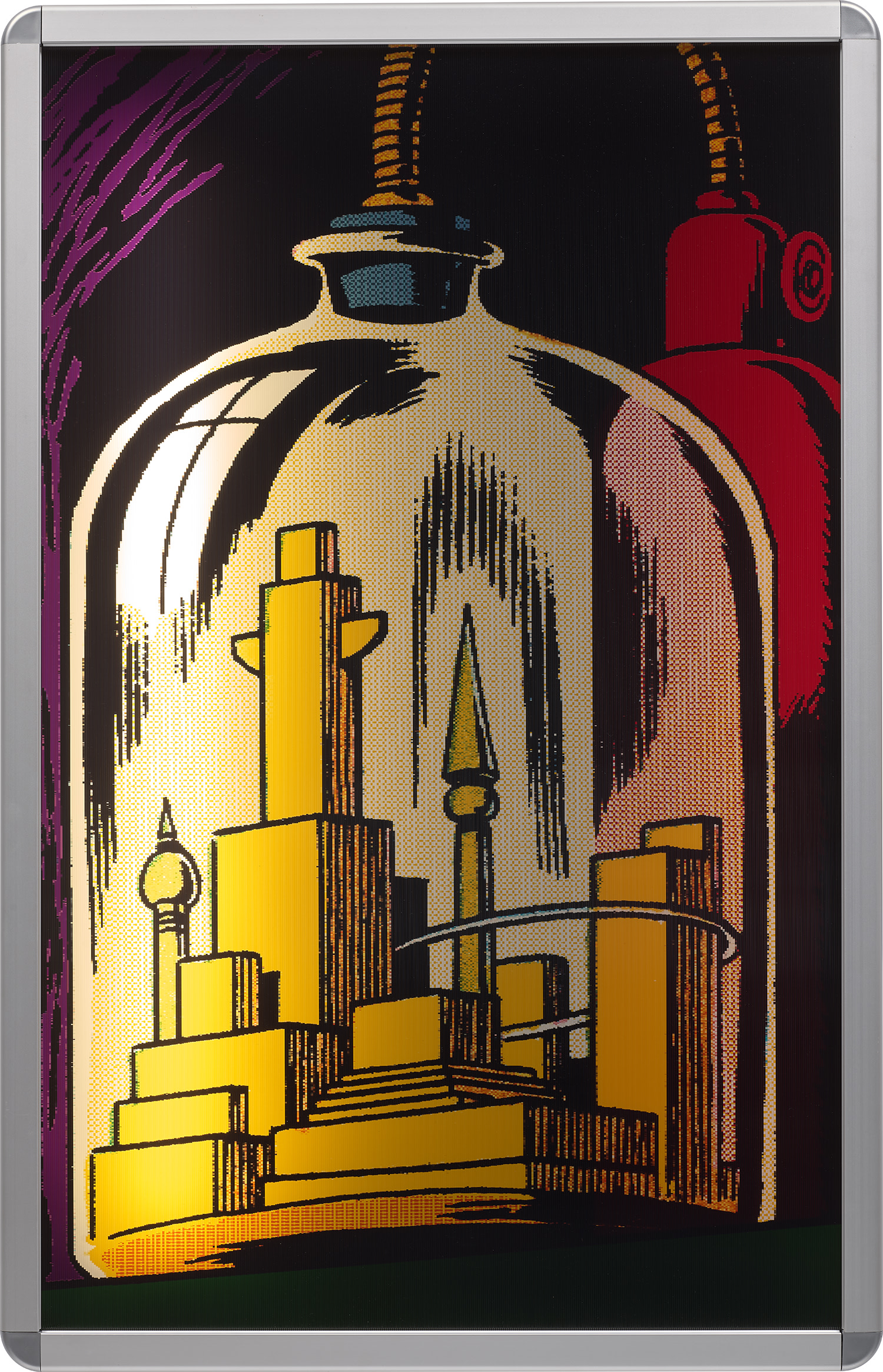
Hank Willis Thomas
History is Present, Past is Present (1/5), 2019
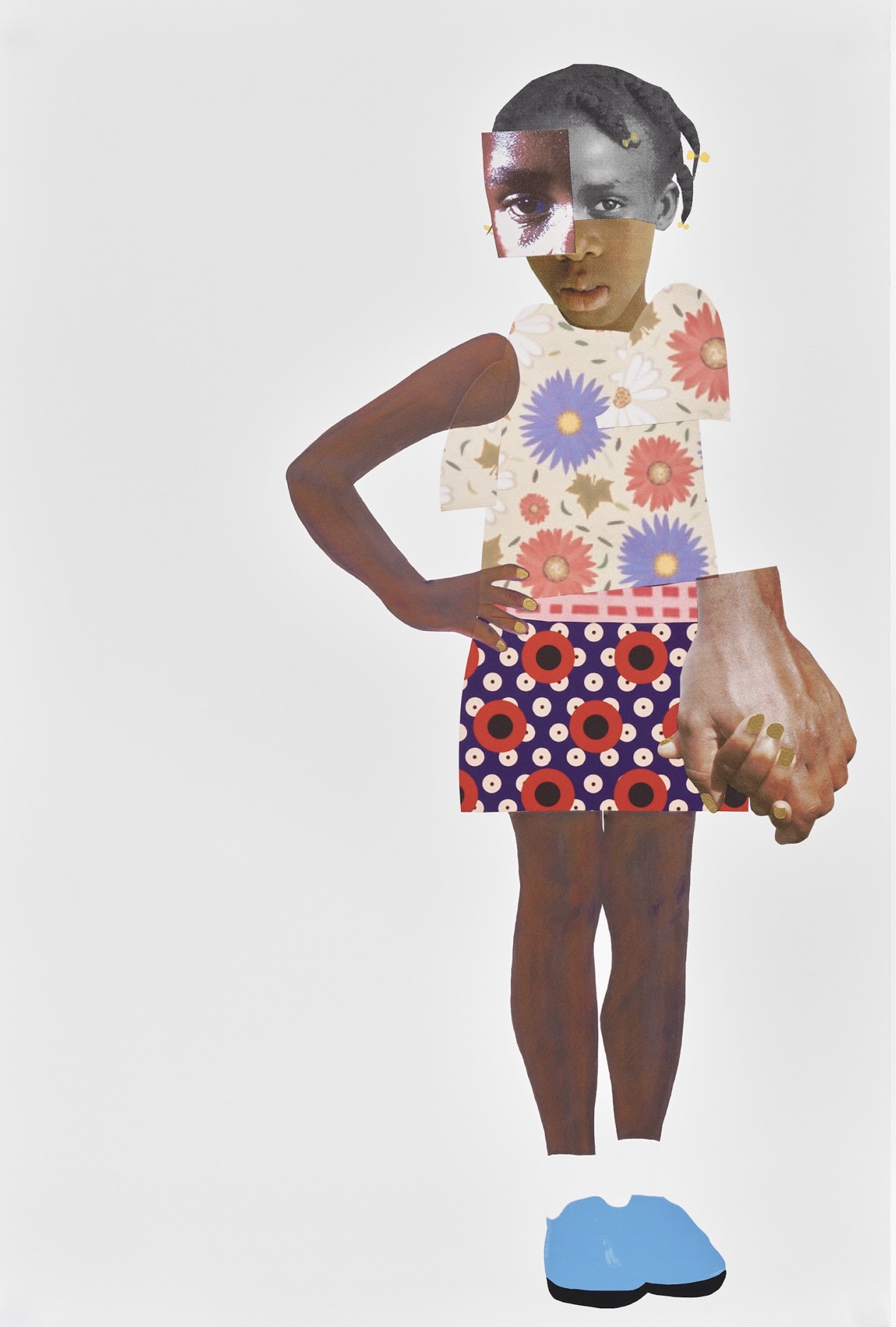
Deborah Roberts works in collage to reconstruct Black childhood and subjecthood against the grain of dominant visual culture, and her market has developed with impressive speed over the last several years. Otis Kwame Kye Quaicoe, also on The Collection, brings a luminous figurative language to questions of Black identity and presence that feels both historically rooted and urgently contemporary. These are artists whose institutional recognition, through major museum acquisitions and biennial appearances, is translating into secondary market momentum in ways that attentive collectors have already noticed. On the emerging side, it is worth paying close attention to artists whose practices engage with specific and underrepresented histories rather than grand universal narratives.
The art market has a long habit of rewarding work about European or American history while undervaluing art that addresses other cultural memories with equal rigor and formal intelligence. That imbalance is correcting itself, slowly but perceptibly, and collectors who move ahead of that correction tend to do well both intellectually and financially. Kevin Beasley, whose sculptural practice absorbs the sonic and material history of American labor and race, is an example of an artist whose depth of research and formal invention has not yet been fully priced into the market relative to his critical standing. At auction, works engaging seriously with history tend to be relatively resilient during market downturns because their conceptual anchoring gives them a stability that purely trend driven work lacks.
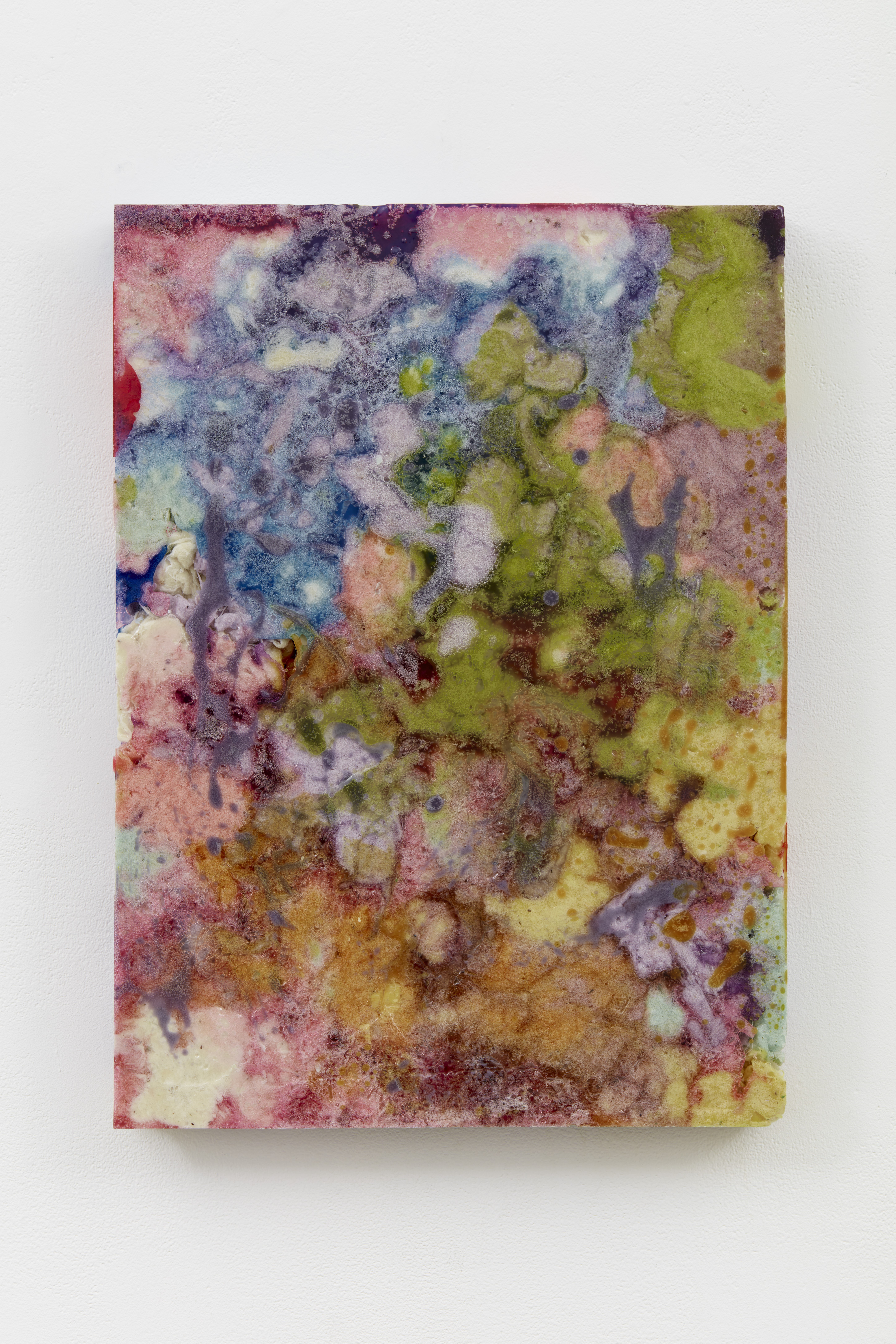
Kevin Beasley
Residue VII, 2023
Kiefer's auction record has climbed steadily over the past two decades, with major works regularly achieving well into the seven figures at the leading houses. The photographic works, particularly Cartier Bresson and Polidori, require careful attention to condition, since silver gelatin prints are sensitive to light and humidity in ways that can significantly affect value over time. Frame choice is not a trivial question with photography. Museum quality UV filtering glazing is not an optional upgrade.
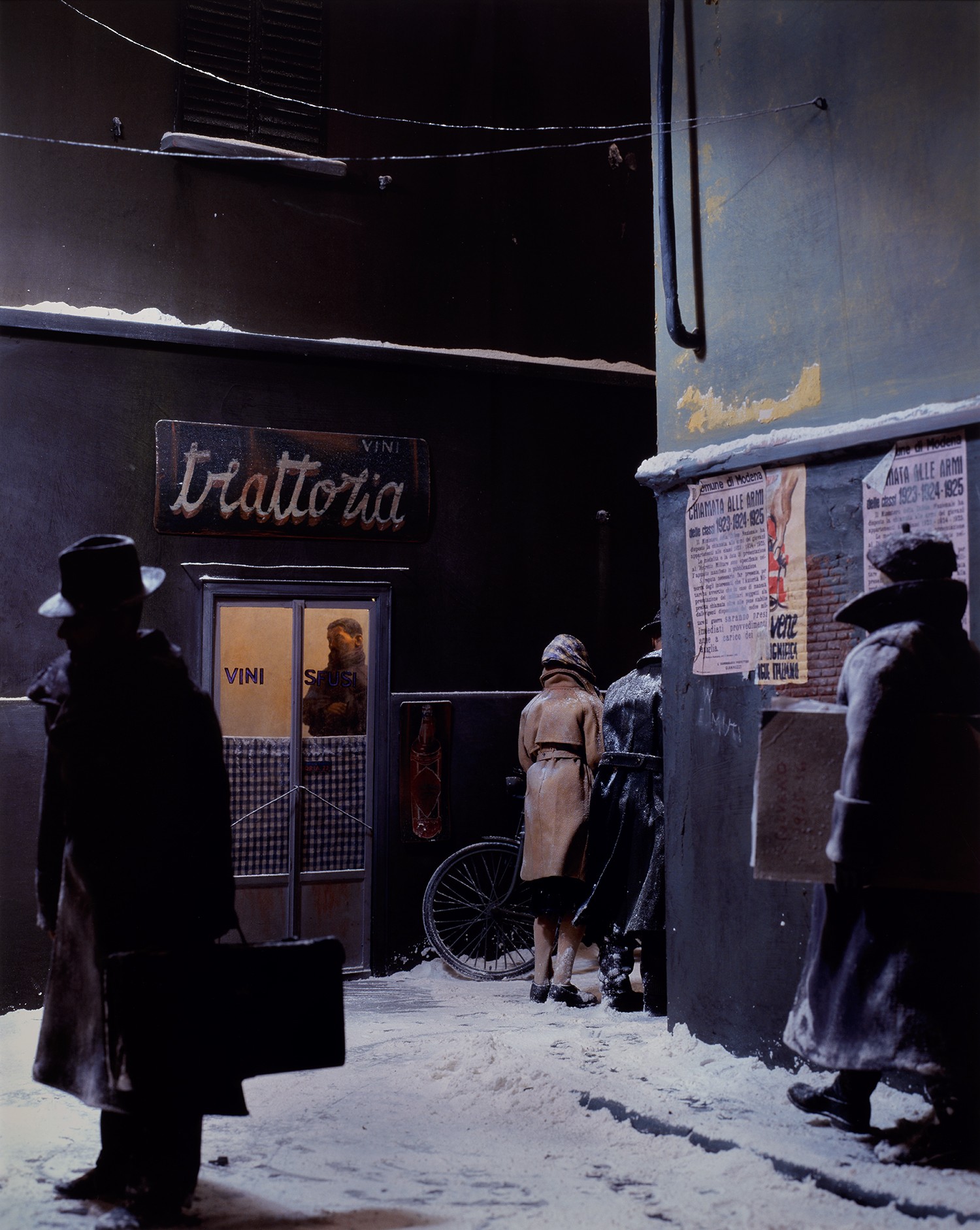
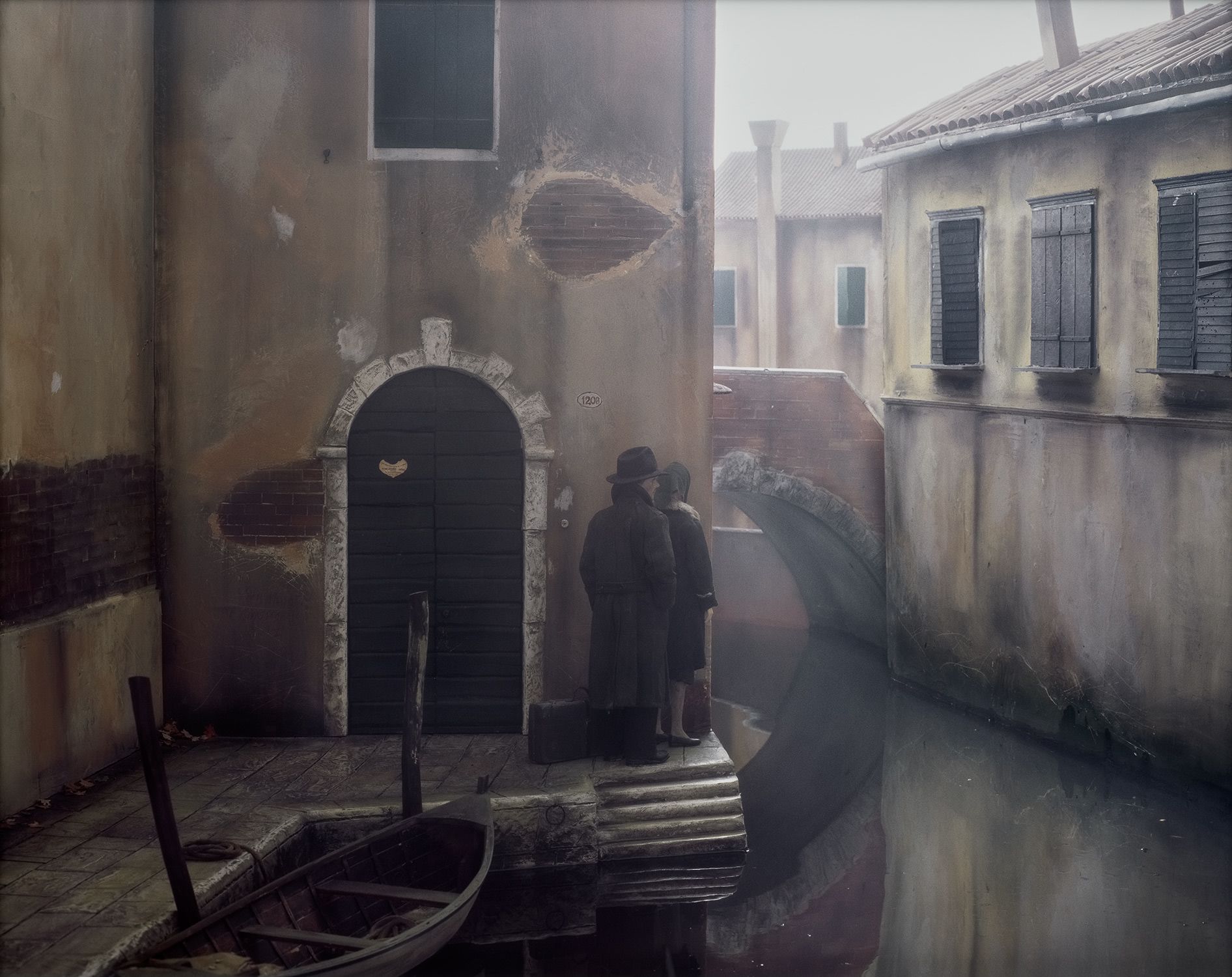
For unique works on canvas or works on paper, condition reports should always include information about any previous restoration, and you should never assume that a work's visual appearance tells you everything about its structural state. Paolo Ventura's staged photographic tableaux, which reconstruct imagined historical moments with the quality of dreams half remembered, occupy an interesting position between photography and painting in terms of how galleries and auction houses categorize and price them. That ambiguity can work in a collector's favor during acquisition and complicate matters during resale, so it is worth asking your gallery contact explicitly how comparable works have performed and in which categories they have been offered. The most useful question you can ask is not what a work is worth today but what makes it the kind of thing that will still matter in twenty years.
With history as subject matter, that question tends to answer itself.